





You have got a cat, probably the one who always runs the house, and now you are thinking about adding a dog. Bold move. Not every dog breed is built for the diplomatic lifestyle that cat cohabitation requires. Some dogs look at a cat and see a very fluffy, very fat chew toy. But others? They could not care less.
Remember Spike? The English Bulldog from “Tom & Jerry,” who always protects Jerry and punishes Tom. Having a thought of the same stories at your home might scare you. But that is not the case here. A dog and a cat can live peacefully under the same roof.
According to data from Forbes, about 44.5% of U.S. households own dogs and 29% own cats, meaning millions of people are already navigating this exact situation. The good news is, it is doable. You just need the right breed.
Dog Breeds Perfect for Co‑Living With Cats
1. Basset Hound

If your cat is the moody introvert type, the Basset Hound is its spirit animal in dog form. These dogs are slow, low, and absolutely unbothered. They would rather nap on the couch than chase anything that moves.
The Basset Hound turns off its hunting mode in a safe environment, almost becomes a couch potato, and their low energy vibe instantly matches the cat’s energy, and they both hang out on the couch.
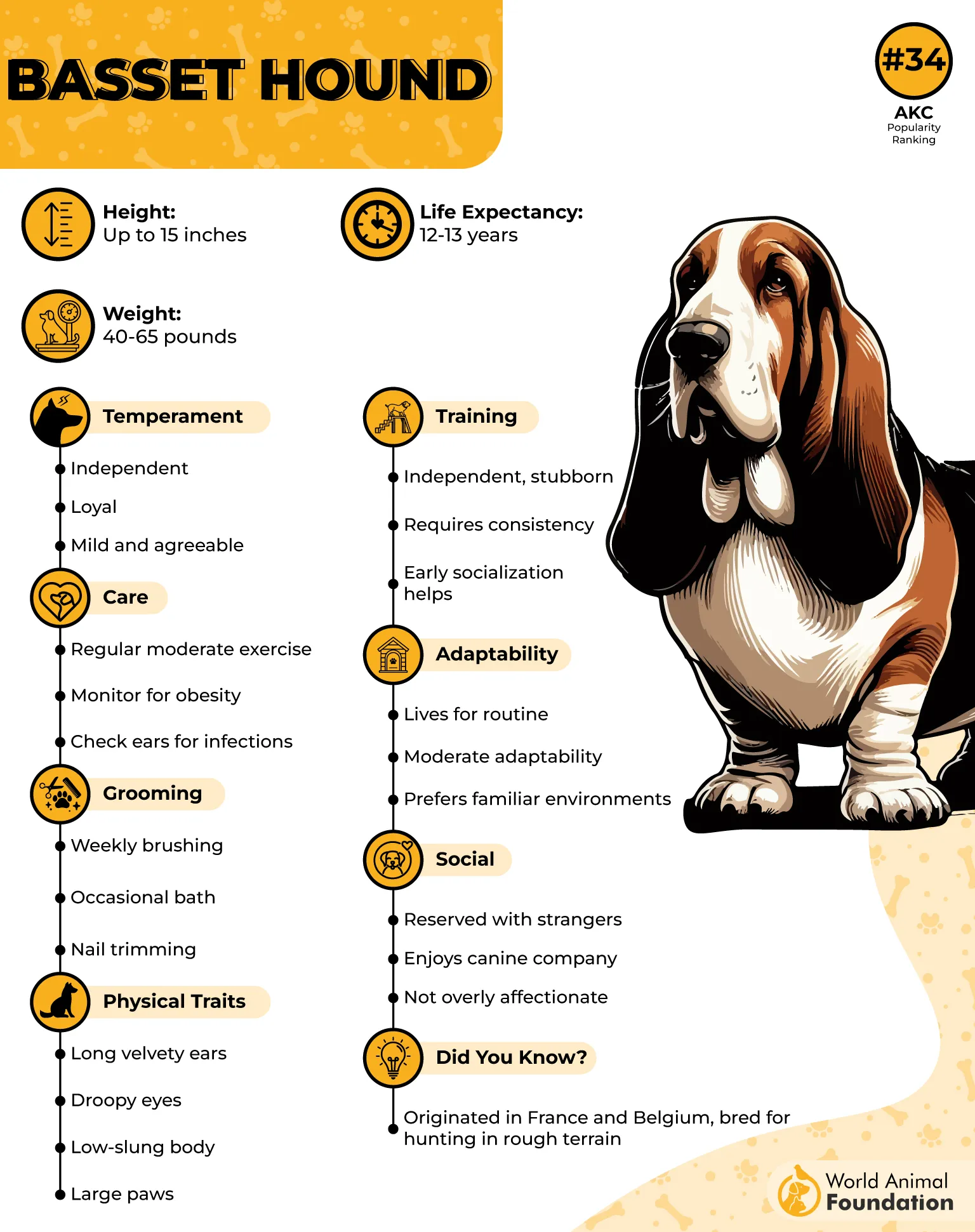
These scent hounds have a hunting history, and they work well with sounds. It is important to properly introduce the cat to this breed. If your cat is loud and loves to run around, there are chances that the Basset can show aggressive behavior, chase them, and even harm them.
Consistent training is non-negotiable to make this large breed habitual of a furry friend.
2. Beagle

Beagles are curious, friendly, and socially wired, which means they want to be friends with whoever lives in the house, cats included. Since the Beagles were originally bred for pack hunting, they tend to see a cat as a fellow member of the ‘pack.’
Their easygoing nature and friendly behavior may contribute to their strong friendship with cats, so much so that they may even cuddle them.
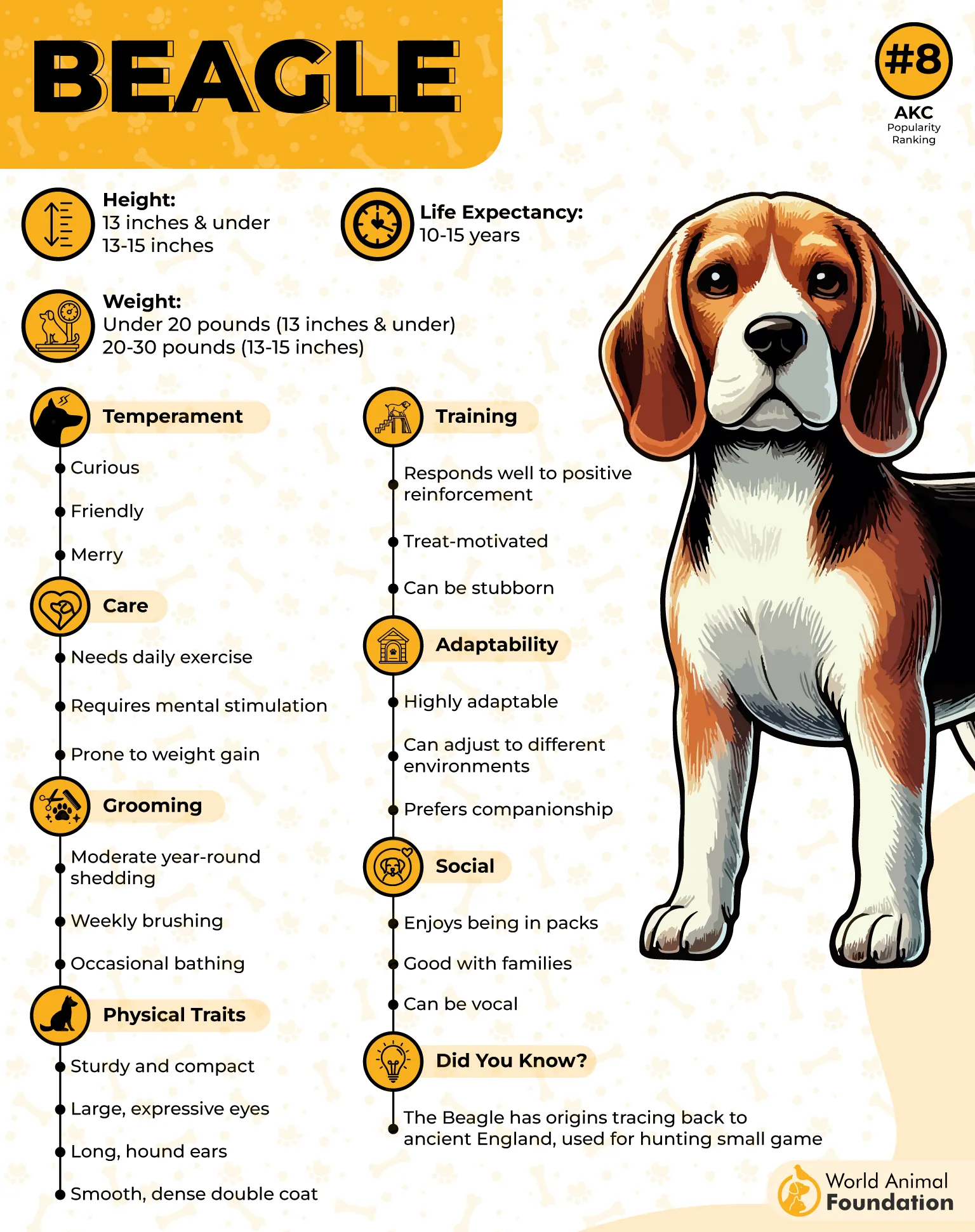
These gentle dogs have a strong prey drive for small animals such as rodents and hares. So, they might chase cats as well. It depends on the level of prey drive how well this dog will get along with cats.
One of the three best strategies can be adopted: get a feline companion who has lived with a dog, get a Beagle who has lived with a cat, or simply get a puppy and a kitten to nourish them from the start.
3. Bichon Frise
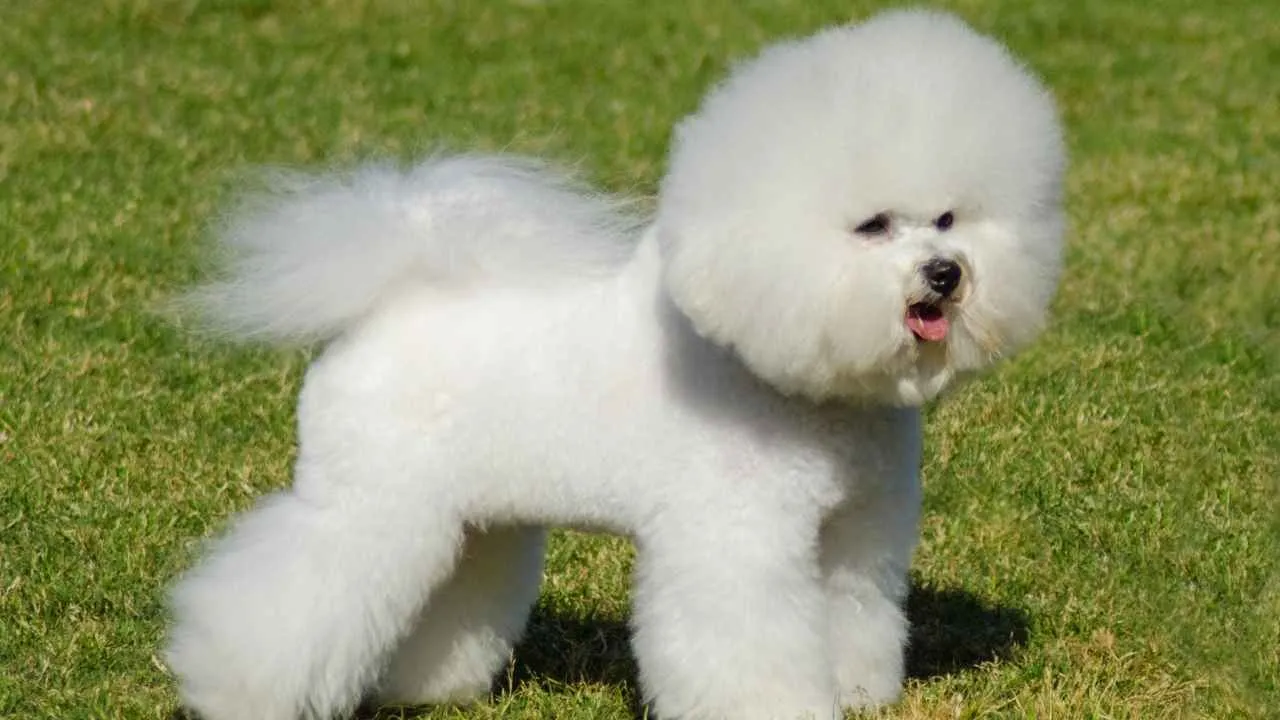
This small, hypoallergenic dog has zero interest in chasing your cat around in the house. Historically bred to be a water spaniel, this individual dog made its way to the royal laps, such as Henry III. After nearly facing extinction in the 19th century during the French Revolution, it became a street entertainer.
Since they had never been aggressive, they are friendly and gentle with family pets and children.
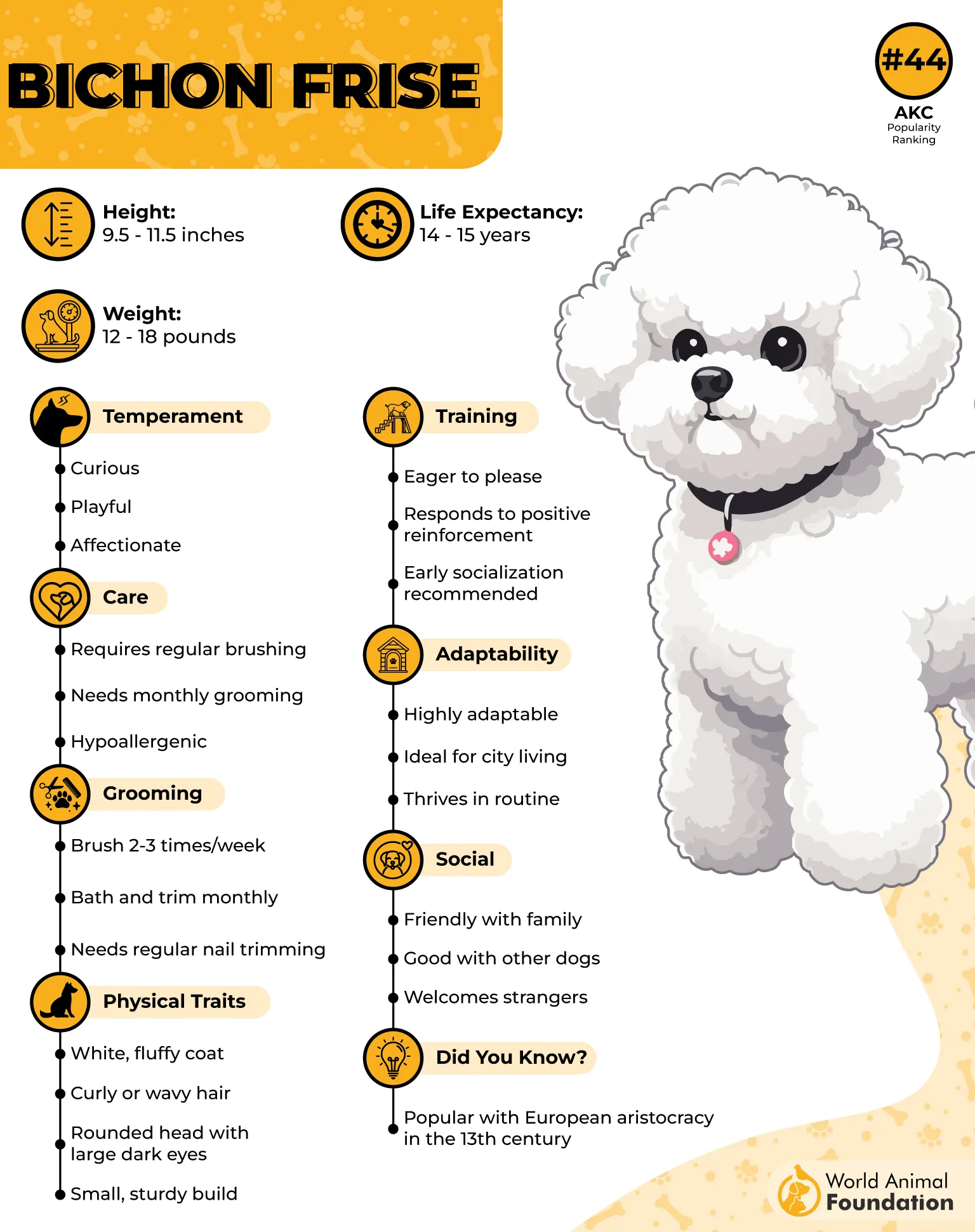
Since they have extremely low prey drive, they do not tend to chase or hunt cats. One big advantage is their small size (12-18 pounds), which is almost equal to the cat’s size, so they live harmoniously with them and may even cuddle them when introduced properly.
They see cats as their playmates, and some have even adopted cat-like behaviors, such as cleaning themselves by licking their paws and fur.
4. Cavalier King Charles Spaniel

This breed group is practically engineered for emotional harmony. They are known for reading the room incredibly well. If the cat wants space, the Cavalier will back off. Warming the royal laps since the 16th century, this dog is highly social and loves to make friends.
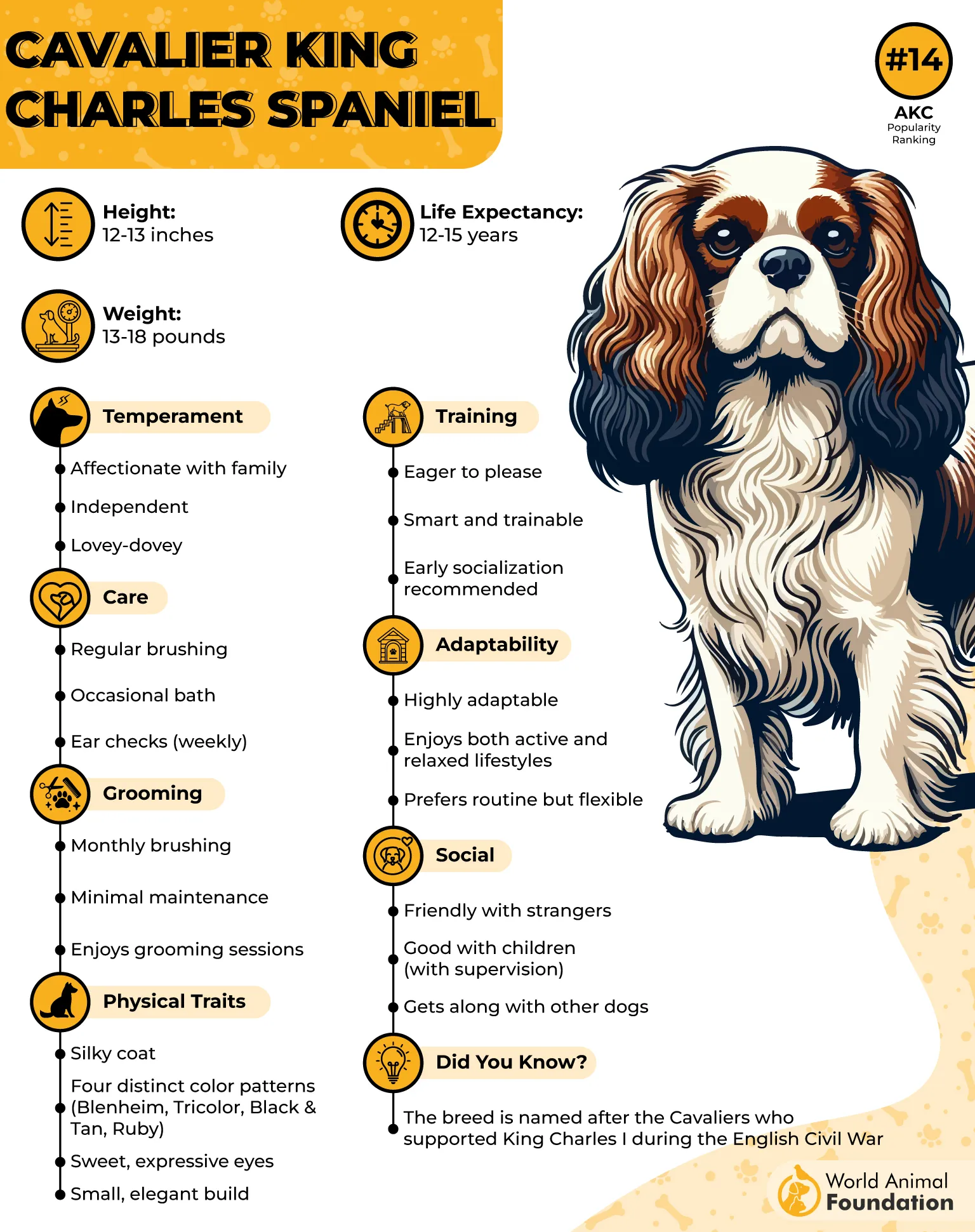
Their eager-to-please nature and tendency to make deep bonds are the main reasons they get along well with cats and other family pets. Their non-aggressive nature makes them cuddle, share spaces, and play with the cats.
Properly introducing dogs to the feline friends is important because they can get intimidated by bossy cats. Scent familiarization is a good strategy to introduce them to each other. Let them smell each other’s bedding before a formal introduction.
5. Maltese

One of the ancient dog breeds that dates back more than 2,000 years, this tiny dog has a gentle temperament and calm behavior. It quickly learns to respect a cat’s boundary and does not contact the cat unnecessarily.
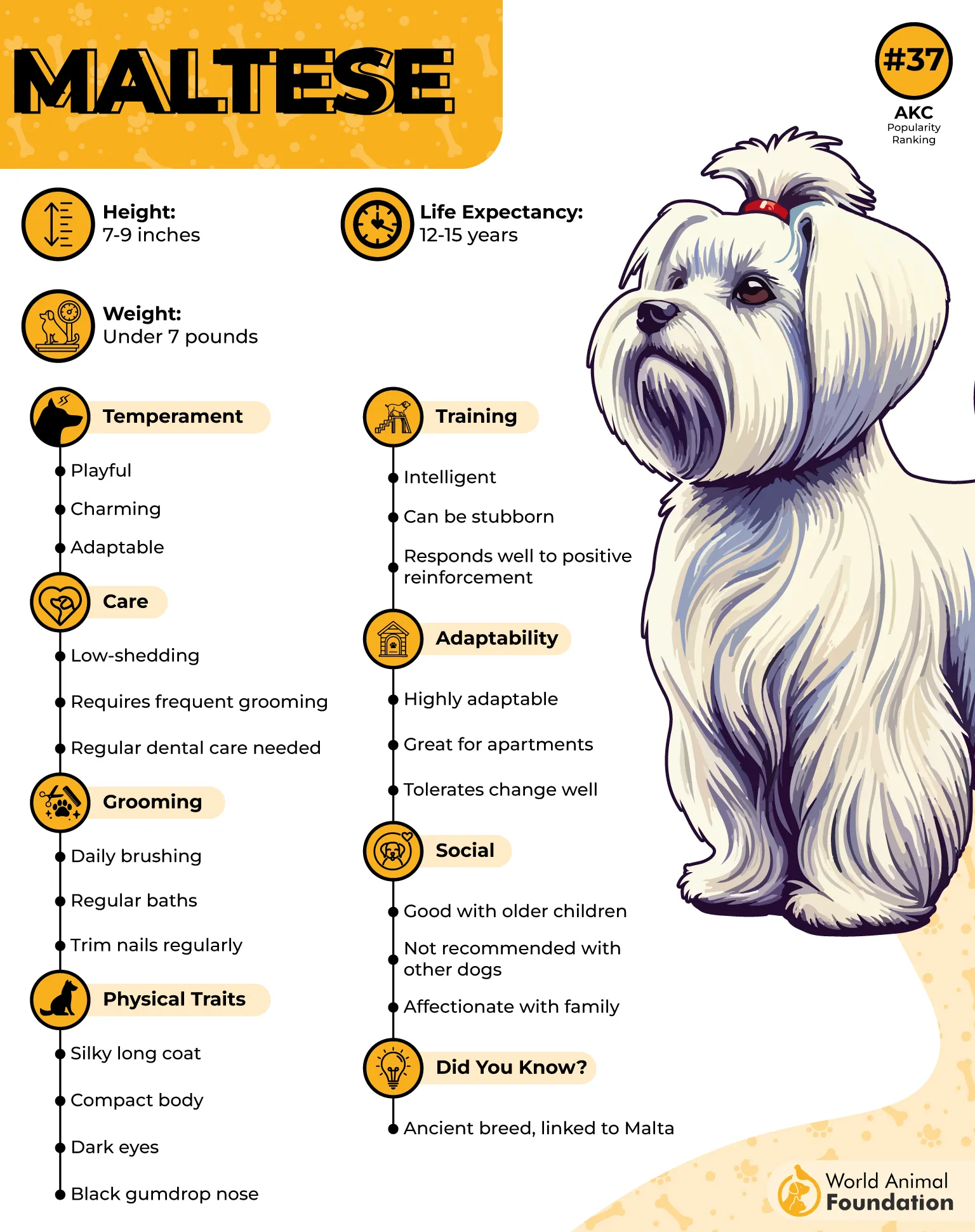
While an average cat weighs 8-12 pounds, a Maltese is usually 4-7 pounds, so there are chances they get intimidated by bigger cats. However, if a Maltese and its feline housemate are sleeping together, eating comfortably around each other, greeting, and playing in the same household, these are the signs they have formed a strong companionship.
Slow introductions from a young age are highly recommended. The Maltese is less likely to chase cats, mainly because of low prey drive and easygoing temperament. They usually remain unbothered by a cat’s activity.
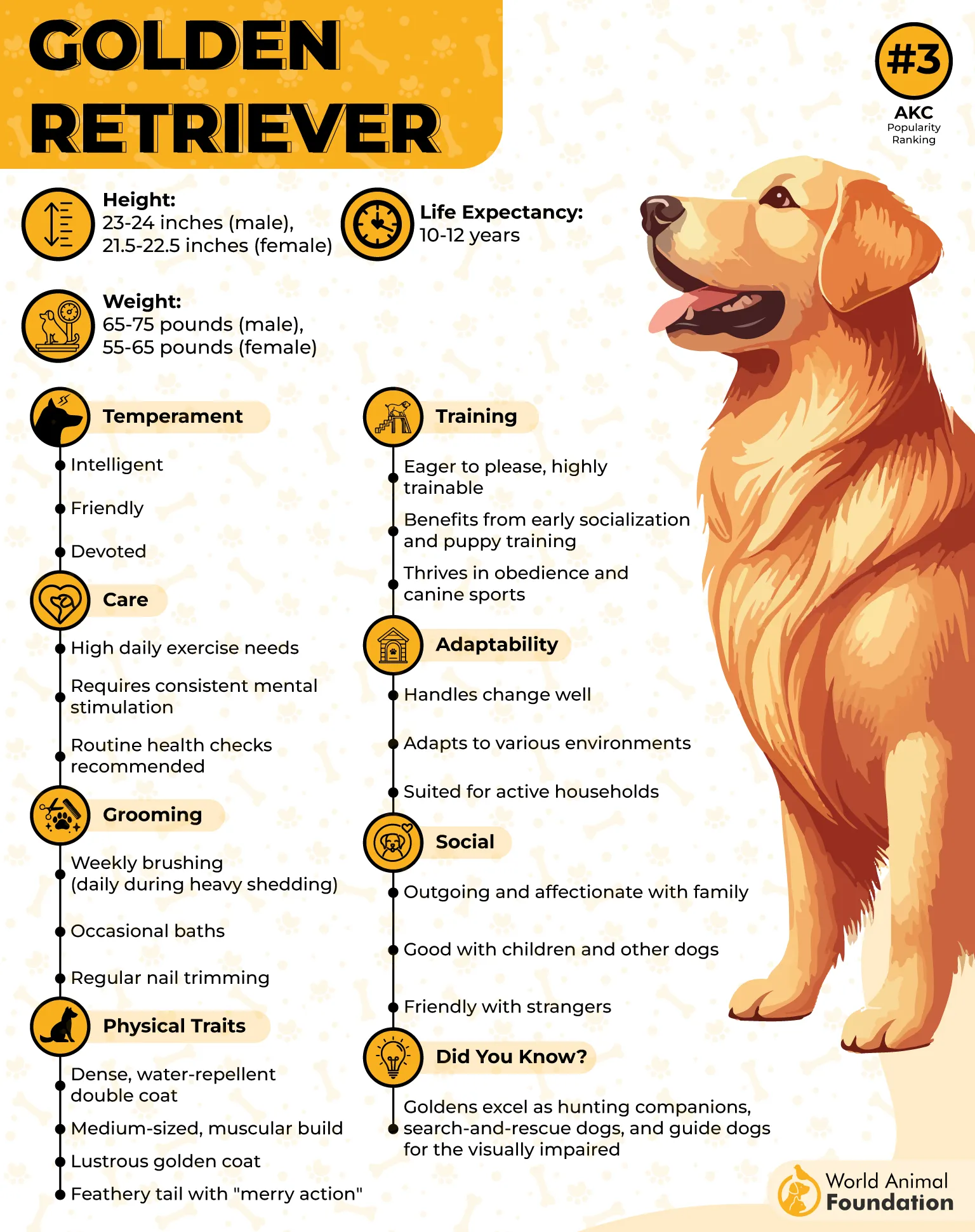
6. Golden Retriever

The non-threatening disposition and no-try-to-dominate-anyone nature of this one of the friendliest canine creatures is one of the reasons they get along well with cats.
Golden Retrievers are empathetic and have high emotional intelligence, and get along with cats if a cat is feeling safe around. They are patient, have low prey drive, and love to explore their surroundings without causing harm to anyone.
A thoughtful introduction would be a good approach to making friends. First, make spaces for each animal where they feel safe, familiarize them with each other’s scent, keep the dog leashed during the first meeting, and observe the body language of each pet. If there is any sign of aggression, back off and try again later, as per My Golden Retriever Puppy.
7. Pug

This loving companion is too busy breathing loudly and sitting in weird positions to bother your cat. Not athletic enough to chase anything, and not focused enough to stay concentrated for more than 10 minutes. They have an easygoing and friendly nature, making them a great addition to a multi-pet household.
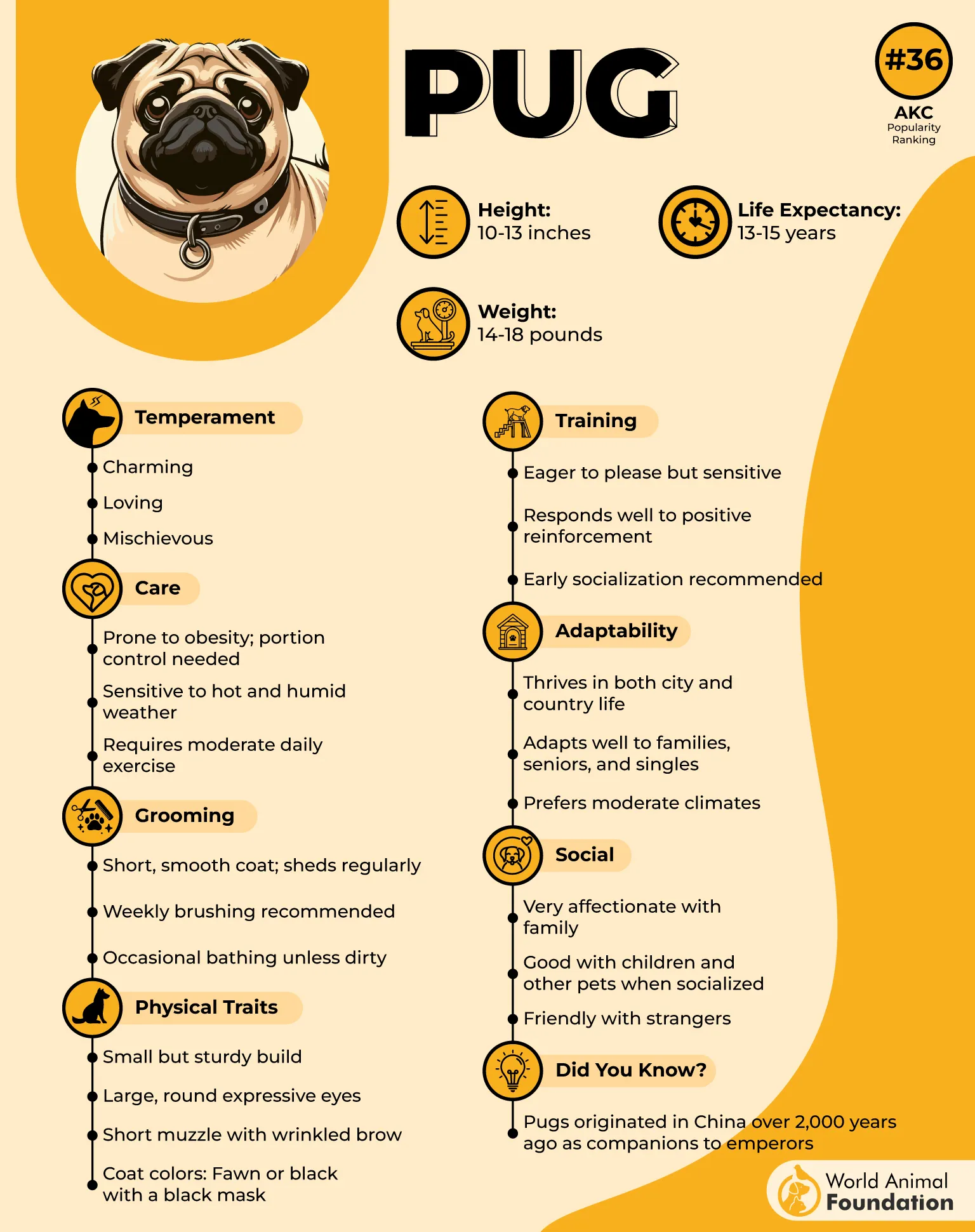
Cats usually demand more space and are independent in nature, so they need time to adjust to Pugs. However, their curious nature and the Pug’s quality to adapt with cat’s routine can speed up the acceptance.
This popular breed is less territorial and has a cat-like temperament, low energy levels, and a dedication to staying on the couch. Positive reinforcement and reward calm behavior techniques are recommended for introduction.
8. Papillon

This cute little breed is family and animal-oriented. This means they form strong bonds with family members and other animals, such as family cats. Once the bond is formed, they can develop separation anxiety when left alone for too long.
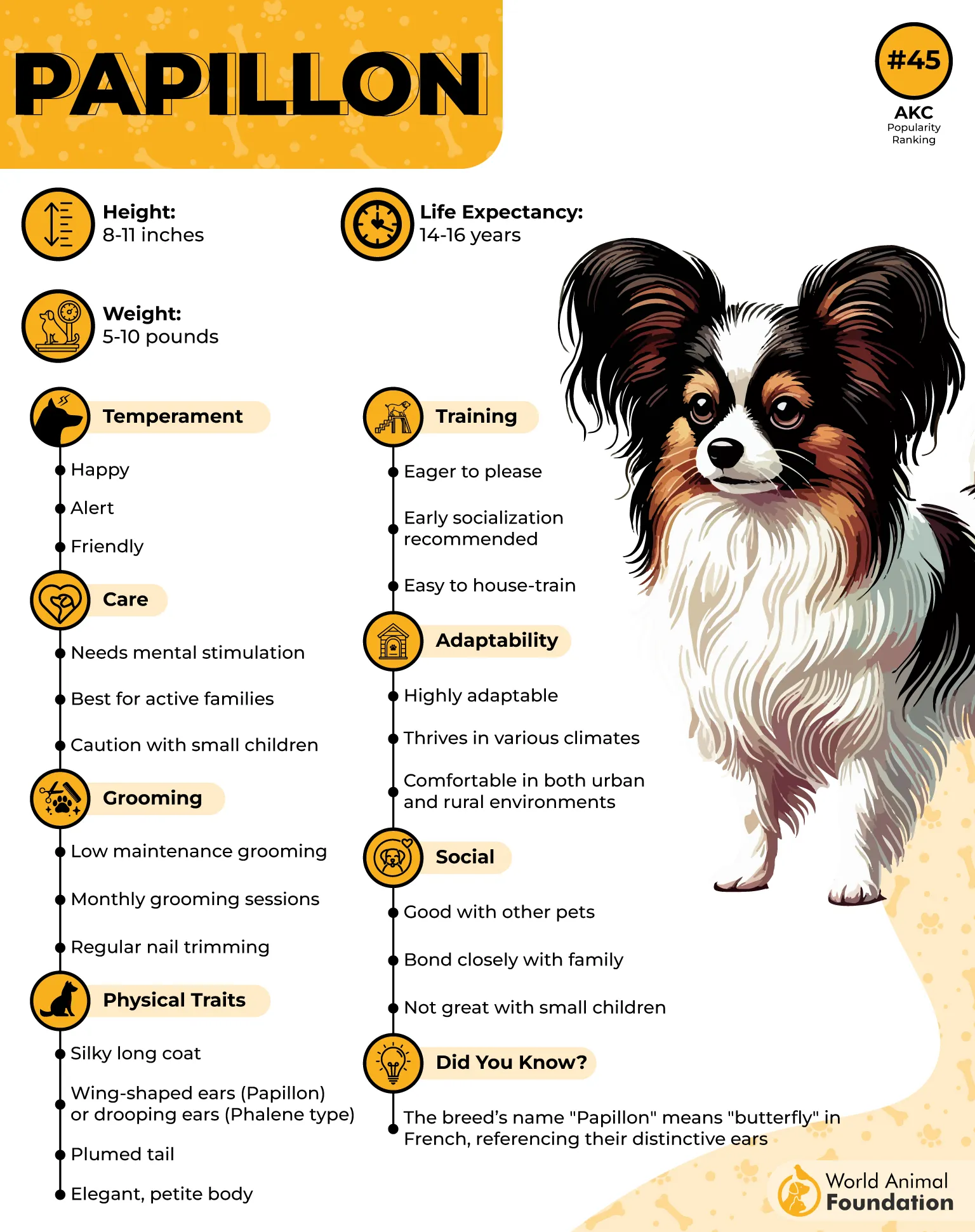
Being a 3-10 pound buddy, they are less likely to attack a cat. And at the same time, they are sturdy and fearless enough not to lose their nerves around cats. They quite match the cat’s vibe, curious, witty nature, and intelligence.
Since a cat loves personal space, provide it with a sanctuary to avoid any fights. Keep them in separate spaces for some weeks so they can hear and smell each other first. Teach your Papillon some basic commands (sit, stand, come, etc.). Let them see each other from a distance and then gently and formally conduct an introduction.
9. Shih Tzu
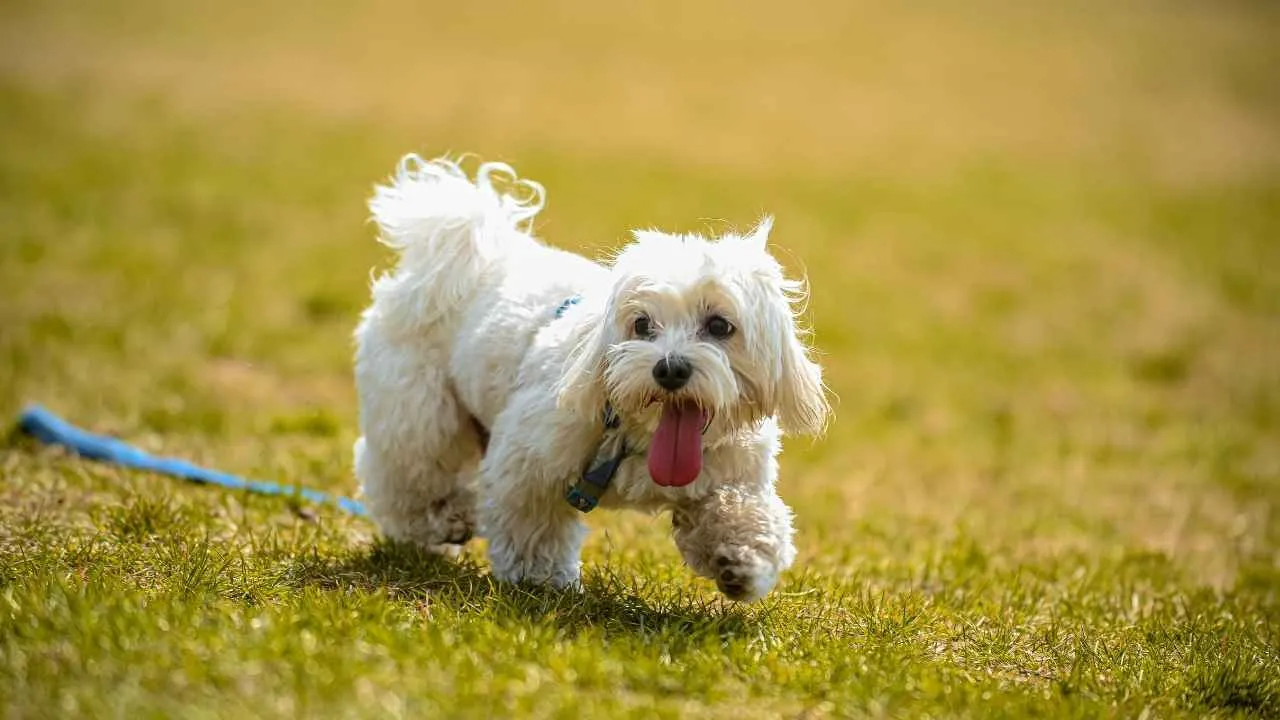
The Shih Tzu was literally bred to be the companion of Chinese emperors. So, they actually think of themselves as royalty. So do most cats. Hence, they actually understand each other on a spiritual level. Pew Research Center writes that almost 24% of the total U.S households have both cats and dogs.

Many owners reported that the Shih Tzu acted just like cats: lounging, high perching, and a calm demeanor, making them highly compatible. With proper training, they may end up napping on the same couch with cats within a month.
Shih Tzus need to be leashed (not collared) when they are introduced to a cat. Putting a collar can put a strain on their necks since they are playful and love to run and play. There must be an escape route for cats so they do not scratch the dog initially.
10. Boston Terrier

Boston Terriers are social without being overbearing. They can read when a cat wants to play and when it absolutely does not. This gentle giant has a high prey drive and tends to chase small animals such as cats. But they are friendly with the pets of their size.
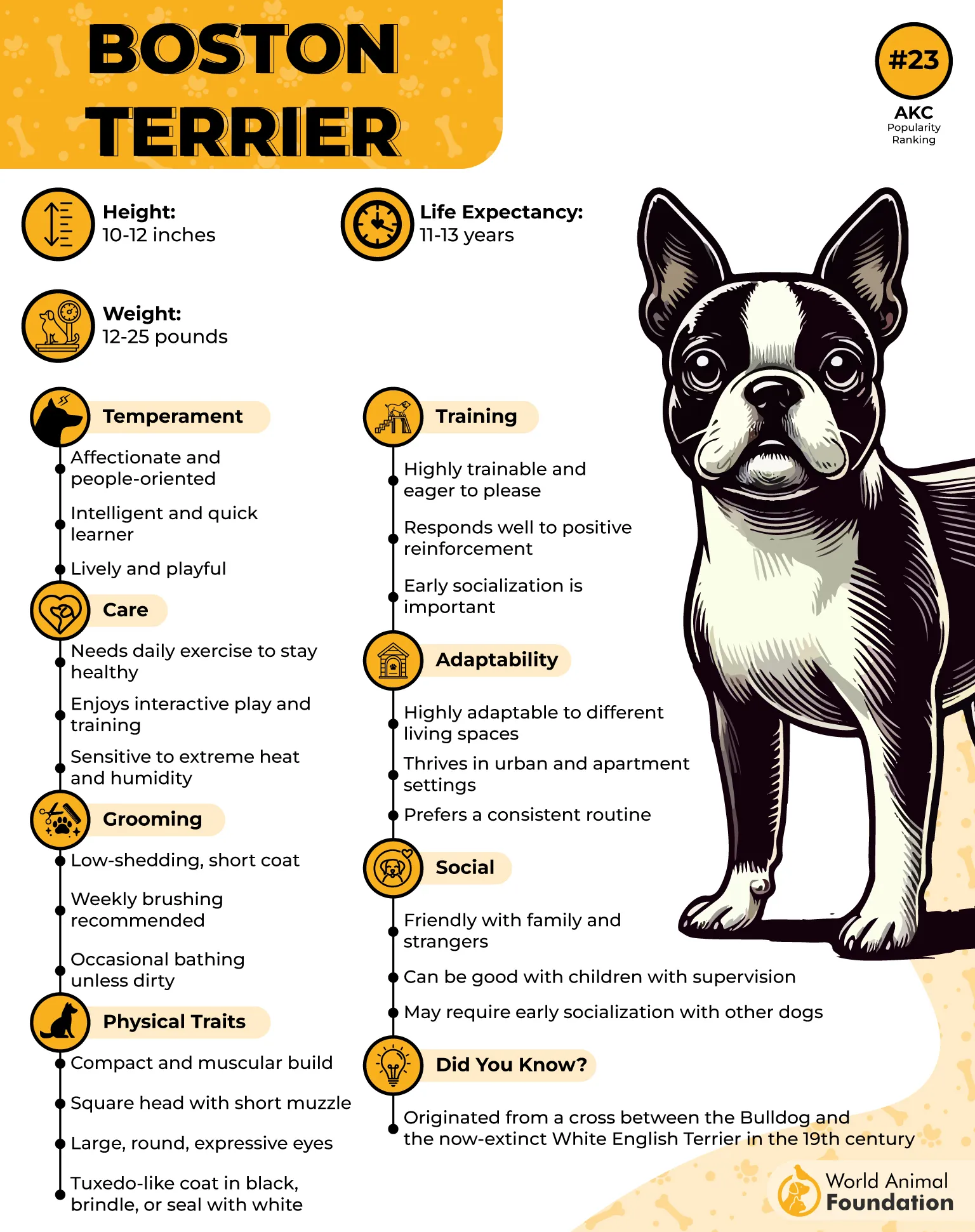
They are generally energetic and playful, so they get along with cats of the same temperament. They respect boundaries. They are good at reading a cat’s body language. But it will only act appropriately when trained properly and socialized from puppyhood.
They are adaptable to apartment living: smaller space, multiple pets, and the great benefit of having a Boston terrier at home.
Conclusion
No dog breed is guaranteed a slam dunk with every cat. Personality, early socialization, and the proper introduction process matter just as much as breed. But starting with the naturally low prey drive, a socially adaptable dog gives you a real head start.
Whether you go with the easy-going Basset Hound, the regal Shih Tzu, or the forever happy Golden Retriever, the common thread is temperament. Dogs that are not wired to chase, dominate, or panic tend to make the transition to cat life smoother for everyone.
