




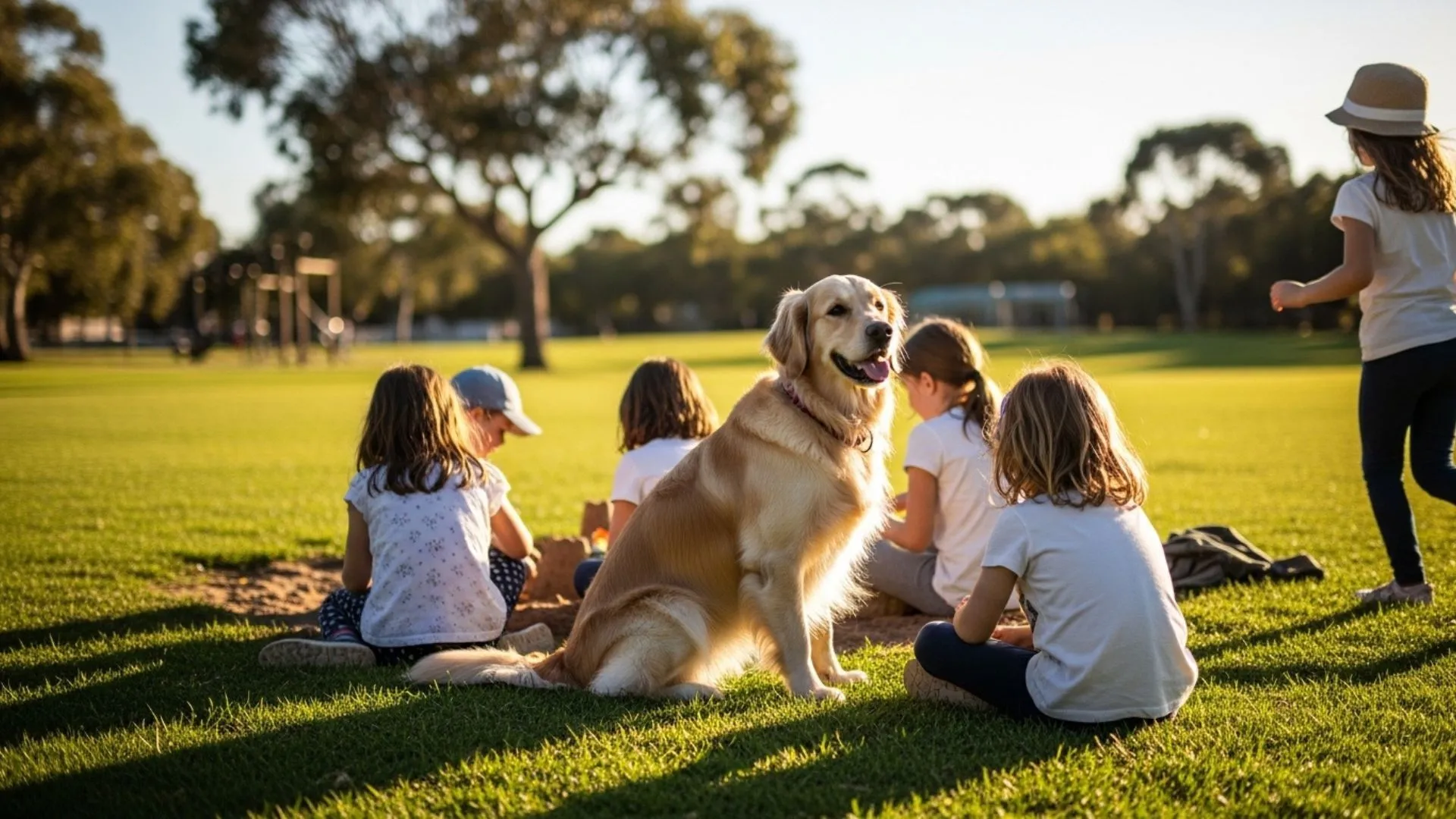
Many people believe that playful energy is the most important quality when choosing a dog for a home with kids. It sounds logical on the surface, but it often leads to the wrong choice.
High energy without patience can quickly turn into chaos, especially in a household where routines are already unpredictable. What actually matters more is how a dog responds when things do not go as planned. Children can be loud, inconsistent, and sometimes overwhelming without meaning to be.
A dog that lacks patience may react in ways that create tension instead of comfort. This is why focusing only on friendliness or playfulness misses a critical part of the picture. A patient dog brings balance to the environment.
It handles pressure calmly, adapts to changing situations, and creates a safer, more stable space for both the child and the rest of the family.
In the sections ahead, you will come across friendly dog breeds that naturally carry these qualities and are far better suited for your kids.
Key Takeaways
Life with kids can be unpredictable, which is why patience in a dog often matters more than endless energy or excitement.
Labrador Retrievers and Golden Retrievers stand out for their steady patience, handling rough play,and constant attention without losing their gentle nature.
Boxer and Collie bring a different balance, one with high energy that needs direction, and the other with calm control that keeps children naturally in sync.
As you move further through these breeds, you will notice which ones quietly turn a busy home into something more stable and easier to manage
Patient Dog Breeds That Get Along With Kids
1. Labrador Retriever
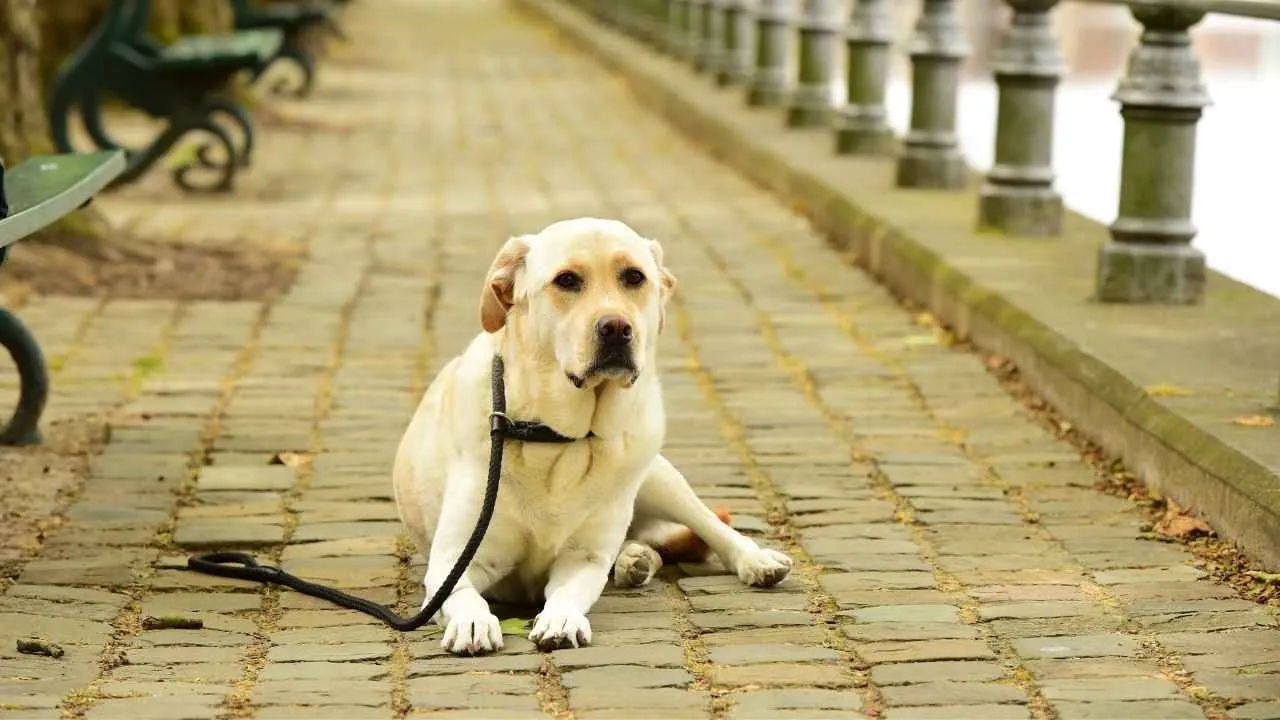
Labrador Retriever engages easily with people, showing warmth even toward unfamiliar faces while staying gentle around children. Its interaction style feels welcoming rather than cautious, which shapes how it fits into family environments. Early introductions still play a role in setting clear boundaries.
Play style around children
This popular dog breed stays active during play, often bringing energy that matches a child’s pace without hesitation. Its enthusiasm can sometimes feel overwhelming in close spaces, especially with younger kids.
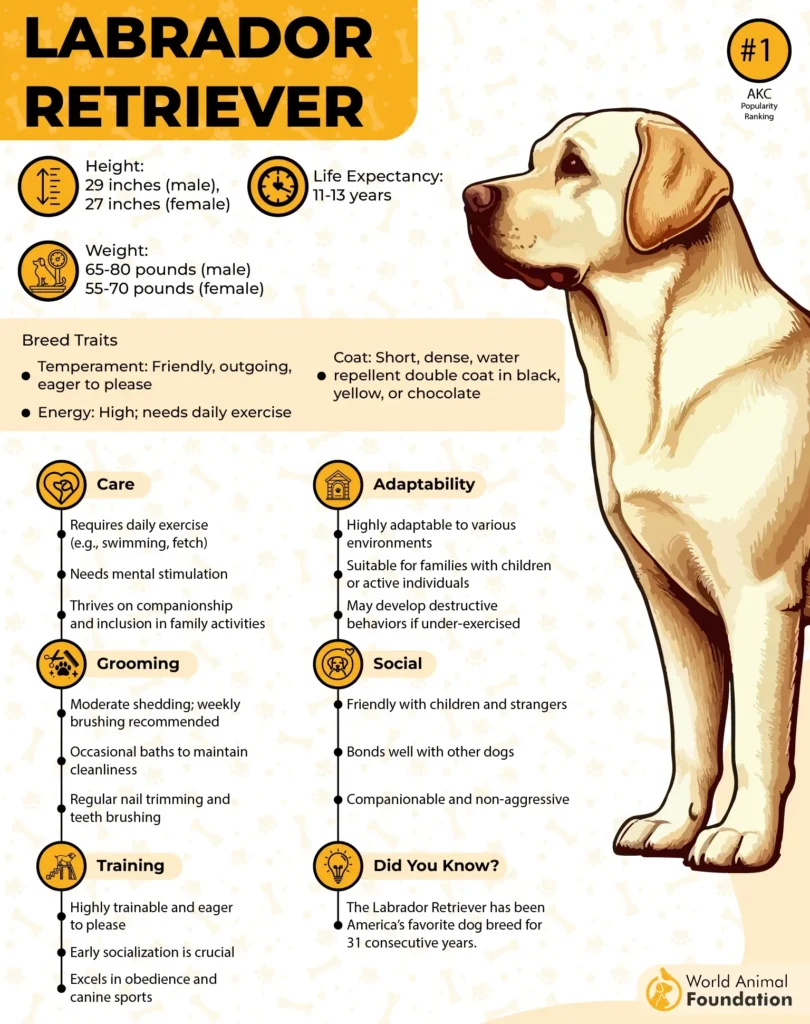
That interaction often looks like this:
Leans into play with full-body excitement
Uses its tail freely during movement
Stays engaged for extended play sessions
Habits that need guidance
Labs show curiosity through their mouths, especially during the early stages when they explore objects without hesitation. Items like shoes or household objects can quickly become targets if left unattended. Proper training helps define what is acceptable during daily routines.
2. Golden Retriever
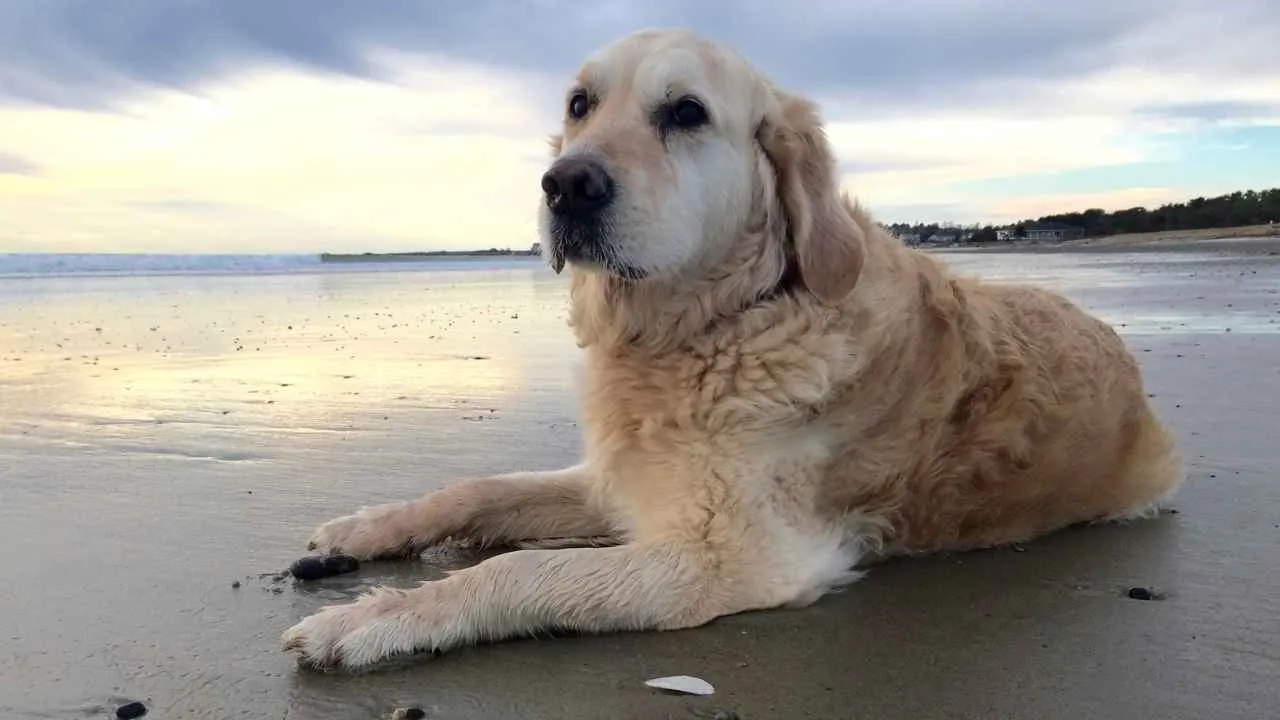
Golden Retriever blends working ability with a naturally cheerful presence, shaped through field tasks and close human interaction. Its background includes guiding, retrieving, and assisting roles that rely on patience and cooperation, as mentioned by PetMD.
Interaction that invites connection
These family dogs respond to attention with warmth, often staying close and encouraging continued interaction through small gestures. Its social ease extends across children, other pets, and unfamiliar faces without hesitation.
That interaction style becomes easy to notice:
Nudges gently for continued petting
Remains open with new people and animals
Stays relaxed during close physical contact
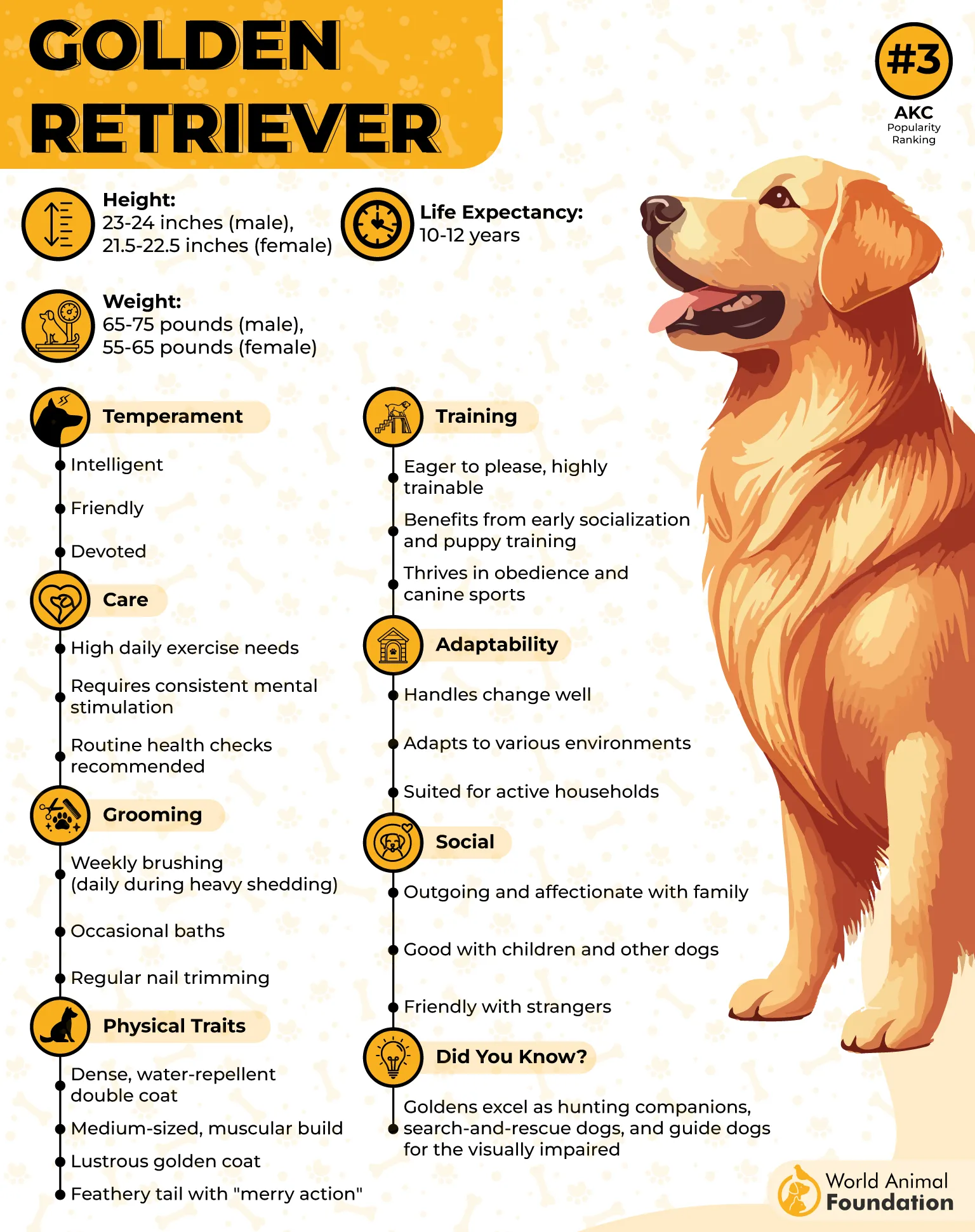
Calm temperament, shaped by responsiveness
They process training with ease, showing a willingness to follow guidance and adapt quickly to routines. Its quiet nature, with minimal barking or disruptive habits, keeps the environment steady around children. This responsiveness reflects a dog that stays attentive without unnecessary noise or tension.
3. Boxer
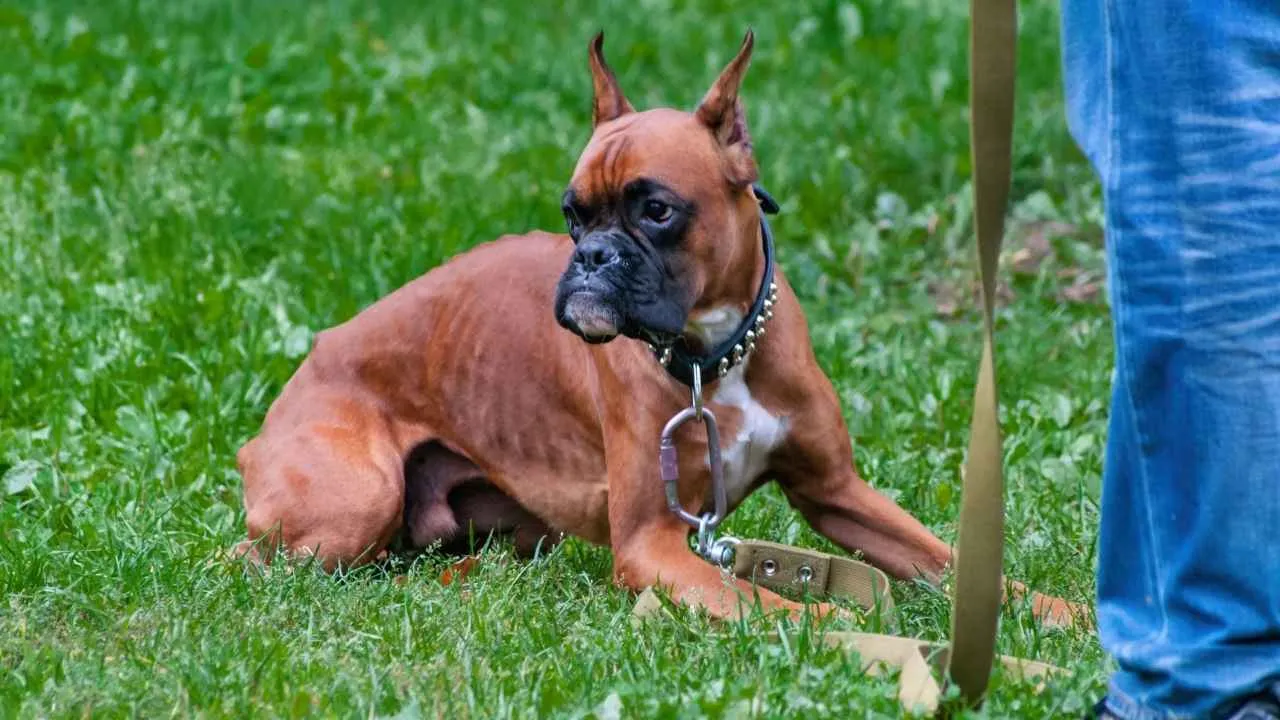
Boxers bring a lively, physical style of interaction shaped by their hunting history. Its tendency to jump, paw, and engage through body movement reflects a dog that expresses excitement outwardly. This energetic behavior becomes a defining part of how it connects during play.
Activity style around children
This loving dog interacts with enthusiasm, often turning simple moments into active play through jumping and quick reactions. This energy requires guidance so that interaction remains controlled, especially around younger children.
That dynamic shows through everyday patterns:
Jumps up during play if not trained early
Uses paws to initiate interaction
Responds well when given clear boundaries
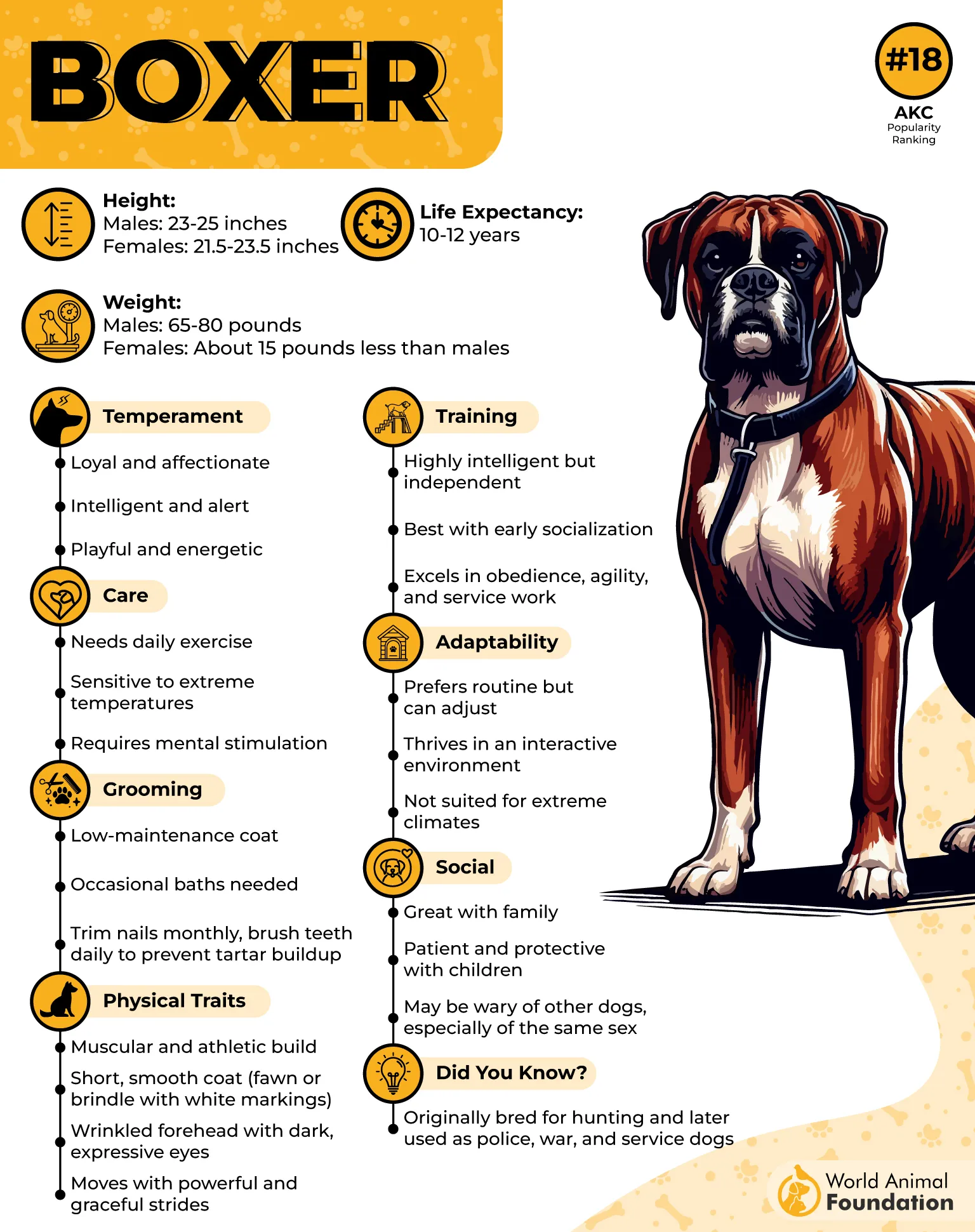
Instincts shaped by chase and curiosity
Boxers show a natural inclination to follow movement, influenced by their earlier hunting role. This can appear in chasing birds or smaller animals when outdoors, requiring secure spaces or controlled outings. Supervised introductions help manage interactions with smaller pets.
4. Collie
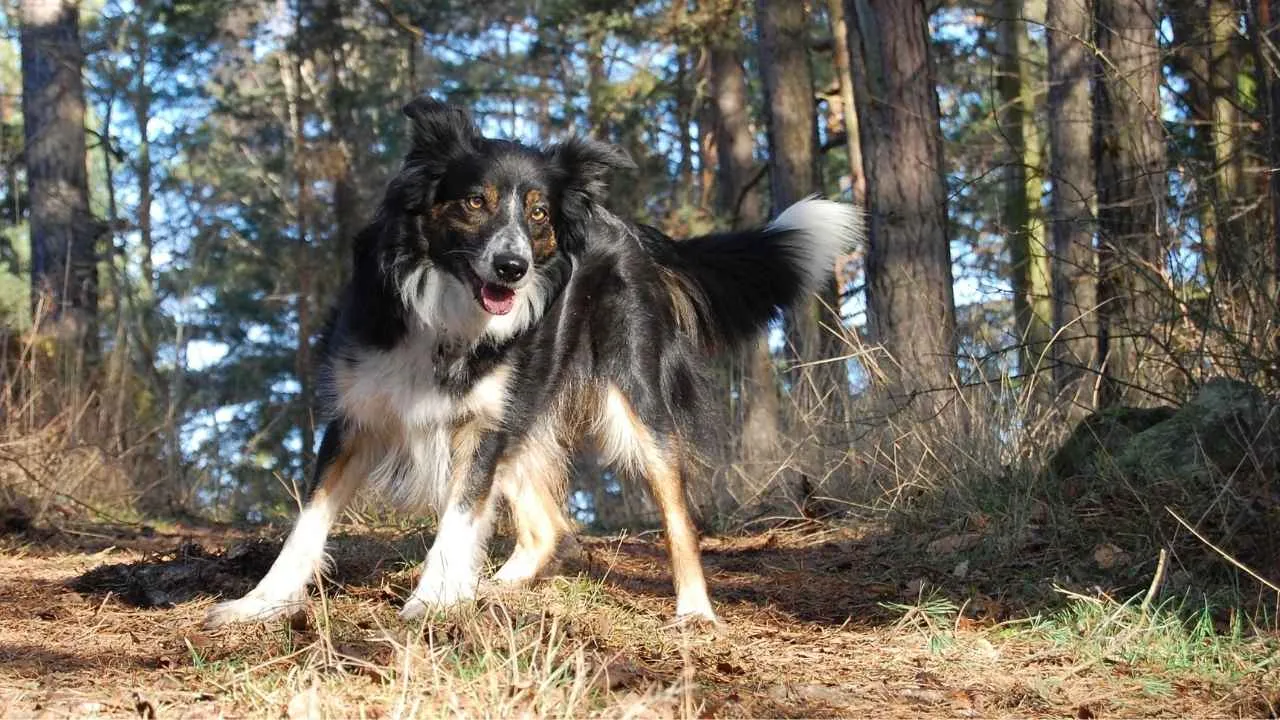
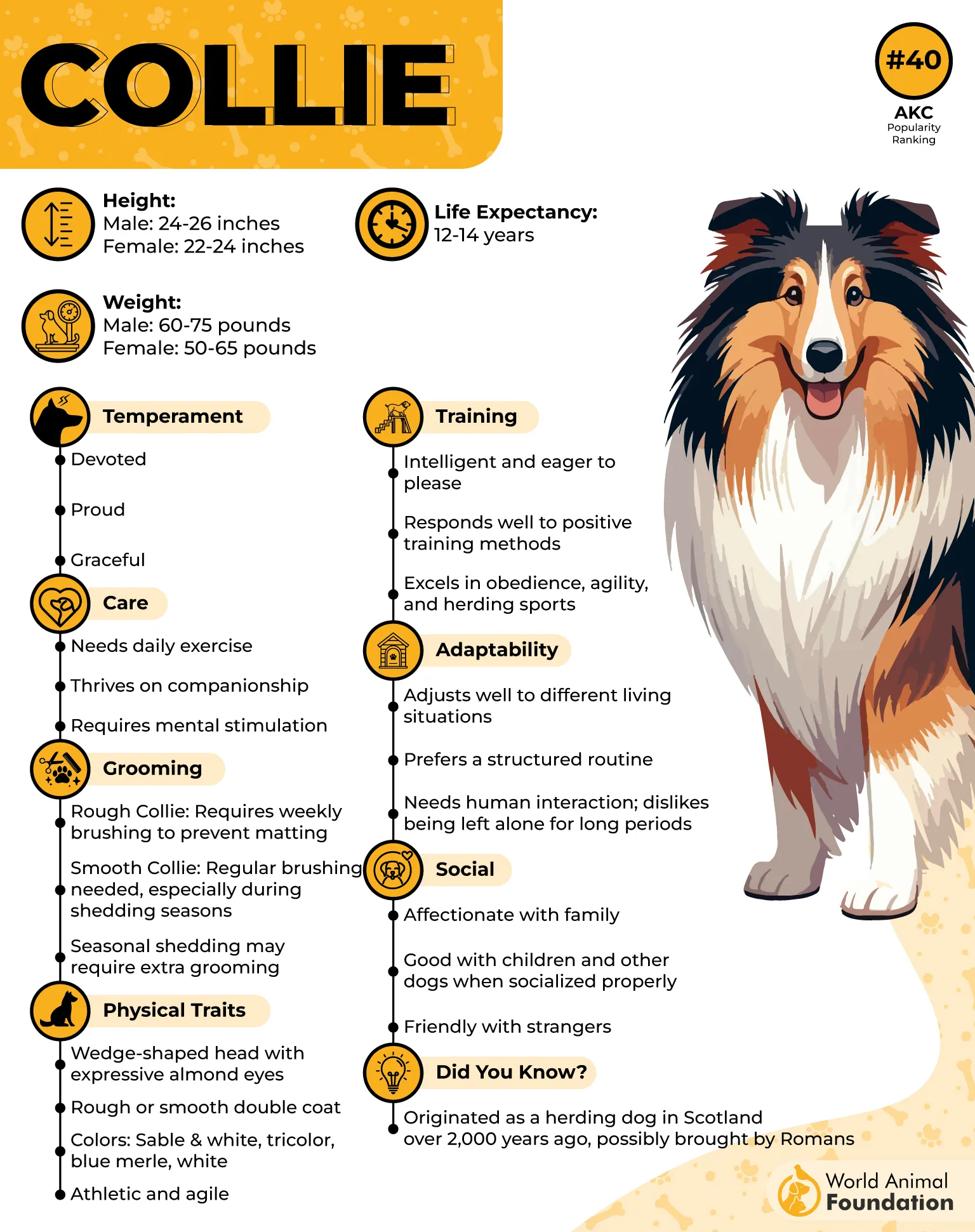
Collie gained attention in the 1800s through royal interest, yet its roots stay tied to close human interaction in herding life. Its loyalty and intelligence reflect a dog that stays connected to people rather than working at a distance, as per Britannica.
Gentle control around children
They have an affectionate nature and show a balanced way of engaging with kids, combining affection with an instinct to guide and stay attentive during activity. Its herding background appears in subtle ways during play, often keeping movement organized.
That behavior becomes easier to notice through:
Keeps children within a visible range
Stays responsive during active play
Adjusts energy based on surroundings
Energy that shifts with the setting
Collie shows high energy outdoors, especially when involved in running, herding-style tasks, or structured activities. Once inside, its pace settles, allowing it to relax near family spaces without constant restlessness. This shift reflects a dog that separates work time from home time.
5. Cavalier King Charles Spaniel
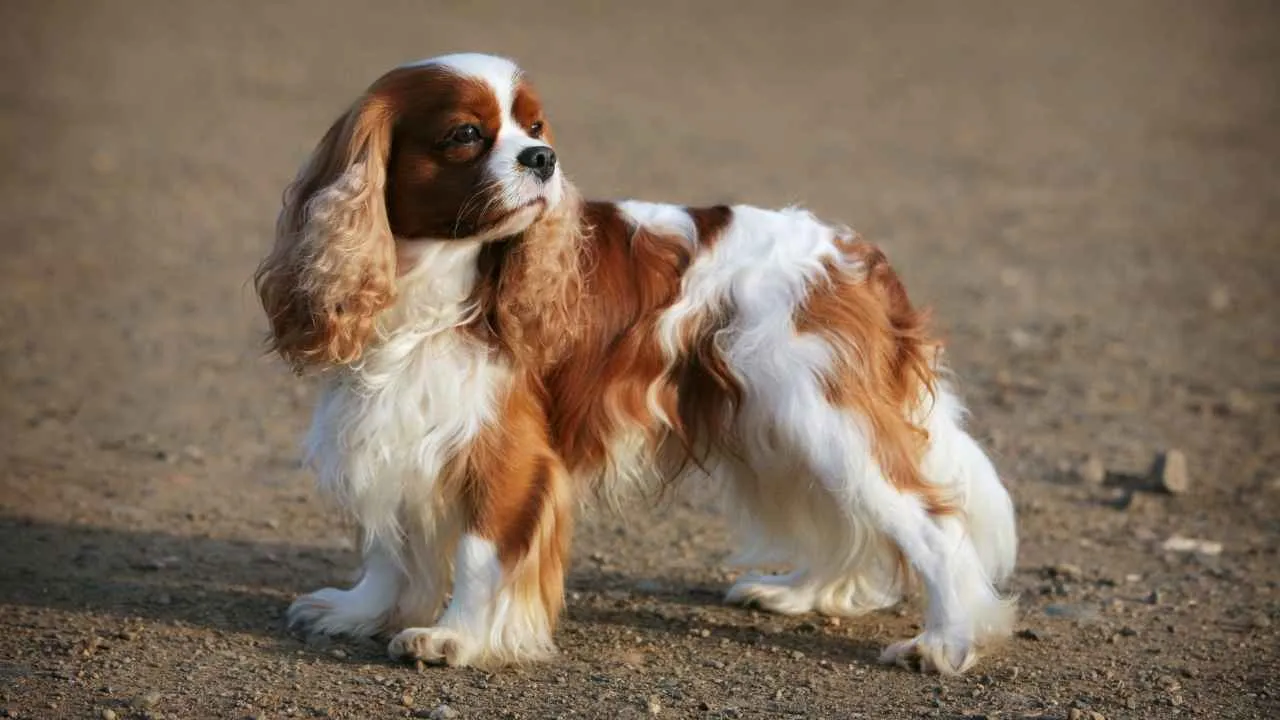
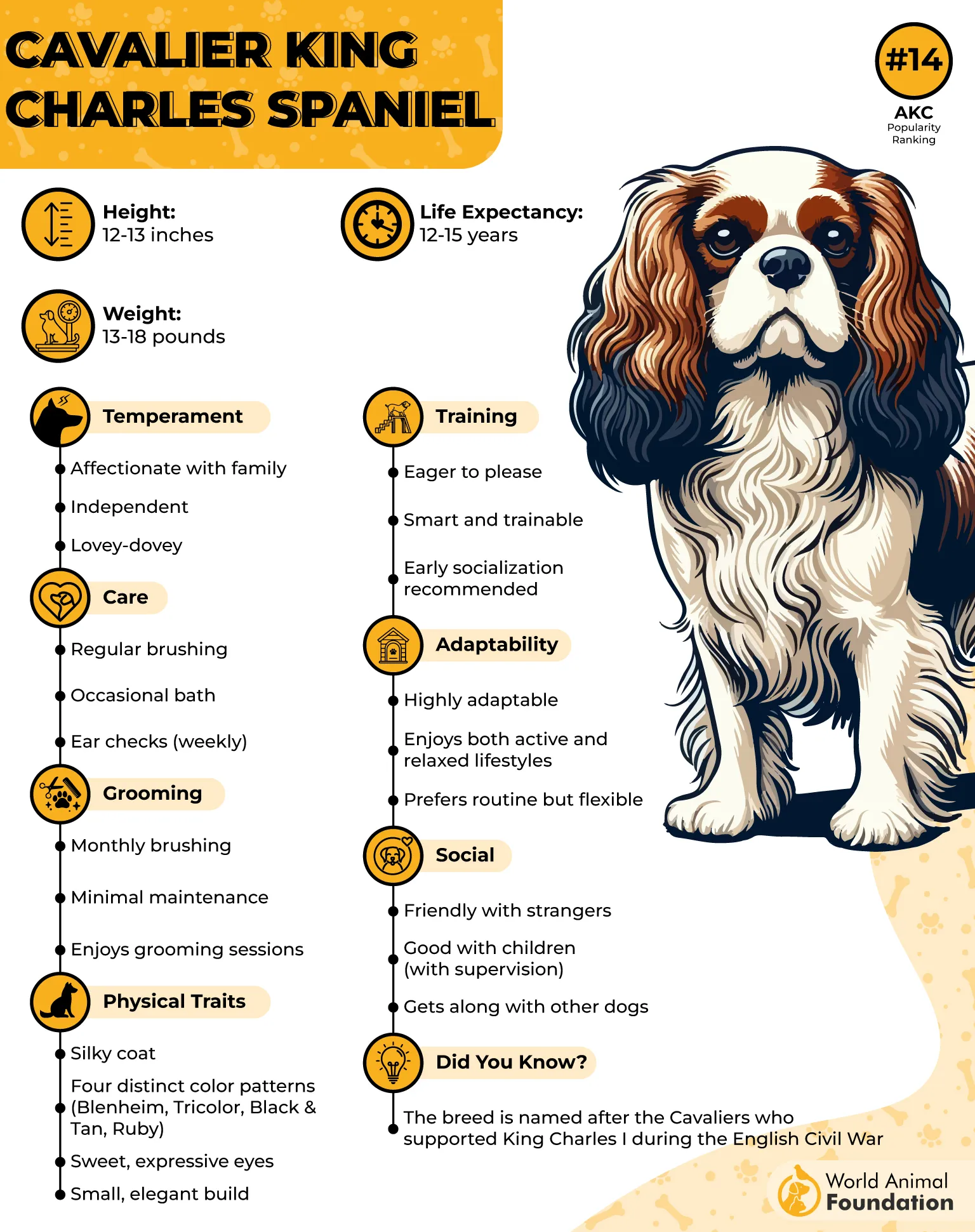
Cavalier King Charles Spaniel reflects its royal past through a constant need for closeness, shaped by its role in keeping laps warm in cold settings.
Its presence stays gentle and steady, often centered around human interaction. This explains its natural habit of staying close to people.
Social comfort in shared spaces
These spaniels blend easily into family settings, showing patience in situations that involve children and other pets. Its friendly nature extends to unfamiliar people without hesitation.
That ease becomes visible in everyday moments:
Accepts handling from children without resistance
Shares space calmly with other dogs
Greets unfamiliar faces without tension
Balanced activity from its lineage
This small dog retains traits from their sporting background, showing interest in walks and outdoor time without pushing constant activity. It shifts comfortably between indoor rest and short outdoor engagement. This balance fits both active routines and quieter home environments.
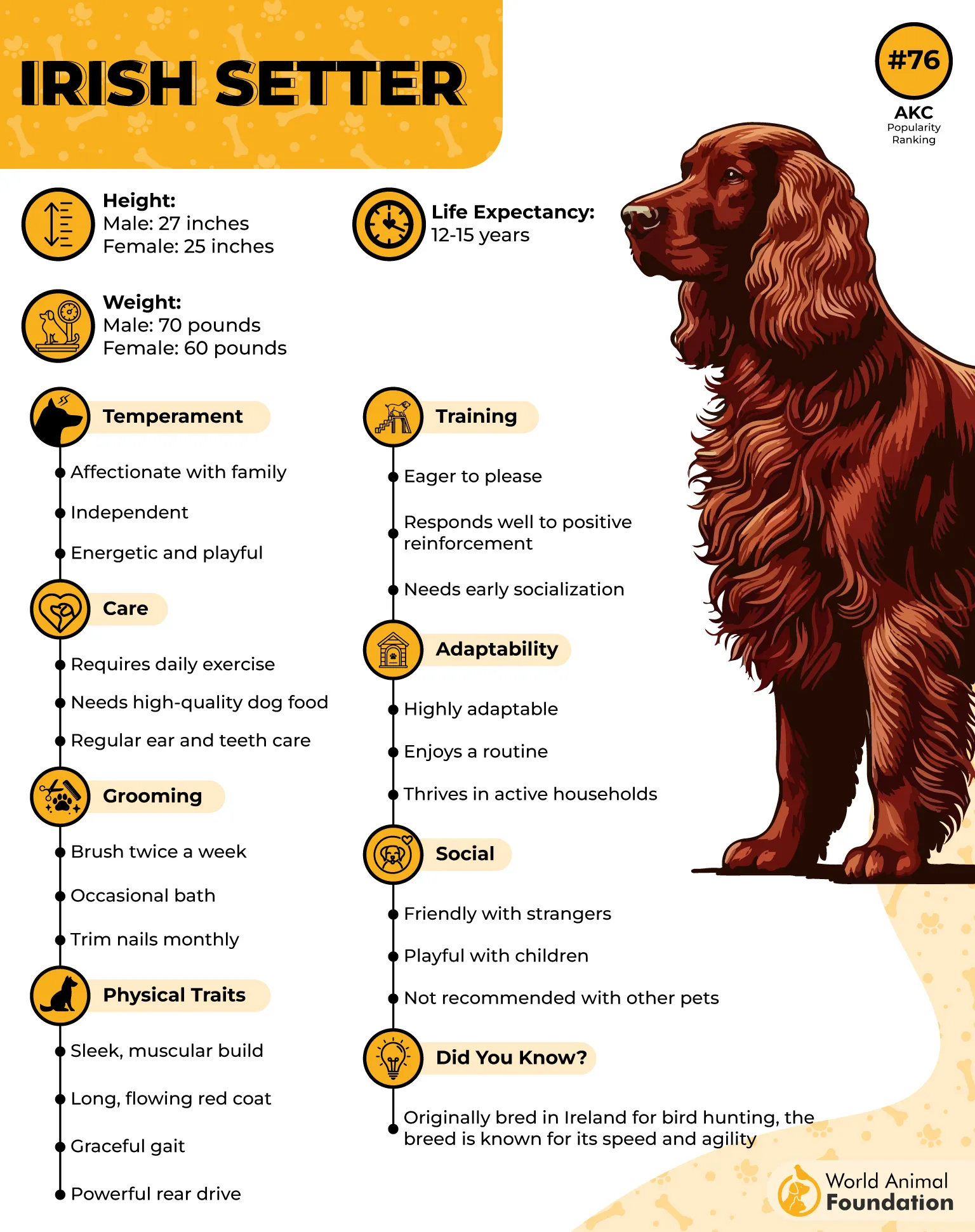
6. Irish Setter
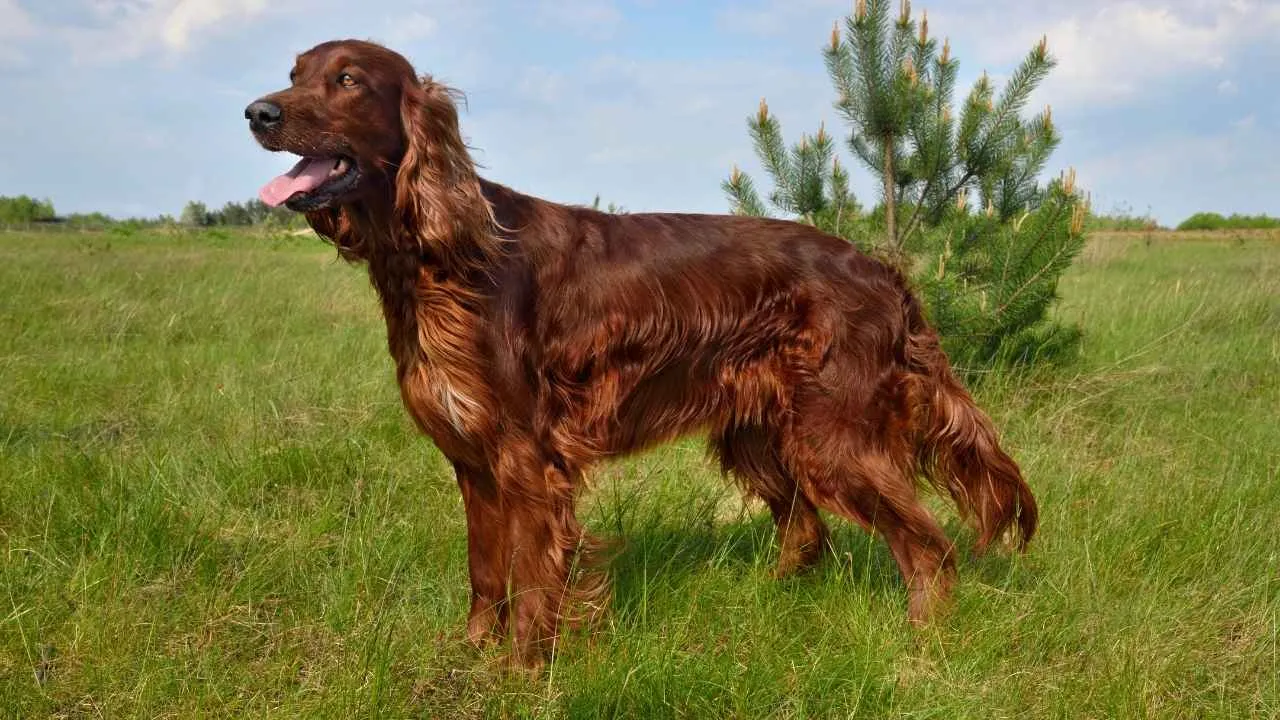
Irish Setter draws attention through its rich red coat, but its defining trait lies in its upbeat, people-focused nature, as noted by the AKC. Its behavior stays open and engaging, often seeking interaction rather than staying distant. This social pull shapes how it fits into family environments with children.
Play style around children
These high-energy pups bring a lively and playful nature into daily life, often engaging in activities that involve movement and shared space. Its enthusiasm can sometimes feel overwhelming in tighter indoor settings.
That energy shows up in everyday moments:
Engages actively during playtime
May bump toddlers or young kids unintentionally
Stays involved in ongoing activity
Social behavior with people and pets
Irish Setter maintains a friendly approach toward new faces and other animals when introductions are handled early. It tends to accept companionship easily, including with cats, without strong territorial reactions. Its nature leans toward inclusion rather than separation.
7. Pug
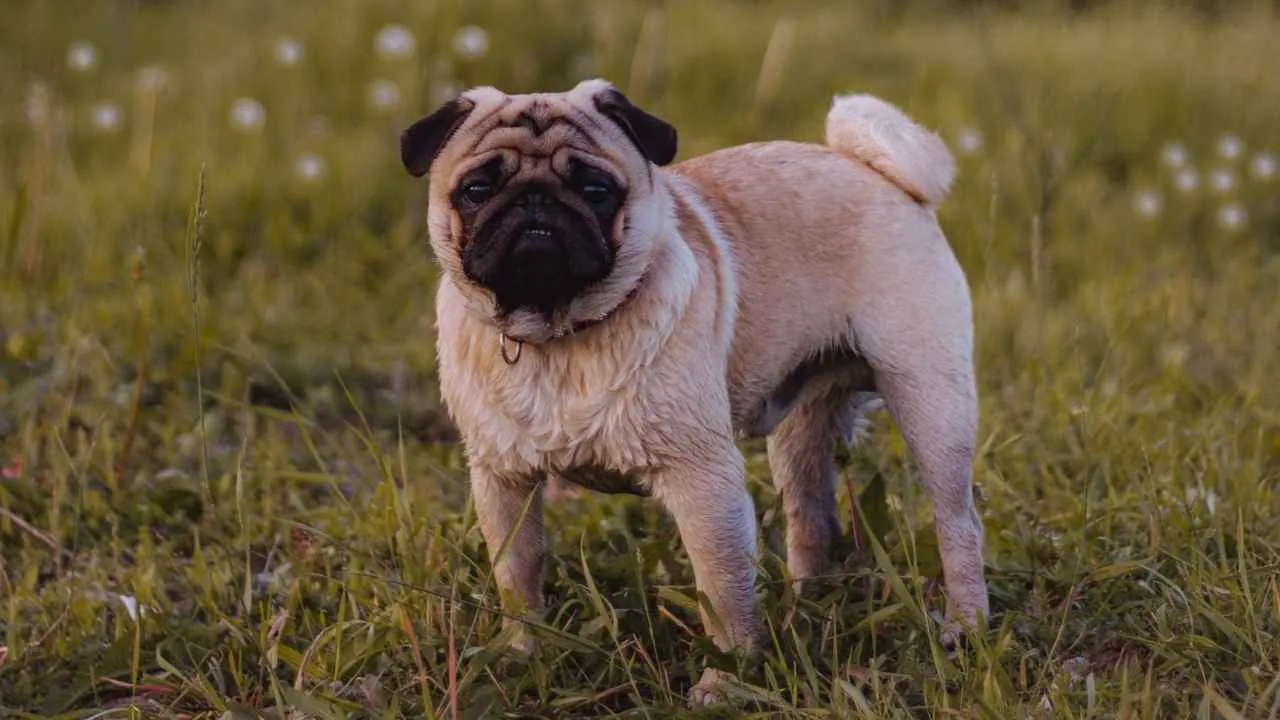
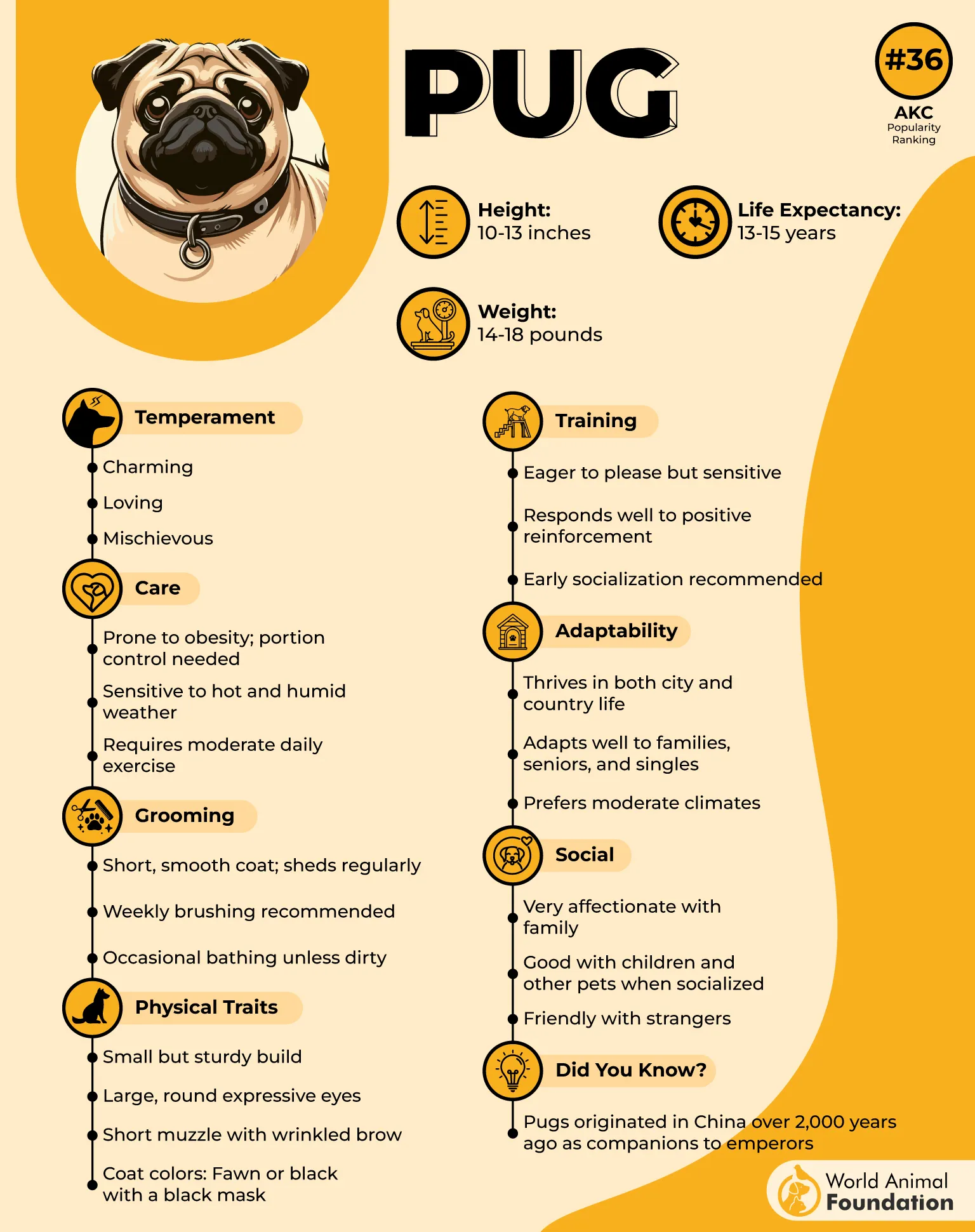
Pugs were originally bred in ancient China, later becoming a favored companion in royal households across different regions. Its compact form reflects a long history centered around close human living rather than working roles. The breed’s identity stays closely linked with indoor companionship traditions.
Attention-driven household behavior
This best dog responds quickly to human presence and stays closely involved in daily indoor activity, often positioning themselves where interaction is frequent. Its behavior reflects a preference for comfort rather than independent exploration.
That pattern appears clearly in everyday actions:
Follows household movement at a relaxed pace
Engages in short, light play rather than extended activity
Maintains proximity to familiar people
Interaction style within family spaces
Pugs show an easy, friendly response in home settings, often staying close to children and adults with minimal hesitation. Its temperament reflects comfort in shared spaces where attention remains consistent. However, gentle handling and early guidance help maintain steady behavior as a family pet.
Conclusion
It shows up in the small moments more than anything else. A child gets loud, routines shift, something unexpected happens, and the dog does not react sharply. It pauses, adjusts, and stays steady. The best family dog breeds here carry that kind of response without needing to be managed constantly.
Over time, that steadiness becomes part of the home itself. You stop worrying about how the dog will react and start trusting the pattern it follows. That trust makes everyday life feel easier, where both the right dog and the child move around each other without creating tension or extra effort for pet parents.
