




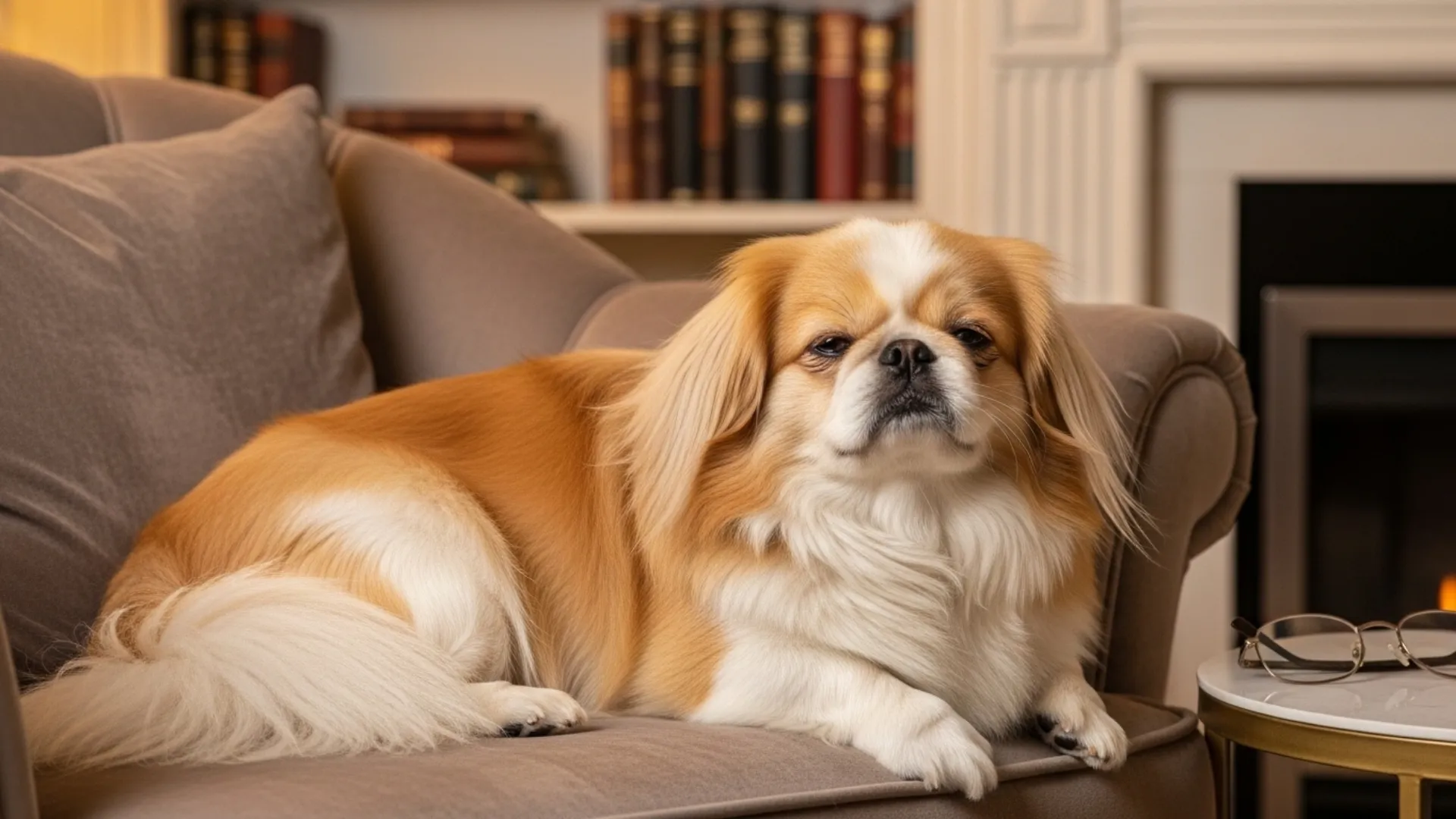
Many seniors believe any friendly dog will naturally fit into a quieter lifestyle, but that assumption does not always hold up.
The difference between a peaceful companion and a demanding one often becomes clear only after routines are disrupted. Some dogs bring a steady presence that feels comforting, while others unintentionally add stress through constant needs and restless behavior. What makes that difference is not always obvious at first.
It is not just about size or appearance, but something deeper that shapes how a dog lives alongside you. Once you start noticing these patterns, it becomes easier to understand why some choices work better than others. There is a reason certain dogs consistently bring ease into senior homes while others feel overwhelming over time.
The answer lies in traits that are often overlooked during selection. The following sections bring those traits into focus through carefully chosen examples.
Key Takeaways
A calm home can feel very different depending on the dog that shares it, even when all of them seem friendly at first glance.
Cavalier King Charles Spaniels stay close without being overwhelming, while Pugs build their day around constant companionship.
Pekingese bring a more self-directed presence, while Havanese and Maltese add gentle interaction without turning daily life into a task.
As you move through these breeds, the difference between peaceful company and hidden demands starts to feel much clearer.
Best Dog Breeds for a Calm and Comfortable Senior Life
1. Cavalier King Charles Spaniel
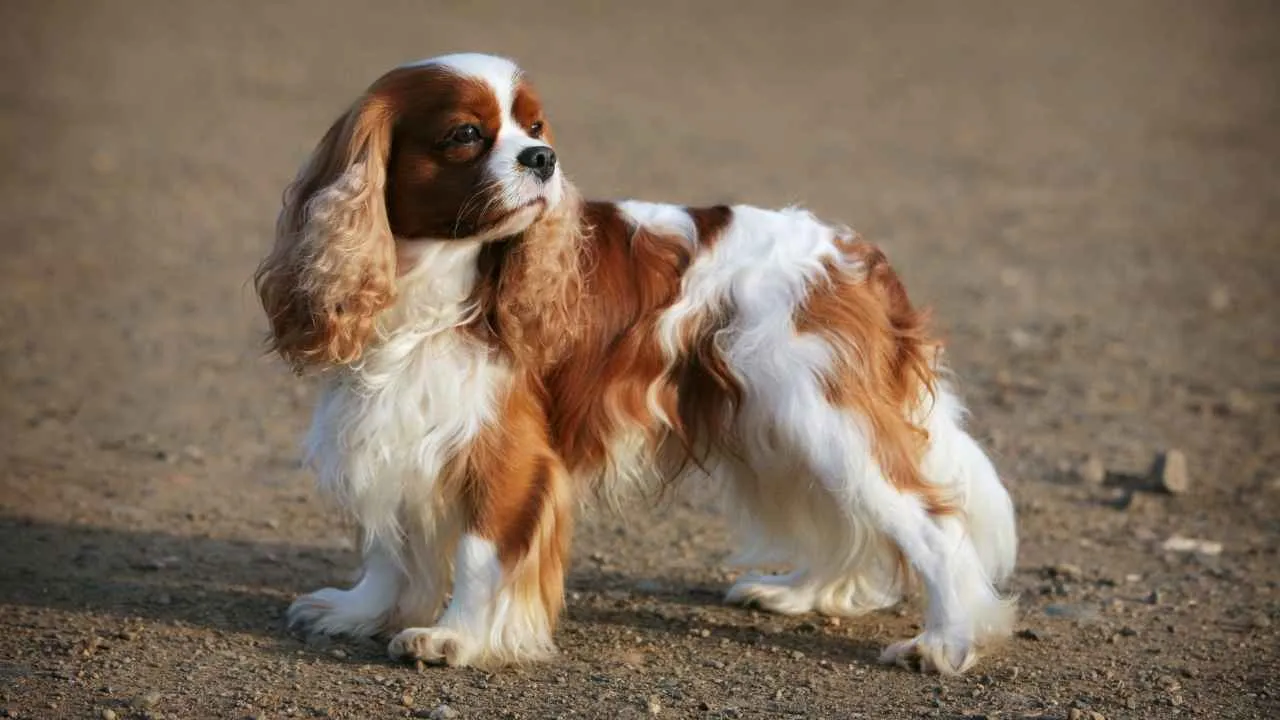
Cavalier King Charles Spaniel grew into a companion known for staying physically close, once used as a lap dog, and to keep warm during colder times.
Its association with royal households added to its role as a constant indoor presence. This history shaped a dog that stays connected without feeling intrusive.
Gentle interaction and emotional response
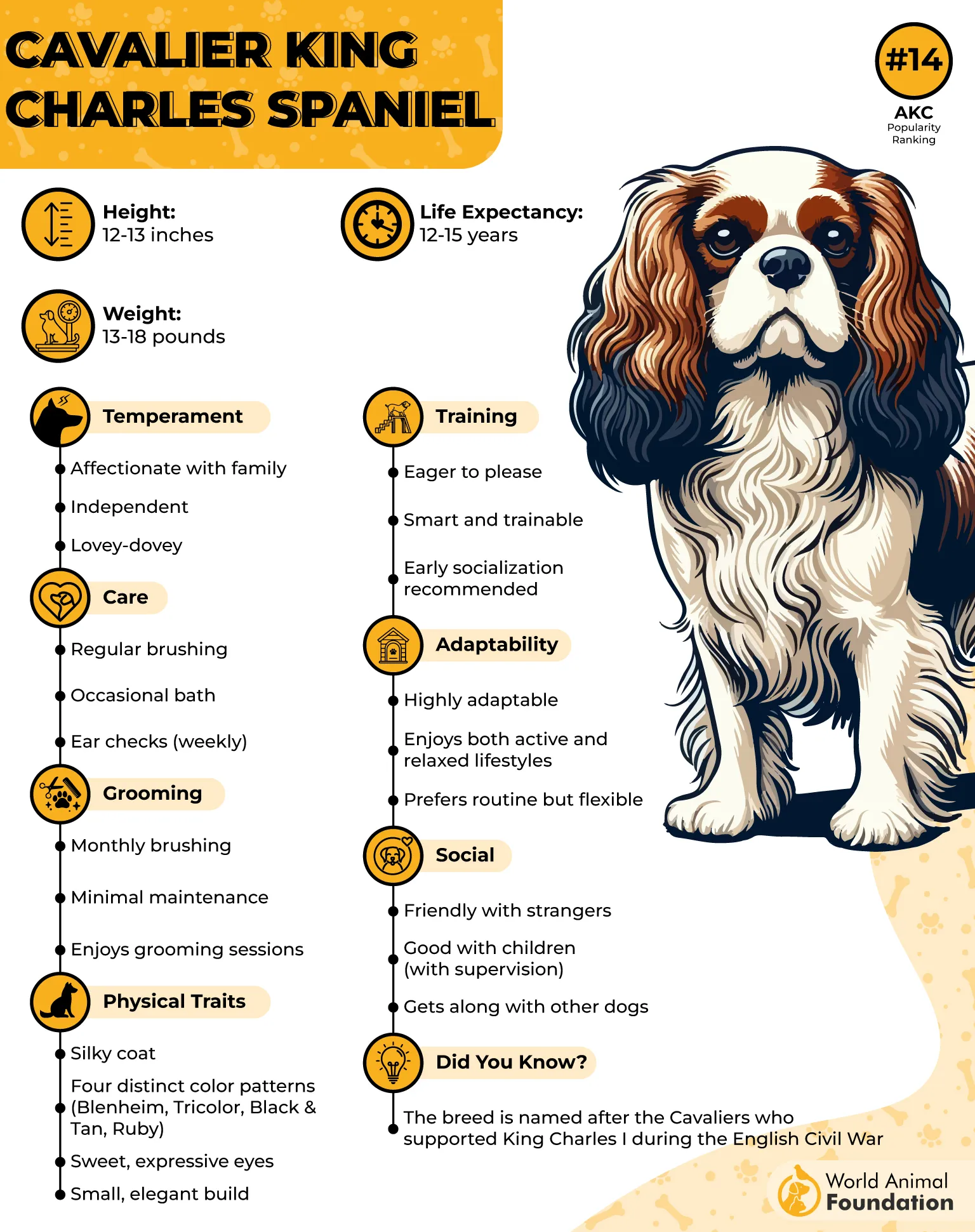
These spaniels respond softly to older adults, often approaching quietly and staying nearby during calm moments. Its expressive eyes and affectionate nature make it naturally attuned to emotional shifts in apartment living, as Royal Canin stated.
That sensitivity shows through small behaviors:
Approaches when it senses a low mood
Seeks contact without demanding attention
Stays relaxed around children of all ages
Playfulness balanced with rest
This small dog shifts between moderate exercise and extended rest, showing bursts of play followed by long periods of stillness. It enjoys short walks and exploring scents, though sudden distractions can pull its focus away. Indoors, it often prefers soft spaces and close contact.
2. Pug
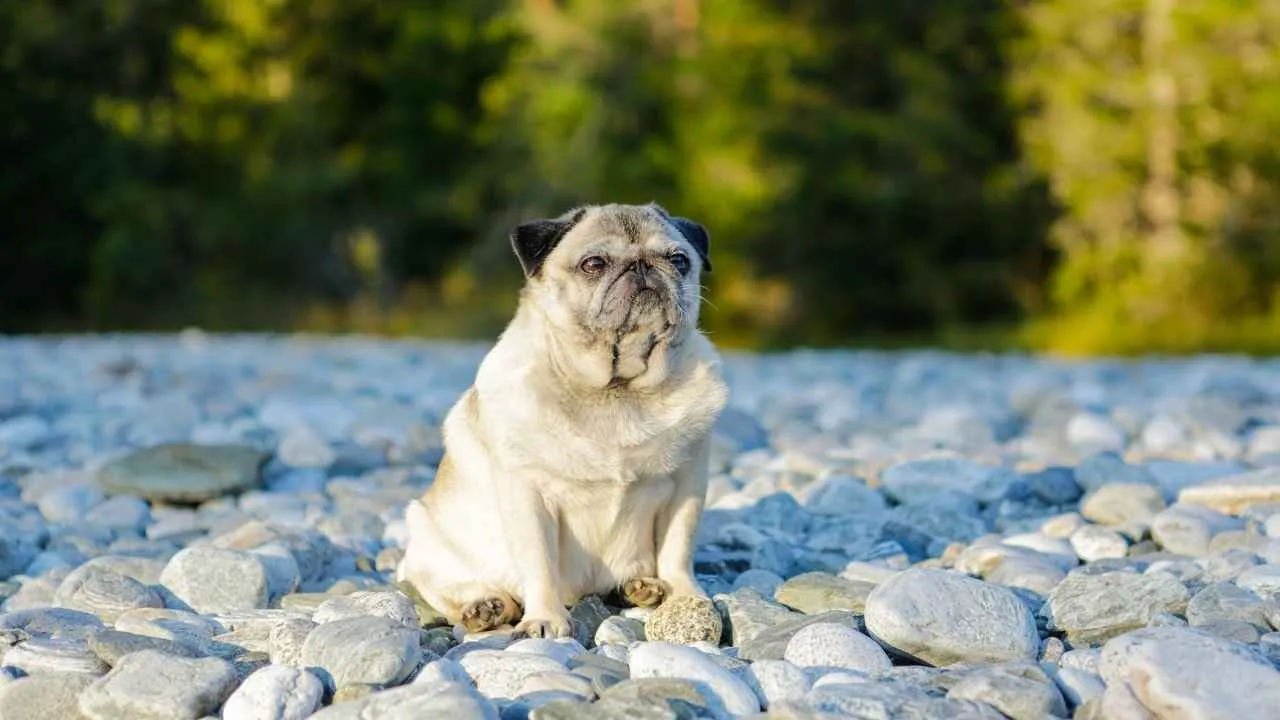
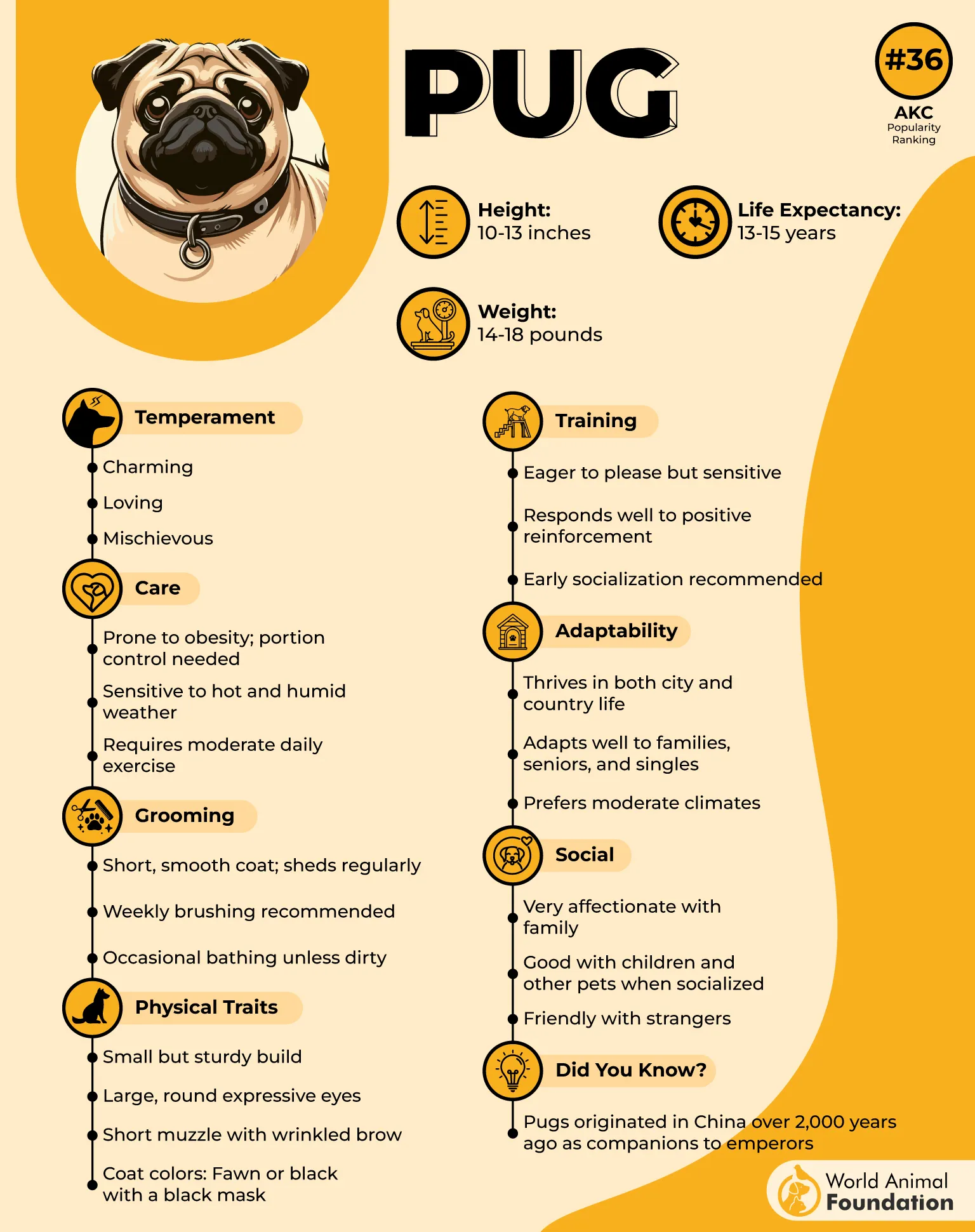
Pugs have mastiff ancestry and were kept in Tibetan monasteries before reaching Europe via trade routes in the 1700s. Its role has always centered around human presence rather than work in the field. This long association explains its instinct to stay physically close throughout the day.
Behavior centered on constant closeness
These affectionate dogs place themselves wherever people are, often choosing laps, beds, or nearby seating instead of staying at a distance, as Orvis noted. Its playful nature mixes with attention-seeking habits, creating interaction that feels active even during quiet routines.
That closeness appears in small, familiar actions:
Climbs onto laps or shared spaces frequently
Reacts quickly when attention shifts away
Follows people between rooms without hesitation
Daily rhythm built around comfort
They prefer a slower pace, often choosing rest over outdoor activity, especially in cold or wet conditions. Daily walks fit into its routine, but extended activity rarely holds its interest. This pattern shapes a lifestyle focused more on indoor comfort than constant movement.
3. Pekingese
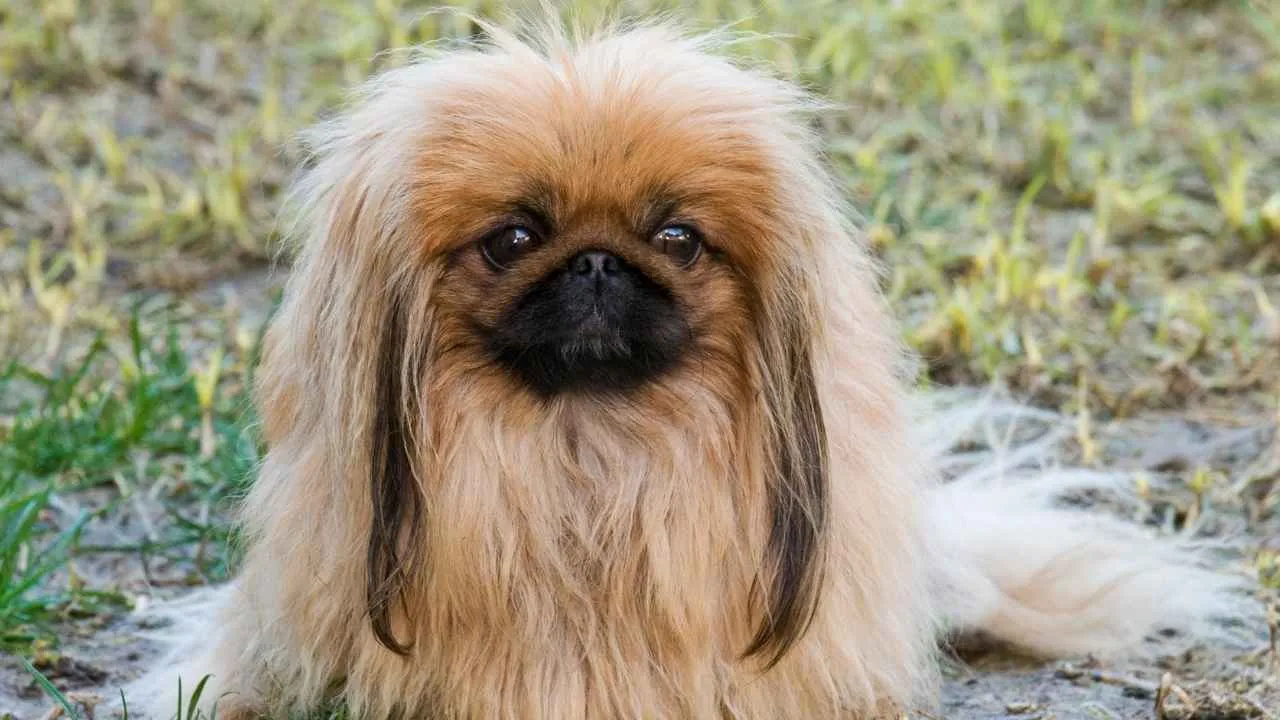
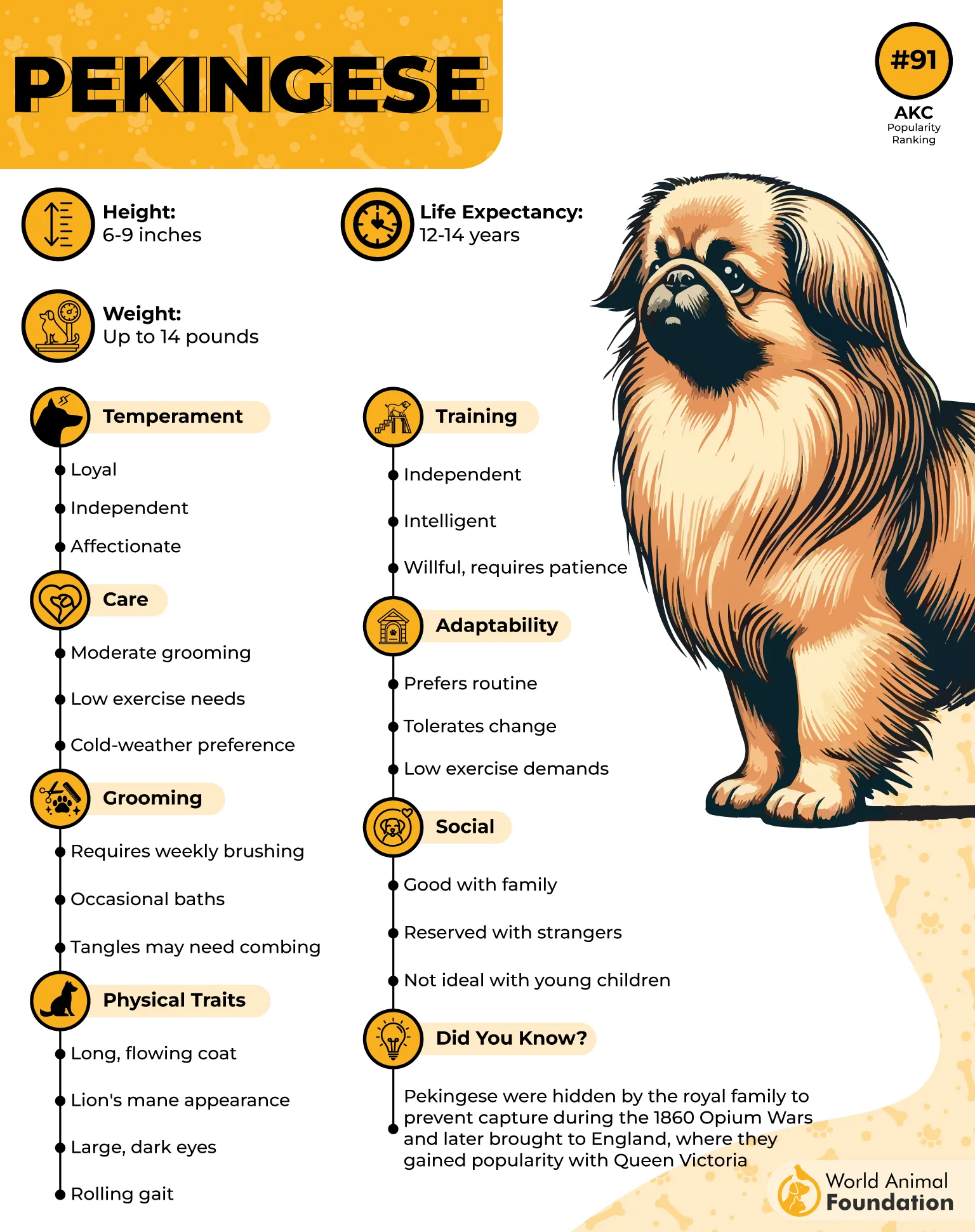
Pekingese comes from Chinese royal settings, where it was kept by monks and valued as a Lion Dog with a strong symbolic presence. Its small size once allowed it to sit inside the sleeves of imperial robes. This history shaped a dog that behaves with a calm demeanor rather than dependency.
Independent behavior in daily life
They interact on their own terms, often choosing when to seek attention rather than following constant human cues. Its alert nature also brings a readiness to respond to unfamiliar sounds or visitors at the door, as the AKC describes.
This independence appears in clear patterns:
Approaches people when it chooses
Responds quickly to unfamiliar noises
Maintains a self-directed routine indoors
Temperament inside the home
This smaller breed shows an outgoing side within familiar spaces, often engaging in playful behavior or settling in for close contact when comfortable. It can amuse itself with toys for long periods without needing constant involvement. Its presence feels steady rather than demanding.
4. Pomeranian
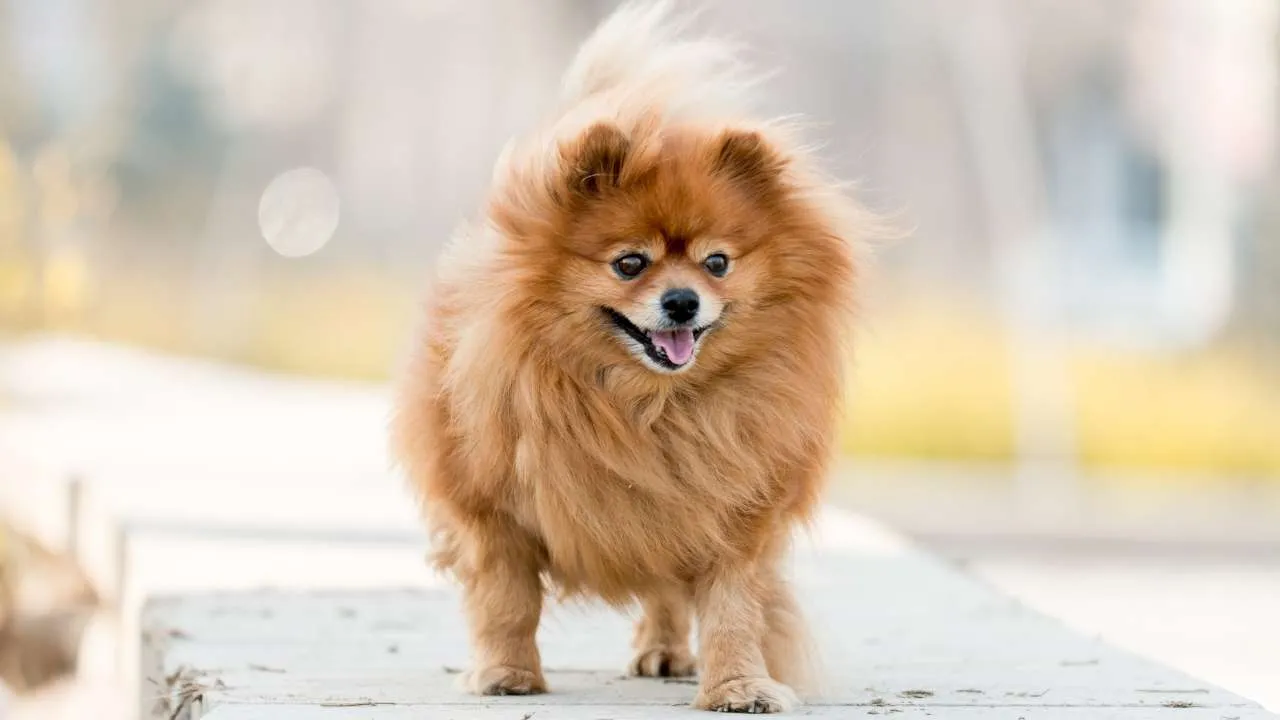
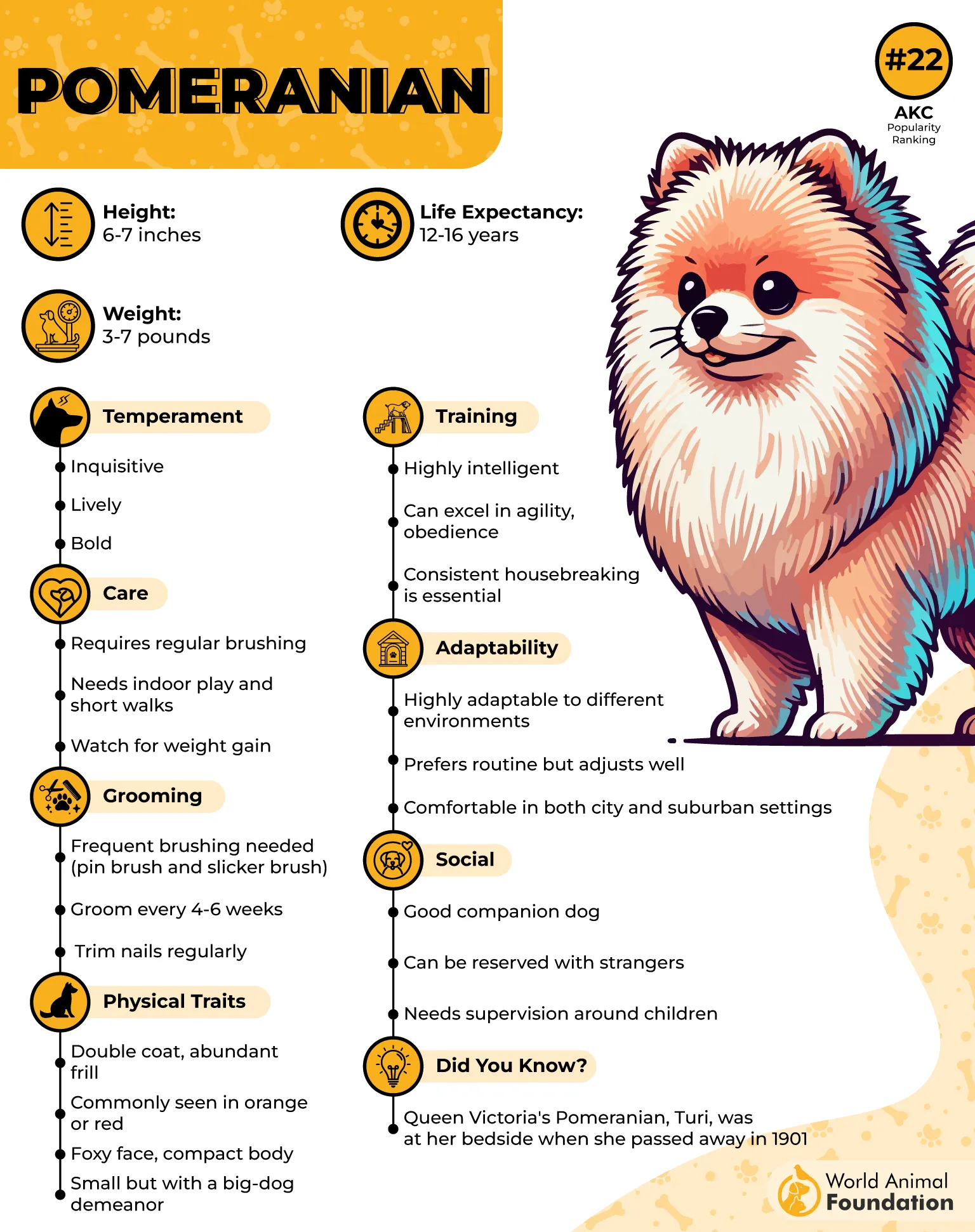
Pomeranians originate from larger Spitz-type sled dogs, once weighing around 30 pounds before being bred down in size. That history still shows in its bold posture and alert expression despite its small frame. The shift in size changed its role, but not its confident attitude.
Personality that fills the room
Poms bring a lively and expressive nature into daily life and form strong bonds with their owners. Its behavior reflects confidence that feels much bigger than its size.
That presence shows in small but clear ways:
Engages actively with people and other pets
Seeks attention during quiet moments
Displays bold reactions to surroundings
Learning shaped by curiosity
They respond well to mental engagement, often picking up tasks when training feels interactive rather than repetitive. Its intelligence shows through interest in learning rather than passive behavior. Structured activities help keep the mind engaged without requiring constant physical effort.
5. Havanese
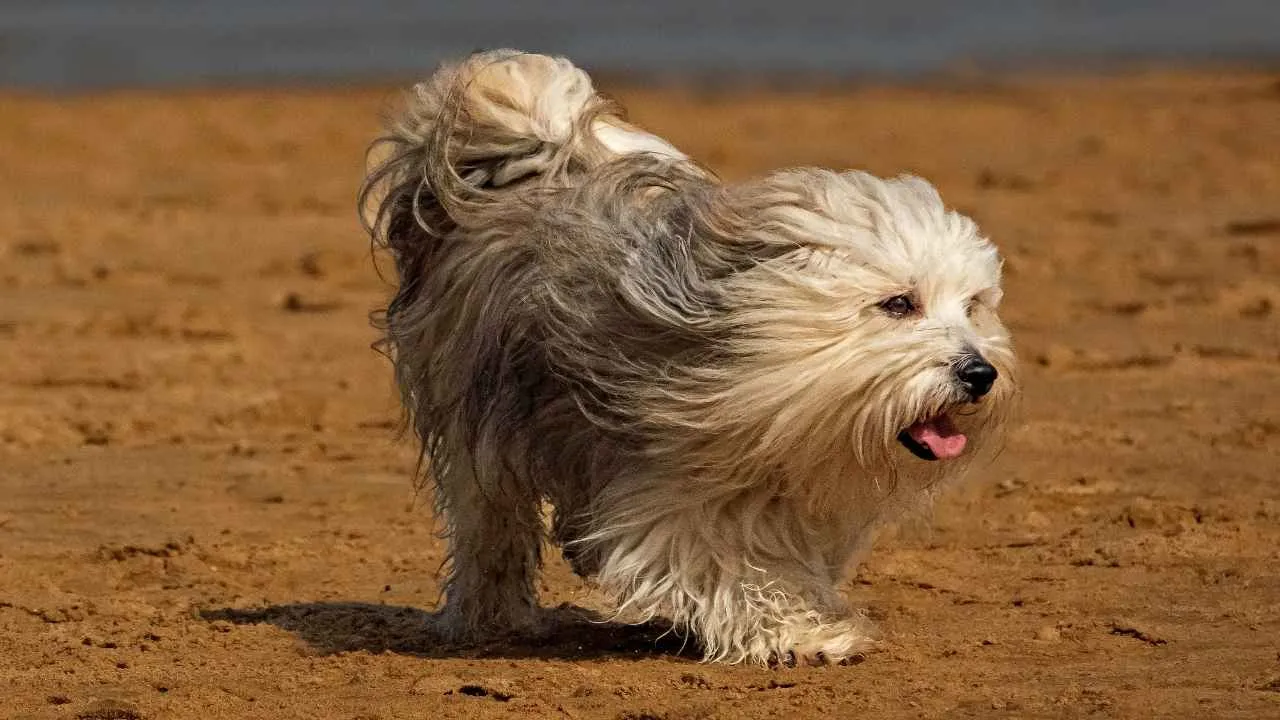
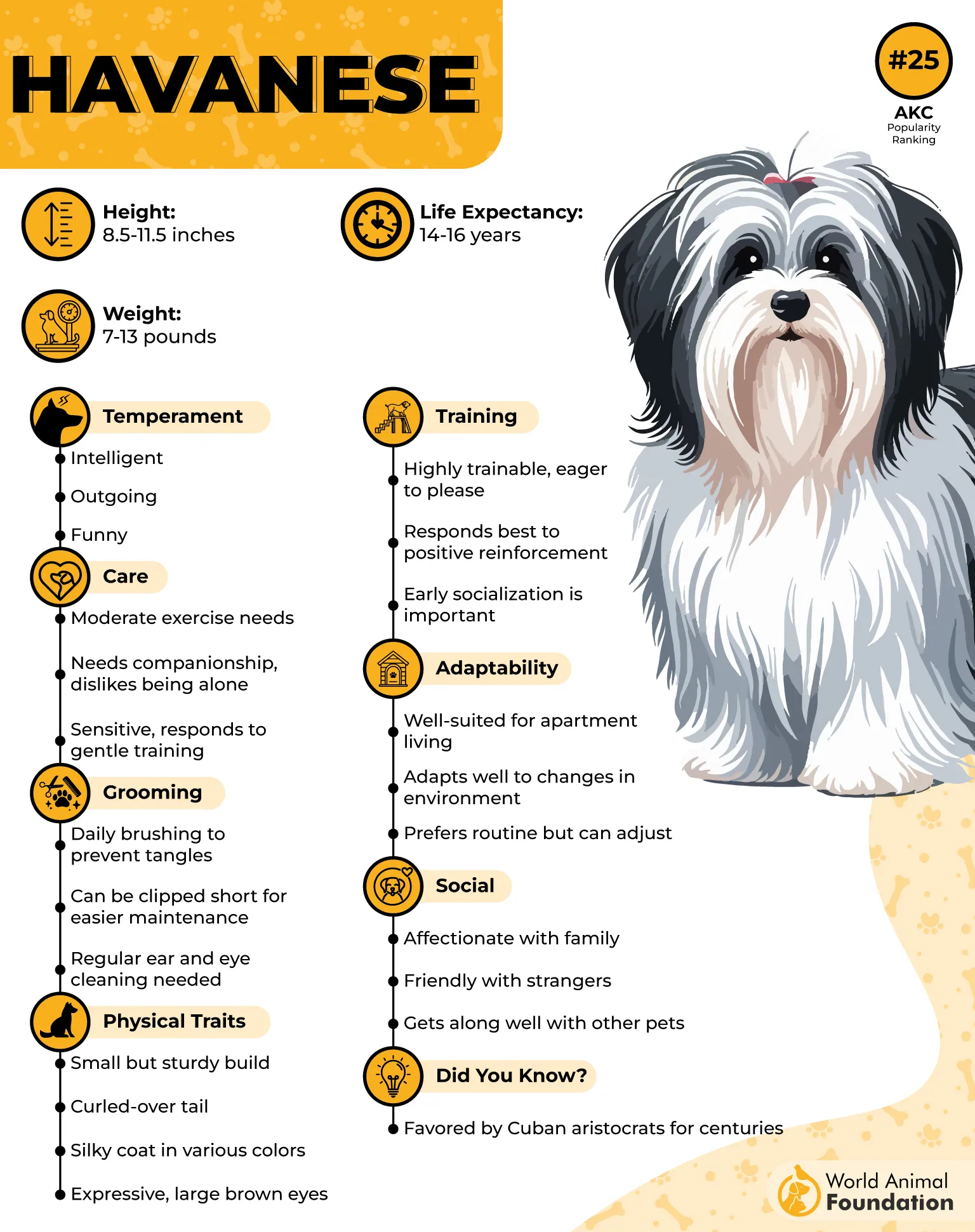
Havanese is the only breed native to Cuba, known for its cheerful nature and expressive eyes that reflect constant engagement.
Its small yet sturdy frame supports a lively presence without feeling fragile. This combination makes it a familiar sight in city homes where attention and companionship shape daily pet ownership.
Personality that draws attention
They interact with people through playful, outgoing behavior, often placing themselves at the center of social spaces. Their natural comedic instincts show in small actions that invite engagement rather than demand it.
That personality comes through in simple ways:
Performs tricks with ease and enthusiasm
Responds quickly to social interaction
Maintains alertness without constant noise
Companionship built on presence
They stay closely connected to people, often preferring shared spaces over solitude and showing contentment during quiet moments together.
Their moderate activity needs are well-met with short walks or relaxed playtime. This steady companionship shapes it into a perfect companion for those seeking a friendly furry friend.
6. Maltese
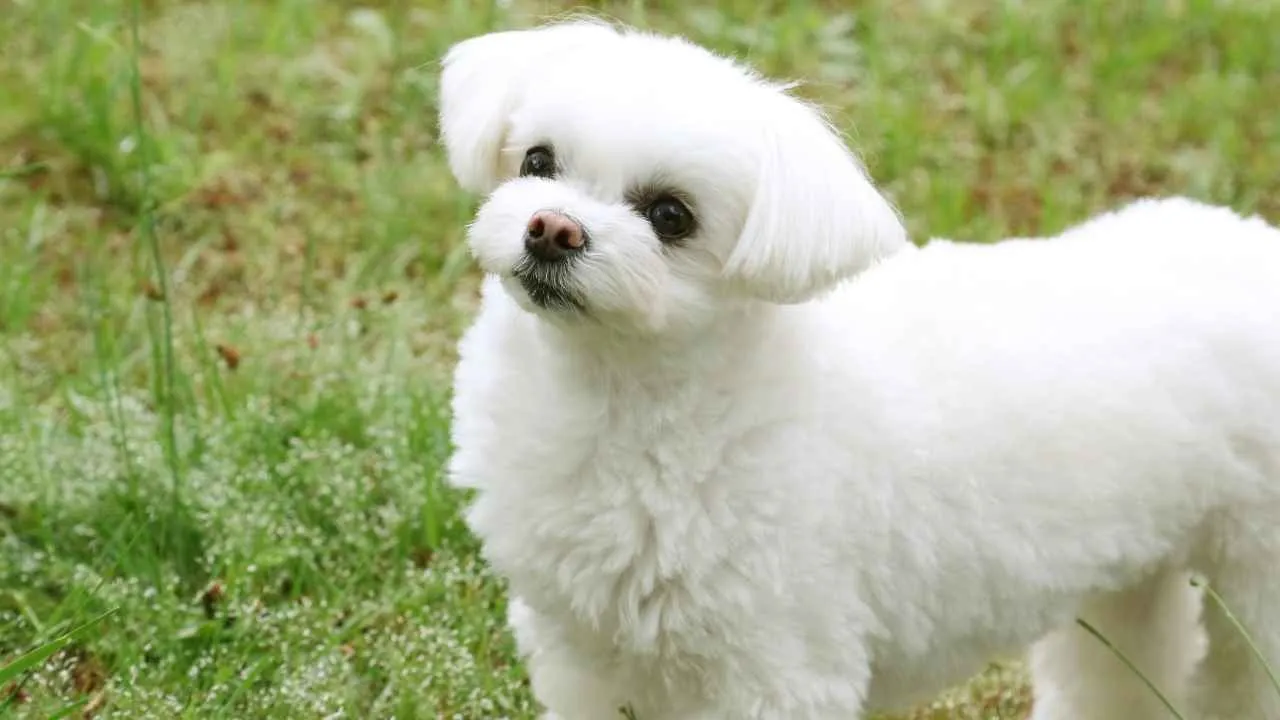
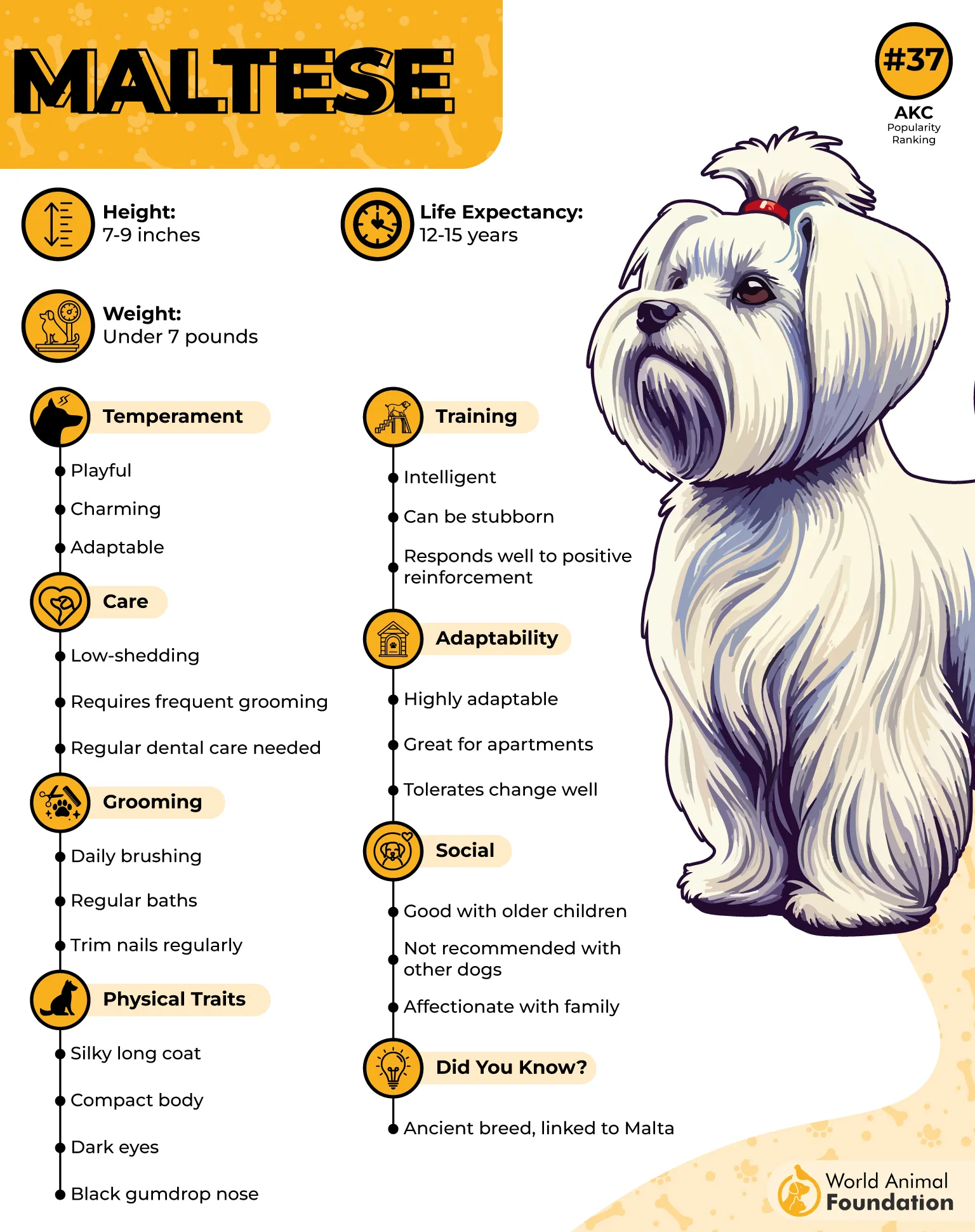
Maltese have long been associated with close human companionship, often placed in intimate living spaces across centuries. Its small frame, paired with a flowing white coat, creates an impression of softness with purpose. The expressive eyes and dark nose give it a face that holds attention without effort.
Small body with active expression
They show more activity than their delicate appearance suggests, moving with a smooth, balanced gait that reflects control. Its alert nature appears quickly in response to surrounding sounds or movement.
Their liveliness shows through simple traits:
Reacts quickly to nearby activity
Maintains a light, effortless gait
Engages readily with people of all ages
Routine that stays manageable
They maintain their well-being through light daily activity, whether through short walks or indoor play. Its energy appears in brief bursts rather than constant demand, making routines easier to manage. Training responds best to reward-based methods, especially when patience remains consistent.
7. Italian Greyhound
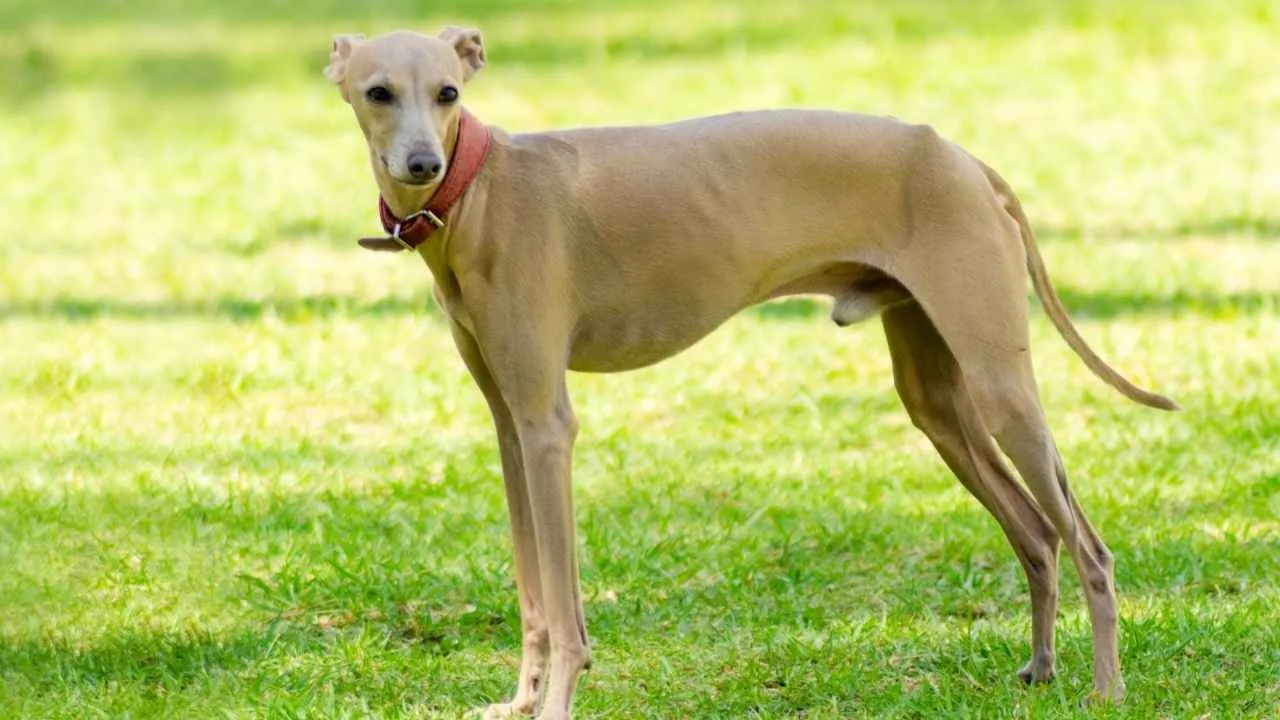
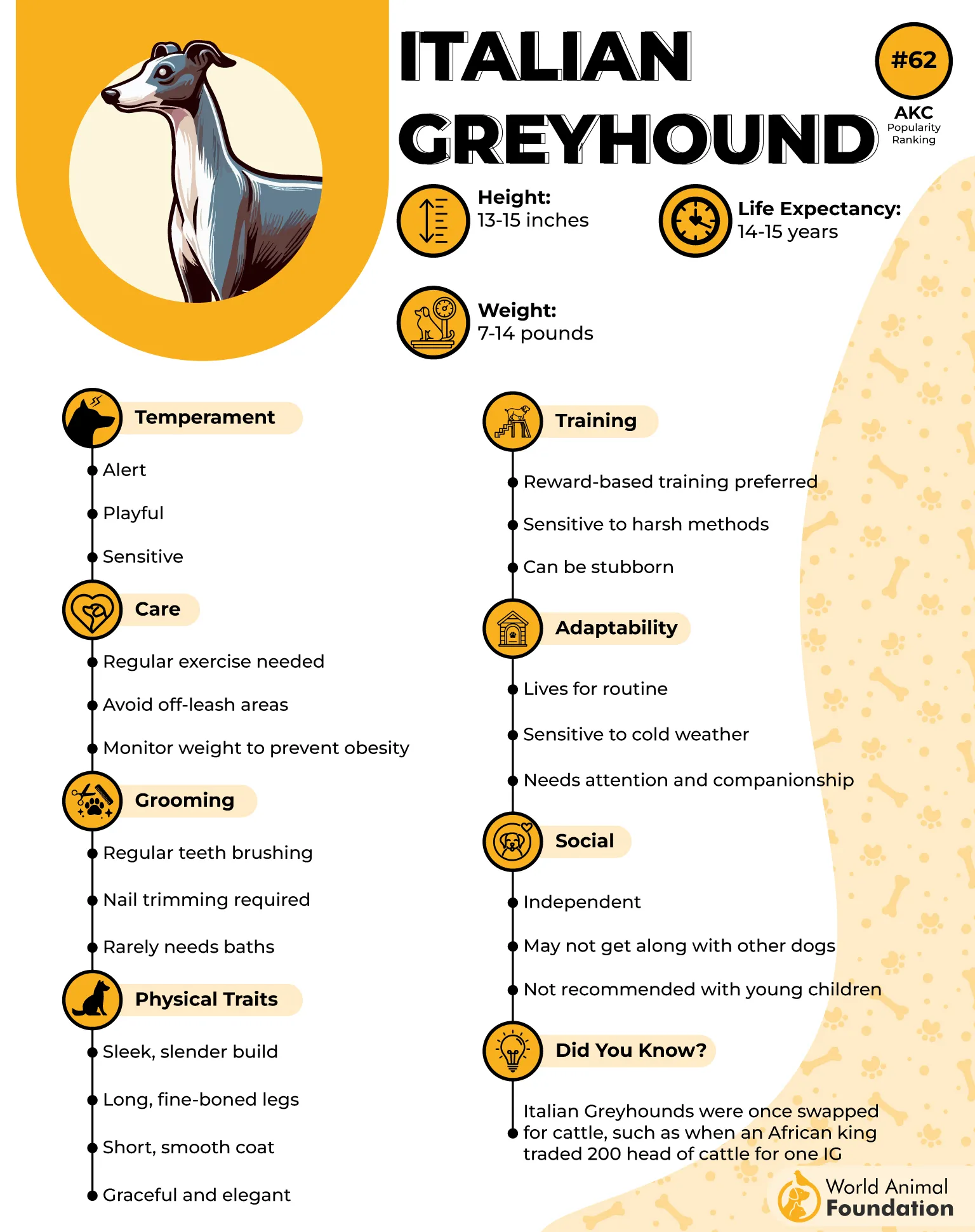
Italian Greyhound presents a slender, fine-boned frame with long legs that echo its sighthound lineage. Its elegance reflects centuries of companionship within aristocratic settings. The breed balances delicate structure with an alert, expressive presence.
Instinct beneath the calm
IGs maintain a quiet indoor presence, yet their coursing instinct remains active when fast movement appears. It may react instantly to small animals or sudden motion, shifting from stillness to pursuit.
Their instinct appears in simple patterns:
Reacts quickly to fast-moving objects
Fixates visually before acting
Shows sudden bursts of speed in short spans
Activity in short bursts
This breed stays active through brief play sessions or light daily walks rather than long, demanding routines. Interaction with other dogs often provides enough movement within the home. Its rhythm alternates between quick activity and extended rest periods.
Conclusion
A peaceful home depends on more than choosing a dog that seems friendly at first. The dog breed for seniors discussed here reflects how small differences in behavior shape everyday life in meaningful ways. Some naturally follow a slower rhythm, while others adjust without needing constant attention or structure.
Over time, that ease becomes noticeable. Routines stay consistent, and companionship feels natural instead of demanding in senior living. This is what makes the right choice stand out. It allows a dog to fit into your life without shifting your pace. In the long run, that quiet compatibility matters far more than initial impressions or surface-level charm alone.
