





Keeping a dog should feel simple, but for many people, the cost becomes a constant concern. Food, grooming, medical care, and daily needs add up faster than expected, especially when the breed requires more than a basic routine.
At first, it might not seem like a big deal. You assume you will manage somehow, adjusting along the way. But over time, those expenses start affecting your comfort, and what was meant to be an easy companionship begins to feel like a financial stretch.
This is where choosing the right kind of dog makes a real difference. Some dogs naturally require low maintenance, fewer resources, and adapt easily to a modest lifestyle without sacrificing affection or charm. They bring the same warmth without the heavy demands.
This article walks through options that balance cost and companionship, helping you find a dog that fits your budget without losing the joy.
Key Takeaways
Keeping a dog sounds simple until the monthly costs quietly start piling up in ways you did not expect.
Chihuahua keeps things light with tiny food portions, while Beagle manages well with minimal grooming and steady routines.
Dachshund and Pug bring comfort and personality without stretching daily expenses too far, fitting easily into modest lifestyles.
As you move through the list, it becomes clear which dogs truly balance affection with affordability in everyday life.
Cheap and Adorable Dog Breeds for Budget-Conscious Owners
1. Chihuahua

Chihuahua fits easily into relaxed home routines due to its tiny frame and long lifespan that often reaches 14 to 16 years. Its low body weight keeps daily handling simple, especially in indoor settings. This size also keeps food intake limited, which naturally lowers ongoing costs.
Daily upkeep stays minimal
It keeps routine expenses manageable, from food portions to grooming needs, making it easier to maintain over time. Short coats reduce the need for frequent professional care, keeping upkeep straightforward.
A quick look at what shapes this:
Adoption range varies widely from $50 to $2,500
Yearly healthcare stays around $300 to $800
Food and grooming costs remain relatively low annually
Indoor comfort and habits
This budget-friendly dog breed adapts well to apartment living, often settling into soft spots like couches or beds for extended rest. As per the AKC, its compact body makes short walks sufficient without demanding long outdoor sessions. This rhythm suits a slower, home-centered lifestyle.
2. Rat Terrier
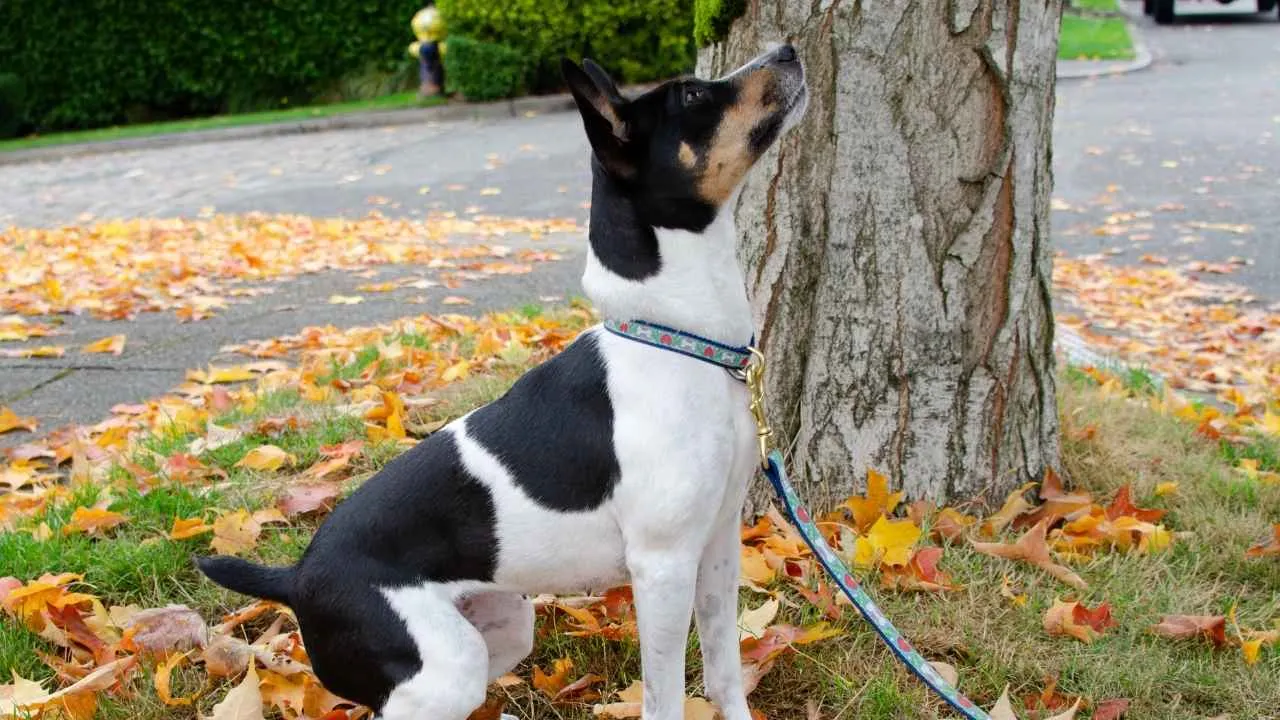
Rat Terrier brings a lively, expressive presence that blends humor with sharp awareness, often turning small moments into something engaging.
Its feisty and entertaining nature shows through quick reactions and curious behavior. This personality keeps interaction active even during quieter indoor hours.
Behavior shaped by attention and engagement
This small dog needs proper mental stimulation, often reacting to surroundings with alertness that reflects its hunting background, as Purina noted. Its need for interaction shows through small, consistent actions rather than passive rest.
That behavior becomes easier to notice in patterns like:
Gives vocal alerts when something feels off
Seeks engagement through playful actions
Stays mentally active even indoors
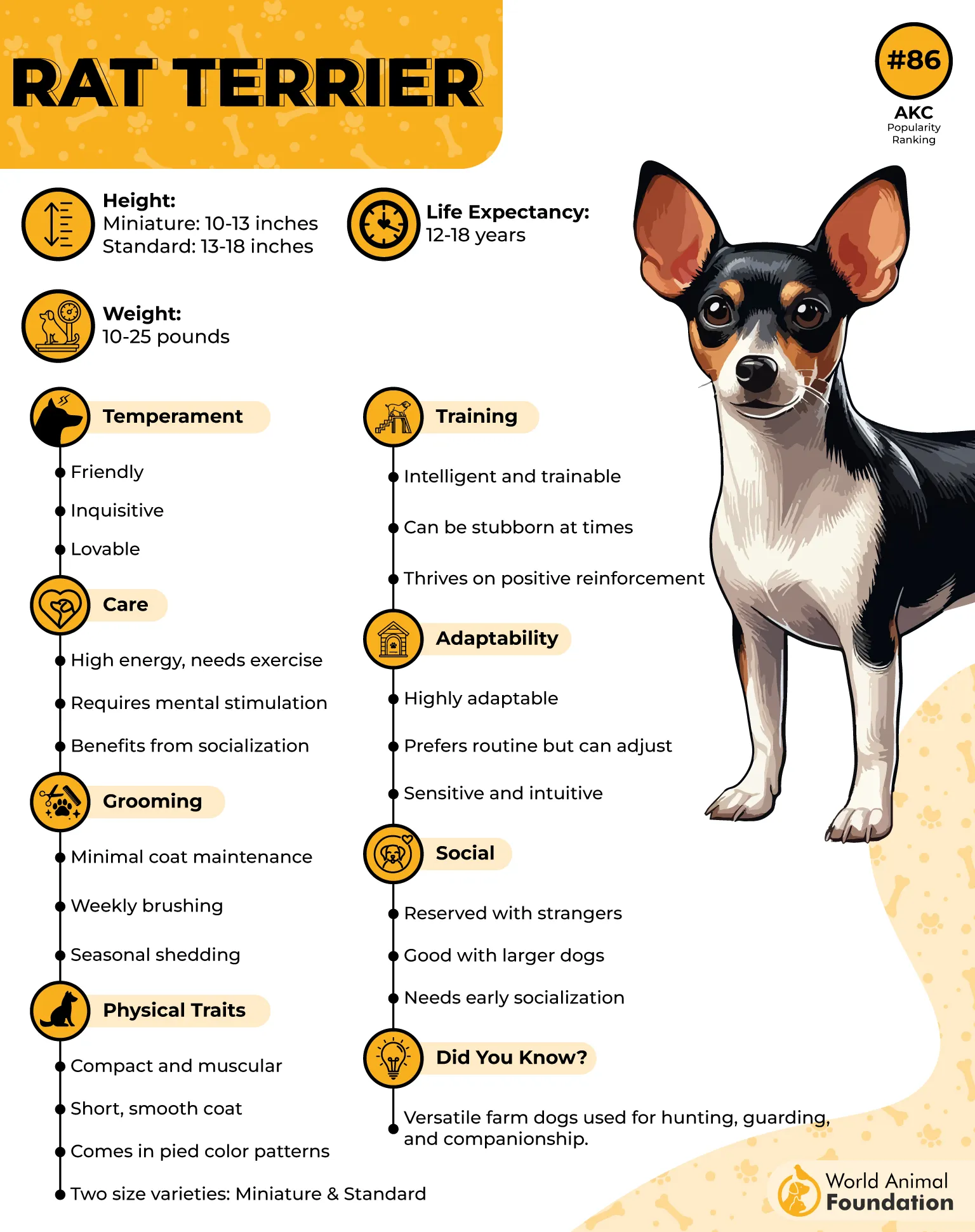
Cost shaped by routine needs
It fits into a yearly structure of around $1050, where expenses remain fairly predictable across essential categories. The breakdown reflects balanced upkeep rather than unexpected spikes.
This includes: vet visits around $300, grooming and boarding near $250, treats and food costs about $300, and other needs close to $200.
3. Pug

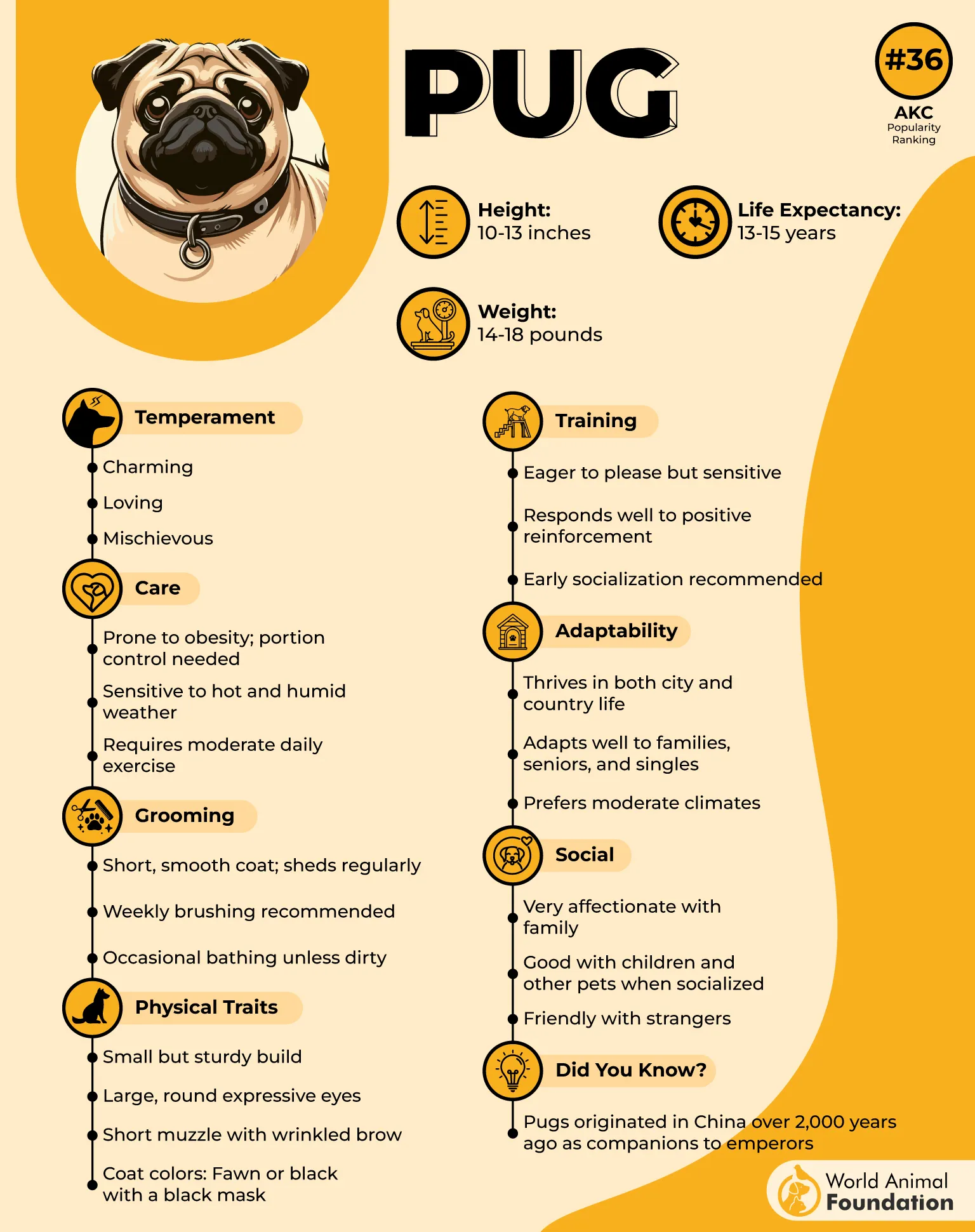
Pugs stay naturally small at around 14 to 18 pounds, which shapes how they fit into quieter home routines. Its size reduces space demands and keeps daily care simple without overwhelming the household. This physical ease often aligns with slower, more settled lifestyles.
Care that shows up regularly
This affectionate breed requires consistent bathing to maintain skin health, making grooming a visible part of its routine rather than an occasional task. This ongoing care shapes how the breed fits into daily habits at home.
That routine usually includes:
Frequent bathing to keep skin clean
Regular grooming to manage upkeep
Hands-on maintenance rather than occasional care
Cost that stays manageable
For budget-conscious pet parents, they remain relatively affordable across different areas, with adoption fees ranging from $100 to $2,000 depending on the source.
Annual healthcare costs can fall between $240 and $2,400, while food stays lower due to its small size. Grooming costs typically range from $360 to $720 each year.
4. Beagle

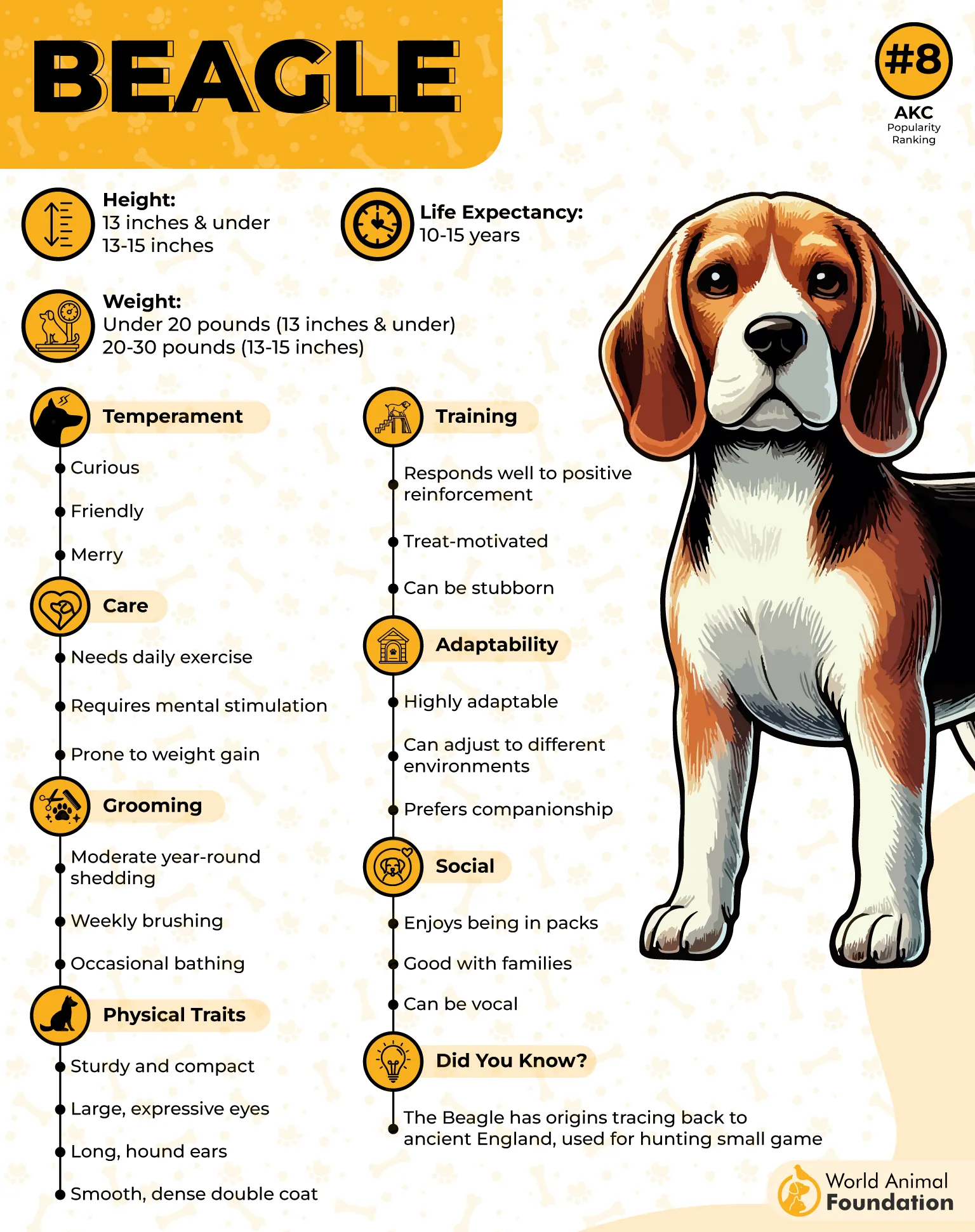
Beagles fit easily into smaller spaces with their compact build, keeping food portions and daily needs relatively manageable. Its overall upkeep stays flexible, with adoption ranging from $25 to $1,500 depending on the source. This balance makes it easier to plan without sudden cost pressure.
Costs that stay within range
For pet owners, it keeps ongoing care fairly predictable, with healthcare and food forming the main yearly expenses. Minimal grooming due to its short coat is required, reducing the need for frequent professional visits.
A quick look at typical yearly needs:
Healthcare ranges from $1,080 to $2,640
Food costs stay around $360 to $600
Grooming can remain between $0 and $480
Behavior around food and routine
This breed shows a noticeable interest in food, often finding ways to reach it if left unattended, as Omlet reports. This habit comes from its scent-driven nature, which keeps it alert to anything edible nearby. Regular feeding routines help manage this tendency within the home.
5. Dachshund

Dachshund keeps a low, elongated frame that directly influences how it rests, lounges, and spends time indoors. Its smaller size also shapes overall care, especially in feeding and general upkeep. This physical structure connects closely with both comfort habits and long-term maintenance needs.
Cost pattern shaped by size
It fits into a cost range that stays manageable compared to larger breeds, especially in daily care and feeding. Adoption can range between $150 and $3,500, with food costs staying lower due to smaller portions.
The financial picture becomes clearer when broken down:
Annual healthcare: $600 to $3,600
Grooming costs: $0 to $600
Food costs: $240 to $840
Weight management tied to structure
This small breed requires careful attention to diet, as excess weight places strain on its elongated body. This becomes more important due to its natural tendency toward obesity, which can lead to spinal concerns. A controlled routine helps maintain both comfort and mobility.
6. Bichon Frise
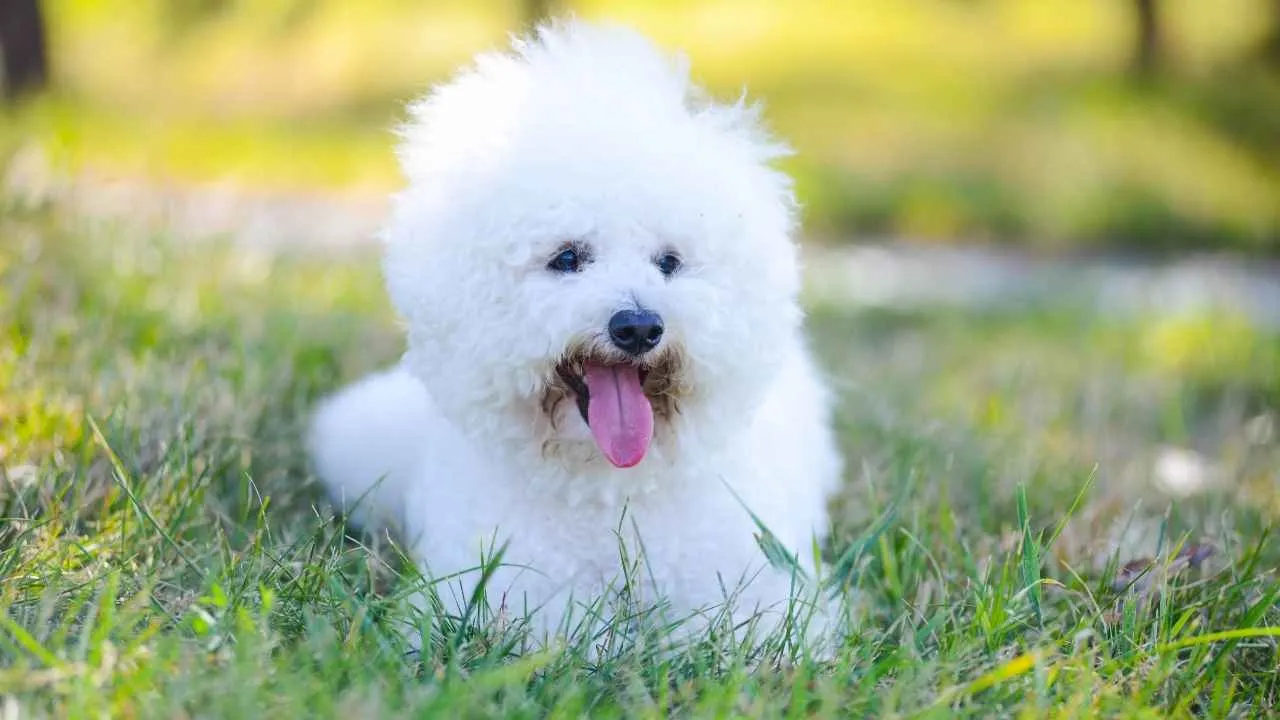
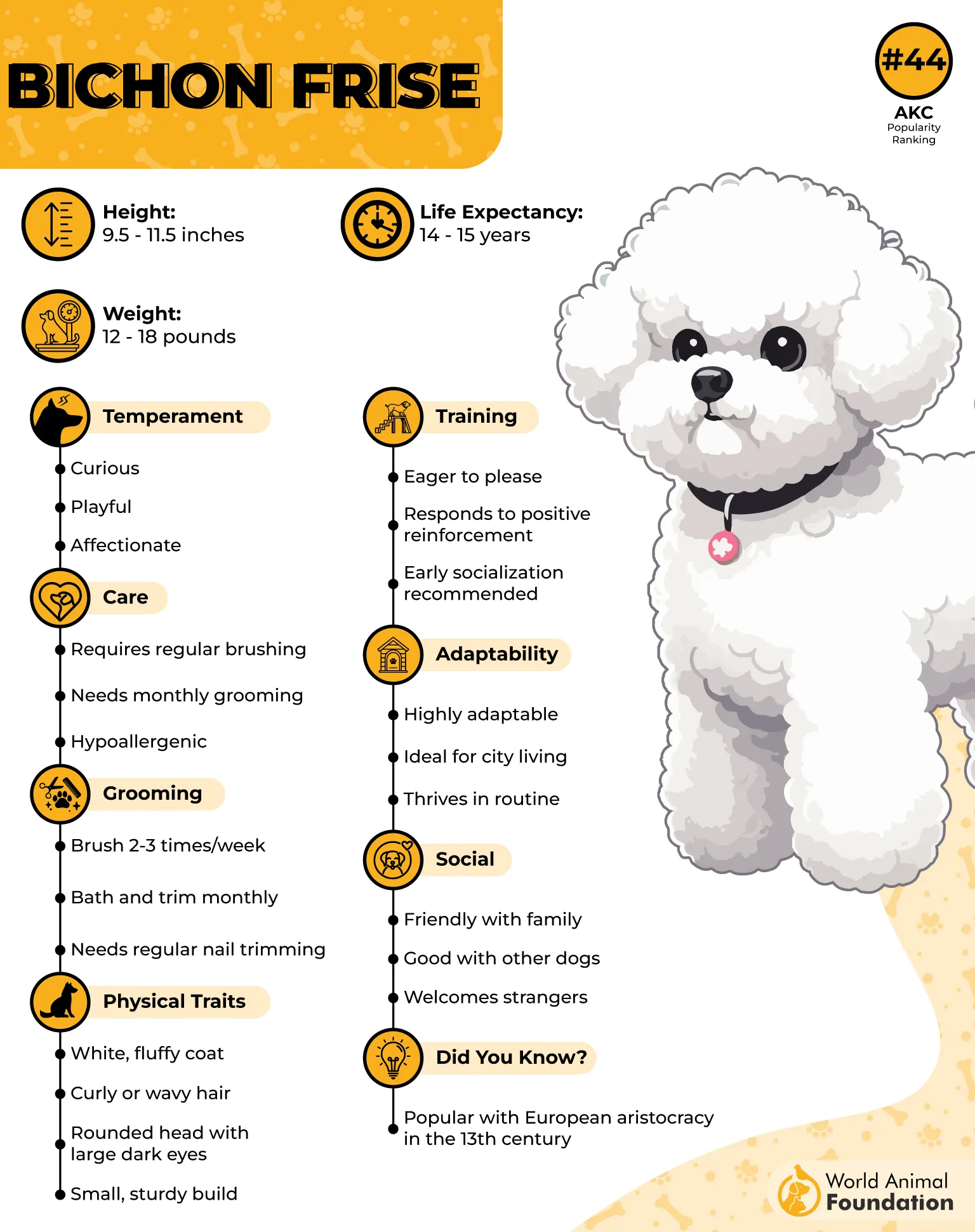
Bichon Frise fits easily into relaxed indoor living through its small size, typically between 12 and 18 pounds, making daily care physically manageable. Its minimal shedding adds comfort for shared spaces, especially where cleanliness matters.
Daily habits and upkeep rhythm
It stays playful without becoming overwhelming, keeping activity at a level that blends easily with slower routines. Its grooming cycle becomes part of its lifestyle, requiring attention every few months to maintain coat condition.
That rhythm shows in practical terms:
Grooming ranges from $300 to $1,000 yearly
Food costs stay around $480 to $1,200 annually
Healthcare may fall between $1,380 and $3,480
Cost balance beyond first glance
Bichon Frise can enter a home through adoption, which ranges between $50 and $2,500, depending on the source and background. Its smaller size often keeps feeding needs moderate compared to a larger dog. Ongoing care shifts more toward grooming and health upkeep rather than high food demand.
7. Miniature Pinscher

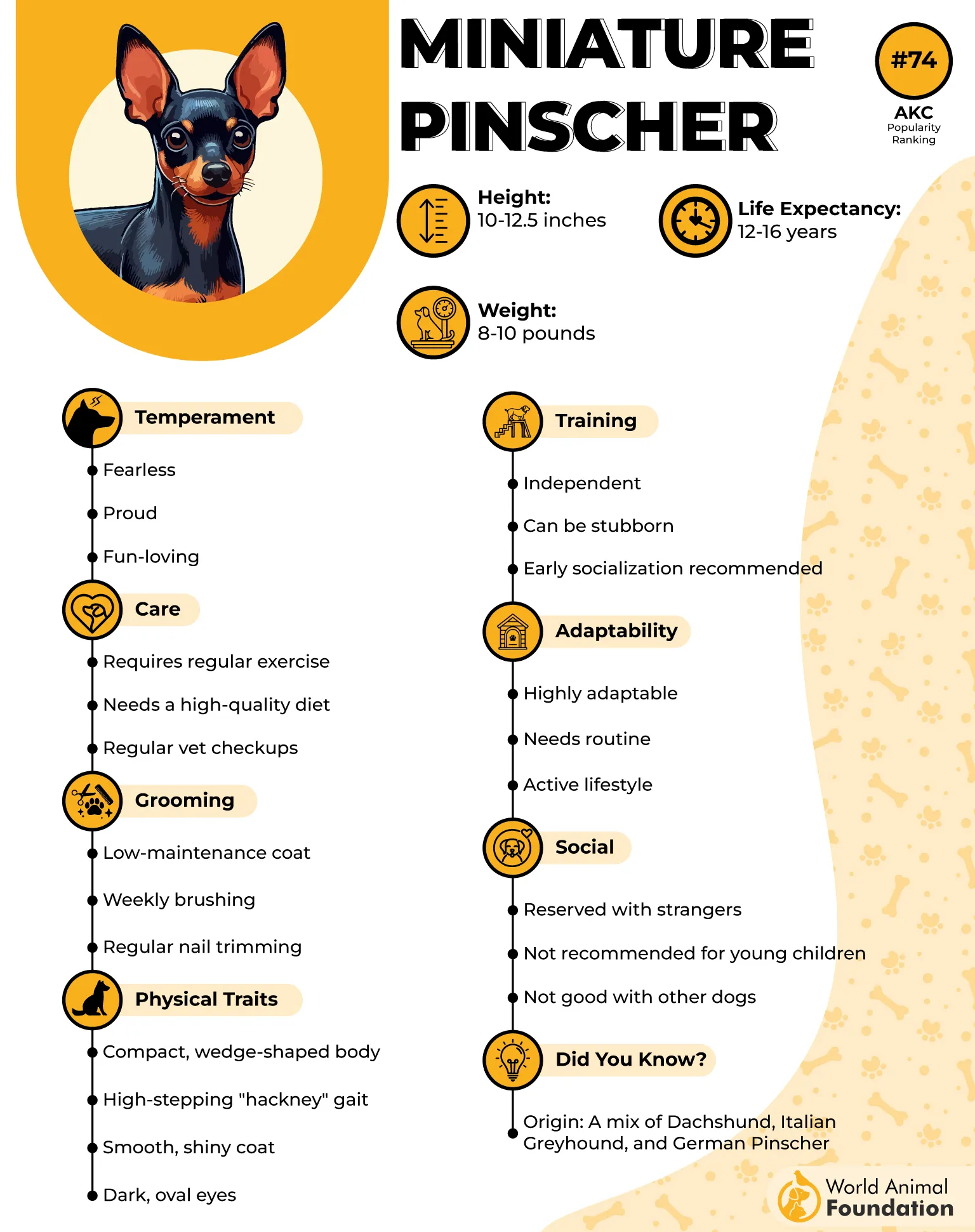
Miniature Pinscher fits easily into smaller spaces, with its light frame keeping daily handling simple indoors. Its short coat requires only occasional grooming, often spaced out over months rather than frequent sessions. This low-maintenance setup blends naturally into relaxed home routines.
Daily rhythm and personality
Min Pins bring a lively and outgoing nature into the home, often shifting between bursts of play and quiet rest nearby. Its confident attitude adds presence without demanding constant attention.
A few patterns shape its everyday flow:
Shifts quickly between play and rest
Stays engaged without needing large spaces
Responds well when early guidance is consistent
Cost balance in everyday care
These affectionate companions keep expenses manageable, with adoption ranging from $50 to $1,215 depending on source and background.
Food costs stay lower due to its small size, often between $50 and $150 annually. Grooming and healthcare remain moderate, with grooming around $140 to $200 and healthcare between $400 and $700 yearly.
Conclusion
Keeping a dog affordable becomes easier when the choice already fits a simpler routine. The affordable dog breeds discussed here show how size, grooming needs, and daily habits shape overall cost without reducing companionship, especially for first-time dog owners adjusting to dog ownership. Some stay low effort in care, while others balance small expenses with steady interaction.
That difference becomes clearer over time. The right dog does not create financial pressure through constant needs or unexpected upkeep, even when adding basics like pet insurance. It settles into a pattern that feels manageable. When that fit is right, expenses stay controlled, and the dog becomes part of daily life without turning companionship into something that feels difficult to sustain.
