




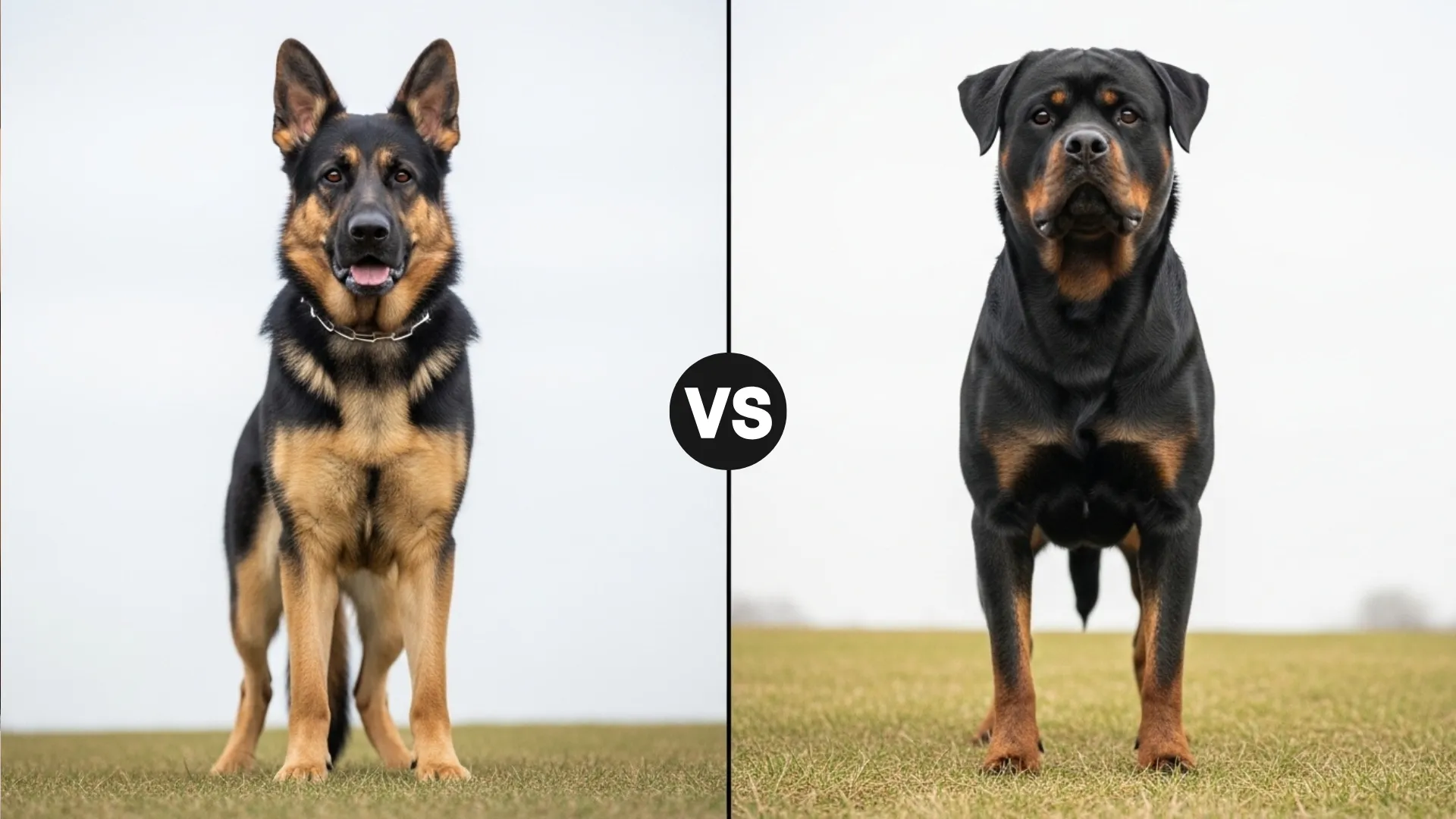
So, you’ve decided you want a dog… but not just any dog. You want one of those big, impressive, “who needs a security system?” kind of dogs.
Now you’re stuck in the ultimate showdown: Rottweiler vs. German Shepherd. It’s basically choosing between an excellent guard dog and a detective—both will protect you, but one might also judge your life choices.
German shepherds and rottweilers are not your average tail-waggers.
These breeds were originally bred to work, which means they don’t just sit around looking cute—they expect jobs, routines, and a solid amount of training. Skip that, and your furniture might mysteriously “disappear” one chew at a time.
The good news? Both breeds are loyal, smart, and amazing with family members when raised right. The tricky part is figuring out which one actually fits your lifestyle. Because let’s be honest, bringing home a powerful dog without a plan is like hiring a bouncer for a tea party.
Essential Comparisons: German Shepherd Dog Breeds vs. Rottweiler
Choosing between a German Shepherd and a Rottweiler means weighing two of the world’s most capable and loyal guardian breeds. While both offer unparalleled protection, their distinct personalities and energy levels make each suited for very different types of households.
Size & Build Differences
If dogs had a gym membership, both of these would be regulars—but they’d train very differently.
The German Shepherd dog is like that athletic friend who runs, lifts, and still has energy to chase you around. As per AKC, tall, lean, and built for speed, a shepherd moves with smooth confidence and can switch from a calm trot to full action mode in seconds.

Now enter the rottweiler—the heavyweight champion of the group. This big, tough dog is all muscle, power, and “I didn’t skip leg day” energy. Male rottweilers especially look like they were designed to win staring contests and intimidate vacuum cleaners.
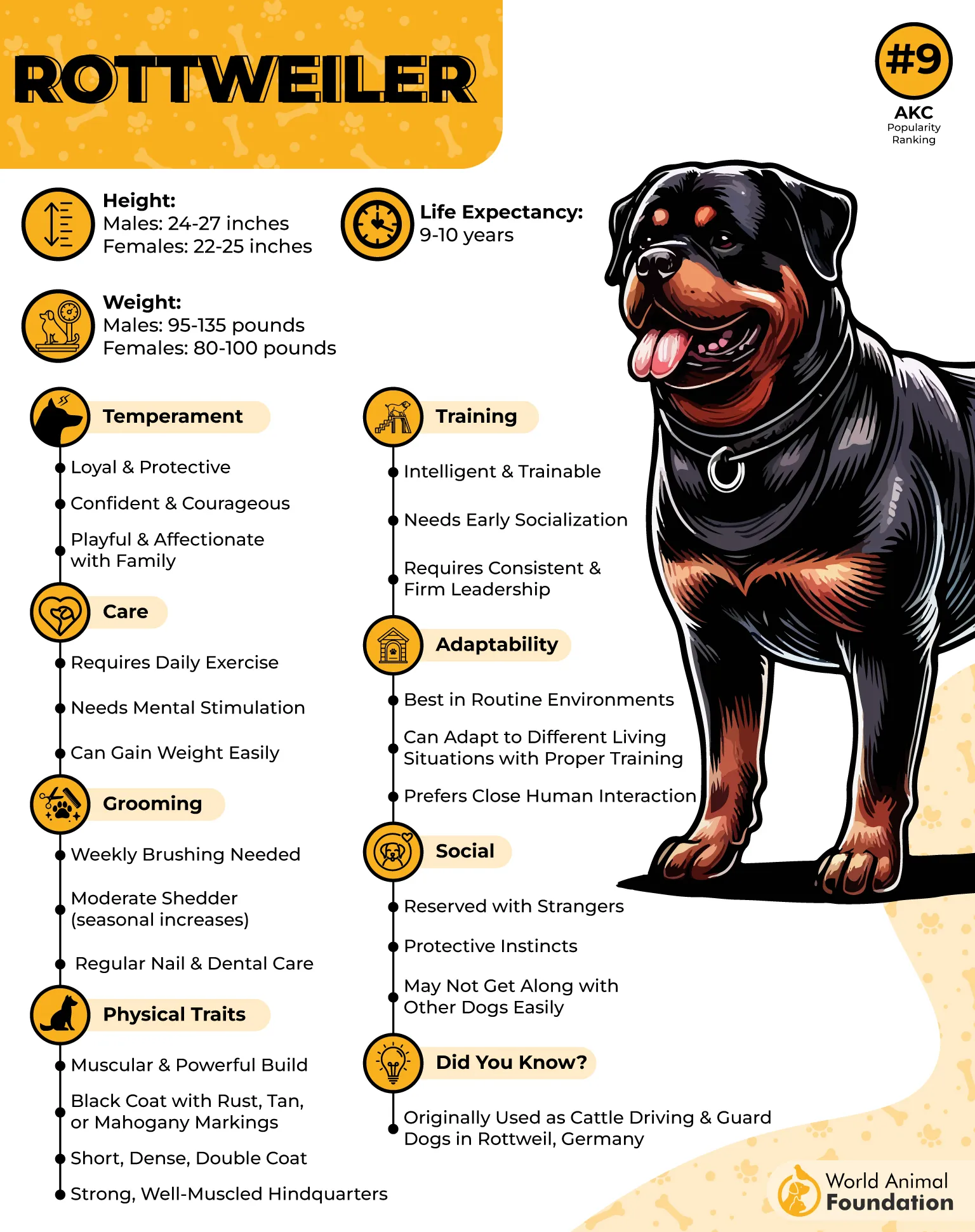
In this Rottweiler vs. German Shepherd debate, one is sleek and agile, the other is a solid and powerful dog.
Both German shepherds and rottweilers are impressive breeds—you just need to decide if you want a sprinter or a bodybuilder lounging in your living room.
Temperament & Personality
In the classic Rottweiler vs. German Shepherd comparison, personality is where things really stand out.
German shepherds tend to be alert, loyal, and always mentally on duty. As per PetMD, they’re smart, quick to react, and family-friendly dogs, though a bit reserved with strangers.
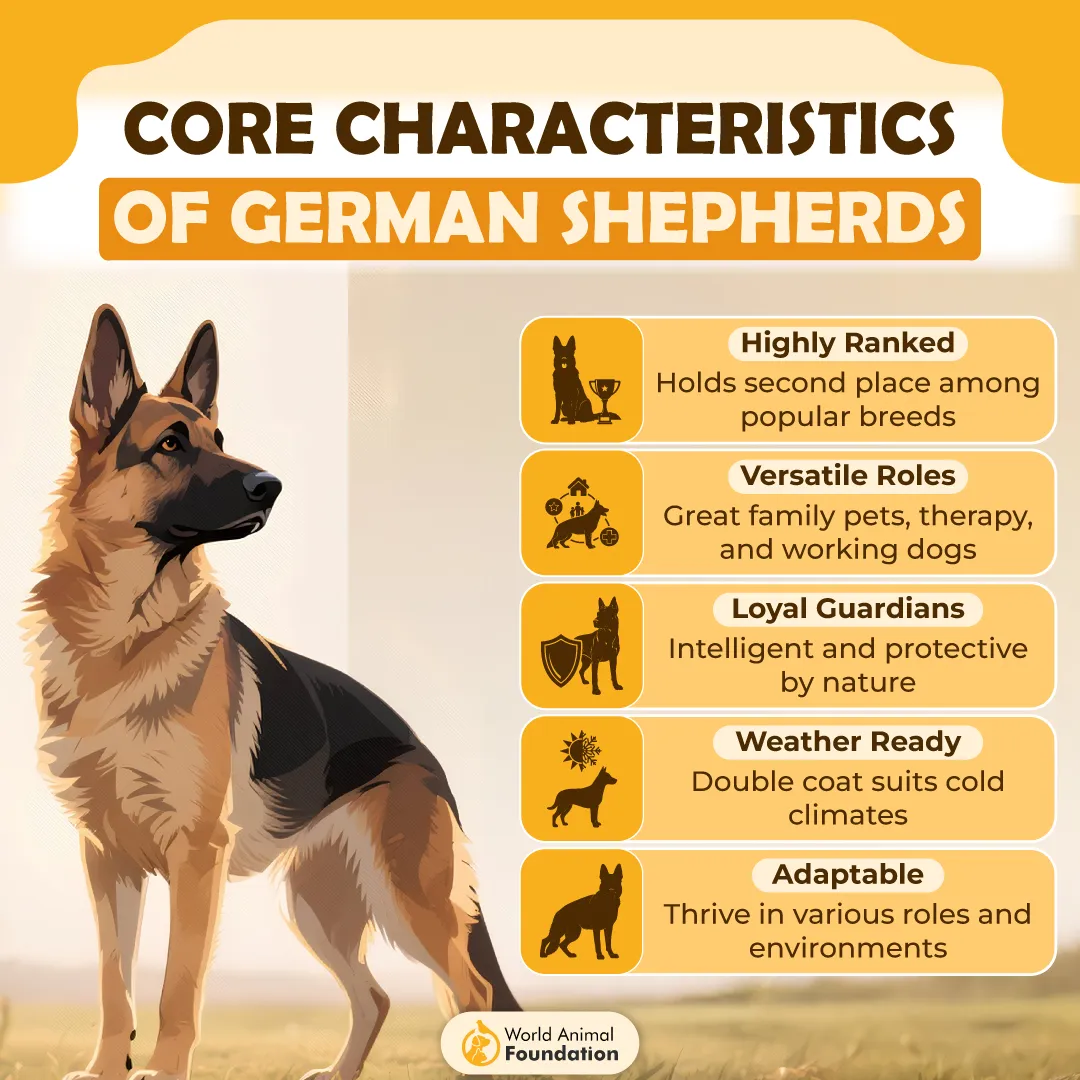
Rottweilers, on the other hand, bring a calmer, more laid-back vibe.
Rotties possess an affectionate nature and enjoy sticking close to their people, often following you from room to room like a big shadow. But don’t be fooled—their protective instincts are just as strong.
Both breeds are powerful dogs with confident temperaments. The key difference?
The shepherd is like an overachieving student, always ready to work, while the rottweiler is the quiet, confident type who only steps in when truly needed.
Exercise & Energy Levels
If you’re comparing Rottweiler vs. German Shepherd, get ready—both breeds come with serious energy, but they burn it differently.
German shepherds are like fitness influencers; they need daily exercise plus mental stimulation to stay happy. A simple walk won’t cut it—they love challenges like agility, tracking, and anything that makes them think and move.
Rottweilers, or rotties, prefer a more balanced routine. They still need regular exercise like long walks or runs, but they’re not constantly “on the go” like a shepherd. Give them structured activities, and they’re good.

Both are big dog breeds that need space and consistency. Without enough activity, they can get bored—and that’s when trouble starts.
So whether you pick a GSD or a Rottweiler, be ready to move… a lot.
Training & Intelligence
In the Rottweiler vs. German Shepherd debate, both breeds are seriously smart—but they show it in different ways.
German shepherds tend to be highly trainable, quick learners, and always ready to impress. They learn new commands easily and thrive on structure, but they also need consistent rules from the whole family to avoid confusion.
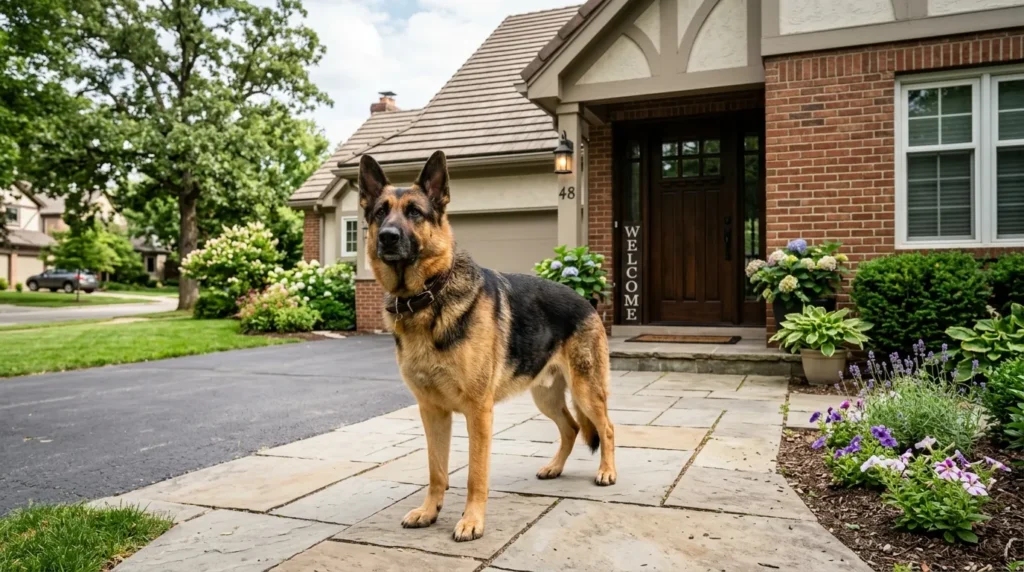
Rottweilers are just as intelligent, but a bit more independent. Rotties can sometimes be stubborn, especially if training isn’t consistent. As per PDSA, however, with proper training and positive reinforcement, they learn quickly and become well-mannered companions.
The training requirements of both breeds include early socialization and clear boundaries. These working dogs need mental stimulation as much as physical exercise.
With the right approach, both turn into loyal, obedient pets—but without it, they may start making their own (bad) decisions.
Vocal Behavior
When it comes to noise, the Rottweiler vs. German Shepherd comparison is pretty interesting.
German shepherds tend to be more vocal, thanks to their history as guard dogs and herders. They’re quick to bark at strangers, passing cars, or even that suspicious leaf blowing across your yard.
Rottweilers, or rotties, are generally quieter. They will bark when necessary—like alerting you to someone at the door—but they’re not usually nonstop commentators. Think of them as the strong, silent type.
That said, both incredible dogs have protective instincts, so some barking is totally normal. With proper training and early socialization, you can manage excessive noise.
Without it, your dog might turn into your neighborhood’s unofficial alarm system—day and night.
Coat & Grooming
In the rottweiler vs. German shepherd comparison, grooming can be a deal-breaker—especially if you hate finding fur everywhere.
As per PetPlan, German shepherds come with a thick double coat designed for protection, but it also means heavy shedding.
GSDs shed all year, and during seasonal changes, it feels like your dog is cloning itself in fur form.
Rottweilers, or rotties, are much easier to manage. Their short, dense coat still sheds, but not as dramatically as a shepherd’s. A weekly brushing session usually keeps things under control.
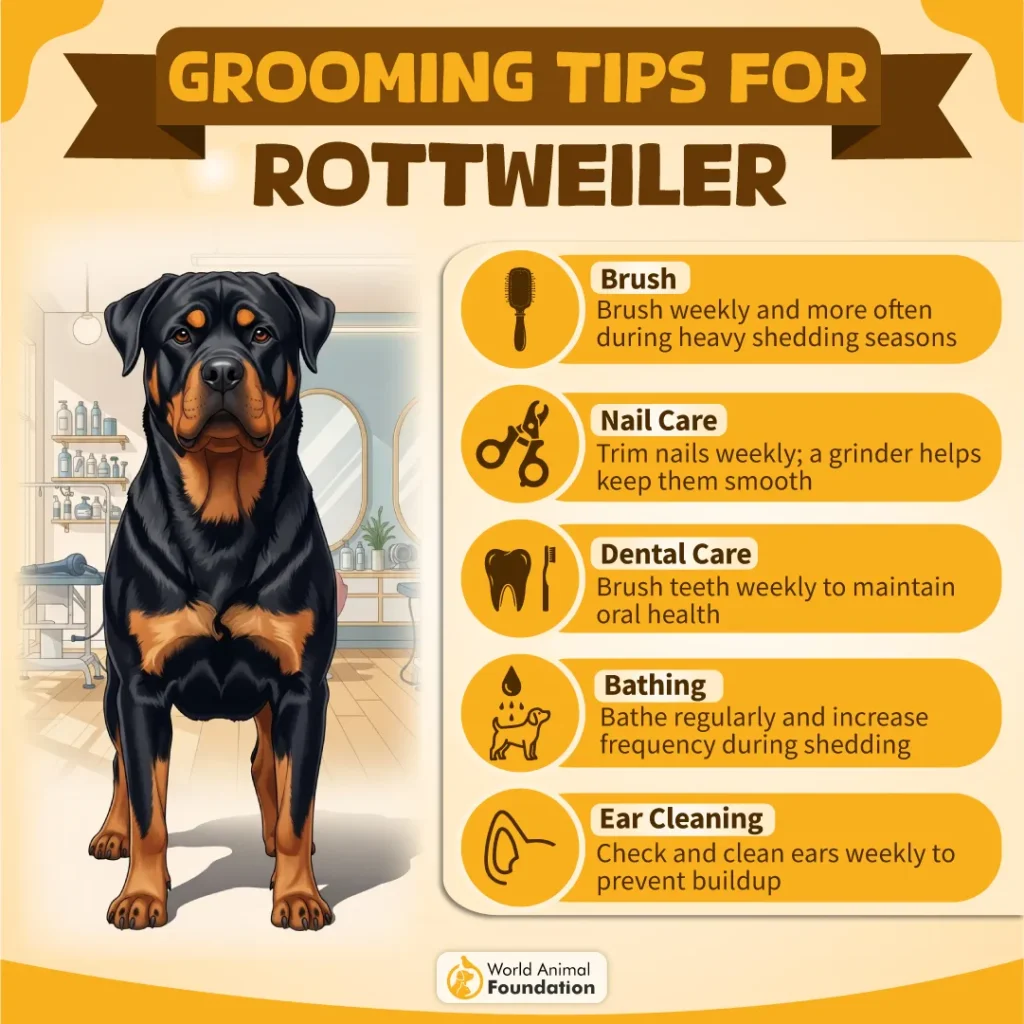
Both breeds need basic care like ear checks, nail trimming, and dental hygiene.
However, if you want lower grooming effort, the Rottweiler wins this round. If you don’t mind extra brushing, the shepherd’s fluffy coat can be worth it.
Health Issues & Lifespan
When comparing the Rottweiler vs. the German Shepherd, health is a big factor to consider.
German shepherds are prone to hip dysplasia, digestive issues like EPI, and sometimes serious health problems like cancers or degenerative myelopathy.
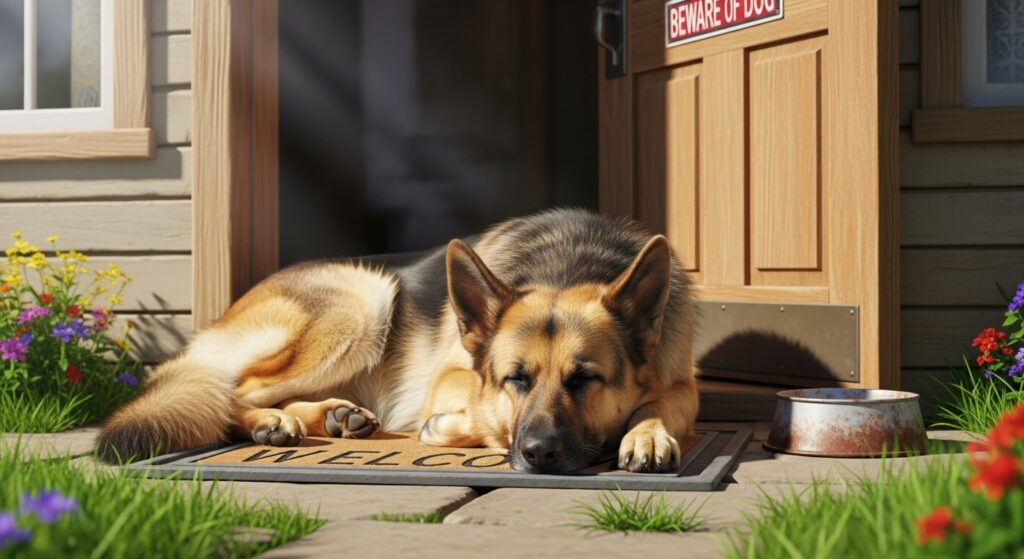
Regular vet check-ups, a good diet, and consistent exercise help keep them in top shape. They’re generally healthy and can live 10+ years with proper care.
Rottweilers, meanwhile, are more prone to joint problems like hip and elbow dysplasia, arthritis, and gastrointestinal issues.
They can also develop lumps or tumors, so monitoring their health is key.
With good care and a responsible breeder, rottweilers can thrive, though their lifespan is slightly shorter—typically 8–10 years.
Both breeds reward attentive owners with years of loyalty and love.
Home Security & Family Compatibility
If you’re thinking of a Rottweiler or a German Shepherd for home security, you can’t go wrong—both breeds are natural protectors.
German shepherds are alert, intelligent, and always on duty. They’ll notice anything unusual and are quick to respond, making them reliable protectors without being overly aggressive when properly trained.
Rottweilers are powerful and confident, giving a sense of security just by lounging in the living room.
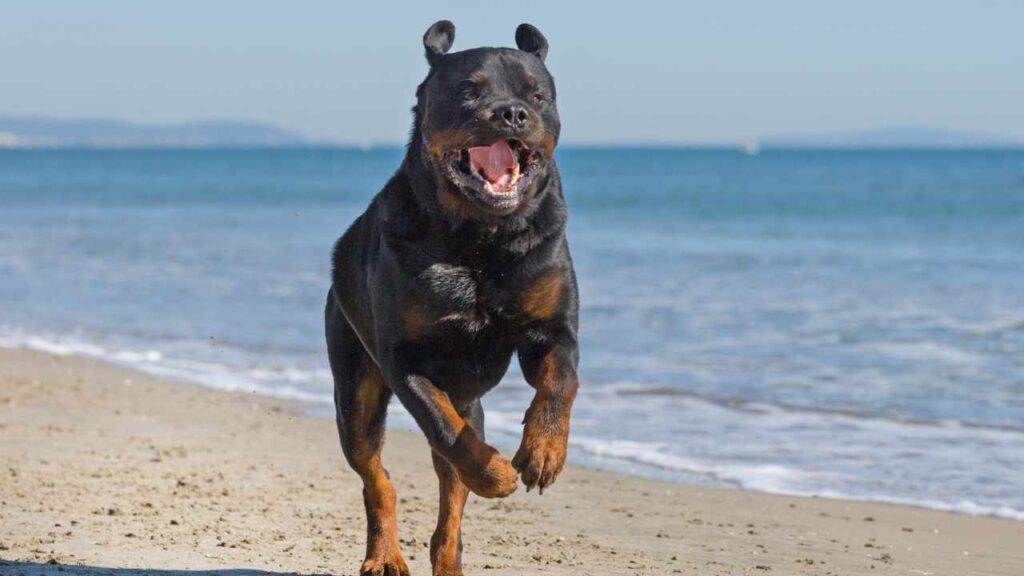
Their protective instincts are strong, but with early socialization, they are calm and gentle around family members, including kids.
Both breeds can be great for families, but they need time, training, and attention.
A well-raised shepherd or rottweiler is not just a bodyguard—they’re affectionate, loyal, and playful family members who love being part of the household action.
Conclusion
Choosing between a German Shepherd and a Rottweiler is like picking between two superheroes: both are loyal, intelligent, and built to protect, but each brings a unique flavor to your home.
German Shepherds are agile, highly trainable, and alert—perfect for families who want an energetic, smart, and dependable companion.
Rottweilers are powerful, confident, and calm, offering a steady presence while still being affectionate and playful with loved ones.
Both breeds require consistent training, early socialization, and plenty of exercise to thrive.
They are generally healthy when sourced from reputable breeders, though each has its own predispositions to joint or health issues.
Grooming needs differ, with shepherds requiring more attention due to their double coat, while rottweilers are lower maintenance.
Ultimately, whether you choose a sleek, speedy German Shepherd or a muscular, steady Rottweiler, you’ll be gaining a loyal, loving protector.
Take the time to understand each breed’s personality and energy, and your new canine companion will reward you with years of joy, laughter, and unwavering devotion.
