




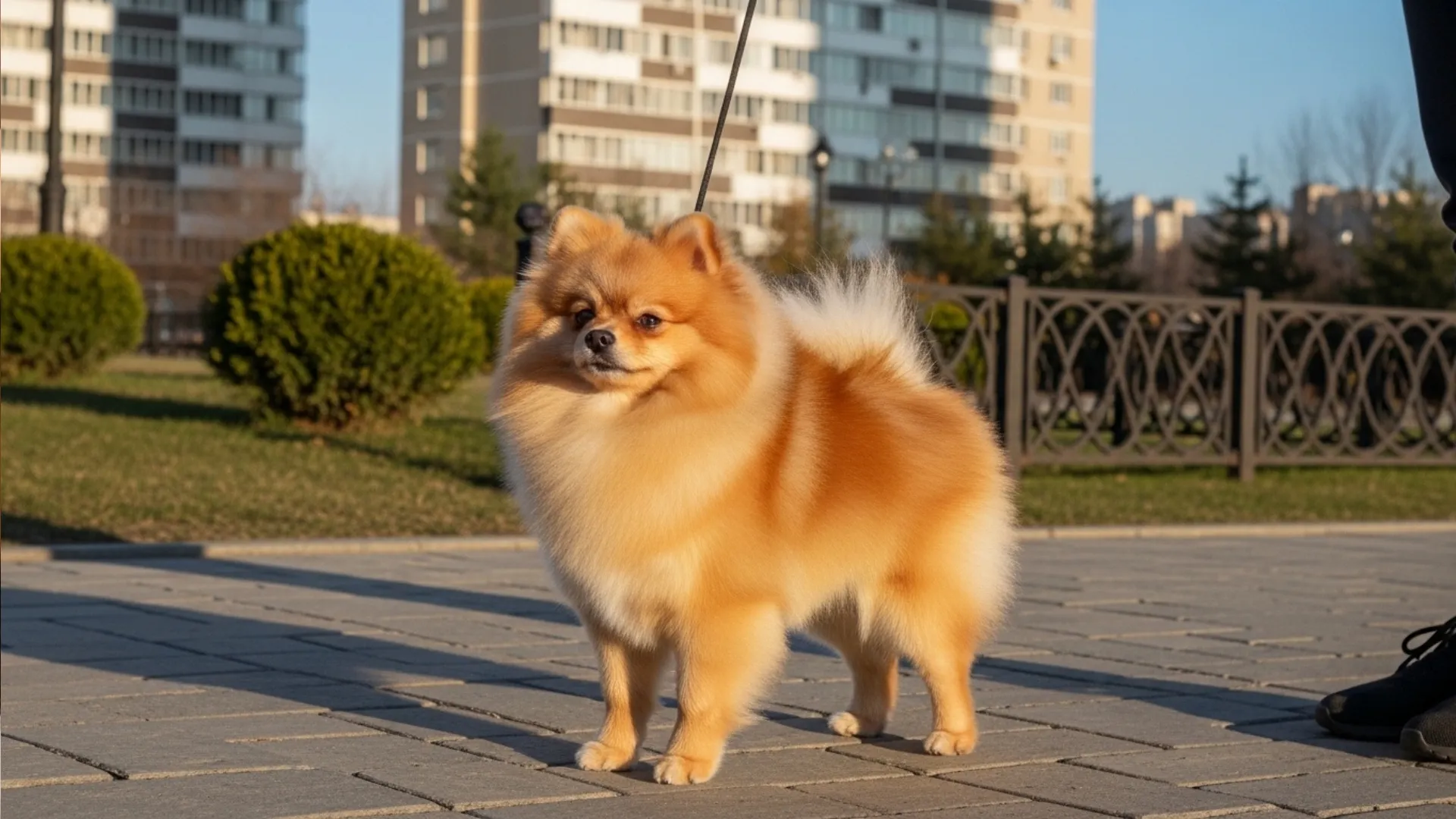
Living in a city changes the way you think about owning a dog. Space feels limited, noise travels easily, and even a simple walk depends on timing, traffic, and crowded streets.
What seems manageable at first can quickly become frustrating if the dog does not fit into that environment. Large size, constant energy, or excessive noise can turn daily routines into something exhausting rather than enjoyable. This is where compact dog breeds make a noticeable difference.
They take up less space, adapt more easily to apartment life, and tend to settle into structured routines without demanding too much. It is not just about size. It is about how well a dog fits into a lifestyle where space, time, and movement all feel restricted.
Here in this article, you will find the best dog breeds that truly work in city spaces, and what makes them easier to live with.
Key Takeaways
Living in an apartment sounds simple until a dog’s energy or noise starts taking over your routine.
Chihuahua and Pomeranian bring alert energy into small spaces, staying engaged without needing much room to move.
French Bulldog and Pug settle into calm routines, keeping things quiet and manageable even in busy apartments.
As you go through them, you start noticing which breeds actually make everyday city living feel easier.
Compact Dog Breeds Well-Suited to City Dwellers
1. Chihuahua
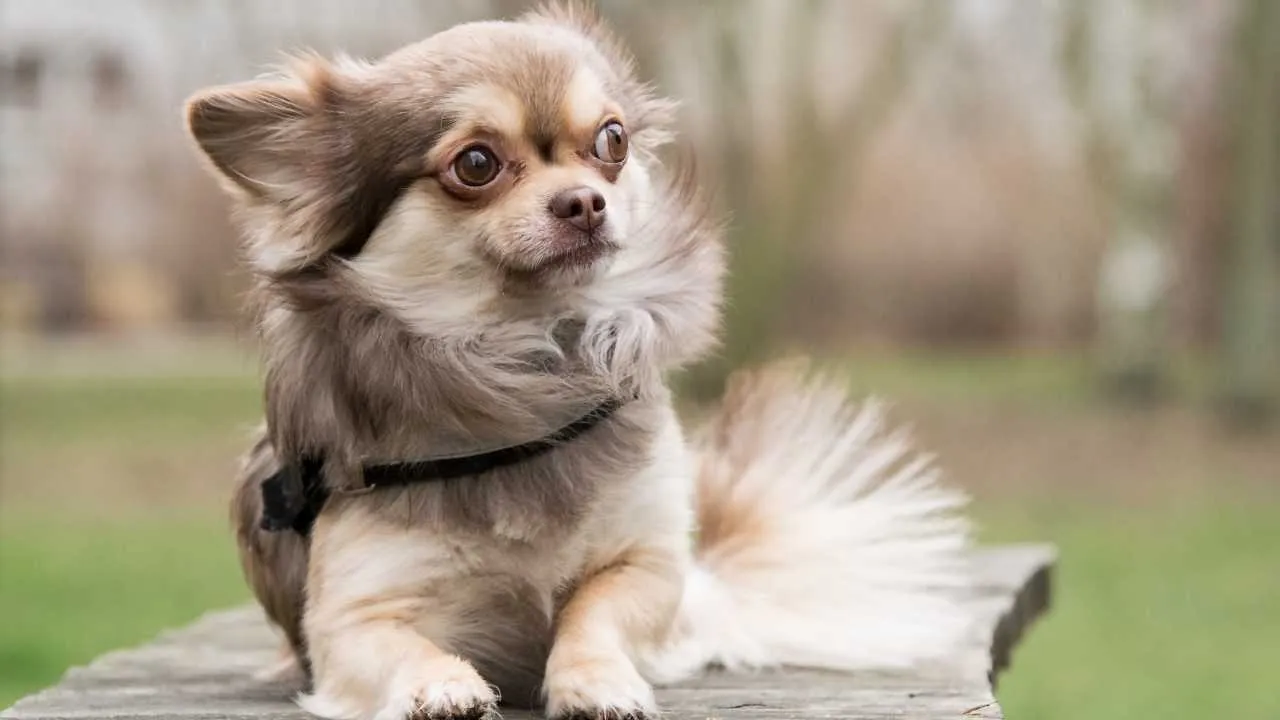
Chihuahua is defined by a compact build that fits naturally into tight indoor spaces, shaped more by personality than size. Its alert expression and quick reactions reflect a dog that stays mentally active within a limited physical space. The overall impression feels light in structure but firm in attitude.
Personality that fills the space
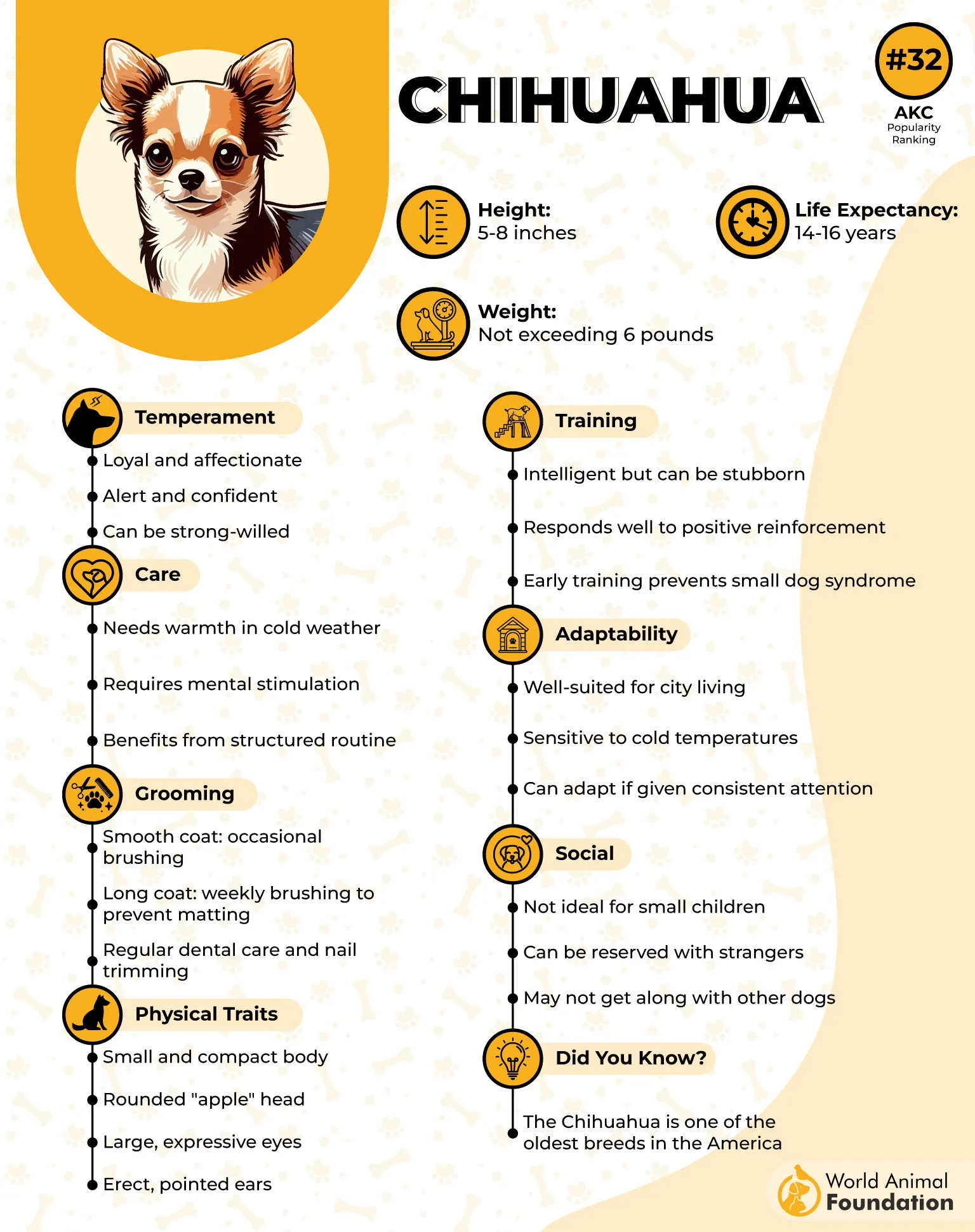
They show confidence through their behavior, often forming a close attachment with a single person while staying expressive in daily interactions. Its vocal nature and strong emotional bonding shape how it responds in familiar environments, as Petplan noted.

This behavior becomes easier to read through clear traits:
Forms a close attachment with one handler
Uses barking to signal presence and reaction
Reacts strongly to an unfamiliar approach
Every day rhythm indoors and outdoors
Chihuahua adapts well to smaller routines, finding comfort in short walks, indoor activity, or secure outdoor time. Its energy does not rely on large spaces, making it naturally aligned with apartment living settings. Interaction with other pets varies depending on early social exposure and familiarity.
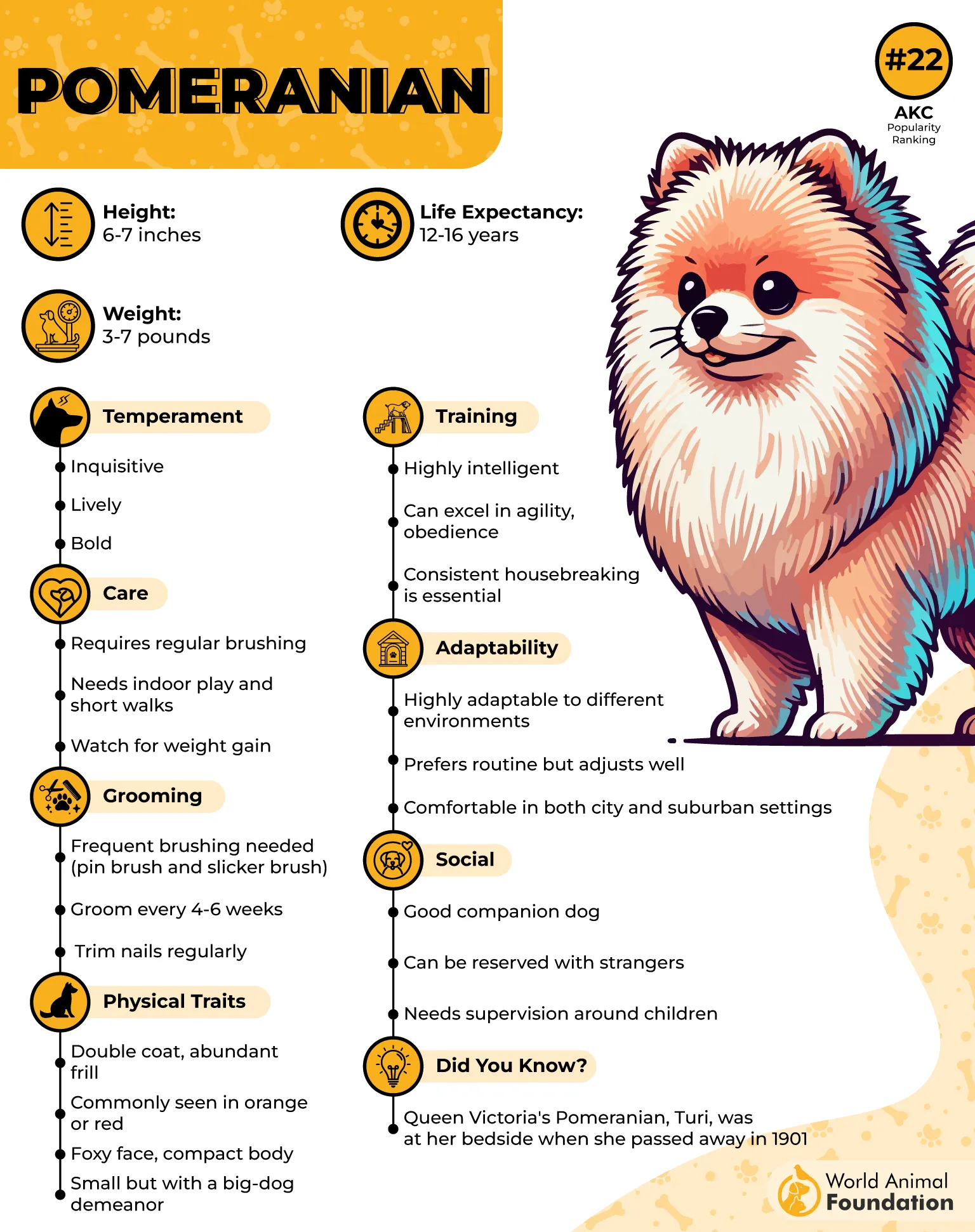
2. Pomeranian
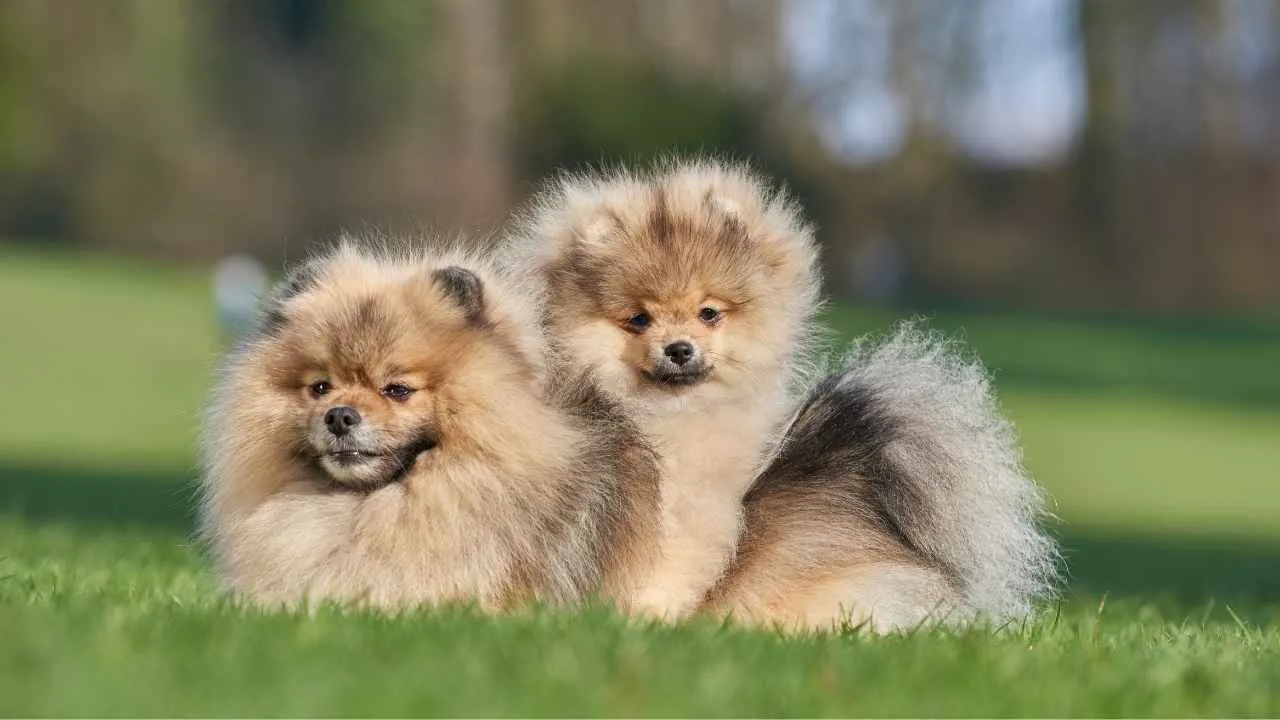
Pomeranian, rooted in the Pomerania region and linked to German Spitz ancestry, reflects a small frame shaped through selective miniaturization.
Its alert expression and quick reactions make it highly responsive to surrounding activity. The personality often feels amplified compared to its size in shared spaces.
Interaction style within shared homes
This small dog breed stays closely involved with people, often tracking movement and activity across rooms in smaller living spaces. Early exposure to varied social contact shapes how it reacts inside busy households.
In everyday behavior, this shows as:
Engages frequently with multiple household members
Notices and reacts to small environmental changes
Learns routines through interactive repetition
Mental engagement through activity
They rely on attention-based stimulation, using intelligence through games, tricks, and structured interaction, as Omlet noted. Its responsiveness increases when tasks involve human engagement rather than independent routines. This makes its behavior highly activity-linked in indoor living.
3. French Bulldog
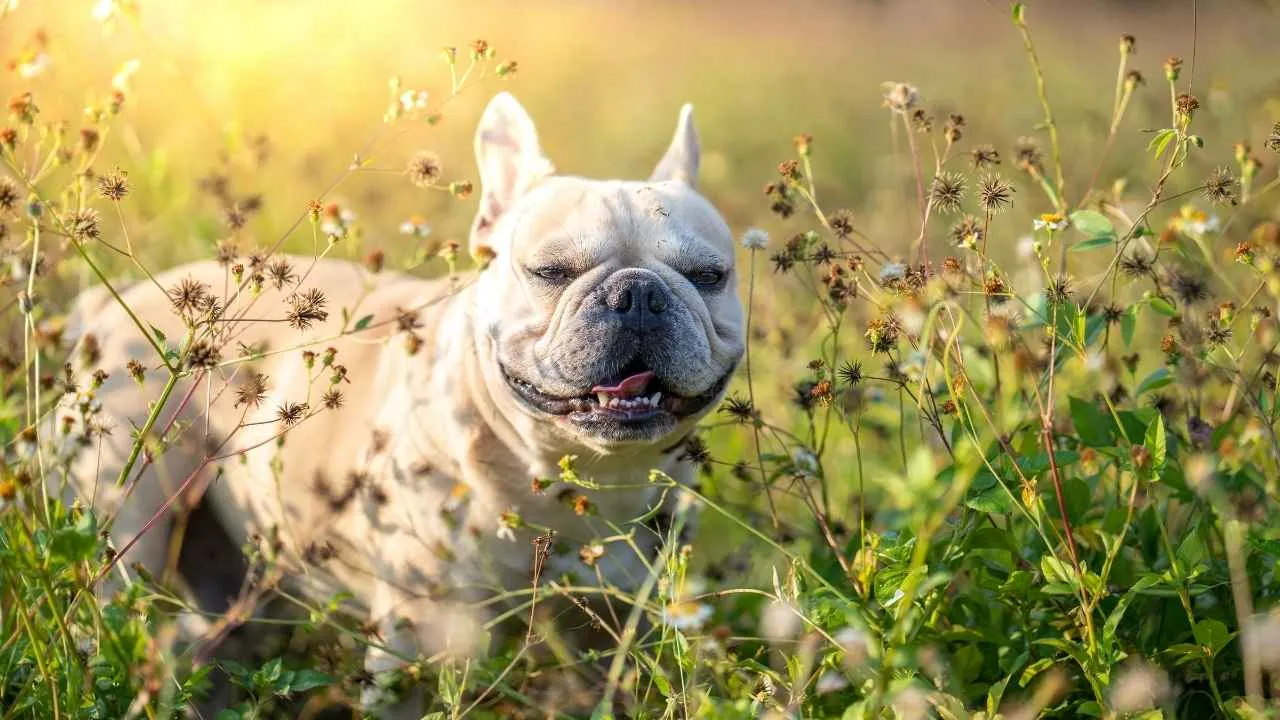
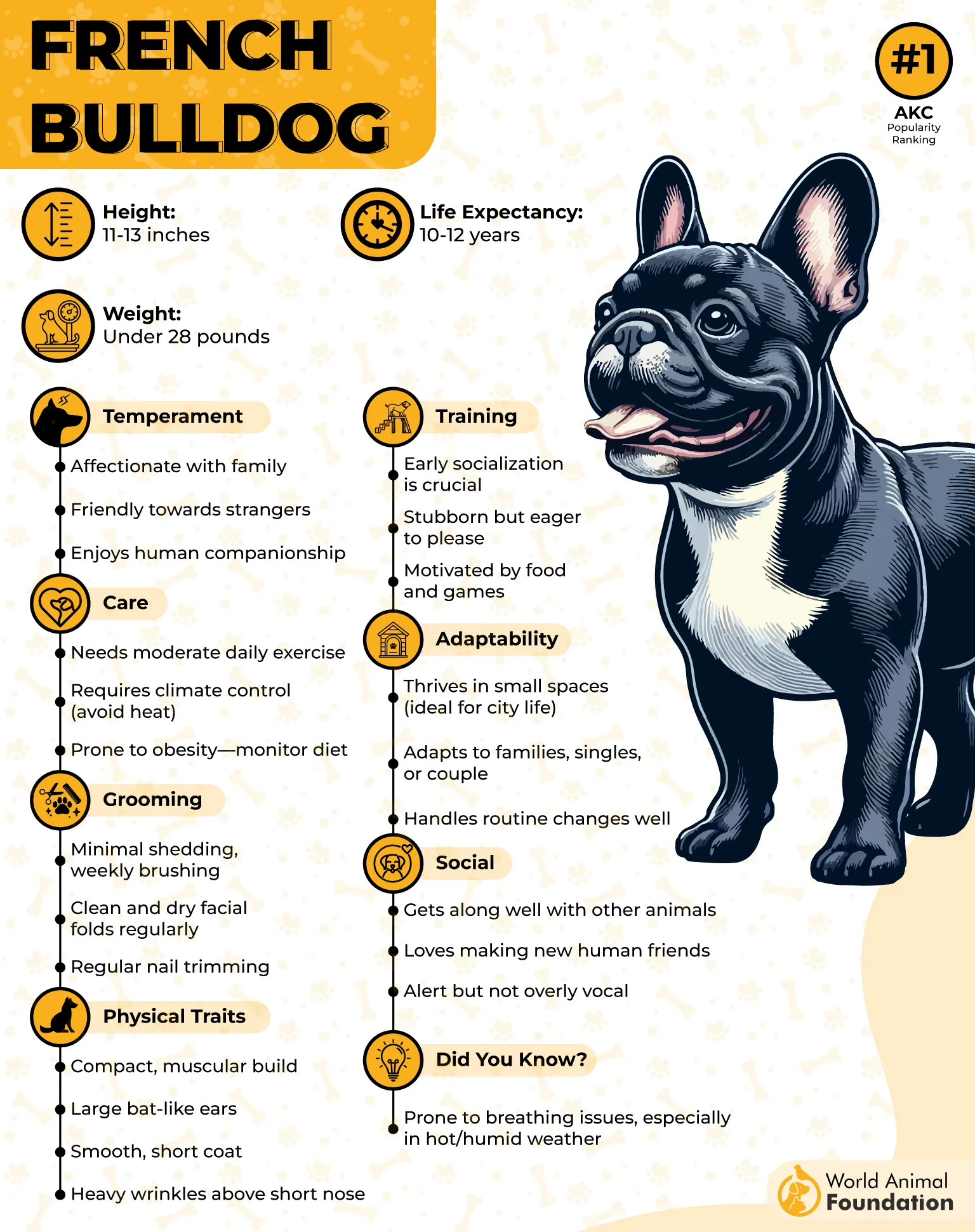
French Bulldog gained attention when small Bulldogs arrived in France with lace workers, where upright ears became a defining feature. Its square head, deep wrinkles, and short nose create a face that reads expressions instantly. The compact, muscular body fits naturally into tighter living spaces.
Quiet presence with alert habits
Frenchie keeps a low noise profile, rarely barking while still staying aware of its surroundings. Its watchful nature appears through attention rather than sound, making it noticeable without being disruptive.
That balance shows through simple traits:
Stays alert without frequent barking
Notices changes in surroundings quickly
Signals presence through posture and focus
Care and daily routine fit
These affectionate dogs require minimal coat maintenance, with light shedding managed through simple weekly brushing, as Pawlicy Advisor claims.
They require minimal exercise, with short walks or brief play sessions meeting their needs. Daily care remains steady without demanding extended outdoor time in apartment settings.
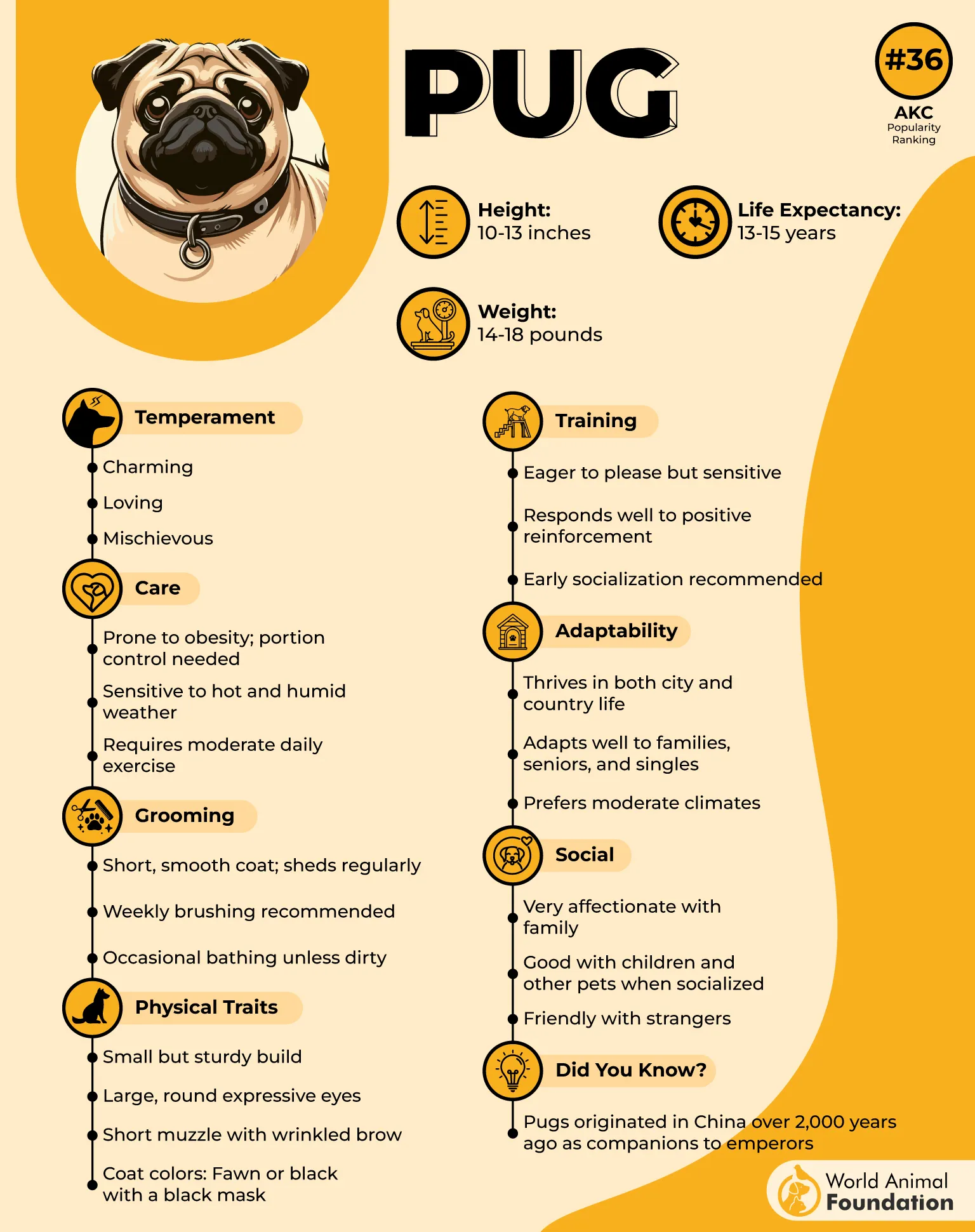
4. Pug
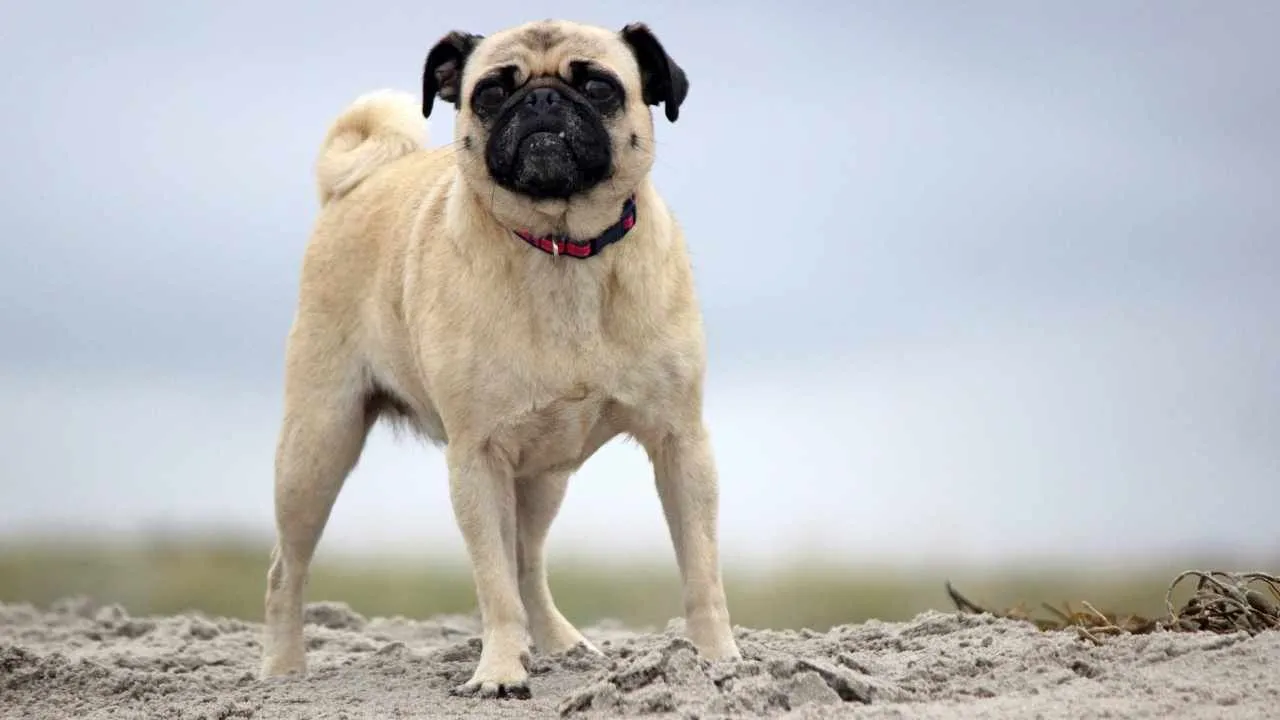
Pugs fit naturally into calm indoor spaces, shaped by a long history as a royal companion in China and later across Europe. Its size and calm temperament align with homes where daily life happens in shared spaces. This background explains why it stays closely involved in routine moments.
Attention-driven behavior
This tiny dog responds strongly to human presence, often placing itself at the center of activity and reacting quickly to interaction. Its eagerness to please shows in how it stays engaged throughout the day.
That behavior becomes easy to notice:
Seeks inclusion in daily routines
Reacts quickly to human attention
Prefers staying near familiar people
Energy that stays manageable
As apartment dogs, they maintain a lower activity level, making it easier to handle in spaces where long outdoor sessions are limited. It still benefits from short play periods but does not demand constant movement. Pet parents should be careful around heat, which becomes important when planning outdoor time.
Note: These tiny dogs tend to create their own activity when left without mental stimulation, sometimes turning to small, disruptive behaviors indoors.
5. Cavalier King Charles Spaniel
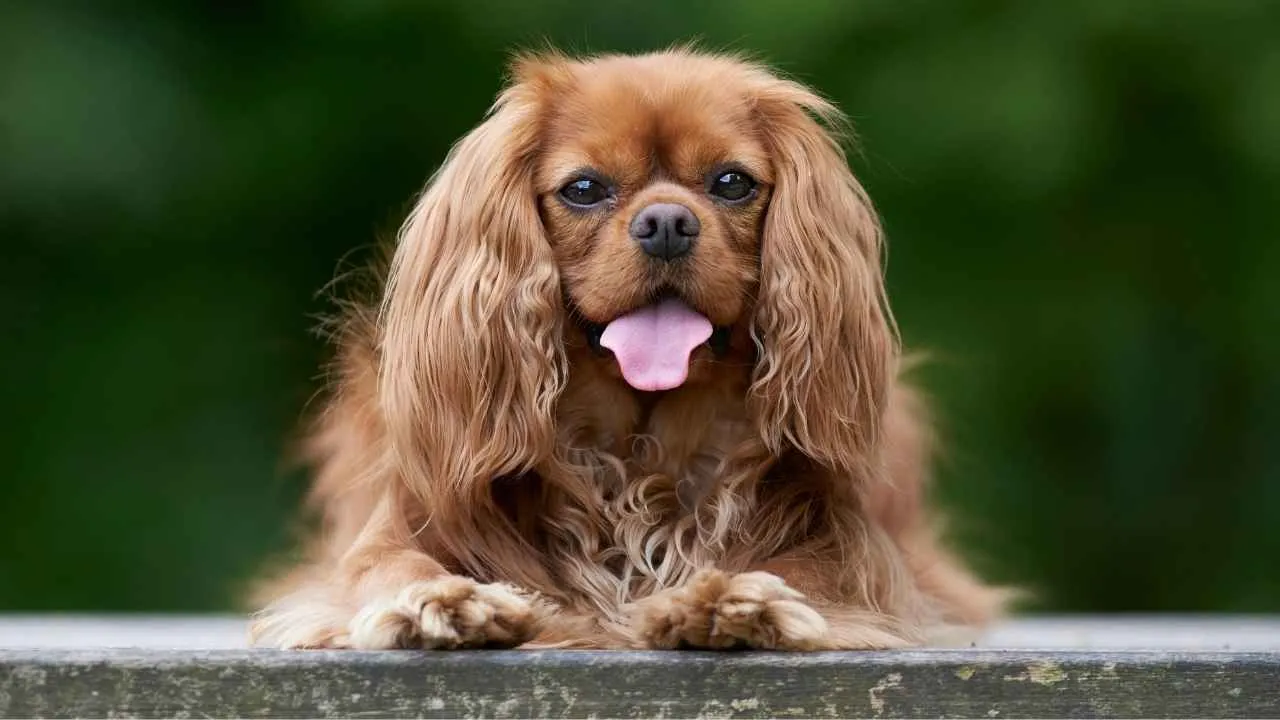
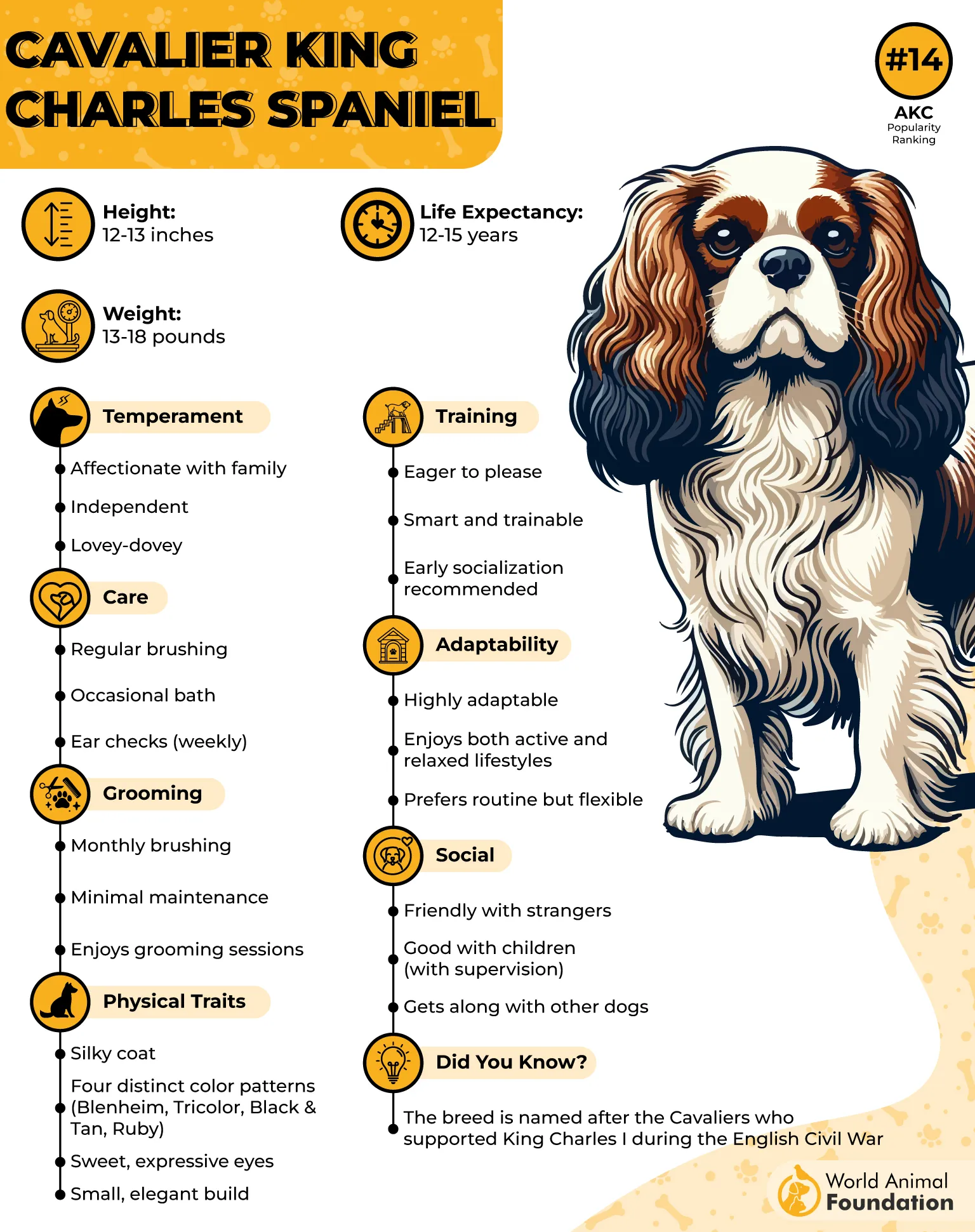
Cavalier King Charles Spaniel draws attention through its large, round eyes that reflect a soft, almost human-like expression. Its silky coat and balanced proportions add to a refined appearance shaped by royal association. This visual appeal connects closely with its calm and inviting demeanor.
Social ease in close living
These spaniels blend easily into shared spaces, maintaining a relaxed and friendly approach toward people and other pets. Its affectionate nature stays open, making interactions feel natural rather than forced.
That ease shows itself in simple ways:
Welcomes familiar and new faces calmly
Adjusts well around other dogs
Stays gentle in family environments
Flexible daily rhythm
This furry friend shifts between quiet indoor rest and short bursts of outdoor activity without resistance. It may engage in a playful chase or walk, then settle back into stillness indoors, making it a perfect apartment dog. The breed’s background is tied to both lap companionship and sporting roots.
6. Boston Terrier
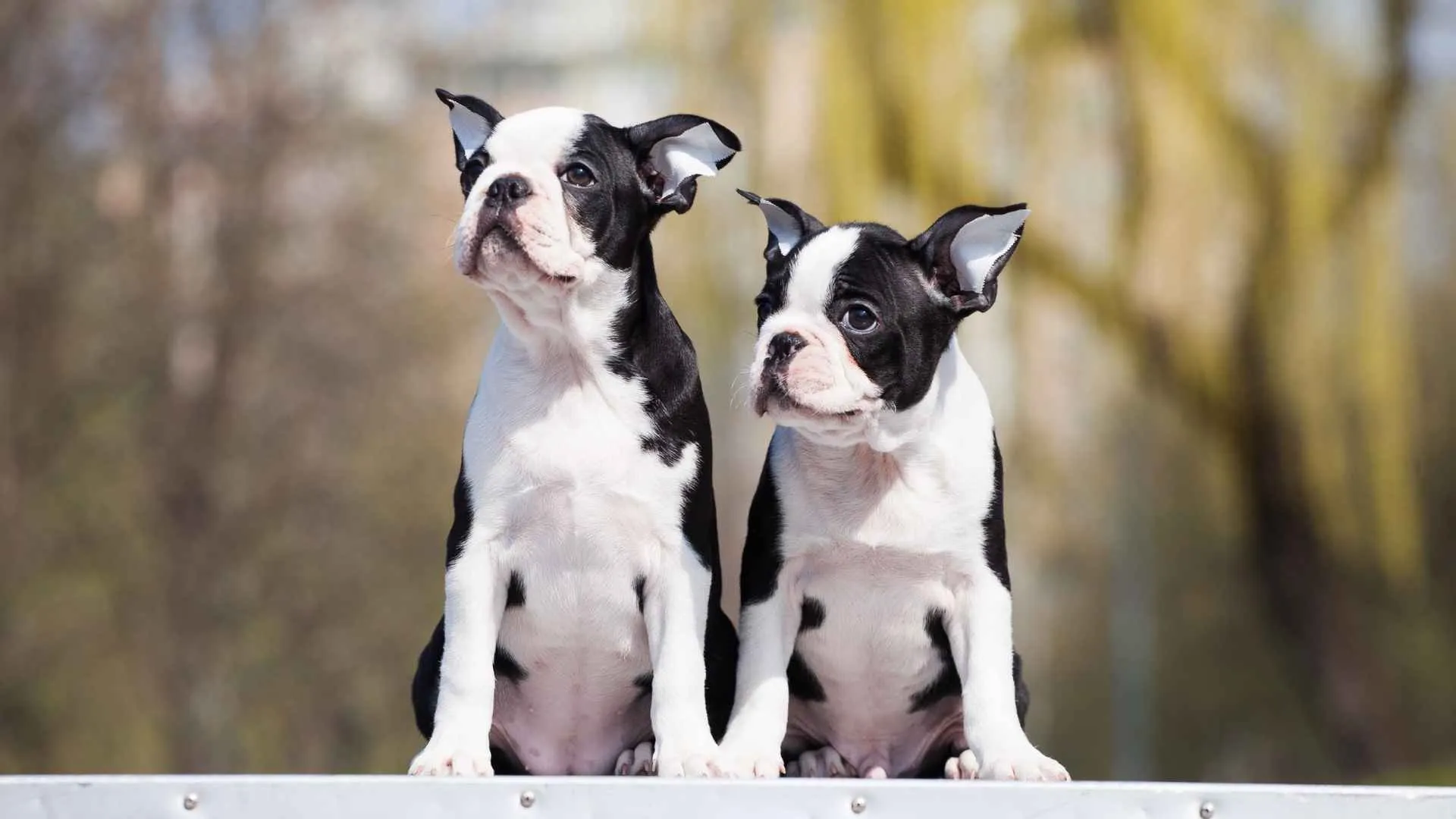
Boston Terrier presents itself through a neat, tuxedo-like coat and a balanced, short-tailed body that fits easily into close living spaces.
Its expressive, round eyes and alert posture reflect a dog tuned into its surroundings. The nickname “American Gentleman” connects directly to its composed and polished behavior.
Social rhythm in daily life
This terrier stays closely involved in human activity, often matching the pace of its surroundings with a lively but controlled presence. Its natural comedic timing adds a layer of interaction that feels engaging without becoming overwhelming.
That personality shows in simple, repeatable ways:
Reacts with expressive facial cues
Keeps a steady, rhythmic step indoors
Engages playfully without excess noise
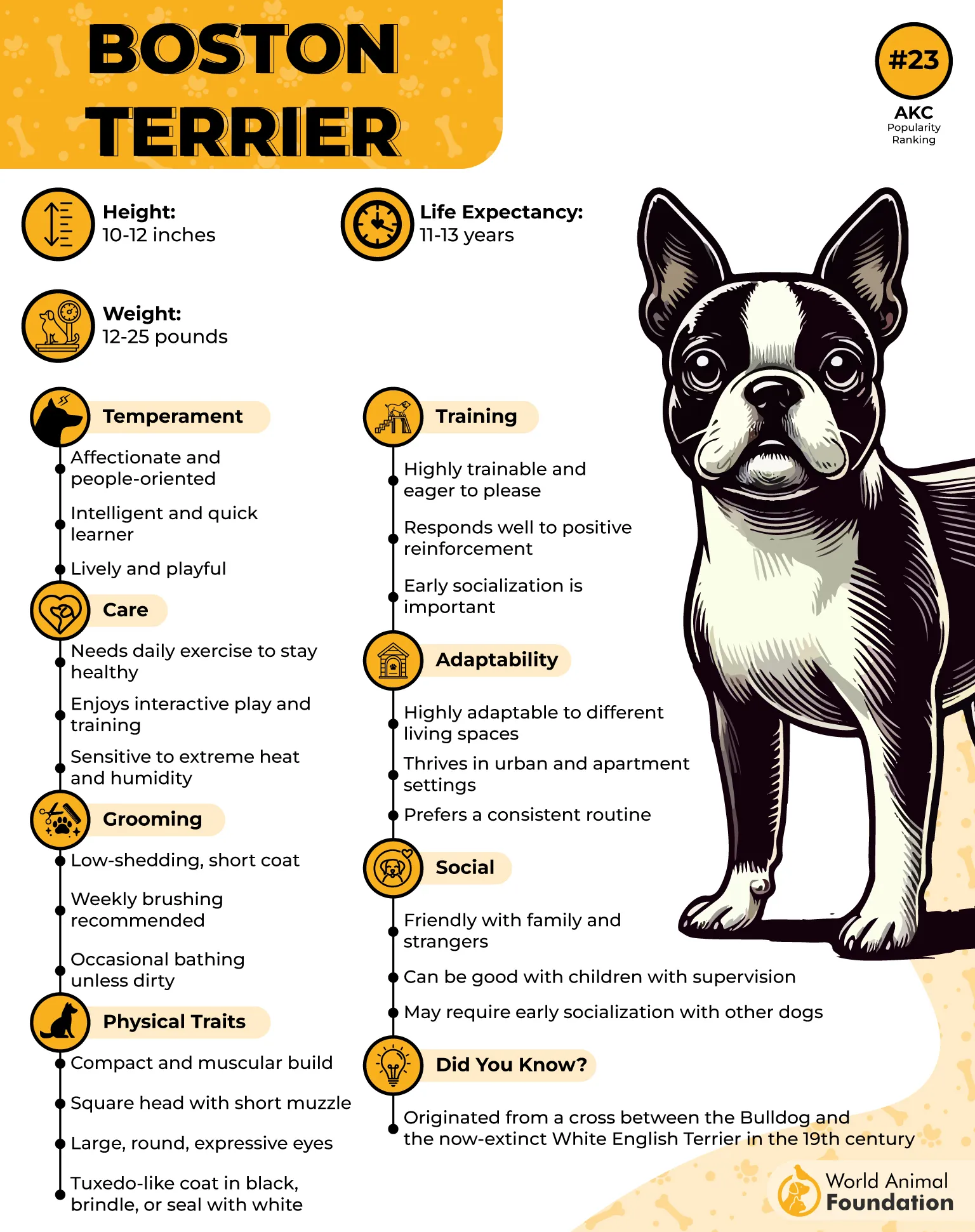
Activity that adapts to smaller spaces
This charming dog adjusts its activity level depending on the day, ranging from short walks to more active play sessions when needed. Some individuals remain satisfied with brief outings, while others look for longer periods of movement. This flexibility fits perfectly with changing city life.
7. Shih Tzu
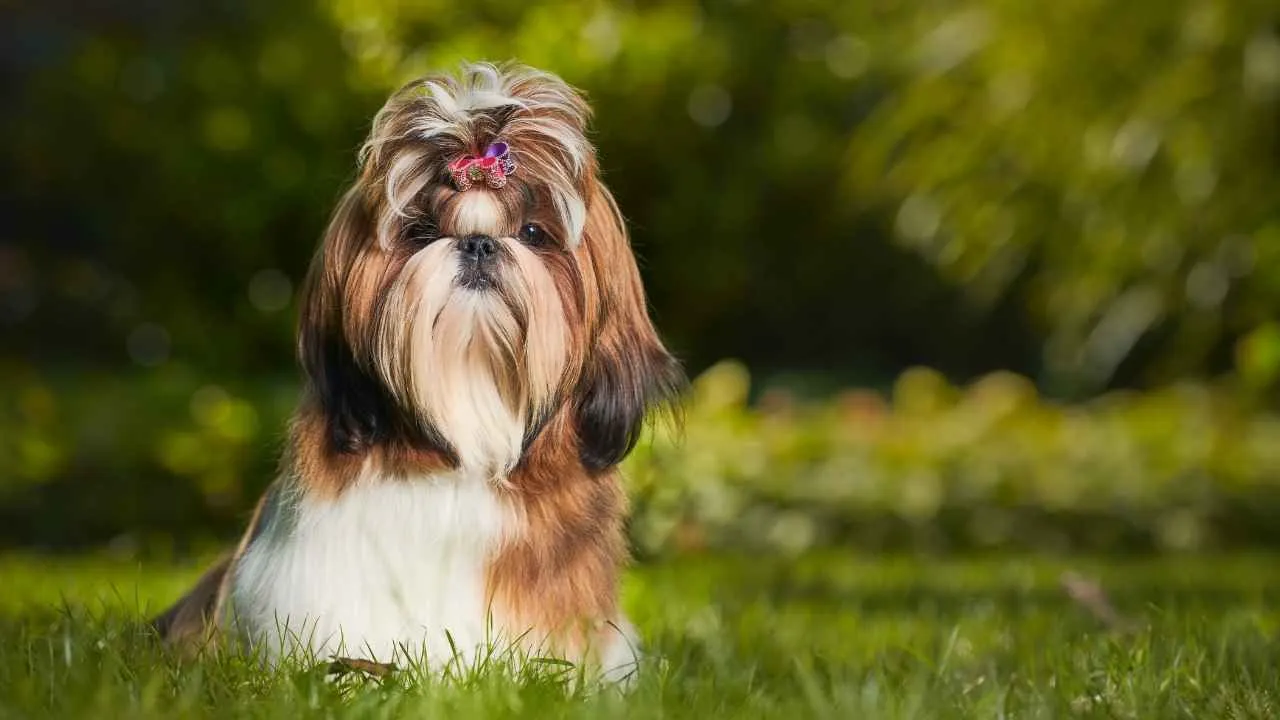
Shih Tzu centers its presence around a distinctive face, with large dark eyes and a soft expression that invites constant interaction. This visual charm has remained consistent since its time in royal indoor settings. Its appeal works through expression rather than physical activity.
Indoor behavior shaped by companionship
This small breed spends most of its time close to people, often choosing stillness over activity, especially during quiet moments indoors. Its idea of engagement leans toward being present rather than constantly active.
This behavior becomes easy to notice:
Settles comfortably during long indoor hours
Seeks close contact during rest time
Reacts playfully in short bursts of attention

Activity that stays minimal
Shih Tzus have moderate exercise needs, relying on short, regular walks and light indoor play rather than extended outdoor time. Its short-legged structure fits better within city living. The overall pace remains steady without demanding large open areas.
Conclusion
City living changes expectations over time. What feels manageable in the beginning starts to depend more on how well the dog adjusts to space, noise, and routine. The excellent apartment dog breeds listed here tend to settle without pushing against those limits for apartment dwellers.
That difference shows in small ways. Less noise during busy hours, fewer demands for space, and a routine that stays predictable for apartment dwellers. You do not have to keep correcting or adjusting throughout the day. Instead, things stay in place.
The right dog breed fits into the environment rather than working against it, and daily life continues without added pressure or constant compromise for apartment dwellers.
