




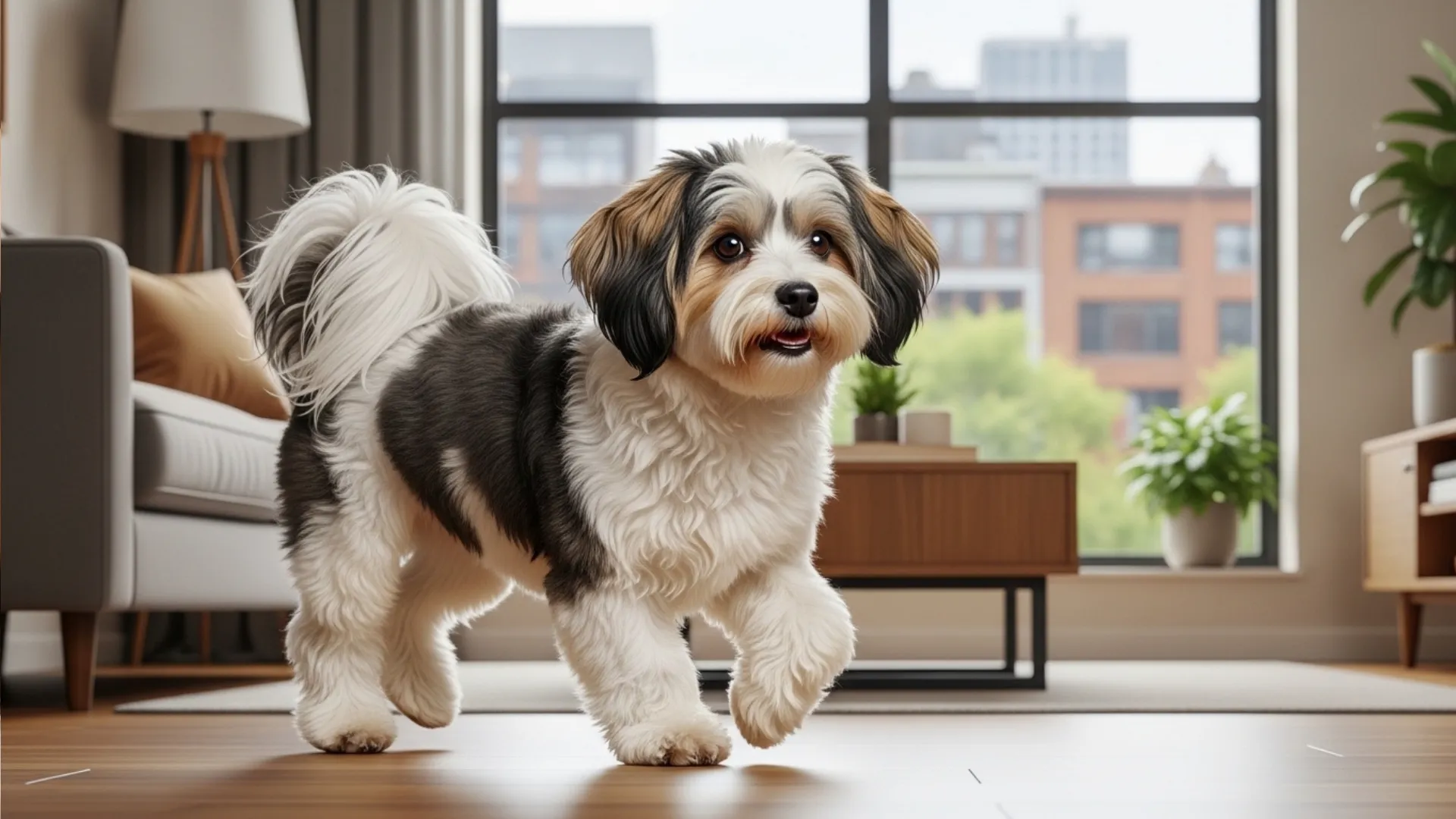
Many people living in cities believe that keeping a dog automatically means adjusting their entire lifestyle around it. What they do not realize is that some dogs already come with traits that fit into urban living without demanding major changes.
The difference is not always obvious at the beginning, which is why it often goes unnoticed until daily routines start feeling harder than expected. Noise levels, space limitations, and time constraints all play a role, but certain breeds handle these conditions better without needing constant management.
There is a pattern behind why some dogs settle easily in apartments while others struggle to stay comfortable in the same environment. Once you understand what separates them, the decision becomes far more practical and less uncertain.
The following breeds highlight those differences clearly, giving you a better idea of which ones naturally adapt to city homes and why they work so well.
Key Takeaways
The idea that city living and dogs do not mix starts to shift when certain breeds settle in without disrupting daily life.
Cavalier King Charles Spaniels stay close and in tune with your mood, while Havanese keep themselves involved in everything happening around the home.
Pugs and Pomeranians bring a steady indoor rhythm, balancing quiet rest with small bursts of energy that fit naturally into apartment living.
As you go through the list, you start noticing what truly makes certain breeds settle so comfortably into urban homes.
Fantastic Dog Breeds Suited for Urban Homes
1. Cavalier King Charles Spaniel
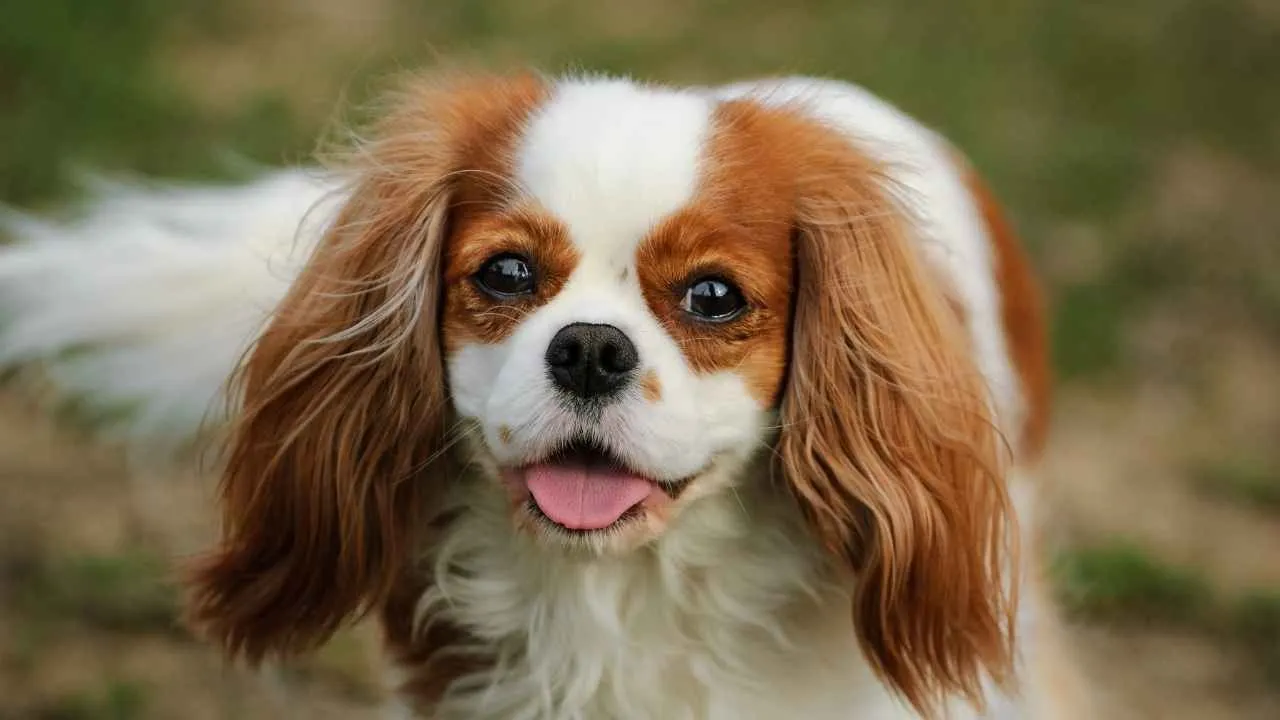
Cavalier King Charles Spaniel spent its early history as a comfort companion in royal households, often kept close for warmth and constant presence. Its small frame and soft expression reflect that background of continuous human closeness.
Behavior shaped around the company
This best dog breed stays drawn to people and reacts strongly to being included in daily routines, often preferring shared spaces over isolation. Its affectionate nature also makes it suitable for calm apartment life, including therapy settings.

The everyday breed characteristics are shown here:
Seeks proximity to people throughout the day
Responds well to gentle, reward-based training
Shows comfort in calm, familiar environments
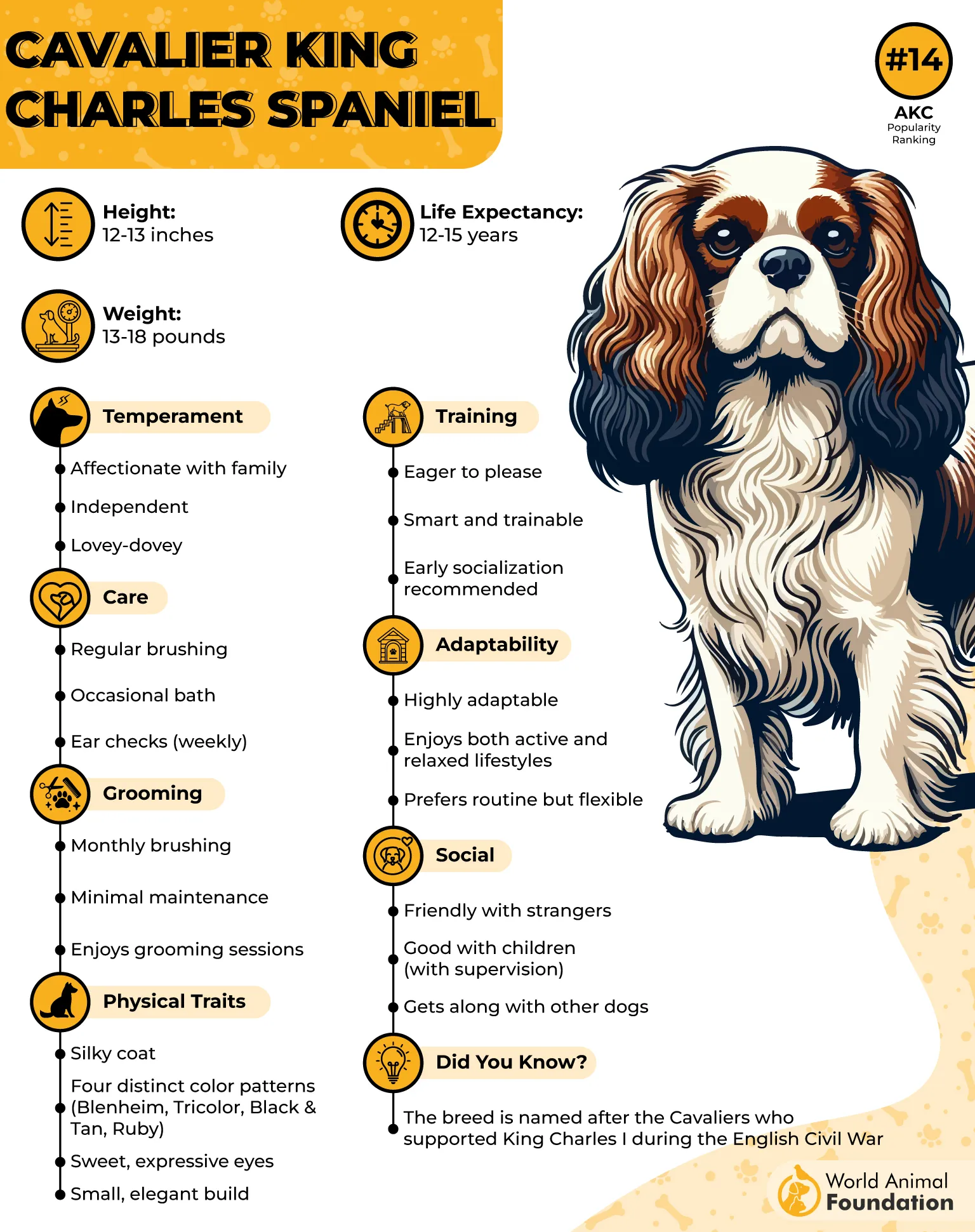
Emotional responsiveness in daily life
They often react to human emotion, showing a tendency to approach when sensing low mood or quiet moments. Its expressive eyes and relaxed body language reinforce this sensitivity. As per Omlet, proper training improves recall, though curiosity can occasionally redirect focus during outdoor time.
2. Havanese
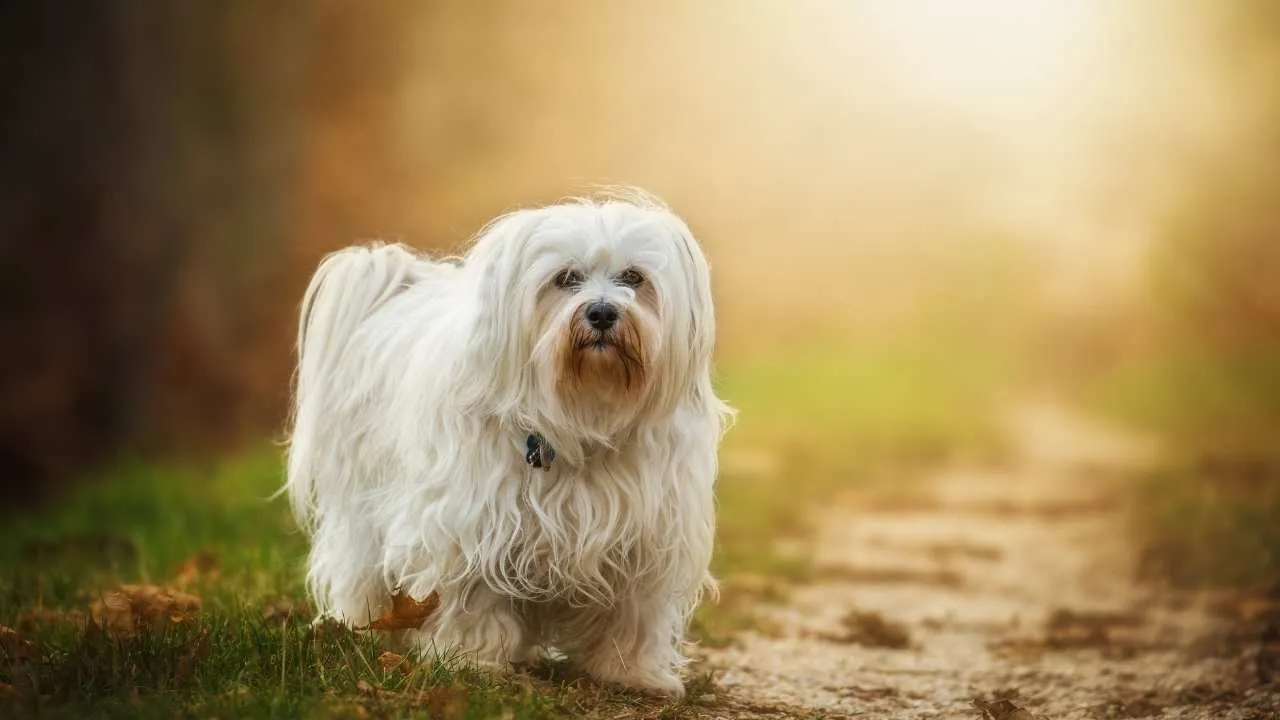
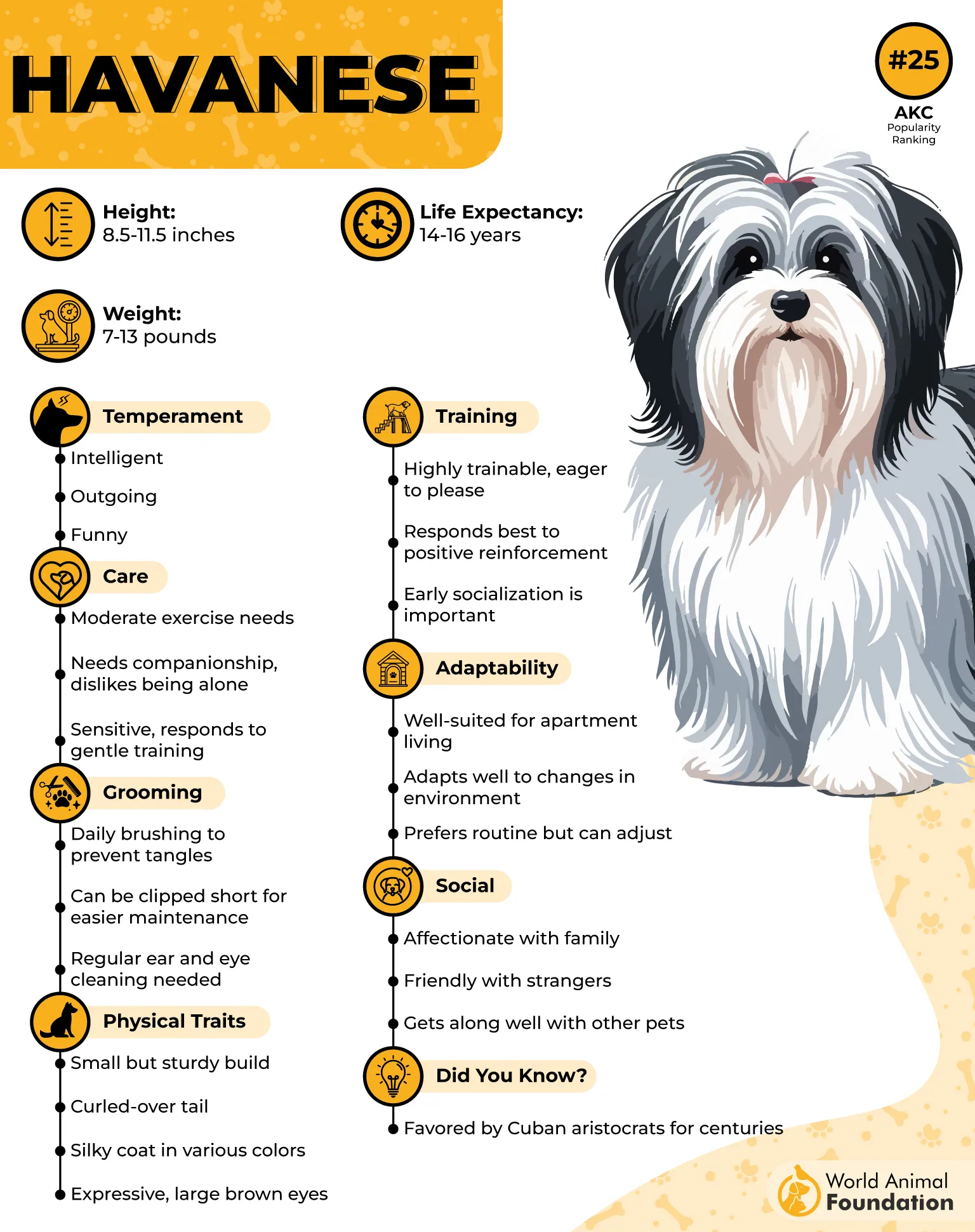
Havanese shows constant awareness of surroundings, often positioning itself where activity can be observed closely. Its history with Mediterranean trade routes and later popularity in Cuba shaped a dog that naturally gravitates toward human interaction.
Engagement that rarely fades
This dog breed thrives with people and environments with continuous curiosity, often seeking interaction rather than remaining passive. Its adaptable nature allows it to bond easily across households, including with strangers, cats, and other dogs, as HFC reports.
That interaction pattern becomes clearer in behavioral traits:
Actively seeks human attention throughout the day
Responds quickly to consistent training cues
Learns new routines through repetition and play
Living space behavior patterns
This apartment-friendly dog often chooses elevated spots like sofas or window edges to observe activity around the home. Its preference for proximity leads to frequent physical closeness, including resting beside or on people. This positioning reflects its strong need to remain socially connected.
3. Pug
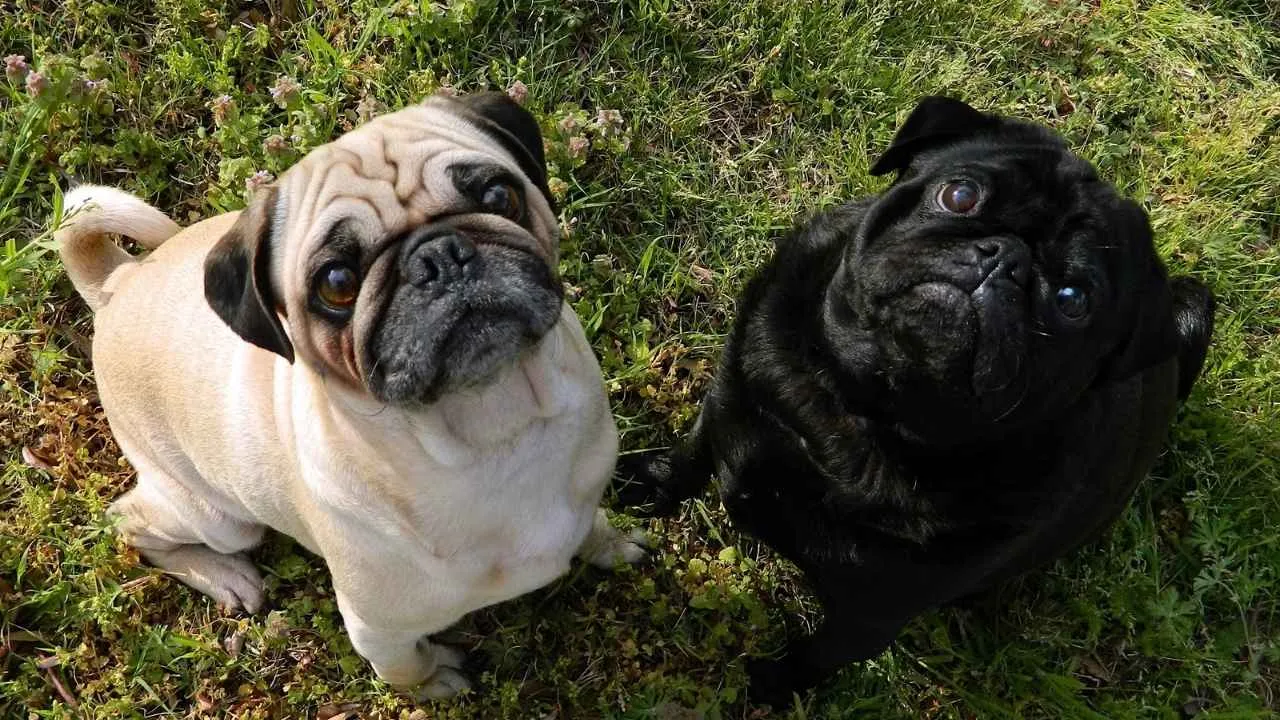
Pug connects its origin to mastiff ancestry and early presence in Tibetan monasteries before reaching Europe through historic trade routes. Its compact build and expressive face reflect a dog shaped for close human presence. This long history aligns with its strong attachment to apartment dwellers.
Steady indoor companion
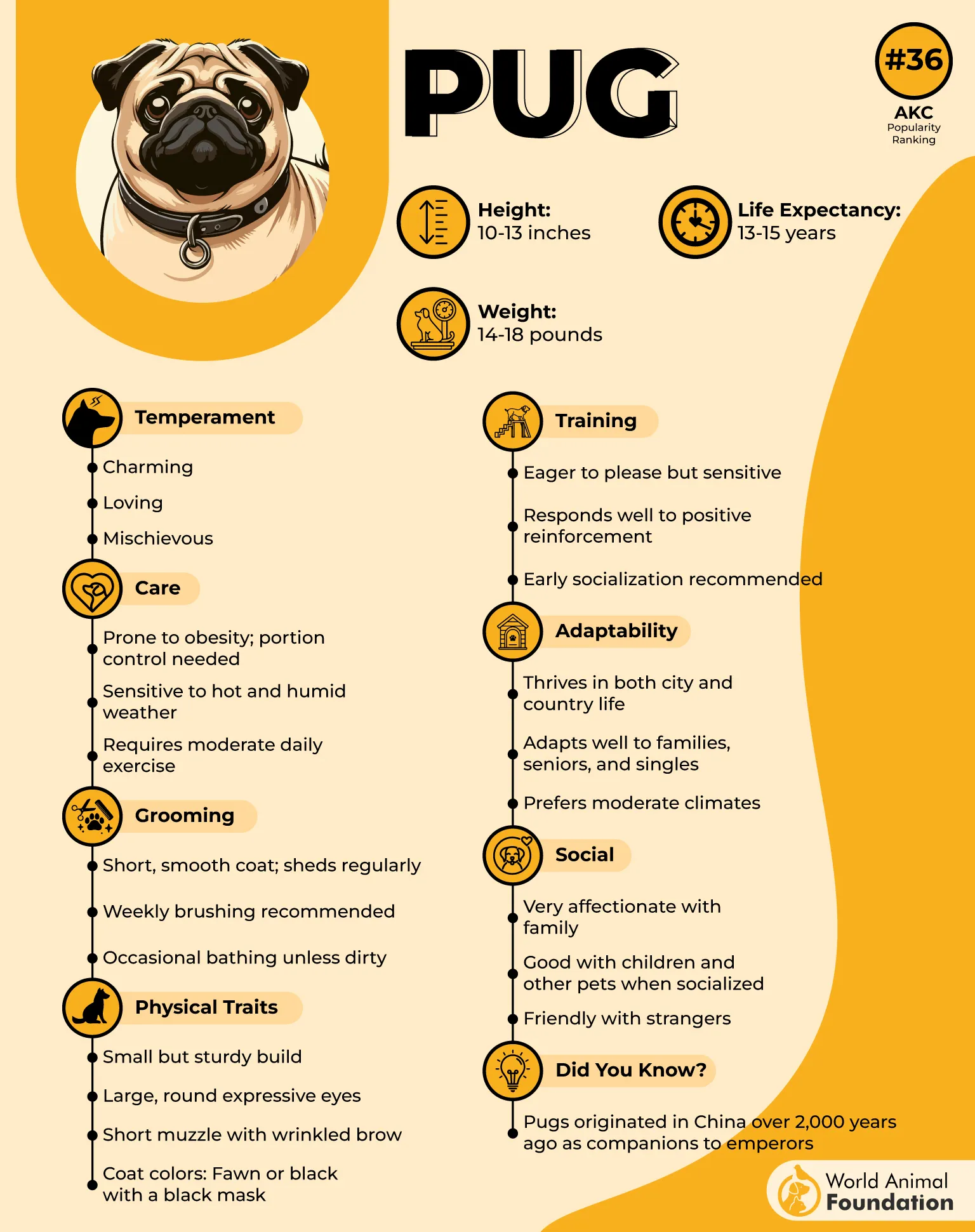
Pugs center their daily behavior around people, often staying close and seeking physical proximity throughout the day. Its playful personality shows through small bursts of activity followed by long periods of rest.
That rhythm becomes clear in everyday habits:
Prefers sitting or resting beside people
Moves in short, playful bursts indoor
Shows food interest with strong enthusiasm
Learning pace and household interaction
This city dog responds to training in a gradual way, relying on repetition rather than quick understanding. Its interaction style remains friendly with people, pets, and visitors, showing little tension in shared spaces. Consistent handling shapes behavior more than instinctive drive.
4. Pomeranian
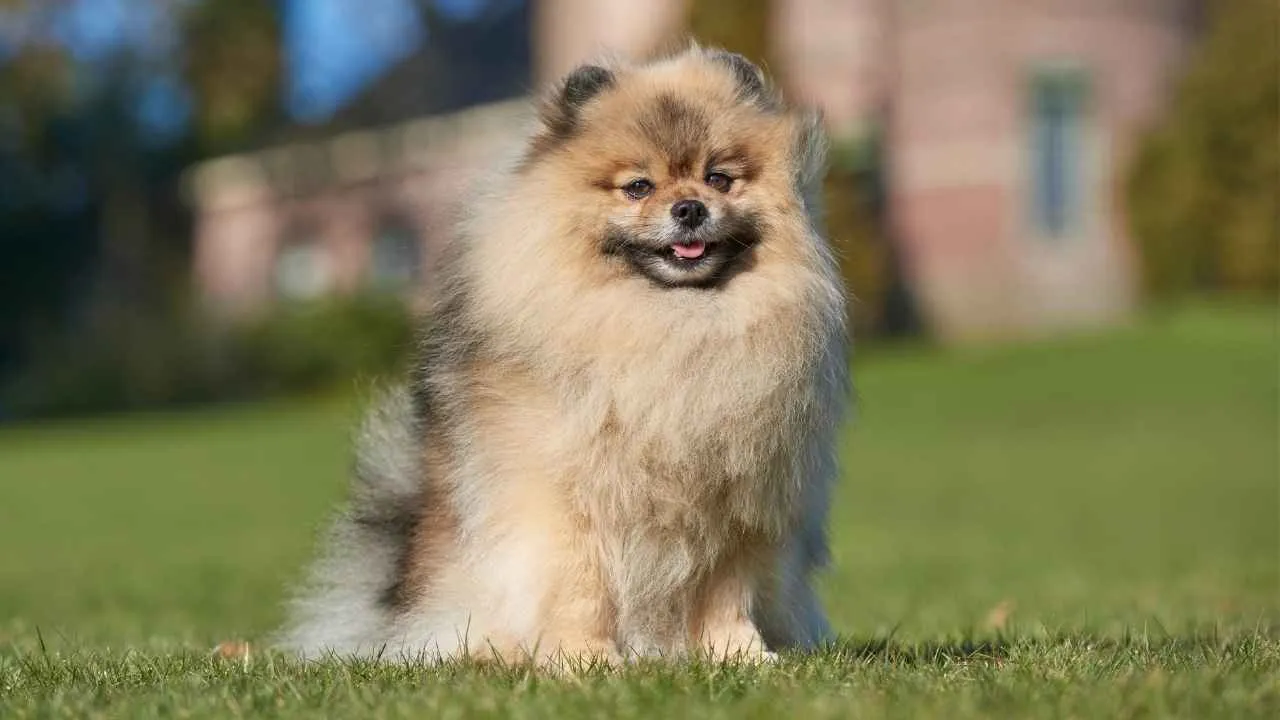
Pomeranian, descended from German Spitz lines in the Pomerania region, shows a compact frame paired with constant alertness. Its small size contrasts with a noticeably active and responsive attitude in everyday surroundings. The breed often stays visually engaged with whatever is happening nearby.
An active mind in a small frame
Poms reacts quickly to movement and attention shifts, often staying involved in interactions rather than observing from a distance. Its intelligence shows in how it learns tricks and responds to games that keep its focus engaged.
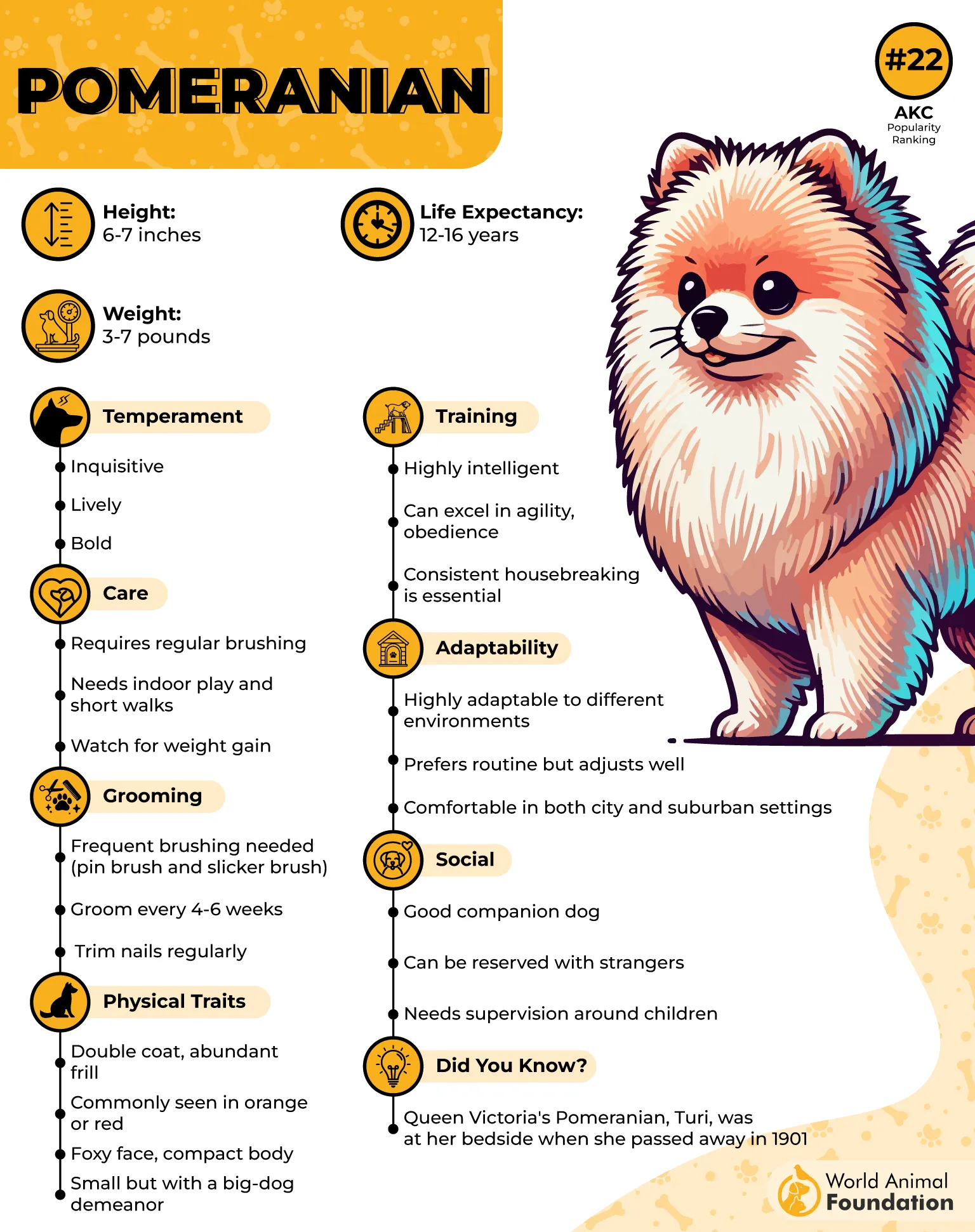
That behavior becomes clearer through everyday patterns:
Notices changes in surroundings instantly
Learns new tasks through repeated play
Engages actively with people around it
Social attention and alert behavior
They comfort through constant interaction, preferring presence over isolation in daily urban life. It may show protective reactions when unfamiliar people enter its space, often expressed through vocal alerts, as PetMD noted. Early exposure to different faces helps shape steadier reactions.
5. Brussels Griffon
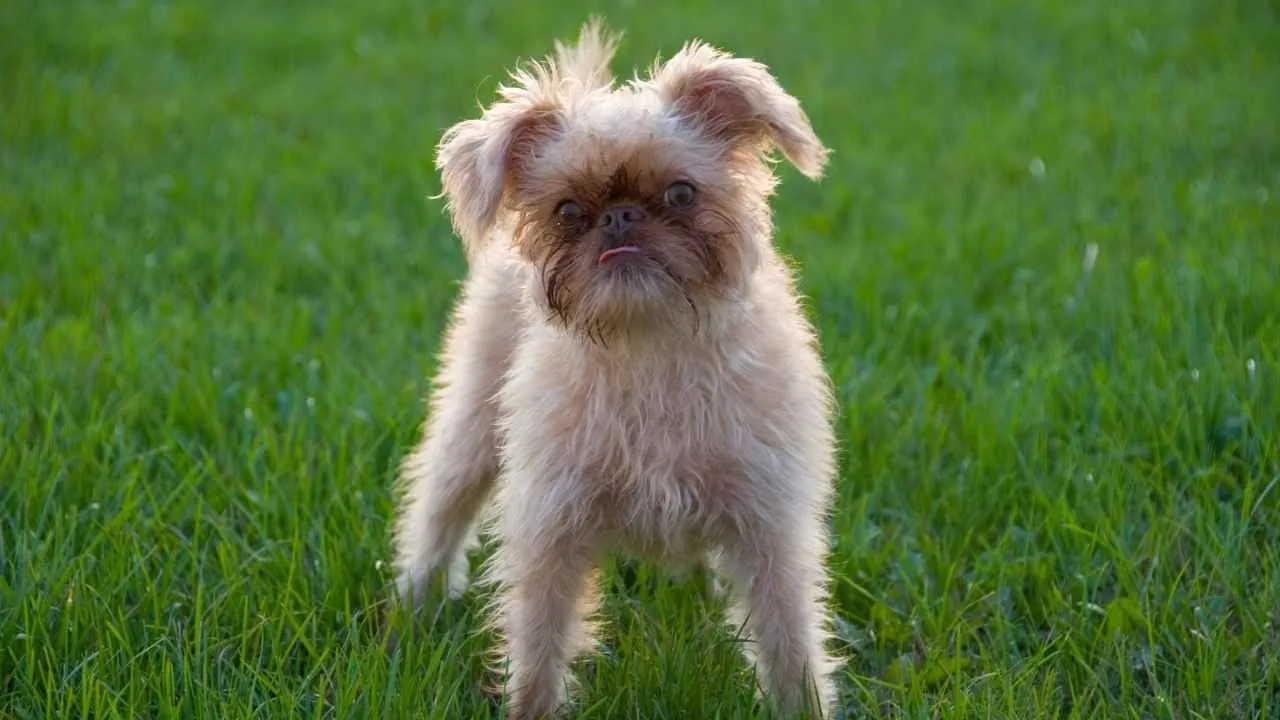
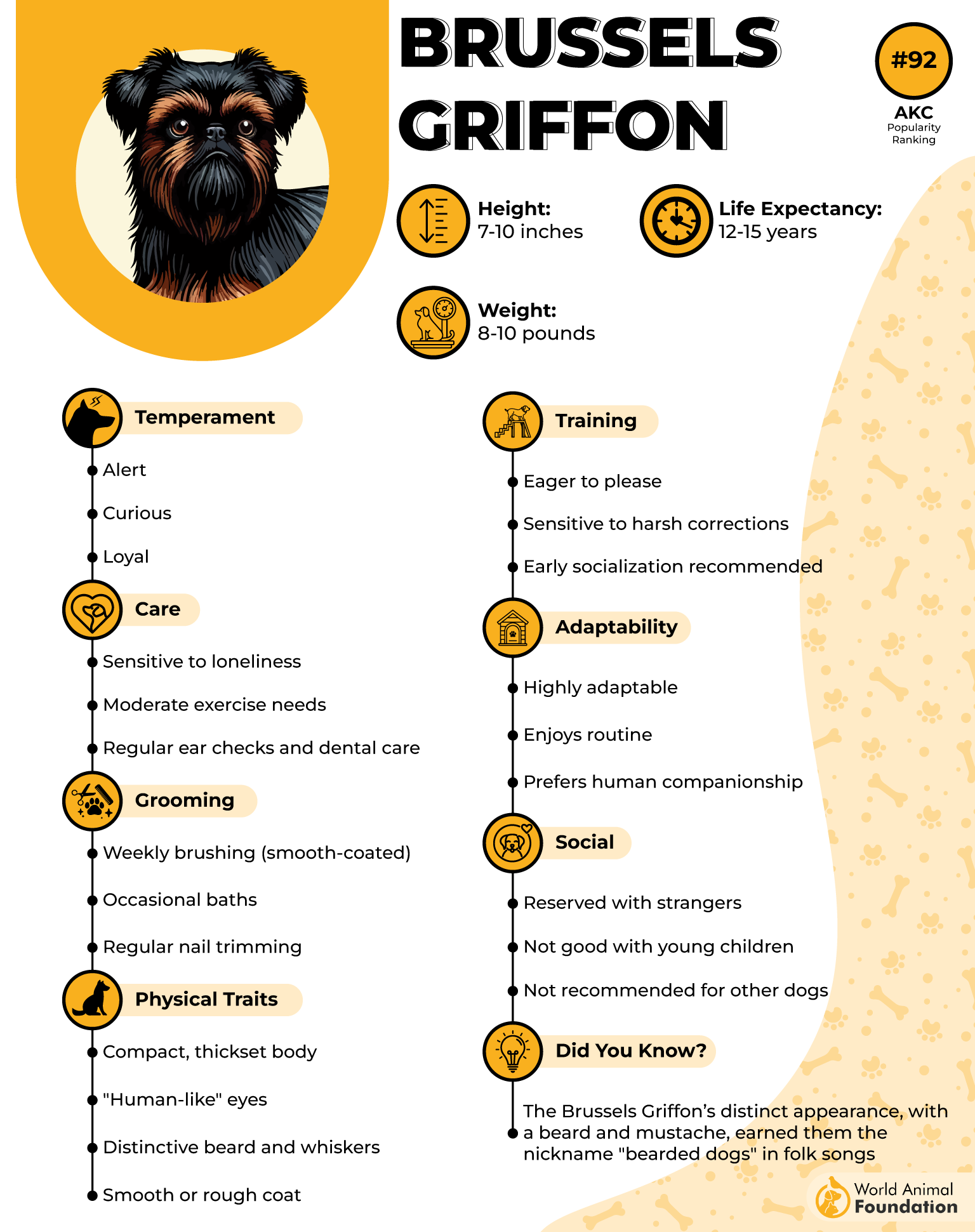
Brussels Griffon originates from Belgium, shaped from small rat-catching terrier-type dogs linked to early stable-working breeds. Its compact frame and expressive face reflect a dog built for close human presence rather than distance or isolation.
Close contact behavior patterns
Brussels Griffon forms a strong attachment to daily human movement, often staying within reach inside the home. It prefers consistent company and reacts quickly to attention or absence.
Living closely with people shows in simple habits:
Follows movement from room to room
Responds quickly to voice or touch
Engages easily with familiar routines
Social comfort in shared spaces
They respond to reward-based training, showing quick uptake of tricks when engagement remains consistent. It interacts comfortably with children when handled gently and also coexists with other pets when socialised early. Its playful reactions often make it suitable for mixed household setups.
6. Yorkshire Terrier
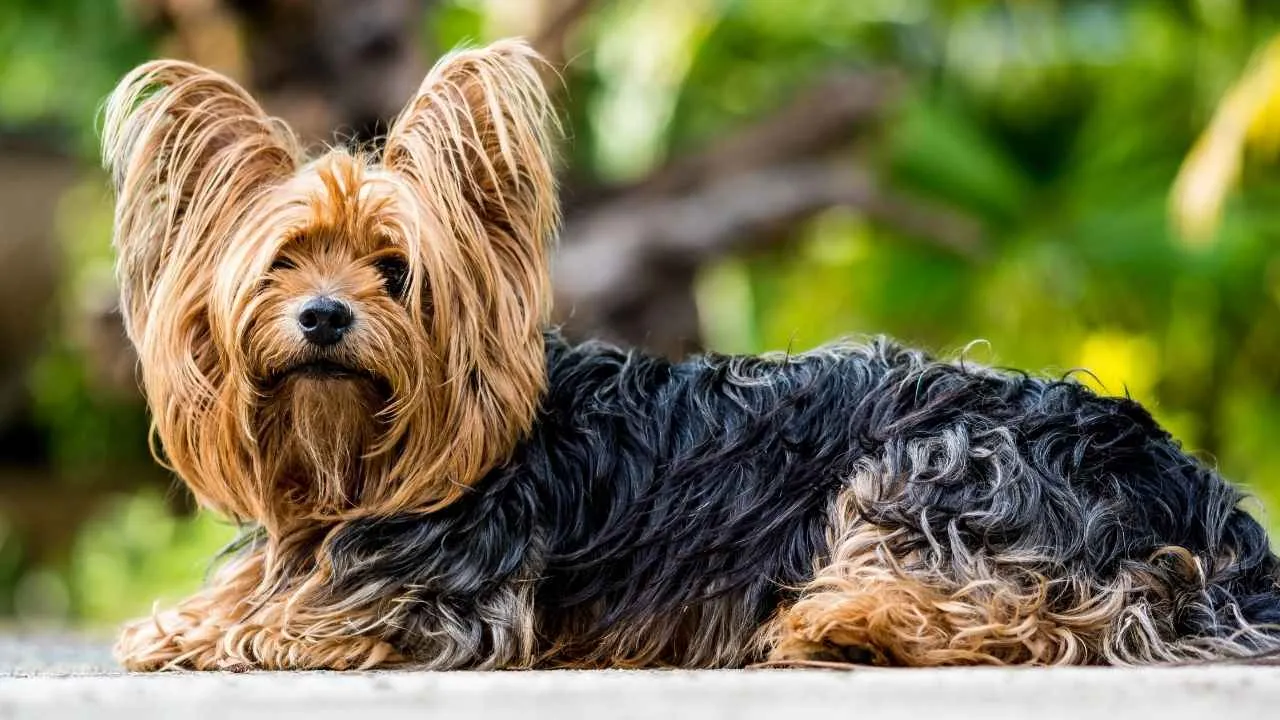
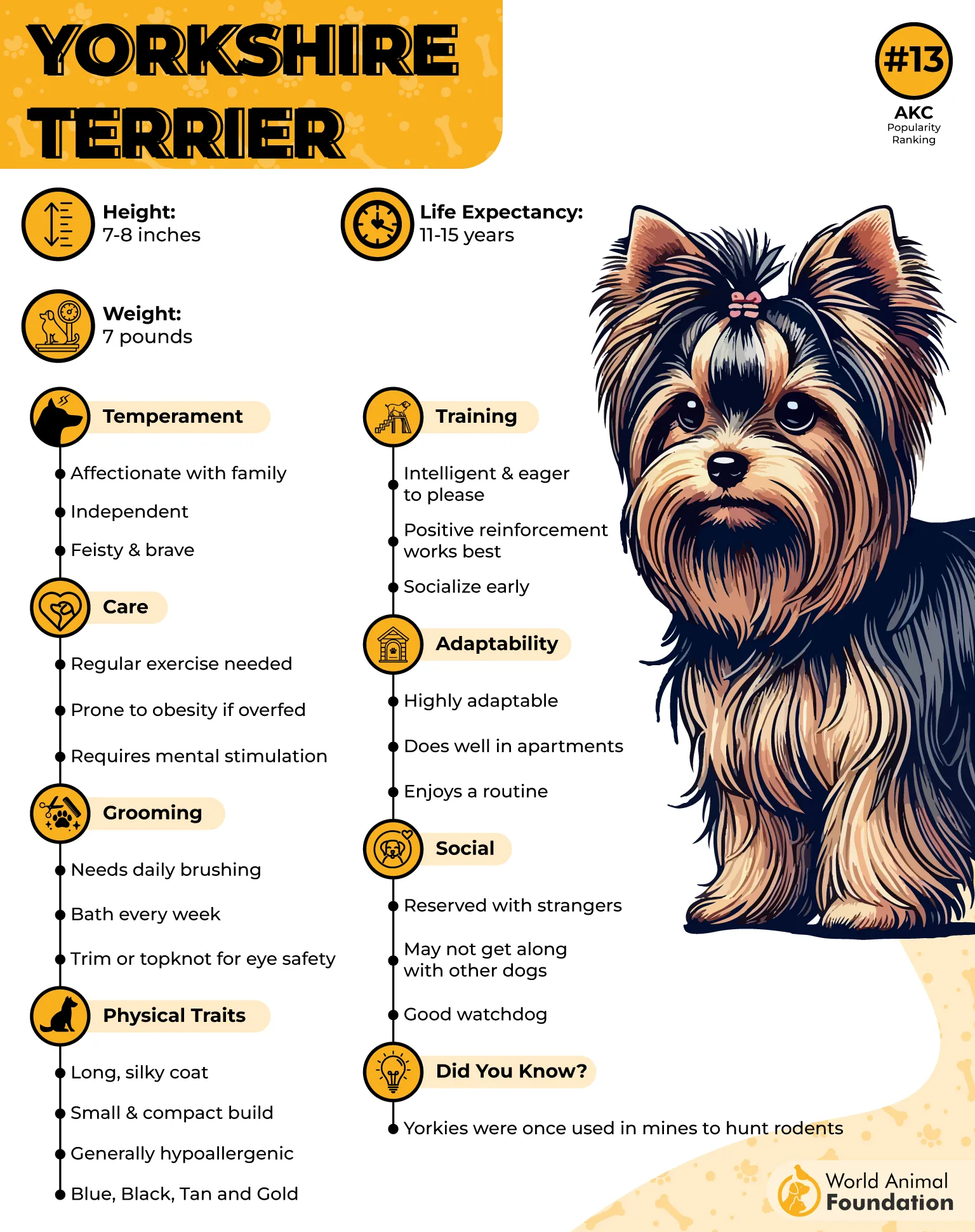
Yorkshire Terrier emerged from working terriers used in cotton mills, where it handled rat control despite its small size. This background shapes a dog that stays alert, active, and constantly aware of its surroundings. Its size fits apartment living, yet its mindset reflects a working role.
Curious and constantly engaged
Yorkies stay mentally involved, often scanning their environment and reacting to movement or sound near the home. Its behavior reflects a mix of playfulness and watchfulness, especially around entry points like doors.
That daily pattern shows in small, distinct ways:
Alerts quickly when someone approaches
Explores spaces with constant curiosity
Engages in short bursts of indoor play
Energy expressed in compact spaces
It channels its activity through short walks and indoor games, making it manageable within a limited space. Its need for mental stimulation remains important to prevent restlessness or unwanted behavior. This balance supports a flexible lifestyle and living situation without requiring large areas.
7. Maltese
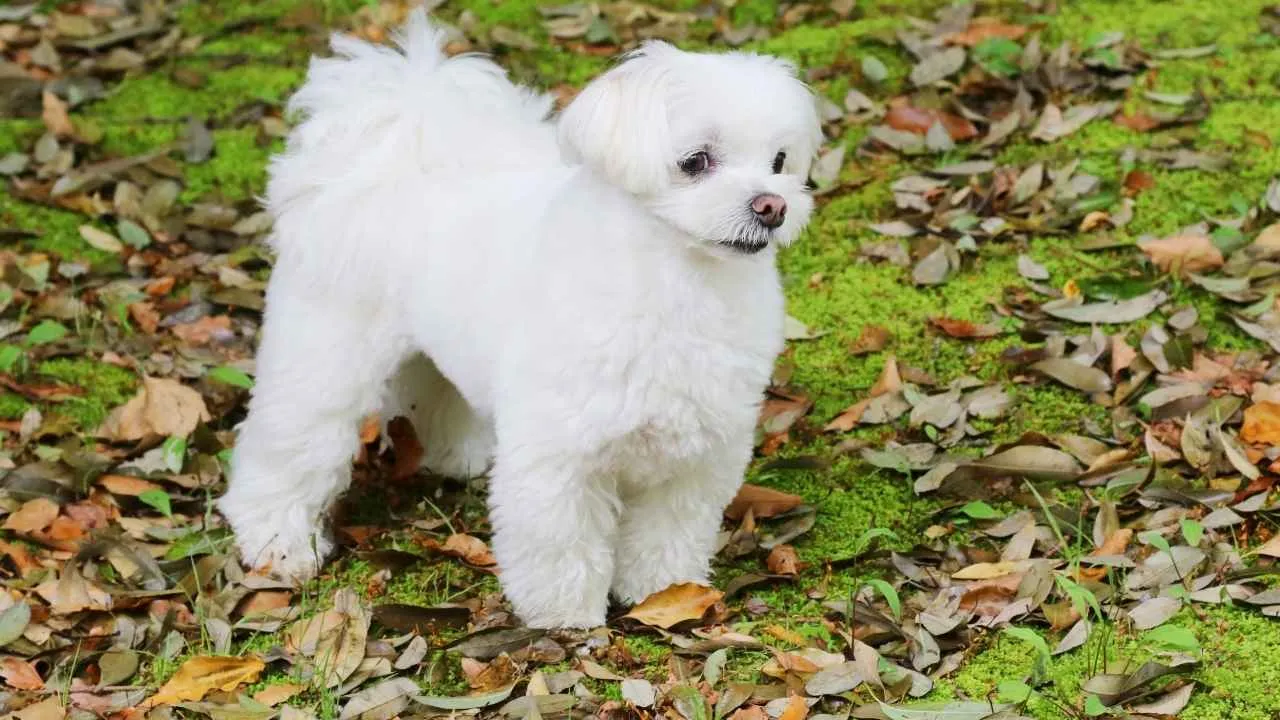
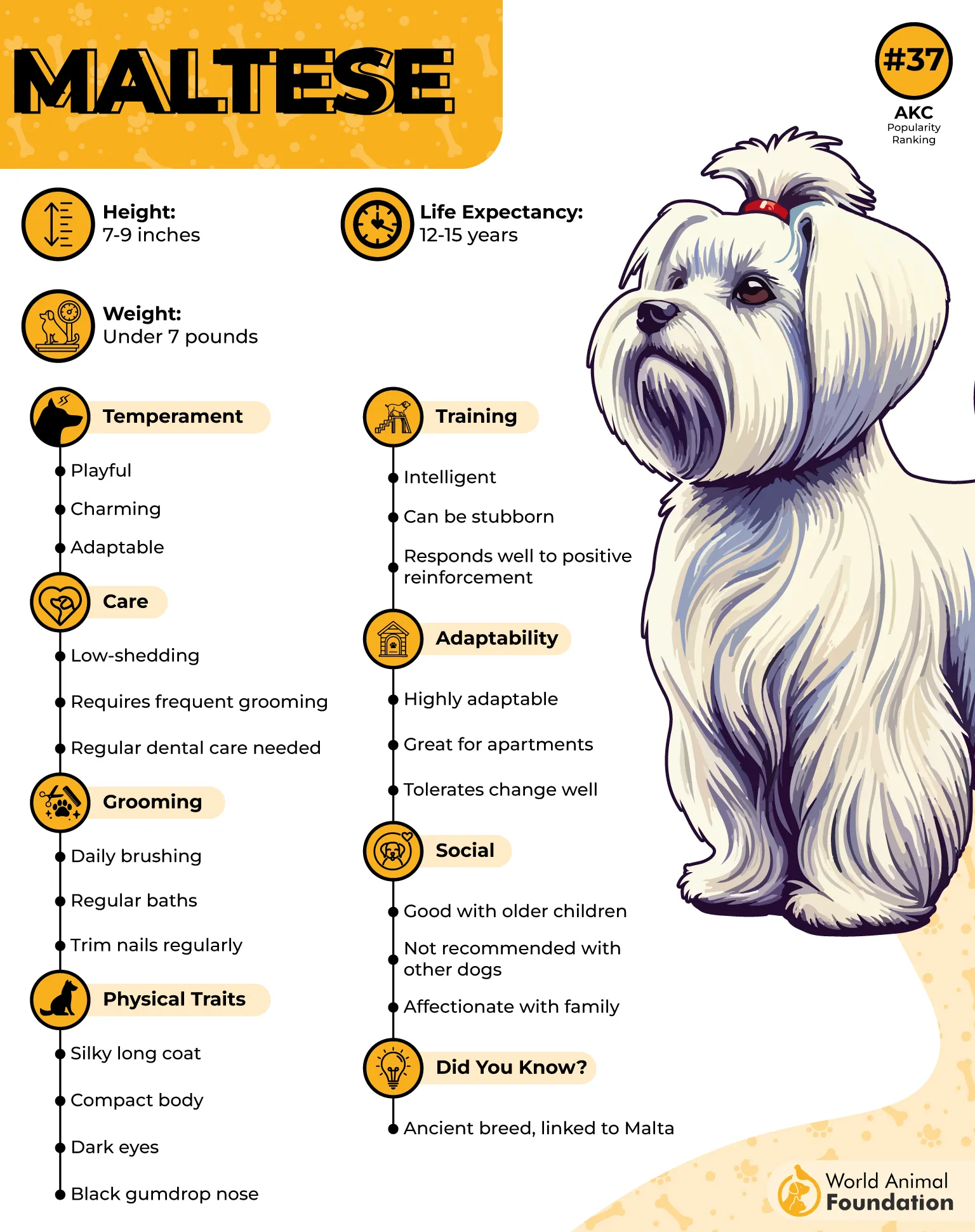
Maltese appear in records dating back to 300 BC, linked to early trade routes that brought small companion dogs into Central Europe. Its long-standing role centers on human closeness rather than work or guarding. This history reflects a breed shaped around presence and interaction.
Constant closeness in daily life
This tiny dog stays near people, often choosing laps, beds, or any shared space throughout the day. Its playful nature remains consistent even as it matures, keeping its behavior lively and engaging indoors.
This pattern becomes easy to notice:
Seeks physical closeness throughout the day
Maintains playful behavior beyond the puppy stage
Responds quickly to attention and interaction
Indoor habits and alert signals
It fits comfortably into smaller spaces, needing only short walks or brief bursts of movement to stay content. It reacts quickly to sounds at the door, using barking as an alert before shifting into a welcoming mood. This quick change reflects a social rather than defensive response.
Conclusion
City living does not require constant compromise when the dog already fits the urban environment. Many dog breeds discussed above show that adaptability comes from behavior, energy level, and how naturally a dog settles into indoor living without pressure.
Some stay closely connected through companionship, often showing a quiet nature, while others bring light activity that still works within daily routines and requires only minimal exercise. This balance makes them great apartment dogs, especially when compared to larger dogs that may need more space and activity.
The right dog breed depends on how your routine flows each day. When that match is clear, the dog becomes part of the rhythm of city life rather than something that feels difficult to manage.
