




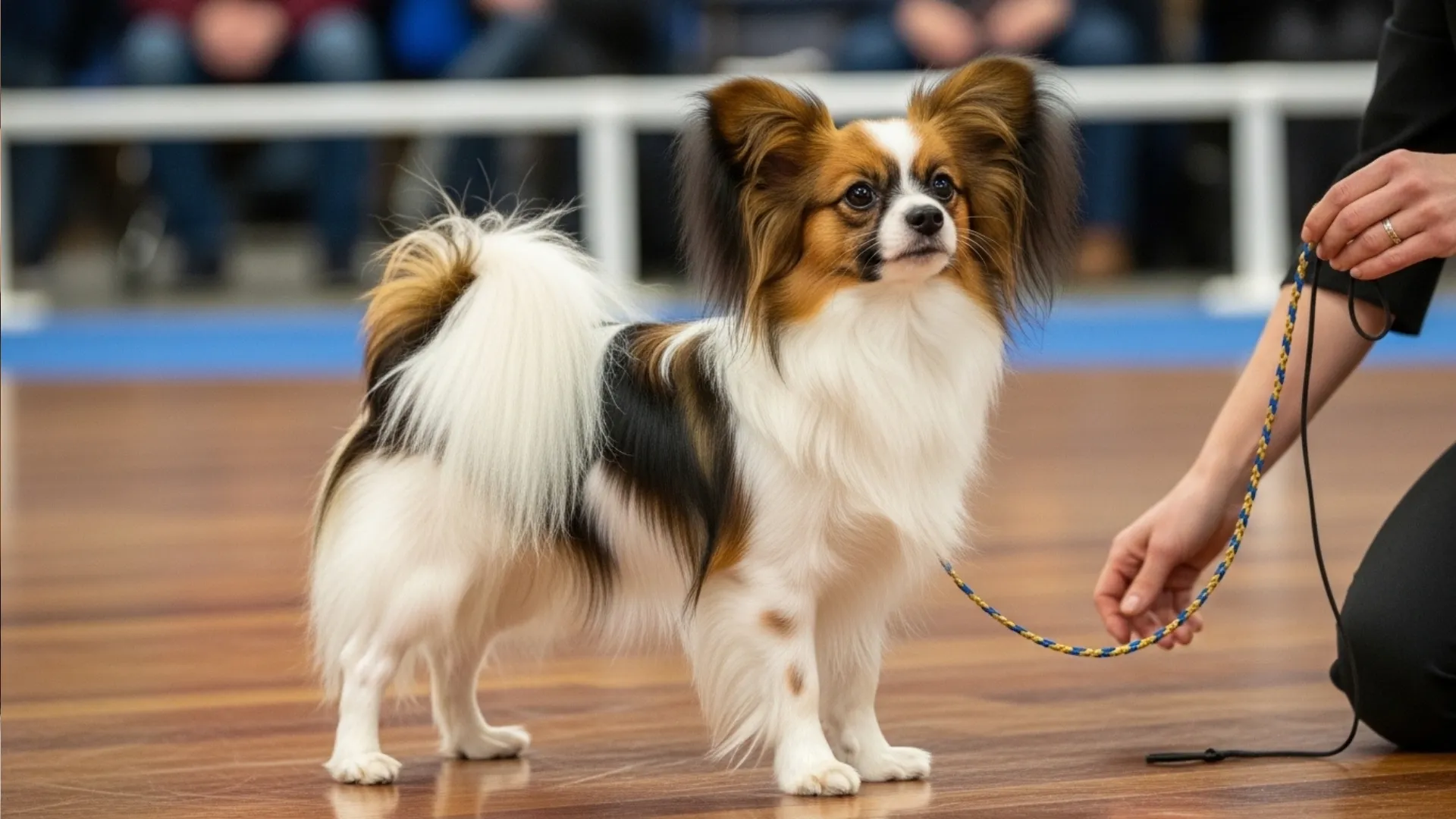
Let’s be honest—training a dog can feel like trying to teach a toddler algebra. But what if your dog actually wanted to learn? That’s where toy breeds come in—small in size but absolutely stacked with intelligence, personality, and eagerness to please.
Toy dogs are often underestimated, but many of them rank among the smartest and most trainable breeds. According to the American Kennel Club (AKC), breeds like Poodles consistently rank in the top tier for intelligence and obedience. That means faster learning, fewer headaches, and way more “good boy/girl” moments.
In this guide, we’re breaking down nine toy dog breeds that make training feel almost effortless. Whether you’re a first-time owner or want a low-stress companion, these are the best toy dog breeds for effortless training with the perfect combo of brains, charm, and trainability. Let’s dive in.
9 Best Toy Dog Breeds That Are Super Easy to Train (Beginner Friendly)
1. Toy Poodle
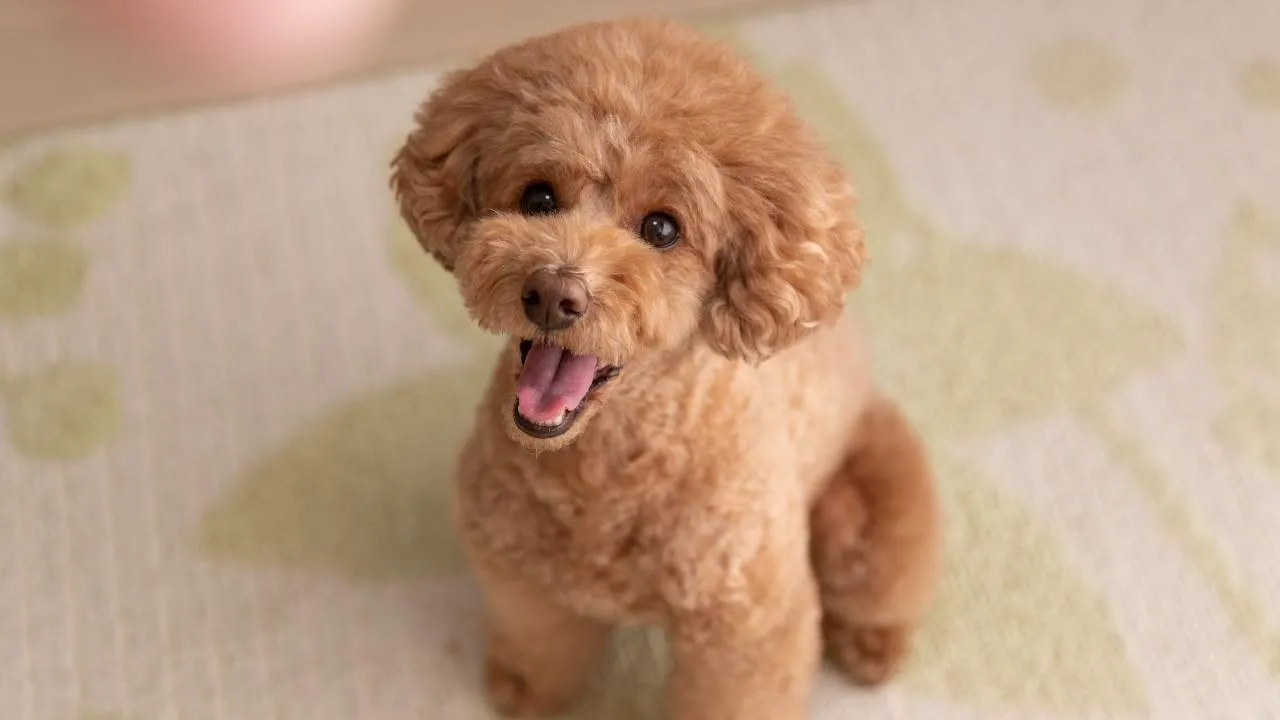
Toy Poodles are basically the overachievers of the dog world. Ranked among the top 3 most intelligent breeds globally, they learn commands extremely fast and actually enjoy training sessions. Their emotional intelligence also makes them highly attuned to their owners.
They thrive on structure and routine, which makes training smoother and more predictable. Short sessions of 5–10 minutes work best because they can get bored with repetition. Mix things up with tricks, games, and challenges to keep them engaged.
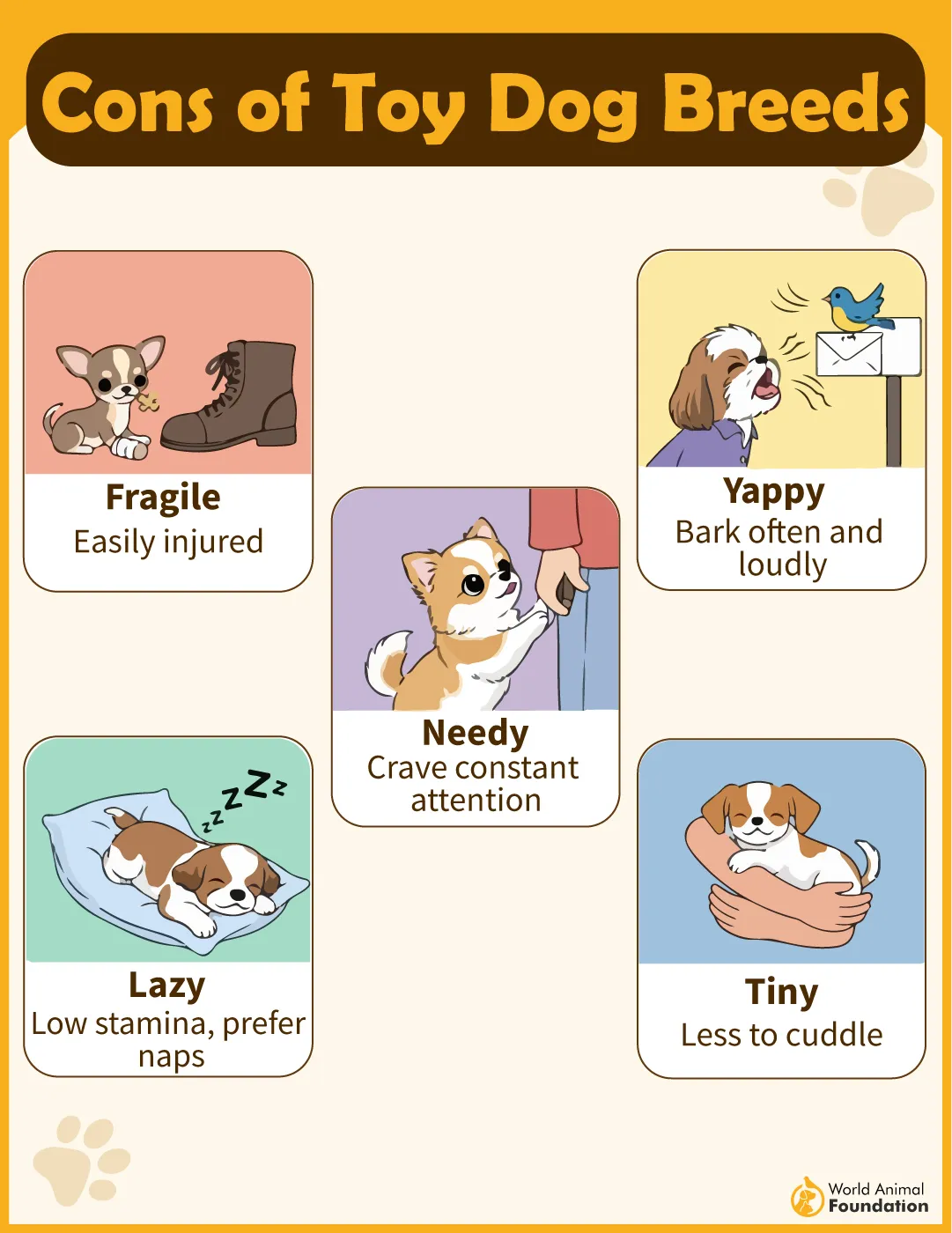
These dogs respond incredibly well to positive reinforcement, such as treats and praise. Harsh training methods? Big nope—they’re sensitive and can shut down emotionally. Keep it fun, and they’ll outperform your expectations every time.
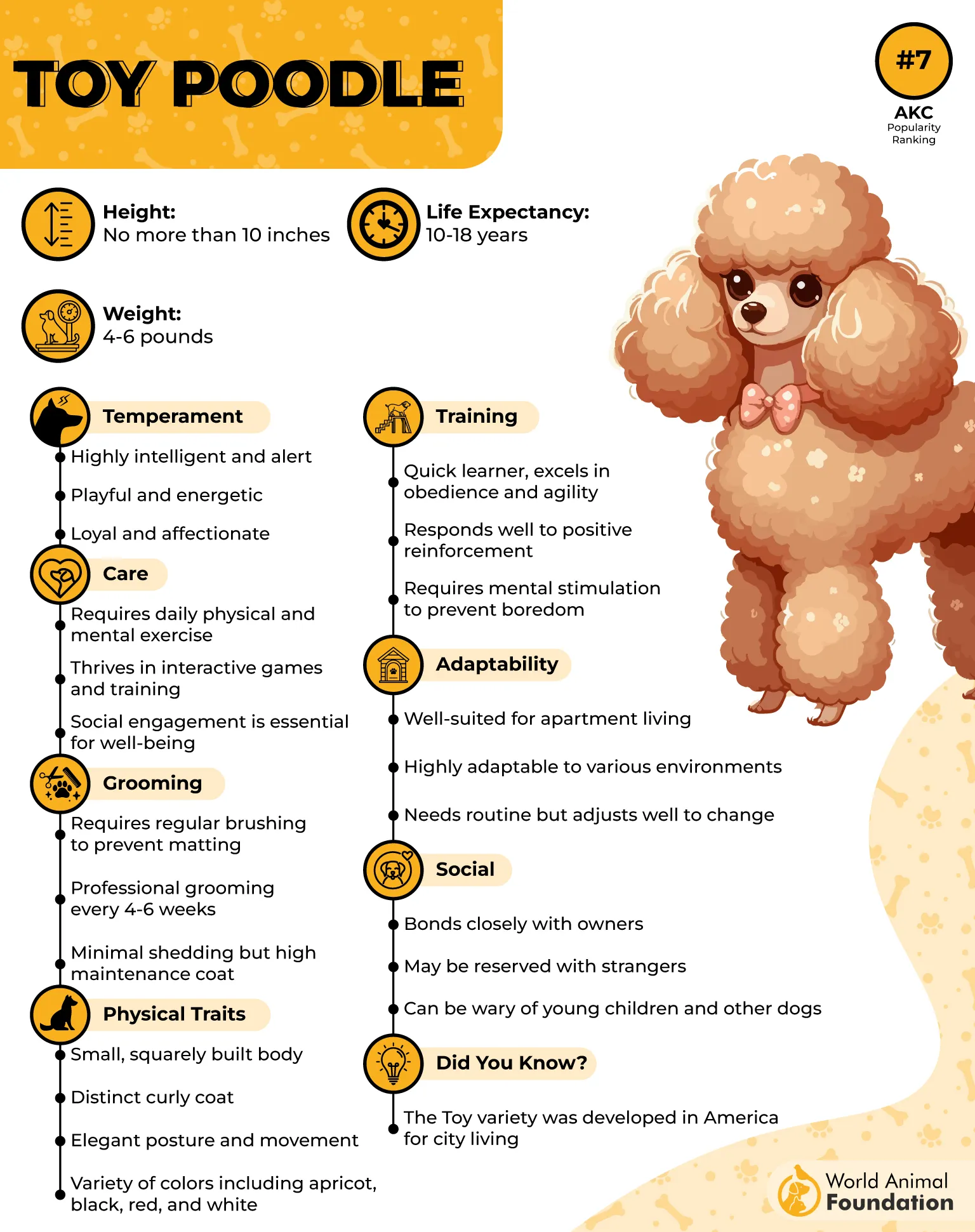
Socialization is key during their early months to build confidence. Exposing them to different environments helps prevent anxiety later. A well-socialized Toy Poodle becomes a confident, obedient companion.
These lively companions are the gold standard for easy training. They’re smart, eager, and adaptable, making them perfect for beginners. If you want fast results and a responsive dog, this is your MVP.
THREE STRATEGIES TO TRAIN THIS DOG
Use reward-based learning with treats and praise
Keep sessions short but frequent for better focus
Introduce new tricks regularly to prevent boredom
2. Papillon
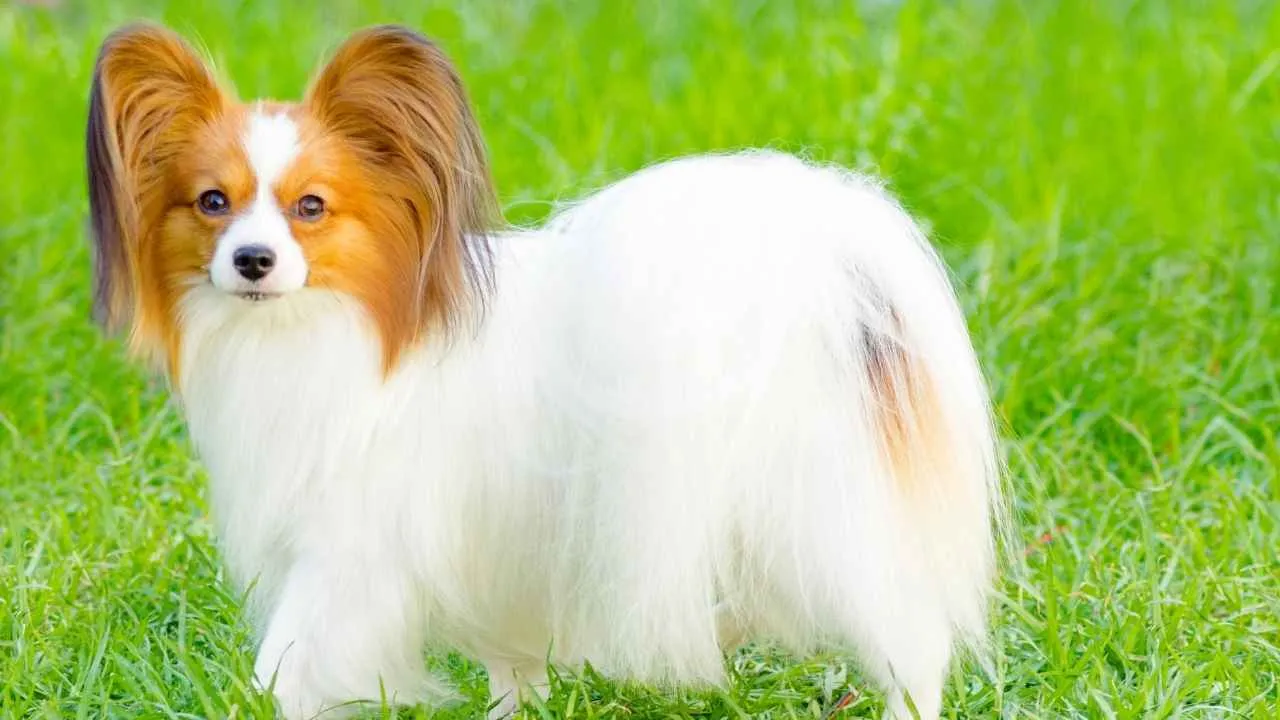
Papillons may look delicate, but their brains are on another level. They consistently rank among the smartest toy breeds and excel in agility and obedience competitions. Training them feels more like teamwork than a chore.
They love mental stimulation and need daily engagement to stay happy. Short, focused sessions help maintain their attention without overwhelming them. Add fun elements, such as tricks or obstacle games, to keep things exciting.
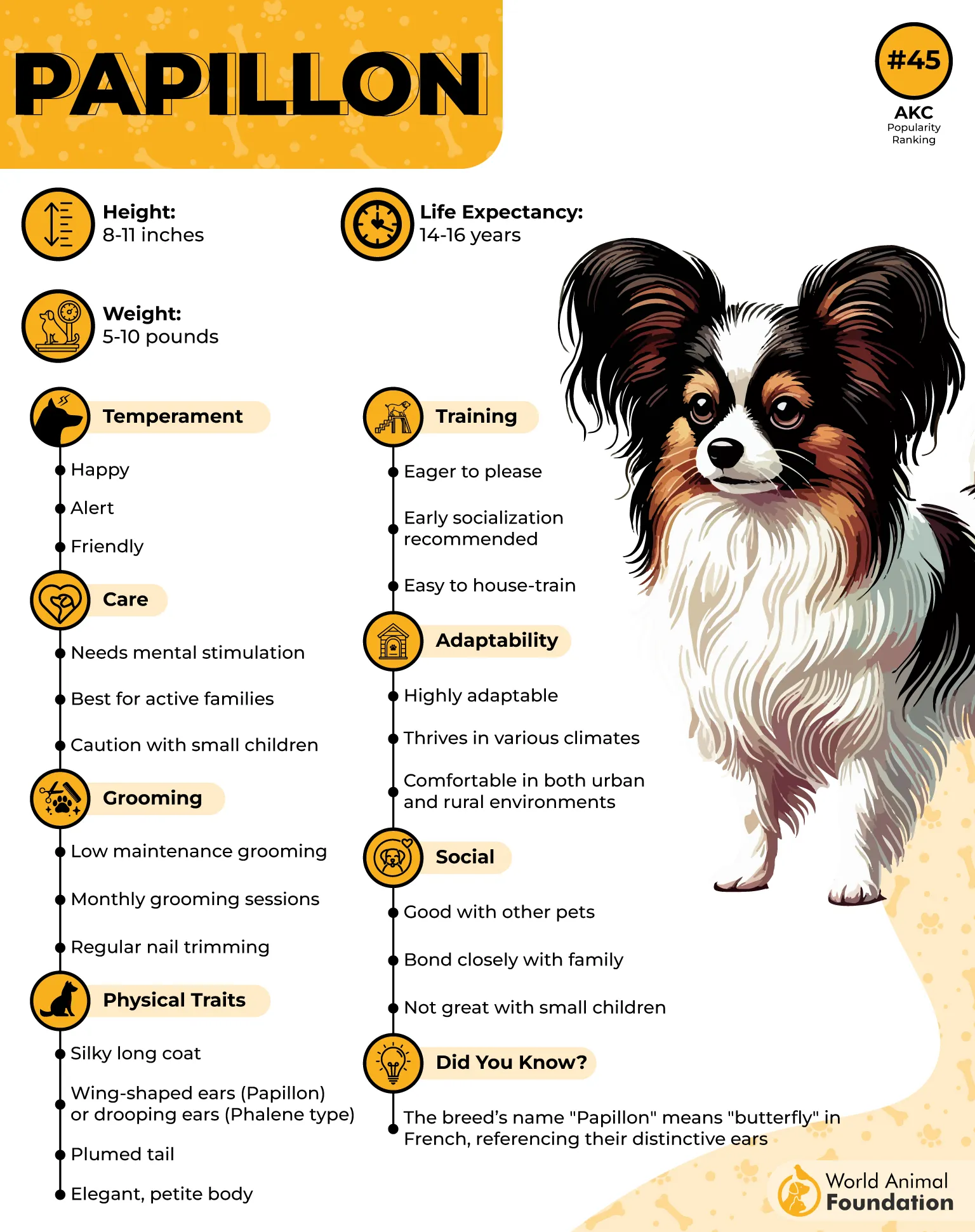
Omlet claims that these low-maintenance dogs respond best to gentle, positive reinforcement techniques. They’re sensitive and thrive on encouragement rather than discipline. Build trust, and they’ll give you 100% effort every time.
Early socialization helps them grow into confident, well-mannered dogs. Without it, they may become shy or overly cautious. Exposure to new people and environments makes a huge difference.
In short, Papillons are tiny geniuses with big personalities and playful natures. They’re perfect for owners who want an interactive and responsive companion. Training them is genuinely enjoyable.
THREE STRATEGIES TO TRAIN THIS DOG
Reward good behavior instantly to reinforce learning
Keep training playful and mentally stimulating
Maintain consistency in commands and routines
3. Pomeranian
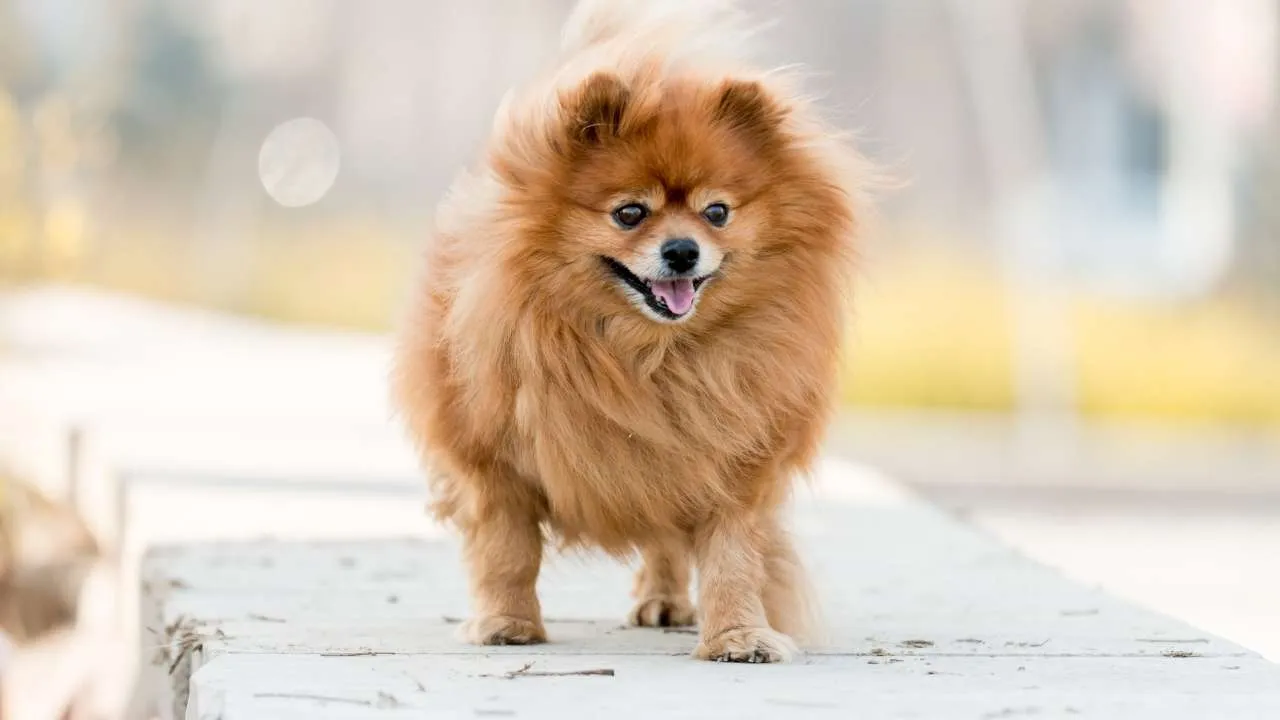
Pomeranians are small, fluffy, and surprisingly clever. They learn quickly but also have a stubborn streak, so training requires a strategic approach. Think of them as tiny bosses—you have to outsmart them.
Short sessions of 3–5 minutes work best for their attention span. They get bored easily, so variety is essential to keep them engaged. Switching tasks frequently keeps their interest high.
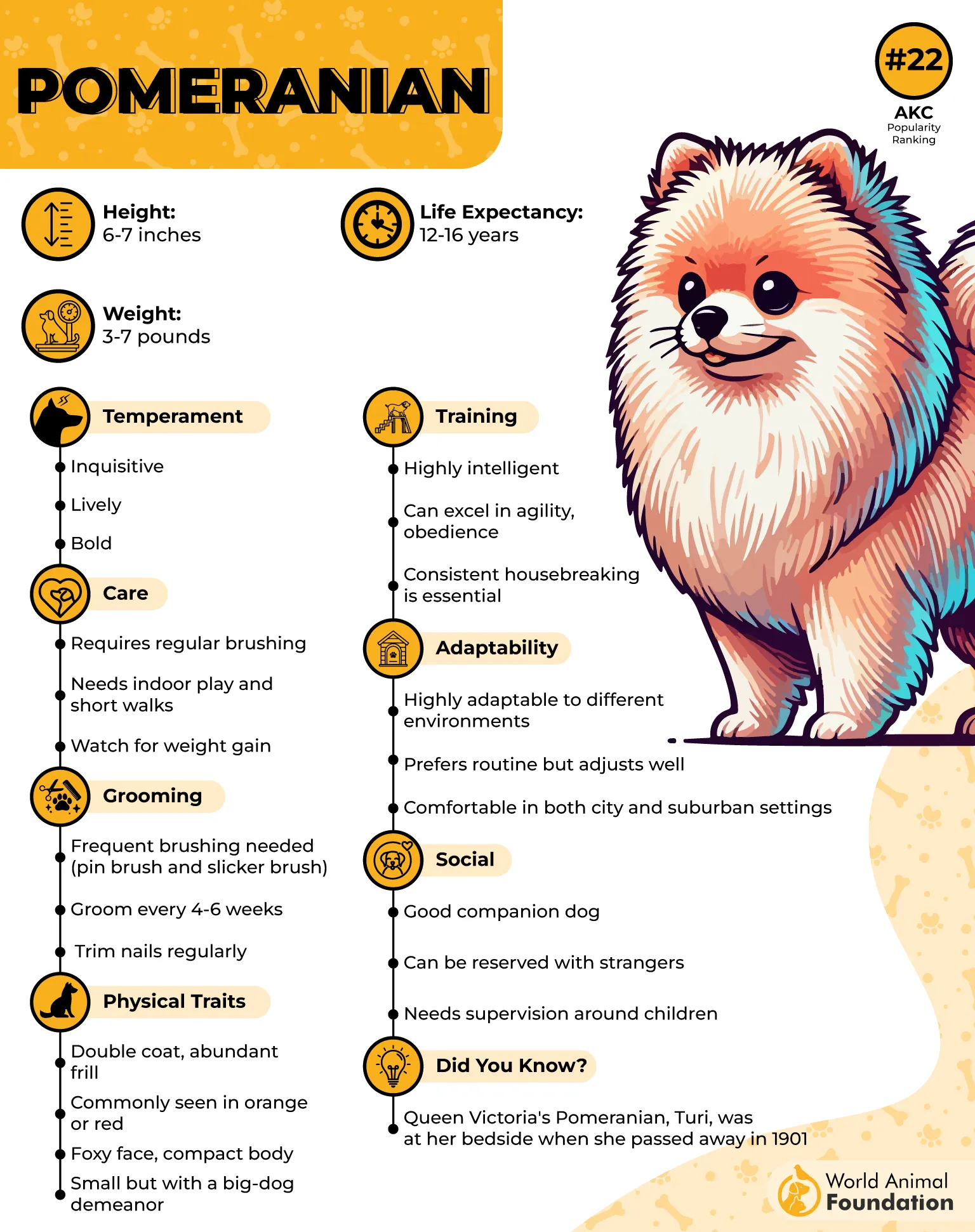
Positive reinforcement is your best weapon here. Treats, praise, and excitement motivate them to repeat good behavior. If they sense inconsistency, though, they’ll take advantage of it real quick.
Socialization is crucial to prevent fear-based behaviors like barking or snapping. Expose them to different situations early to build confidence. A well-trained Pom is confident, not reactive.
These white dogs are trainable but require consistency and patience. They thrive in a family life and are smart enough to learn fast but cheeky enough to test boundaries. Stay consistent, and you’ll win.
THREE STRATEGIES TO TRAIN THIS DOG
Keep sessions short and engaging
Use high-value treats for motivation
Stay consistent across all family members
4. Brussels Griffon
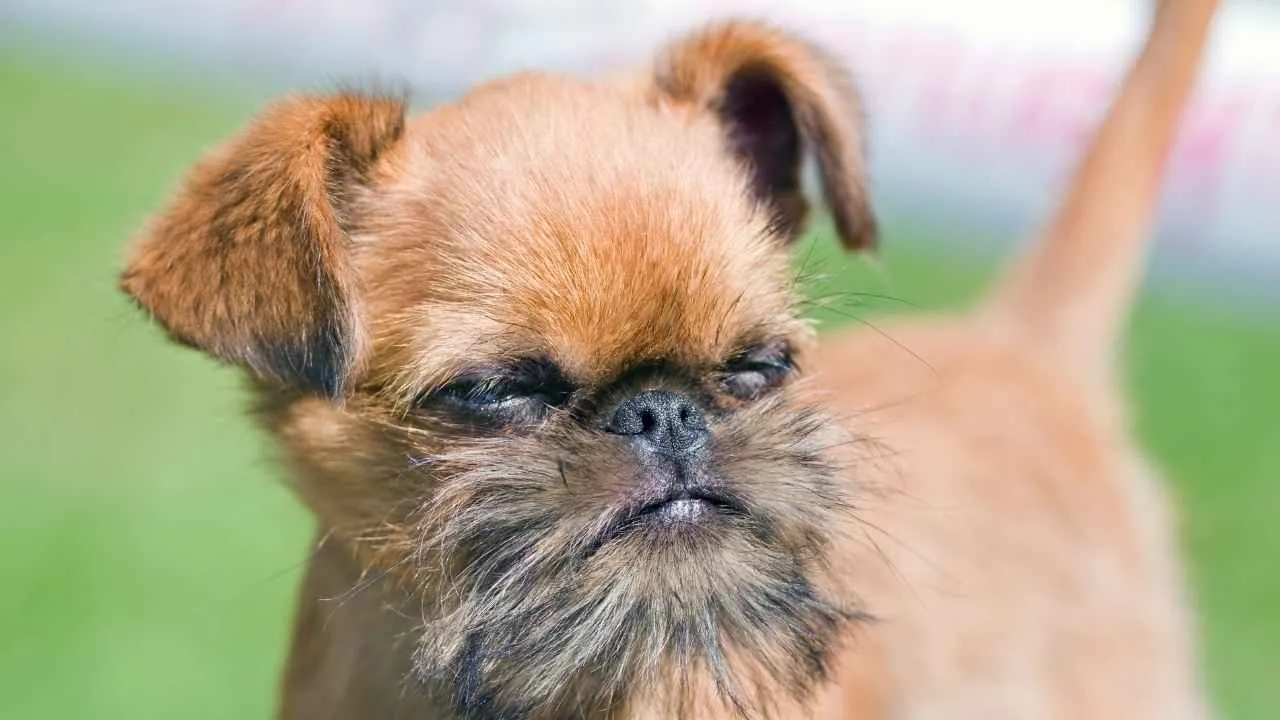
Brussels Griffons are intelligent but a bit dramatic—yes, drama kings and queens. They can learn commands easily, but will only cooperate if they feel like it. Training them is part skill, part negotiation.
These happy dogs respond best to positive reinforcement and emotional bonding. If they trust you, they’ll listen; if not, good luck. Building that connection is step one.
Short, engaging sessions keep them focused and interested. These wonderful family pets don’t enjoy repetitive drills, so mix in fun activities. Make training feel like playtime, not a chore.
Socialization helps reduce their tendency toward nervousness. Exposure to new environments builds confidence and stability. Without it, they may become overly shy.
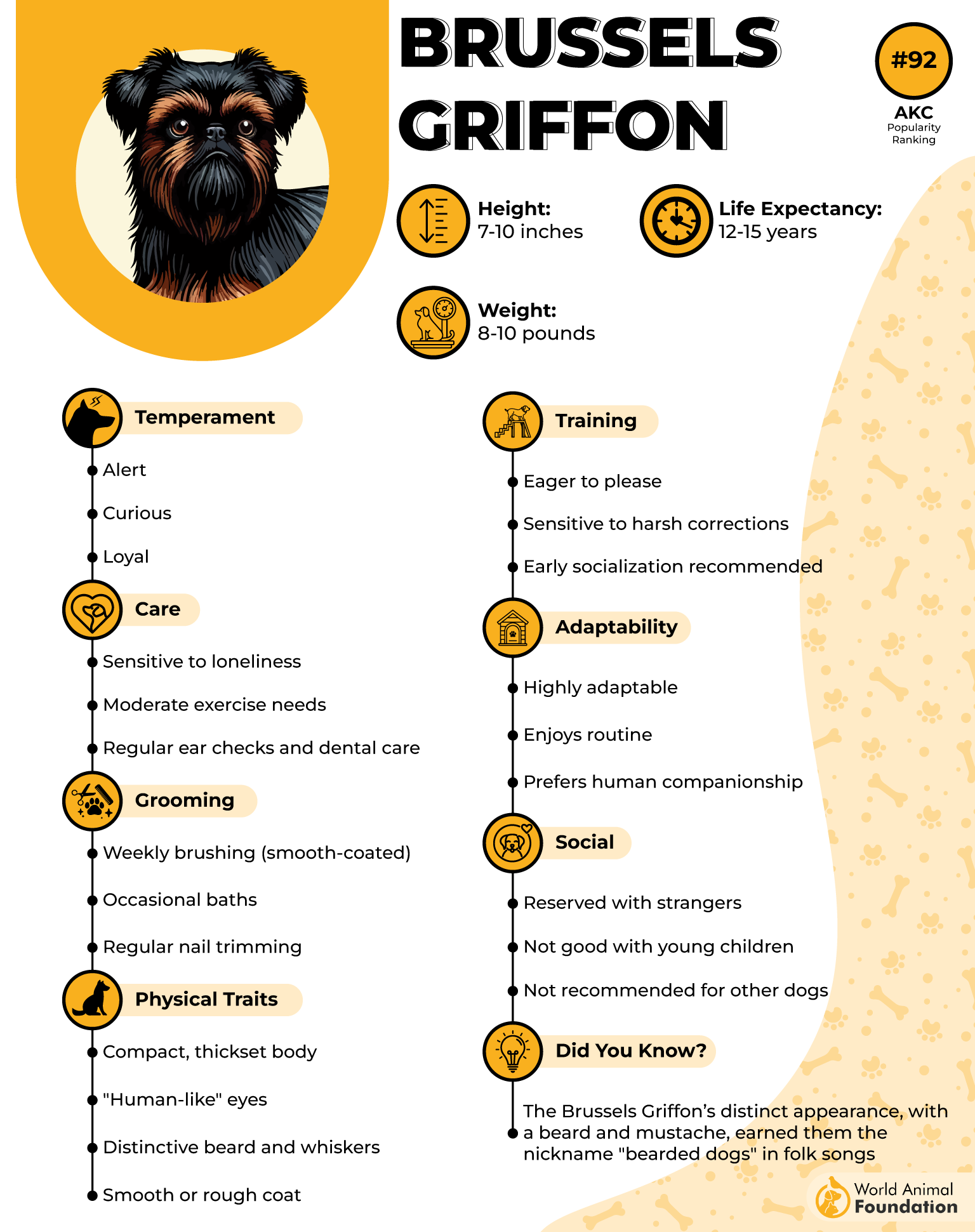
This small dog breed is trainable but requires patience, as per PetMD. These velcro dogs are clever, sensitive, and a little stubborn. With the right approach, they become well-mannered companions.
THREE STRATEGIES TO TRAIN THIS DOG
Focus on trust-building before obedience
Use rewards to encourage cooperation
Keep sessions fun and varied
5. Yorkshire Terrier
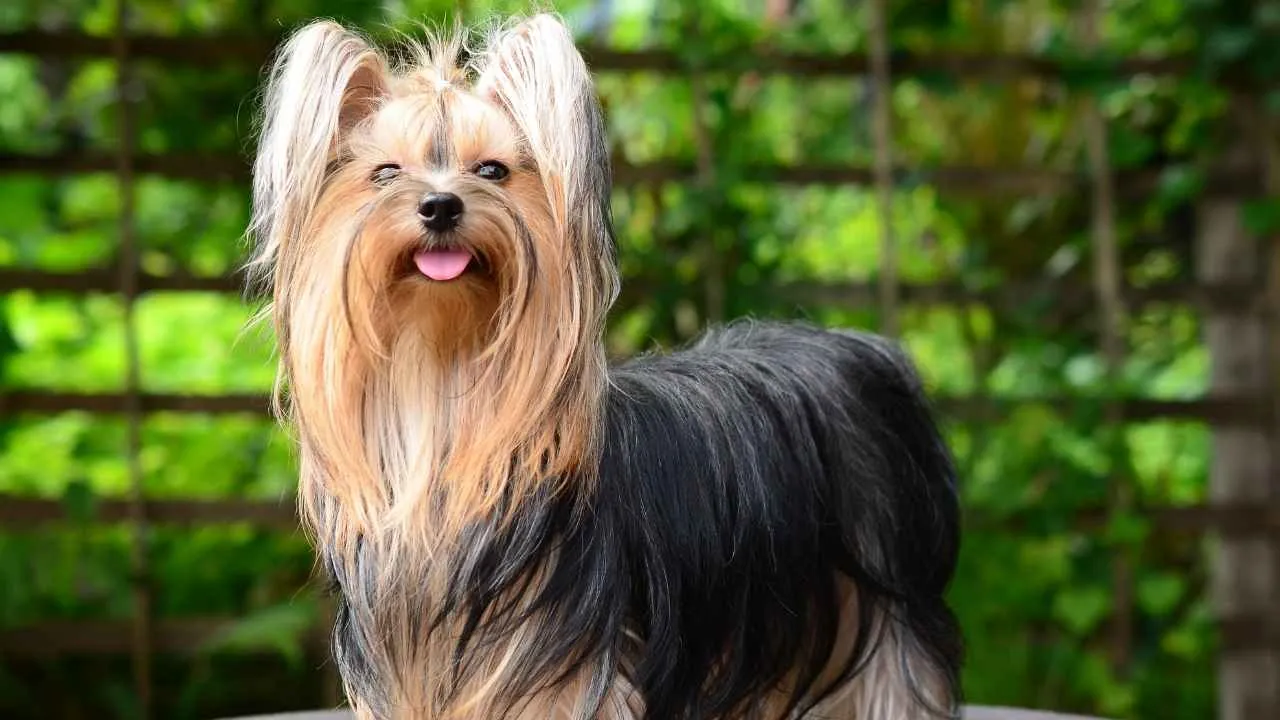
Yorkshire Terriers are tiny but packed with confidence and intelligence. They learn quickly but can be independent thinkers. Training them is about balance—firm but positive.
Like most other pets, they respond well to treats, praise, and attention. However, if spoiled, they may develop stubborn habits. Consistency is key to keeping them on track.
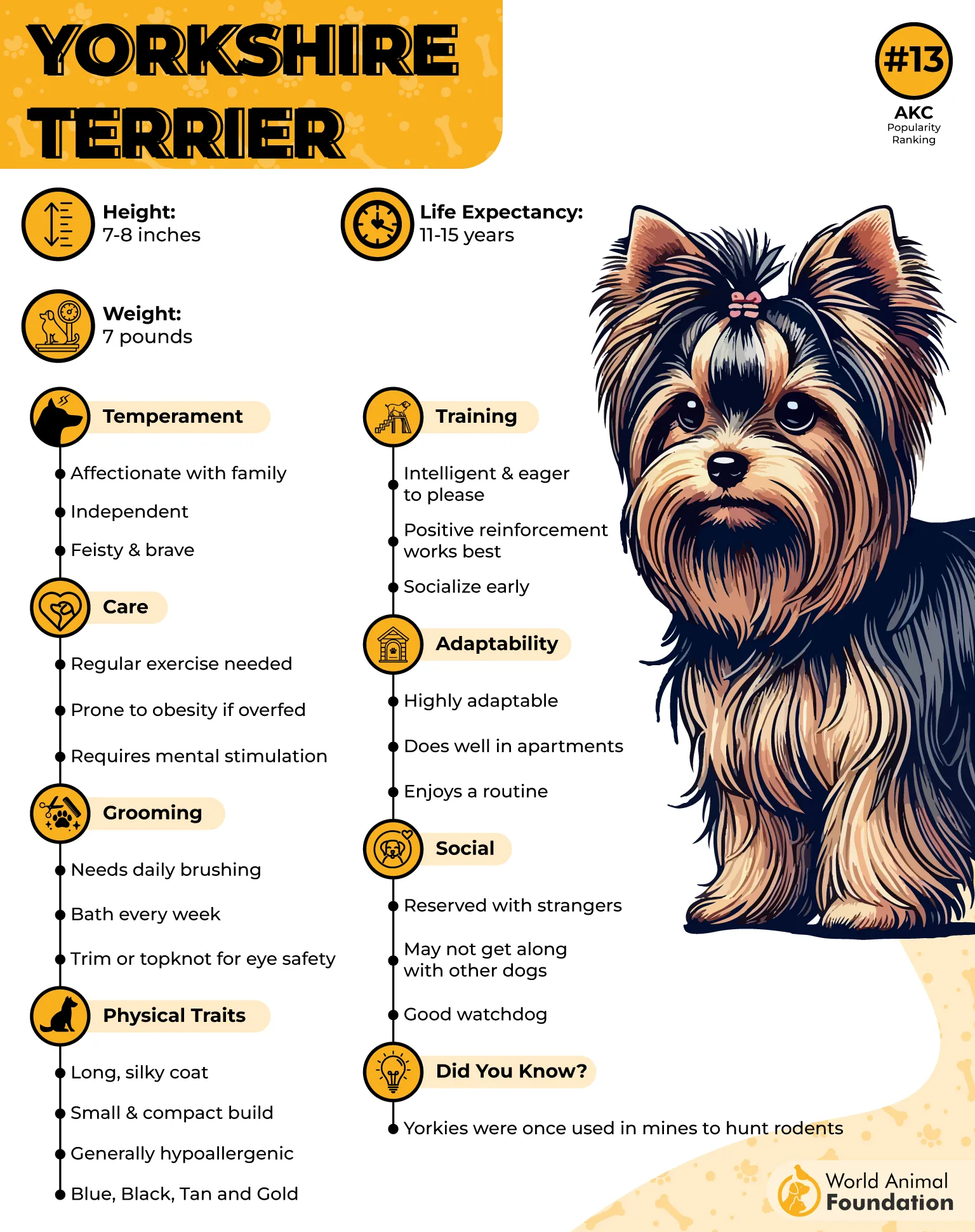
Short sessions work best to match their attention span. Keeping things engaging prevents boredom and resistance. Variety keeps them motivated to learn.
Early training helps prevent excessive barking and stubborn behavior. Socialization builds confidence and improves behavior. A trained Yorkie is confident, not chaotic. Overall, these small dogs are trainable but require leadership. They’re smart, quick learners with big personalities. Stay consistent, and they’ll impress you.
THREE STRATEGIES TO TRAIN THIS DOG
Use consistent rules and commands
Reward calm and obedient behavior
Avoid overindulgence to prevent stubbornness
6. Cavalier King Charles Spaniel
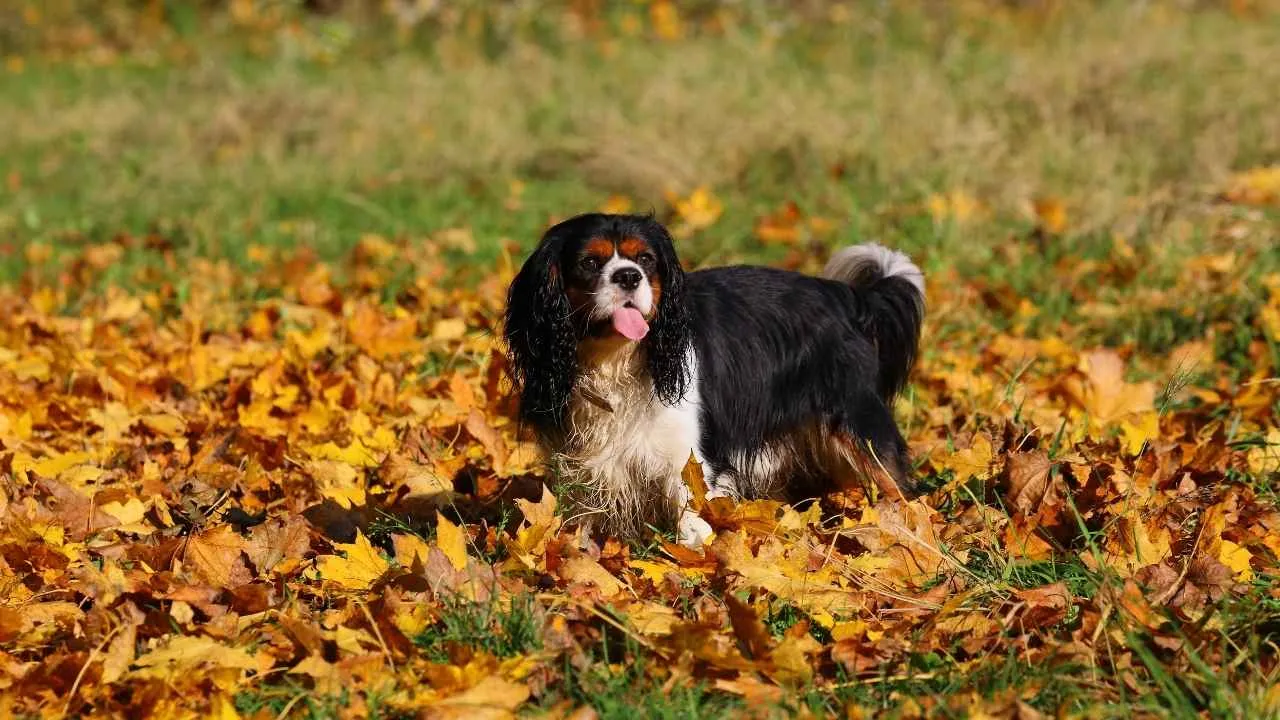
Cavaliers are sweet, gentle, and super eager to please. Their affectionate nature makes training smooth and enjoyable. They genuinely want to make you happy.
This trainable small dog breed responds best to positive reinforcement methods. Praise and treats go a long way with this breed. Harsh corrections can make them anxious.
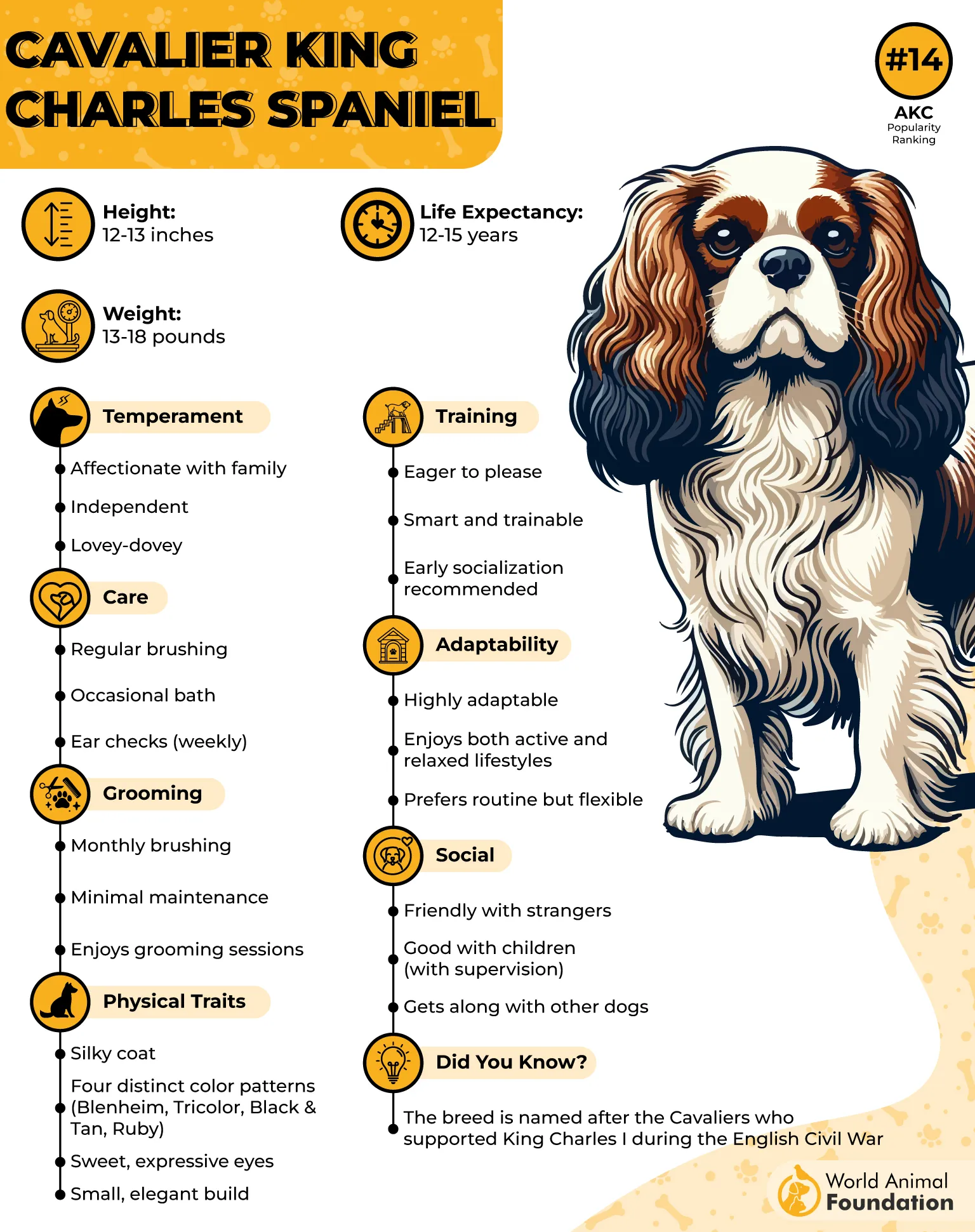
Short, consistent sessions keep them engaged. Compared to other dogs, they learn quickly when training is calm and structured. Routine helps them understand expectations.
Believe PSDA when it says that socialization is important to build confidence. Exposure to different environments prevents shyness. A well-socialized Cavalier is friendly and adaptable. These wonderful companions are one of the easiest toy breeds to train. They’re loving, responsive, and cooperative. Perfect for first-time owners.
THREE STRATEGIES TO TRAIN THIS DOG
Use gentle, reward-based training methods
Keep sessions consistent and structured
Focus on early socialization
7. Maltese
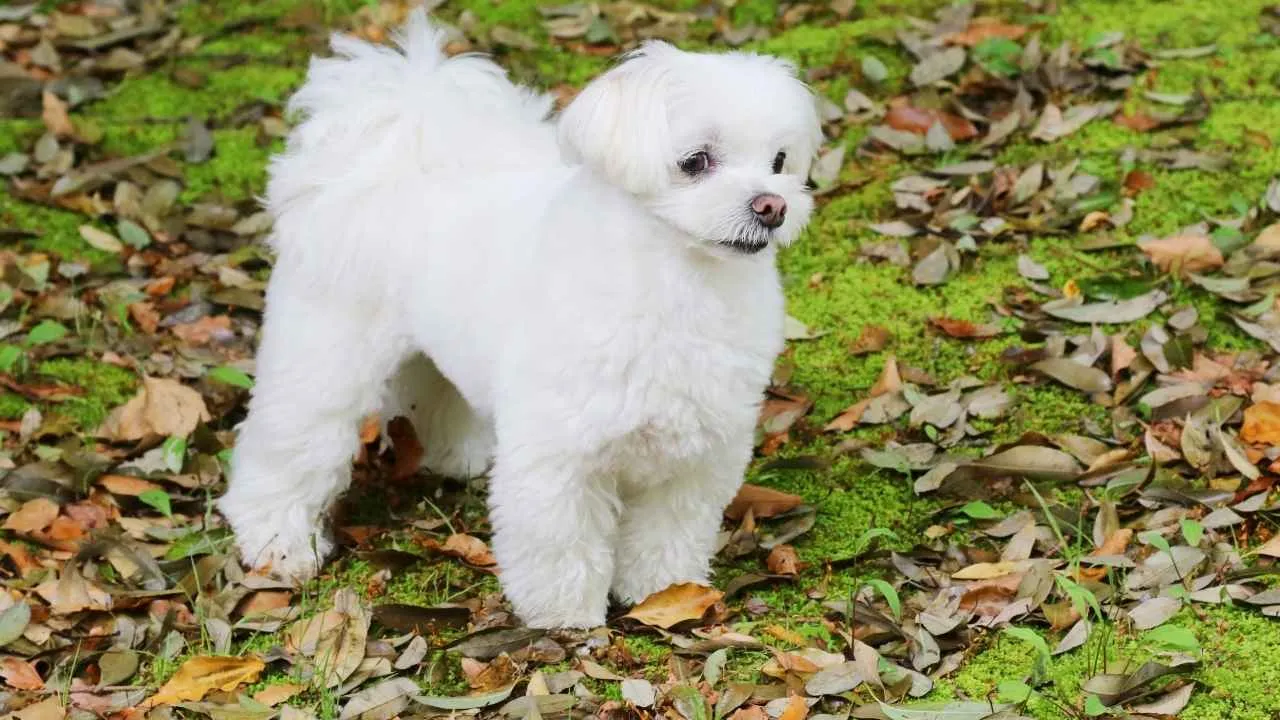
Maltese dogs are small, elegant, and surprisingly smart. They’re eager to please but can be slightly stubborn at times. Training requires patience and consistency.
They respond well to positive reinforcement techniques. Treats and praise motivate them effectively. Harsh discipline doesn’t work with this sensitive breed.
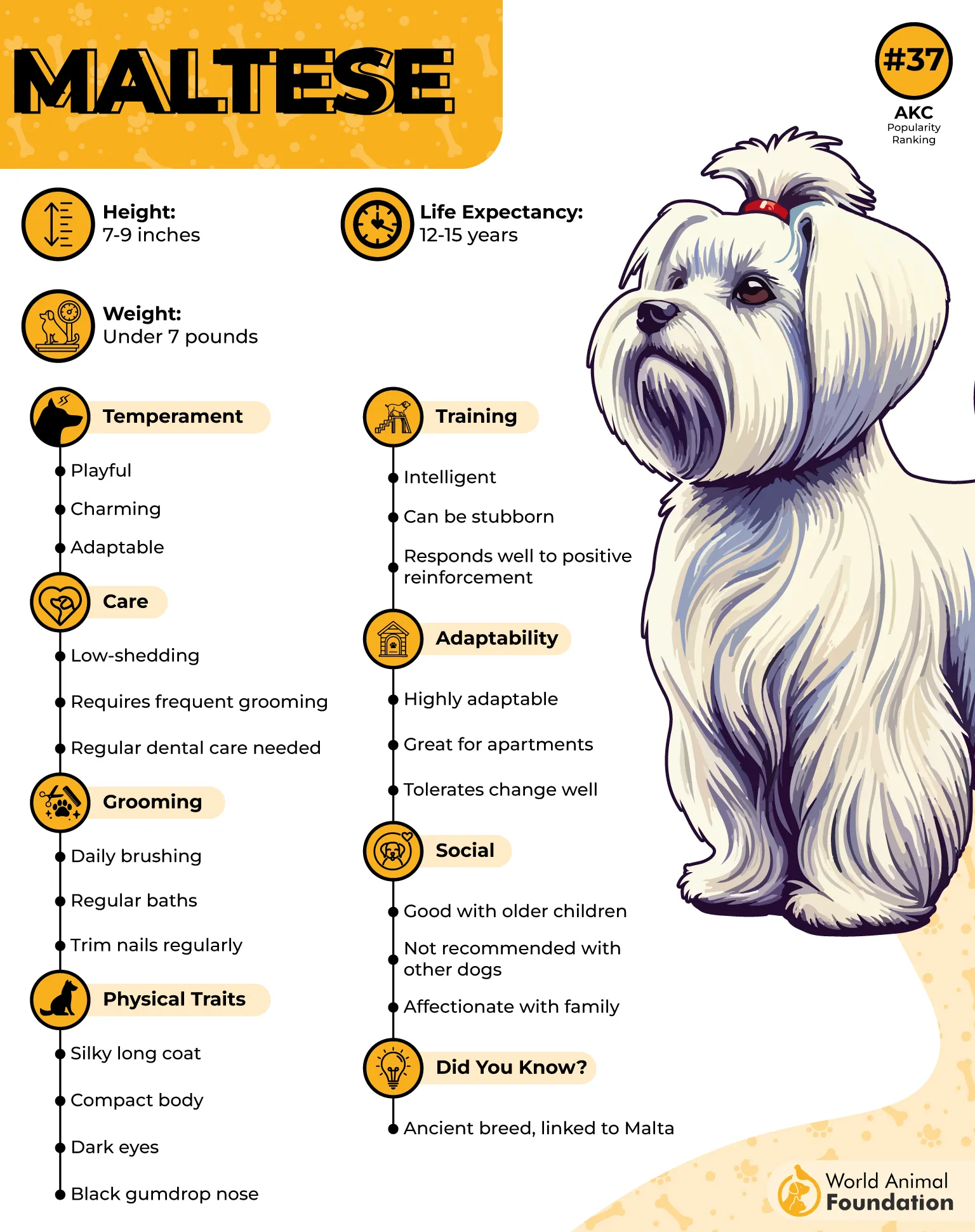
Short sessions prevent boredom and distraction. Keeping training fun helps maintain their interest. Variety is key to success. Socialization helps prevent anxiety and timid behavior. Early exposure builds confidence and adaptability. A confident Maltese is easier to train and well-behaved.
They come with a gentle nature and are trainable/responsive. They thrive in structured, positive environments. With consistency, they become obedient companions.
THREE STRATEGIES TO TRAIN THIS DOG
Use gentle reinforcement methods
Keep sessions short and engaging
Build a consistent daily routine
8. Havanese
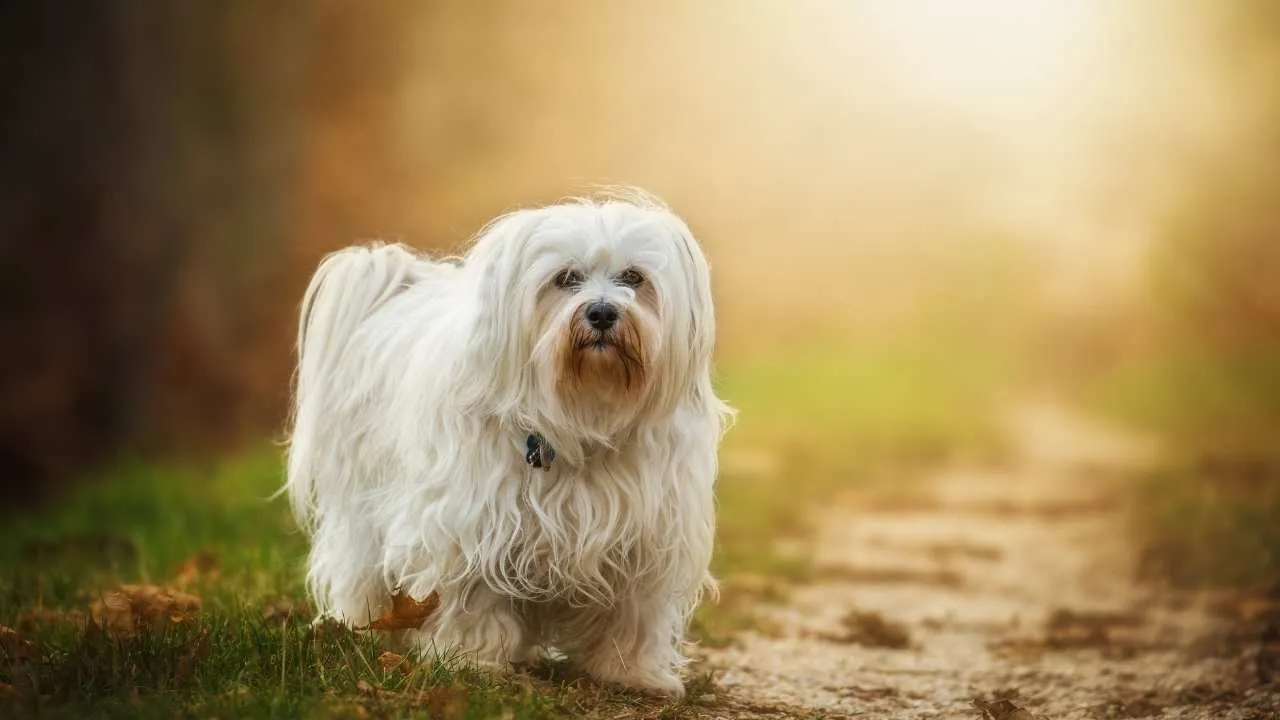
A few breeds are people-focused and love attention, and the Havanese is one of them. Their eagerness to please makes them highly trainable. They thrive on interaction and engagement.
They respond best to praise and affection, Purina says. Treats help, but your attention is their biggest reward. Training becomes a bonding activity.
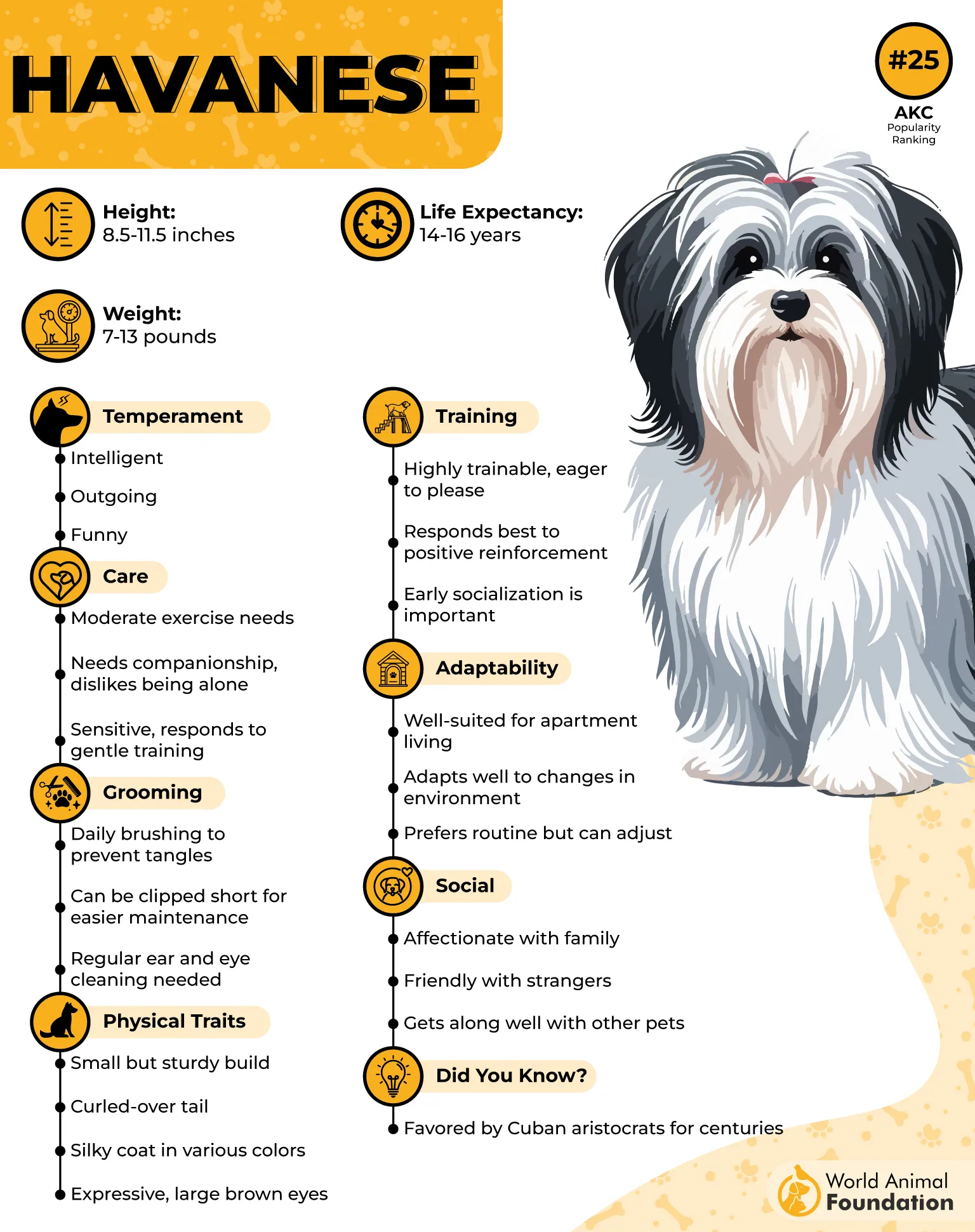
Short, fun sessions keep them engaged. They enjoy learning tricks and interactive tasks. Mental stimulation is essential.
Socialization prevents separation anxiety and builds confidence. Early exposure helps them adapt to different environments. A confident Havanese is a happy one.
Great for human companionship, these dogs are easy to train and very cooperative. They’re smart, social, and eager learners. Perfect for beginners.
THREE STRATEGIES TO TRAIN THIS DOG
Use attention and praise as rewards
Keep training interactive and fun
Start socialization early
9. Shih Tzu
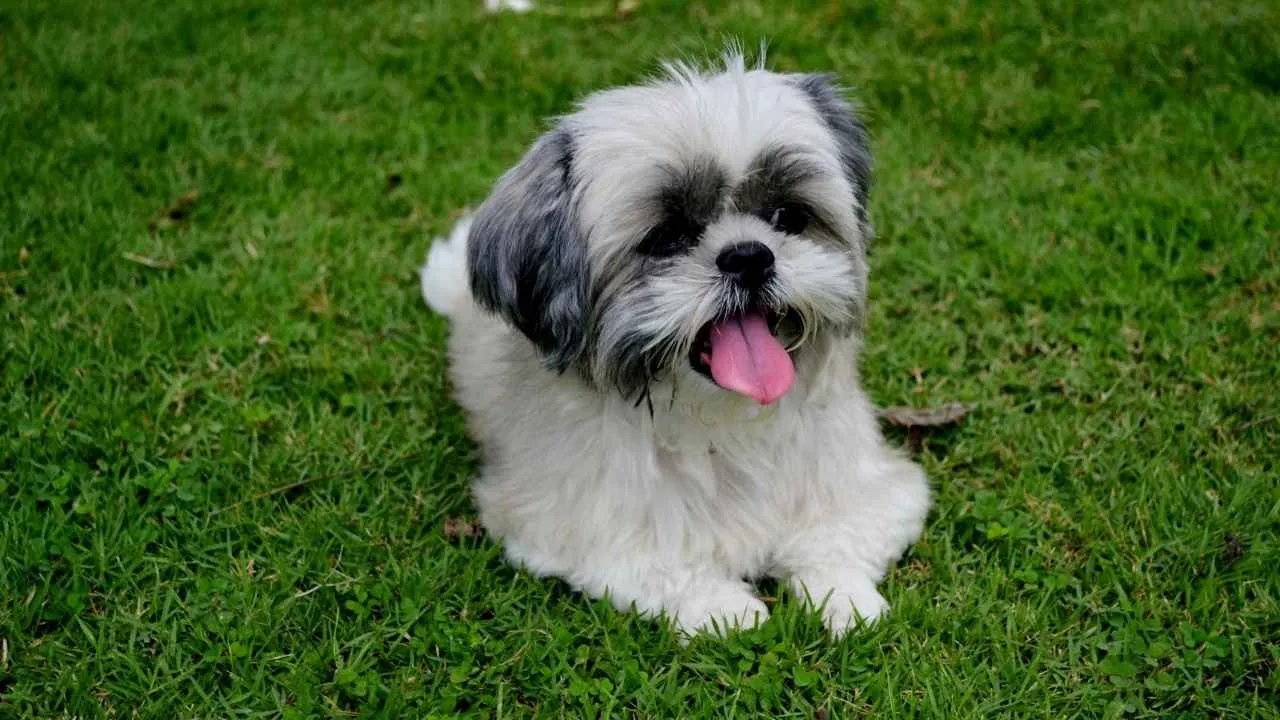
Shih Tzus are charming but slightly stubborn. They’re intelligent but prefer doing things their own way. Training requires patience and consistency.
Positive reinforcement works best for this breed. Treats and praise motivate them effectively. Harsh methods can make them anxious.
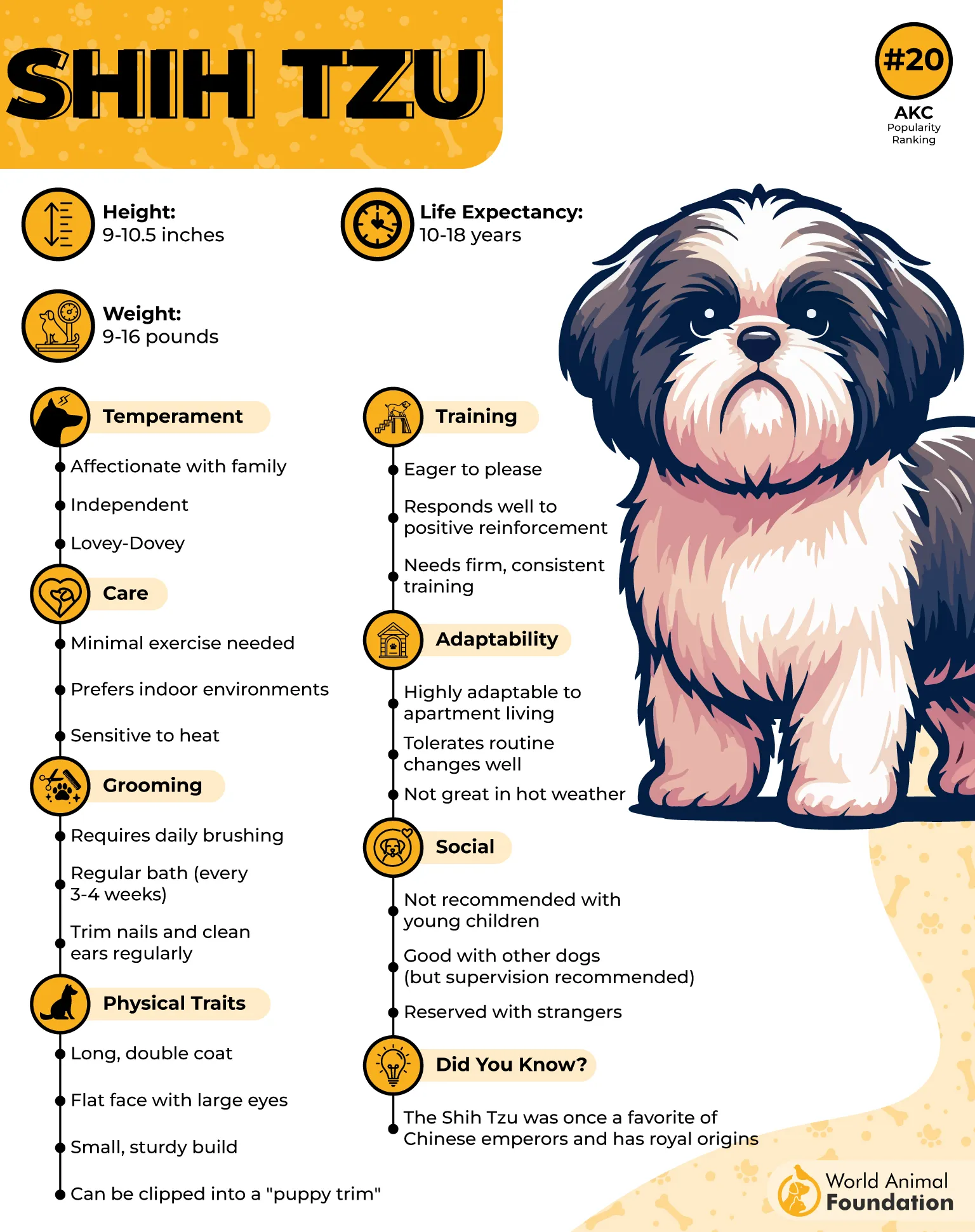
Short sessions keep them focused and prevent boredom, as per Petplan. Repetition should be limited to maintain interest. Fun training works best. Consistency is crucial for house training and obedience. Establish routines and stick to them. This helps them understand expectations.
These hypoallergenic dog breeds are trainable with the right approach. They’re affectionate, loyal, and capable learners. Just stay patient and consistent.
THREE STRATEGIES TO TRAIN THIS DOG
Use reward-based training techniques
Maintain consistent routines
Keep sessions short and fun
Conclusion
Training a dog as a first-time dog owner doesn’t have to feel like a full-time job. With the right toy breed, it can actually be fun, rewarding, and even a little addictive. These nine breeds prove that small dogs can be incredibly smart and eager to learn.
From the genius-level Toy Poodle to the affectionate Havanese, each breed brings its own unique training style. Some thrive on structure, others on bonding, but all respond well to positive reinforcement. The key is consistency, patience, and keeping things engaging.
Pet parents say Bichon frises, French bulldogs, and Boston terriers are also delightful companions that are easy to train.
At the end of the day, the best-trained dog isn’t the smartest—it’s the one trained with love and understanding. Choose a breed that matches your vibe, stay consistent, and enjoy the journey. Because honestly, nothing hits better than your dog nailing a command like a pro.
