




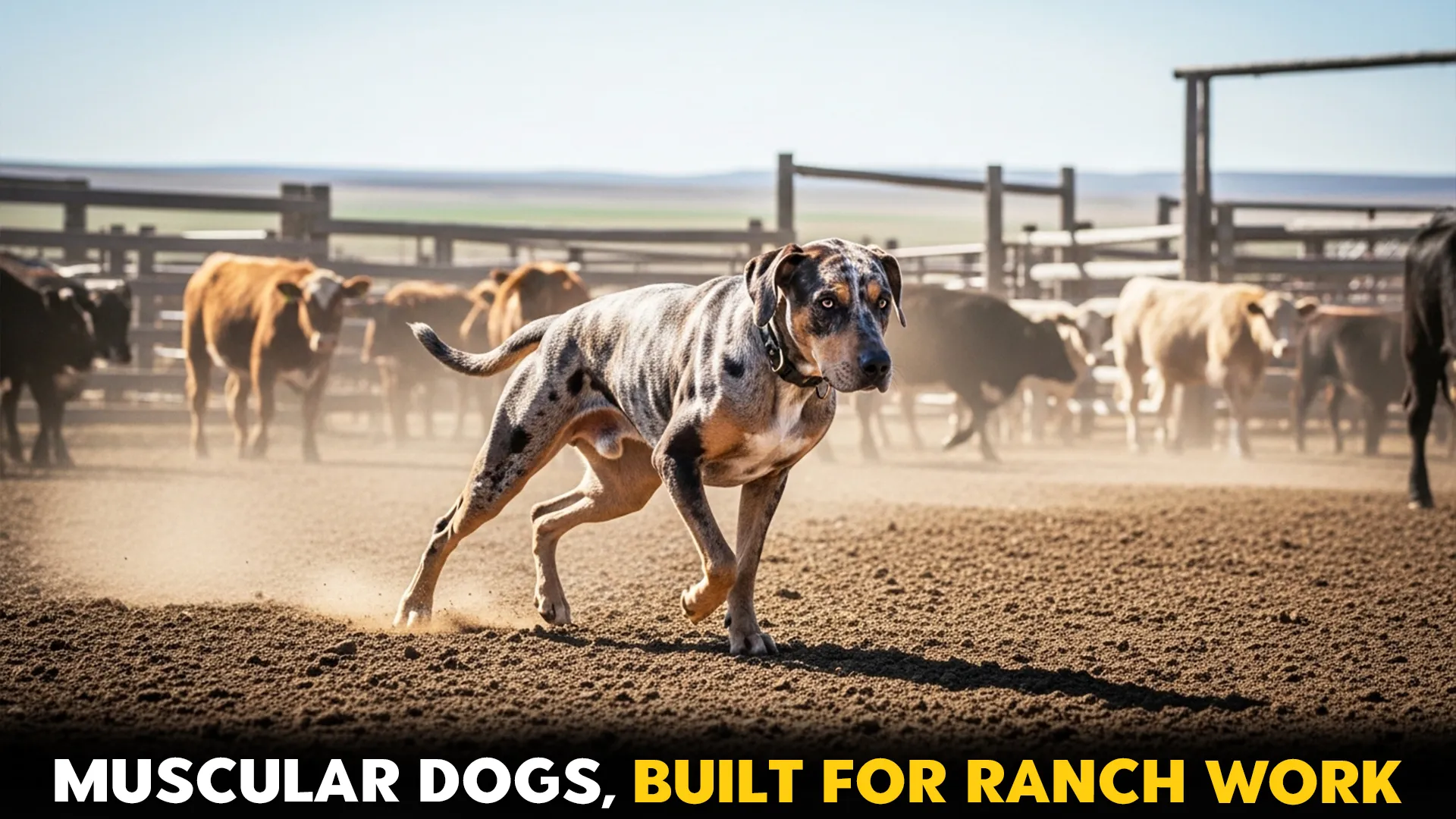
A Golden Retriever is not going to stop a coyote from raiding your livestock at 2:00 AM. Ranch life demands a different kind of dog. One with muscle, instincts, and the kind of work ethic that makes you feel lazy by comparison. These are not your weekend hiking buddies or Instagram-pretty show dogs.
These are bred for the land, built for the battle, working machines that ranchers across generations have trusted with their livelihoods. According to the American Pet Association, 95 million U.S. households own pets, but only a rare few own dogs that actually earn their kibble.
So, if your land is calling for a real partner, keep reading this article. This list is about to change how you think about ranch dogs forever.
Elite Dog Breeds With Muscular Builds Perfect For Ranch Work
1. Kangal
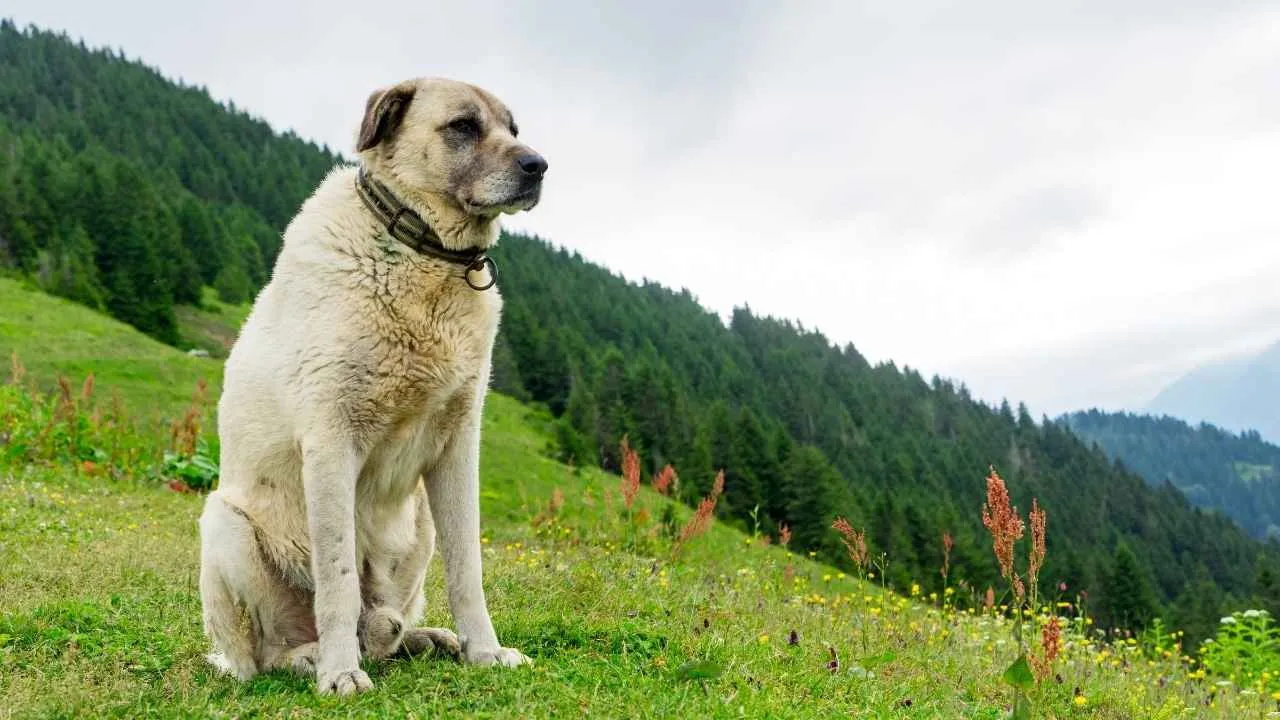
The Kangal is a ranch dog version of a Navy SEAL. Originally bred in Turkiye, this breed has guarded livestock against wolves and bears for centuries.
Being highly intelligent mountain dogs and independent in nature, the chances of making errors are extremely low in this breed. They tend to work without the handler and are capable of protecting the sheep against jackals, bears, and wolves. They can even kill the predators if just pushing is not working, as mentioned by Purina UK.
Strongest Bite Force: With a bite force of 743 PSI, Kangal can definitely crush your bones. It is the highest recorded bite force among domesticated breeds.
Unmatched Guardianship: Though they are loving and affectionate, the Kangal think independently. This trait makes them good livestock guardians for cattle, goats, sheep, and even poultry throughout the day and especially at night
2. Spanish Mastiff
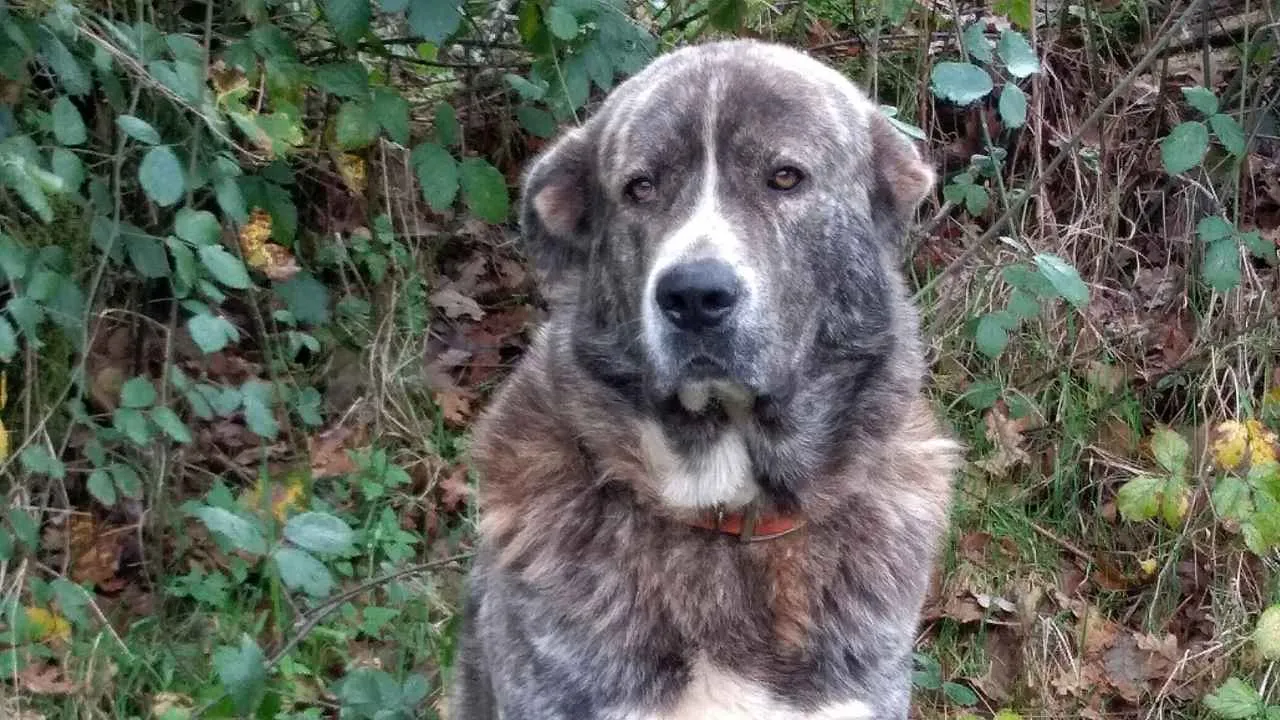
Used for centuries in the Iberian Peninsula, this dog has been walking alongside shepherds longer than most countries have existed. Its massive size, muscular stature, and sonorous voice cast an intimidating impression on attackers naturally.
They form strong bonds with the owners and the livestock since their puppyhood, establishing strong protective instincts towards them. These mountain dogs are independent and need consistent training to not act overly aggressively around other dogs
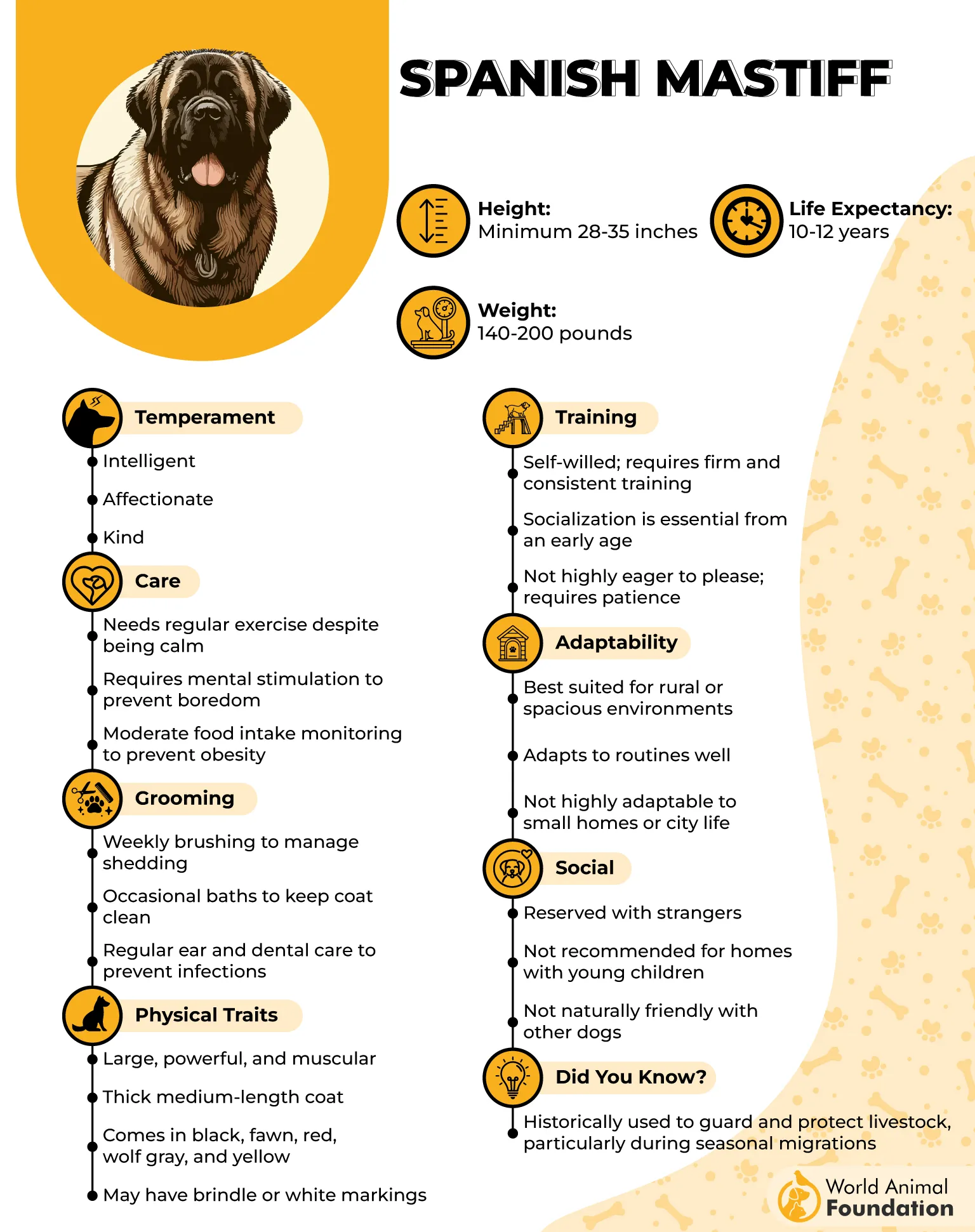
Covers Long Distances: As a result of selective breeding in Spain, looking for a perfect farm dog breed, the breeders came up with a muscular breed that works on a low-pace mechanism rather than sprinting. Other factors, such as a weather-resistant double coat, circling/positioning for herding rather than pushing the sheep, also contribute to this trait.
Group Dynamics: Despite being independent thinkers, they tend to work in packs to work effectively, especially in rough terrains, such as the mountains of Spain itself.
3. Central Asian Shepherd Dog

This is one of the oldest dog breeds that exists today. With a history of over 4,000 years, the Central Asian Shepherd Dog is the national heritage of Turkmenistan. They are multitaskers and are widely used for purposes including dog fighting, livestock guarding, and dog owner protection.
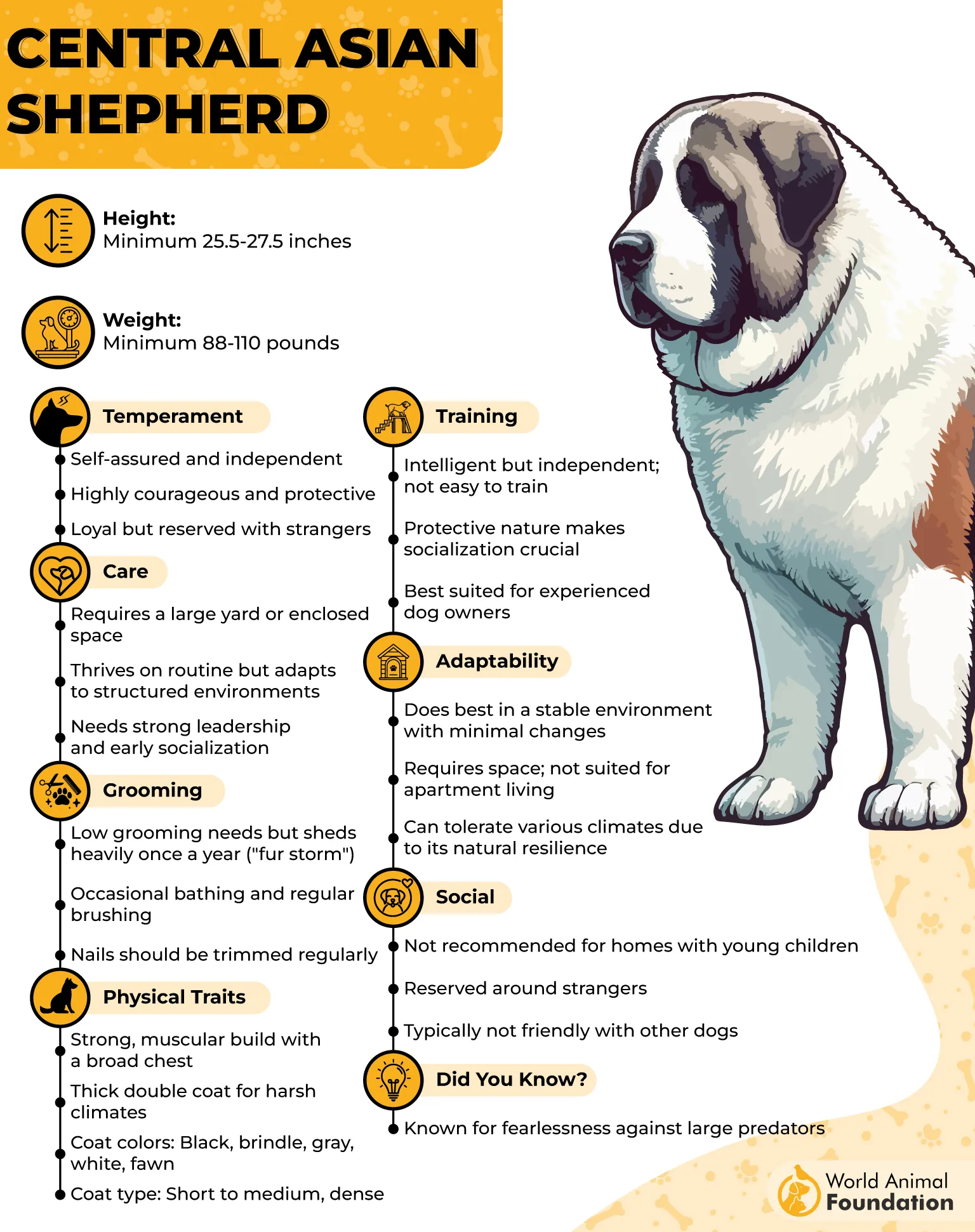
This family dog is bred to protect the owner and their possessions from large game such as lions and bears. They conserve their energy by staying calm during the day and being more active at night.
Because of their loud barking and reservation around strangers, they can be a bit aggressive, but the right training and properly socialized shepherd dog works well in such circumstances.
Strong Territorial Instincts: They map their territory mentally and patrol it regularly. Creating a boundary around the flock and placing themselves between the flock and a potential threat is their well-known herding strategy.
Weather Resistant Double Coat: Acting as a warm blanket in winters by trapping air and cooling the breed in summers by acting as thermal buffers, the thick fur helps them work in any weather condition.
4. Catahoula Leopard Dog
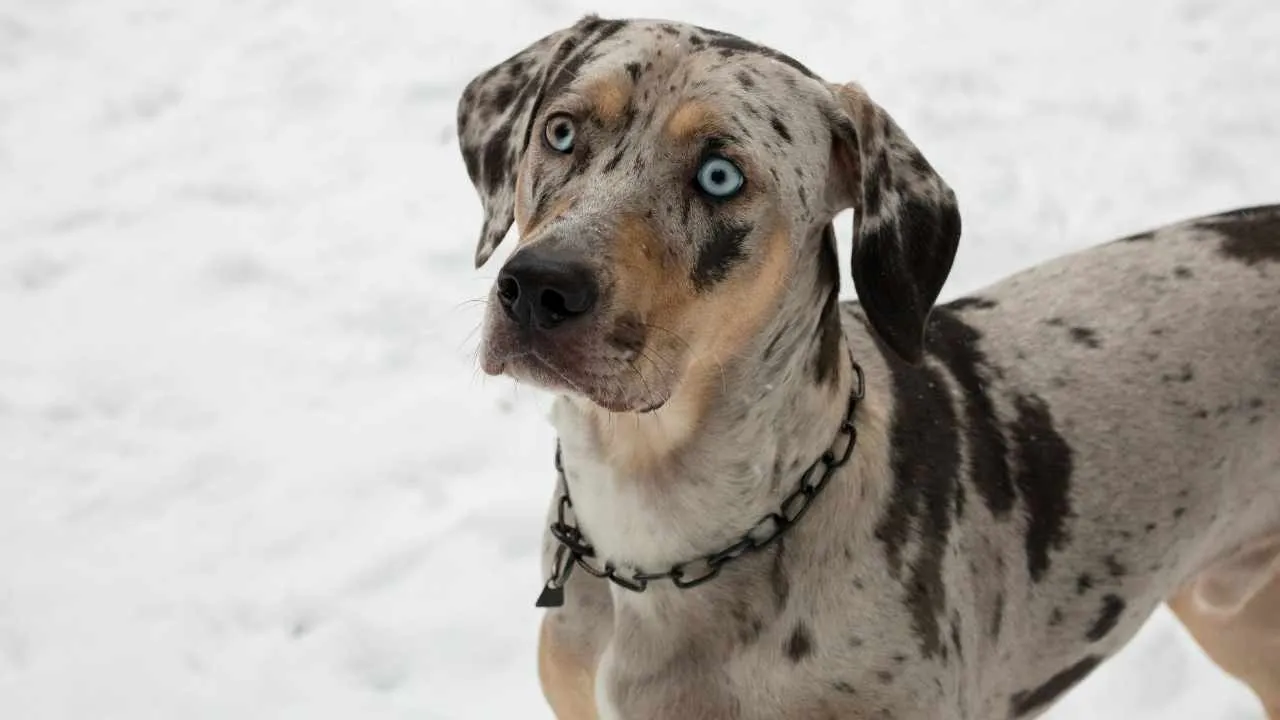
A companion dog for all kinds of terrains, land, and water. The Catahoula Leopard has webbed feet that make it an excellent swimmer and a good cattle dog in muddy fields and wet pastures.
Not aggressive towards people, they are highly affectionate and loving towards their family members and aloof with strangers. According to Hills Pet, this extremely devoted large dog is a mix of bloodhound, greyhound, and mastiff. This excellent breeding has given them fiercely protective instincts
The Canine Fencing: They are specifically bred for hunting large game such as wild boar. This athletic canine group encircles the herding sheep and moves in a semicircle position to protect them.
Pressure and Control: They may bite the nose of the cattle if they forcefully try to escape the group. Though they are not a catch dog.
5. Australian Cattle Dog
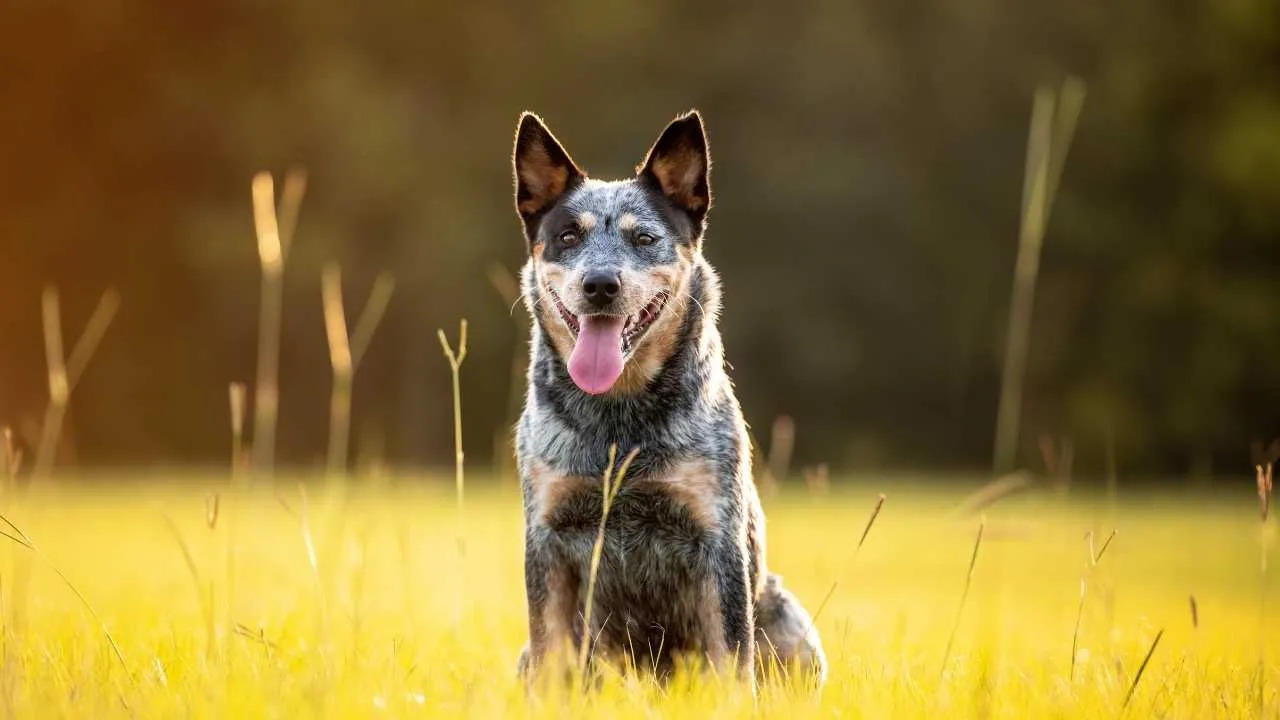
Pound-for-pound, one of the hardest working animals on the list, the Australian Cattle Dog is wired on ranch espresso 24/7. They are designed to herd hundreds of cattle at once. Their loose/medium eye technique helps them to work at such a large scale, unlike a border collie, which just focuses on one person.
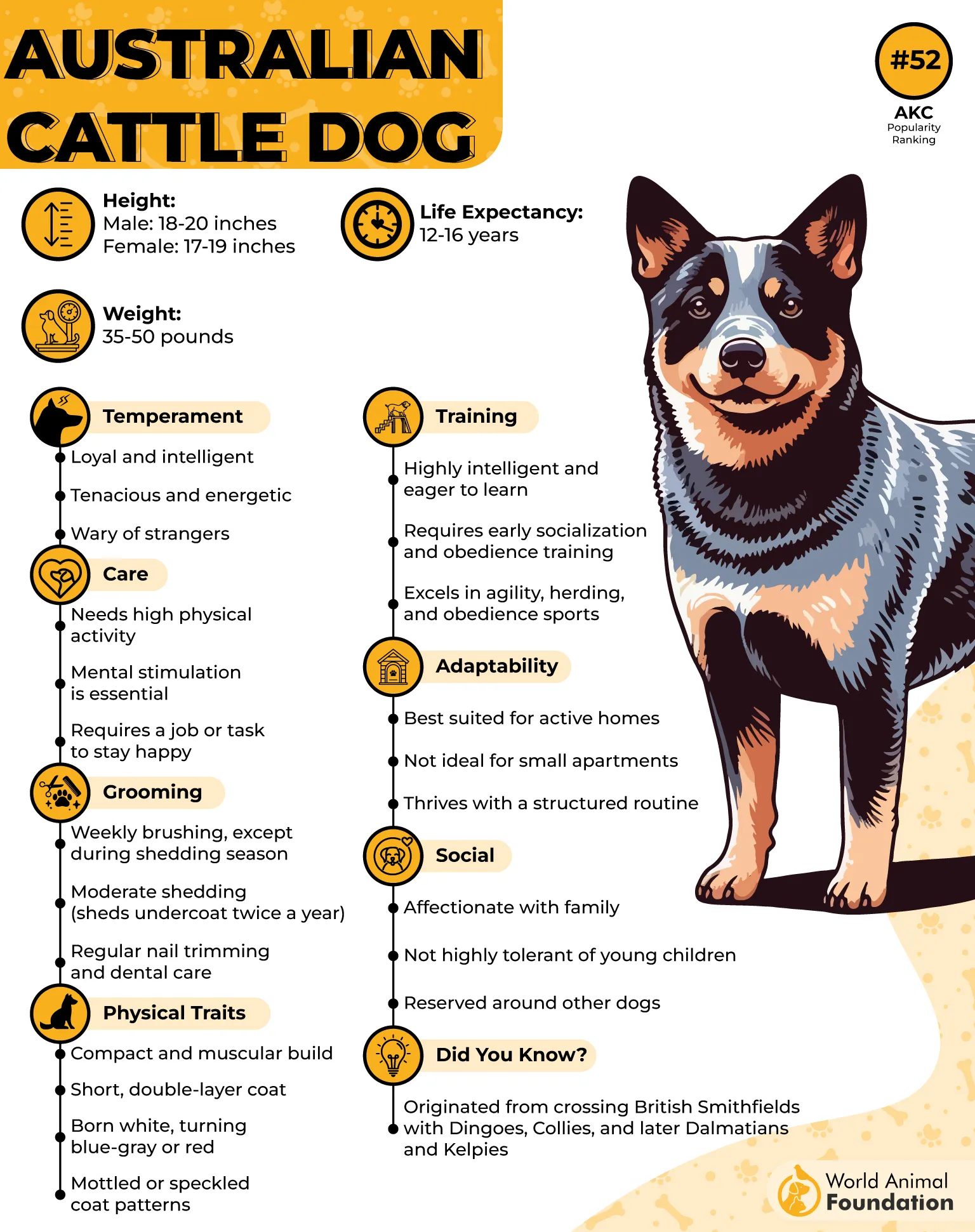
This, one of the most muscular dog breeds, needs the handler only for direction, and their independent nature does not allow them to take the owner’s supervision, though they are extremely loyal. Just like many other herding breeds, they also need mental stimulation and early training.
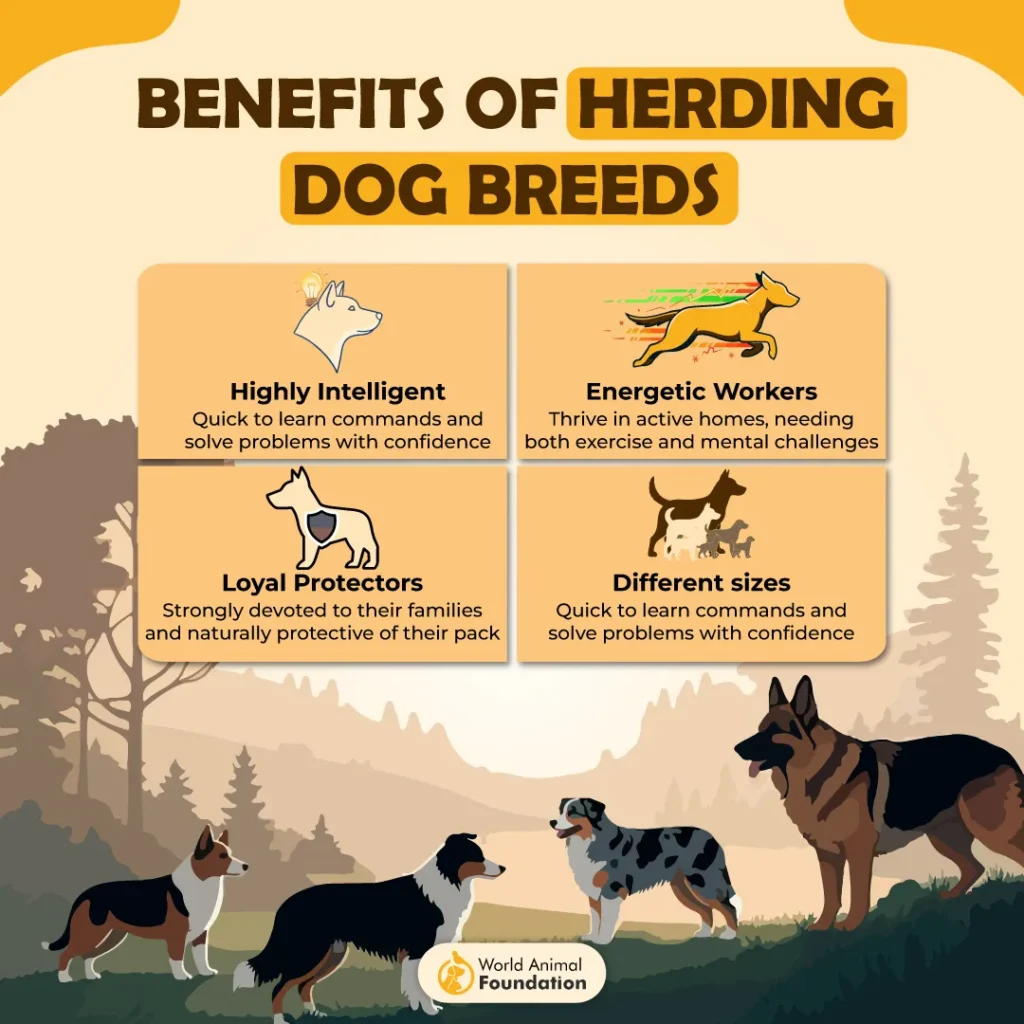
The Heeler Technique: To manage stubborn or stray cattle, the Australian Cattle Dog nips at their heels to provide direction. This low-grip technique is a specialized trait designed to protect the dog from retaliatory kicks.
Stamina Over Long Hours: They maintain high-intensity work for 8-10 consecutive hours. Their sturdiness, agility, and strong stamina to work in intense cold climates are the motivation behind.
6. Rottweiler
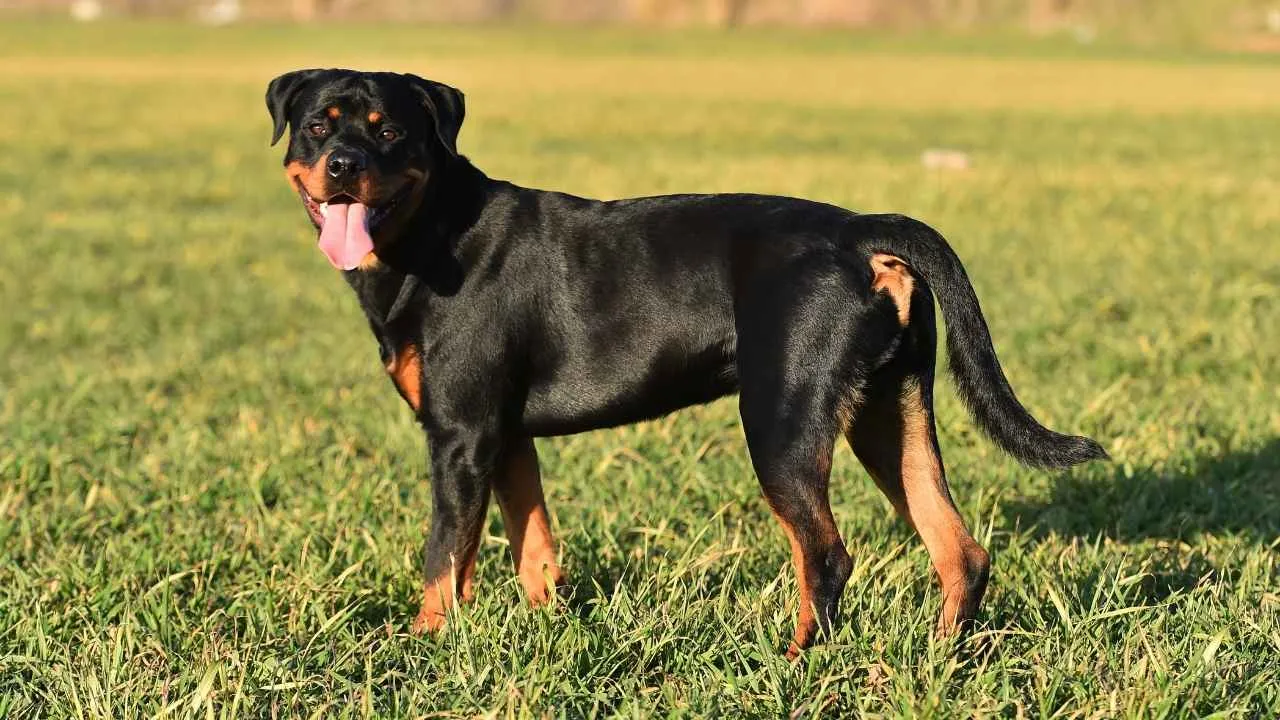
Originally bred as the ‘butcher’s dog,’ the rottweiler was used to drive and guard livestock before modern transportation existed. Because of their sharp focus and strong protective nature, they are widely used as military dogs, rescue dogs, and service dogs as well.
These medium to large-sized dogs have strong physiques, and they use this massive body to physically push the stubborn cattle, blocking them, acting as a ‘live wall’, and sometimes lean on their backs.
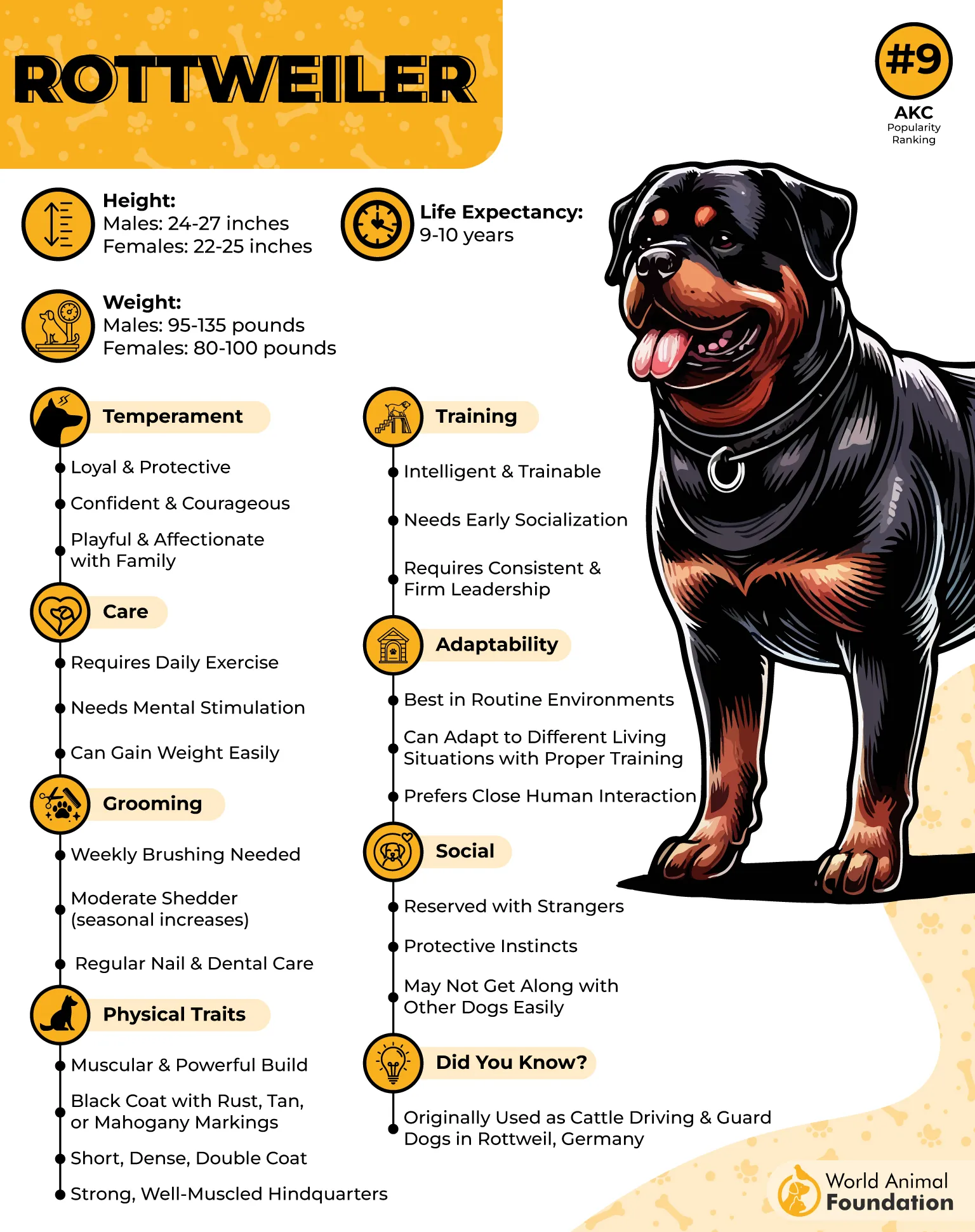
Powerful Build: Though they have a strong muscular body, they intimidate the predator without being physically involved. They used to pull carts, and this muscle memory still lives in them.
Driving and Herding: They follow a natural gathering style for herding. Having a strong desire to control, they keep a loose eye to cover the maximum range of herding livestock. They only bark when needed.
7. Cane Corso
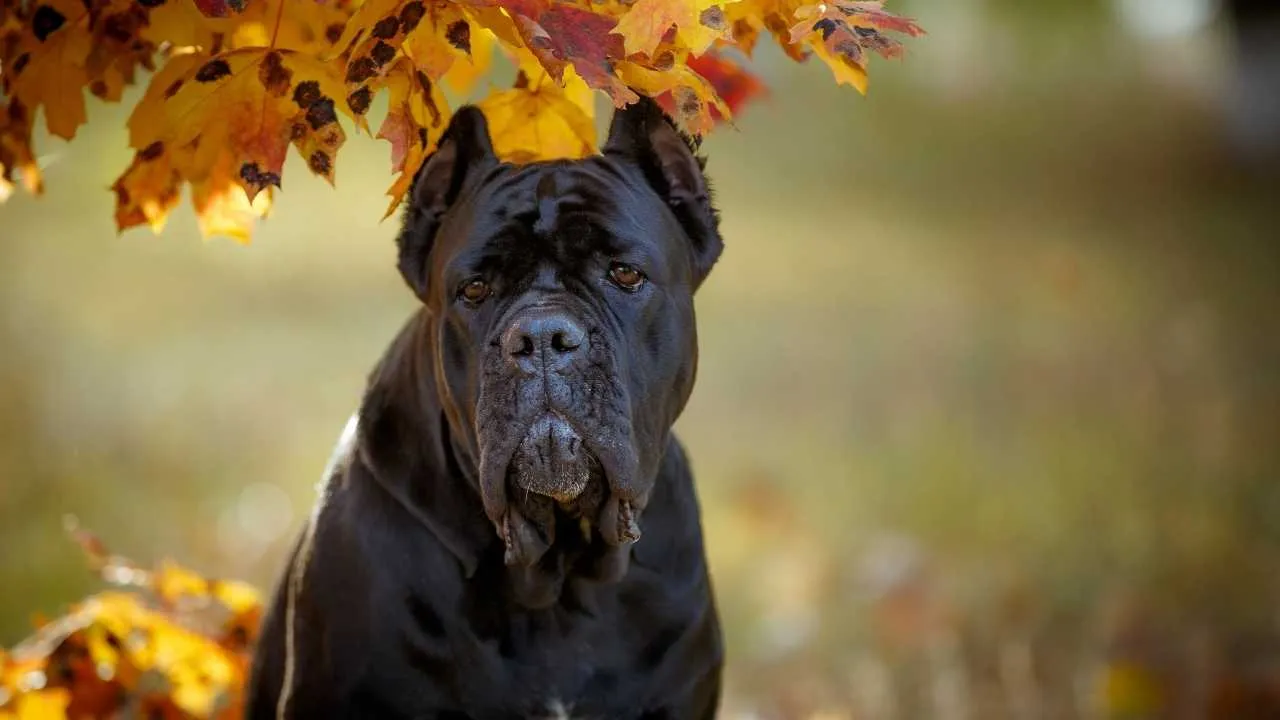
The cane corso name comes from the Latin ‘cohors’, meaning guardian or protector. It served both as a herding dog and a hunting dog in the past. They are descendants of the Roman war dogs called Canis Pugnax, who actually participated in battles.
This intelligent, loyal, versatile, and eager-to-please muscular dog patrols its territory to guard cattle, unlike many other breeds. Their first priority as a guard dog is to protect the human family and property, and protecting the livestock comes secondary.
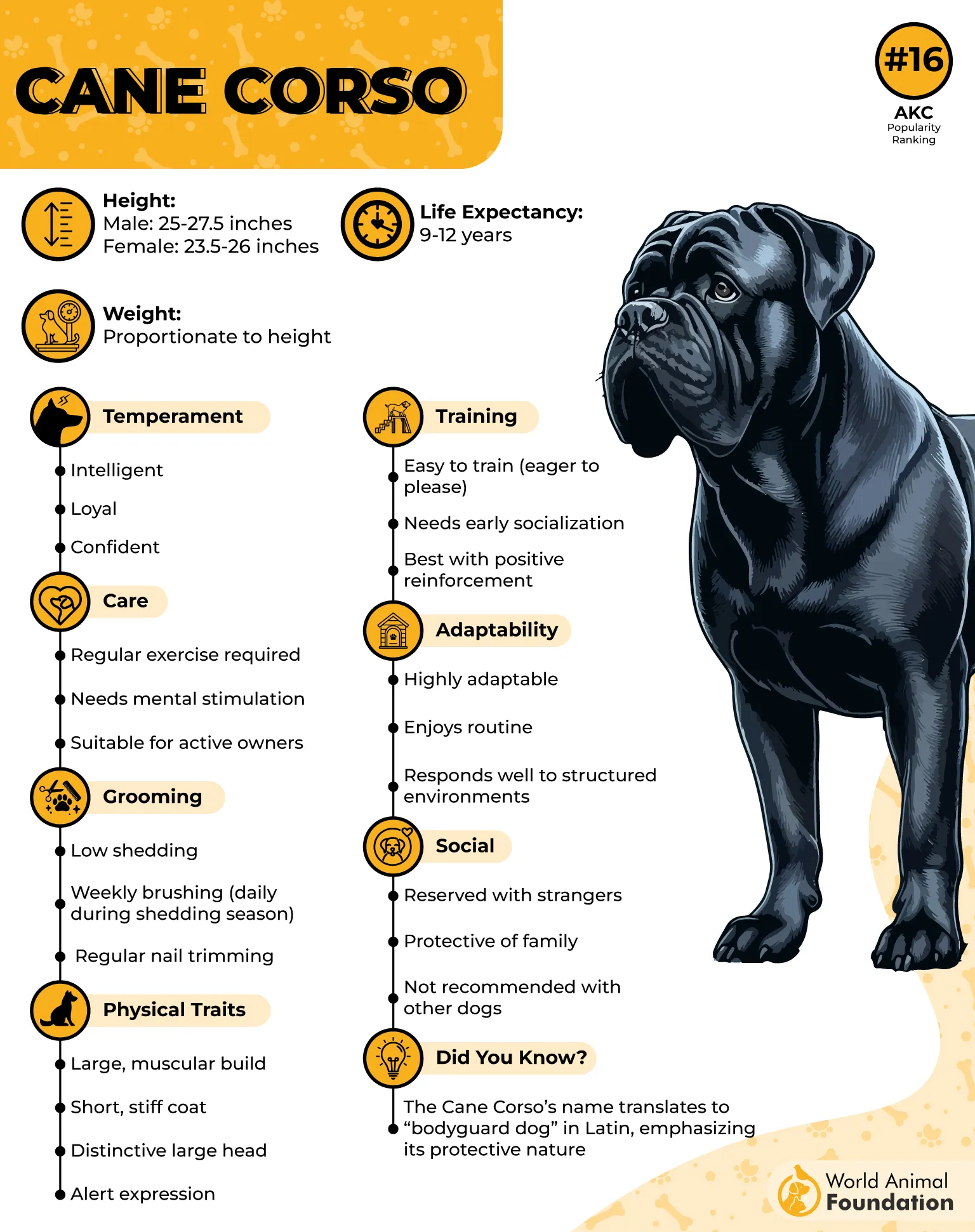
Exceptional Jaw Strength: With the bite force of 700 PSI, this popular dog is a biological alarm system with a serious follow-through. They can literally have combat with giant lions since this force is almost double the bite force of a German Shepherd (238 PSI).
High Prey Drive Management: Historically used to hunt large animals such as wild boars, this large and intelligent dog can use its hunting instincts to prey on smaller animals (cats, hens, etc)
8. Boerboel
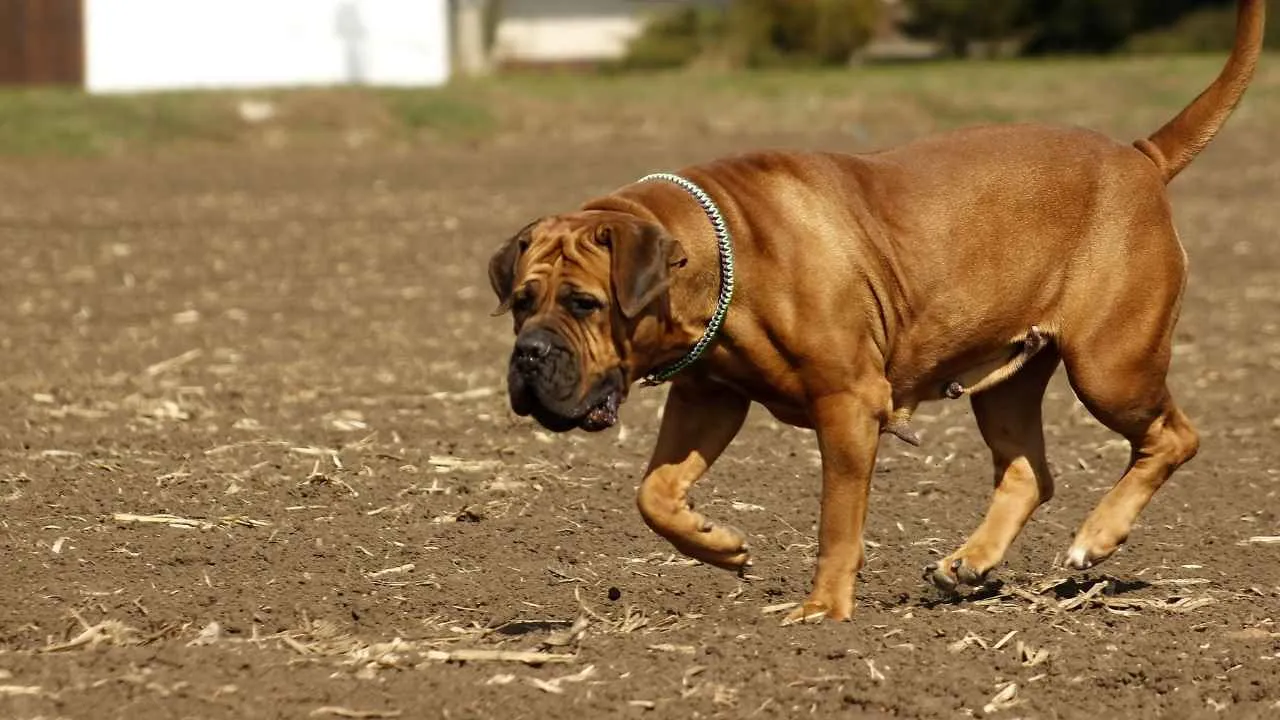
As per WebMD, South Africa’s Boerboel was bred by Dutch settlers in the mid 1600s to protect farmsteads against lions, hyenas, and baboons. As a matter of fact, the word ‘boar’ in its name translates into ‘farmer’.
They can cuddle you all day long, serving as the best therapy dog and a good lap dog. Their strong bone structure helps them run along fast-moving vehicles, and they are good companions of farmers as well.
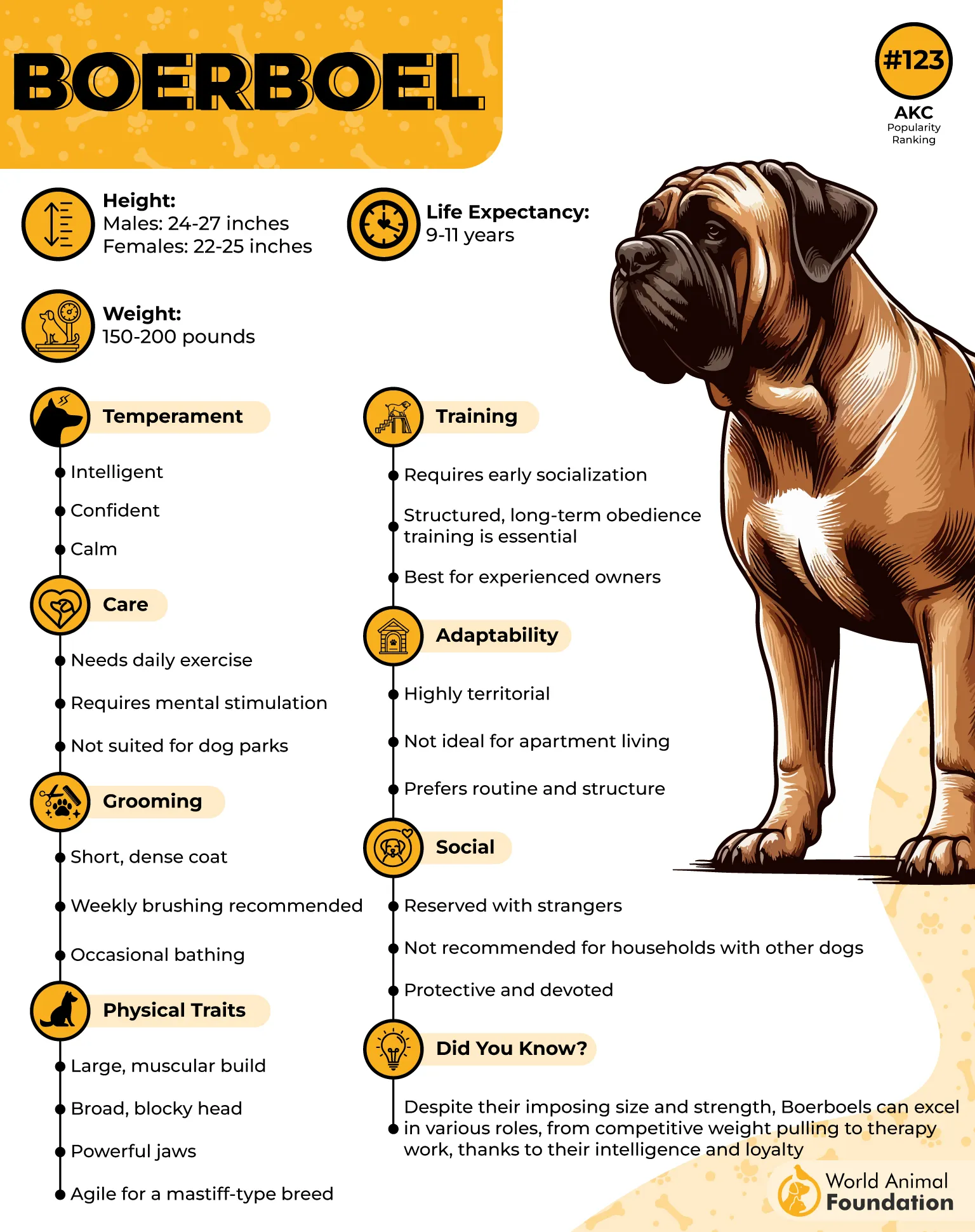
Perimeter and Territory Guardianship: They are not a fan of barking and love to stay in packs at farmland during the day and disperse themselves to cover large areas.
Massive Bone Structure: They have a deep chest, large, strong boned legs, and an intimidating personality that can scare the threat at first sight. Because of their massive size, it can be difficult to handle for first-time owners.
9. Rafeiro do Alentejo
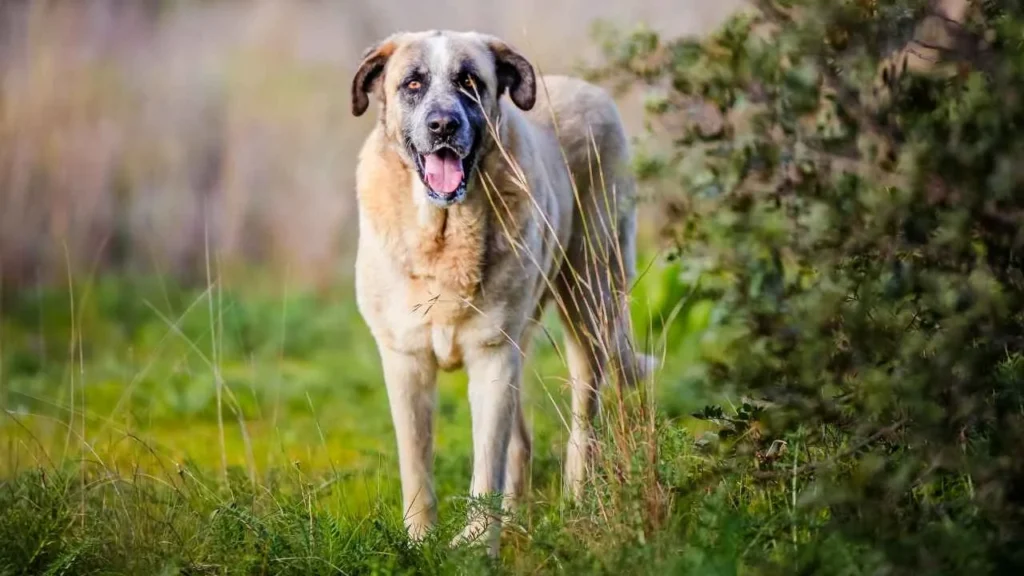
The Rafeiro do Alentejo is a sleeping giant of the working dog world. Historically served as a watchdog, property and herd guardian, this farm dog has a muscular stature and is thus ideal for outdoor work.
Like any other dog with herding traits, the Rafeiro do Alentejo loves to work independently without a handler’s supervision. They are introduced to the flock in puppyhood (7-13 weeks) so they can get attached to them and treat the flock like family.
Natural Suspicion of Strangers: This dog is neither aggressive nor a loud barker. It is reserved around strangers and after anticipating a threat from them, they take action by barking and can even physically attack them.
Nocturnal Vigilance: They are more active at night than day. They patrol and roam in the territory in the dark to protect the flock.
Conclusion
Ranch work is demanding, unpredictable, and deeply physical. The dogs on this list are not accessories, they are partners in a trust sense. From the kangal’s unmatched bite force to Rafeiro do Alentejo’s quiet midnight patrols, every breed brings something irreplaceable to the table.
Beyond that, the bond you make with one of these animals is something no fence or camera can replicate. Choose breed on your land, your livestock and your lifestyle. Then put in the work, build the trust and watch your ranch operate on a whole different level.
