




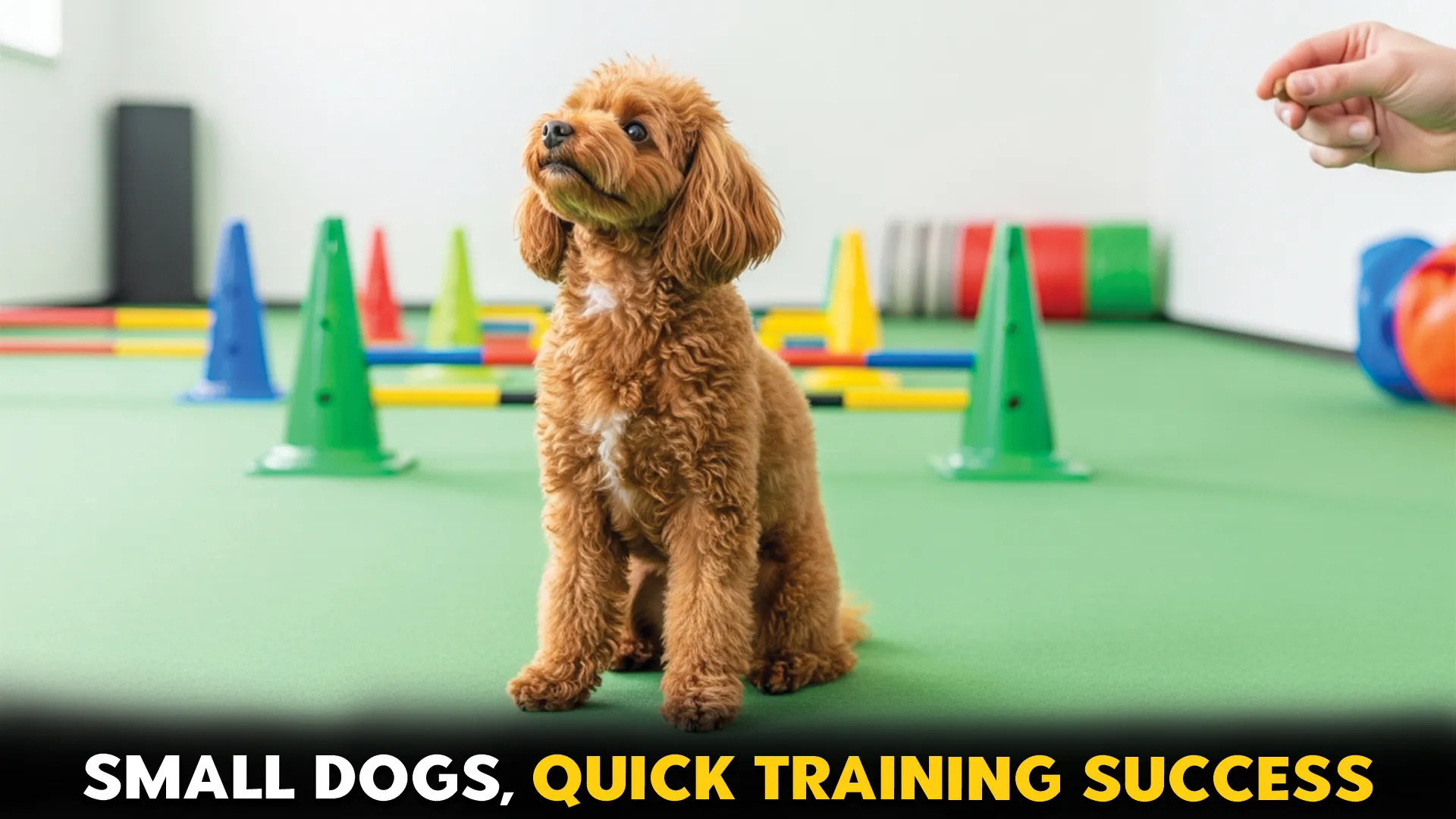
Looking for a small dog that learns quickly and fits seamlessly into your daily life? Some small breeds are naturally eager to please, making training smoother and more rewarding for both you and your pup.
With the right match, even first-time owners can enjoy a well-behaved companion without feeling overwhelmed.
In this guide, we highlight small dog breeds known for their trainability, focus, and adaptable personalities. Whether you live in an apartment or a family home, these compact companions can thrive with consistent guidance and positive training.
Choosing a breed that responds well to learning is the first step toward building a strong, lasting bond.
Best Small Dog Breeds for Rapid Training Success
1. Toy Poodle
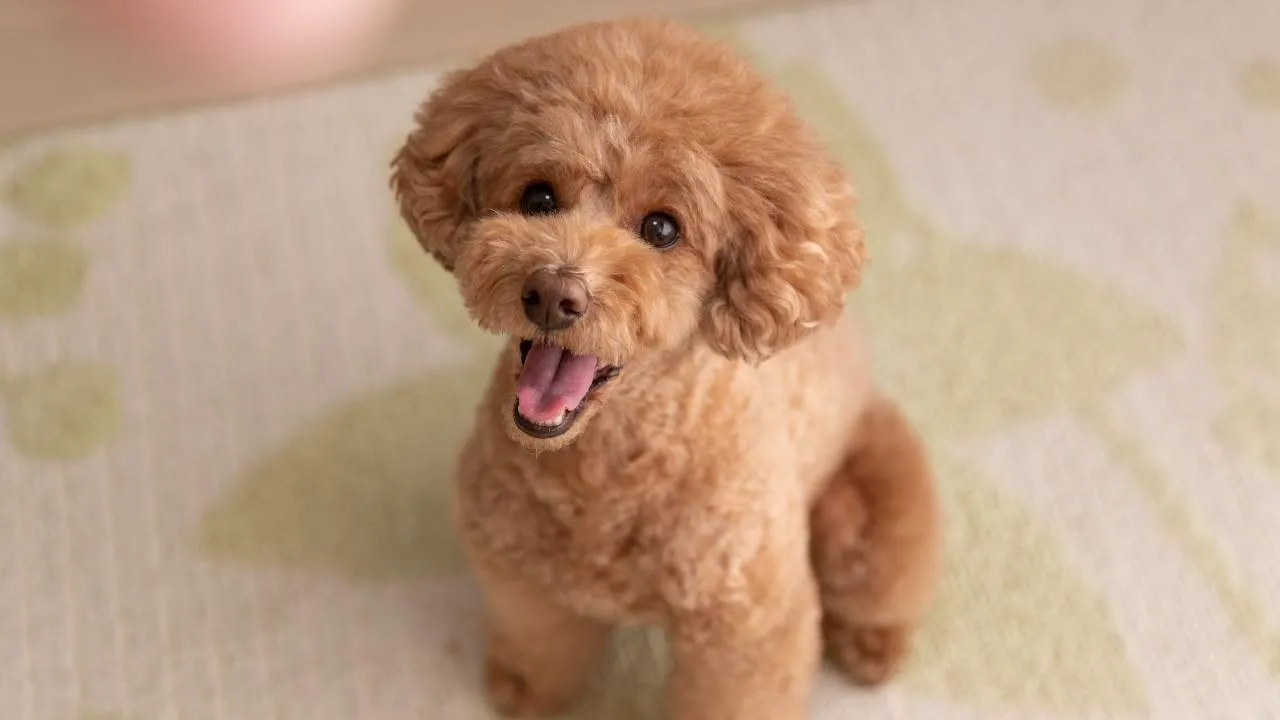
Toy Poodles may be small, but they come with a sharp mind and a lively personality that keeps life interesting. Originally bred as working dogs, they combine playfulness with alertness and a strong desire to be involved in family life. They are affectionate, social, and often enjoy being the center of attention in a busy household.
According to the AKC, training a Toy Poodle is usually a smooth experience because they are highly intelligent and responsive. They tend to pick up commands quickly and enjoy learning new tricks, especially when training includes games or challenges. Their people-pleasing nature makes them naturally cooperative, though they can get bored if lessons become repetitive.
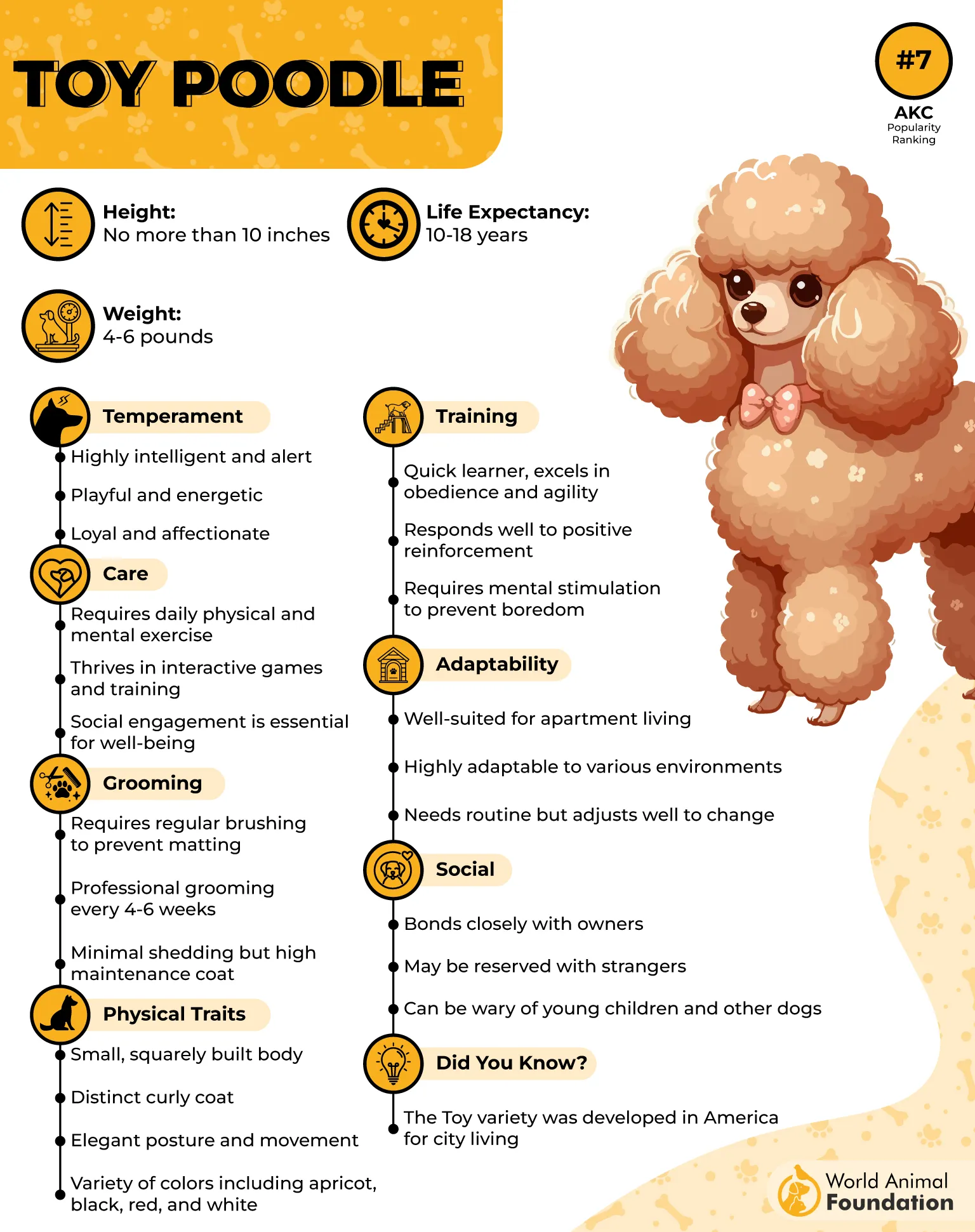
Mental stimulation is just as important as physical activity for this toy breed. Puzzle toys, obedience exercises, and interactive play are the best ways to keep their sharp minds engaged. Without enough engagement, they may find their own entertainment, which is not always ideal for your furniture or patience.
Why This Breed Is a Good Fit
Learns commands quickly thanks to strong responsiveness and focus
Enjoys structured activities that make training feel like play
Thrives on interaction, which helps reinforce consistent learning habits
2. Papillon
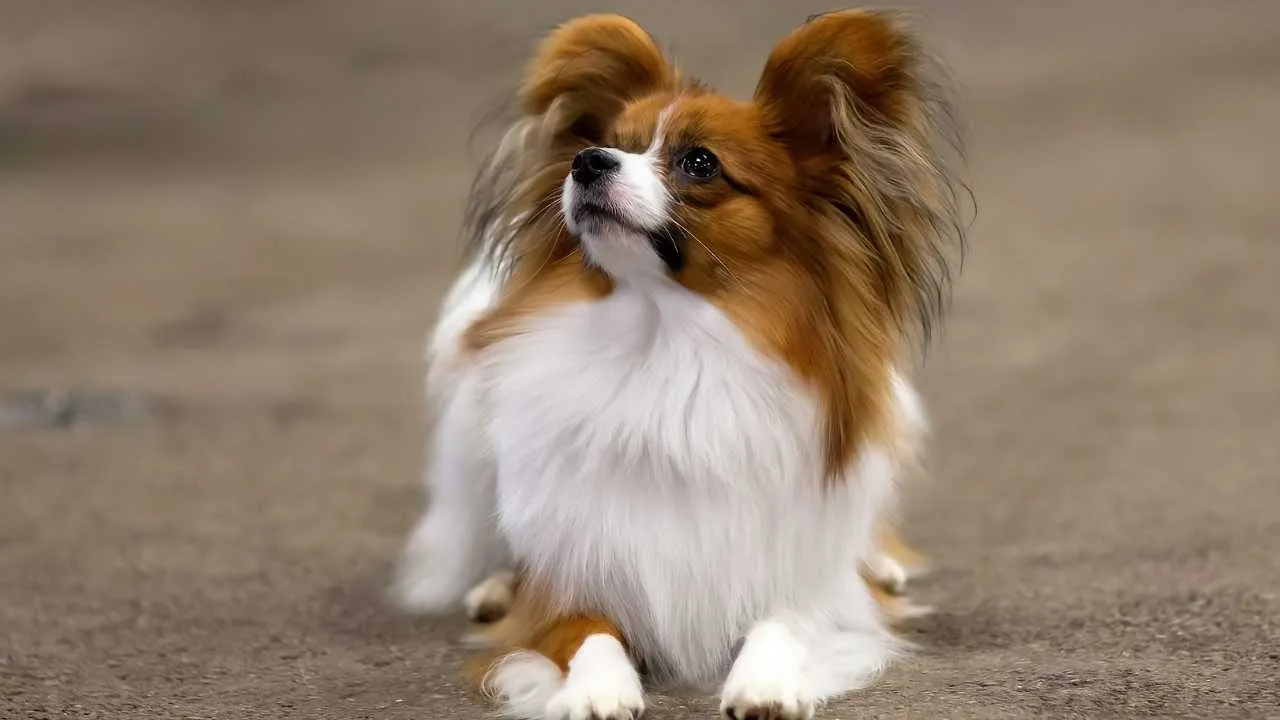
The Papillon is a tiny dog with a big personality and even bigger ears that resemble butterfly wings. Despite their delicate appearance, they are energetic, friendly, and love being around people. They adapt well to different living situations and are just as happy in an apartment as they are in a larger home.
This breed is known for its intelligence and eagerness to please, which makes it one of the best trainable small dog breeds. Papillons respond well to consistent, positive training methods and often enjoy activities like obedience and agility. While they are quick learners, patience is still needed during house training, as small breeds can take a little longer to master routines.
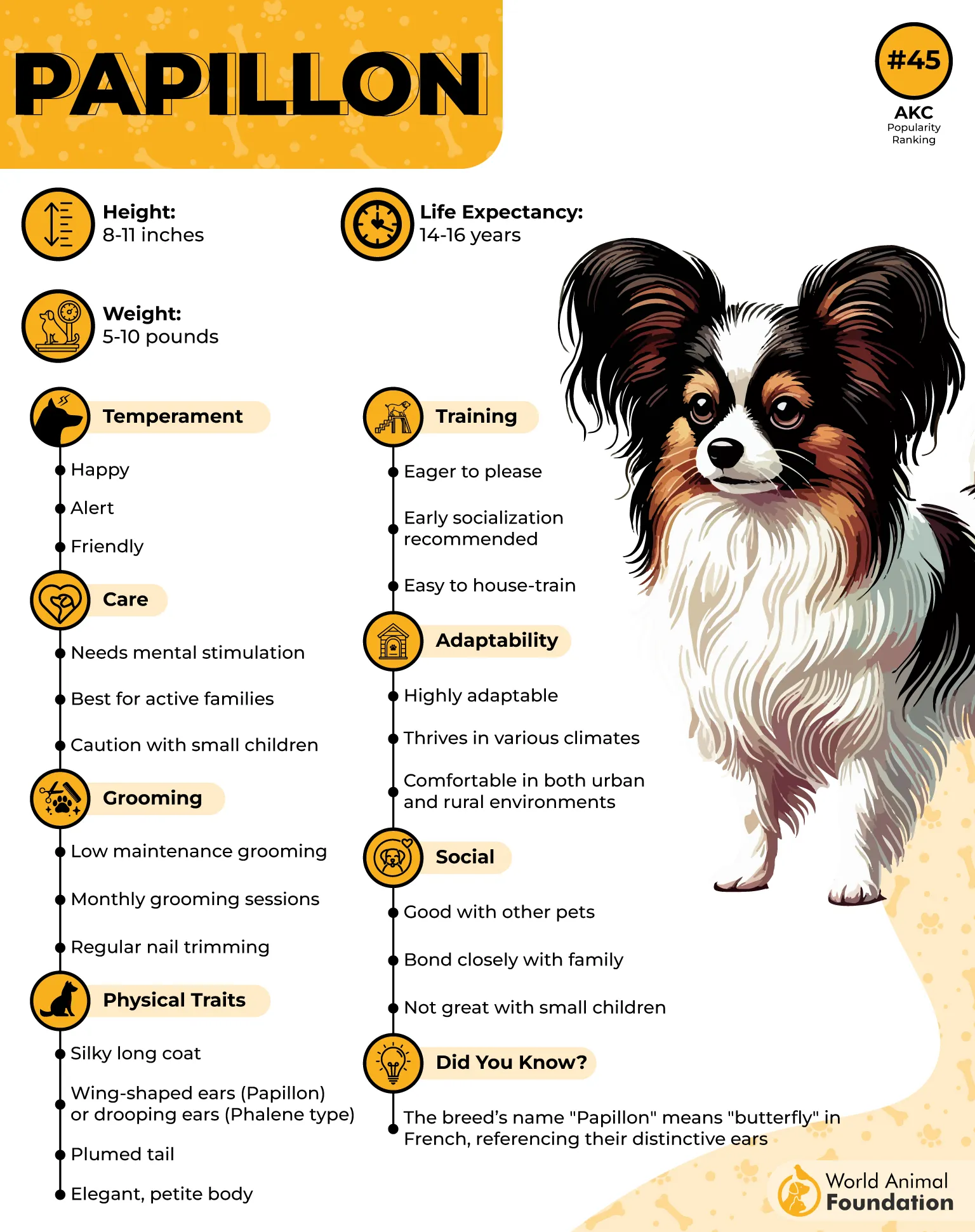
PetMD states that Papillons are active and require both physical and mental stimulation to stay balanced. They enjoy games, walks, and interactive tasks that challenge their minds. Their playful nature means they are always ready to learn something new, especially when it involves spending time with their favorite humans.
Why This Breed Is a Good Fit
Strong desire to please makes training sessions more effective
Quick thinking helps them excel in obedience-style learning
Enjoys interactive tasks that reinforce good behavior naturally
3. Bichon Frise
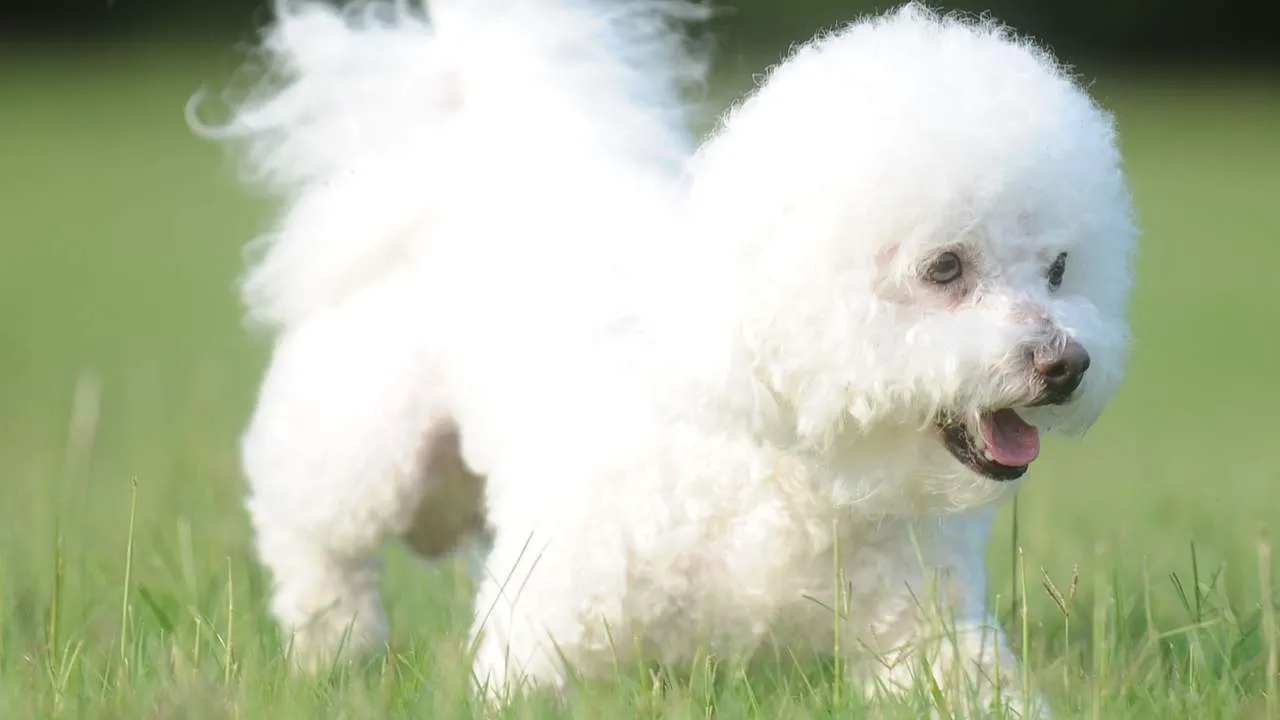
The Bichon Frise is a cheerful, affectionate companion known for its playful attitude and gentle nature. These small dogs are social and tend to get along well with families, children, and other pets. Their friendly personality makes them easy to live with, especially in homes where companionship is a priority.
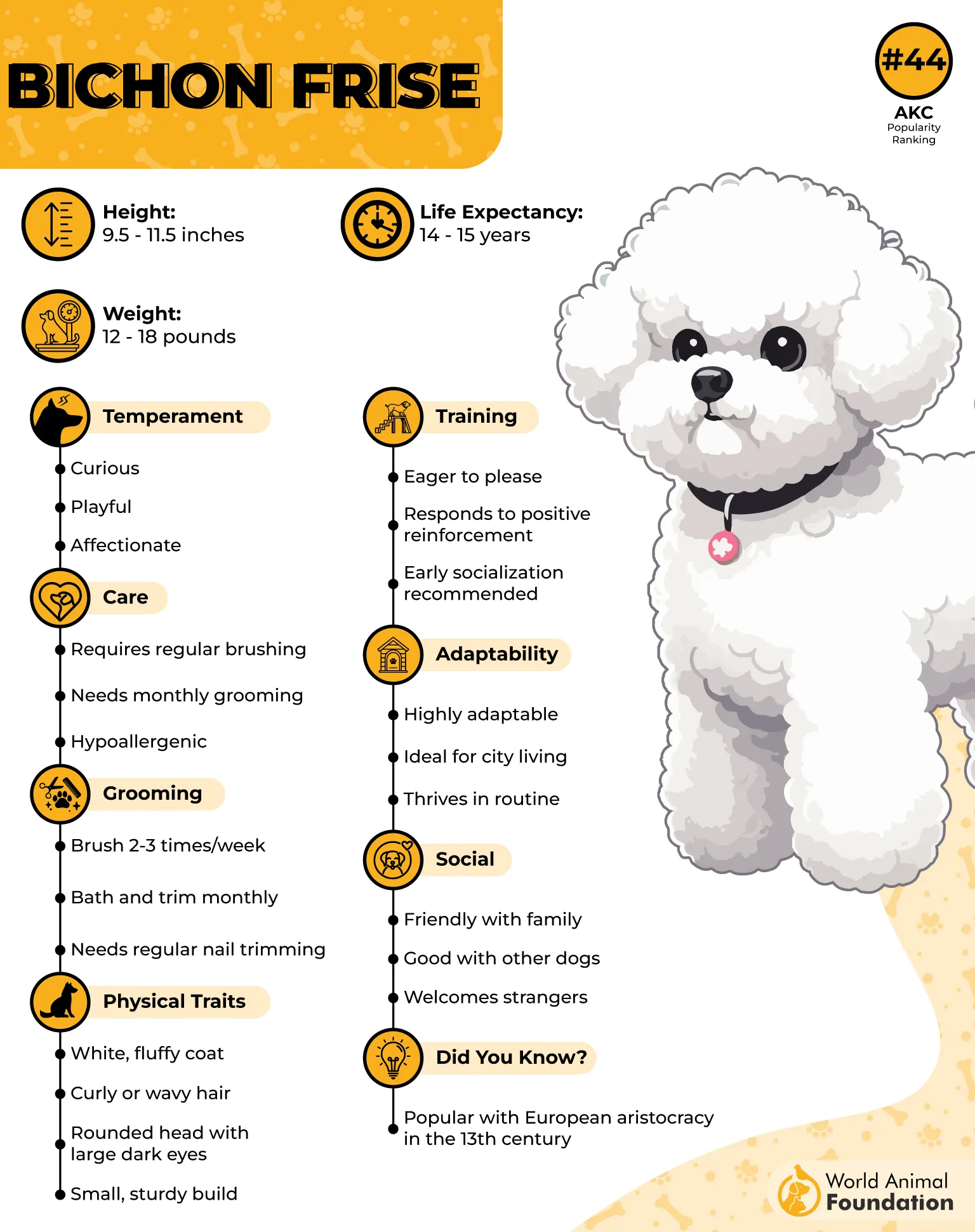
Training a Bichon can be a bit of a mixed experience, not because they lack intelligence, but because they often prefer fun over following commands. They are clever and capable, yet may ignore instructions if something more exciting grabs their attention. This means training requires consistency, structure, and a method that works even when distractions are present.
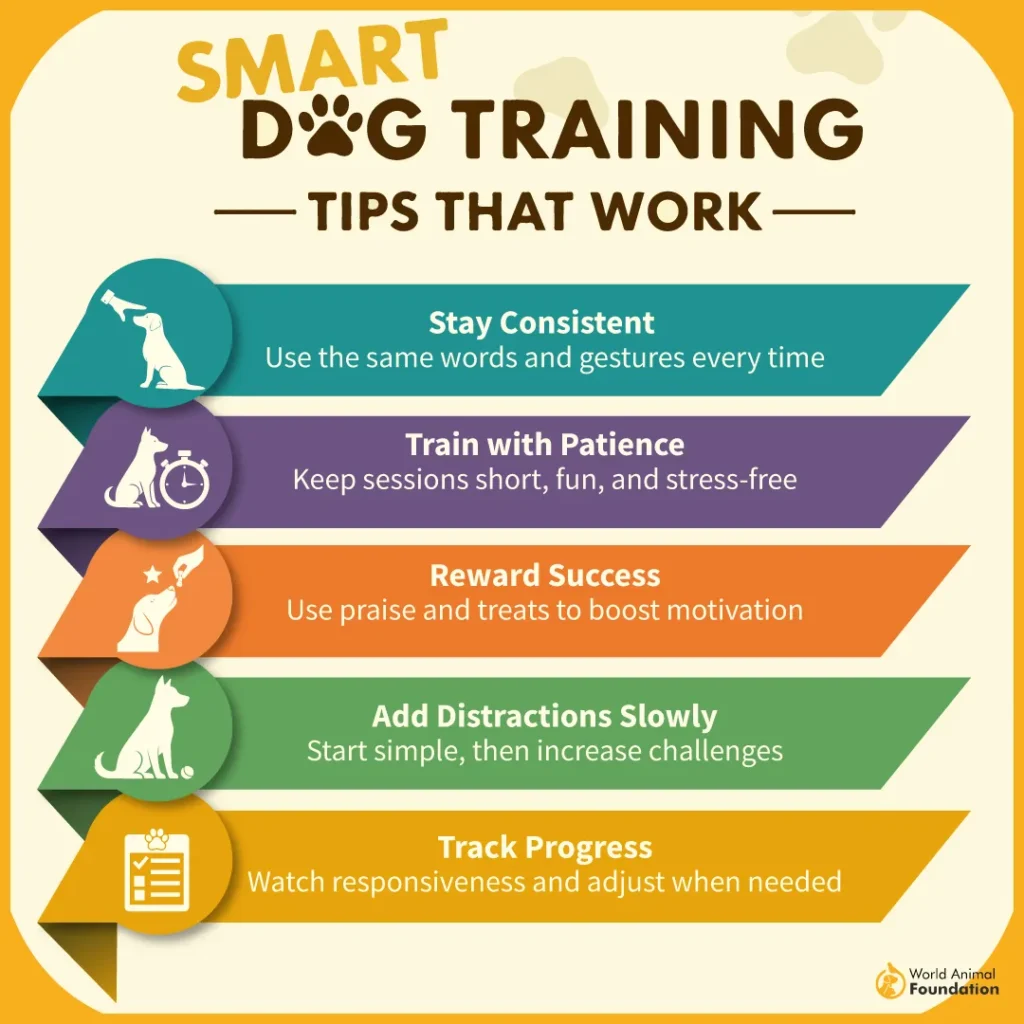
They enjoy using their brain and benefit from activities that challenge them mentally. Without enough engagement, they may develop habits like barking or jumping, simply because they are bored. When guided properly with clear rules and expectations, they can become well-behaved and enjoyable companions.
Why This Breed Is a Good Fit
An intelligent but playful mindset keeps training engaging
Responds best when learning is structured and consistent
Enjoys mental challenges that improve focus over time
4. Brussels Griffon
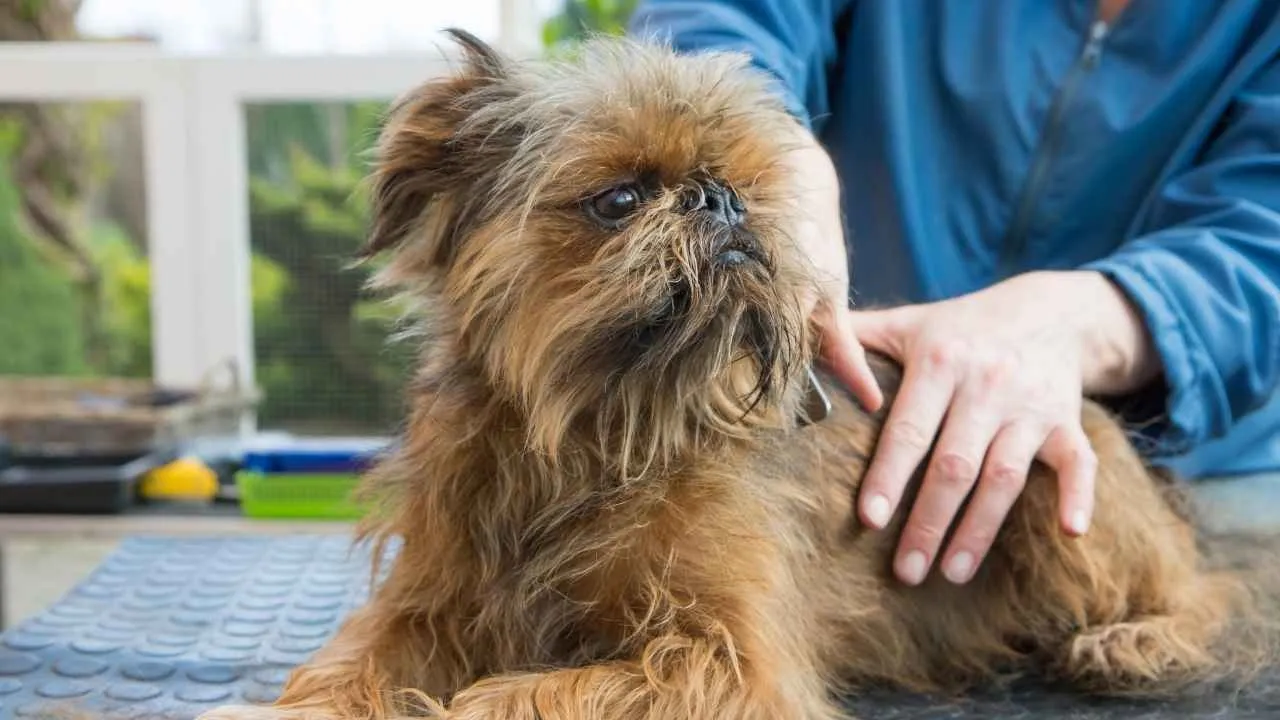
The Brussels Griffon is a small dog with a bold personality and a surprisingly expressive face. Known for their alert and intelligent nature, they form strong bonds with their people and enjoy being involved in daily life. They are energetic and thrive on attention, often acting like a much larger dog in a tiny body.
ABGA states that training a Griffon can be rewarding but requires the right approach. They are intelligent yet sensitive, which means harsh methods or loud corrections will not work well. Instead, they respond best to positive reinforcement, patience, and a training style that respects their temperament.
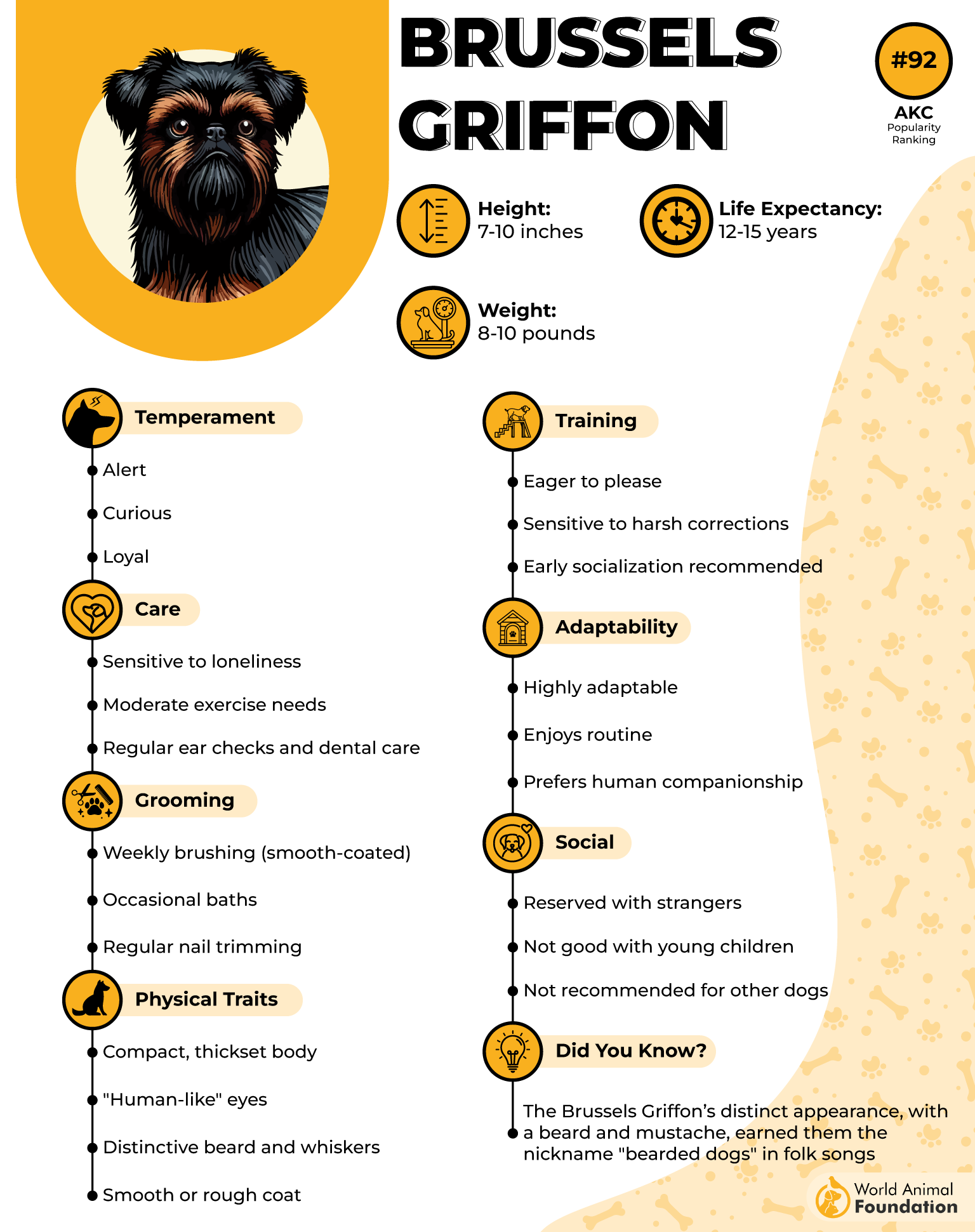
Consistency plays a big role in their learning process, especially for house training. Like many small breeds, they may take longer to develop reliable habits, but early guidance and structured routines help. They also benefit from variety in training sessions to keep their interest and prevent boredom.
Why This Breed Is a Good Fit
Sensitive nature makes them responsive to gentle, reward-based training
Intelligent thinking allows them to grasp commands with practice
Enjoys varied learning sessions that keep them mentally engaged
5. Border Terrier
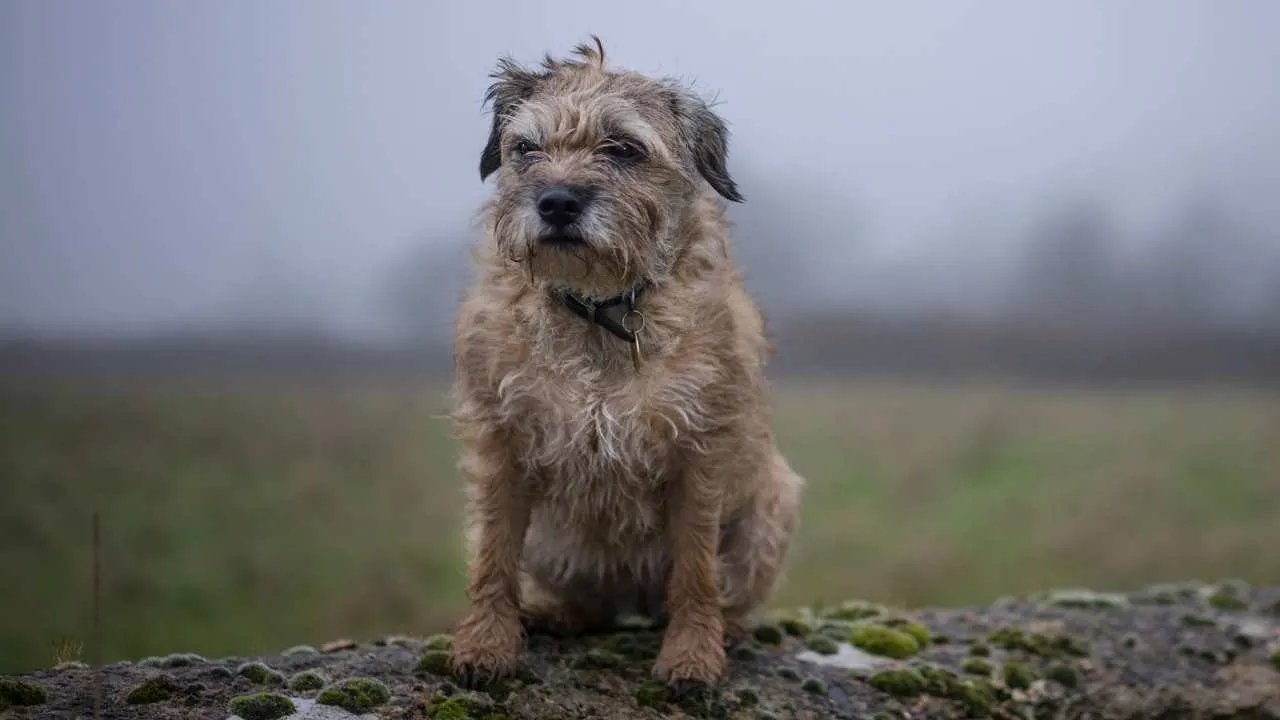
Border Terriers are small, energetic dogs with a cheerful attitude and a strong sense of curiosity. Originally bred for hunting, they are tough, agile, and always ready for action, yet they also enjoy relaxing with their family after a busy day. Their affectionate and good-natured personality makes them a pleasant companion in many types of homes.
This breed is known for being easy to train because they enjoy learning and engaging with their owners. They respond well to positive reinforcement and benefit from early training to guide their independent streak. Since they were bred to think for themselves, they can sometimes test boundaries, so consistency is key.
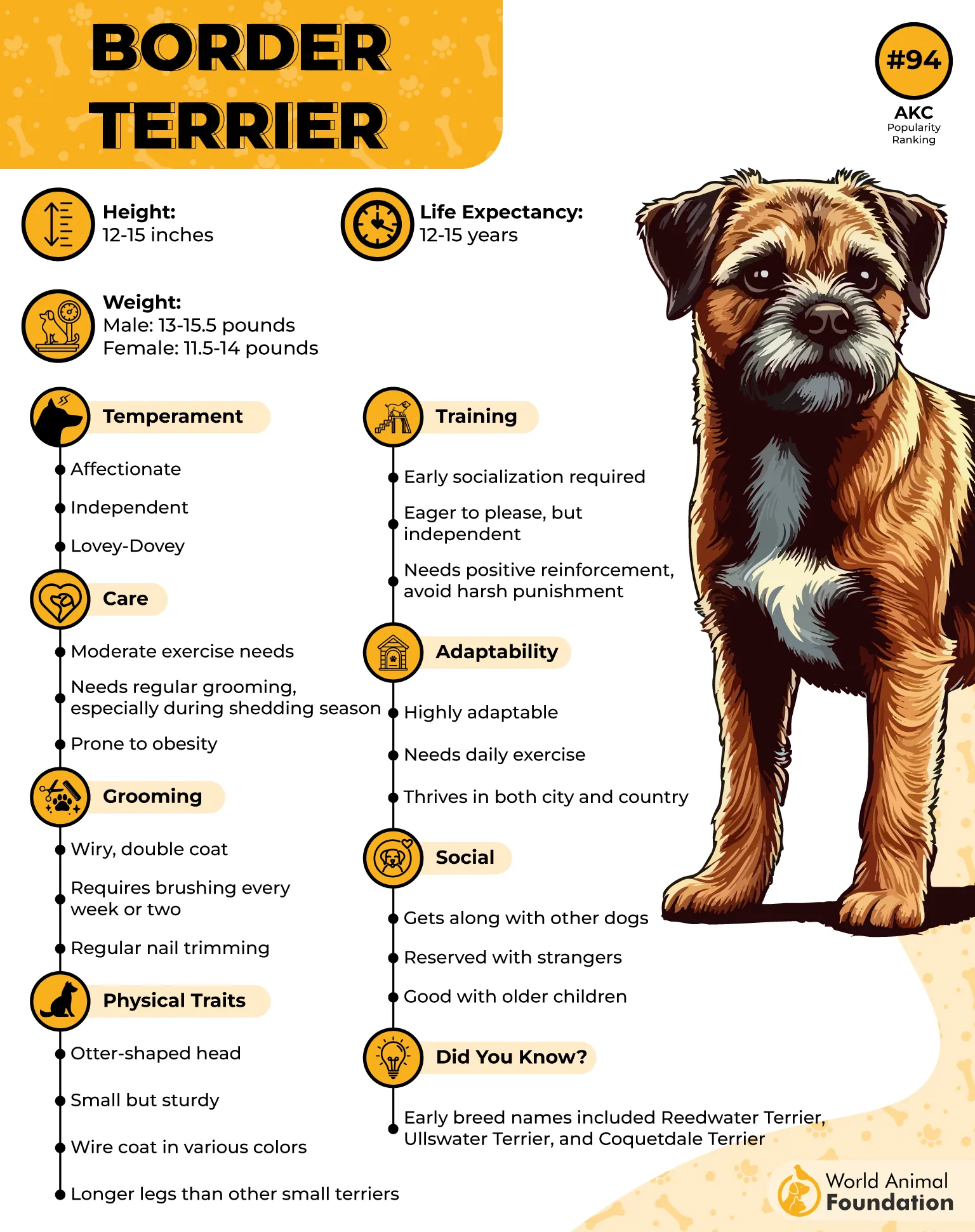
Border Terriers need both physical exercise and mental stimulation to stay happy. Activities like walks, play sessions, and training exercises help channel their energy in a productive way. Without enough engagement, they may become restless or try to create their own fun, which can lead to unwanted habits.
Why This Breed Is a Good Fit
Naturally enjoys learning, which makes training feel engaging rather than forced
Responds well when given structure and clear expectations
An active lifestyle helps reinforce discipline through regular routines
6. Boston Terrier
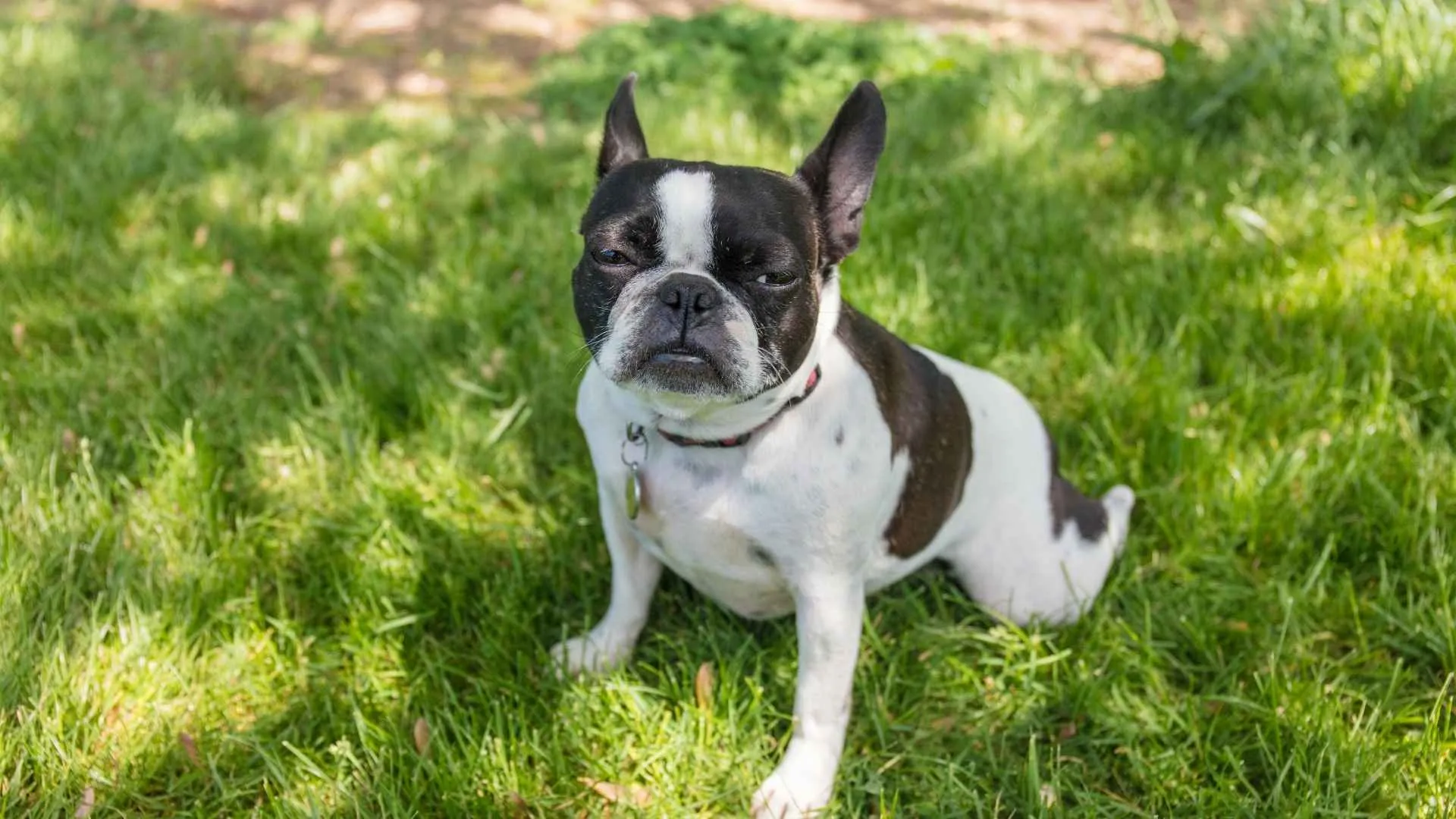
Boston Terriers are lively, friendly dogs often called the “American gentleman” thanks to their charming personality and tuxedo-like coat. They love being part of family activities and tend to form strong bonds with their people. Their playful nature means they are always ready to join in on games or simply hang out nearby.
Training a Boston Terrier is generally straightforward because they are intelligent and quick to pick up new behaviors. They respond well to positive reinforcement and do best when training sessions feel like fun rather than work. However, they can occasionally be a bit stubborn, so patience and creativity help keep them focused.
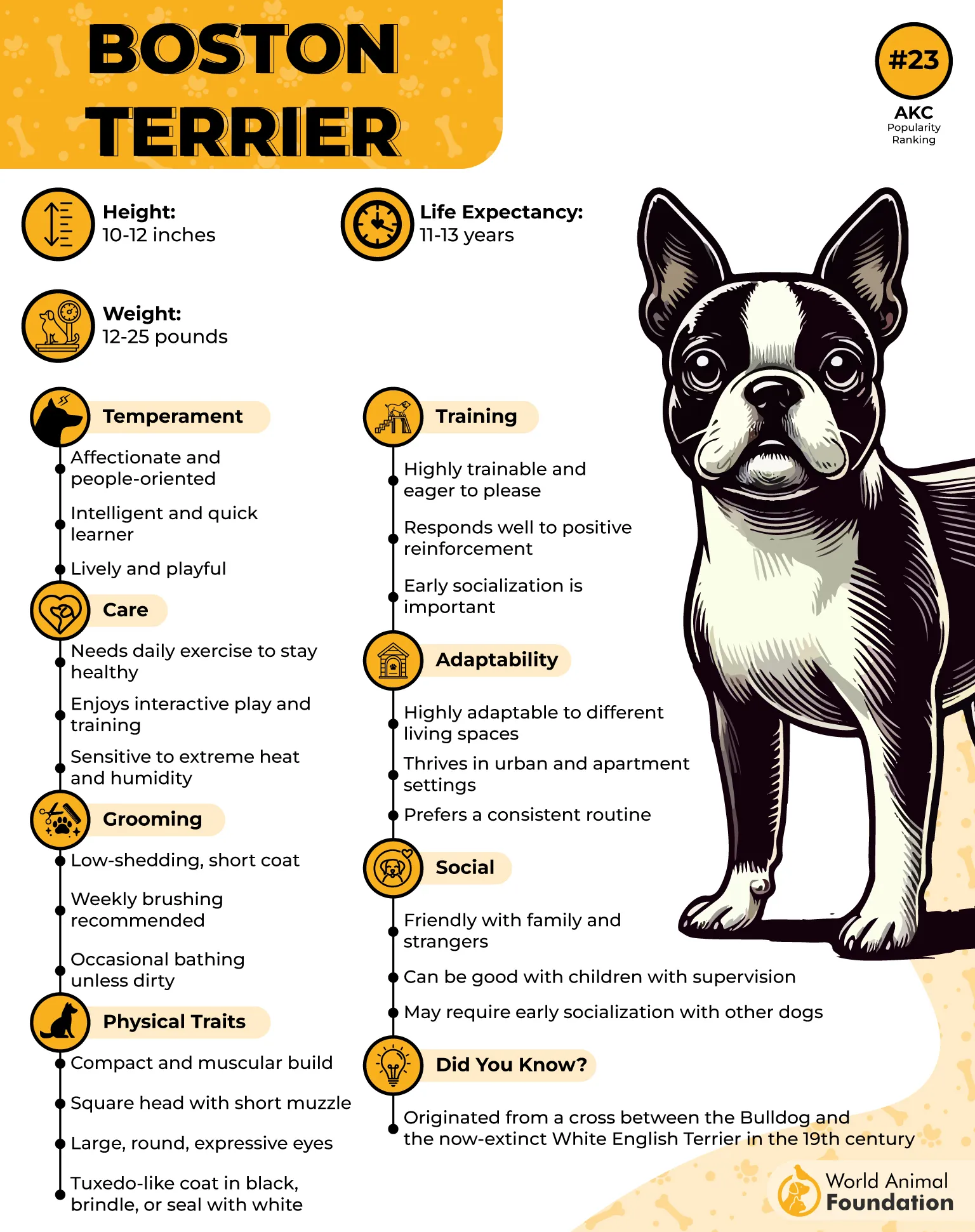
These dogs have a good balance of energy and adaptability, making them suitable for both apartments and houses. They benefit from short bursts of exercise and mental stimulation throughout the day. Without enough activity, they may develop habits like barking or chewing just to stay entertained.
Why This Breed Is a Good Fit
Learns quickly when training is interactive and rewarding
Balanced energy level supports consistent daily training routines
Enjoys human interaction, which strengthens learning and responsiveness
7. Cavalier King Charles Spaniel
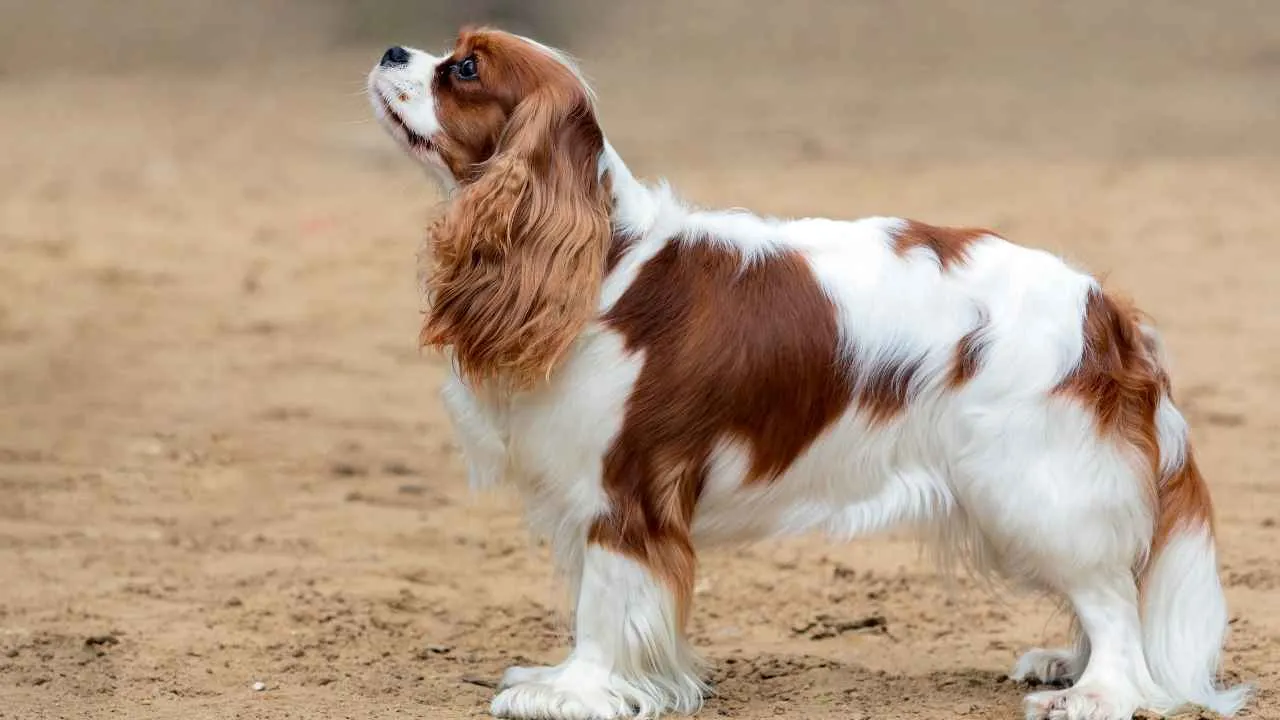
The Cavalier King Charles Spaniel is a gentle, affectionate breed known for its friendly and adaptable nature. Originally bred as companion dogs, they thrive on human interaction and enjoy being close to their owners. Whether playing or relaxing, they fit easily into many lifestyles and family settings.
Training a Cavalier is usually simple because they are intelligent and motivated by love and attention. They tend to learn commands and tricks quickly, especially when training includes praise and bonding time. Their easygoing temperament makes them a great option for first-time dog owners.
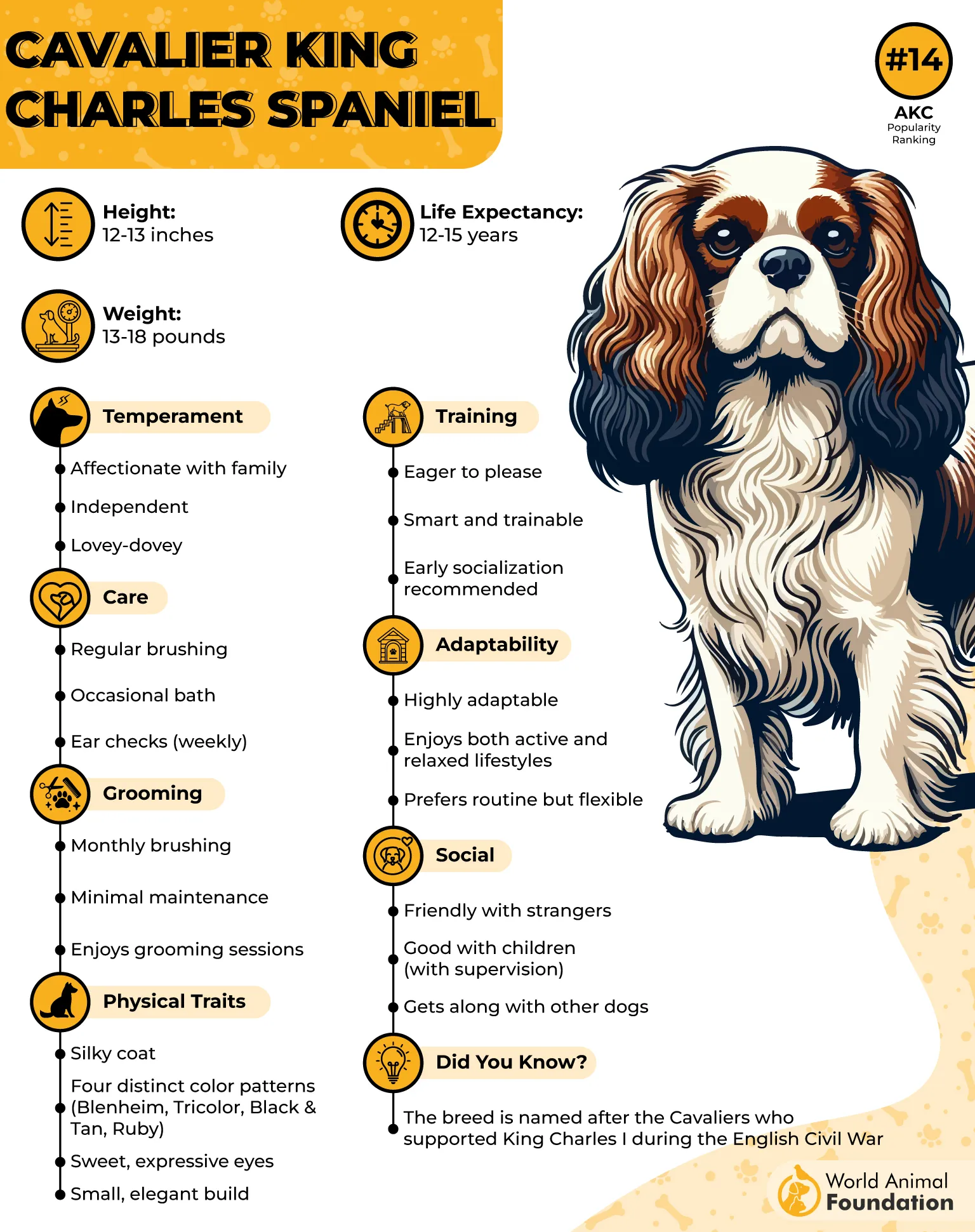
These dogs need regular exercise and mental stimulation to stay happy and well-behaved. They enjoy activities like walks, games, and interactive play that keep both their body and minds active. Early socialization is important to help them grow into confident and well-adjusted companions.
Why This Breed Is a Good Fit
Eager to learn when training involves affection and positive interaction
An adaptable personality helps them adjust quickly to routines
A strong bond with owners encourages consistent and reliable behavior
Conclusion
Choosing a small dog that’s quick to learn can make life easier and far more enjoyable for both of you. The breeds listed here show that size has nothing to do with intelligence, focus, or personality.
With the right training approach, consistency, and a bit of patience, these dogs can become well-mannered companions in any home. Remember, success doesn’t just depend on the breed but also on how you guide and engage with your dog.
Pick a pup that matches your lifestyle, invest time in training, and you’ll build a strong bond that lasts for years.
