




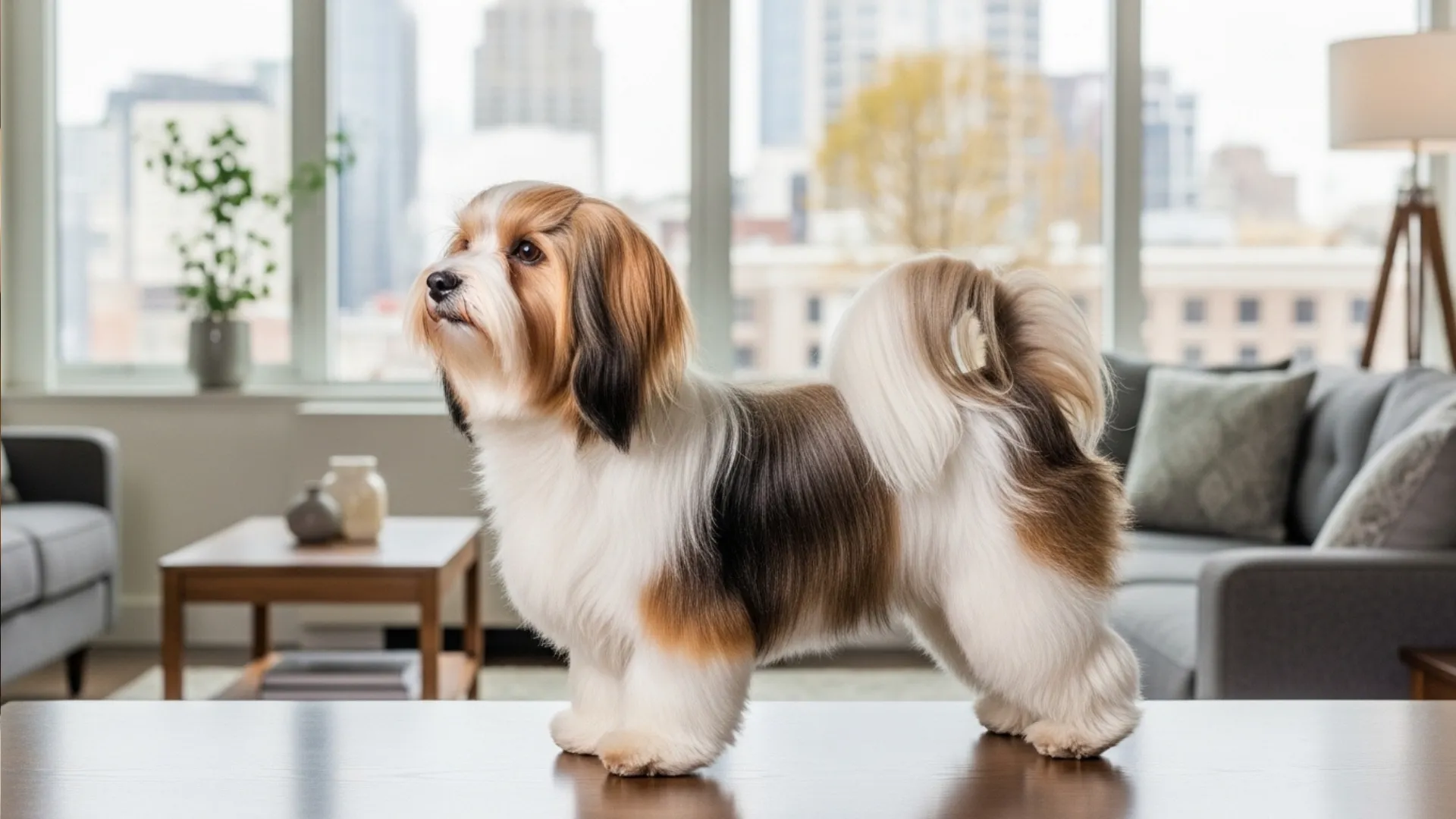
Many people believe that adapting a dog to city life is simply a matter of training and commitment. While effort plays a role, it does not solve everything. Some dogs bring needs that extend beyond what a city home can comfortably provide.
Limited space, shared walls, and structured routines create boundaries that cannot be stretched indefinitely. Trying to force a fit often leads to ongoing adjustments that never fully settle. On the other hand, there are dogs that require far less effort to live within these limits.
They align more naturally with quieter environments, smaller spaces, and predictable schedules. This difference is often overlooked during the decision process, where appearance or general appeal takes priority. In reality, suitability matters far more than initial preference.
The following sections explore the traits that allow certain dogs to fit smoothly into city homes without constant strain or disruption.
Key Takeaways
Living in a city does not limit companionship, but it does reveal which dogs naturally settle into close spaces and predictable routines.
Cavalier King Charles Spaniel and Havanese adapt with ease, blending into busy households while still staying calm in compact environments.
Pugs and Pomeranians show how comfort and personality can exist in small frames, managing limited space without losing their charm or presence.
By the time you reach the end, it becomes clear how certain breeds quietly align with city life in ways that feel almost effortless.
Ideal Dog Breeds for a Harmonious City Home
1. Cavalier King Charles Spaniel
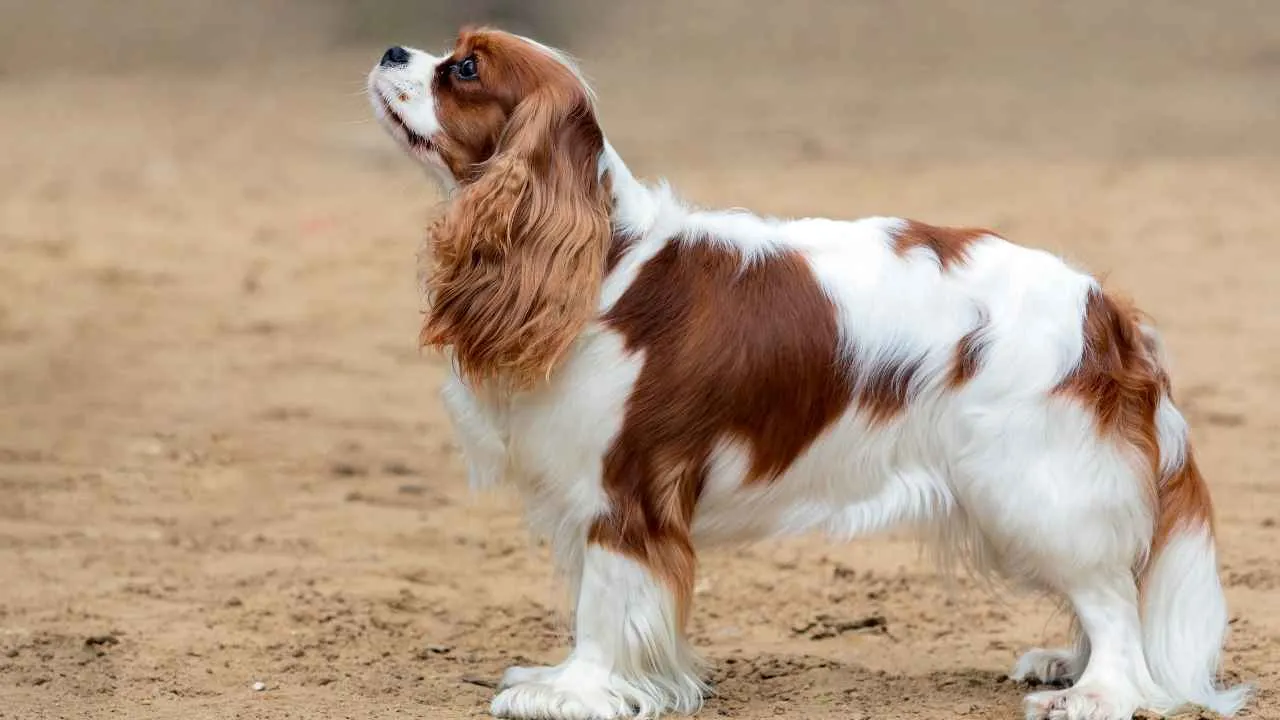
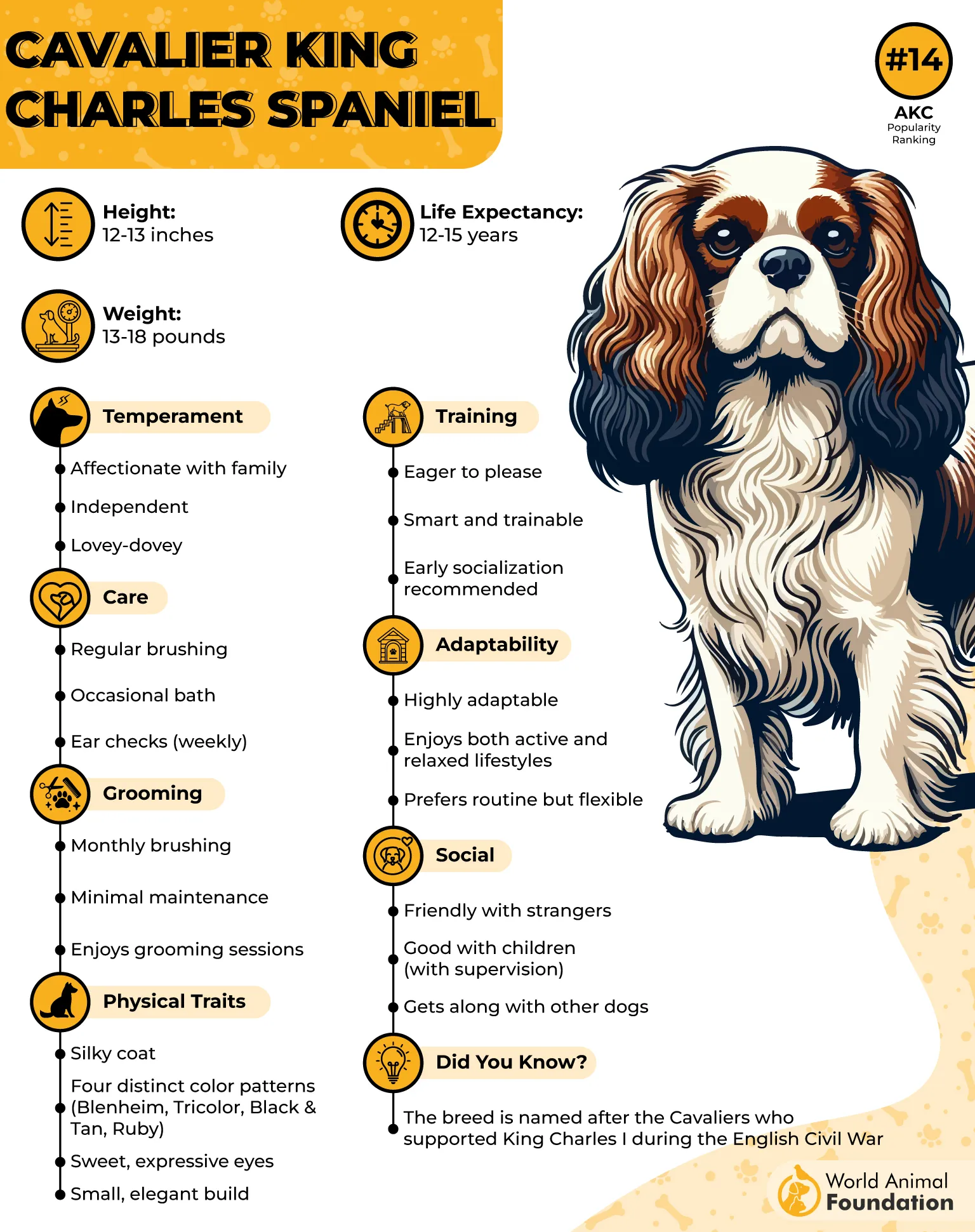
Cavalier King Charles Spaniel gained attention during royal times, especially under King Charles II, where its role stayed closely tied to human comfort.
It was often kept as a lap companion and even used for warmth during colder periods. That early purpose is still reflected in how naturally it settles near people.
Social behavior in daily life
As per the AKC, this city dog interacts with a gentle, easygoing nature, fitting comfortably around other dogs, children, and different age groups. Its calm temperament also explains why it appears frequently in therapy settings.
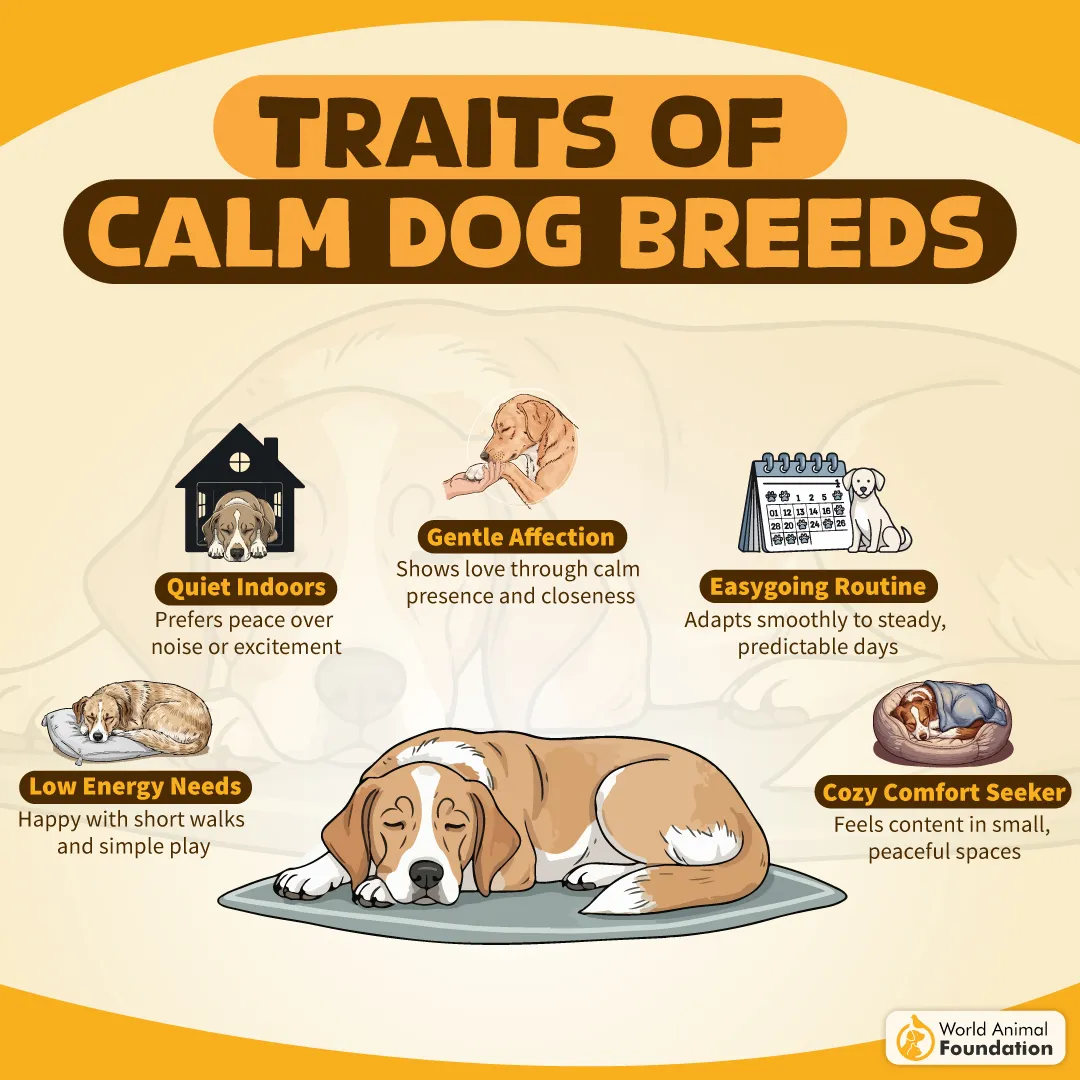
That behavior becomes clearer through simple patterns:
Stays relaxed around children of all ages
Responds softly in social environments
Adjusts easily to a bustling city environment
Outdoor curiosity with distraction
It enjoys short outings where scents and movement quickly capture its attention. It may follow interesting distractions instead of returning immediately, especially when something triggers its spaniel instincts. This makes recall less reliable in open spaces without guidance.
2. Havanese
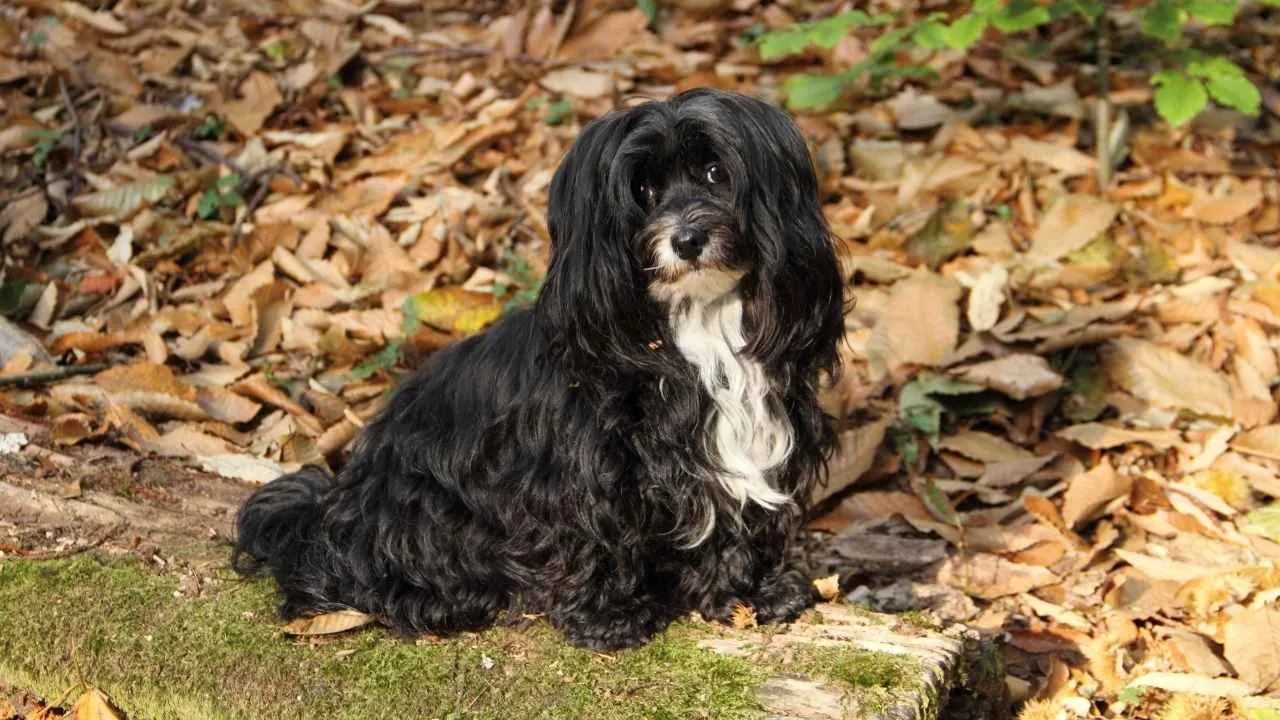
Havanese keeps itself involved in everything happening at home, often positioning itself where activity is constant. Its curiosity and need for interaction shape a dog that rarely stays disengaged for long. This behavior fits closely with city living, where presence matters more than space.
Socialize with people and pets
It interacts freely with people, other dogs, and even cats, without hesitation in shared spaces. Its focus remains on attention rather than selectiveness, making social settings feel easy and open.
These breed characteristics show in everyday habits:
Seeks attention from anyone nearby
Adjusts quickly in multi-pet homes
Remains engaged in group environments
Energy that needs real outlets
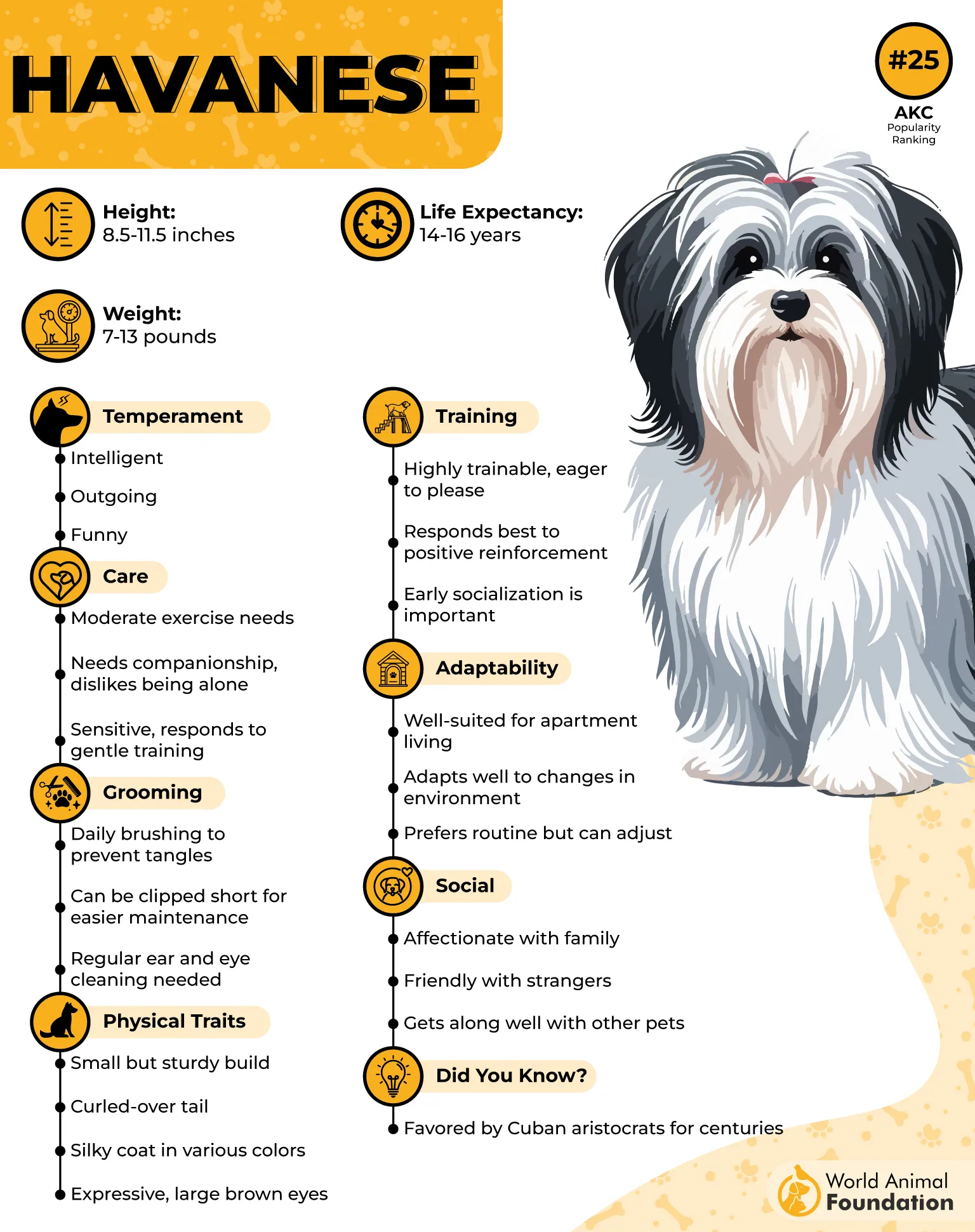
This tiny dog stays active throughout the day and fits well with apartment living when its routine is kept consistent. Around 30 minutes of daily activity, split into shorter walks or play sessions, keeps energy balanced, as PetMD stated. Its quick-learning ability shows best when activity and engagement are part of the routine.
3. Pug
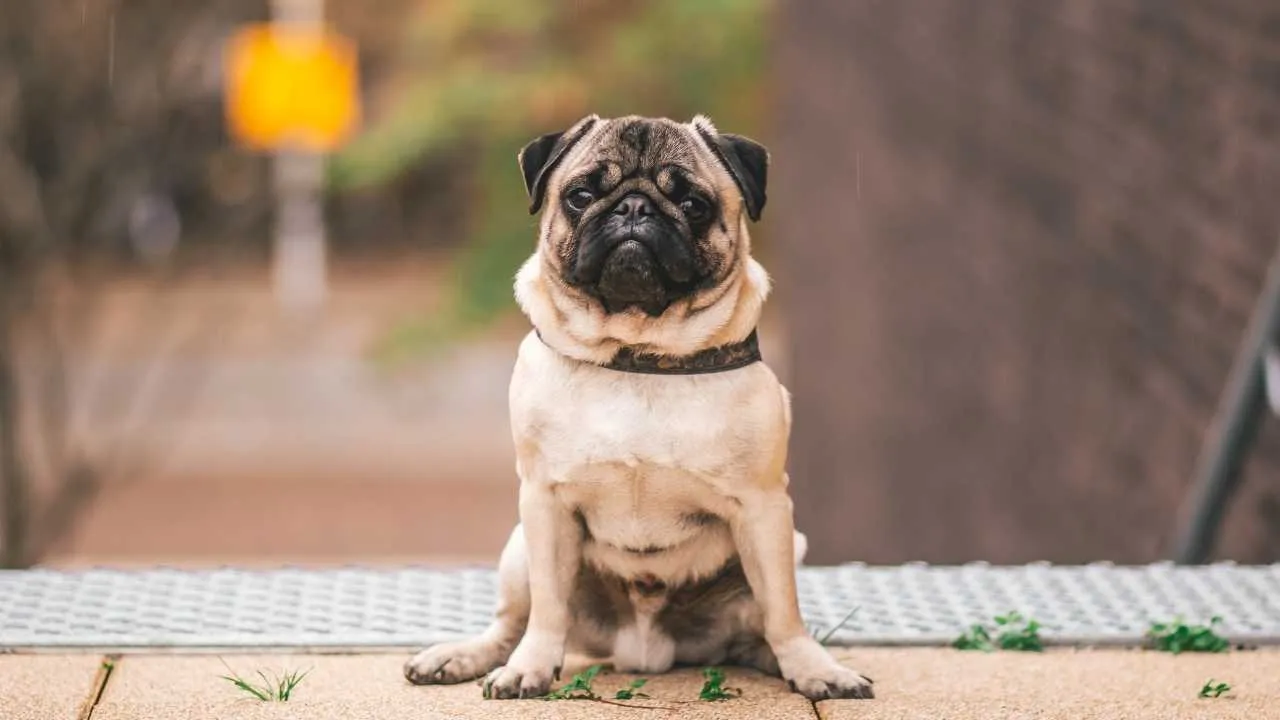
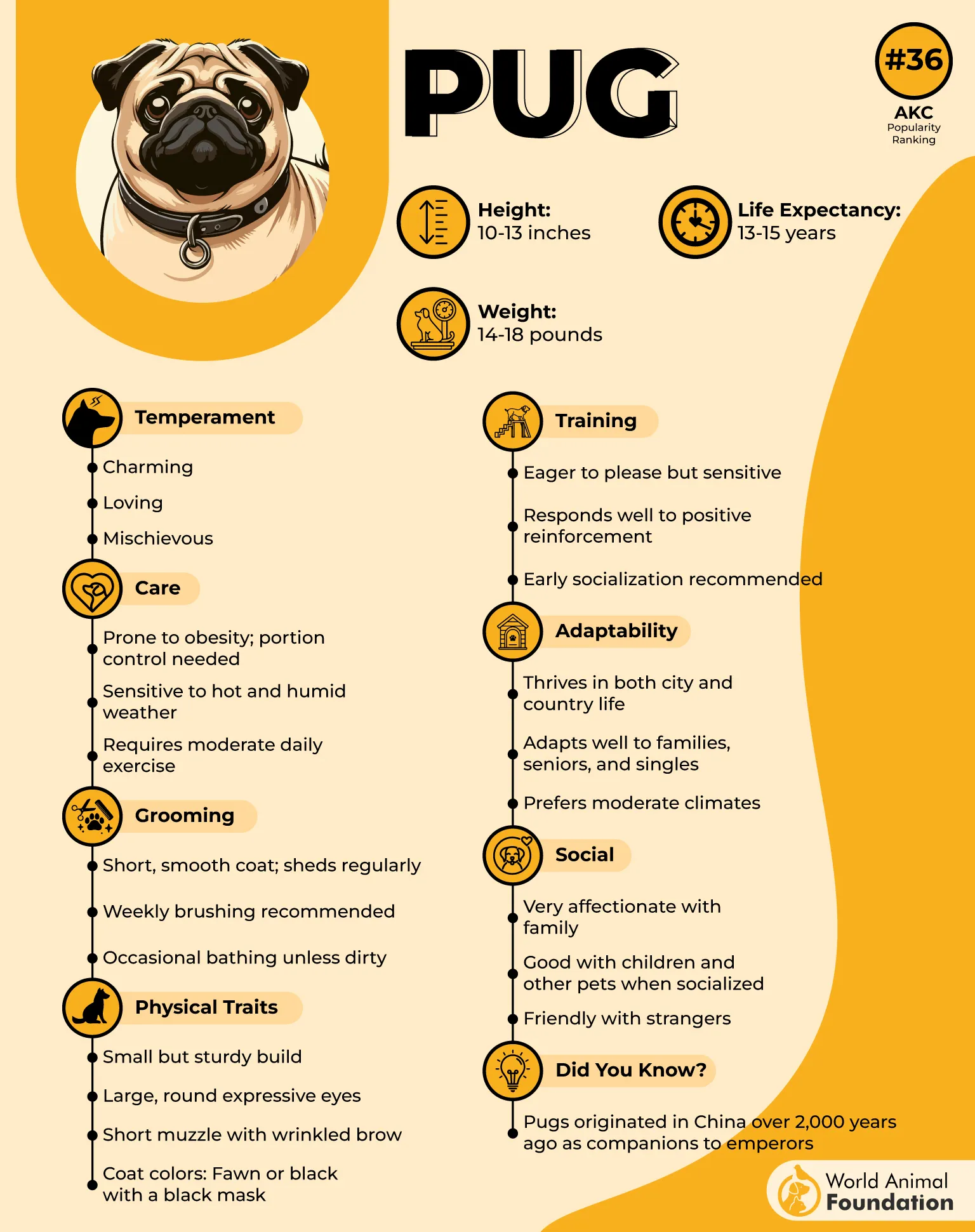
Pugs reflect centuries-old companionship from China, later becoming a preferred presence in royal households. Its small, sturdy frame and expressive face create a breed that relies more on closeness than distance. The overall impression centers on constant human connection within city life.
Daily rhythm shaped by calm interaction
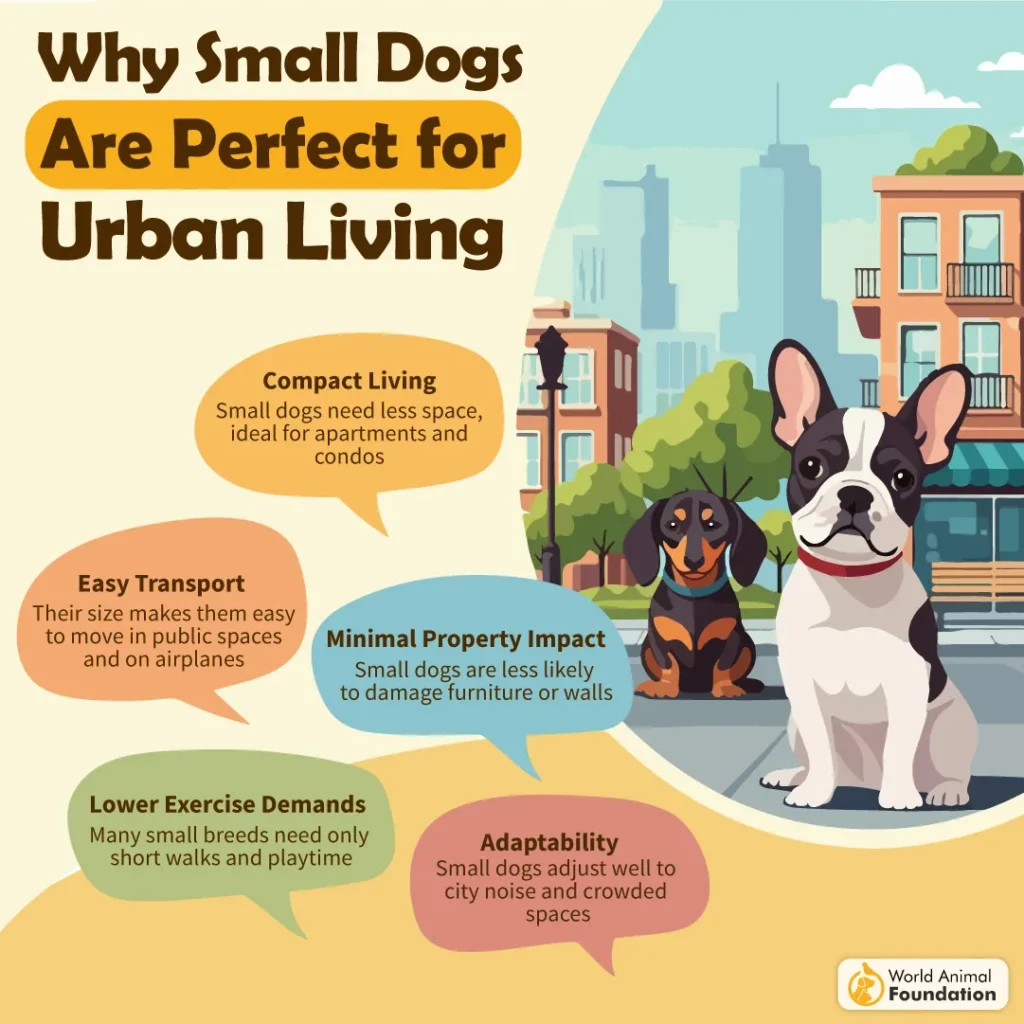
They respond best to simple routines that fit low-intensity living, often preferring inclusion over independence in daily household activity. Minimal exercise, including short outings and relaxed indoor time, defines its natural pace.
This pattern becomes clearer through everyday behavior:
Enjoys brief, gentle walks instead of long exertion
Engages in light play rather than high-energy activity
Prefers staying close to household movement
Indoor balance and comfort focus
Pugs adapt well to indoor environments where temperature and activity remain controlled due to their flat facial structure. Its comfort depends on avoiding strain during heat or heavy physical effort.
Also, they’re moderate shedders, year-round. However, in the spring and fall seasons, this breed requires a little more attention to shedding.
4. Pomeranian
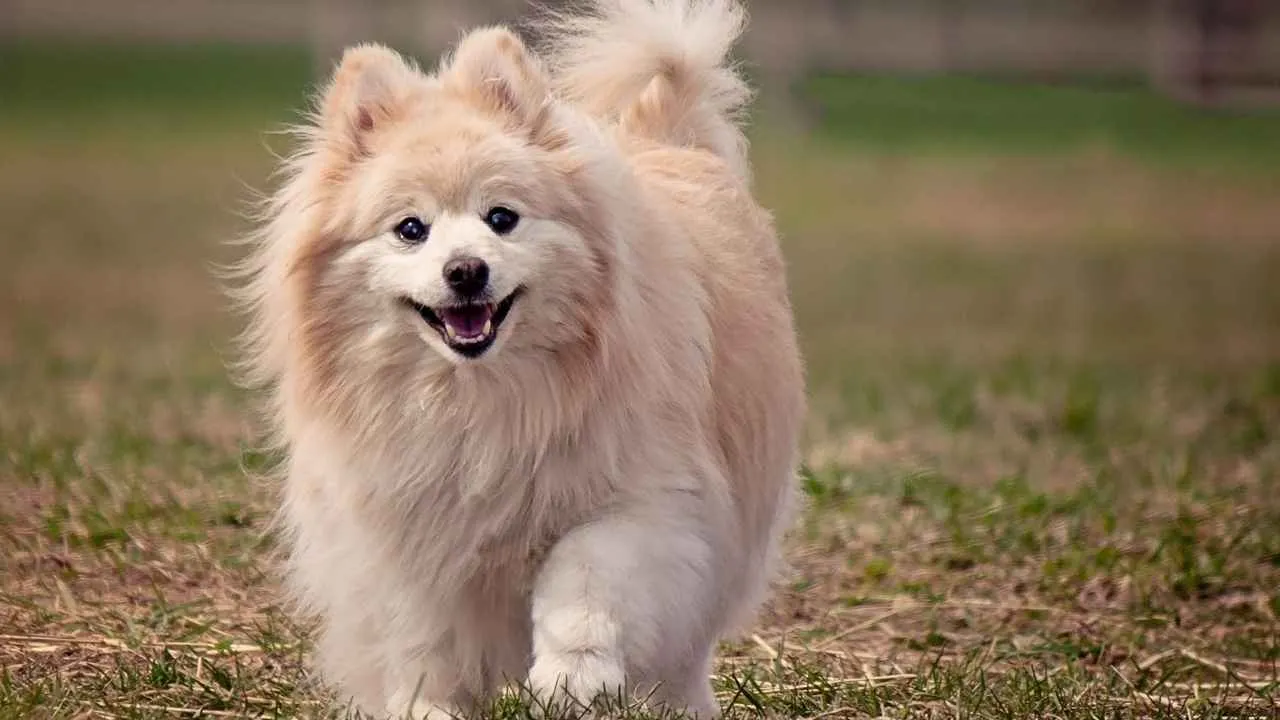
Pomeranian reflects its Spitz ancestry through a compact body paired with an unexpectedly bold presence. Its alert expression and lively demeanor often resemble larger working breeds in attitude rather than size. This contrast shapes how it interacts within close indoor spaces.
Personality that fills space
This affectionate breed responds strongly to attention, showing an expressive and socially aware temperament around people and other pets. Its behavior stays interactive, often seeking engagement within its immediate environment rather than at a distance.
That character becomes clearer in these points:
Shows confidence in social settings despite small size
Engages easily with household activity and presence
Prefers floor-level independence over being carried
Manageable in small living spaces
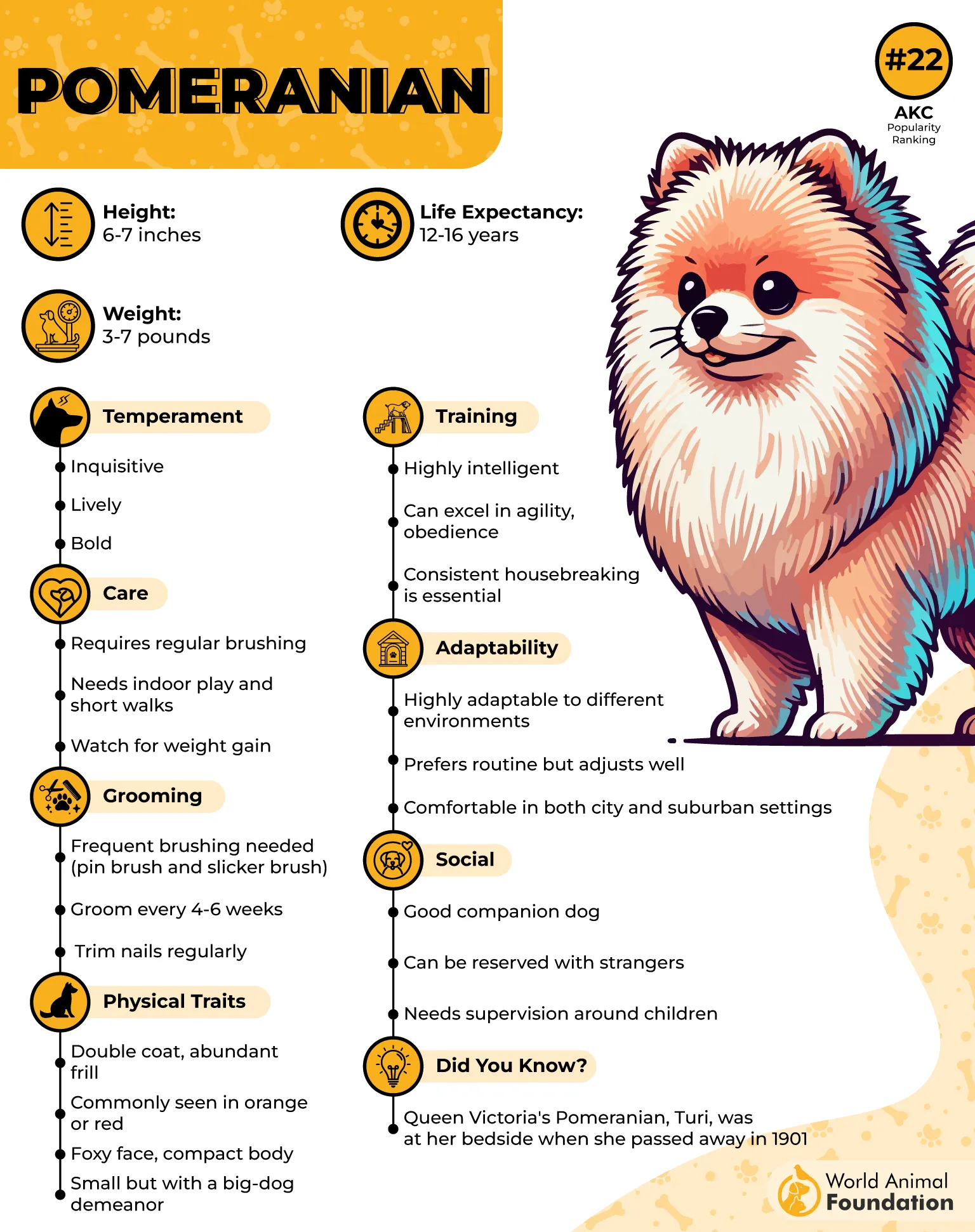
Poms channel their activity through short bursts of movement indoors and brief outdoor activity, using space efficiently rather than extensively, as mentioned by Petplan.
Its lightweight structure allows constant motion without requiring long exercise routines. This makes its activity pattern tightly linked to home environments.
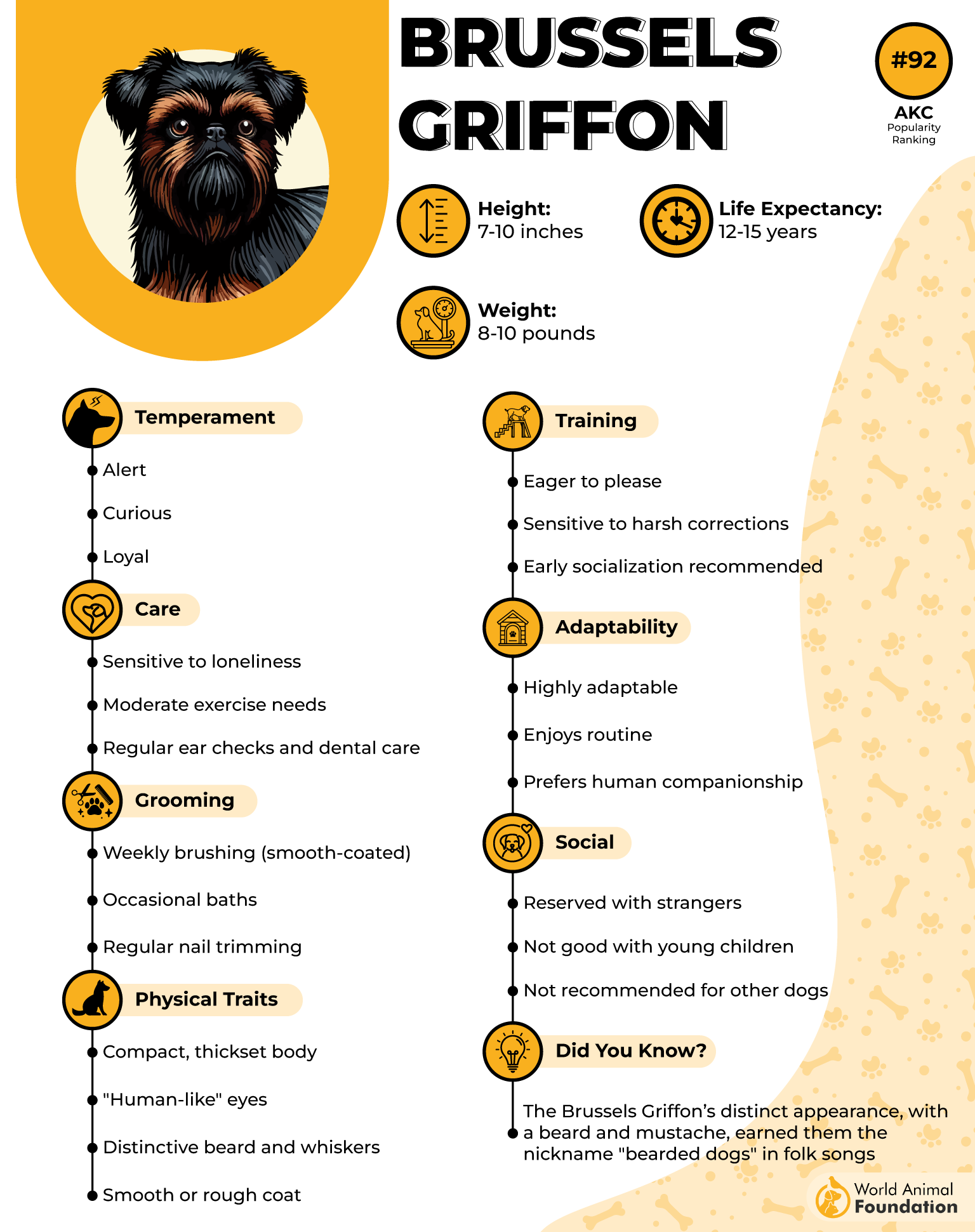
5. Brussels Griffon
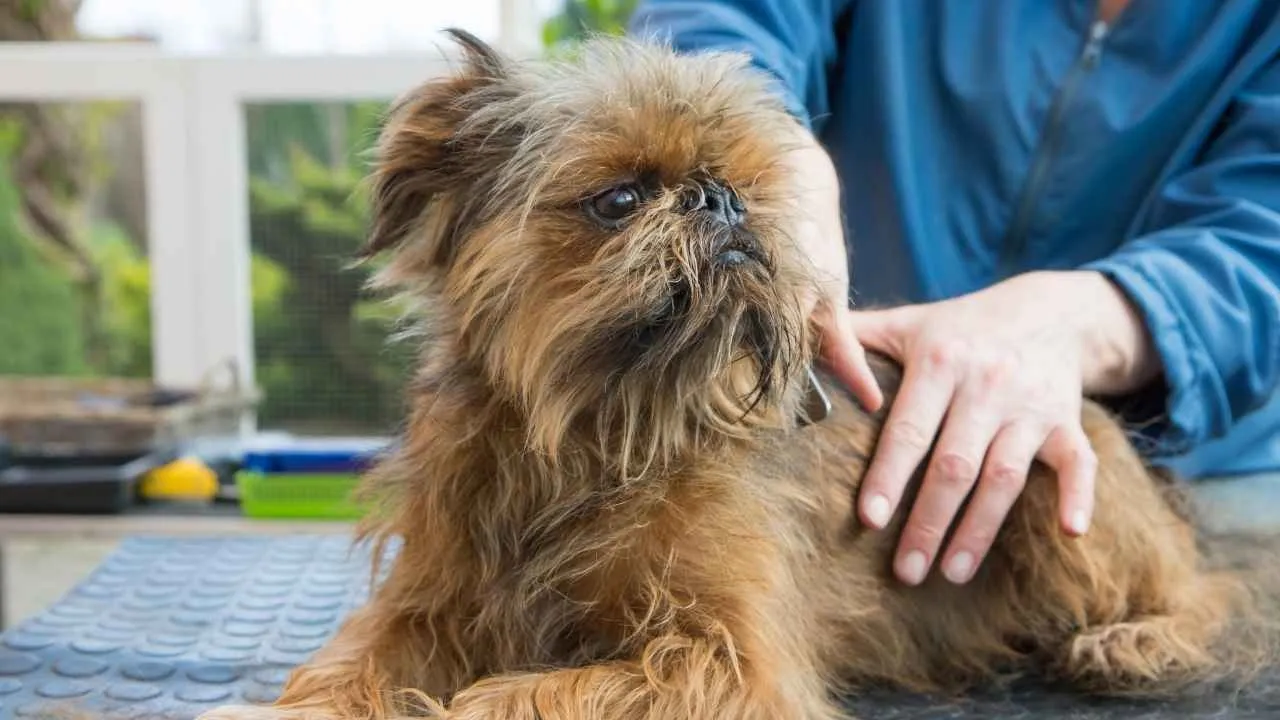
Brussels Griffon shows a striking, almost human-like expression that reflects its alert intelligence and strong social awareness. Its compact frame contrasts with a personality that feels lively and highly perceptive in daily surroundings. It creates a presence that stands out in close indoor spaces.
Attachment-centered routine
It builds its daily behavior around staying close to people, often positioning itself where interaction is constant. It integrates into family routines rather than staying at a distance or remaining independent for long hours.
This pattern becomes clearer through daily behavior:
Stays near familiar people in shared spaces
Reacts quickly to voice cues and attention shifts
Require minimal exercise, including daily walks and light activity
Activity balanced with easy upkeep
It fits well into compact living spaces, with a calm routine that does not rely on heavy activity demands. For urban life, its coat type adds a practical layer to care, as smooth-coated dogs shed moderately and benefit from regular grooming and occasional baths, while rough-coated ones stay low-shedding.
6. Yorkshire Terrier
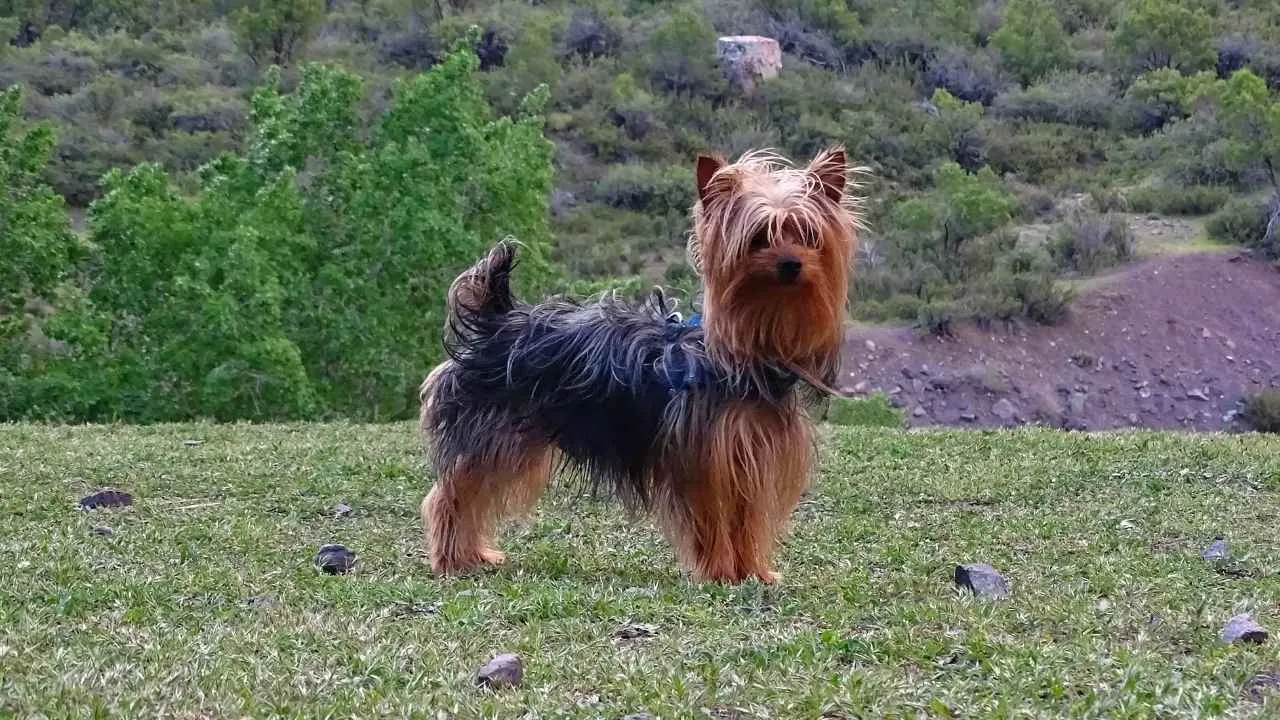
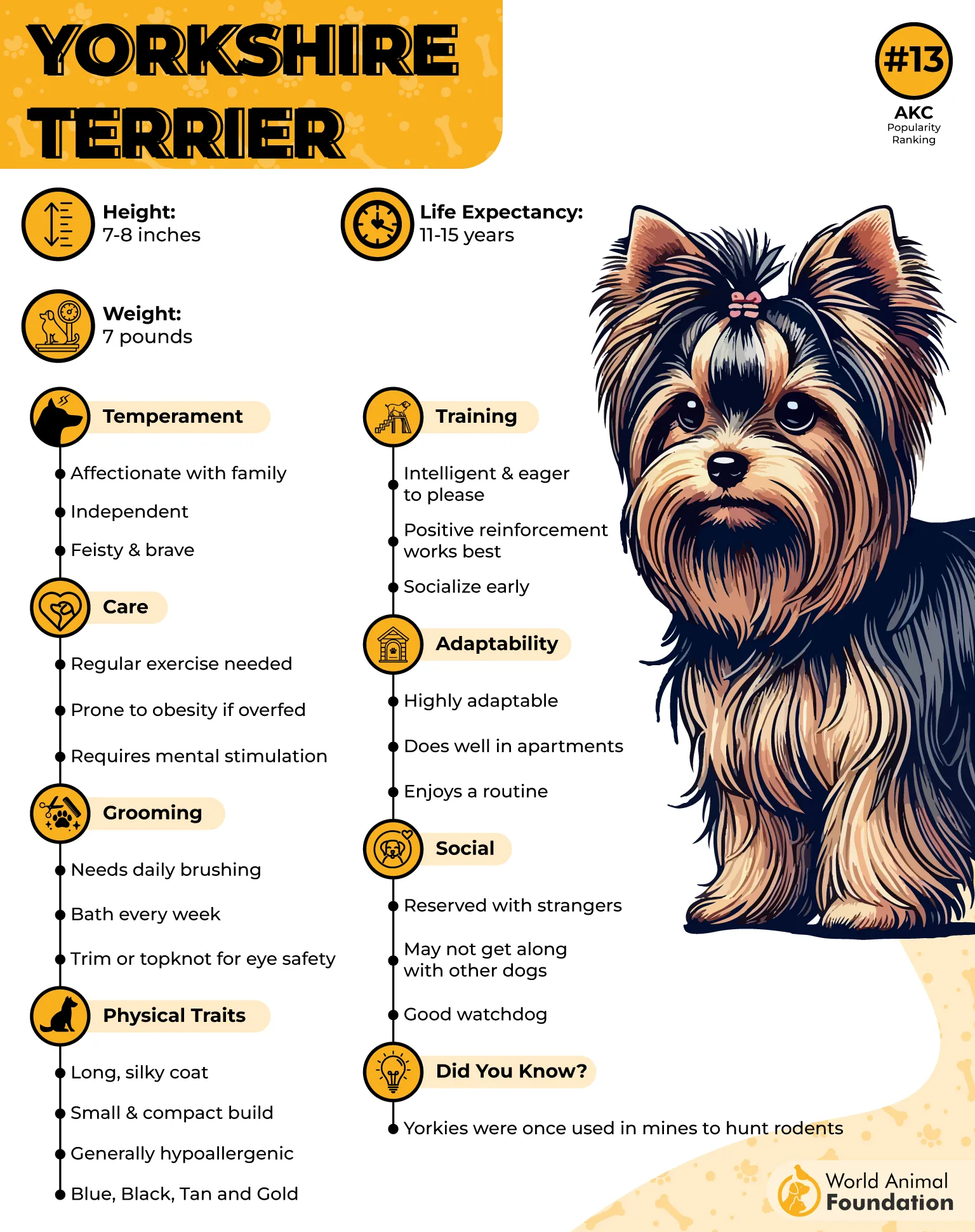
Yorkshire Terrier shows a compact build paired with a bold, lively expression that often feels larger than its size suggests. Its background links to textile mill environments, where it once handled rodent control alongside Scottish weavers in England.
Energy in a compact routine
Yorkshire brings steady energy that works well in smaller living spaces, with proper mental stimulation through short walks and indoor play. Its personality remains playful, expressive, and at times slightly assertive within familiar settings.
That behavior appears clearly in daily patterns:
Responds actively to short indoor play sessions
Stays engaged with brief outdoor walks
Shows an alert reaction to household movement
Interaction shaped by size awareness
These smallest dogs form affectionate connections, yet their small structure requires mindful interaction during play, especially around children or larger pets. Supervision becomes part of safe handling rather than a limitation. Its behavior reflects confidence paired with physical sensitivity.
7. Maltese
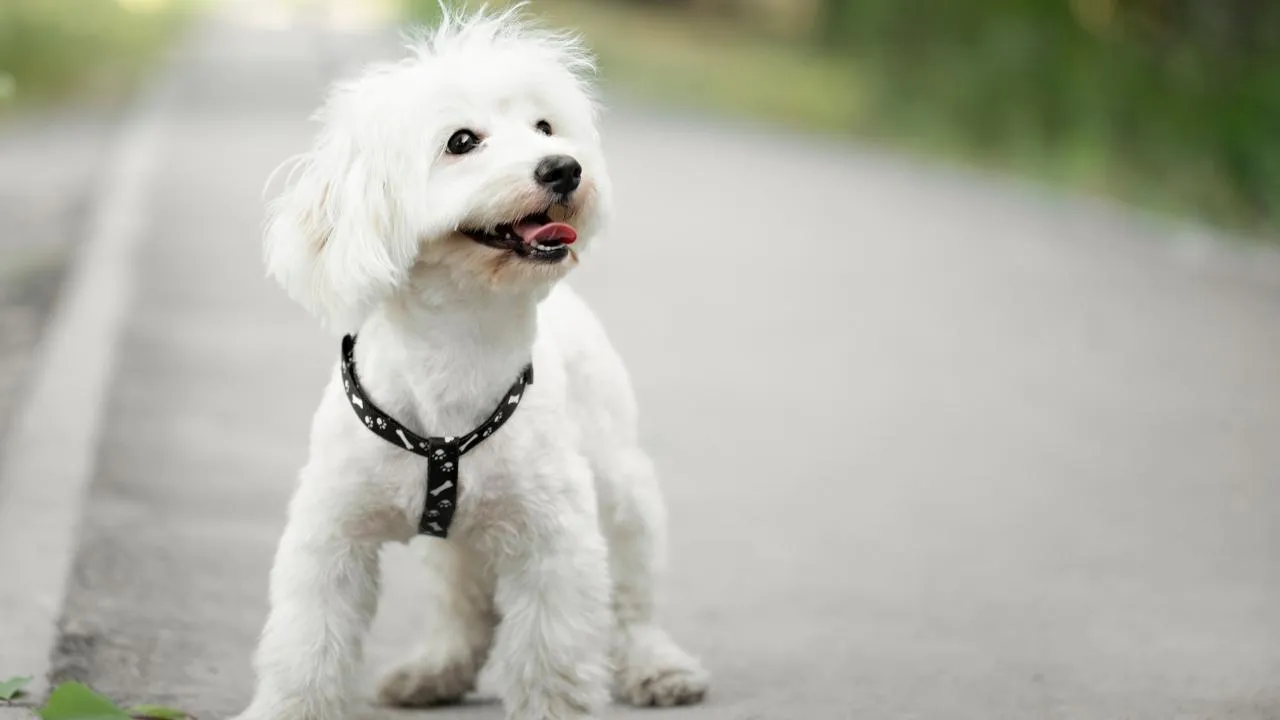
Maltese is recognized for its long, flowing white coat paired with a compact frame that has stayed close to human companionship for centuries. Historical references link it to ancient Mediterranean societies, reflecting a long presence around households.
Small frame, active engagement
This best dog breed responds to interaction with energy that fits short, frequent activity rather than extended exertion. Its playful nature becomes more visible in simple surroundings where attention stays focused on people and movement.
This is what you can experience with this breed:
Enjoys short indoor or outdoor walks
Engages quickly with basic training tasks
Reacts with alertness to environmental changes
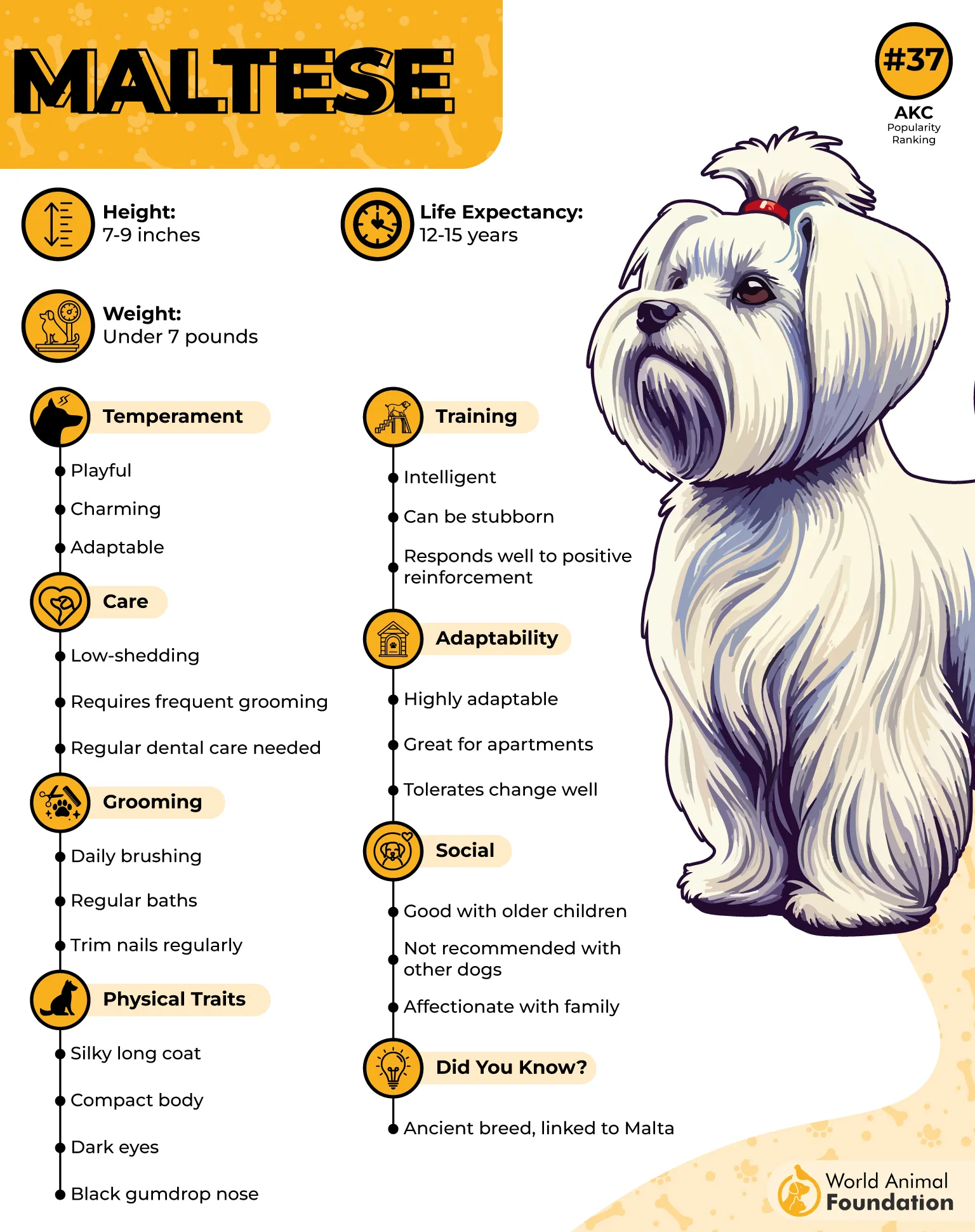
Social rhythm within the home
It forms a strong attachment to familiar people, showing a steady need for interaction throughout the day. Lack of engagement can lead to repetitive vocal behavior, especially in quiet or isolated settings. Its temperament leans toward companionship-driven routines.
Conclusion
A city home works best when the dog within it already fits the limits of space, noise, and routine. The smallest dog breeds discussed here show that comfort comes from how naturally a dog settles into these conditions, not how much effort is applied, making them excellent city companions for urban living.
Some remain calm and closely connected, while others bring light activity that still stays within control. That difference becomes more noticeable over time.
The right dog breed does not require constant adjustment or management. It aligns from the start, helping city dwellers stay happy and healthy while keeping shared spaces balanced rather than strained.
