




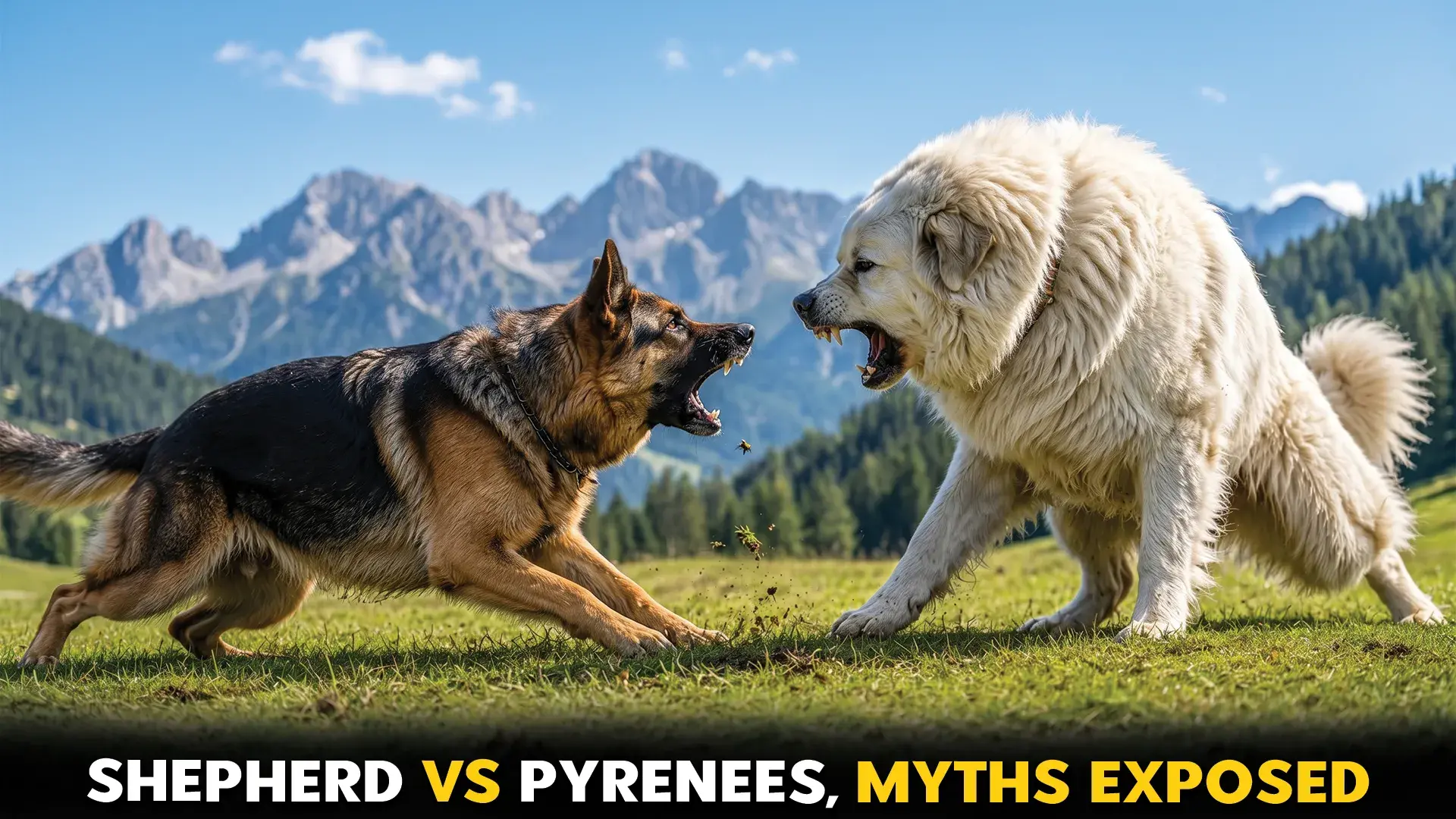
When people compare the German Shepherd and the Great Pyrenees, things get dramatic real quick.
One is seen as a sharp, disciplined protector, while the other is often labeled a fluffy, slow-moving guardian. But honestly, a lot of what you hear online is either exaggerated or just straight-up wrong.
These two breeds are often misunderstood because people judge them based on looks or outdated stereotypes. So, let’s clear the air and break down the real story—no myths, just facts with a little personality.
A common misconception is that these breeds serve the same purpose, just in different sizes. In reality, their roles were completely different, and that shapes everything from behavior to training.
Another myth is that one breed is “better” than the other overall. That’s like comparing a bodyguard to a philosopher—they’re both amazing, just built for different lifestyles.
What matters is compatibility with your environment, routine, and expectations. Many first-time owners pick based on appearance and regret it later. Understanding their real nature helps you avoid that mistake.
Let’s also talk about the internet hype. Social media tends to glorify German Shepherds as perfect obedience machines and Great Pyrenees as lazy giants.
Both images are incomplete and misleading. Real-life owners often report much more nuanced experiences. This blog is here to give you that real, balanced perspective.
German Shepherd vs Great Pyrenees: The Truth Behind Popular Myths
Origins & Purpose
The German Shepherd originated in Germany in the late 19th century. Max von Stephanitz developed it to be the ultimate herding and working dog. Their purpose was to follow commands precisely and assist humans in structured tasks. This is why they excel today in police, military, and service roles. Their entire genetic makeup centers on cooperation and responsiveness.
On the other hand, the Great Pyrenees comes from the Pyrenees Mountains between France and Spain. They were bred as livestock guardian dogs, often without human supervision for long periods. This means they had to make decisions on their own, sometimes in life-or-death situations involving predators.
Their instincts are rooted in patience, observation, and strategic action. This independence is often mistaken for stubbornness.
A lesser-known fact is that the Great Pyrenees, a great livestock guardian breed, was often left alone with sheep for days or even weeks. The Great Pyrenees Club says they developed a deep sense of responsibility without needing constant human validation.
German Shepherds, in contrast, were always part of a human-led system. This makes them more eager to please and quicker to respond to commands. These origins directly shape how they behave in modern homes.
Another interesting detail is how these giant breeds’ roles evolved. German Shepherds transitioned into highly specialized working roles globally, especially during wartime and in the development of law enforcement.
Great Pyrenees, however, remained largely true to their original purpose even today. Farmers still rely on them for livestock protection. This consistency in role keeps their instincts very strong and intact.
Size & Physical Build
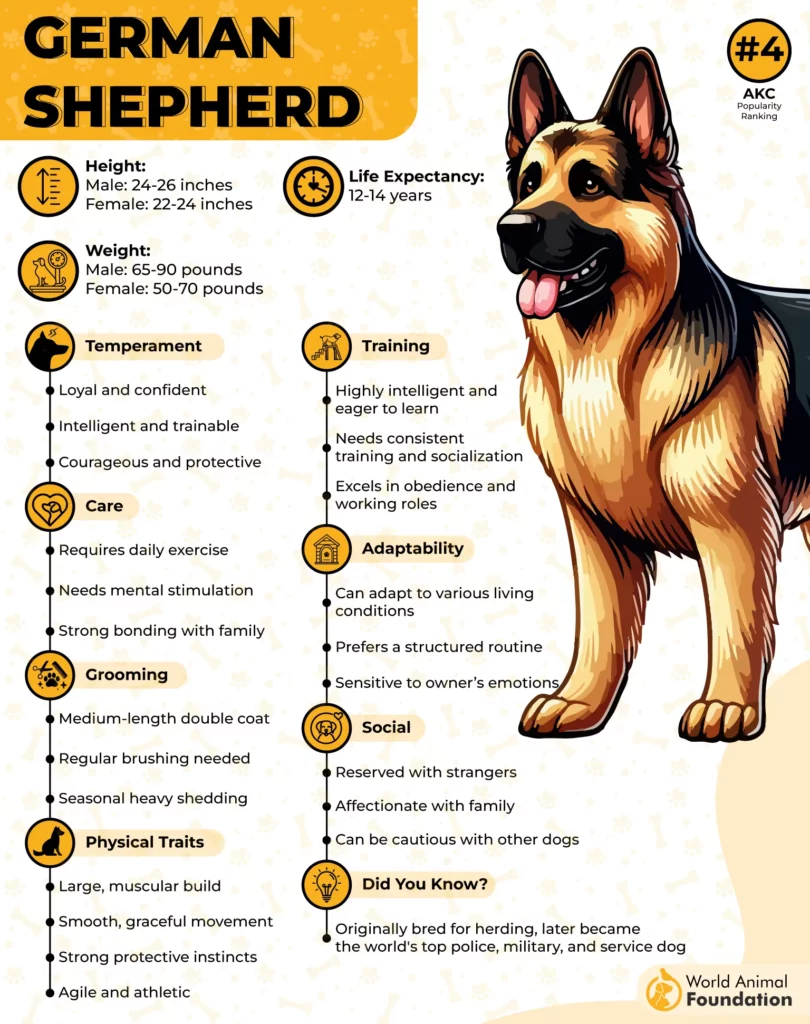
At first glance, both breeds are large and impressive. However, their builds serve very different purposes. German Shepherds are muscular, agile, and built for speed and endurance. Great Pyrenees are heavier, with a more solid and grounded structure designed for strength and stability.
German Shepherds are of a healthy weight, weighing typically between 50 and 90 pounds. Their streamlined bodies allow them to run, jump, and maneuver quickly. This makes them ideal for tasks that require agility and precision. Their posture also reflects alertness and readiness.
Great Pyrenees, on the other hand, can weigh up to 100+ pounds, as per Royal Canin. Their thick double coat protects them from harsh weather conditions. They are not built for speed but for standing their ground against threats. Their slow, deliberate movements are often misunderstood as laziness.
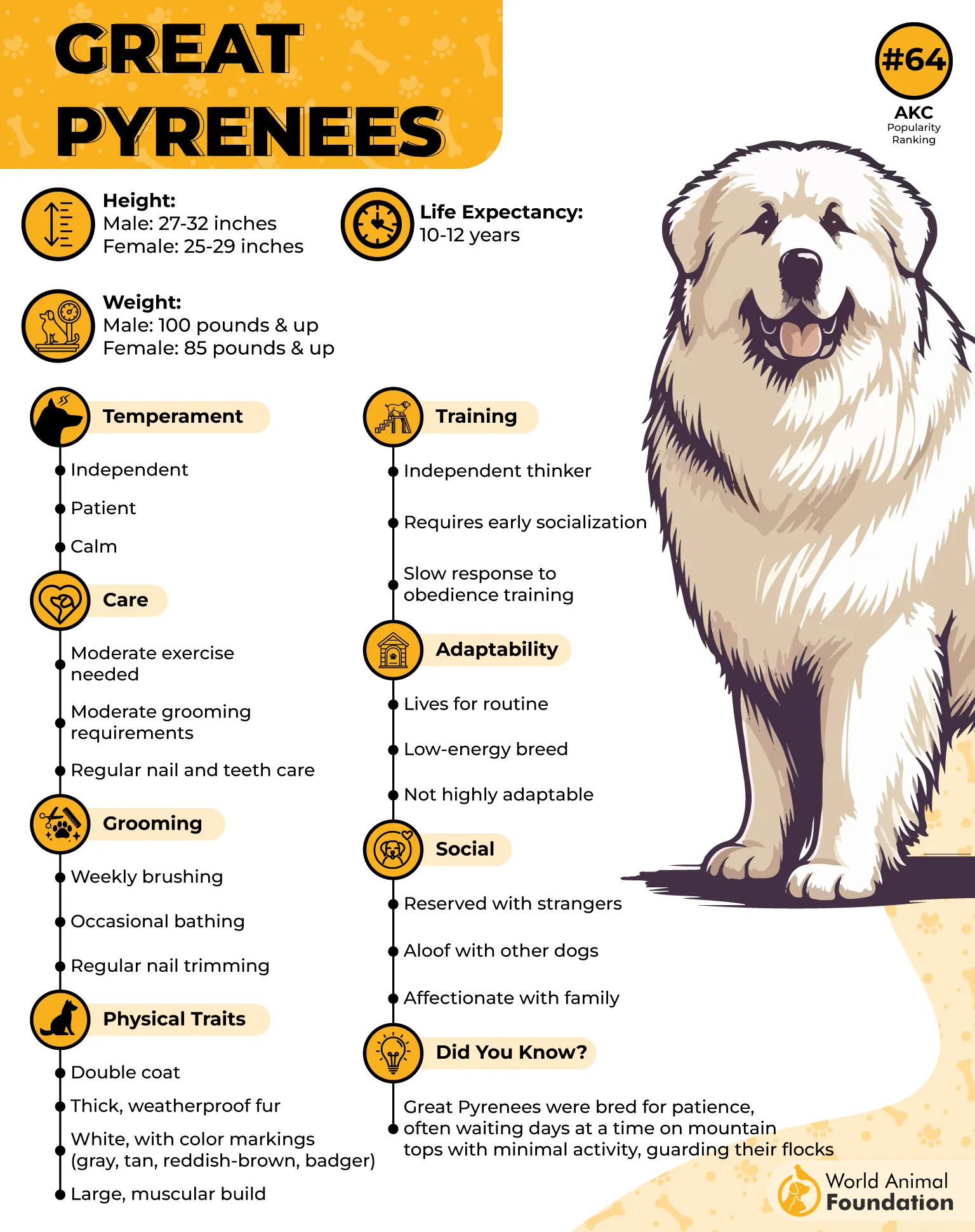
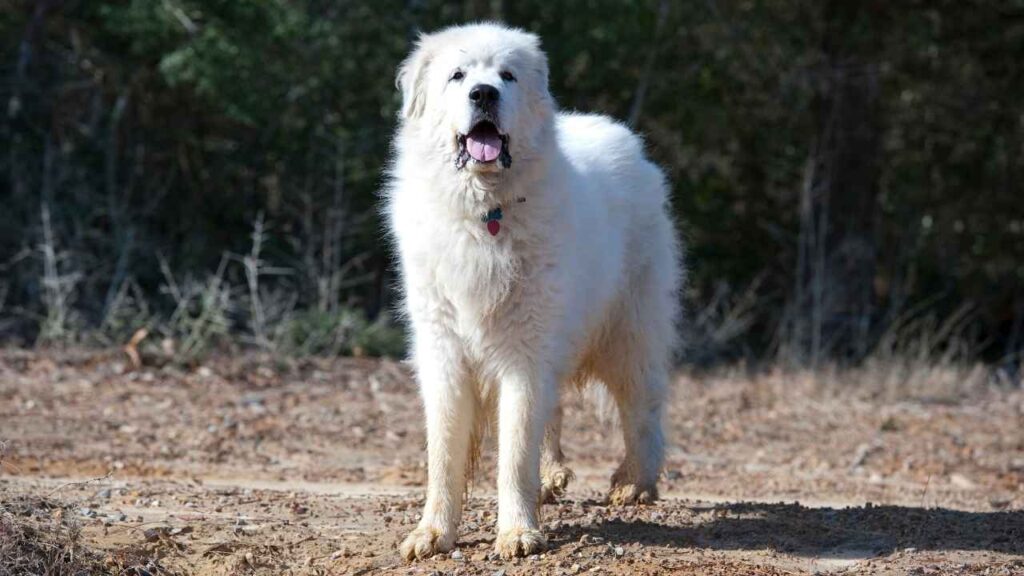
A surprising fact is that Great Pyrenees have loose skin and thick fur to protect them from predators. This allows them to withstand bites without serious injury. German Shepherds rely more on speed and strategy than physical defense. These physical traits reflect their very different survival strategies.
Temperament & Personality
German Shepherds are often described as loyal and intelligent. While that’s true, they are also highly driven and can become anxious without proper stimulation. They thrive on structure and purpose. Without it, they may develop behavioral issues.
Great Pyrenees are calm, patient, and observant. They are not overly reactive and prefer to assess situations before acting. This makes them excellent guardians but not ideal for high-energy households. Their quiet nature can sometimes be mistaken for disinterest.
A myth is that German Shepherds are naturally aggressive. In reality, aggression usually comes from poor training or a lack of socialization. Well-trained German Shepherds are confident and controlled. They are protective but not unnecessarily hostile.
Another myth is that Great Pyrenees are lazy. These pups are actually energy-efficient, conserving strength for when it’s truly needed. Owners often notice bursts of alertness, especially at night. Their personality is more about patience than inactivity.
Exercise & Energy Levels
German Shepherds have high energy levels, as per the AKC. They require daily exercise, mental stimulation, and structured activities. Without this, they can become destructive or restless. They are best suited for active owners.
Great Pyrenees have moderate energy levels, notes Purina. They enjoy walks but do not require intense exercise. Their activity is more about roaming and observing rather than running. They are naturally more relaxed.
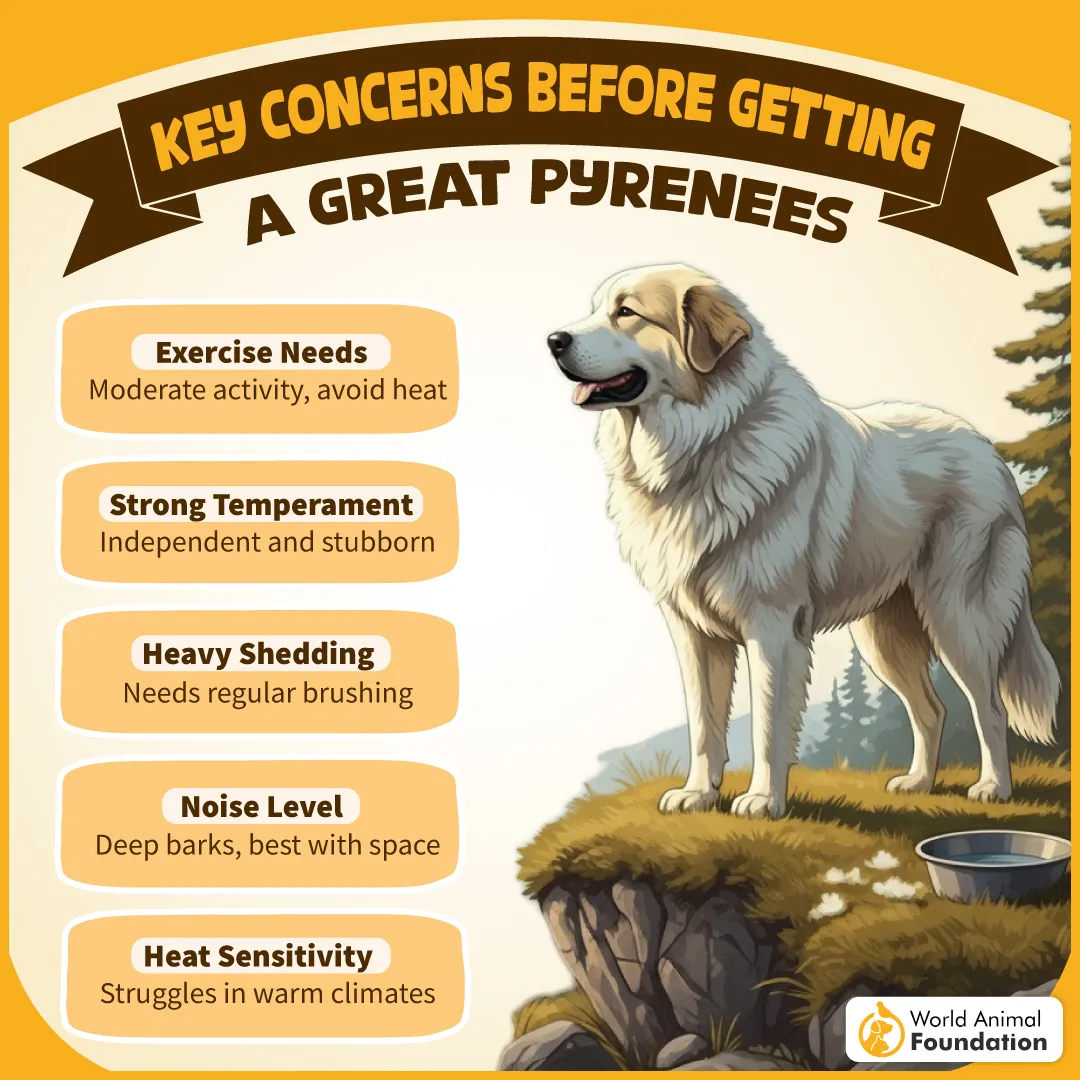
A lesser-known fact is that over-exercising a Great Pyrenees can actually stress them. Their bodies are not designed for constant high-intensity activity. German Shepherds, however, thrive on physical challenges. This difference is crucial when planning routines.
Another key point is mental stimulation. German Shepherds need tasks, training, and engagement. Great Pyrenees rely more on instinct and environment. Their mental activity comes from monitoring their surroundings.
Training & Intelligence
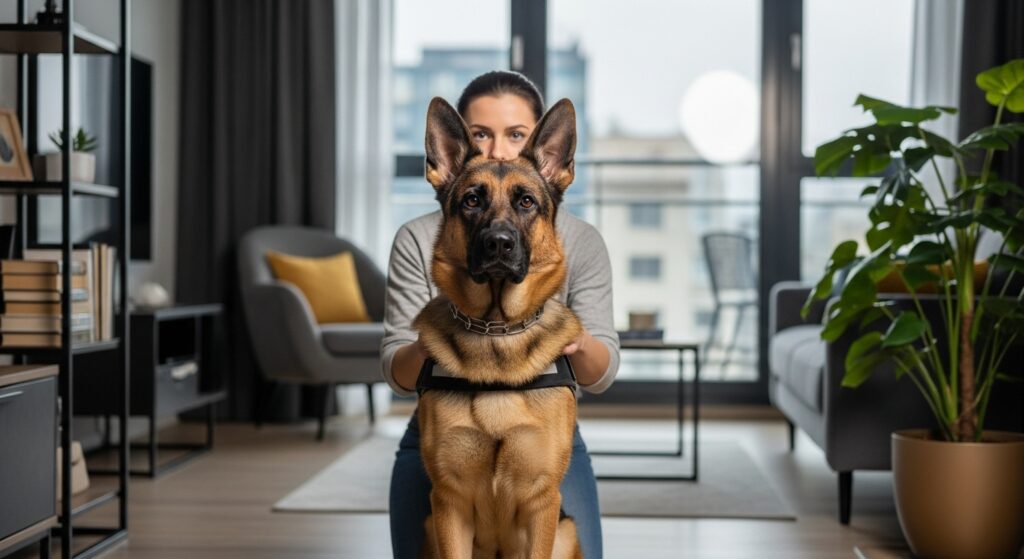
German Shepherds are among the most trainable breeds. They learn commands quickly and enjoy structured training sessions. This makes them ideal for obedience and advanced tasks. Their intelligence is highly responsive.
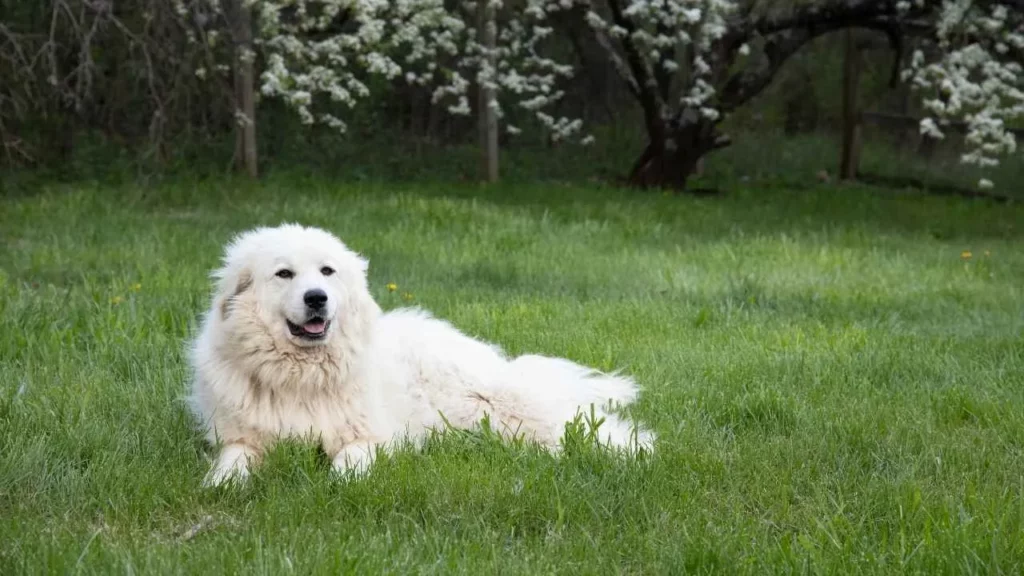
Great Pyrenees are intelligent in a different way. They are independent thinkers and may not follow commands immediately. This is not a lack of intelligence but a different type of reasoning. They evaluate situations before acting.
A common myth is that Great Pyrenees are hard to train. In reality, they require a different approach—patience and consistency rather than strict control. They respond better to respect than force.
German Shepherds, on the other hand, need leadership to ensure proper obedience training. Without it, they may try to take control. Training them requires consistency and mental engagement. Both breeds are smart, just in completely different ways.
Health & Lifespan
German Shepherds typically live 7–10 years. These curious dogs are prone to conditions like hip dysplasia and degenerative myelopathy. Regular vet care and proper diet are essential. An improper lifestyle in a new house can also impact joint health and even lead to slow metabolism.
Great Pyrenees have a similar lifespan. They are also prone to hip issues, but may face additional concerns, such as bloat. Their large size contributes to these risks. Preventive care is key.
A lesser-known fact is that slow growth management in puppies can reduce the risk of joint problems. This applies to both breeds. Proper nutrition during the early stages is crucial.
Another insight is that mental health matters too. German Shepherds can develop anxiety-related issues, as per Hills Pet. Great Pyrenees may experience stress if confined too much. The environment and food play a huge role in their overall well-being.
Suitability as Family Pets vs Guard Dogs
Believe Pet Plan when it says that German Shepherds are highly adaptable family dogs that love kids. These great dogs are protective, trainable, and responsive to commands. This makes them excellent for families who want both companionship and security. They require active involvement from owners.
Great Pyrs are natural guardians. They protect without needing commands, making them ideal for rural or spacious houses. Their calm nature is great for families who prefer a relaxed environment. They are less suited for strict obedience roles.
A myth is that German Shepherds are better guard dogs. In reality, they are better-trained guards, while Great Pyrs are instinctive protectors. The difference lies in how they approach threats. One follows commands, the other relies on instinct.
Choosing between them depends on your lifestyle. If you want structure and trainability, go for a German Shepherd. If you prefer independence and calm protection, the Great Pyrenees is a better fit. Both are incredible in their own way.
Conclusion
At the end of the day, comparing the German Shepherd and the Great Pyrenees is not about picking a winner. It’s about understanding their differences and choosing what aligns with your life.
When compared to most other dogs, these breeds are loyal, intelligent, and deeply devoted. They express these traits in completely different ways. Once you understand that, the myths disappear—and you’re left with two truly amazing dogs.
