




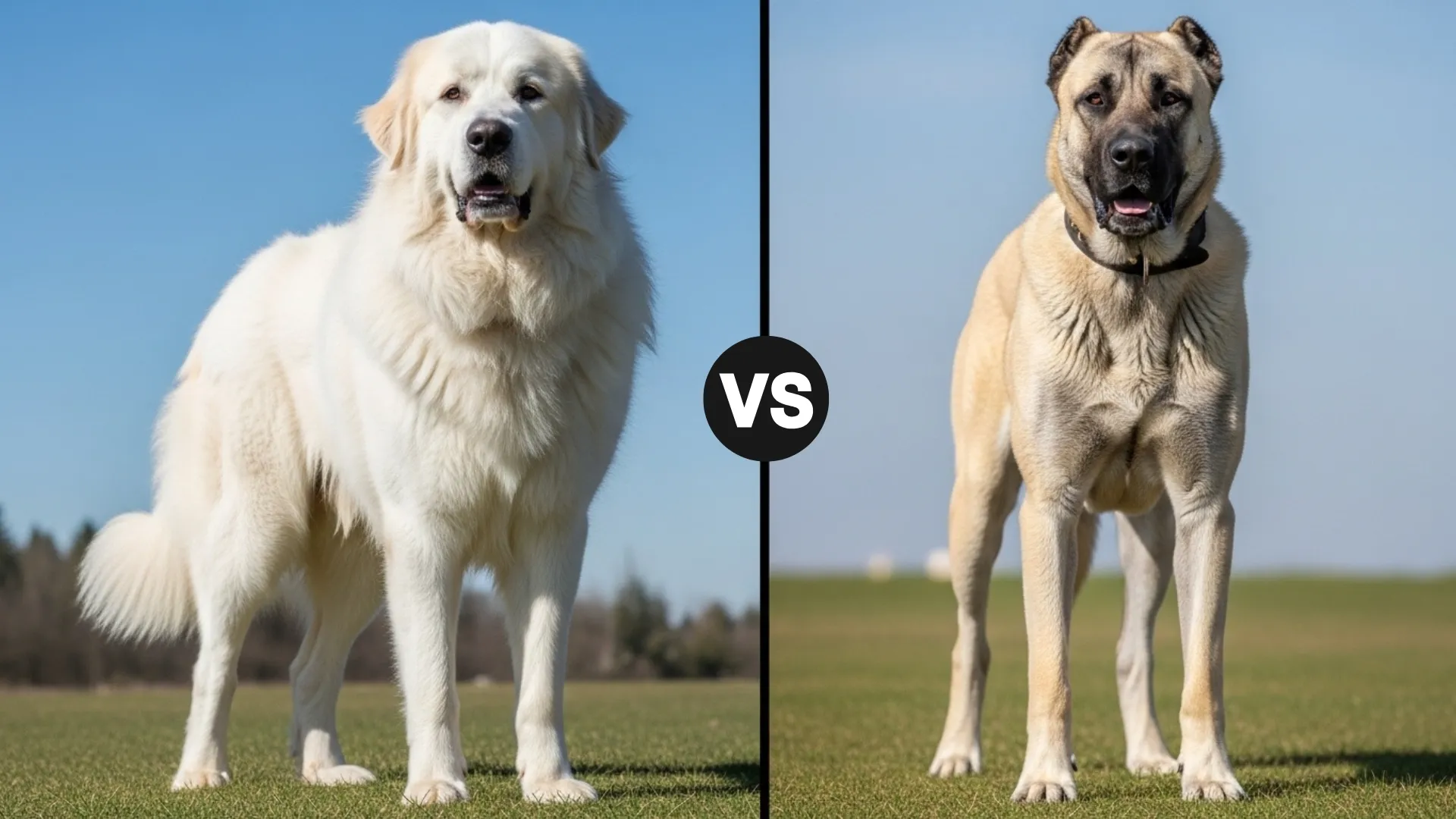
Alright, this is not just another dog comparison—this is a full-on guardian vs guardian showdown.
If dogs had job titles, both the Great Pyrenees and the Kangal would be “Head of Security” with centuries of experience protecting livestock, land, goats, and humans. These aren’t casual pets; they’re elite-level protectors with instincts that go way beyond basic training.
But here’s the tea—just because they do similar jobs doesn’t mean they behave the same way. One is calm, fluffy, and low-key, judging your life choices while guarding you, while the other is sharp, powerful, and ready to step in if things get serious.
Choosing between them is less about looks and more about lifestyle, space, and how much responsibility you’re ready to handle.
In this guide, we’re diving deep into everything—from history and personality to real-world behavior and owner experiences. By the end, you’ll know exactly which one matches your vibe, whether you’re running a farm, living in the countryside, or just obsessed with legendary dog breeds.
Great Pyrenees vs. Kangal dog
The Great Pyrenees and the Kangal represent two of the world’s most formidable livestock guardians, each bringing a unique blend of ancient instinct and raw power to the field.
While the Pyrenees is famous for its stoic, “gentle giant” demeanor, the Kangal is a legendary protector known for having the strongest bite force of any canine on the planet.
Origins & History
Both breeds come from ancient working dog lineages, but their environments shaped their personalities in very different ways.
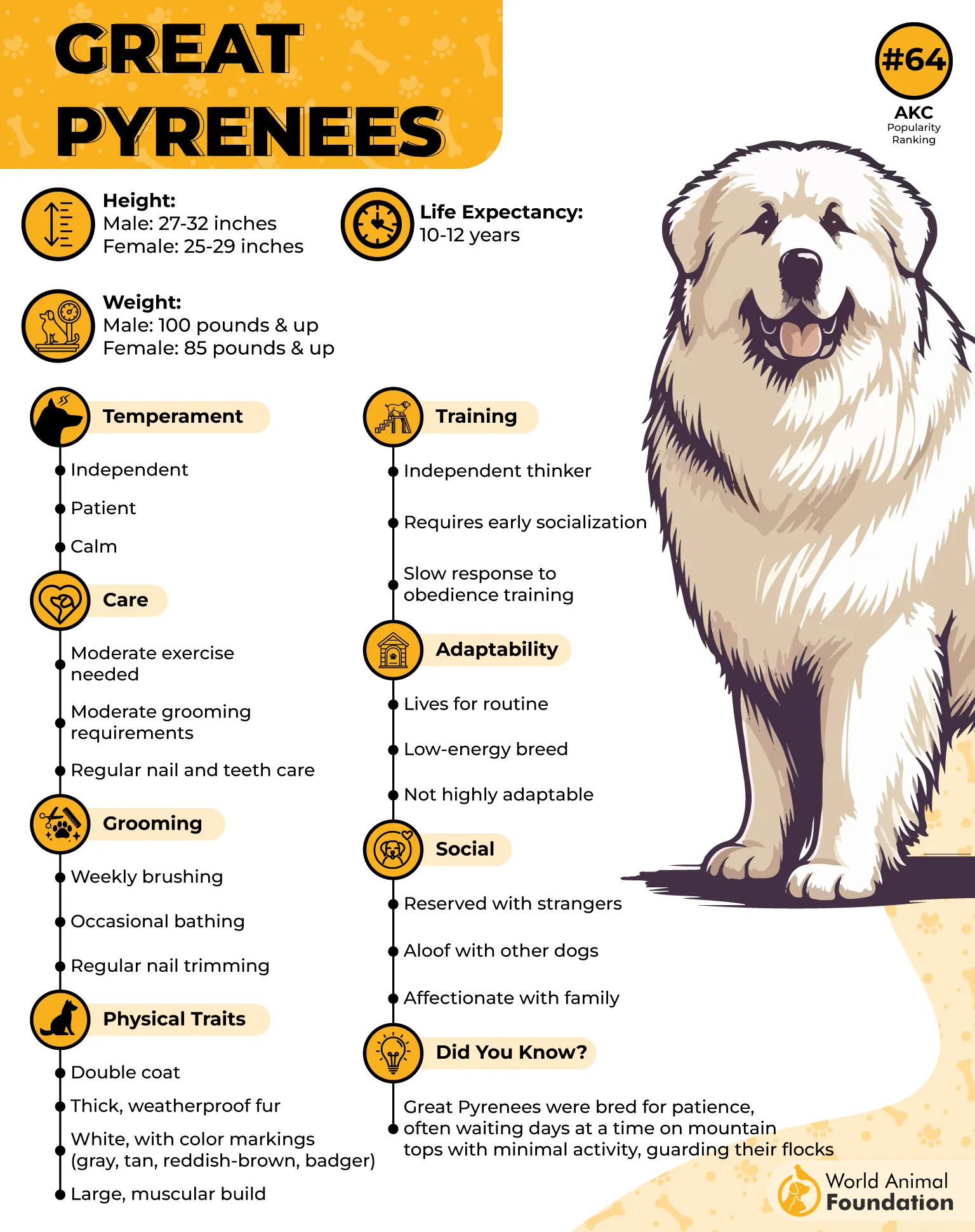
The Great Pyrenees developed in the Pyrenees Mountains between France and Spain, where harsh weather and predators required patience, independence, and endurance. Historical records suggest their ancestors arrived in Europe around 5,000 years ago, and they even became royal companions in the court of Louis XIV—yes, from sheep fields to literal royalty.
The Kangal, on the other hand, comes from the Sivas region of Turkey and is deeply rooted in rural livestock protection. Known as Turkey’s national dog, as per the Kangal Dog Club of America, it has been used for centuries to defend flocks against wolves, jackals, and even bears.
Interestingly, in 2018, Turkey officially classified the Kangal as part of the same population as the Anatolian Shepherd, showing how closely tied their histories are.
Real-world livestock programs today still rely on both breeds. In Europe and North America, Great Pyrenees are widely used for sheep protection, according to the AKC. At the same time, Kangals have even been introduced into African conservation projects to reduce predator conflict with farmers. That’s not just history—that’s real impact still happening today.
Size & Physical Build
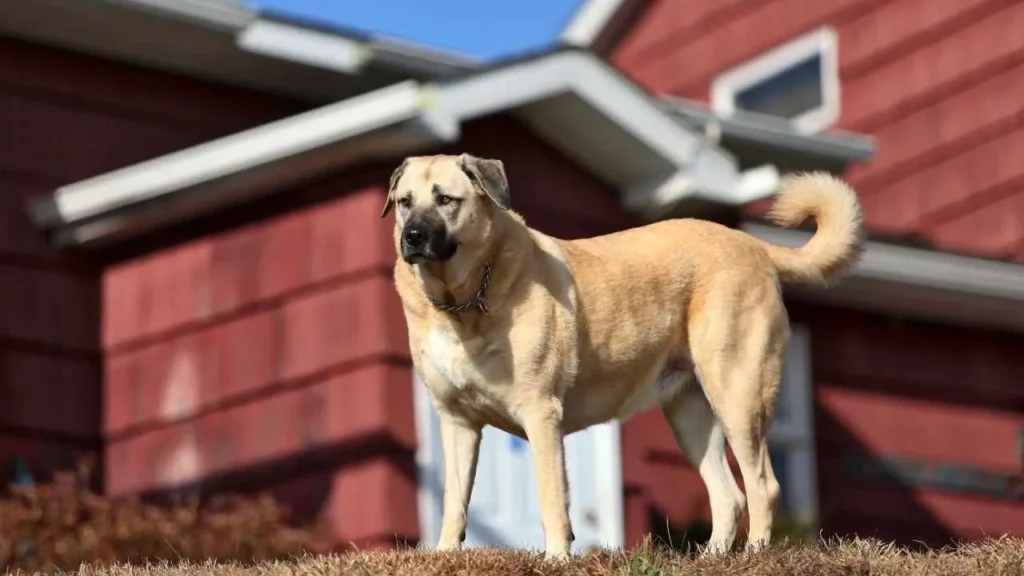
Let’s talk size—because both of these dogs are absolute units. The Kangal is a mountain dog that is built like a powerhouse, muscular and athletic, designed for speed and strength rather than fluff. They typically weigh between 90 and 145 pounds and are incredibly agile for their size, making them effective against fast-moving vultures.
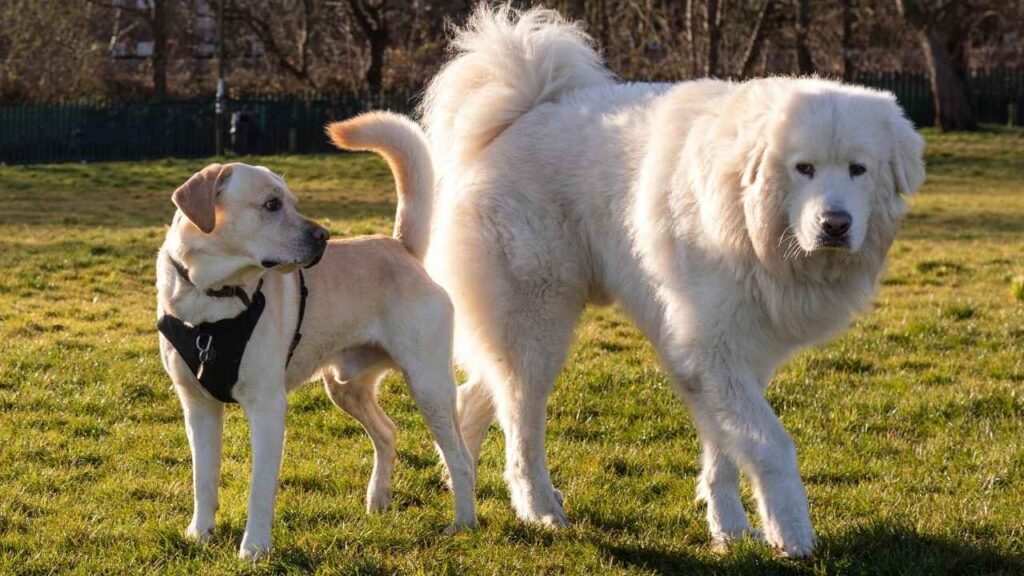
The Great Pyrenees, meanwhile, is basically a walking cloud with hidden strength. Males can reach up to 160 pounds, with a thick double coat that protects them from extreme cold. Their build is less about speed and more about endurance and presence—they don’t chase threats as much as they discourage them from even trying.
From owner experiences, Kangals feel more “active and alert,” says All Things Dogs, while Great Pyrenees feel more “calm and steady.” Both are huge, but their body language alone tells you how differently they approach guarding.
Temperament & Personality
The Kangal is calm but intensely focused, as per Purina. They are naturally territorial, highly alert, and very serious about their role, often observing quietly before reacting. Owners often say Kangals don’t bark unnecessarily—they assess first, act second.
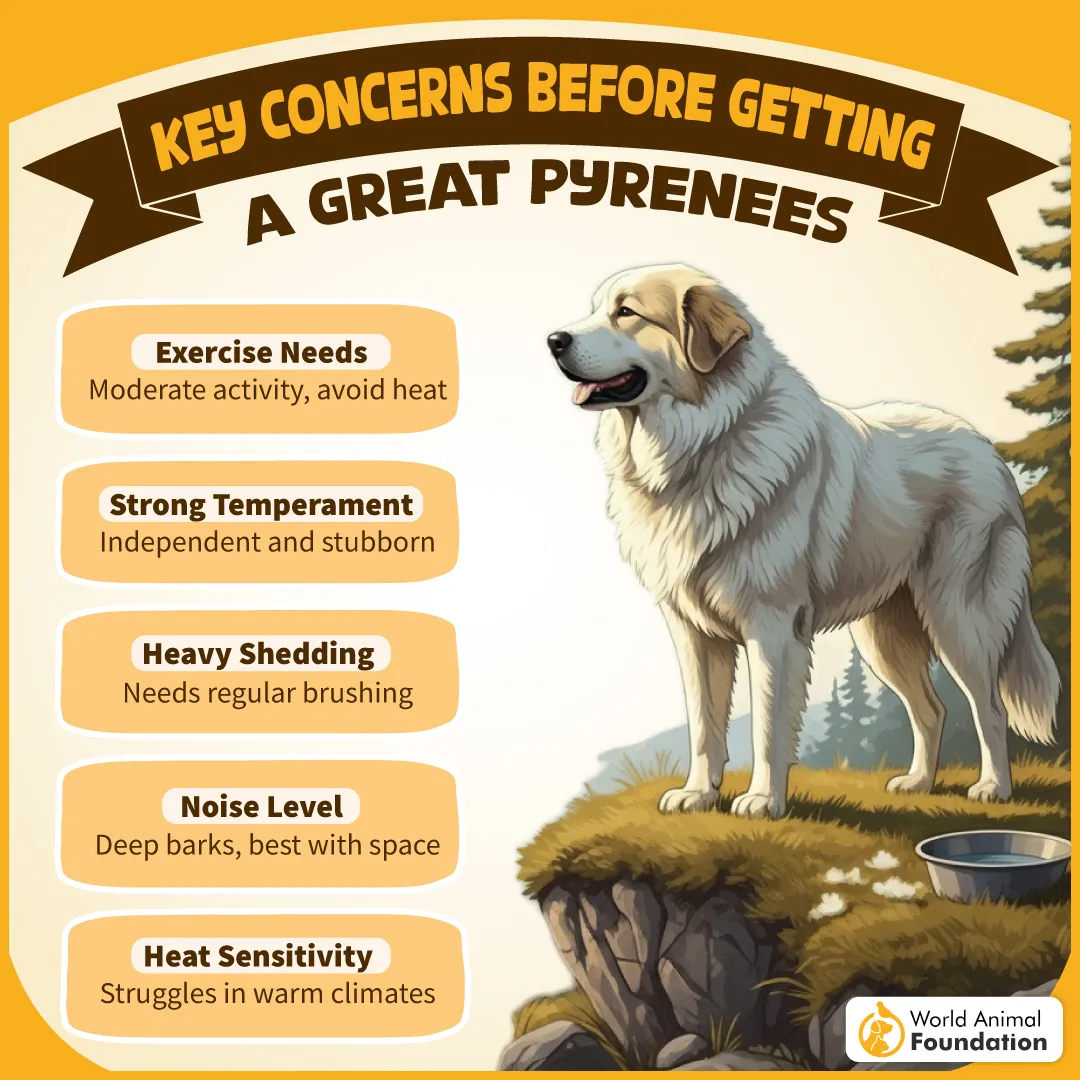
The Great Pyrenees, meanwhile, is more relaxed but equally protective. With their protective instincts, they are independent thinkers, meaning they don’t unthinkingly obey commands but instead make decisions based on the situation. This can feel like stubbornness, but in reality, it’s a trait developed from centuries of working alone in the mountains.
Both breeds are incredibly loyal, but they show it in different ways. Kangals are more reserved and protective, while Great Pyrenees are gentle and affectionate, especially with children and other animals.
Energy Levels & Exercise
Neither of these puppies is hyperactive, but don’t mistake that for laziness. Kangals are used to patrolling large areas for hours, so they need regular, moderate exercise and space to move. A couple of long walks plus access to a yard is usually enough to keep them satisfied.
The Great Pyrenees is even more laid-back in terms of energy. They’re not built for high-intensity play but prefer slow walks and quiet observation. However, mental stimulation is key—without it, they can become bored and start making their own “security decisions.”
Experts and trainers often emphasize that both breeds need purpose more than exercise. Whether it’s guarding a property or engaging in scent games, their minds need to stay active just as much as their bodies.
Grooming Needs & Maintenance
If you’re not into dog hair… brace yourself. The Great Pyrenees has a thick double coat that sheds heavily, especially during seasonal changes. Regular brushing (at least twice a week) is essential to keep things under control.
The Kangal is way easier in this department. Their short coat requires minimal grooming, with weekly brushing usually enough to manage shedding. This makes them more practical for people who want a large dog without the extra fluff maintenance.
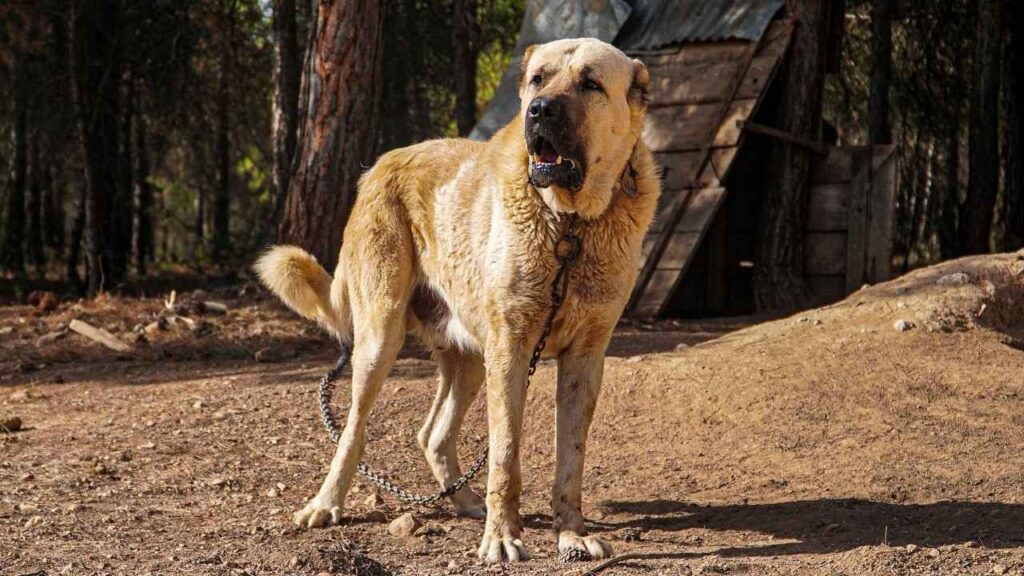
From real owner feedback, Pyrenees owners often joke about “living in a snowstorm of fur,” while Kangal owners deal with far less mess. So yeah—low maintenance definitely leans toward the Kangal here.
Trainability & Behaviour
Training these breeds isn’t about dominance—it’s about respect and consistency. Kangals are intelligent and responsive, but require a confident owner who can provide structure and leadership during obedience training. They’re not beginner’s dogs, but in the right hands, they become incredibly reliable.
The Great Pyrenees is also smart but more independent. Training them requires patience because they prefer to think things through rather than obey immediately. Positive reinforcement works best, especially since harsh methods can damage trust.
Professional trainers often note that both breeds excel when trained early and socialized properly. Without that, their natural guarding instincts can become overprotective or difficult to manage.
Health & Lifespan
Both breeds are generally healthy but come with typical large-dog concerns. Kangals are known for their resilience, but like many large breeds, they can develop hip and elbow dysplasia. Responsible breeding and proper nutrition play a huge role in preventing these issues.
The Great Pyrenees has a similar health profile, with joint issues being the most common concern. Their average life usually ranges from 10 to 12 years, which is fairly standard for large dogs. Regular vet checkups and controlled exercise during growth stages are key to keeping them healthy.
According to veterinary studies, early screening and responsible breeding significantly reduce health risks. So choosing a good breeder isn’t optional—it’s essential.
Suitability as Livestock Guardians
This is where both breeds truly shine. Kangals are known for their active confrontation of predators as little dogs, making them well-suited to high-risk environments. Their presence alone can deter threats, but they’re also capable of taking action when needed.
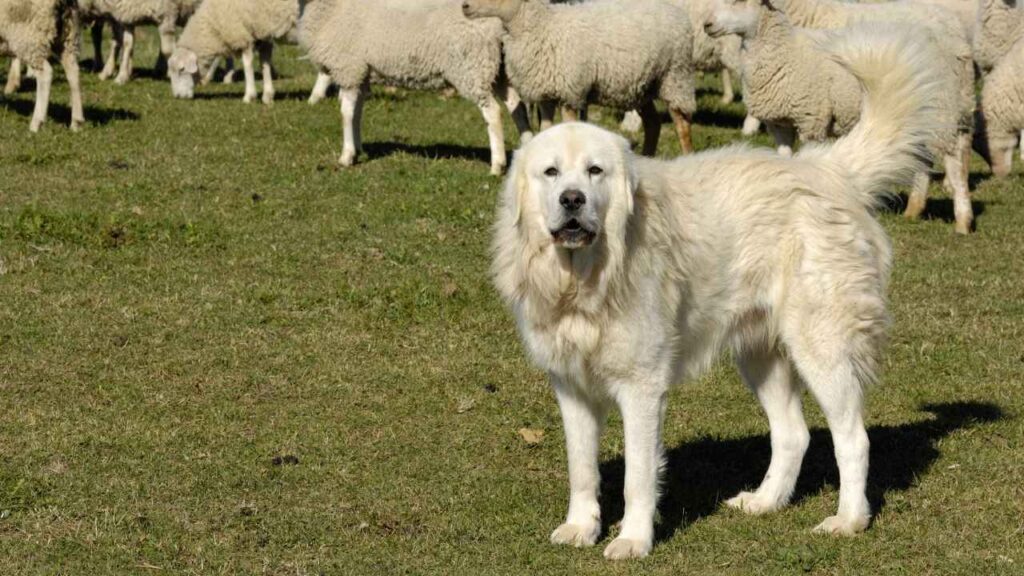
Orvis says the Great Pyrenees takes a more passive approach. They rely on vigilance, barking, and presence to keep predators away, often preventing conflict before it even starts. This makes them excellent for farms where a calmer guardian is preferred.
Farming folks and communities often choose based on need—Kangals for high-threat areas, Great Pyrenees for balanced, family-friendly protection. Both are exceptional, but their styles are very different.
Conclusion
So, who wins—Great Pyrenees or Kangal? Honestly, it’s not a competition—it’s about compatibility. If you want a calm, gentle guardian that blends in the house with protection, the Great Pyrenees is your go-to.
If you need a serious, high-level protector with unmatched guarding instincts, the Kangal is on another level. But with that power comes responsibility, and they require experienced handling and the right environment.
At the end of the day, both breeds are legends in their own right. Choose based on your lifestyle, respect their instincts, and you’ll have one of the most loyal and capable companions you could ever ask for.
