




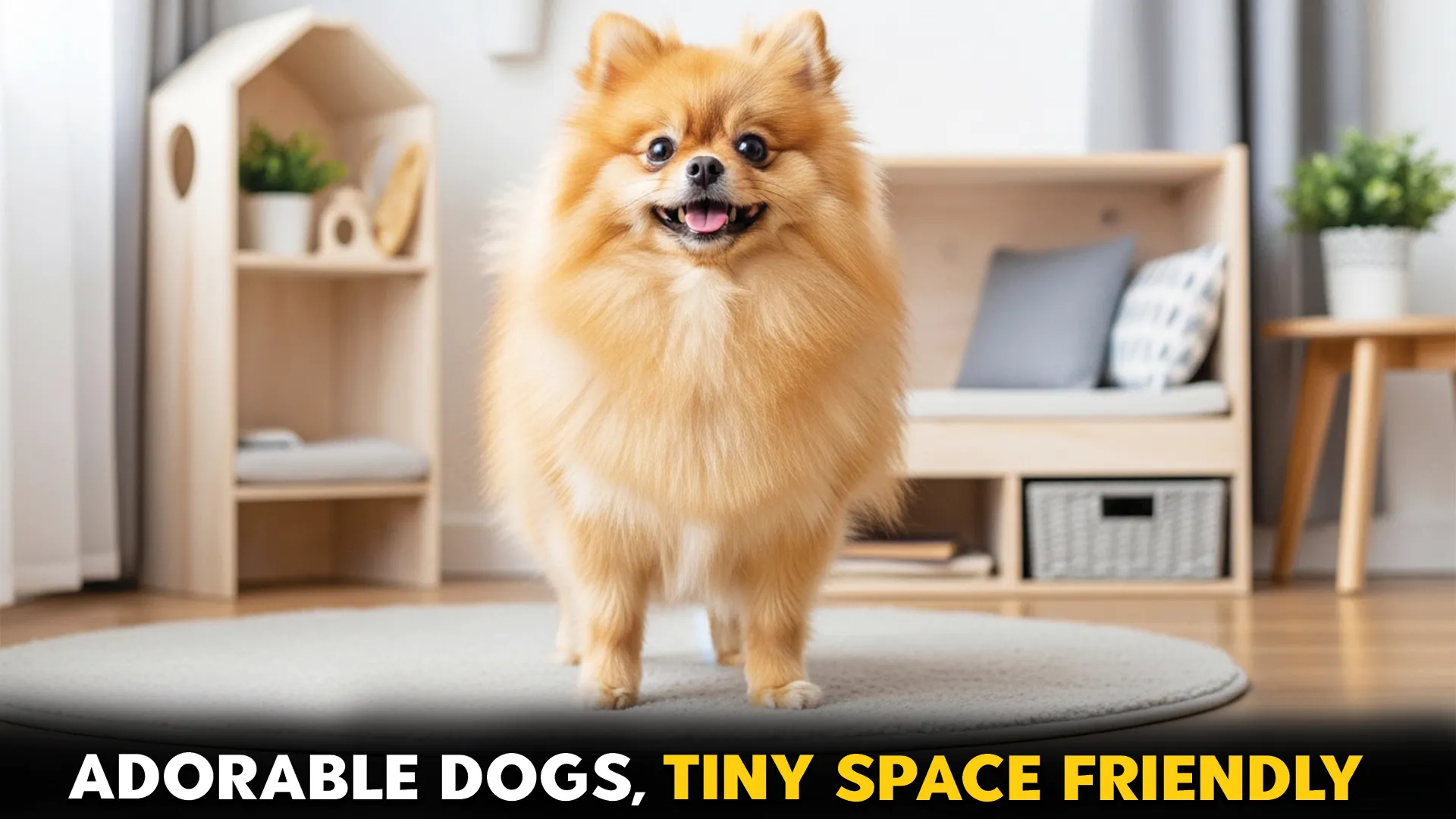
People are starting to think more carefully about how a small dog will fit into their living space before making a decision. Smaller homes and apartments have made this consideration more important than ever.
It is no longer just about choosing a dog based on appearance or popularity. The focus has shifted toward practicality and long-term comfort. A dog that aligns with your space and routine can make daily life feel balanced, while the wrong choice can create unnecessary stress.
This shift in thinking has brought attention to certain dog breeds that naturally suit compact living environments. They require less space, adapt more easily, and integrate into daily routines without demanding constant adjustments.
This article explores dog breeds well-suited to tiny homes and highlights what makes them practical companions in smaller spaces.
Key Takeaways
Tiny homes need dogs that can blend into daily life without feeling restricted by limited space or simple routines.
Russian Toy and Brussels Griffon stand out for their close human bond, staying involved in daily life without ever feeling overwhelming in compact rooms.
Pomeranian and Shih Tzu add a different rhythm with alert energy and calm attachment, making even small apartments feel lively yet balanced.
Keep reading to see how each of these breeds turns limited space into a home filled with constant companionship and character.
Adorable Dog Breeds Perfect for Tiny Homes
1. Russian Toy
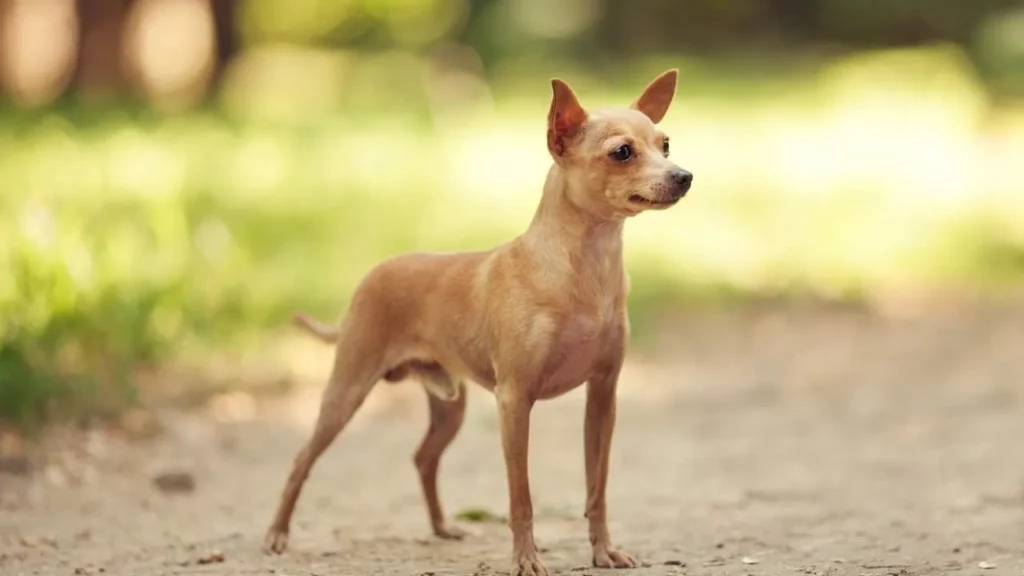
Russian Toy presents a fine-boned structure with long legs and lean muscle, giving it a light yet alert physical presence indoors, as per the AKC. Its elegant outline fits naturally into compact living spaces without feeling fragile. The expressive face and posture often reflect its mood in subtle ways.
Playful bursts and quiet attachment
These little dogs shift between active play and close companionship, often dashing through small spaces before settling beside their person. Its interaction style stays centered on human presence, reacting quickly if attention fades.
These habits appear in everyday rhythm:
Runs short bursts during indoor play
Settles quickly into the lap time afterward
Signals when it feels ignored
Temperament shaped by closeness
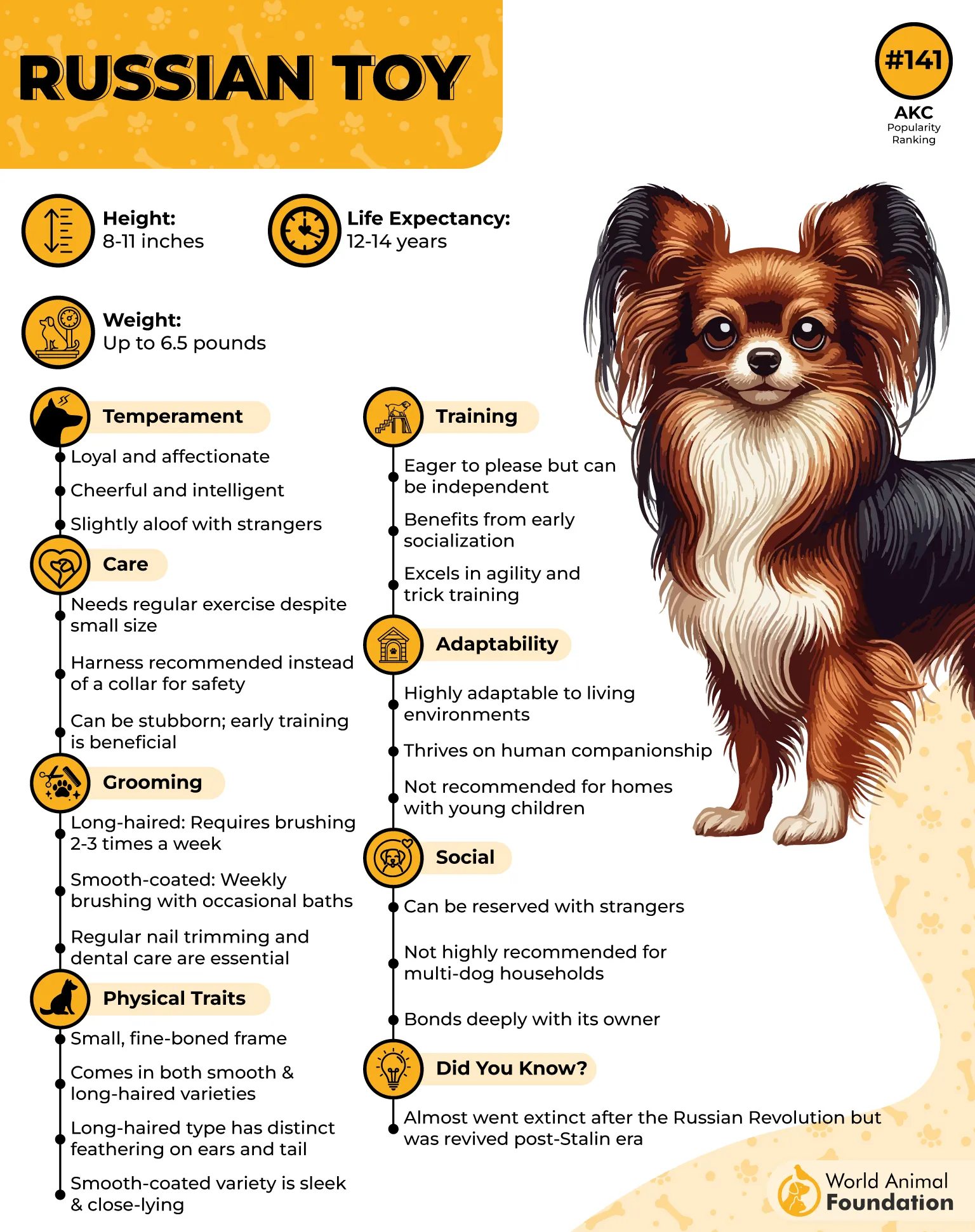
As a family dog, it stays cheerful and responsive, with a natural desire to stay near familiar people throughout the day. Its behavior remains steady, avoiding extremes of fear or aggression when properly socialized. A moderate energy level fits easily within smaller spaces without constant outdoor demand.
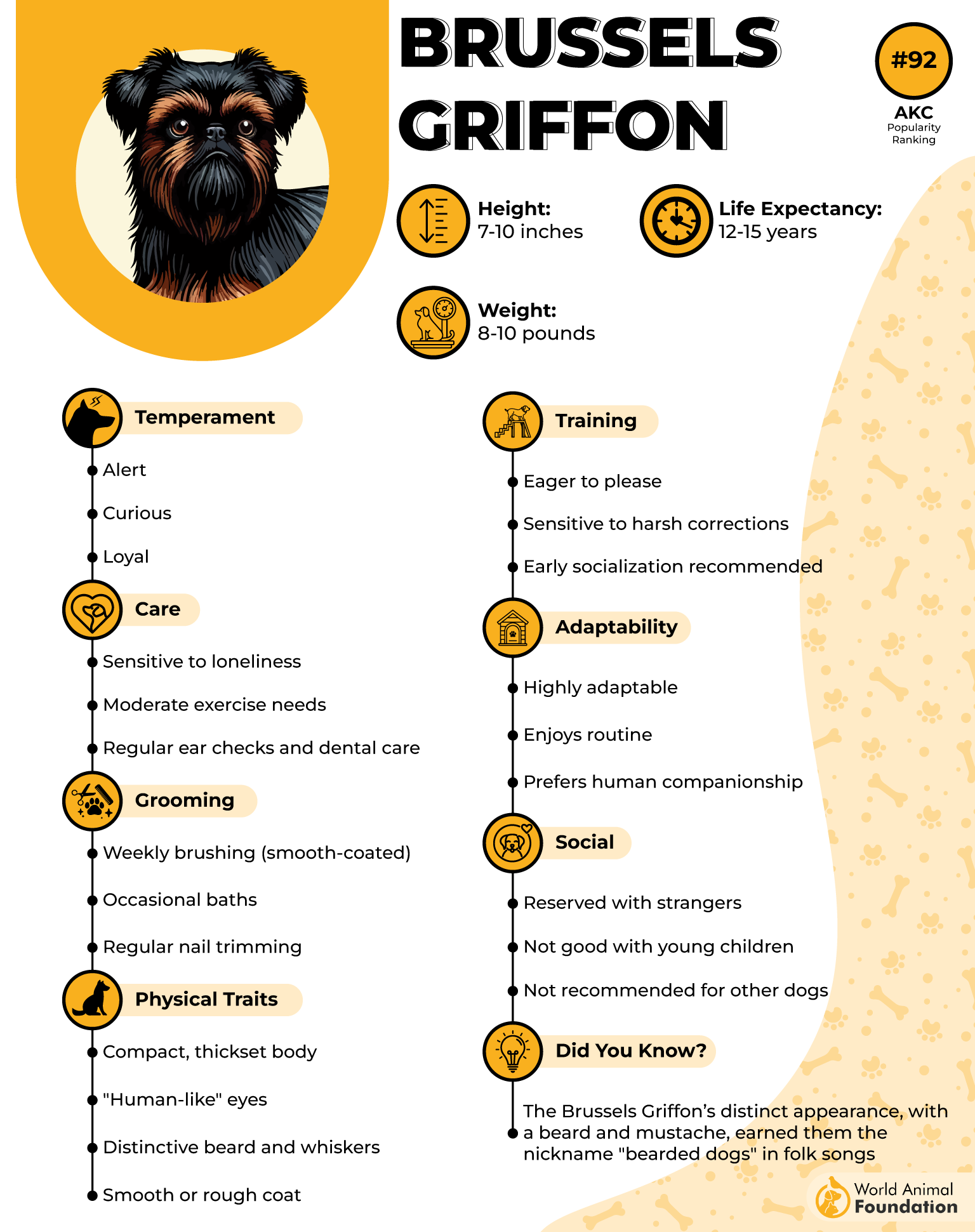
2. Brussels Griffon
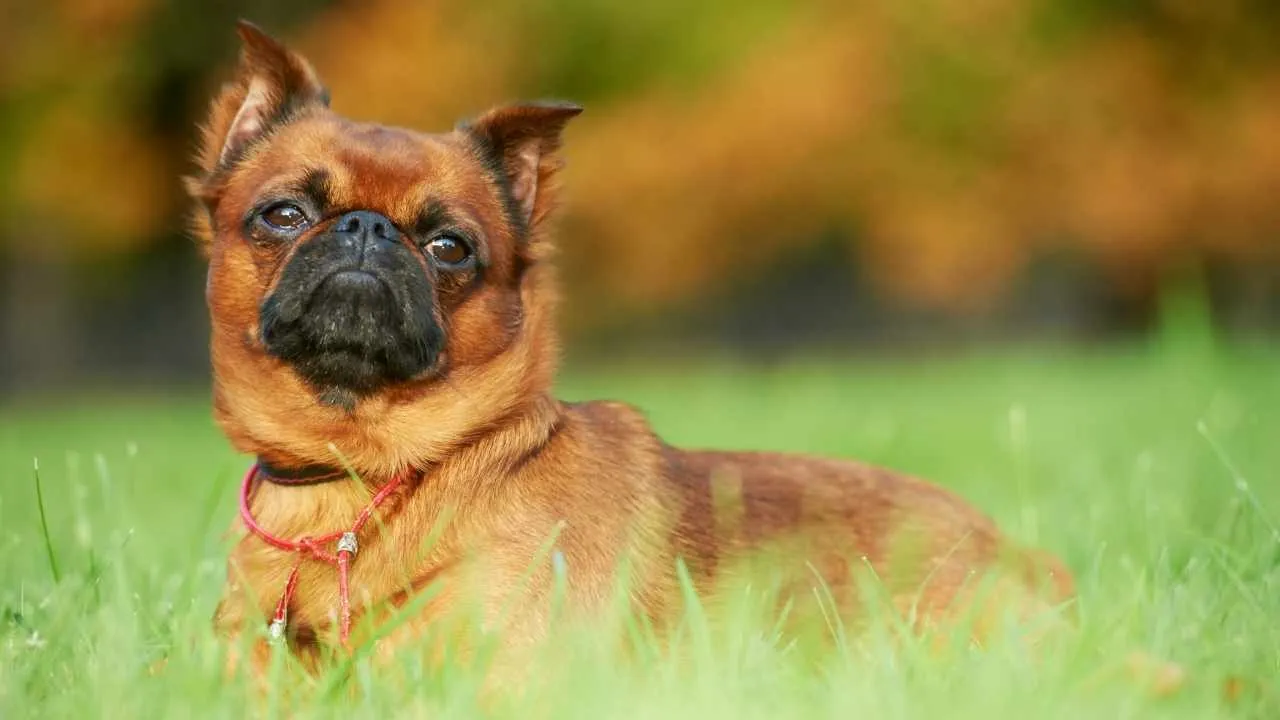
Brussels Griffon brings a distinct, almost human-like expression shaped by its origins as a small rodent hunter in Belgium. Its personality feels closely tied to people, often choosing one person while still staying engaged with everyone nearby, best suited for apartment life.

Daily behavior shaped by attachment
This small dog breed stays involved in nearly every moment, following from room to room and settling wherever interaction happens. Its need for closeness shows through physical habits that keep it near rather than distant.
That pattern becomes easy to notice:
Follows consistently within the home
Prefers laps, sofas, and beds for rest
Seeks contact during quiet moments
Social confidence with a playful edge
It interacts comfortably with strangers, other pets, and children when introduced early, while keeping an alert interest in surroundings, as stated by PetMD.
Its small size does not limit its confidence, often leading it to approach larger dogs without hesitation. This mix of curiosity and boldness shapes how it handles shared spaces.
3. Pomeranian
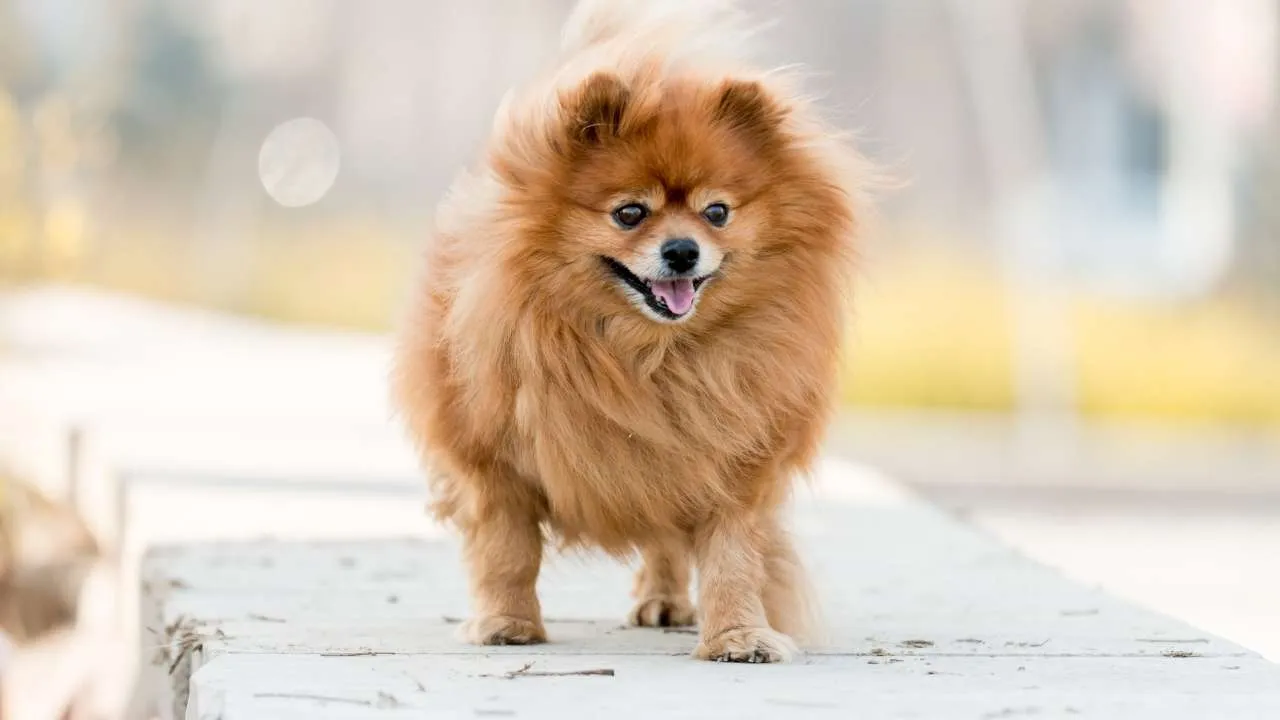
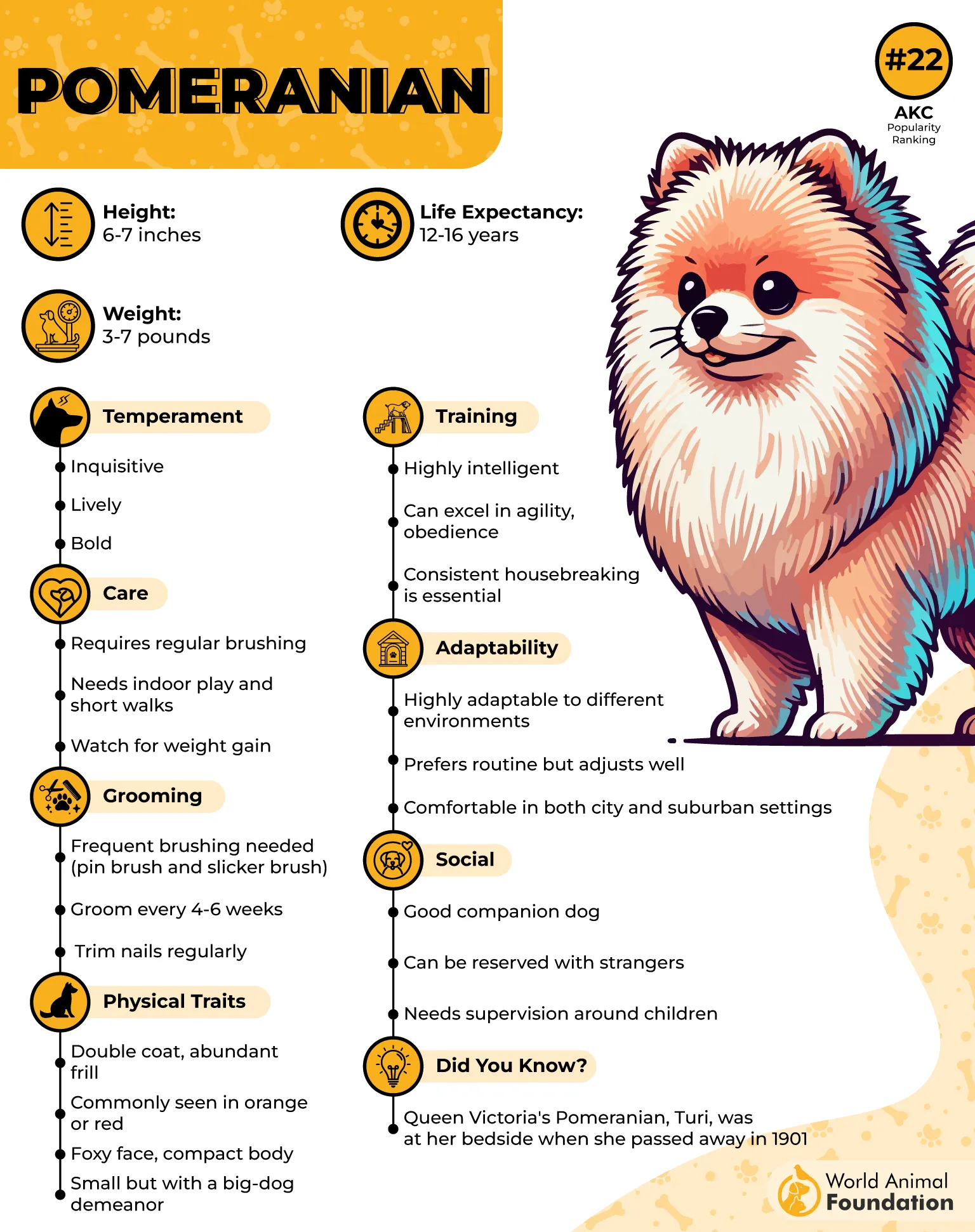
Pomeranians show a bold, confident personality that feels much larger than their actual size. Its background, linked to larger spitz-type dogs, explains the alertness and constant curiosity it displays indoors. This creates a dog that stays mentally present in even the smallest living spaces.
Constant involvement in daily life
It keeps itself involved in everything happening around it, often staying close and reacting quickly to any change in its environment. Its attention is not selective, as it seeks interaction from everyone rather than attaching to just one person.
That involvement becomes easy to notice:
Tracks movement and sounds inside the home
Seeks attention from all available people
Reacts quickly to unfamiliar presence
Intelligence is shaped through interaction
Poms uses its intelligence in a practical way, often learning how to get attention or influence routines within the home. It responds well to training tasks like tricks, games, and structured exercises that keep it mentally occupied. Without direction, that same intelligence can turn into stubborn habits.
4. Shih Tzu
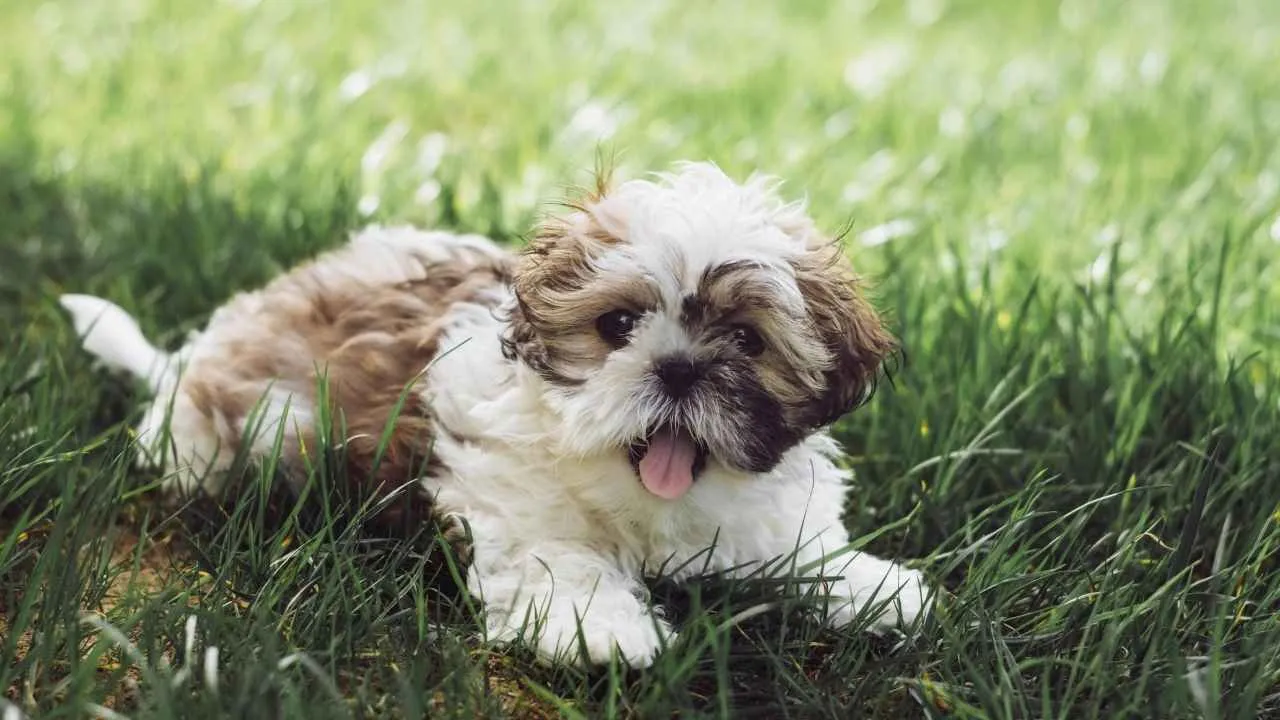
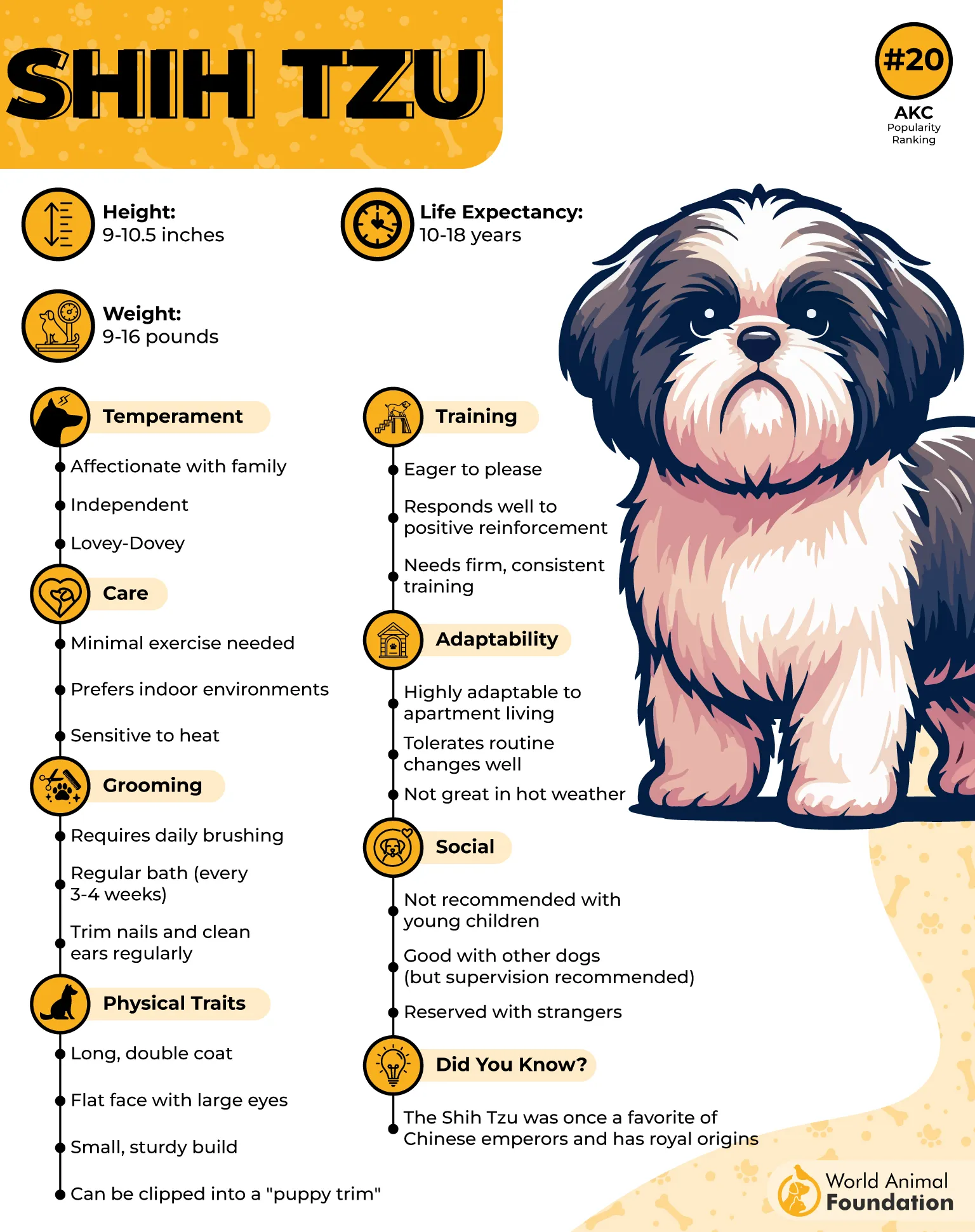
Shih Tzu holds a long history connected to Chinese courts and Buddhist culture, where it was originally bred as a human companion. Its role shaped a dog that prefers shared spaces over solitude, often choosing soft spots like beds and sofas.
Interactions built on attention
They stay engaged through presence, often reacting to sounds like door activity with noticeable excitement rather than caution. As a popular dog breed, its alertness is tied more to social interest than guarding instinct.
This behavior becomes easier to notice in small habits:
Responds quickly to arrivals and household sounds
Seeks elevated, comfortable resting spots
Engages easily with familiar people and other dogs
Comfort preferences and daily limits
This lap dog handles short but regular walks comfortably, but often shifts back to rest without needing extended activity. Pet parents should take care of them in warm weather, as it can affect their comfort level, making moderate conditions more suitable, as WebMD noted.
5. Maltese
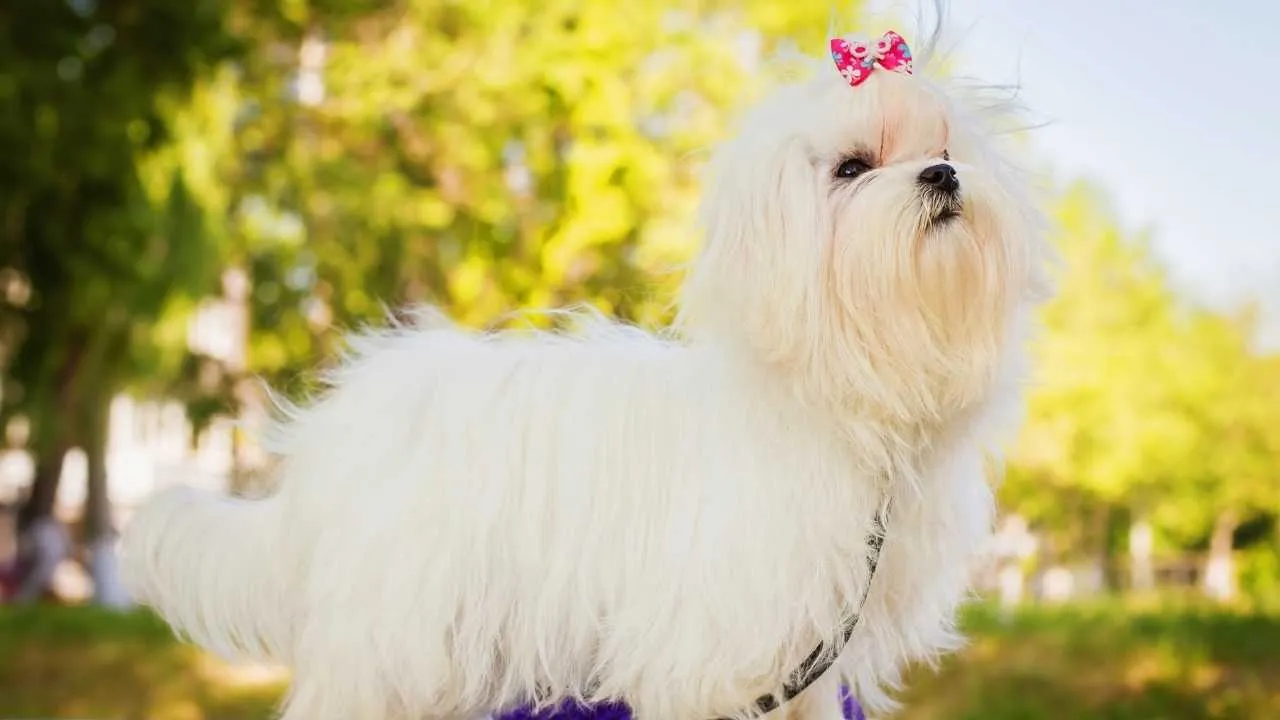
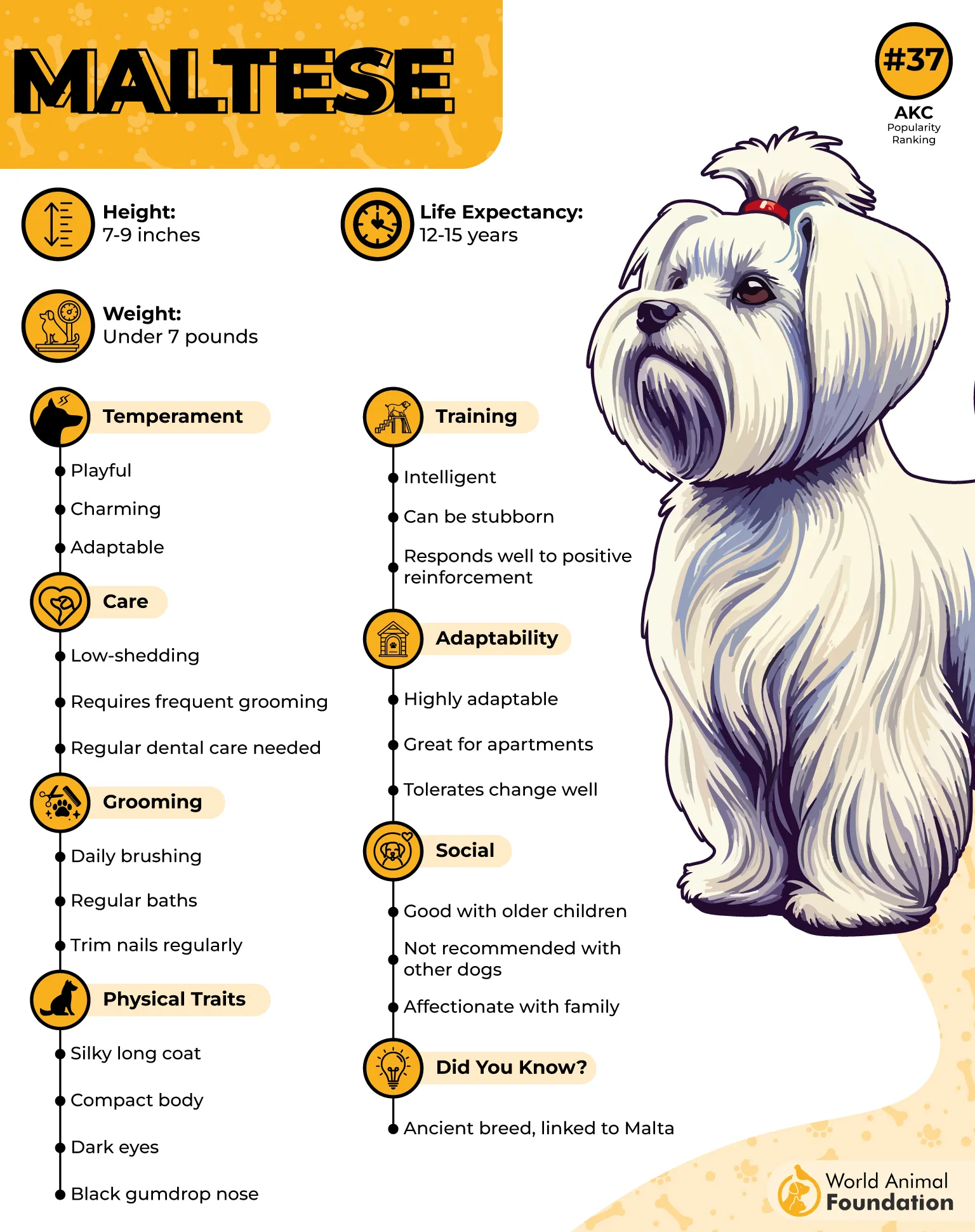
Maltese dogs stay closely tied to human attention, often choosing laps, sofas, or nearby spaces over independence. Its lively nature keeps interactions constant, with a playful energy that feels unchanged even with age. This small canine companion keeps daily life interactive without needing a large space.
Playfulness that fills the room
This toy breed brings activity indoors, turning simple spaces into areas of movement through light, playful behavior. It stays engaged with people and other pets, maintaining a social rhythm throughout the day.
That rhythm shows in small, clear habits:
Keeps playing actively inside a limited space
Engages easily with children and pets
Responds quickly during short training sessions
Sound and sensitivity patterns
They react quickly to new arrivals, often barking at the door before shifting into a welcoming, affectionate response. This alertness can become frequent without early guidance, especially in compact living setups. Social exposure helps shape calmer reactions in close environments.
6. Yorkshire Terrier
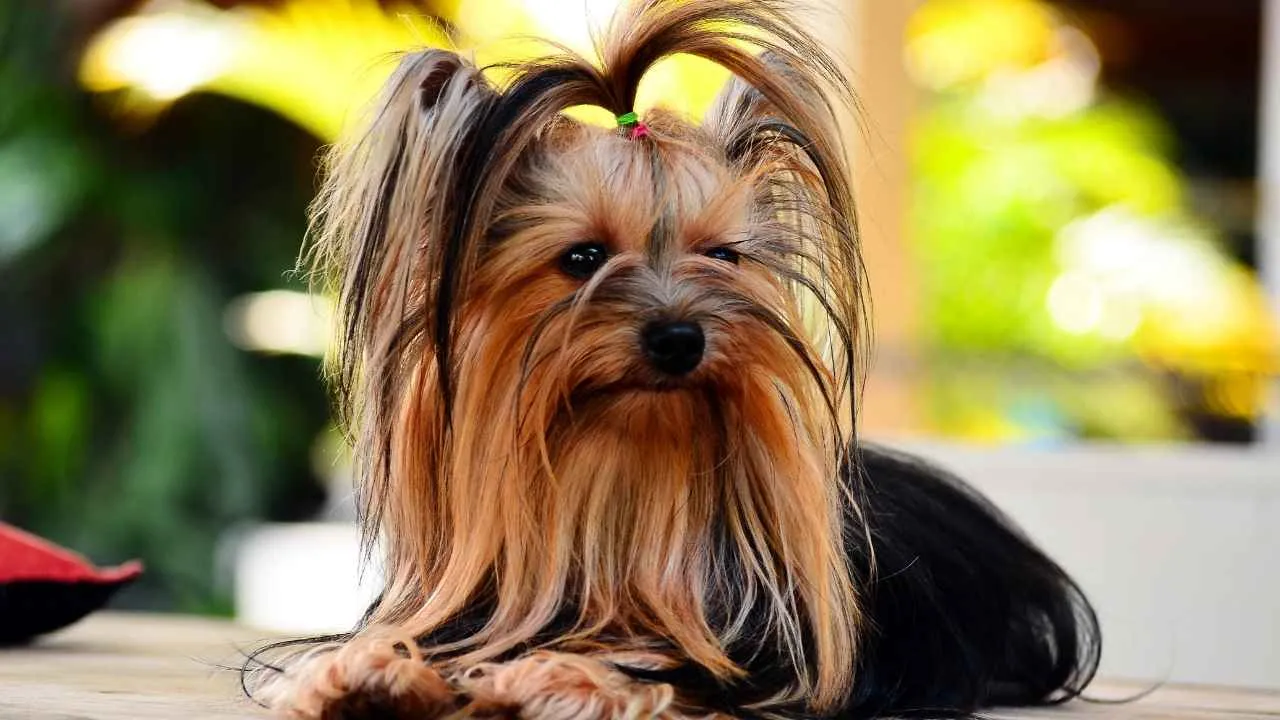
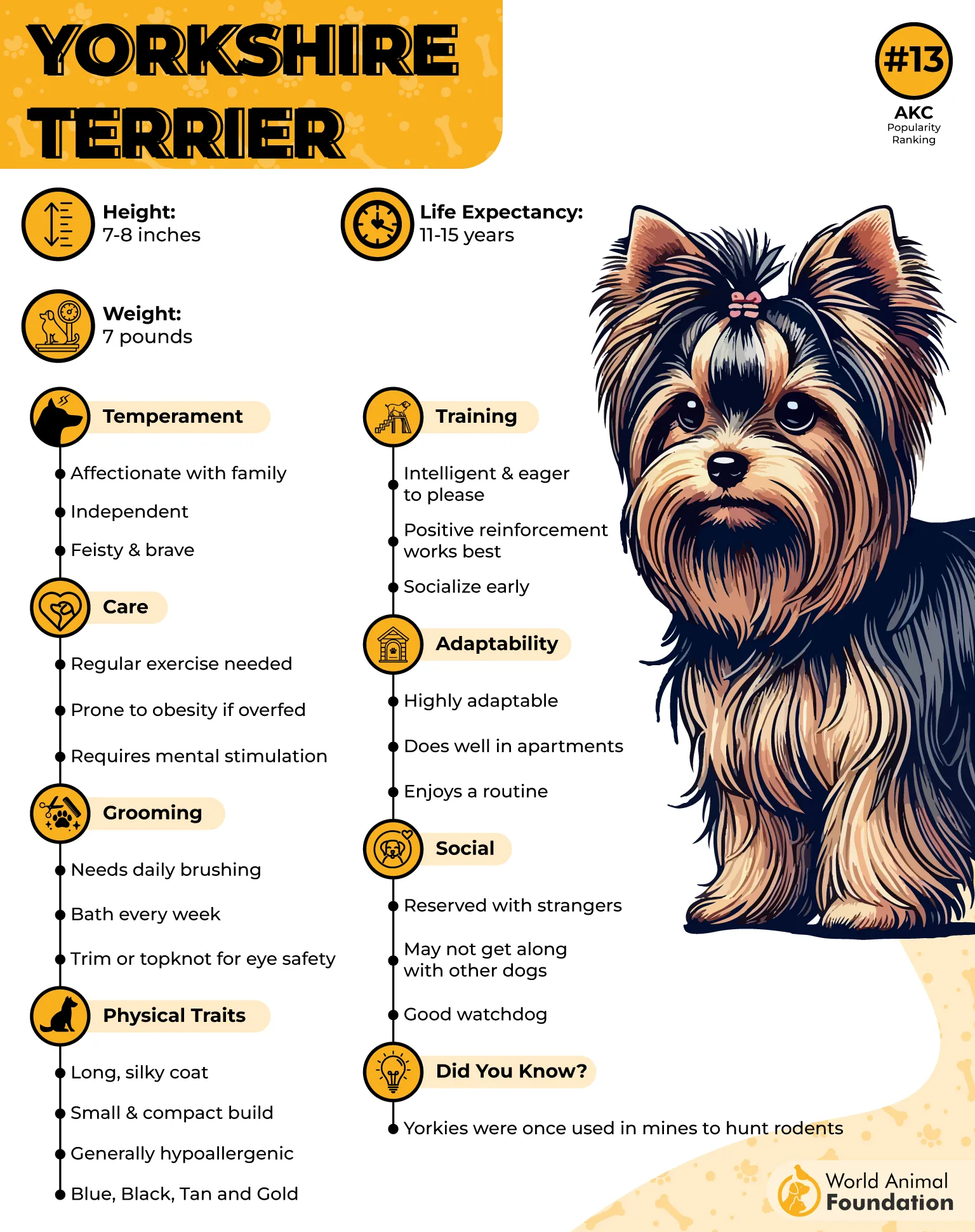
Yorkshire Terrier, specifically bred as a mill ratter, handling rodents in tight industrial spaces rather than lounging indoors. That background shaped a dog that stays alert and engaged even in compact environments. Its size fits small homes, but its mindset stays active and task-focused.
Busy mind in a small space
Even teacup Yorkies keep themselves occupied through constant curiosity, often scanning their surroundings and reacting to small changes indoors. This awareness turns even a limited space into an environment full of activity.
Their terrier characteristics are listed below:
Alerts quickly to door movement or sound
Seeks out small objects or motion indoors
Stays engaged through short bursts of play
Energy managed through routine
This lively little dog does not require long outdoor sessions, but it needs regular interaction to stay balanced. Short walks and indoor games like fetch align closely with how it naturally uses its energy. Without engagement, its behavior shifts toward restlessness or noise.
7. Pekingese
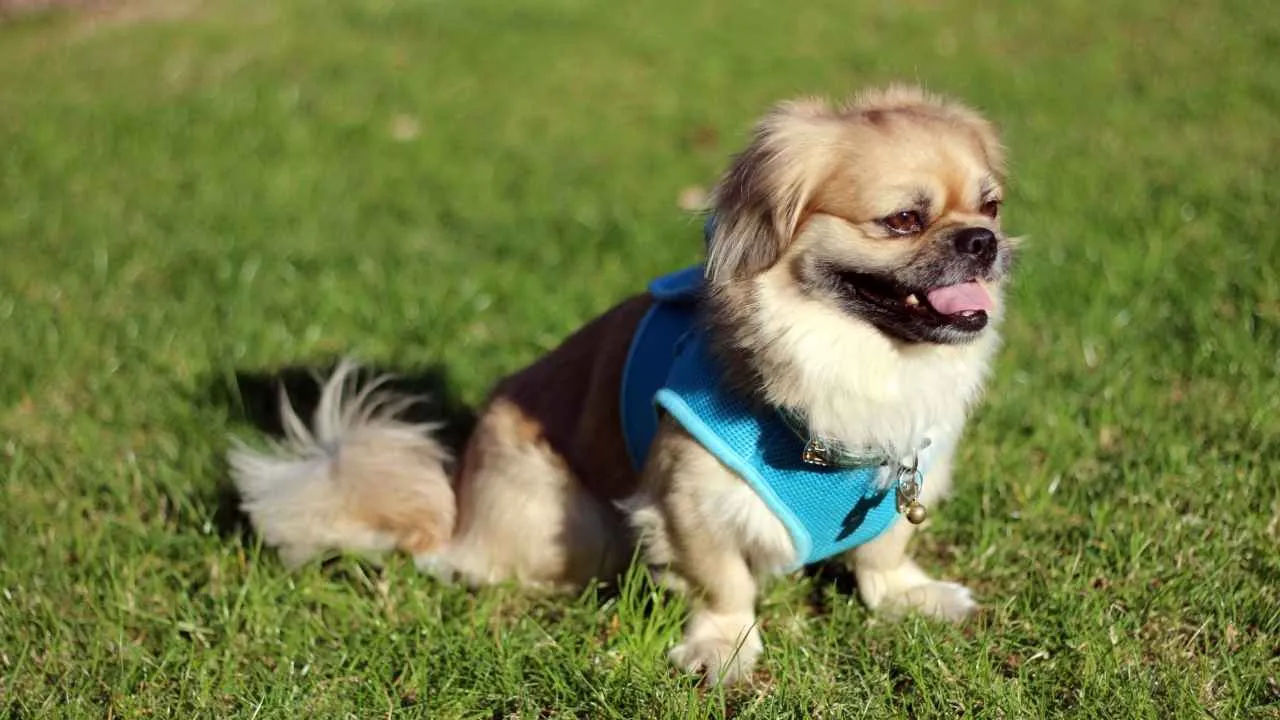
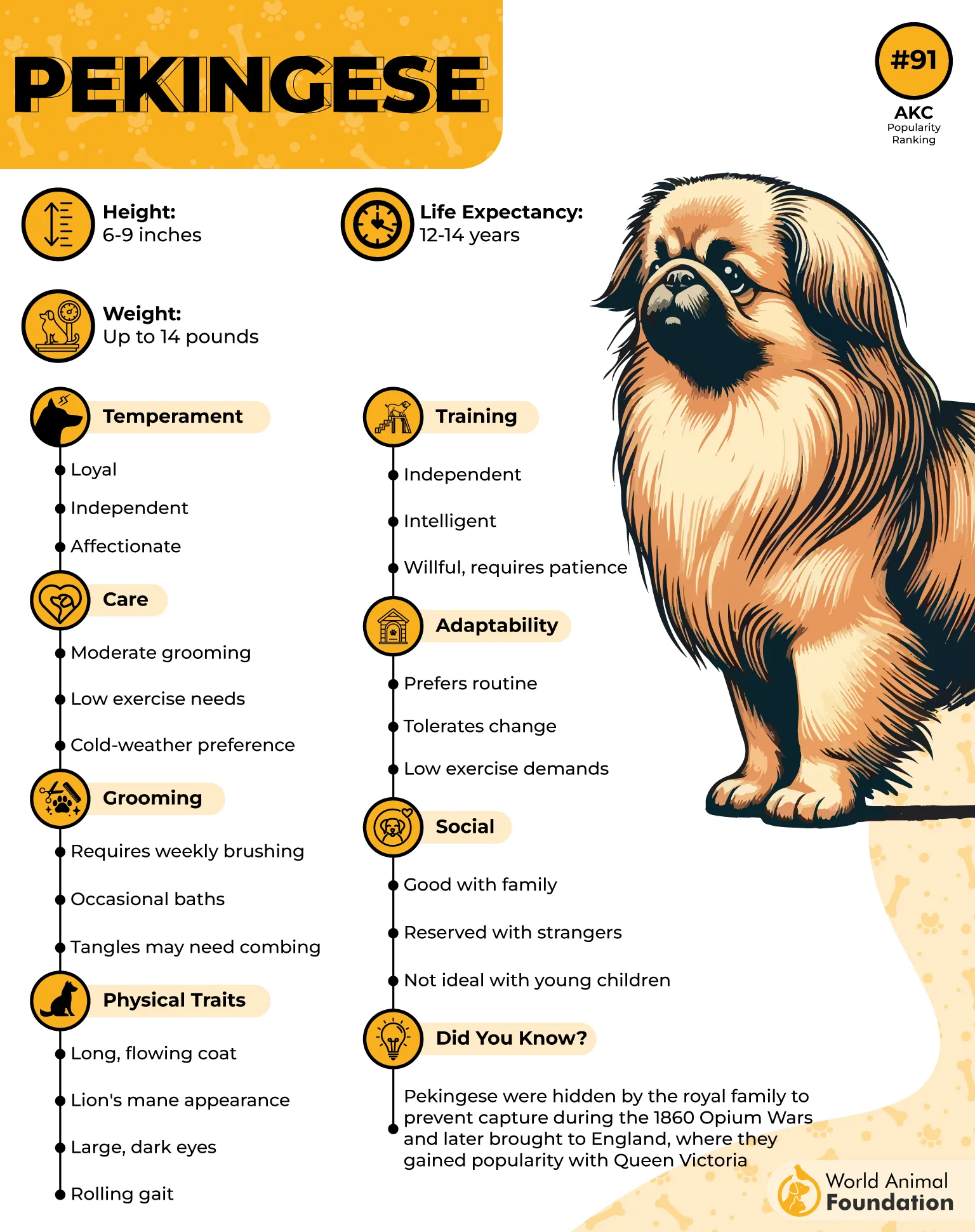
Pekingese began as a Lion Dog in Chinese monasteries, valued for presence and close companionship rather than utility work. Its role focused on staying near people while maintaining a composed, self-assured attitude. This background shaped a dog that prefers attention on its own terms.
Interaction shaped by independence
They engage with their surroundings in a selective way, often choosing when to join or withdraw from interaction. It remains alert to changes, reacting quickly to unfamiliar sounds or visitors with a vocal response.
This behavior becomes clear in small patterns:
Barks when someone approaches the door
Joins the interaction when it feels inclined
Holds ground when challenged by larger dogs
Living comfortably in smaller spaces
These compact dogs adjust well to indoor living, keeping themselves occupied with toys or short bursts of play. It enjoys short walks but does not rely on extended outdoor time to stay content. Its ability to settle indoors makes it suitable for compact living setups.
Conclusion
Living in a small space changes how every detail feels, especially with a dog around. The small breeds here show that space does not limit companionship when the dog already knows how to exist within it. Some move lightly through rooms, while others stay close without needing much room at all.
That balance becomes clearer over time. The right dog does not make a small home feel crowded or demanding. It settles into corners, routines, and quiet moments without effort. When that happens, the space feels enough, not restricted, and the dog becomes part of what makes it feel complete.
