




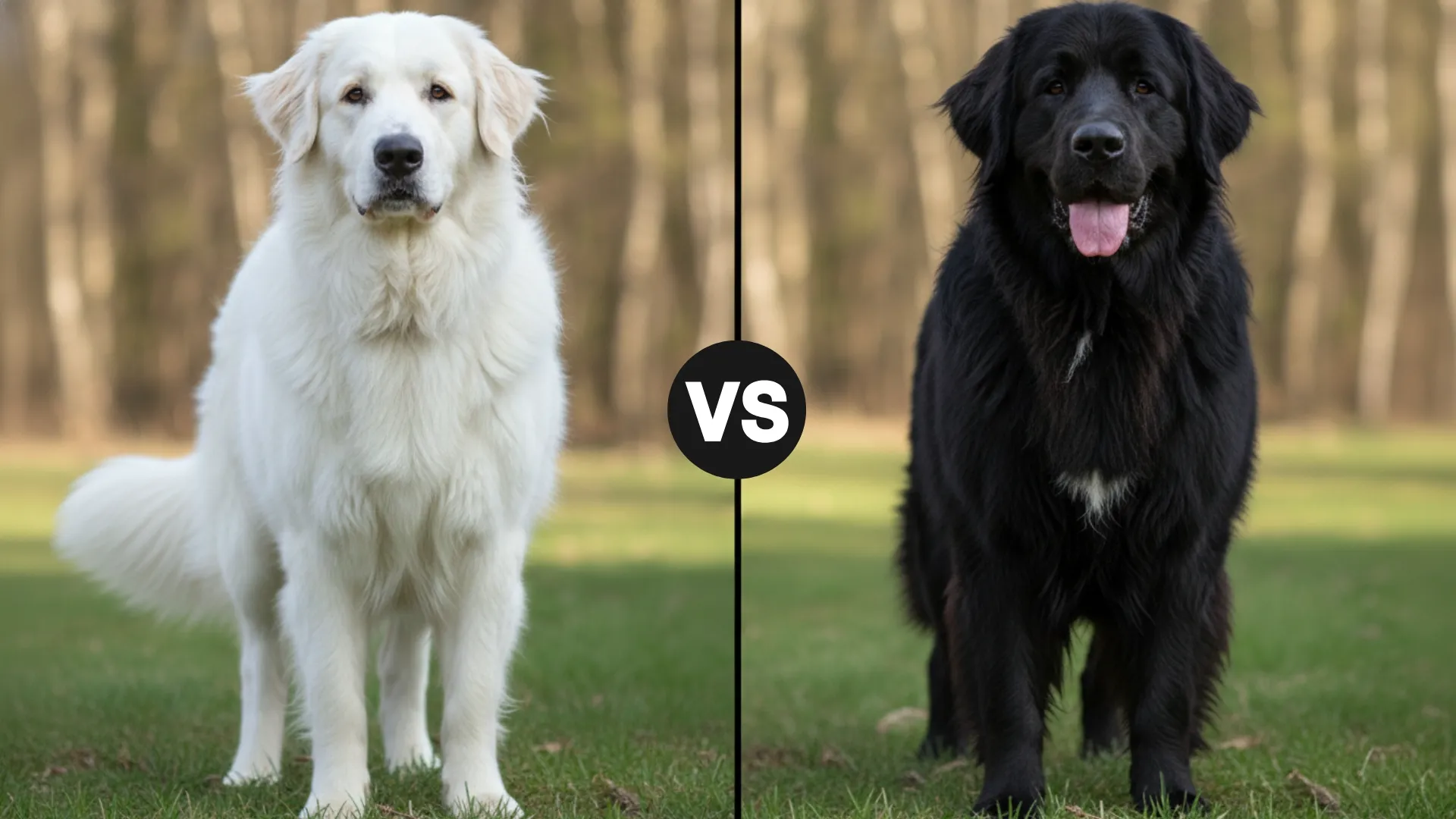
Strength, loyalty, and purpose are some of the attributes that dog lovers have cherished for many years. The world of large dog breeds brings together exceptional canines that combine all traits (mentioned above) with their unique identity shaped by history and function.
The Great Pyrenees and Newfoundland are the prime examples of working breeds that have evolved to meet very different environmental demands. Hailing from the Pyrenean mountains of Europe, where the Great Pyrenees was selected to protect livestock against the predators in harsh terrains, says Purina.
Newfoundland was originally bred to work with fishermen on the basis of strength and swimming ability. Soon, they became famous for assisting in hauling nets, retrieving objects from water, and even performing rescue missions to save the lives of drowning humans.
Exploring this Great Pyrenees vs. Newfoundland guide allows for a better understanding of how two similarly sized breeds can differ significantly in traits and suitability depending on their environmental adaptation and temperament.
Great Pyrenees vs Newfoundland: Full Comparison
Size & Weight Differences
When comparing the super large Great Pyrenees and gentle giant Newfoundland dogs, size and weight are among the most noticeable differences that set both of them apart. The Great Pyrenees is a tall, elegant, and lighter silhouette, and the Newfoundland has sheer weight, giving a bulky presence.
The males of the Great Pyrenees are typically 27 to 32 inches tall and weigh more than 100 pounds. While the females’ weight is around 85 pounds or slightly higher, and comparatively, they are a bit smaller than their male dogs, with 27 to 29 inches in height, says the AKC.
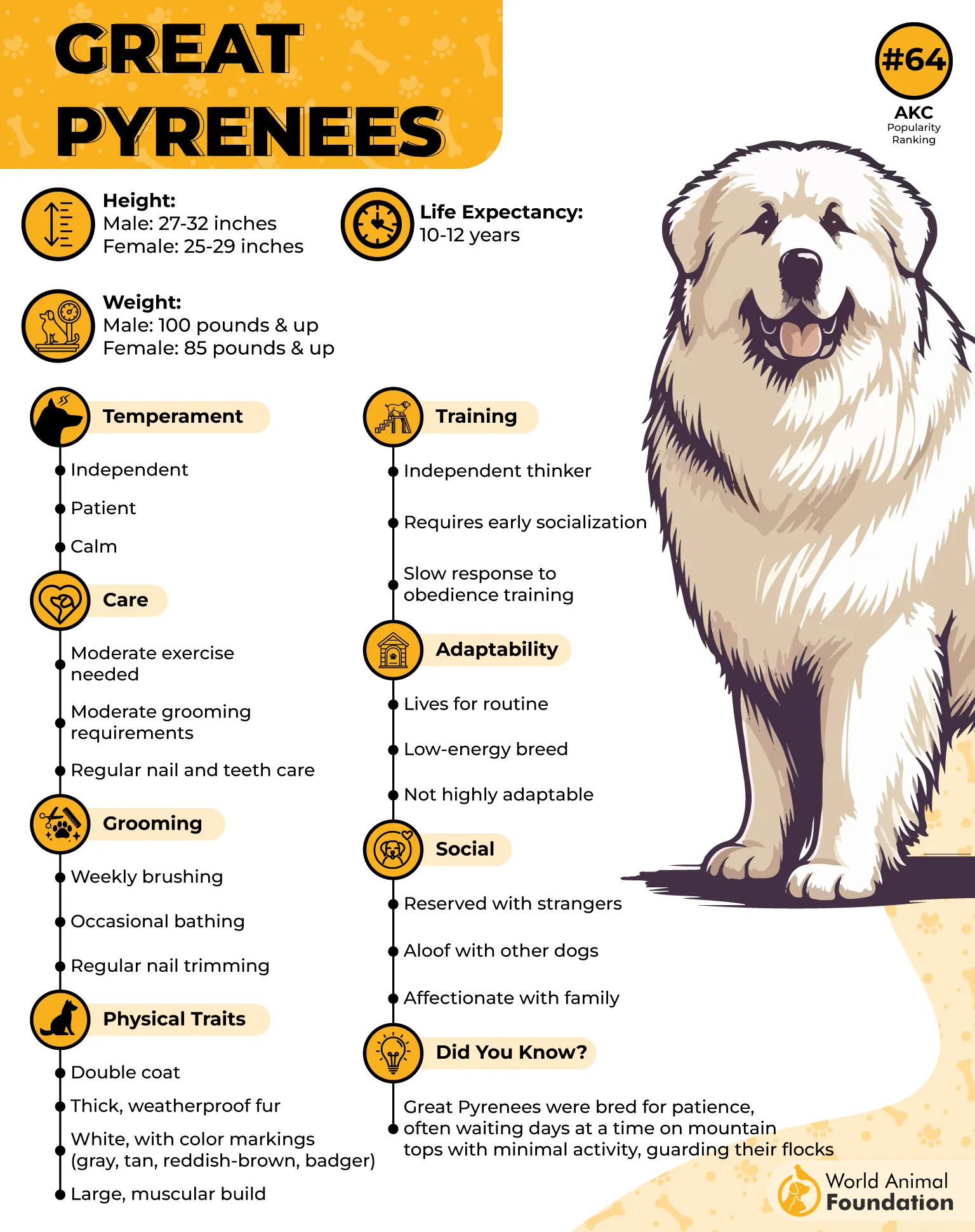
Newfoundlands tend to have more mass and physical strength. They are also more robust and athletic than the Great Pyrenees. Adult males of Newfoundland usually measure 28 inches tall and weigh between 130 and 150 pounds, while females’ weight ranges up to 120 pounds with a height of 26 inches.
Temperament & Personality
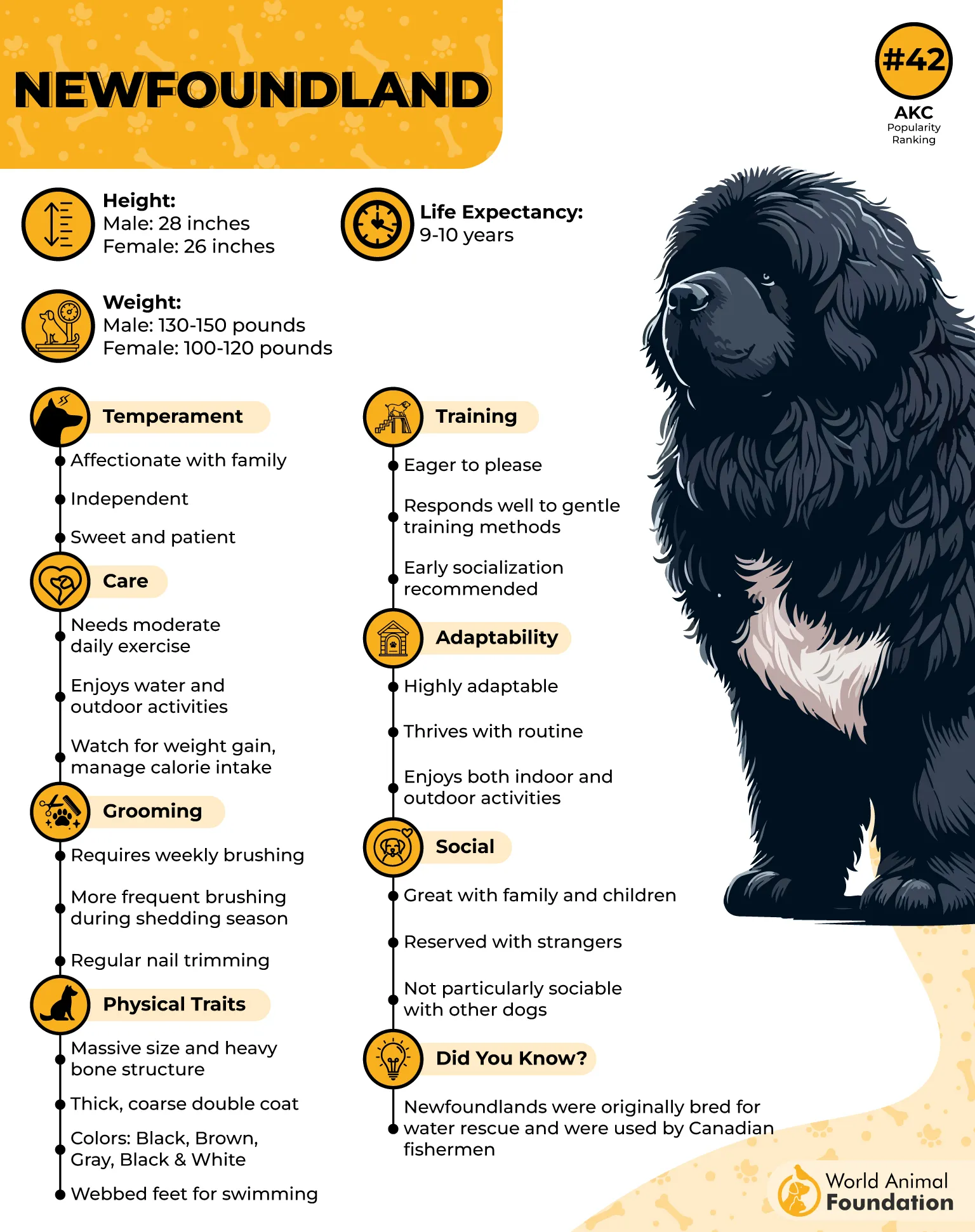
Newfoundlands tend to have an affectionate, gentle, and patient temperament, which earns them the title of gentle giants in the dog kingdom. Their sweet nature and affinity towards kids, along with protective instincts, make them more popular dogs for guardianship in family settings.
Great Pyrenees are more protective towards their owners and always show aloofness to strangers. Being an independent thinker, these loyal companions admire their own time while protecting their beloved ones with silent alertness.
Both of these breeds are called Velcro dogs as they do not appreciate being left alone for a long time or developing separation anxiety. Moreover, these two breeds are devoted in their own ways. Newfies connect with everyone while Pyrs remain reserved with the unknown.
Trainability & Working Role
When it comes to the trainability of dog breeds, the working role is one of the significant factors that display their abilities and excel in them. Their goal of breeding and the lifestyle of existing owners also have a fair impact on their obedience levels.
Newfoundland is an easy-to-train dog due to its eager-to-please nature. Owing to their strength and power, pet parents should provide them with early training and socialization. These intelligent dogs also form strong bonds with their handlers and respond well to gentle guidance.
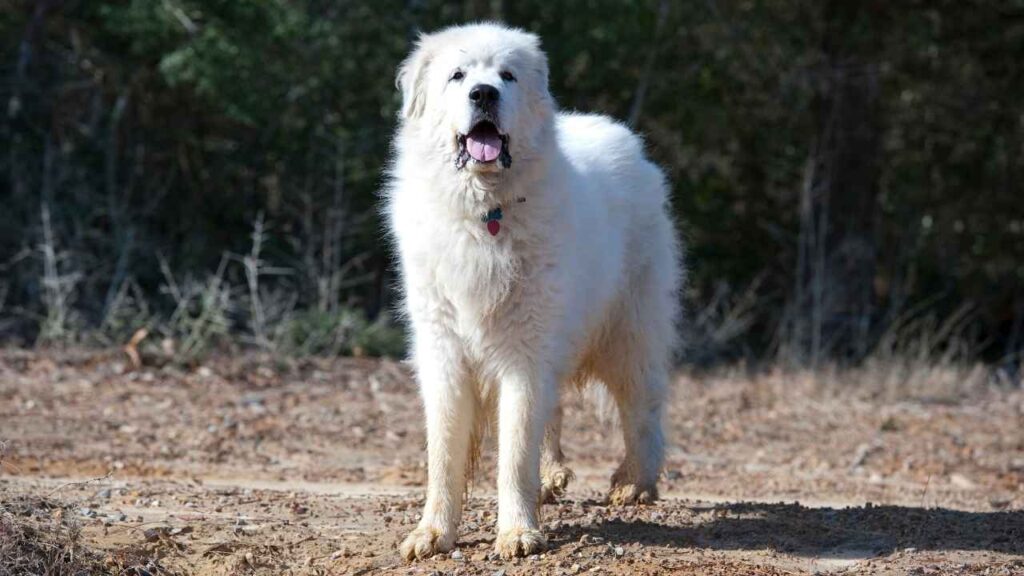
Great Pyrenees used to be flock guardians in their past, due to which they carry an independent streak that persisted over time, making training a challenge, especially for first-time owners. Introducing them early in positive reward-based training sessions with consistency produces the best outcomes.
Grooming & Coat Differences
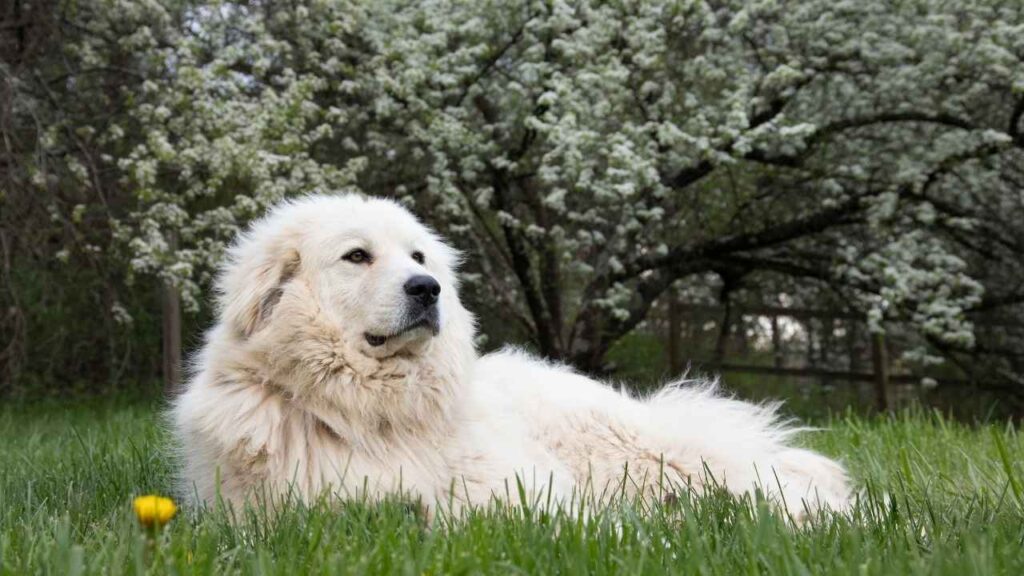
The double coat of the Great Pyrenees comes in only white color with different markings, including tan, grey, badger, or reddish brown. Generally, it does not require extensive grooming as the fur is naturally tangle-resistant, which is why weekly brushing is enough with a monthly bath routine.
Newfoundland can only be found in black, white, brown, and grey colors. These water dogs have a denser waterproof coat that retains moisture, which means more care is needed to keep them clean and happy. Brush them several times a week and almost daily during shedding.
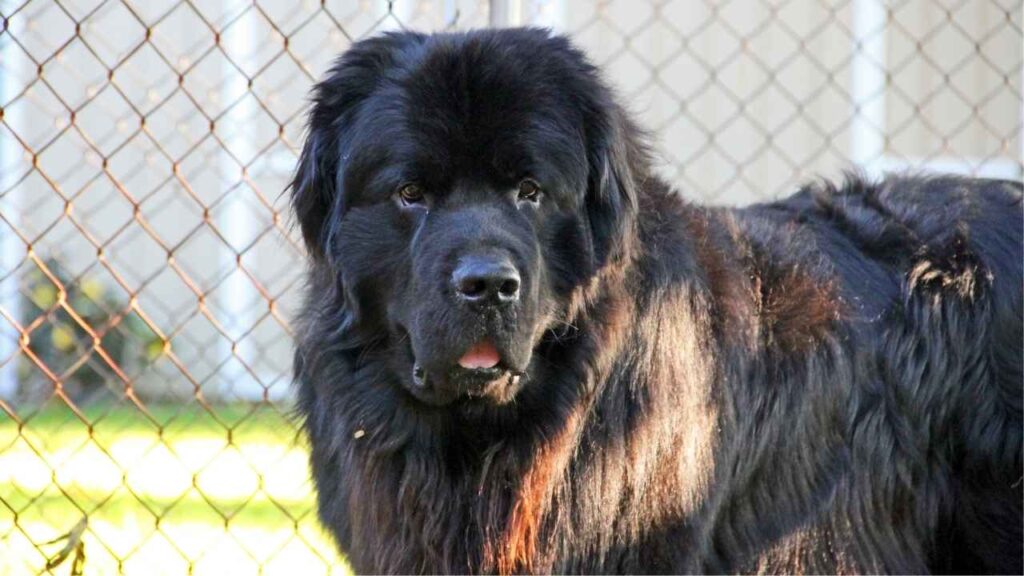
Luckily, neither breed needs any professional grooming. Newfoundland has floppy ears that get infections rapidly, making ear cleaning an important task in routine care, according to PetMD. Pet parents should be prepared to see their fur everywhere and wipe off their drool every day.
Energy & Exercise Needs
The Great Pyrenees is not an active dog breed but displays a relaxed and steady approach to daily activity, thanks to its background as a mountain guardian. They are also known for conserving energy levels and utilizing it for guardianship.
Though Newfoundland is also not a hyperactive breed, it surely shows an enthusiastic spirit when engaged in purposeful movement. Typically, they are calm indoors, but when it comes to an activity linked to water, they enjoy participating in such outdoor activities.
Newfies thrive in long hikes, swimming, herding, and on usual days, exercise for half an hour is enough to burn off their energy levels. On the other hand, Pyrs are satisfied with a long walk to channelize their pent-up energy, along with some kind of dog sports such as obedience training.
Health Issues & Diet
These big dogs are generally healthy, but reputable breeders should scan them for a handful of health issues that they can develop in the future due to their giant stature and genetics. The life expectancy of Great Pyrenees is almost 10 to 12 years, while Newfies can live up to 10 years on average.
Regular veterinary check-ups, controlled exercise, and quality-wise improved diet play an important role in maintaining their long-term health. Both of these dogs are at a higher risk of hip and elbow dysplasia, and gastric dilation and volvulus.
Bone cancer and dilated cardiomyopathy are two crucial medical concerns for Newfoundland dogs that require intensive treatment. Controlled portions, protein levels, and joint support nutrients are highly beneficial for both of these breeds. Yet, Newfies need more calorie intake than Pyrs.
Behavior Traits
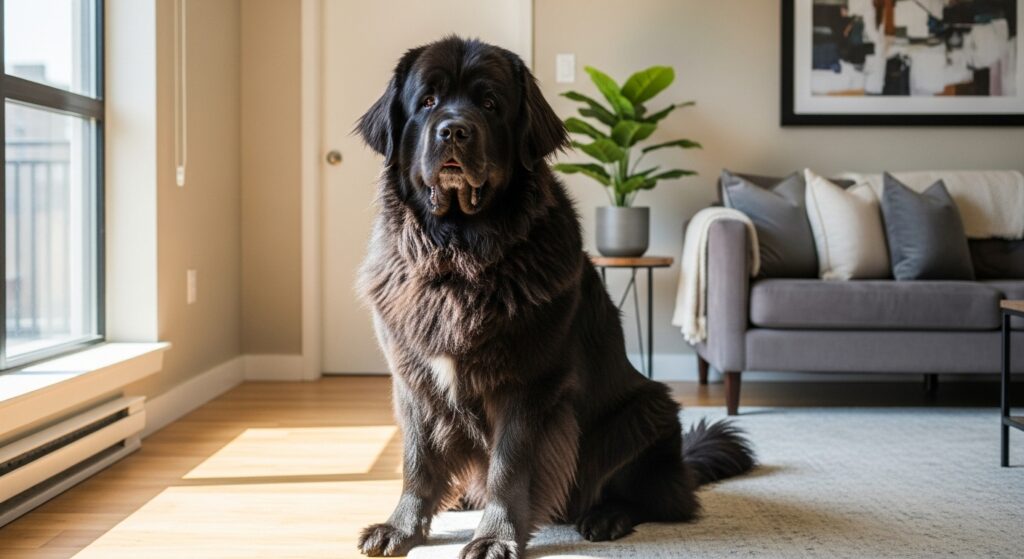
Newfoundland dogs make close bonds with their family members, and love making friends while remaining protective and devoted to their beloved ones, especially to children. They also do not tolerate separation time more than 6 to 8 hours.
Great Pyrenees are calm dogs who love to guard their owners against danger. They also love roaming outside, which makes being in fenced yards and leash training important. Pyrs bark to alert their families even if there is a minor change in the surroundings.
Mental stimulation is also crucial for better behavior, particularly for Newfoundland. Additionally, early socialization will boost the confidence of these pups to enjoy and behave well around other dogs and strangers in adulthood.
Lifestyle Fit & Suitability
Before bringing home any of these breeds, first take a look at their space needs, noise levels, and temperament so that no one faces any hurdle in adapting to a peculiar lifestyle. Fortunately, neither dog is prone to excessive barking unless stressed or sees something unusual.
Loyal and loving Great Pyrenees are best suited to experienced households. They also demand a good space with a securely fenced yard. They also thrive in those places where independent guardianship is admired the most, whether it’s a home or a farm.
Newfies, being more people-oriented dogs, admire family settings where companionship is the first thing to opt for. They get along beautifully with children and other pets under the same roof, providing a presence for fun and play together. Though they do not need space to run, but to relax and lounge.
Conclusion
Despite belonging to the large dog breeds, the Great Pyrenees and the Newfoundland are notably different from each other. Great Pyrenees tend to be more moderate in weight and display self-directed guardian instincts, while Newfoundland is bulkier and more inclined towards human interactions.
Deciding between them ultimately depends on whether one values a more autonomous guardian or a devoted family companion.
