




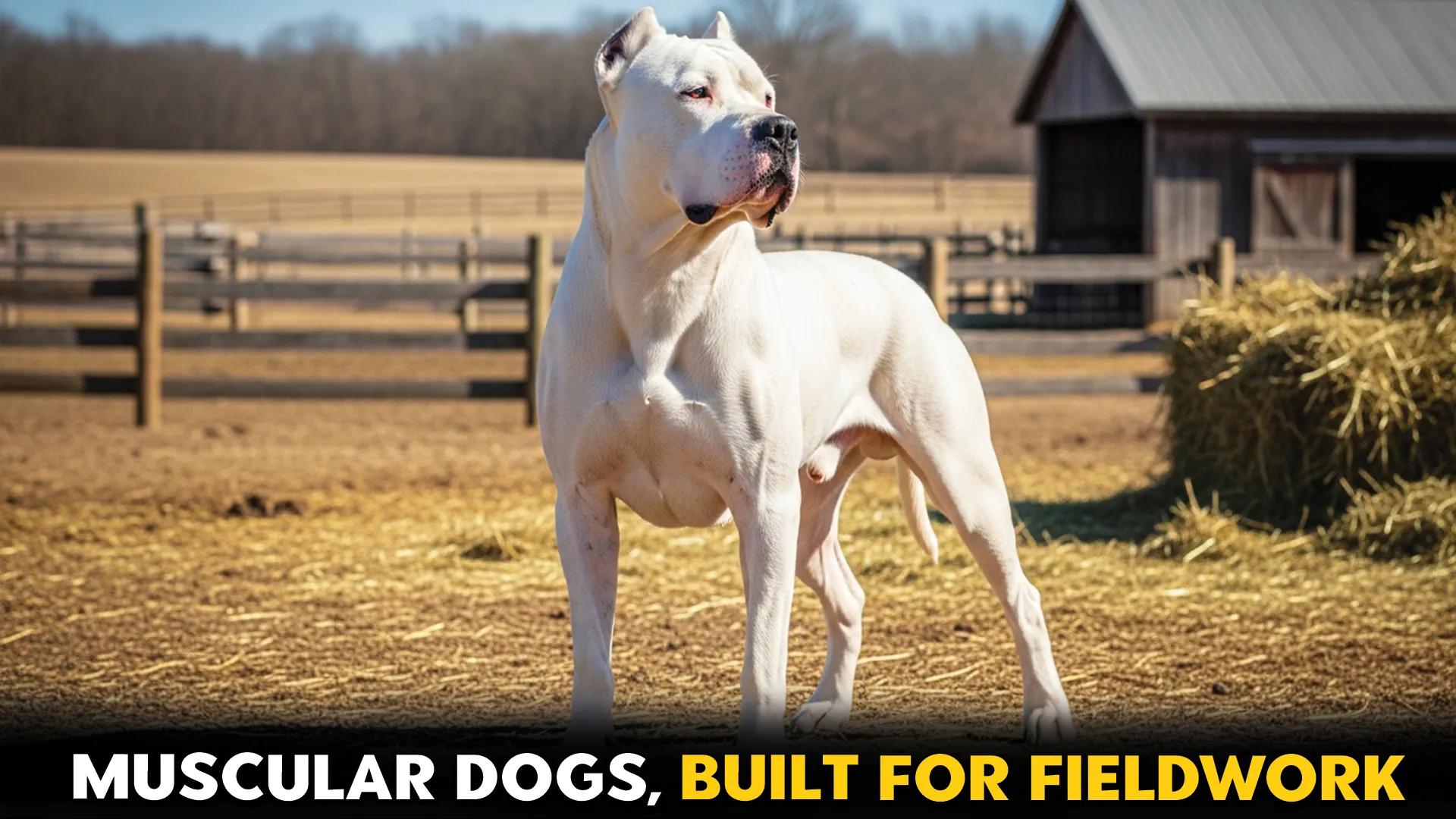
If dogs had a gym leaderboard, these breeds would be permanently at the top. We’re not just talking about looking strong—these dogs are built for real, functional strength used in actual field work like hunting, guarding, tracking, and protection. And yes, their muscles aren’t just aesthetic—they’re tools.
According to organizations such as the Fédération Cynologique Internationale, working breeds are specifically bred for tasks that demand endurance, strength, and intelligence. That means every muscle they have serves a purpose—from sprinting across fields to holding down large prey or defending territory.
So let’s talk about the top dog breeds with unmatched muscular power for field work. Because trust me, some of these examples are straight-up wild.
Top Dog Breeds With Unmatched Muscular Power for Field Work
1. Dogo Argentino
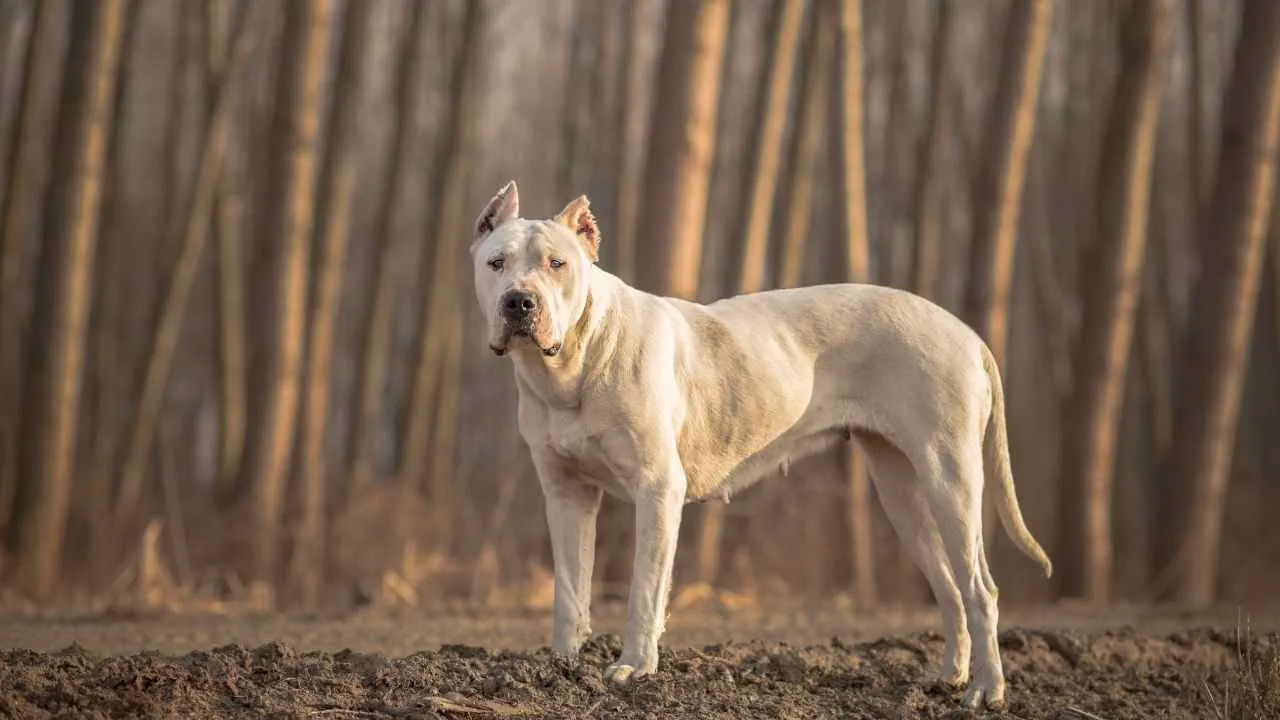
The Dogo Argentino is one of the few breeds specifically engineered for big-game hunting. Developed in Argentina, they were used in coordinated packs to hunt wild boar—animals that can weigh over 100 kg and fight back aggressively. That alone tells you their muscle power isn’t just hype.
Their jaw strength and neck muscles are particularly important in field work. Hunters rely on them to hold prey securely without immediately killing it, which requires insane bite control and endurance. This ability is documented in hunting practices studied by groups like the Argentine Kennel Club.
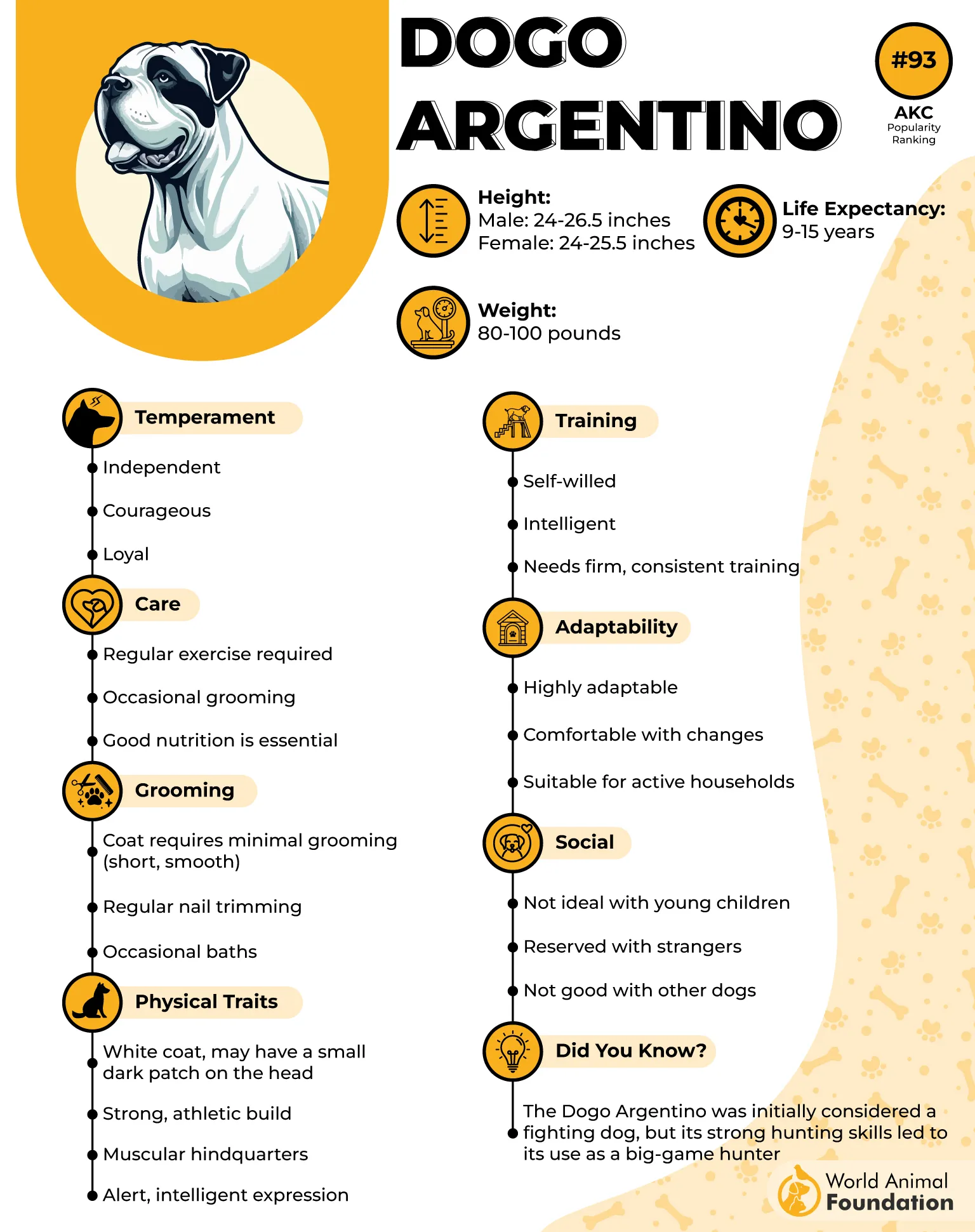
In real-world scenarios, they’re still used today in rural Argentina for pest control and protection. Their muscle composition allows them to sprint, grapple, and sustain physical effort in rugged terrains. It’s like combining a sprinter and a wrestler into one dog.
Interestingly, their short coat also supports muscle efficiency. Less insulation means better heat regulation during intense activity, which is crucial in hot climates.
Three ways their muscular power is helpful
Enables grappling with large, dangerous animals like wild boar
Provides sustained bite strength without fatigue
Supports high-speed pursuit followed by physical control
2. German Shorthaired Pointer
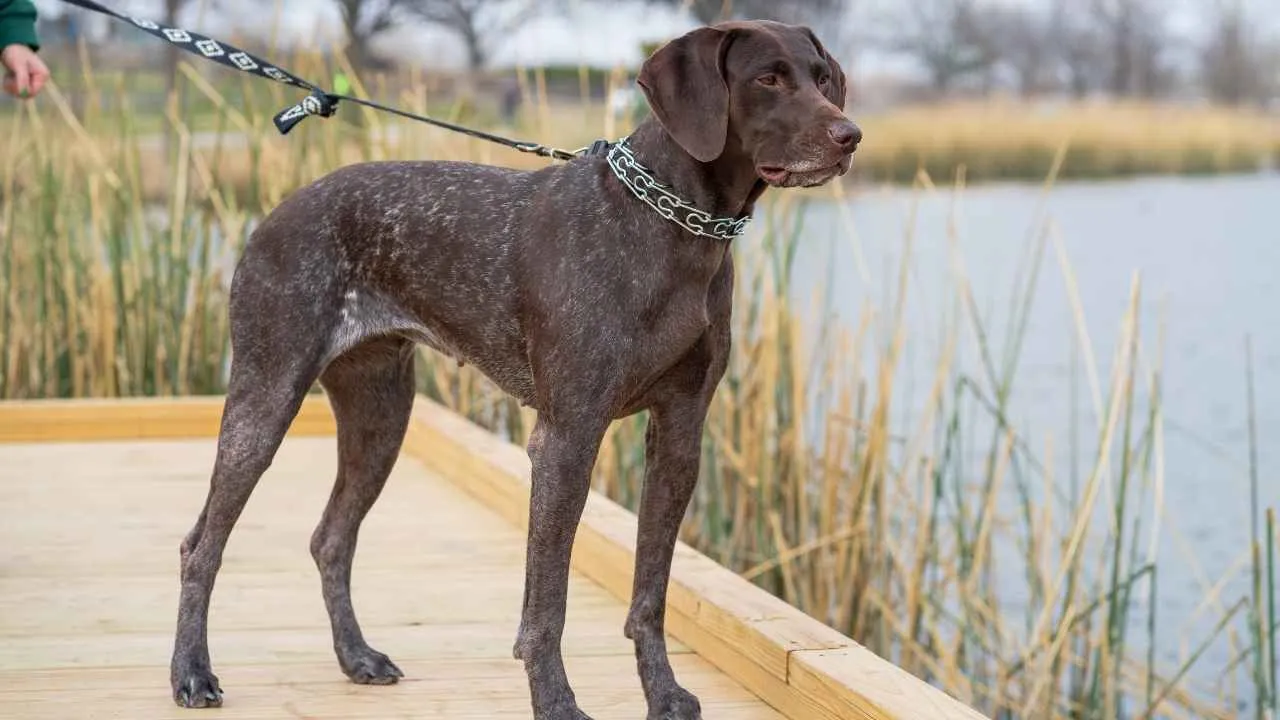
The German Shorthaired Pointer is less about brute force and more about endurance muscle. According to hunting field trials recognized by the North American Versatile Hunting Dog Association, these dogs can work continuously for hours without a drop in performance.
Their muscles are optimized for oxygen efficiency. This means they don’t tire easily, even when covering miles of terrain while tracking scent. Hunters often report these dogs working entire days in wetlands, forests, and open fields.
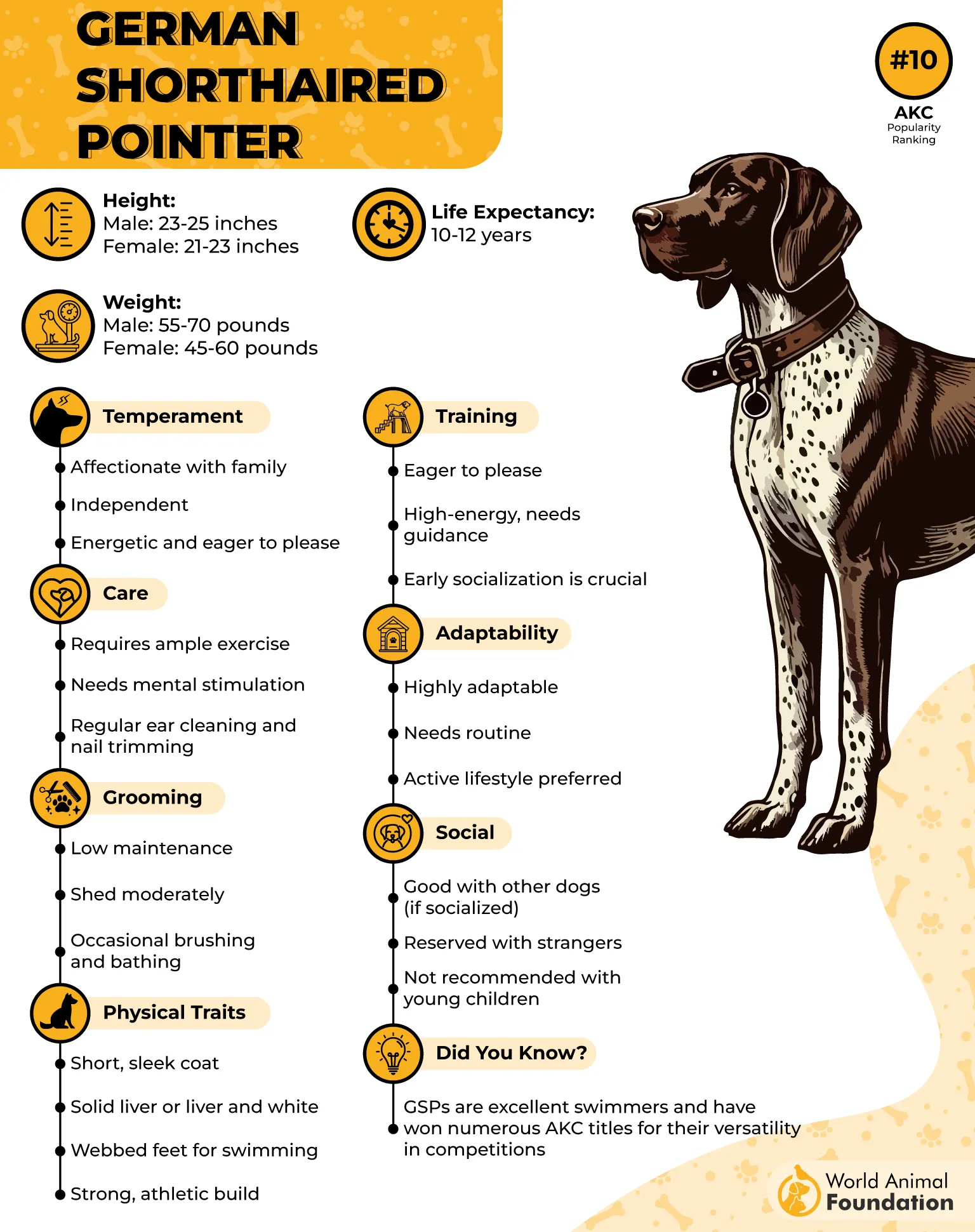
In bird hunting, their muscular control allows them to freeze in a “pointing” stance. Holding that posture requires core strength and stability—not something most dogs can maintain. Highly intelligent and trainable, they are not traditional, but can work in active mobility or as service dogs.
These mighty dogs are also excellent swimmers, using coordinated muscle movement to retrieve game from water. That adds another layer to their field versatility.
So while they may not look bulky, their muscle efficiency is next-level.
Three ways their muscular power is helpful
Supports all-day endurance during hunting expeditions
Stabilizes precise pointing posture for tracking
Enhances swimming strength for water retrieval
3. Anatolian Shepherd Dog
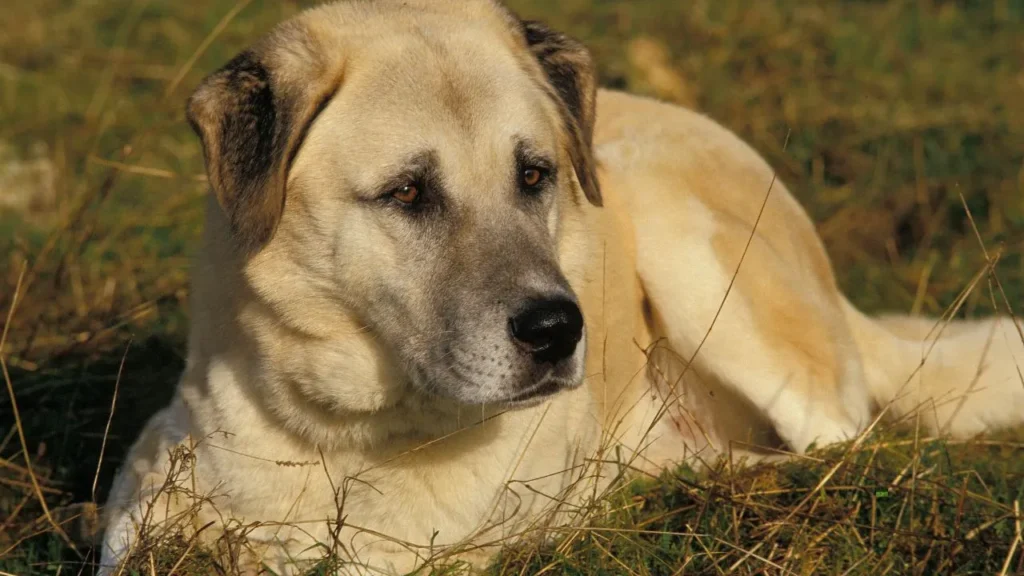
The Anatolian Shepherd is a livestock guardian, and their muscle power is built for defense, not chase. In regions like Turkey, they’ve been used for centuries to protect sheep from wolves and even bears.
According to livestock studies, guardian dogs such as Anatolians significantly reduce the incidence of predator attacks. Their sheer size and muscle mass act as a deterrent before physical conflict even begins.
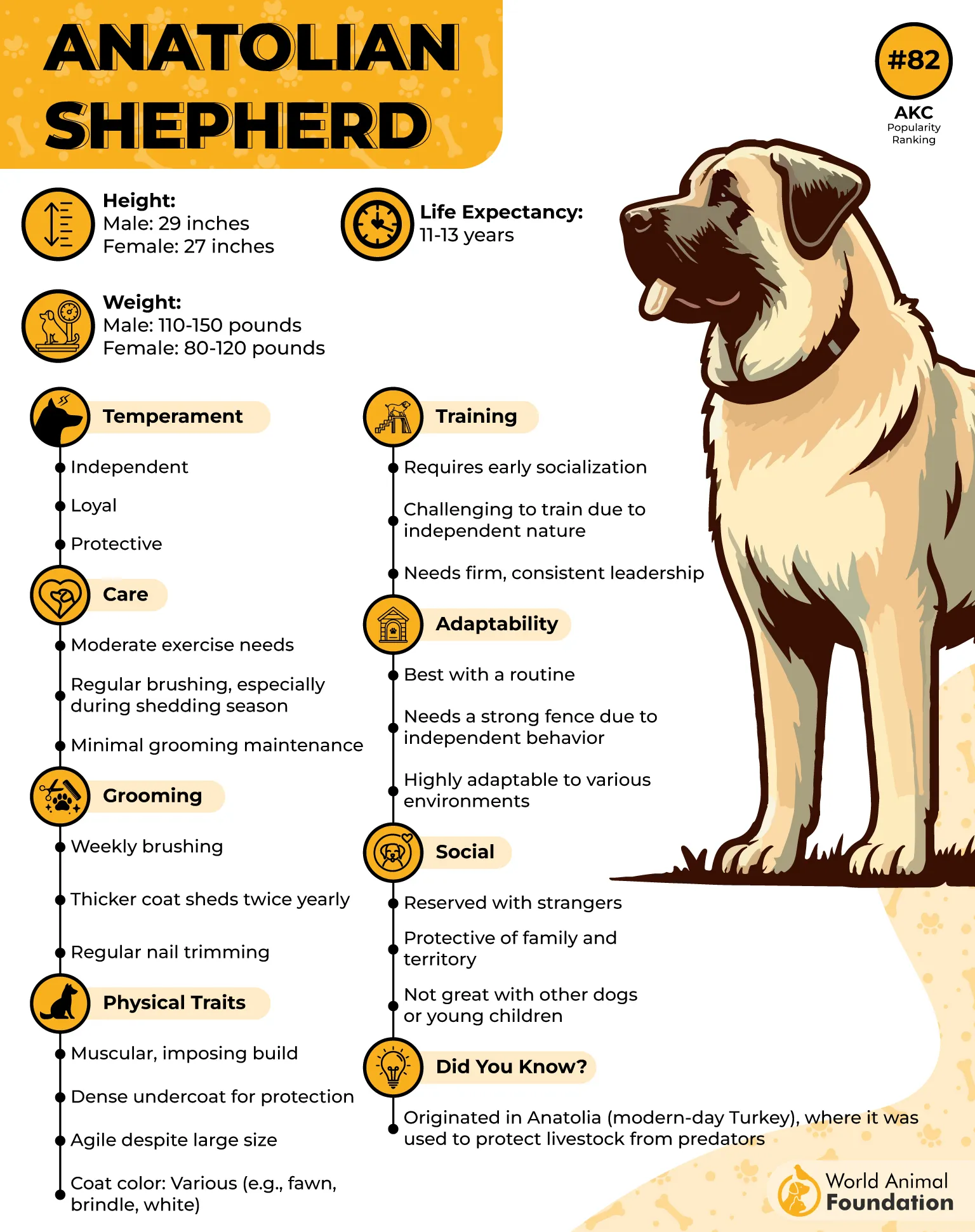
When confrontation does happen, their strength allows them to stand their ground. Unlike chasing breeds, they conserve energy and use it only when necessary. Their thick frame also helps them withstand harsh weather and long hours outdoors. That’s muscle built for survival, not just performance.
Technically, a livestock guardian is not a classic herding dog like a Border Collie. They are used for protecting sheep and goats, especially in Turkey.
National Purebred Dog Day states that one Anatolian can replace multiple human guards—that’s how effective their physical presence is.
Three ways their muscular power is helpful
Provides defensive strength against predators
Supports long-duration outdoor guarding
Acts as a visual and physical deterrent
4. Boxer
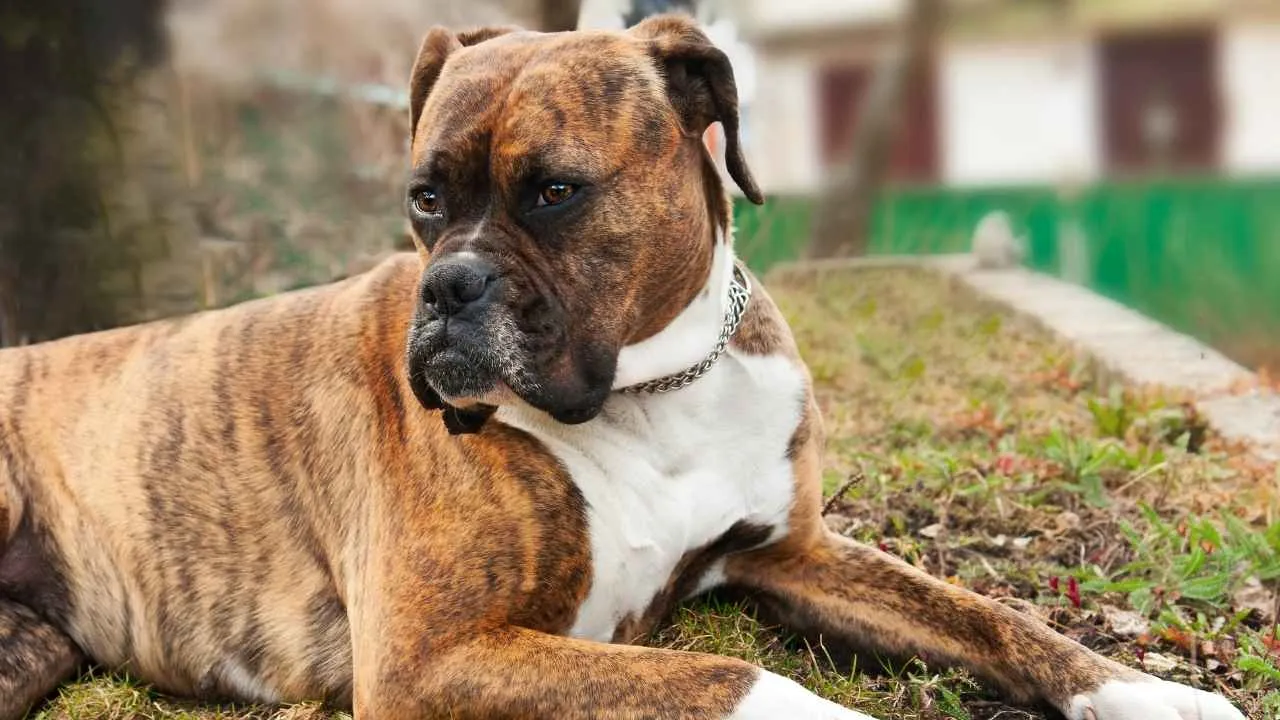
Boxers are known for explosive muscle energy. Historically used as guard and working dogs in Germany, they were even employed during wartime for message carrying and protection tasks.
Their chest muscles and hind legs are built for sudden bursts. This makes them effective in quick-response scenarios, such as guarding homes or farms.
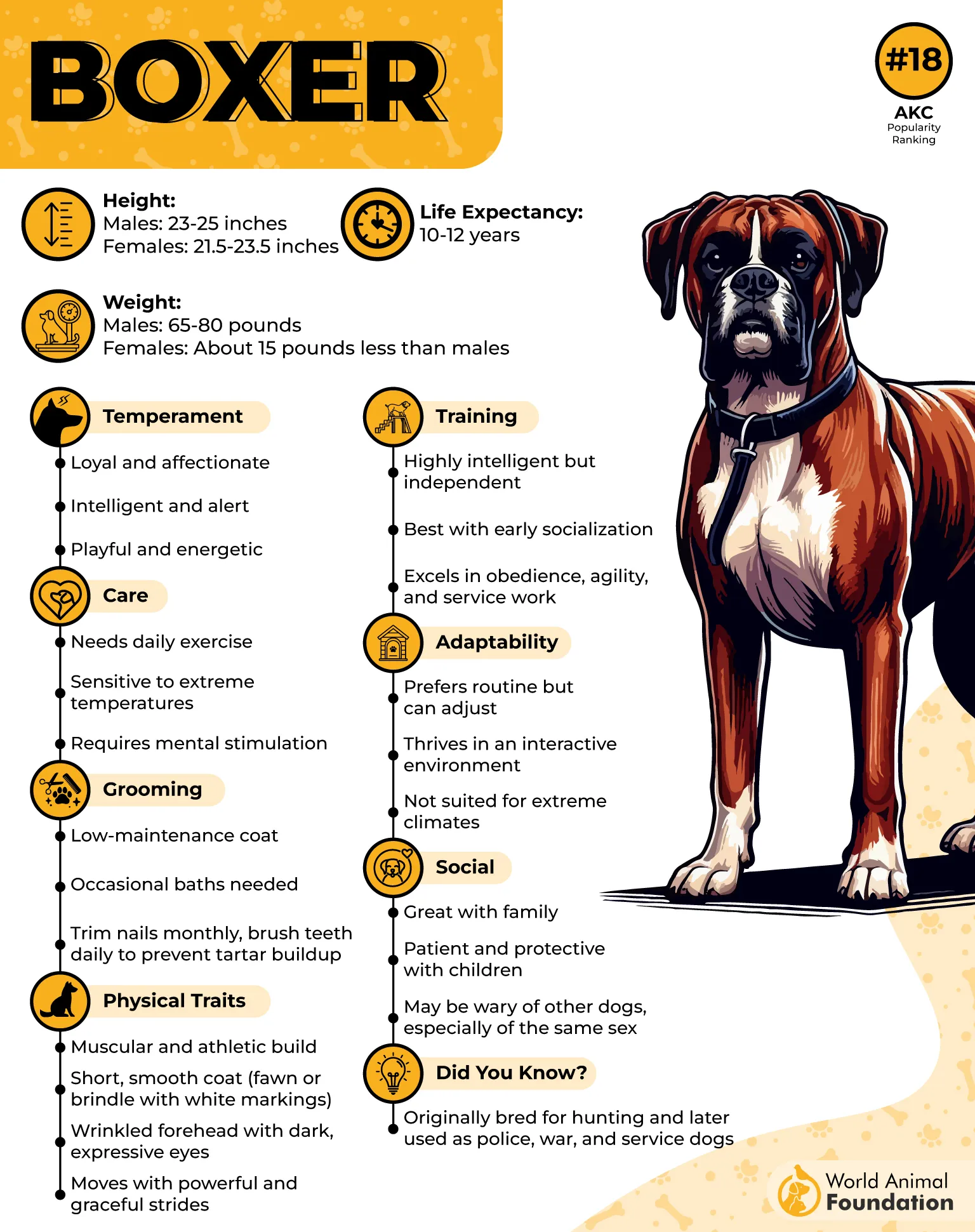
The US Boxer Association states that police departments in the early 20th century experimented with Boxers before switching largely to other breeds. Still, their physical capability in short, intense tasks was well documented. Their agility allows them to dodge and react quickly. Combined with strength, this makes them unpredictable in defensive situations.
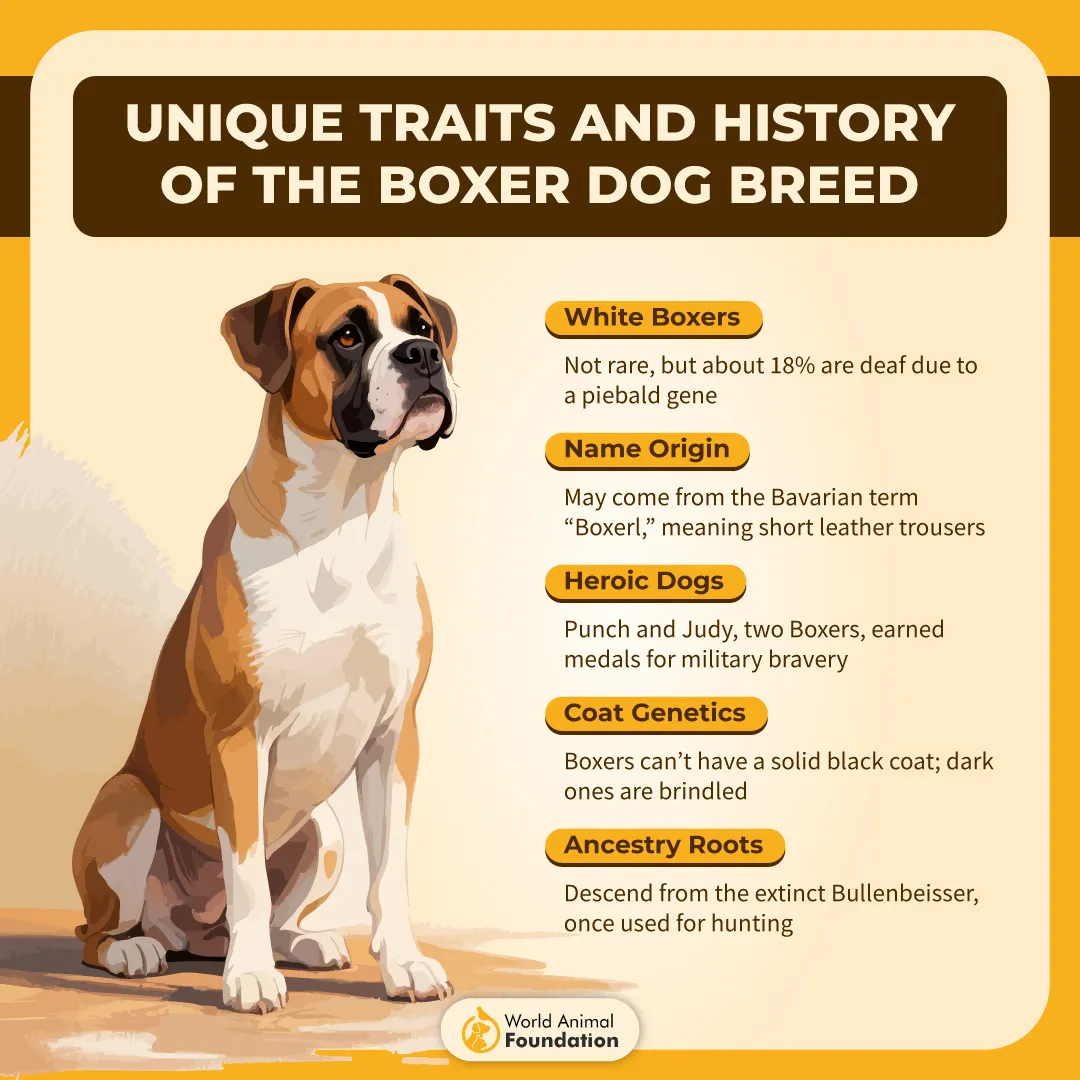
These military dogs are better suited for short missions or urban searches, not long endurance work. They’re basically the “sprinters” of muscular dogs.
Three ways their muscular power is helpful
Delivers explosive force in emergencies
Supports rapid reaction in guarding
Enhances agility in unpredictable situations
5. Cane Corso
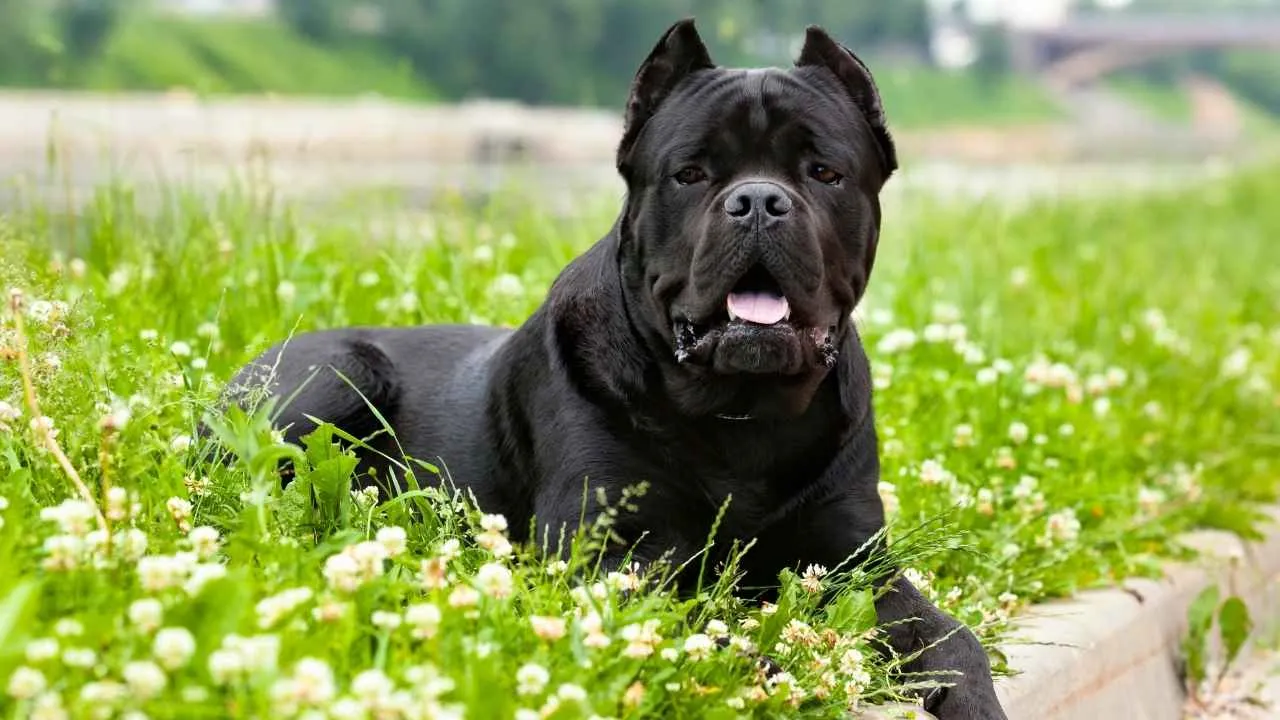
The Cane Corso descends from Roman war dogs—yes, actual battlefield dogs. These ancestors were used in combat and protection, which explains their controlled but immense strength.
Modern Cane Corsos are used in estate guarding and personal protection. Security professionals often choose them for their ability to assess threats and act decisively.
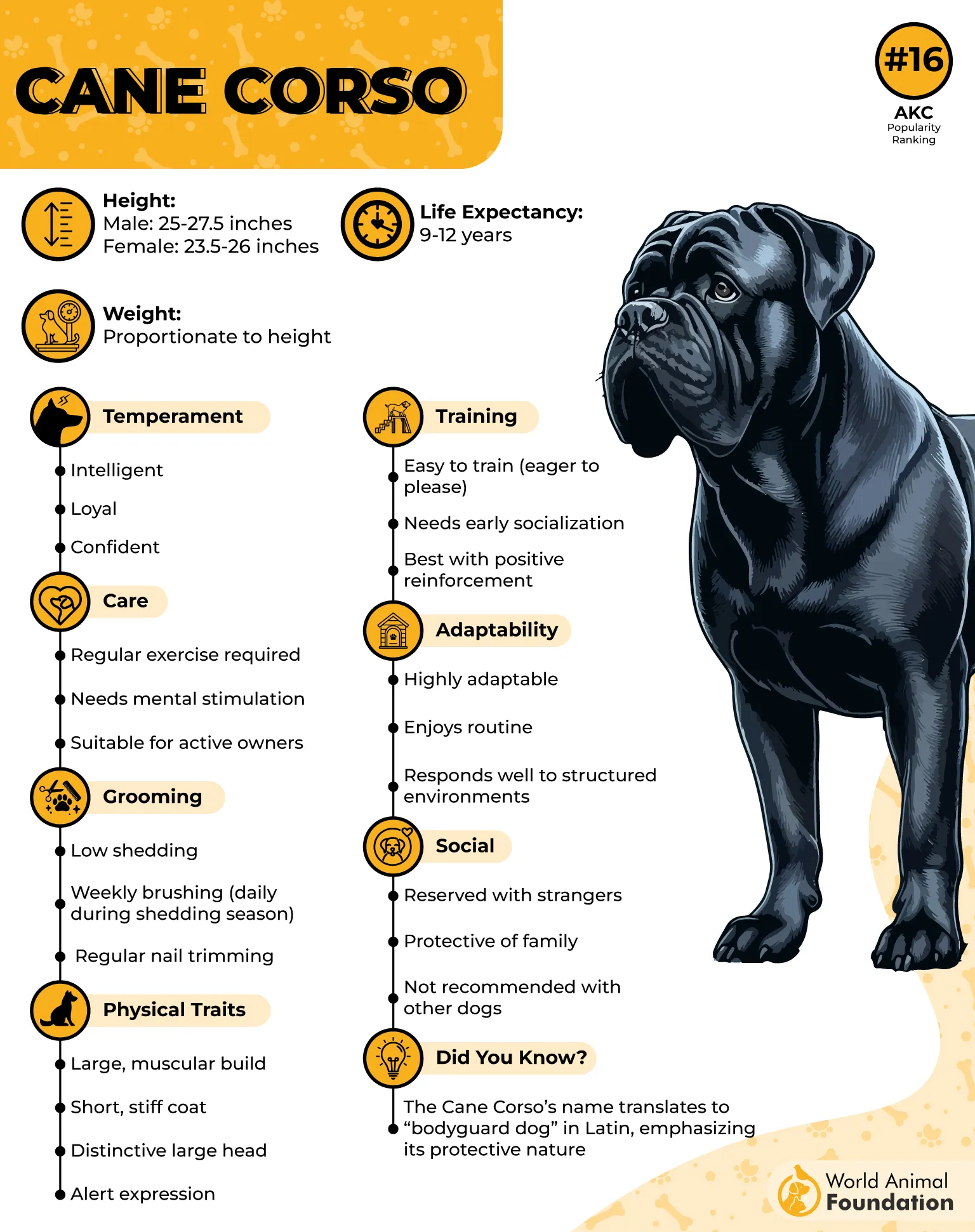
Their muscle mass supports powerful restraint. Instead of chaotic aggression, they use calculated force to neutralize threats. Hence, they are among the best guard dogs in the world.
In rural Italy, they’re still used to guard farms and livestock. Their presence alone often prevents intrusions.
Their strength is less about chaos and more about controlled dominance.
Three ways their muscular power is helpful
Enables controlled force in protection work
Supports restraint without excessive aggression
Maintains authority in large territories
6. Rottweiler
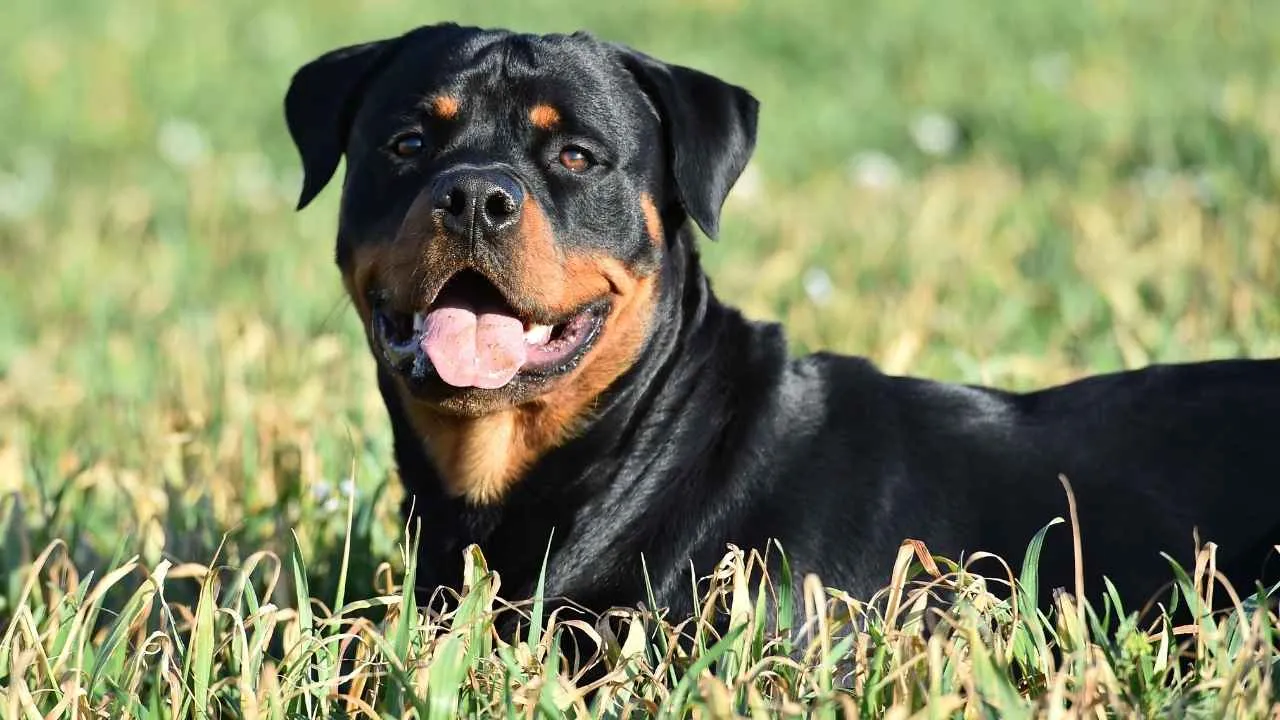
Rottweilers were originally used to herd cattle and pull carts for butchers. That means their muscle power had to support both strength and endurance.
According to the AKC historical records, they were essential working dogs on trade routes. Pulling loaded carts requires serious strength and stamina. This hardworking dog breed can work for hours without tiring.
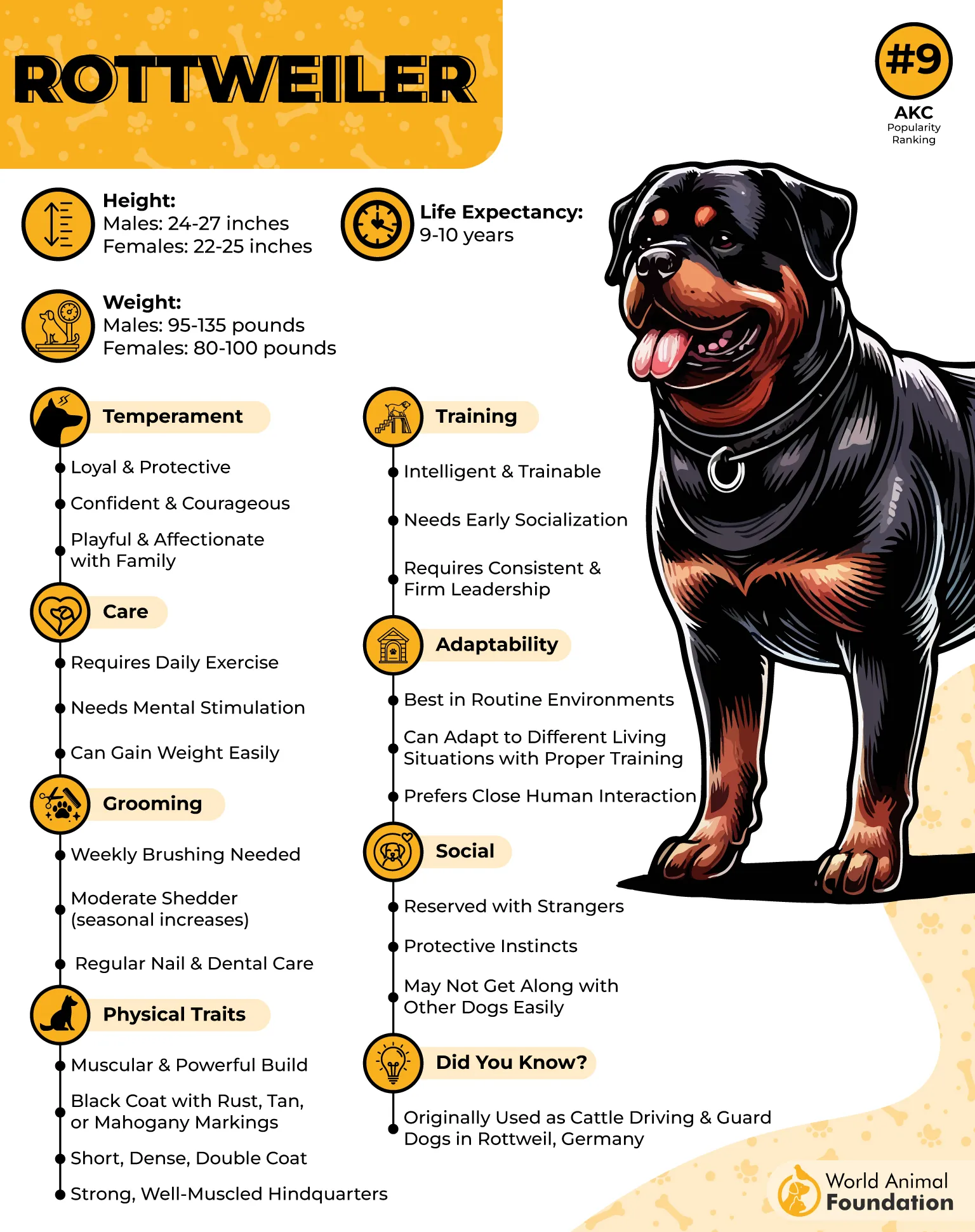
Today, they’re widely used in police and military roles. Their bite force is among the strongest in domestic dogs and is often cited in canine performance studies. They’re also incredibly stable under pressure. Their muscles don’t just react—they execute controlled actions.
This makes them one of the most balanced power breeds.
Three ways their muscular power is helpful
Supports heavy pulling and load work
Enhances control in protection roles
Maintains endurance during extended tasks
7. Rhodesian Ridgeback
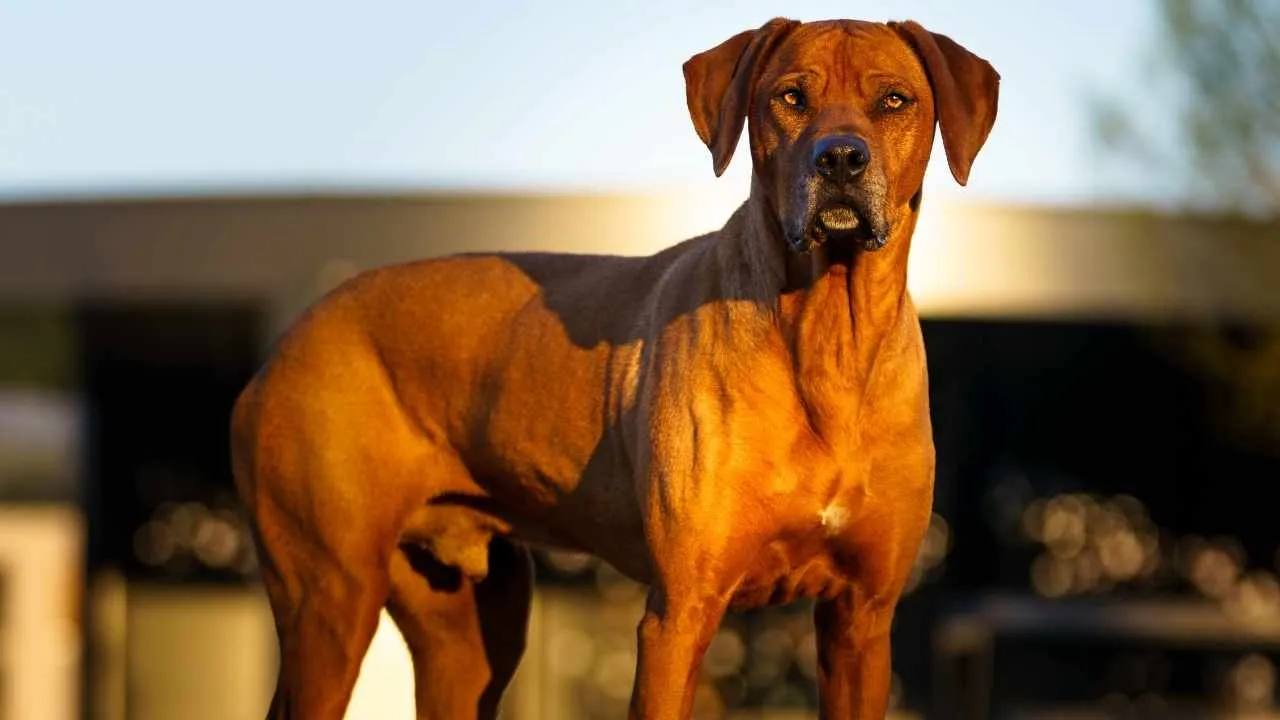
Originally bred in Africa, Rhodesian Ridgebacks were used to track and corner lions. They didn’t attack directly; instead, they used endurance and coordination to control movement.
Their muscles are built for long-distance running. Hunters relied on them to track prey across harsh terrain without slowing down.
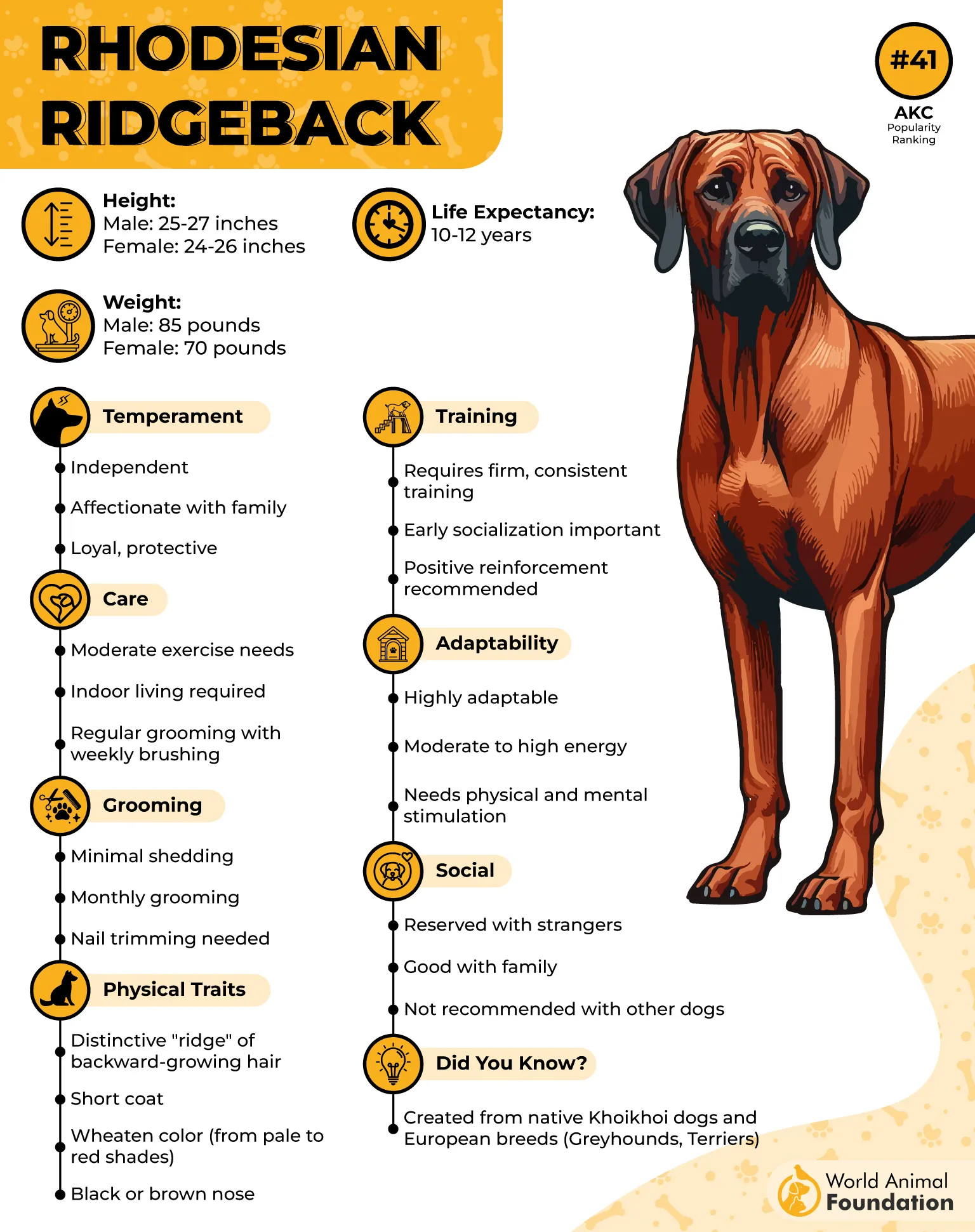
Their endurance and strength set them apart. They don’t burn out quickly, even in extreme heat. Modern owners still use them for hunting and tracking. Their physical resilience is unmatched in tough environments.
Modern companion dogs are basically survival experts with muscle in the field. This breed proves that muscle isn’t just about size—it’s about functional application under pressure.
Three ways their muscular power is helpful
Supports long-distance tracking in extreme climates
Enhances stamina during extended hunts
Provides strength for controlling large prey movement
8. Doberman Pinscher
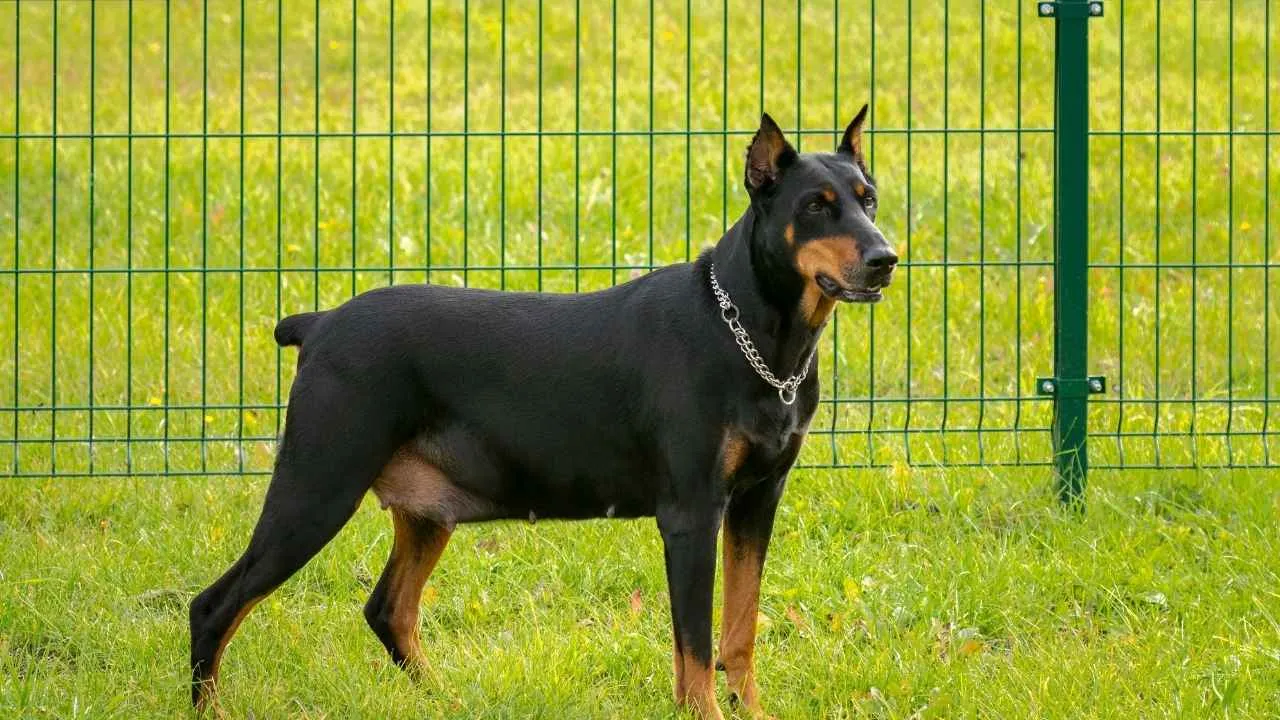
Dobermans were specifically bred for protection work in Germany. Their creator wanted a dog that combined speed, intelligence, and strength—and that’s exactly what happened.
They’re widely used in police and military units worldwide. Their muscular build allows them to sprint and restrain suspects effectively.
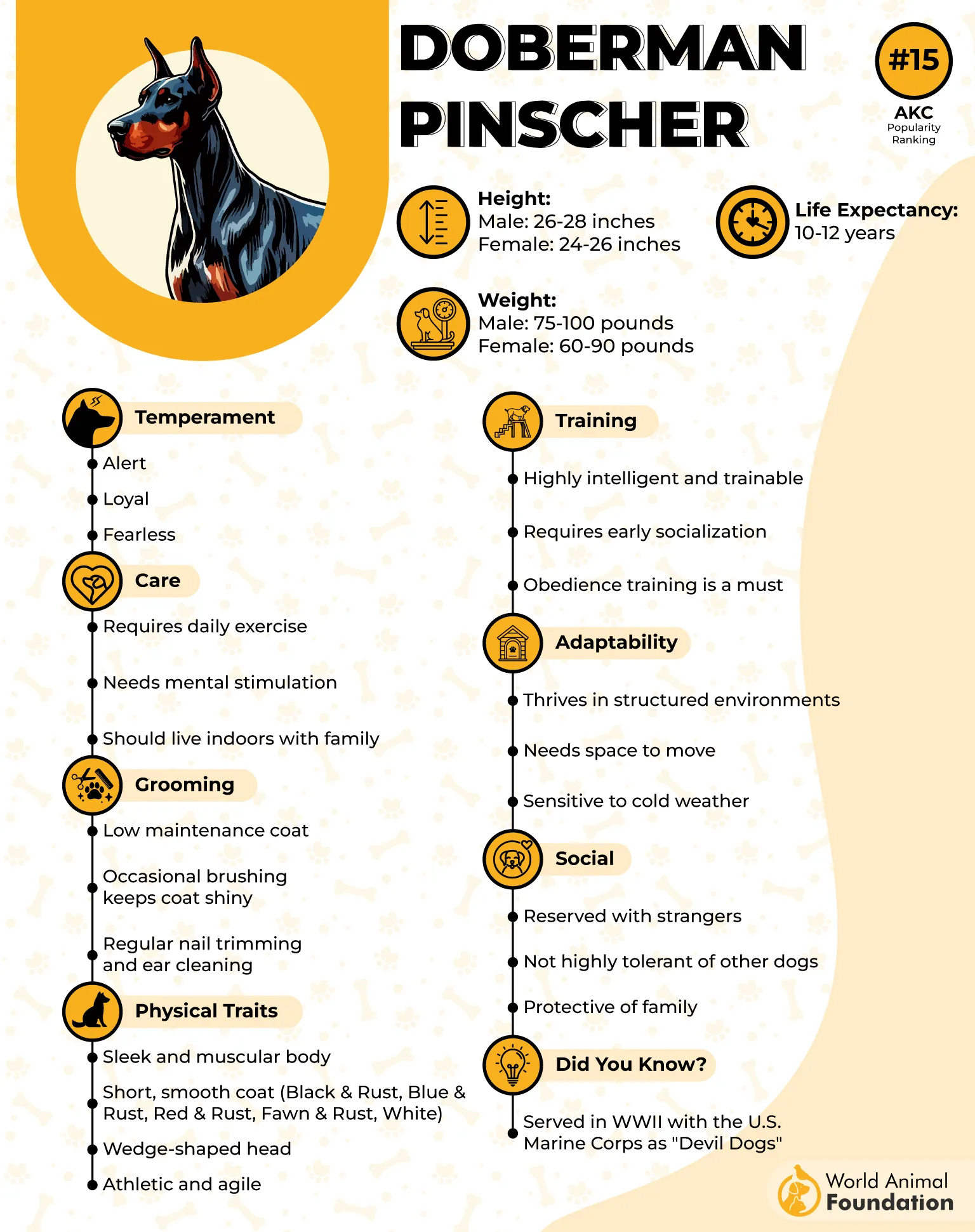
According to DPCA, Dobermans excel in rapid deployment scenarios. Their muscles support quick bursts followed by controlled movements, and they are widely used by military and police units worldwide as search-and-rescue dogs. They are fast, agile, and extremely trainable.
They are strong enough to navigate rubble, forests, and rough terrain, making them excellent for tracking missing persons and rapid-response missions.
They’re also incredibly agile. That means they can navigate obstacles while maintaining speed. This makes them one of the most efficient protection dogs.
Three ways their muscular power is helpful
Enables rapid sprint-and-capture capability
Supports agility in complex environments
Enhances precision-based protection work
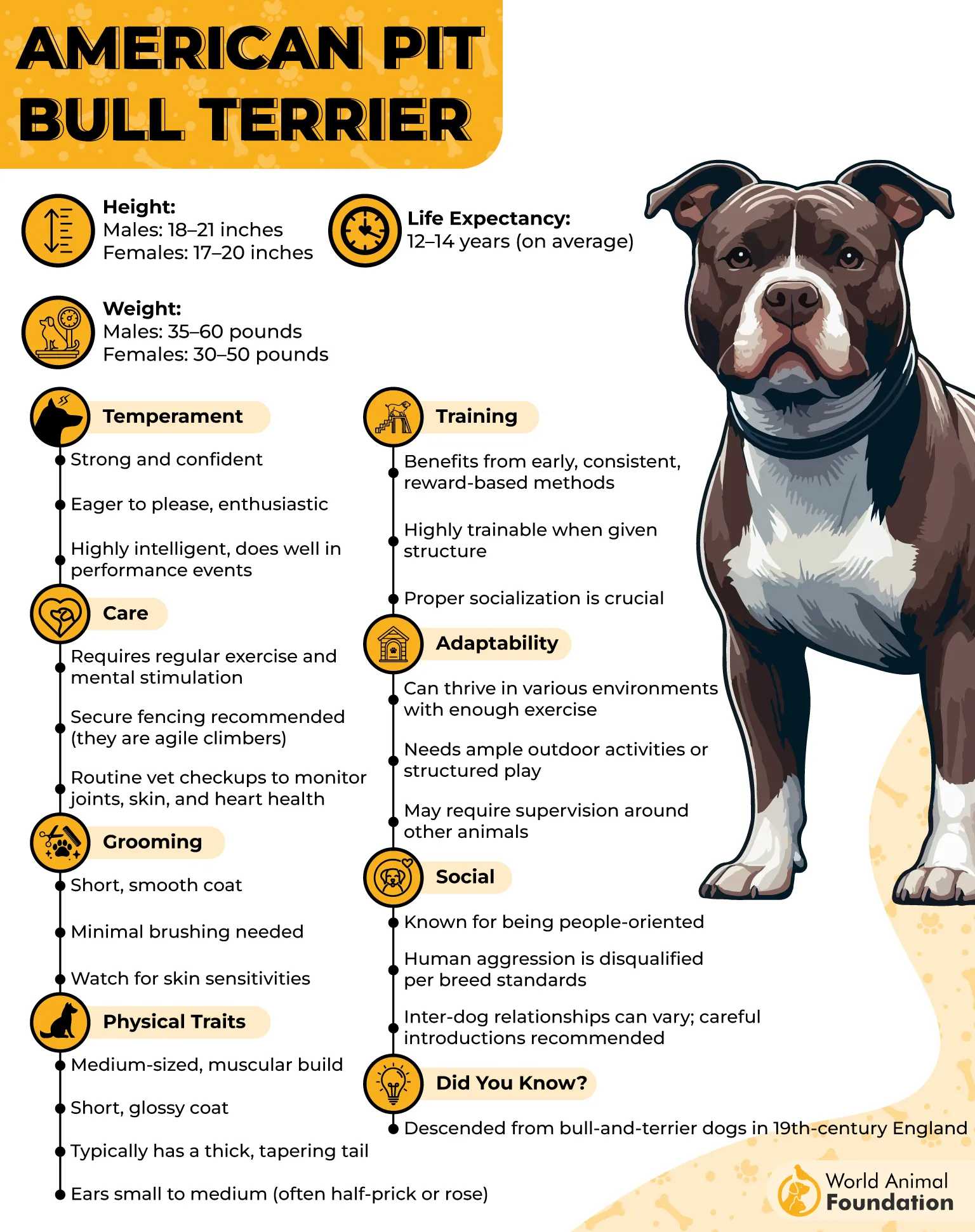
9. American Pit Bull Terrier
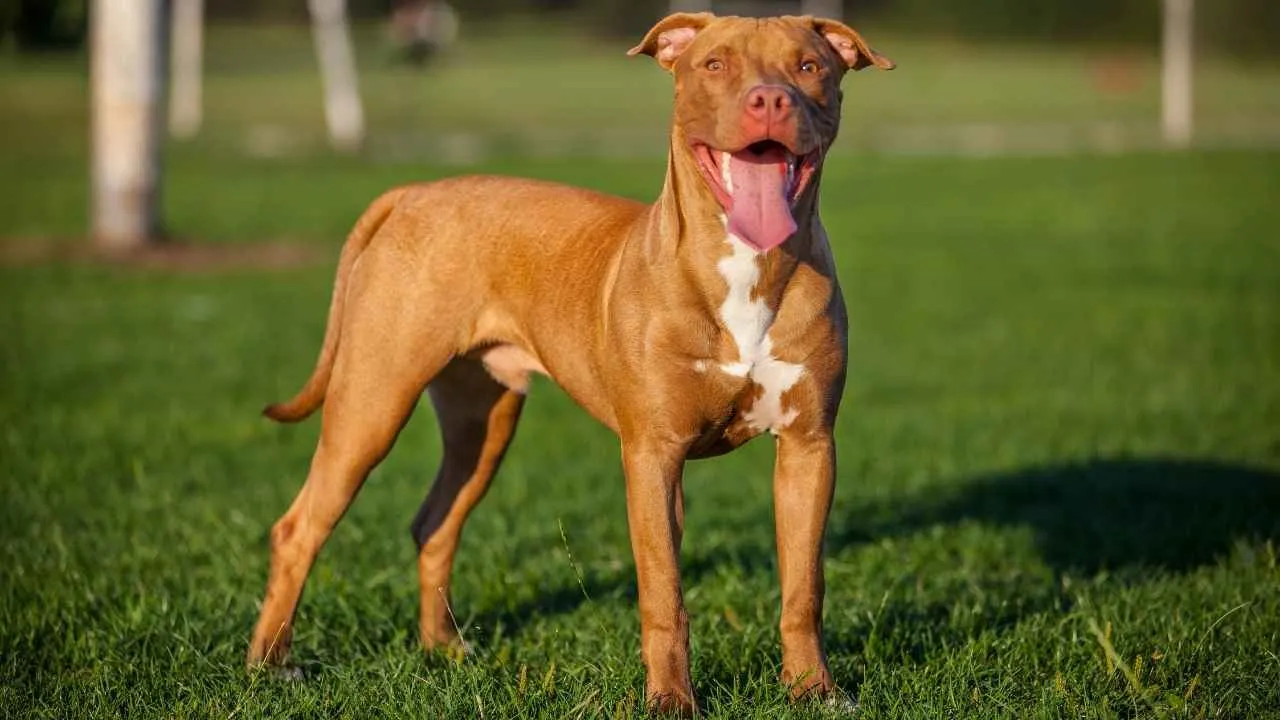
The American Pit Bull Terrier is known for its relative size. Studies on canine muscle composition show that they have a high muscle density relative to body weight.
Historically, they were used for farm work, including catching livestock and guarding property. That required both strength and endurance.
Their toughness is just as important as physical power. They don’t give up easily, which is crucial in demanding tasks. In modern times, they excel in strength sports like weight pulling. These competitions highlight their ability to move loads many times their body weight.
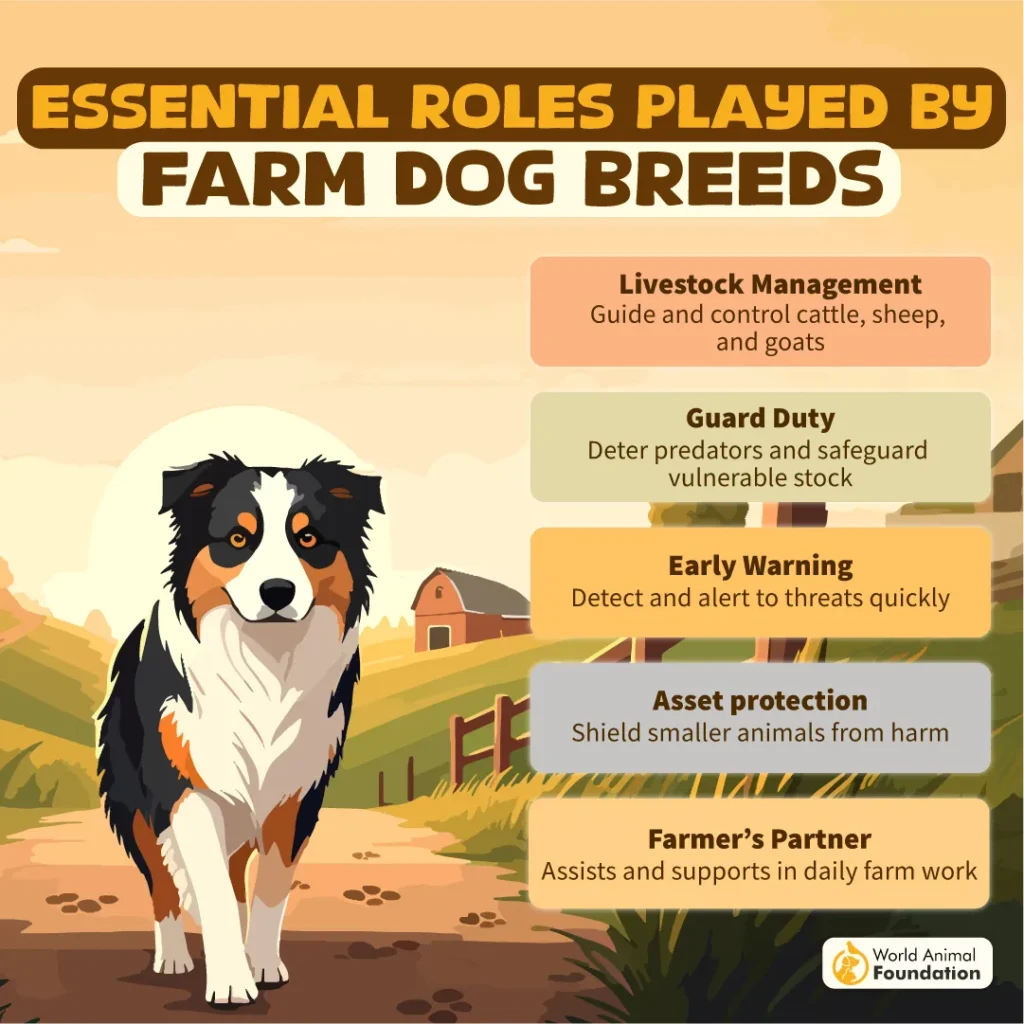
They also make phenomenal farm dogs, thanks to their love for hard work. They’re a perfect example of compact power done right.
Three ways their muscular power is helpful
Delivers high strength-to-weight efficiency
Supports endurance in demanding tasks
Enhances resilience under prolonged effort
Conclusion
So yeah—these are some of the strongest dog breeds, they’re purpose-built machines. Every muscle they have is tied to a job, whether it’s hunting, guarding, tracking, or protecting. And the real-world examples prove that this isn’t just theory—it’s proven performance.
What’s even more impressive is how their physical strength works with intelligence. According to global canine organizations and field studies, the best working dogs aren’t just muscular—they’re strategic. That combo is what makes them elite.
Bernese Mountain Dog, Siberian Husky, Australian Shepherd, Belgian Malinois, Alaskan Malamute, Labrador Retriever, and German Shepherd are also great dogs with phenomenal muscles, yet make excellent family dogs.
If you’re considering one of these breeds, remember: you’re not getting a casual pet. You’re getting a high-performance working partner that needs training, structure, and purpose. But if you handle that? You’re basically unlocking one of the most powerful companions on Earth.
