




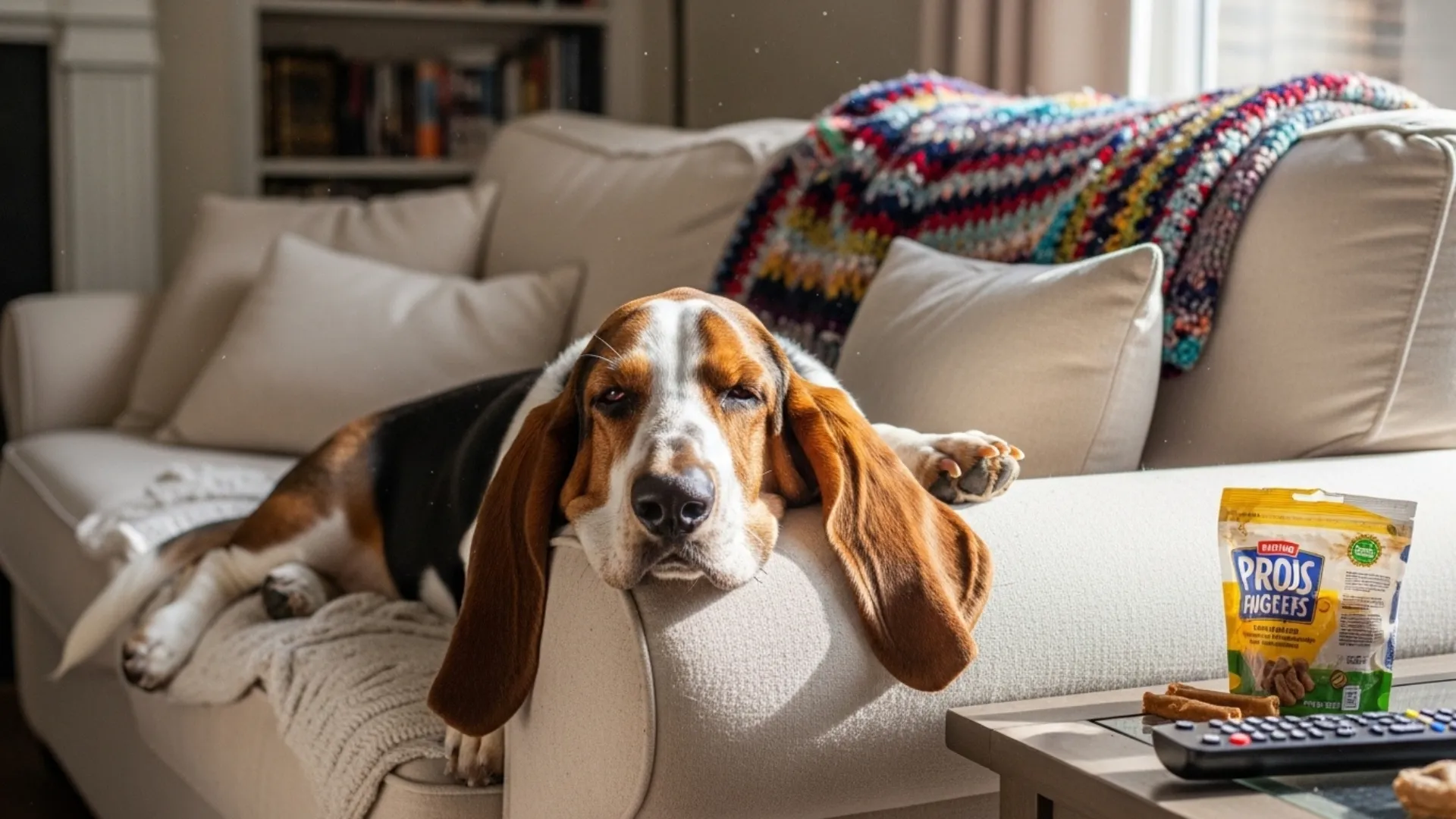
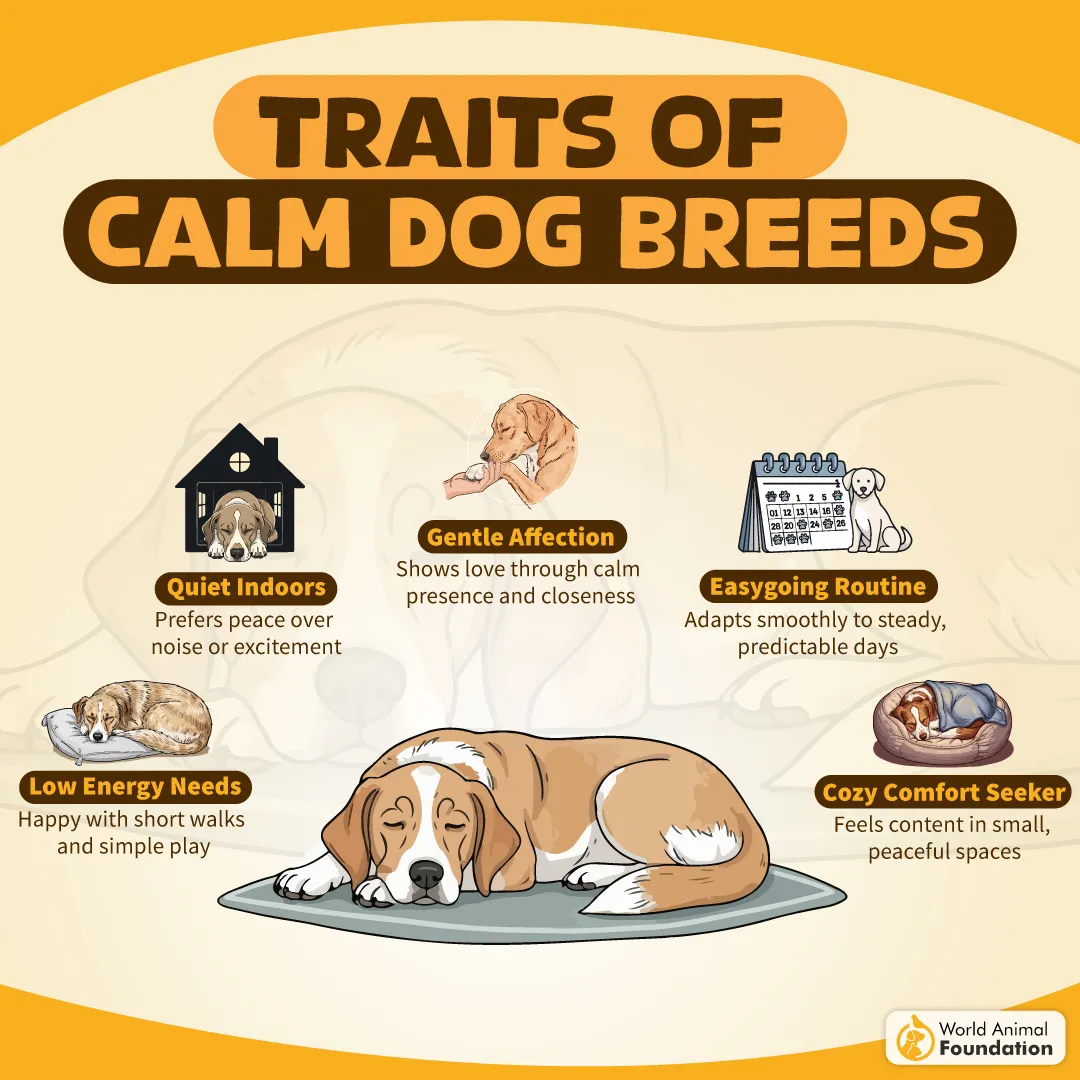
People often believe that dogs need constant activity to stay happy and balanced. The idea sounds convincing, but it overlooks an entire group of dogs that prefer a slower pace.
Not every dog thrives on movement, long hours of play, or nonstop engagement. Some are naturally drawn to quiet spaces and simple routines. They do not need to be entertained every moment of the day. Instead, they are content to rest, observe, and stay close without creating extra demands.
This makes a noticeable difference in how a home feels over time. Rather than adjusting your life around high energy needs, you find a rhythm that feels steady and manageable. These relaxed dogs bring a kind of calm that does not need to be trained or enforced.
Up ahead, you will find the breeds that are known for this laid-back nature and why they fit so well into slower lifestyles.
Key Takeaways
A dog that spends most of the day resting might sound boring, but some of the calmest breeds carry stories that go far beyond the couch.
The Newfoundland once worked in icy waters pulling heavy loads, yet at home it settles quietly as if it were made for slow evenings.
The Basset Hound and Greyhound follow a similar rhythm, one guided by scent and the other built for speed, both choosing long naps once the day slows down.
Keep going, and you will start noticing which of these relaxed companions fits perfectly into a calm, everyday routine.
Most Relaxed Dog Breeds That Love Couch Time
1. Newfoundland
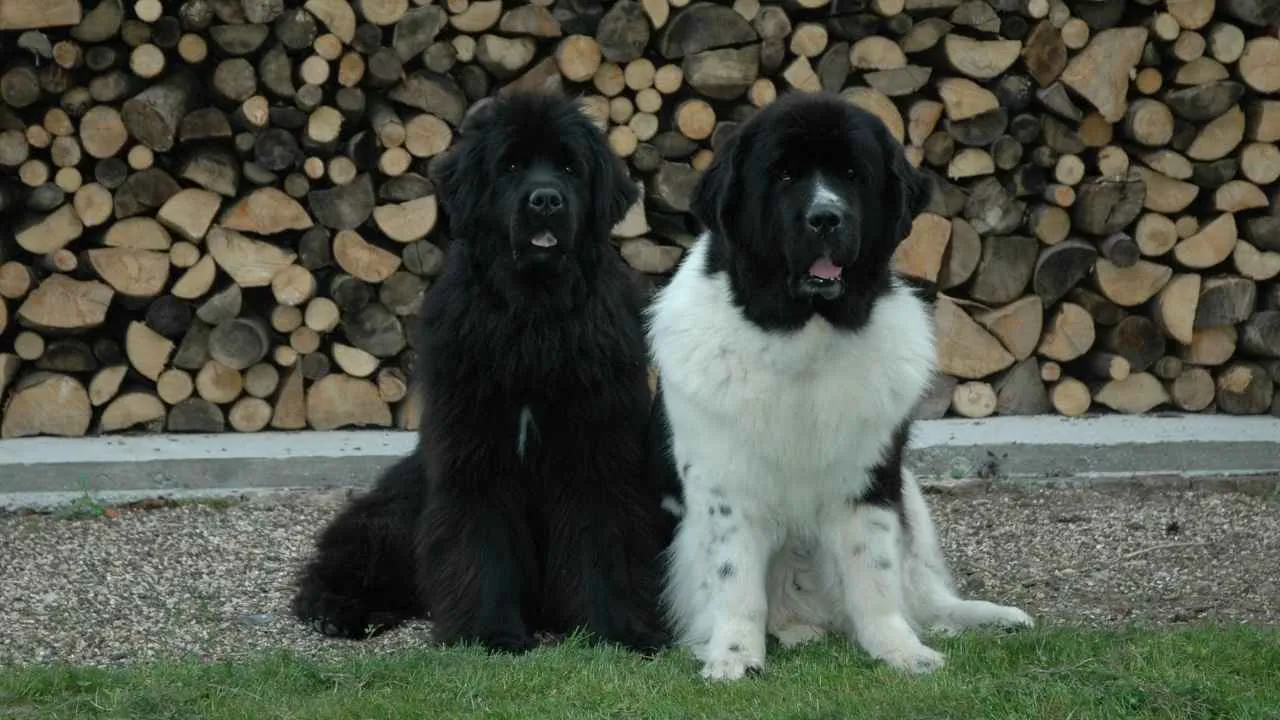
Newfoundland comes from a background tied to fishermen, where strength was used for hauling nets and pulling loads through water. Its large frame reflects that history, yet its demeanor leans soft and calm in daily life. Their size and calm temperament shape how it settles easily into quiet spaces.
Water instinct meets home comfort
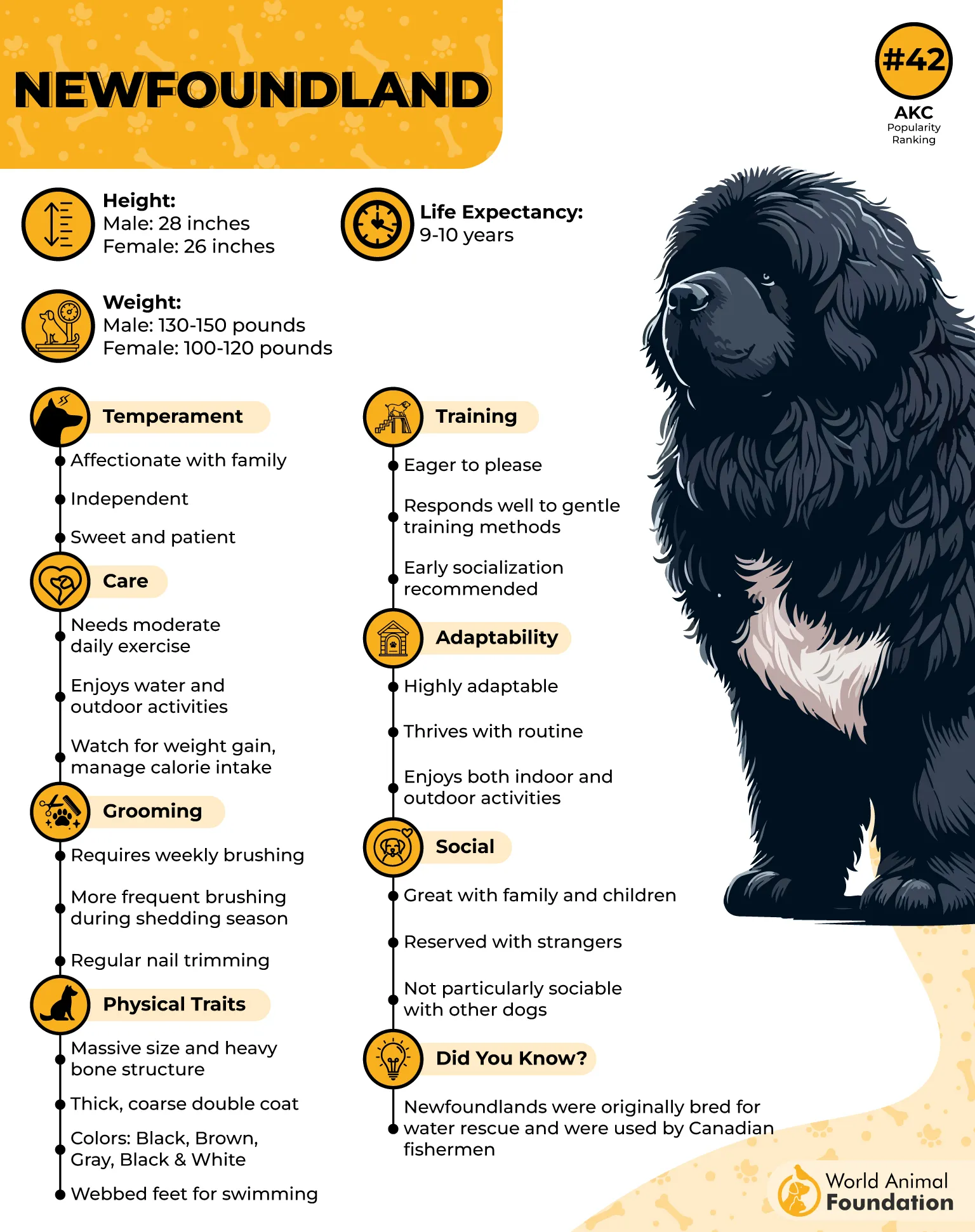
Known as nanny dogs, newfies show a natural pull toward water, supported by webbed feet and a thick double coat suited for cold conditions, as Orvis noted. Even with that instinct, its daily rhythm often slows indoors, leaning toward long resting periods.
That balance appears through distinct traits:
Webbed feet are built for strong swimming
Dense coat suited for cold water
Sudden bursts of interest when near water
Relaxed pace with occasional effort
This calm dog stays content with moderate activity, often needing encouragement to leave a comfortable resting spot. A single good walk or swim tends to meet its needs without constant stimulation. Its slower pace fits households that favor calm routines over constant motion.
2. Basset Hound
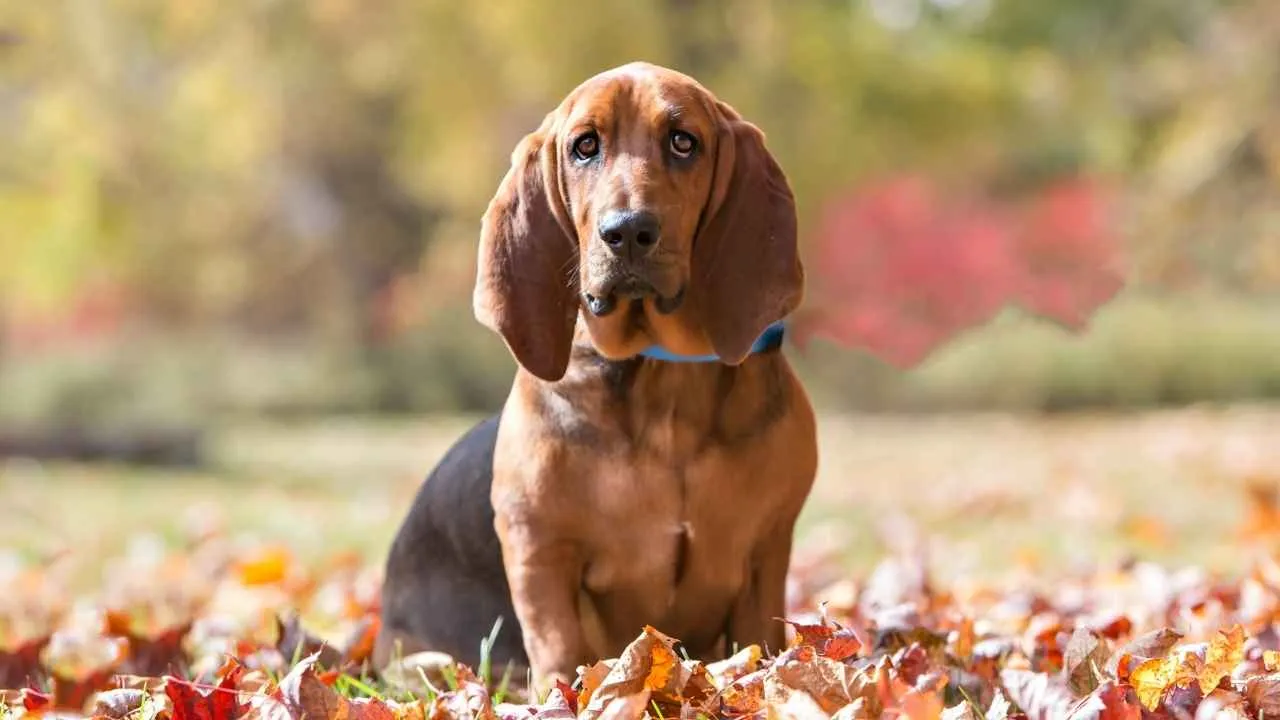
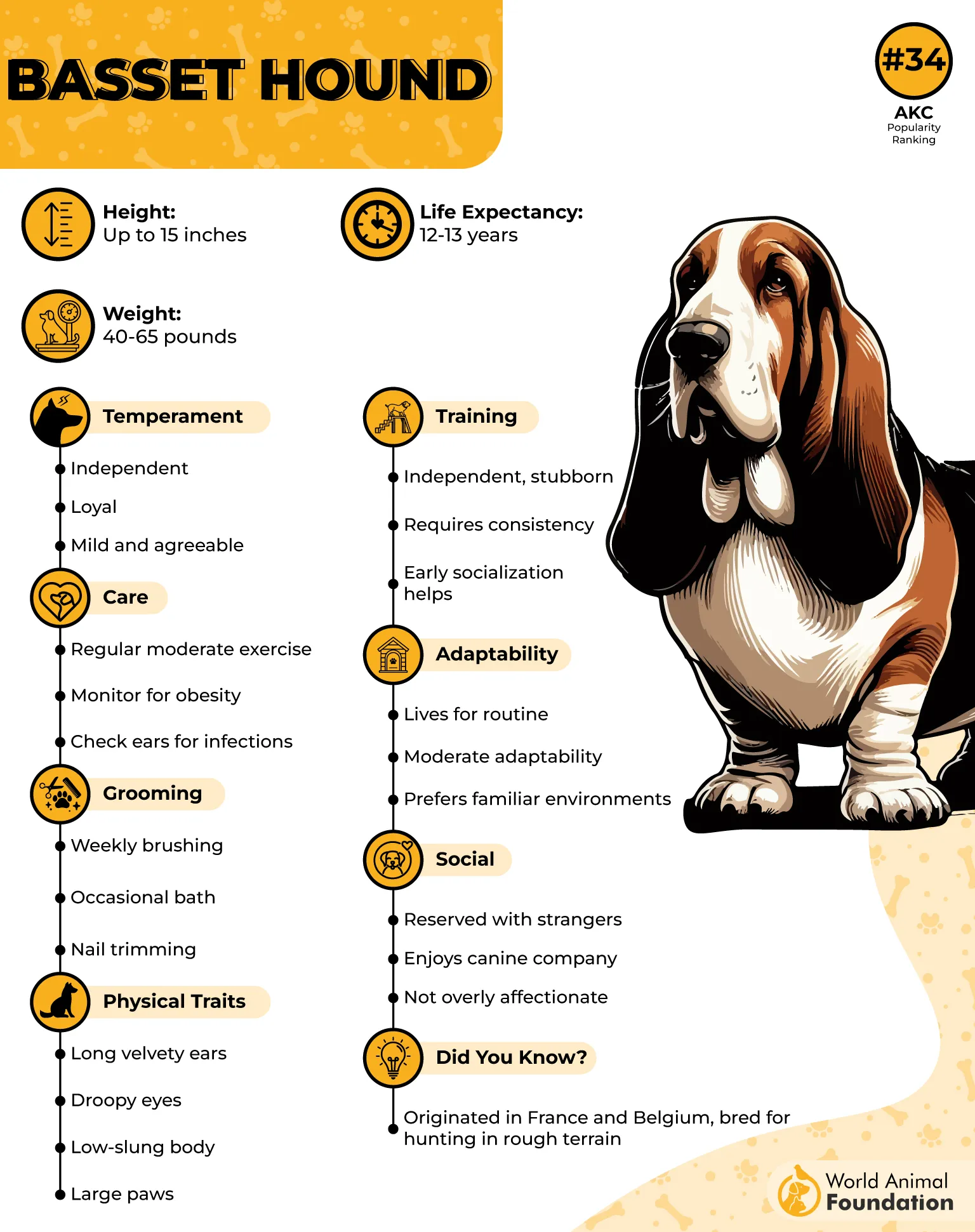
Basset Hound takes its name from the French word ‘bas,’ meaning low, reflected in its short-legged, grounded frame. This structure once suited tracking small game like rabbits across terrain close to the ground. This build favors a dog that prefers settling in over extended activity.
Easygoing nature at home
This laid-back dog breed keeps a calm, good-natured presence indoors, often choosing quiet company over constant activity. Its relaxed pace blends easily with households that prefer slower routines and shared downtime.
That temperament shows in small, familiar habits:
Enjoys unhurried walks rather than fast outings
Settles quickly beside people on sofas
Stays social with other pets and children
Nose-led behavior outdoors
Basset Hound follows scent with complete focus, often shifting attention the moment a trail is picked up. This instinct can override recall, making open areas without control less predictable. As per Omlet, when engaged with a scent, it expresses excitement through a deep, drawn-out bay.
3. Saint Bernard
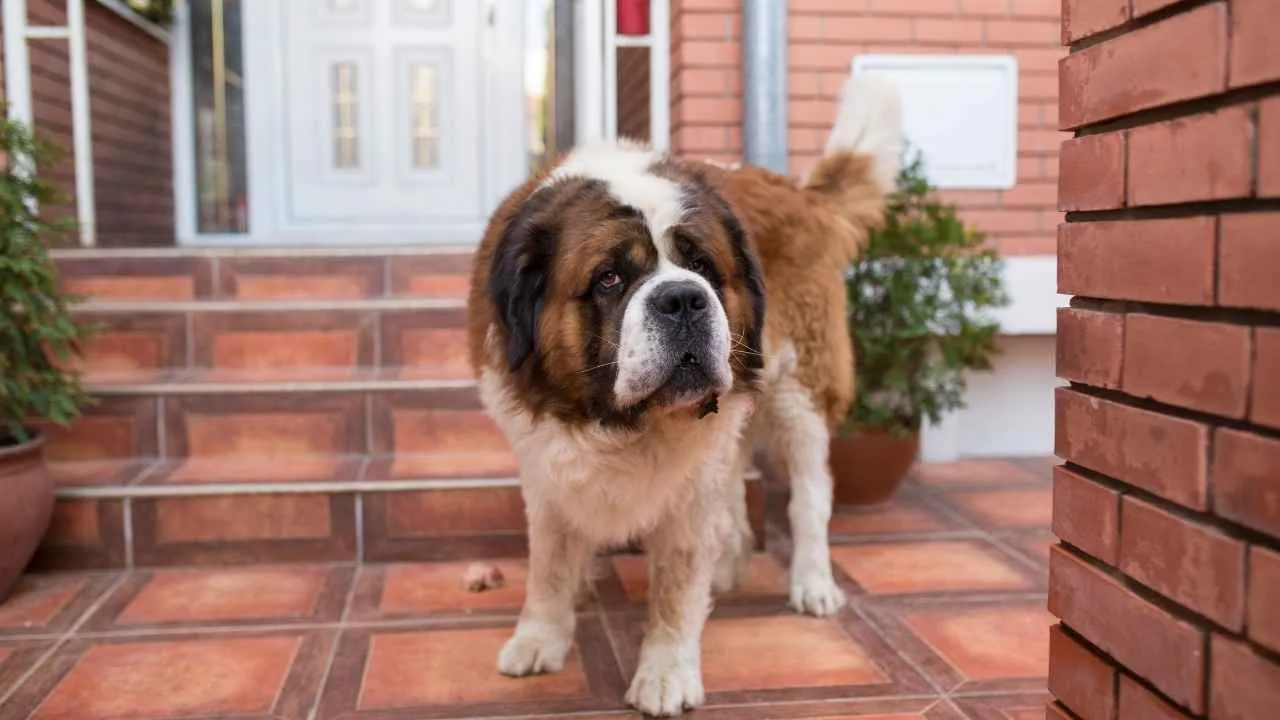
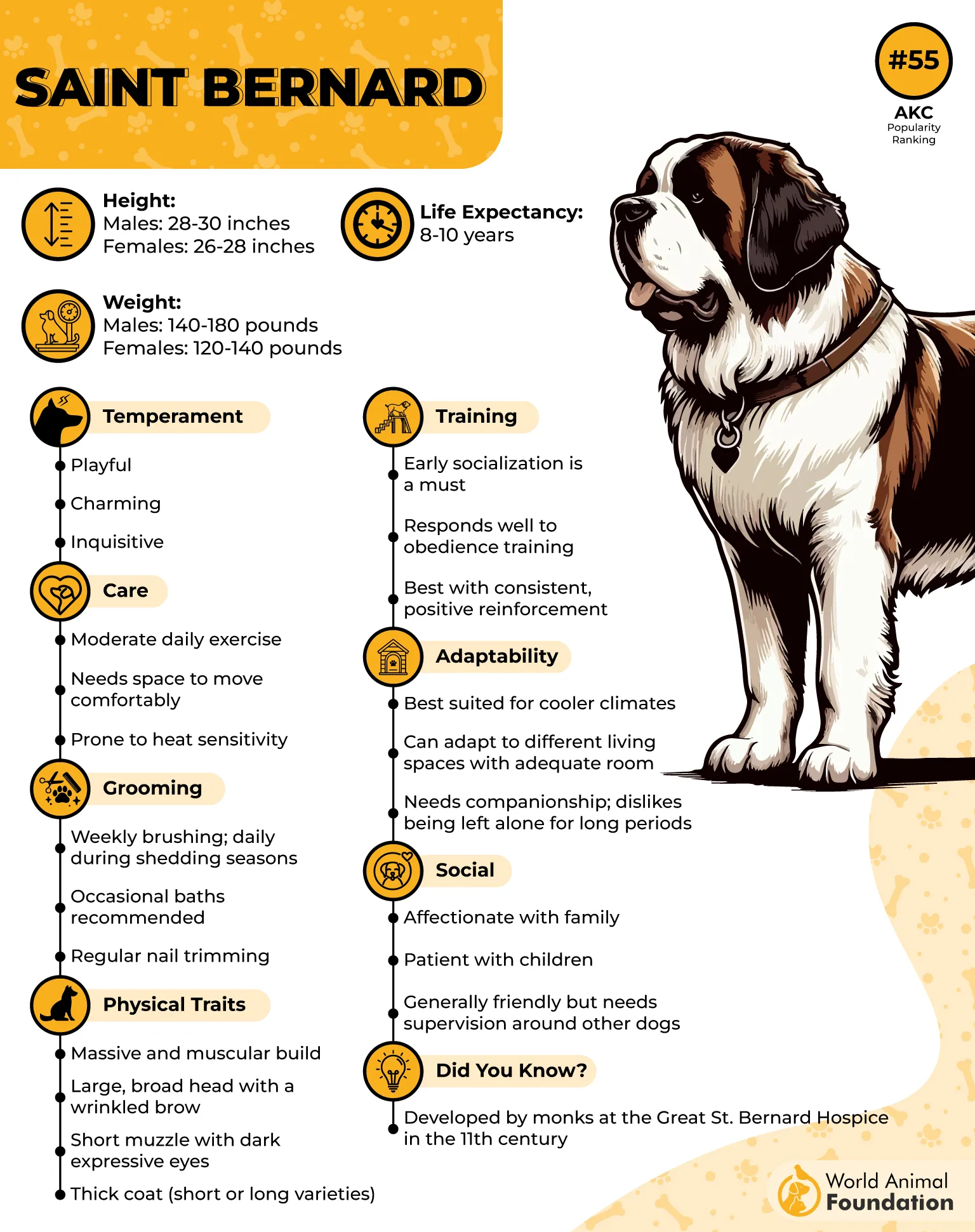
Saint Bernards gained recognition through rescue work at the Saint Bernard Pass, where monks relied on them to locate lost travelers in deep snow, as per the AKC. That history reflects a dog tuned to patience and steady decision-making. Its large frame adds a quiet presence rather than constant activity.
Gentle behavior around people
This calm breed interacts with people in a careful and measured way, especially around children, where it adjusts its actions to avoid rough contact. Its awareness shows in how it gives space when needed and stays composed in close environments.
This thoughtful behavior appears in small ways:
Steps aside to avoid knocking into others
Maintains a calm posture in crowded spaces
Responds softly during interaction
Preference for stillness indoors
This low-energy dog often settles into long periods of rest, showing little urgency for constant movement once indoors. Daily walks support mental alertness more than physical release, as the breed leans toward inactivity. Sofas and beds become preferred resting spots throughout the day.
4. Pug
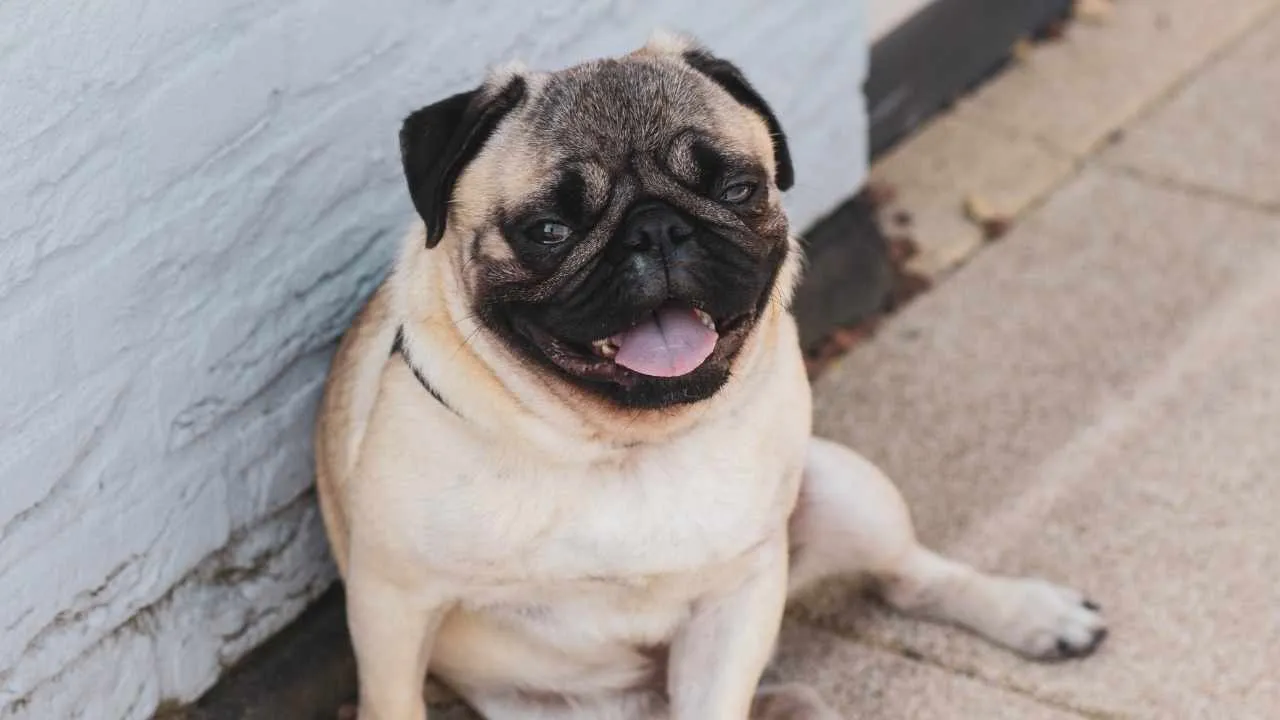
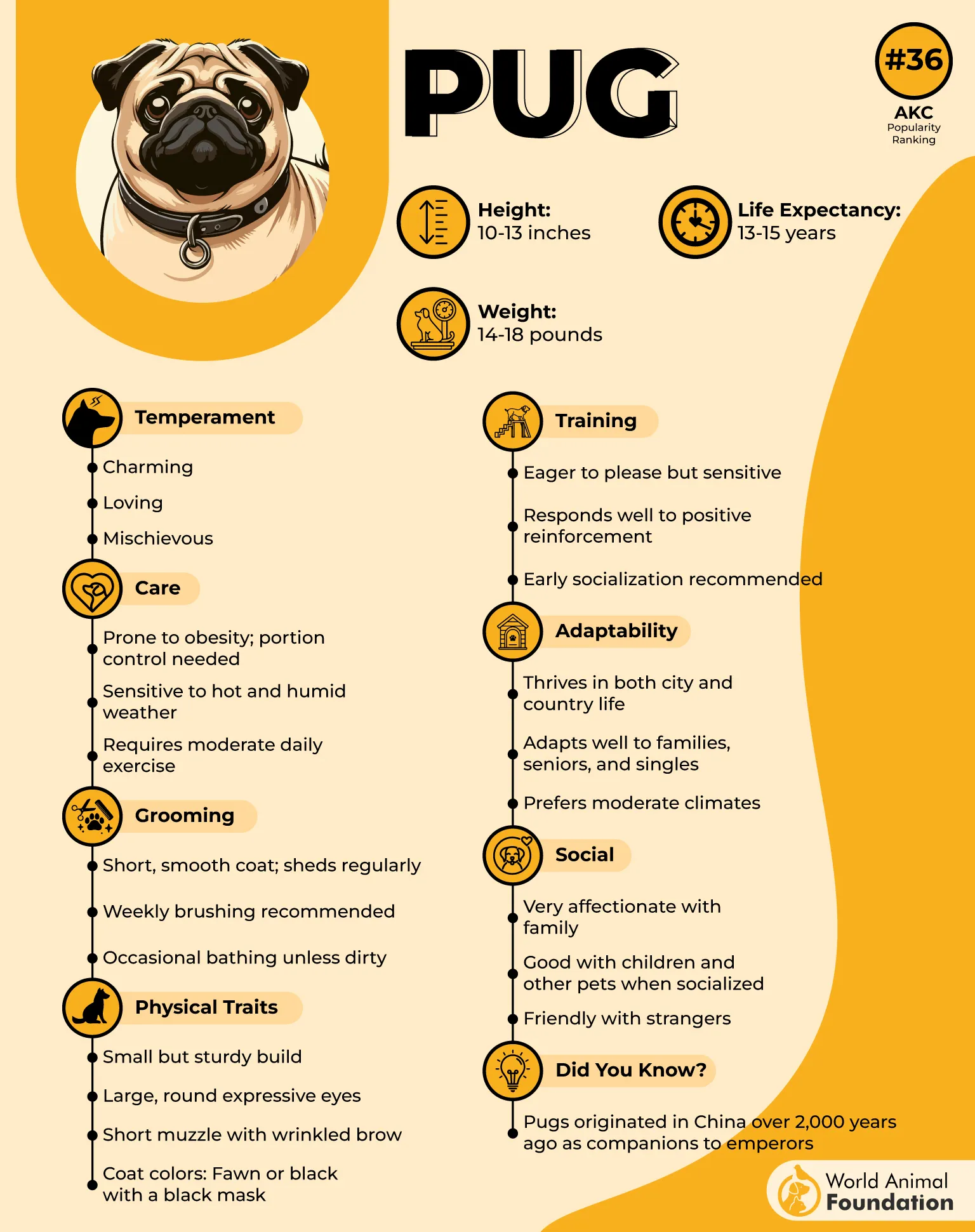
Pugs stay physically close to people, often choosing laps, beds, or chairs over space. Its long history around human-centered environments shaped a dog that prefers presence over independence. The nickname “shadow” reflects how consistently it remains nearby.
Attention-seeking through expression
This lap dog interacts through playful behavior and expressive reactions, often acting in amusing ways to draw focus. Its confidence shows in how easily it engages with people, children, and even unfamiliar faces.
That behavior becomes easy to notice:
Climbs onto furniture to stay close
Performs playful antics for attention
Responds quickly to human interaction
Preference for comfort over activity
It leans toward rest, often choosing a warm spot indoors rather than extended outdoor activity, especially in cold or wet conditions. Short walks fit its routine, but long sessions of play rarely hold its interest. Periods of stillness are broken by short bursts of sudden movement of these great family pets.
5. Cavalier King Charles Spaniel
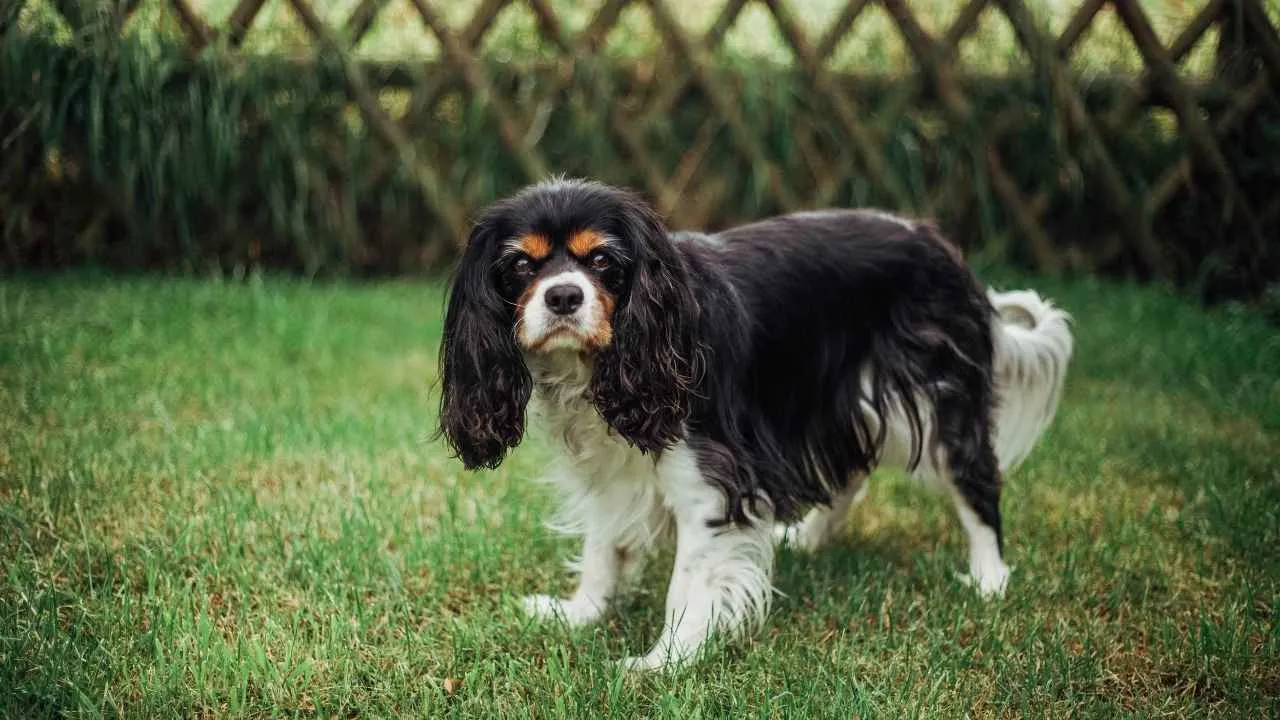
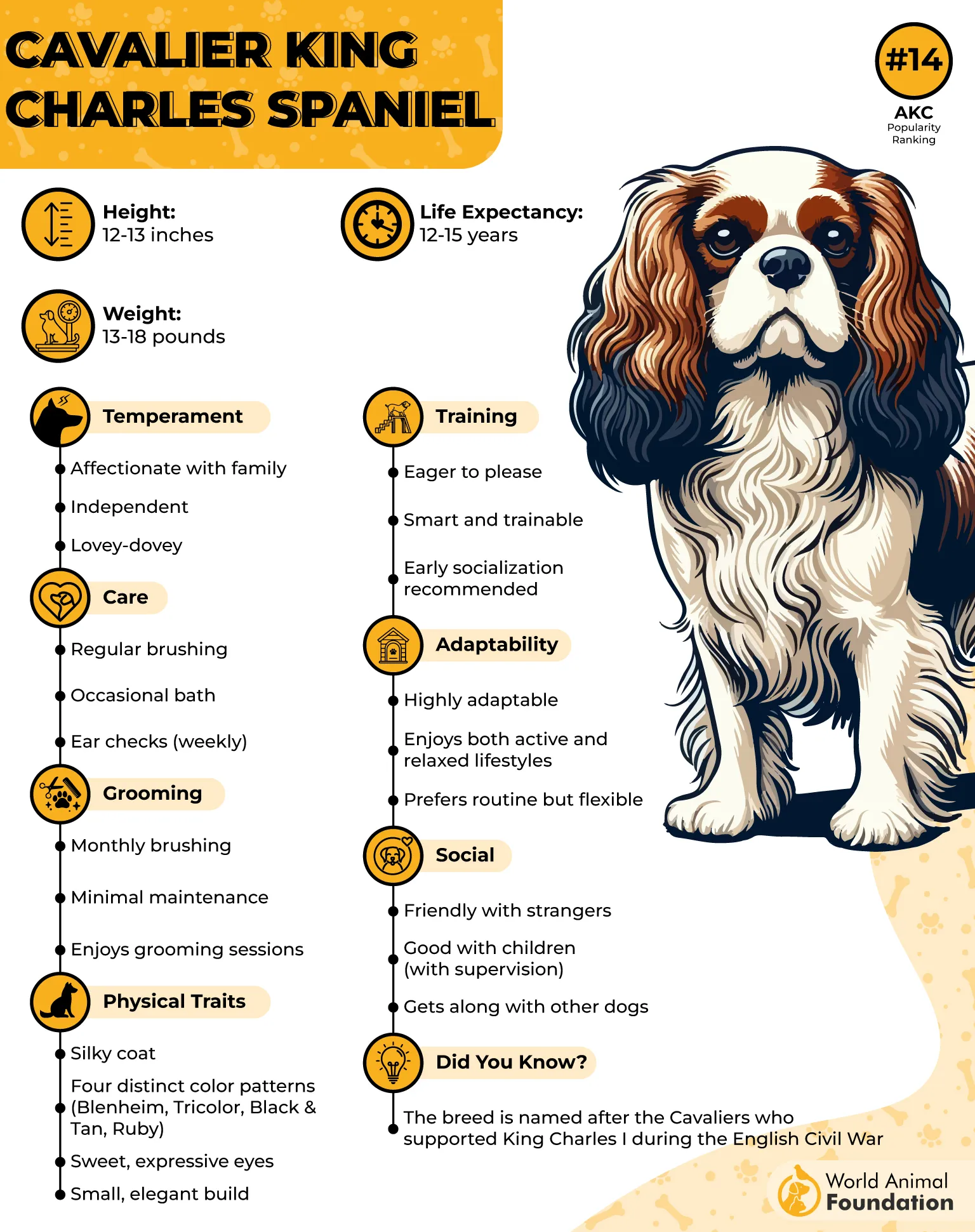
The Cavalier King Charles Spaniel began as a small lap companion in Tudor times, often kept close for warmth and comfort. Its role as a “living heater” shaped a dog that naturally settles into quiet, shared spaces. That instinct still shows in how easily it blends into calm home routines.
Behavior shaped by closeness
These Spaniels stay emotionally tuned to people, often choosing to sit nearby or climb onto soft spaces without hesitation. Its gentle nature allows it to adjust across households, making it one of those chill dogs that settle without fuss.
Small habits reveal this clearly:
Seeks soft resting spots like beds or sofas
Responds to attention with relaxed body language
Drifts toward people during quiet moments
Personality beyond stillness
It shows a playful side during walks, exploring scents, and occasionally chasing moving objects with sudden interest. It learns commands fairly quickly, though moments of distraction appear when comfort takes priority. This mix reflects an easygoing nature with its own personality.
6. Irish Wolfhound
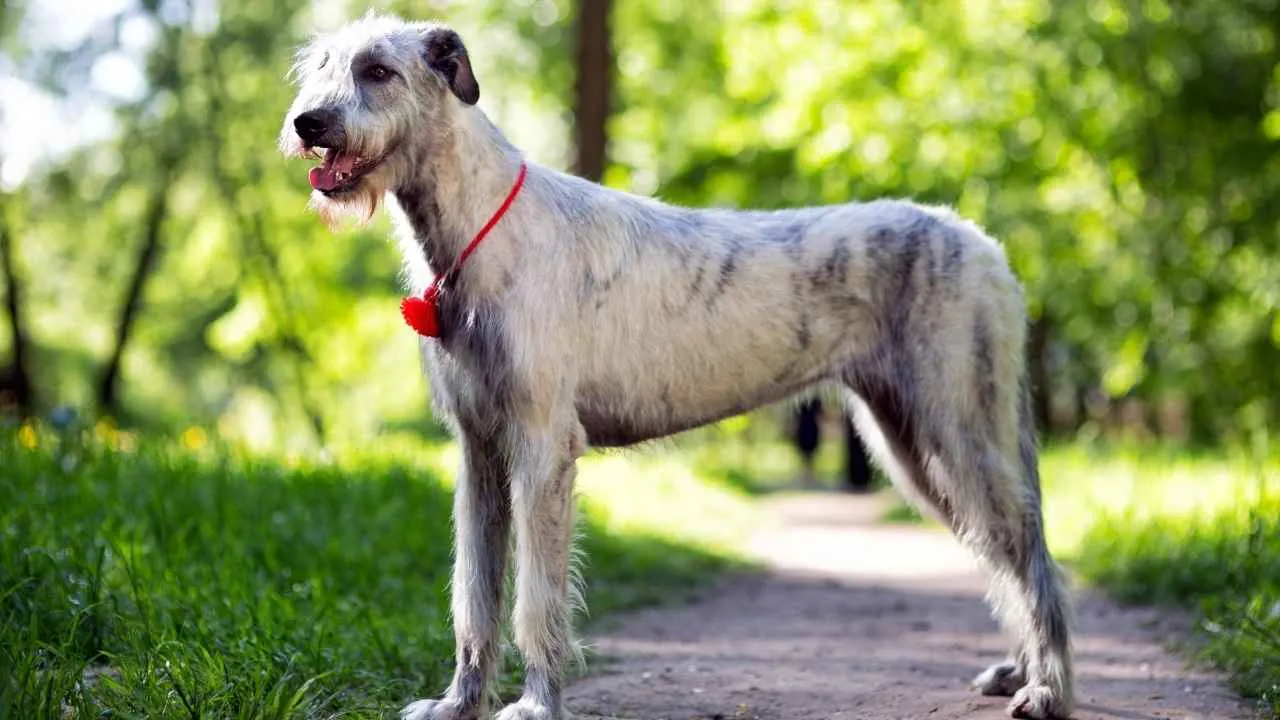
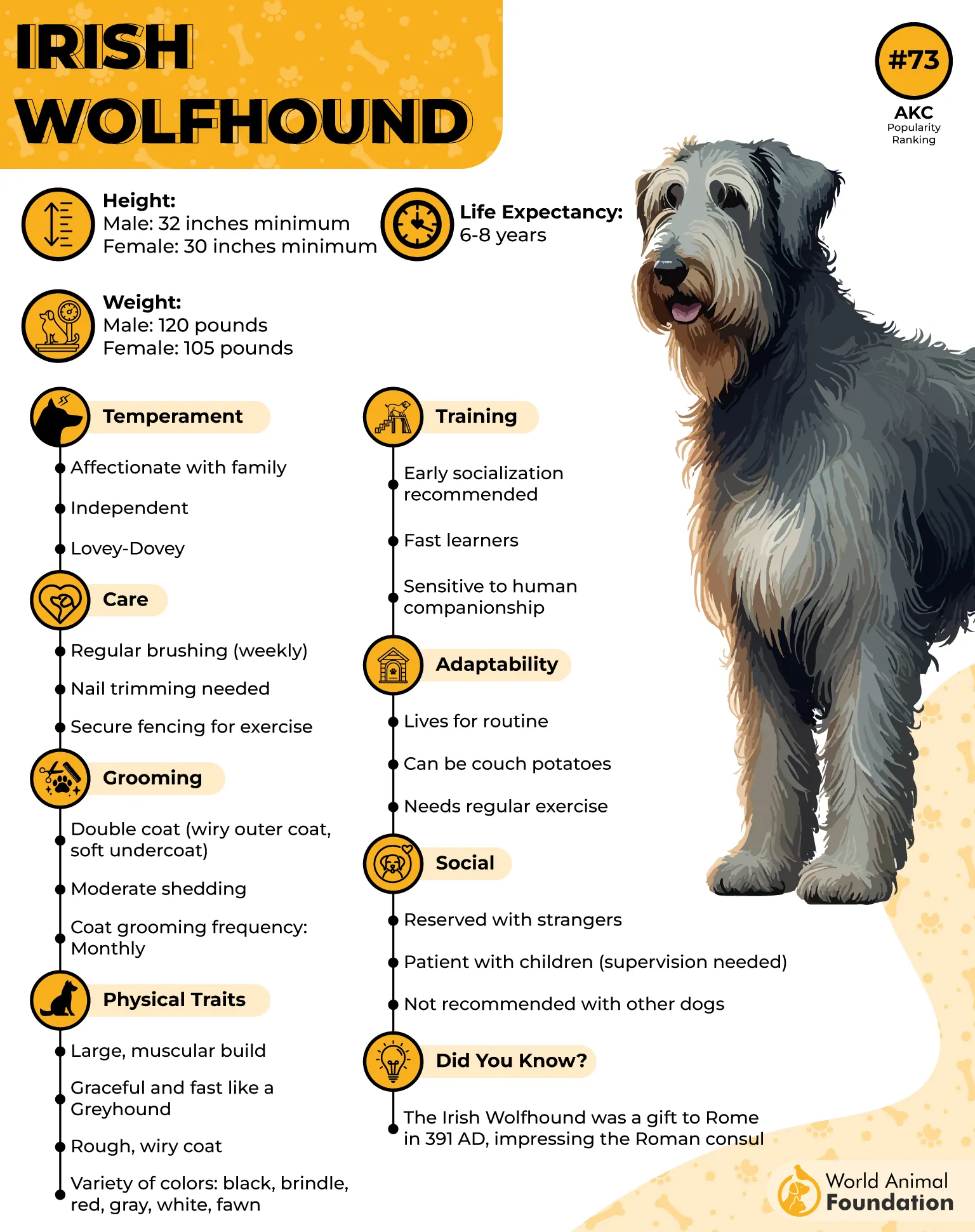
Irish Wolfhound brings an imposing height that once placed it in arenas and royal exchanges, yet its presence indoors feels unexpectedly quiet. Its large frame often folds into rest, choosing stillness over constant movement. This contrast between scale and calm shapes its role inside the home.
Daily rhythm inside the house
This gentle giant keeps a slow indoor pace, often spending long stretches resting once comfortable. Its interaction stays gentle, showing affection without seeking constant physical closeness.
A closer look reveals how this plays out:
Spends extended time resting on soft surfaces
Stays relaxed around familiar people
Keeps interactions calm and measured
Instincts that surface outdoors
Irish Wolfhound retains a natural speed linked to its long legs, with bursts of fast running when given space. This instinct can shift toward chasing smaller animals, especially in open areas. Controlled environments help manage this behavior during outdoor time.
7. Greyhound
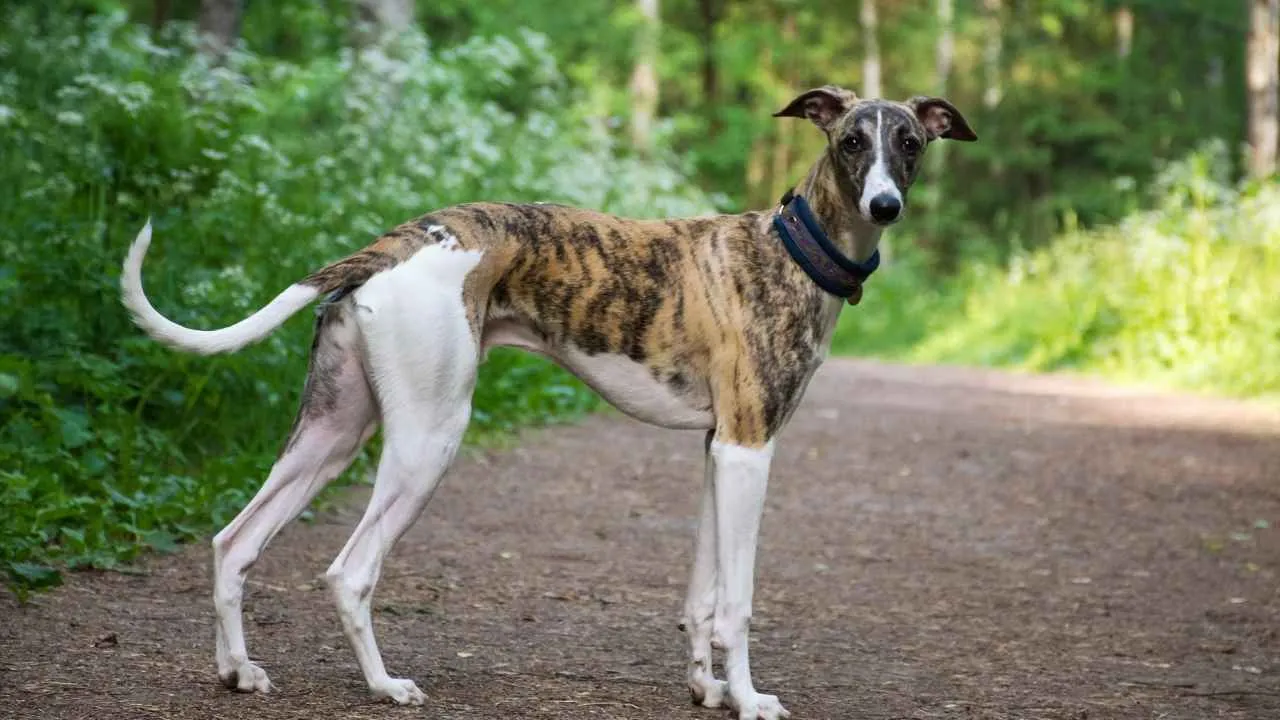
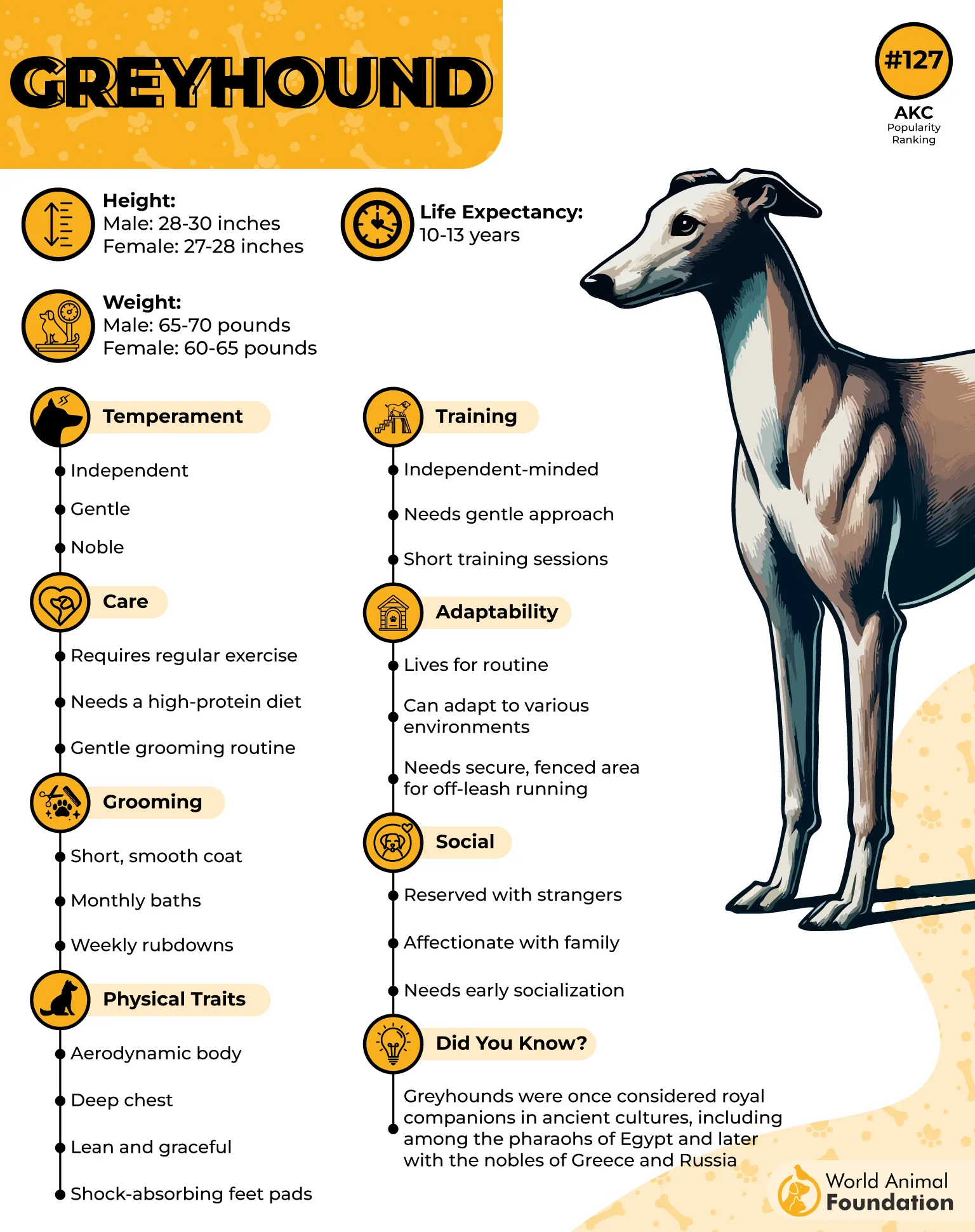
Greyhounds are shaped for short, explosive speed with a slim frame, long legs, and a flexible spine that supports rapid acceleration. Its role as a sighthound focused on spotting and chasing game over brief distances. That same design leans toward rest once that burst of energy is spent.
Daily rhythm inside the home
It settles into long stretches of sleep, often choosing soft spots like beds and sofas as preferred resting places. Its quiet nature blends easily into indoor life, rarely interrupting the space with noise.
This routine shows up in simple habits:
Sleeps for extended periods throughout the day
Chooses the softest available resting spot
Remains quiet unless engaged in play
Social behavior and attachment
They stay closely connected within the household, showing a preference for company rather than isolation. Its temperament remains gentle with children and other dogs when introduced properly. Extended periods alone can lead to discomfort due to its social nature.
Conclusion
A slower home does not need to feel empty when the dog within it already understands that pace. The calmest dog breeds discussed here show how calm behavior and low demands inherently shape daily life. Some stay quietly present, while others add small moments of activity that never feel overwhelming.
That difference becomes more noticeable over time. The right dog does not need constant engagement or structured routines to stay balanced. It settles into stillness with ease.
When that fit is right, the home keeps its calm rhythm, and the dog becomes a steady presence that supports it without adding pressure.
