




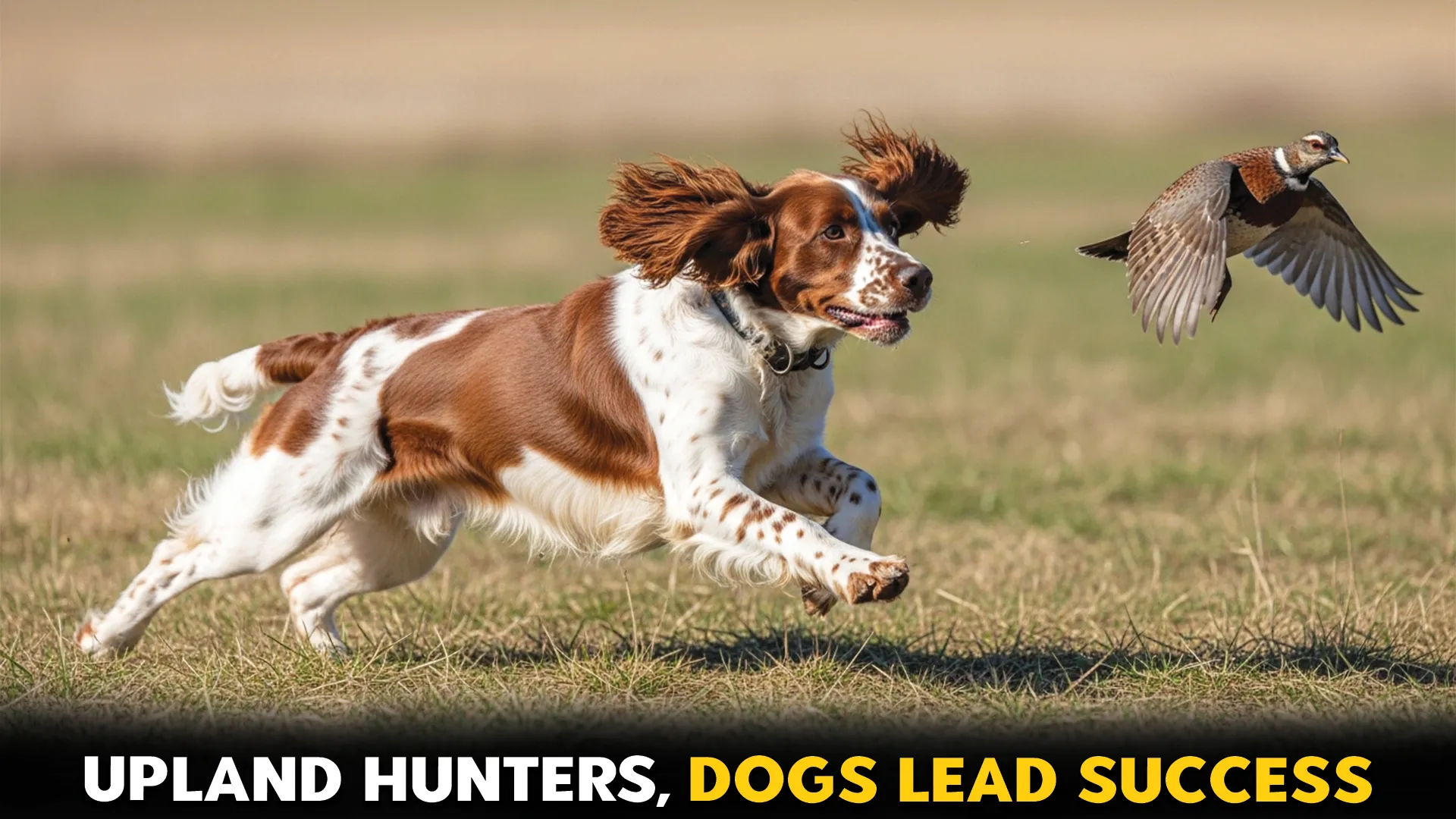
You only realize how demanding upland bird hunting can be once you are out in the field with a dog that cannot keep up. The terrain is uneven, the cover is thick, and the pace does not stay consistent for long.
A dog that lacks stamina or focus quickly turns a promising hunt into a frustrating experience. At first, it may seem like any active dog could handle the work, but upland hunting requires something more specific. It demands discipline, endurance, and the ability to respond without hesitation in changing conditions.
Not every dog is built for that level of work, and choosing the wrong one becomes obvious faster than expected. This is why understanding which types of dogs naturally succeed in upland bird hunting matters. The right match brings consistency to every outing, while the wrong one adds unnecessary difficulty from the start.
The sections ahead break down what truly sets the best upland hunting dogs apart in real conditions.
Key Takeaways
A single day in upland bird hunting can reveal very quickly whether a dog is built for the field or simply running on energy alone.
Labrador Retriever leads with instinctive retrieval work, while Golden Retriever carries steady reliability shaped by years of structured hunting roles.
Boykin Spaniel thrives in wet terrain and tight cover, while Brittany covers open ground with speed that never feels unfocused.
Each breed adds a different advantage, and the full picture only appears when you see how they handle real hunting conditions.
Top Dog Breeds For Upland Bird Hunting Success
1. Labrador Retriever
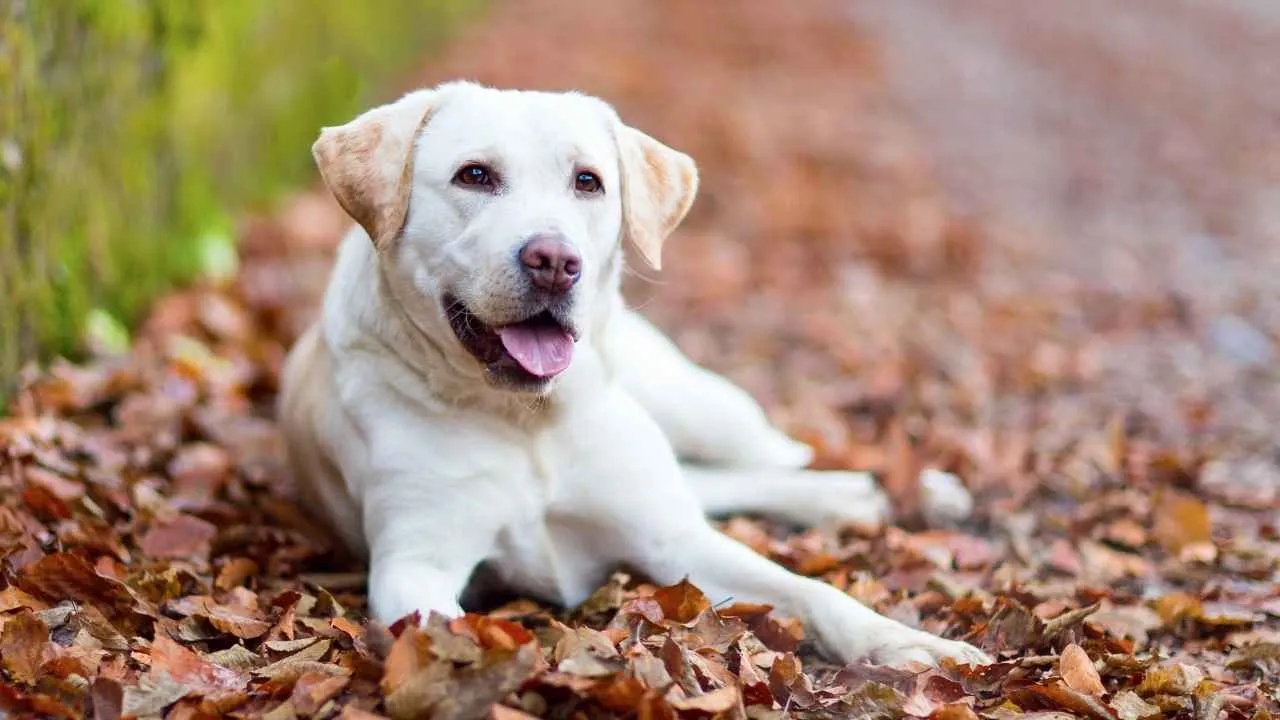
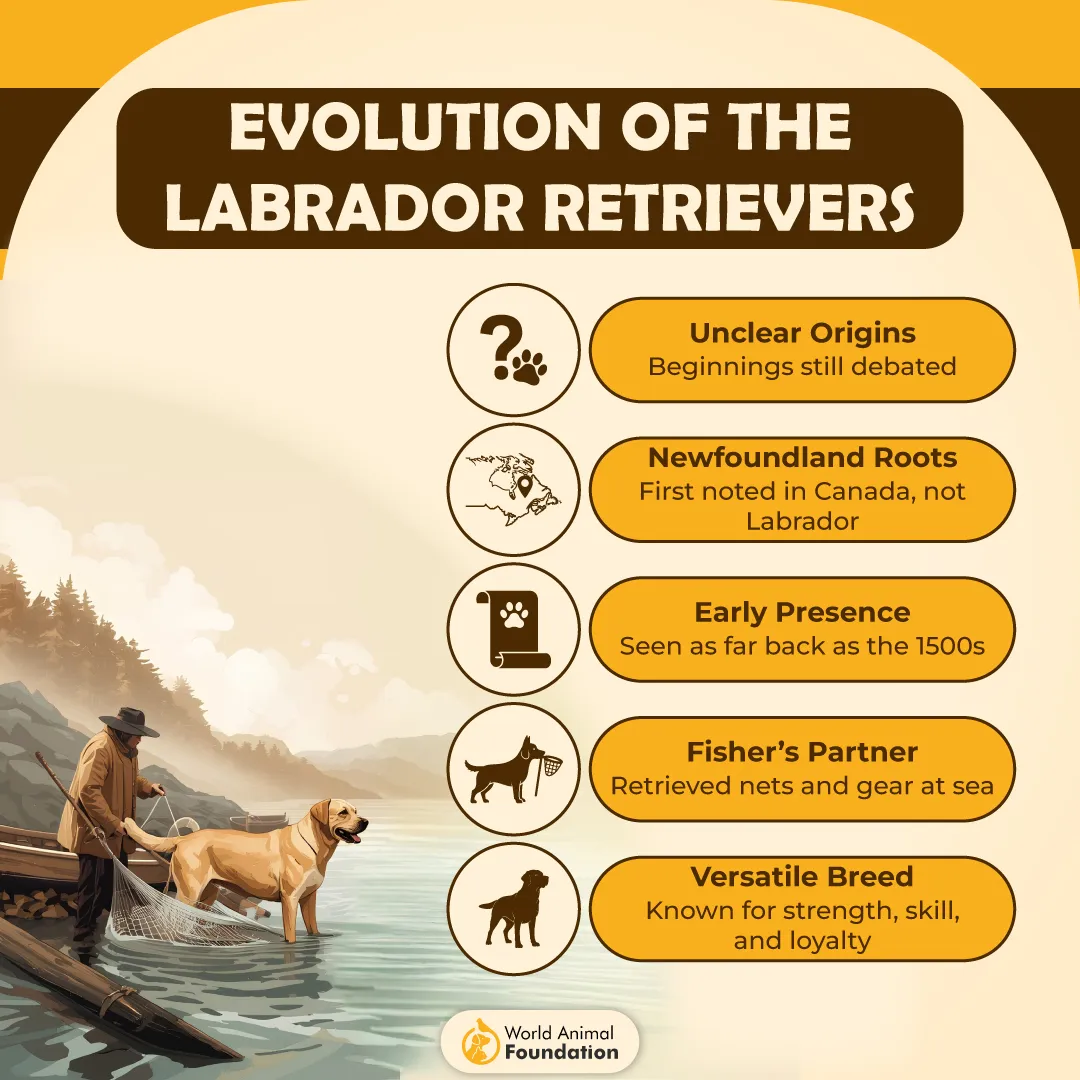
Labrador Retriever centers its behavior around retrieval, a deeply ingrained trait formed through early use as fishing and waterfowl dogs.
Imported dogs from Newfoundland were refined alongside hunting breeds to strengthen this instinct. This origin ties its actions closely to game handling rather than random chasing.
Controlled handling of the game
This hunting dog breed interacts with retrieved birds using a notably gentle grip, often described as a “soft mouth” that avoids damage, as noted by the Royal Kennel Club. This behavior reflects precision rather than force during retrieval tasks.
That precision shows in practical ways:
Holds game without puncturing or crushing
Responds quickly when sent for retrieval
Maintains focus on assigned targets
Physical ability in open terrain
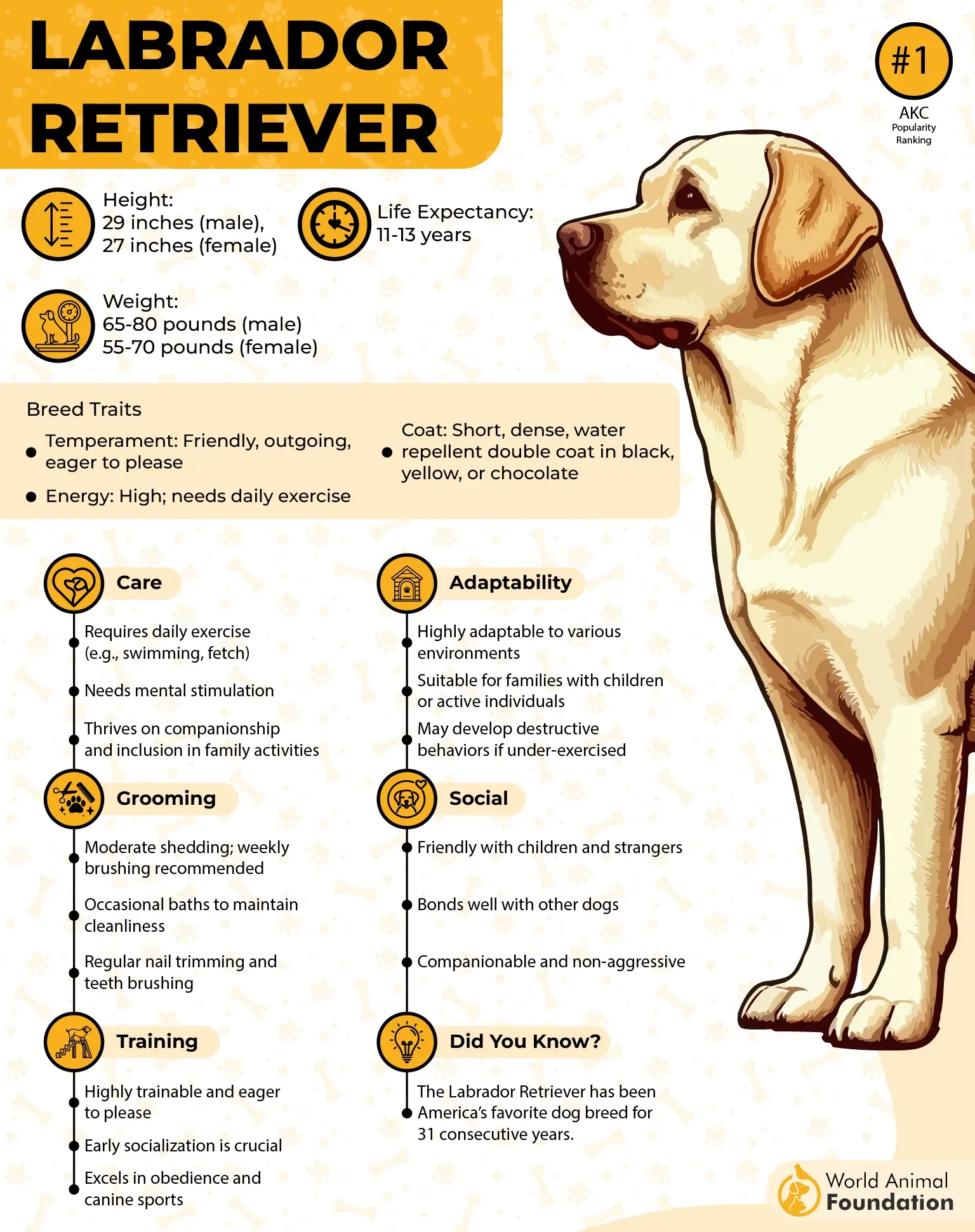
As a popular dog breed, it combines muscular strength with agility, allowing quick changes in direction during field work. It can reach speeds around 30 miles per hour while maintaining balance for jumping and bending. This coordination supports movement across uneven ground during active hunts.
2. Brittany
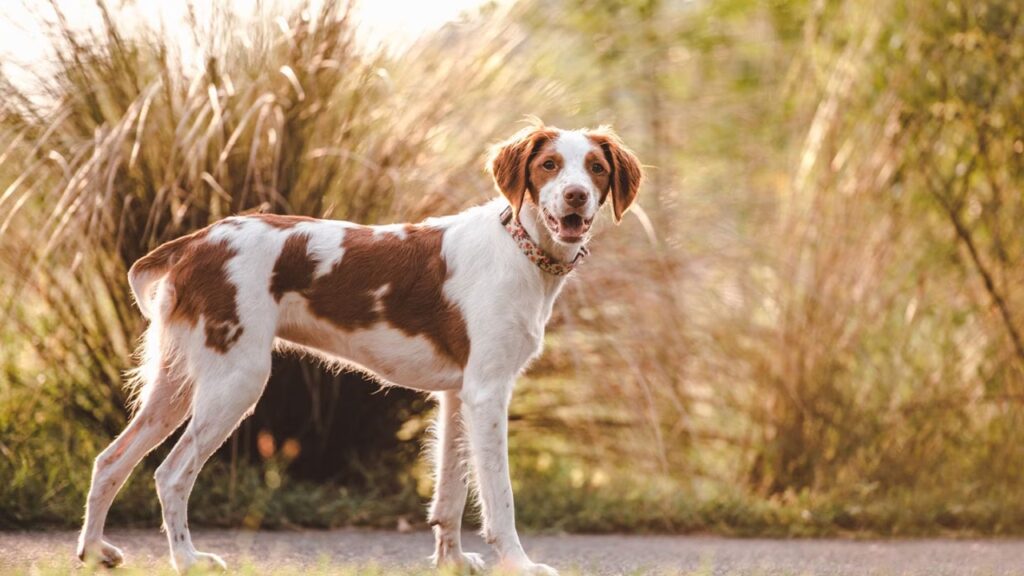
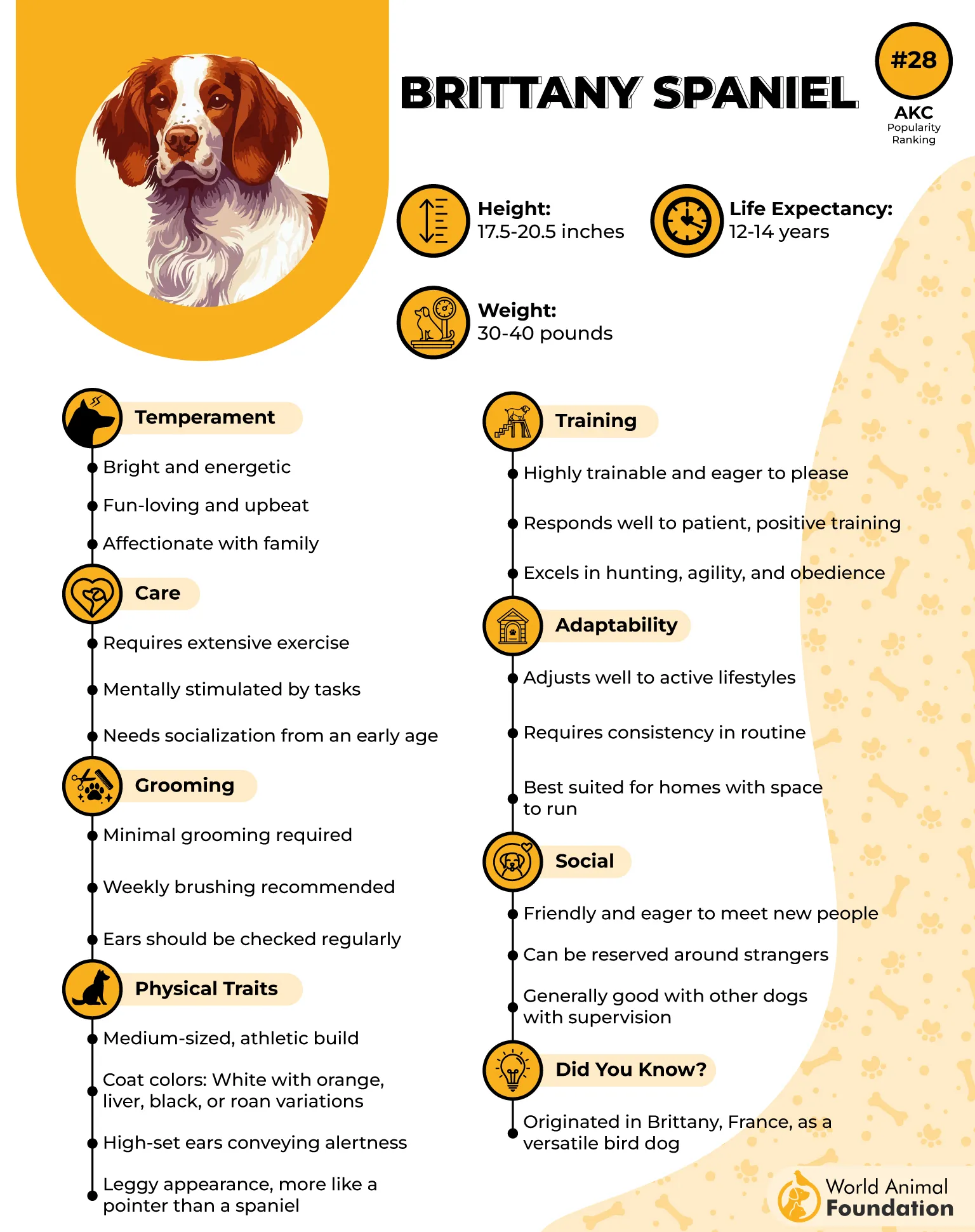
Brittany shows a lean yet rugged body, sitting between the build of setters and spaniels with longer legs and a lighter frame. Its clean movement and quick footwork reflect a dog shaped for fast ground coverage. The soft expression and high-set ears signal constant alertness in the field.
Field behavior with purpose
This bird dog breed works with energy and intent, staying engaged during long hunting sessions without losing pace or focus. Its eagerness remains visible through posture and responsiveness while tracking upland birds.
That working style becomes clear in key traits:
Maintains speed across varied terrain
Stays attentive to the handler’s signals
Tracks birds with sustained focus
Versatility beyond hunting
Brittany adapts its hunting style into structured activities like agility, obedience, and dock diving without losing enthusiasm, as the American Kennel Club (AKC) noted.
Its trainable nature allows smooth transitions between fieldwork and organized tasks. This flexibility reflects a breed shaped for multiple roles within active routines.
3. English Springer Spaniel
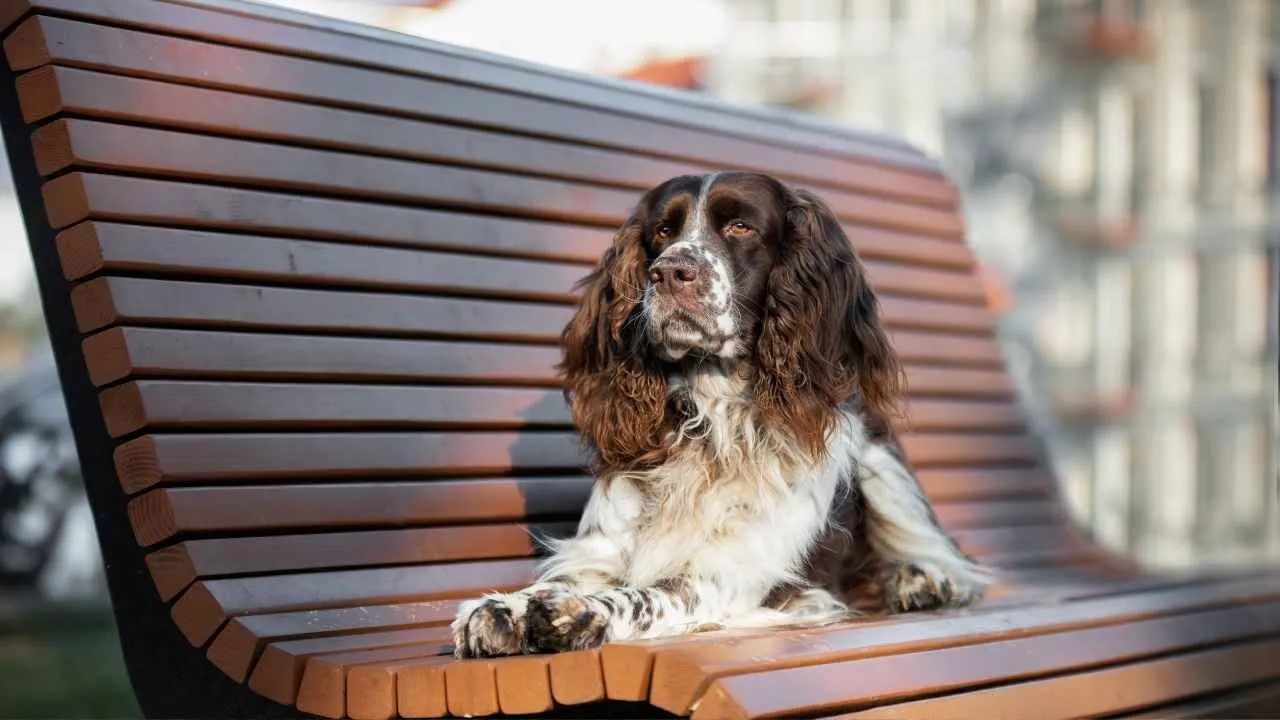
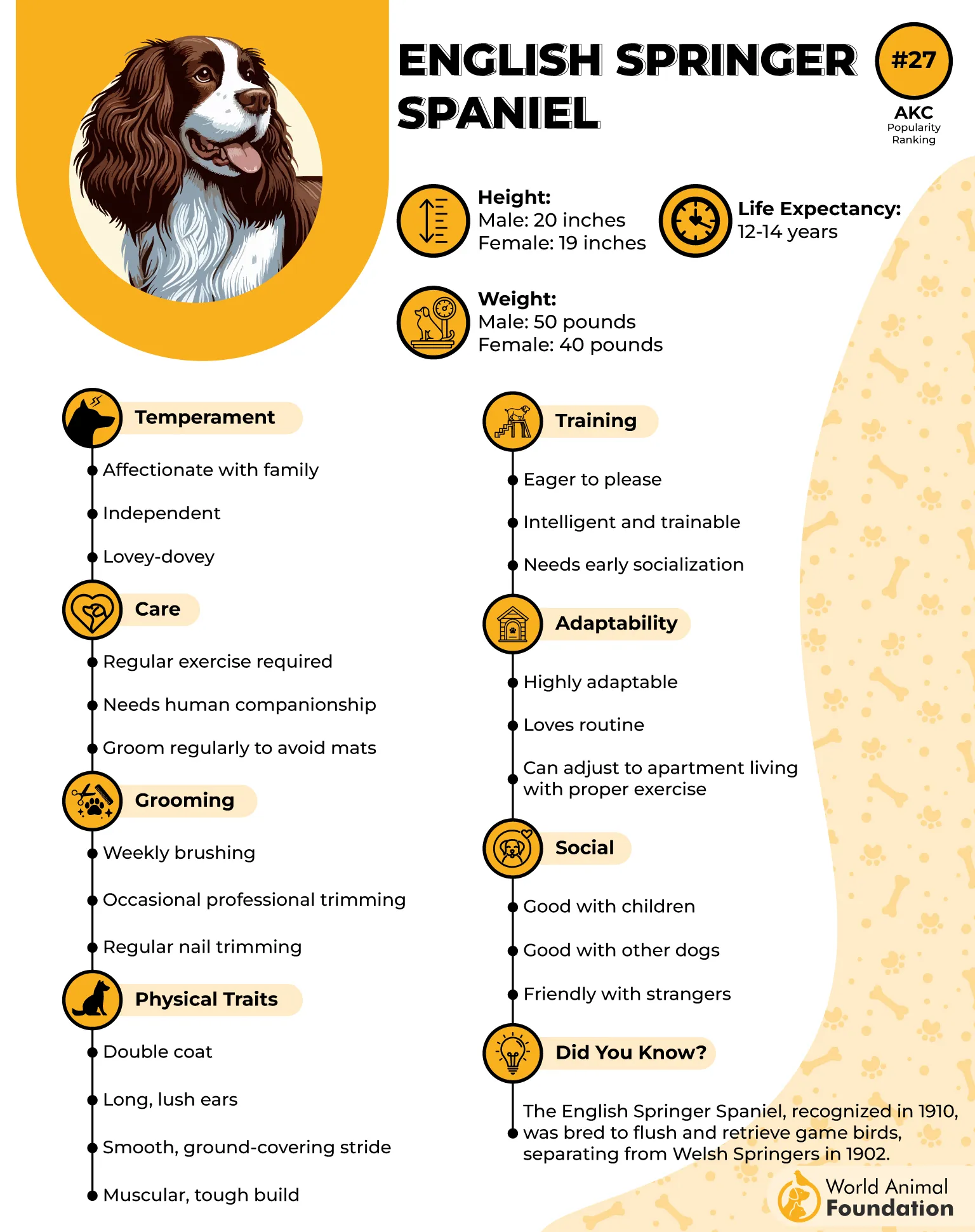
English Springer Spaniel works close to the ground, flushing birds from cover with a smooth, ground-covering stride. Its role as one of the oldest flushing spaniels shapes a dog that stays active through long field sessions. This instinct remains tied to searching, locating, and pushing the game into the open.
Field coordination with the handler
These spaniels stay closely connected to human direction, responding quickly during hunting tasks that require timing and precision. Its willingness to follow commands allows it to work in sync rather than independently.
That coordination shows through:
Maintains a close working distance
Responds quickly to directional cues
Retrieves on land and in water
Energy matched to long outings
This medium-sized dog maintains stamina across extended outdoor sessions, whether walking in fields or covering uneven terrain. As per PetMD, its activity level connects directly to tasks like tracking, chasing, and retrieving. Regular engagement keeps both physical and mental focus aligned.
4. Boykin Spaniel
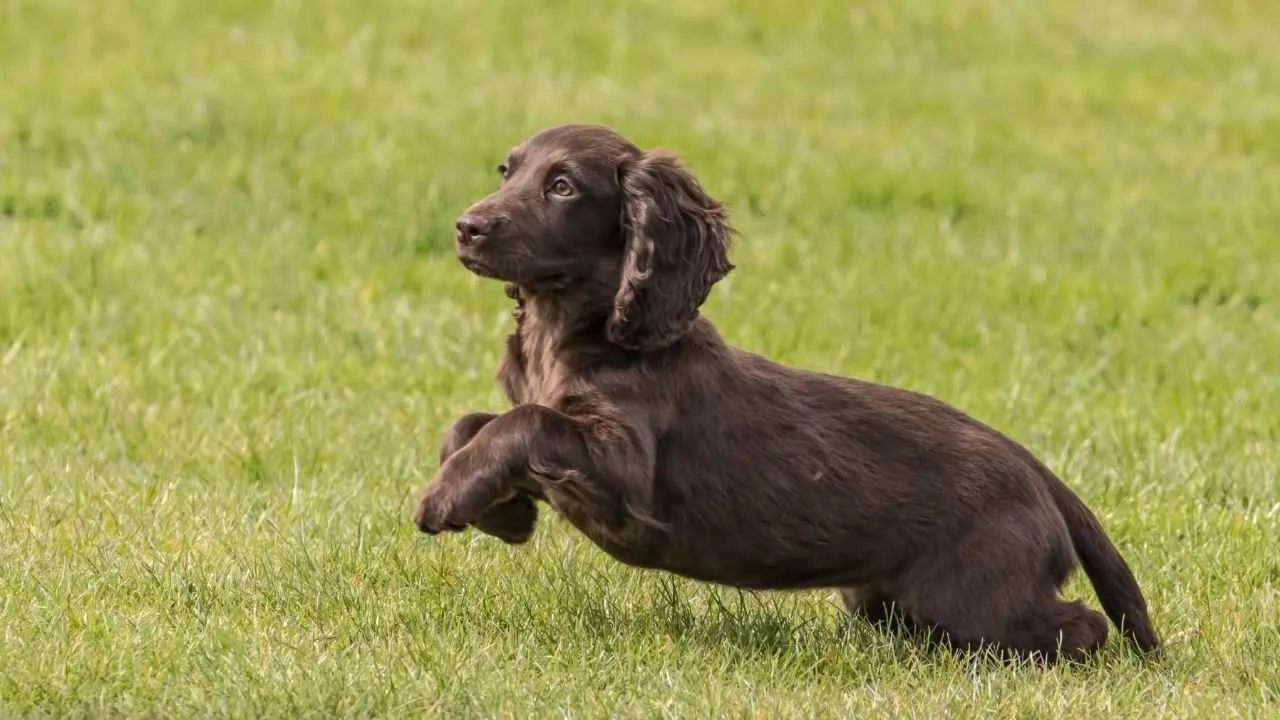
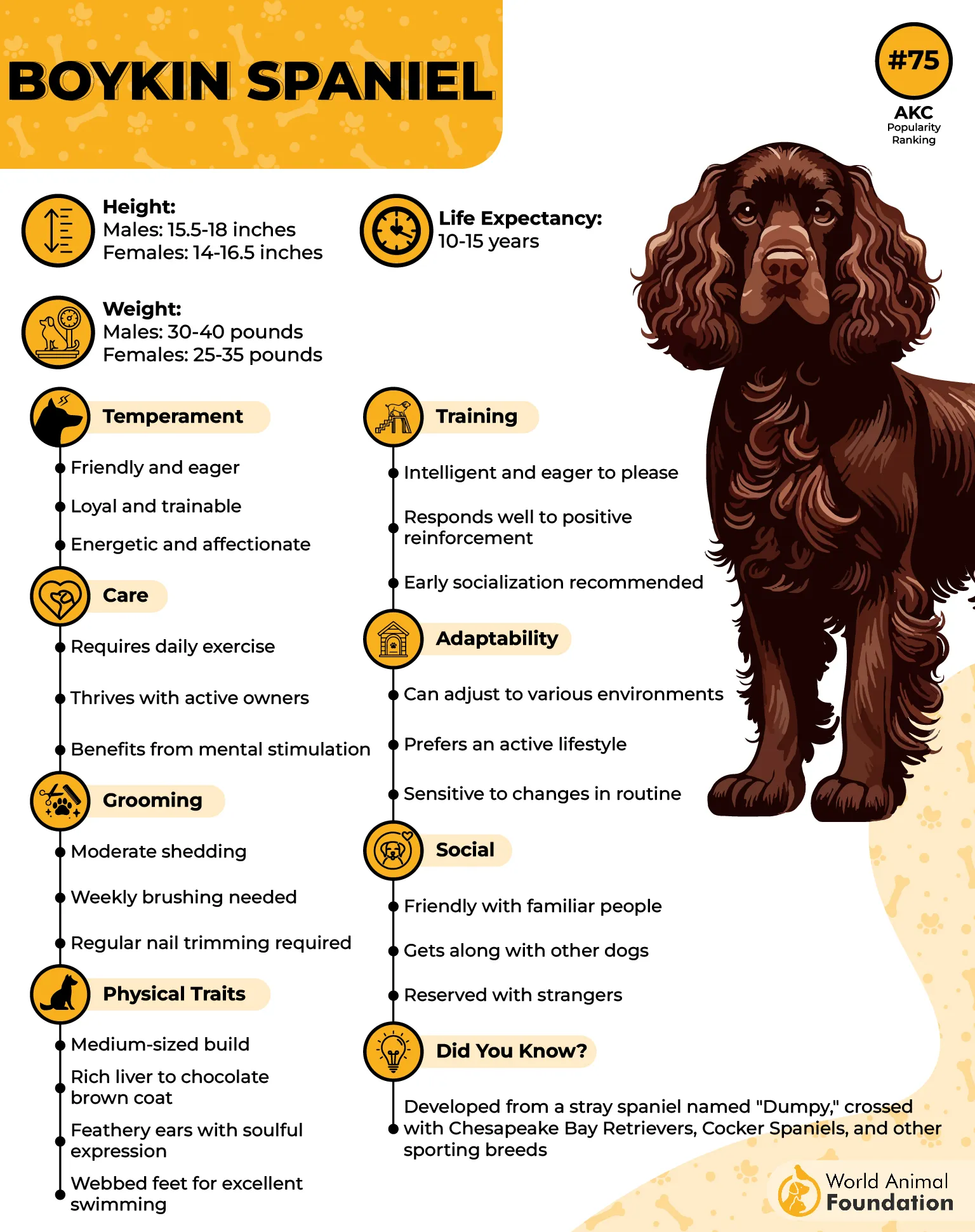
The Boykin Spaniel shows its purpose through a rich brown coat and a balanced frame suited for tight spaces and wet terrain. Its webbed feet allow strong swimming ability, shaped by work in lakes and swamps. This natural design connects directly with waterfowl and turkey hunting conditions.
Field rhythm and working style
These spaniels approach bird work with eagerness, shifting between flushing and retrieving with steady focus. Its compact yet rangy structure helps it navigate dense cover without losing efficiency.
That working rhythm reveals itself in clear traits:
Handles both flushing and retrieving roles
Maintains energy across long field sessions
Adapts to wet and dense hunting ground
Energy shaped for active routines
They maintain moderate to high energy, requiring consistent activity to stay balanced both physically and mentally. It fits into routines that include extended outdoor sessions like hiking, running, or structured field work. Its engagement remains tied to movement and task-based activity.
5. Golden Retriever
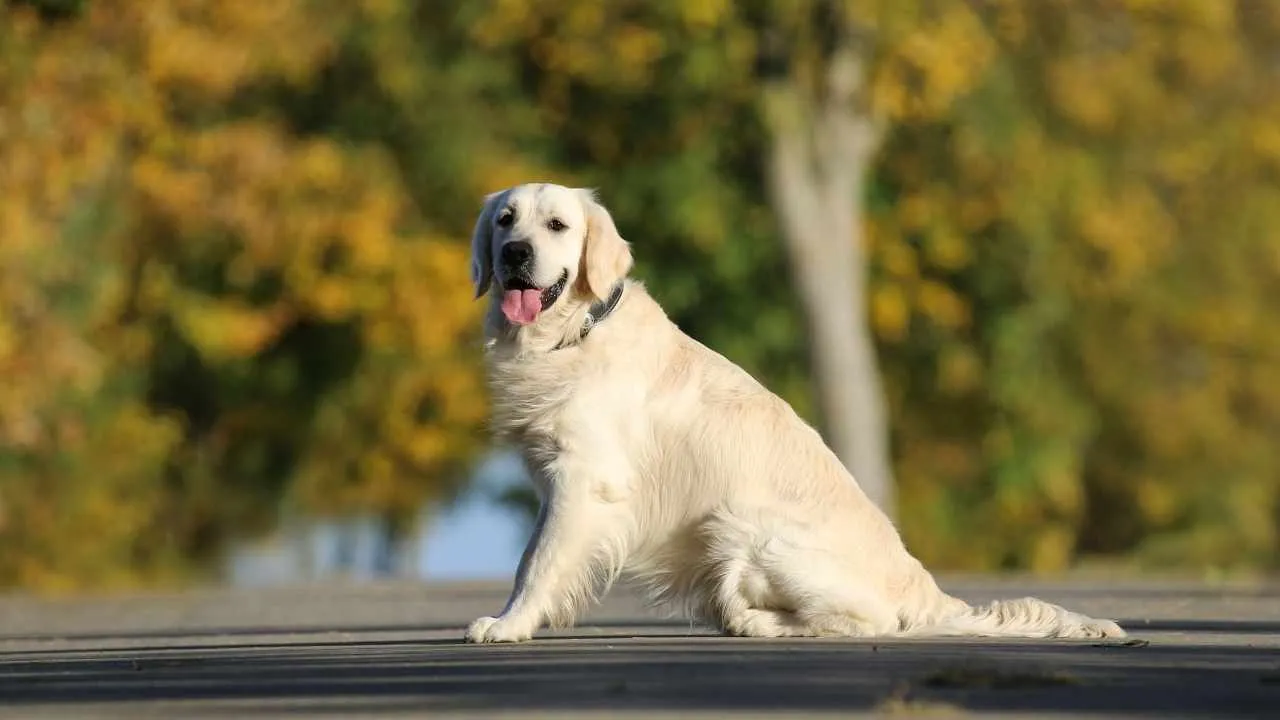
The Golden Retriever was originally bred in the Scottish Highlands, where sportsmen required a dog capable of handling varied hunting conditions.
Its early role involved working across land and water, linking it closely with bird hunting traditions. It shaped a dog that consistently responds to field demands.
Instinct tied to retrieval work
It shows a natural tendency to retrieve, responding quickly when the game is downed across uneven or wet terrain. Its eagerness to follow direction keeps its actions aligned with the handler during hunts.
That instinct becomes clearer in practice:
Retrieves the game from water without hesitation
Responds to commands with strong recall
Maintains focus during active field tasks
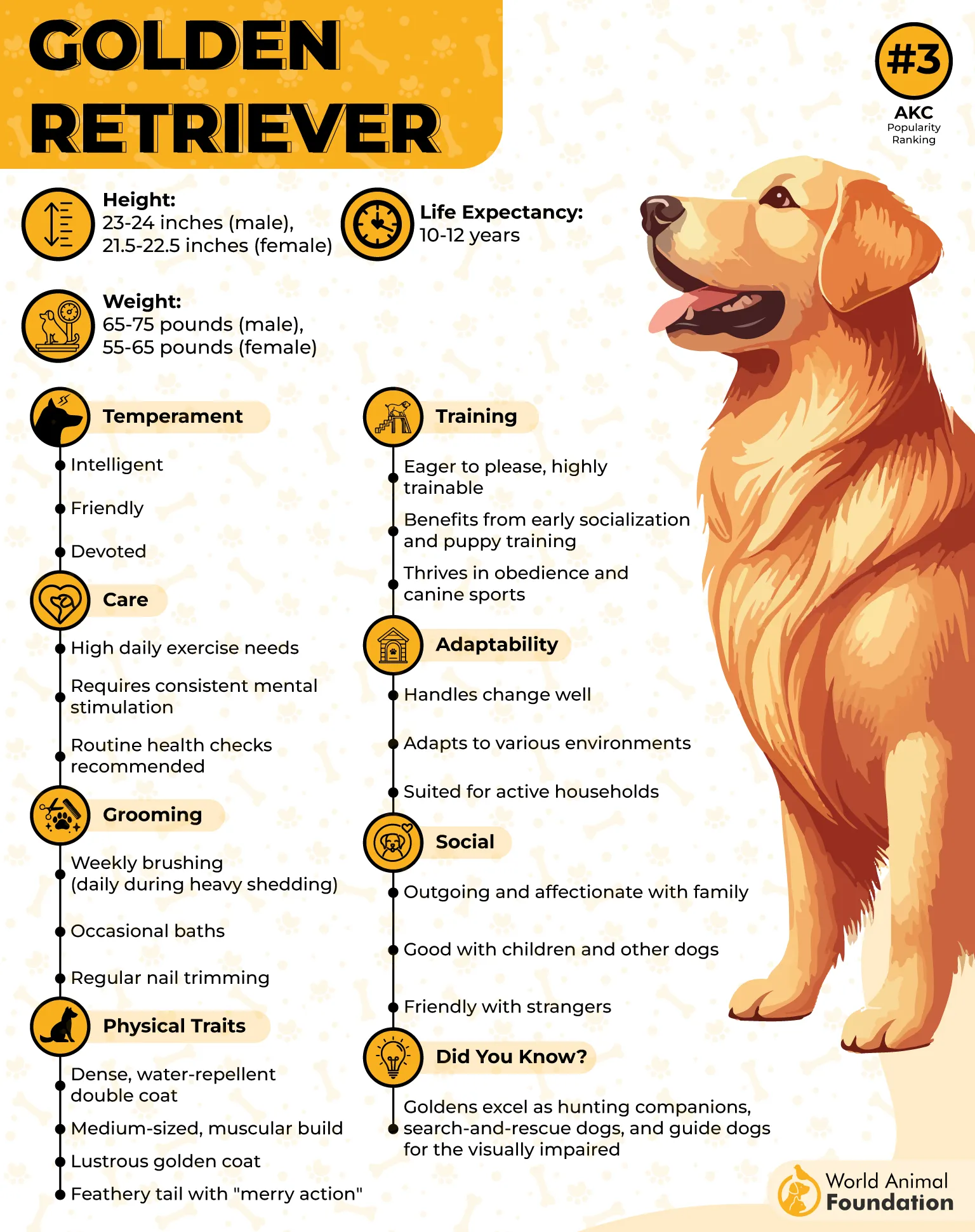
Trainability linked to field success
They process trains with consistency, allowing them to perform multiple roles beyond hunting, including assistance work. Its responsiveness supports obedience-based tasks that require precision in the field. This learning ability strengthens its reliability during structured hunting routines.
6. Vizsla
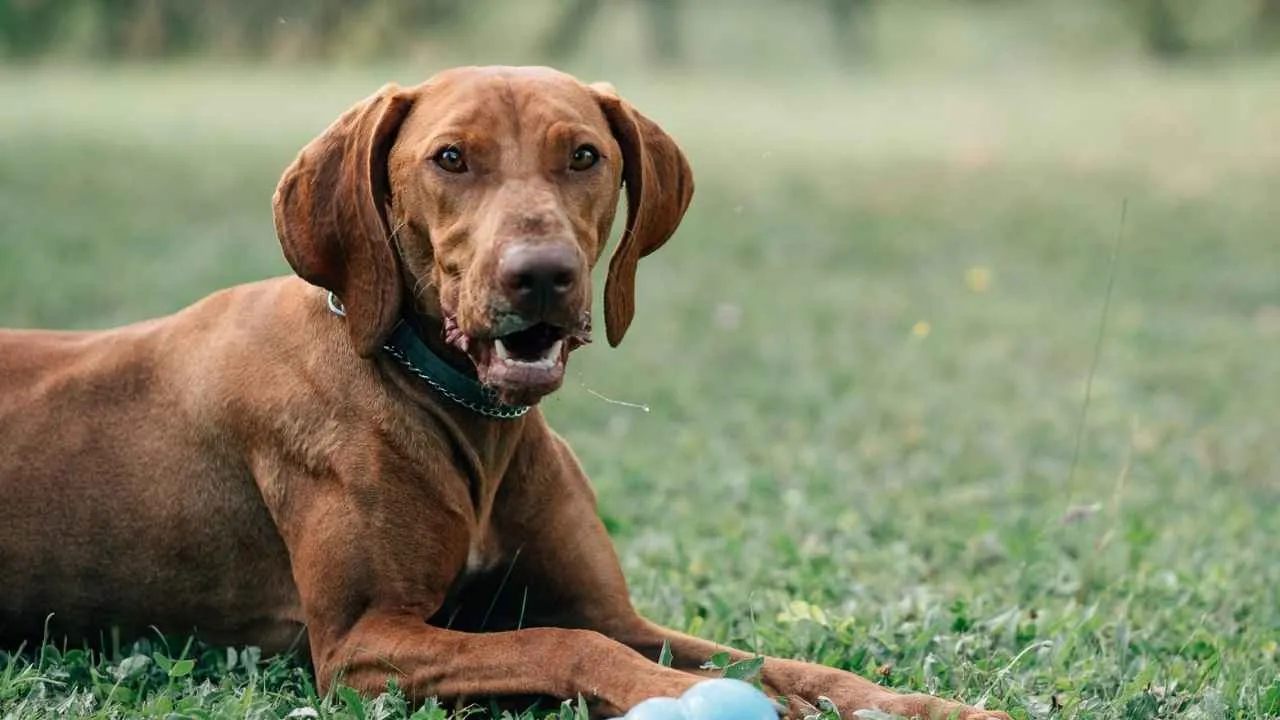
Vizsla shows a refined hunting instinct, working both as a pointer and retriever with steady focus during long hours outdoors. Its lean, rust-colored frame reflects a dog built for sustained field activity rather than short bursts. This balance between control and endurance shapes how it reads open terrain.
Energy is shaped in a direction
This pointing breed points strongly to activity that engages both body and attention, often excelling when tasks demand coordination with a handler. Its attachment to human guidance influences how it handles both work and daily interaction.
That pattern becomes visible in specific qualities:
Tracks and retrieves with steady field focus
Responds best during continuous activity cycles
Builds strong handler-driven coordination
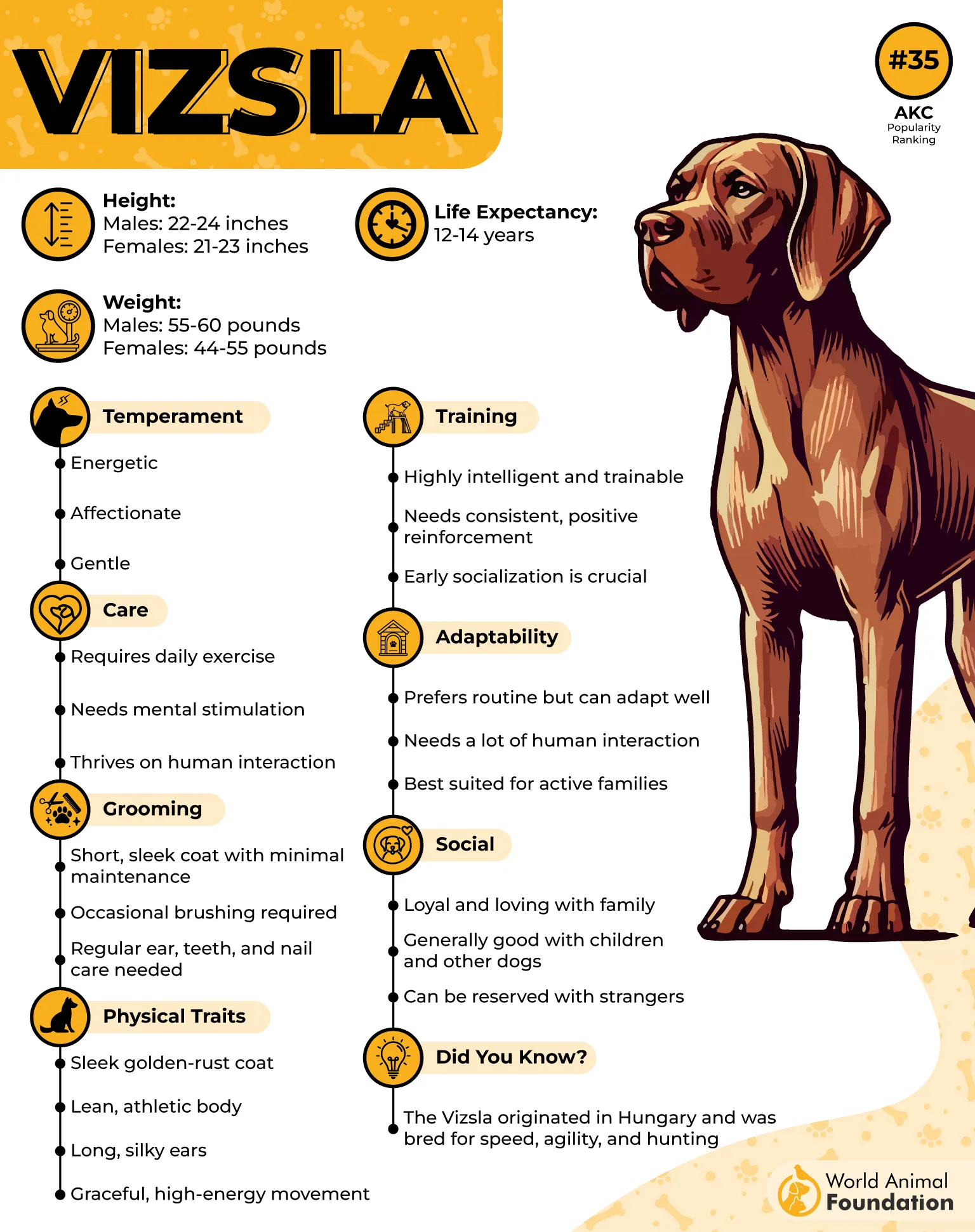
Expression that shifts with context
It shows a calm, affectionate presence at home while shifting into sharp intensity during work-driven situations. Its long ears and sensitive expression reflect awareness that changes based on the environment. This contrast appears in how it interacts socially versus in active roles.
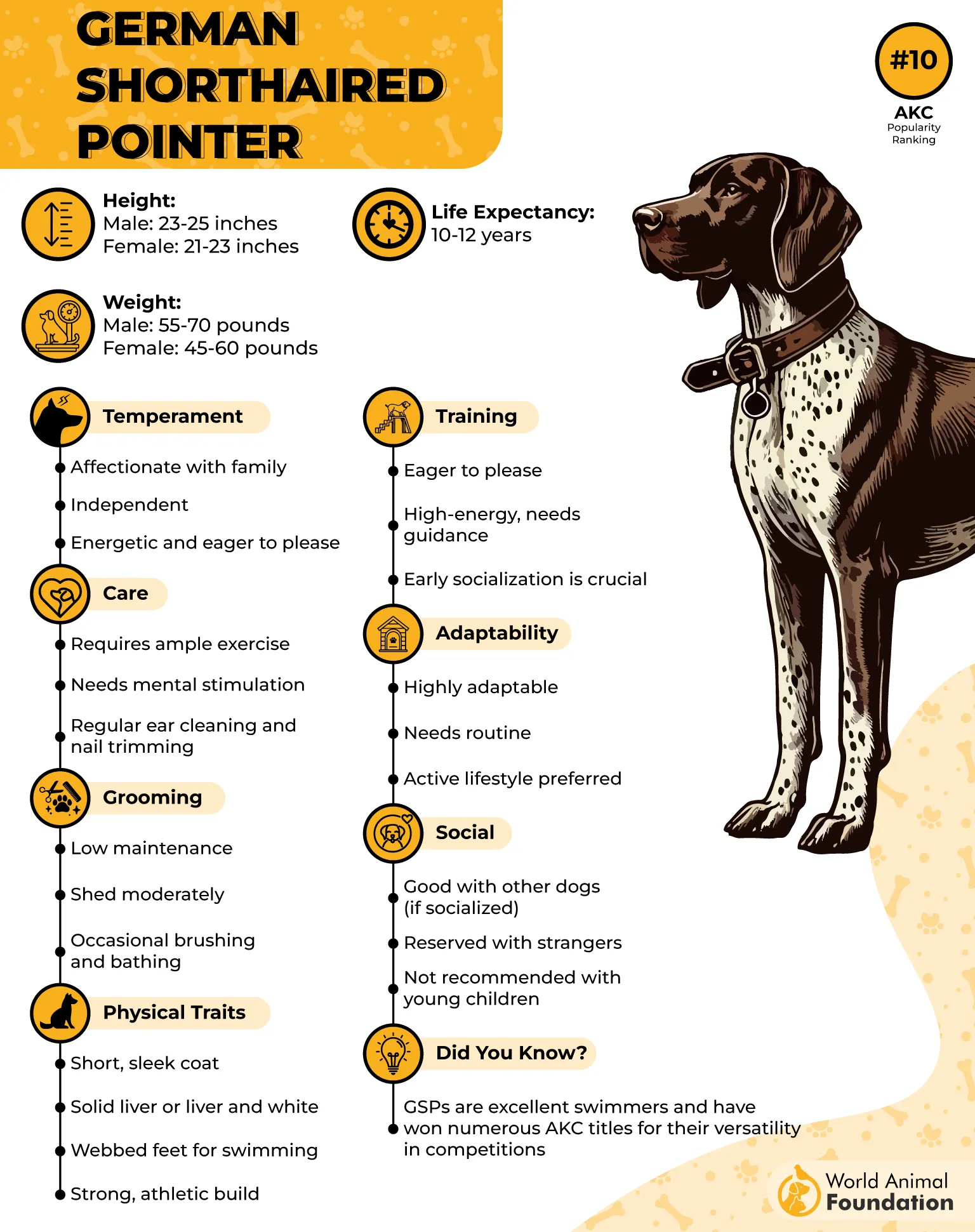
7. German Shorthaired Pointer
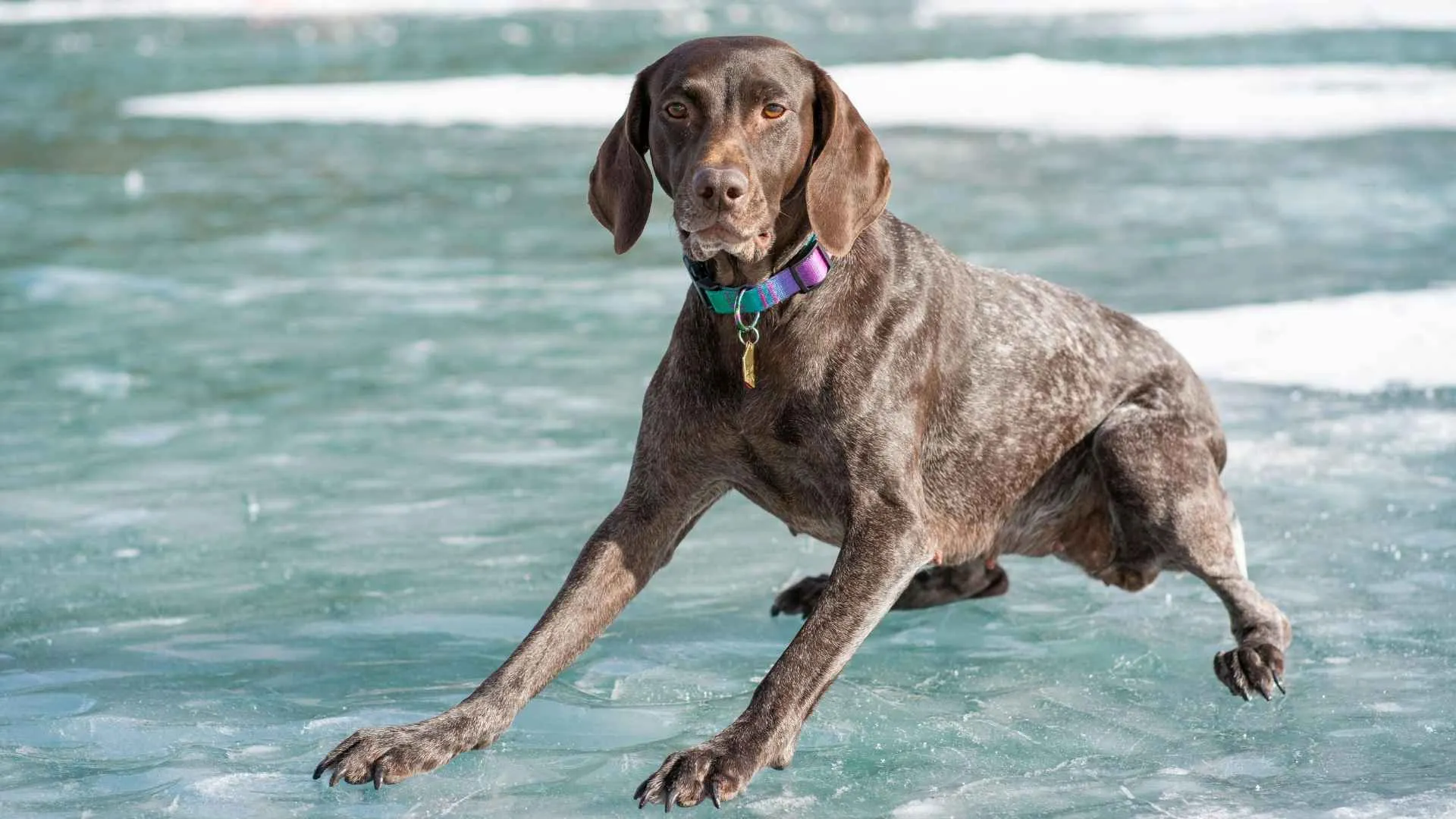
German Shorthaired Pointer is shaped for long hours of outdoor work, with a lean frame built around power, speed, and endurance. Its expression and posture reflect alert readiness, often associated with a noble, balanced appearance. It enables consistent movement on land and water.
Activity shaped through variety
This pointing dog responds best when its day includes changing physical challenges and structured tasks. Running, swimming, and organized field work help channel its energy in a focused way while maintaining engagement with handlers.
That variety shows up clearly in action:
Performs confidently in field-based tasks
Adapts quickly between land and water activities
Responds well to structured sports like agility and obedience
Routine shaped by purpose
These energetic dogs follow a rhythm that benefits from regular physical outlets spread throughout the day, especially in open or secured spaces. Its intelligence and athletic drive work together when tasks involve both mental focus and physical execution.
Conclusion
Upland bird hunting becomes clearer when the dog beside you works with purpose instead of effort. The breeds discussed here show how instinct, control, and endurance shape real performance in the field, especially when working around game birds.
Some stay close and responsive, while others cover ground with speed that never feels scattered, giving upland hunters a more reliable experience.
That difference matters once conditions begin to shift.
The right dog does not struggle to keep pace or lose focus when terrain changes. It settles into the work naturally and can retrieve upland birds without hesitation.
When that alignment is in place, each hunt feels steady, consistent, and far more rewarding without adding unnecessary pressure or correction along the way.
