




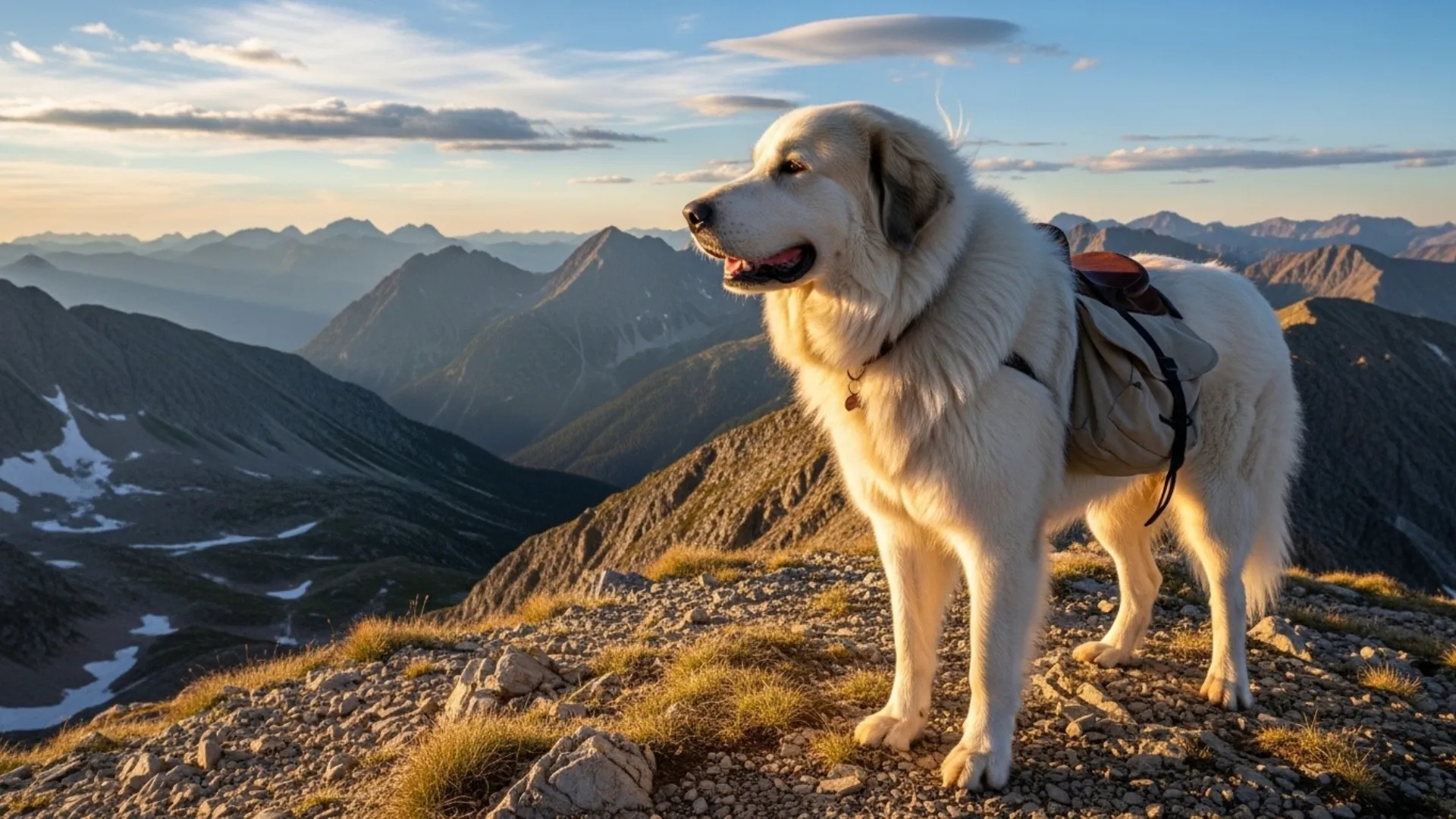
You lace up your boots, grab your pack, and before you even reach the door, your dog is already there, practically shaking with excitement. Because some dogs are not just along for the ride, they were made for it.
Mountain life is no joke. Thin air, icy winds, rocky climbs. Not every pup is built for that kind of adventure. But some breeds? They truly thrive in it. Big, fluffy, strong, and always alert, these dogs were shaped by rugged terrain and demanding work, from guarding and herding livestock to moving through snowy mountain landscapes.
So if your idea of a perfect day includes steep trails and wild views, you are going to want a companion who can truly keep up…
Did you know?
Hiking with your dog can actually lift your mood and help you feel more relaxed, making those long trail days just as good for your mind as they are for your body.
Top Rugged Dog Breeds Perfect for Mountain Exploration
1. Alaskan Malamute
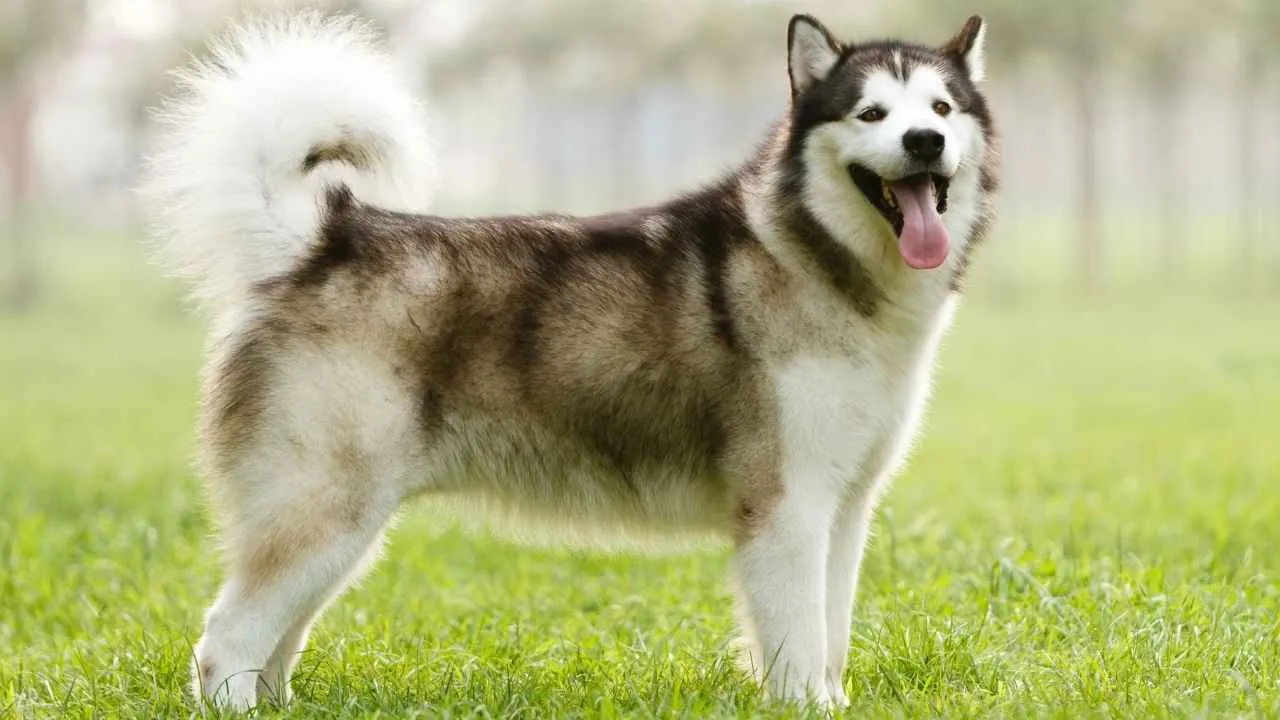
Cold air, crunchy snow, and a dog that looks way too excited about all of it, that is where the Alaskan Malamute truly shines. This breed traces back to Arctic sled work, hauling supplies with quiet determination and serious strength.
Built like a powerhouse, this dog comes with heavy bone, powerful shoulders, and a dense, weatherproof coat that practically laughs at freezing temperatures. Even the well-furred, plumed tail and erect ears feel like part of its built-in mountain gear.
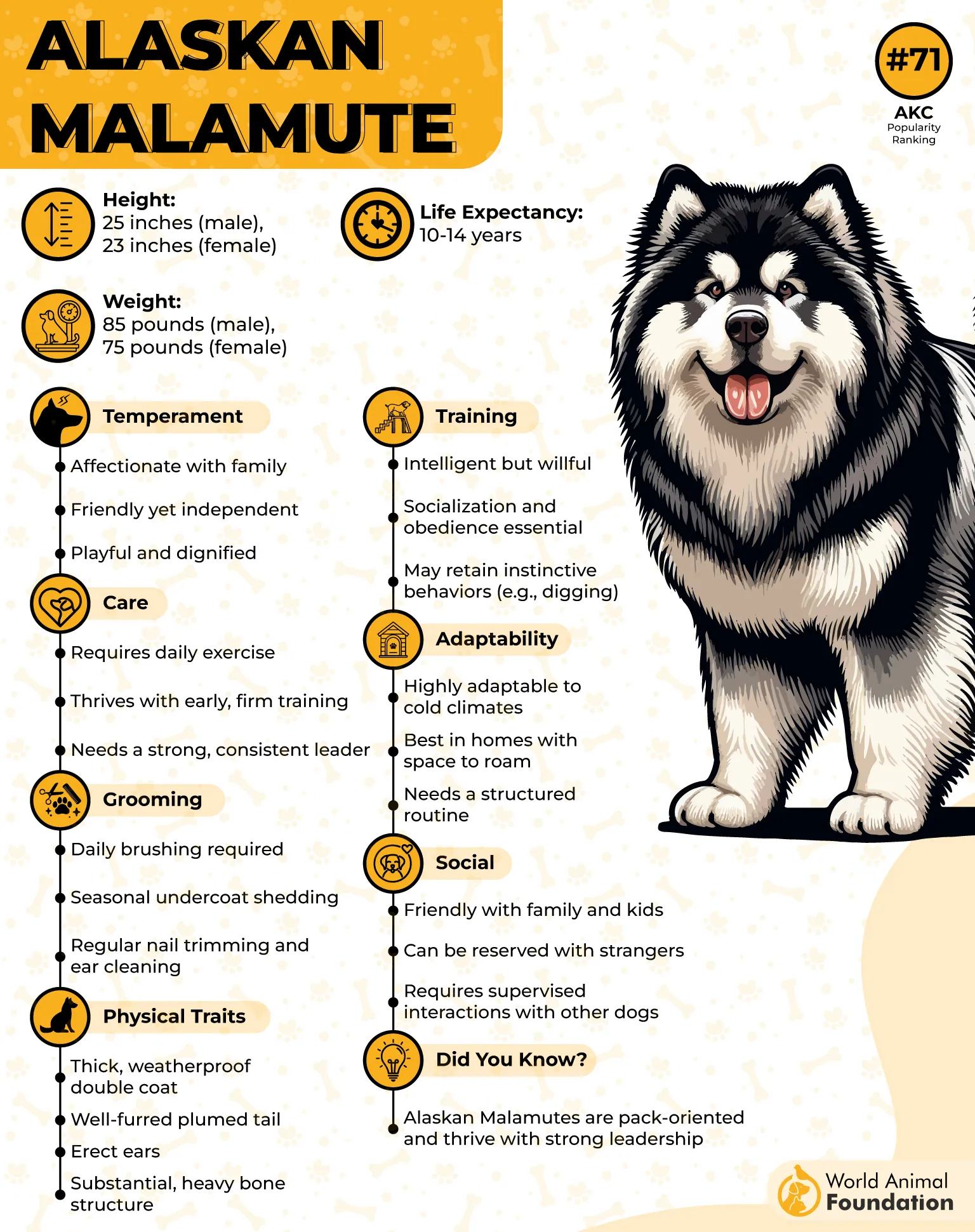
Out on long routes, this breed settles into a steady rhythm instead of rushing ahead. Designed to carry heavy loads over long distances, it handles extended treks comfortably and enjoys hiking, running, and even swimming with its humans.
What Makes This Breed Ideal for Mountain Exploration
Naturally built for pulling and hauling, making it reliable for carrying loads across long, demanding routes
A thick coat helps protect against cold, wind, and snowy conditions outdoors
2. Siberian Husky
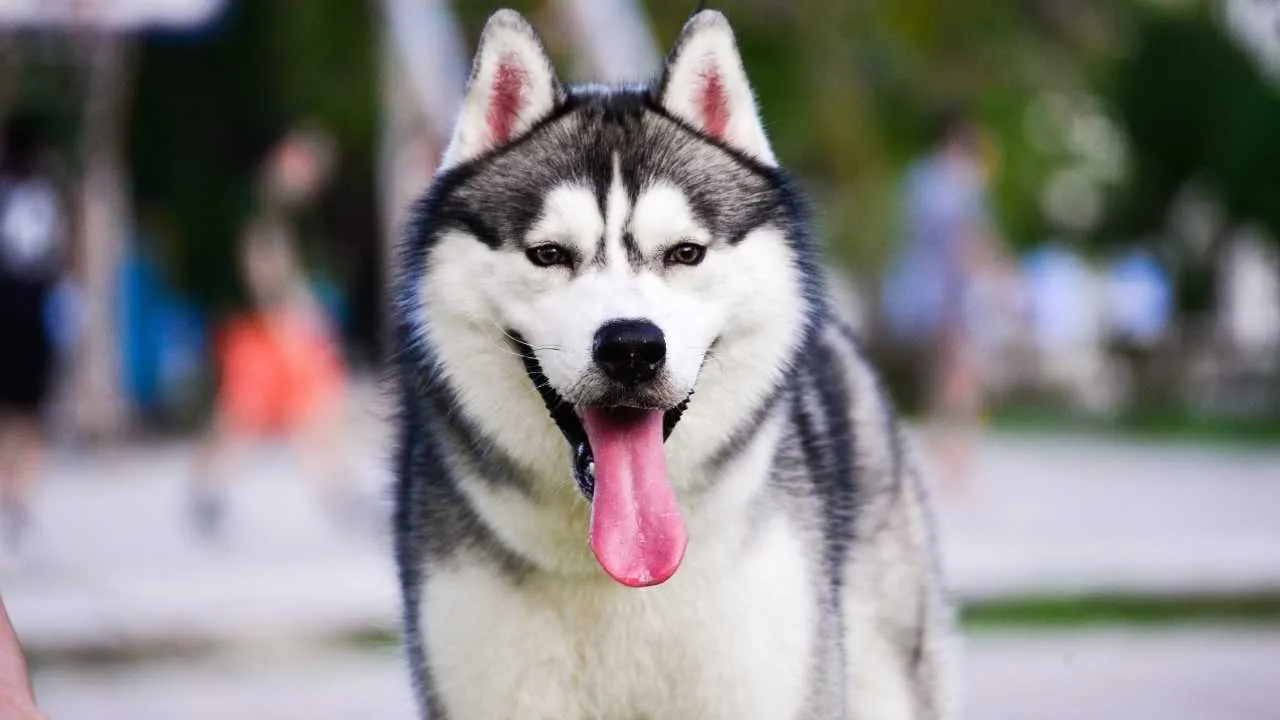
Some dogs politely follow along, and then there is the Siberian Husky, already halfway down the trail before you even adjust your backpack. This breed brings pure enthusiasm, like every hike is the best idea ever invented.
They make good family pets for active homes where there is always something going on. Friendly and outgoing, they enjoy being around people and other dogs, especially when it involves movement, interaction, and a bit of playful chaos along the way.
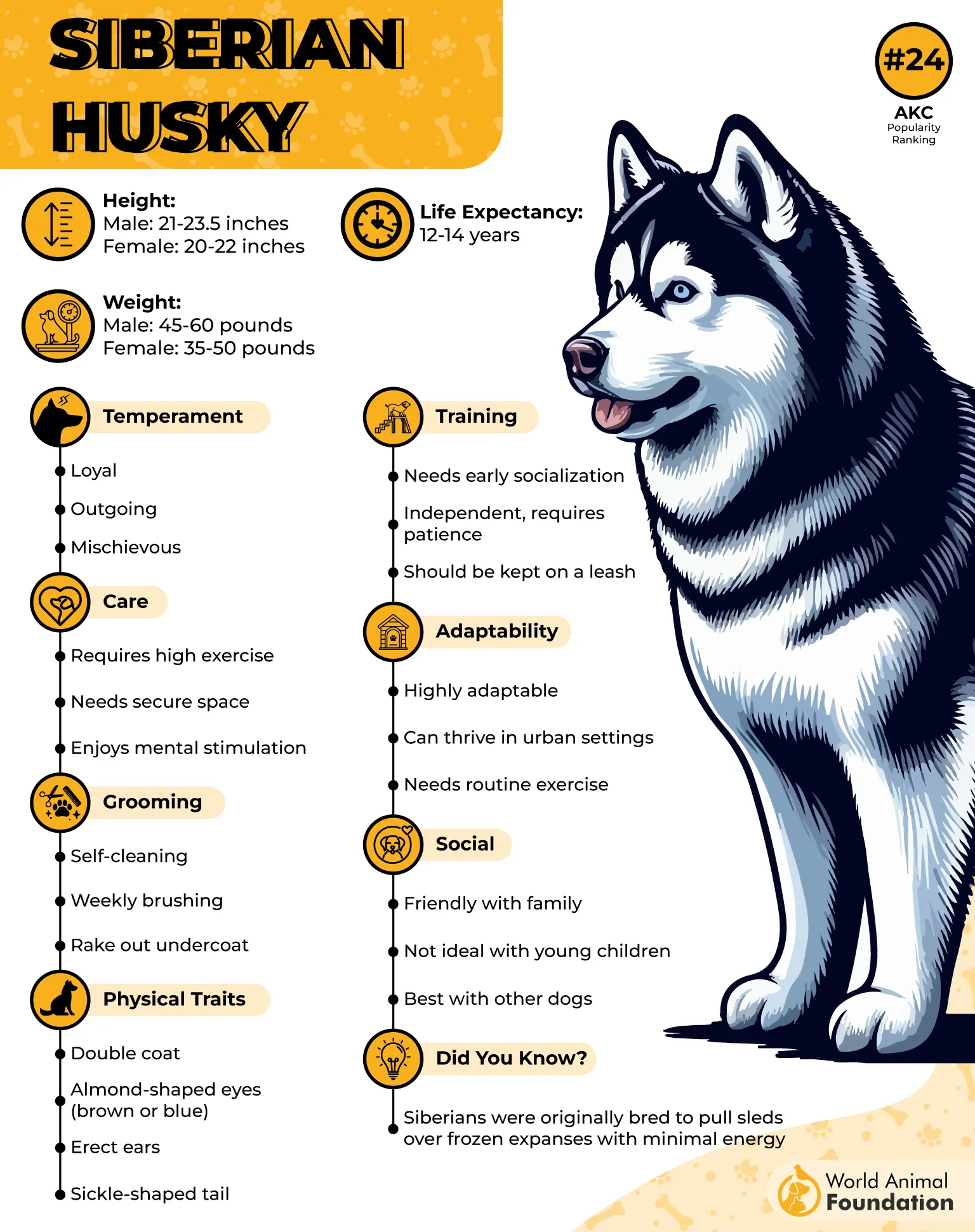
On trails, this dog thrives on motion. Known for running and staying active, it keeps a lively pace and enjoys covering distance, making hikes feel less like effort and more like a shared adventure that keeps unfolding step by step.
What Makes This Breed Ideal for Mountain Exploration
Loves consistent activity and thrives on movement-heavy routines
Social personality keeps group outings lively and engaging
3. Great Pyrenees
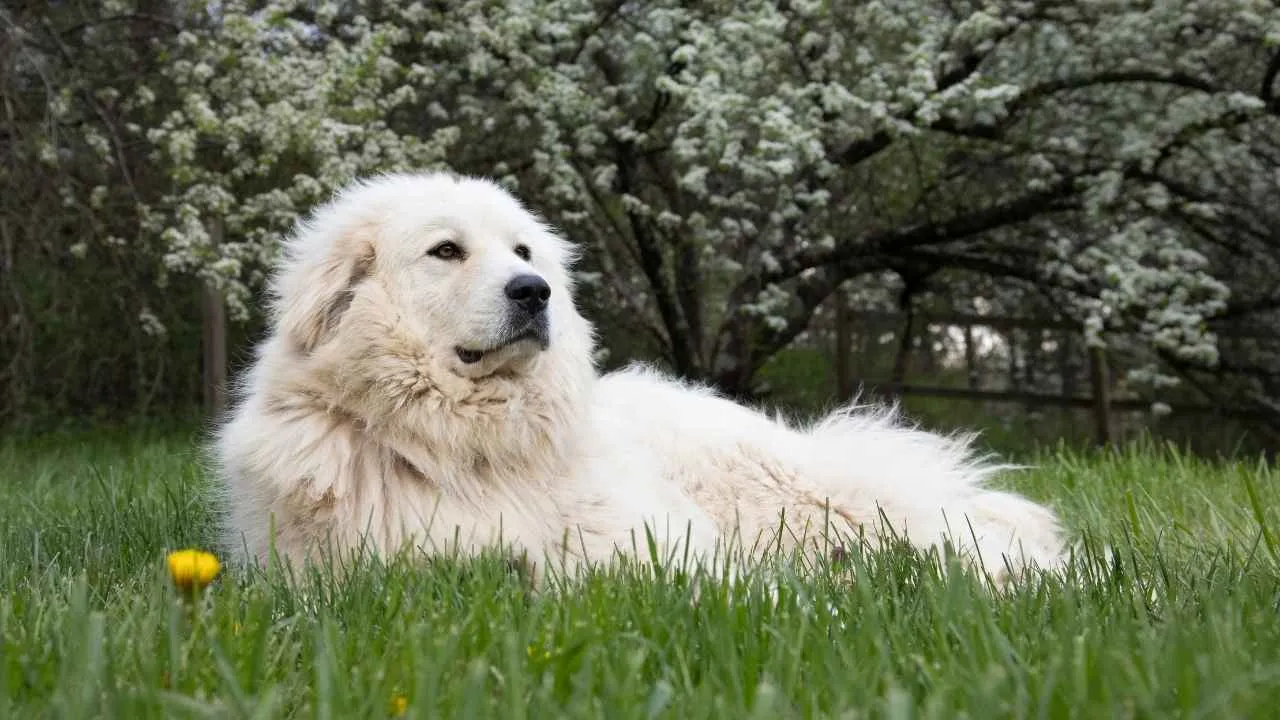
There is something oddly reassuring about a dog that looks like it could calmly supervise an entire mountainside without breaking a sweat. The Great Pyrenees brings that quiet, watchful vibe that feels right at home in wide, open landscapes.
Originally bred to deter sheep-stealing wolves and other predators on snowy mountaintops, this immensely powerful working dog knows how to stay alert while conserving energy. It patrols rather than rushes, always keeping an eye on everything around it.
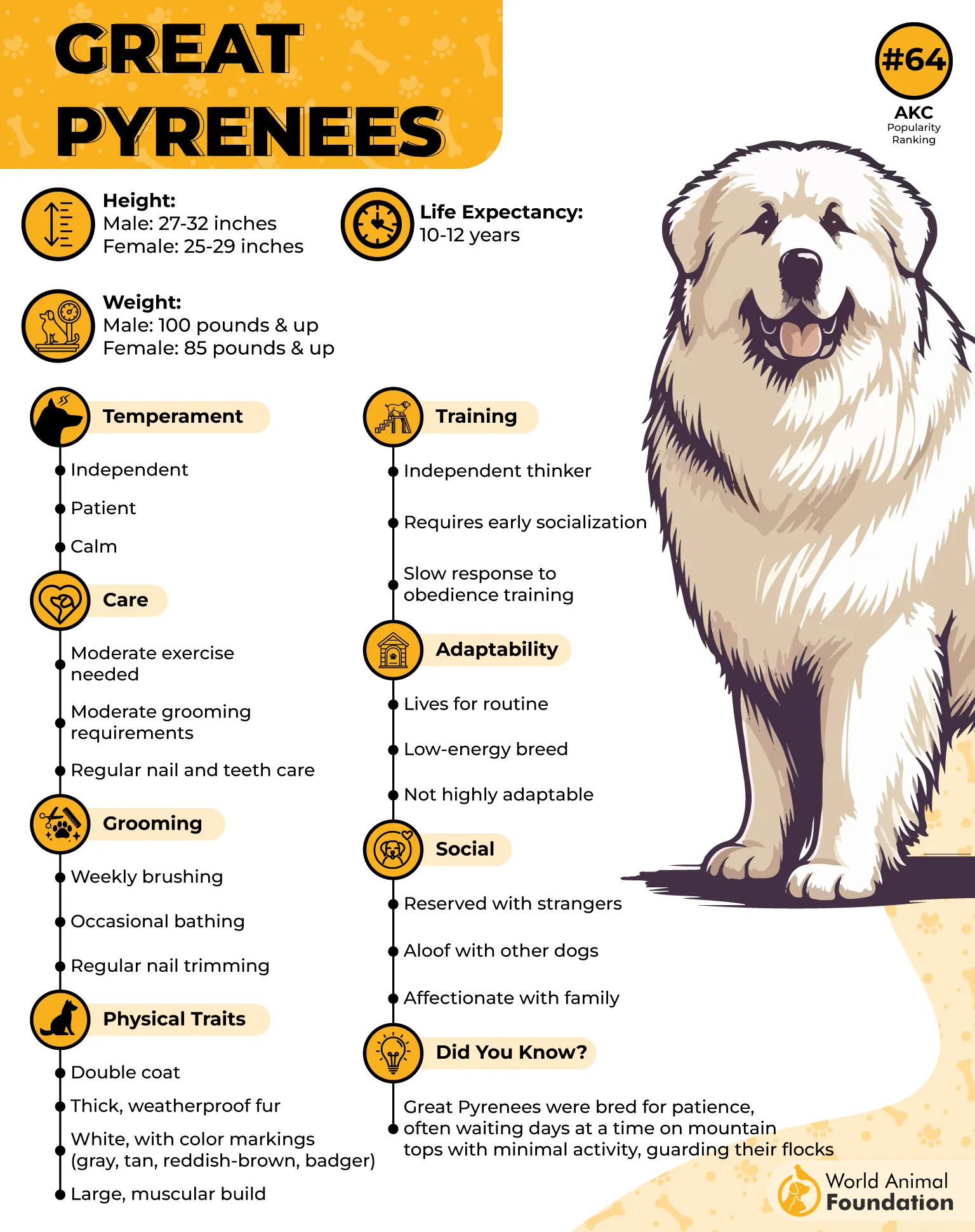
As noted by PetMD, their thick double coat has a long outer layer and a soft undercoat, helping them handle changing conditions. Weekly brushing keeps things manageable, even when that undercoat sheds enthusiastically during certain times of the year.
What Makes This Breed Ideal for Mountain Exploration
Naturally suited for slow, steady outdoor routines
Maintains awareness of surroundings without constant stimulation
4. Rhodesian Ridgeback
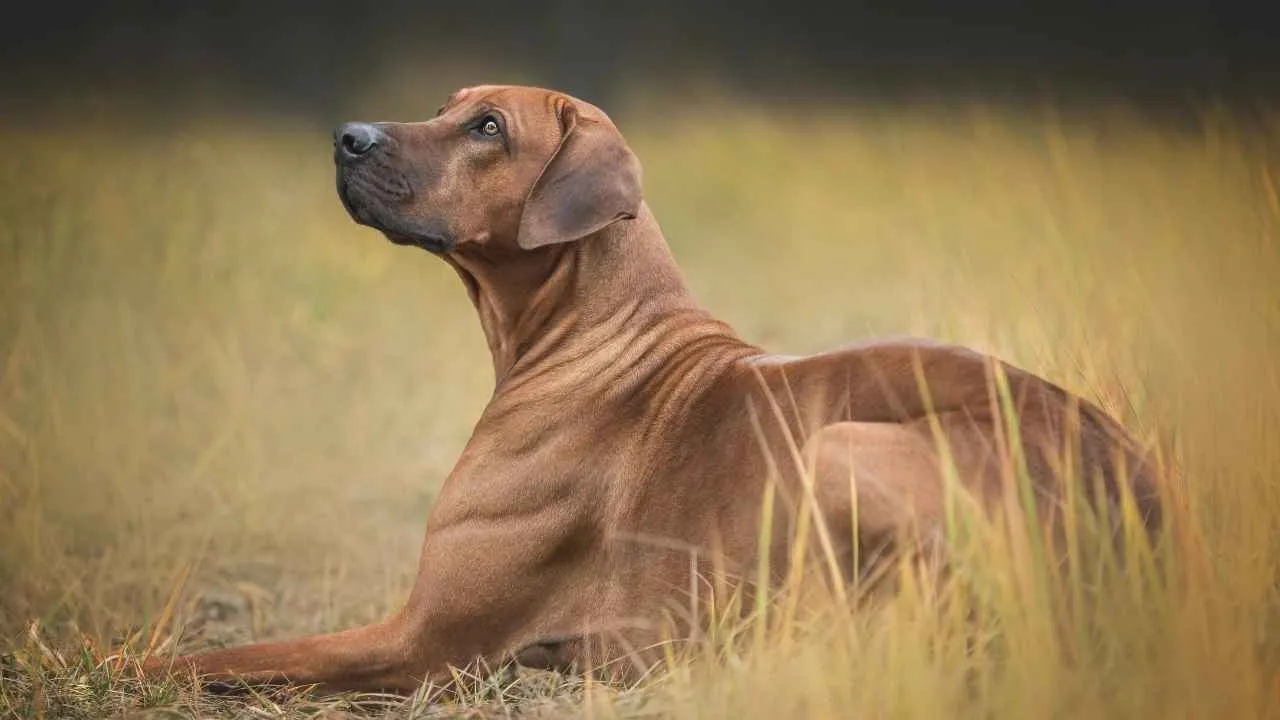
You know that one dog that walks like it has a plan, and you are just tagging along? That is the Rhodesian Ridgeback. Recognized by the AKC in 1955, this breed carries itself with quiet confidence and a very no-nonsense attitude.
Personality-wise, you are dealing with a dignified, affectionate, and even-tempered companion who is also independent and sometimes strong-willed. They bond deeply but like doing things on their own terms, which adds character to every outing.
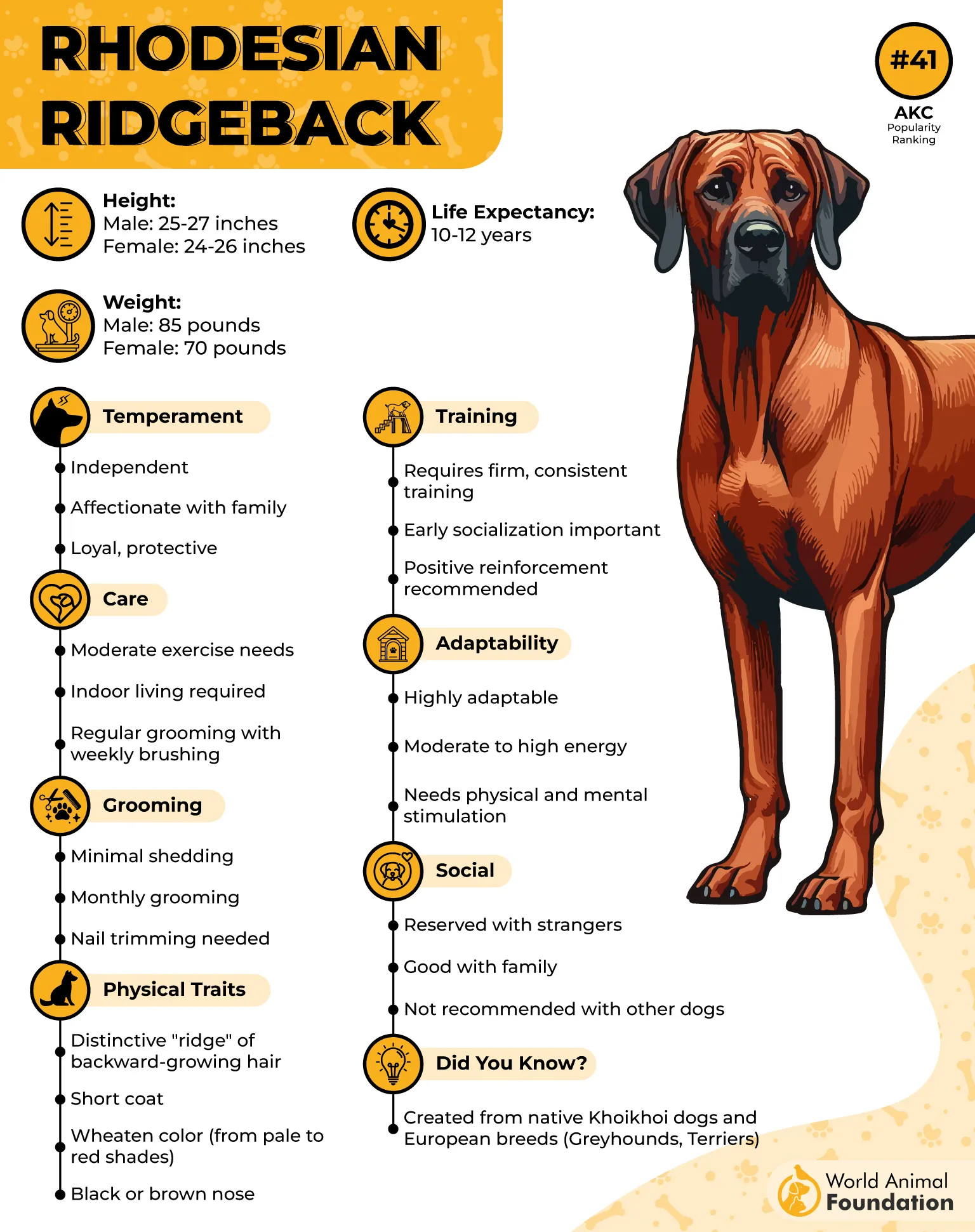
When terrain gets tricky, this breed stays composed. Fast and powerful athletes with agility and resilience, they move smoothly across different surfaces, handling uneven paths and longer outings without turning them into dramatic situations.
What Makes This Breed Ideal for Mountain Exploration
An independent mindset suits less structured trail experiences
Strong prey drive encourages alertness in outdoor settings
5. Weimaraner
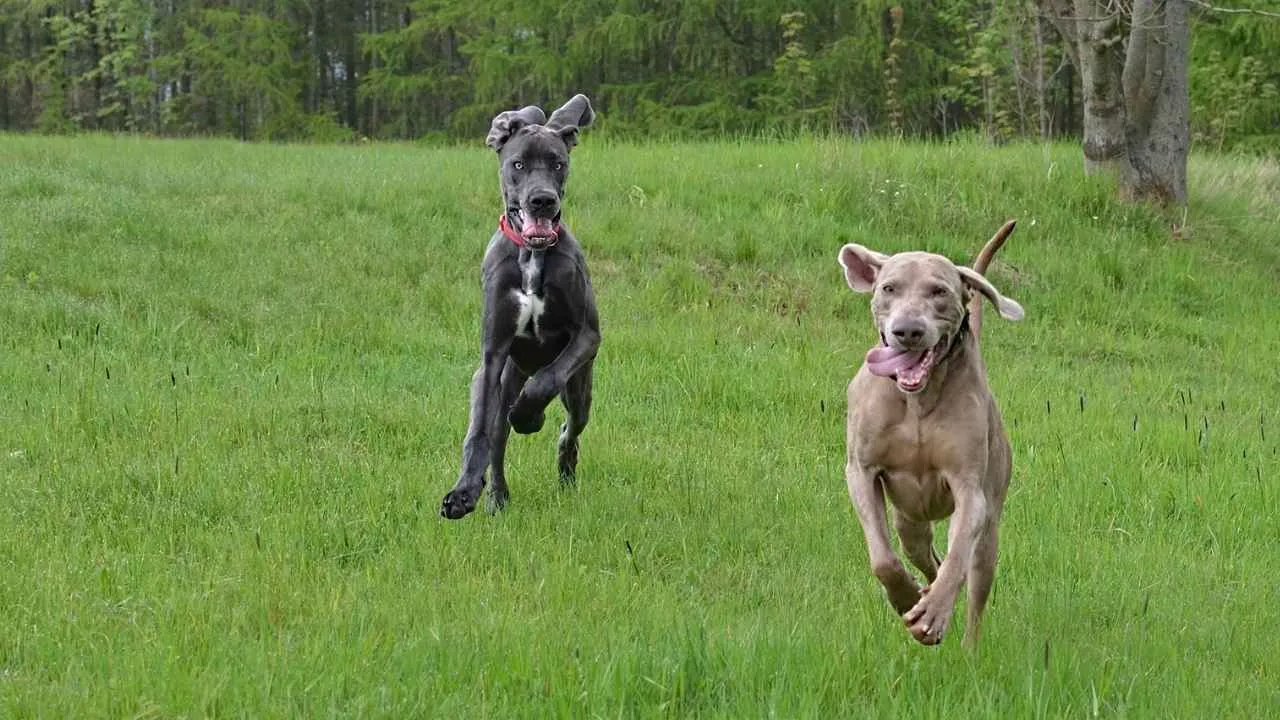
Long before your hiking boots even touch the trail, the Weimaraner is already mentally halfway up the mountain, tail wagging like it just heard the word “adventure.” Originally developed in 19th-century Germany for hunting, this energetic companion carries serious outdoor enthusiasm.
Exercise is not optional here; it is basically their love language and one of the reasons they can pass as a good mountain dog breed in the right setting. They need regular exercise, and walking alone rarely cuts it. A proper run is where they shine.
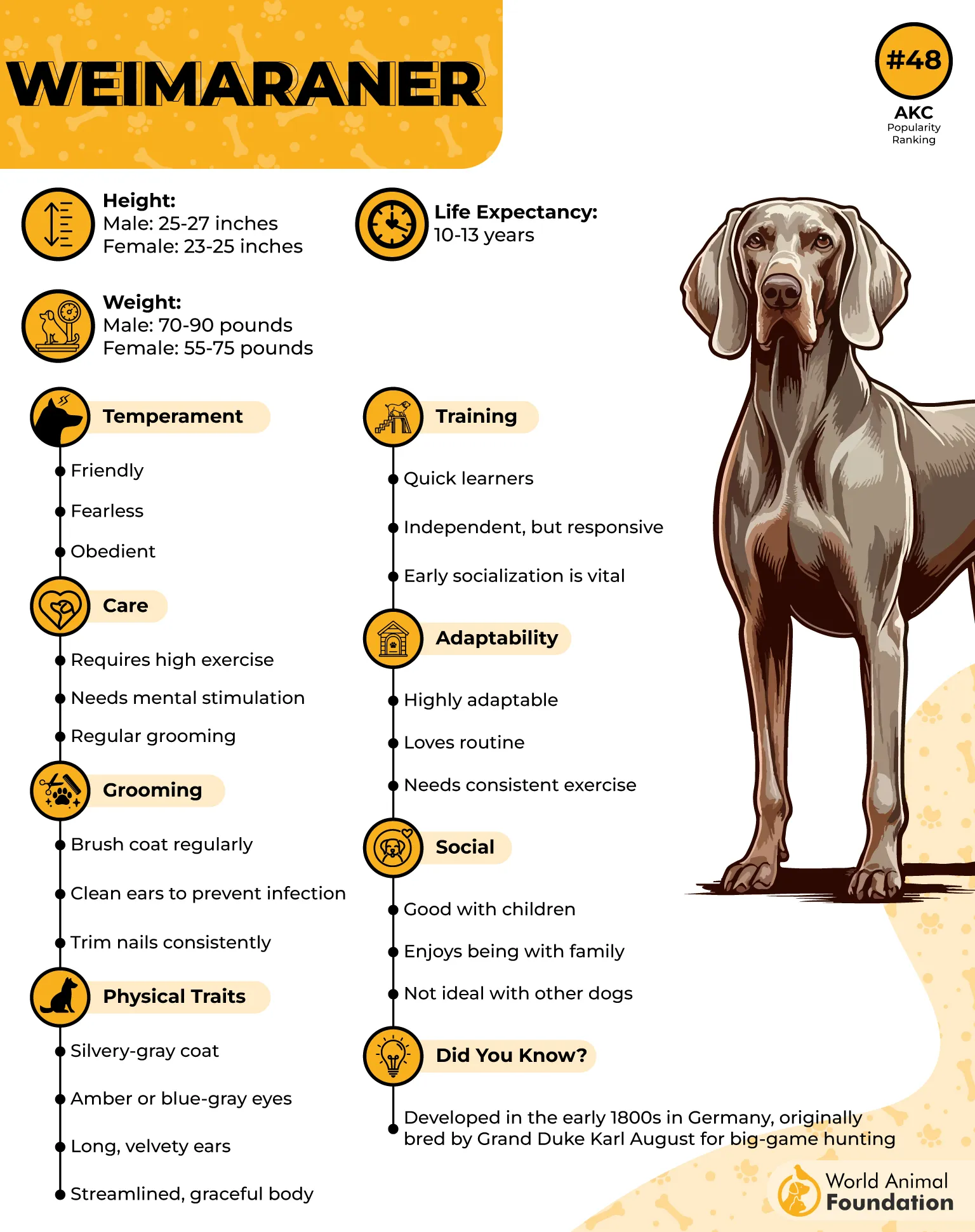
Social life feels pretty lively with this affectionate dog around. They make good family dogs, are excellent with kids, and enjoy being part of the family. They can also get along with other family pets when properly socialised, though smaller animals may need supervision due to their prey drive.
What Makes This Breed Ideal for Mountain Exploration
Quick learners who stay mentally sharp during long outdoor routines
A short coat reduces hassle when dealing with dirt after rugged trips
6. Australian Cattle Dog
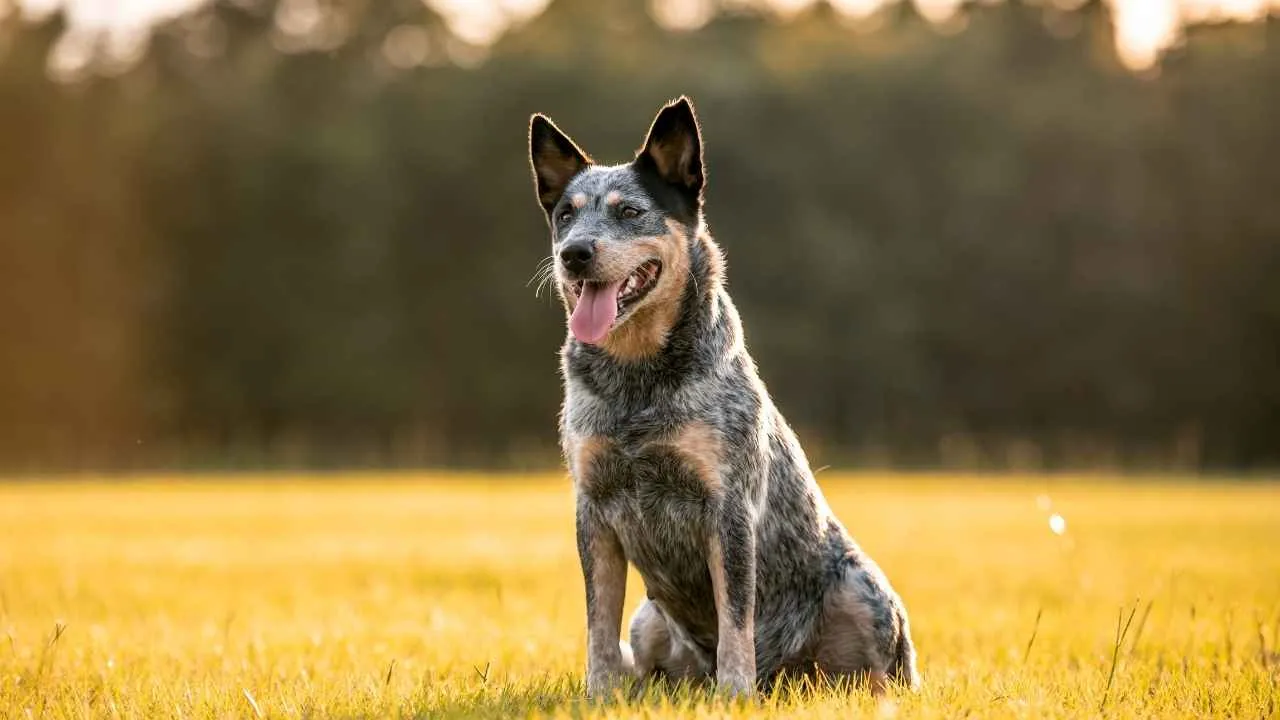
This is the kind of dog that looks at a mountain trail and silently decides it is now their responsibility. No drama, no hesitation, just a steady, focused attitude that says, “Alright, let’s get this done.”
Originally bred to be a working dog for cattle herders, it was designed to handle long distances in rough terrain while herding cattle. That history shows up in its stamina, resilience, and ability to stay active without slowing down.
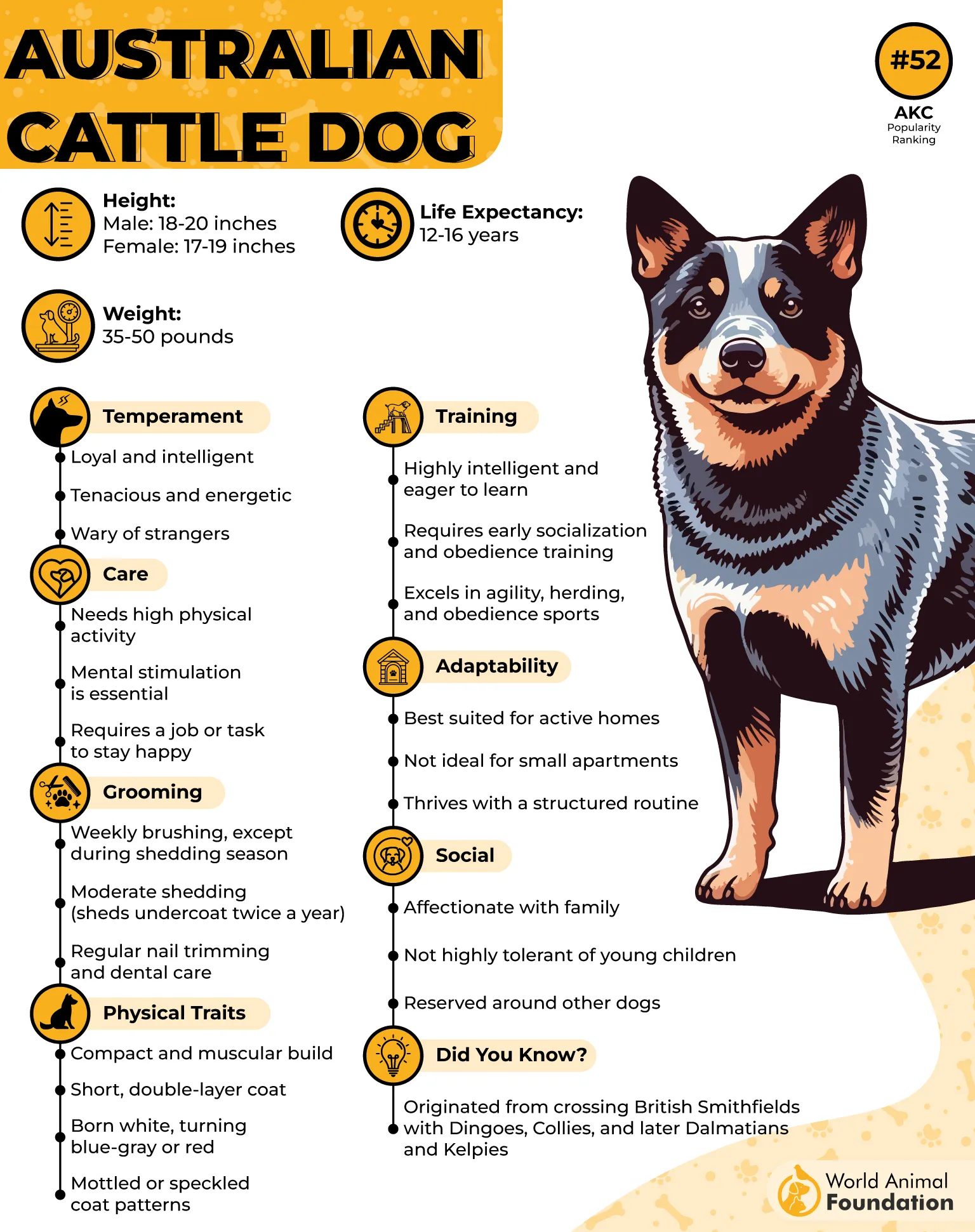
As mentioned by WebMD, Australian Cattle Dogs are smart and full of energy, which makes early training really click for them. They do best with engaging activities like herding or agility, since boredom can quickly turn into mischief.
What Makes This Breed Ideal for Mountain Exploration
A naturally alert mindset helps them stay aware in unfamiliar surroundings
Built-in determination allows them to keep going without constant encouragement
7. Bloodhound
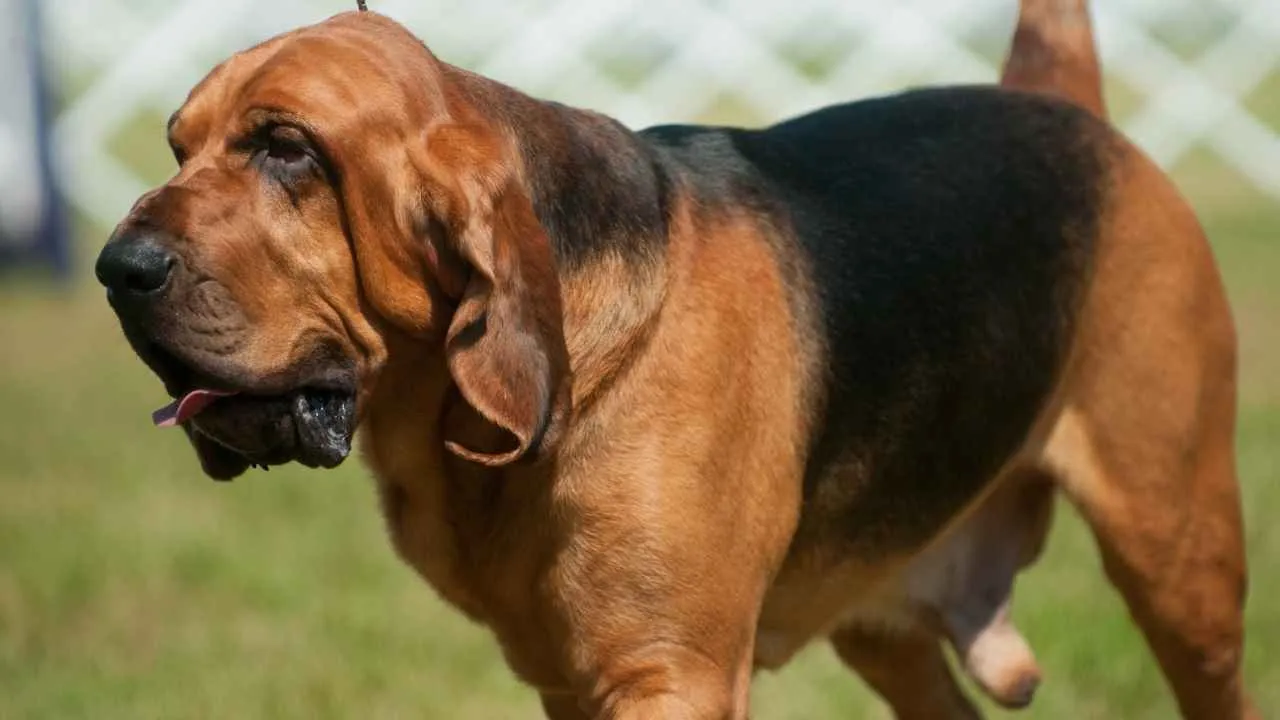
Some dogs explore with their eyes, this one explores with its nose, like it is reading a secret map, only it understands. The Bloodhound turns every outdoor trip into a scent-driven mission, making even simple trails feel oddly fascinating.
Tracking is where this breed truly stands out, showing remarkable dedication in every step. Known for its extraordinary scenting and tracking abilities, it is often used as a search and rescue dog and can follow trails over long distances without losing focus.
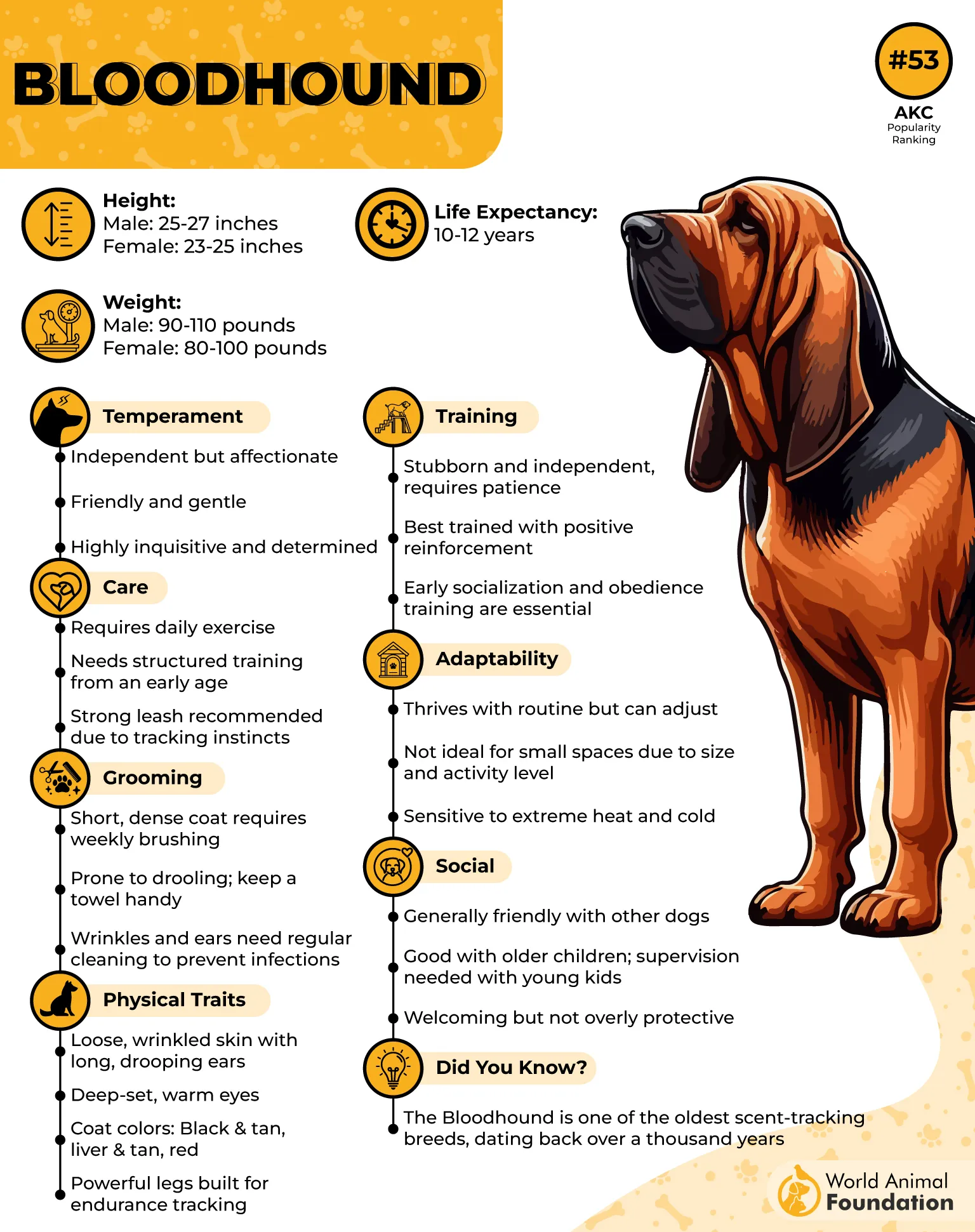
Protective instincts are not really part of its personality on hiking trails. Bloodhounds are gentle, friendly, and easygoing, often more interested in following a scent than guarding anything, though their presence still feels comforting during long outdoor walks.
What Makes This Breed Ideal for Mountain Exploration
Incredible scent focus keeps them mentally engaged on extended routes
Friendly nature makes them easy to handle around different people
8. Redbone Coonhound
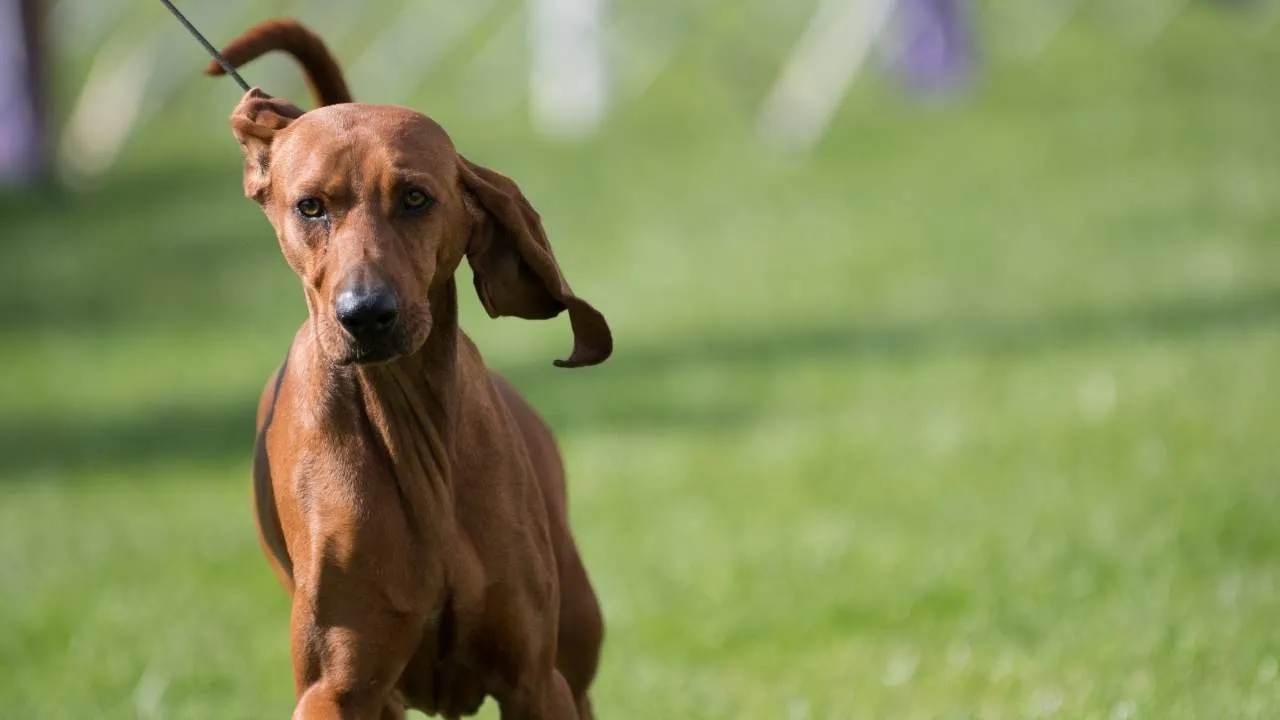
There is always that one dog that treats every outing like the best day ever, and the Redbone Coonhound absolutely owns that role. It brings excitement, curiosity, and a “let’s keep going” attitude that makes long trails feel shorter.
Energy levels stay high with this breed, and they require regular exercise and ample mental stimulation to stay balanced. Long hikes, outdoor games, and active routines help channel that lively spirit into something fun instead of chaotic.
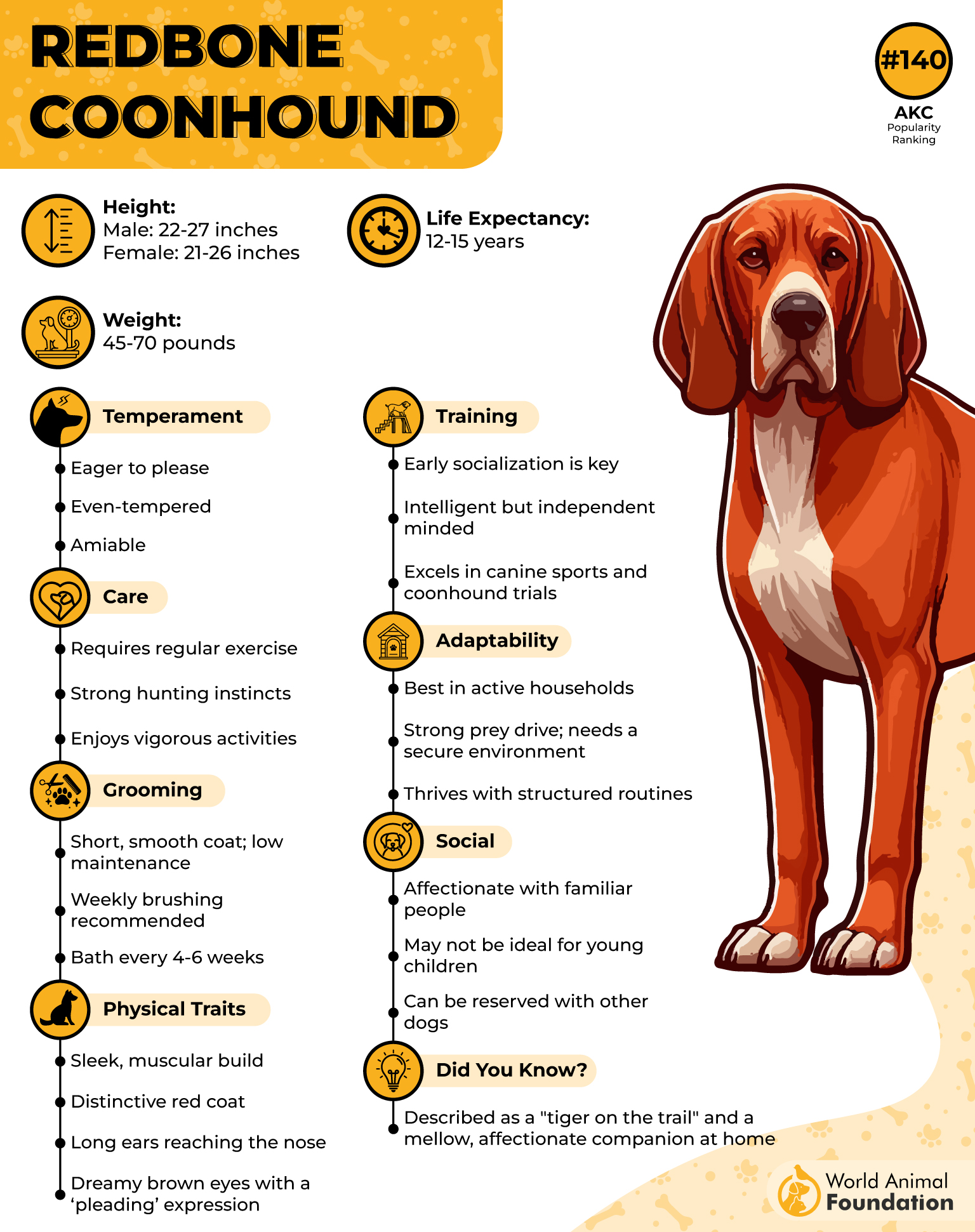
Coat type and care keep things refreshingly simple. Their short, smooth coat requires minimal grooming, with weekly brushing enough to manage loose hair, making them easy to handle even after dusty or muddy outdoor adventures.
What Makes This Breed Ideal for Mountain Exploration
Low grooming needs save time after messy explorations
A curious mindset encourages exploring new paths confidently
9. Black and Tan Coonhound
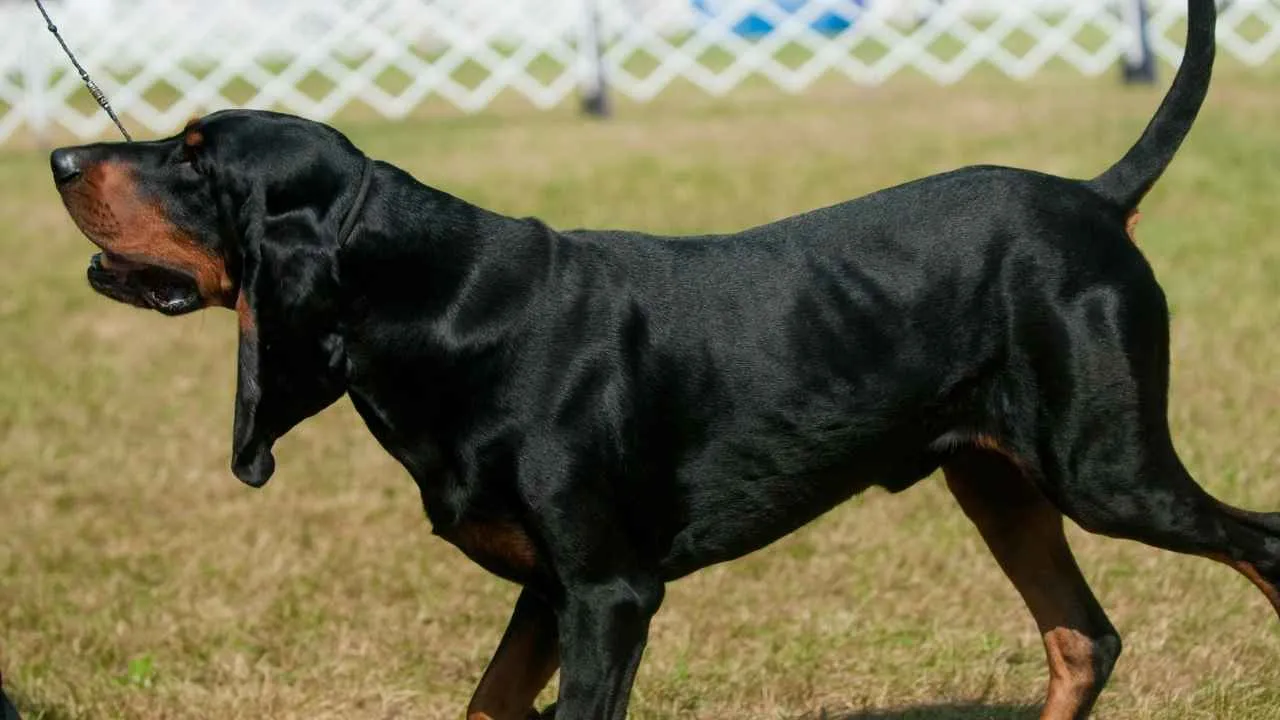
At first glance, this breed might seem like it is just casually tagging along, but give it a scent, and suddenly it is fully locked in like a detective on a mission. The shift from relaxed to focused is almost instant.
When it comes to how they are for rugged mountain adventures, this breed was developed for hunting raccoons and can follow scent trails over long distances. It moves through varied terrain while staying focused and committed to tracking.
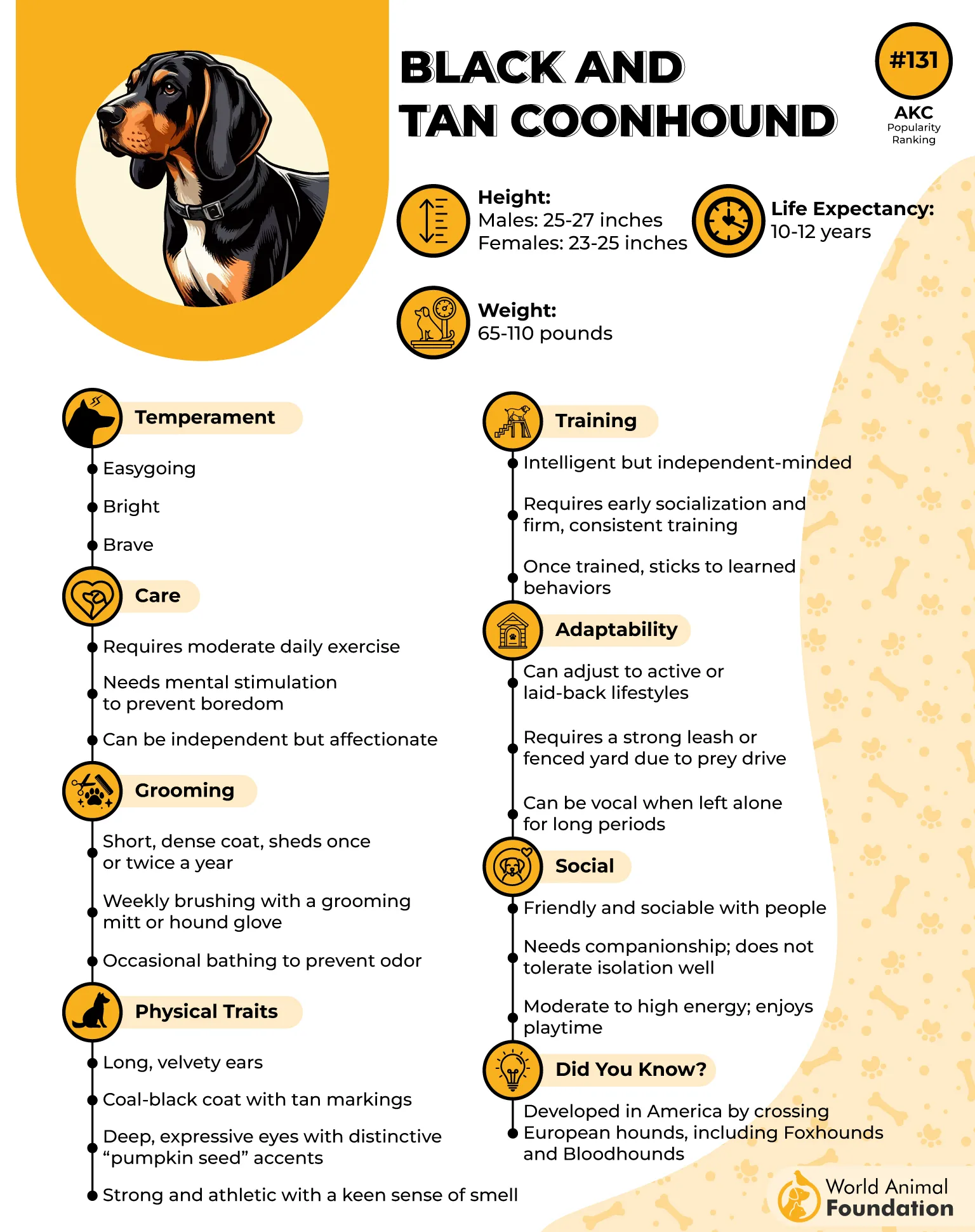
Cold weather does not slow them down completely, but they are not built specifically for extreme conditions. Their short coat can handle both cooler and warmer weather, helping them stay active during outdoor explorations across changing environments.
What Makes This Breed Ideal for Mountain Exploration
Strong scent tracking ability keeps them engaged on complex trails
Balanced indoor calm helps them recover well after long outings
Conclusion
Mountain adventures feel different when the right dog is trotting beside you, matching your pace, energy, and curiosity. Each breed brings its own personality to the trail, so the best choice really comes down to your lifestyle.
Some dogs crave nonstop movement, others enjoy slow exploration, and a few just want to stay close and share the journey. Take your time, understand their needs, and choose the one that feels like your kind of adventure partner.
