




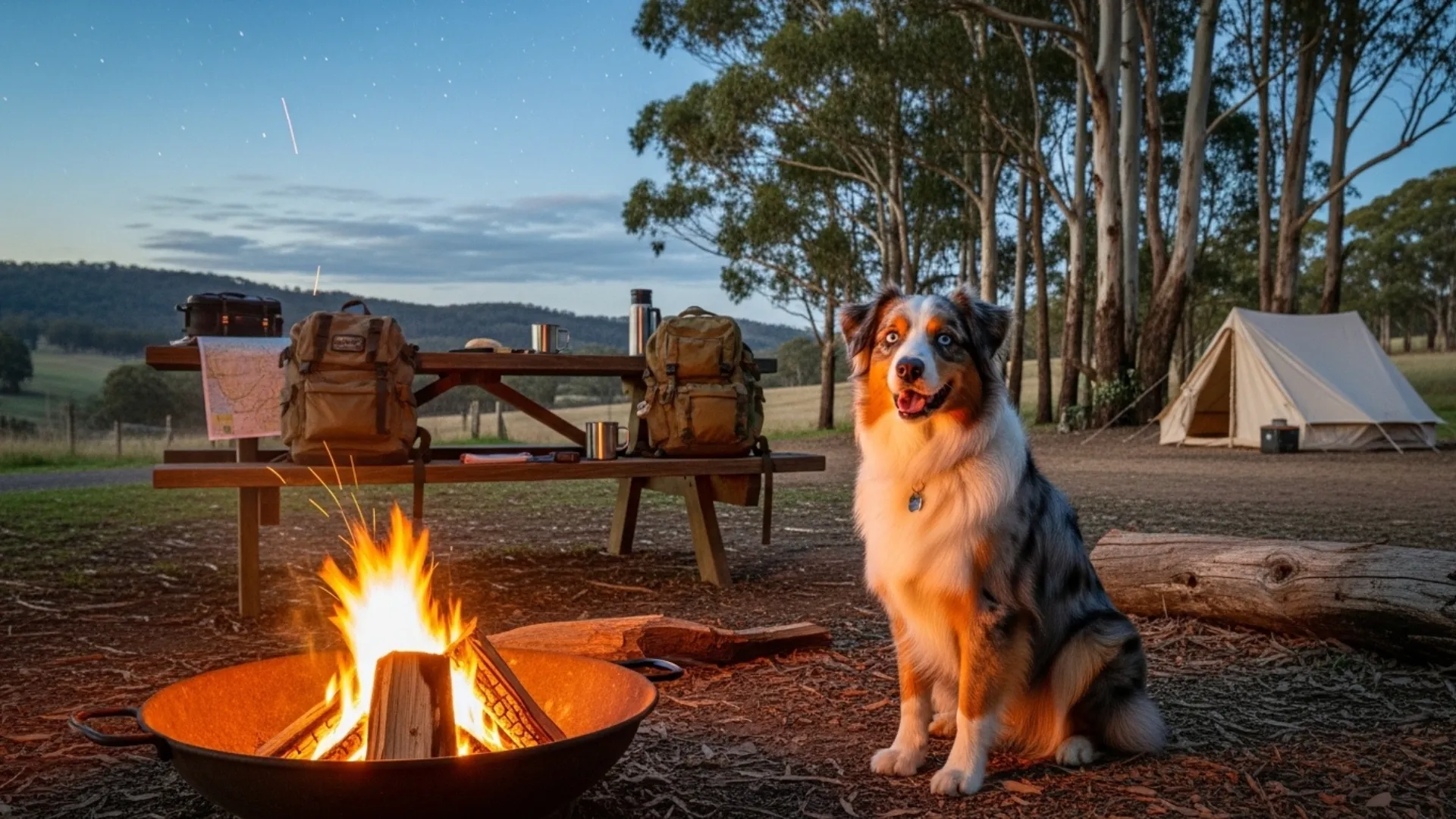
Most people assume any dog can adjust to life around a rural campground, but that assumption rarely holds up for long. The environment may seem open and relaxing, yet it comes with challenges that are not immediately obvious.
Unpredictable noise, shifting activity, and exposure to unfamiliar surroundings create pressure that some dogs handle well while others do not. The difference often appears in small ways at first, then becomes harder to ignore over time. It is not always about training or effort.
Sometimes, it comes down to whether the dog was suited for that kind of life in the first place. There is a clear pattern behind which dogs adapt easily and which ones struggle. Once you notice it, the decision process becomes far more straightforward.
The following sections highlight the traits that separate well-suited dogs from those that find rural campground living difficult to manage.
Key Takeaways
Wide open spaces, quiet nights, and dogs that actually settle into that rhythm without restlessness make campground life feel complete.
Labrador Retrievers slip into this setting with ease, especially around water, while Golden Retrievers stay active without ever feeling overwhelmed.
Australian Shepherds and Siberian Huskies bring movement and awareness, turning open land into something they naturally understand.
As you go through them, it becomes clear which breeds truly belong in these rural spaces and why they feel so at home there.
Perfect Dog Breeds for Rural Campgrounds
1. Labrador Retriever
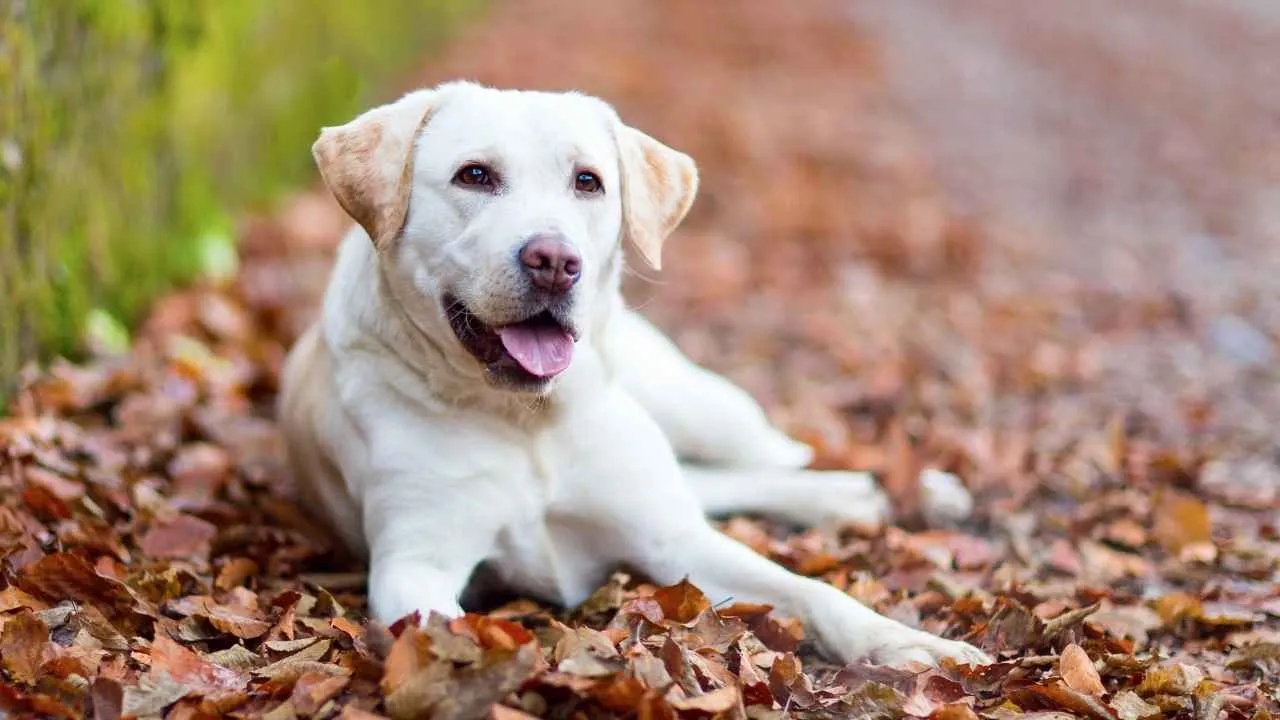
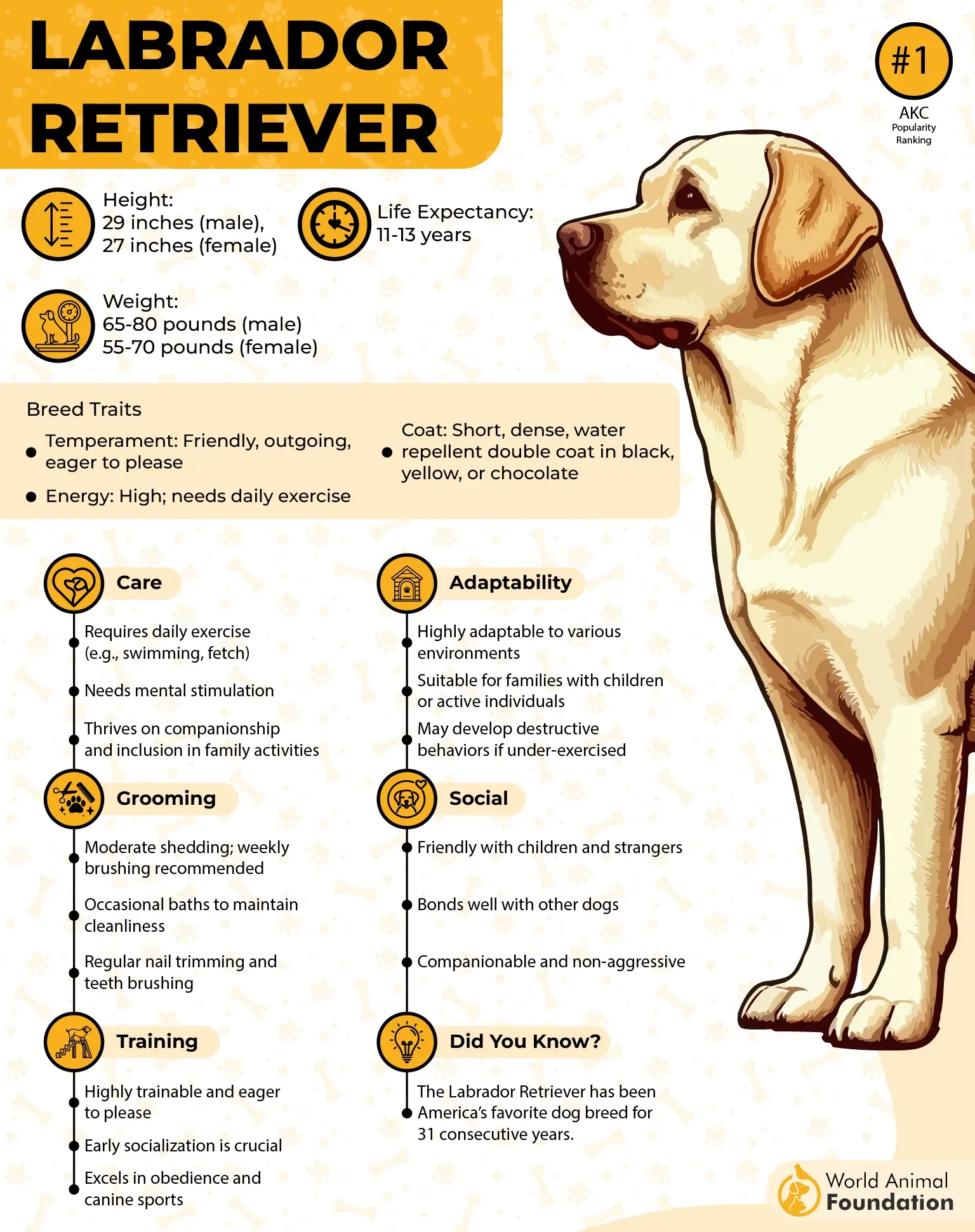
Labrador Retriever often settles quickly into rural campground life, where open space and water access shape their daily rhythm. Originally bred in Newfoundland for retrieving game and assisting fishermen with swimming tasks, this background explains its ease around lakes and outdoor activity zones.
Water Work and Task Response
Labs respond strongly to environments that involve water and repeated activity, which connects directly to their retrieving history. Its willingness to repeat tasks makes it useful in open outdoor spaces where structure is minimal.
A closer look at how this works in practice:
Built for retrieving game and fishing-related tasks
Comfortable with repeated water-based activity
Learns routines quickly in outdoor environments
Engagement That Shapes Outdoor Experience
This popular family dog maintains a strong focus on human interaction, often staying close during outdoor stays and adapting quickly to group routines. This multi-purpose working dog also extends into roles like assistance work, therapy use, and structured training environments, as per Omlet.
2. Golden Retriever
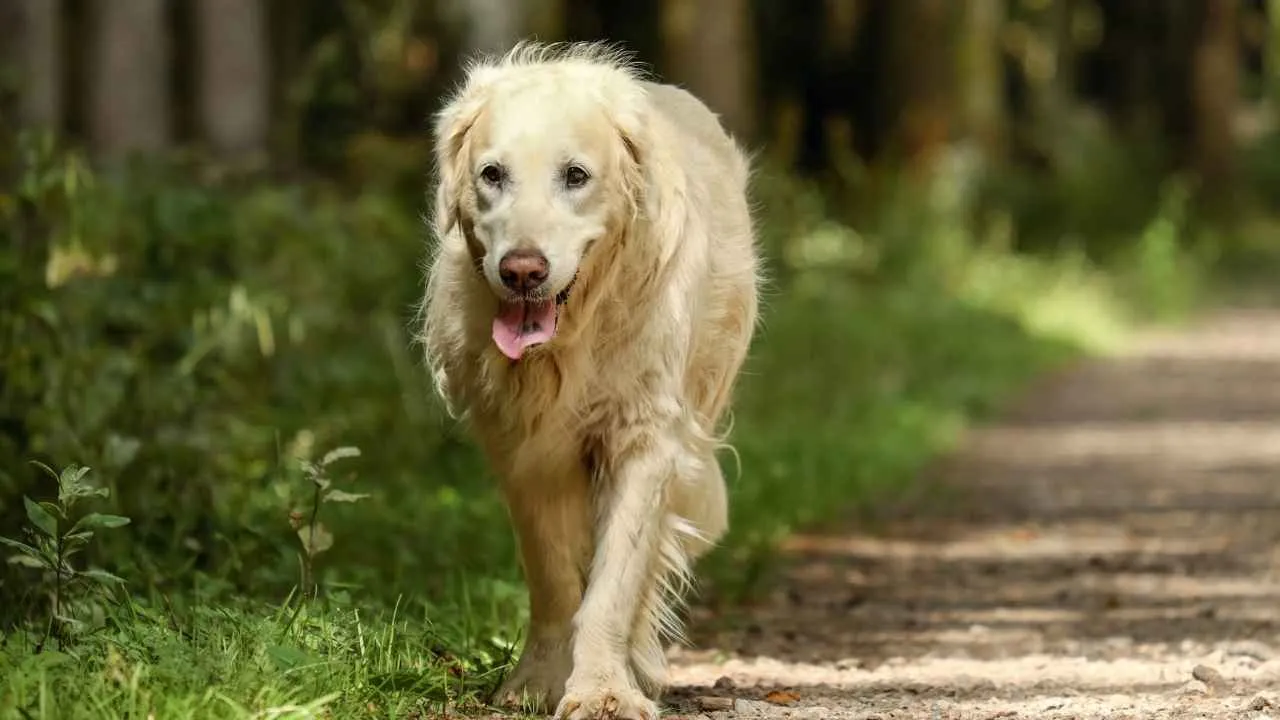
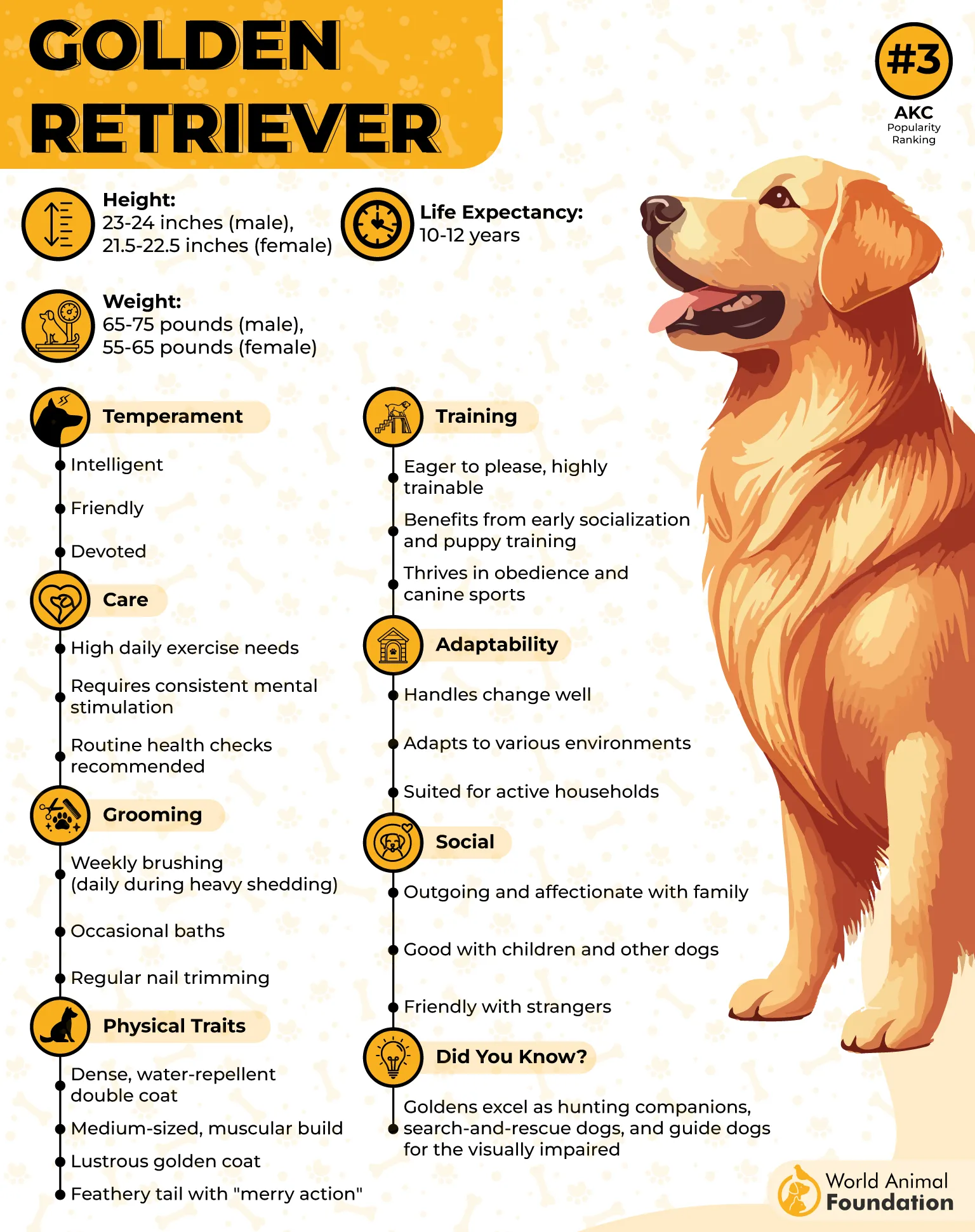
Golden Retriever settles naturally into wide rural environments, where open movement and activity become part of its routine. Its steady build and smooth gait allow it to stay active across fields, water edges, and campsite surroundings. This makes it blend easily into the rhythm of outdoor living.
Work-Driven Nature in Daily Activity
They have long been used in structured outdoor roles, which shape how they respond in active rural settings. Its behavior links strongly with retrieving work, water activity, and guided tasks, as the AKC writes.
What supports this working rhythm:
Strong retrieving instinct shaped for field use
Comfortable movement across water and land
Reliable responsiveness in structured activity
Active Presence Around Campground Life
This retriever fits into rural campground environments through constant engagement with surroundings rather than stillness. It stays connected to outdoor movement, whether through play, walking routes, or water access areas. This keeps it naturally involved in the daily campsite flow.
3. Australian Shepherd
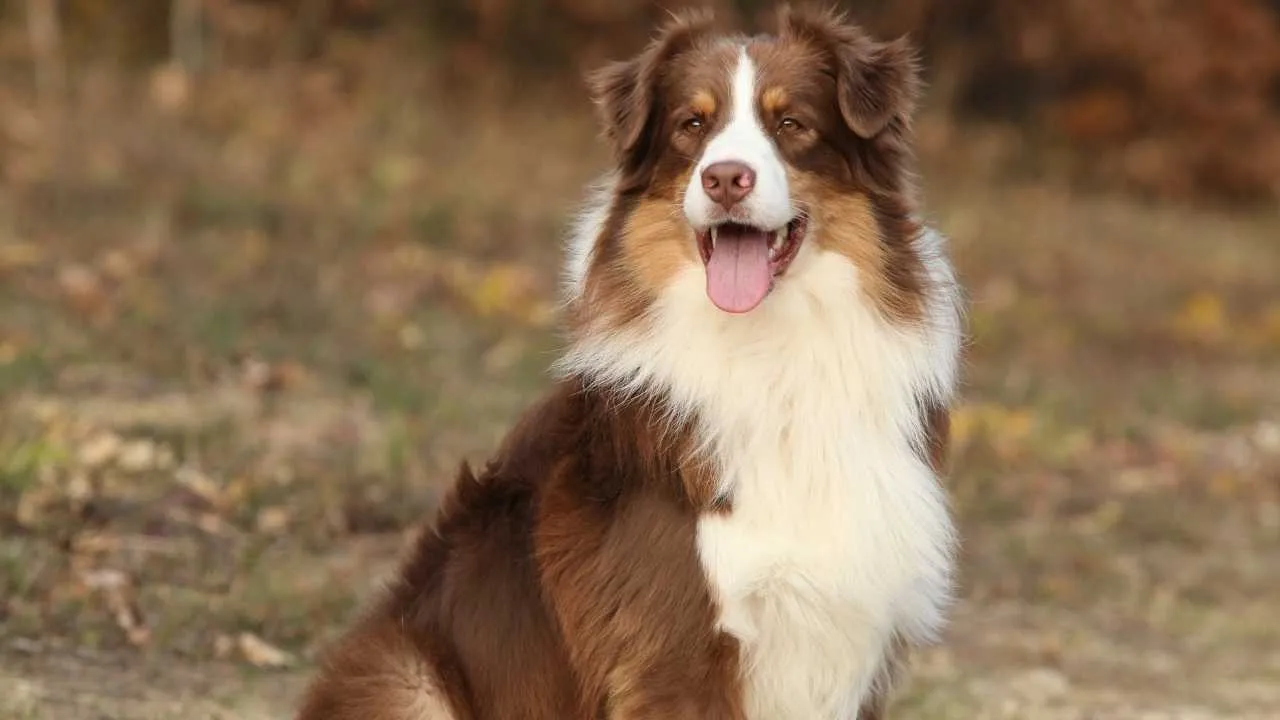
Australian Shepherd developed through a European working line refined in the United States, closely tied to ranch and rodeo environments where constant movement and control of livestock shaped its role. That background connects directly to how it handles open rural campground spaces.
Energy Built for Constant Movement
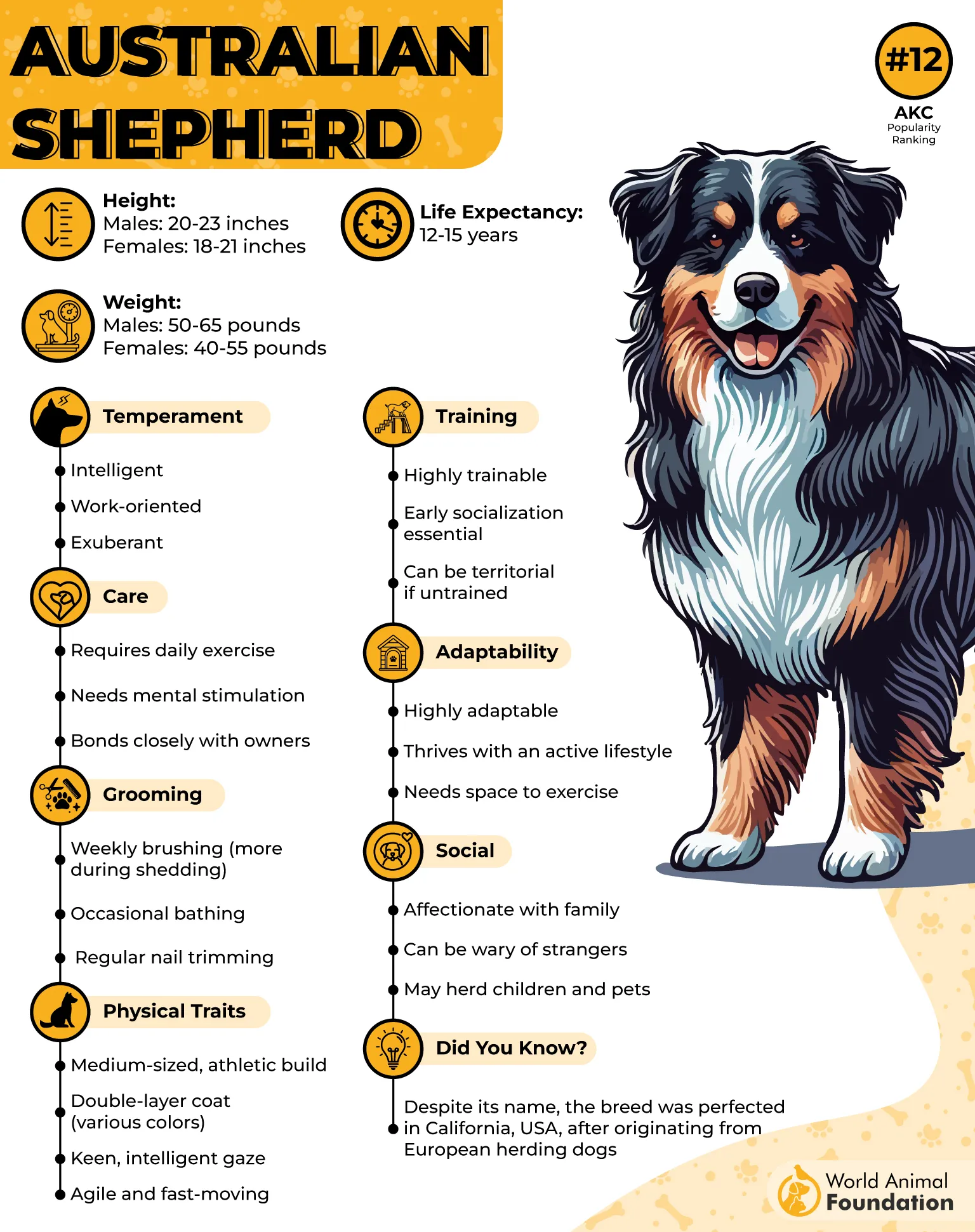
This athletic dog works with a strong herding instinct and high drive, which influences how it responds to movement across campgrounds and rough terrain
This working pattern becomes clearer in practice:
Strong herding impulse toward moving targets
Quick response to environmental changes
High focus during active outdoor situations
Campground Life in Active Motion
With proper training, this pure-bred dog adapts best where there is space to move and tasks that keep them engaged, reflecting their use in ranch work and performance events. Long outdoor days and camping trips suit them especially in environments with walking, long hikes, or structured movement.
4. Bernese Mountain Dog
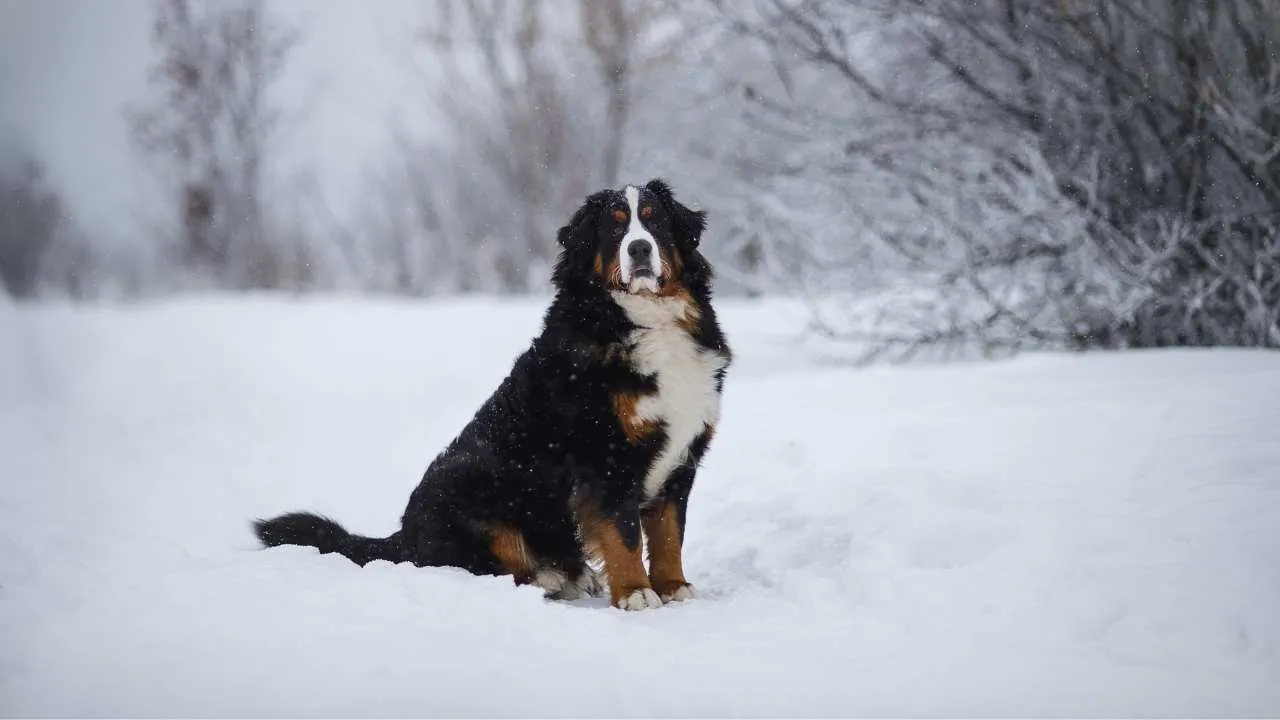
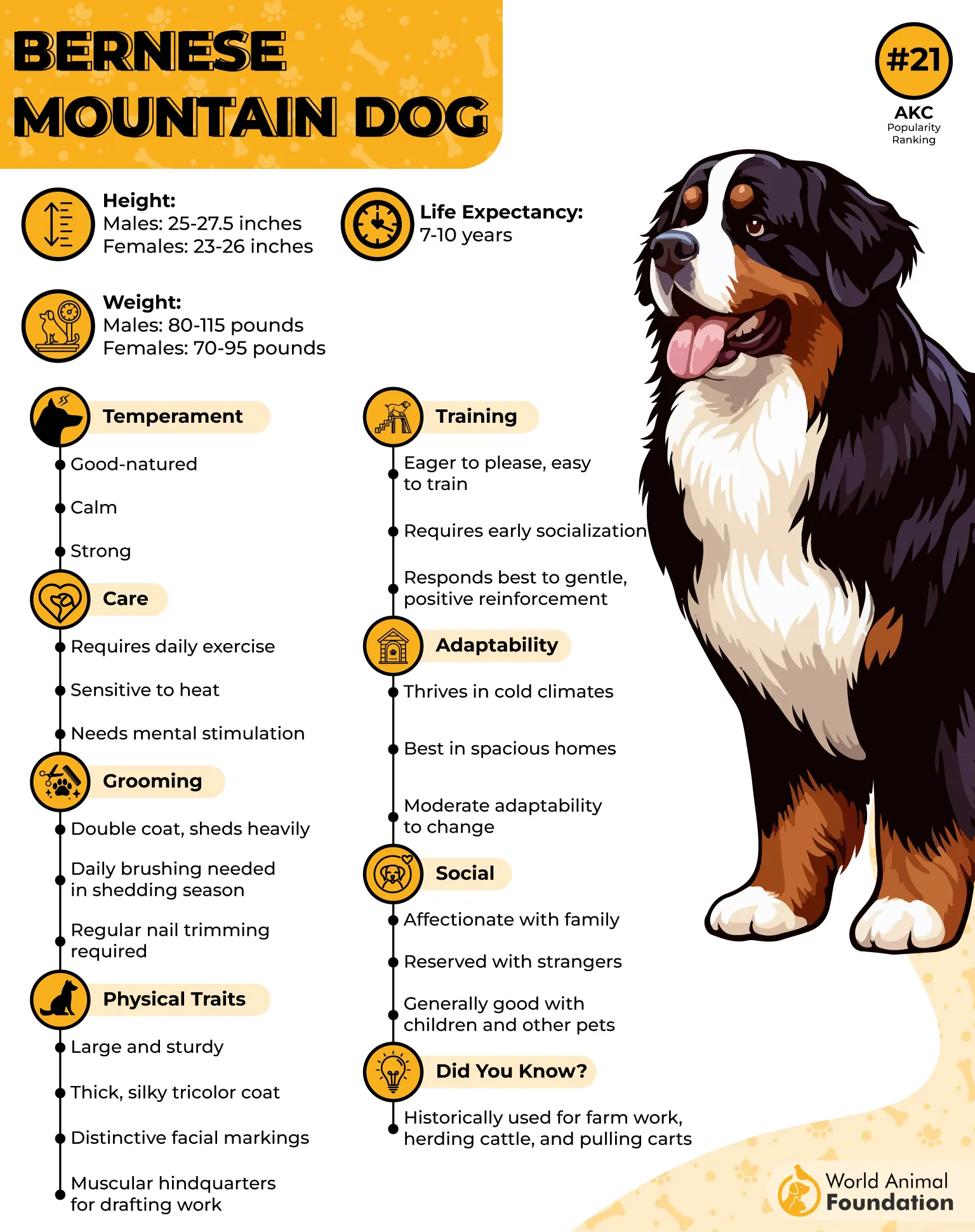
The Bernese Mountain Dog was developed in the Swiss countryside, where farm life demanded strength, steady work, and reliability in cold weather. That background translates into how it handles rural campgrounds today, staying composed across open land and changing weather.
Steady Power in Outdoor Tasks
This dog brings a combination of strength and calm willingness that supports varied outdoor roles beyond simple companionship. It responds well to structured activity, especially when the environment gives it space to stay engaged.
What shapes its outdoor usefulness:
Strong build suited for pulling and farm work
Comfortable with cold and varied environments
Engages willingly in structured activities like obedience and tracking
Practical Role in Campground Life
This larger breed fits into outdoor routines such as hiking, long walks, and camping trips where steady pacing matters more than speed, as WebMD claims.
Its history of farm multitasking in Switzerland is reflected in how it handles mixed outdoor tasks. It can also take part in activities like carting and drafting when space and structure are available.
5. Vizsla
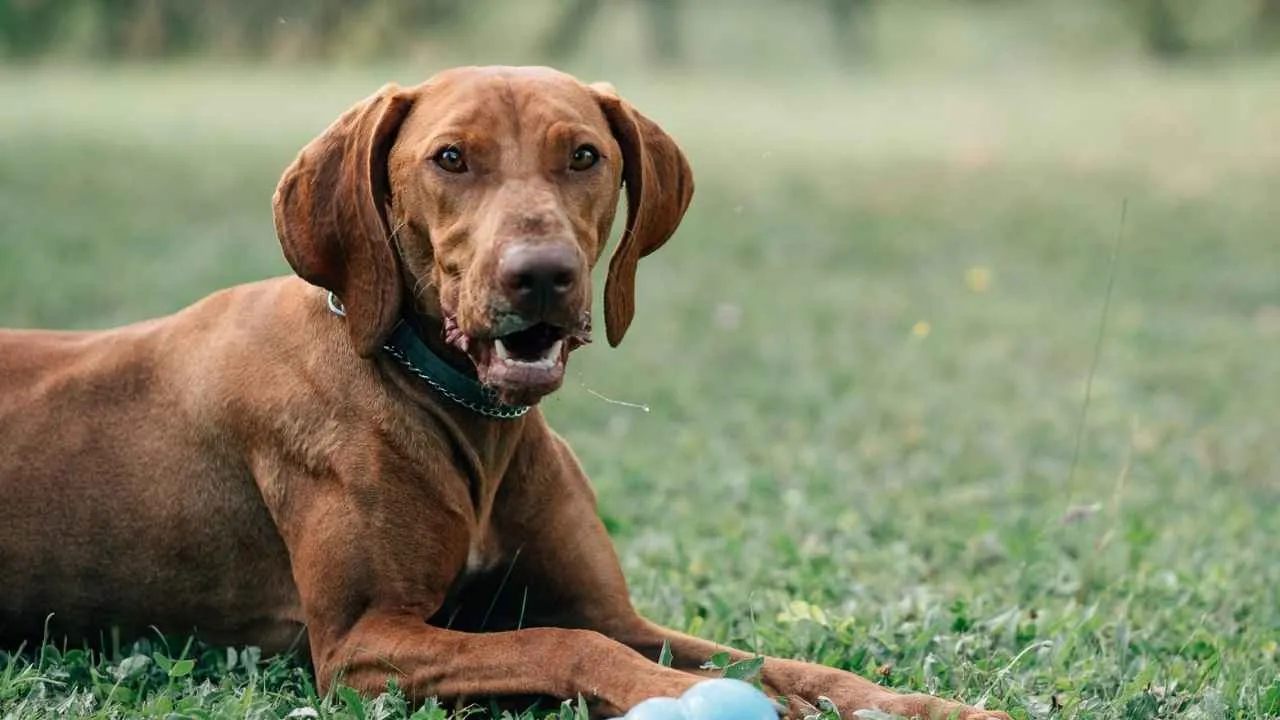
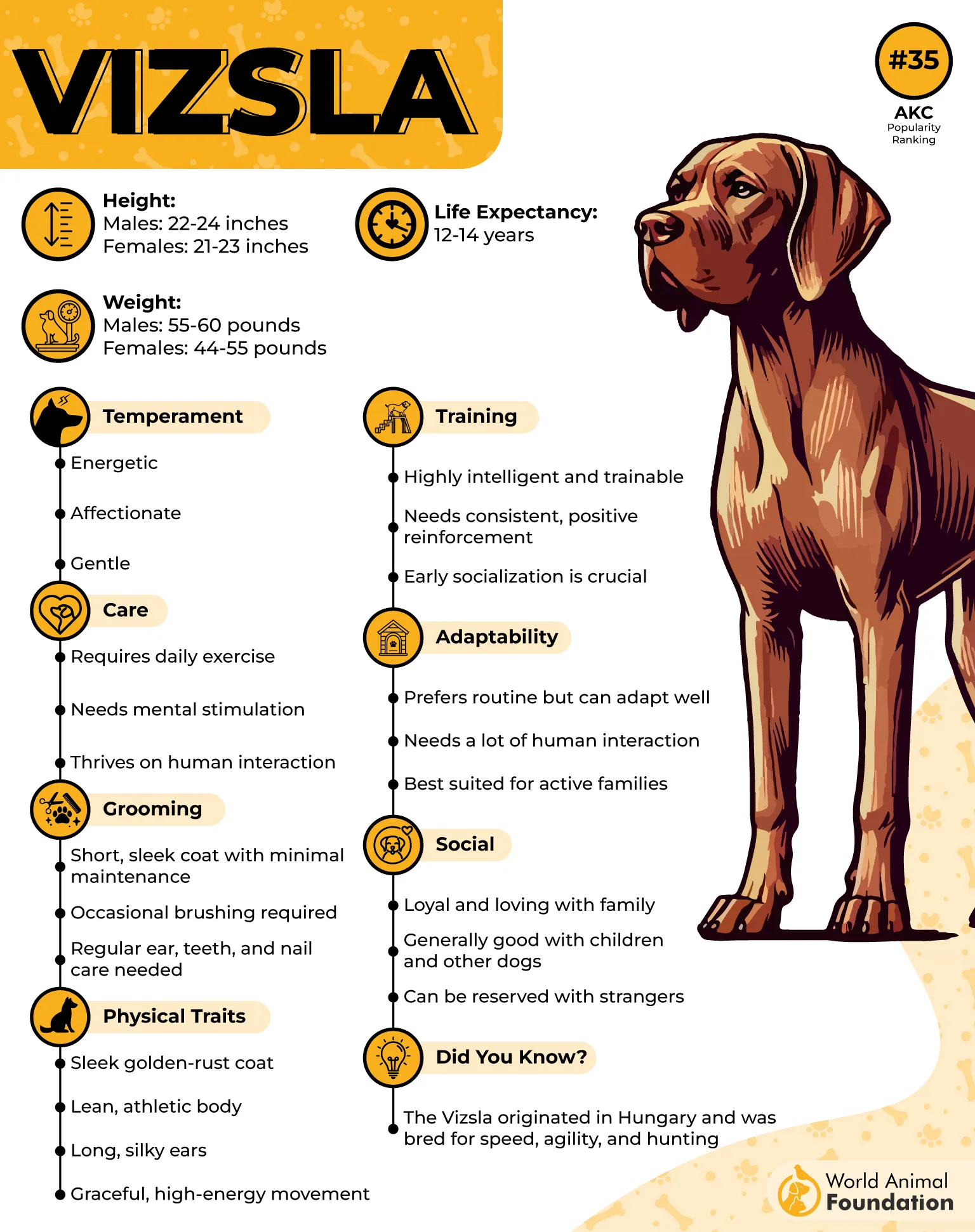
Vizsla fits naturally into rural campground life, where movement and outdoor activity shape the day. Bred in Hungary for fieldwork, this dog is used to staying close while covering ground with purpose. Its light-footed movement makes it easy to keep up during walks, hikes, or extended outdoor time.
Energy That Needs Direction
They bring their working mindset into any open setting, which becomes clear in how they respond to activity and engagement. It is not a dog that settles without involvement, especially in wide, open environments.
That working drive shows up clearly in:
Strong need for daily physical activity
Quick response to human cues
High mental engagement during tasks
Behavior in a Campground Setting
They are closely connected to their person, which works well in rural areas where open space can easily lead to distractions. This close working bond means it prefers being involved rather than left on its own for long periods. Activities like tracking, exploring trails, or structured play fit naturally into its routine.
6. Siberian Husky
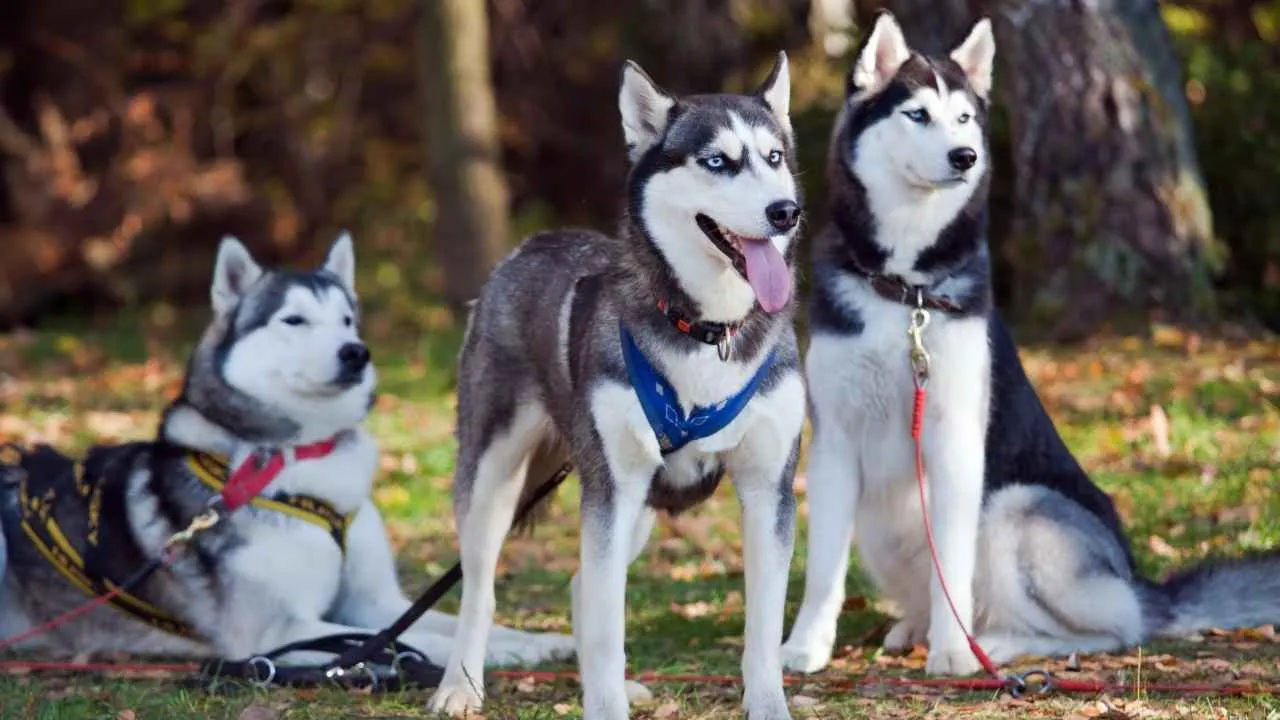
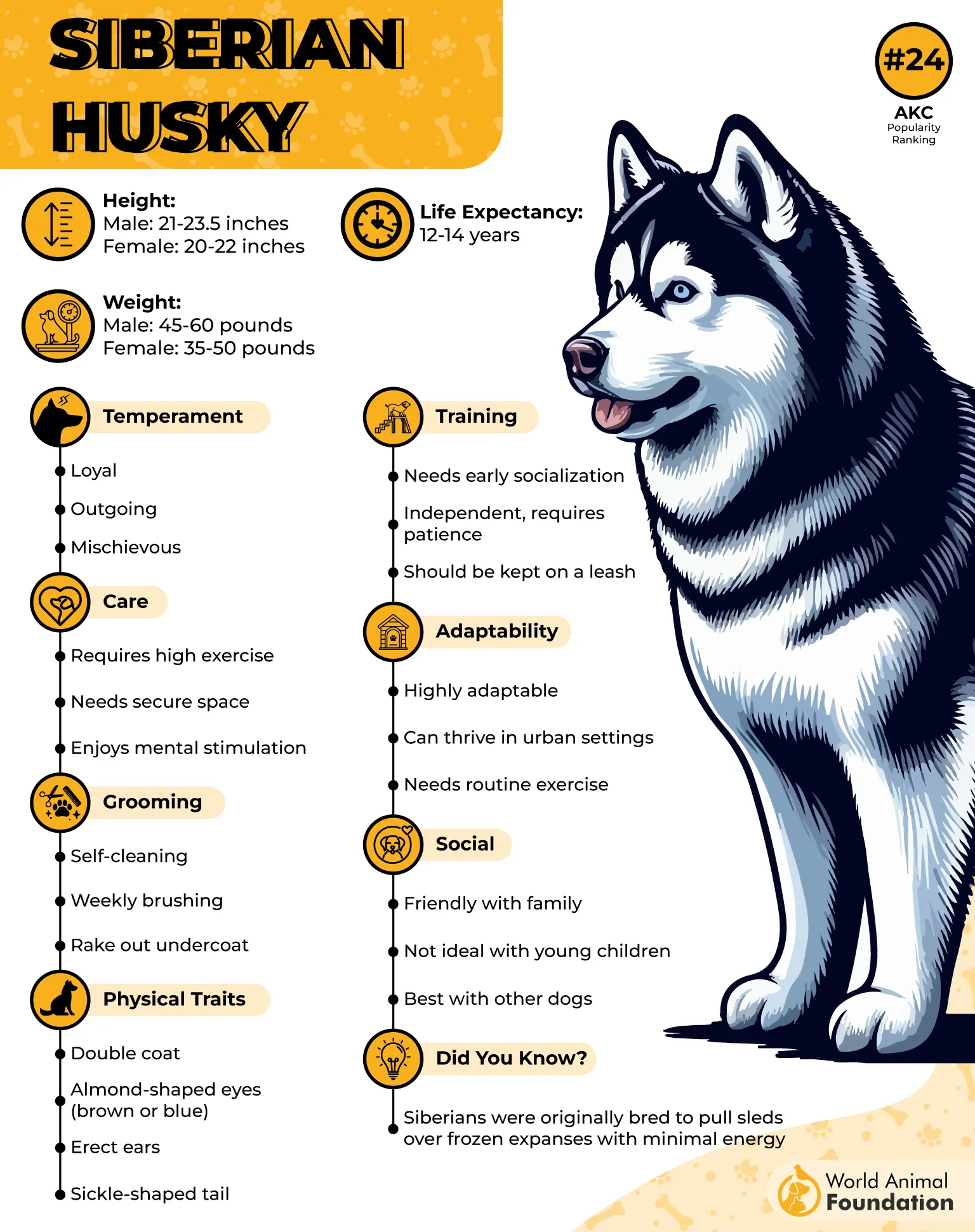
Siberian Husky moves with a natural drive that fits wide, open environments where constant motion feels natural. Originally bred to run across long frozen distances, this instinct shows up strongly in outdoor campground settings. It suits spaces where movement is part of daily life rather than something controlled.
Movement and Pack Instincts
They operate with a combination of endurance and social behavior shaped by working in groups over long distances. That background directly affects how it interacts with its surroundings and other dogs.
A few details explain this better:
Strong pull toward running and exploration
Comfortable living and moving in groups
Light but efficient stride over long distances
How It Fits in Campground Life
Huskies adapt well to active campground routines where walking, running, and outdoor interaction are frequent. Its clean coat and low odor make shared outdoor spaces more manageable. At the same time, its chase instinct and tendency to run require controlled boundaries like leashes or secure areas.
7. Jack Russell Terrier
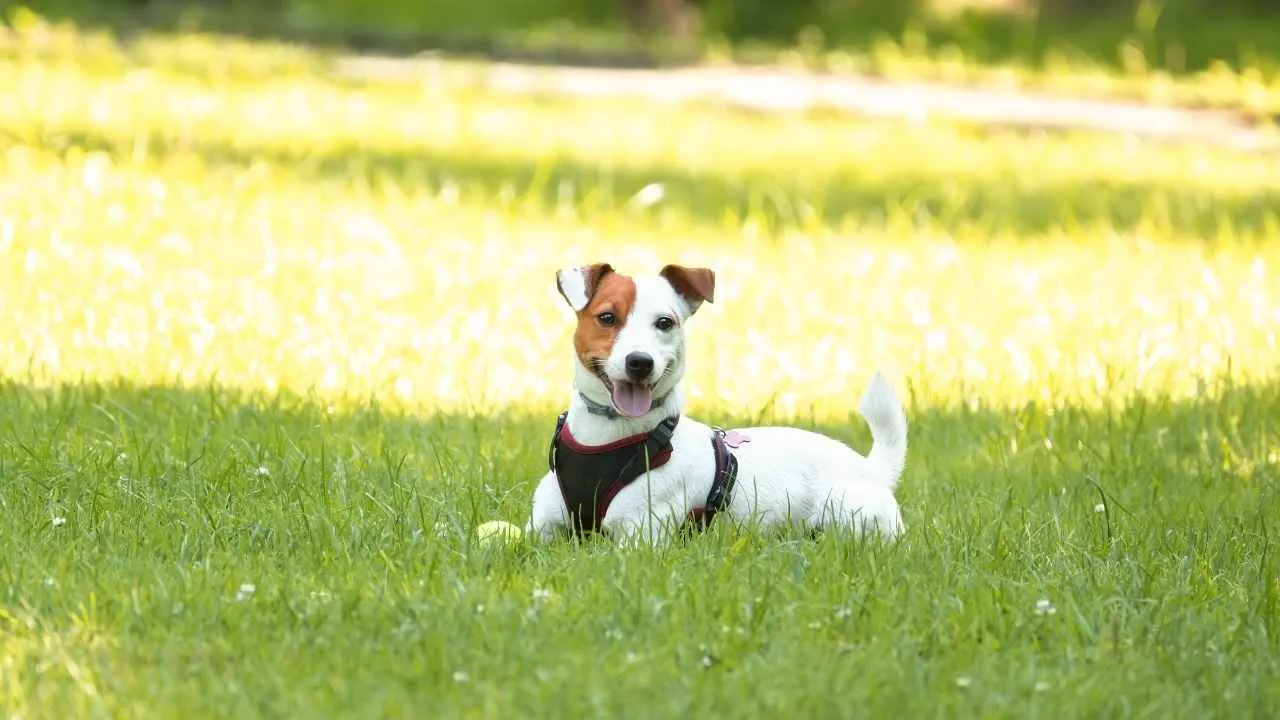
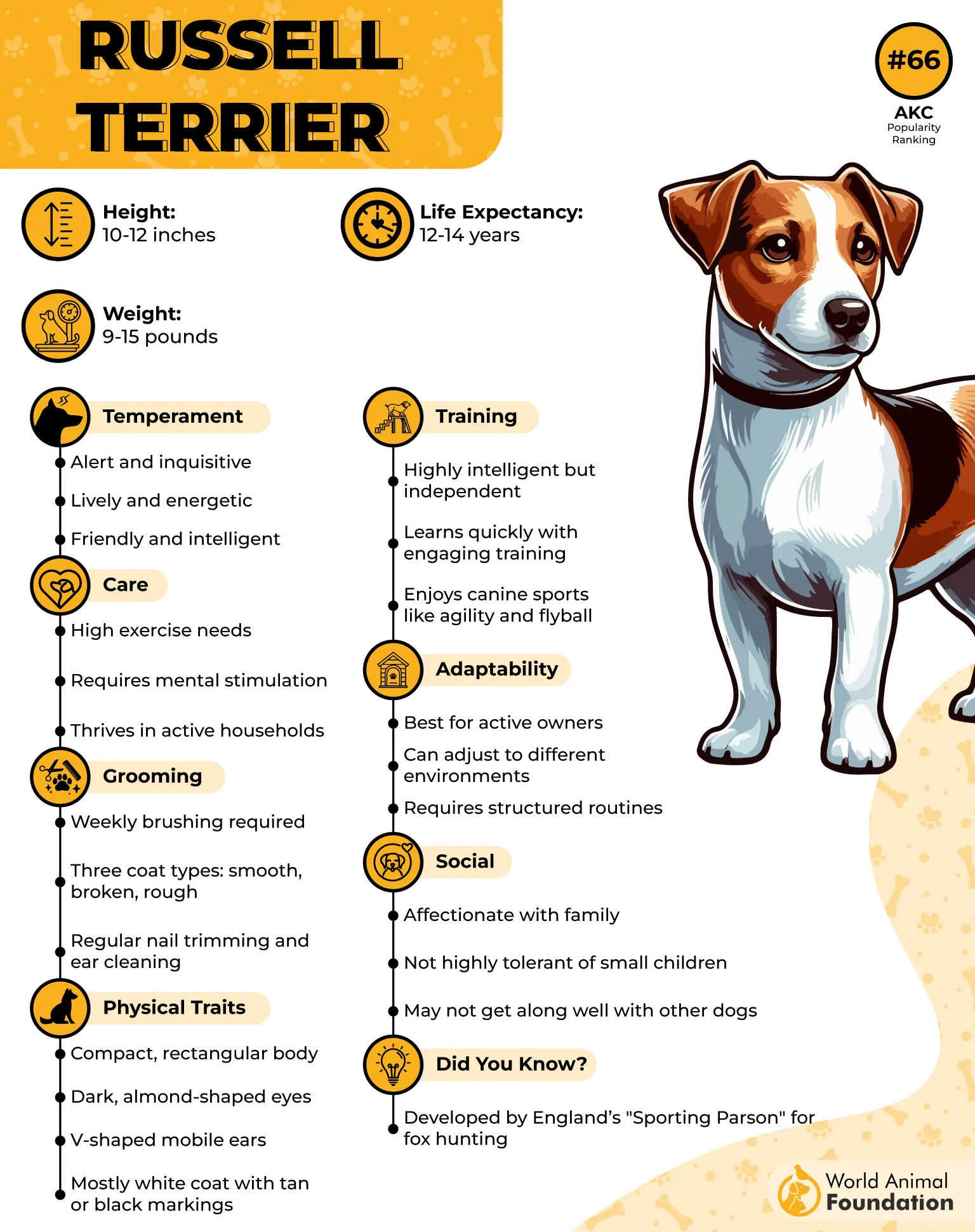
Jack Russell Terrier brings constant alertness and quick movement, shaped by its history as a hunting companion. This instinct shows in how it reacts to movement, sound, and activity around it. In a rural campground, that awareness translates into a dog that rarely stays idle.
Fit for Campground Life
This terrier brings a lively presence to outdoor stays, where its activity matches the pace of an open setting. Its natural curiosity keeps it exploring, which can be useful in outdoor settings.
What this looks like in practice:
Strong prey drive toward small animals
High energy suited for open ground
Quick response to movement and sound
Behavior Around Nature
These little guys interact actively with their surroundings, which can become challenging near wildlife or smaller animals common in rural areas. This behavior requires controlled movement and clear boundaries during outdoor stays. Its energy level means it constantly seeks something to do.
Conclusion
Rural campground life asks for more than just a dog that enjoys the outdoors. It requires someone who can settle into changing surroundings without losing control or becoming restless. The four-legged friends mentioned in this list show how energy, awareness, and temperament shape that adjustment over time.
Some stay steady and composed, while others bring movement that fits naturally into open spaces. What matters most is how the dog responds to its environment without constant correction. When that balance is right, the experience feels easier to manage.
Over time, the right dog breed turns campground living into something calm, reliable, and genuinely enjoyable.
