




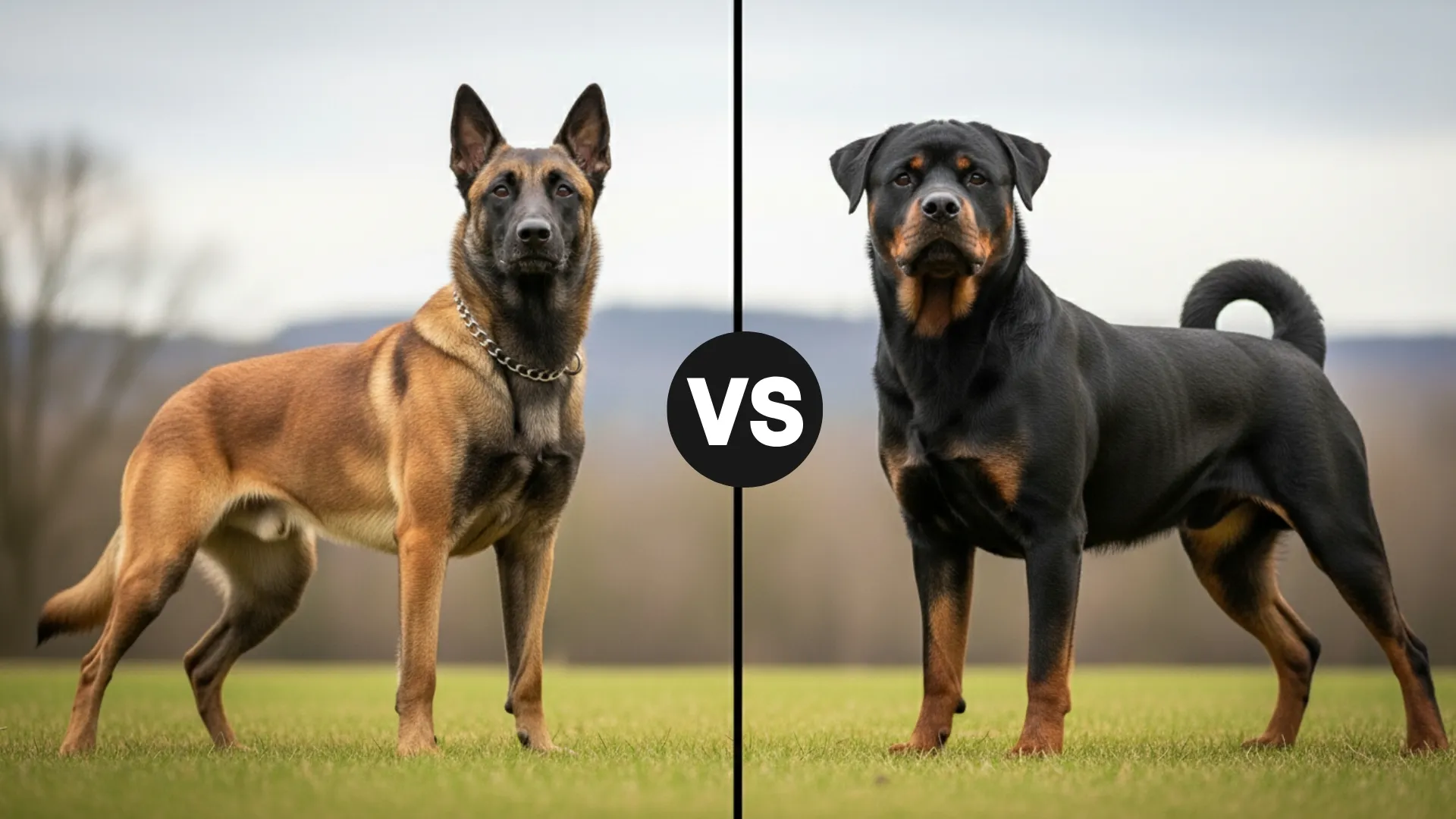
Choosing between a Belgian Malinois and a Rottweiler isn’t just about vibes—it’s about lifestyle compatibility, energy levels, and how much chaos (the good kind) you’re ready to handle.
Both breeds are elite-tier protectors, but they operate on totally different “operating systems.” One is basically a tactical athlete with unlimited stamina, while the other is a calm, calculated powerhouse.
These two breeds are often seen in police, military, and protection roles, and for good reason. According to organizations such as the American Kennel Club and the Fédération Cynologique Internationale, both rank among the most intelligent and capable working dogs in the world. But don’t get it twisted—they’re not plug-and-play pets.
This guide breaks down everything you need to know in a fun, real-talk way. From personality quirks to training intensity, let’s check out the surprising traits of Belgian Malinois vs. Rottweiler dog breeds.
Belgian Malinois vs. Rottweiler – Surprising Traits
Overview
The Belgian Malinois is like that overachiever friend who wakes up at 5 AM, hits the gym, and still has energy left to run a startup. Meanwhile, the Rottweiler is more like a disciplined bodyguard—calm, observant, and only moves when necessary. Both are powerful, but their expressions of energy are completely different.
Malinois dogs are built for speed, agility, and constant action, as noted by Britannica. Rottweilers, on the other hand, are built for strength, endurance, and controlled protection. Think Formula 1 car vs armored tank.
Choosing between them comes down to your daily routine. If you’re active and love constant engagement, a Malinois is a good fit. If you want a loyal protector who can also chill, a Rottweiler might be your guy.
Origins & Purpose
The Belgian Malinois originated in Belgium as a herding dog, bred for precision, responsiveness, and nonstop work. Over time, it became a favorite among military and police units worldwide for its unmatched drive and focus. Today, it’s widely used in elite forces, including K9 units.
PetMD calls them extremely smart and loyal!
The Rottweiler traces back to ancient Rome, where it was used to herd cattle and guard resources. Later, in Germany, it evolved into a butcher’s guard dog, protecting money and goods. This history explains its natural guarding instinct and composed demeanor.

Compared to most other breeds, these dogs were designed with purpose, not just companionship. That’s why they thrive when given jobs, structure, and clear leadership.
Size & Physical Build
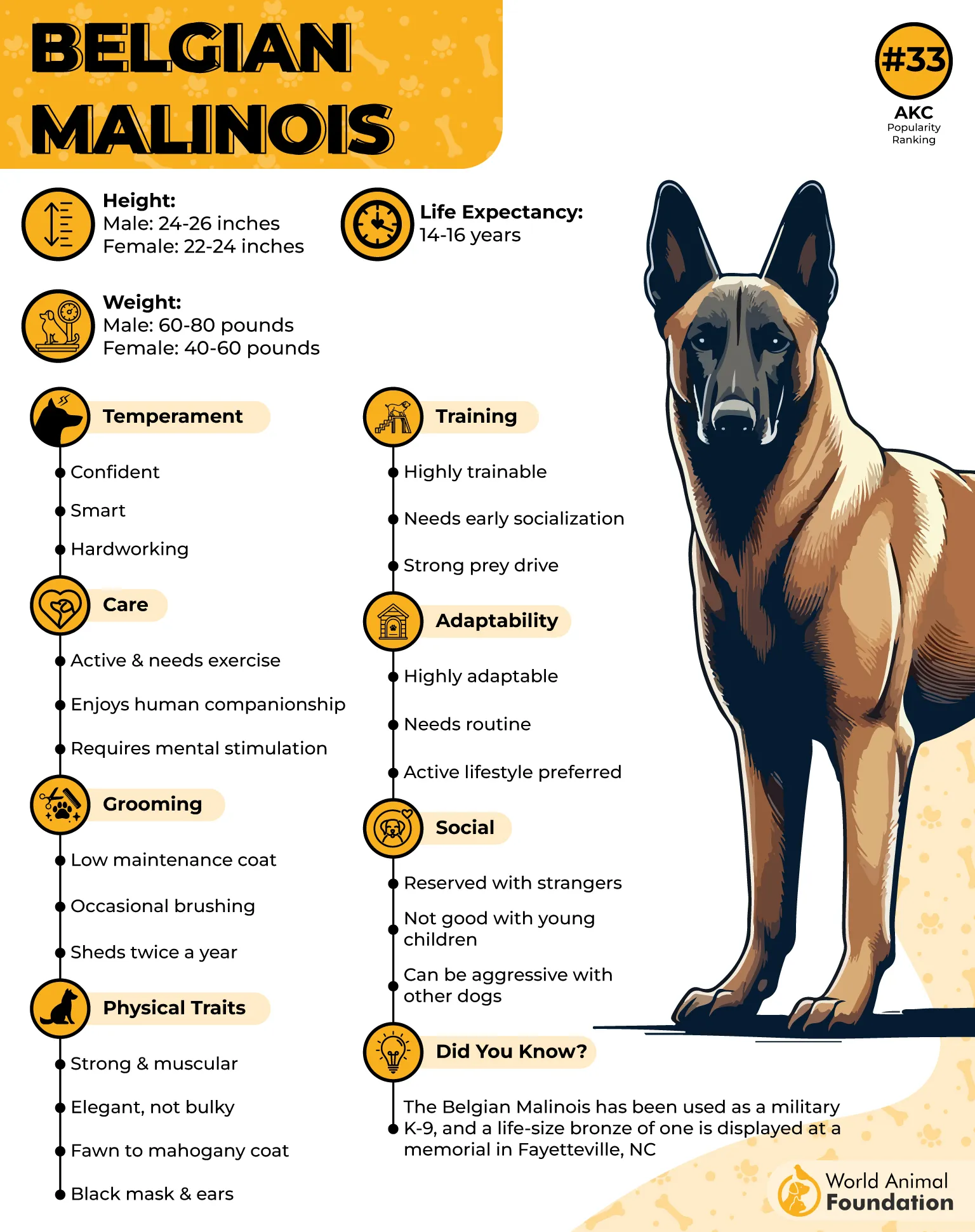
The Belgian Malinois is lean, athletic, and built like a sprinter. Typically weighing between 40 and 80 pounds, it’s all muscle with zero fluff, optimized for speed and agility. This makes it incredibly fast and responsive in high-pressure situations.
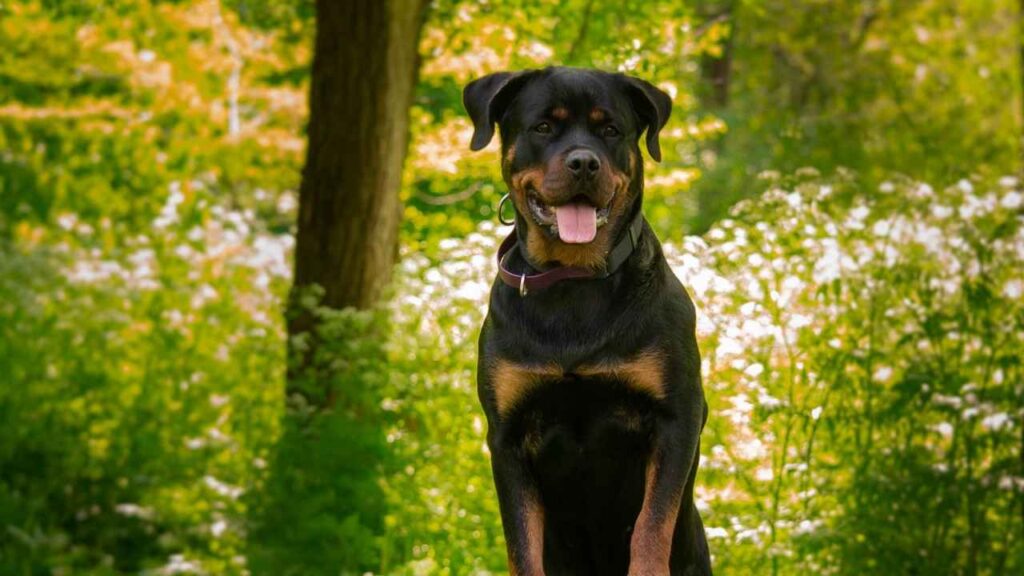
The Rottweiler is heavier and more robust, as per Hill’s Pet, weighing between 80 and 135 pounds. Its muscular frame and strong jaw give it a naturally intimidating presence. You don’t need it to act tough—it already looks the part.
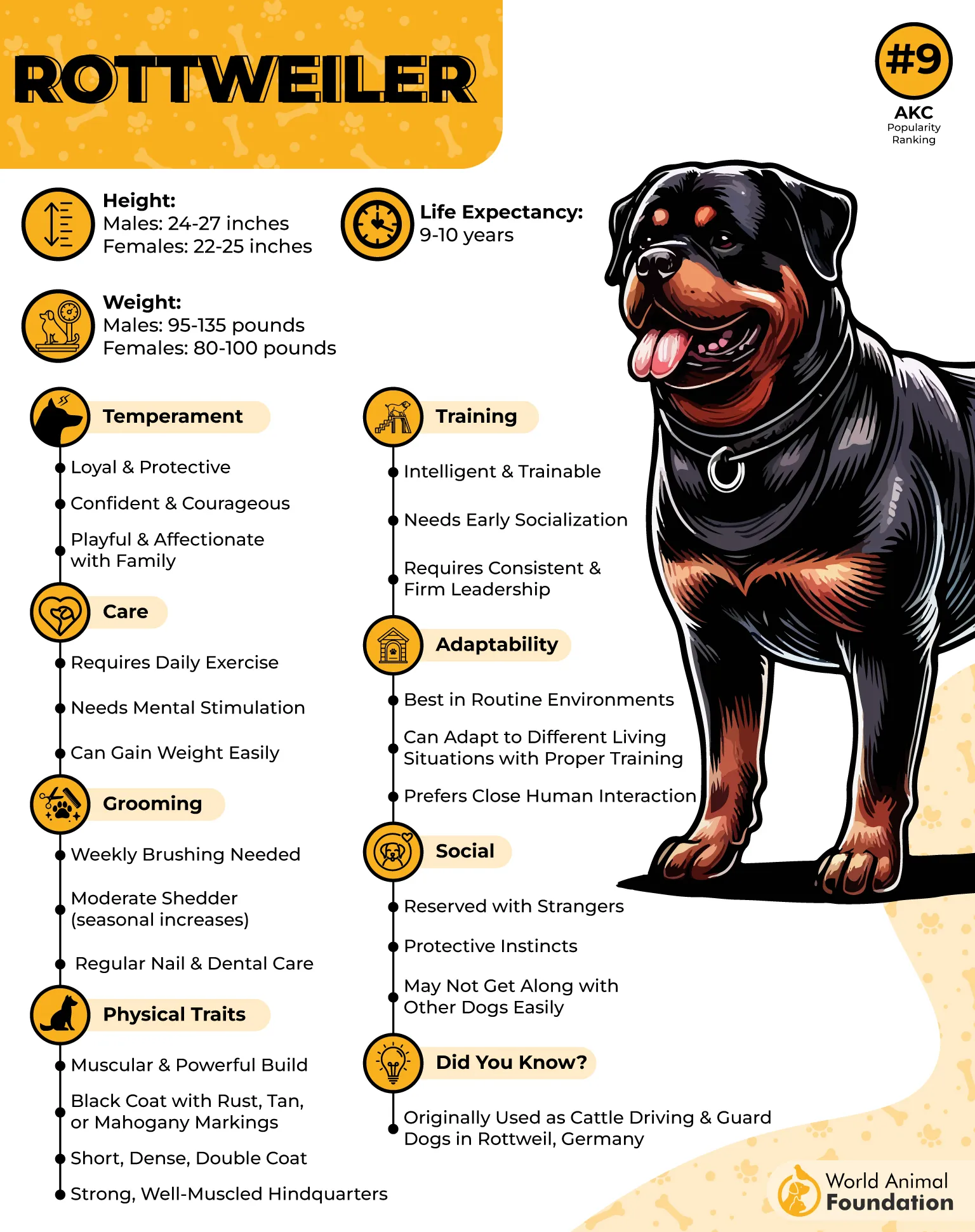
Physically, Malinois = speed and stamina, Rottweiler = power and presence. Both are impressive, just in different ways.
Temperament & Personality
The Belgian Malinois is intense, alert, and extremely driven. It bonds deeply with its owner but requires constant mental and physical engagement to stay balanced. Without stimulation, it can become destructive—no cap.
Belgian Malinois are extremely intelligent, high-drive working dogs that require experienced dog owners
for confident handling. First-time owners may have some trouble handling them. Experts consistently say they are best for active, dedicated owners who treat training like a lifestyle, not a hobby
The Rottweiler is calm, confident, and comes with protective instincts. It’s affectionate with family but reserved with strangers, making it a reliable guardian. It doesn’t overreact—it assesses first, then acts.

In personality terms, Malinois is high-energy and demanding, while Rottweiler is steady and controlled. Both are loyal, just expressed differently.
Exercise & Energy Levels
The Belgian Malinois requires serious daily activity—think 1.5 to 2+ hours of exercise plus mental work. This includes training drills, agility, scent work, and structured play. It’s not optional; it’s survival.
The Rottweiler needs regular exercise, about 45–90 minutes daily. Walks, play sessions, and some mental stimulation keep it happy. It enjoys activity but also appreciates downtime.
If you skip exercise with a Malinois, chaos begins. Skip occasionally with a Rottweiler, and you’ll get a slightly grumpy couch potato.
Training & Intelligence
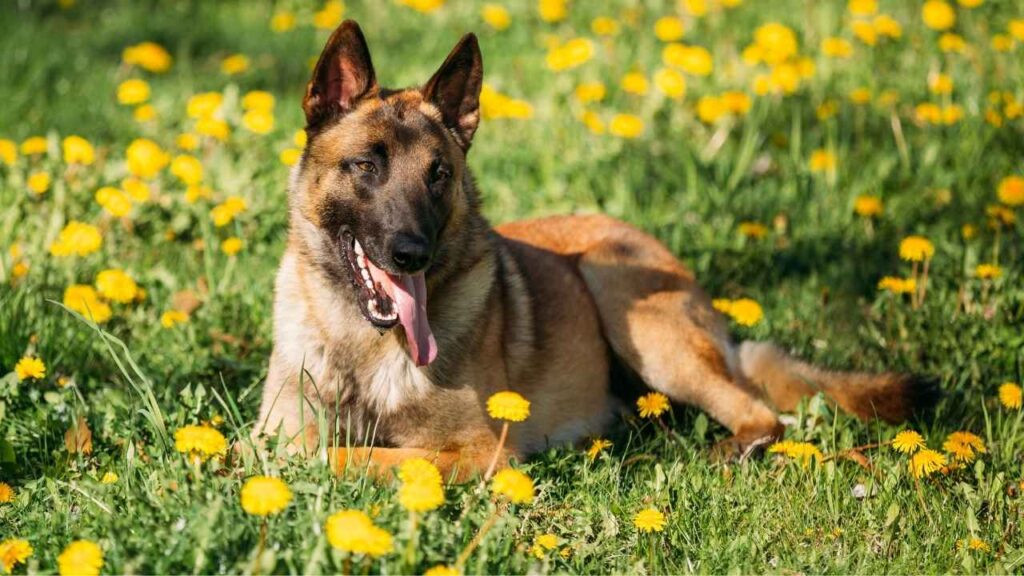
The Belgian Malinois is one of the smartest dog breeds globally. It learns commands extremely fast but also expects advanced challenges. Basic training isn’t enough—it needs purpose-driven tasks.
The Rottweiler is also highly intelligent but more balanced in its approach. It learns well with consistency, structure, and proper socialization, especially when training is firm yet positive. It doesn’t need constant complexity to stay engaged.
According to the American Kennel Club, both breeds rank high in working intelligence, but Malinois edges ahead in speed and responsiveness. They both require early socialization and a routine structure.
Coat Maintenance
The Belgian Malinois has a short, weather-resistant coat that requires minimal grooming. Weekly brushing is usually enough, though seasonal shedding can spike. It’s pretty low effort overall.
The Rottweiler also has a short coat but sheds moderately year-round. Regular brushing helps manage loose hair and keeps the coat healthy. Grooming needs are simple but consistent.
Neither breed is high-maintenance in grooming, which is a win. Your vacuum, however, will still see some action.
Health & Lifespan
The Belgian Malinois typically lives 12–14 years and is generally healthy. However, it can be prone to hip dysplasia and eye issues. Proper breeding and regular vet care reduce risks.
The Rottweiler has a shorter lifespan of around 8–10 years. It’s more prone to conditions like hip dysplasia, heart issues, and certain cancers. Regular screenings are crucial.
Statistically, smaller and leaner dogs tend to live longer, which explains the Malinois advantage here.
Belgian Malinois vs. Rottweiler: Suitability as Family Pets vs Guard Dogs
The Belgian Malinois is best suited for experienced owners who can provide structure, training, and daily challenges. It can be a great family dog, but only in highly active households. As a guard dog, it’s elite—fast, responsive, and proactive.
The Rottweiler is more adaptable to family life. With proper training, it’s gentle with kids and protective without being overwhelming. It’s a natural guard dog that doesn’t require constant stimulation to perform its role.
If you’re new to dogs, Malinois is honestly not the move. Rottweiler is still powerful but far more manageable for most households.
Conclusion
Both the Belgian Malinois and Rottweiler are top-tier dogs, but they serve very different lifestyles. One is a high-performance machine that thrives on constant action, while the other is a composed guardian with a strong presence. Neither is “better”—just different.
Your choice should depend on your energy level, experience, and daily commitment. If you want a dog that keeps you on your toes 24/7, a Malinois is unmatched. If you want strength, loyalty, and balance, a Rottweiler is the safer bet.
At the end of the day, both breeds demand respect, training, and responsibility. Choose wisely, because these dogs don’t just live with you—they become your entire lifestyle.
