





Living in a smaller space changes how you think about bringing a dog into your life. What feels exciting at first can quickly turn into daily adjustments when space runs tight or routines feel stretched.
Many people start with the idea of a dog without fully considering how size and energy will shape everyday living. That is where sweet pocket-sized breeds begin to make real sense. They offer companionship without asking you to rearrange your entire home or schedule around them.
Their presence feels lighter, easier to manage, and more in line with a busy or compact lifestyle. Instead of constant compromise, they tend to settle into your routine with less friction. That balance is what draws more people toward them today.
This article walks through what truly defines these small companions, what to expect from living with them, and how to choose one that fits naturally into your life.
Key Takeaways
When space becomes limited, even the idea of having a dog starts to depend on how easily it fits into everyday life.
Shih Tzu and Pomeranian stand out early, showing how small companions can still bring a strong personality into compact homes.
Japanese Chin and Brussels Griffon take it further with calm indoor habits that quietly adapt to close living without much effort.
Read till the end to see how each pocket-sized breed fits differently into everyday life without overwhelming your space
Sweet Pocket-Sized Dog Breeds: A Complete Guide
1. Shih Tzu
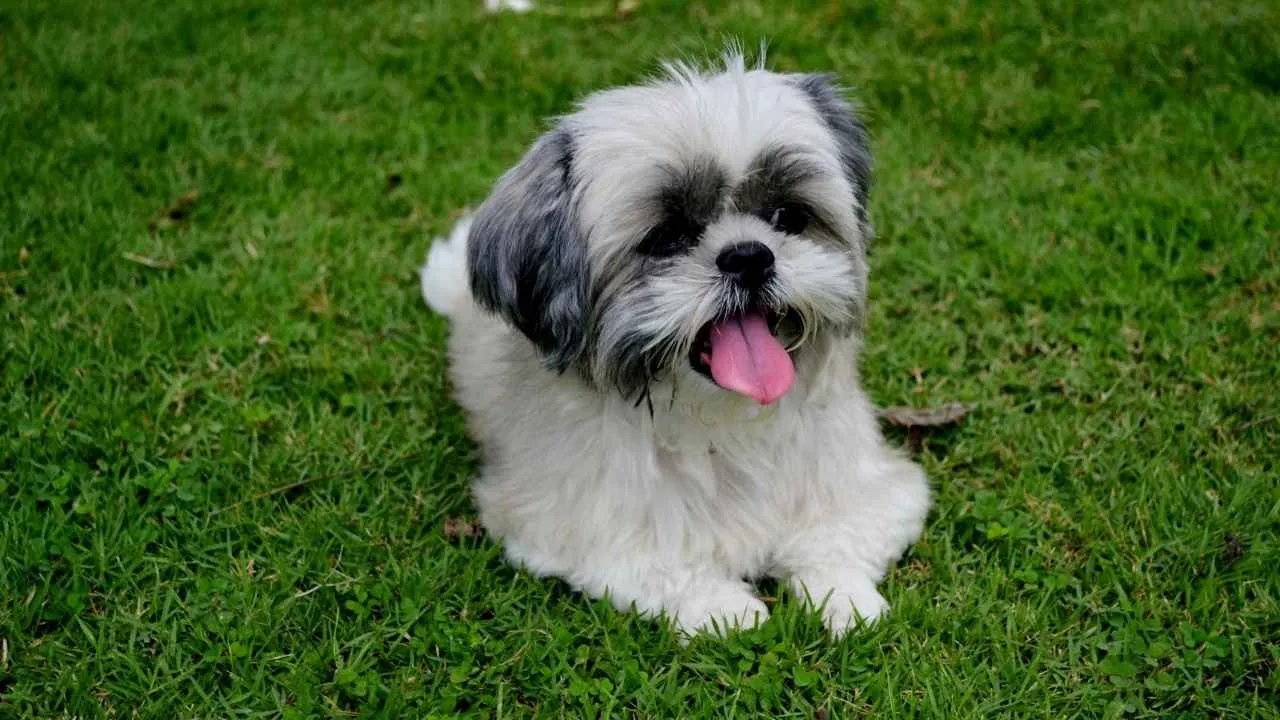
Shih Tzu traces back to China with strong ties to Buddhist culture, often referred to as the Lion dog in historical settings. Its presence reflects a breed shaped around companionship rather than function. This background shows in how naturally it settles into close, indoor living.
Interaction is built on attention
This small dog breed stays engaged through proximity, often choosing soft spaces like beds or sofas where people are present, as Omlet writes. Its alertness often comes from excitement around interaction rather than guarding intent.

That behavior becomes easy to notice:
Moves toward people during quiet moments
Reacts quickly to visitors and door sounds
Seeks out comfortable resting spots nearby
Daily rhythm and space use
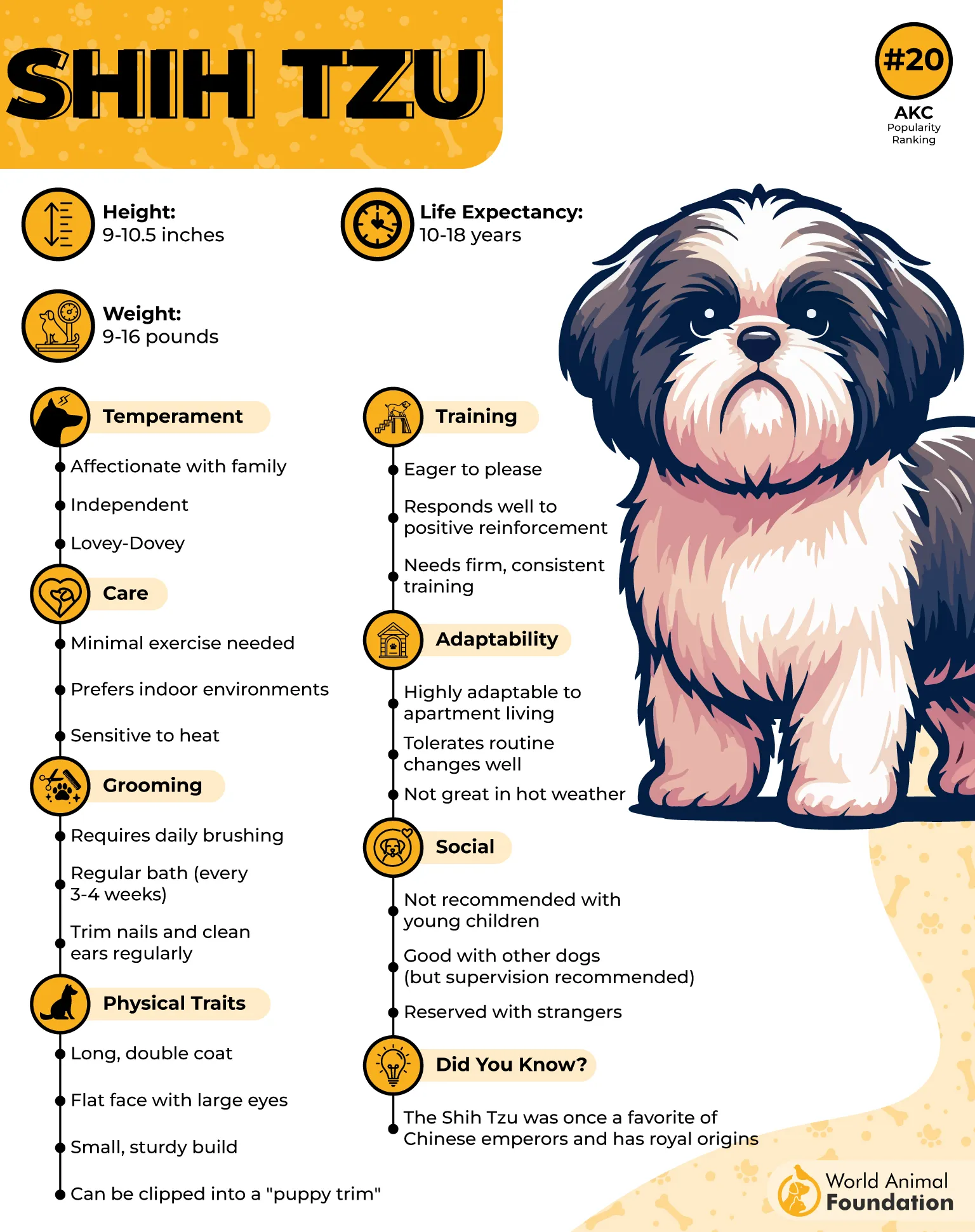
They fit easily into smaller homes, where minimal exercise, including short walks and indoor rest, defines most of their routine. It handles their days without restlessness, often alternating between brief play and long periods of sleep. Warmer conditions can affect its comfort more than limited space.
2. Pomeranian
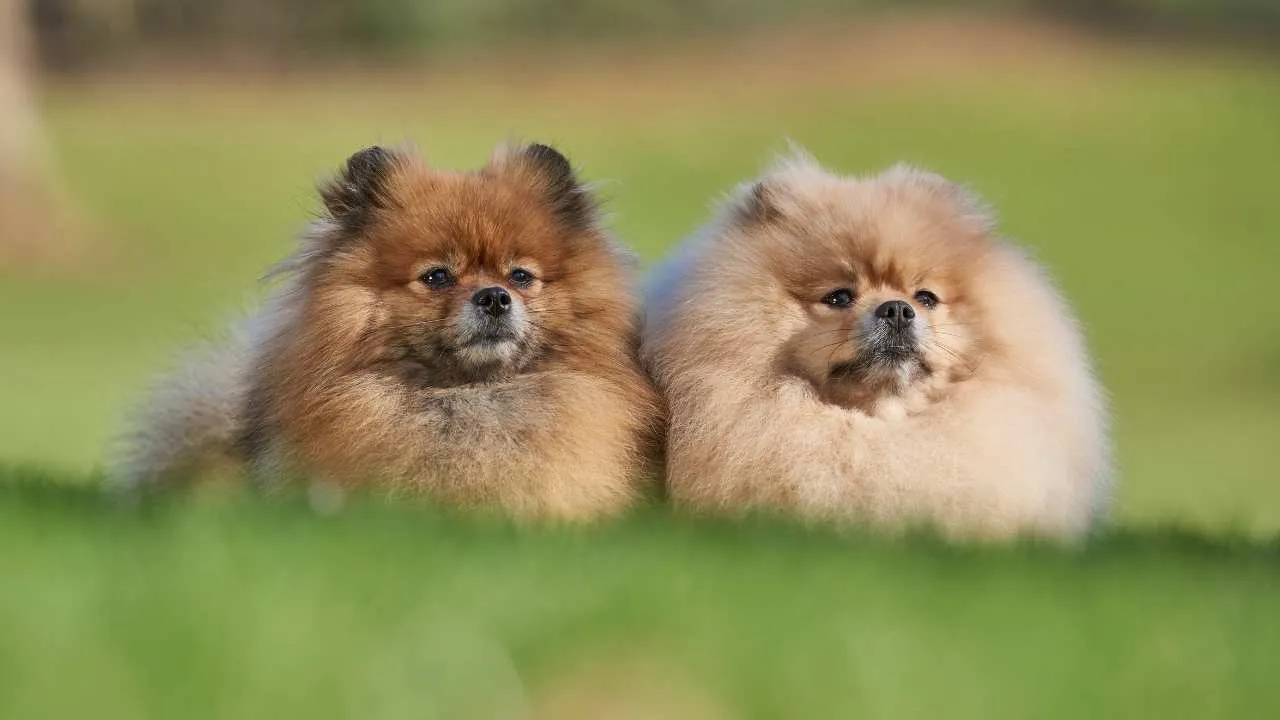
Pomeranians stand out through their bold, confident behavior packed into a compact body originally bred from larger spitz ancestors. Its alert nature keeps it constantly aware of its surroundings, often stepping into situations with surprising confidence.
Curiosity that stays active
These little dogs stay involved in everything happening around them, often moving from one activity to another without losing interest. Its intelligence shows in how quickly it picks up patterns and uses them to its advantage, as stated by the AKC.
That sharp engagement shows in simple ways:
Inserts itself into ongoing activity
Learns tricks and routines quickly
Uses attention to get desired responses
Confidence that needs direction
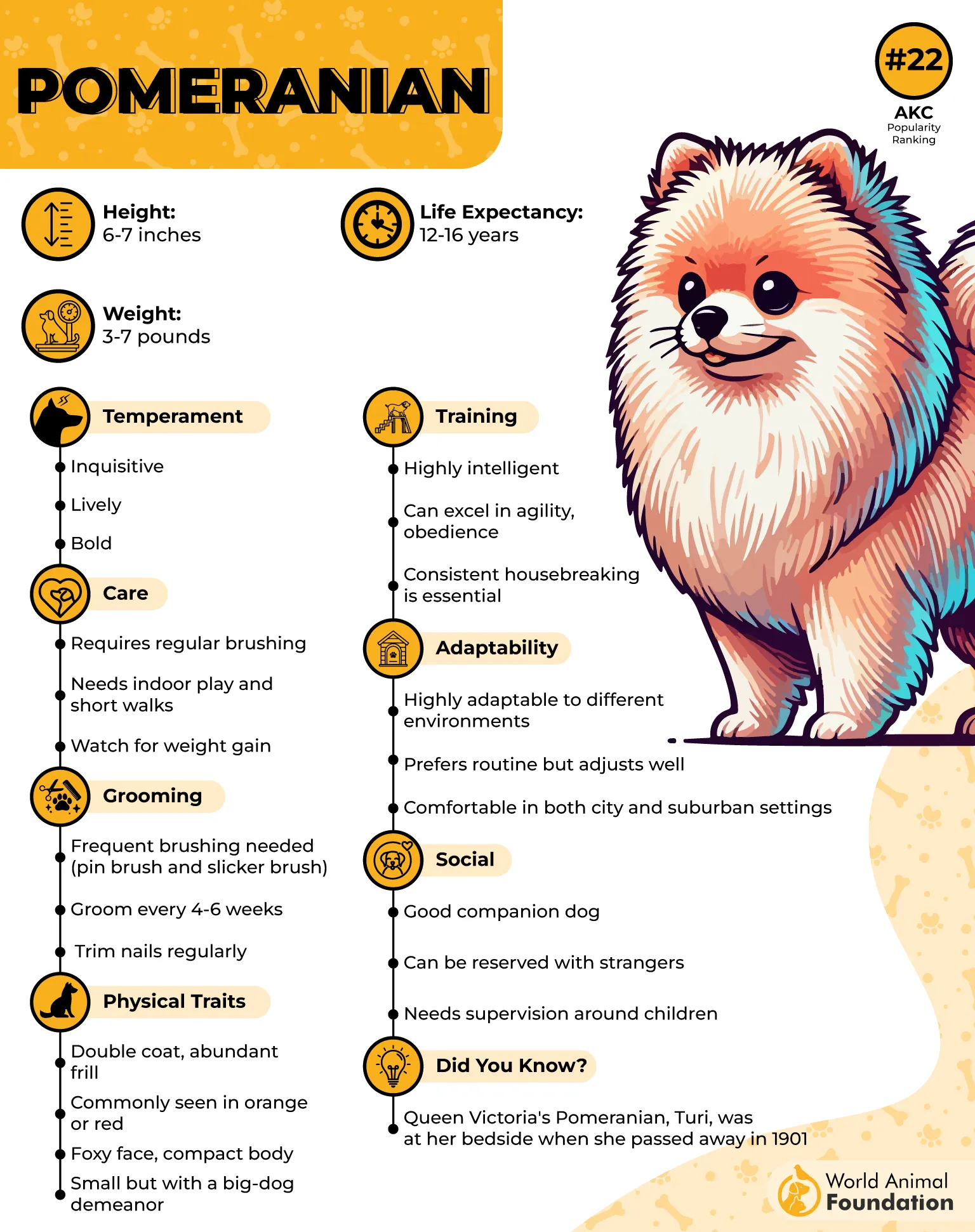
Poms approaches both people and situations with a self-assured attitude, sometimes stepping beyond its physical limits. It may challenge larger counterparts or react quickly to unfamiliar sounds, reflecting a strong protective instinct. Early exposure to different environments helps shape balanced behavior.
3. Japanese Chin
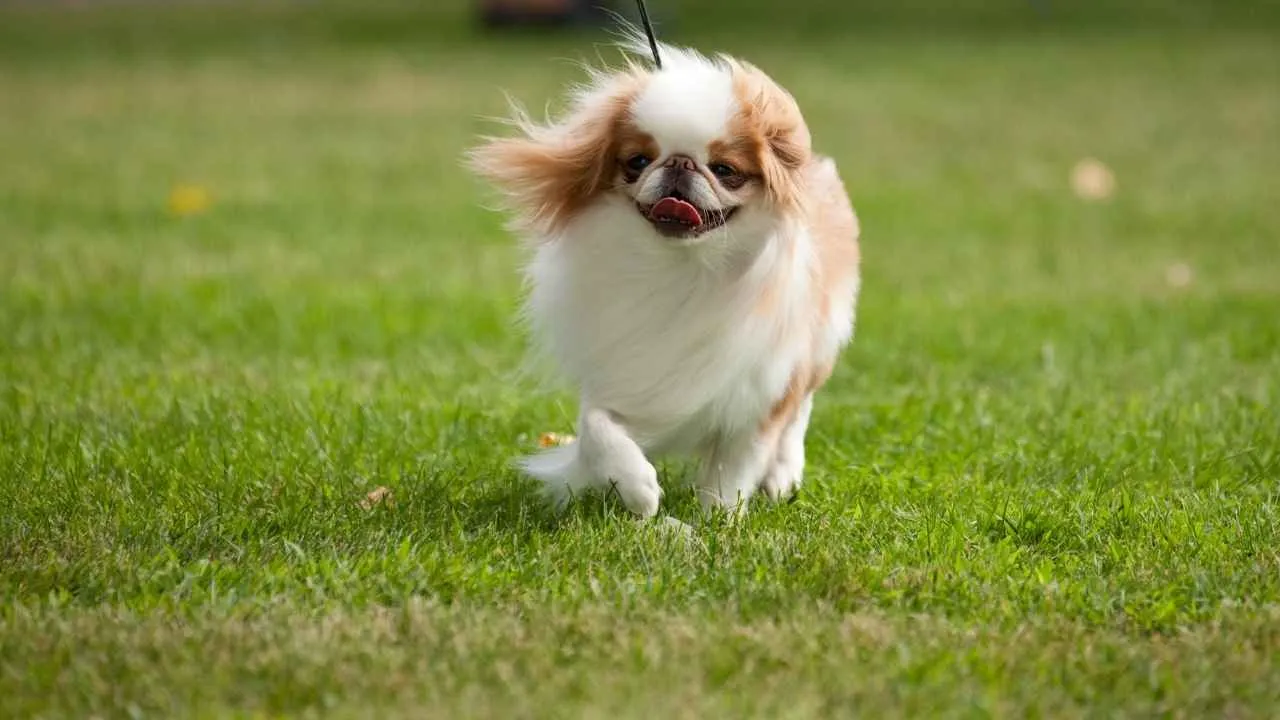
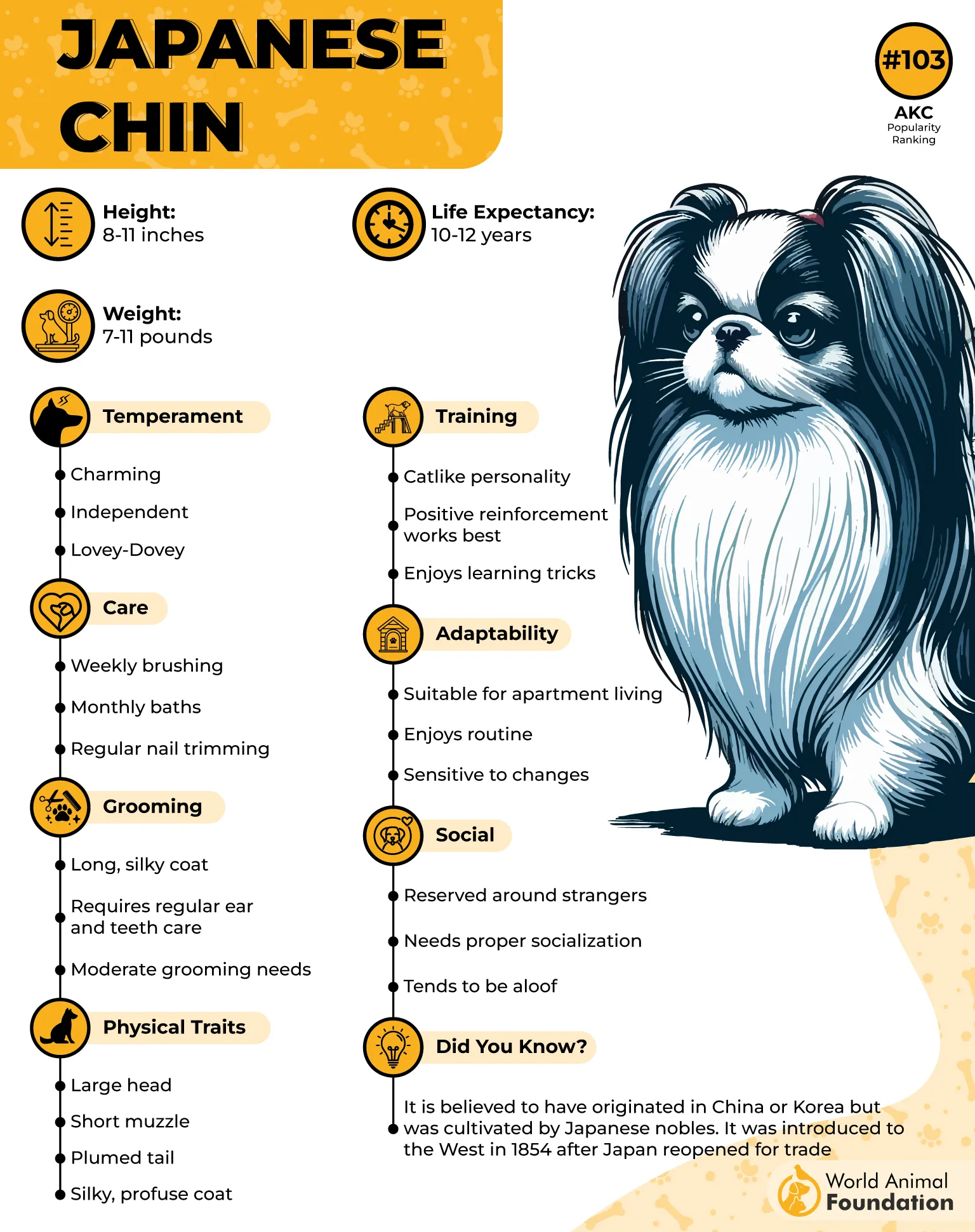
Japanese Chin reflects centuries-old refinement, once associated with Japanese nobility and later introduced to the Western world in the 1800s.
Its presence blends historical exclusivity with a calm demeanor and indoor-friendly nature. A naturally social temperament shapes how it engages with people and surroundings.
Elevated curiosity
These tiny dogs often choose higher spots indoors, using balance and agility to observe their environment from furniture or shelves. Its movement and behavior show a strong resemblance to feline habits, including grooming gestures.
That behaviour becomes clearer through simple patterns:
Climbs and rests on elevated indoor spaces
Uses paws for face-cleaning motions
Adjusts easily to people and familiar animals
Social rhythm
Japanese Chin greets people with openness and often responds to visitors with alert barking before quickly settling into acceptance. Its friendly nature allows smooth interaction with children and other pets when raised together, as Orvis noted. Social contact plays a central role in its comfort.
4. Brussels Griffon
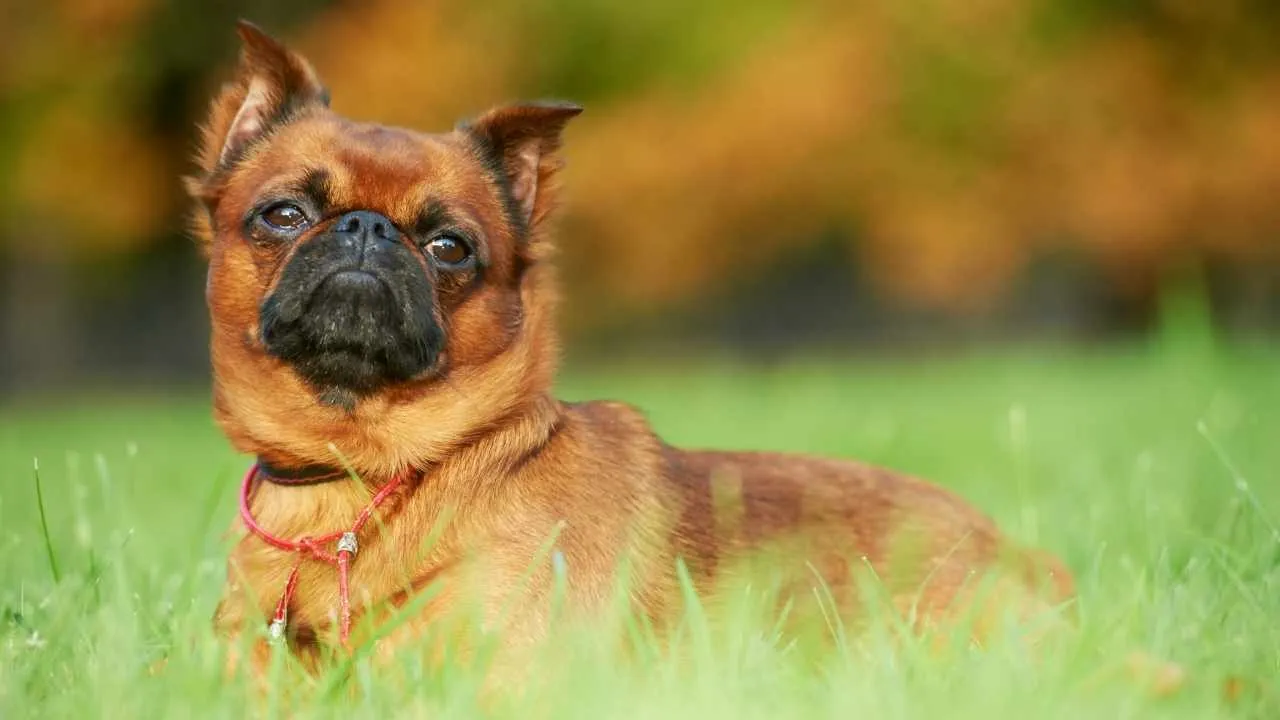
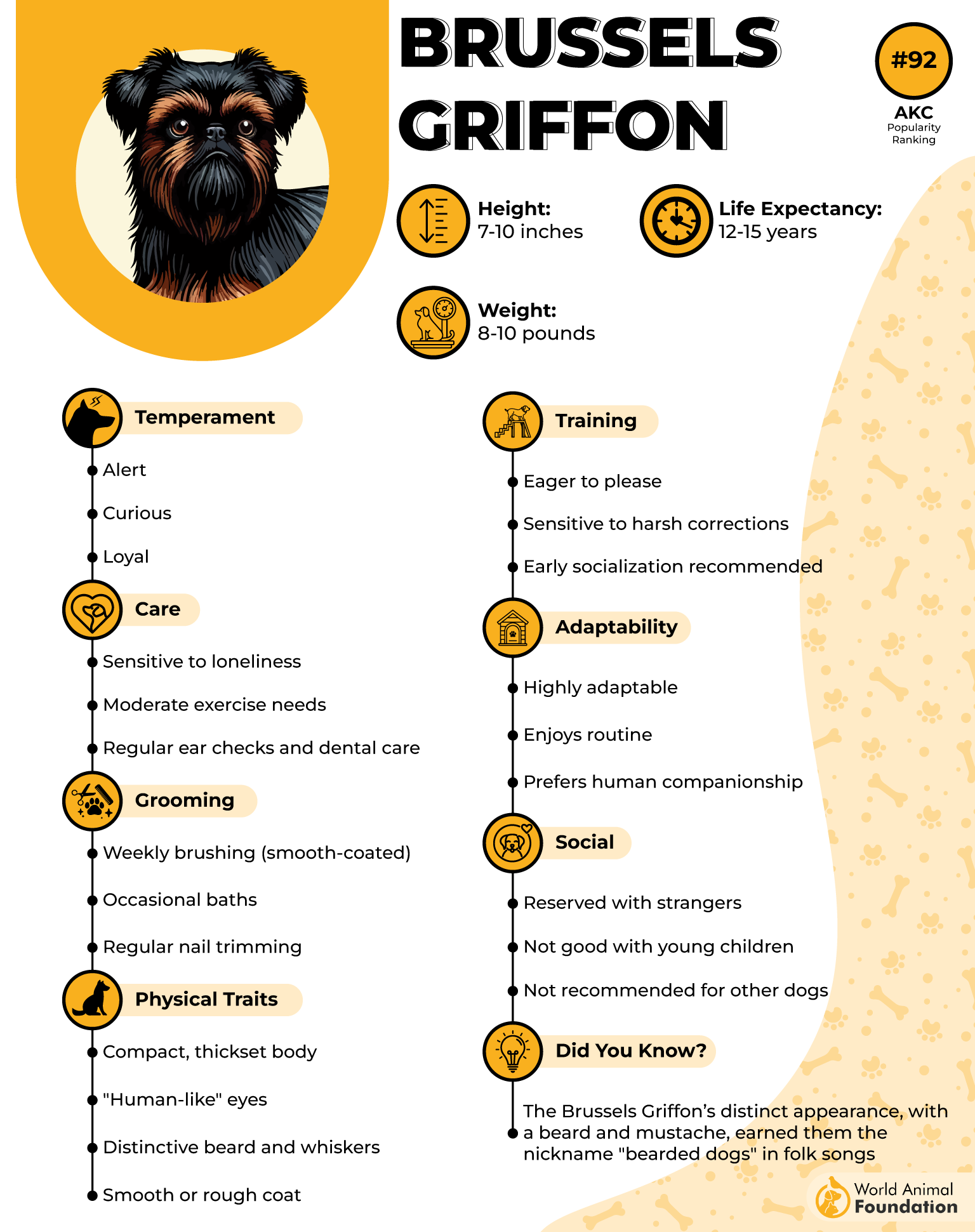
Brussels Griffon traces its roots back to Belgium’s small stable dogs, shaped from the Smousje with influences of Affenpinscher-type and local griffon lines. Its presence is tightly woven into human spaces, staying close in everyday movement indoors.
Daily life habits
It naturally orients itself around one primary person while still staying open to general household activity. Its behavior often includes following routines closely and reacting quickly to attention shifts.
The personality traits of their behavior are these:
Moves from room to room alongside people
Responds quickly to familiar voices
Engages actively in short interactive play
Expressive activity
This toy dog shows a playful nature, often engaging in dog sports and interactive games like fetch and light agility-style movement with steady enthusiasm.
Its alert nature also makes it responsive to new sounds or visitors at the door. Once energy drops, it shifts naturally into rest, often choosing close contact over isolation.
5. Havanese
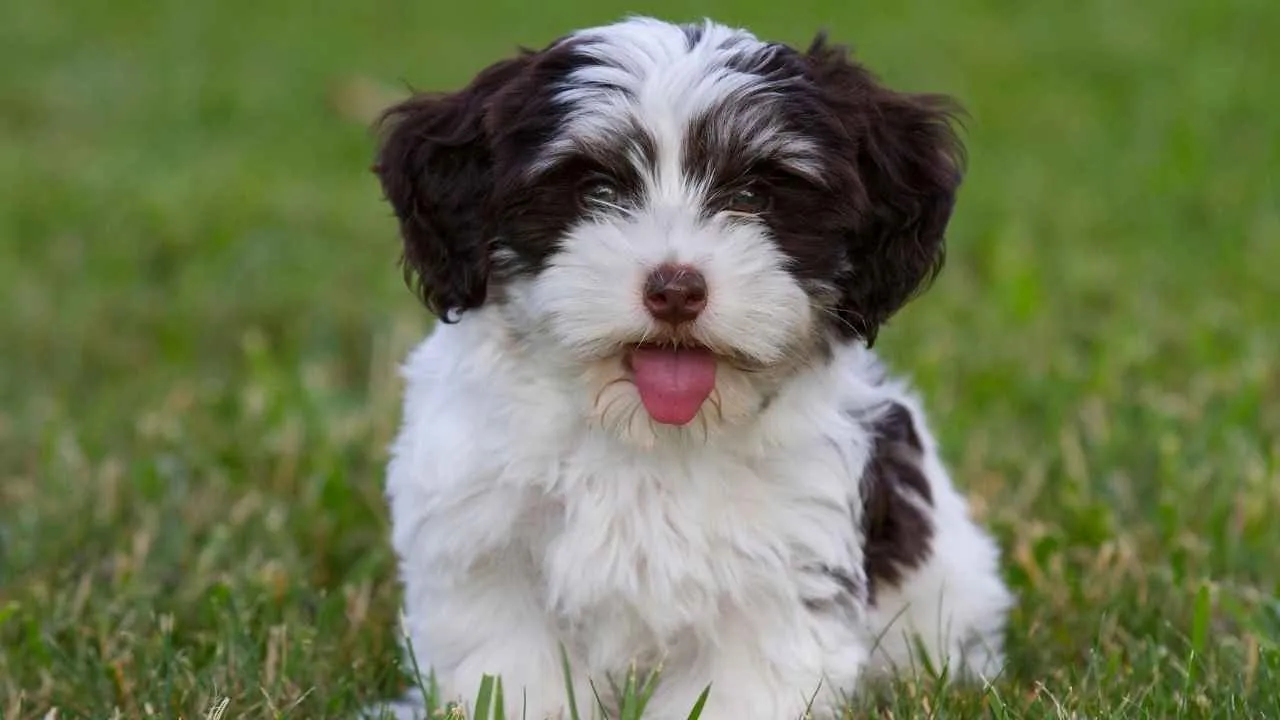
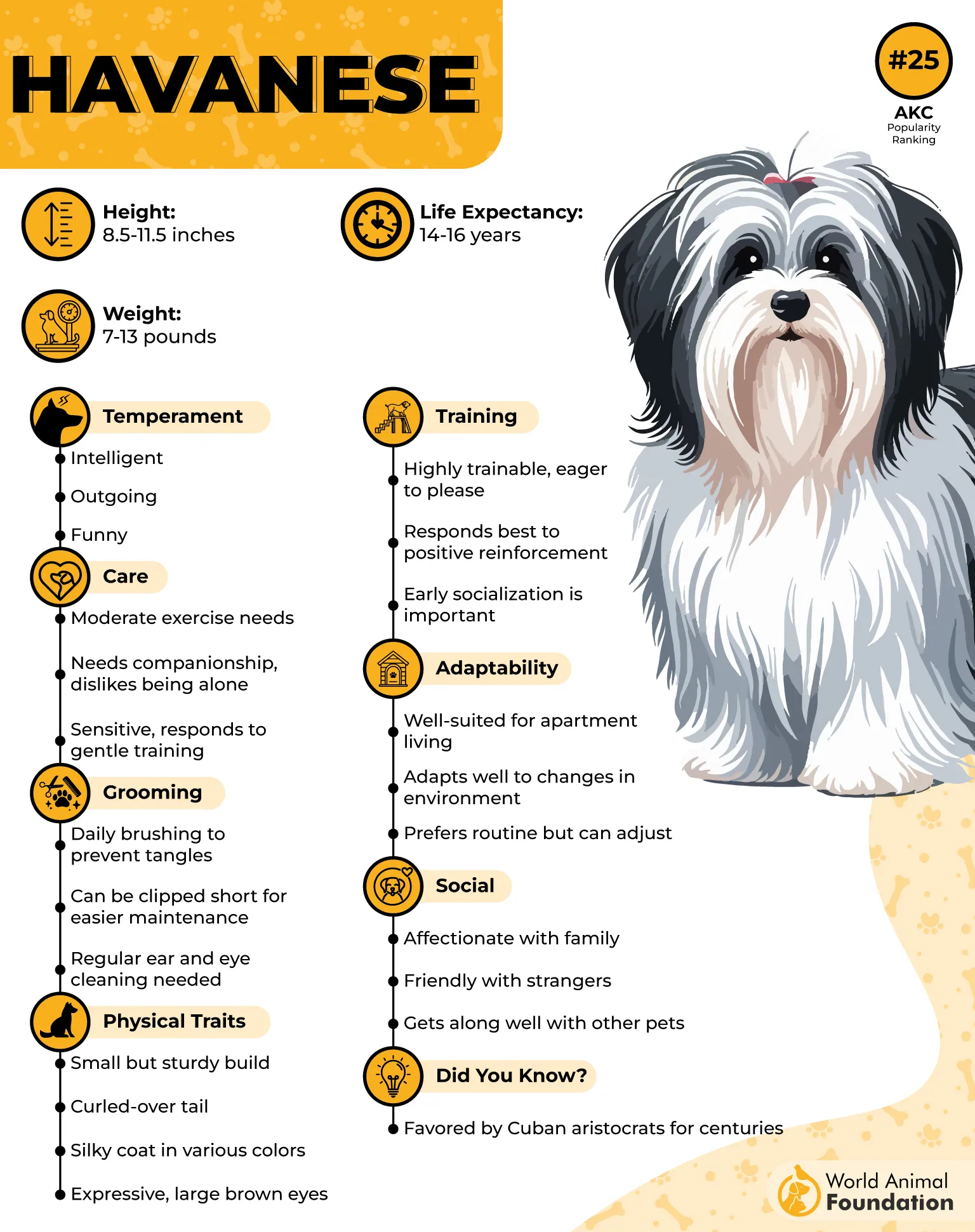
The Havanese comes from the Bichon lineage, linked to the Mediterranean, and later arrived in Cuba via Spanish trade routes, gaining popularity in homes and social life. Its presence was later noticed in Europe, where it appeared in performance settings due to its quick learning behavior.
Social engagement pattern
This small breed shifts its focus quickly between people and surroundings, often seeking interaction instead of remaining in the background. It forms easy associations across different households and adjusts well to varied social settings.
That pattern becomes clearer when looking at everyday behavior:
Stays closely involved in human activity
Adapts easily to mixed social environments
Picks up routines through observation
Learning through interaction
Havanese show a quick response to new tasks, especially when training is consistent and varied in approach. It engages well in activities like agility and recall-based exercises, using its alert and responsive nature. Its behavior reflects learning through repeated human interaction and guidance.
6. Yorkshire Terrier
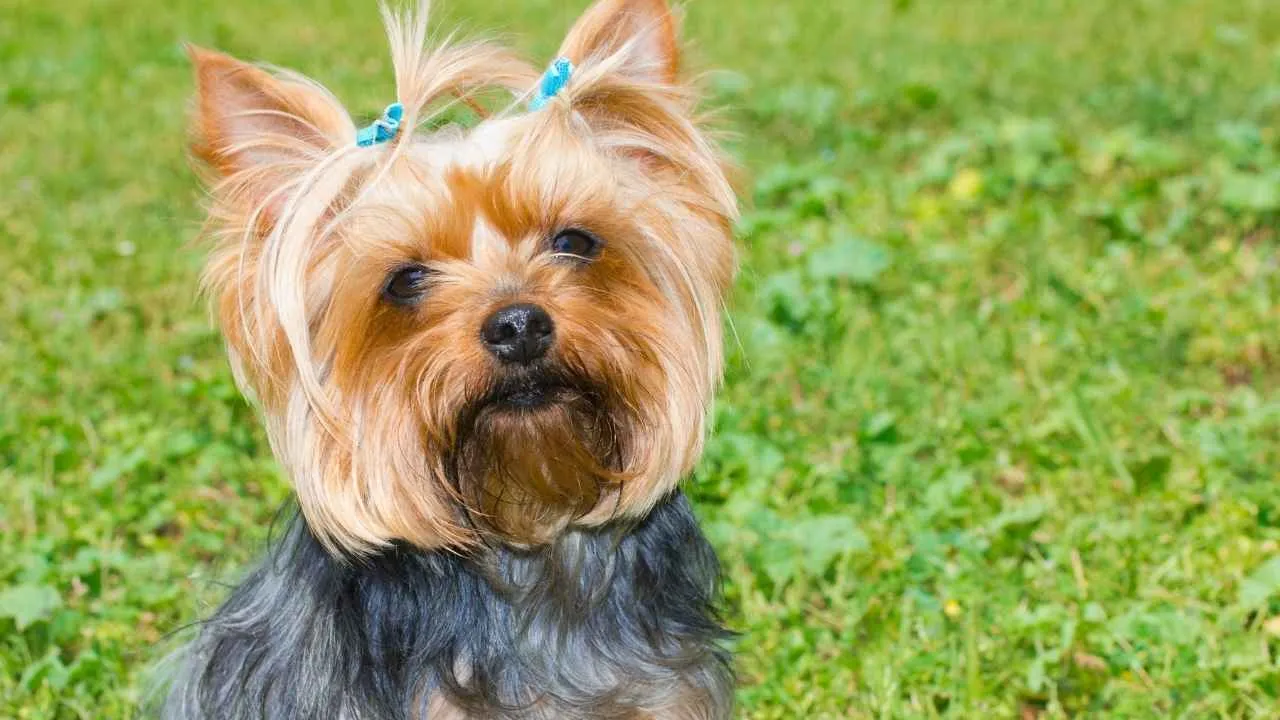
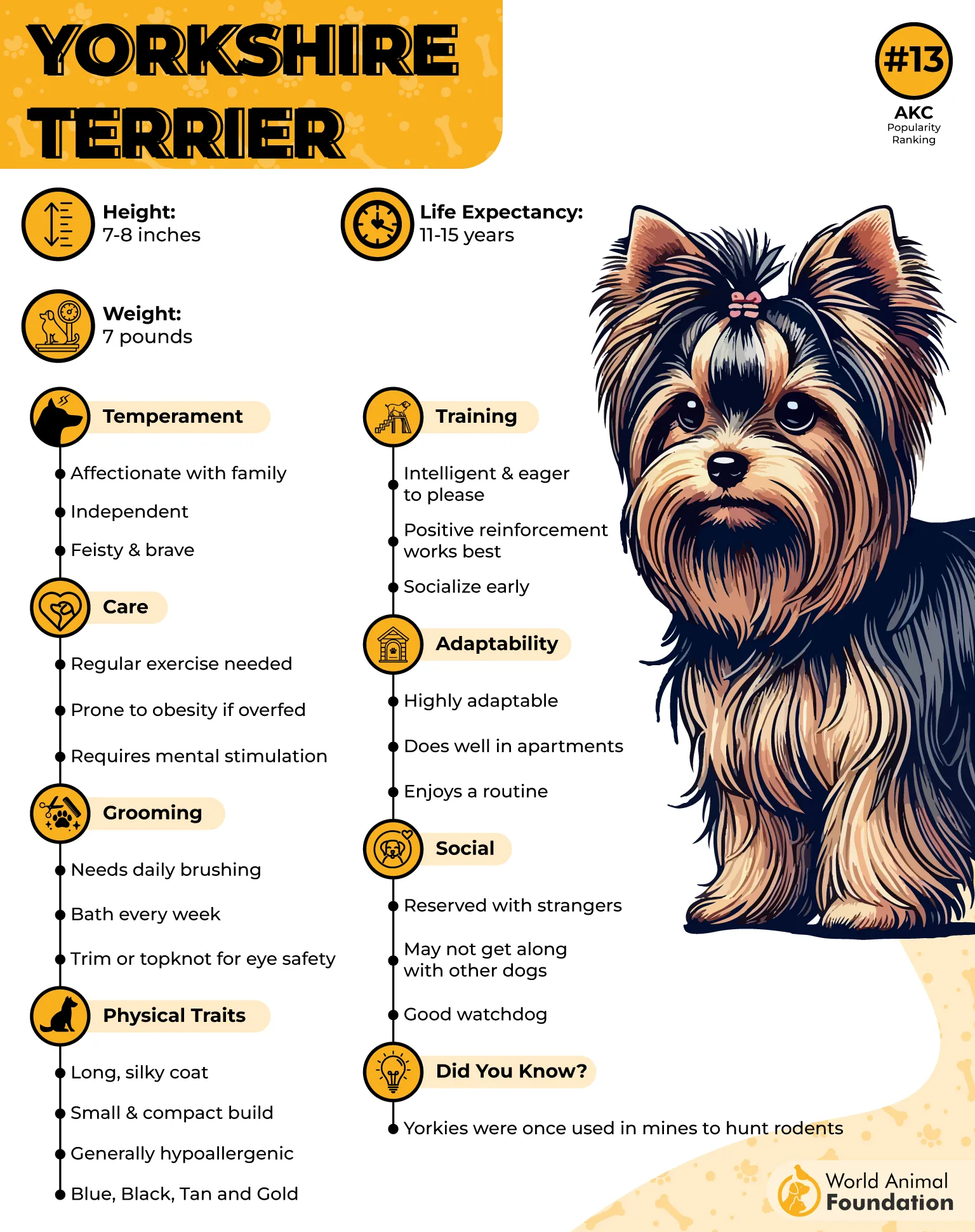
Yorkshire Terrier traces back to Yorkshire in the 19th century, shaped from small terriers brought by Scottish mill workers. Its early role focused on controlling rats inside cotton mills, tying its presence to constant movement and alertness in confined workspaces.
Busy mind in a compact frame
This popular dog breed stays mentally active, reacting quickly to its surroundings and often noticing movement or sound near home spaces. It builds strong attachment patterns and may become protective when unfamiliar people appear too often.
That alert nature appears in simple ways:
Notices entry points and movement quickly
Responds strongly to unfamiliar visitors
Learns routines through repeated interaction
Daily rhythm and attention span
Yorkies manage energy through short activity bursts, adapting well to brief walks and plays like fetch. Its focus stays engaged when mentally stimulated, reducing unwanted behaviors linked to boredom or isolation. Interaction becomes central to keeping its attention balanced across the day.
7. Maltese
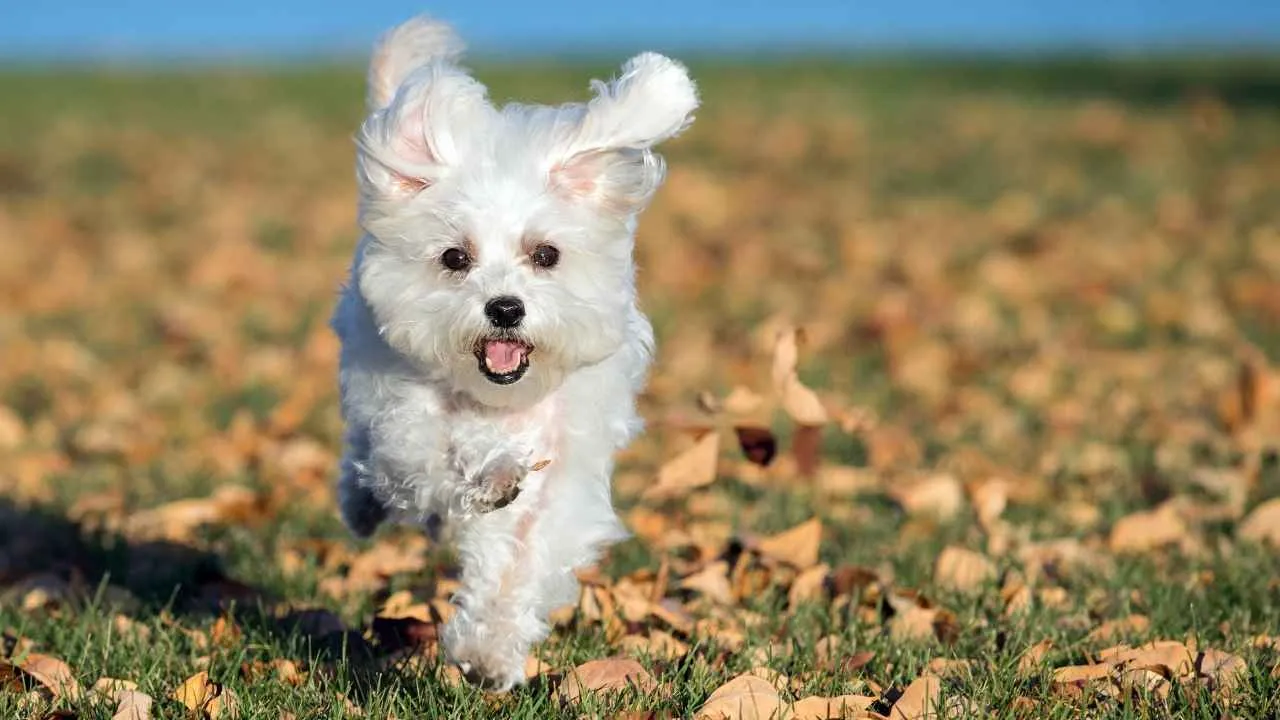
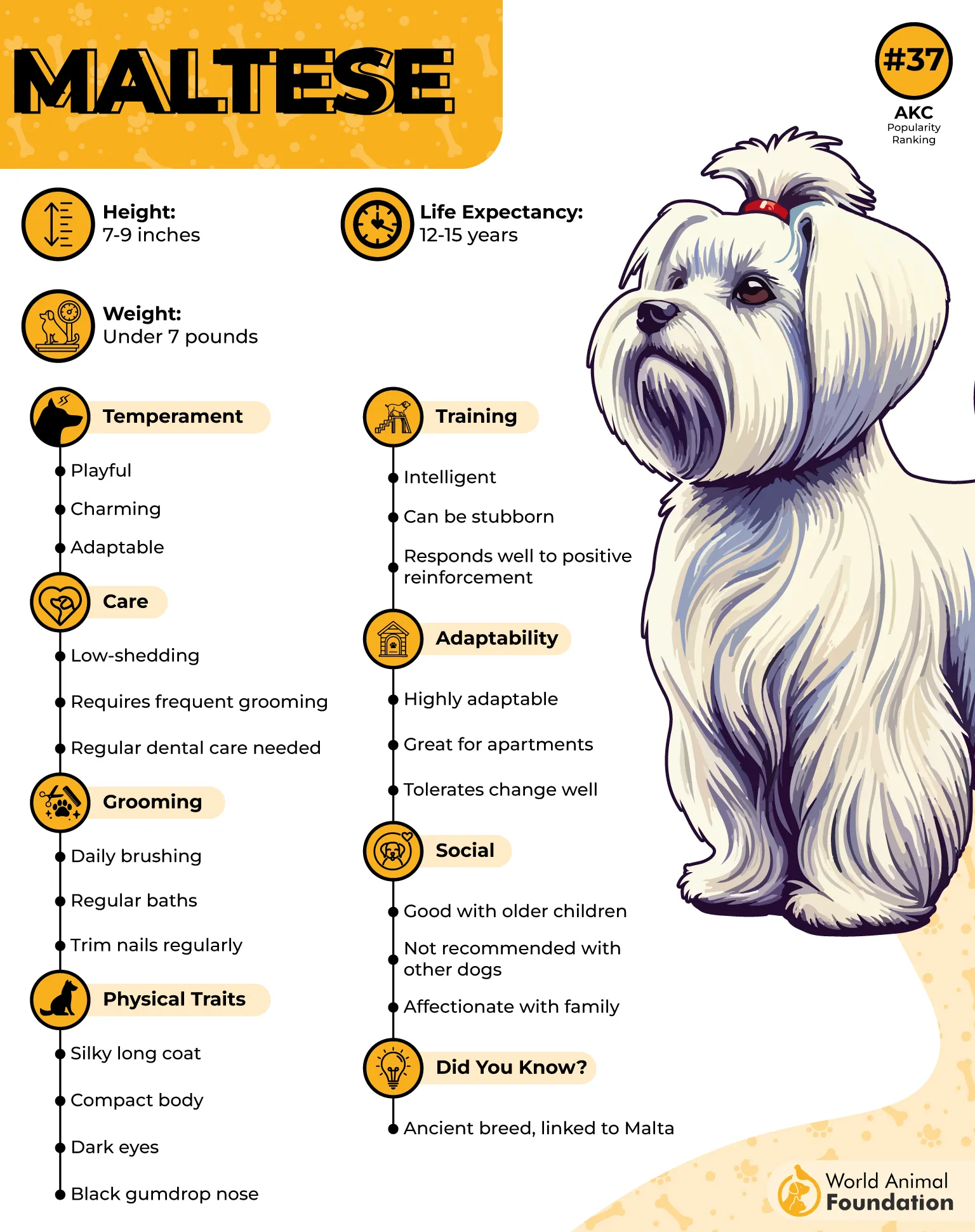
Maltese traces back through ancient records reaching 300 BC, and was later linked to traders moving through Asia into Central Europe. In medieval England, it became a familiar presence among upper-class homes, valued for close companionship indoors.
Gentle indoor rhythm
This small lap dog stays closely connected to daily human interaction, often seeking calm proximity and light engagement indoors. Its behavior reflects steady familiarity with family spaces and simple routines.
This nature can be understood through a few traits:
Prefers short bursts of outdoor movement
Reacts quickly with alert barking at entry sounds
Adapts easily to shared indoor living spaces
Response to the company
As a toy breed, it learns quickly, responding well to guidance and familiar cues within home settings. Extended solitude may cause unease, so pet parents prefer frequent daily contact. Its role stays centered around affectionate companions, often blending into routines involving other dogs and shared living spaces.
Conclusion
A small dog can change how a home feels, but the real difference comes from how well these most popular dog breeds fit into your routine.
These pocket-sized breeds show that size alone does not define the experience. Their behavior, energy, and response to daily life all play a role in how comfortable things feel over time.
Some blend in quietly, while others stay more expressive and engaged. Knowing these differences helps avoid unnecessary adjustments later.
When expectations match reality, living with a small-stature breed becomes simple and steady, allowing companionship to feel natural instead of something that needs constant management or compromise.
