




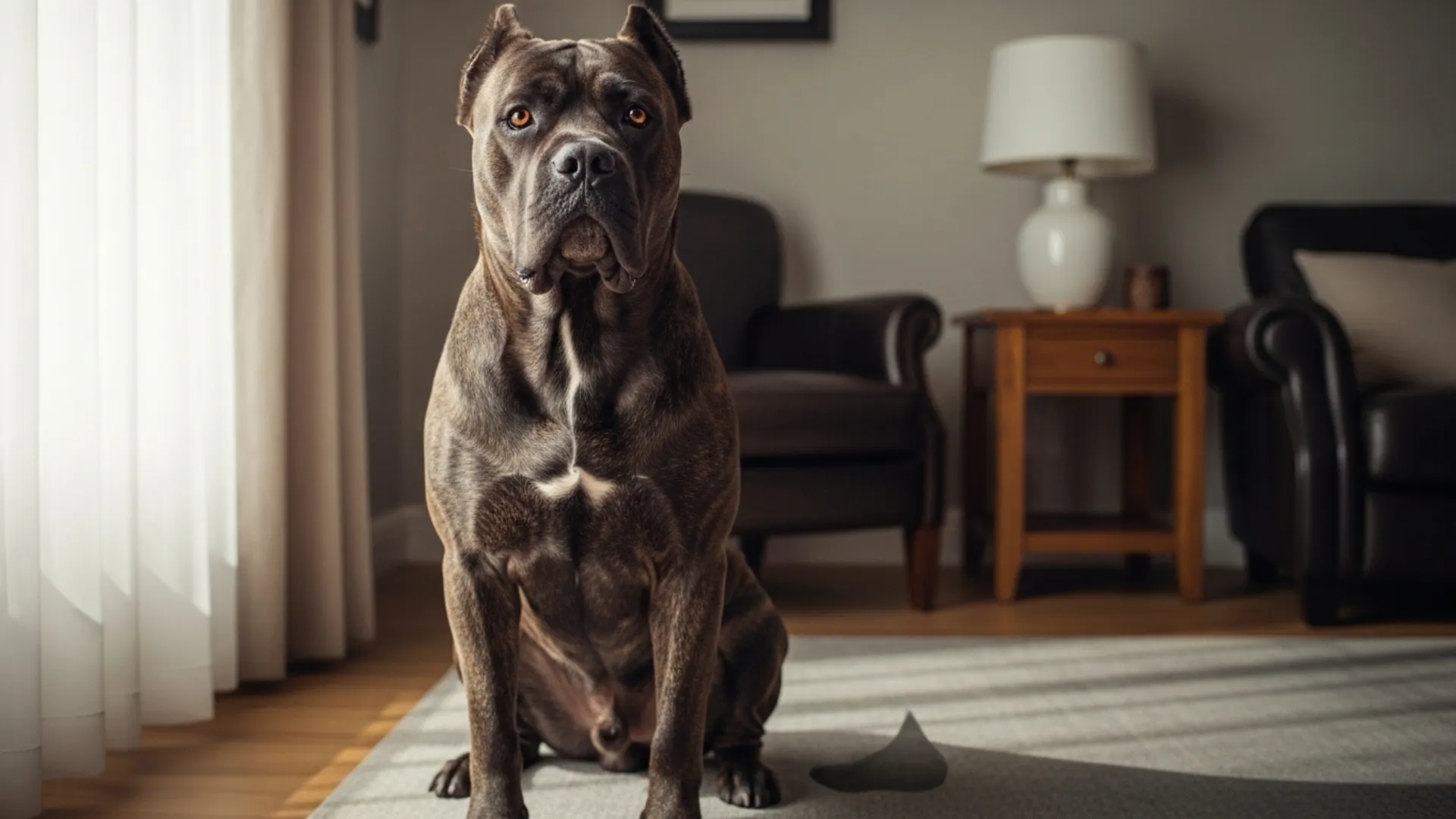
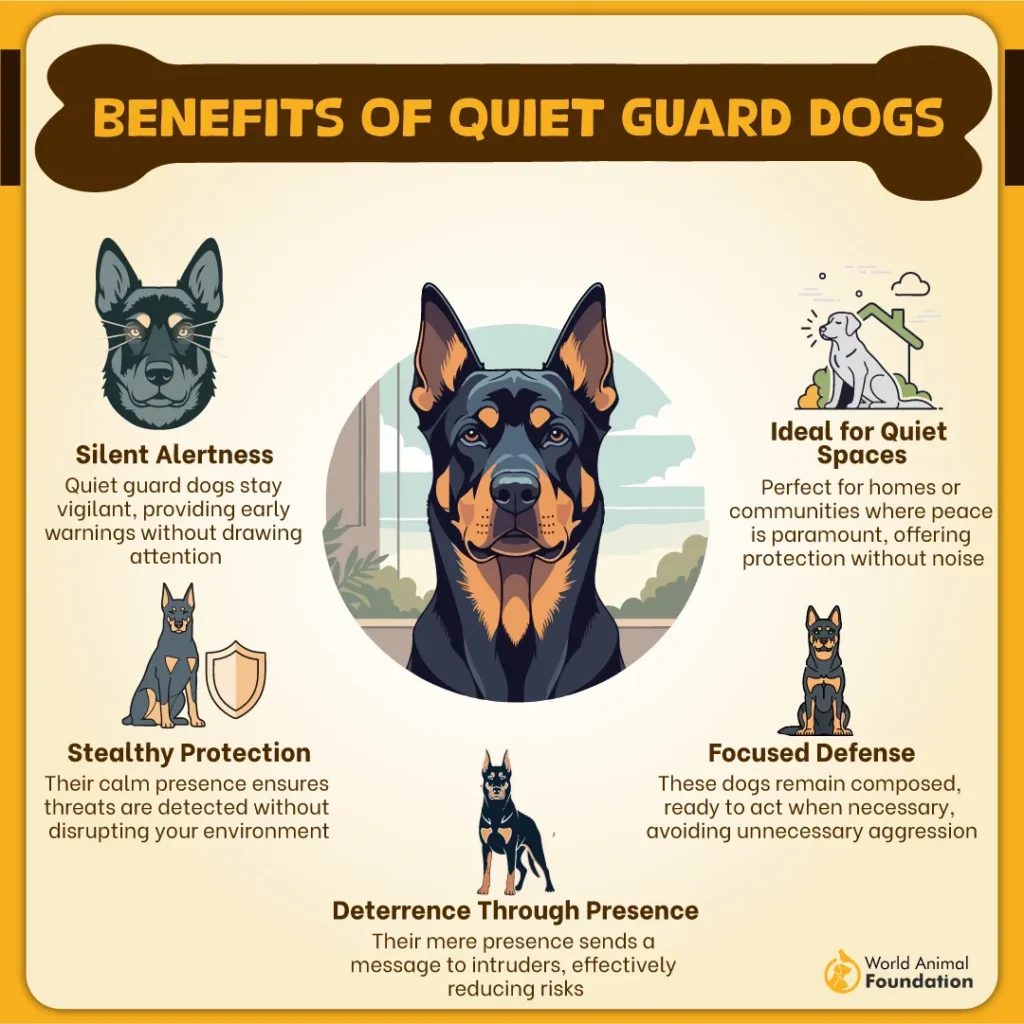
Not all guard dogs are loud, intense, or difficult to manage. Many breeds offer a balanced mix of protection and calmness, making them ideal for modern households.
These quiet guard dogs are naturally alert and loyal, yet composed enough to live peacefully with families, children, and even other pets. Instead of constant barking or unnecessary aggression, they rely on awareness, confidence, and strong bonds with their owners.
With the right training and environment, these dogs can protect your home while remaining gentle and well-mannered.
In this guide, you’ll discover breeds that combine dependable guarding instincts with a relaxed, family-friendly temperament.
Quiet Guard Dog Breeds: Protective Yet Peaceful
1. Bullmastiff
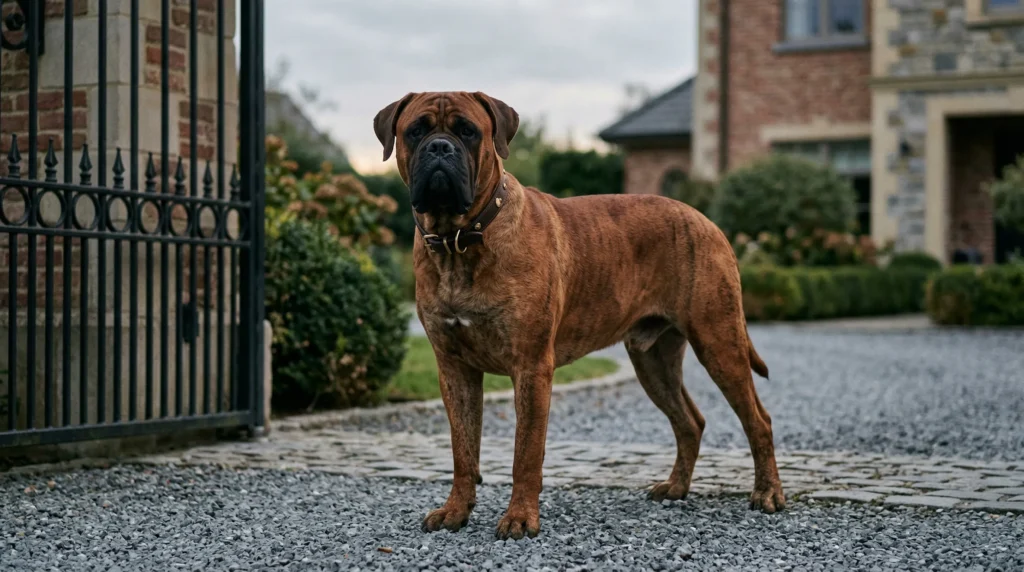
Originally bred by English gamekeepers, the Bullmastiff was designed to track and stop intruders without causing chaos. This background explains their controlled nature, as they were expected to act with precision and not make noise. Their large frame and confident stance alone often do the talking before they even need to react.
This protective dog breed is surprisingly soft-hearted at home. They bond closely with their families and are known to be affectionate and dependable, especially around children. What really sets them apart is how rarely they bark.
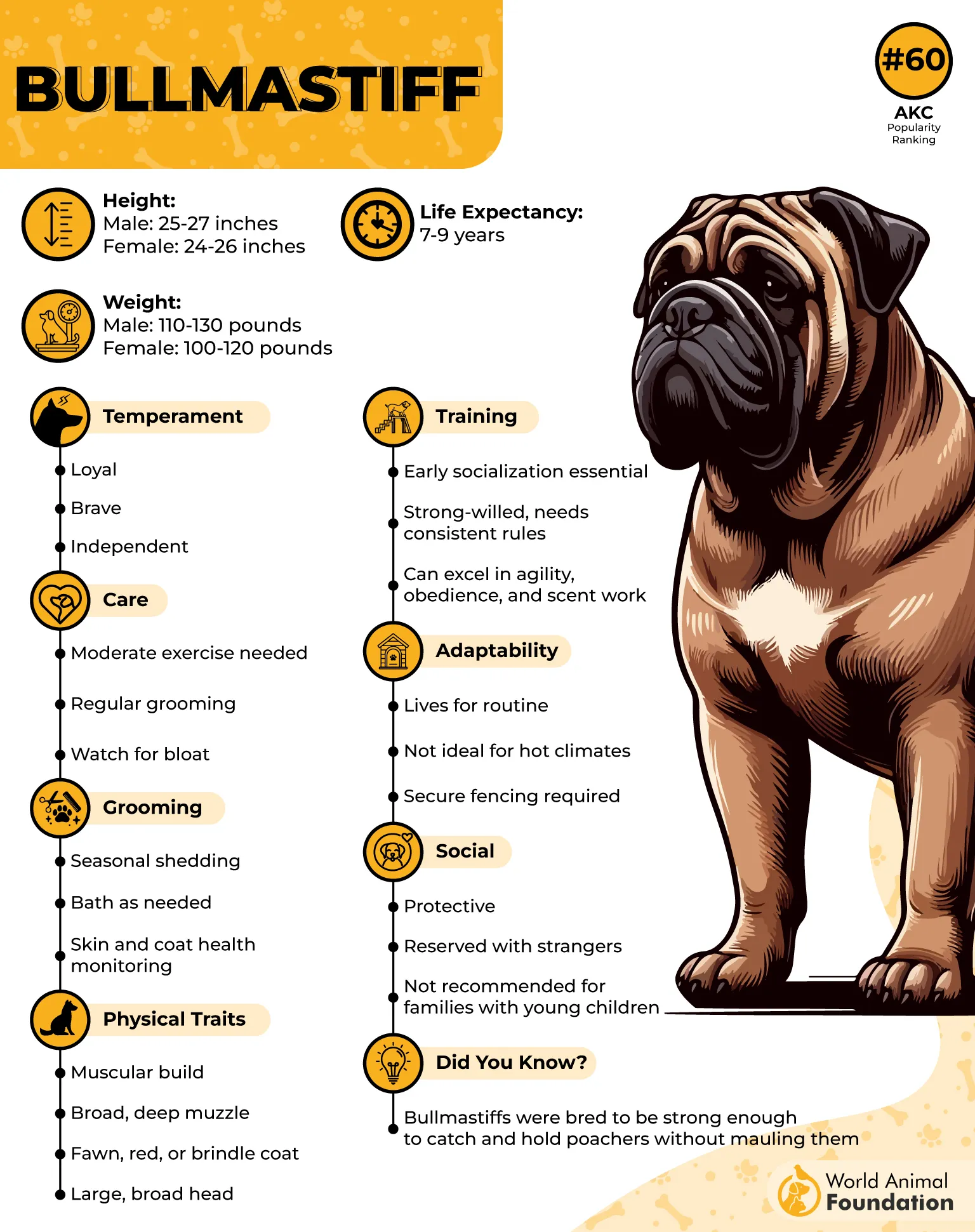
According to WebMD, training is key because they are intelligent and a little stubborn when they feel like it. They enjoy structured routines, mental challenges, and moderate daily activity. With early guidance, they grow into excellent guard dogs who take their job seriously without being overwhelming.
Why This Breed Is a Good Fit
Uses quiet observation instead of constant barking
A strong presence alone can discourage unwanted visitors
Naturally balanced between affection and protection
🎧 Dogcast
Episode 37 — Why Dogs Stay Close without Touching
If you don’t hear sound, tap the button above to enable audio.
2. Cane Corso
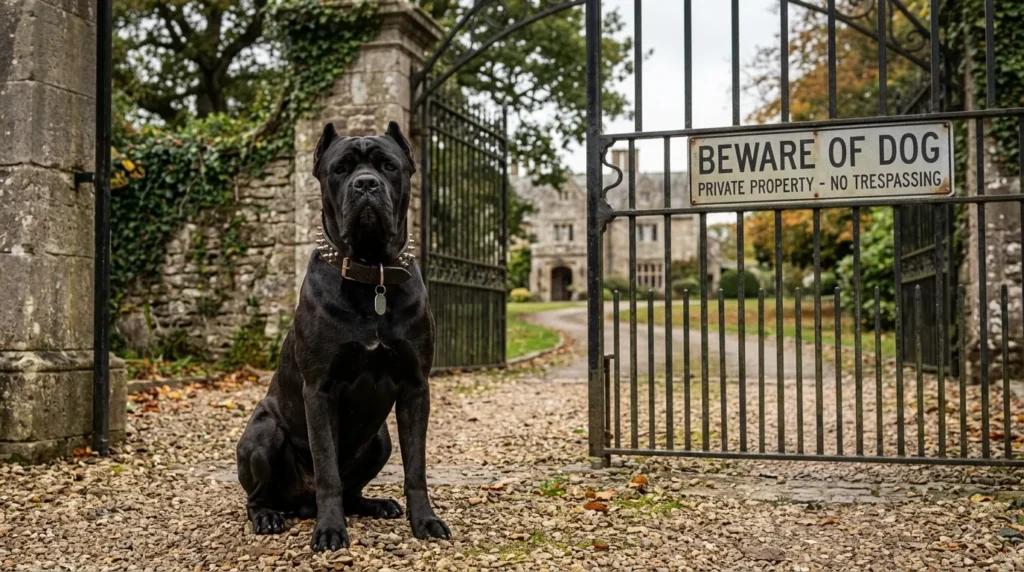
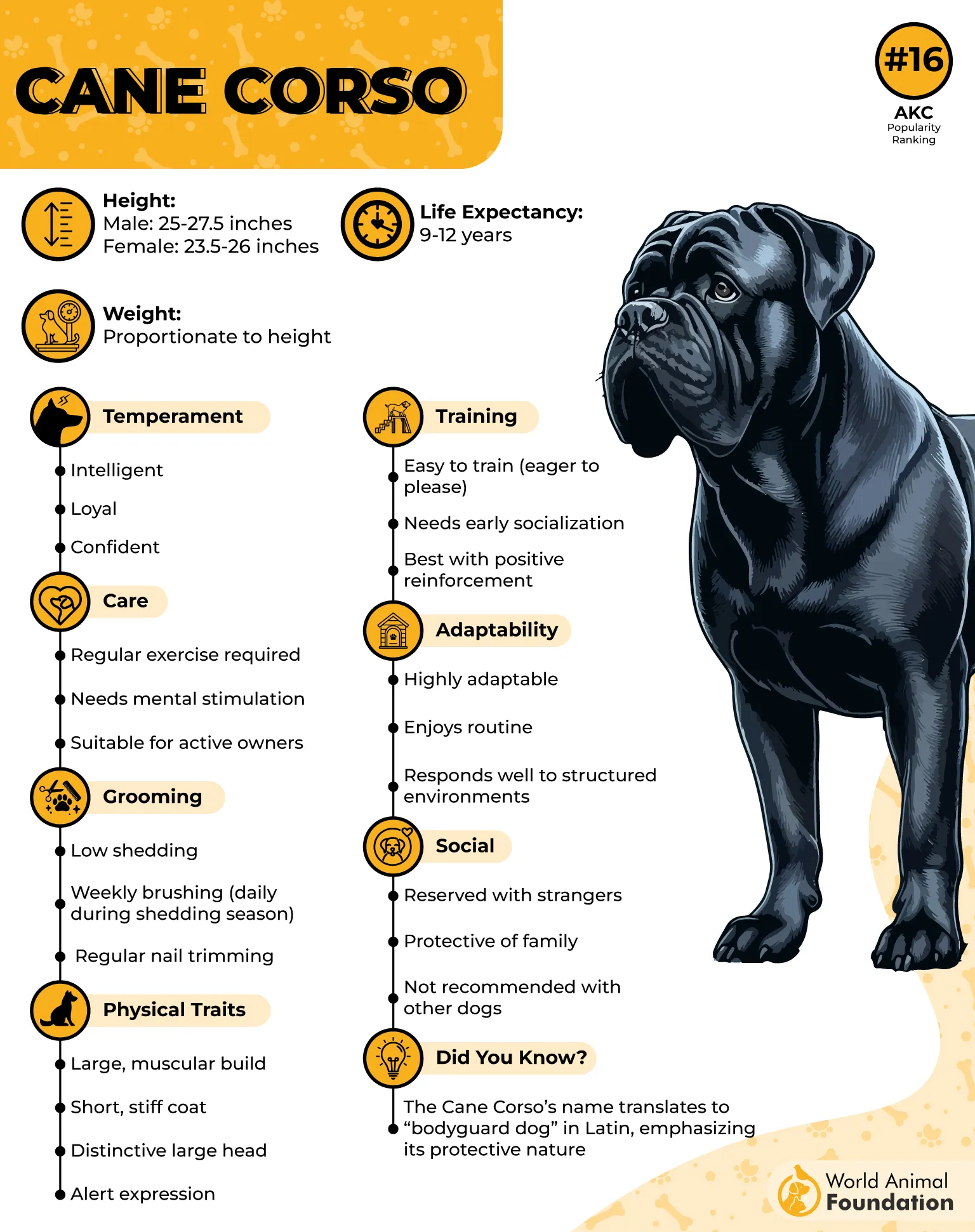
The Cane Corso carries a long history that goes back to ancient Rome, where it worked as a guardian and farm helper. With a muscular build and serious expression, it gives off a “don’t mess with me” vibe.
They are not a casual pet and need consistent training from an early age. With proper socialization, they become level-headed and controlled rather than reactive. Their ability to stay composed while remaining alert makes them stand out among powerful guard breeds.
This breed is deeply loyal and forms strong bonds with its family. Cane Corsos are intelligent and motivated, often eager to learn and respond to their owners. Britannica notes that they tend to be cautious with strangers, which adds to their effectiveness as protection dogs.
Why This Breed Is a Good Fit
Watches carefully instead of reacting to every small trigger
Loyalty drives protection without unnecessary aggression
Calm confidence makes them effective without being noisy
3. Giant Schnauzer
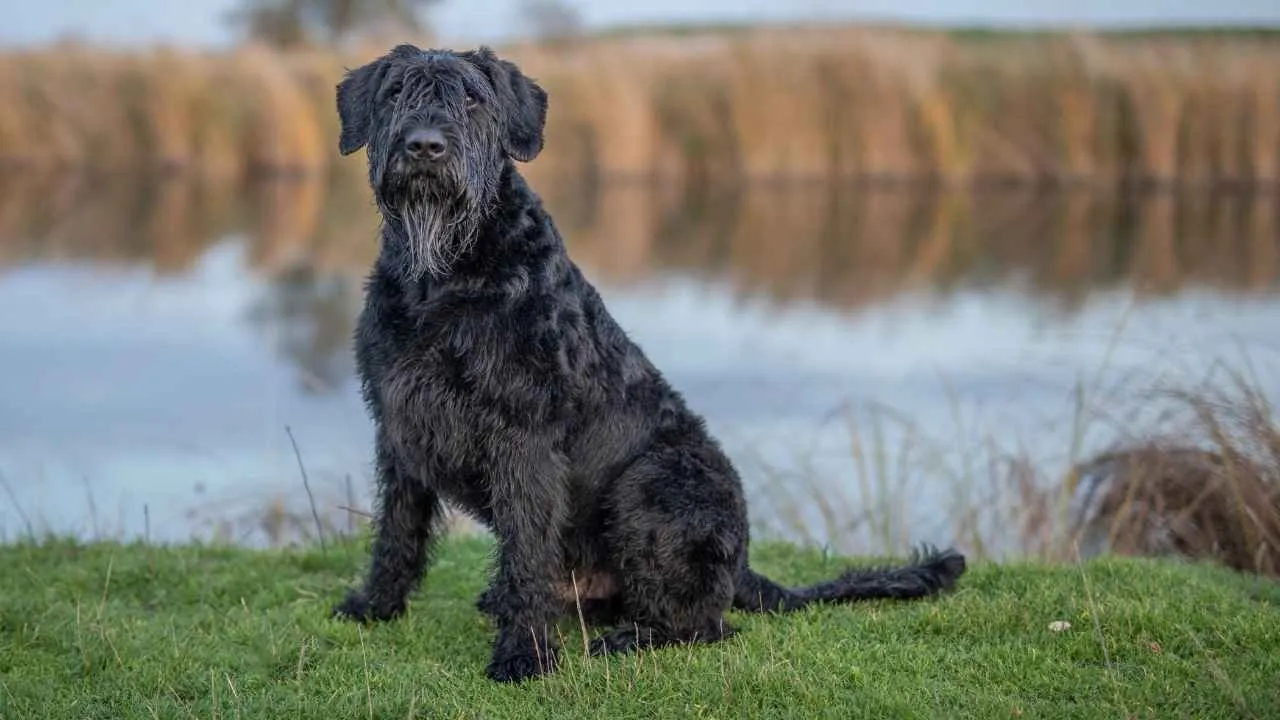
The Giant Schnauzer began as a hardworking farm dog in Germany, moving cattle and guarding property with equal determination. Over time, it proved so capable that it found roles in police and military work. That history shows in its focused attitude and strong sense of duty.
This is a dog that loves having something to do. According to PetMD, Giant Schnauzers are energetic, smart, and always pay attention to their surroundings. They are affectionate with their families but naturally cautious around unfamiliar faces, which helps them stay alert.
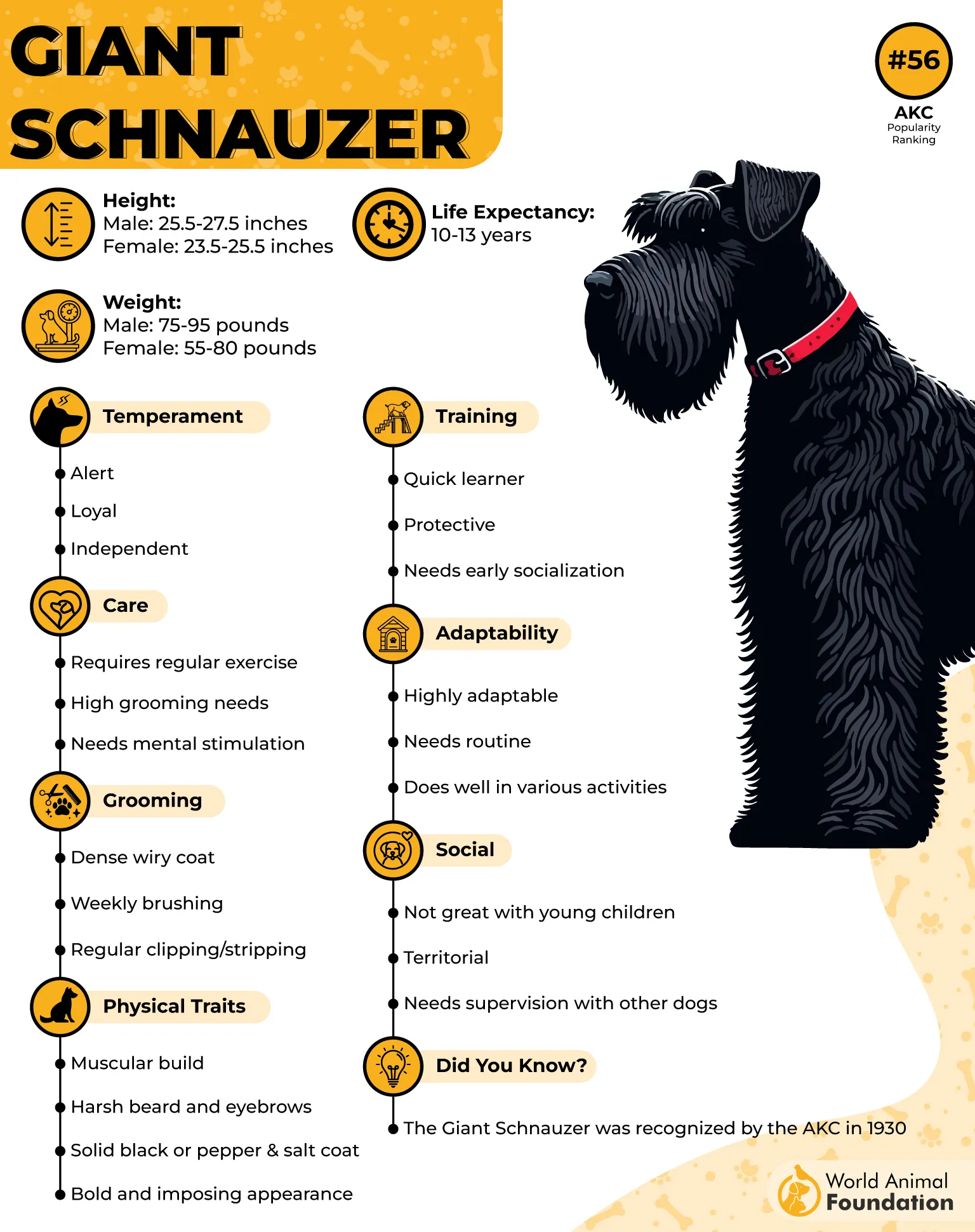
They thrive with proper training, structure, and daily activity that challenges both mind and body. Without enough stimulation, they can get bored quickly, but with the right routine, they become incredibly disciplined. Their alert nature means they will signal when something feels off, but they are not needlessly loud.
Why This Breed Is a Good Fit
Naturally alert but not constantly noisy
Intelligent enough to assess situations before reacting
Best for active owners who want a watchful partner
4. Newfoundland
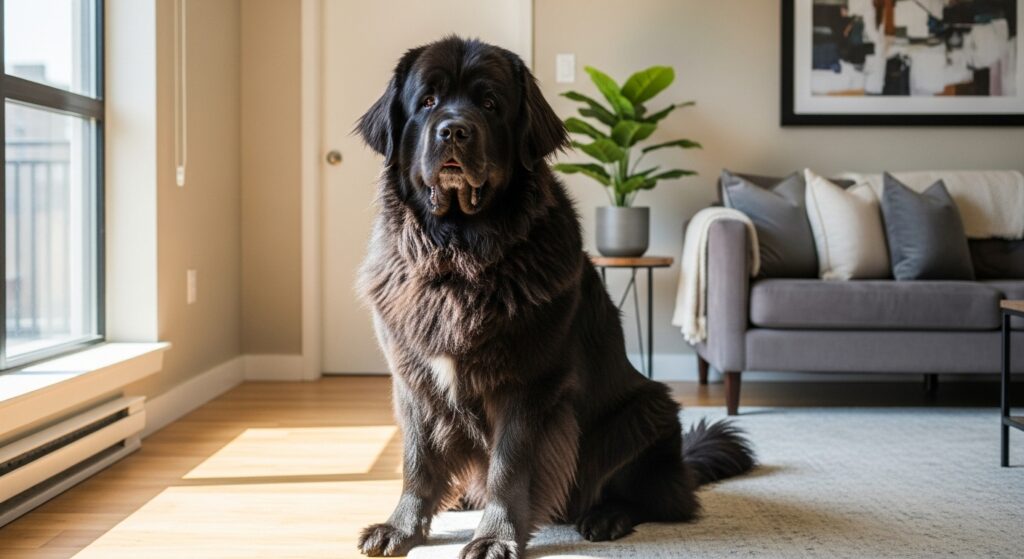
The Newfoundland may look like a giant teddy bear, but its working history tells a different story. Bred along Canada’s rugged coasts, it hauled loads and even rescued people from the water. Strength and bravery are part of its DNA, but so is a famously gentle personality.
These dogs are incredibly patient and loving, especially with children. They prefer staying close to their people and often act like oversized lap dogs despite their size. While they are not frequent barkers, they will step in and protect their family when it truly matters.
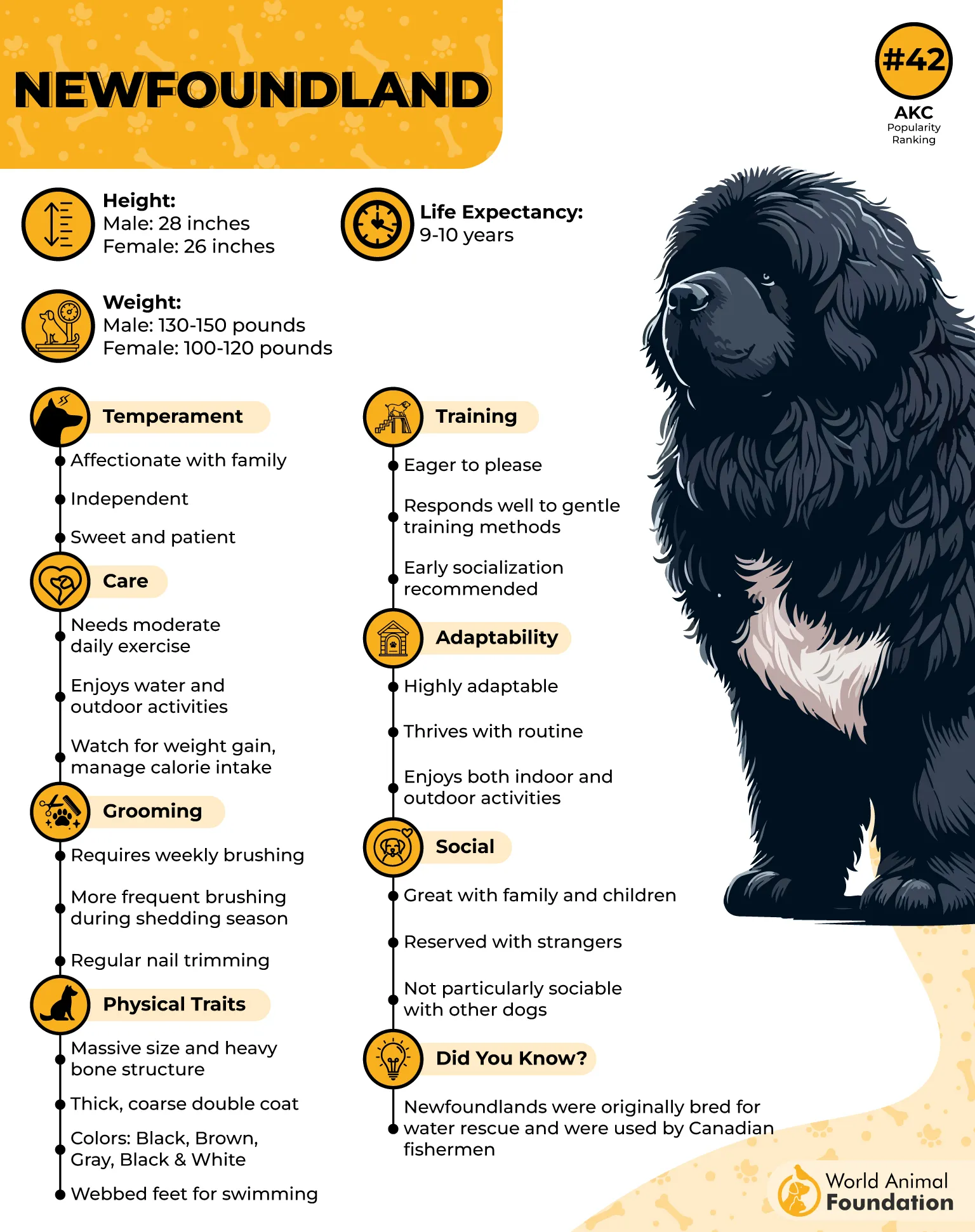
Their calm nature makes them fit perfectly in family life, as long as they have enough space and regular exercise. They are not high-strung or overly reactive, which keeps the household peaceful. Instead of being loud guards, they rely on quiet strength and steady awareness.
Why This Breed Is a Good Fit
A gentle temperament keeps the home calm and relaxed
Protective instincts appear only when needed
Ideal for families wanting a peaceful but capable guardian
5. Rhodesian Ridgeback
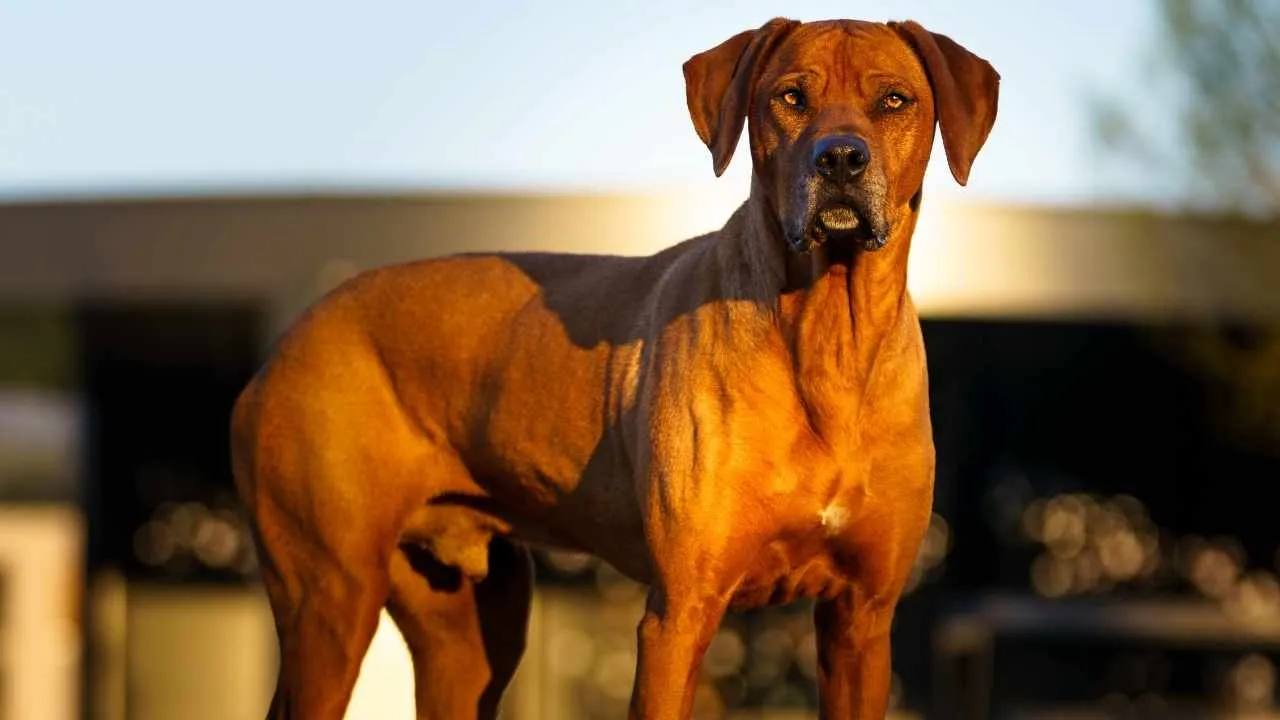
The Rhodesian Ridgeback, often called the African Lion Hound, was developed in South Africa as both a hunting companion and a farm protector. Built for endurance and strength, this athletic dog could track large game while also guarding homes and families.
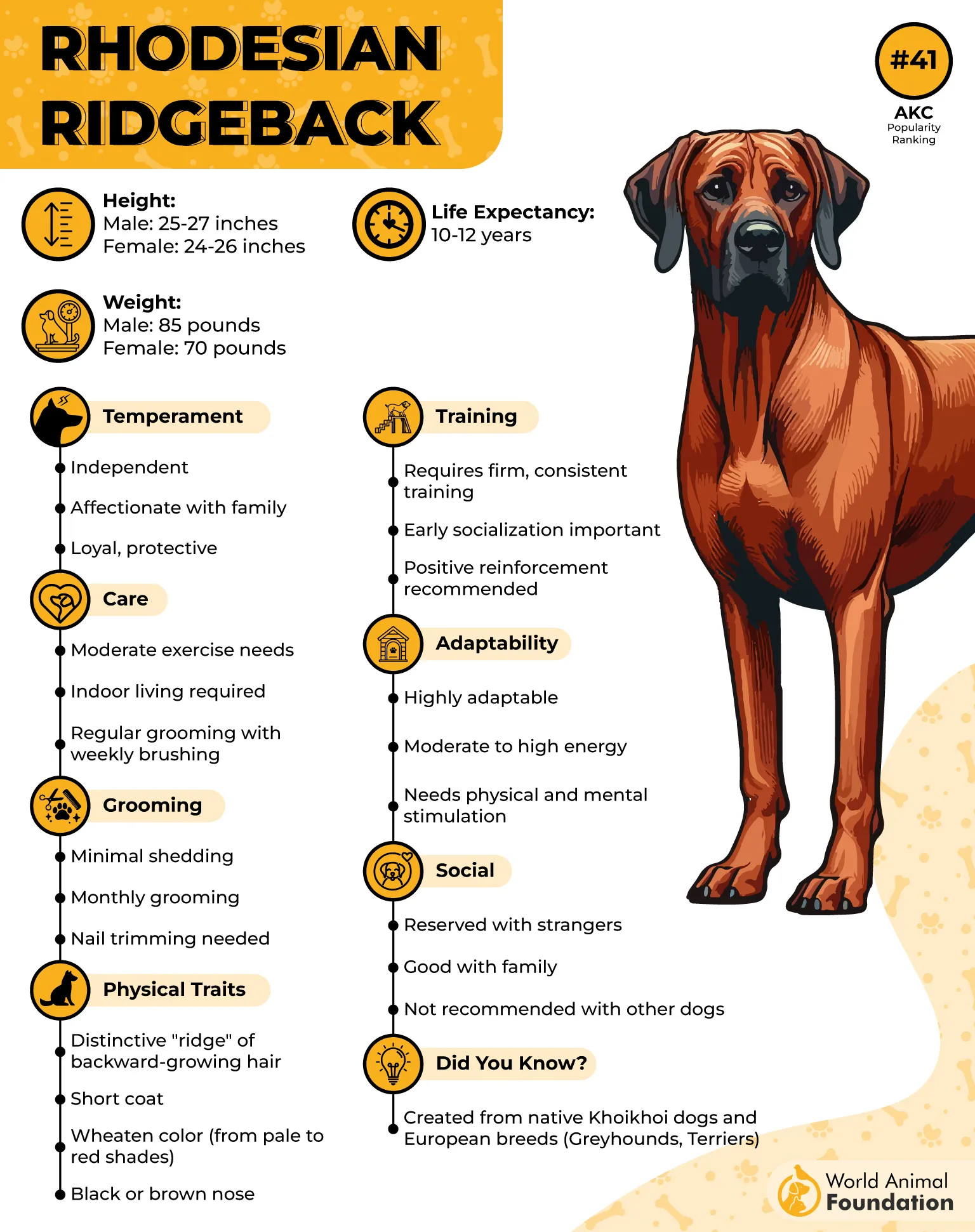
Its signature ridge of backward-growing hair gives it a unique look, but its balanced and dignified nature is what truly stands out.
Ridgebacks are known for their calm and quiet temperament, rarely barking unless something truly grabs their attention. They are affectionate and devoted to their families, forming strong bonds with their owners. Around strangers, however, they tend to be reserved and watchful, which naturally supports their role as reliable watchdogs.
These dogs are intelligent and fairly easy to train, though they do have an independent streak. They need regular exercise and mental stimulation to stay balanced and content. With proper guidance, they become steady, composed companions that protect without creating unnecessary noise or chaos.
Why This Breed Is a Good Fit
Naturally quiet and observant instead of overly vocal
Protective instincts come from awareness, not aggression
Calm indoors but alert when something feels off
6. Great Pyrenees
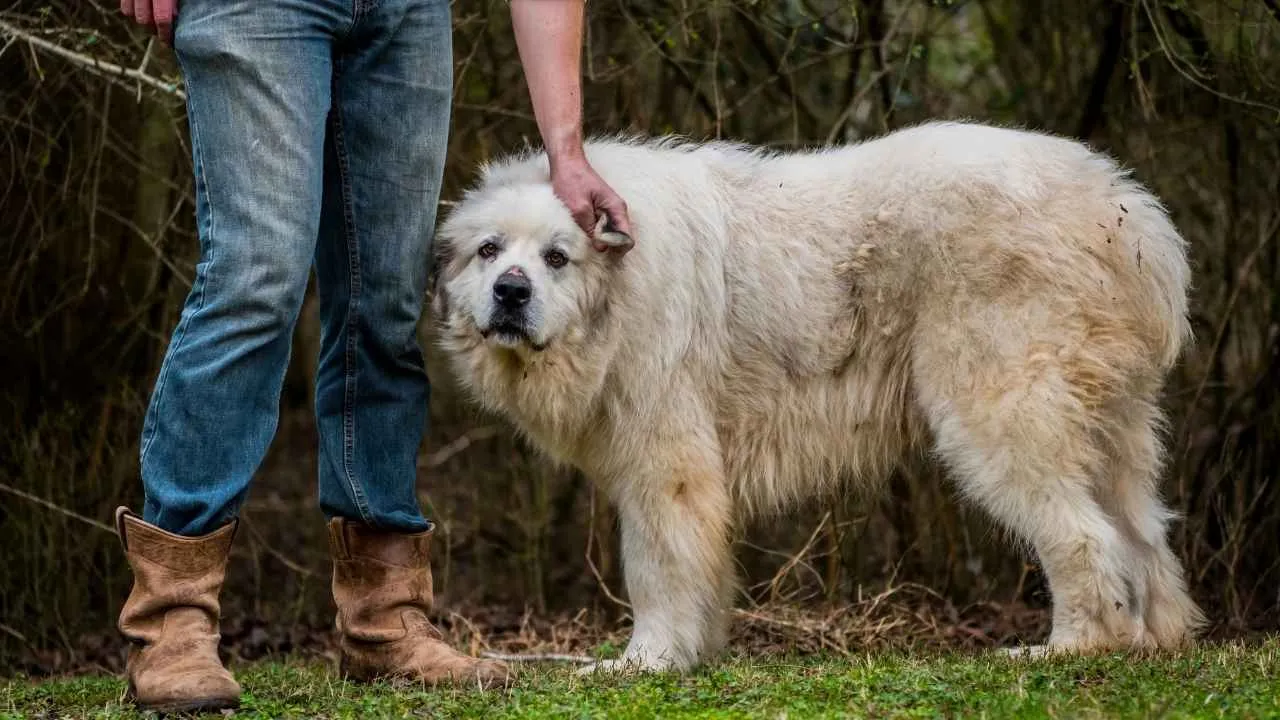
The Great Pyrenees was bred to guard livestock in mountain regions, often working alone to protect flocks from predators. This history shaped a dog that is independent, watchful, and confident in its decisions. With its thick coat and large frame, it carries a calm, almost regal presence.
Despite its size, the breed is known for being gentle, affectionate, and deeply devoted to its family. It is especially patient with children and tends to remain calm in everyday situations. However, it takes its role seriously and will step in to defend its home and territory if needed.
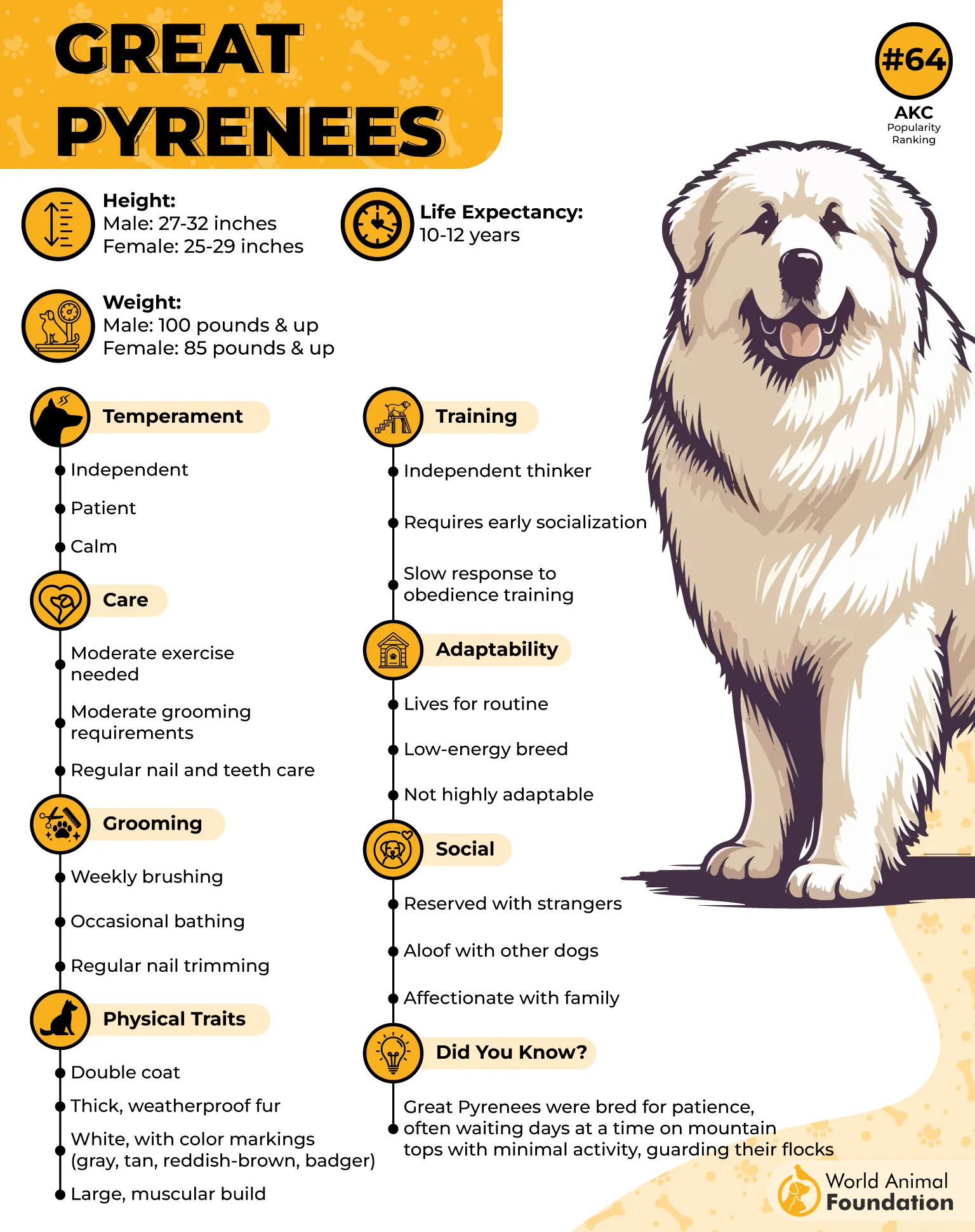
Training requires patience because this breed likes to think for itself. Early socialization is important to help manage its natural protectiveness and territorial instincts. While not overly active, it benefits from daily walks and a steady routine to stay physically and mentally balanced.
Why This Breed Is a Good Fit
A calm and composed personality suits peaceful households
Guards quietly but remain highly aware of the surroundings
Strong sense of responsibility without constant agitation
7. Great Dane
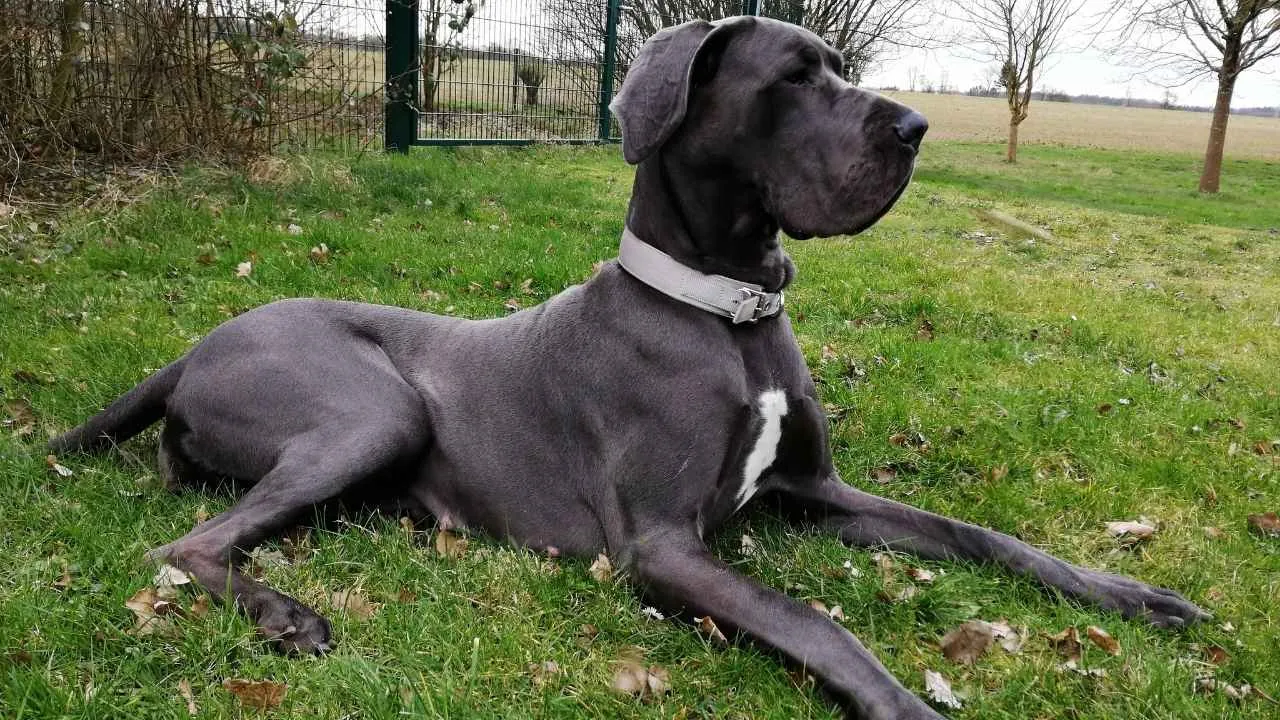
The Great Dane may look towering and imposing, but its personality tells a much softer story. Originally bred in Germany to hunt wild boar and guard estates, it has evolved into a friendly and affectionate companion. Its sheer size alone makes it a natural deterrent, even when it is simply lounging around.
Great Danes are playful, confident, deeply loyal, and known for their gentle nature, especially with children. They enjoy being close to their people and often seek out attention and affection. While they are generally friendly, they are also alert enough to notice unusual activity and act as dependable watchdogs.
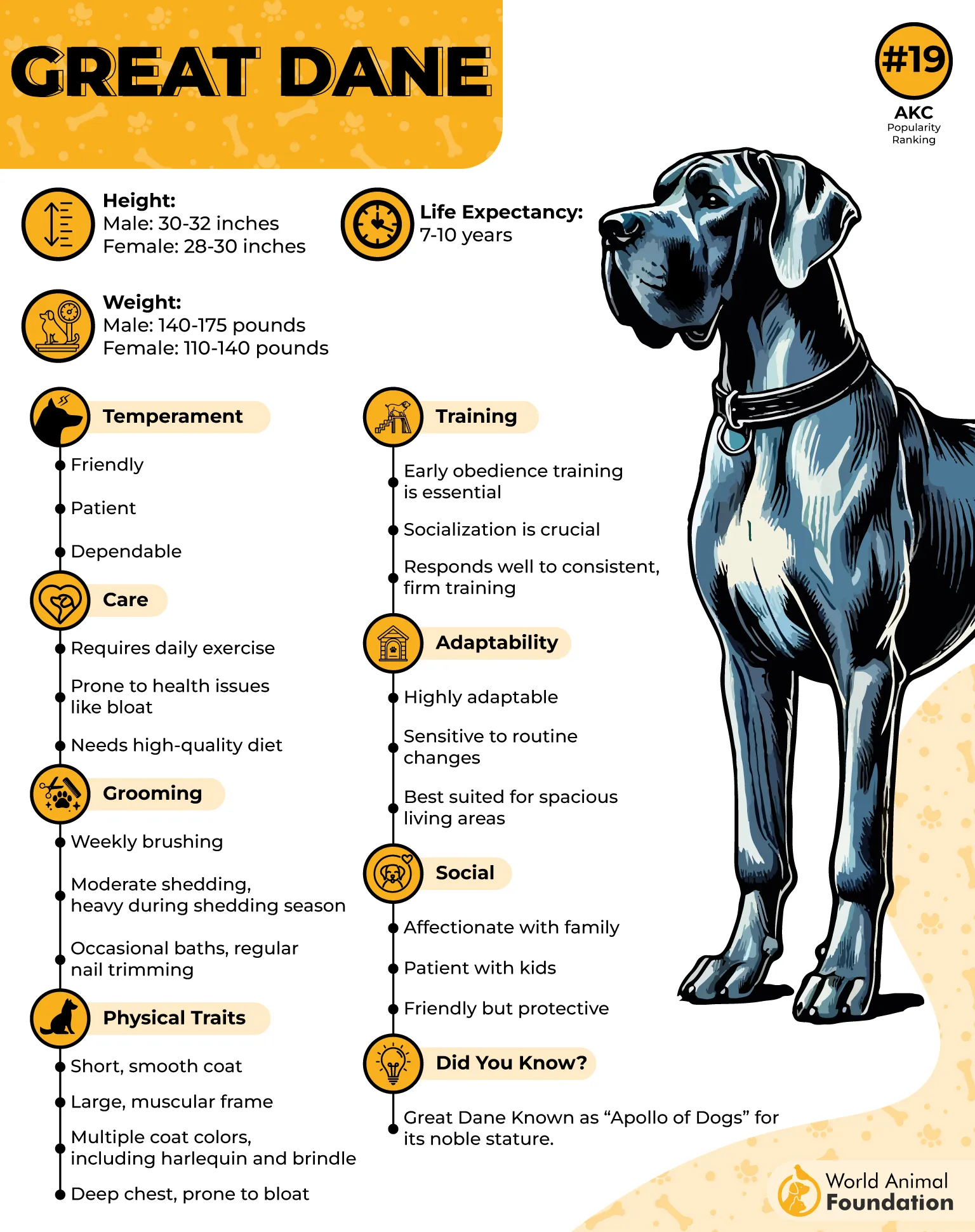
They are relatively easy to train due to their willingness to please, though early socialization is still important. These dogs have high energy levels and need regular activity to stay happy. With proper care, they strike a balance between being fun-loving companions and quietly watchful protectors.
Why This Breed Is a Good Fit
Imposing size alone helps deter intruders without noise
Friendly nature makes them easy to live with
Alert but not overly reactive in daily life
Conclusion
Quiet guard dogs prove that protection does not have to come with constant barking or aggressive behavior. The right breed offers a calm presence, strong awareness, and deep loyalty, creating a peaceful home environment while still keeping watch.
Other stars of the dog world, such as the German Shepherd, Australian Shepherd, Belgian Malinois, Doberman Pinscher, and American Bulldog, make both gentle companions and dependable guard dogs. They are energetic dogs with strong territorial instincts; consistent guidance and ongoing training sessions are non-negotiables.
From gentle giants to focused working dogs, each brings a unique balance of companionship and security. With proper socialization, training, and care, these dogs learn when to relax and when to step up. Choosing the right one depends on your lifestyle, space, and experience level.
In the end, the best guard dog is one that protects your home while fitting naturally into your everyday life.
Quiet Guard Dogs Challenge 🐕 Can You Score 5/5?
What was the Bullmastiff originally bred to do?
The Cane Corso’s guarding history dates back to which civilization?
Which breed worked as both a farm dog and later in police and military roles?
Which dog breed is famous for water rescues along Canada’s coasts?
What unique physical trait defines the Rhodesian Ridgeback?
Which breed was traditionally used to guard livestock in mountain regions?
