





Thinking about adding a four-legged friend to your family? If longevity is high on your list, you’ll want a pup that not only sparks joy but also sticks around for years to come.
While every dog is unique, certain breeds are naturally built to live longer, with size, genetics, and lifestyle all playing key roles.
Generally, smaller breeds tend to live longer than their larger counterparts, often reaching late teens and sometimes even the remarkable age of 20 or more.
Fun Fact: However, there are a few medium-sized dogs that also defy the odds. Case in point: Bobi, a Portuguese Rafeiro do Alentejo, who holds the record for the oldest living dog at 30 years old—a true testament to canine resilience.
On the flip side, giant breeds usually have shorter life spans, often just 7 to 10 years. Why the disparity?
One theory suggests that age-related health problems are more challenging to manage in larger dogs, sometimes prompting earlier interventions.
In this guide, we’ll explore 10 intelligent dog breeds renowned not only for their smarts but also for their impressive longevity.
Intelligent Dog Breeds With the Longest Lifespans in the World
1. Shiba Inu

The Shiba Inu, with a life expectancy of 13 to 16 years, is one of the extremely intelligent and long-lived small dog breeds in the world, as noted by PetMD.
This ancient breed has captured global attention—not just for its striking foxy face, curled tail, and expressive eyes, but also for becoming the iconic Doge meme.
Shibas are alert, active, and highly trainable, thriving on both mental stimulation and regular exercise.
Yet, they are famously independent, with strong personalities that shine through their legendary “Shiba scream,” a unique high-pitched noise somewhere between a squeal, whine, and cry.
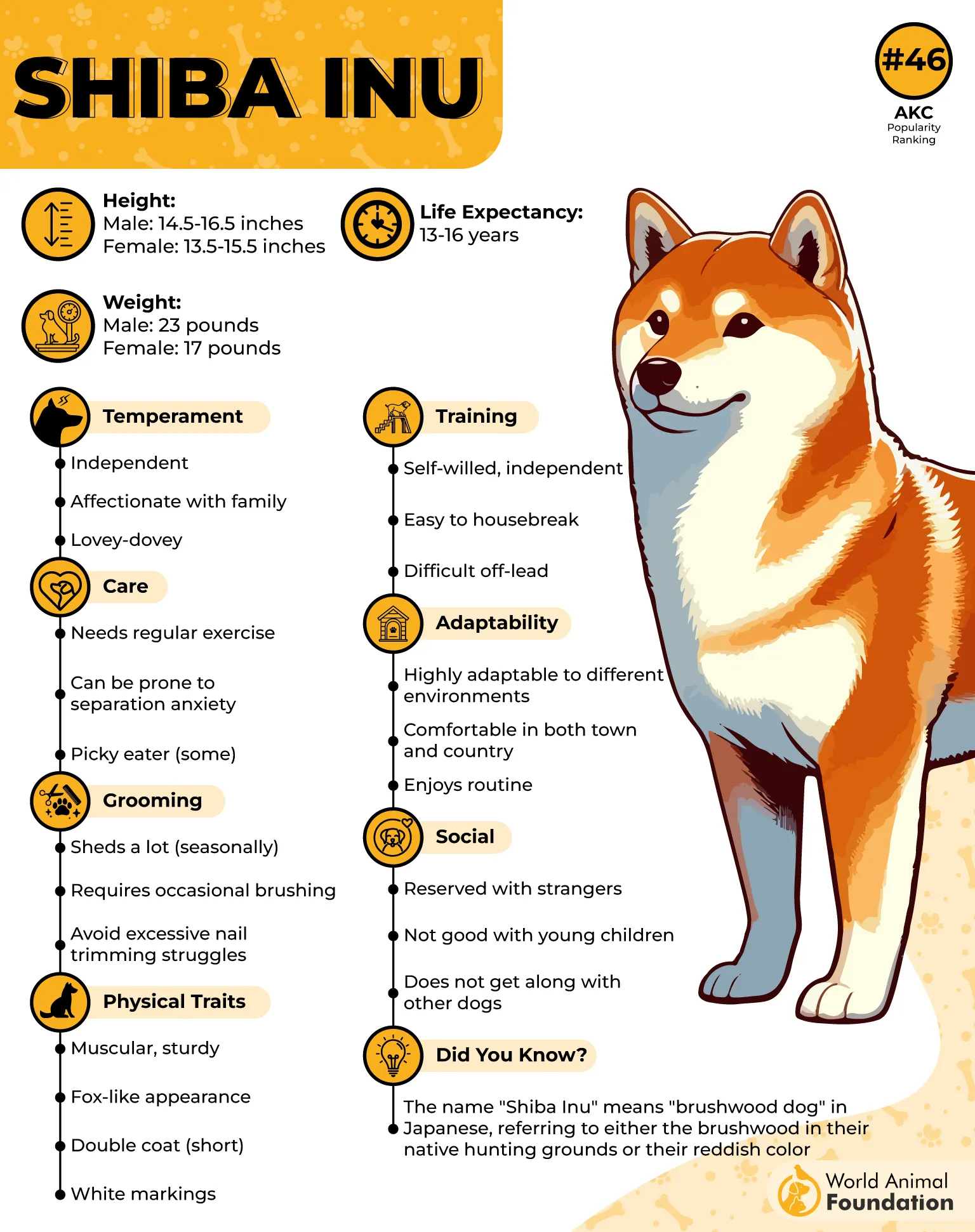
While generally healthy for a small breed, they can face skin sensitivities, ear issues, and dental problems, which are relatively common among smaller dogs.
Their combination of intelligence, longevity, and spirited personality makes them a compelling choice for families seeking a long-living companion.
2. Pomeranian

Pomeranians, with a life expectancy of 12 to 16 years, are intelligent and one of the longest living small dog breeds in the world.
These spunky little fluff balls are brimming with personality and energy, often surprising their owners with clever antics and eagerness to learn new tricks well into their teenage years.
Pomeranians thrive on mental stimulation and interactive play, making them a joy for families who love engaging with their pets daily.
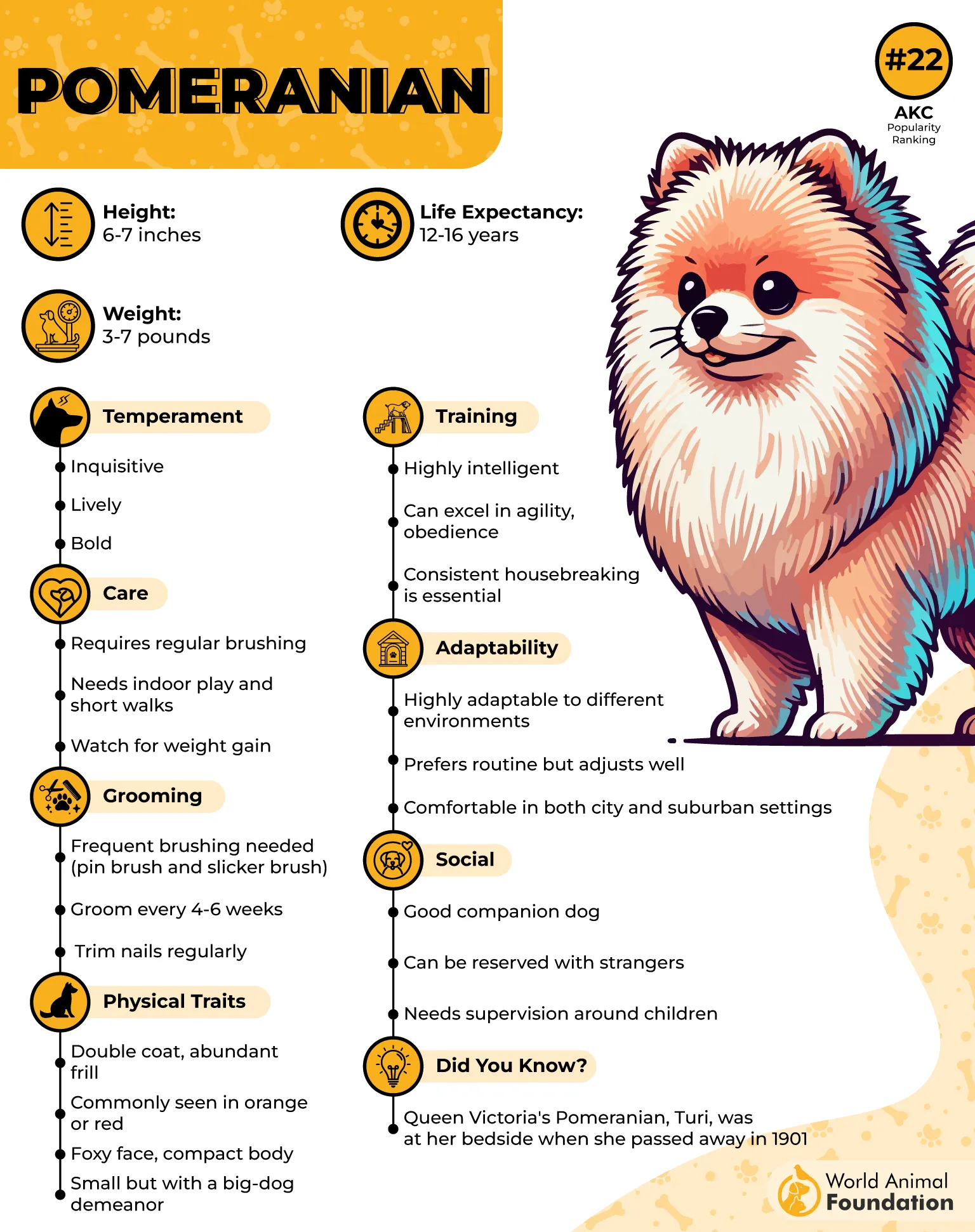
Despite their small size, they possess a big-dog attitude, displaying curiosity, loyalty, and a fearless spirit. However, like many small breeds, Pomeranians can be prone to specific health challenges, including hypoglycemia, collapsing trachea, dental diseases, and eye problems.
Prospective owners may find that investing in pet insurance or maintaining regular veterinary care is a wise decision to safeguard their beloved pet’s long-term health.
With a healthy diet, exercise, and preventive care, these tiny but clever dogs can live vibrant, happy lives well into their teens, offering years of affection, entertainment, and unwavering companionship.
3. Border Collie
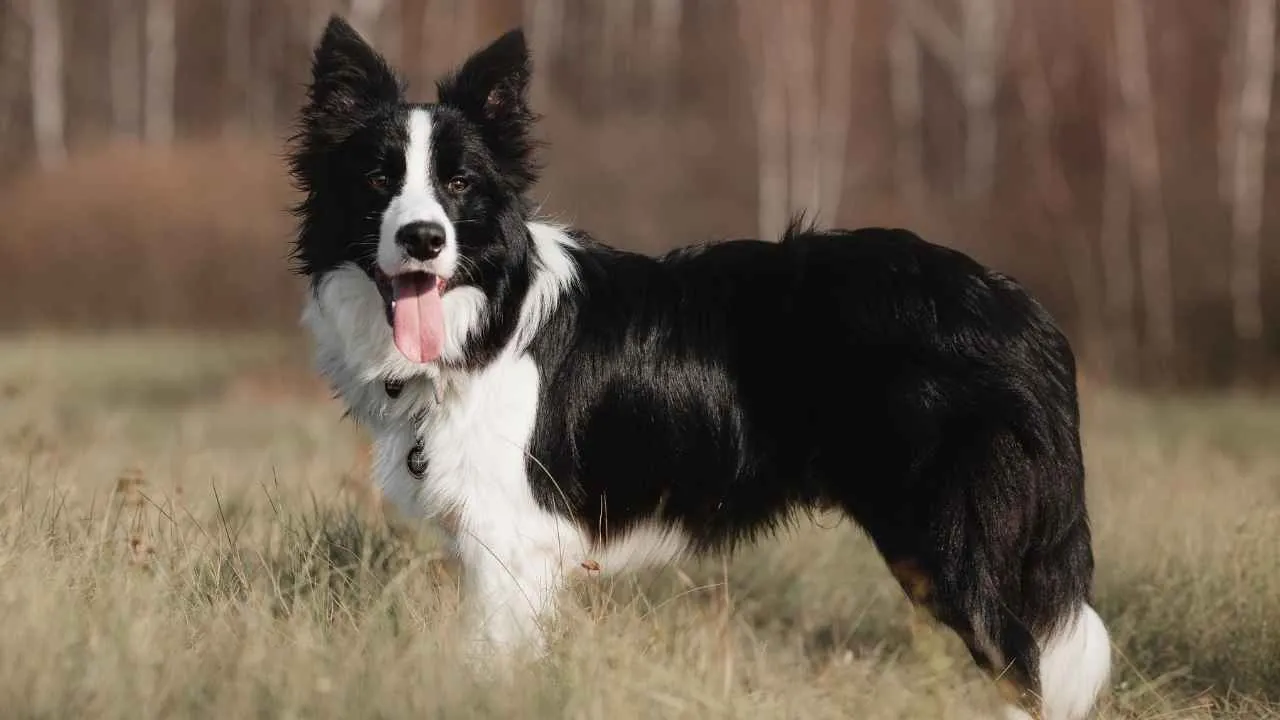
Border Collies, with a life expectancy of 12 to 15 years, are widely recognized as one of the most intelligent and longest living medium-sized dog breeds in the world.
Renowned for their extraordinary work ethic and problem-solving abilities, these dogs excel in herding, agility, obedience, and virtually any activity that challenges their sharp minds.
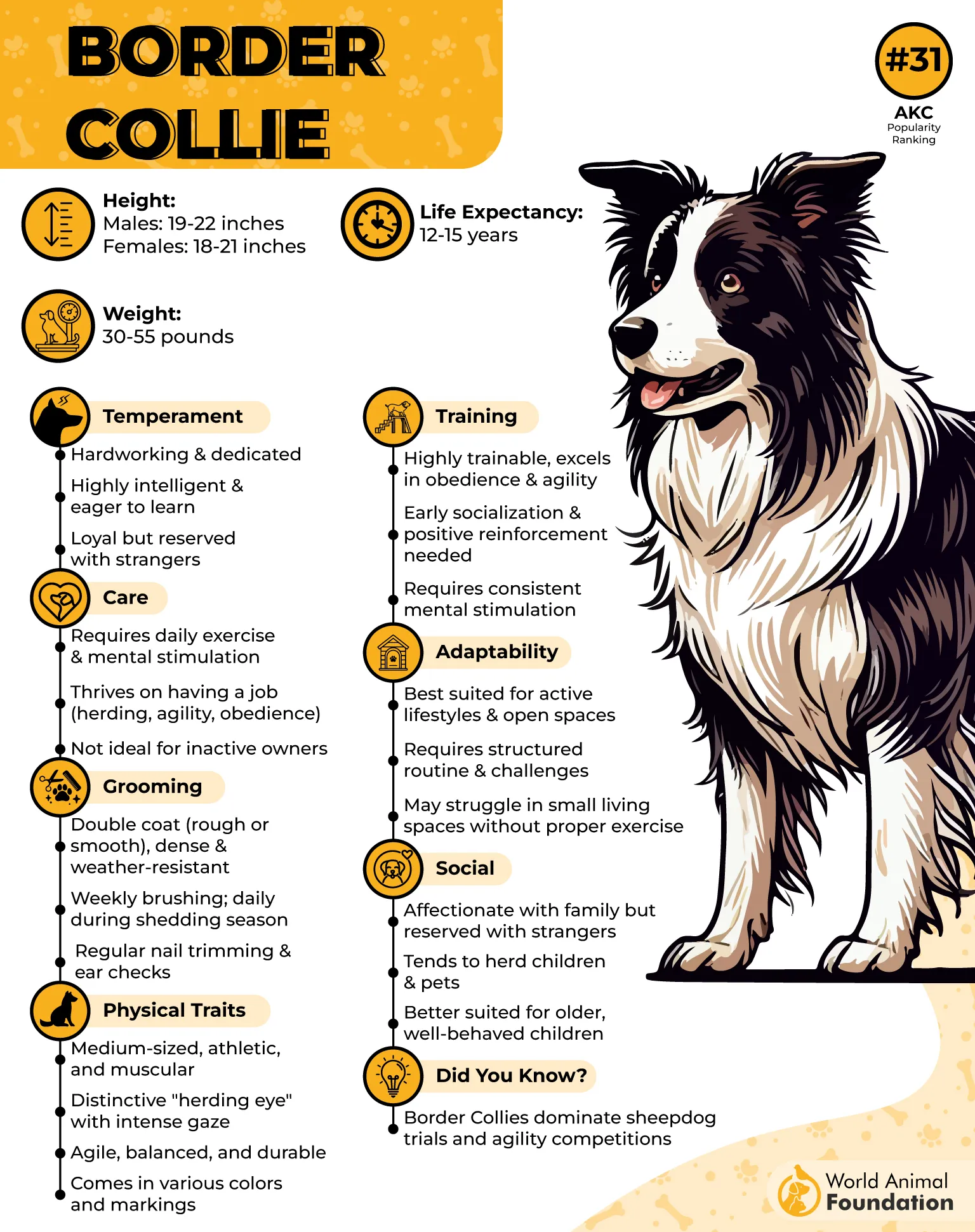
Border Collies thrive in environments where they receive plenty of mental stimulation, physical exercise, and interaction with their owners, making them ideal companions for active families or individuals who enjoy engaging with a highly trainable, energetic dog.
While generally the healthiest dog breeds, they can still develop certain conditions over their lifetime, including hip dysplasia, epilepsy, or eye disorders, so preventive care and regular veterinary checkups are important.
Many owners find that pet insurance is a worthwhile investment when bringing home a Border Collie puppy, ensuring their clever companion receives prompt attention if any health issues arise.
With proper care, training, and enrichment, Border Collies can enjoy long, fulfilling lives, offering years of loyalty, intelligence, and unparalleled companionship.
4. Chihuahua
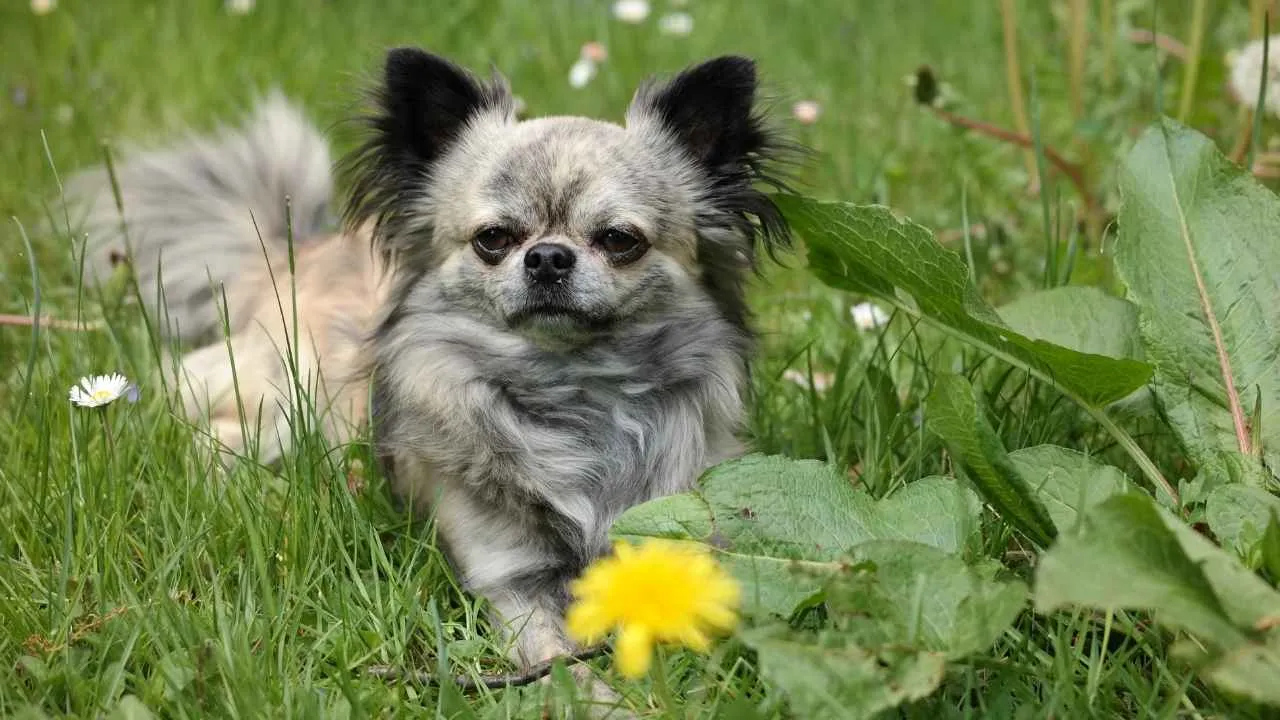
The Chihuahua, with a life expectancy of up to 18 years, stands out as one of the smartest and longest-living small dog breeds in the world, as mentioned by Purina.
Often pictured as the glamorous accessory of celebrities, this tiny pup packs a surprisingly big personality into a compact frame.
Chihuahuas are highly intelligent, quick learners, and deeply loyal to their families, forming strong bonds with their owners and thriving on social interaction.
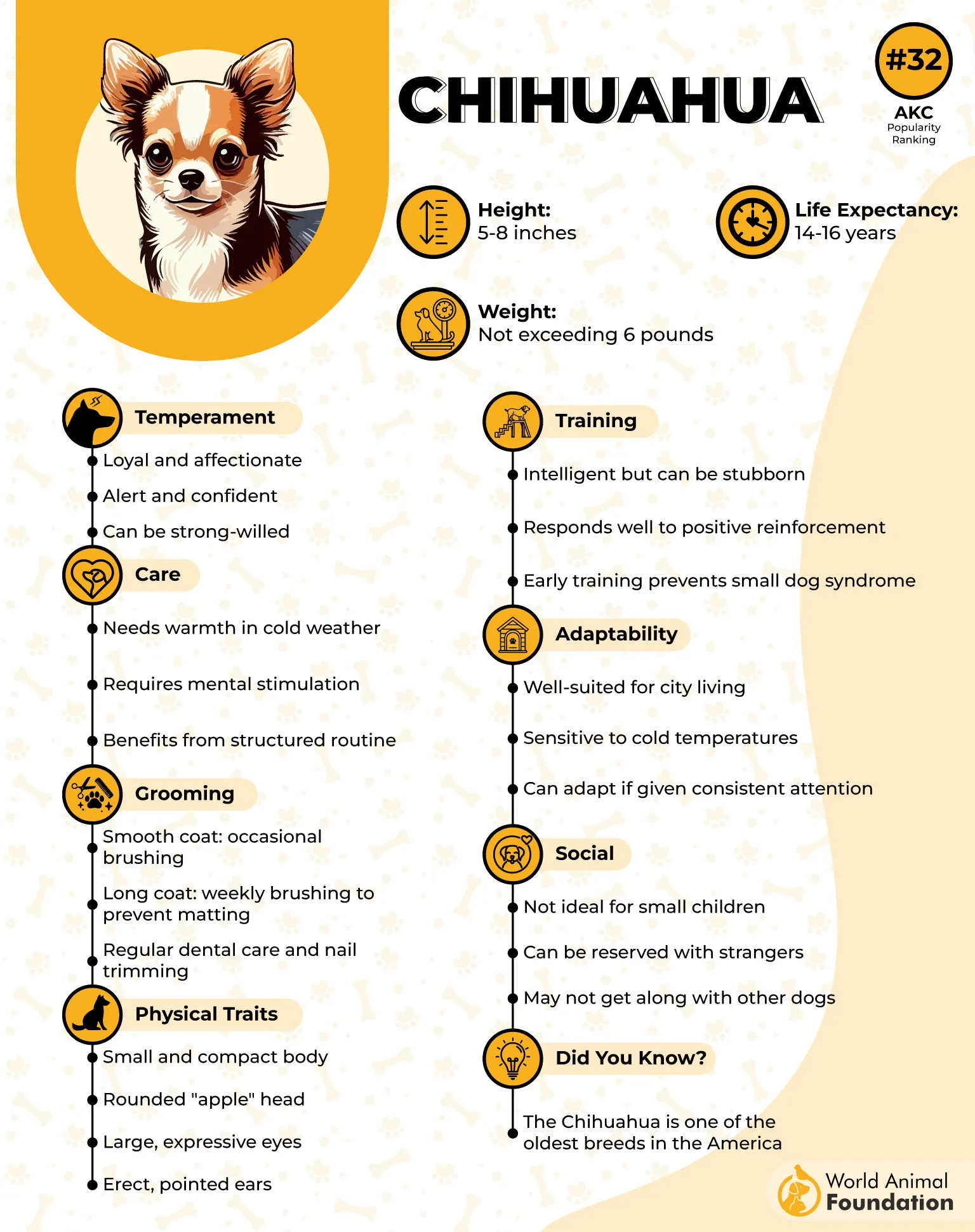
Despite their small size, they have remarkable confidence, alertness, and courage, making them excellent watchdogs and charming companions alike.
Their long lifespan is one of the most notable among all dog breeds, offering the opportunity to enjoy many years of devoted companionship.

While generally healthy, Chihuahuas can be prone to issues like dental problems, heart disease, and patellar luxation, so consistent veterinary care and a balanced diet are essential.
With the right attention, exercise, and mental enrichment, Chihuahuas can live vibrant, happy lives well into their late teens, proving that small dogs can deliver enormous intelligence, personality, and longevity in one pint-sized package.
5. Miniature Poodle

Miniature Poodles, with an impressive lifespan of 10 to 18 years, stand out as one of the most intelligent and long-living small dog breeds in the world.
Don’t let their compact size fool you—these dogs are bursting with energy, curiosity, and a strong desire to stay active.
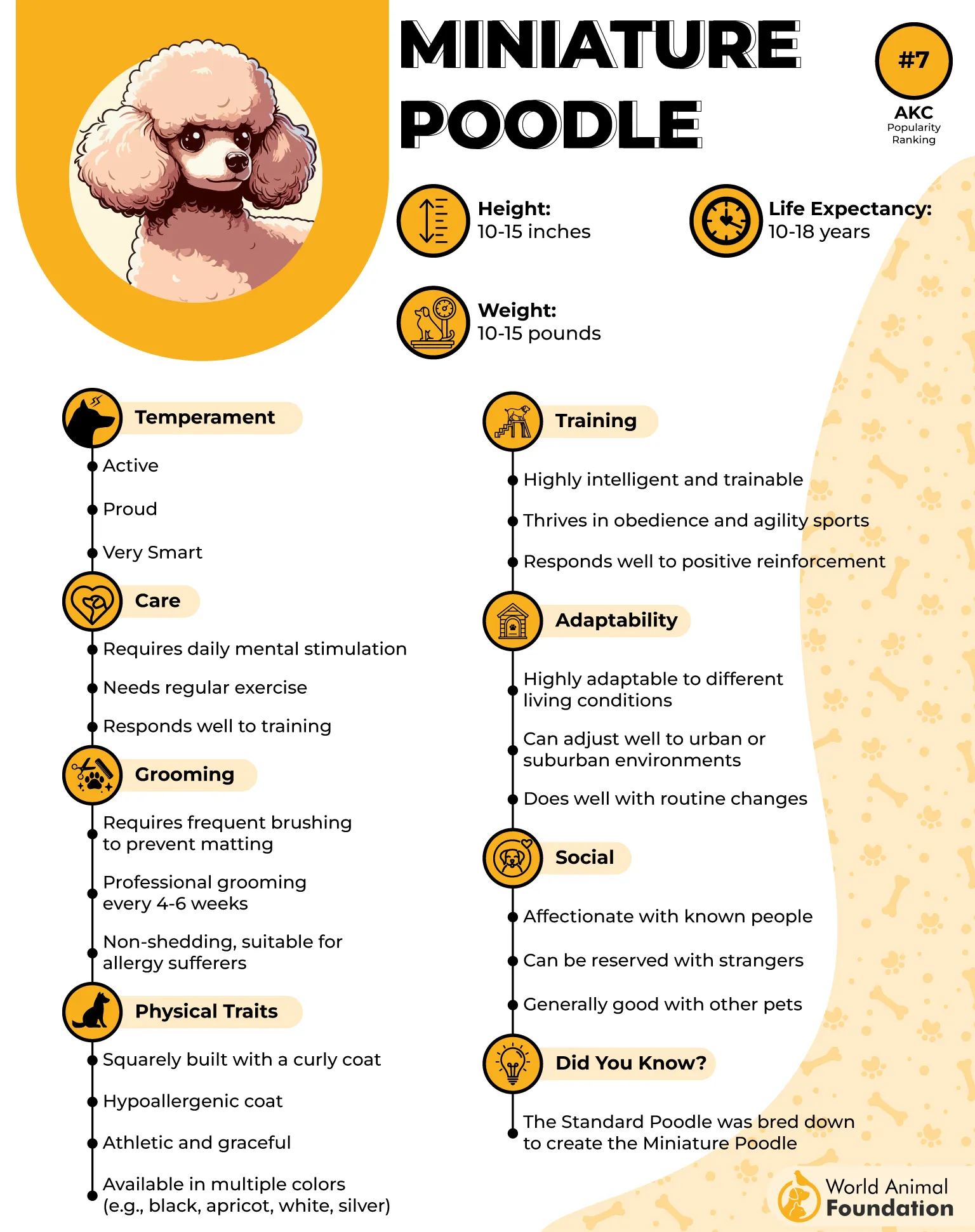
They thrive on movement and adventure, making them excellent companions for long walks, hikes, and even outdoor excursions where they can explore new environments. Many also have a natural love for water, a trait inherited from their origins as retrievers.
Their high intelligence means they require more than just physical exercise; mental stimulation is equally essential to keep them happy and well-behaved.
Interactive toys, puzzle games, and engaging training sessions help challenge their sharp minds and prevent boredom.
Without enough activity, they can become restless or develop unwanted behaviors.
With proper exercise, attention, and mental engagement, Miniature Poodles can enjoy long, vibrant lives, offering years of loyalty, playfulness, and clever companionship to their owners.
6. Papillon

Papillons, with an impressive lifespan of 14 to 16 years, rank among the longest-living dog breeds in the world, making them an excellent choice for families seeking a small, intelligent, and enduring companion.
Named for their distinctive butterfly-like ears, these elegant little dogs are energetic, alert, and exceptionally smart, earning a reputation as one of the most trainable toy breeds.
Their eagerness to please makes obedience training rewarding when approached with consistent, positive, and engaging methods.
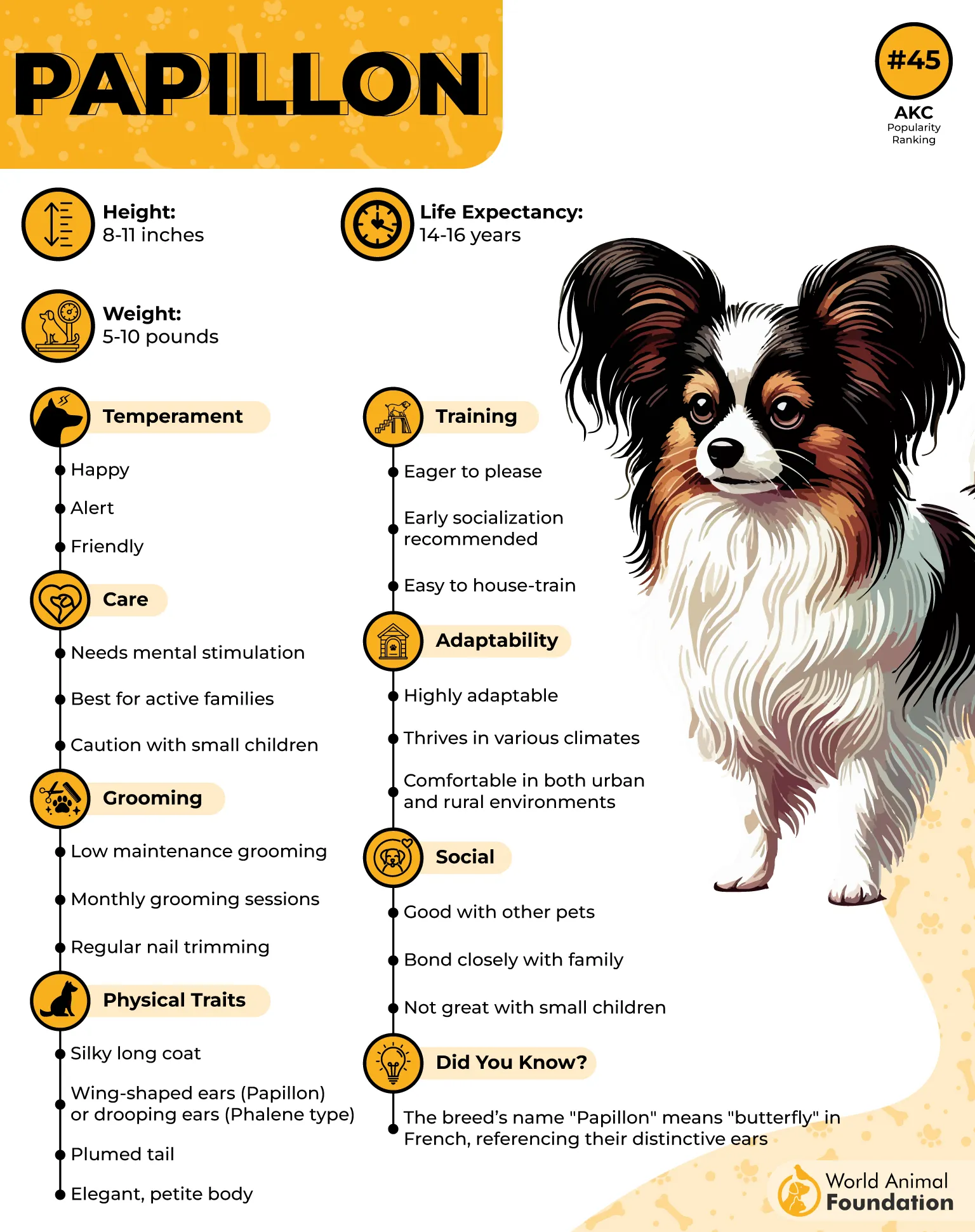
Like many small breeds, Papillons can be a bit challenging to house-train, so patience, frequent potty breaks, and guidance from a veterinarian or professional trainer are often key to success.
Early socialization is equally important; introducing your Papillon puppy to a variety of people, pets, and environments helps cultivate confidence and prevents behavior issues as they mature.
Generally, a healthy breed, Papillons may still be prone to some inherited conditions, so regular veterinary care is recommended.
With attentive training, socialization, and mental stimulation, Papillons thrive for well over a decade, offering intelligence, charm, and lively companionship throughout their remarkably long lives.
7. German Shepherd
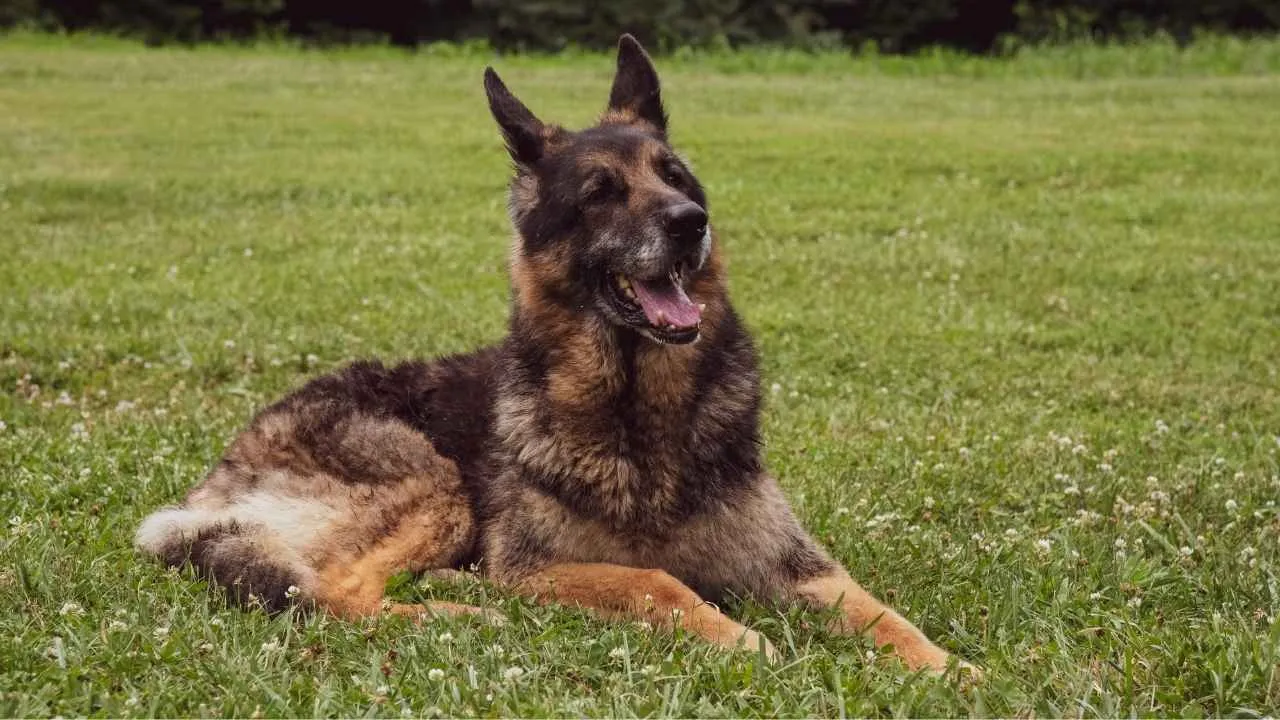
German Shepherds, with an average lifespan of 7 to 10 years, are widely celebrated for their intelligence, loyalty, and versatility, making them one of the most iconic working dog breeds in the world.
From police work and search-and-rescue missions to serving as service dogs and devoted family companions, German Shepherds excel in virtually any role that requires brains, courage, and discipline.
Despite their remarkable abilities, they are a large breed prone to certain health challenges, including hip and elbow dysplasia, degenerative myelopathy, and other hereditary conditions, which can affect the quality of the dog’s life as they age.
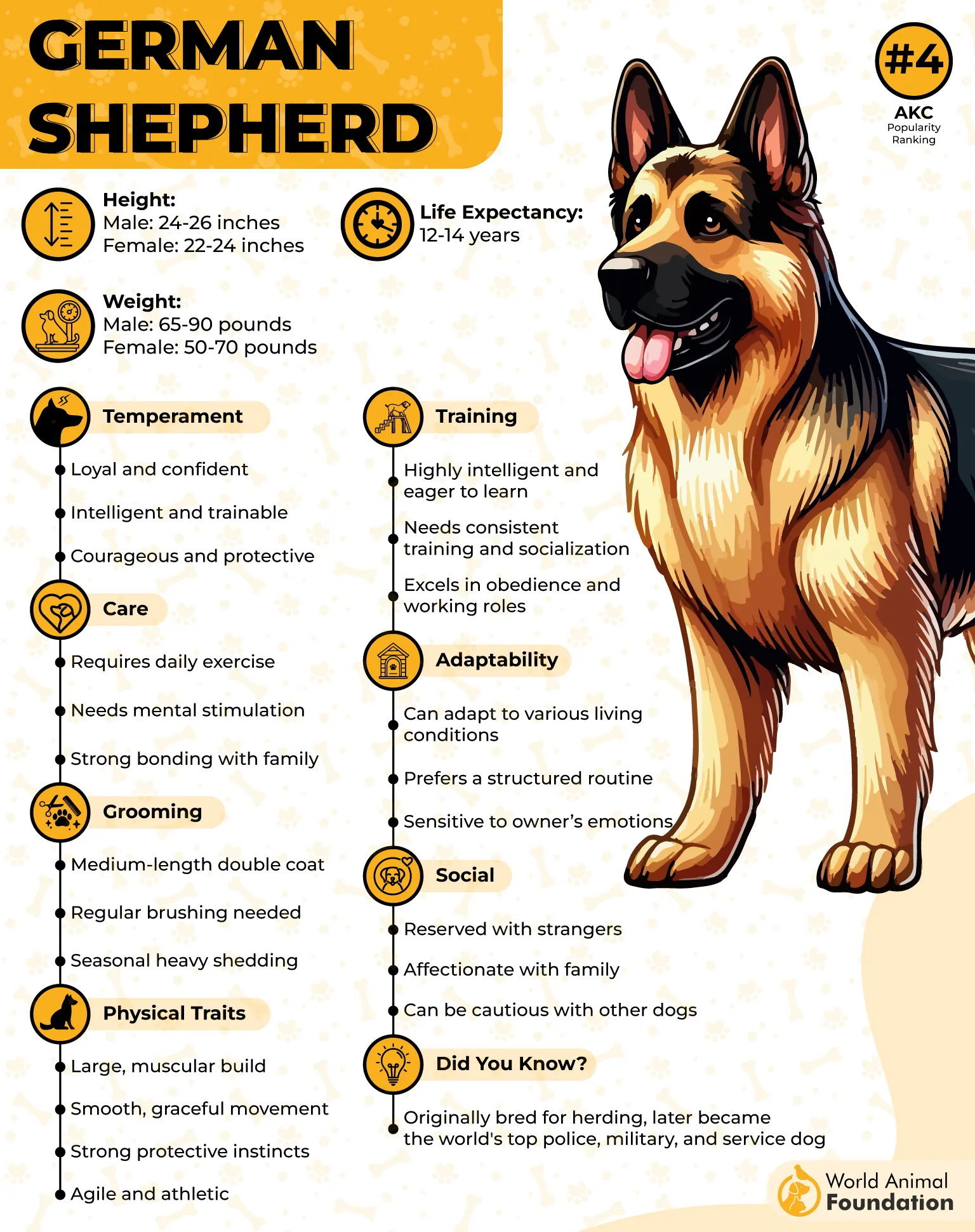
Prospective owners often find that investing in pet insurance is a wise step to ensure timely access to medical care for these intelligent dogs.
Reputable breeders typically screen for genetic health conditions to reduce risks, while adoption through rescues or shelters should include careful review of all available health information.
With consistent care, proper nutrition, regular exercise, and attention to their physical and mental needs, German Shepherds can live fulfilling lives, offering years of unwavering loyalty, sharp intelligence, and protective companionship.
8. Labrador Retriever

Labrador Retrievers, with an average lifespan of 10 to 12 years, are not only one of the most beloved breeds in America but also among the larger dogs that enjoy a relatively long life, as noted by Britannica.
Known for their friendly demeanor, intelligence, and boundless energy, Labs make excellent family companions, service dogs, and loyal partners in countless activities—from fetching and swimming to obedience and agility challenges.
Their playful nature often keeps their owners active and engaged, making life with a Lab both fun and rewarding.
However, as with many larger breeds, Labradors are prone to certain health concerns, particularly hip dysplasia and joint issues, which can become more problematic with age.
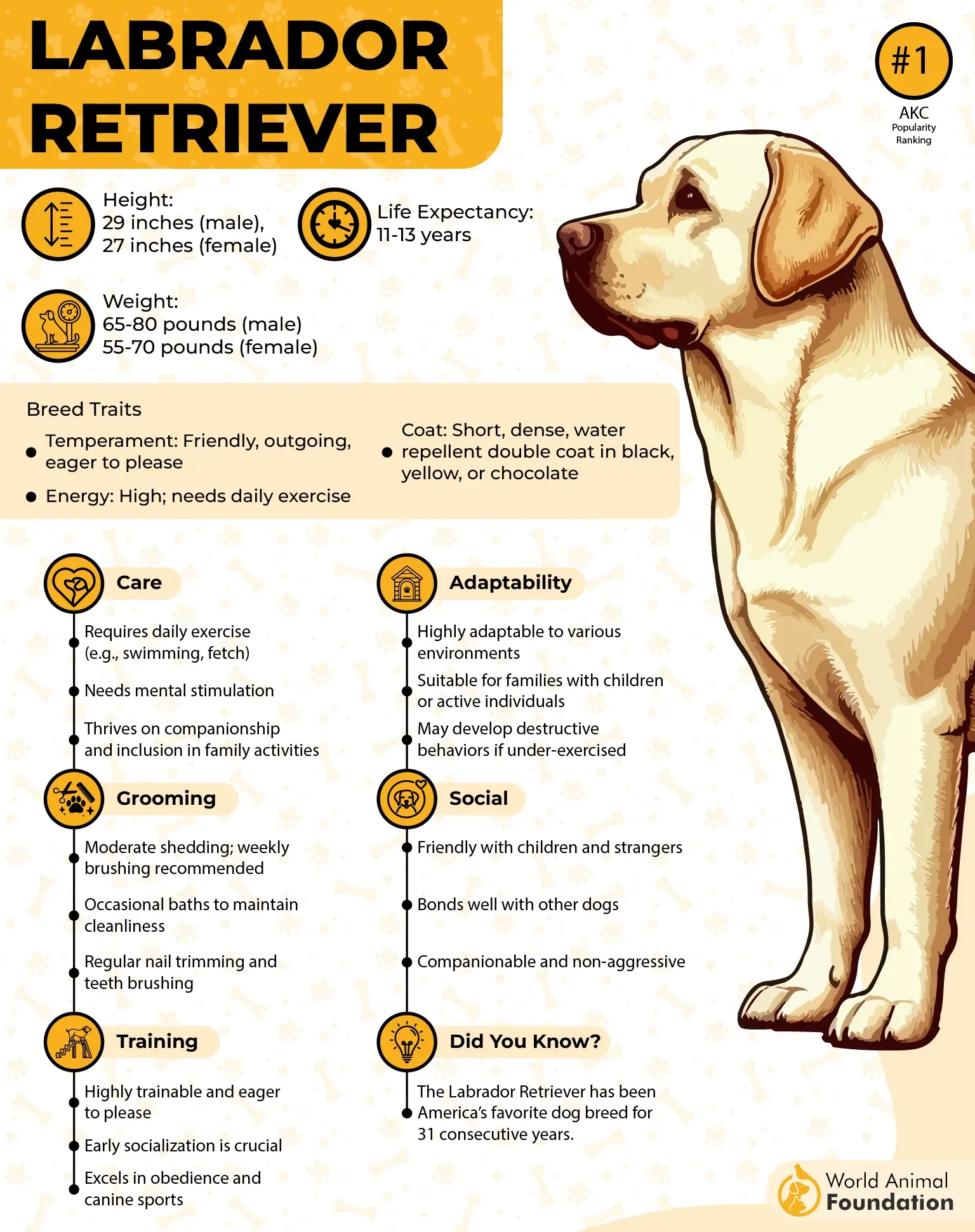
Maintaining a healthy weight, providing regular exercise, and monitoring their mobility are essential to supporting their longevity and quality of life.
With attentive care, mental stimulation, and consistent physical activity, Labrador Retrievers can thrive well into their teens, offering years of intelligence, affection, and energetic companionship that brighten the lives of everyone around them.
9. Shetland Sheepdog
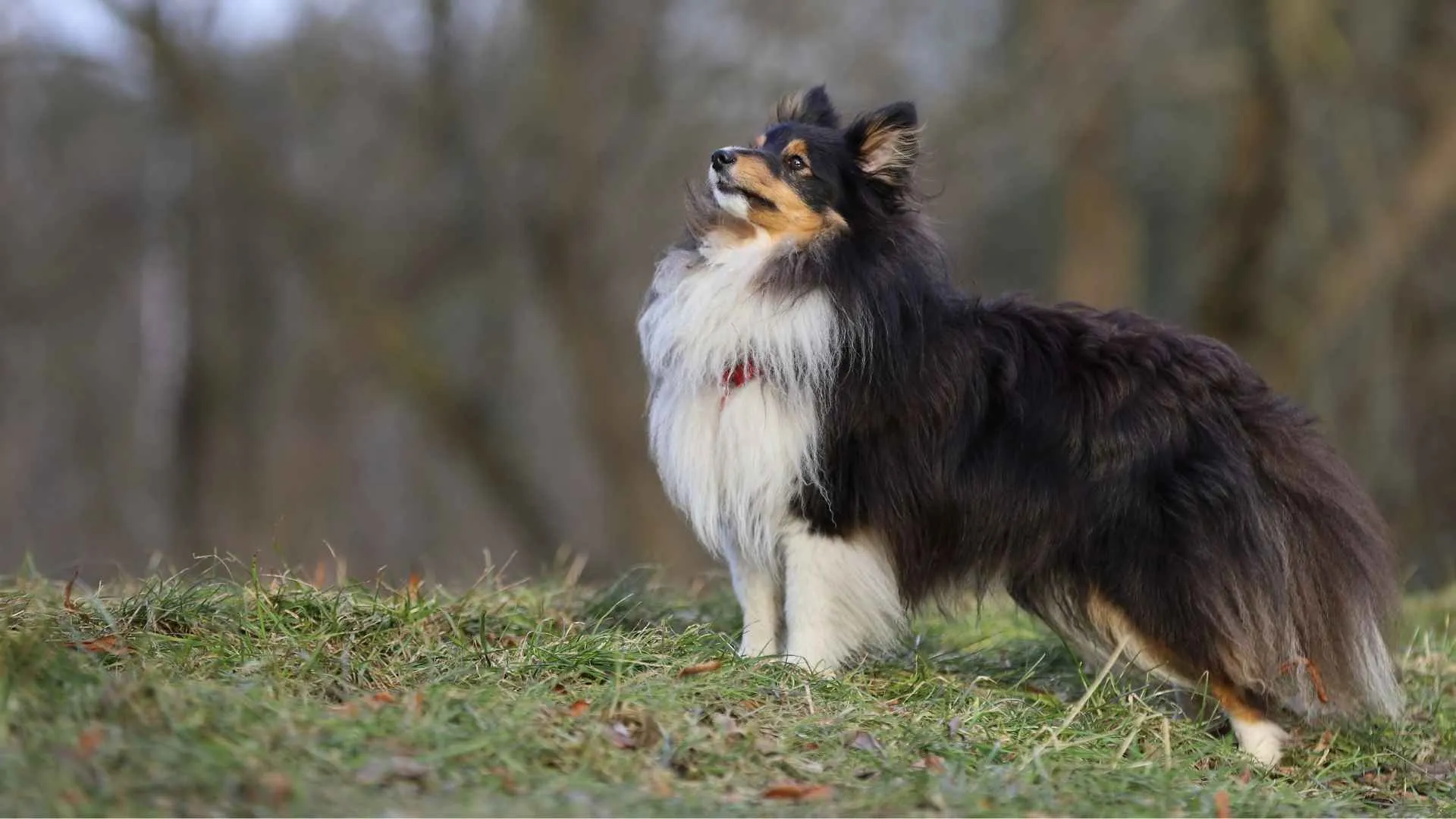
Shetland Sheepdogs, often called Shelties, are a small but exceptionally intelligent breed with a life expectancy of 12 to 14 years, placing them among the longer-living dogs in the world.
Originally bred on the remote Shetland Islands of Scotland to herd sheep and other livestock, their compact size allowed them to thrive on smaller portions of food while still performing demanding work—an attribute that may contribute to their notable longevity.
Modern Shelties retain their sharp minds, agility, and eagerness to please, making them excellent family companions, obedience competitors, and participants in dog sports.
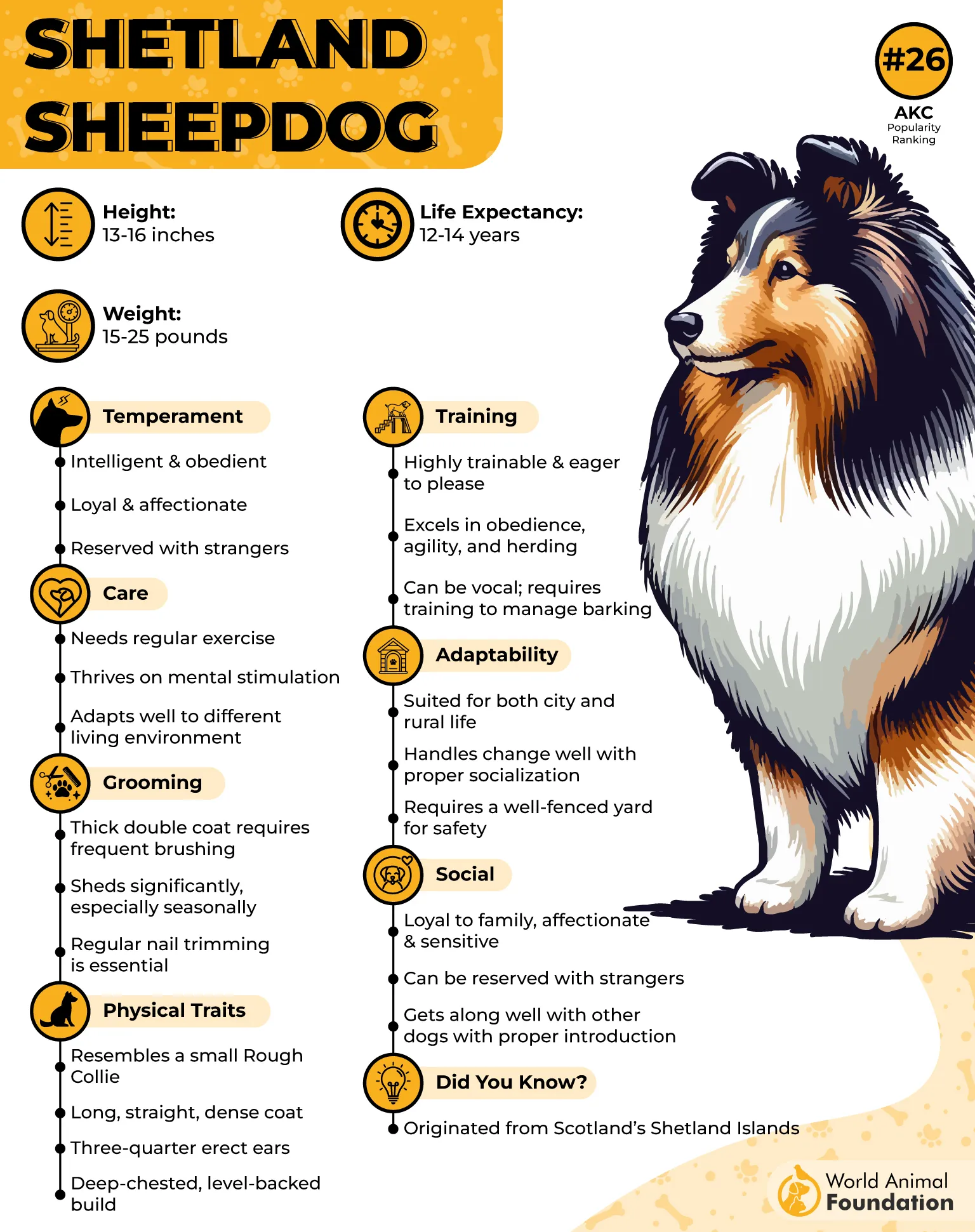
While generally healthy, this breed can be prone to certain inherited conditions, including collie eye anomaly, which can lead to vision impairment, and Von Willebrand’s disease, a blood-clotting disorder also found in humans.
Early detection, regular veterinary care, and genetic screening are essential for maintaining their long-term health.
With proper attention, exercise, and mental stimulation, Shetland Sheepdogs can enjoy vibrant, active lives well into their teens, offering intelligence, loyalty, and playful energy that endears them to dog lovers worldwide.
10. Doberman Pinscher
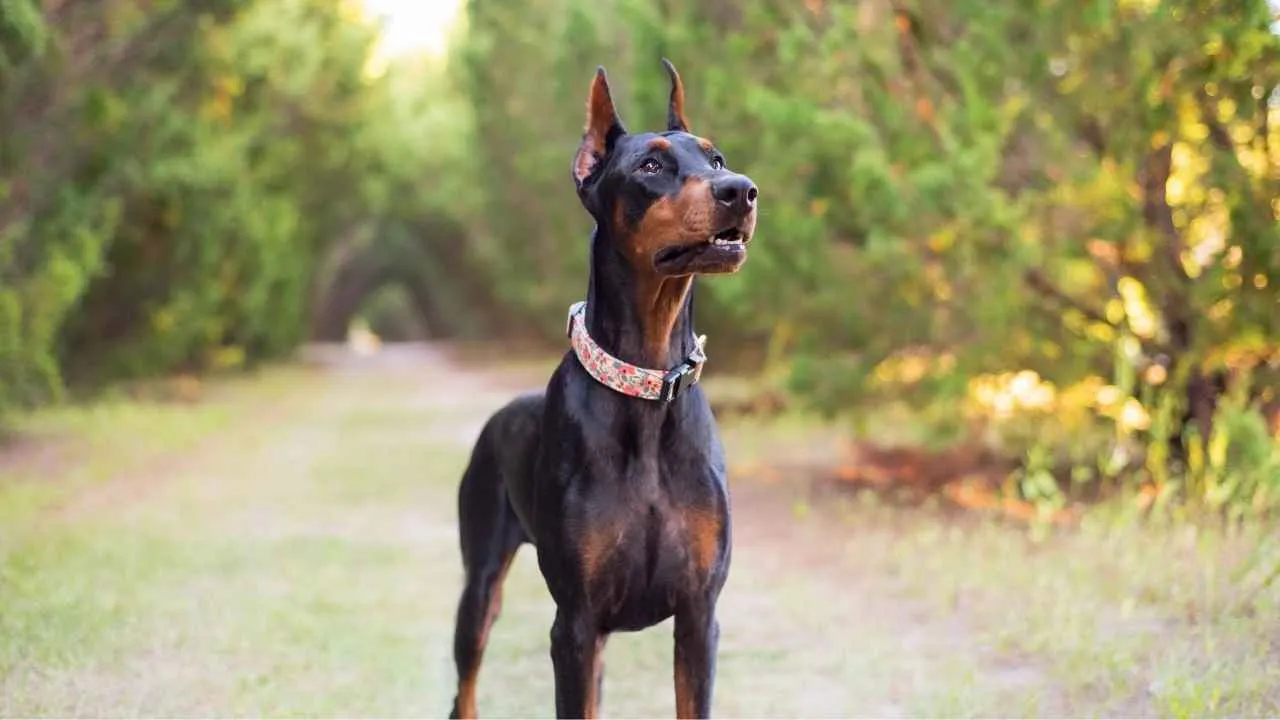
Doberman Pinschers, with a lifespan of 10 to 12 years, are one of the most intelligent and versatile dog breeds in the world, blending loyalty, courage, and remarkable agility.
Developed in the late 1800s by a German tax collector named Louis Doberman, the breed was originally intended as a protective companion, combining strength, alertness, and fearlessness.
Today, Dobermans are not only exceptional guard dogs but also loving family members and social companions when properly trained and socialized.
Known for their intelligence and stamina, they excel in obedience, agility, and even service work, thriving in environments that provide both mental and physical challenges.
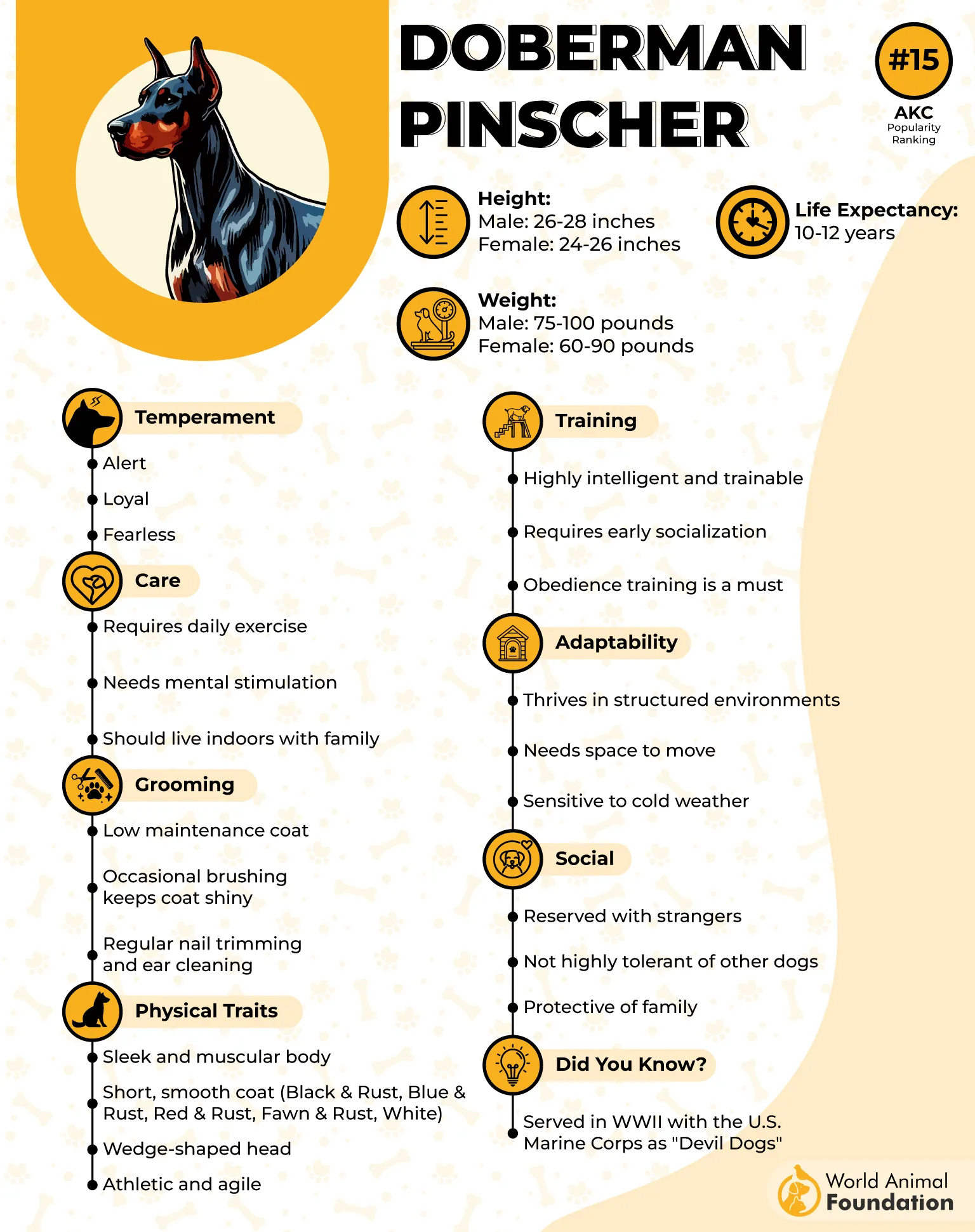
While generally healthy, Dobermans can be prone to specific conditions such as cardiomyopathy, hip dysplasia, and von Willebrand’s disease, making regular veterinary care essential for maintaining longevity.
With consistent training, early socialization, and ample exercise, Dobermans can live well into their early teens, offering years of devoted companionship, sharp problem-solving abilities, and protective instincts.
Their combination of brains, loyalty, and athleticism ensures that they are both a rewarding and long-lived breed for attentive owners.
Conclusion
Choosing a dog with a long lifespan allows for years of companionship, intelligence, and shared adventures.
While genetics, size, and lifestyle all influence a dog’s lifespan, providing proper care, mental stimulation, exercise, and regular veterinary checkups can help extend their years and maintain quality of life.
Small and medium-sized breeds often live longer, but any dog can thrive with love, attention, and consistent training.
Prioritizing both physical and mental health ensures your canine companion enjoys a happy, active, and fulfilling life by your side.
