




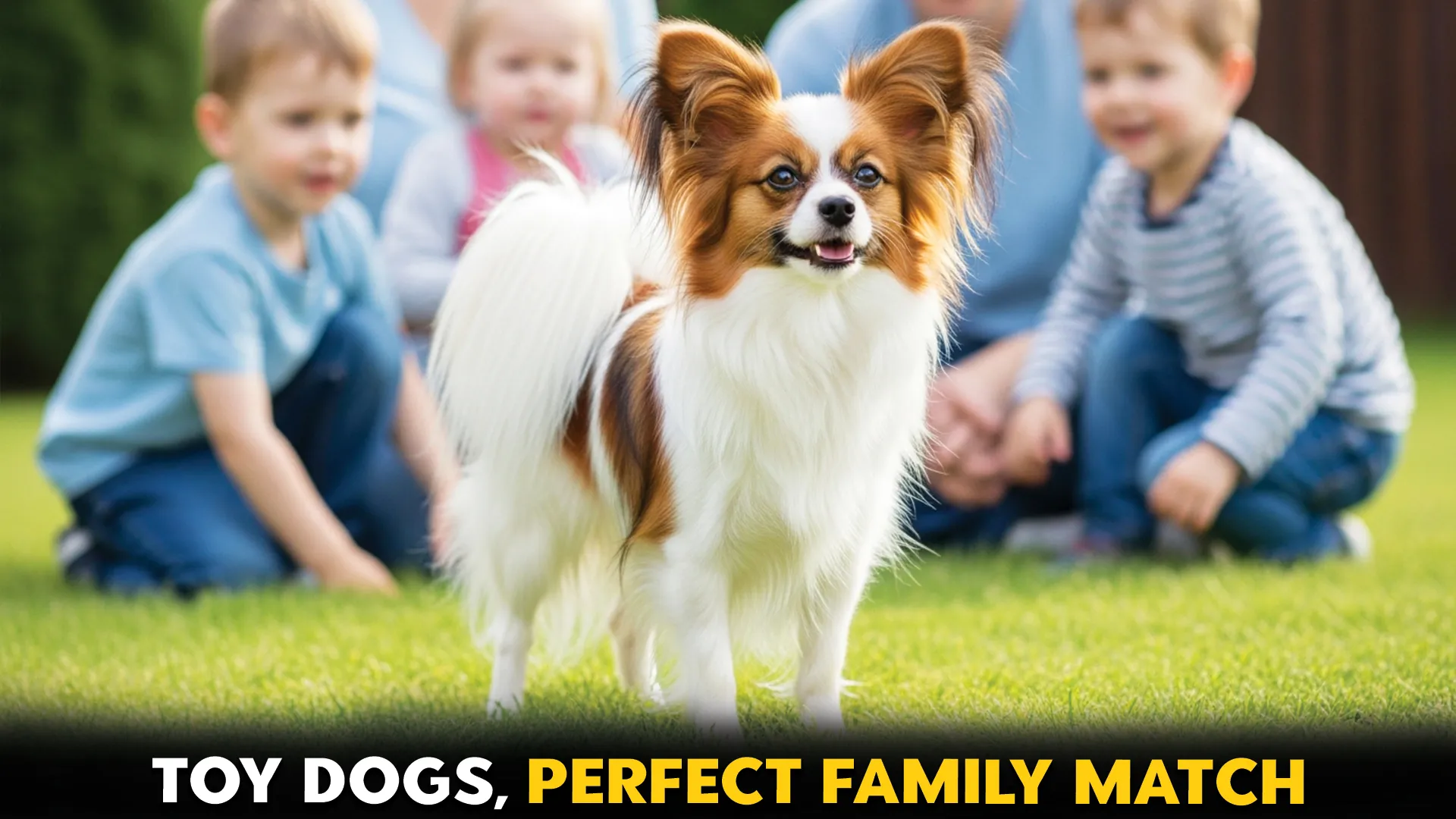
“Children and dogs are as necessary to the welfare of the country as Wall Street and the railroads.” The sentiment may be old, but the connection remains deeply relevant today.
A well-matched dog can bring comfort, companionship, and a sense of responsibility into a child’s life. For families, the challenge lies in finding a dog that fits naturally into a home filled with energy and constant activity.
Toy breeds often seem like the obvious choice because of their size, yet their suitability depends on much more than that. Patience, adaptability, and emotional steadiness matter just as much. When these qualities align, the bond between a child and a dog becomes something lasting and meaningful.
This article explores toy dog breeds that offer that balance, giving families a clearer picture of what they can expect as they move forward.
Key Takeaways
A small dog may seem like the easiest choice for families, but the real difference shows in how well it handles the rhythm of a child-filled home.
Papillon and Yorkshire Terrier bring playful energy that keeps children engaged while they learn to respond and adapt in a busy household.
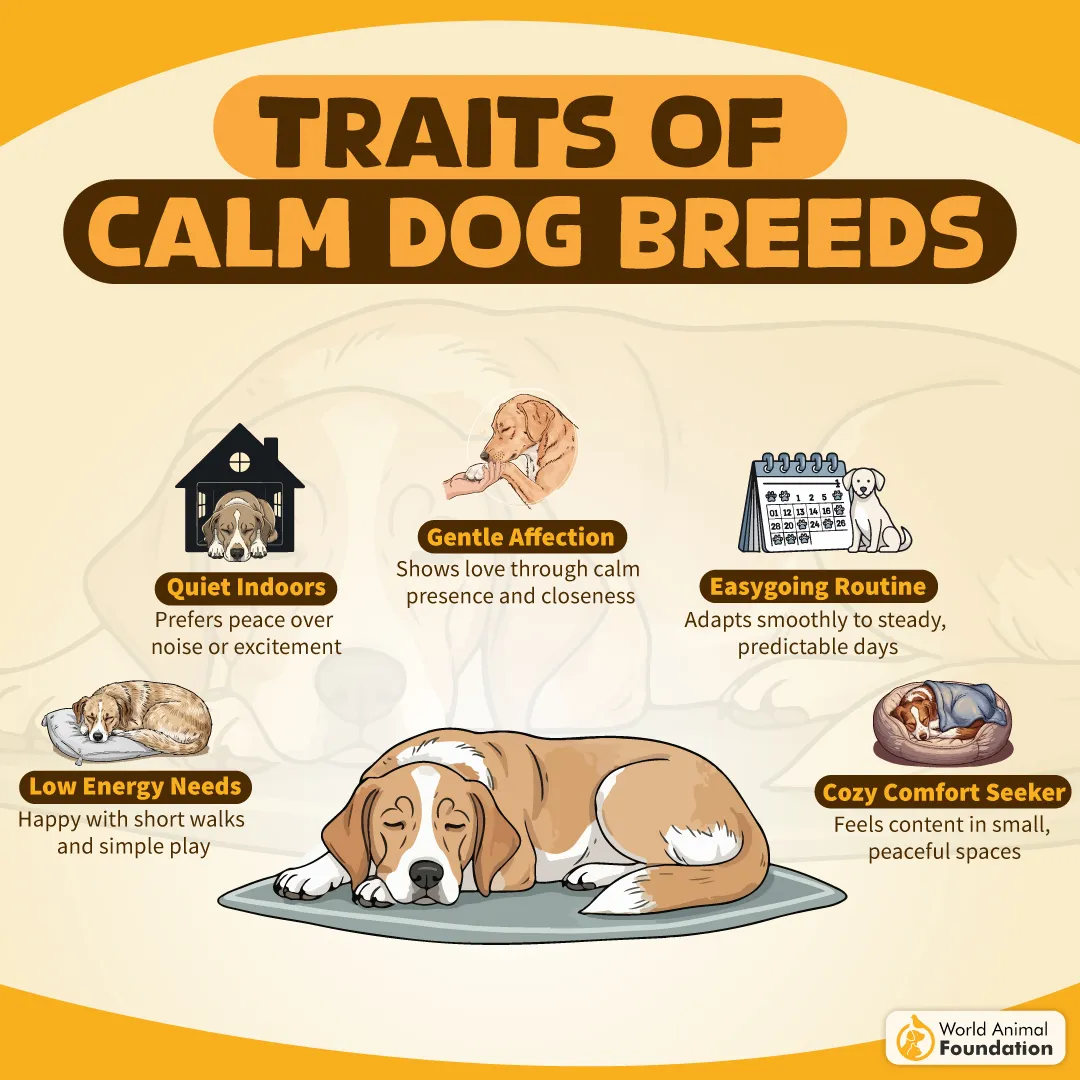
Cavalier King Charles Spaniel and Pug lean into calm affection, staying close during quiet moments and naturally easing into family routines.
As you move through each breed, it becomes clear which ones can truly grow alongside children and become part of their everyday world.
Perfect Toy Dog Breeds For Families With Young Children
1. Papillon
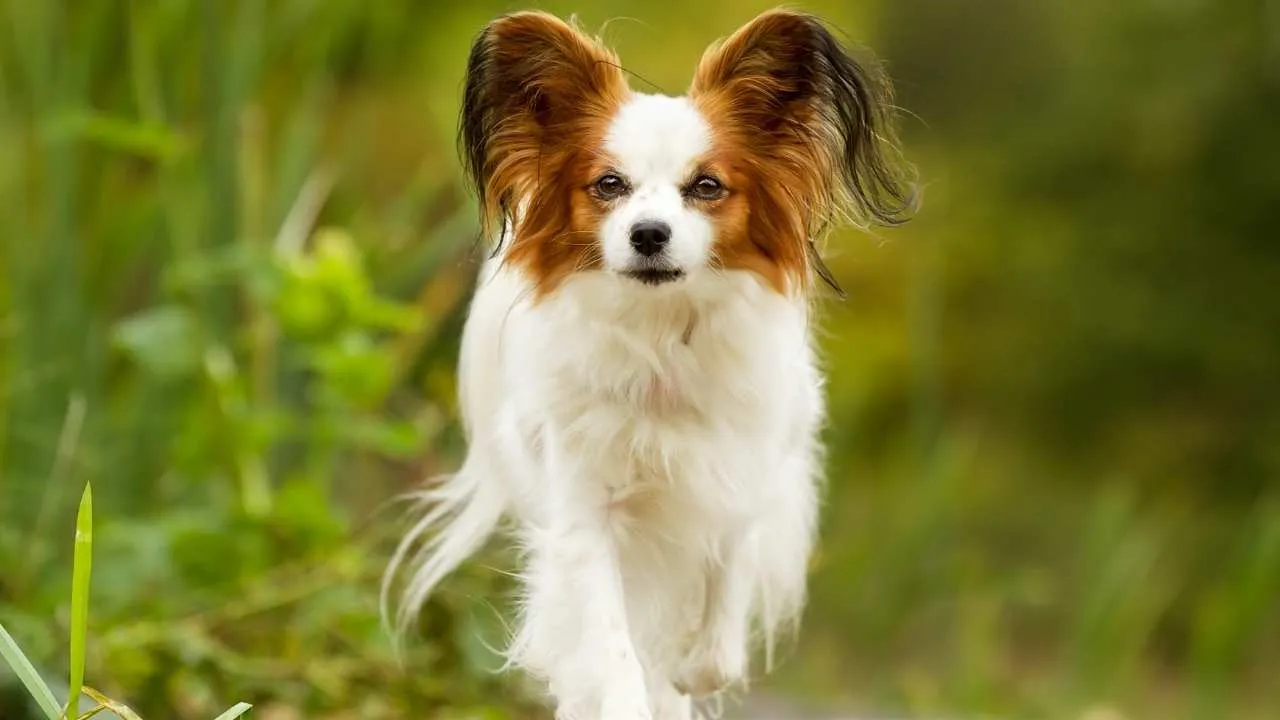
Papillon moves with constant curiosity, always alert, active, and eager to be part of whatever is happening around it. This energetic nature pairs with a strong desire to stay close to people and remain involved throughout the day. Its cheerful presence often turns everyday moments into engaging interactions.
Family Interaction
They bring an engaging mix of playfulness and awareness that works well in homes with children who enjoy an interactive companion. It stays socially open with familiar pets and responds well in shared spaces without becoming overly dependent.
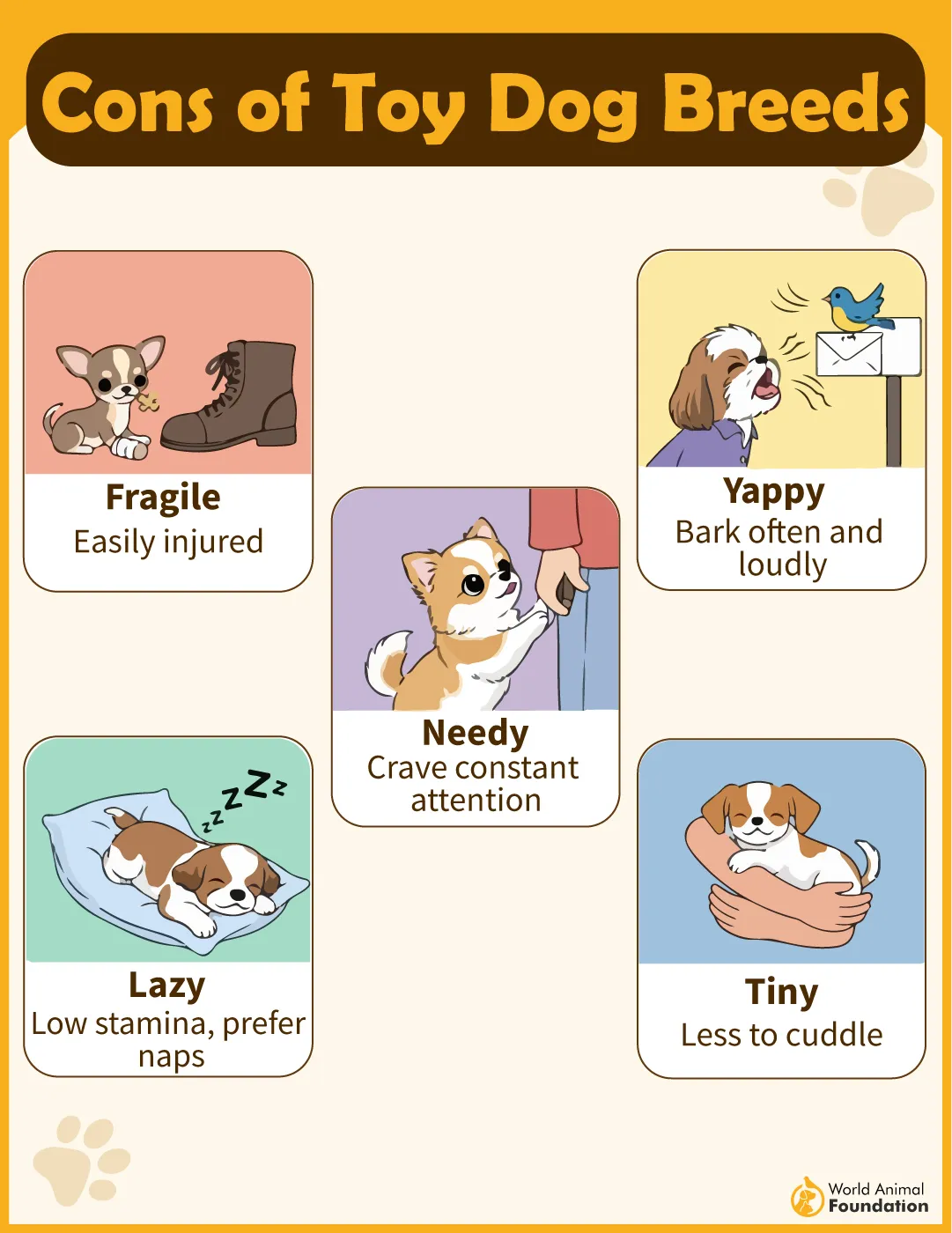
A few traits highlight this everyday compatibility:
Friendly with children and other pets
Alerts with barking but remains welcoming
Balances independence with affection
Trainability and Engagement
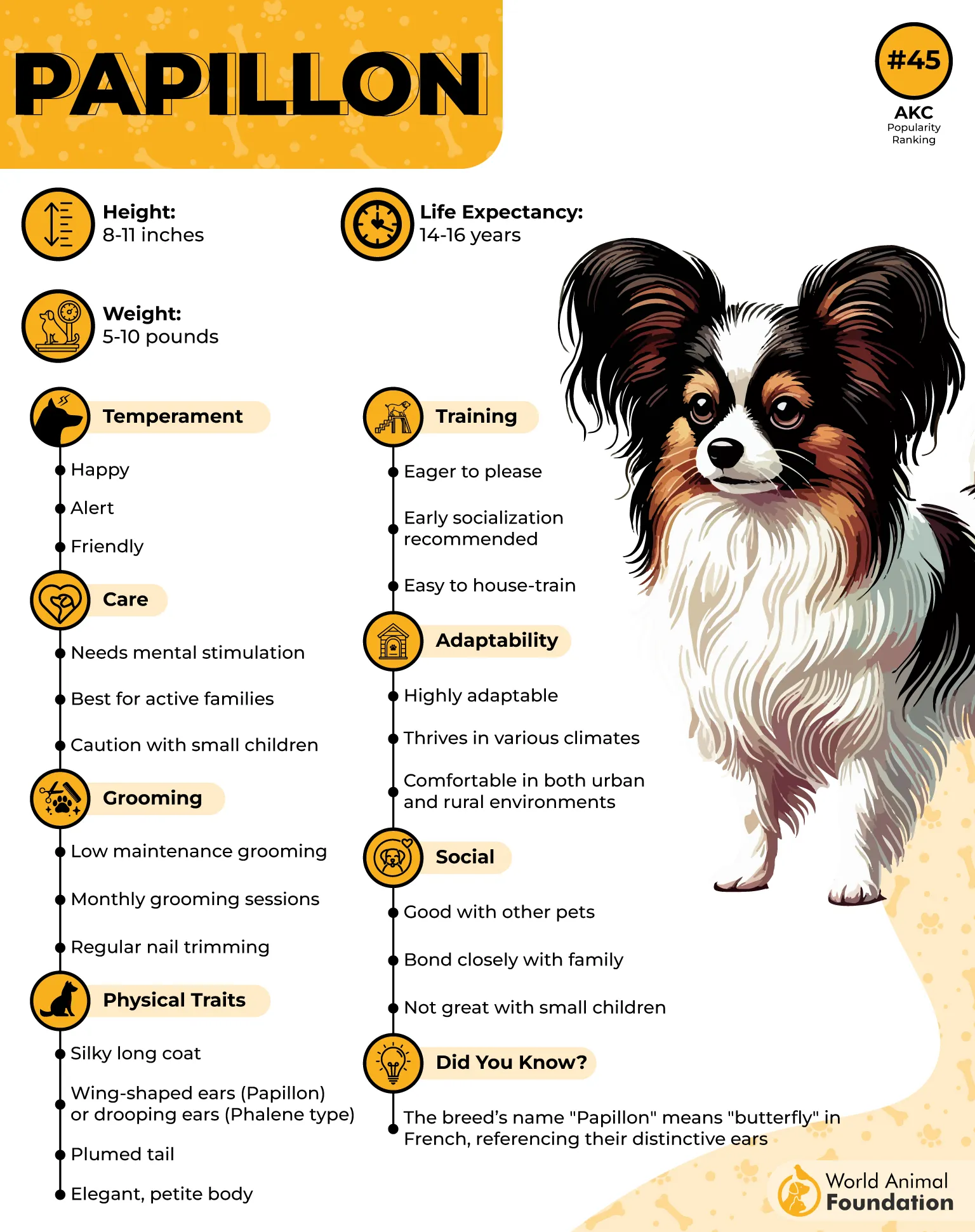
Paps show a natural willingness to learn, often picking up tricks and commands with ease through praise and play, as per PetMD. This eagerness keeps training sessions productive while maintaining a fun, engaging rhythm. Early exposure to other dogs helps shape confident and controlled behavior.
2. Yorkshire Terrier
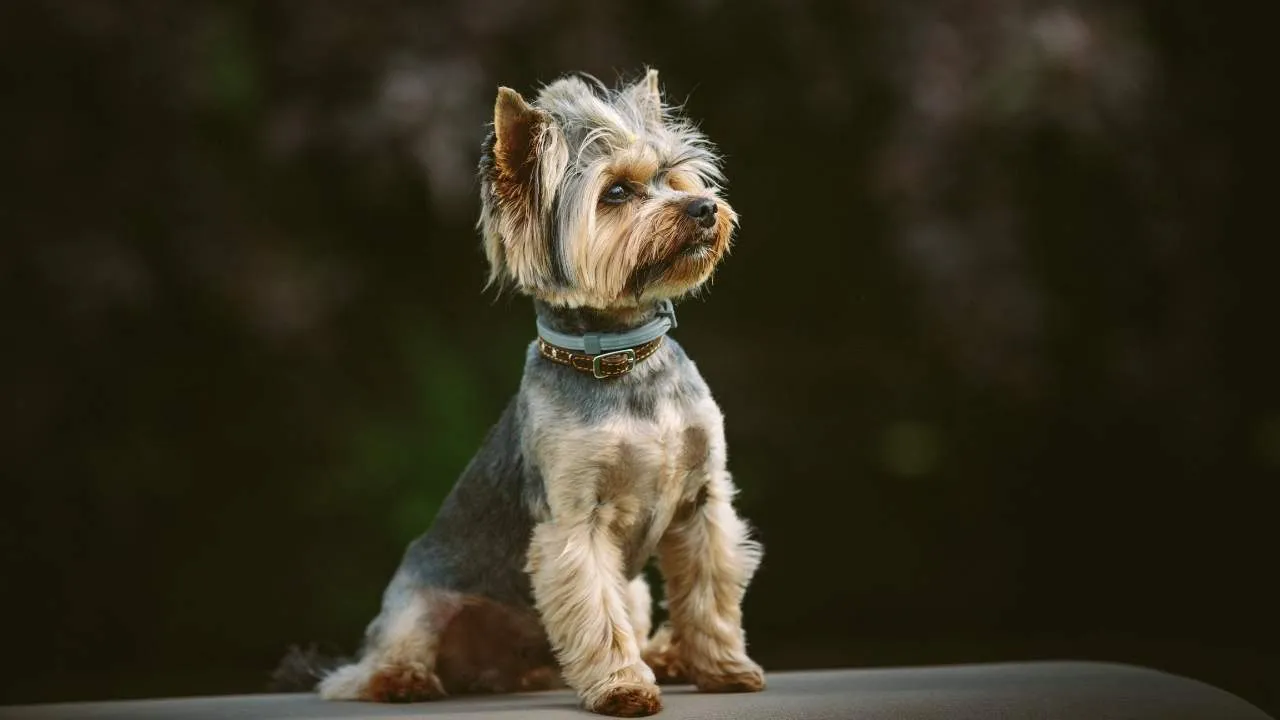
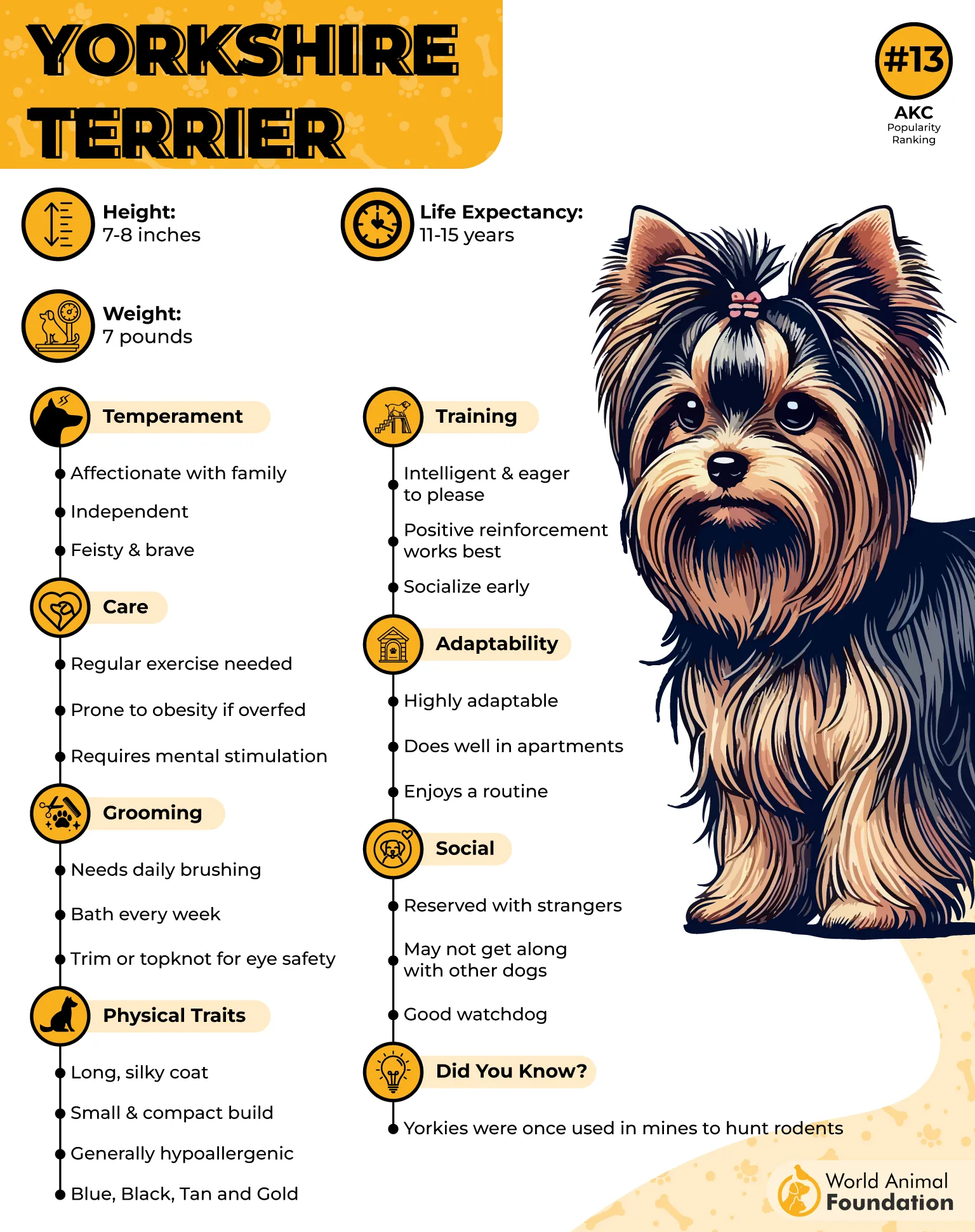
The Yorkshire Terrier brings an unexpectedly bold attitude, always alert, curious, and ready to explore its surroundings. Selectively bred in 19th-century Yorkshire from small terriers used in cotton mills, it handled ratting work with surprising confidence.
Energy and Family Interaction
These little dogs stay lively and affectionate, enjoying constant interaction and attention within the household, as the AKC writes. This active temperament works well when children understand how to engage respectfully and consistently.
A quick look at their everyday behavior helps explain it:
Enjoys interactive play like indoor fetch
Learns quickly with consistent training
Responds well to early social exposure
Social Behavior and Awareness
Yorkies tend to stay watchful, often reacting quickly to new sounds or approaching visitors. Early introductions to people help shape a more balanced response toward strangers over time. That alert nature also makes it vocal, especially when something changes around the home.
3. Cavalier King Charles Spaniel
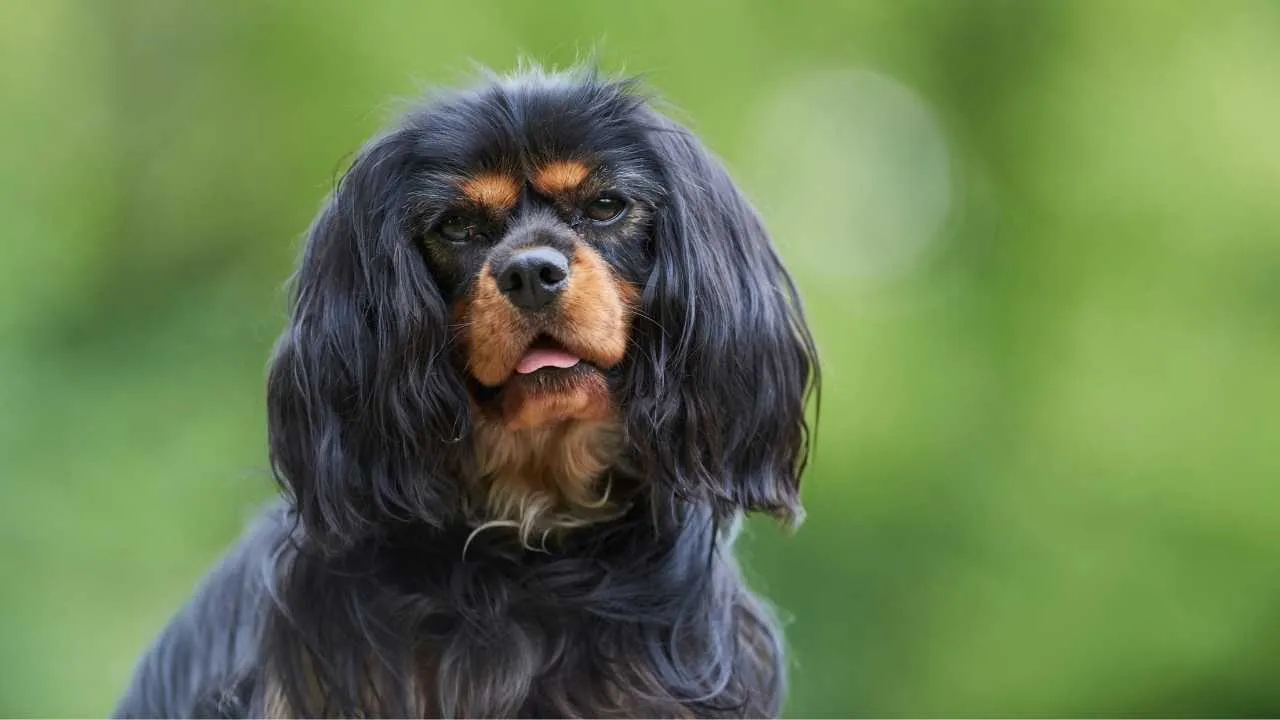
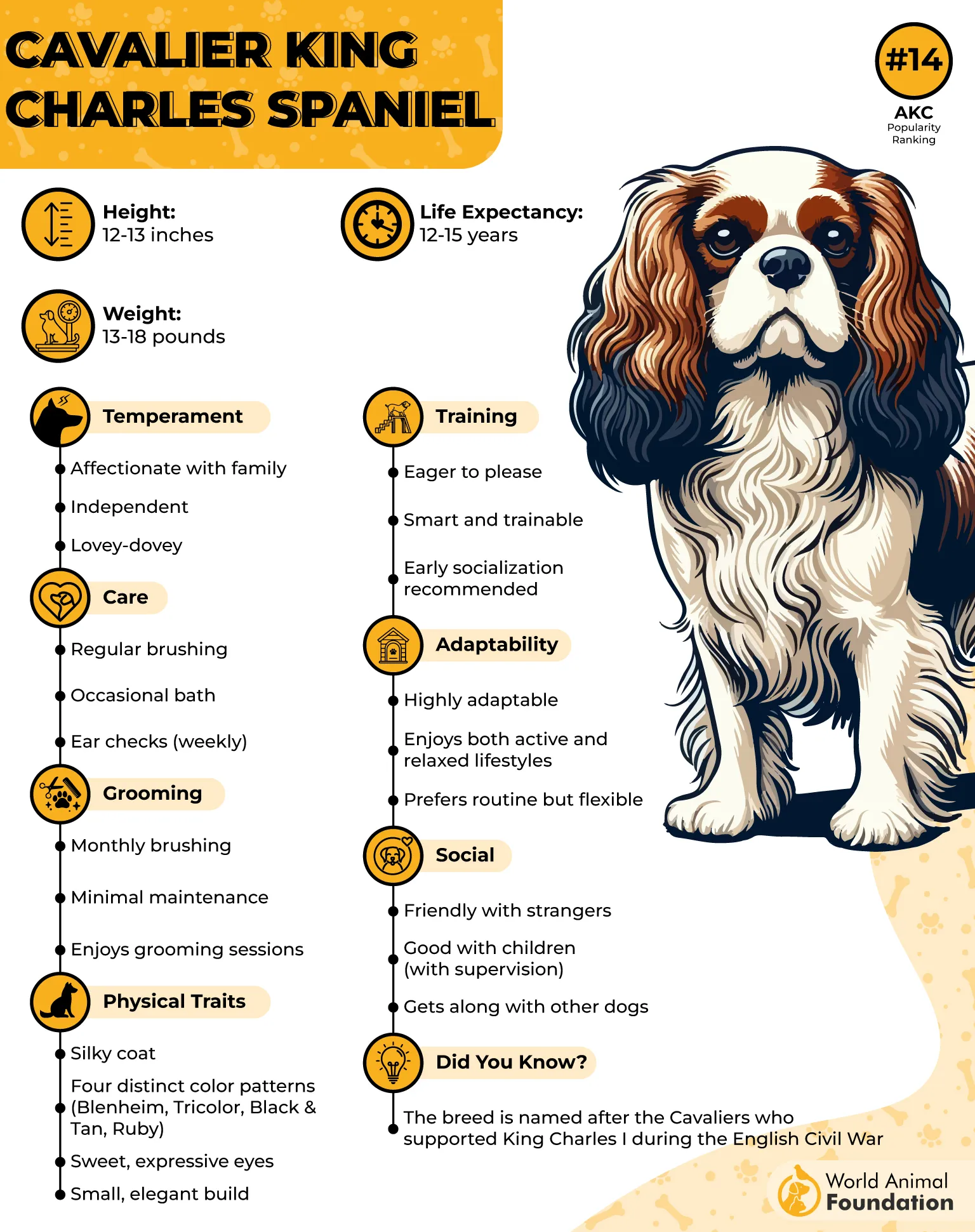
The Cavalier King Charles Spaniel is known for its soft, soulful eyes and an instinct to stay close without being overwhelming. It often seeks out quiet moments, curling up beside someone or resting nearby with ease.
Their calm, affectionate presence has long been part of its identity, dating back to its time as a lap companion in Tudor households, as mentioned by Omlet.
Family Comfort and Interaction
These spaniels show a relaxed and friendly attitude that works well around children of different ages. It enjoys both playful bursts and quiet time, making daily interactions feel balanced and easy to manage.
This everyday behavior helps explain this appeal:
Gentle and tolerant with small children
Enjoys both playtime and cuddling
Responds well to attention and affection
Daily Behavior and Companionship
This small dog stays emotionally in tune with people, often approaching when someone seems low or quiet. It enjoys walks and outdoor exploration, though distractions can sometimes take over its focus. That mix of curiosity and affection shapes how it behaves in everyday family settings.
4. Pug
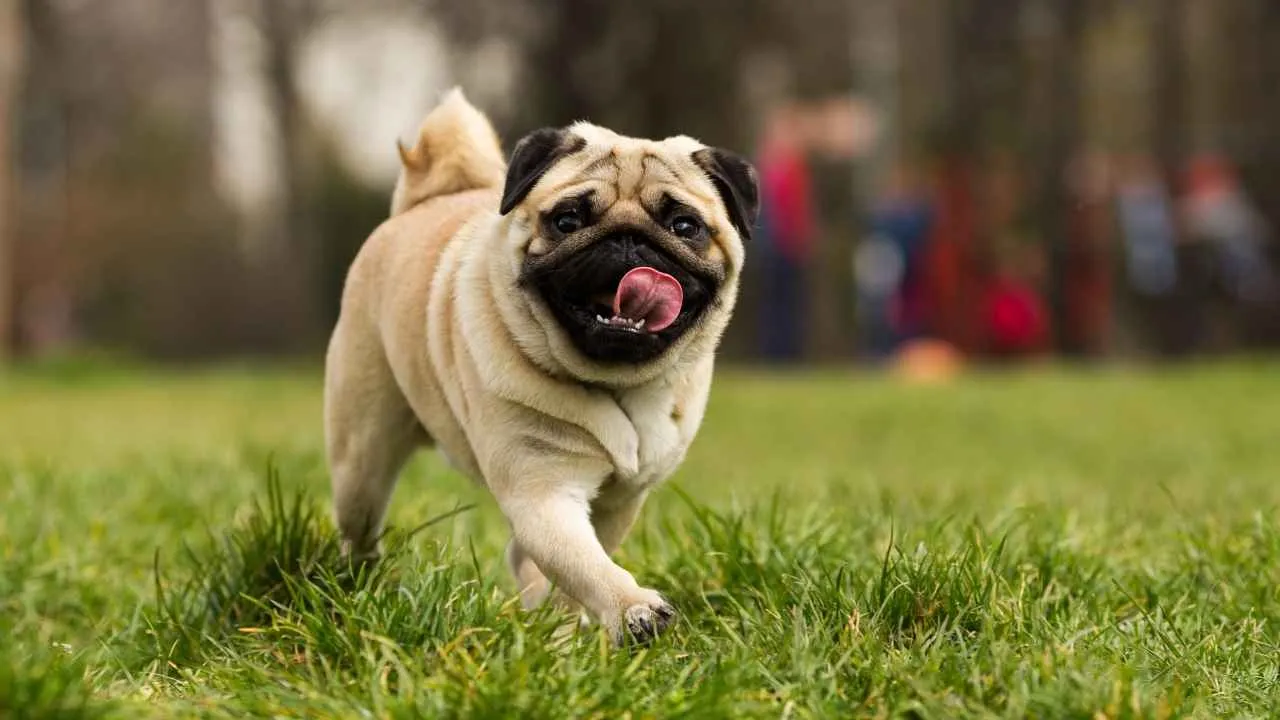
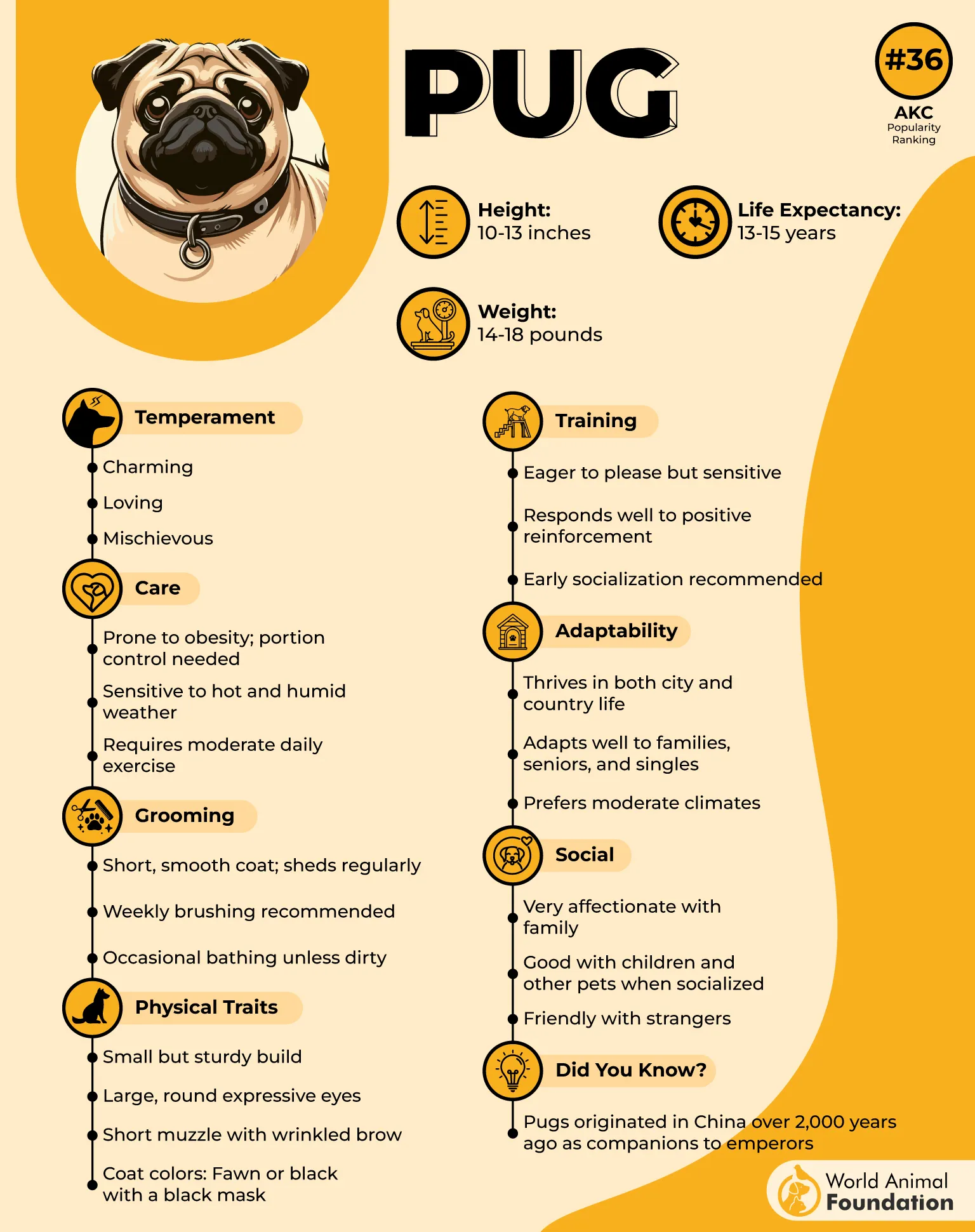
Pug brings constant amusement with a playful, clown-like nature that seeks attention at every opportunity. Its habit of following closely from room to room earned it the nickname “shadow,” reflecting a deep attachment to people.
Family-Friendly Nature
This best dog breed shows a warm and easygoing attitude around children, often choosing to stay close during everyday family moments. This steady companionship works well in homes where interaction is frequent and gentle.
A few everyday traits highlight this behavior:
Enjoys being physically close, like lap time
Friendly with other pets and visitors
Rarely shows aggressive reactions
Daily Behavior
They alternate between bursts of playful energy and long stretches of complete relaxation. It may suddenly dash around the house, then settle back into a deep nap without much prompting. This rhythm keeps activity light while still offering moments of entertainment.
5. Poodle
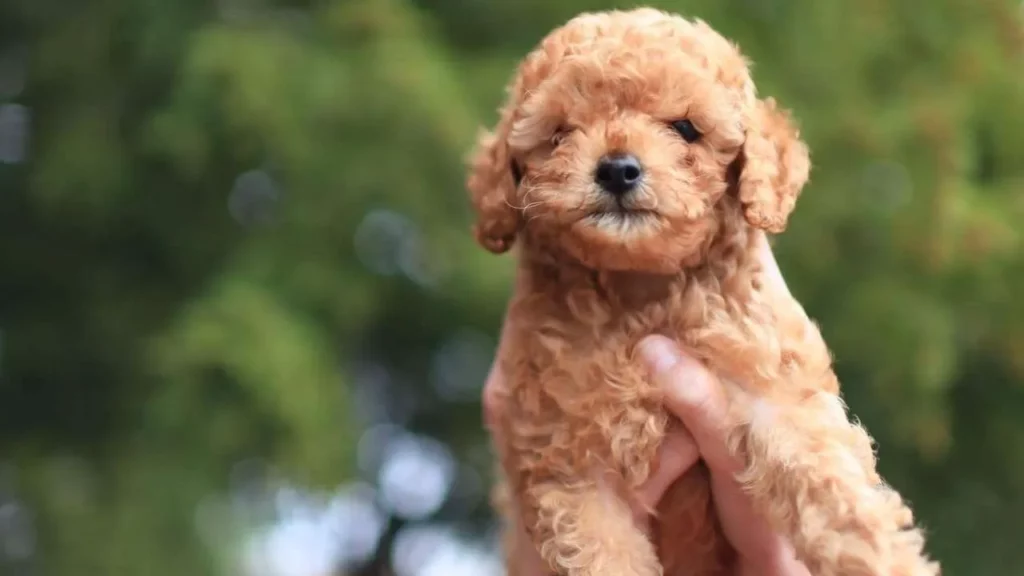
Poodles show a quick-thinking mind that picks up new commands after only a few repetitions, making learning feel almost natural to them. Originally linked to curly-coated working dogs that moved from Asia into Europe, they also developed strong swimming and retrieving instincts.
Family Interaction and Boundaries
They engage actively with people and enjoy structured play, which helps children interact in a more mindful way. Their eagerness to respond to praise supports positive routines when handled with consistency.
A few everyday behaviors make this dynamic clearer:
Learns routines quickly through repetition
Responds strongly to praise-based interaction
Plays actively but expects respectful handling
Activity and Daily Engagement
This small breed prefers interactive activities like fetch, short training games, or exploring outdoor spaces over passive walks. Their energy is best directed through varied tasks that challenge both mind and body. Without a clear structure, they may begin to take control of routines within the home.
6. Pekingese
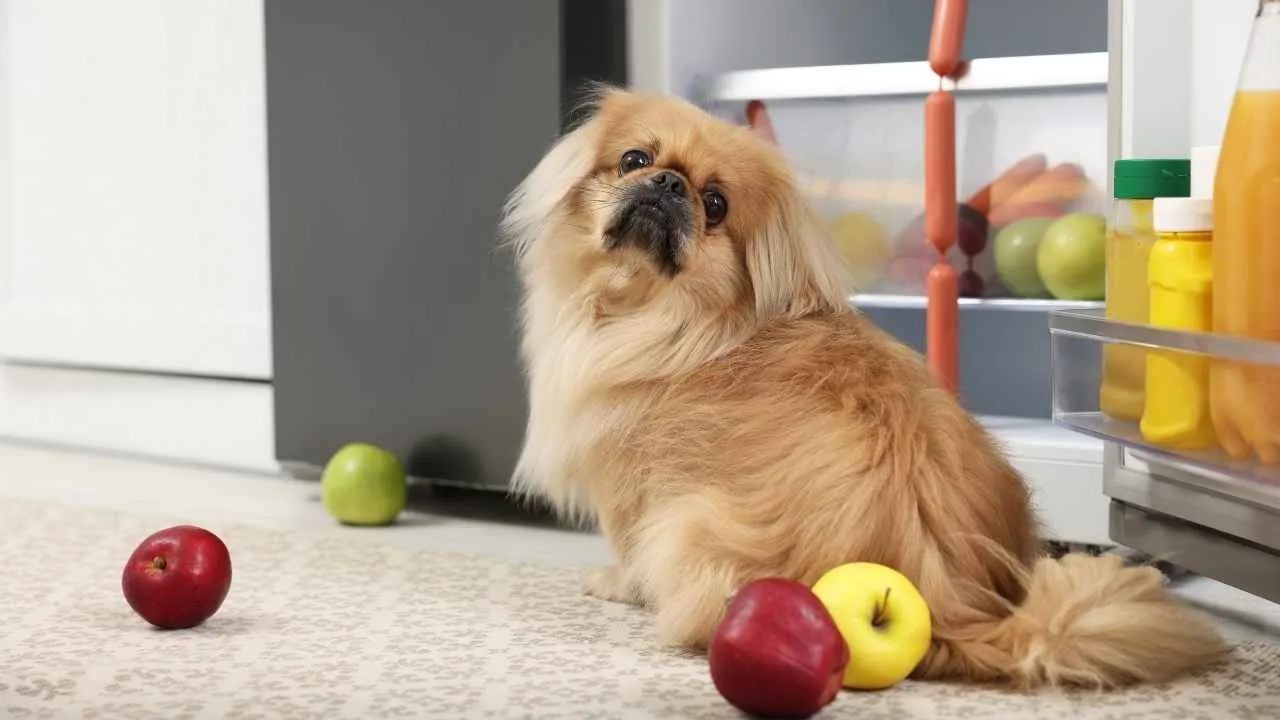
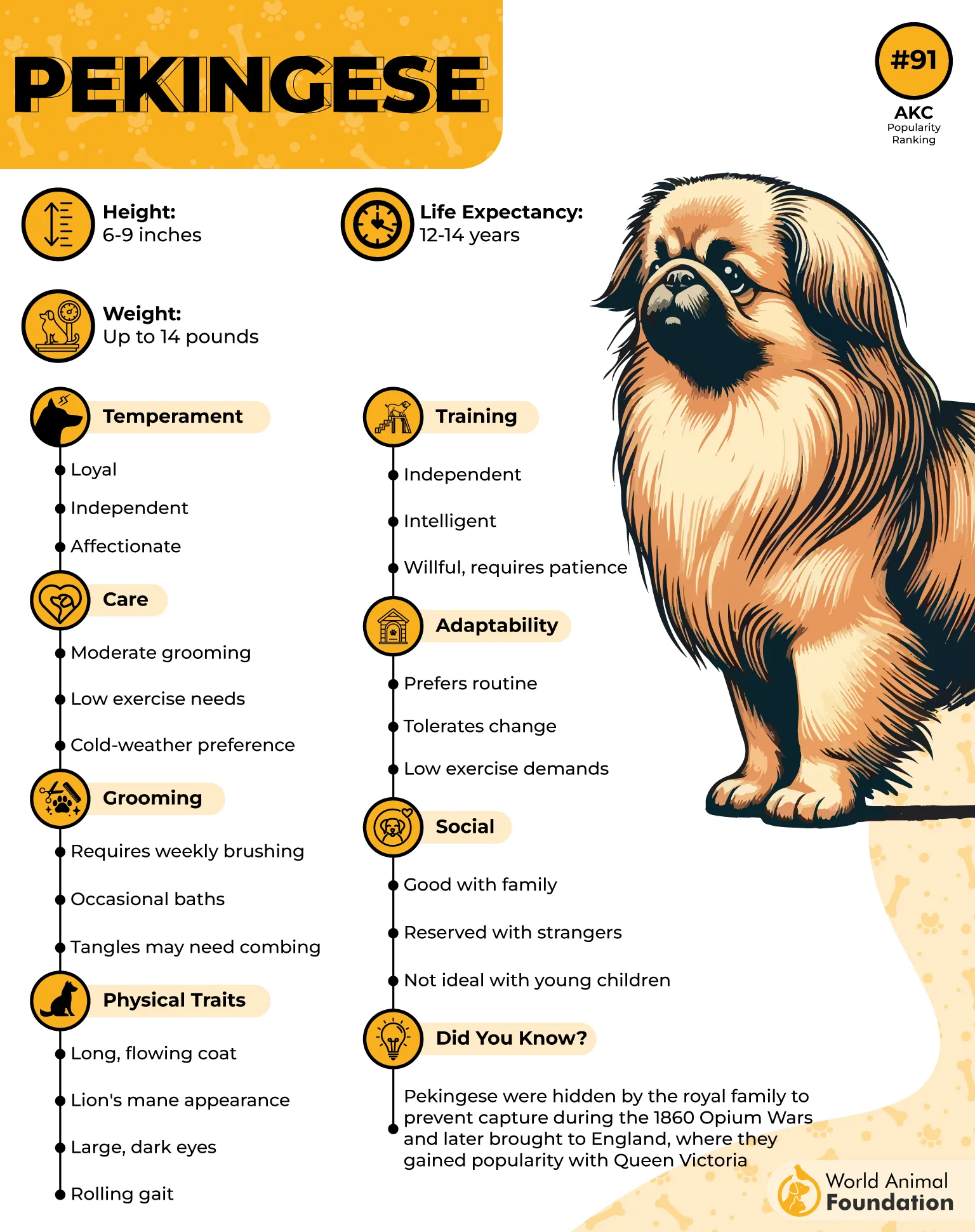
Pekingese move with a self-assured attitude, often choosing when to seek attention rather than demanding it constantly. This independent streak reflects its origins as a prized companion in ancient China, where it was known as the Lion Dog.
Family Interaction and Suitability
They engage with family life on its own terms, yet show warmth through moments of affection and playful interaction. It responds well to respectful handling, especially from children who understand its boundaries.
A quick look at how this plays out:
Enjoys gentle play and indoor activities
Comfortable around familiar pets
Forms selective but meaningful bonds
Temperament in Daily Life
This high-energy dog brings a bold and watchful nature into the home, often alerting to new sounds or visitors. Its bravery can be surprising, given its size, especially when facing larger dogs or other breeds without hesitation. At the same time, it keeps itself entertained with toys and playful energy.
7. Maltese
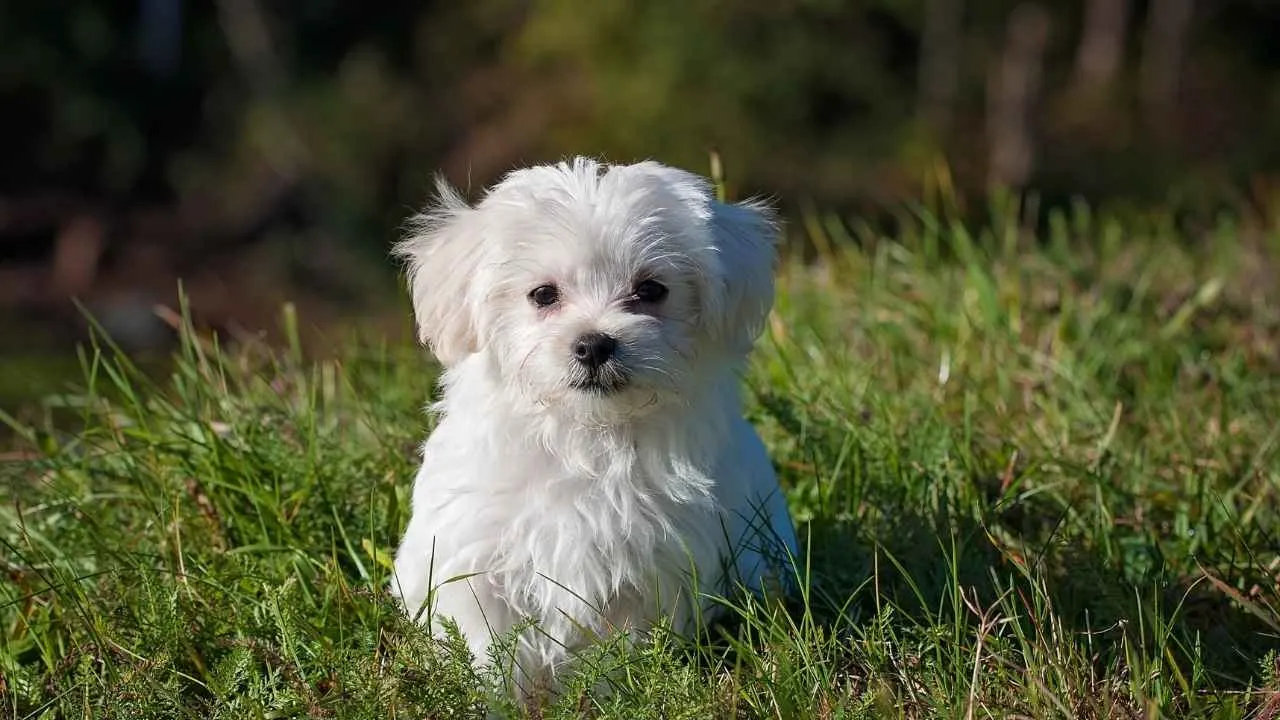
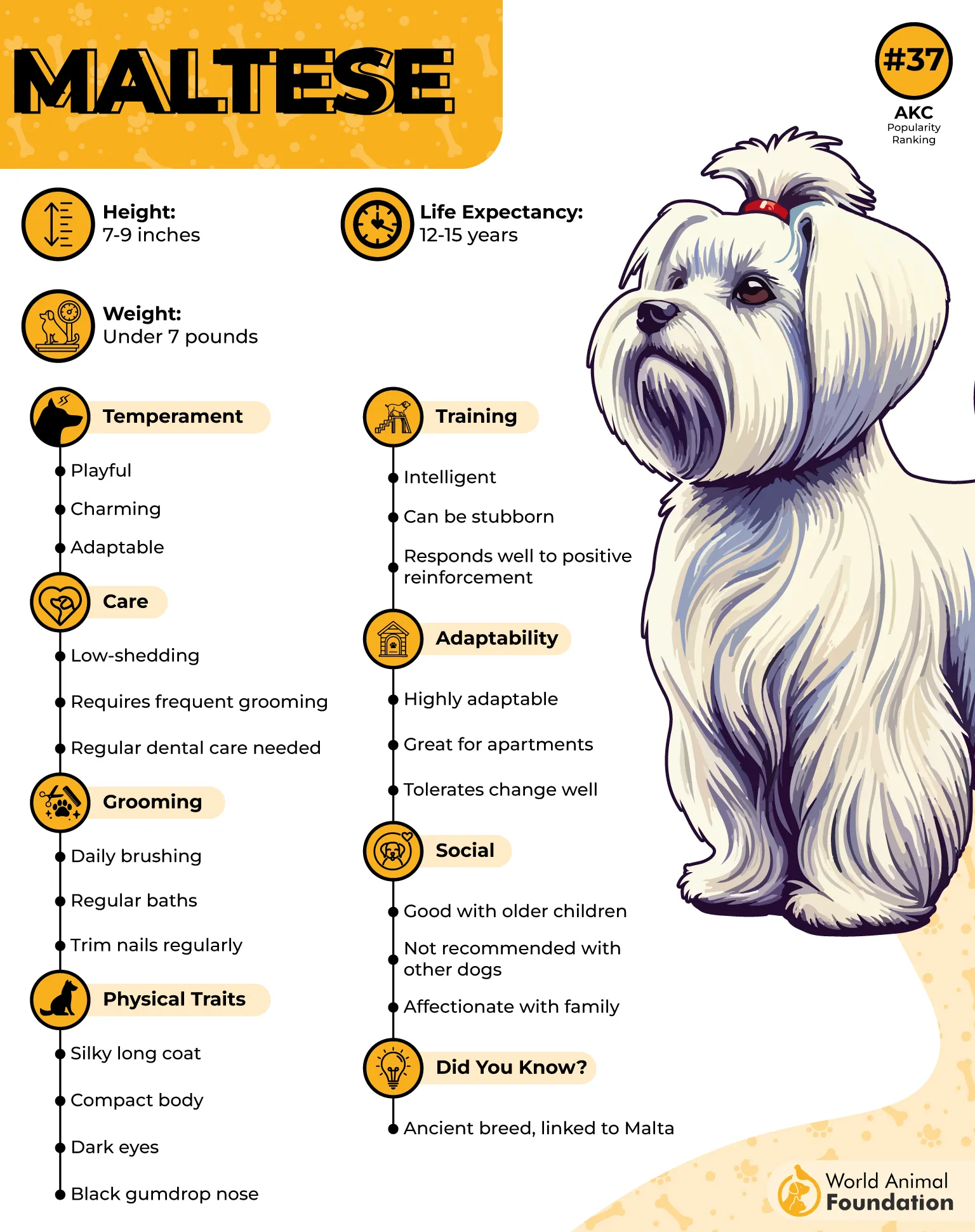
Maltese keeps a lively, puppy-like energy well into adulthood, often turning simple moments into playful interactions. This small companion thrives on attention and prefers staying close, usually settling right into a familiar lap. Its affectionate nature shapes how it connects with people throughout the day.
Family Interaction
This family dog shows a natural ease around children, especially in homes where gentle handling is encouraged. Its playful attitude keeps young kids engaged without overwhelming them, while its need for closeness builds steady companionship.
These small behaviors bring it to life:
Enjoys interactive play without roughness
Welcomes guests with friendly enthusiasm
Stays content with short activity bursts
Social Behavior
Maltese responds quickly to training, making it easier to guide behavior such as barking at the door. It tends to greet newcomers warmly after the initial alert, keeping the environment friendly rather than tense. This balance supports a home where interaction stays calm and welcoming.
Conclusion
Selecting the right toy breed for a home with children comes down to more than size or appearance. It is about how the dog responds to noise, movement, and constant interaction throughout the day.
For apartment dwellers and active families alike, a kid-friendly companion that is both highly affectionate and fun-loving can adapt more naturally to shared routines.
Pet parents often notice how some dogs stay patient and engaged, while others need clearer boundaries to feel secure. When that balance is right, the relationship grows naturally.
Children learn care and respect, while the dog becomes a steady part of daily life. Over time, that connection builds trust and comfort, turning simple moments into something lasting, where both the child and the dog adjust, respond, and grow together.
