




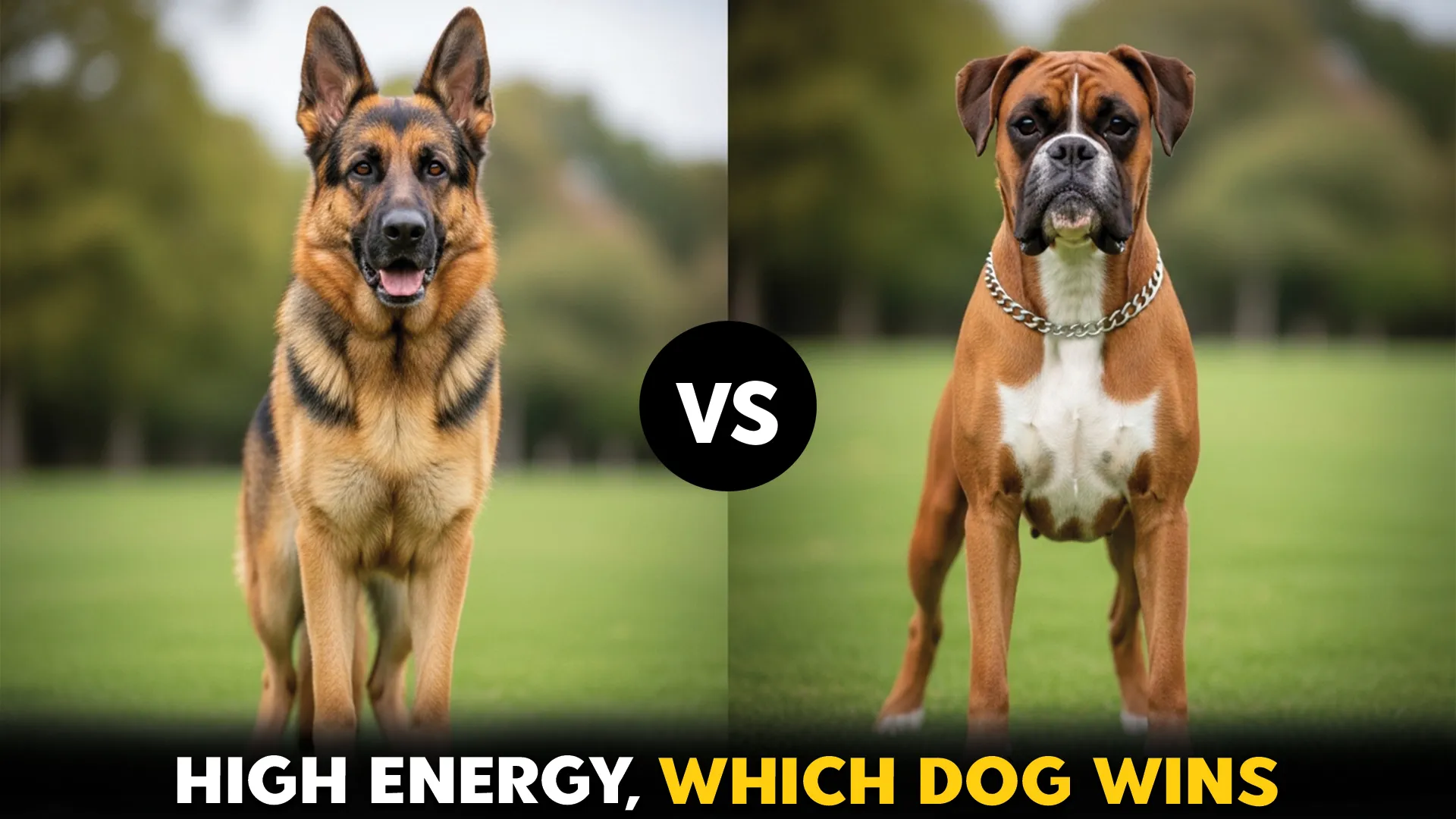
People often get confused when they have an equal amount of love and passion for two dog breeds. The same is the case with the German Shepherd and Boxer. They both look equally good in pictures and have a great fan following throughout the globe, but there is one trait where they are both very different, and that is their energy levels.
When you choose a dog breed that does not fit your lifestyle in terms of energy level or temperament, it may cause frustration, destruction, and even health-related problems. This is why it is important to know how these dog breeds move, think, and expend energy, as well as how they stand compared to other breeds.
This detailed comparison dissects it all, including physical characteristics to mental stimulation, in order to identify which breed would fit your everyday life and personality better.
German Shepherd vs Boxer: Comparing Energy Levels In Dog Breeds
While both breeds are famous for their athletic builds, understanding the distinct way a German Shepherd’s focused drive compares to a Boxer’s high-energy playfulness is key to finding your right match.
Size & Build
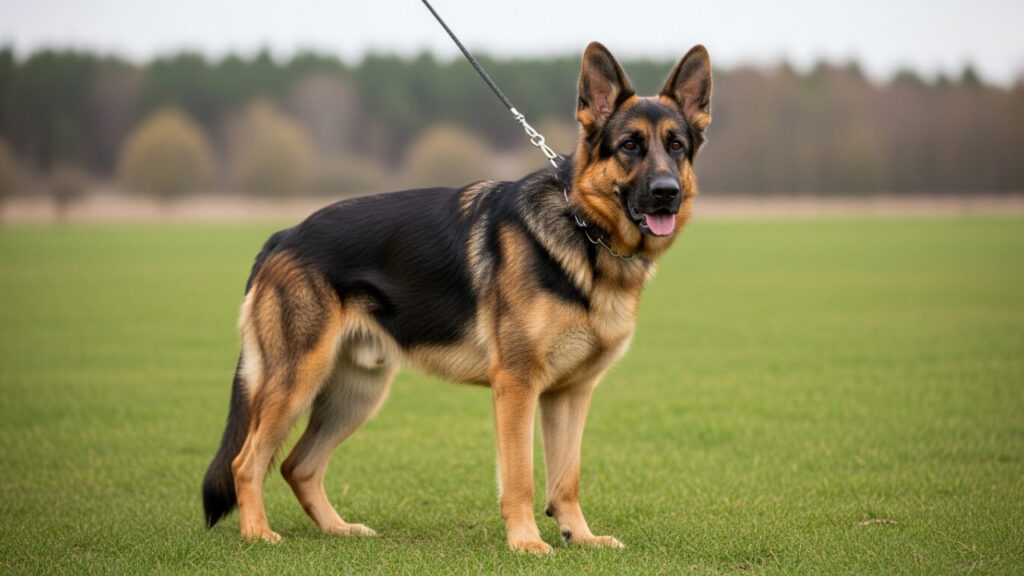
The German Shepherd is a large, athletic working dog breed with a powerful and muscular frame and is strong in structure. The male is usually 65-90 pounds, which means that the body is a bit longer and the body is able to support demanding and sustained activity in general.

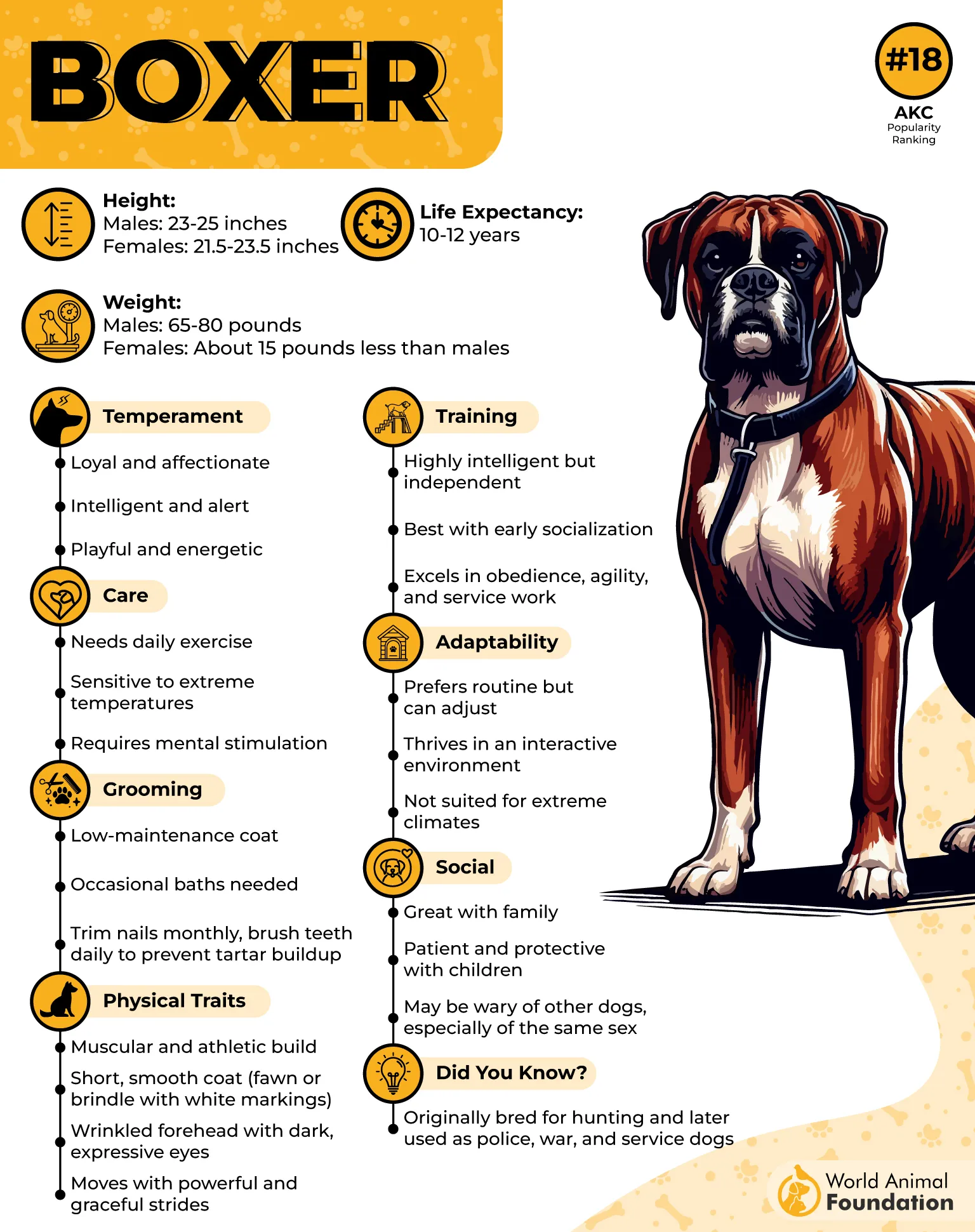
The Boxer, on the other hand, is compact and square. They typically weigh 55-70 pounds and are more robust when it comes to their physical build.
What This Means For Energy:
GSD dogs are designed to work for longer periods of time
Boxers are constructed to work in short bursts of energy and intense activity
The structural difference has a direct impact on the energy utilization of each breed during the day.
Coat & Grooming
The German Shepherd has a thick 2-coat which sheds off greatly, particularly in seasonal changes. Shedding and keeping the skin healthy requires frequent brushing (2-3 times a week).
Boxers have a shiny, short coat, as per VCA Animal Hospitals. It does not require a lot of grooming as they do not shed so much, yet they do benefit from the advantage of a weekly brush.
Energy Connection:
Although grooming does have a direct influence on energy levels, the condition of the coats can cause skin irritation, and this aspect may lower the level of activity in the long run.
Regular grooming is required and recommended to help in understanding and maintaining good health and comfort, particularly in active breeds.
Temperament & Personality
German Shepherds had their origins in Germany, and they are characterized by devotion, loyalty, and protection. They are intrinsically vigilant and usually like organized settings where they tend to play a specific role.
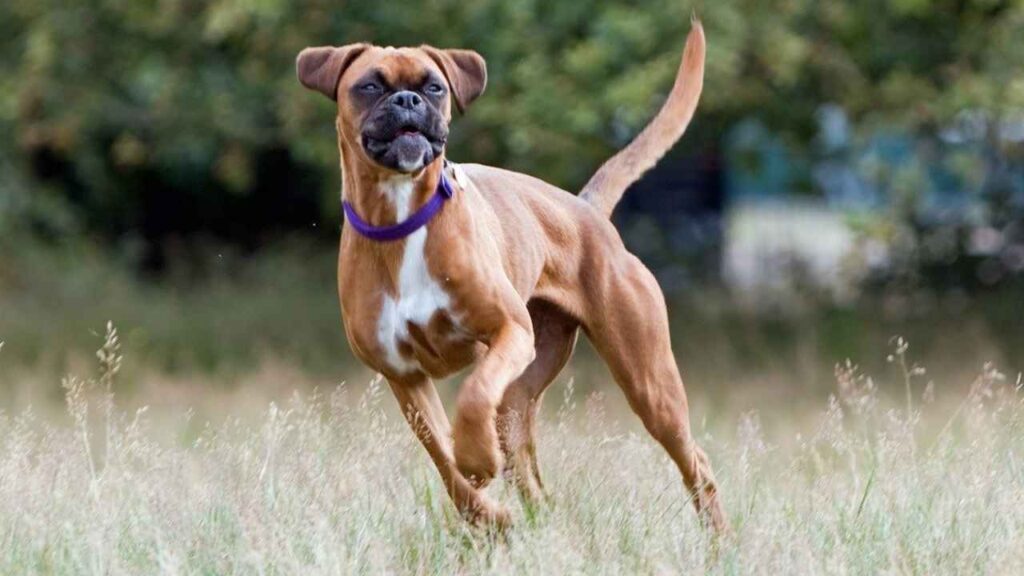
Britannica states that although Boxers may look grumpy to potential owners, they are playful, goofy, affectionate, and emotional dogs. They are social creatures, and they are normally referred to as eternal playful puppies due to their cheerful nature and temperament in the family.
Energy Difference:
German Shepherd: Intentional vitality
Boxer: Is light-hearted, rogue-like
That is why a German Shepherd can remain inactive inside the house when it is mentally satisfied, whereas a Boxer will play more often and play in any environment.
Trainability & Intelligence
German Shepherds are one of the smartest breeds of dogs. They are taught to obey commands quickly and perform excellently in the roles of obedience, protection, and service.
Boxers are smart and obstinate and get easily distracted sometimes. They need to be trained and taught new commands patiently, through consistent, positive, powerful reinforcement.
Energy Impact:
German Shepherds are highly intelligent and need more than just physical exercise; they also require mental challenges and a sense of purpose to stay truly satisfied.
Boxers, on the other hand, require more physical play to dissipate energy.
Highly intelligent breeds thrive on structure and training, as keeping them engaged helps prevent destructive behaviors caused by boredom.
Energy Levels & Styles Of Activity:
Here is where the actual difference is made clear.
German Shepherd:
Full of energy, focused, and controlled
Capable of staying calm when mentally involved
Instructors organize activities such as training, tracking, or agility
Boxer:
Very active, playful, and fun
Requires active periods of exercise
Likes running, jumping, and interactive games
Key Insight:
The energy of a German Shepherd is that of a marathon runner, cumulative and enduring.
The energy of a Boxer is like a sprinter; fierce, frequent, and repeated during the day.
Exercise & Lifestyle Needs
The amount of physical and mental activities that German Shepherds need to have on a daily basis is 60-90 minutes. The perfect routine involves long walks, obedience training, and problem-solving games that they can learn.
Boxers also require approximately 60-90 minutes a day; however, their activities should include high-intensity playing like fetch, running, or agility.
Lifestyle Match:
German Shepherd – Ideal when following a structured and disciplined routine
Boxer – Most suitable in active and playful families.
Because they are high-energy breeds, anxiety and destructive behavior may result due to a lack of activities.
Mental Stimulation Needs
German Shepherds can be mentally challenged. They would otherwise get bored, nervous, or overprotective. Hills Pet Nutrition states that these guard dogs should have socialization and obedience training at an early age to prevent over-guarding and aggressive behavior.
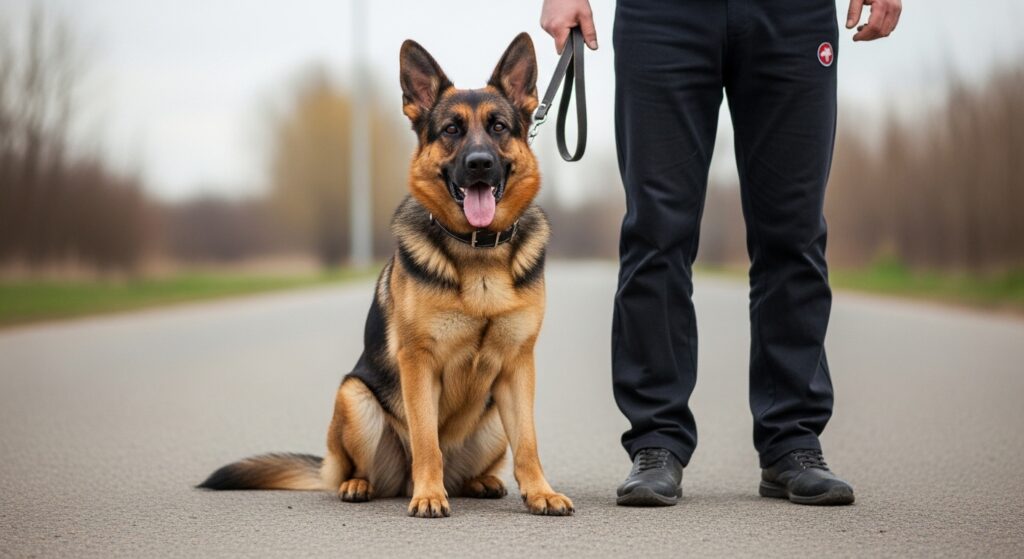
Boxers need some mental activity as well, though they are more lenient if they have enough physical activity.
Examples:
German Shepherd: Scent work, puzzle toys, training activities
Boxer: Plays games, interactive toys, and short training sessions
Physical exercise is as important as mental enrichment in avoiding behavioral problems.
Health & Lifespan
German Shepherds have a lifespan of 9-13 years, with Boxers having a lifespan of 10-12 years.
Health Risk In German Shepherds:
Hip and elbow dysplasia
Degenerative myelopathy
Bloat
Health Risk In Boxers:
Cancer (common in the breed)
Heart diseases (cardiomyopathy)
Brachycephalic, difficulty in breathing
Energy Connection:
The level of activity can be directly influenced by health problems. Incidentally, the joint issues in German Shepherds can decrease the stamina, whereas heart problems in Boxers can restrict vigorous exercises.
Focus should be placed on preventive treatment and screening at an earlier stage to maintain long-term activity and health.
Family Suitability & Management
German Shepherds are suitable for families that have the capacity to offer structure, training, and leadership. They are guardians, and they might be withdrawn from strangers as compared to Boxers.
Boxers are good with families that prefer to have a fun-loving and energetic companion. They are also much more social, and they tend to be very good with children.
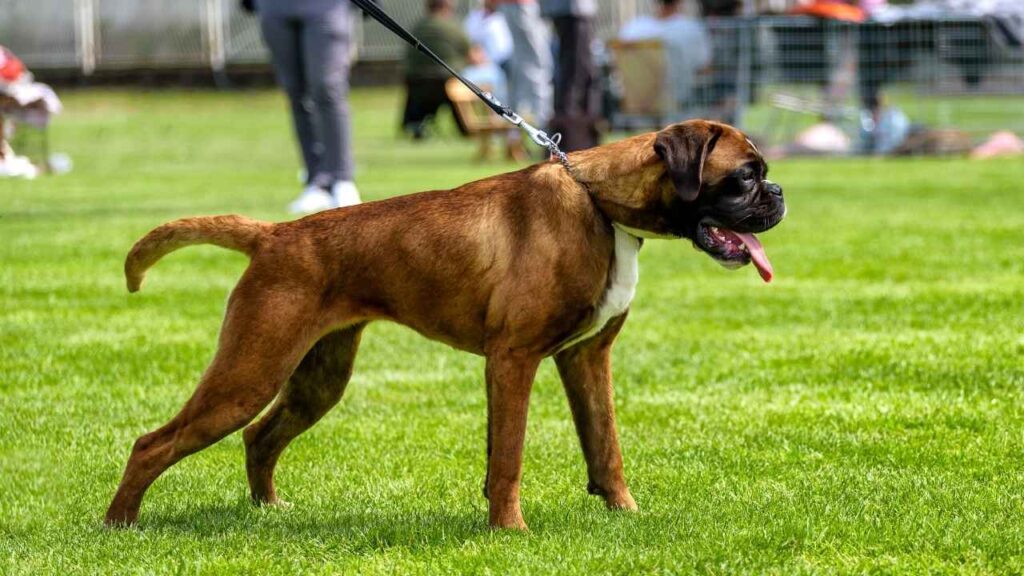
Handling Differences:
Requires firm, consistent training
Requires indulgence, frequent outlets
Energy Match With Families:
Homes with a serene environment
Homes with an active and playful lifestyle
Conclusion
Both the Boxer and German Shepherd are excellent home pets, but have different variations in energy output.
If you like a pet who responds well to mental challenges and a structured approach, then choose the all-time alert German Shepherd.
Select a Boxer when you need a fun, energetic friend who is full of adventure and fun.
The right decision to purchase the dog is always determined by the lifestyle, amount of time, and energy as an owner.
Not only is a fit dog easier to control, but it will also result in a better relationship, behavior, and happier life together.
