




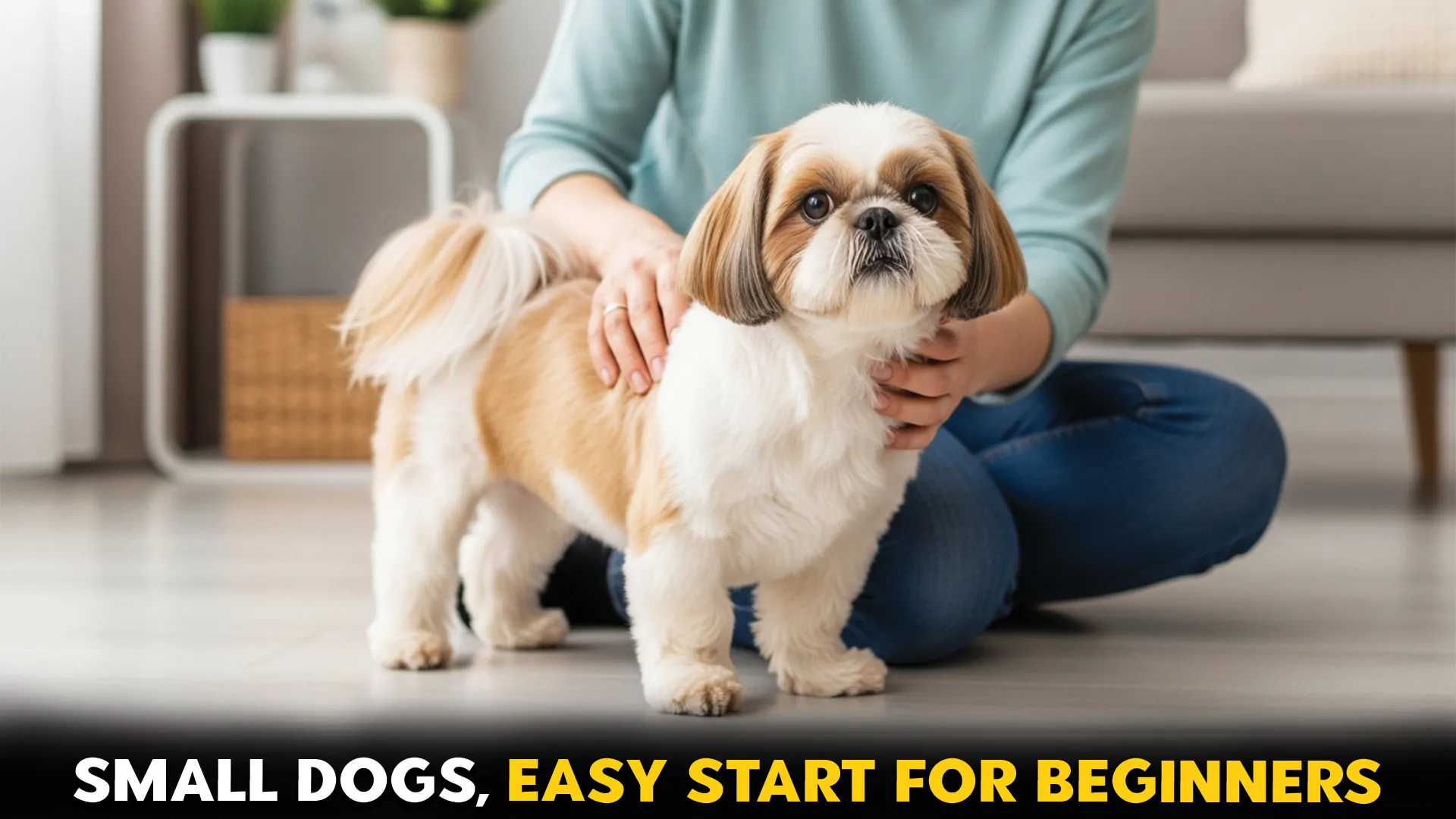
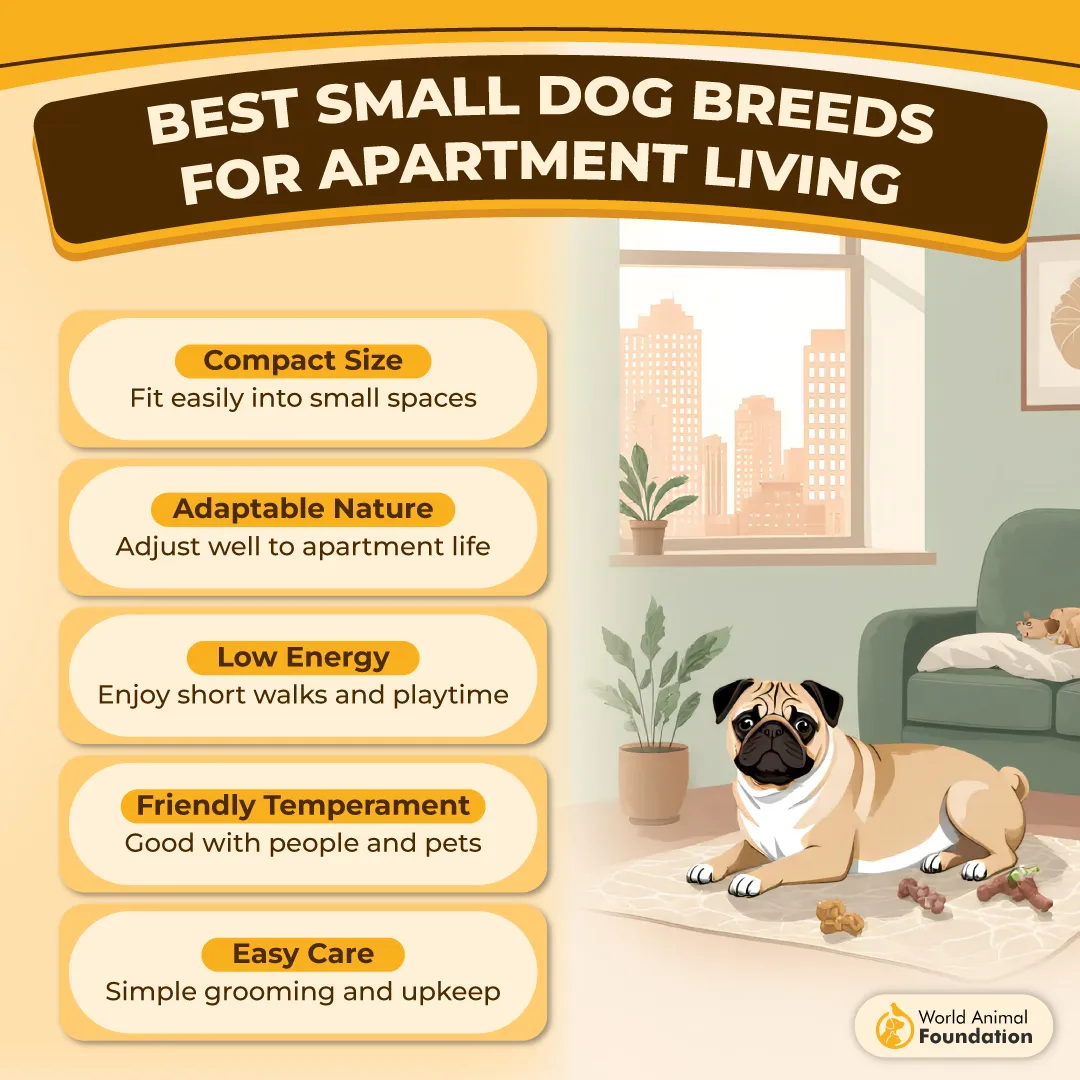
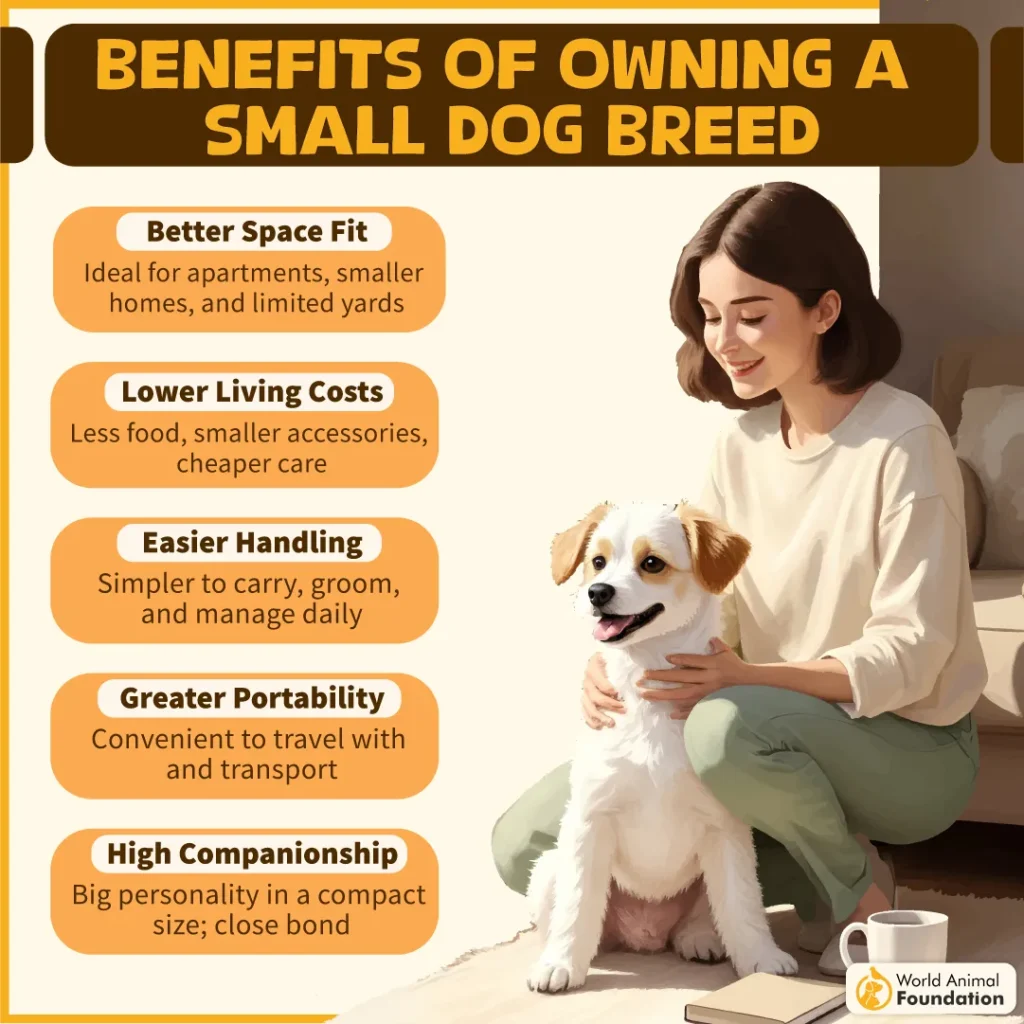
On the one hand, it is fun to get a pet for the first time in your life. On the other hand, it may prove to be a stressful affair unless you decide on the perfect small dog breed for you. Smaller dog breeds (less than 22 pounds) tend to be easier to handle, adaptable to apartment living or living indoors, and are not as physically demanding compared to other dog breeds.
With that said, a dog does not become beginner-friendly because of its size. The best dog for first-time owners is one that is emotionally stable, easy to train, flexible, and does not require too much exercise or have exhaustive grooming needs. There are even some small dog breeds that are stubborn or high maintenance, and therefore, making a good choice is essential.
This guide will cover seven of the best small dog breeds under 22 pounds or less that are ideal for first-time owners, with a particular emphasis on real-world ownership. Temperament, trainability, grooming needs, and lifestyle traits will all be taken into account. Let’s check out!
Best Dog Breeds Under 22 Pounds for Beginner Owners
1. Cavalier King Charles Spaniel
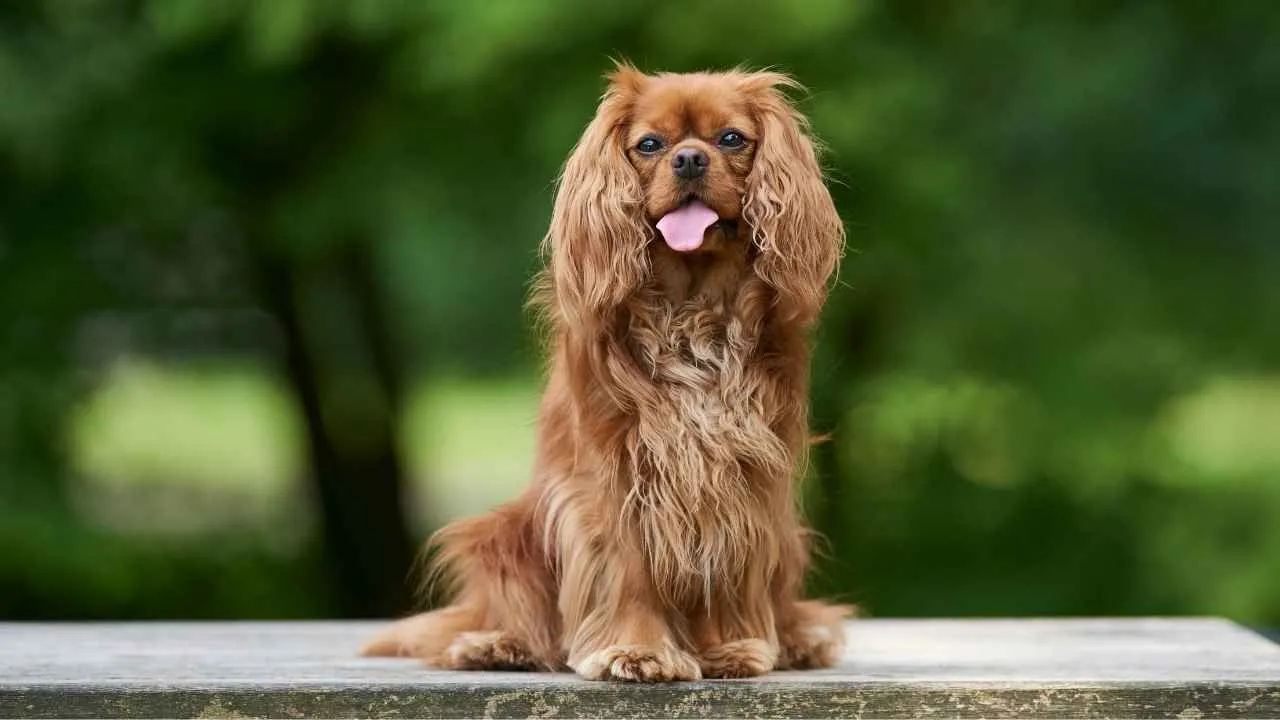
Orvis states that what the Cavalier King Charles Spaniel lacks in size, it makes up for in charm. They are a safe option for inexperienced dog owners.
This small dog is exceptionally well-balanced. They are not clingy, not hyper, and not overwhelming with their affectionate nature. Cavaliers automatically adjust to the lifestyle of their owner; they are satisfied with daily walks or even lazy days at home.
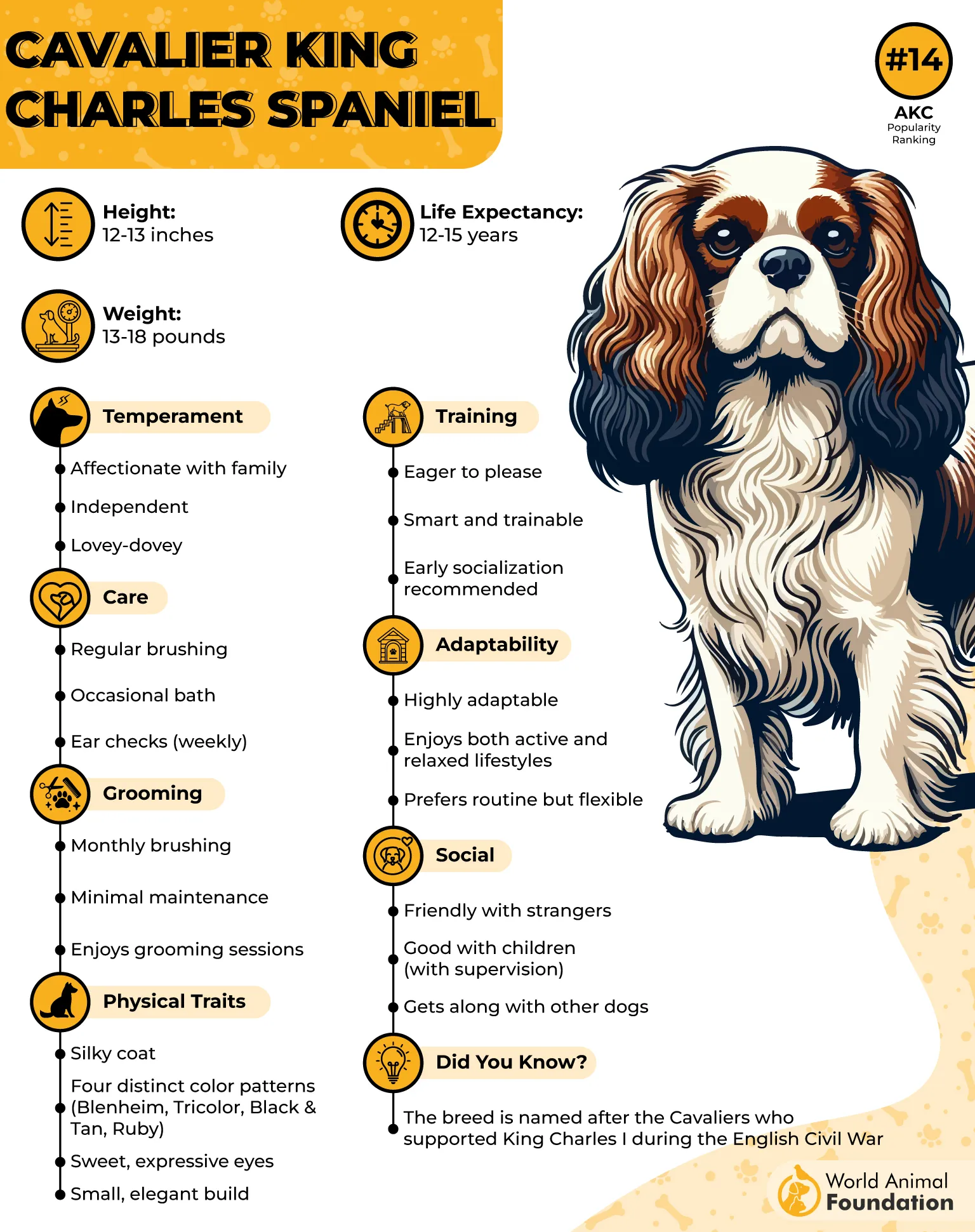
Their soft and instinctive character is what is unique about them. They are very sensitive to human companionship and get along with all people and other animals, including children, guests, and even other pets. This renders them as one of the safest options for first-time owners.
The process of training them tends to be easy since they are eager to please. They do not normally exhibit obstinate behavior, but even simple consistency is sufficient to mould good habits.
Their sole actual demerit is grooming. Their silky coat requires regular brushing as these dogs shed, and their ears must be properly cared for lest they develop an infection. Nevertheless, being relatively low-maintenance all in all when compared to other small dog breeds.
2. Shih Tzu
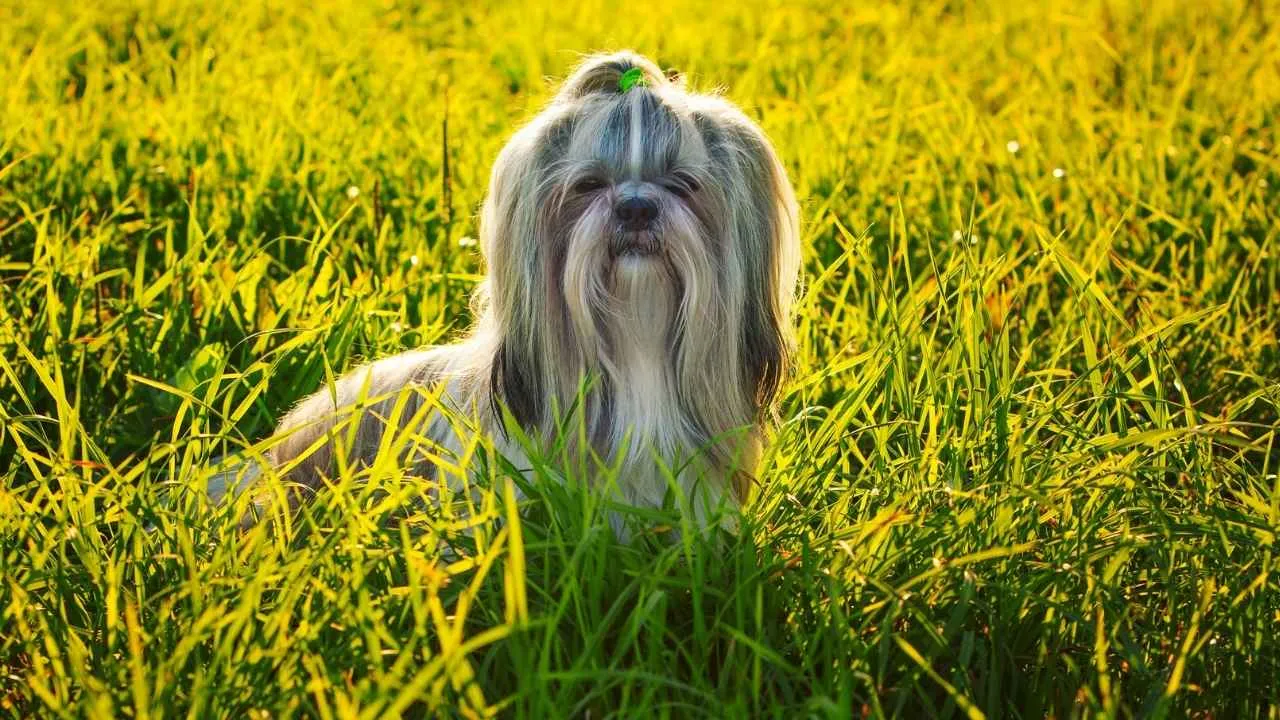
The Shih Tzu is what is meant by a relaxed companion dog. First, a breed of royalty in China, they have never had any other role than to entertain, and it is obvious.
Shih Tzus are happy to lead a slower life, unlike some active dog breeds. They like to walk a short distance and play indoors, but will not insist on regular exercise. This makes them the perfect choice for beginners who might not be in a position to be subjected to high-intensity maintenance exercises.
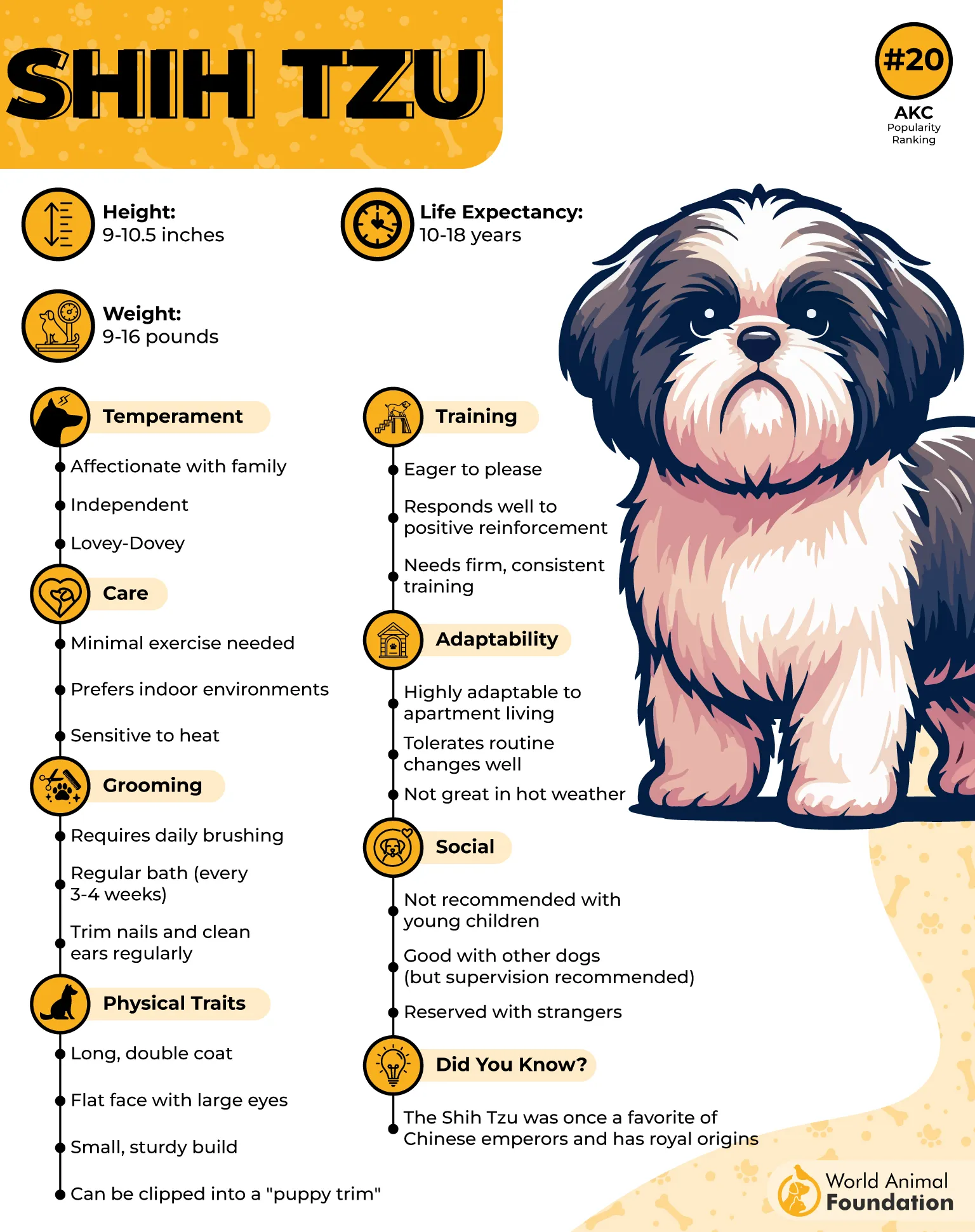
Chewy states that they are easygoing and easy to deal with. They are generally friendly to outsiders, which minimizes the chances of behavioral problems with new pet parents.
Commitment, however, comes in grooming. They require professional grooming as their thick double coat needs to be brushed or trimmed. A shorter cut of the hair, known as a puppy cut, is preferred by many in dog ownership.
A Shih Tzu might take a little longer to train. Training this little dog is not hard, but they may be a bit obstinate. Positive training is most effective when combined with different dog sports.
3. Havanese
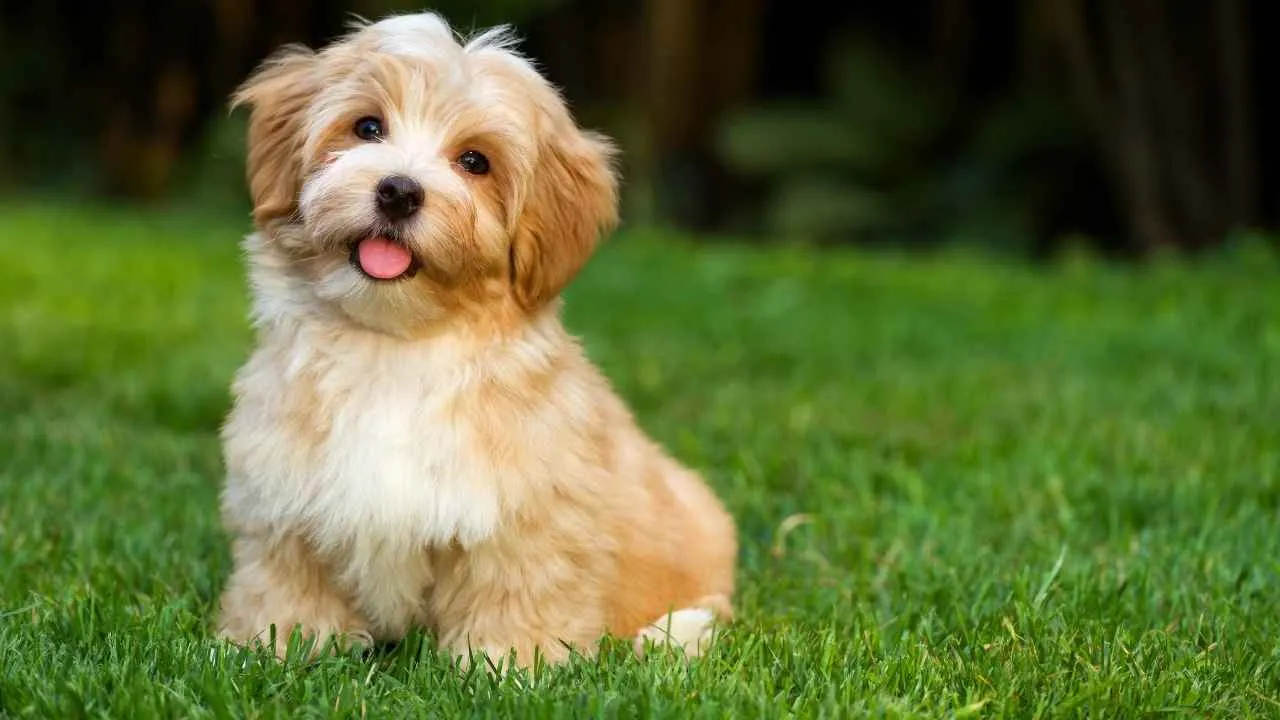
The Havanese is another underestimated small dog. Being originally bred in Cuba, this small dog is intelligent, friendly, and has a playful nature, along with being able to adapt to any and all situations it might come across.
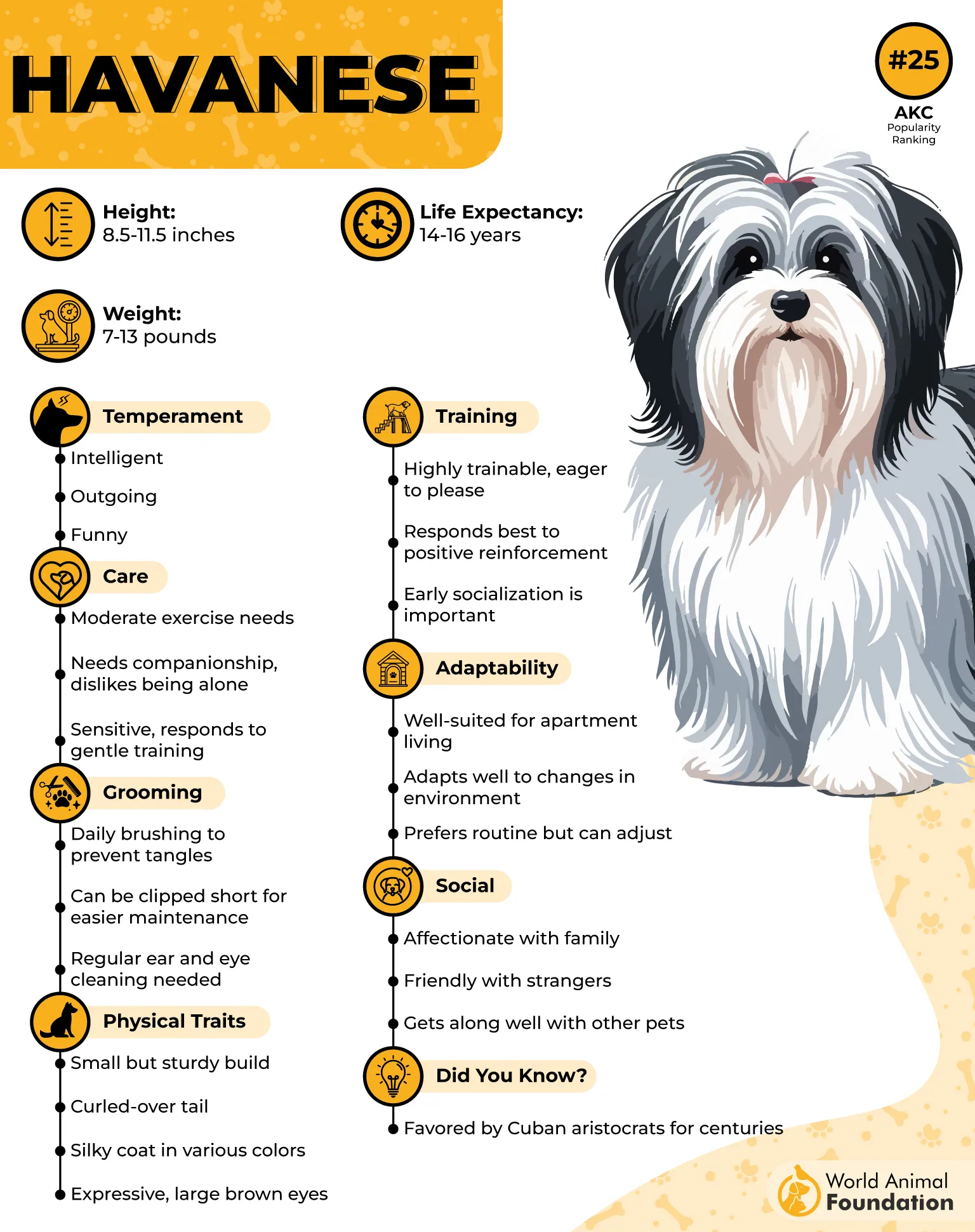
These dogs are very human-oriented and make for wonderful companions as they are social, emotionally stable, and also flexible to any routine changes, unlike some other clingy breeds. They adapt fast, whether you are staying in an apartment or a house.
Trainability is one of their biggest strengths. Havanese dogs are an intelligent breed, and they are eager to please as long as they are provided with proper training, as stated by the American Kennel Club. House training and simple obedience training are much easier for beginners.
They also create a good balance with their energy levels. They like outdoor games and brief outdoor play, but do not require too much high intensity.
They do require frequent brushing of their soft coat to avoid tangles, and that is easy to handle with a regular routine. Regular vet visits will also help them stay in good health.
4. Pug
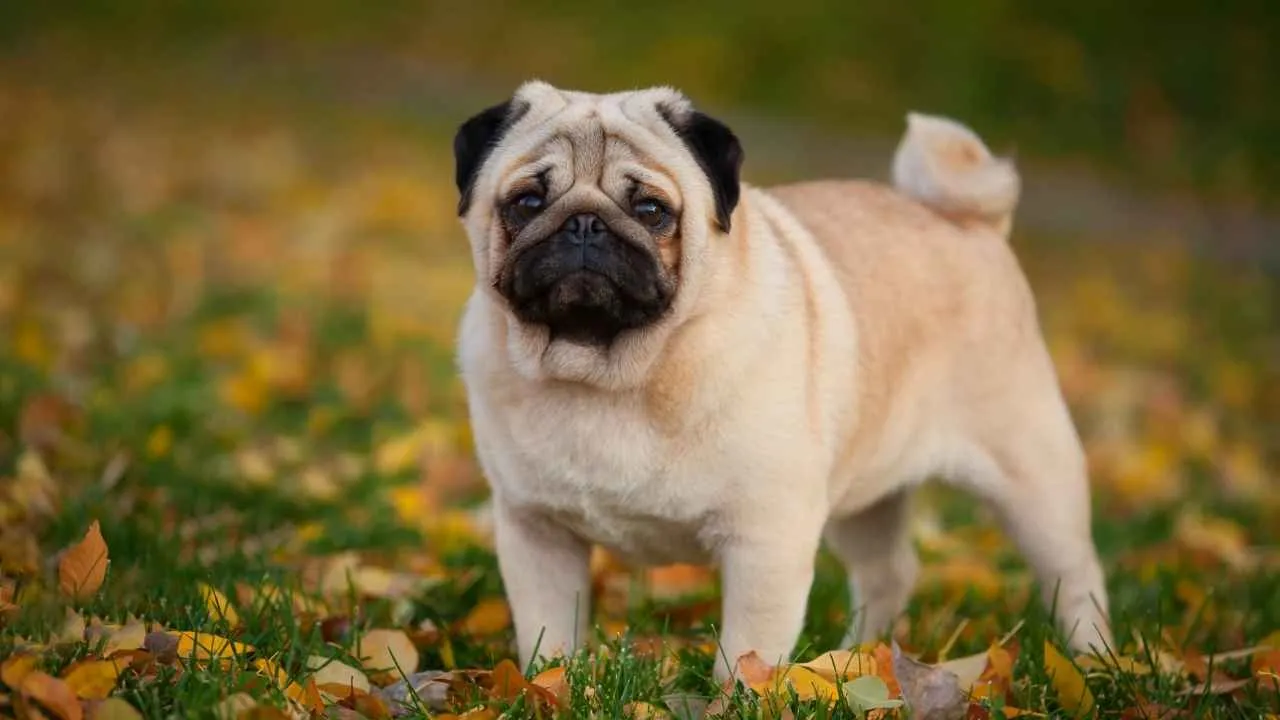
Pugs are big-minded, tiny dogs, and surprisingly easy to take care of.
These canine companions are loving, and they like to associate with human beings. The Pug can be the best dog to keep around you whenever you want to, since it loves your company. They are also, by their nature, pleasant to deal with and therefore are easy to handle in social life.
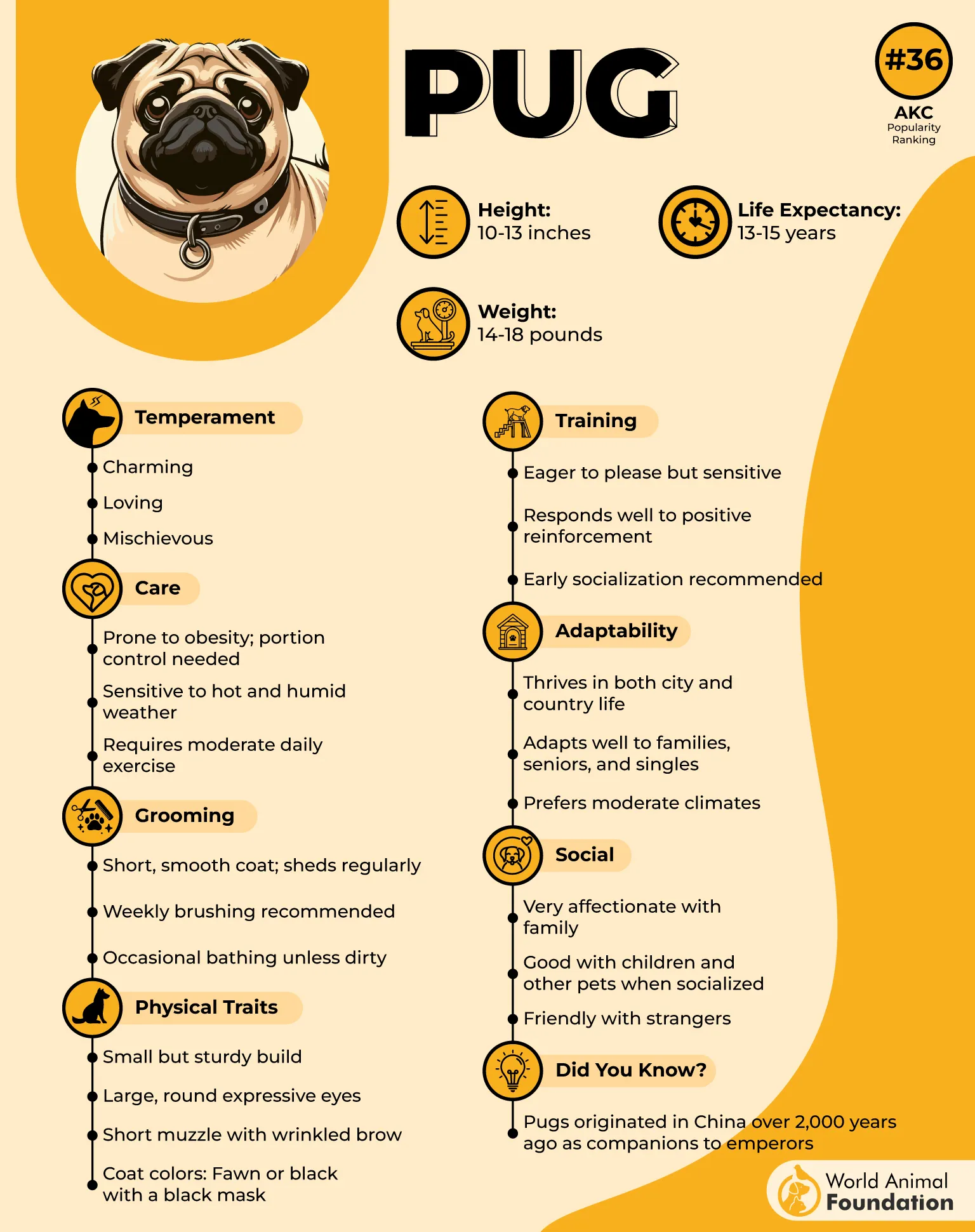
A major strength for first-time users is that they do not require much exercise. A few walks and indoor games are generally enough for this small breed.
Nevertheless, they also need certain attention. Their facial wrinkles should be cleansed periodically, and they are likely to gain weight; thus, diet should be controlled. They also do not withstand heat, and one should remember that in warmer climates.
Training becomes easy, mostly since they are motivated by food, but they are sometimes stubborn.
5. Maltese
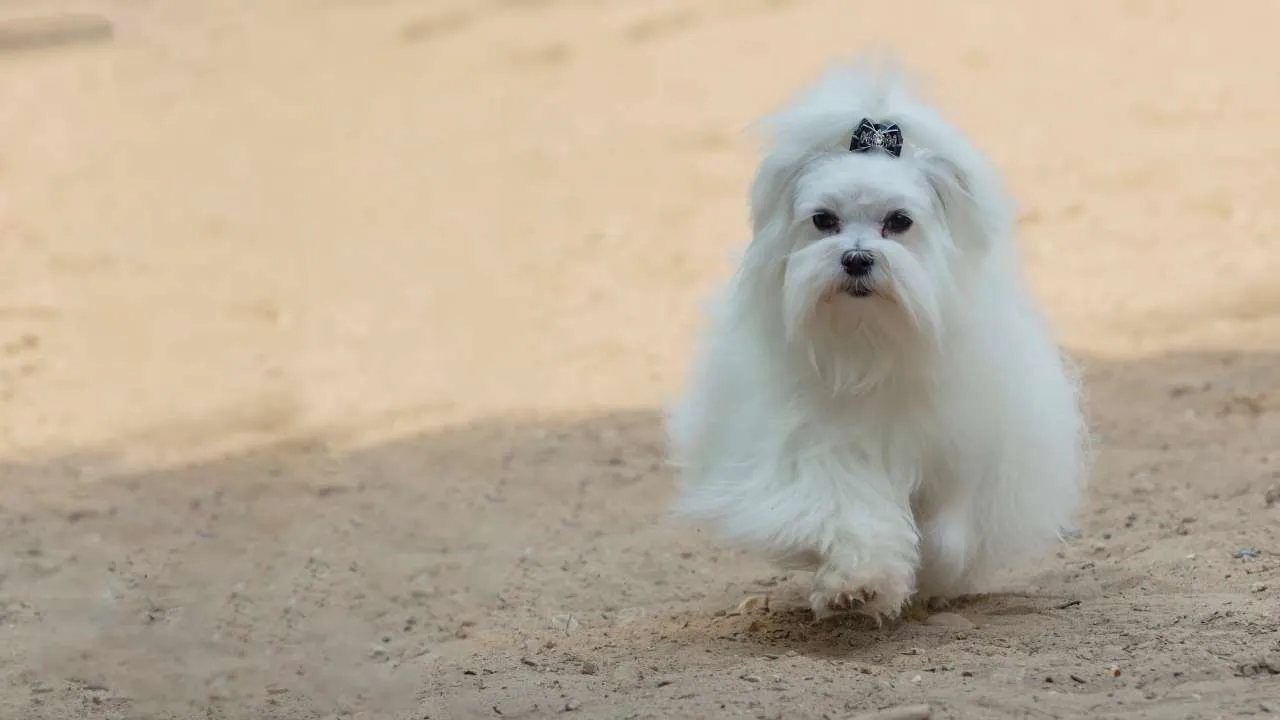
Being much more resistant and playful than this excellent family dog appears, the Maltese is an elegant, small breed.
Although they look delicate, they are very dynamic, vigilant, and rather bold. They develop close relationships with their owners, and they do well in a setting where they are given attention and where they are able to interact.
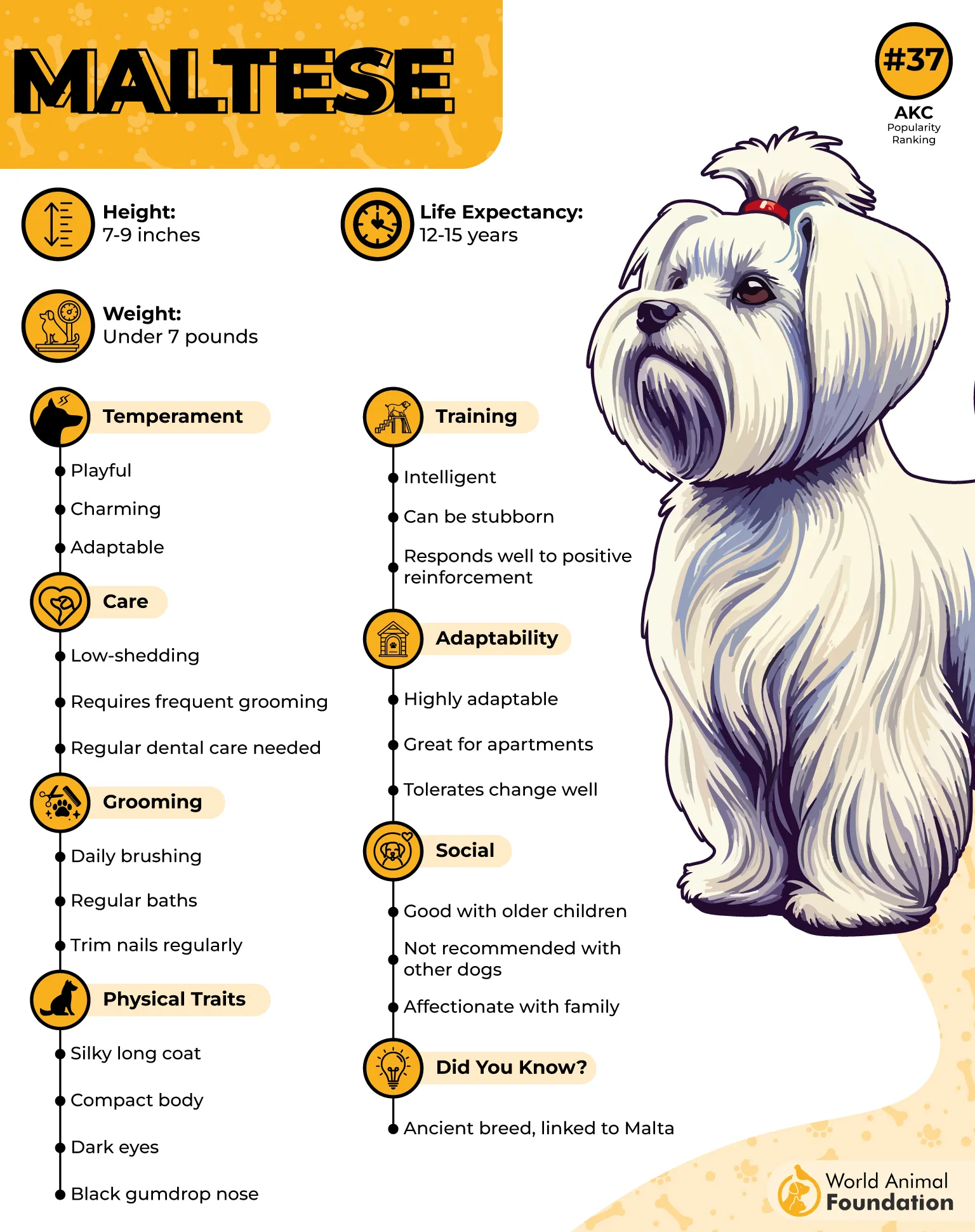
For first-time owners seeking a small dog that is easy to handle, the Maltese is perfect, especially if the individual is afraid of handling larger dogs.
This breed does not have minimal grooming needs but rather the opposite, as far as Maltese dogs are concerned. Since their white, flowing coat is long, it will require regular brushing to avoid matting. Similar to the Shih Tzu, most of the owners have shorter cuts to ease maintenance.
They do not have moderate exercise needs, only short walking and play. This small package does prefer proper mental stimulation to stay engaged enough.
6. Toy Poodle
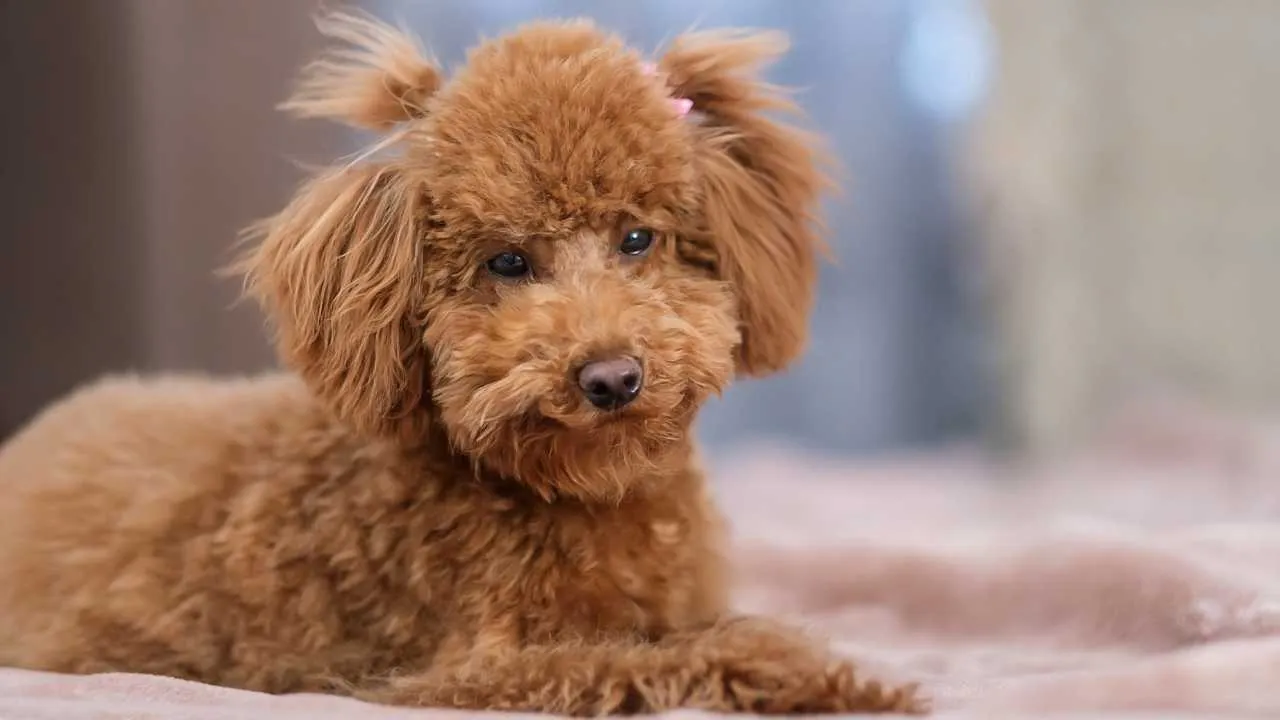
The Toy Poodle is also a great choice, as this is an extremely intelligent breed. This should be understood by beginners. The faster the dog learns what is expected of them, the easier training is, communication is enhanced, and behavioral problems are less likely to take place.
Toy Poodles are very adaptive. As per their personality traits, they are able to live comfortably in apartments, acclimate to various schedules, and are close to their owners.
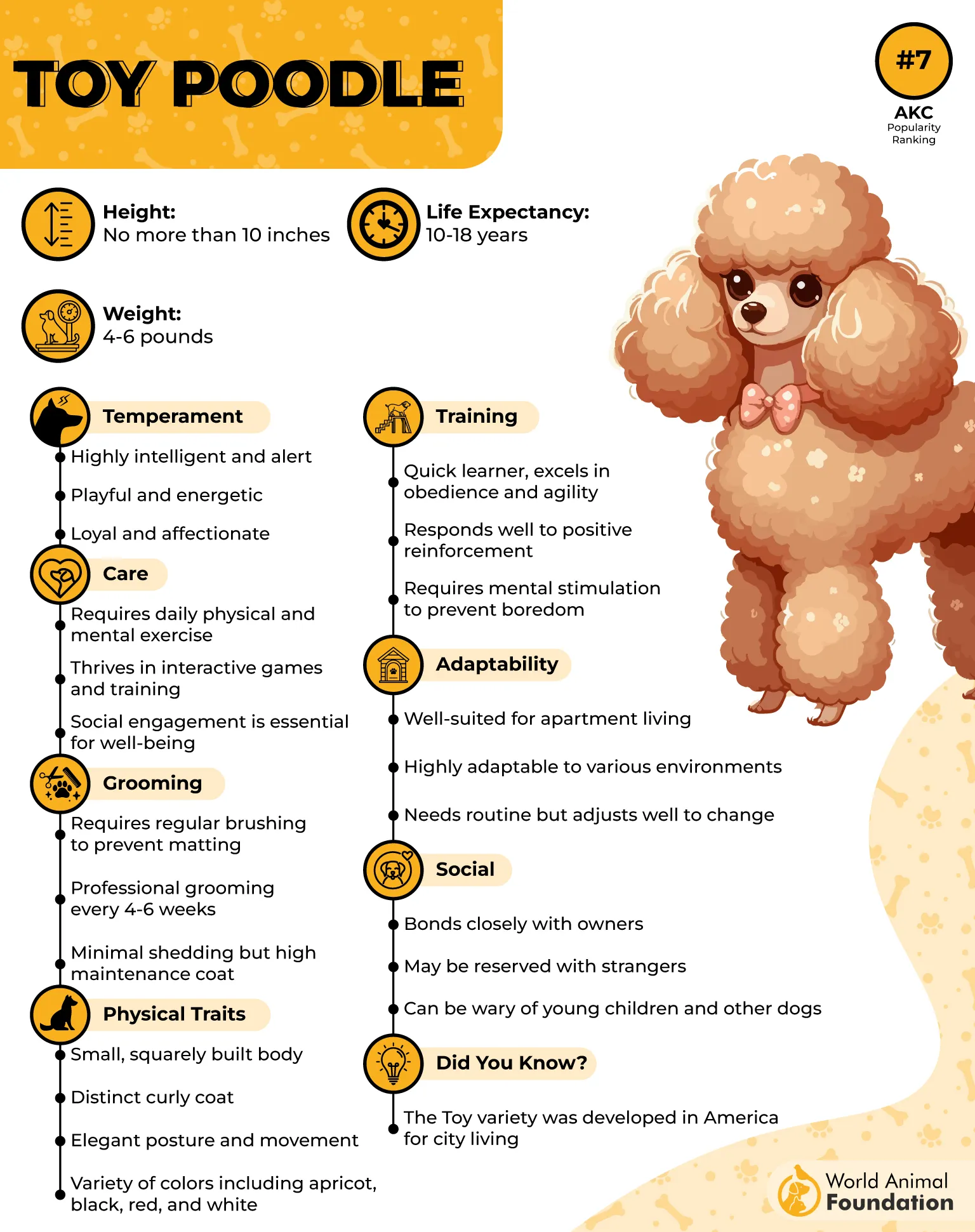
They have a moderate energy level. They walk around and play, and do not need too much physical activity, such as daily walks.
The primary activity here is the extensive grooming that these dogs require. Their curly hair should be taken care of, and this should involve professional grooming after a few weeks.
These dogs are not prone to moderate shedding. Their low-shedding (and sometimes hypoallergenic) coat, however, is a great advantage to many more owners.
7. Bichon Frise
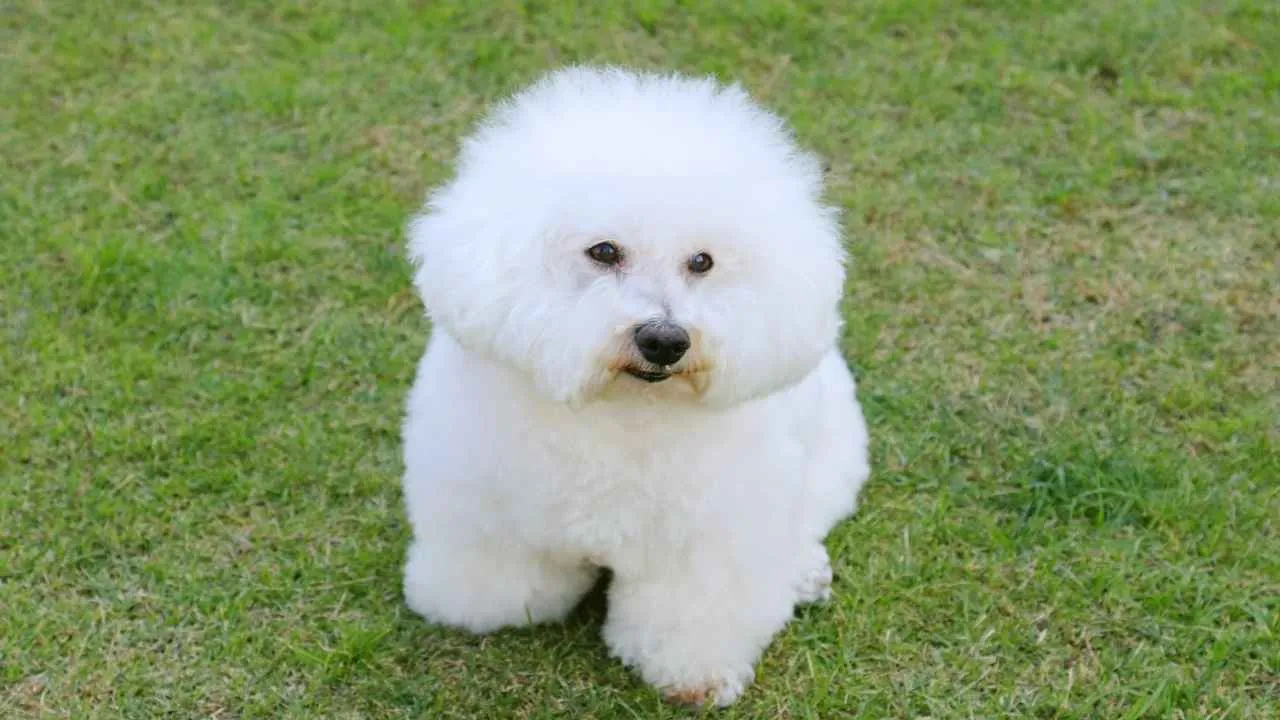
Purina states that Bichon Frise is French for “curly lap dog.” These small dogs are said to be happy, and that is not a mere exaggeration.
This pup is vivacious, hospitable, and of course, social. They are seldom aggressive and are easy to get along with, hence making them a very good option to begin with.
They are also emotionally stable. Bichons are calm and flexible, unlike other breeds that are small breeds; they may end up developing separation anxiety.
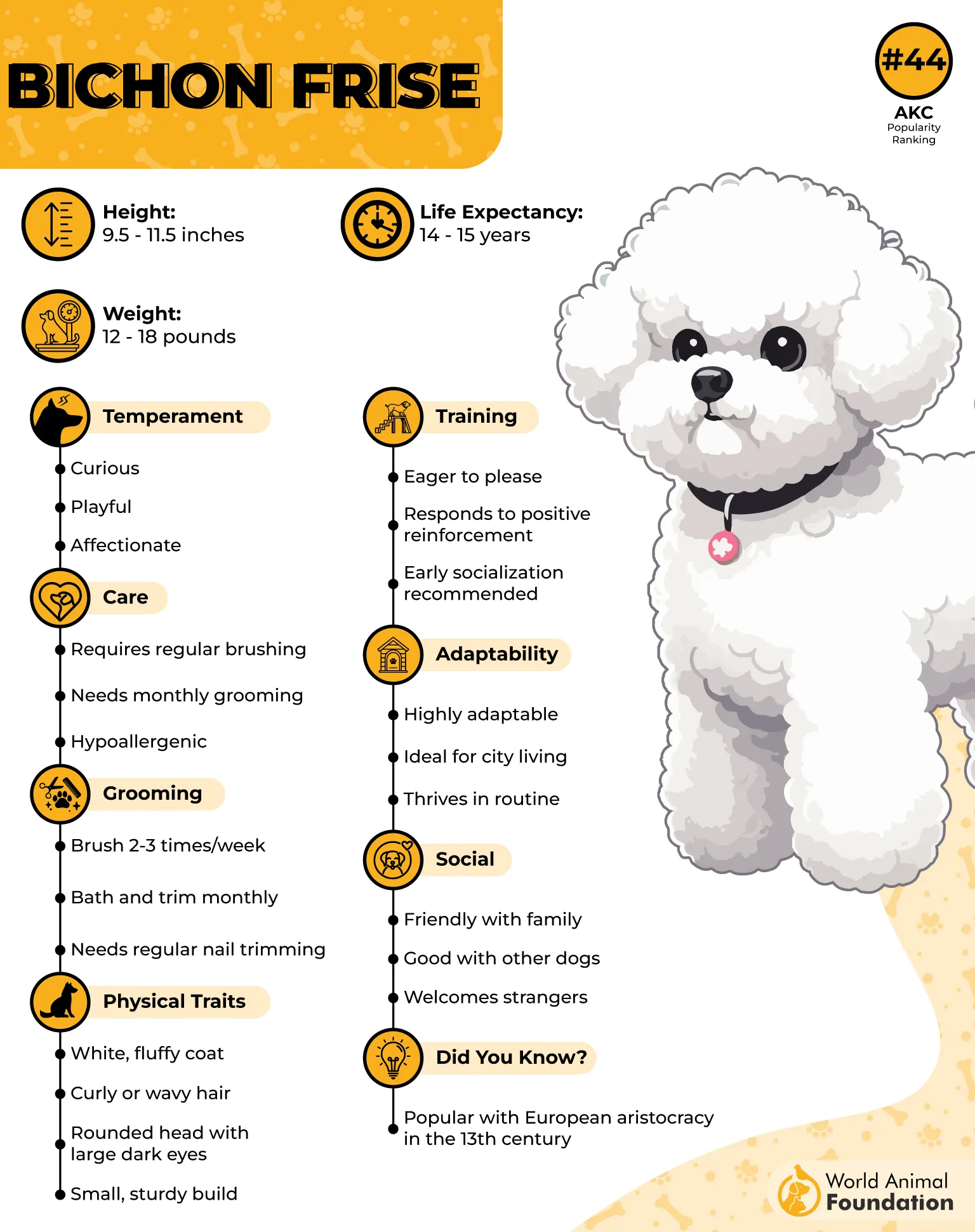
Their activity level is medium. They like to play and walk, but do not insist on high activity.
The primary responsibility is grooming. Their fluffy coats have to be brushed or groomed by a professional in order to keep the shape and cleanliness of the fur.
The difference is that they have a steady temperament. The fluffy dogs are reliable, likeable, and pleasant to co-exist with, which are very important features for first-time owners.
Conclusion
There is no need to make it complex when it comes to choosing your first dog; however, it must be the right one. Even small dogs that weigh less than 22 pounds can make great pets, but the most ideal dogs can be friendly, easily trained and not too large.
That is what a beginner wants, which is not a tiny dog, but an emotionally balanced companion with a big personality that will allow you to cultivate and develop as a pet owner.
You will not just fit your first dog into your life with a correct choice, you will change it.
