




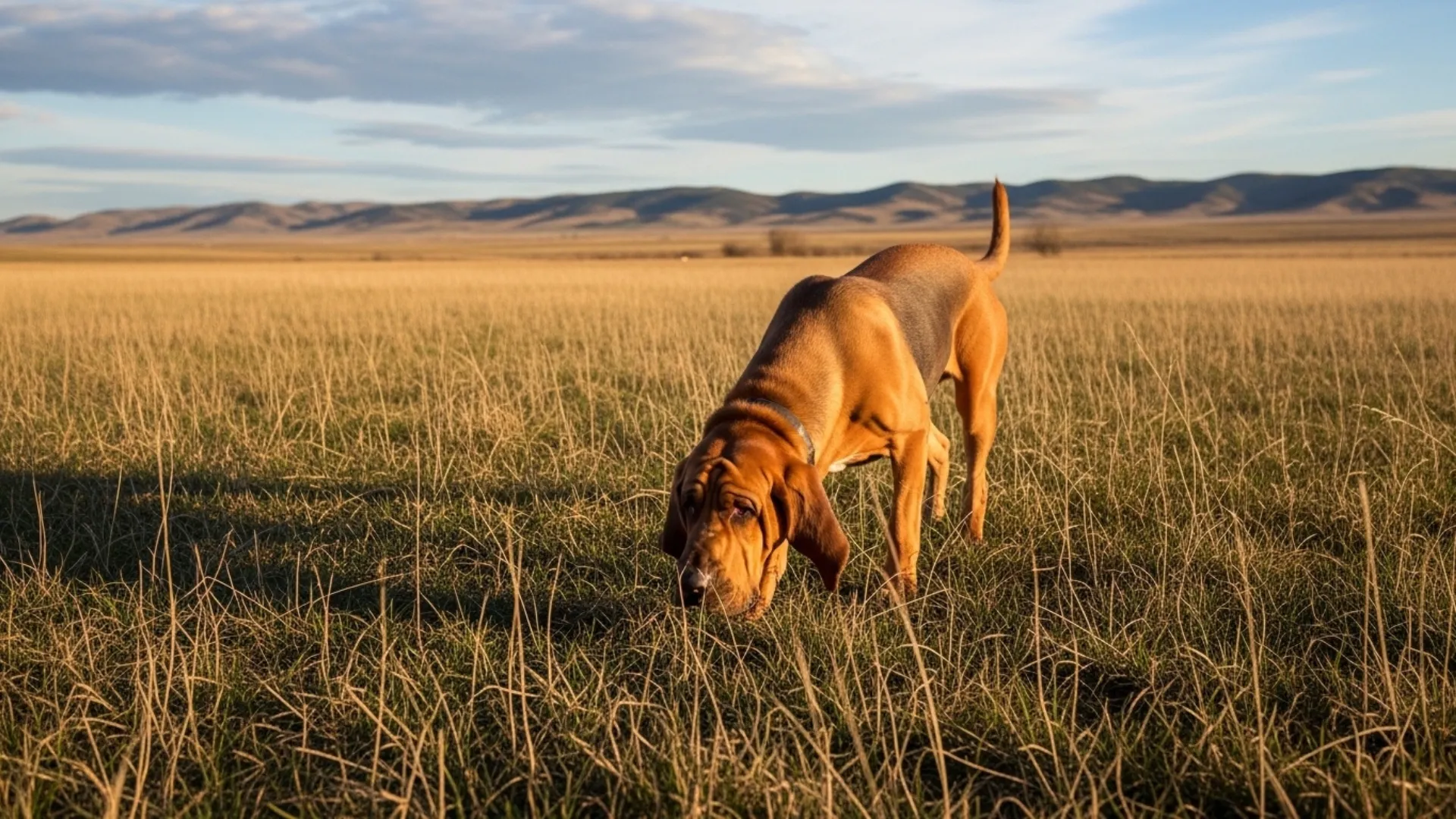
Tracking animals is an age-old practice, and dogs have always been used for this as they are remarkably good and skilful at it. Tracking always demands patience, precision, and an exceptional partnership between humans and dogs.
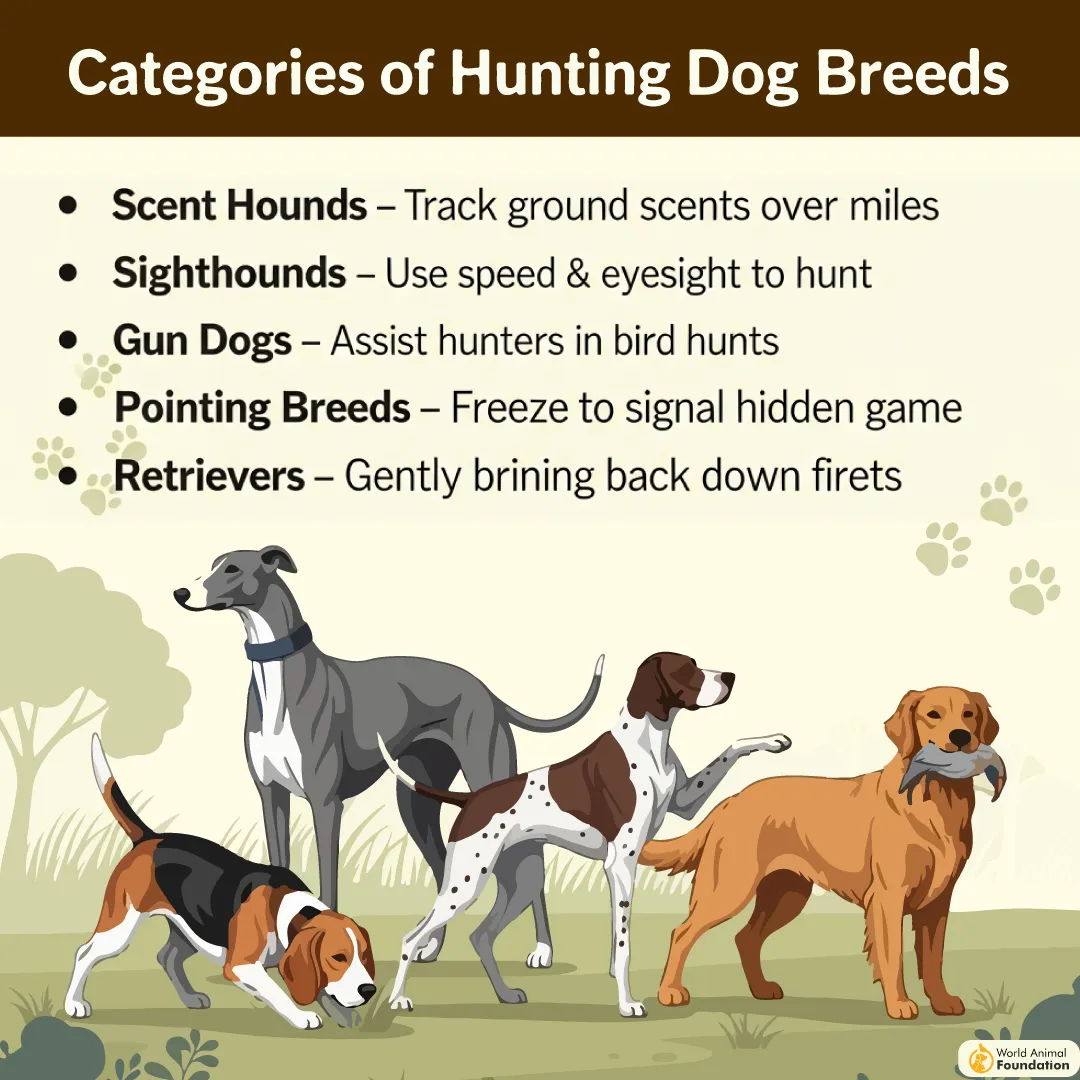
Be it hunting, wildlife research, search and rescue, or use in law enforcement, tracking dogs are bestowed with such an incredible ability to follow scent trails that are unable to be detected by human senses. Interestingly, their keen noses combined with intelligence and endurance make them necessary companions in challenging terrains.
However, not all dogs have tracking abilities. There are certain specialized dogs that excel in detection, stamina, and focus. Such dogs can distinguish between scents and can follow day-old trails without getting exhausted.
In this article, we will explore some of the best tracking dog breeds that actually prove their abilities and skills, and always stand out when it comes to choosing them for tracking.
Best Dog Breeds for Tracking Animals in the Field
There are certain dog breeds well known for their following and tracking skills. Let’s get to know such breeds in detail:
1. Bloodhound
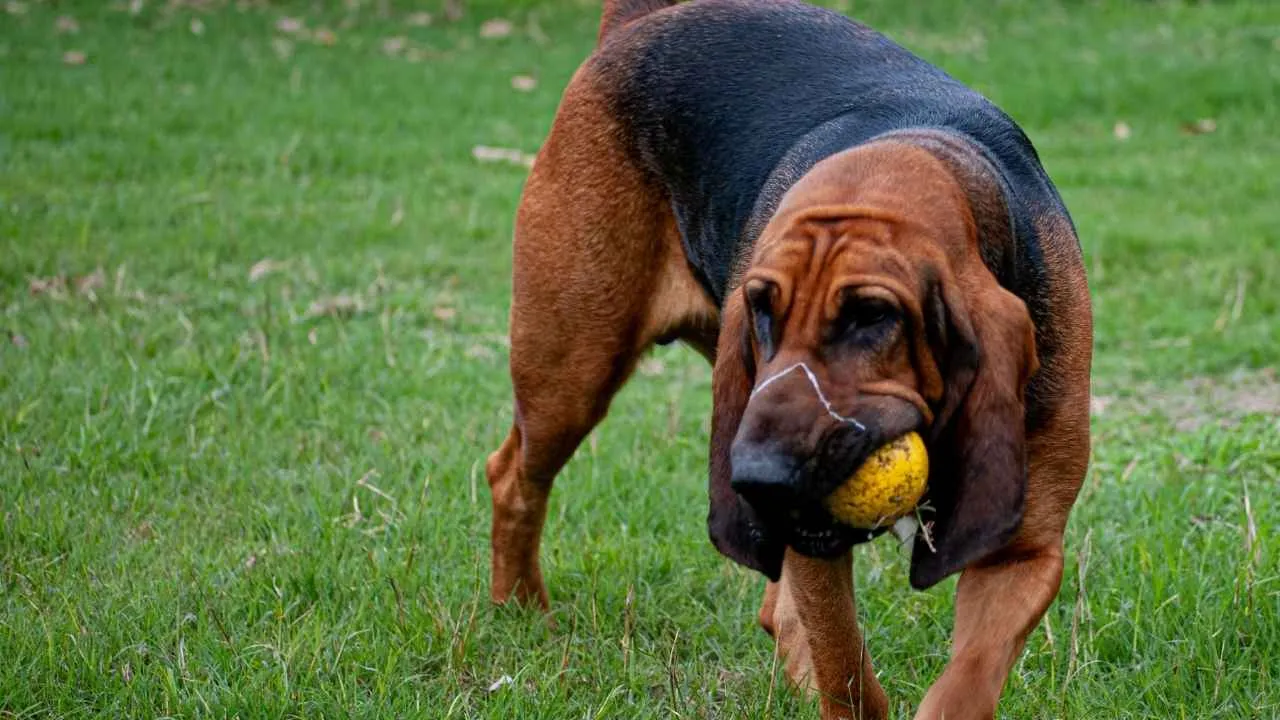
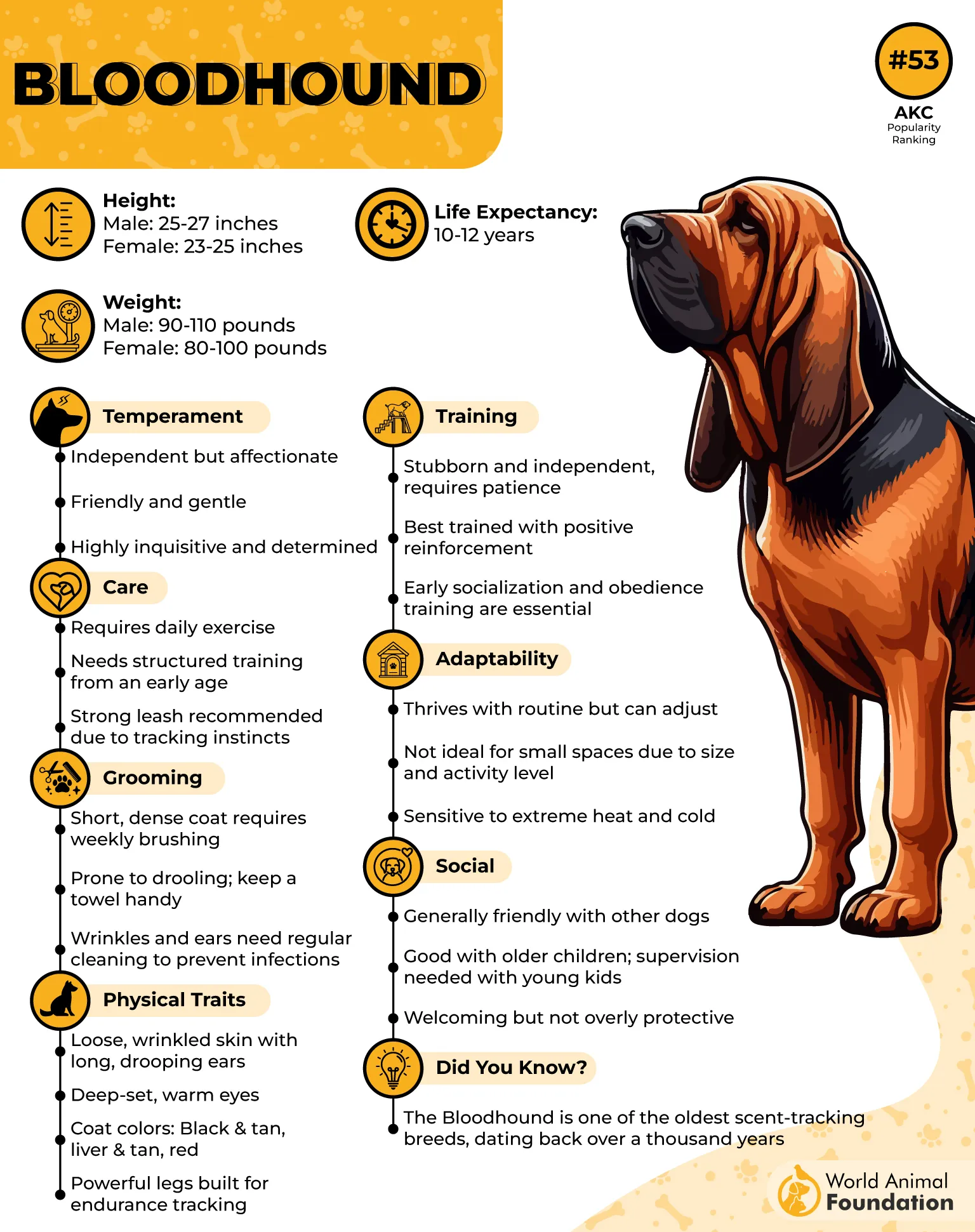
The Bloodhound is a large, Belgian tracking dog breed that has an affectionate and easygoing temperament. One of its dominating features is its wrinkled face and lazy gait, which is sometimes funny. It is a dog breed with floppy ears, which makes it distinctive to look at.
Since its name is Bloodhound, that does not make it aggressive. It enjoys the company of kids, other dogs, and is more like a family friend by forming a strong bond with the family members.
Why well-suited for tracking
It has exceptional sensing ability, due to which it can follow days-old trails
Has highly developed olfactory receptors
It has unprecedented endurance for long-distance tracking
Due to loose skin and long ears, it traps and retains scent particles
Once a scent is detected, it stays focused on it and follows it to the end
Interestingly, according to Britannica, it is often hired for police work because of its exceptional keen sense of smell.
Needs and cons
However, it needs a lot of care, and the area around the chest and face needs regular cleaning as it drools and leaves a bad smell. It also needs an experienced handler due to its independent nature. It is not ideal for confined living environments due to its large size. Since it has a slow pace, it is not ideal for all hunting styles.
2. German Shorthaired Pointer
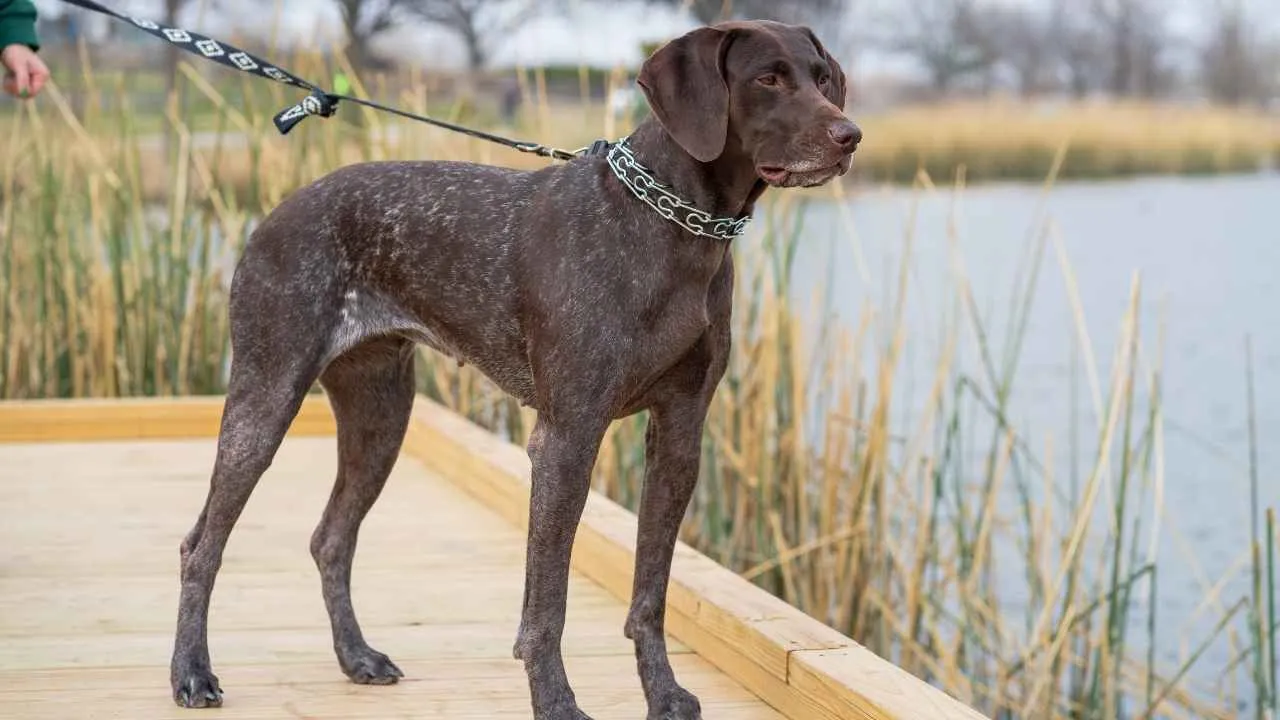
The German Shorthaired Pointer is a robust, versatile hunting dog breed that has a lean and muscular build for both endurance and speed. It is quite intelligent and eager to learn complicated tasks. Being loyal, it is capable of making close bonds with the family.
According to the American Kennel Club, it is always ready for physical activities like swimming, jumping, and running.
Why well-suited for tracking
It covers large hunting areas efficiently, reducing tracking time
It maintains focus even in a high-distraction environment
Amazingly, its quick decision-making enhances real-time tracking adjustments
High stamina allows extended or day-long tracking sessions without fatigue
It excels at tracking fresh scent trails with speed and precision
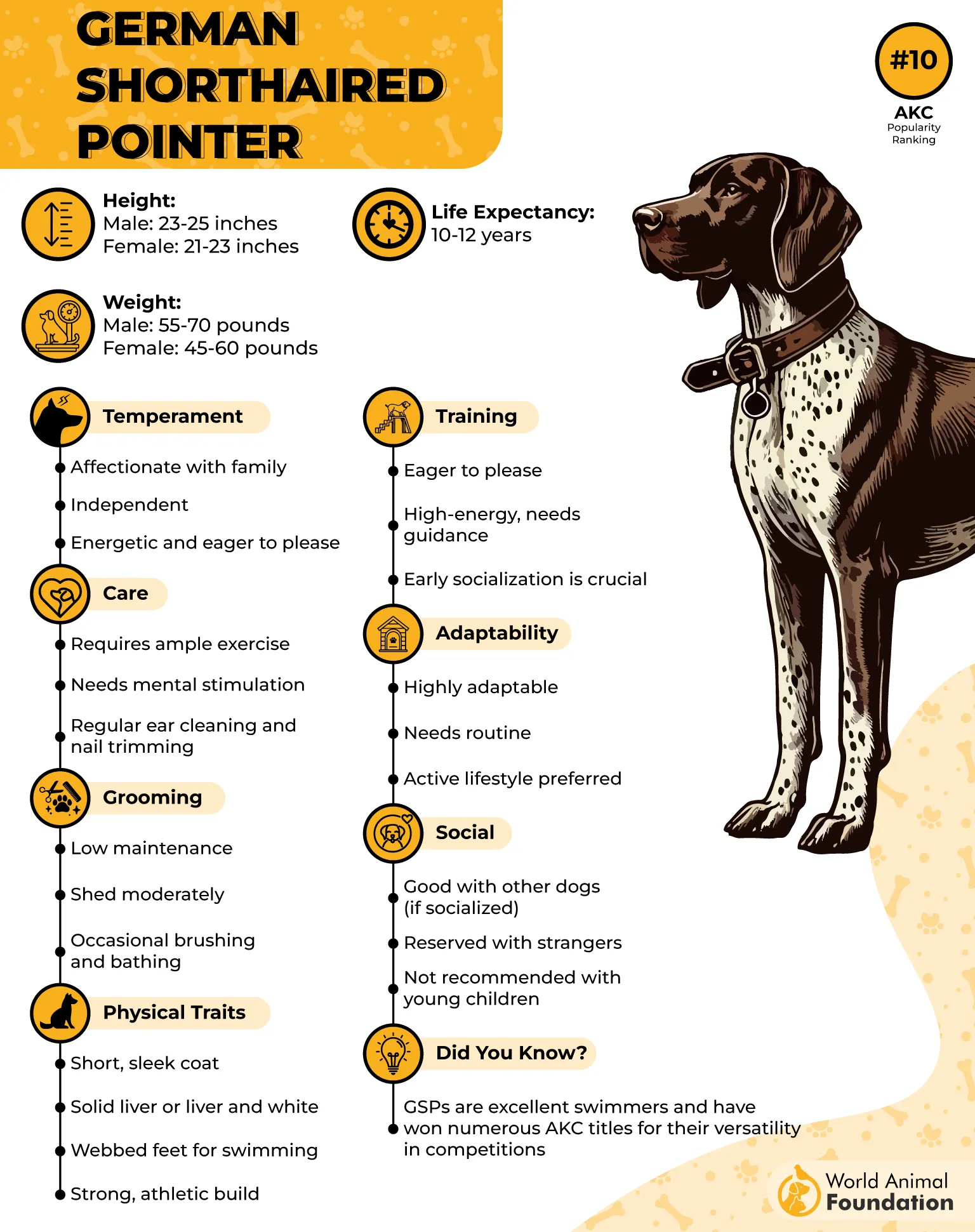
Interestingly, it not only tracks but also retrieves game in water as well. Being a great companion and eager to please, it goes along well with other dogs and kids.
Needs and cons
But it demands intense daily exercise to stay stimulated; otherwise, it might get bored and destructive. It needs structured training from an early age. Since it thrives on interaction, it can develop separation anxiety if left alone.
3. Redbone Coonhound
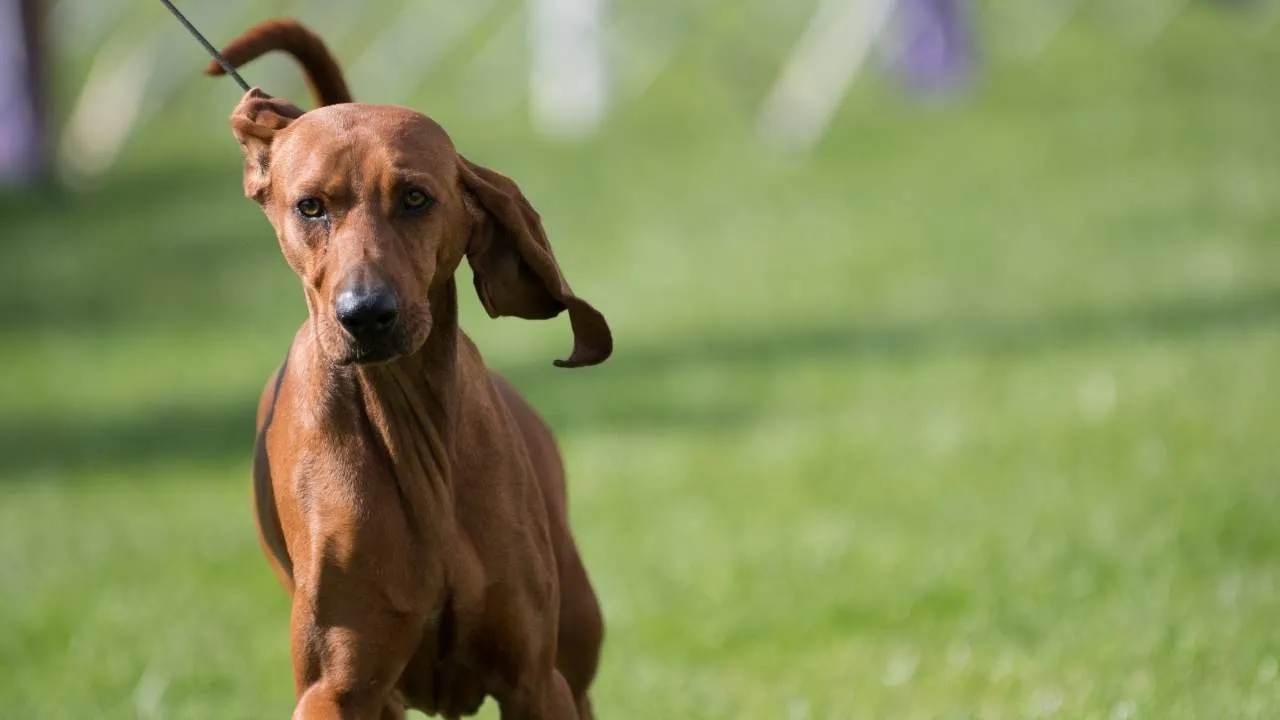
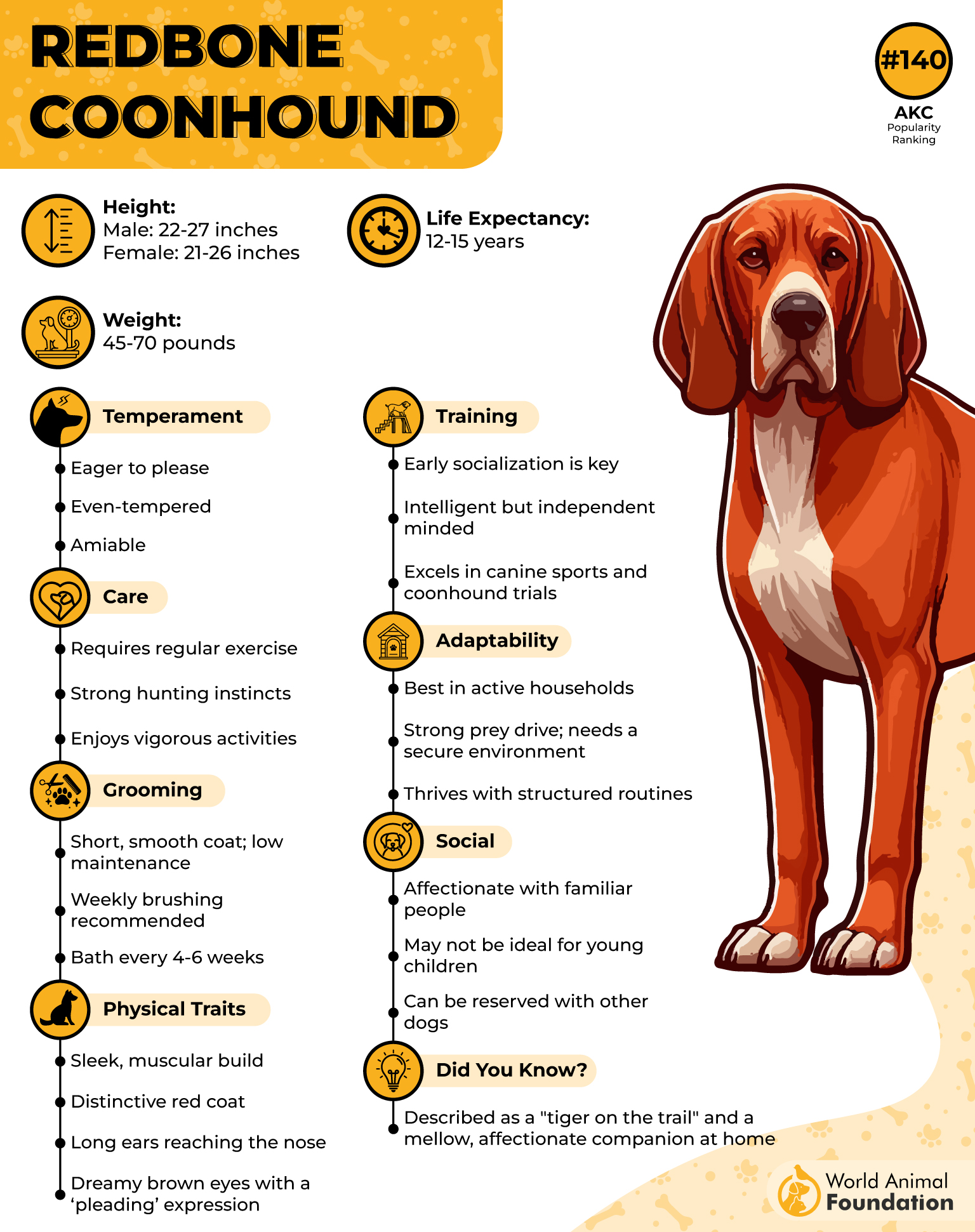
The Redbone Coonhound is a strong dog with an athletic body well-suited for endurance and tracking. It was developed to track raccoons and cougars. It is blessed with highly developed scenting capability as well as balanced stamina and speed.
It is, of course, aggressive and brave in the field but amiable at home. Although it is even-tempered at home, it is extremely driven at work.
Why well-suited for tracking
Specialized in night tracking, maintains efficiency in low visibility
It maintains a steady tracking rhythm, which reduces trail loss
It performs exceptionally well in humid climates where scent lingers differently
It uses vocalization to communicate location during tracking
Reliable in both solo and pack tracking situations
An amazing thing about the Redbone Coonhound is that it proves itself a great hunting partner as it is capable of navigating various terrains, from wet, swampy to forested environments.
Needs and cons
Nonetheless, it is not ideal for urban living and can show a stubborn streak during training. Due to strong prey drive, recall is difficult. It is also prone to excessive barking and certain genetic disorders such as hip dysplasia.
4. Labrador Retriever
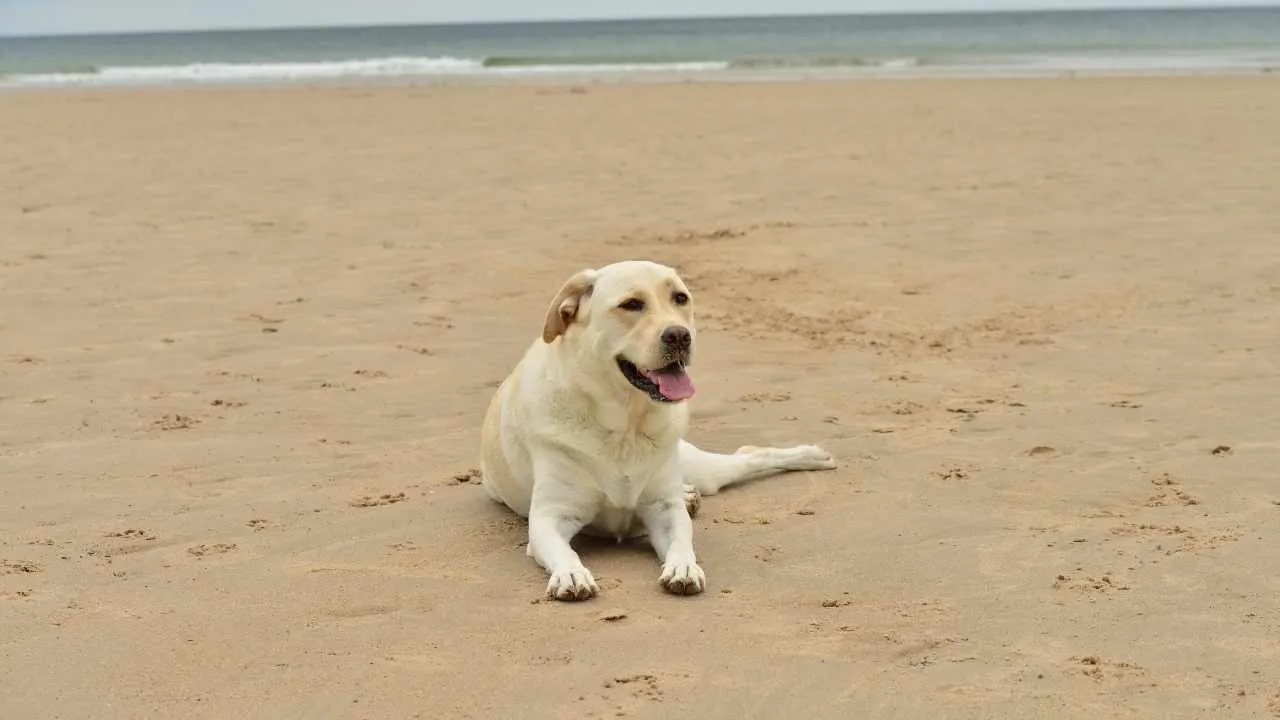
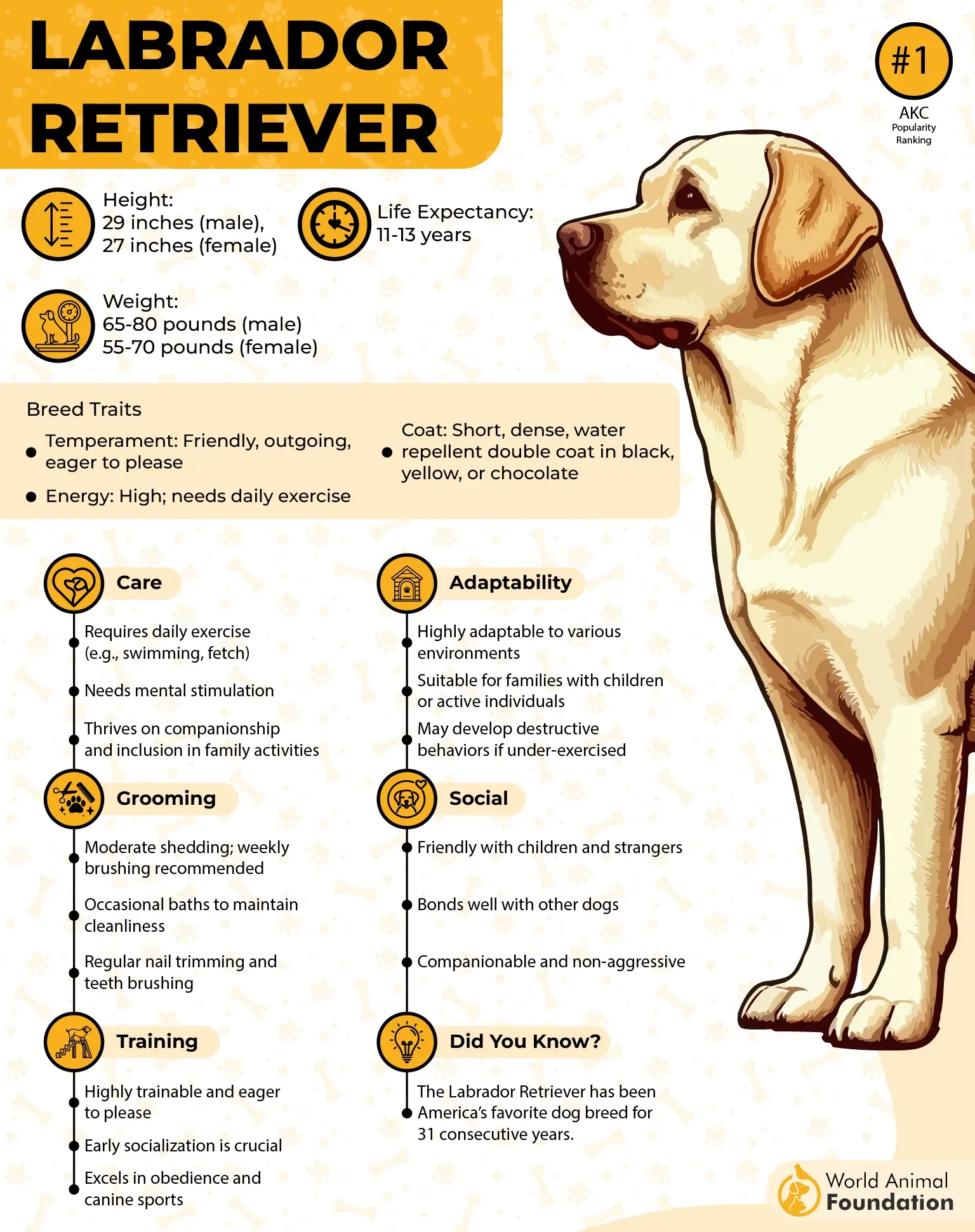
The lab is one of America’s most popular dog breeds due to its calm demeanor, making it one of the best family dogs. It is highly social and has a stable temperament under stress.
It undoubtedly has a highly developed sense of smell and a powerful build for retrieving and tracking. It has a dense, water-resistant coat for harsh weather conditions. It is also an outstanding gun dog, due to which it dominates field trials.
Why well-suited for tracking
Its strong retrieving instinct complements tracking wounded game
Its high intelligence aids in learning complex scent discrimination tasks
It has a consistent performance across different climates and terrains
Performs well in wetlands, marshes, and water-heavy terrains
It is adaptable to various tracking roles, be it urban, field, or rescue
Due to its highly social and trainable attitude, it is an excellent companion and working dog and is also one of the friendliest dog breeds.
Needs and cons
Due to high energy, it requires regular physical exercise. Since it is susceptible to obesity, it needs diet management and exercise. Its heavy seasonal shedding needs attention and regular brushing. It is prone to joint issues and hip dysplasia.
5. English Springer Spaniel
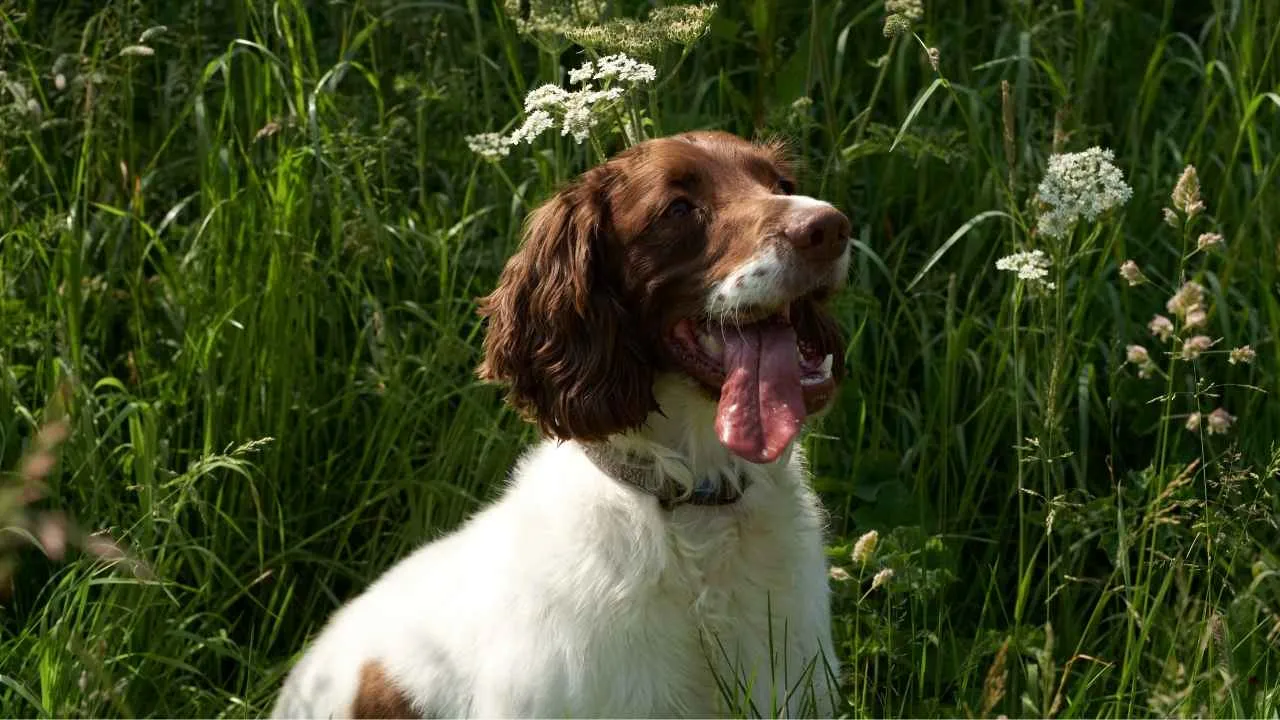
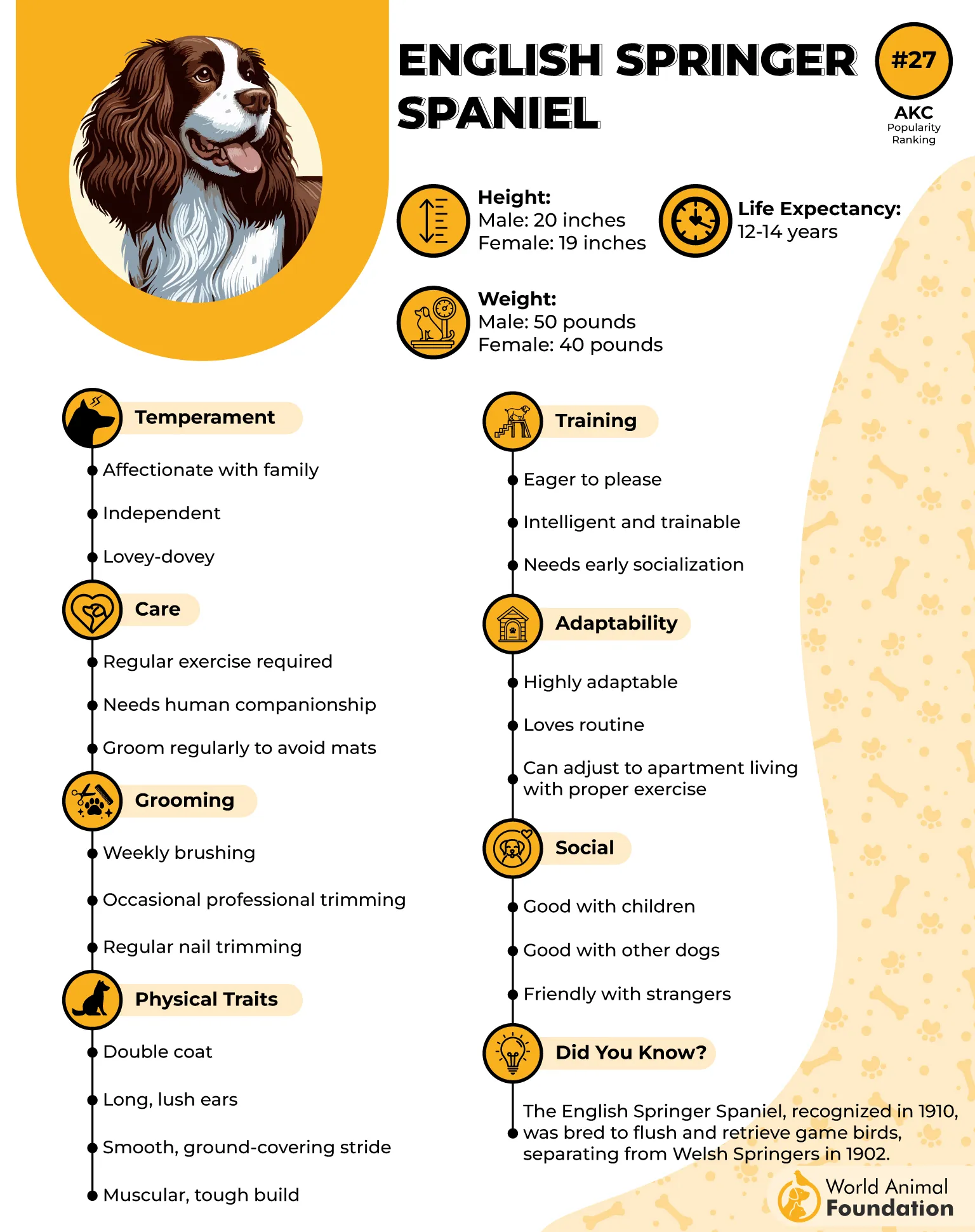
It is energetic, compact and highly enthusiastic and a compact dog. It is friendly, intelligent, and extremely eager to work. It thrives in active environments and forms deep bonds with owners.
Interestingly, it is stated by PetMD that its name is derived from its historical talent for springing games, which means it likes to chase birds into flying for hunters to shoot. Moreover, it is a cheerful and playful dog, which makes it a great family pet.
Why well-suited for tracking
Due to its strong nose, it is efficient in locating and following scent trails
It remains active during long tracking sessions
Since it has excellent focus, it keeps attention on the task despite distractions
It is agile and easily moves through dense vegetation and rough terrain
It has versatile field skills as it combines flushing, tracking, and retrieving
As it was bred as a working dog, it benefits greatly from routine exercise, training, and plenty of space to roam around and stretch.
Needs and cons
Due to a strong attachment to its owners, it needs attention and develops separation anxiety if left alone. It has regular grooming needs and coat demands care. It can be overly excitable; therefore, it needs training to control enthusiasm. It is susceptible to ear and eye infections.
6. Bluetick Coonhound
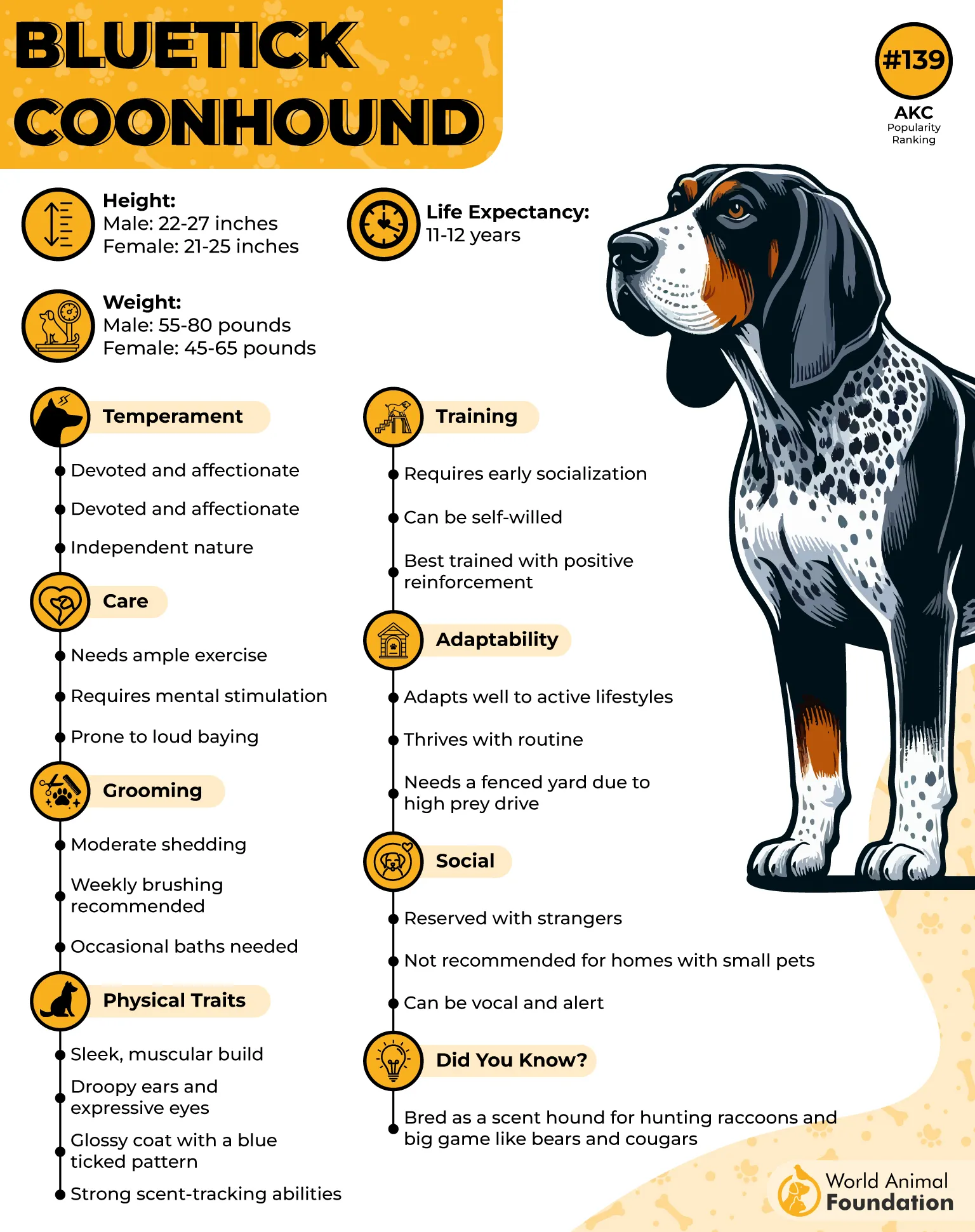
The Bluetick Coonhound is a brawny, intelligent, and highly vocal scent hound. It is persistent, determined, and thrives on tracking tasks. It is warm-hearted at home but highly focused in the field.
It is skilled in treeing small animals and raccoons. According to Purina, its puppies are born mostly white except for dark, large patches. Their ticking develops a few weeks later.
Why well-suited for tracking
It can work tirelessly for long hours
Tracks even faint or aged scent trails
Due to its independent streak, it can track efficiently without constant commands
It helps handlers track their location due to its distinctive baying
It is naturally motivated to follow scents
It is an adept nocturnal hunter, and its baying, bawling is liked by the coon hunters at night.
Needs and cons
Being very vocal, it is not suitable for urban environments. It may be difficult to control off-leash due to its intense prey drive. It needs secure boundaries to protect it from unnecessary wandering. Due to its stubborn nature, it requires firm and consistent training.
7. American Foxhound
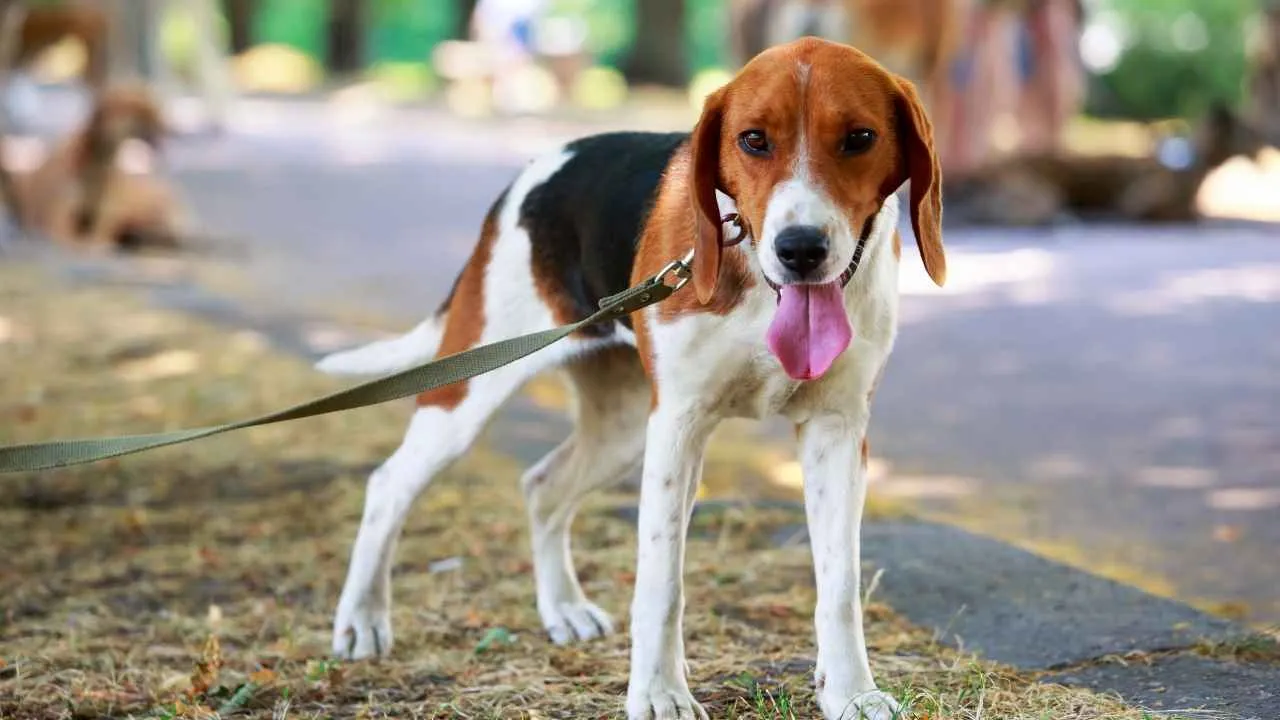
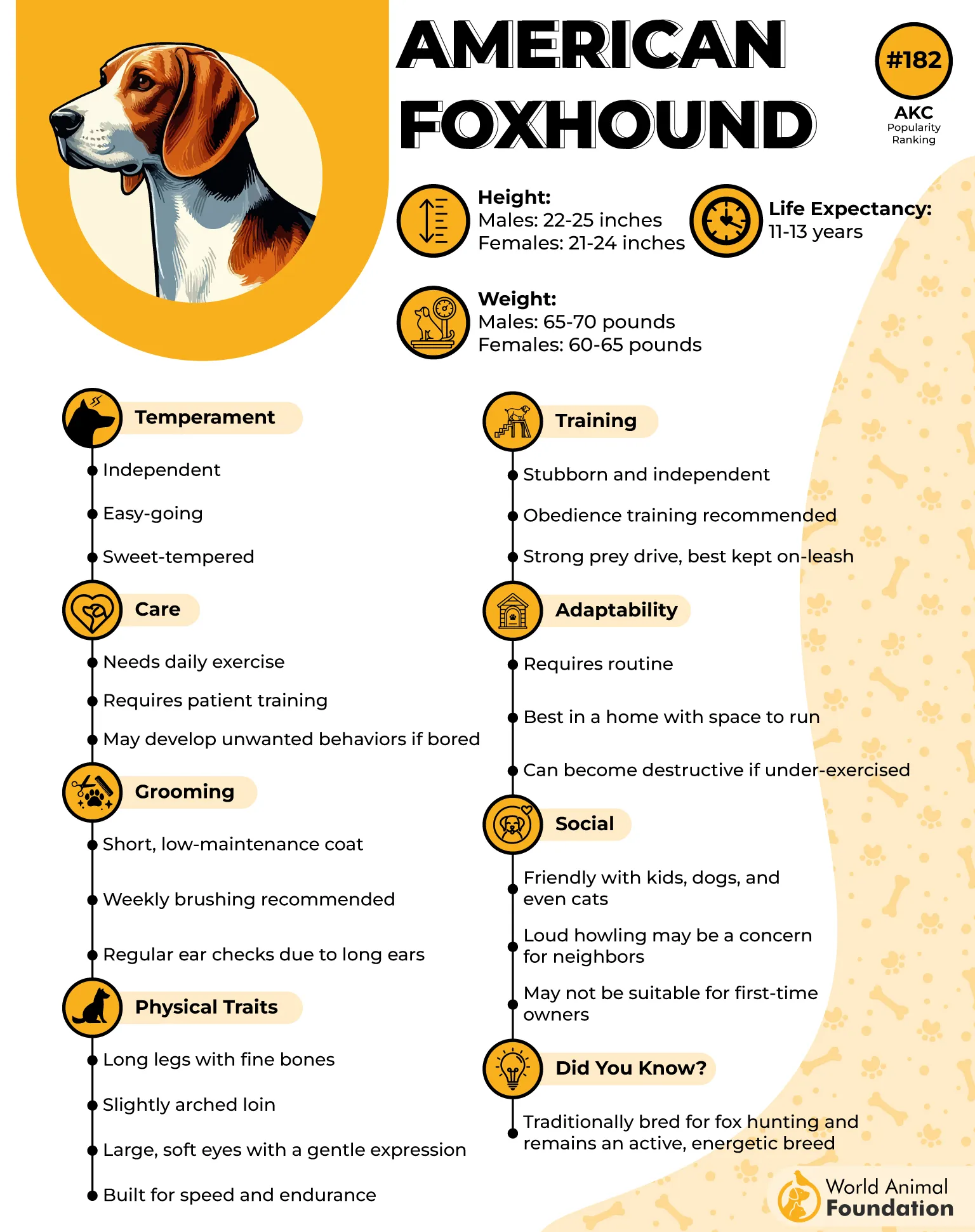
The American Foxhound is a lean, fast, and fearless hunting dog that was built for endurance. It thrives in packs and has a strong instinct for tracking and chasing game. It is friendly, gentle, and independent. The American Foxhound is one of the great companions and gets along with other household pets.
It can easily be identified due to its gently curved tail with a slight brush on the end and its long, broad ears that flap up and down like wings when it runs.
Why well-suited for tracking
It has exceptional stamina, can run and track for extended hours
Effective in forests and open fields
Bred specifically for tracking foxes
Due to its persistent nature, it rarely abandons a trail
It is efficient in following trails due to its strong scenting skills
Needs and cons
It is difficult to train due to its high independent streak. It is generally quite friendly with strangers, which makes it a poor guard dog. It is not ideal for sedentary households as it needs a lot of exercise and activity.
8. Plott Hound
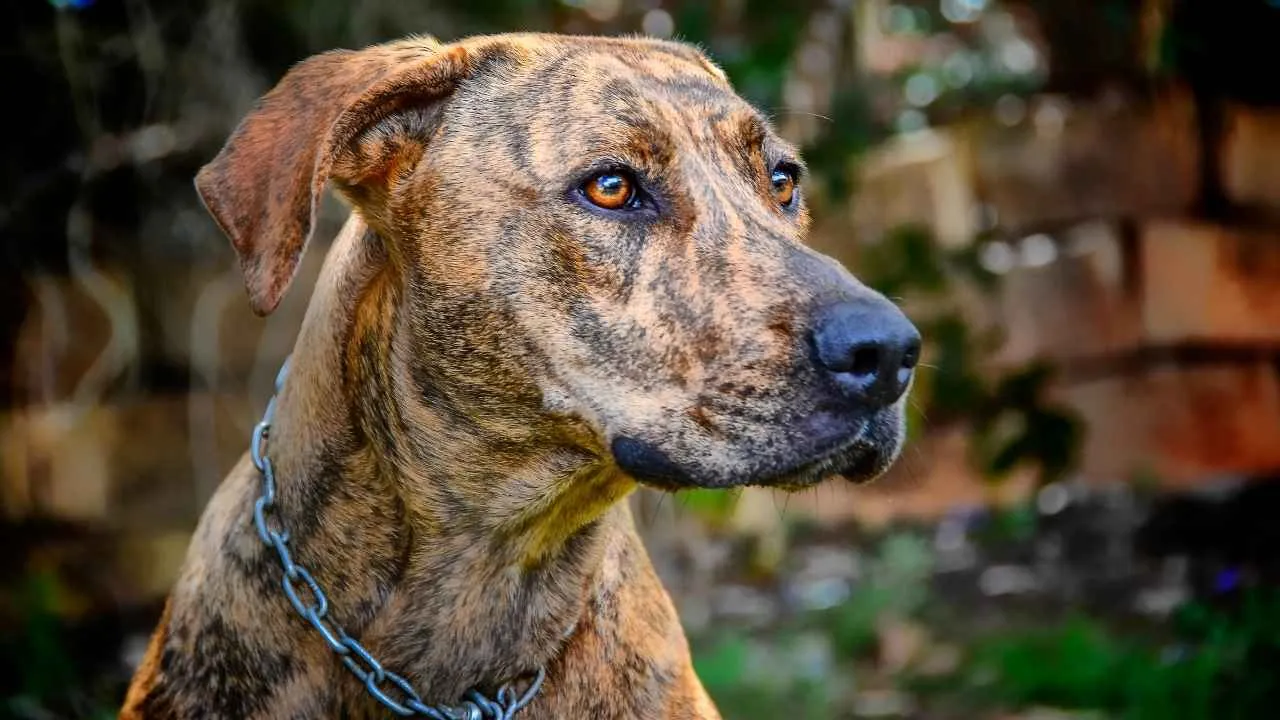
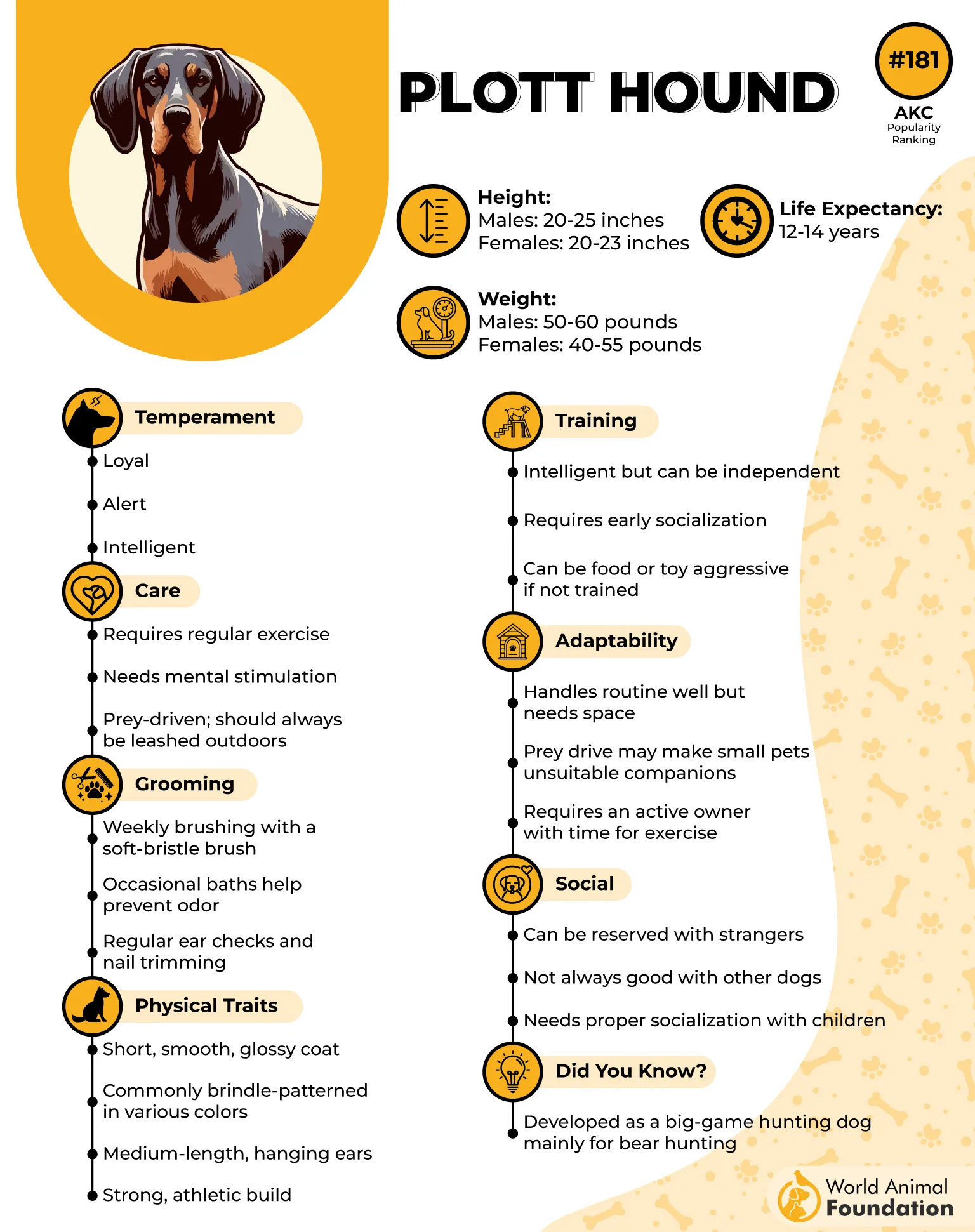
The Plott Hound is a powerful, fearless, and highly intelligent dog breed. It is known for its bravery and determination, especially when tracking large game. It was originally bred to hunt wild boars and bears, but is now used for hunting raccoons.
Despite its toughness, it is loyal and affectionate with its family. Its eyes and overall demeanor give a confident expression.
Why well-suited for tracking
It is efficient in tracking game trails due to its strong scent-tracking ability.
Since it is brave, it can track even dangerous animals.
Highly driven to complete tasks and stay motivated to do them.
It maintains good coordination with the hunter during hunting
Owing to its intelligence, it makes quick decisions during tracking.
It is known for its distinctive, loud voice and is also the state dog of North Carolina.
Needs and cons
Due to high energy levels, it needs constant activity. It is not suitable for homes with small pets as it has a strong prey drive. Firm training is needed as it can be dominant. It is not ideal for beginners and only requires experienced handlers.
9. Mountain Cur
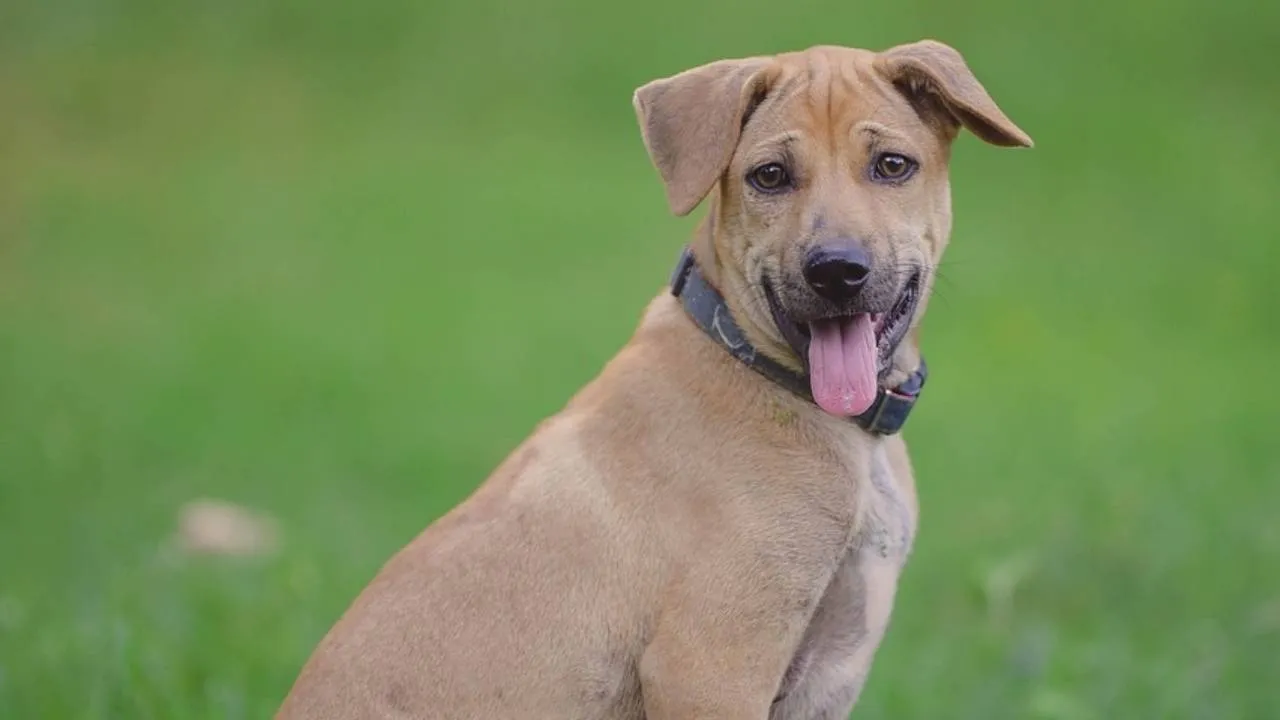
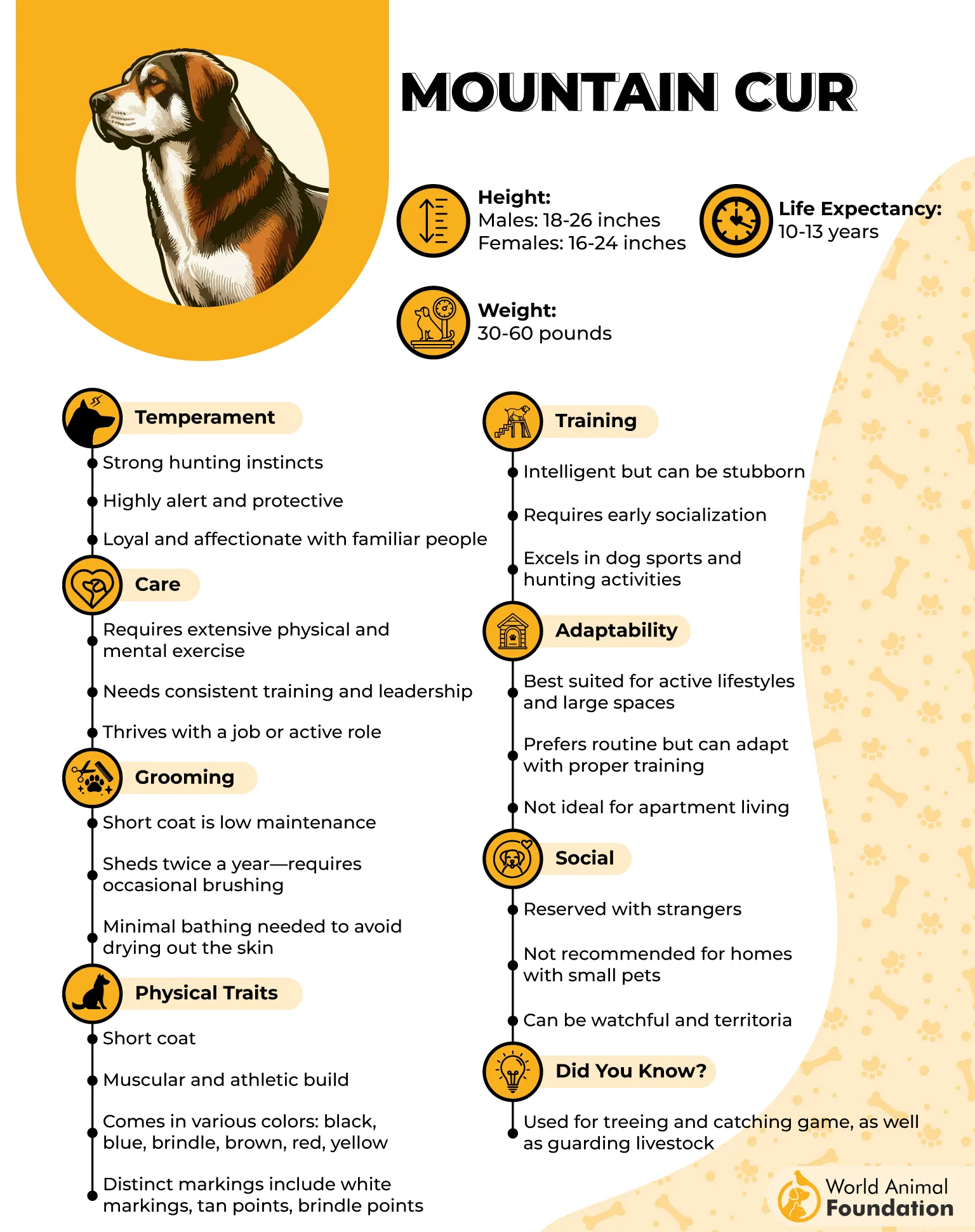
The Mountain Cur is a beautiful, versatile American dog that was developed to navigate. It likes to perform tasks, and it is a courageous fighter. Being a tracking dog, it runs quite fast and has a high level of intelligence.
It is protective, energetic, and excels in outdoor environments. It forms strong bonds with its owners and is highly responsive to commands. Moreover, its coat comes in a variety of colours and looks attractive in each colour.
Why well-suited for tracking
Due to its high stamina, it can handle long hours in the field
On account of its quick decision-making, it responds well in dynamic situations
Since it is agile, it can navigate rough terrain efficiently
Due to its sharp scenting ability, it is effective in detecting trails
It has a strong work ethic and thrives when given a job to do, as it does not like to sit idle. It enjoys well with the family that has more outdoor activities.
Needs and cons
However, due to its protective nature, it may be wary of strangers. It requires early socialization and training to prevent it from becoming aggressive. It requires space to roam and cannot thrive in apartment living.
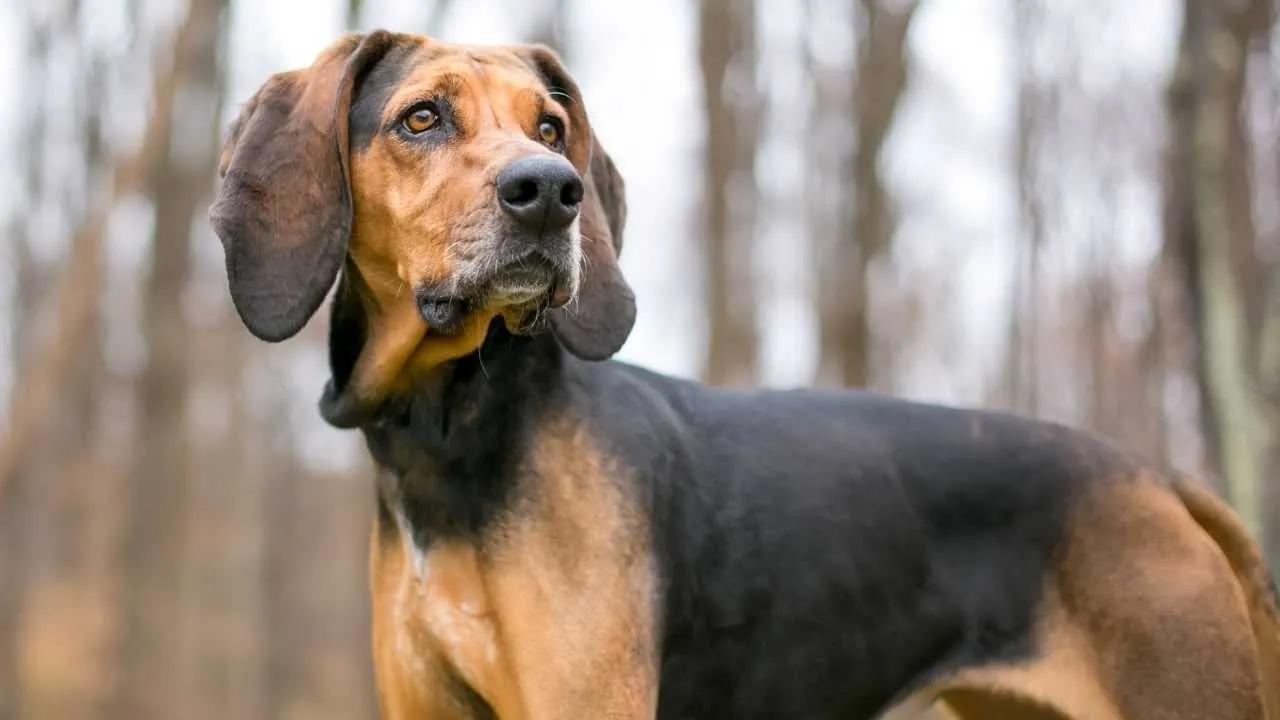
10. Black and Tan Coonhound
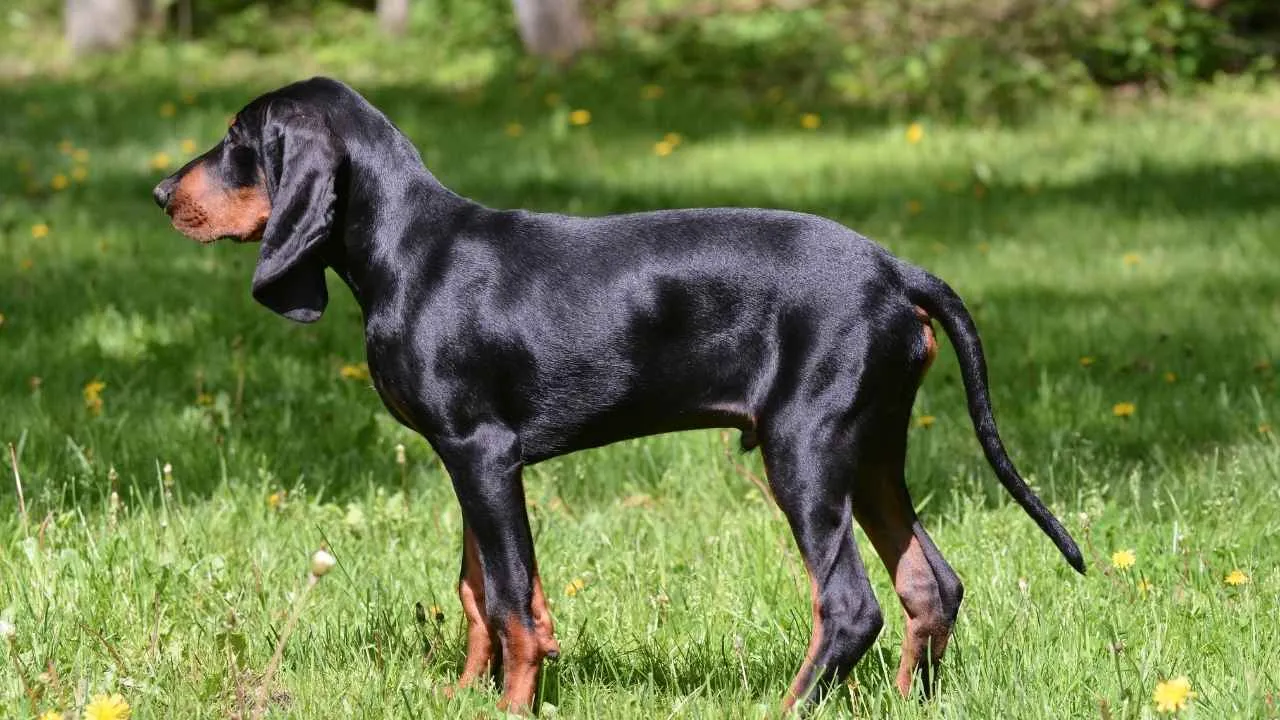
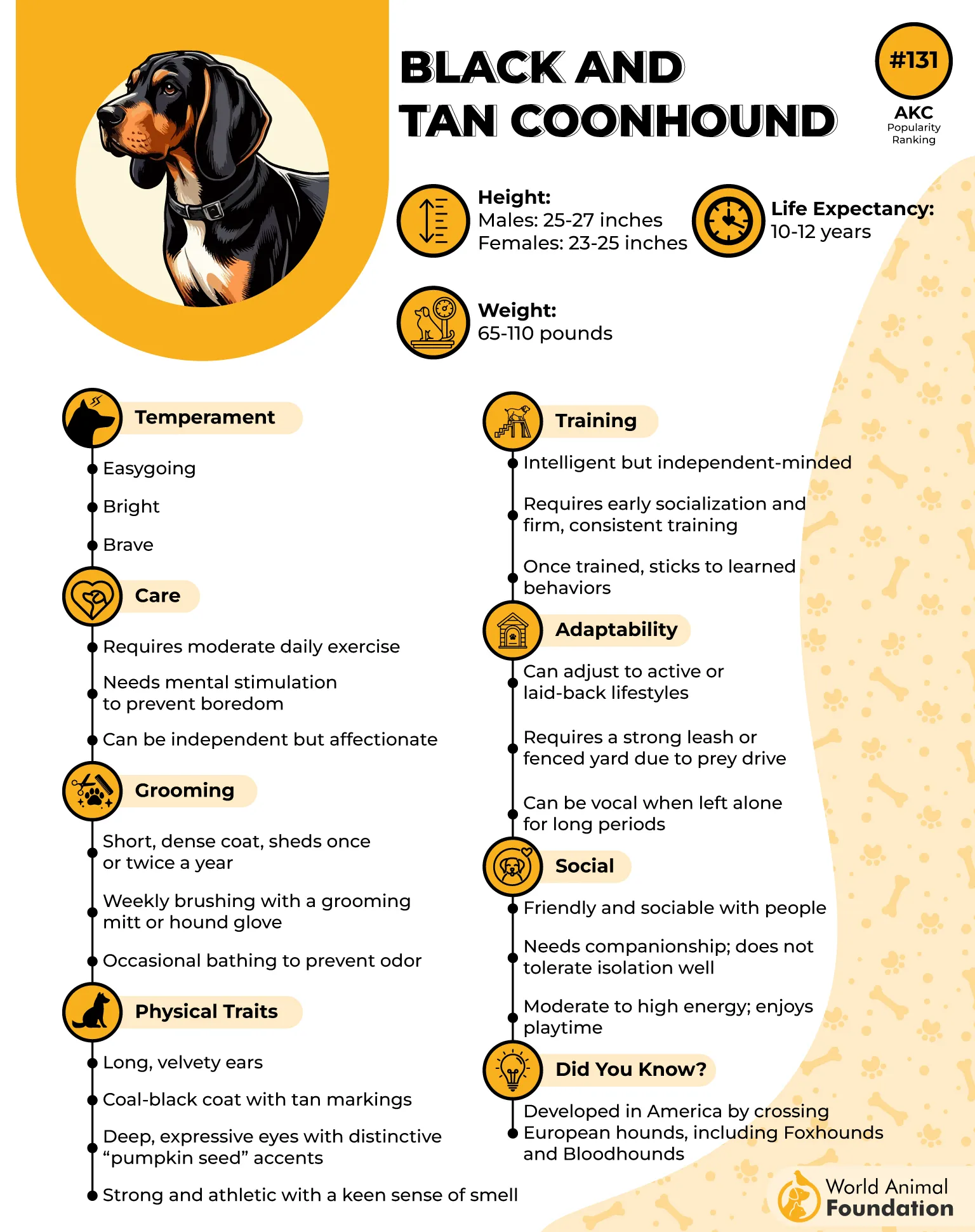
It is amiable, social, even-tempered, and a calm canine buddy that is highly skilled in scent tracking. It is highly focused and driven in the field. According to Royal Canin, it was the first working dog trained to track raccoons.
Interestingly, it cannot only work rigorously in summers and winters but can also handle the most difficult of terrains. It can also track the large game efficiently.
Why well-suited for tracking
It can follow older scent trails.
Due to high endurance, it can work for long hours without getting exhausted.
It can track efficiently alone due to its independent working style.
Its distinctive baying helps handlers to locate the target easily
Due to strong determination, it does not give up easily on a trail
Needs and cons
Due to a strong prey drive, it may chase animals uncontrollably. It is prone to ear infections due to long ears. Due to its stubborn personality, it needs consistent and firm training. It is not ideal for confined living.
Conclusion
All in all, tracking animals in the field is a demanding task that requires a unique combination of sharp scenting ability, endurance, intelligence, and determination. Scent hounds highlight the importance of stamina, independence, and adaptability.
Each breed brings its own specialized strengths to the field. However, choosing the right tracking dog is not just about ability. It also depends on the handler’s experience, environment, and capacity to meet the dog’s mental and physical needs.
Ultimately, the best tracking dog is one that aligns with both the demands of the field and the lifestyle of its handlers. When properly trained and managed, these breeds are not just efficient trackers, but they also become loyal buddies and an essential asset in the field.
