




Cats have long been valued not only as companions but as skilled hunters with a natural talent for controlling pests. While some households welcome cats for comfort and affection, others rely on them for a far more practical purpose.
Certain breeds possess instincts so finely tuned that rodent hunting comes as second nature, making them invaluable in homes, barns, and working environments.
Why some cat breeds excel at rodent hunting comes down to centuries of coexistence with humans. Early domesticated cats earned their place by keeping grain stores, ships, and farms free of mice and rats.
Over time, sharp senses, stealthy movement, and lightning-fast reflexes became essential survival traits. These instincts—stalking, pouncing, and territorial awareness—remain strong in specific breeds today.
In this article, we explore seven cat breeds adapted to hunting rodents and the traits that set them apart. From independent personalities to lean builds and intense focus, these cats embody the natural mousers humans have relied on for generations.
Cat Breeds Adapted to Hunting Rodents
1. American Shorthair
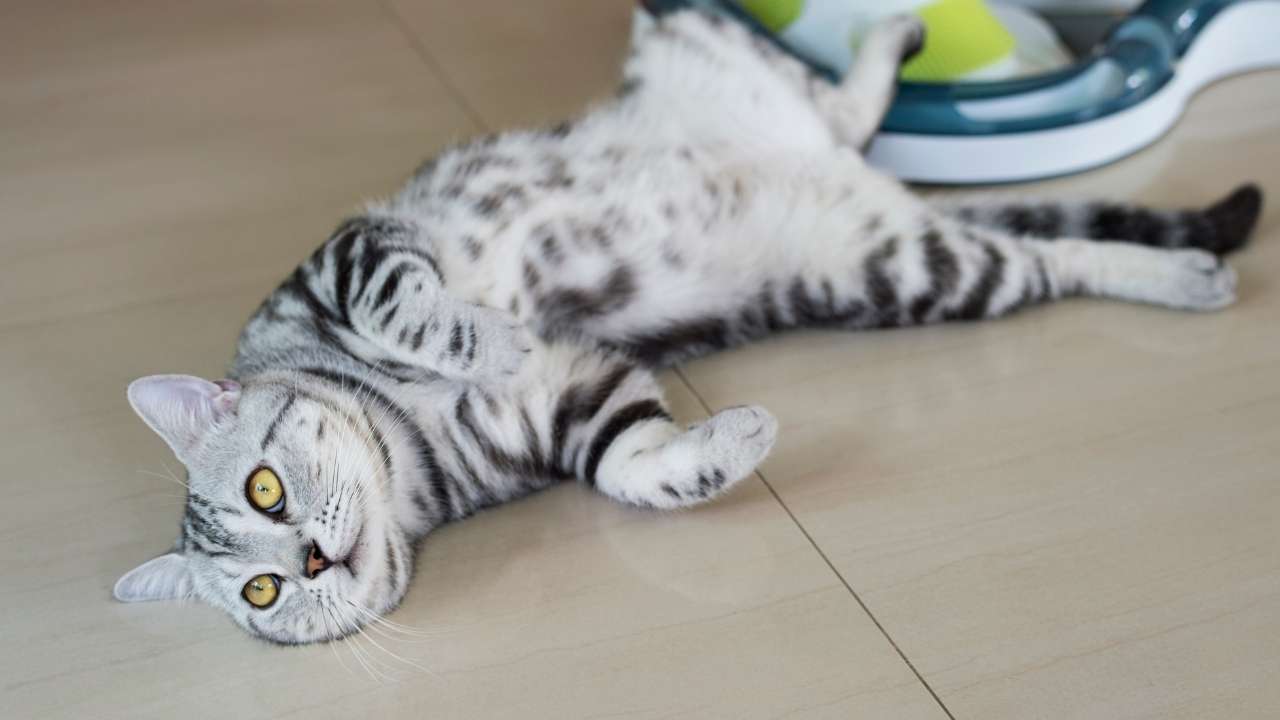
Also known simply as the American Shorthair, this breed traces its roots to European cats brought to North America for vermin control.
Sturdy, adaptable, and widely popular, it remains one of the most recognizable working cats in the country. According to Purina, it is adaptable and good-natured, which makes it an ideal family companion.
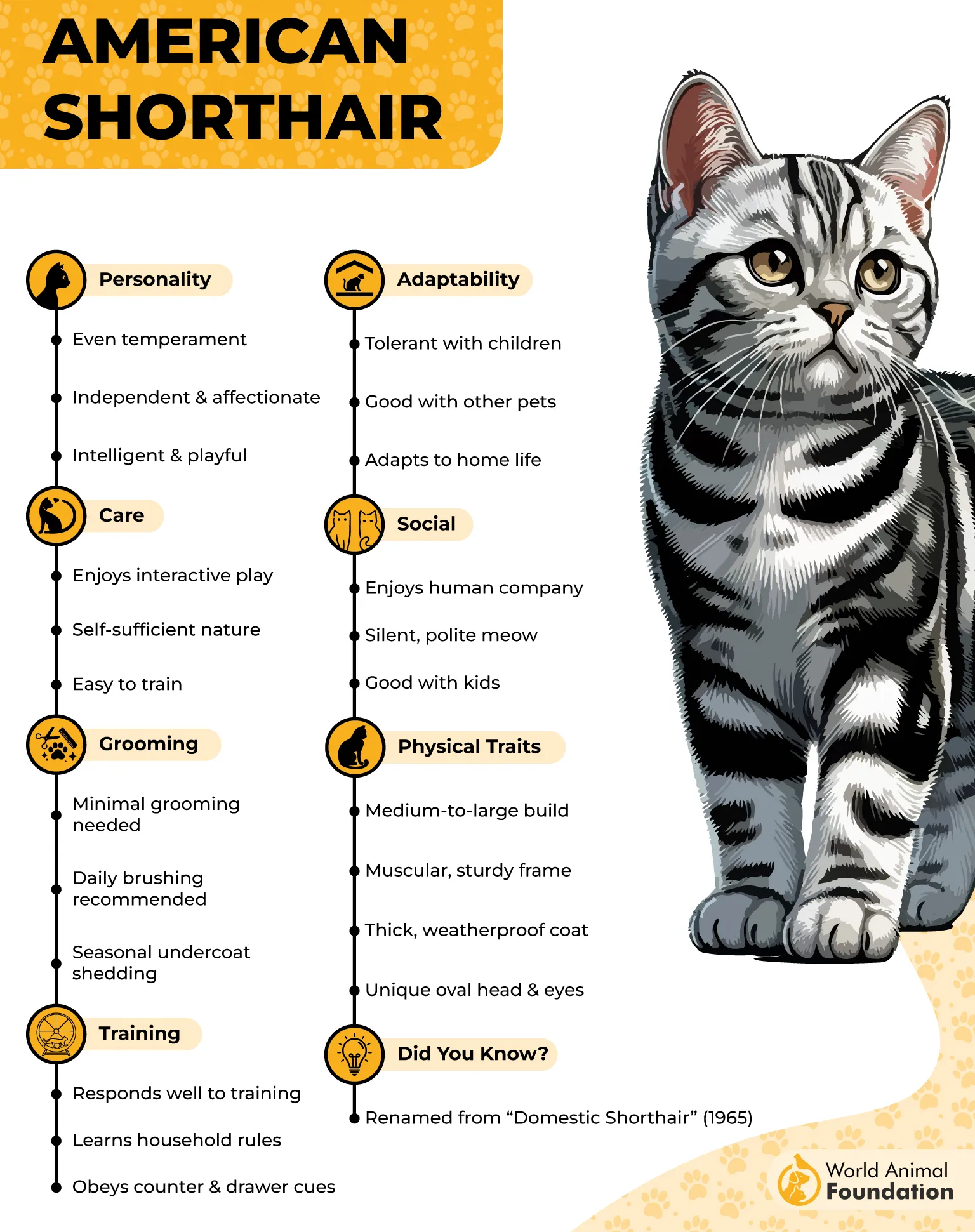
Rodent hunting is deeply ingrained in the American Shorthair’s instincts. Curious and alert, it excels at stalking mice and insects alike, using quick reflexes and patience to track movement and strike with precision.
Its moderate energy level pairs well with intelligence, allowing this cat to hunt independently without constant supervision. An easygoing yet focused nature makes it especially effective in barns, homes, or properties where pest control is essential.
Low maintenance and naturally resilient, the American Shorthair continues to thrive as a working mouser while still being affectionate with people.
Fun fact: Legends suggest American Shorthairs may have traveled on the Mayflower to protect food stores from rodents.
2. Maine Coon
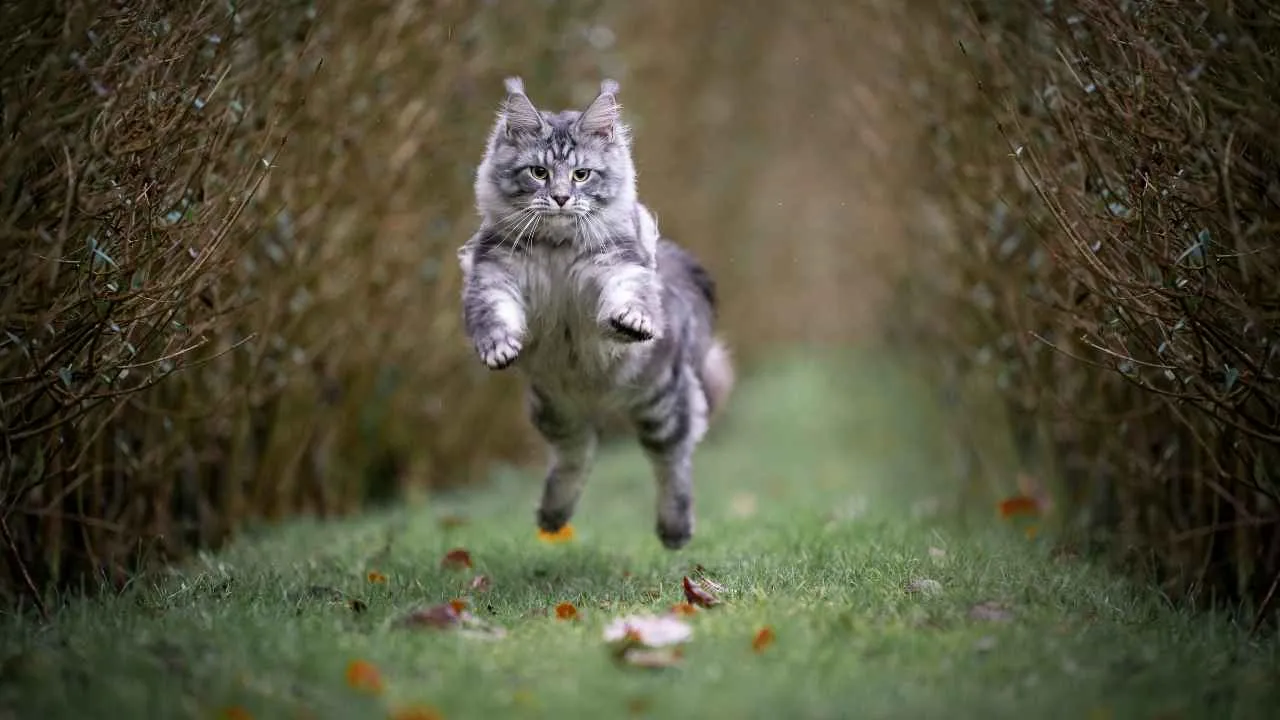
Officially known as the Maine Coon and sometimes called the Maine Shag or Shag Cat, this breed originates from the United States. They are famous for their large frame, tufted paws, and thick mane.
PetMD notes that despite their impressive size, Maine Coons are gentle giants with personalities that are as soft and fluffy as their fur.
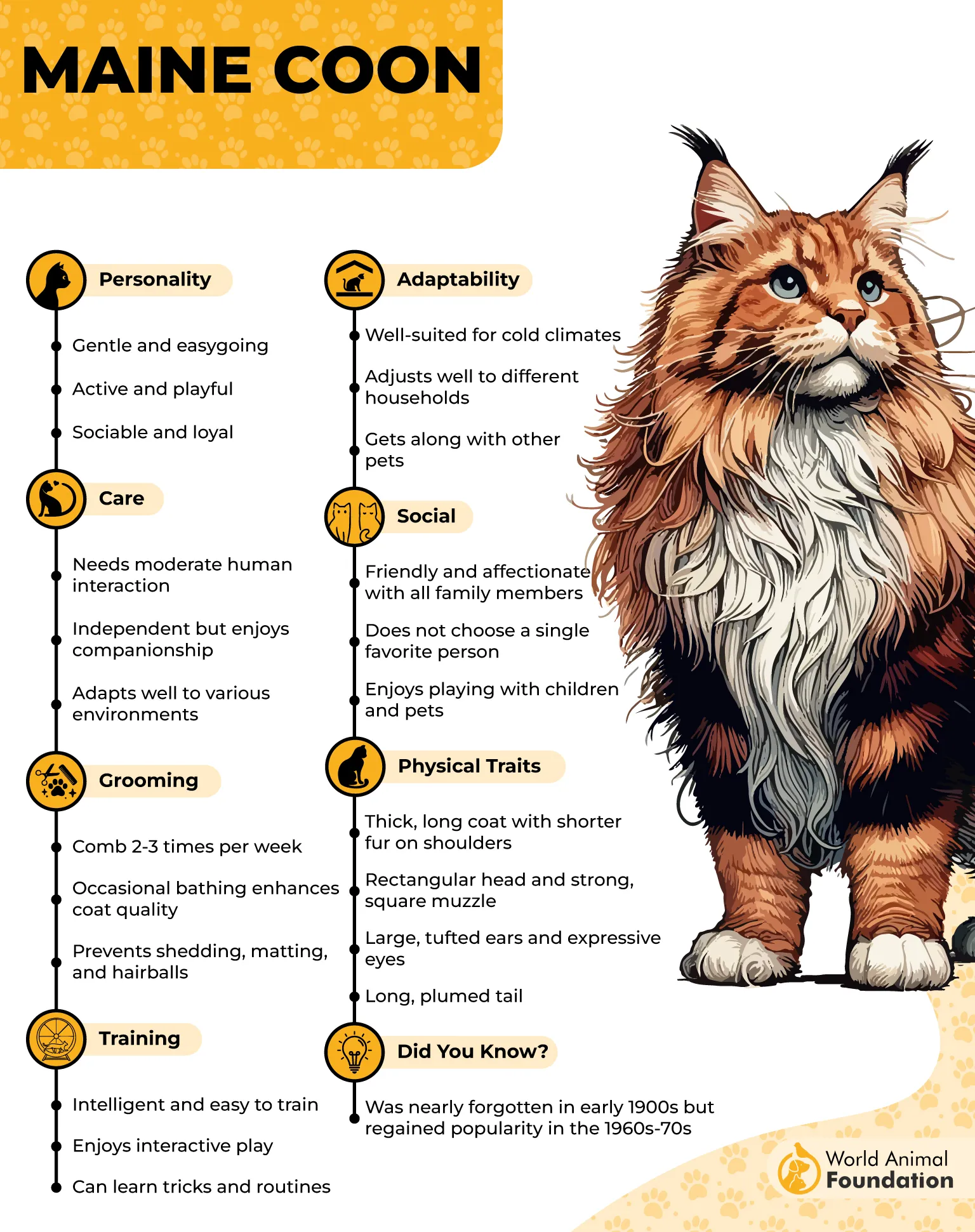
Despite its size, the Maine Coon is an efficient rodent hunter. Sharp reflexes and patient, silent stalking allow it to track mice with precision, a skill valued since early American settlements relied on cats for pest control.
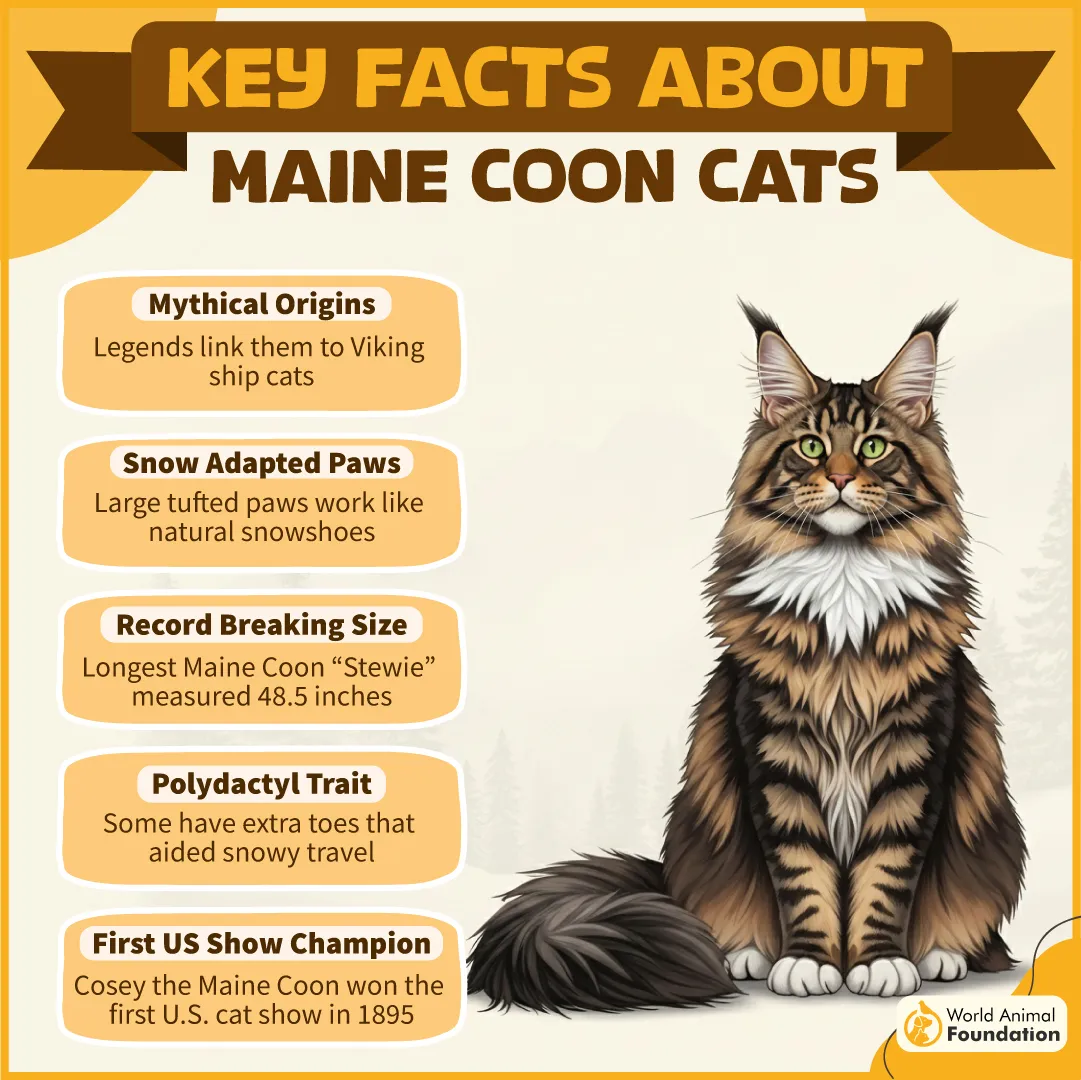
Its strong muscles and water-resistant coat support long hunting sessions in barns or cold environments. The breed’s ability to move quietly, even with a large body, makes it surprisingly effective at catching rodents.
Equally comfortable as a housecat or part-time barn cat, the Maine Coon balances affection with independence.
Fun fact: Maine Coons have been respected mousers in North America since colonial times, possibly arriving on early sailing ships.
3. Siamese
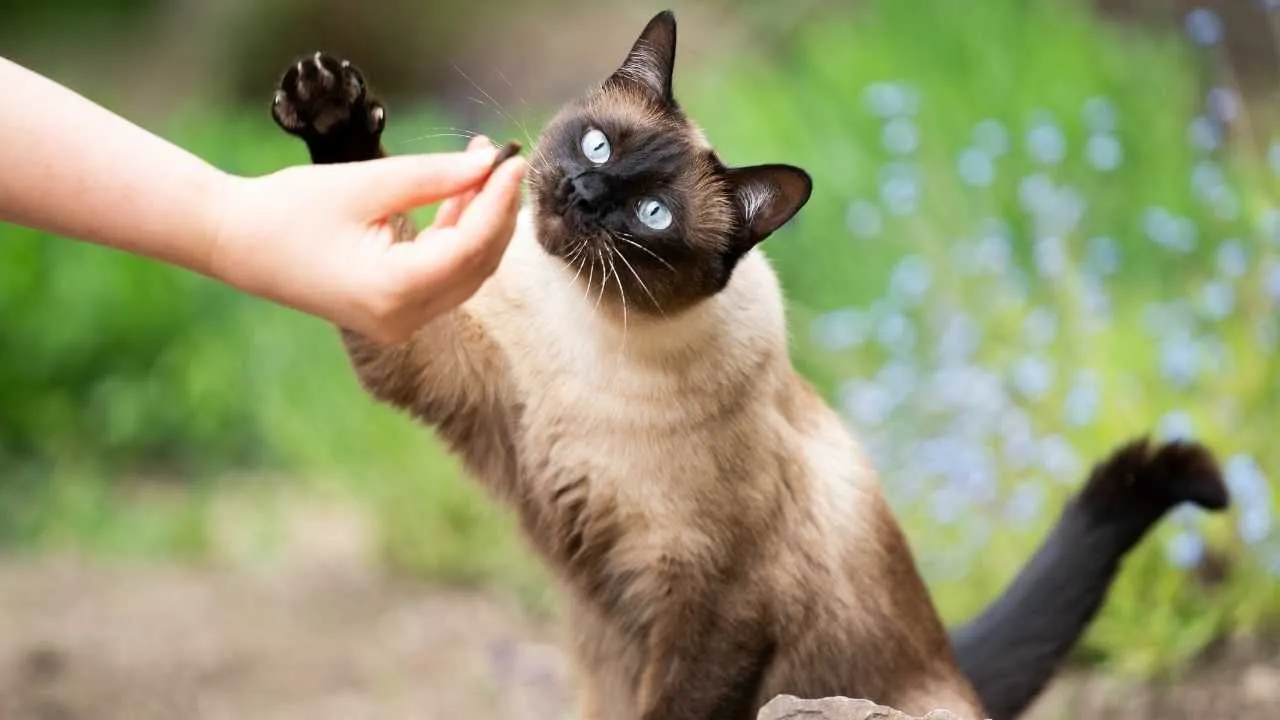
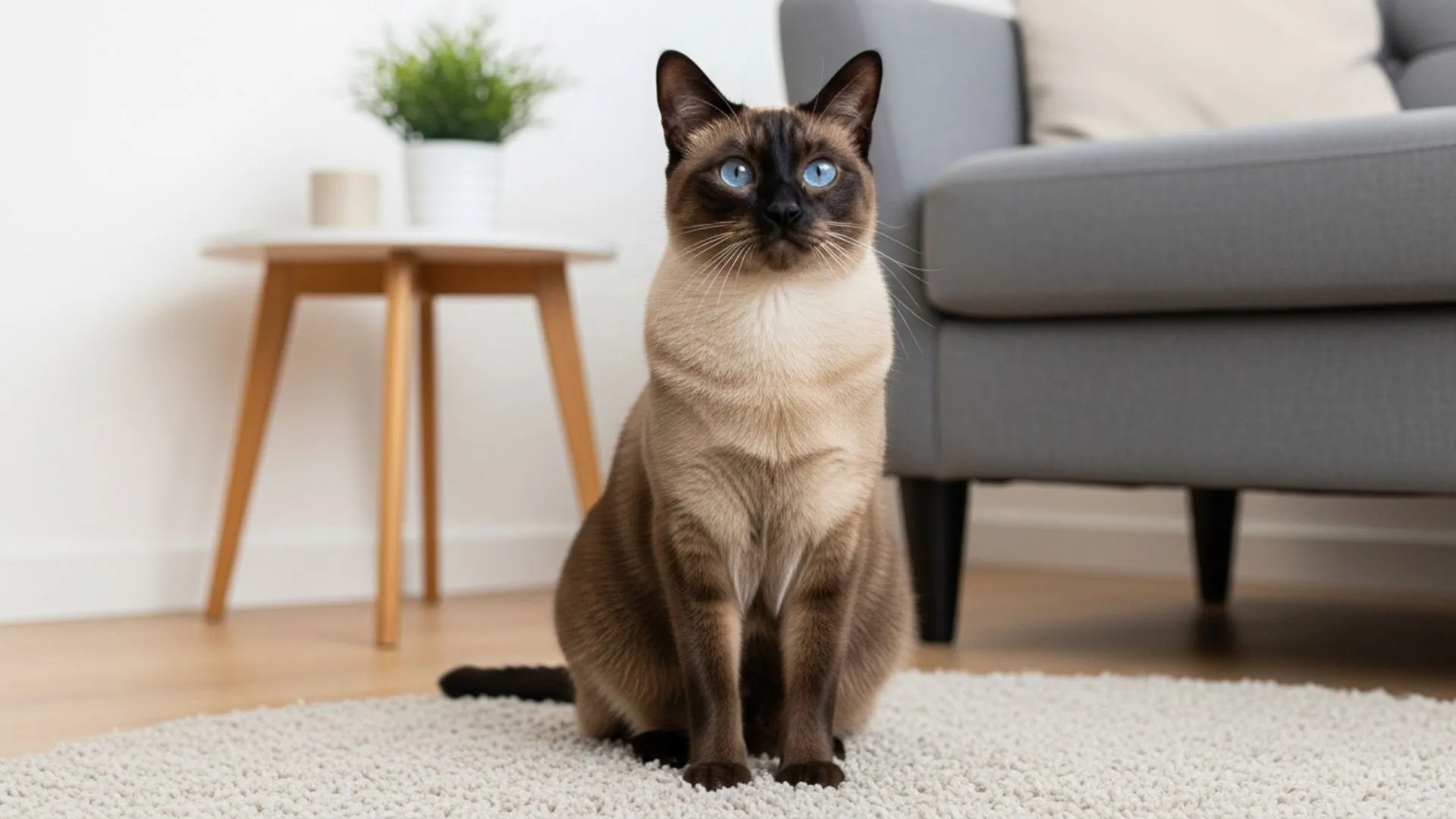
Also known as the Thai cat or Traditional Siamese, the Siamese is instantly recognizable by its color-point coat and vivid blue eyes.
Elegant and expressive, this breed combines beauty with sharp intelligence. According to Britannica, the Siamese is a sleek, long-bodied cat with slender legs and a long, slim tail.
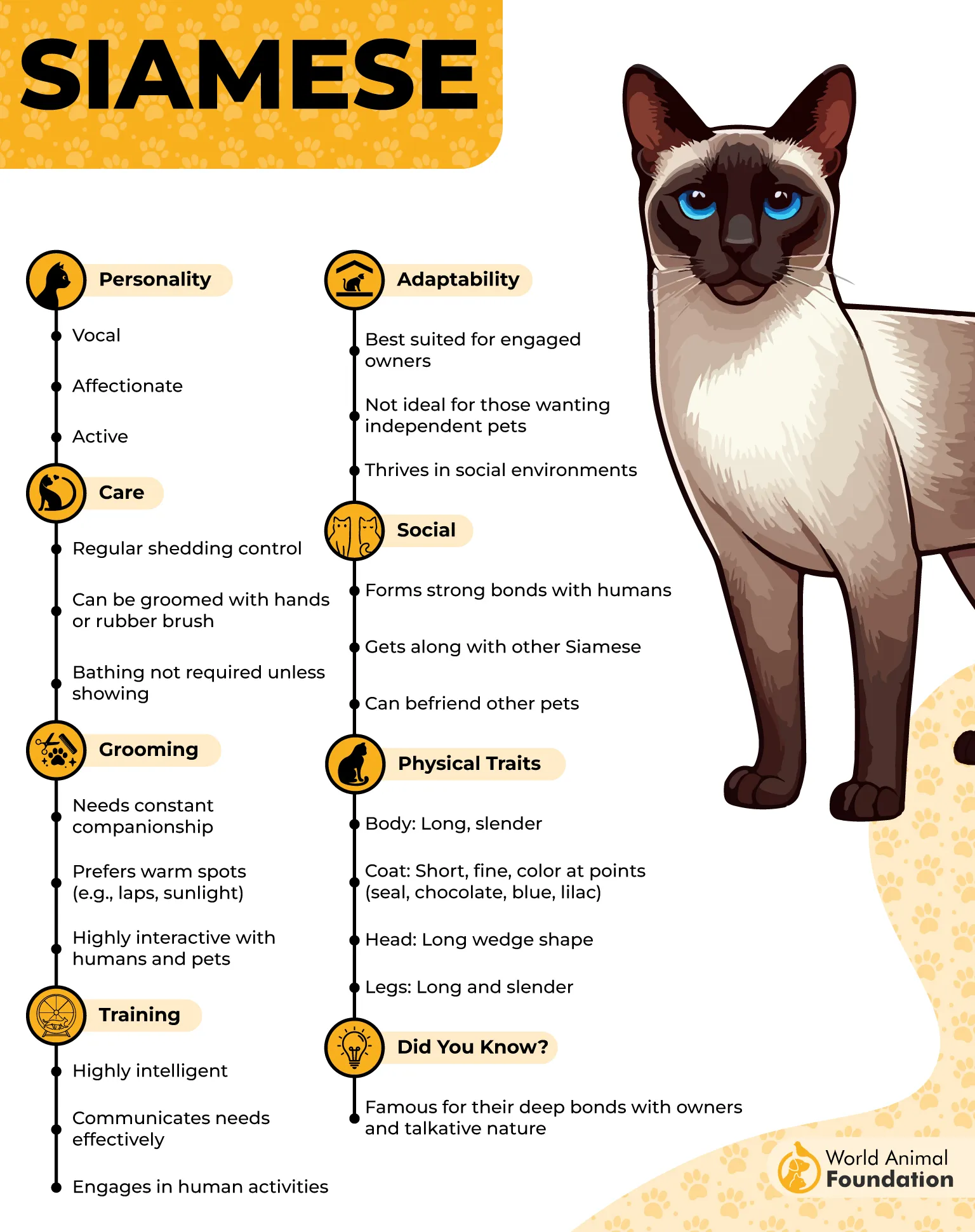
When it comes to hunting rodents, the Siamese relies on speed and concentration. Its slim frame and long limbs allow quick bursts of movement, while intense focus helps it track prey with precision in barns or homes.
Highly intelligent and energetic, Siamese cats stay mentally engaged during hunts. They respond quickly to sound and motion, making them efficient mousers that rarely lose interest once a target is detected.
Their strong bond with humans doesn’t dull their working ability; instead, it adds motivation and confidence in shared environments. Athletic and alert, they adapt well to active settings where vermin control is needed.
Fun fact: Siamese cats were once companions to Thai royalty and later contributed to the development of breeds like the Burmese and Himalayan.
4. Burmese
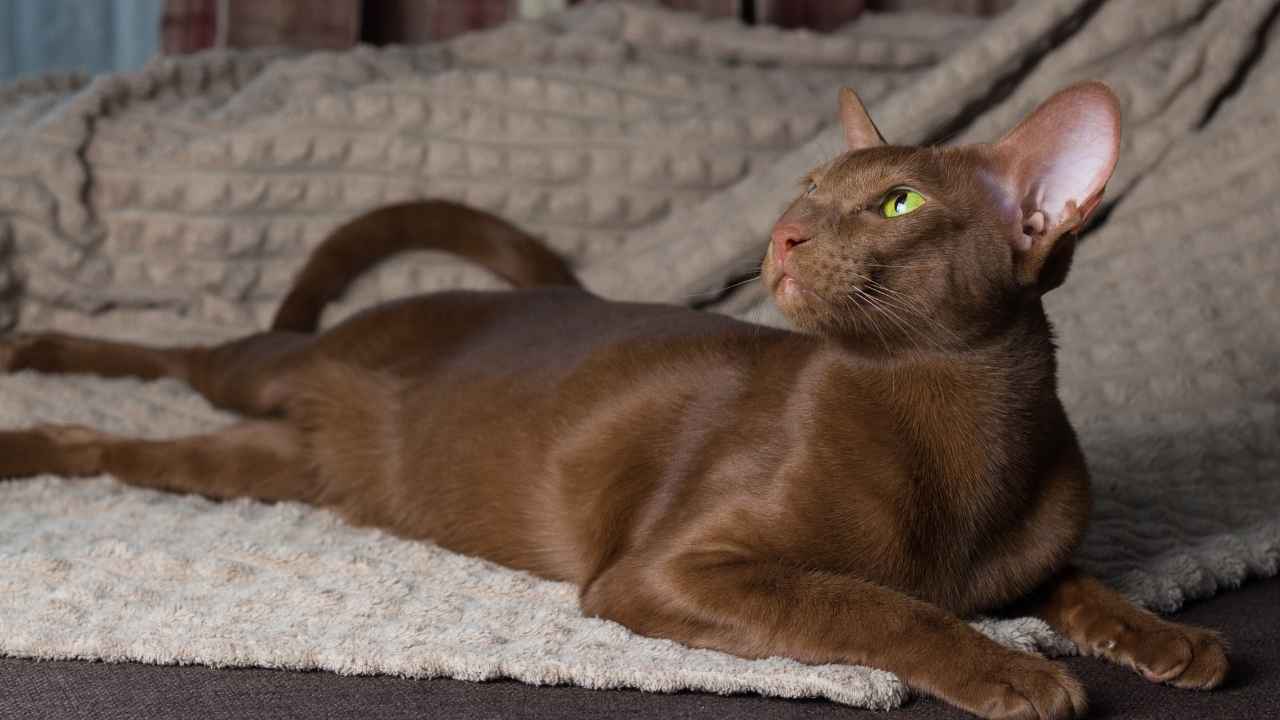
Also known simply as the Burmese, this ancient breed traces its origins to temple cats of Burma, where it lived alongside monks. Compact, muscular, and alert, the Burmese blends intelligence with a bold, confident presence.
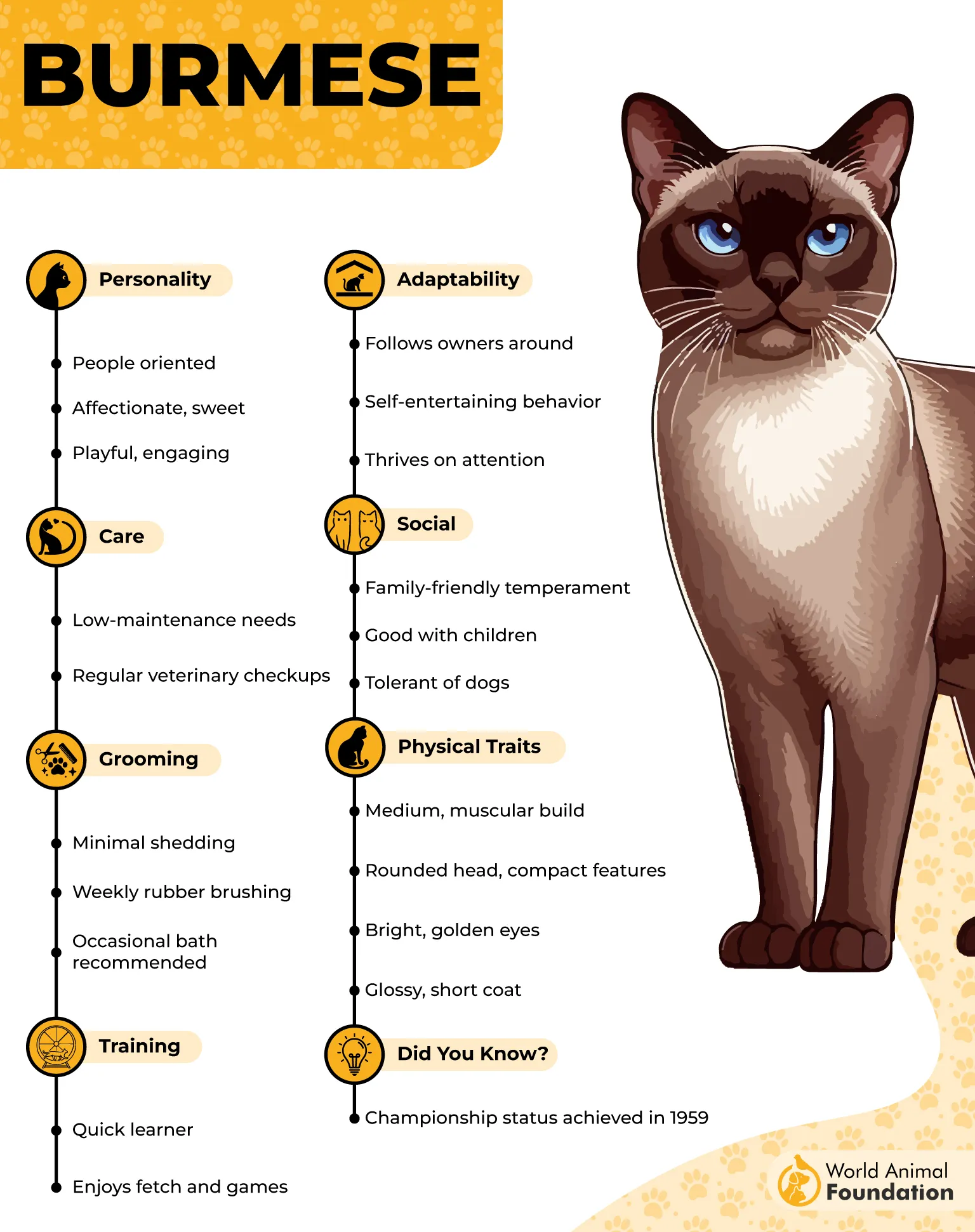
Fearlessness defines the Burmese as a rodent hunter. Curious and brave around new environments, it does not hesitate to investigate movement, making it a dependable defender of homes, shops, and barns where pests are a concern.
Highly intelligent and easy to train, Burmese cats learn quickly through physical activity, sharpening their hunting skills through engagement and play. Their adaptability allows them to thrive wherever food sources—and mice—are likely to be found.

Despite their strong hunting drive, Burmese cats remain people-focused and sensitive to their owners. They balance vigilance with loyalty, staying alert without becoming disruptive.
Fun fact: Burmese cats were historically kept in temples in Burma and are known for “thinking with their stomach,” often choosing environments where regular meals are guaranteed.
5. Turkish Angora
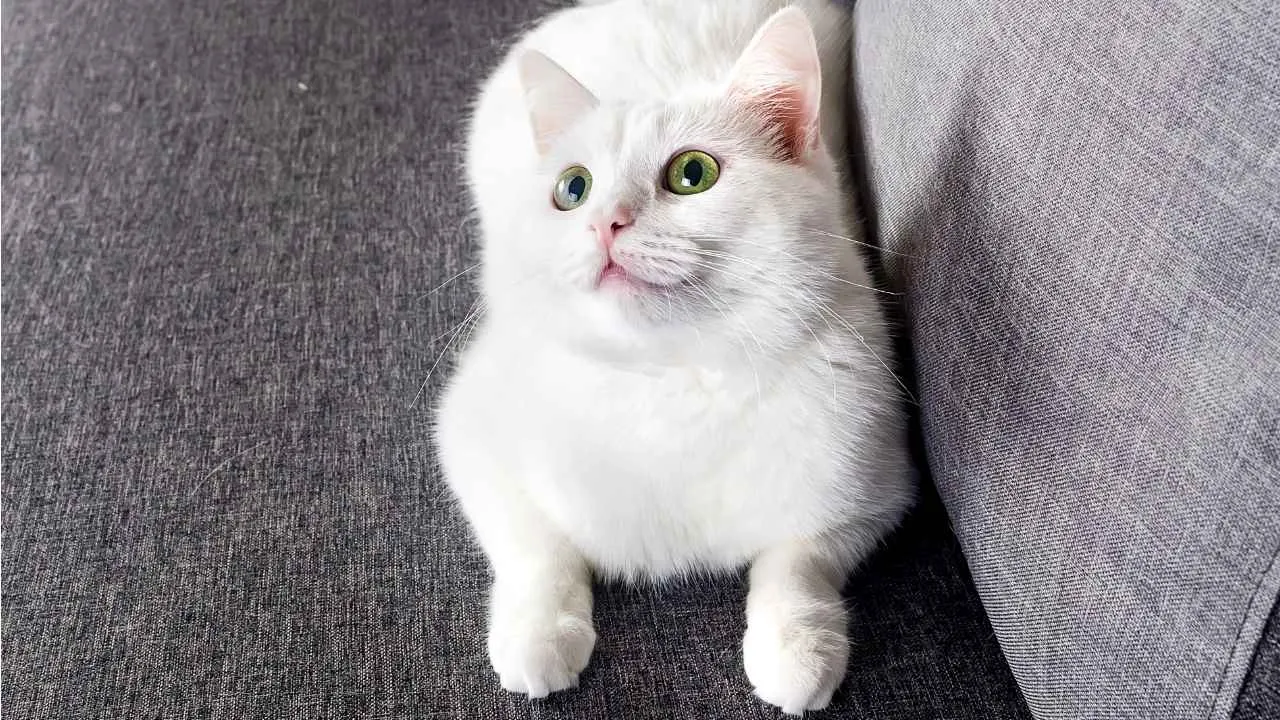
Also known simply as the Angora, the Turkish Angora is a naturally occurring breed from Turkey with a long history as a street-smart survivor. Graceful, lean, and highly alert, this cat is both elegant and fiercely capable.
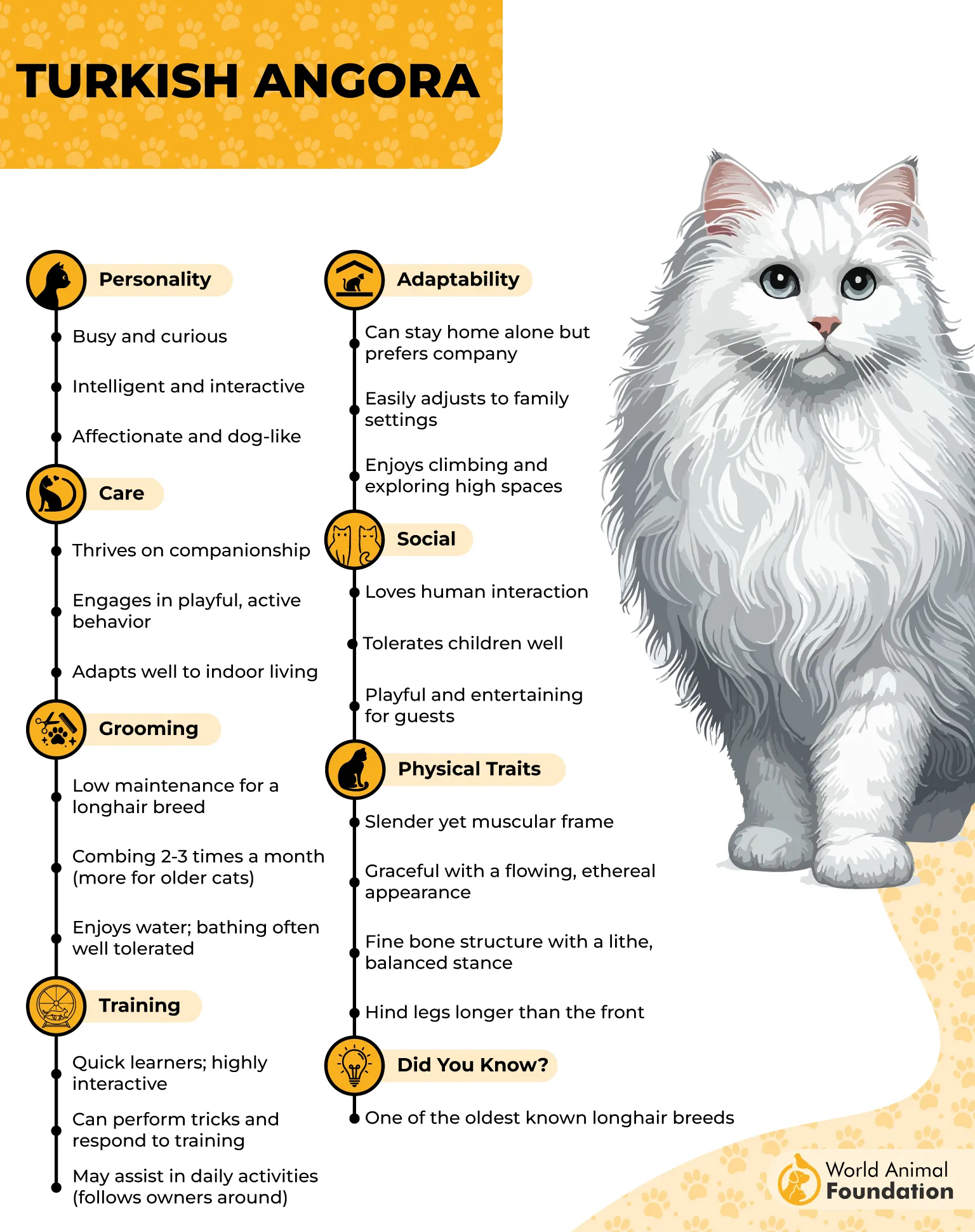
Rodent hunting comes naturally to the Turkish Angora thanks to its sharp intelligence and strong prey drive. Quick reflexes, focused stalking behavior, and confident movement make it an efficient mouser in both indoor and outdoor environments.
This breed is known for problem-solving skills that rival those of many working cats. Turkish Angoras easily learn how to open doors or access hidden spaces, traits that translate well into tracking and catching elusive rodents.
Dominant and self-assured, the Turkish Angora prefers to lead rather than follow, which supports its independent hunting style.
Fun fact: Turkish Angoras are naturally occurring cats that once lived as self-sufficient street hunters in their native Turkey.
6. Japanese Bobtail
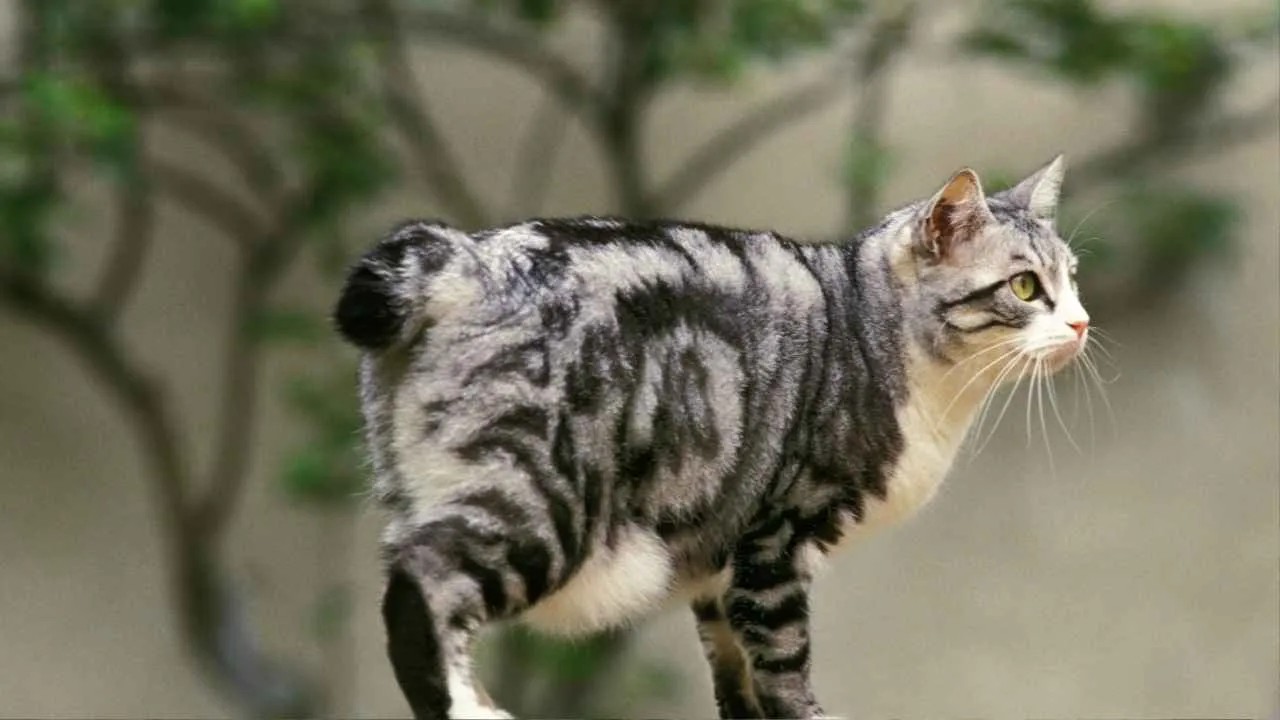
Also called the Bobtail or recognized for its distinctive “pom” tail, the Japanese Bobtail is a petite, athletic breed known for intelligence and charm. Its short, kinked tail—caused by a natural genetic mutation—is one of its most recognizable traits.
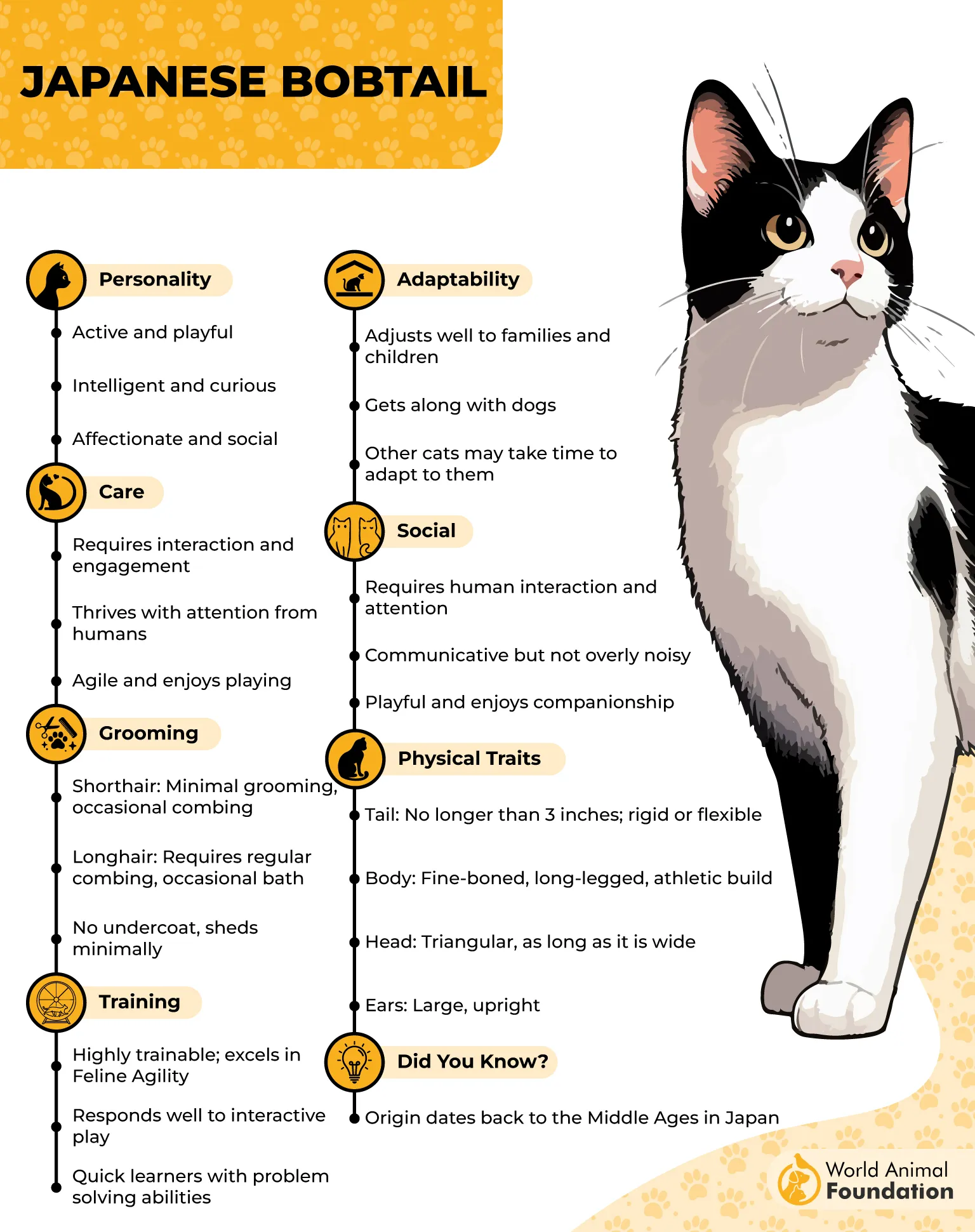
Originally bred as a working cat, the Japanese Bobtail earned its reputation as a skilled rodent hunter in silk factories. Quick reflexes, alert senses, and persistent focus allowed it to keep mouse populations under control in demanding environments.
Highly intelligent and energetic, this breed stays mentally engaged while hunting. Its ability to learn commands, retrieve toys, and remain alert for movement makes it an efficient and adaptable mouser in rural and working settings.
Despite its hunting background, the Japanese Bobtail is affectionate and social, balancing work with companionship.
Fun fact: The breed was brought from Korea to Japan specifically to serve as a ratter in silk factories.
7. Manx
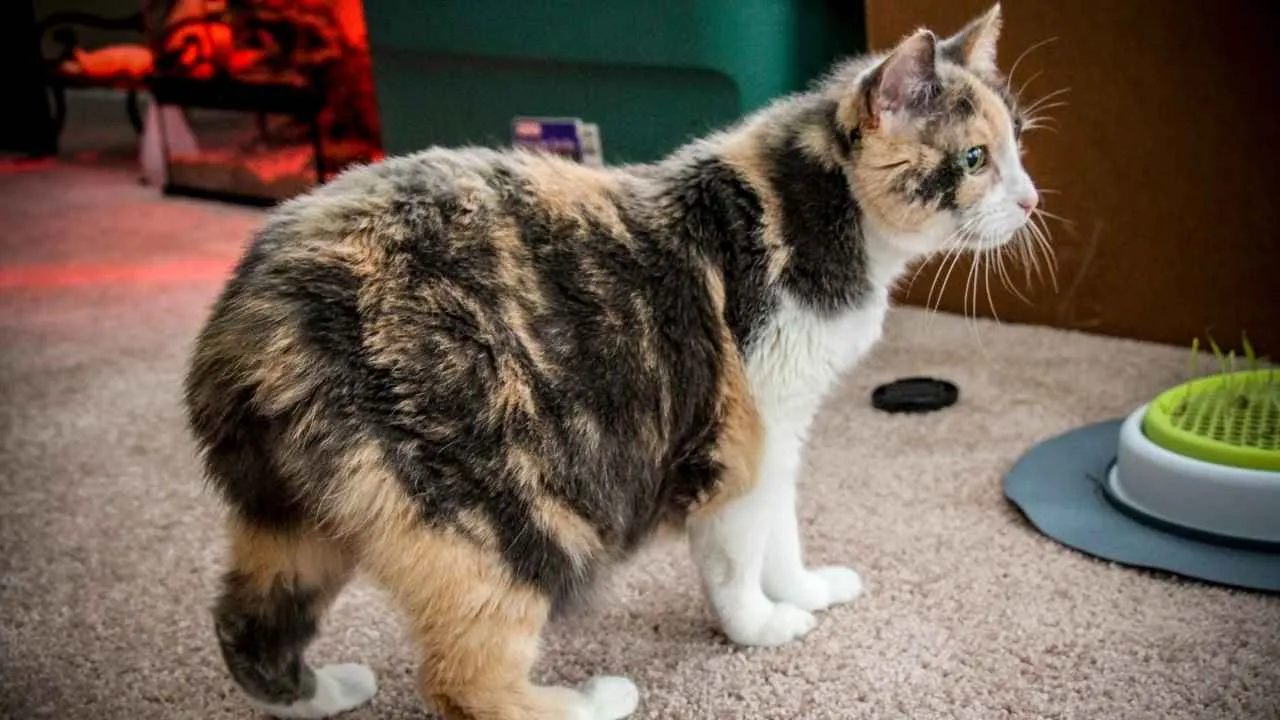
Also called the Manx Shorthair, the Manx is instantly recognized by its tailless appearance and rounded body. Originating on the Isle of Man, this breed developed as a natural working cat shaped by practical needs.
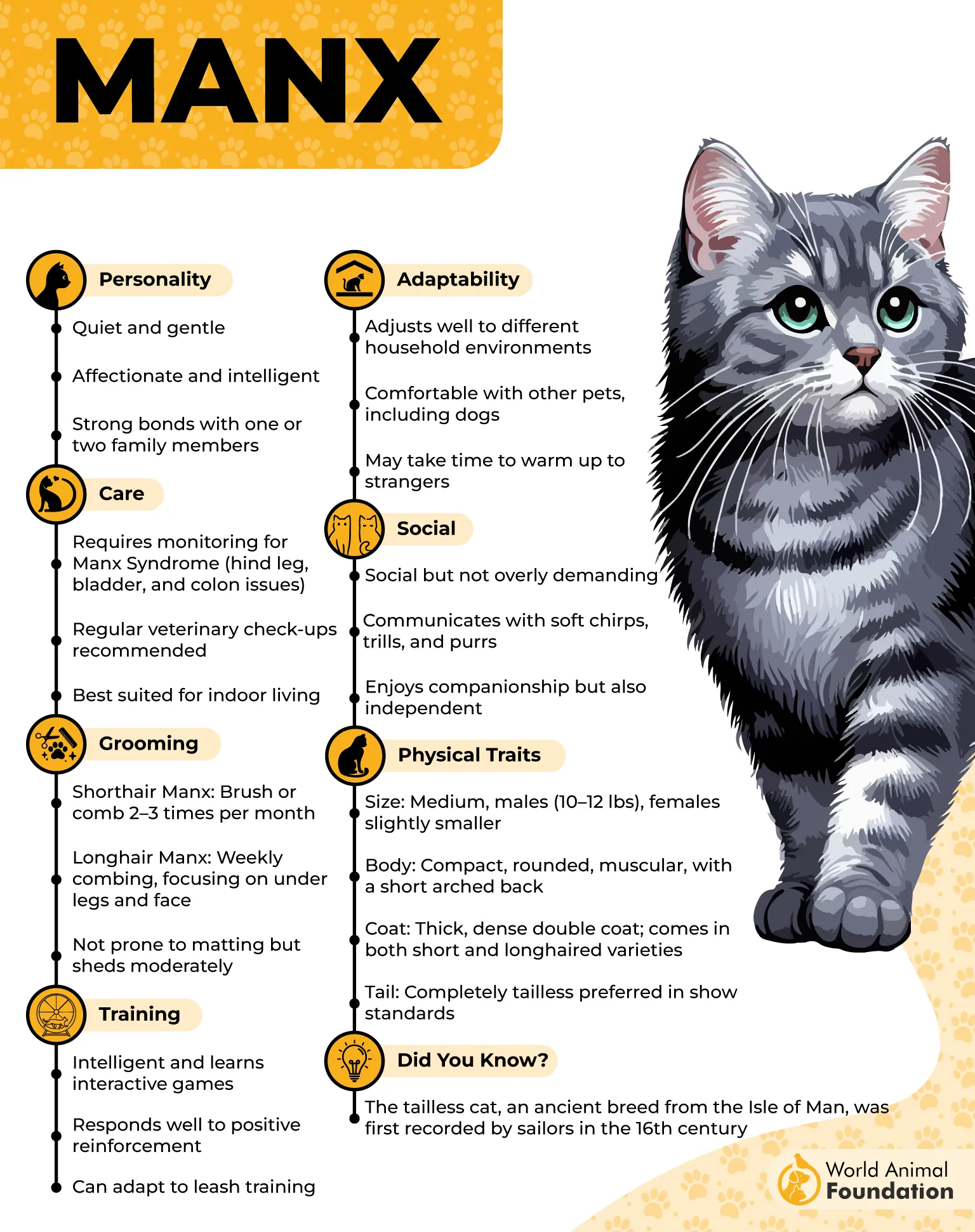
Hunting is second nature to the Manx. Bred to control rodents on farms and ships, it stalks mice and insects with impressive focus and accuracy, making it a reliable pest-control companion in both rural and coastal settings.
Powerful hind legs give the Manx exceptional jumping ability, allowing it to ambush prey quickly and efficiently. This physical advantage, paired with sharp intelligence, helps it excel as a mouser without showing aggression toward people.
Friendly and adaptable, the Manx bonds well with families and other pets while still retaining its working instincts.
Fun fact: Manx cats were widely used as farm and ship cats before becoming established working mousers in the United States.
Conclusion
Cat breeds adapted to hunting rodents highlight how natural hunting instincts remain vital in the modern cat world. Certain cat breeds were bred specifically for catching mice, controlling the rodent population, and protecting food stores.
With sharp claws, focus, and strong hunting instincts, these hunting cats excel at hunting mice both indoors and outdoors. Their hunting behavior reflects centuries of working alongside humans, making them some of the best cat breeds for rodent control.
From dependable farm companions to agile outdoor cats, these good mouse hunter breeds show why hunting abilities still matter today.
While other breeds like the Siberian cat or the Chartreux breed—often mentioned in French literature—are also known for mousing skills, not all cats share the same drive. Pet owners may even find capable hunters at a local shelter.
Understanding which cats thrive as hunters helps maintain balance between humans, other animals, and their environment.
