




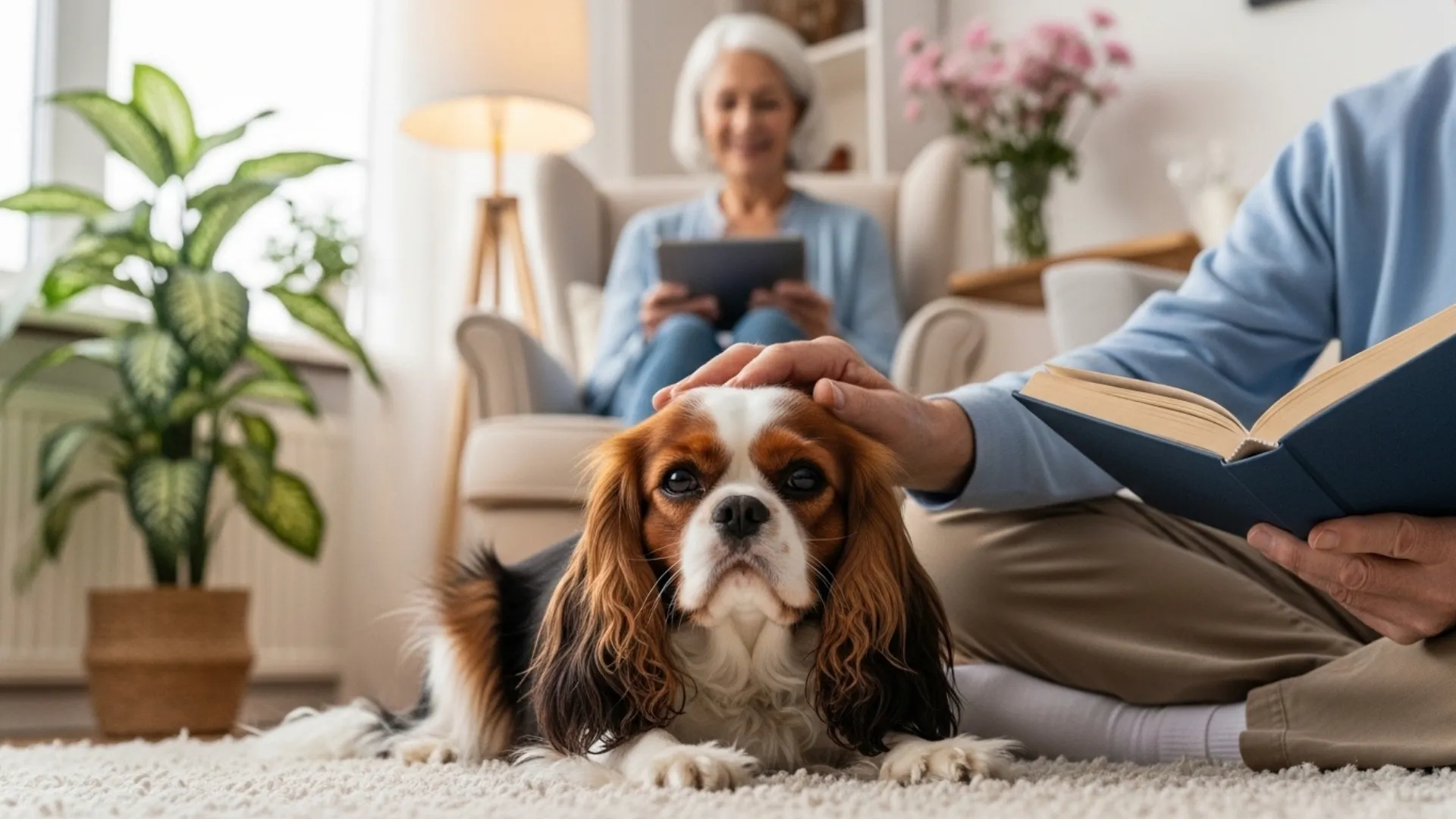
Many people assume all dogs bring energy, noise, and constant movement into a home. For seniors, that idea can feel overwhelming rather than appealing. The reality is quite different.
Some dogs are naturally calm, steady, and easy to live with. They do not demand intense exercise or constant attention. Instead, they adapt to a slower pace, making them well-suited for active aging. These dogs support light daily activity while respecting the need for rest and comfort.
Their presence feels balanced rather than disruptive. For older adults who want companionship without added stress, this difference matters more than anything else. A calm dog can turn an ordinary day into something more connected and fulfilling without making it complicated.
This article focuses on dogs that bring this sense of ease, helping seniors choose companions that truly fit their lifestyle instead of challenging it.
Key Takeaways
The right dog makes ordinary days feel calm and comforting, creating quiet moments of connection that matter most.
Cavalier King Charles Spaniels and Pugs offer warmth and affection, following you from room to room while keeping energy perfectly balanced.
Shih Tzus, Maltese, and Havanese adapt effortlessly to quiet walks and indoor relaxation, providing connection without overwhelming activity.
By meeting all seven breeds, you’ll see which dogs can bring comfort, joy, and a sense of ease into daily life for active aging.
Calming Dog Breeds for Seniors and Active Aging
1. Cavalier King Charles Spaniel
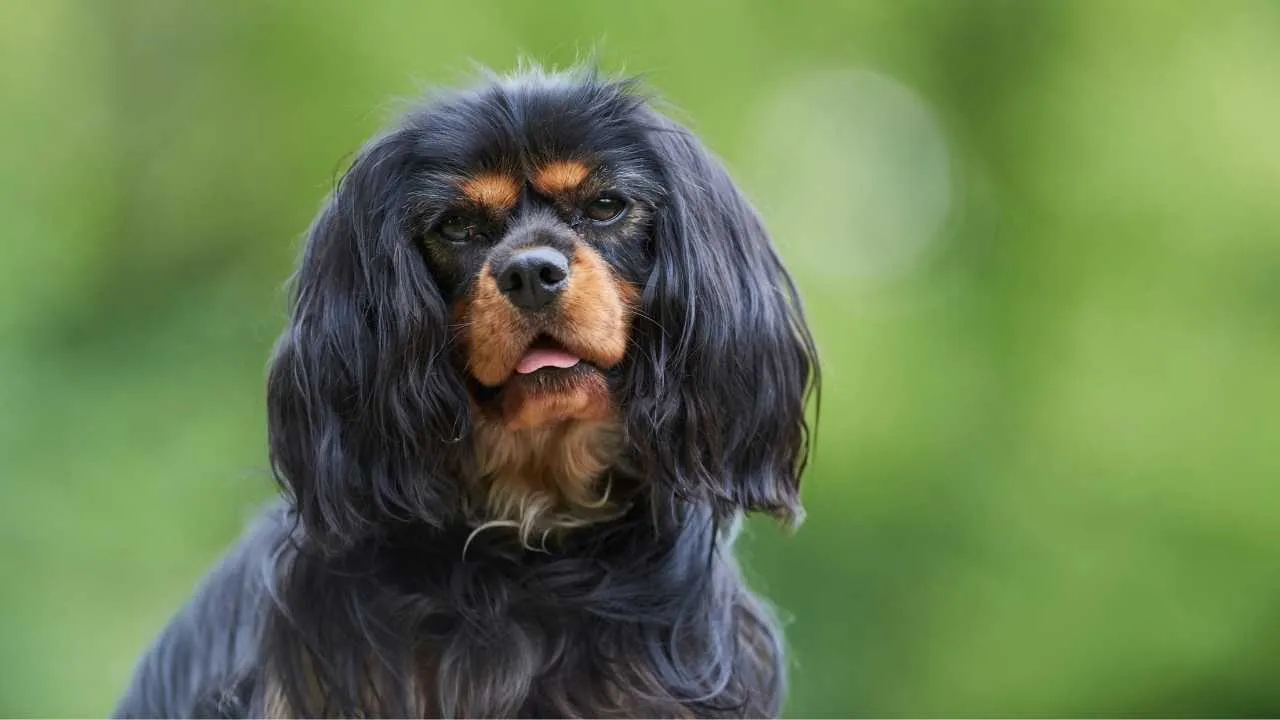
Cavalier King Charles Spaniel traces back to Tudor times, valued as lap dogs and warm companions. Their gentle demeanor and affectionate nature make them ideal for quiet, calming companionship. This history connects directly to their suitability for seniors.
Physical Traits and Disposition
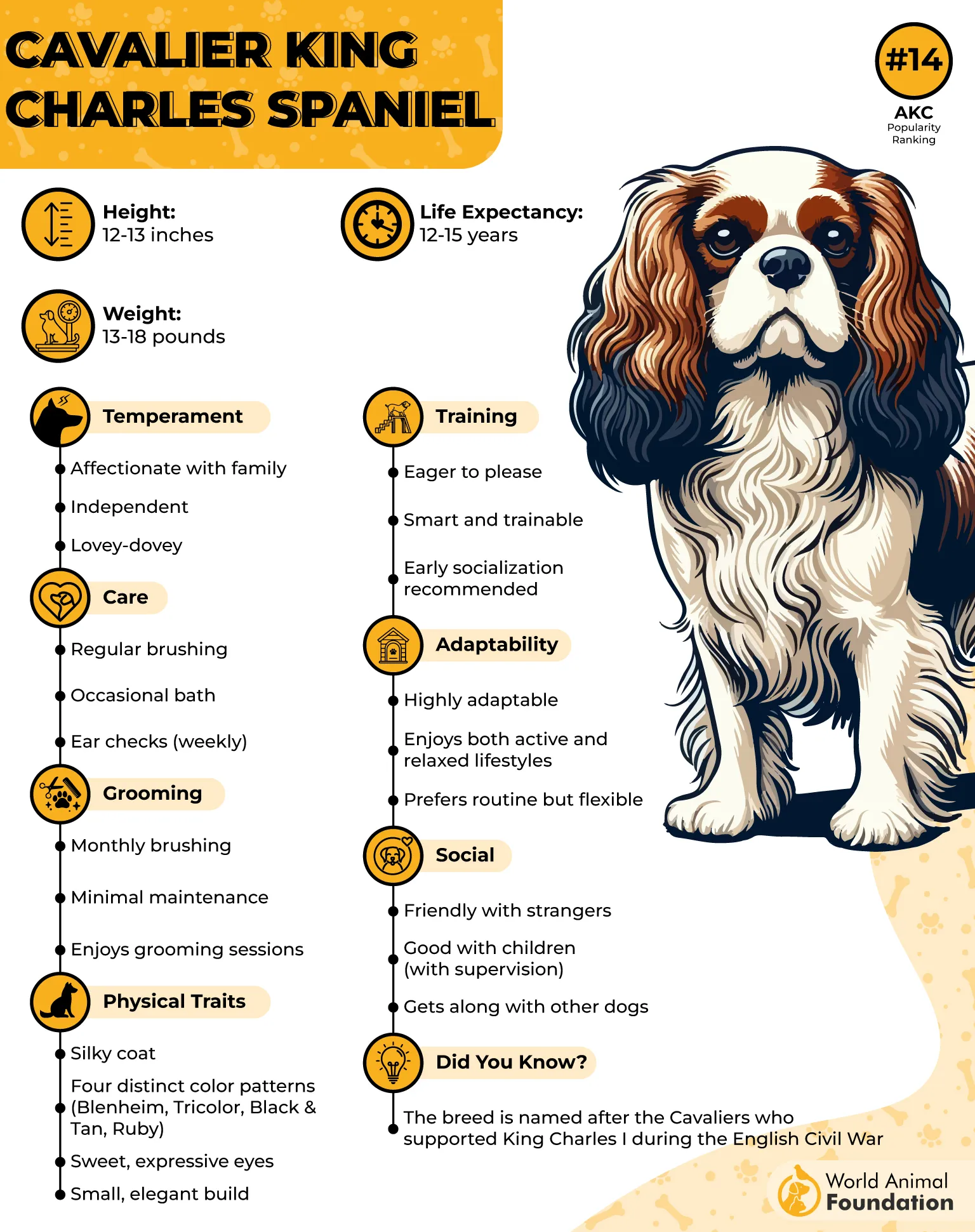
Compact and graceful, Cavaliers have expressive eyes and silky coats that invite affection, as per the AKC. Their playful energy is balanced by calmness, allowing for both interactive and relaxing activities.
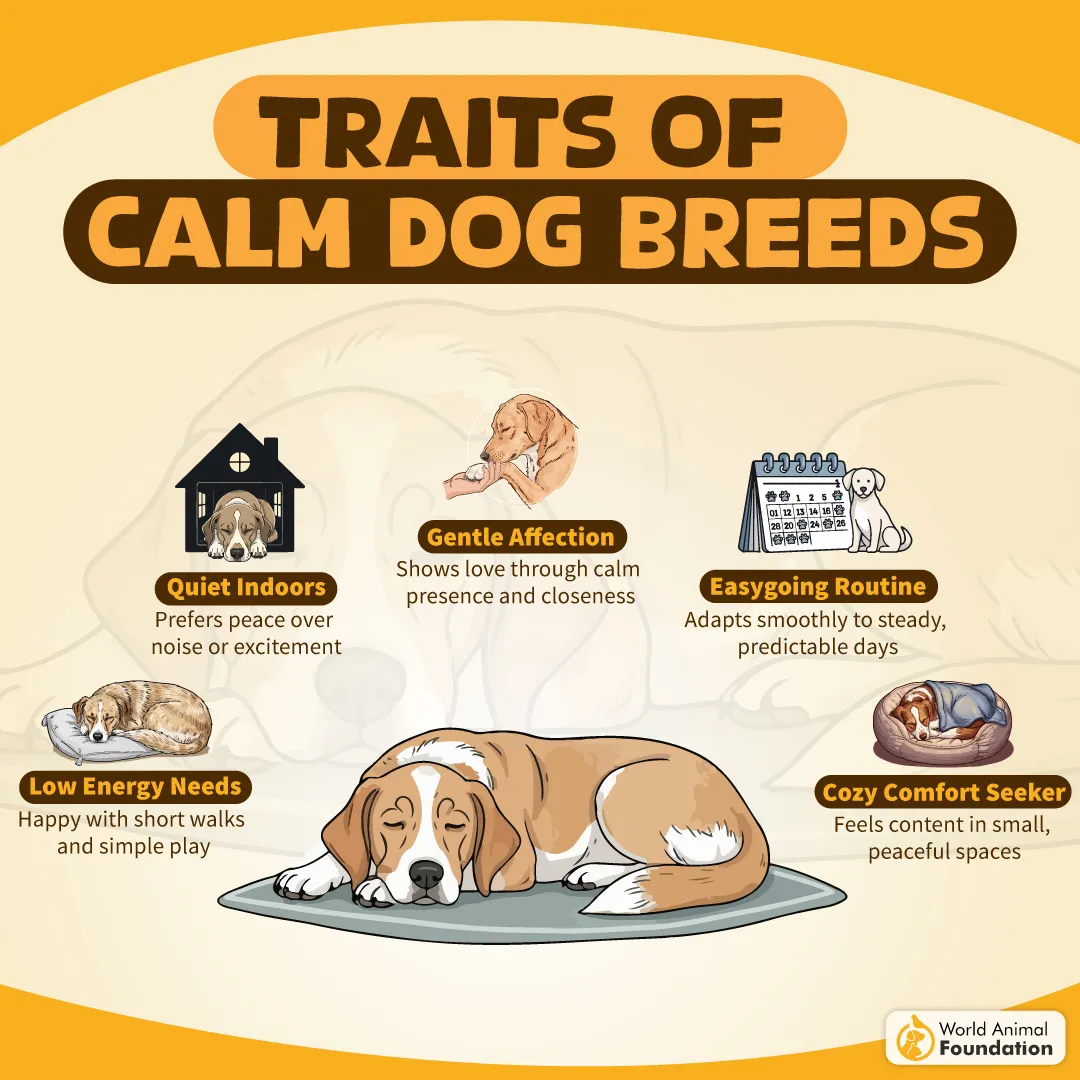
These qualities highlight their versatility in daily life:
Devoted and gentle lap dogs
Adaptable to quiet or active settings
Naturally social and affectionate
Activity and Adaptability
These best dog breeds enjoy gentle walks, exploring new scents, and light play while remaining content with indoor relaxation. Their energy is manageable and well-suited to seniors and older adults who prefer a canine companion to match daily routines.
2. Pug
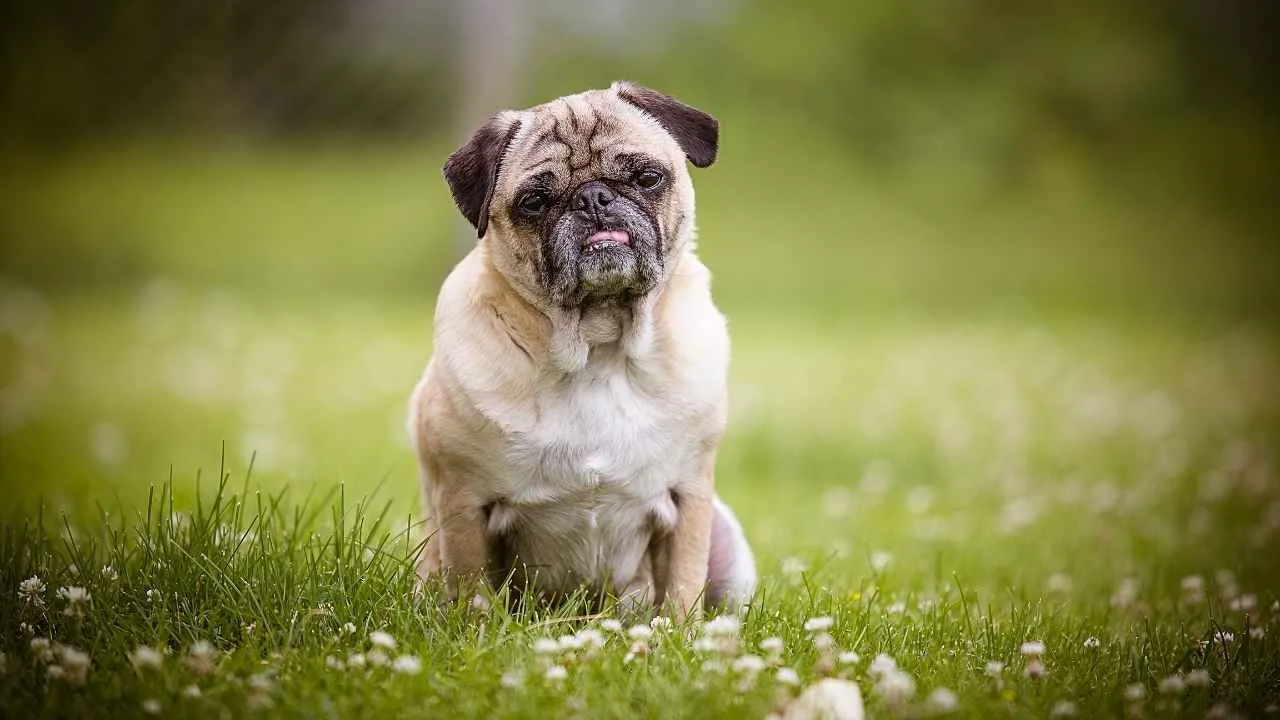
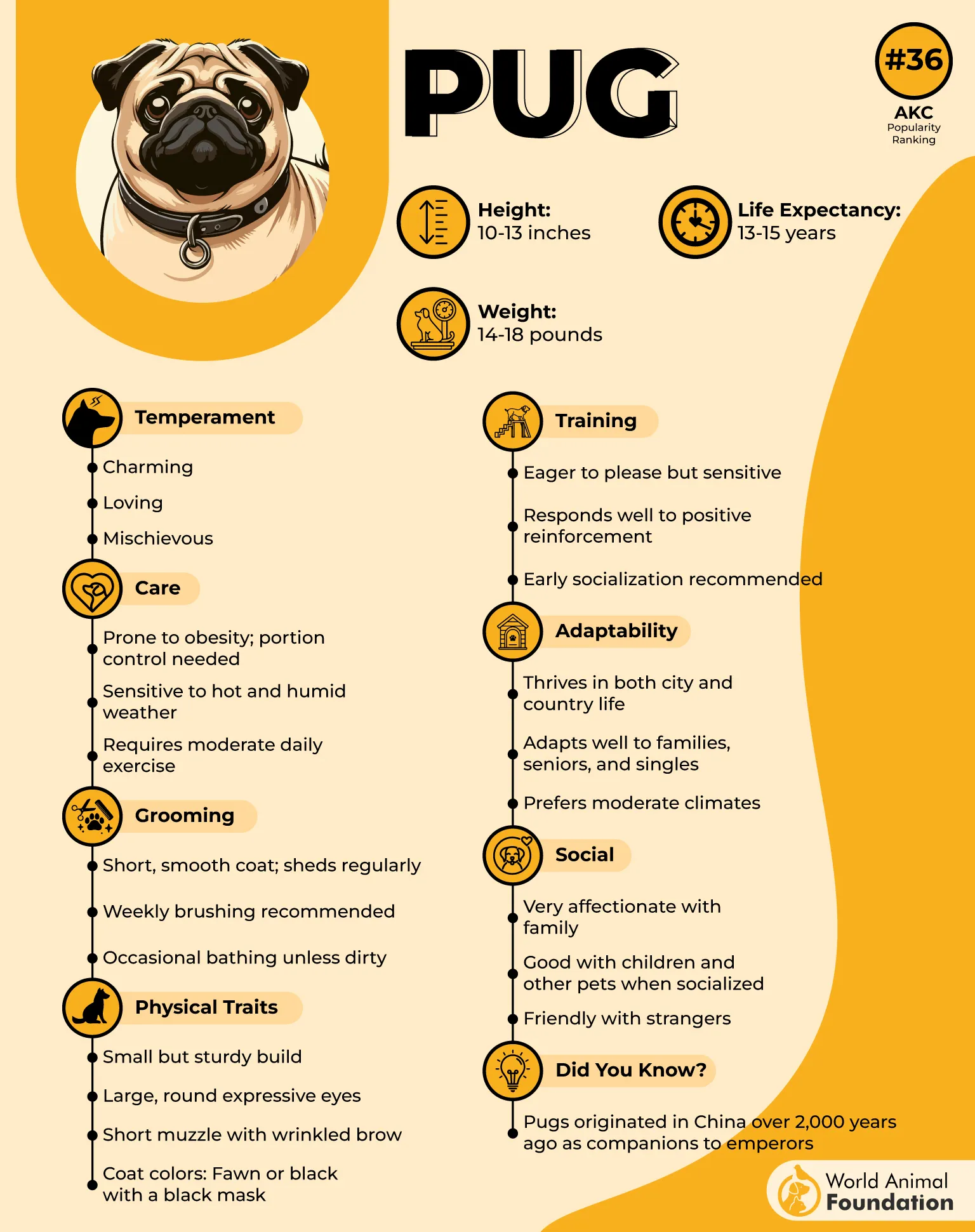
Pugs are small, stocky dogs with expressive faces and a playful spirit. Their history traces back to Tibetan monasteries, later reaching Europe through trade. These little, affectionate dogs excel at staying close, providing comfort and company to seniors.
Traits That Delight
Their friendly nature and low-energy lifestyle make them ideal lap dogs. They thrive on companionship, which fosters strong bonds while requiring minimal physical activity.
Here’s how their calm demeanor shines:
Enjoys gentle, indoor play
Friendly with other pets and people
Easily adapts to daily routines
Playful yet Calm
Pugs display humor and affection without overwhelming energy bursts. They balance moments of playful antics with long, restful naps, making them predictable and comforting. Their slow learning pace does not hinder enjoyment or interaction with their owners.
3. Shih Tzu
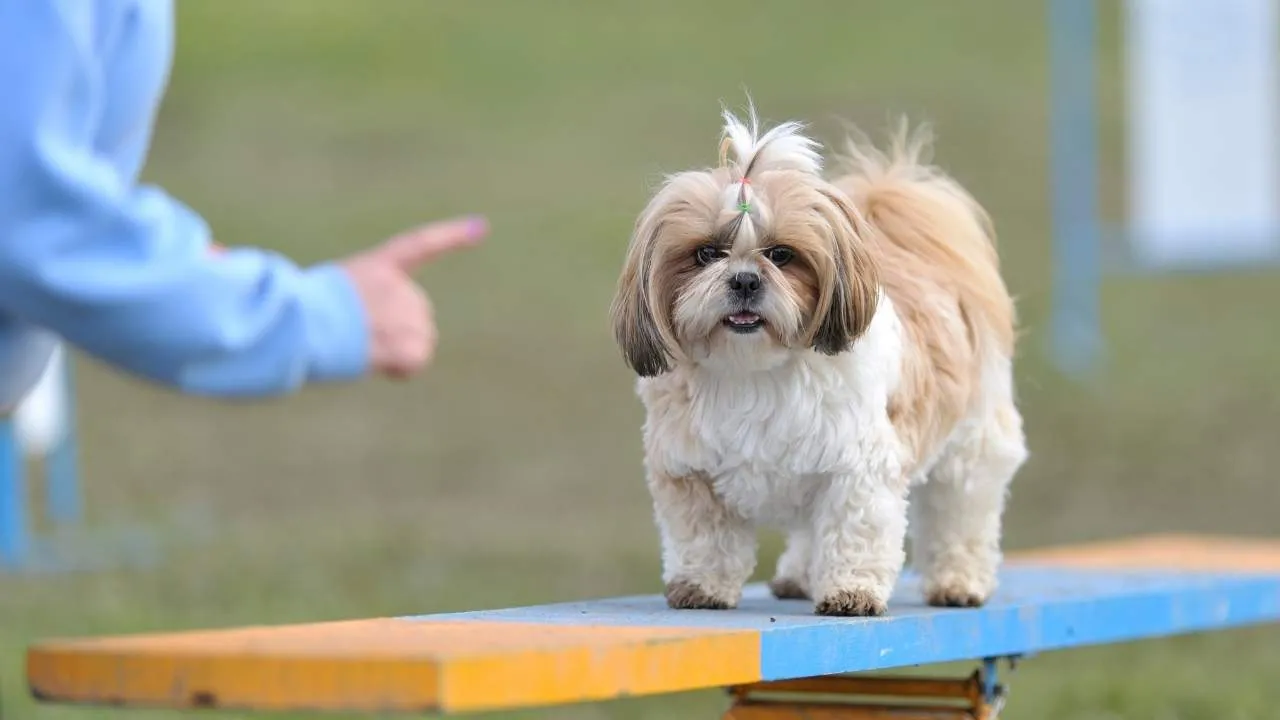
Shih Tzu traces back to China, where it was highly valued and associated with Buddhist culture as the “Lion dog.” The breed likely developed from Tibetan stock and shares resemblance with Lhasa Apso types. Its early presence in royal settings shaped its identity as a close human companion.
Comfort in Daily Living
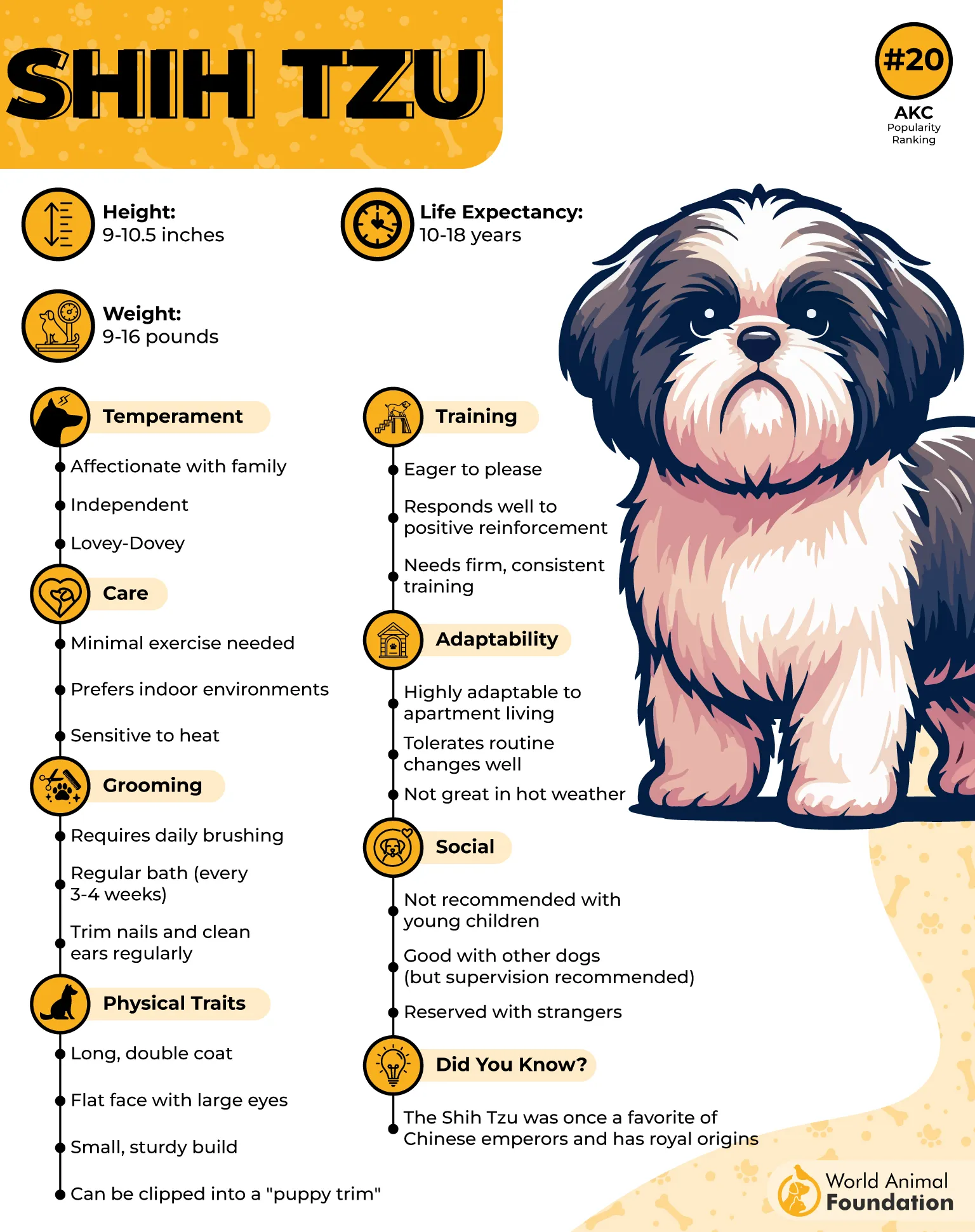
This small, gentle dog fits naturally into a slower-paced lifestyle, preferring close contact and relaxed routines throughout the day. Its low exercise needs and affection for indoor spaces suit seniors seeking steady companionship.

A quick look at its everyday tendencies explains this fit:
Prefers short walks over long outings
Enjoys resting on beds, sofas, and laps
Friendly with people, pets, and visitors
Training and Practical Fit
These small dogs learn slowly and respond best to patience, consistency, and reward-based training, as Omlet mentioned. House training can take longer, requiring steady effort and routine. It remains better suited to cooler indoor settings, as heat can affect its comfort.
4. Maltese
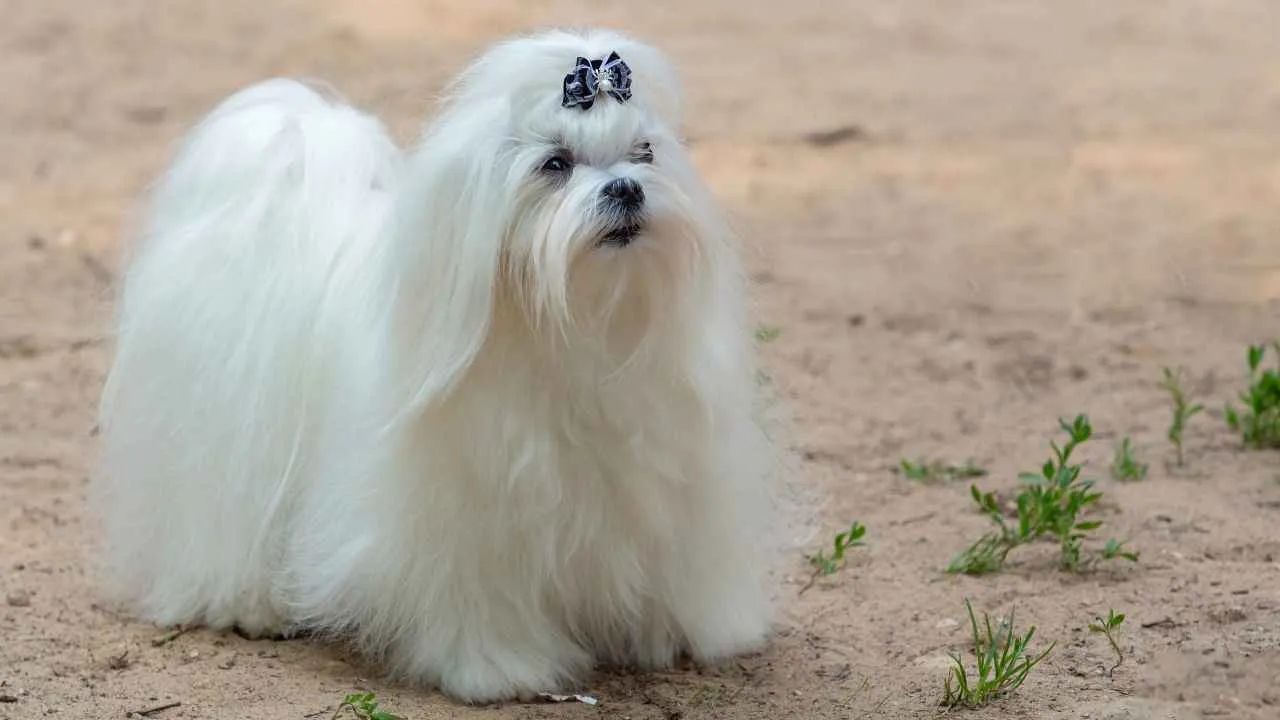
Maltese has an uncertain origin, believed to have reached Central Europe through traders traveling from Asia. Some links trace it back to breeds like the Tibetan Terrier. Its long journey shaped a small companion dog closely tied to human presence.
Calm Companion Fit
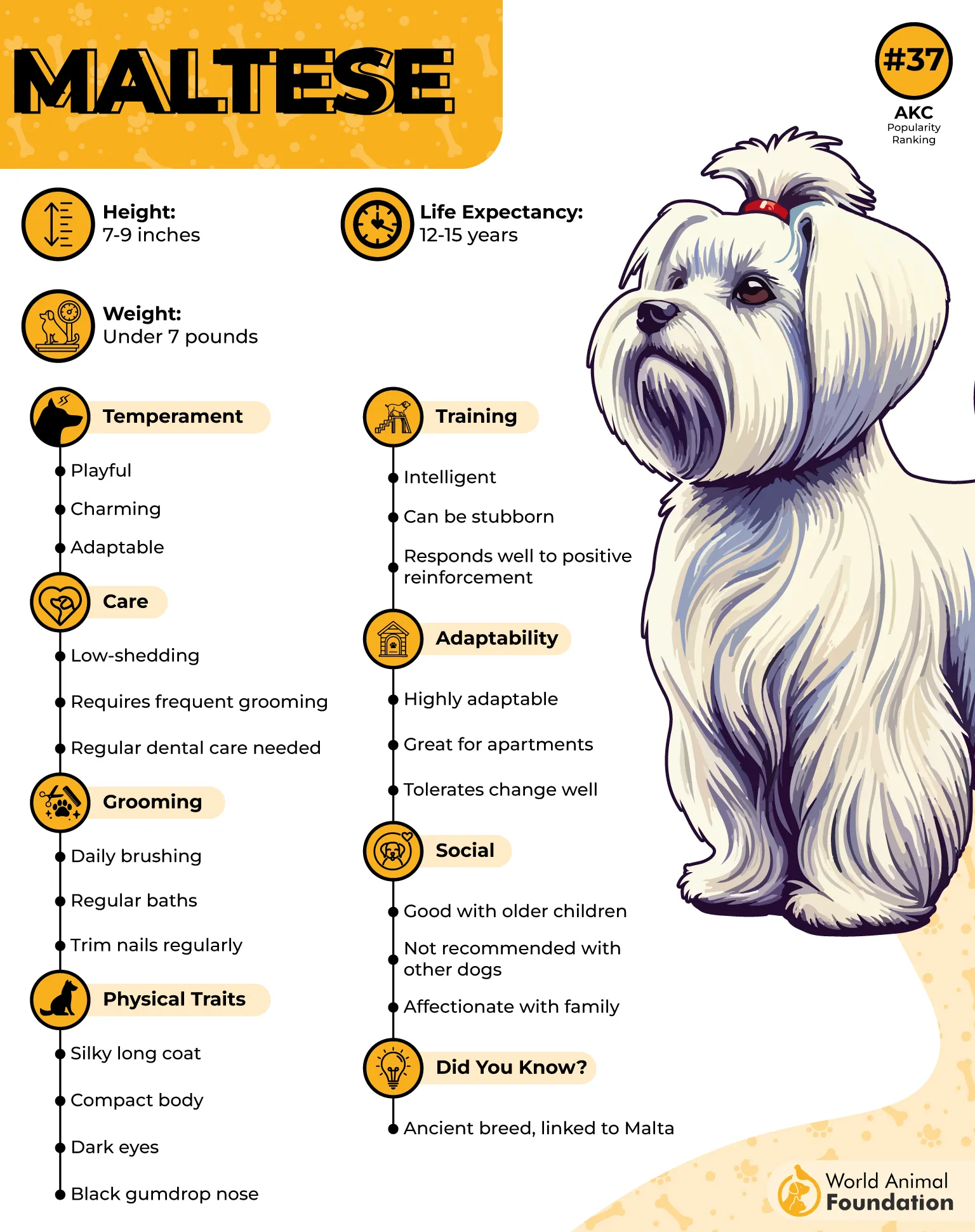
They stay happiest when close to people, often choosing a lap over any other place in the home. This constant companionship and low activity need to align well with a calm, steady daily routine.
These everyday traits make this bond easy to maintain:
Prefers short walks over long outings
Enjoys staying close throughout the day
Welcomes people with gentle friendliness
Daily Behavior
These great companions remain playful well into adulthood, often shifting from light activity to long, relaxed rest periods. It interacts easily with children, other pets, and visitors without showing aggression, as PetMD stated. Barking may occur at the door, followed by a warm and affectionate response.
5. French Bulldog
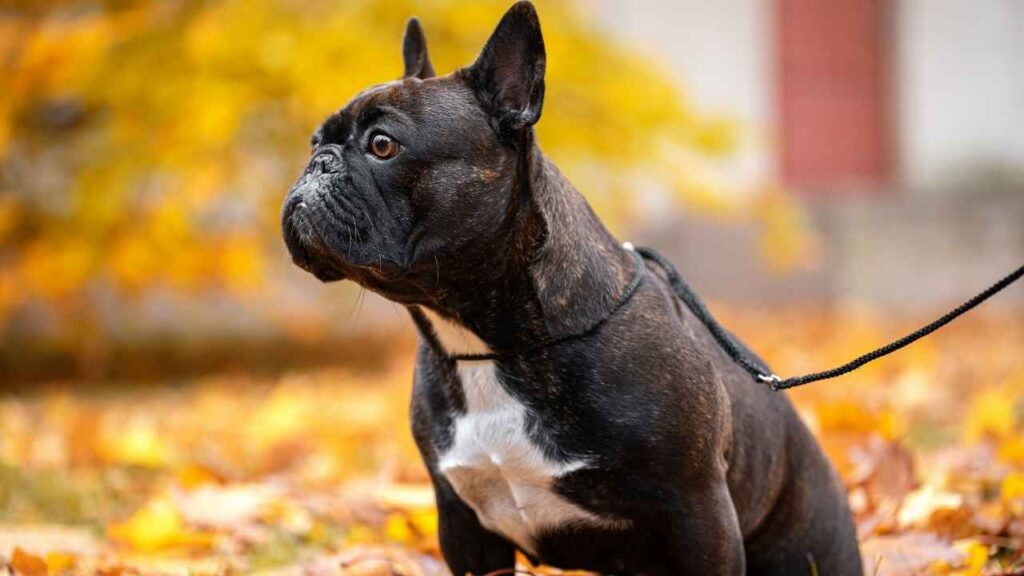
The French Bulldog originated in the mid-1800s when English lace workers brought small Bulldogs to France. Their distinctive upright ears quickly gained attention among locals. Over time, this small companion became widely favored for its engaging personality.
Easygoing Companion
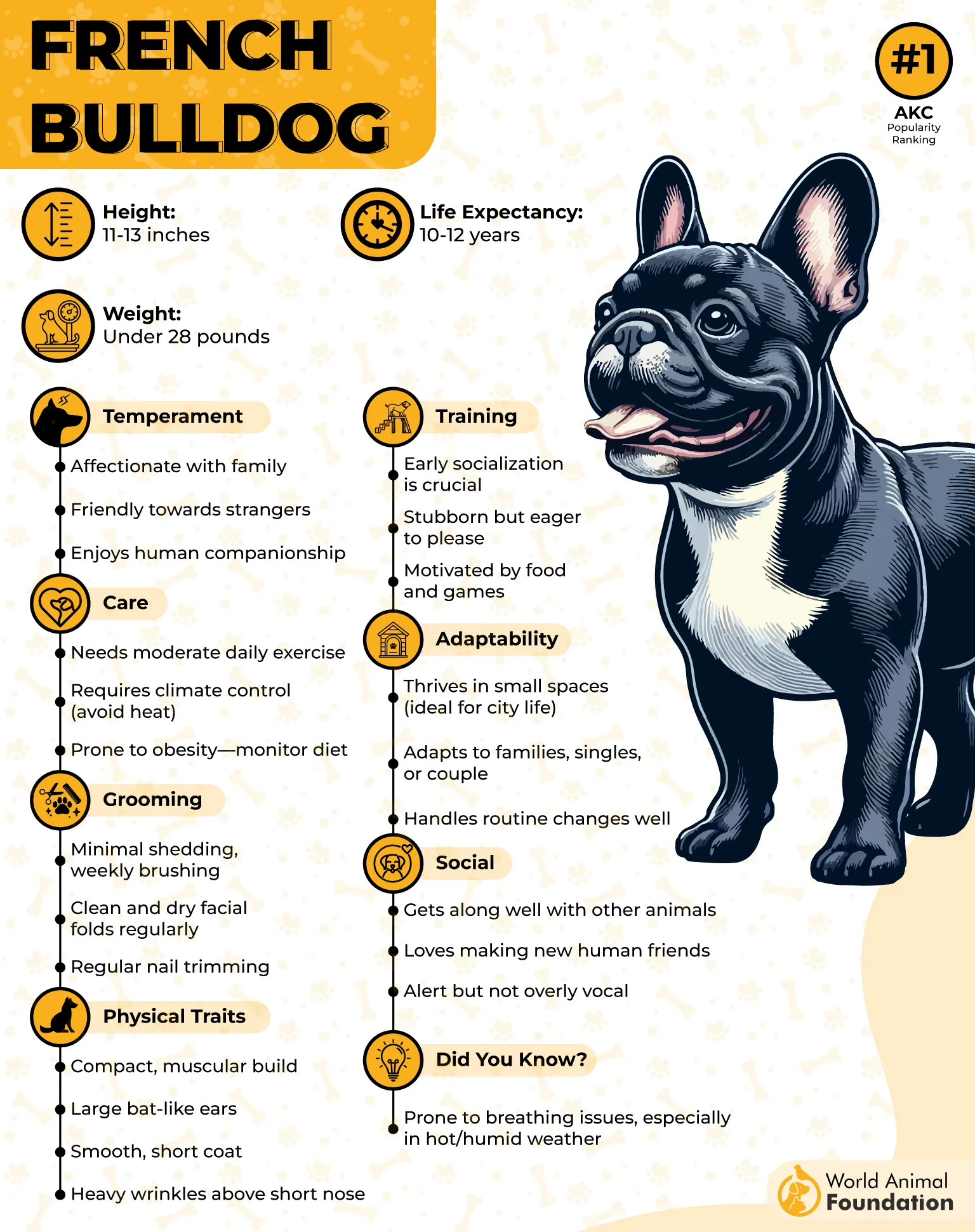
Frenchies show a natural tendency to stay close, often settling comfortably beside their person during daily routines. This relaxed presence fits well with slower-paced lifestyles and steady companionship.
These are the qualities that make this bond easy to maintain:
Enjoys close physical contact, like lap time
Gets along well with familiar pets
Adapts to shared indoor routines
Social Behavior
These Bulldogs interact warmly within the household and respond well to inclusion in daily activities. It may show slight caution around unfamiliar people at first, then settle once comfortable. This steady behavior helps maintain a calm and predictable environment.
6. Havanese
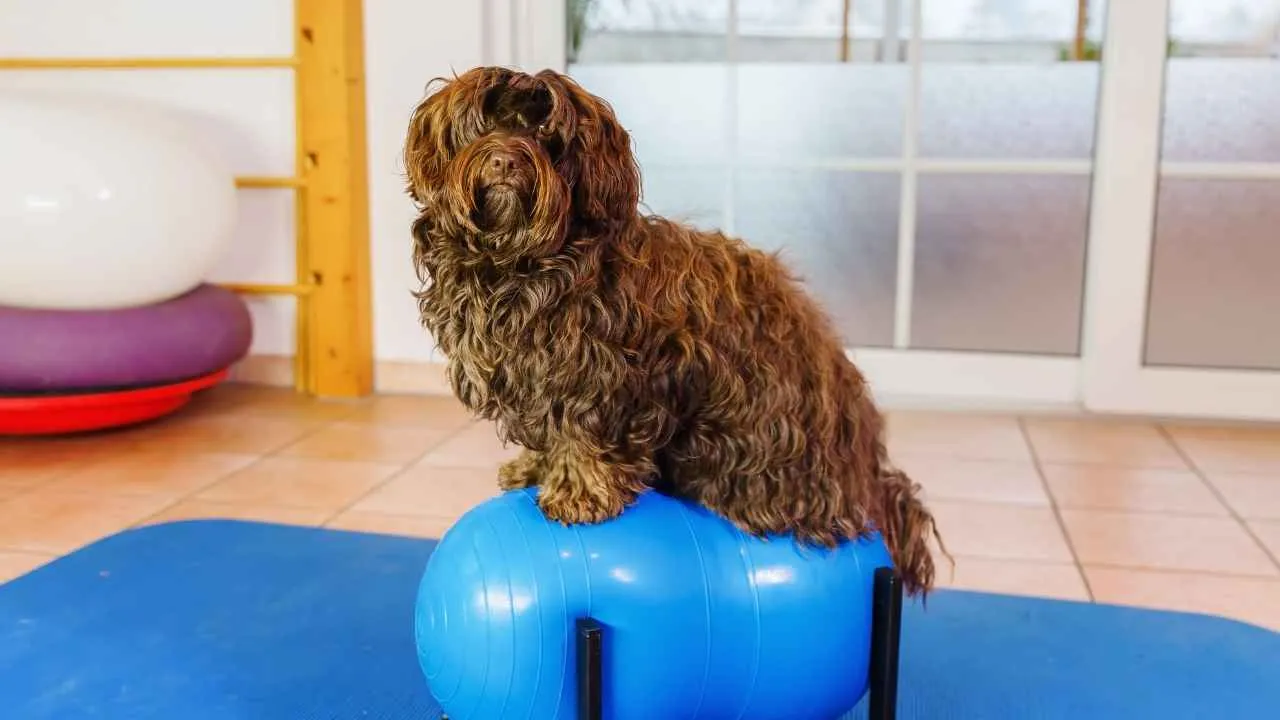
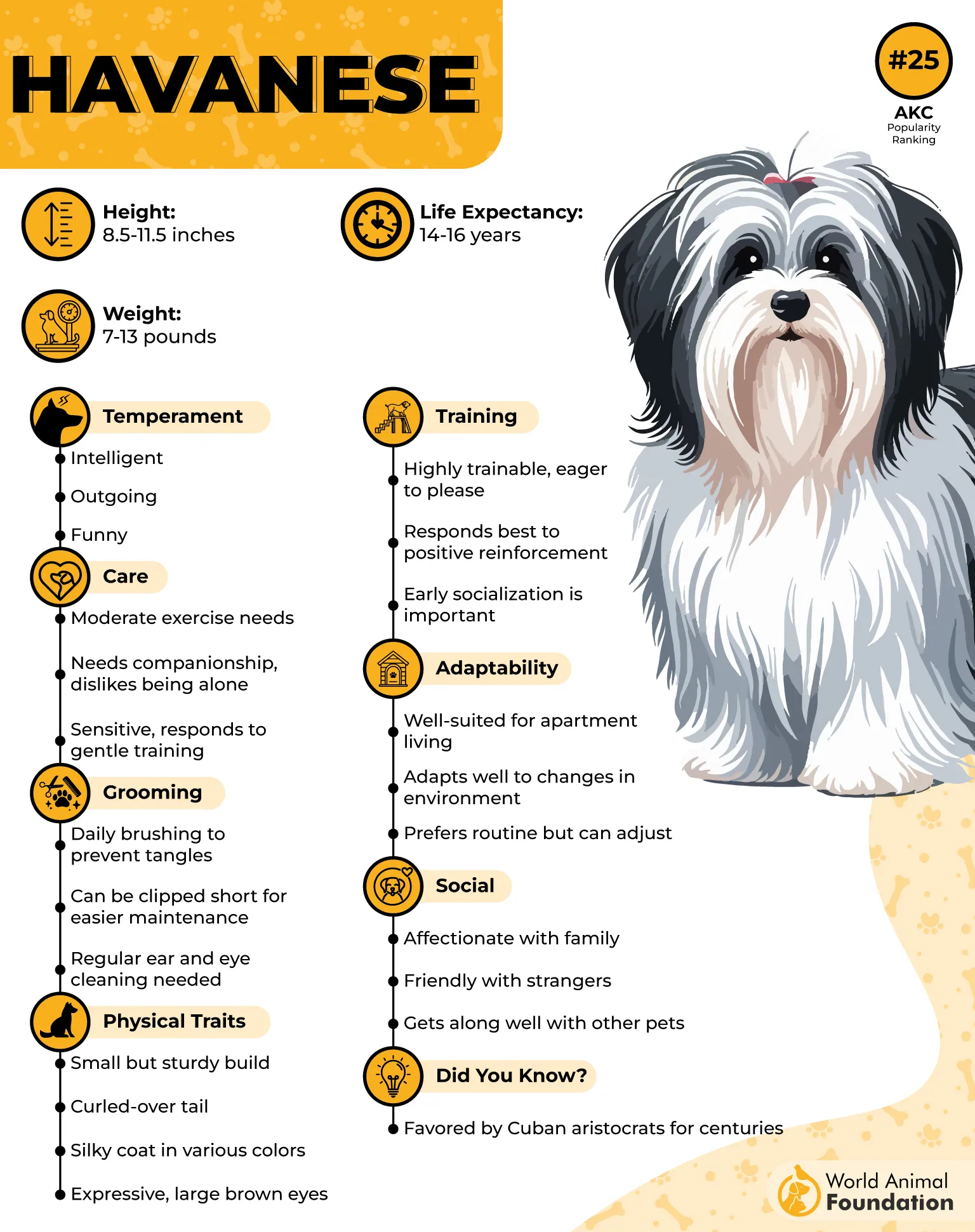
Havanese stay closely attached, often following from room to room and settling wherever attention is available. This constant presence comes from its role as a companion among wealthy Cuban households after arriving with Spanish traders.
Comfort in Companionship
They fit naturally into slower daily routines, staying content when included in simple activities and close contact. This steady need for interaction supports emotional comfort during quiet hours at home.
These habits explain why this bond feels so natural.
Seeks physical closeness like sofa cuddling
Welcomes interaction with people and other pets
Adjusts to short alone time if trained early
Social Ease
This dog shows an easygoing attitude toward familiar faces and even strangers, making daily interactions feel relaxed rather than demanding. Its playful and amusing behavior adds light activity without overwhelming the environment. Attention remains the central need that shapes its behavior.
7. Pekingese
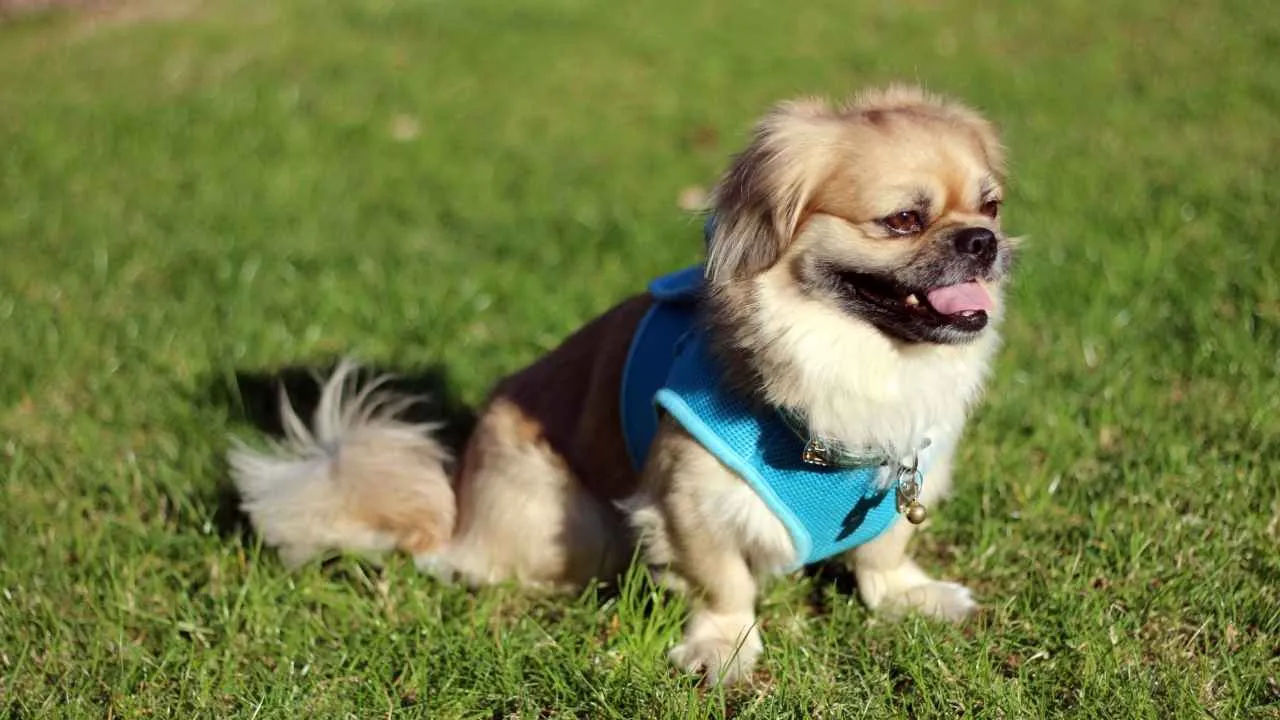
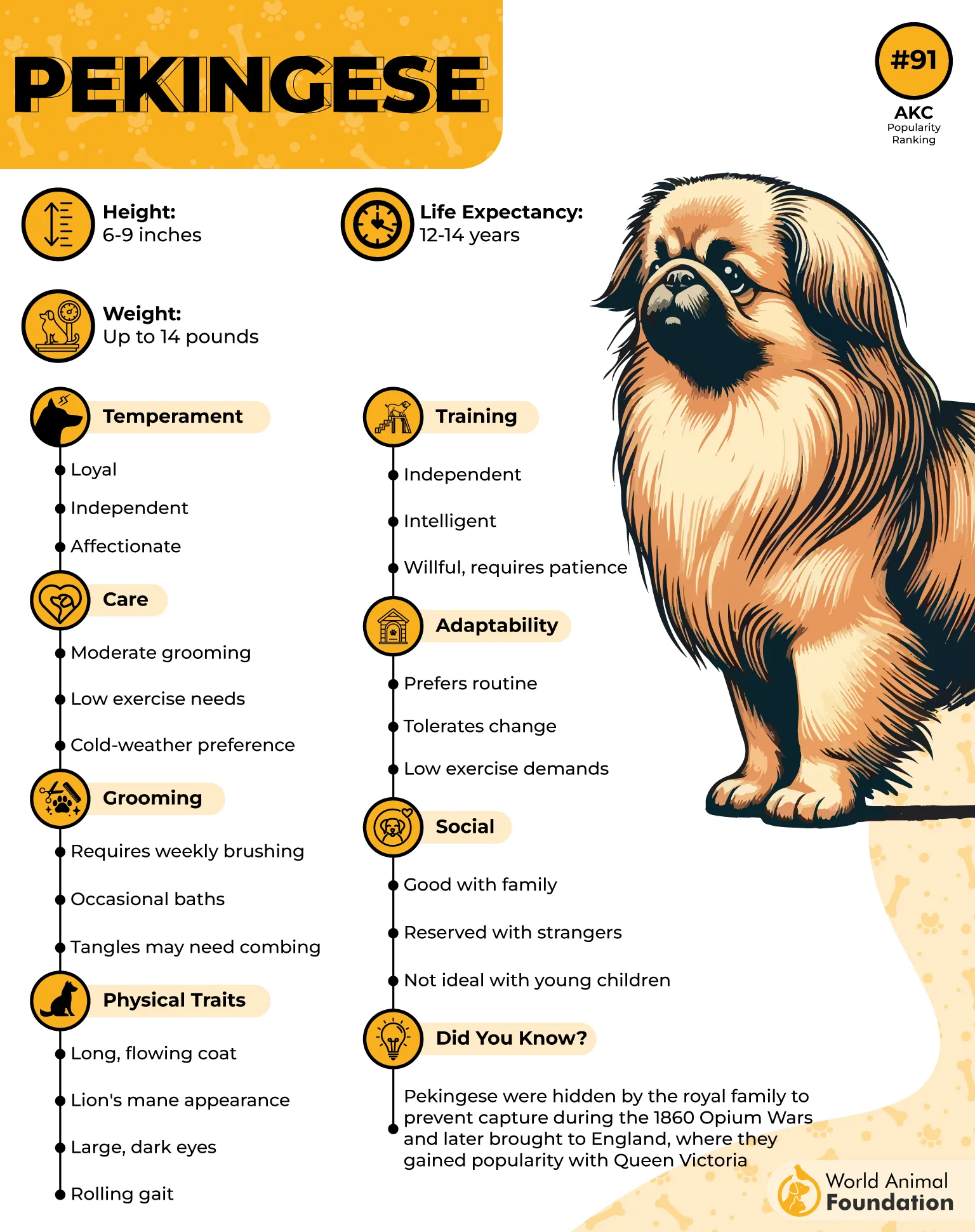
Pekingese moves with a self-assured presence, often choosing when to engage rather than seeking constant attention. This independent streak makes its affection feel deliberate and meaningful. Behind this composed nature lies a breed once raised by Buddhist monks in China as the admired “Lion Dog.”
Comfort-Focused Living
They prefer a steady routine, enjoying calm surroundings where they can settle, observe, and join in on their own terms. This balance between independence and closeness fits well with a slower, more relaxed daily pace.
These tendencies shape their daily life experiences:
Enjoys sitting close when it chooses
Can stay occupied with toys for long periods
Gets along with familiar pets when raised together
Social Boundaries
This breed shows affection without being overly demanding, often approaching for attention when it feels comfortable. It may act protectively by alerting visitors, showing a natural awareness of its surroundings. Early social exposure helps prevent it from becoming overly attached to one person.
Conclusion
Selecting the right dog can reshape how dog ownership feels in everyday life. These breeds bring an affectionate nature that supports independent living without adding pressure or complexity.
Unlike high-energy breeds or demanding active breeds, they settle easily into apartment living and apartment life with simple routines.
Daily walks remain light and manageable, while grooming needs stay predictable and easy to handle. Even older dogs can adjust well, offering calm companionship.
Many are highly intelligent and form strong bonds, becoming a steady furry friend during quiet moments like watching TV, proving they suit this stage better than many other breeds.
