




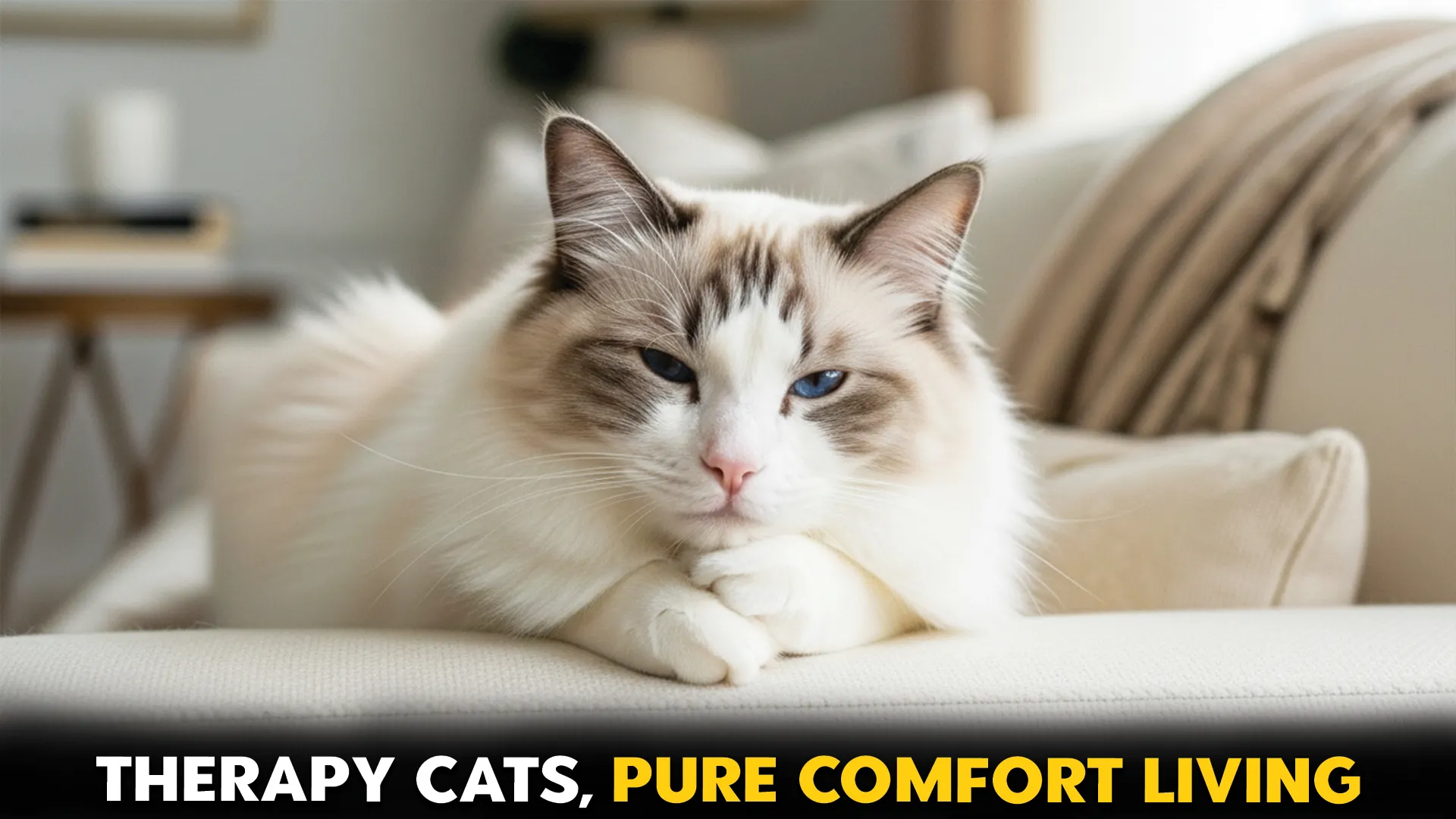
Cats may be known for their independence, but many possess a gentle, intuitive nature that makes them ideal for therapy work. A suitable therapy cat is typically calm, affectionate, and highly attuned to human emotions, offering quiet companionship when it’s needed most. These traits allow certain breeds to stand out as natural comfort providers in both clinical settings and everyday homes.
Cats provide emotional support in subtle yet powerful ways, from soft purring to simply staying close during stressful moments. Their presence can ease anxiety, reduce tension, and create a sense of calm without overwhelming interaction. Breeds that are social, patient, and people-oriented tend to respond to emotional cues more readily, making them especially effective in therapeutic roles.
In daily life, therapy cats bring comfort, connection, and stability to their owners. Whether offering warmth through gentle cuddles or quiet reassurance through their presence, these felines prove that emotional support doesn’t always have to be loud to be meaningful.
Best Therapy Cat Breeds
1. Ragdoll
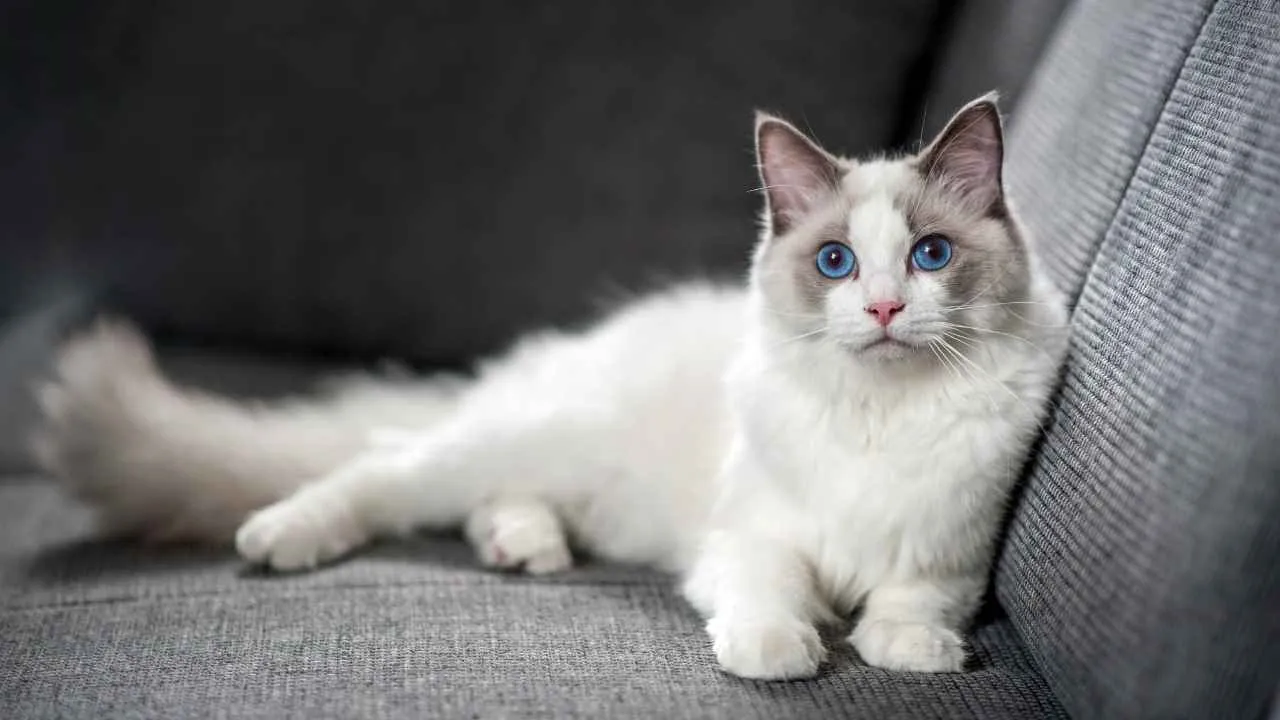
The Ragdoll, sometimes simply called the “Rag Cat,” is a large, semi-longhaired breed known for its striking blue eyes and plush coat. They are one of the best cat breeds for therapy.
First developed in California in the 1960s, this breed is instantly recognized for its tendency to relax completely when held. According to Britannica, this cat has a large, heavy, and powerful body.
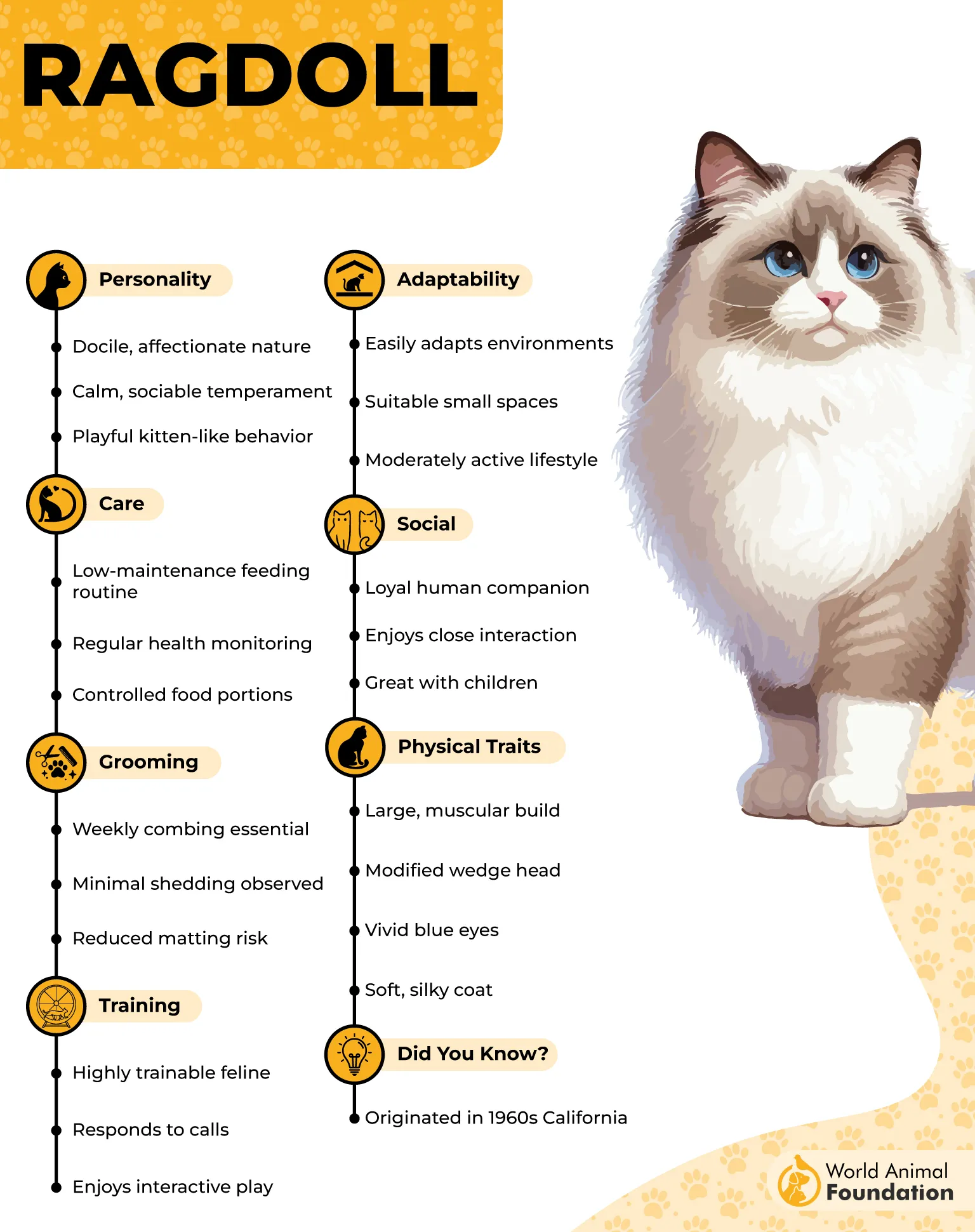
The Gentle Companion with a Naturally Soothing Presence
Ragdolls are famous for their calm and affectionate nature, making them exceptional therapy companions. Their relaxed temperament allows them to remain composed in different environments, offering steady emotional comfort to those around them.
These cats actively seek human connection, often following their owners and enjoying close physical contact. Their love for cuddling and quiet companionship makes them especially effective at easing stress and providing reassurance.
Gentle and patient, Ragdolls interact well with children and adapt easily to various households. Their soft demeanor, combined with a trusting personality, creates a soothing presence that feels both comforting and dependable.
Fact: The Ragdoll gets its name from its habit of going limp and relaxed when picked up.
2. Maine Coon
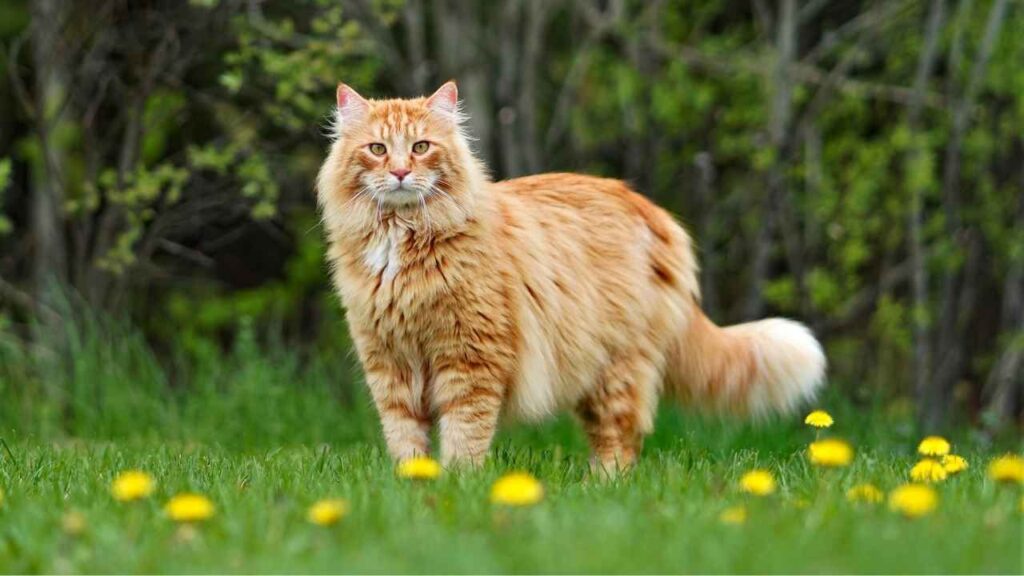
The Maine Coon, often called the “gentle giant,” is one of the largest domestic cat breeds, admired for its long, fluffy coat and friendly demeanor.
Known for its dog-like personality, this breed combines intelligence, affection, and sociability in a well-balanced companion. According to PetMD, the Maine Coon originated in Maine and is recognized as the official state cat.
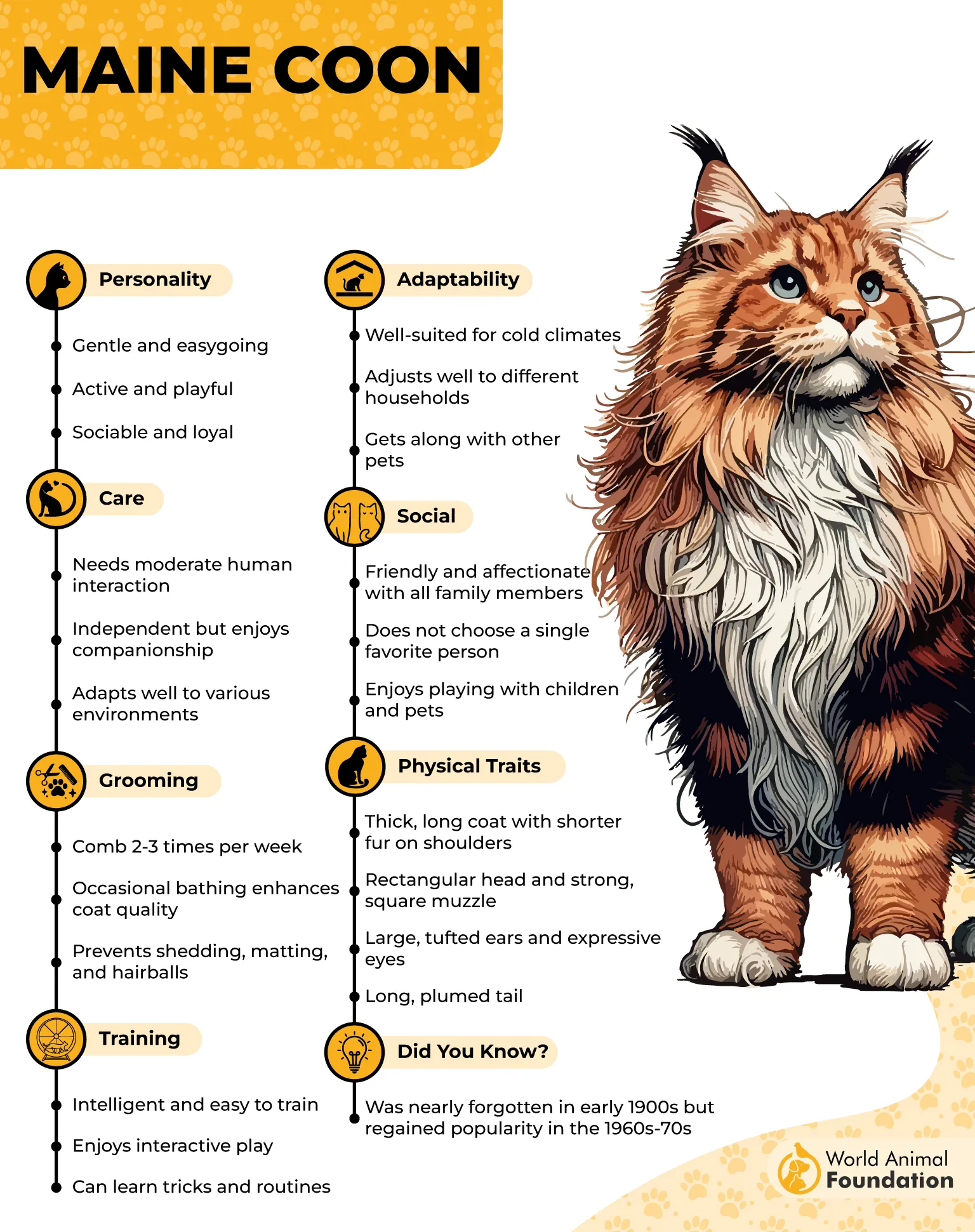
A Calm Feline Known for Emotional Sensitivity
Maine Coons are naturally gentle and emotionally aware, making them well-suited for therapy roles. They form strong bonds with their families and often respond calmly to changes in mood or environment.
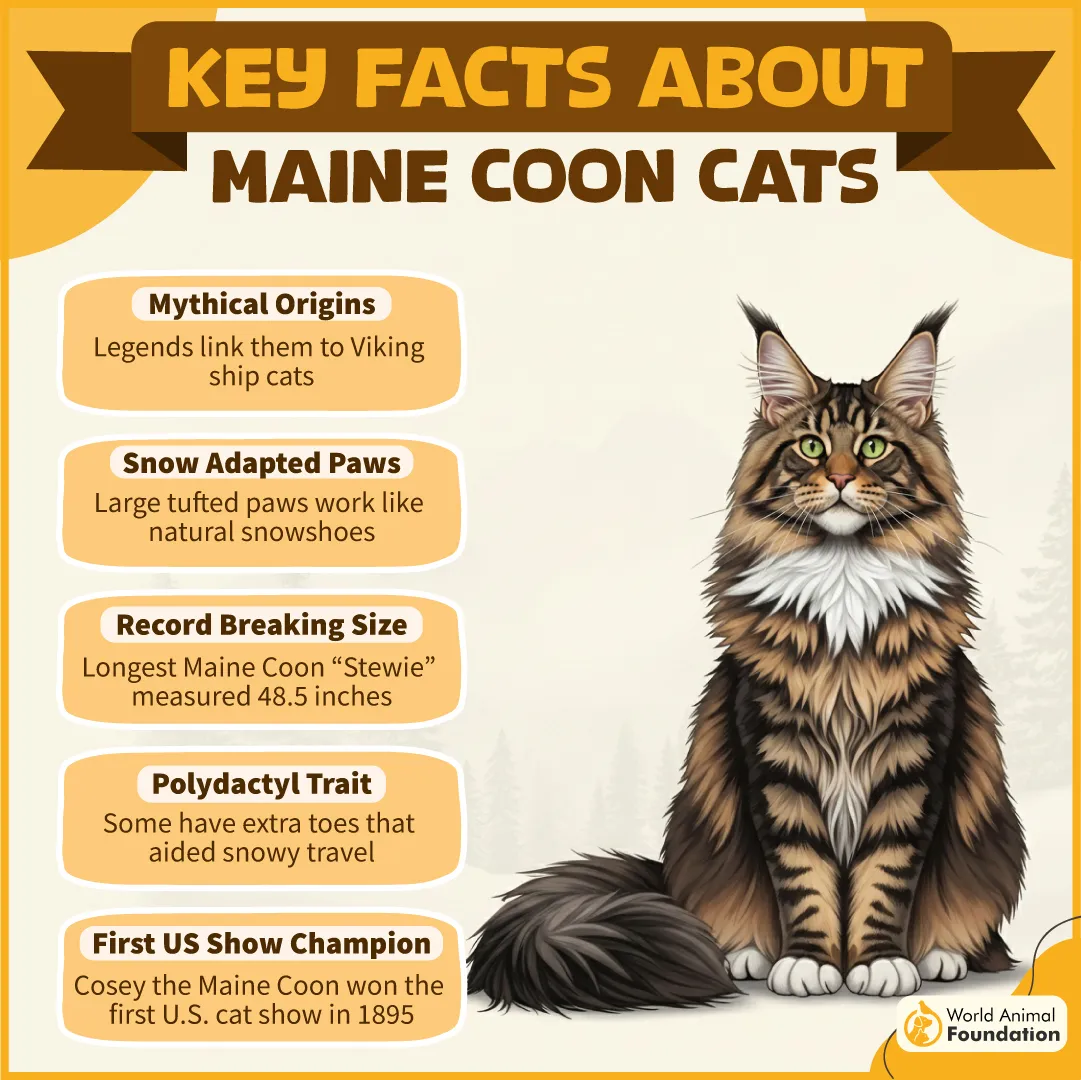
Their relaxed and patient temperament allows them to offer steady comfort without being overwhelming. While playful and interactive, they maintain a composed presence that helps create a soothing atmosphere.
These cats enjoy companionship and prefer being near their humans, offering quiet reassurance through their presence. Their affectionate yet dignified nature makes them reliable emotional support partners in both busy and calm settings.
Fact: Maine Coons have a longer growth period than most breeds and may take up to four years to fully mature.
3. Persian
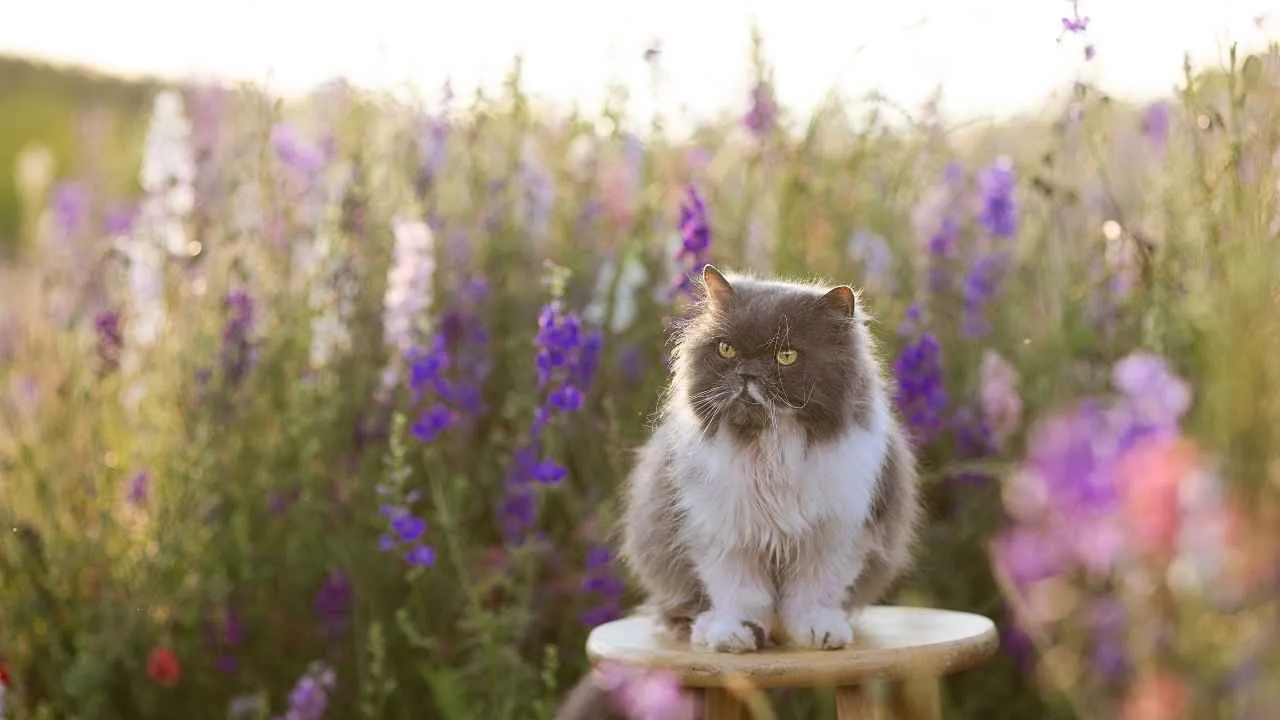
The Persian, sometimes called the “Longhair,” is instantly recognizable for its luxurious coat and expressive eyes.
Despite its regal appearance, this breed is known for a gentle temperament that makes it a natural fit for therapeutic companionship. According to Purina, the Persian is a calm, quiet cat that prefers a peaceful and relaxed environment.
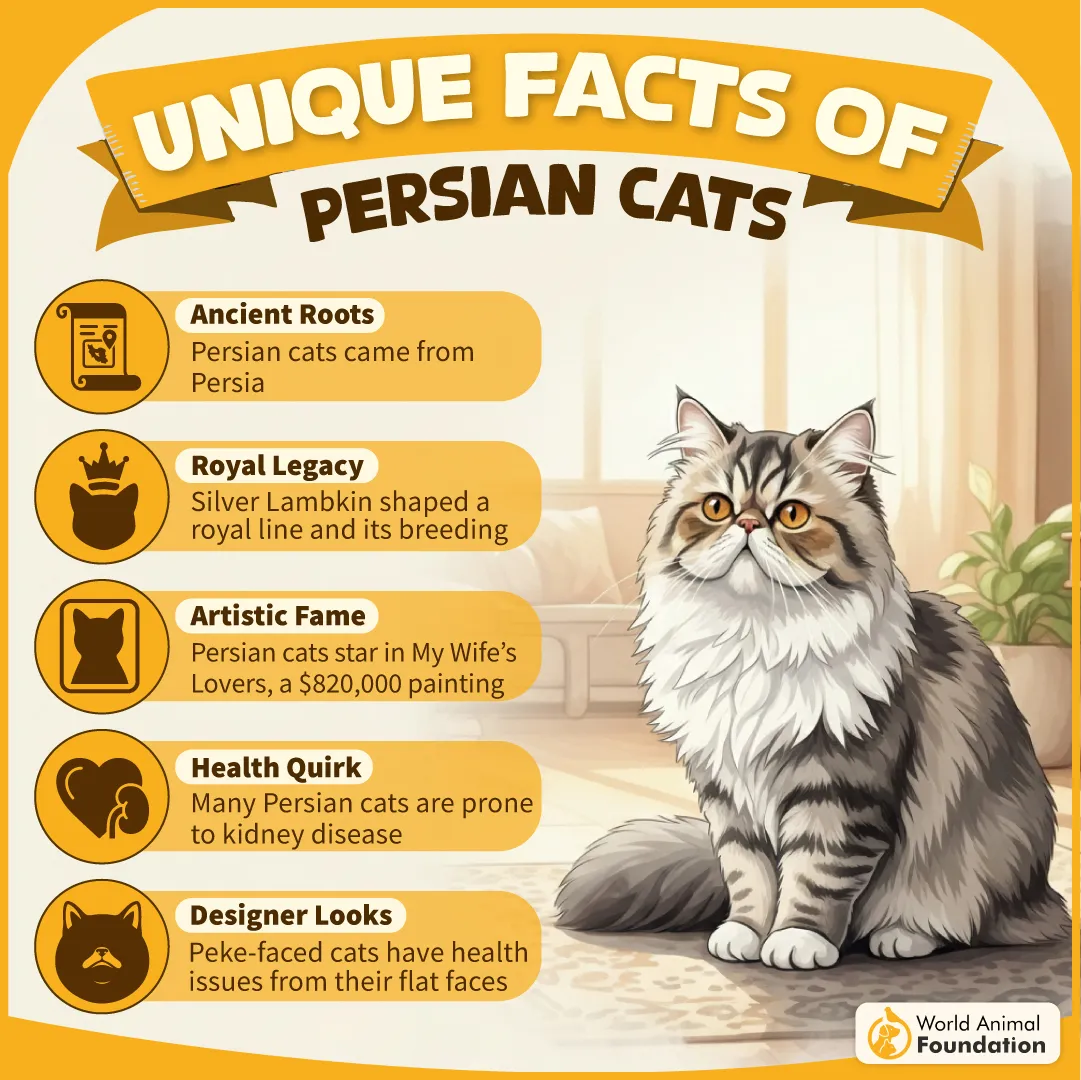
The Affectionate Cat That Bonds Deeply with People
Persians are known for forming strong emotional connections with their owners, often becoming devoted lap companions. Their quiet and soothing presence helps create a sense of comfort, especially for individuals seeking emotional support.
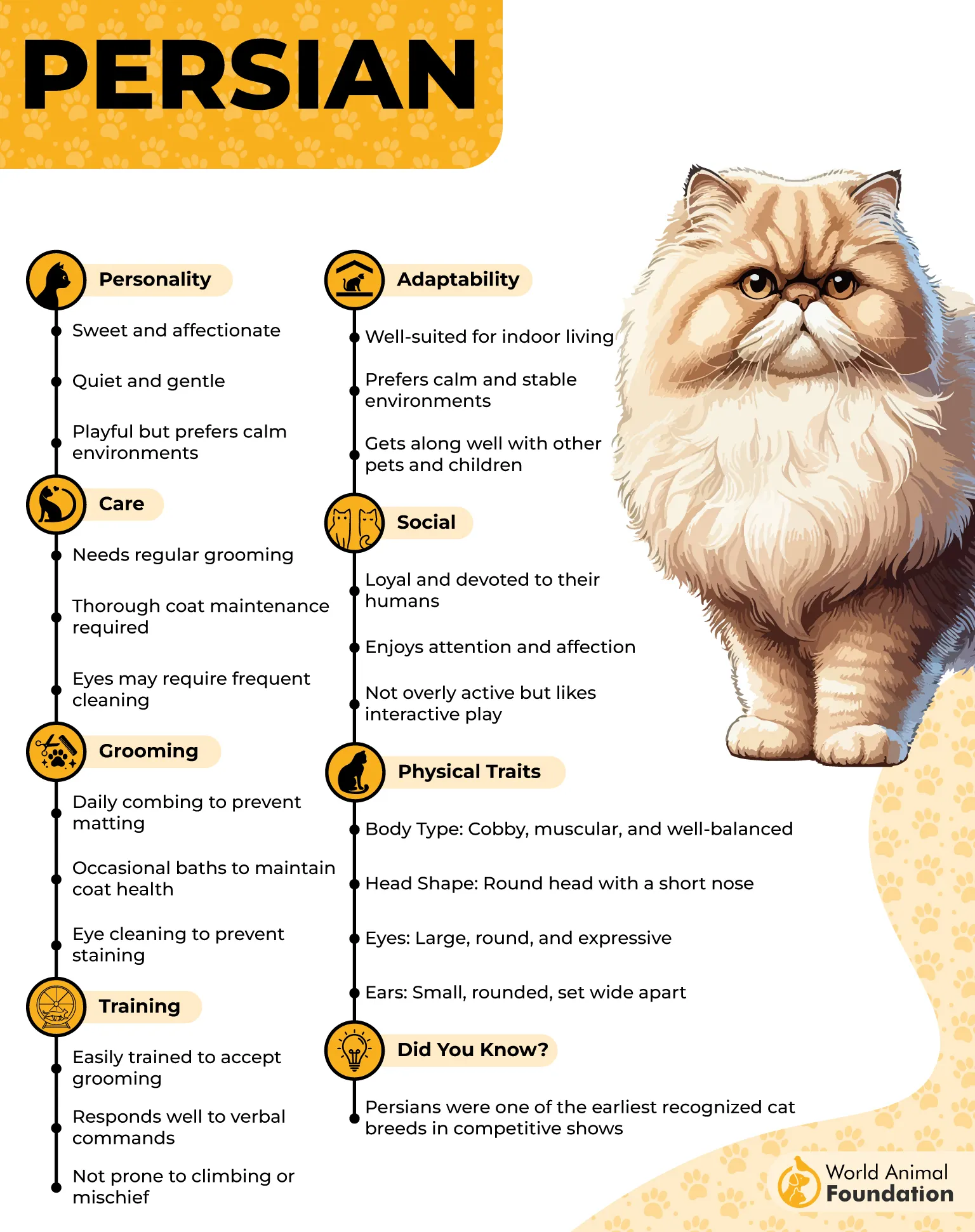
Their relaxed nature allows them to remain composed in calm environments, making them ideal for therapy settings. Instead of reacting with stress, they prefer to quietly withdraw or settle beside their favorite person, offering reassurance through closeness.
With a soft coat perfect for cuddling and a patient, easygoing attitude, Persians provide gentle companionship across all age groups. They thrive in peaceful homes where their affectionate side can shine and offer steady emotional comfort.
Fact: Persian cats are more likely to walk away from uncomfortable situations rather than hiss or scratch, reflecting their calm and gentle temperament.
4. British Shorthair
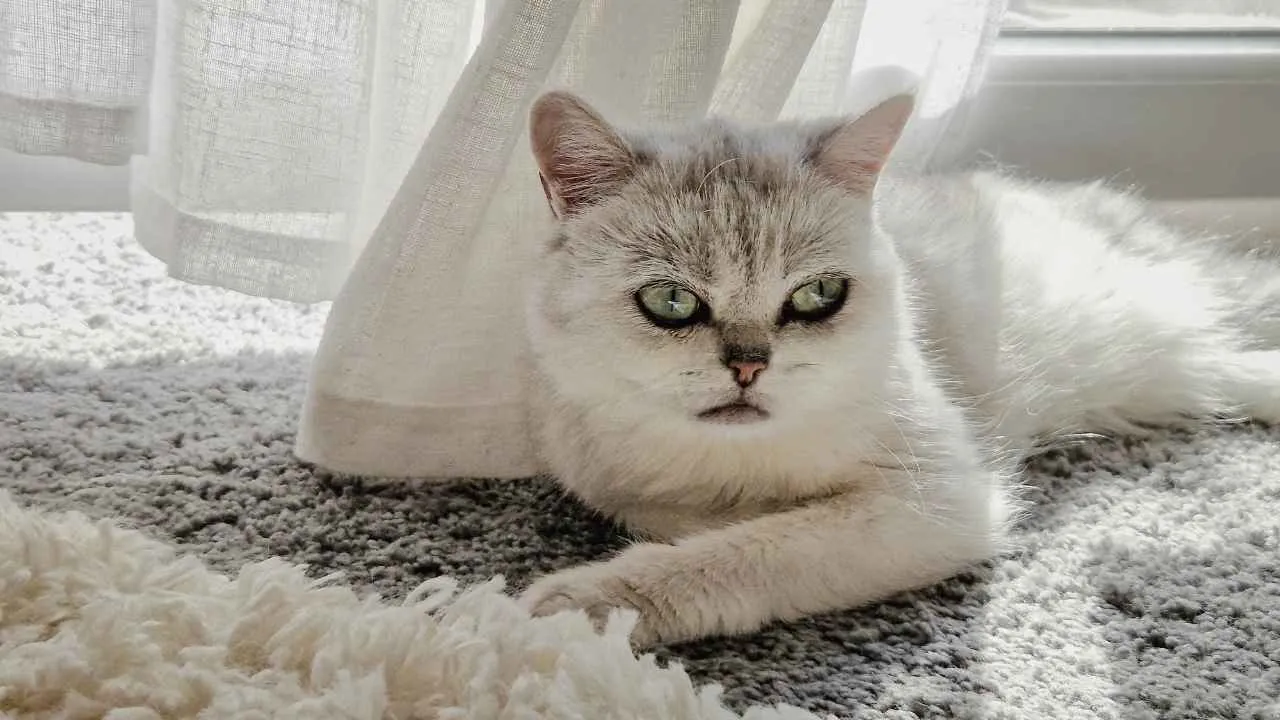
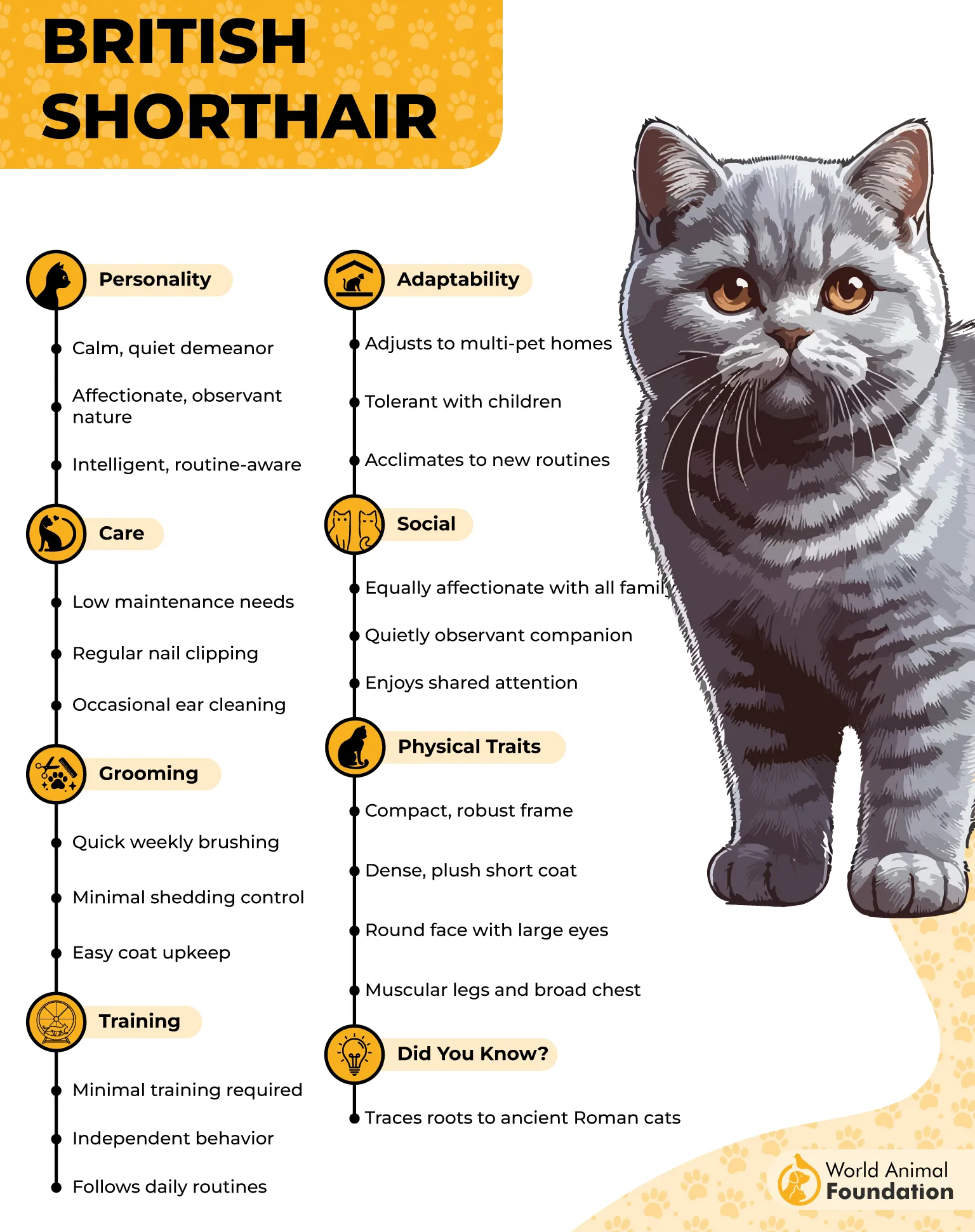
The British Shorthair, often called the British Blue when referring to its classic gray coat, is recognized for its round face, plush coat, and sturdy build.
This breed combines a composed demeanor with a naturally affectionate personality, making it a standout among calm companions. They are also one of the best emotional support cats.
A Patient Companion Ideal for Comfort and Care
British Shorthairs are known for their patience and tolerance, traits that make them especially suited for therapy environments. They remain relaxed around different people, including children and seniors, offering steady emotional support.
Their quiet affection allows them to stay close without being overly demanding, creating a soothing presence in stressful settings. This balanced temperament helps them adapt well to hospitals or homes where calm interaction is essential.
Low-maintenance care and moderate activity levels further enhance their suitability as therapy cats. They enjoy gentle play and companionship but are equally content resting nearby, providing comfort through their calm and reassuring nature.
Fact: British Shorthairs are known for their long lifespan, often living between 12 and 20 years with proper care.
5. Ragamuffin
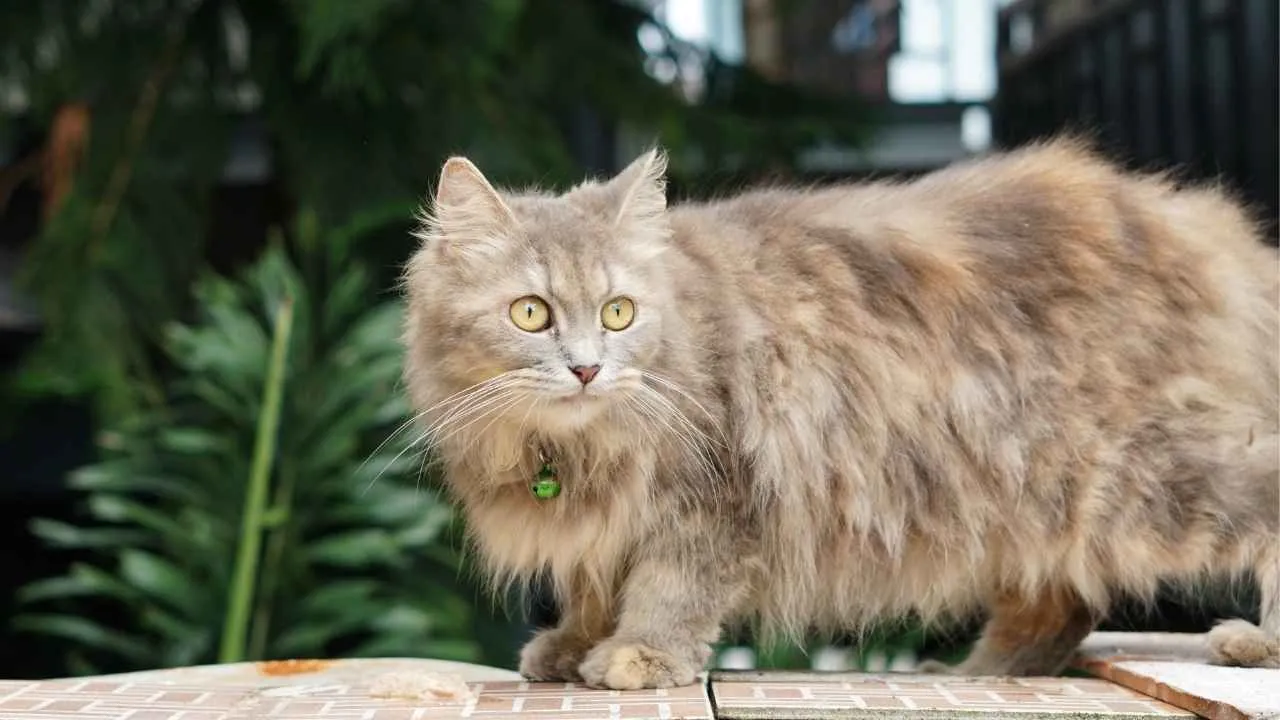
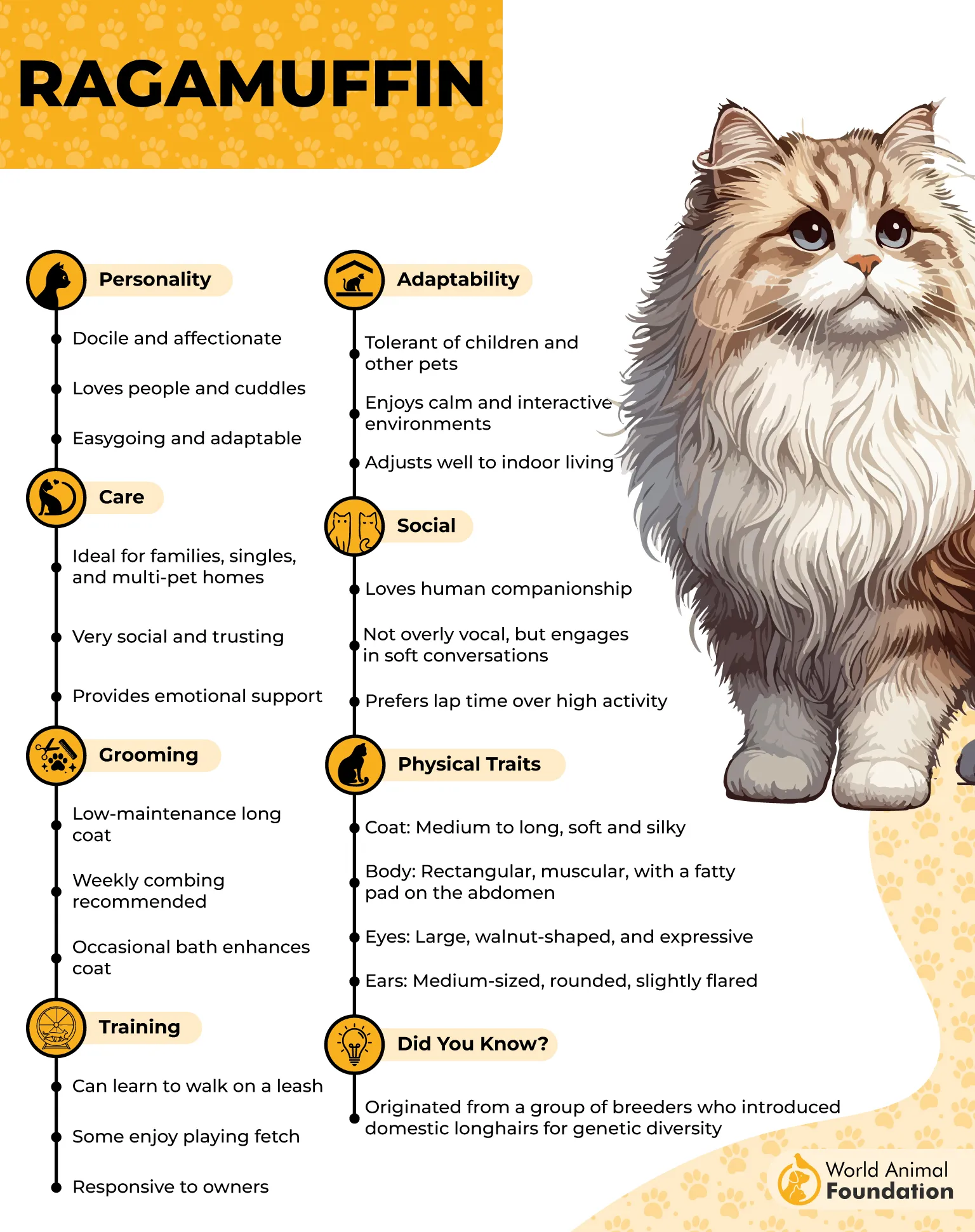
The Ragamuffin, sometimes linked to its close relative the Ragdoll, is a large, long-haired cat known for its plush coat and exceptionally gentle temperament. Developed in the 1990s, this breed combines a soft appearance with an even softer personality.
The Soft-Natured Cat That Thrives on Human Interaction
These great emotional support animals are deeply affectionate and naturally drawn to people, making them excellent therapy companions. They enjoy constant closeness, often following their owners and happily settling into laps for long, soothing cuddles.
Their calm and easygoing nature allows them to adapt well to environments like nursing homes or schools. They rarely show aggression and tend to respond to emotional cues with quiet comfort and steady companionship.
Despite their relaxed demeanor, they maintain a playful, cheerful side that can lift moods and create positive interactions. Their intelligence and willingness to engage make them easy to train, strengthening their role as supportive, people-focused pets.
Fact: Ragamuffins are known for their strong desire for human contact and will often greet their owners at the door seeking attention.
6. Sphynx
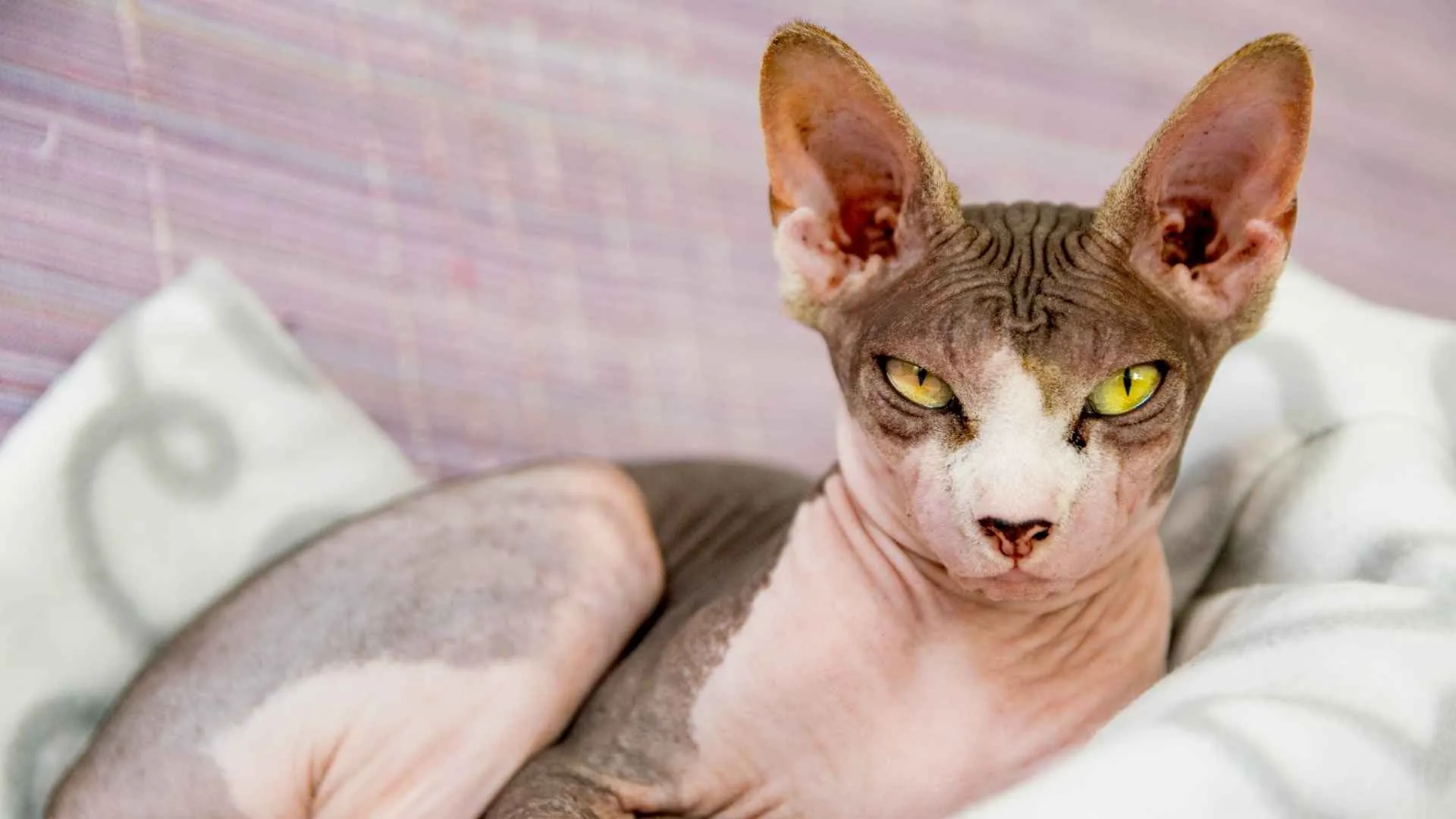
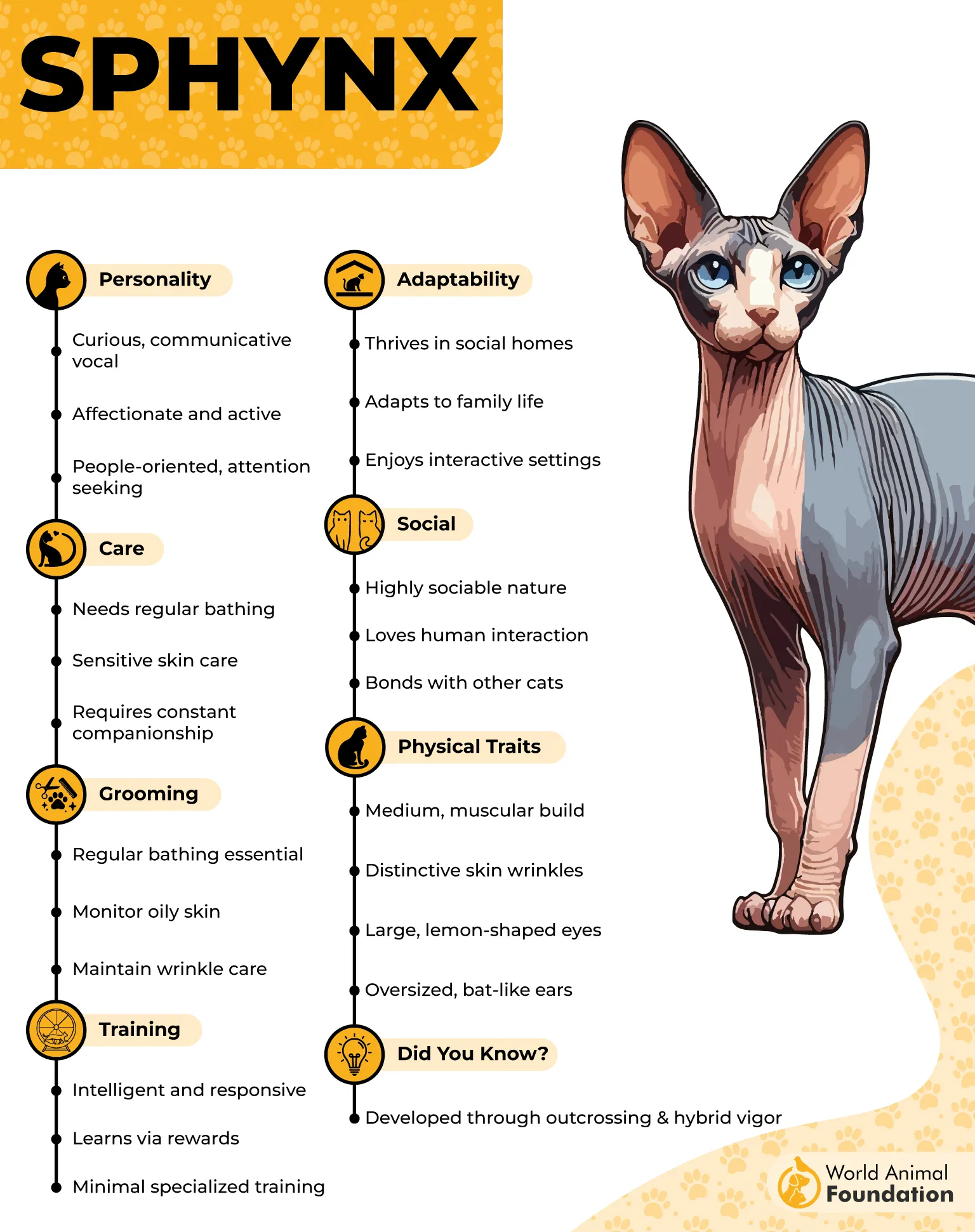
The Sphynx, often called the hairless cat, is instantly recognizable for its nearly fur-free body and warm, suede-like skin. Beyond its unique look, this breed is known for being affectionate, social, and deeply connected to human interaction.
A Relaxed Feline with a Reassuring Personality
These gentle cats are highly people-oriented, often seeking close contact through cuddles and gentle companionship. Their constant desire to stay near their humans makes them excellent at providing comfort and emotional reassurance.
Their friendly and outgoing nature allows them to adapt well to different environments, including therapy settings. Whether interacting with patients or simply offering quiet presence, they bring warmth and a calming influence to those around them.
Playful yet gentle, they balance energy with affection, helping lift moods while still offering soothing companionship. Their unique texture and loving behavior create a comforting sensory experience that encourages connection and relaxation.
Fact: Sphynx cats are often described as “dog-like” because they follow their owners everywhere and crave constant companionship.
7. Russian Blue
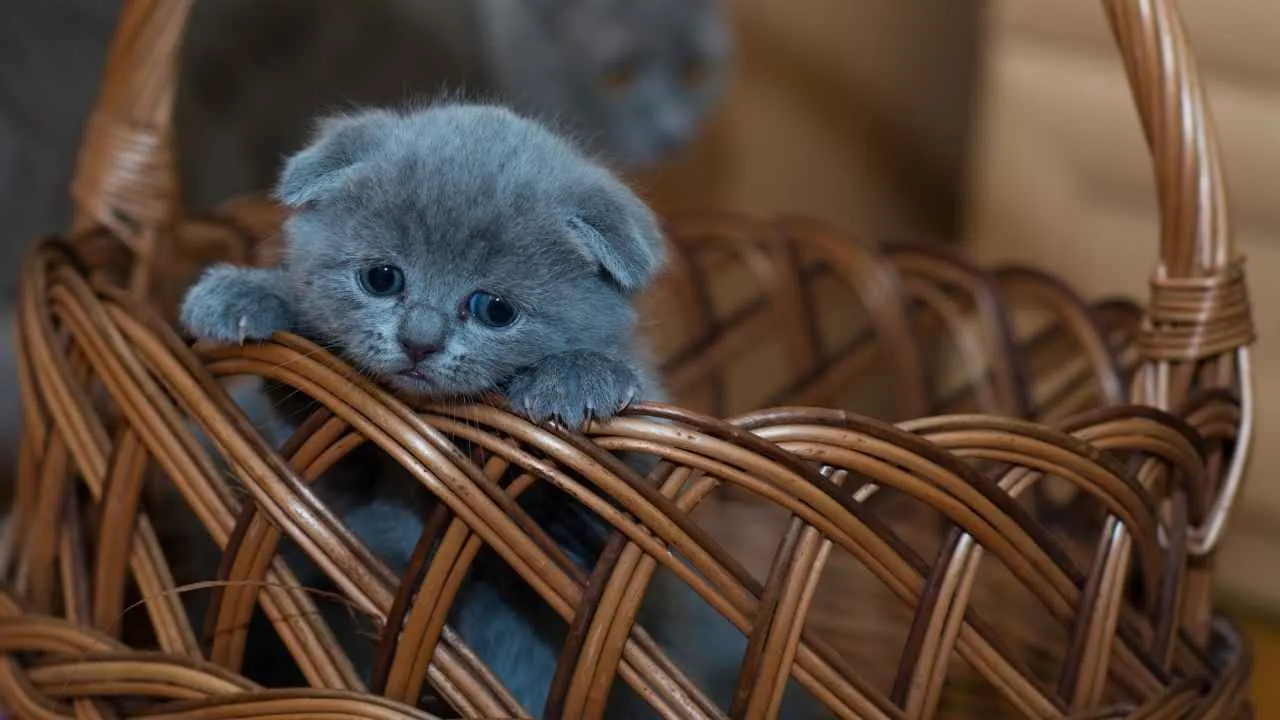
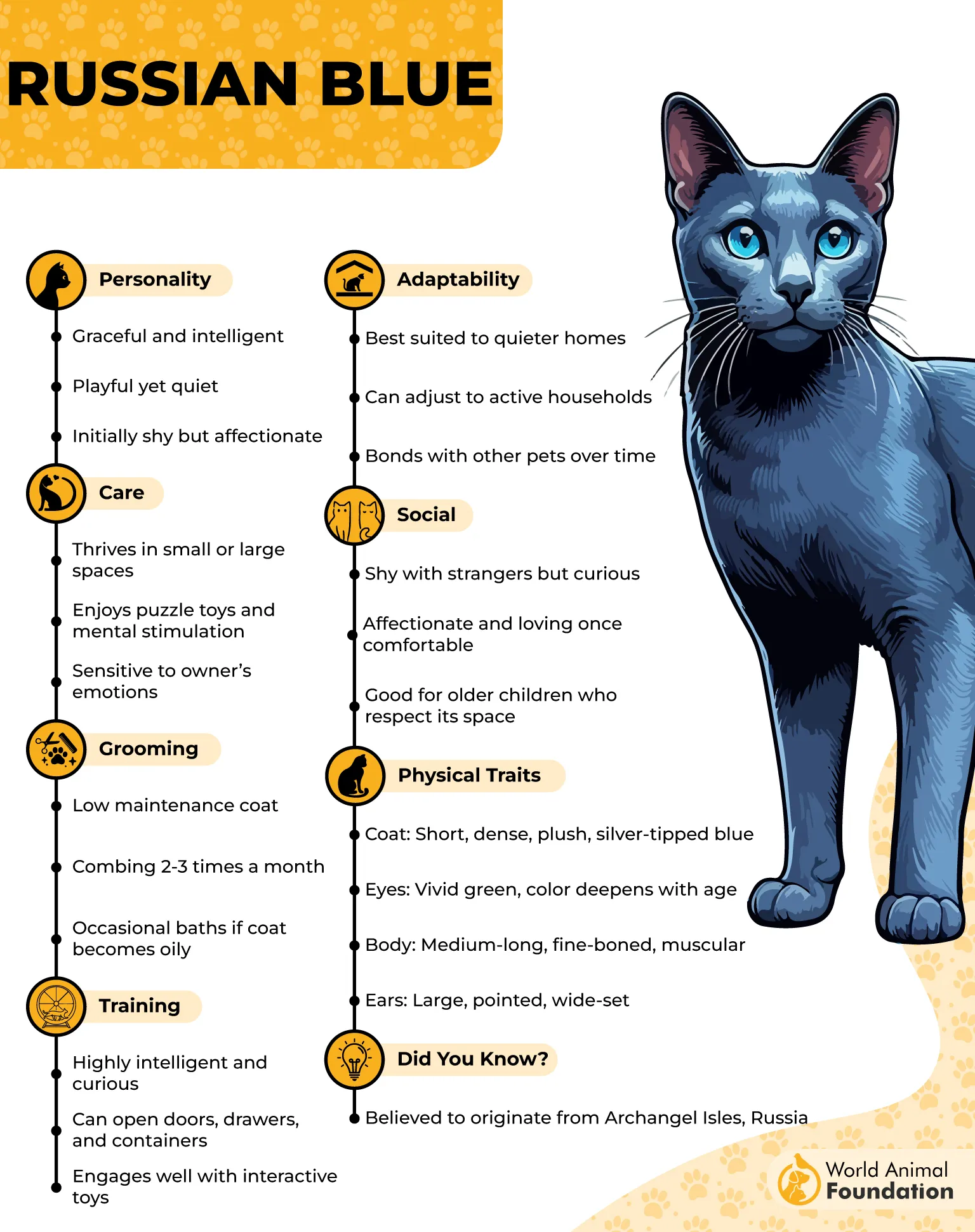
The Russian Blue, sometimes called the Archangel Blue, is an elegant, short-haired breed known for its shimmering gray coat and gentle demeanor. With a naturally calm personality and strong emotional awareness, it stands out as a comforting and dependable companion.
The Loving Companion That Brings Peace and Comfort
These emotional support cat breeds are composed, making them ideal for therapy settings where a soothing presence is essential. They remain steady even in unfamiliar situations, offering quiet reassurance through soft purring and gentle affection.
Though initially cautious around strangers, proper socialization helps them become warm and accepting. Once comfortable, they form deep bonds and enjoy spending time close to people, often curling up beside them for comfort.
Their sensitivity to human emotions allows them to respond in meaningful ways, whether by offering companionship during stress or playful distractions to lift spirits. This balance of intelligence and affection makes them especially suited for one-on-one emotional support.
Fact: Russian Blues are highly sensitive to human moods and may try to comfort their owners with gentle purring or playful behavior.
Conclusion
Therapy cat breeds highlight the gentle, intuitive side of felines, proving they can offer meaningful emotional support in everyday life.
With calm temperaments, affectionate personalities, and a natural sensitivity to human emotions, these cats provide comfort through quiet presence, soft purring, and steady companionship.
Whether easing stress, offering reassurance during difficult moments, or simply being a soothing presence, therapy cats bring a unique kind of healing into homes and care settings.
Their ability to connect without overwhelming interaction makes them especially valuable for emotional well-being, showing that even the most subtle gestures can have a powerful impact.
