




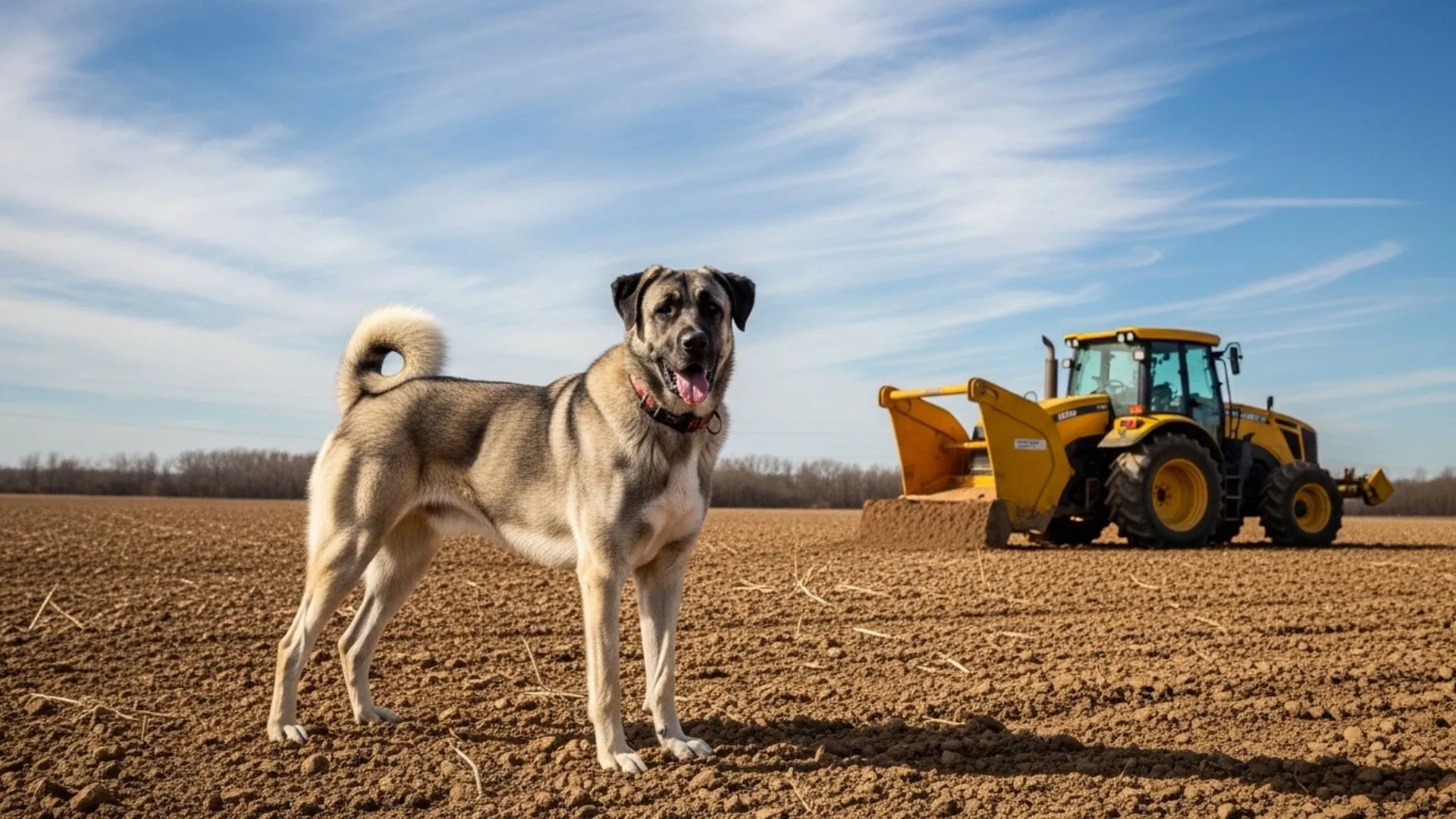
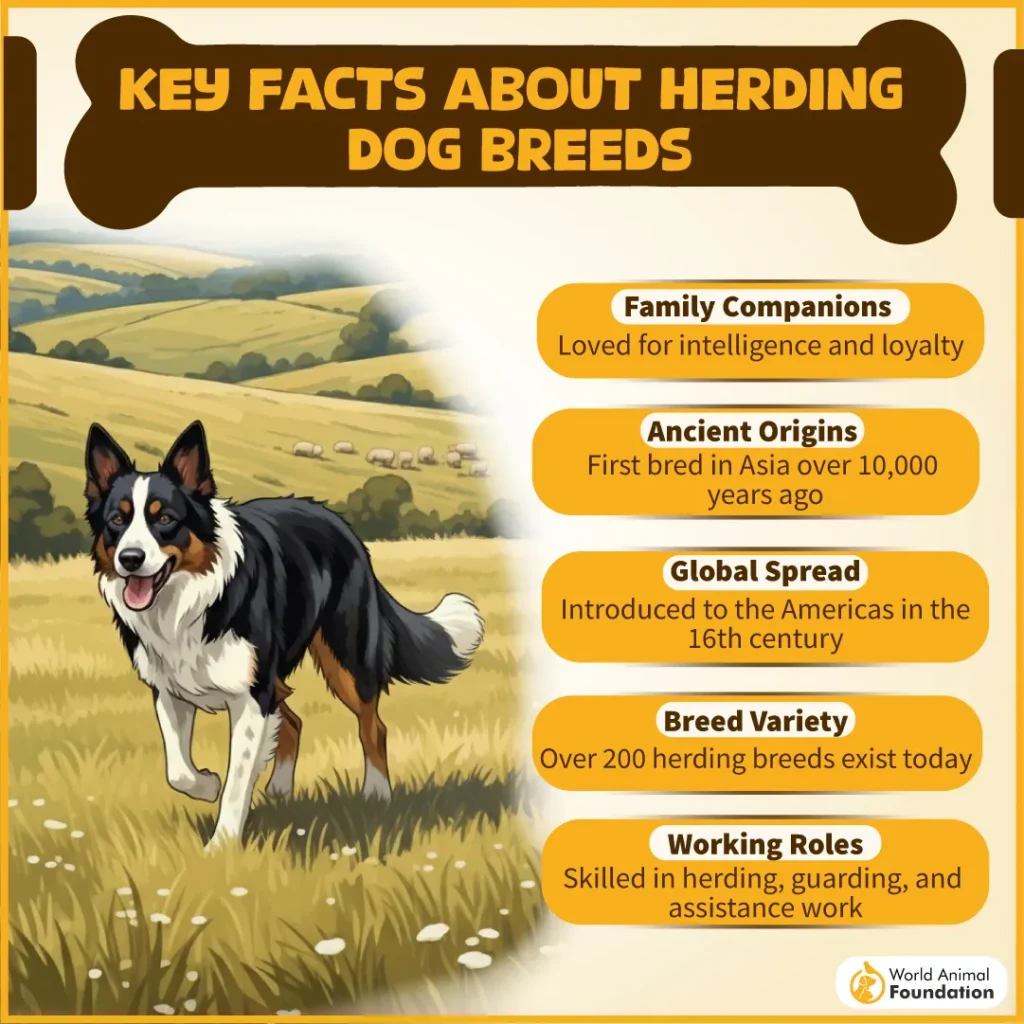
Herding dogs have played an important role in agriculture for generations, helping farmers manage and control livestock across large fields and pastures.
Their value lies in how effectively they perform this demanding job.
Studies show that while owning and training a herding dog requires a significant investment of time, effort, and money, a successful working dog can provide far greater value through its lifetime of labor. However, not every dog develops the skills needed for herding work.
Traits linked to intelligence, focus, memory, and motor learning, many shaped through selective breeding, help explain why certain breeds excel at herding tasks. Genetic studies have also identified adaptations related to problem-solving and spatial memory that support these abilities.
In this article, we explore seven powerful dog breeds known for their strength, intelligence, and natural instincts for herding and field work.
Key Takeaways
Herding dogs are among the most intelligent breeds, capable of learning complex commands and working independently when needed.
They thrive when given a job, whether herding animals, tracking, or participating in dog sports.
Most require significant daily exercise and mental stimulation to stay healthy and well-behaved.
Many herding breeds have strong guarding instincts and make excellent watchdogs.
These breeds combine muscular builds with exceptional stamina, allowing them to work long hours in fields and pastures.
Ultimate Strength Dog Breeds for Herding and Field Work
1. Pyrenean Mastiff
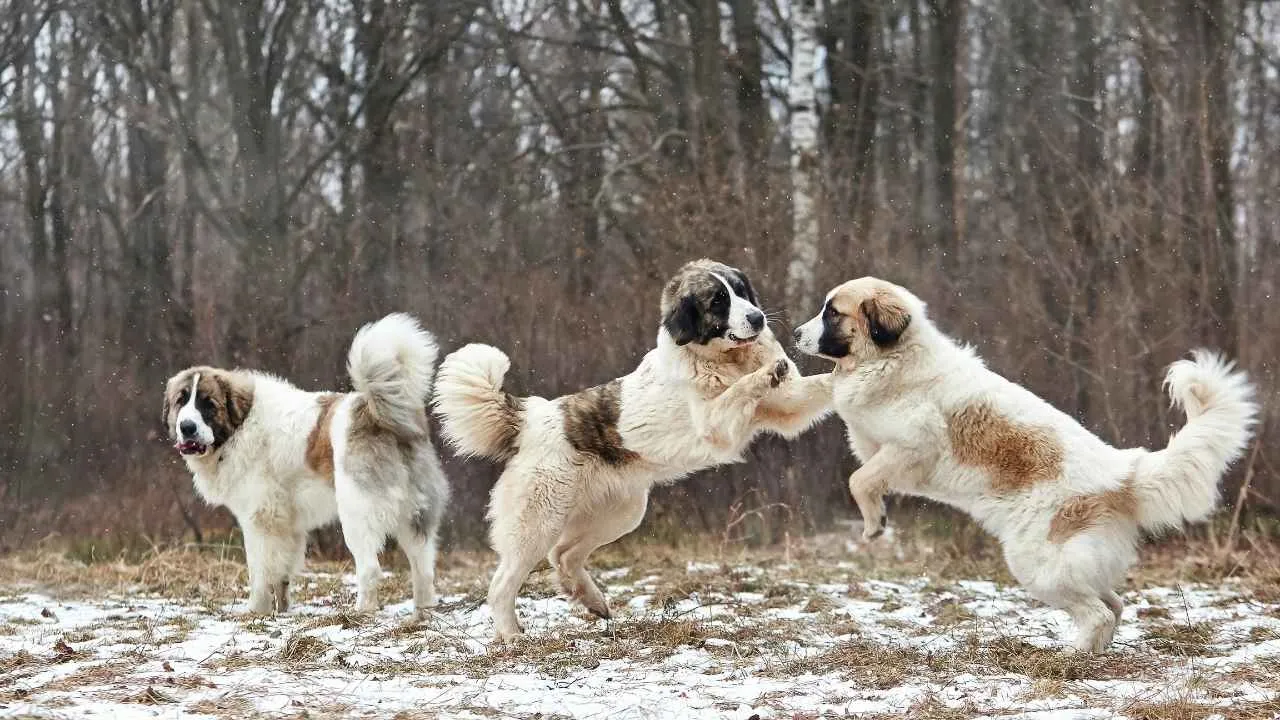
The Pyrenean Mastiff is a powerful yet gentle giant that traces its roots to the rugged Pyrenees Mountains of Spain, where it was bred to guard livestock alongside shepherds.
Rather than working alone, these dogs traditionally traveled with migrating flocks, forming a constant partnership with the people they protected.
This history shaped their calm temperament, loyalty, and strong sense of responsibility, as explained by PetMD.
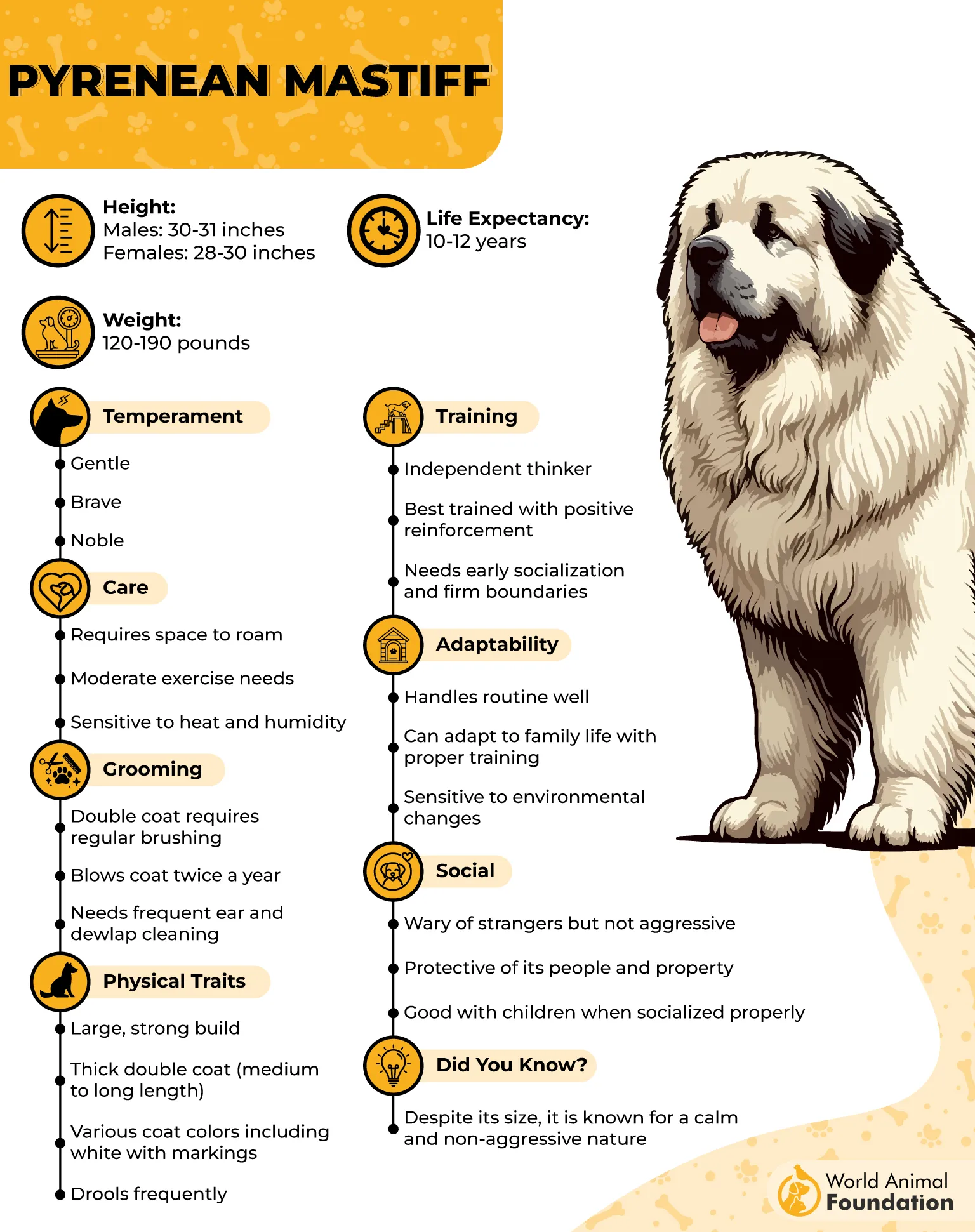
Physically impressive, the breed carries a thick, medium-length double coat, typically white with patches of color. Despite their size, they are known for their laid-back nature and affectionate personality, often forming deep bonds with their families.
Though relatively rare today, the Pyrenean Mastiff shares close ancestry with the Great Pyrenees. With proper care and attention, these majestic dogs typically live between eight and twelve years—an average lifespan for giant breeds.
2. Rottweiler
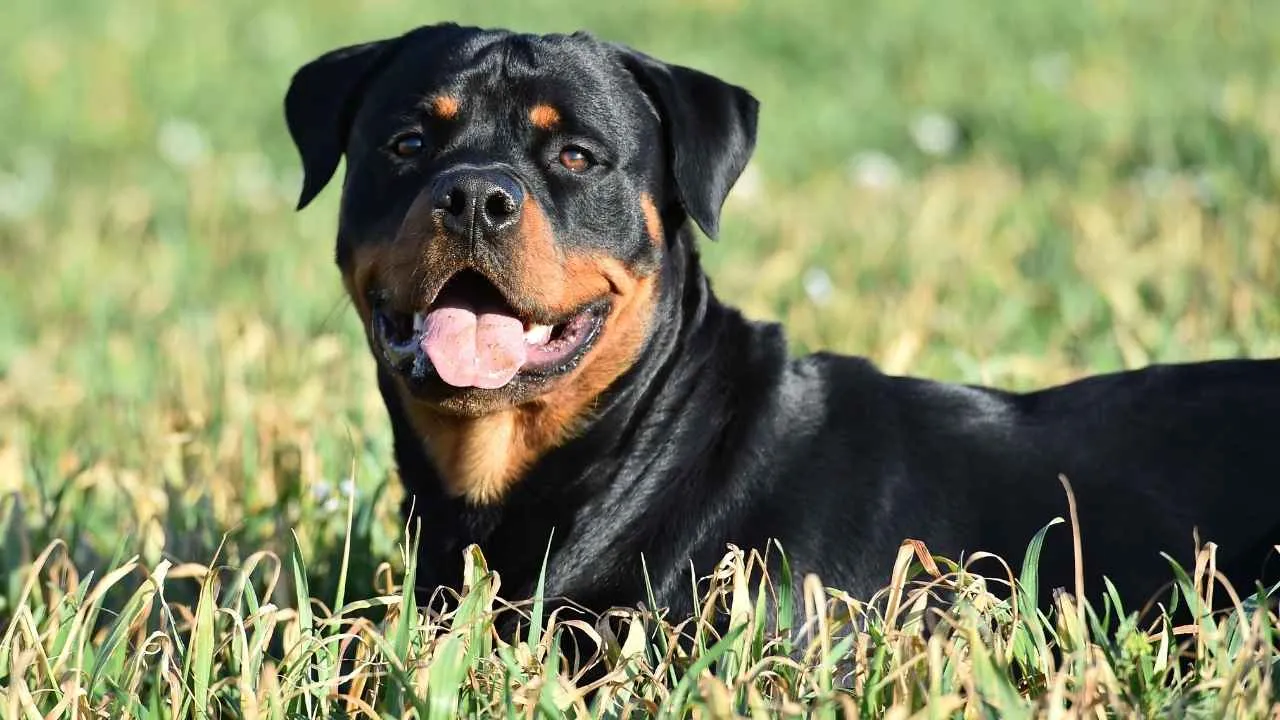
The Rottweiler is a powerful working dog with a history that stretches back to the Roman Empire.
These dogs are believed to descend from cattle-driving dogs used by Roman legions, later settling in the German town of Rottweil, where the breed eventually took its name.
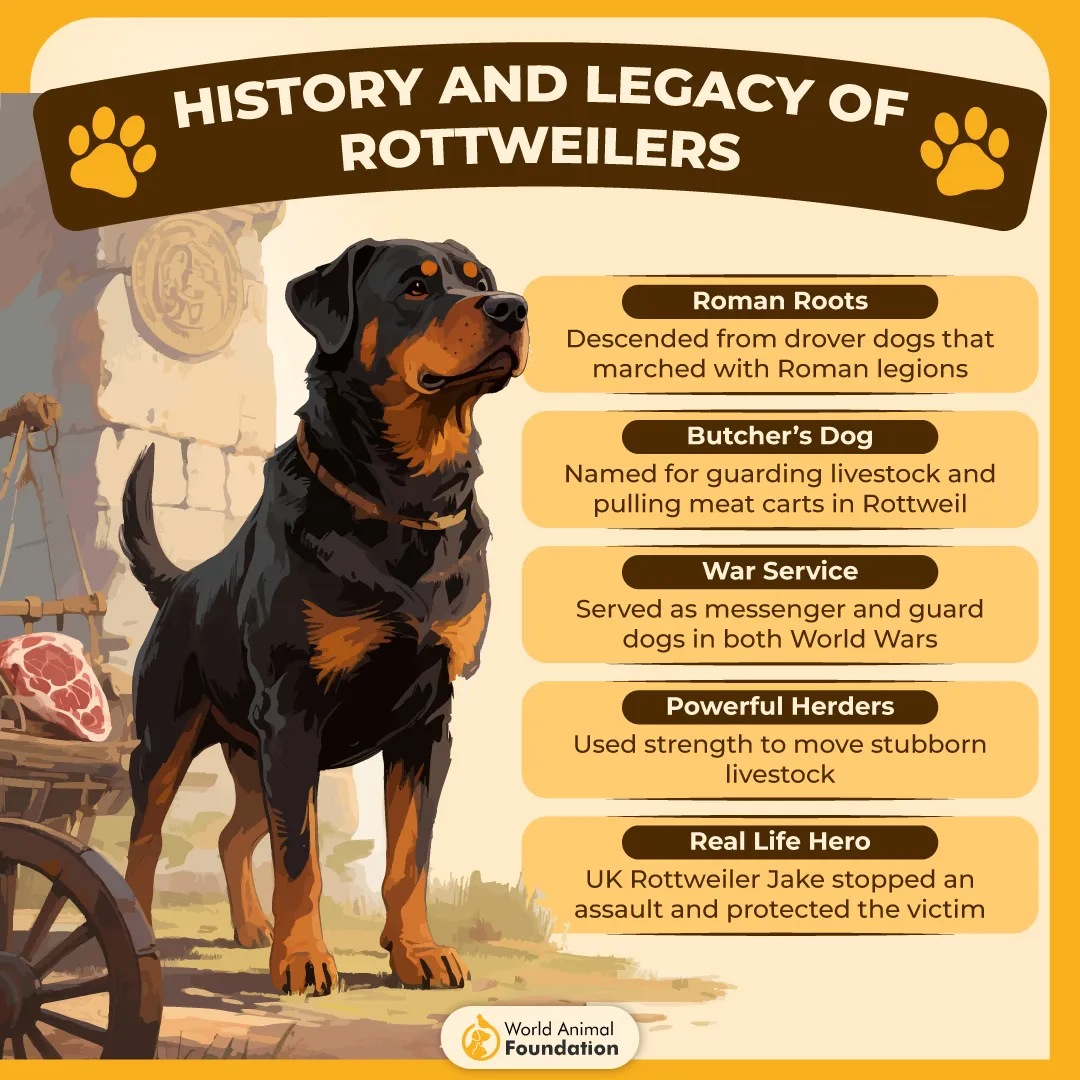
Over time, Rottweilers proved themselves incredibly versatile, working as guard dogs, draft dogs, butcher’s assistants, rescue dogs, and even police and search-and-rescue companions.
Built for strength and purpose, the breed remains much the same today as it was when the first German breed standard was established in 1901. Their muscular frame and confident presence reflect generations of demanding work.
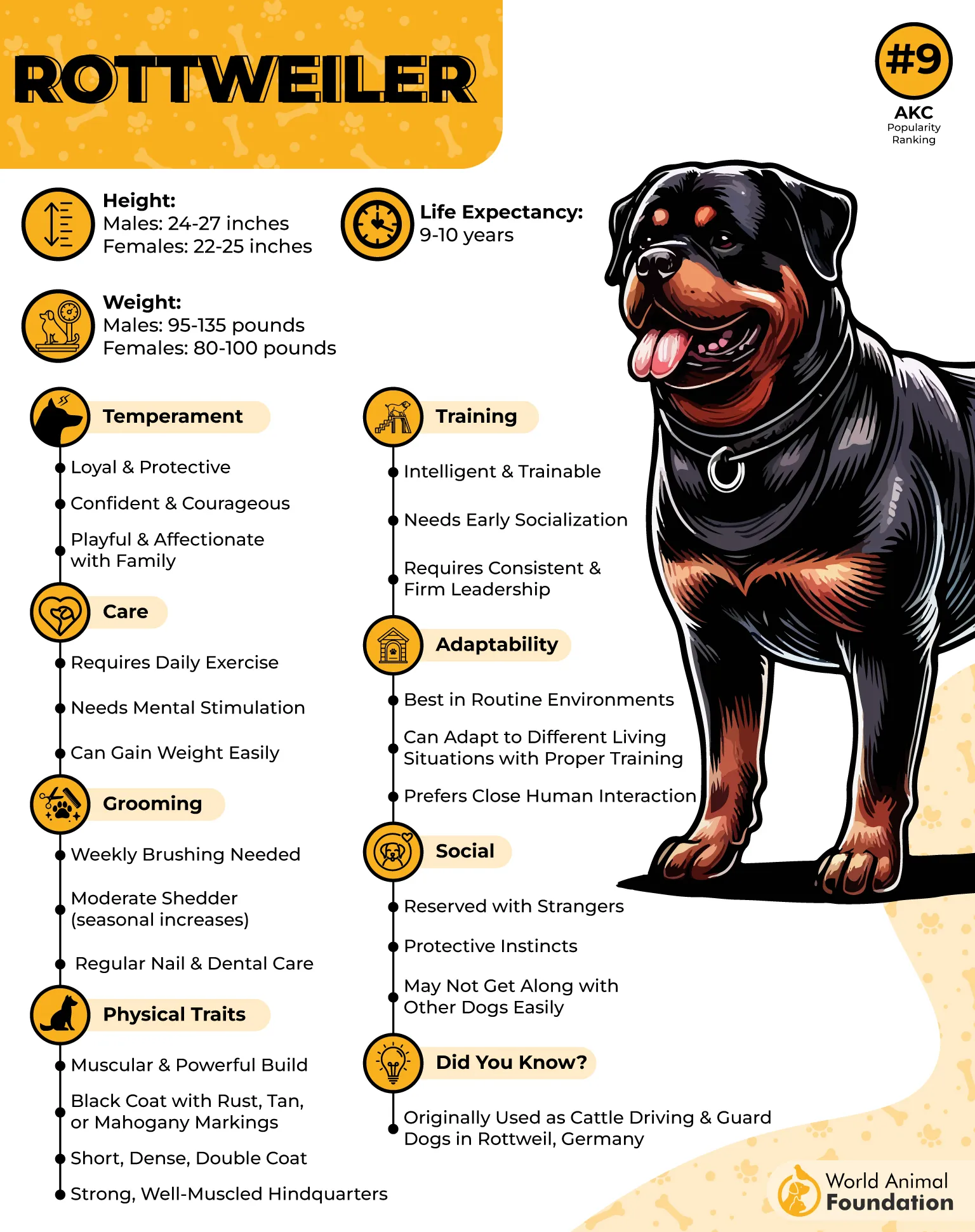
Rottweilers are intelligent, active, and naturally protective. Because of their size and strength, they require experienced owners and proper socialisation.
When raised and trained well, they can become loyal companions who form strong bonds with their families while still retaining the focus and determination that once made them exceptional field and working dogs.
3. Anatolian Shepherd
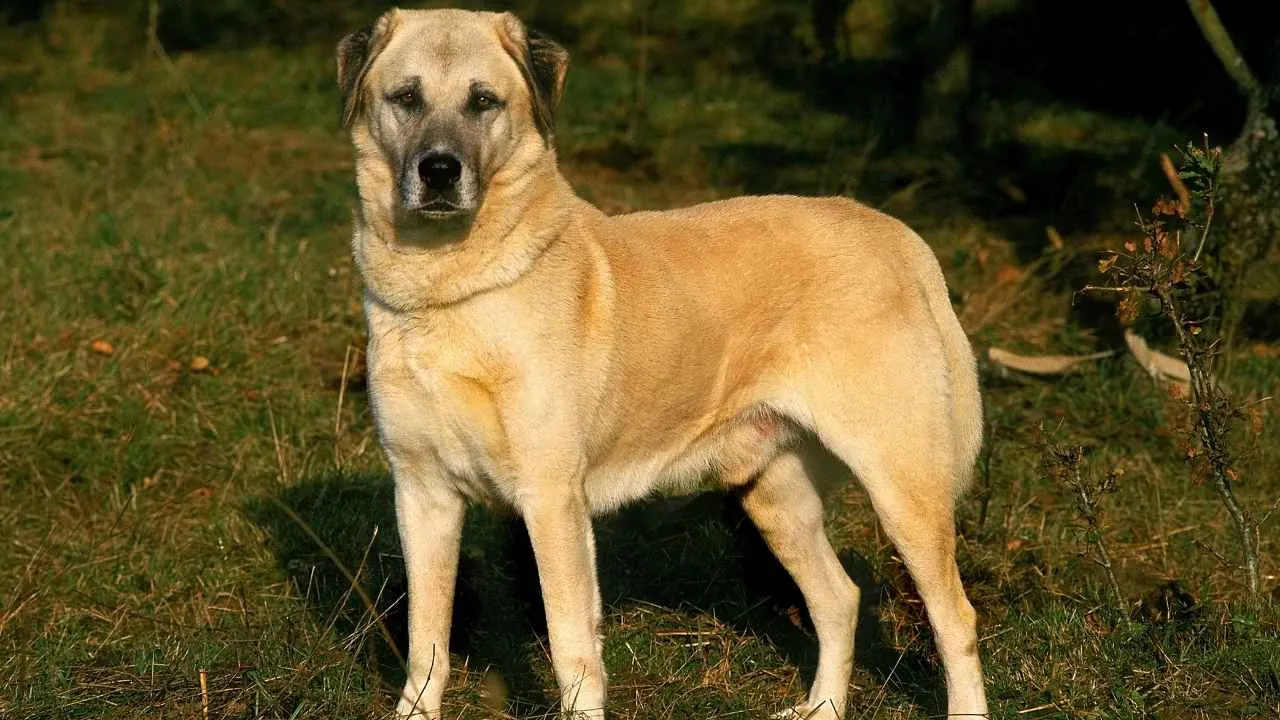
The Anatolian Shepherd Dog is a powerful and ancient livestock guardian that has protected flocks across the harsh landscapes of Turkey for centuries.
Known locally as “Çoban Köpeği,” meaning “Shepherd’s Dog,” this breed was never meant to herd animals but to live among sheep and goats as their constant protector.
In the vast Anatolian Plateau, where scorching summers and freezing winters test both animals and people, the Anatolian Shepherd became an essential partner to shepherds, defending livestock from predators with courage and instinct, as stated by Chewy.
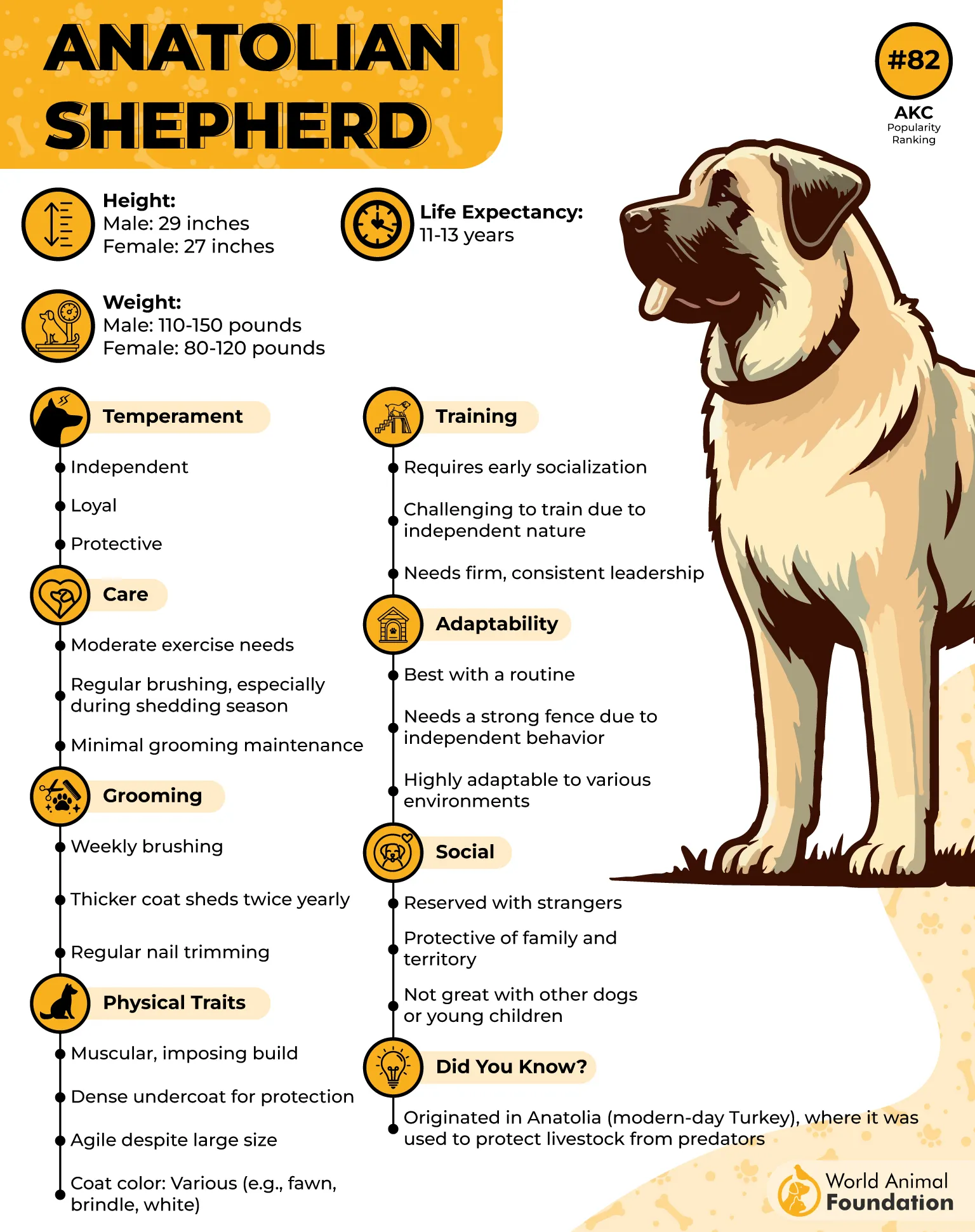
Strong, agile, and remarkably fast for its size, the breed relies on awareness and presence as its first line of defense. Often, simply standing watch is enough to deter predators before conflict even begins.
With a lineage believed to stretch back thousands of years, the Anatolian Shepherd has changed little over time. Its endurance, independence, and loyalty reflect generations of purposeful breeding shaped by the demanding realities of rural life.
4. Australian Cattle Dog
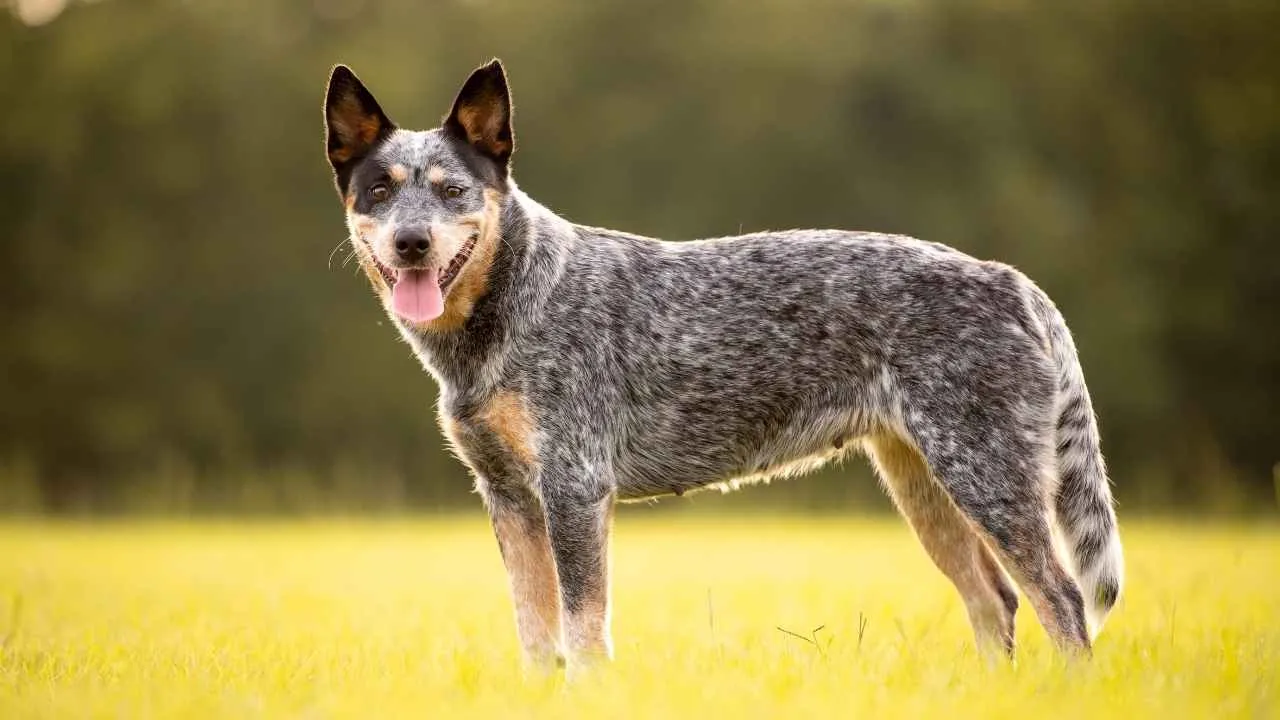
The Australian Cattle Dog is one of the most resilient farm dog breeds, built for the demanding conditions of the Australian Outback.
Developed in the 19th century, the breed shares ancestry with the wild Australian dingo, contributing to its intelligence, stamina, and unique herding instincts.
Often called the Blue Heeler or Red Heeler, this hardworking dog is skilled at herding livestock, nipping at cattle’s heels to guide herds efficiently, a behavior that defines its role as a true ranch dog.
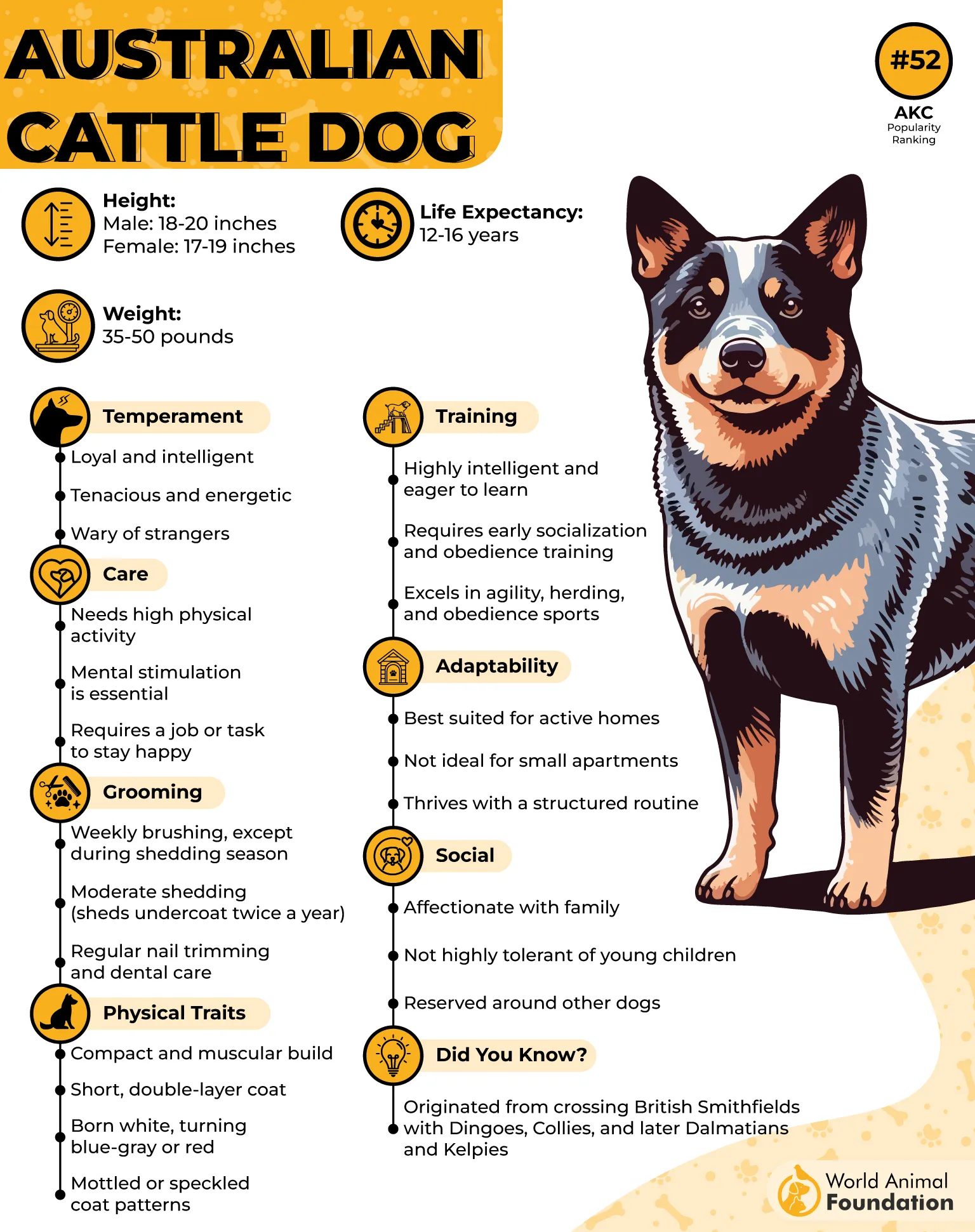
Compact, muscular, and incredibly agile, the Australian Cattle Dog was bred primarily to manage large herds across vast distances.
Its short, weather-resistant coat allows it to perform in tough environments, maintaining endurance throughout long days of farm work. Highly trainable, the breed excels in dog sports, obedience, and service dog tasks, keeping both mind and body challenged.
Loyal, energetic, and responsive, the Australian Cattle Dog thrives in active homes, forming strong bonds with its owners while fully embracing its natural herding instincts.
5. Bouvier des Flandres
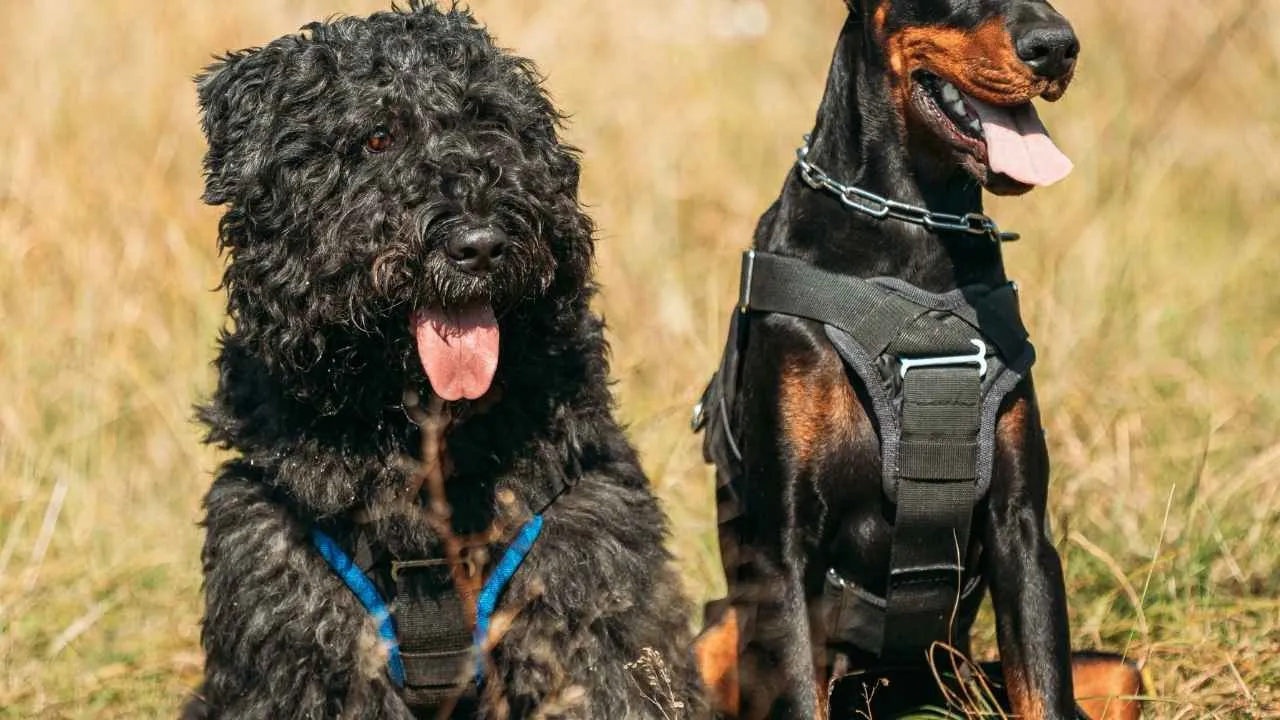
Powerful, rugged, and built for real work, the Bouvier des Flandres comes from an era when farm dogs were expected to earn their keep.
Broad-chested, heavily boned, and standing up to 27.5 inches tall, this tousle-coated herder carries impressive strength beneath its weatherproof coat.
With its signature beard and mustache, the Bouvier looks every bit the hardworking barnyard dog, and it lives up to that image. Traditionally capable of handling nearly every task around the pasture, the breed thrives when given a purpose.
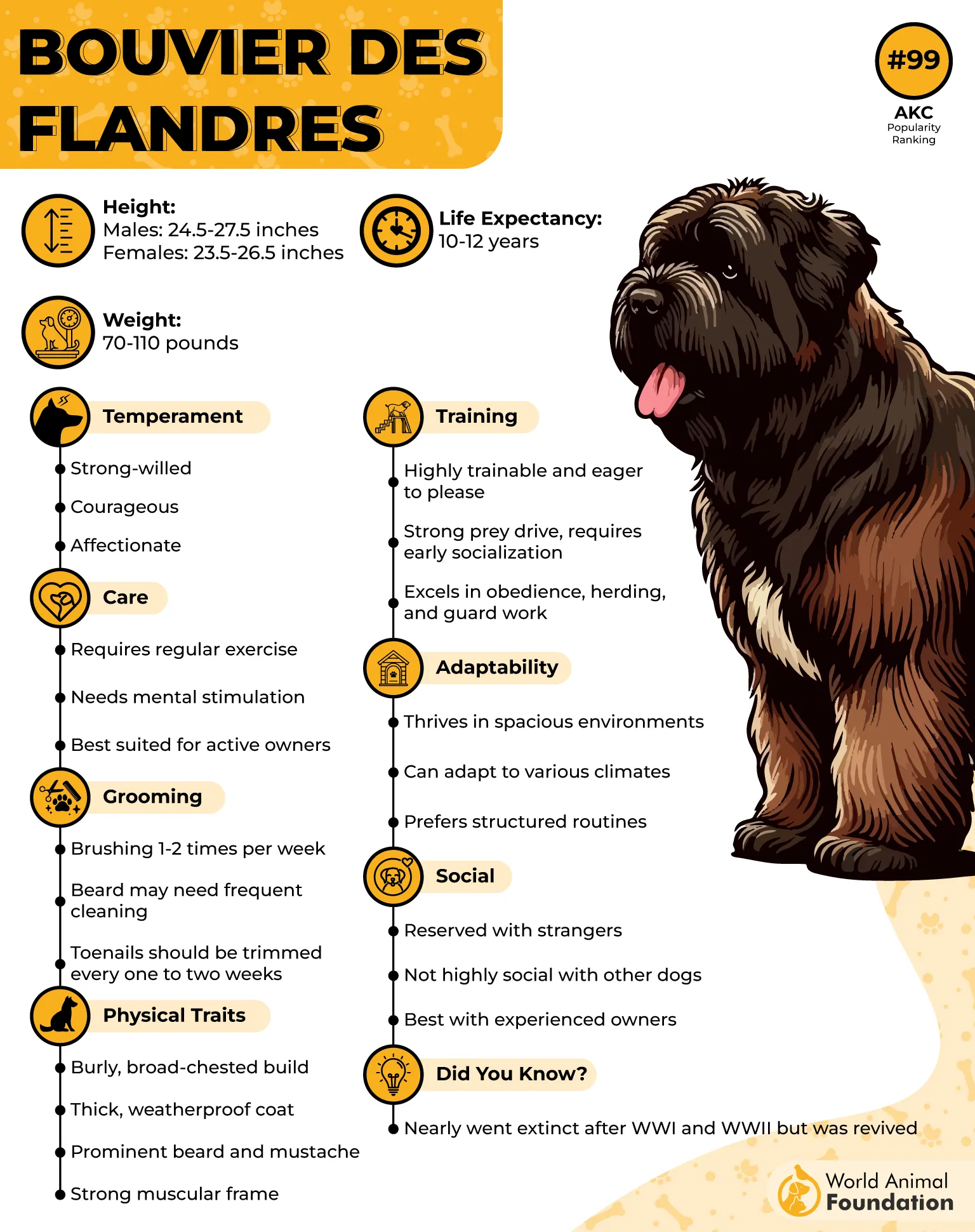
But the Bouvier is more than muscle. Known for its intelligence, steady temperament, and loyal heart, it forms strong bonds with its family while remaining naturally protective. These qualities make it an excellent watchdog and a dependable herding partner, according to the American Kennel Club.
Bouviers are happiest when they stay busy. Whether herding livestock, participating in dog sports, or assisting in rescue work, they excel at challenging tasks.
For active owners who can provide space, structure, and meaningful work, this powerful working breed proves both devoted and remarkably capable.
6. Belgian Malinois
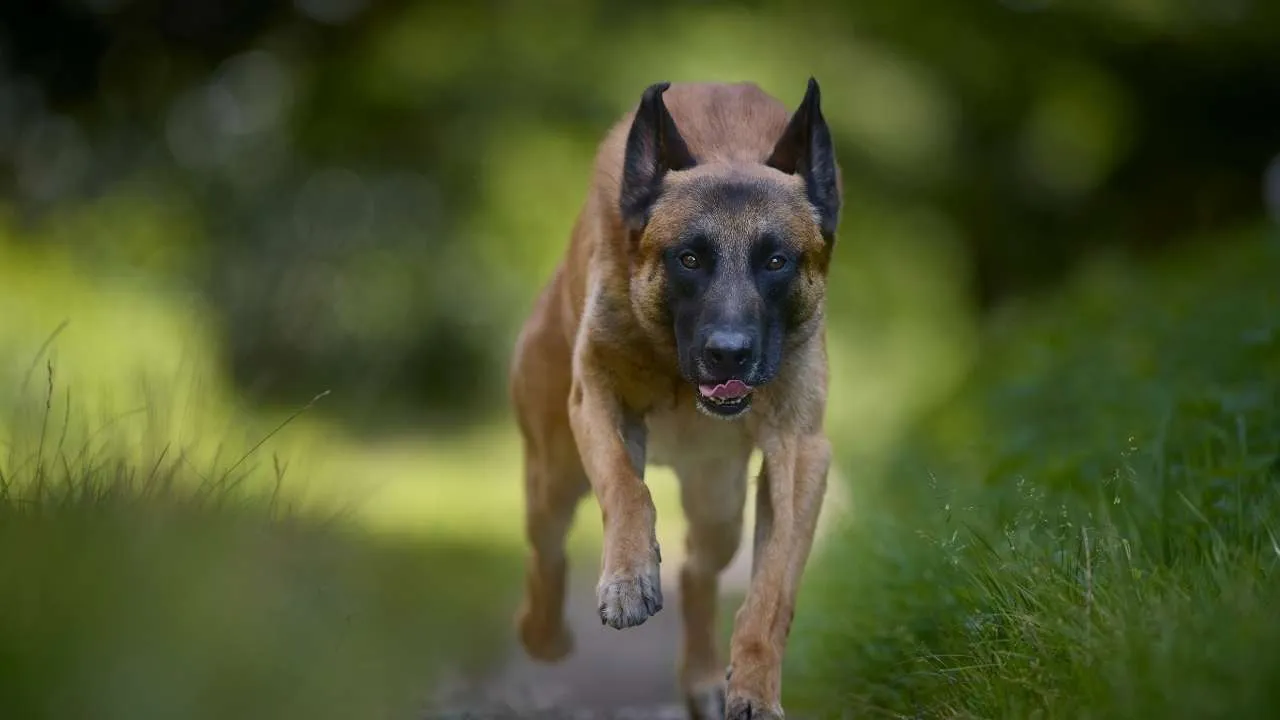
The Belgian Malinois is one of the ultimate strength dog breeds for herding and field work, admired for its energy, loyalty, and strong protective instincts.
Originally bred in Belgium to assist farmers and ranch dogs with herding livestock and protecting other livestock, this medium-sized dog combines physical endurance, intelligence, and agility, making it a perfect farm dog.
Highly intelligent and energetic, the Malinois excels in farm work, herding cattle, and ranch work, as well as in dog sports and search and rescue operations.
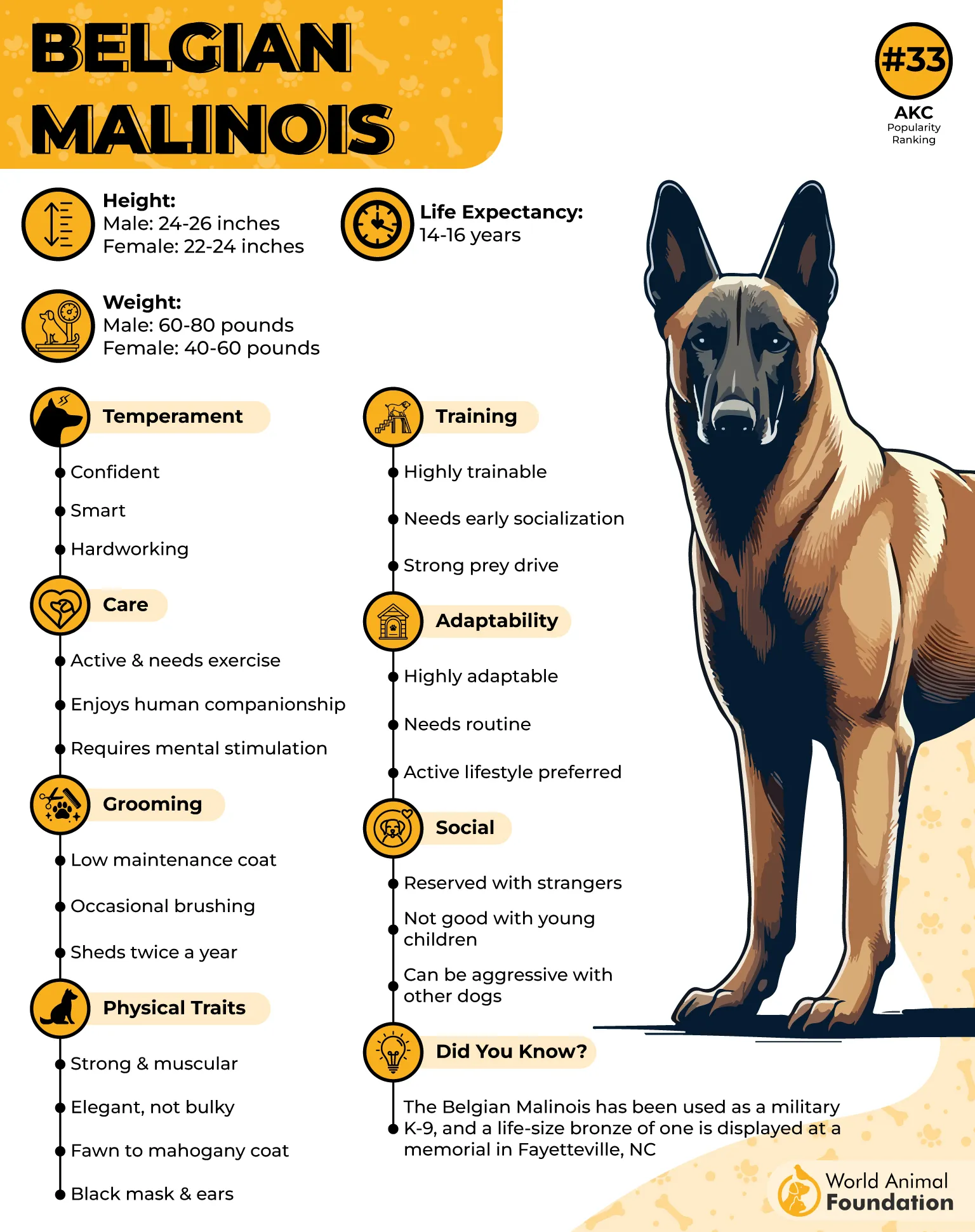
With consistent training, these herding dog breeds form strong bonds with their owners, becoming loyal companions and great family pets when properly socialized.
Their short, thick double coat is easy to maintain, though regular exercise and mental stimulation are essential to meet the needs of this high-energy dog.
With care and dedication, the Belgian Malinois thrives for 10–14 years, proving itself as one of the best dogs for active, hardworking households.
7. German Shepherd
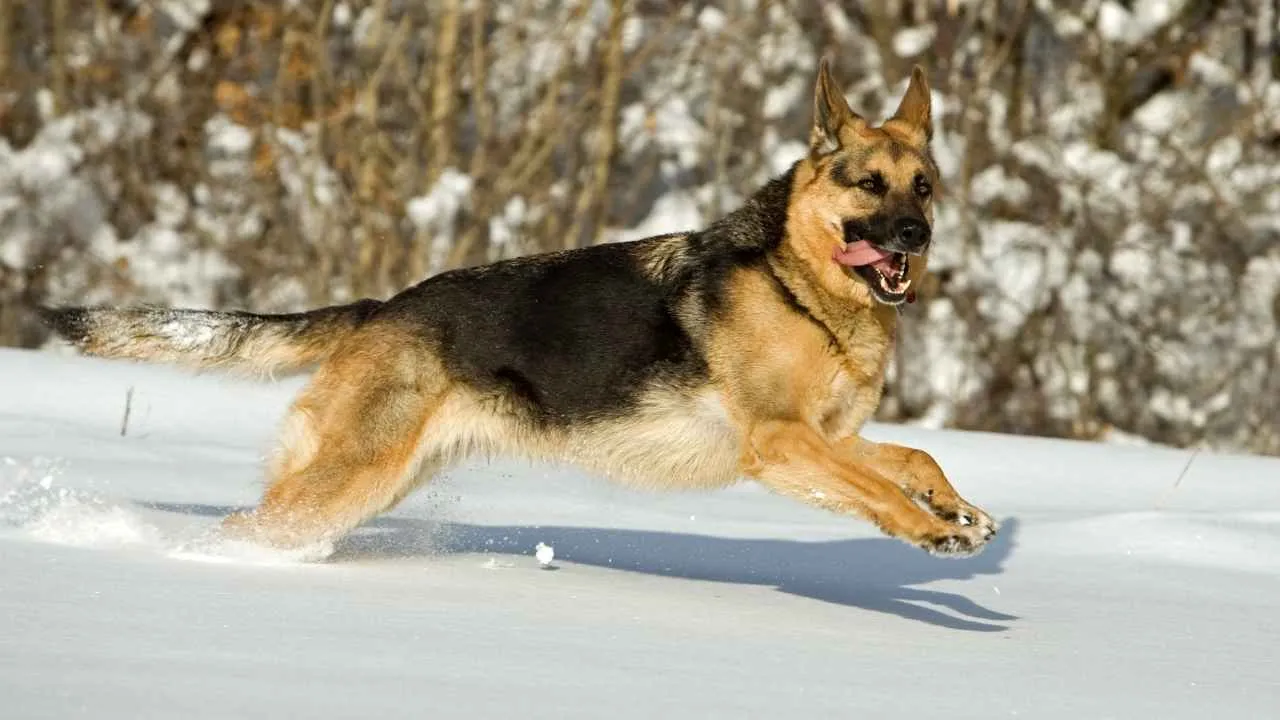
The German Shepherd is one of the most powerful and versatile working dogs ever developed. Originally bred for herding livestock, this large and intelligent breed has become widely known for its work with police and armed forces.
Loyal, highly trainable, and eager to stay active, German Shepherds thrive when they have a purpose and plenty to do. These strong dogs require at least two hours of exercise each day.
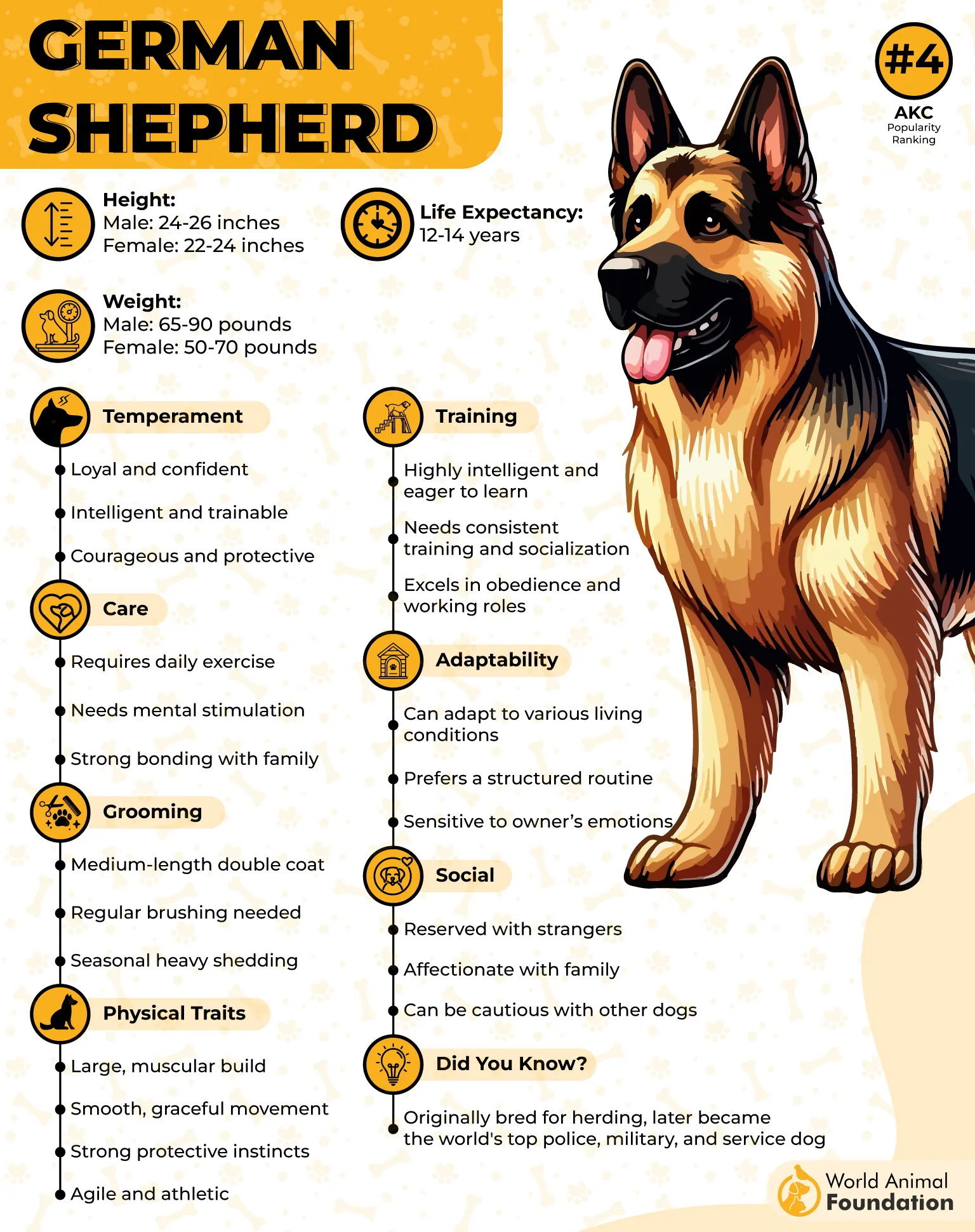
Their energy and intelligence make them ideal for experienced owners who can provide consistent training, structure, and activity. Without enough stimulation, they can easily become bored.
German Shepherds also have thick, medium-length coats that shed heavily and need regular brushing to stay healthy.
While they are devoted companions, the breed is prone to several health issues, including hip and elbow dysplasia, epilepsy, and inherited eye conditions, as explained by PDSA.
With proper care, exercise, and attention, a German Shepherd can live for over 10 years as a loyal and hardworking partner.
Conclusion
Strength, endurance, and intelligence are the qualities that define the world’s greatest herding and field dogs. These dogs are not only physically powerful but also incredibly smart, capable of learning complex tasks and working closely with their handlers.
What truly sets them apart is their unmatched work ethic. Whether managing livestock, assisting in field work, or participating in demanding training activities, these breeds thrive when they have a purpose. Their loyalty and strong bond with their owners make them reliable partners in both work and everyday life.
However, these dogs are best suited for active owners who can provide the exercise, training, and mental stimulation they need.
With the right environment and care, these powerful working breeds become more than just helpers in the field; they become devoted companions and trusted members of the family.
