




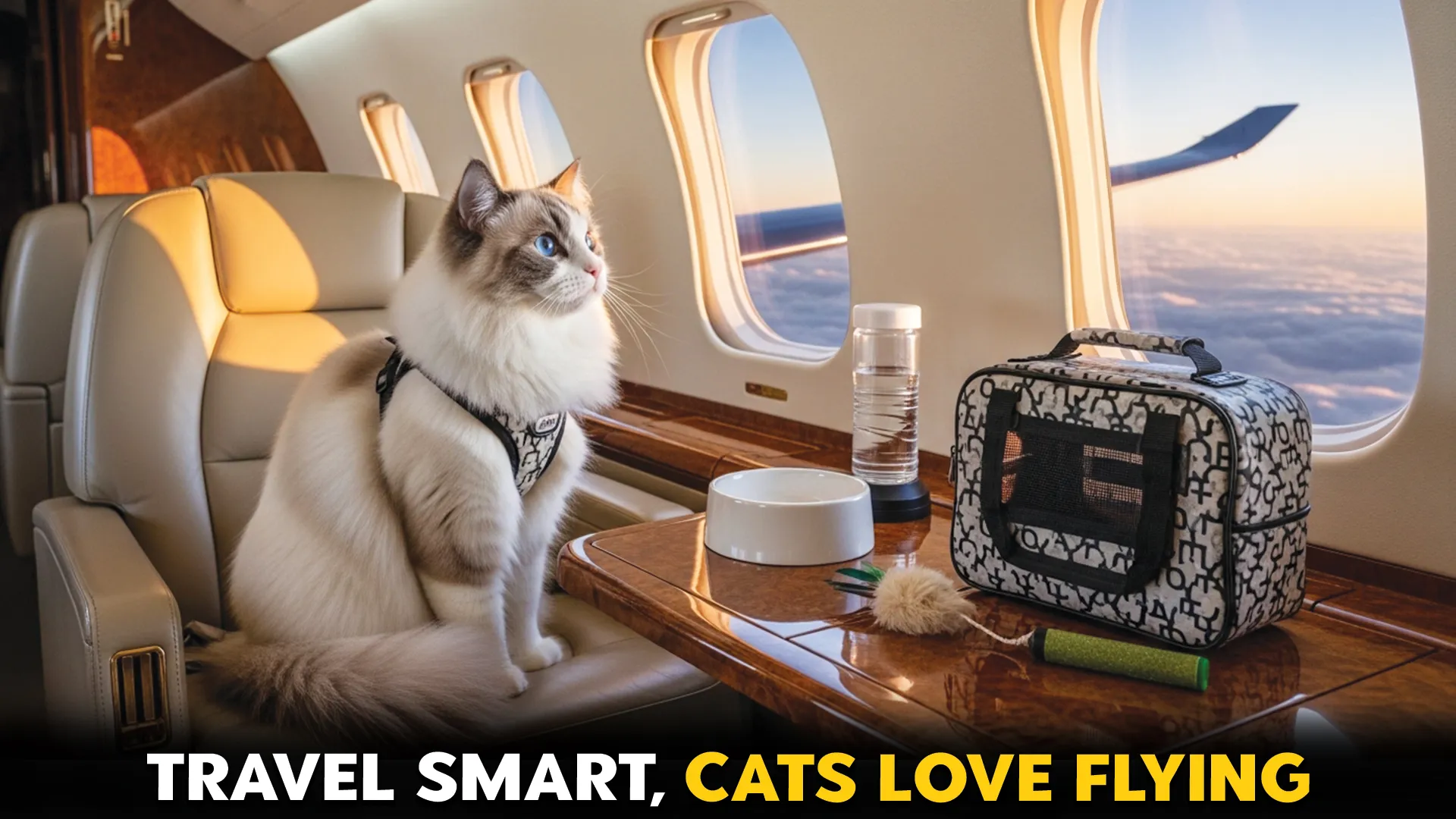
Cats aren’t usually known for loving change, which is why the idea of air travel with a feline can feel overwhelming. However, some breeds handle flying far better than others.
Calm, adaptable cats that bond closely with their humans tend to cope better with airports, carriers, and unfamiliar environments. When paired with proper preparation, these traits can make flying a surprisingly smooth experience.
Temperament plays a huge role in how well a cat travels by plane. Cats that are confident, people-oriented, and less territorial are more likely to remain relaxed during flights. Breeds that tolerate handling, enjoy human reassurance, and recover quickly from stress are ideal candidates for in-cabin travel.
Whether you’re relocating, visiting family, or picking up a kitten, choosing a travel-friendly breed can make all the difference. In this article, we’ll explore cat breeds known for flying calmly and adapting well to air travel, helping you decide which feline companions are best suited for life on the go.
Cat Breeds That Travel Well by Plane
1. Ragdoll
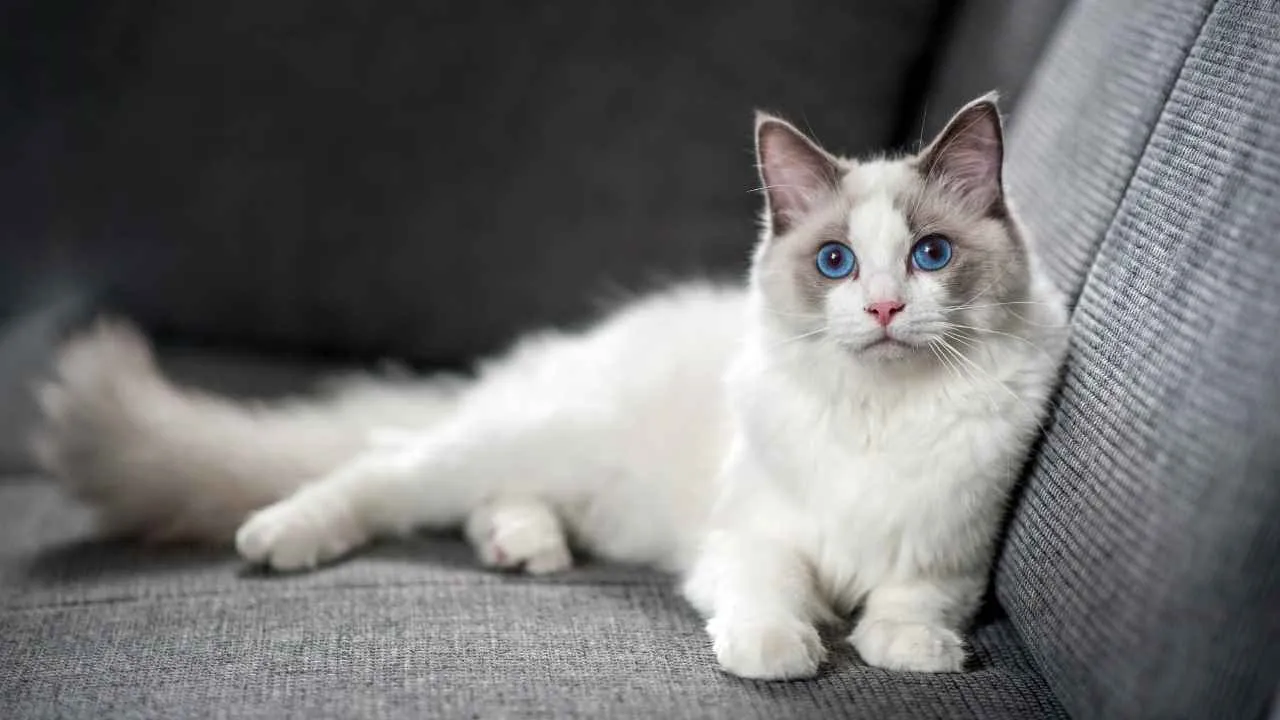
The Ragdoll, sometimes called the “puppy-cat,” is famous for its striking blue eyes, plush coat, and famously relaxed demeanor.
According to Britannica, the Ragdoll is a long-haired cat breed known for becoming completely relaxed when lifted, so it can look like a limp rag doll.
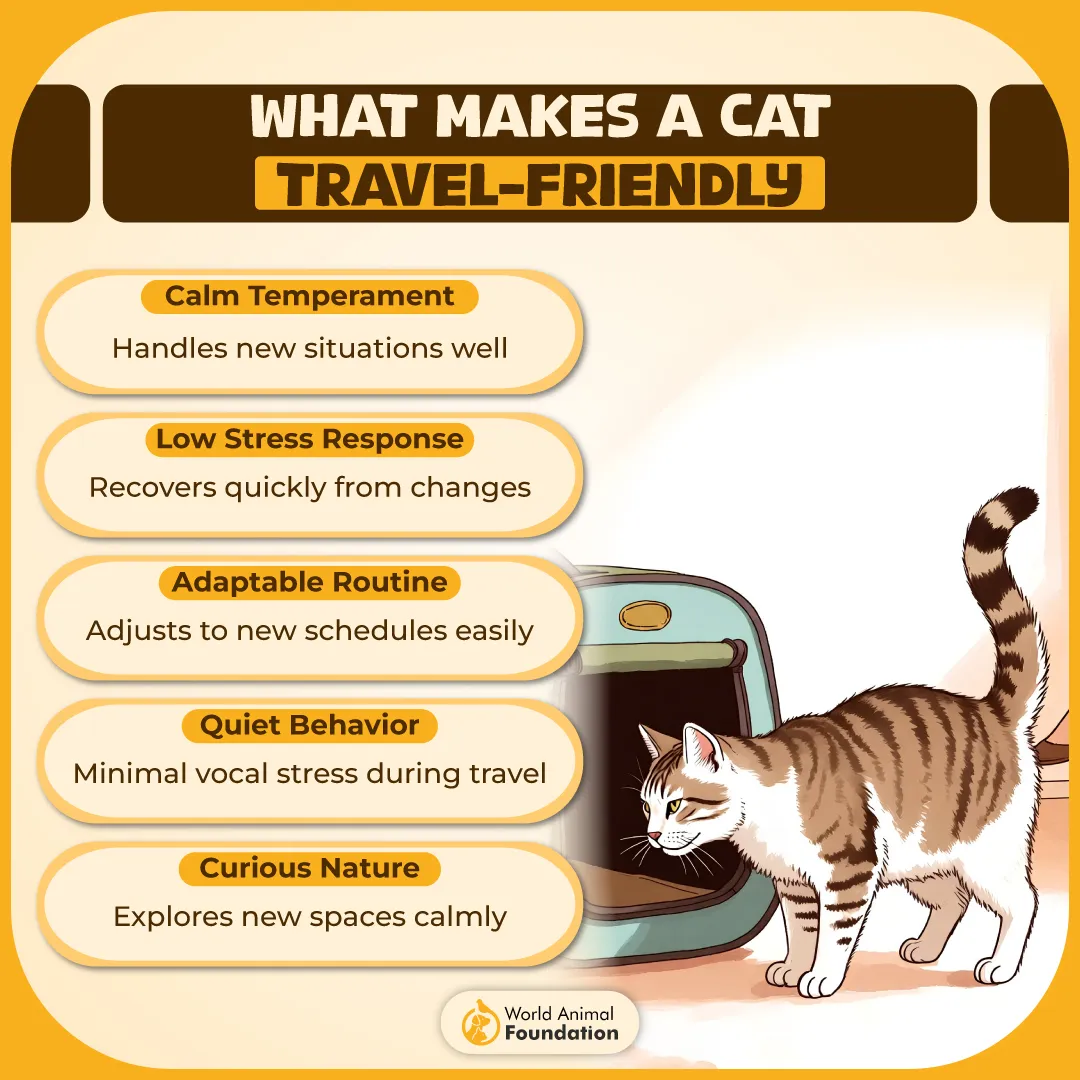
When it comes to flying, the Ragdoll’s calm and adaptable nature works in its favor. Unlike many cats that panic in carriers, Ragdolls are more likely to settle when surrounded by familiar scents, making them easier companions for in-cabin air travel. Their strong attachment to their humans also helps them feel secure in unfamiliar settings like airports.
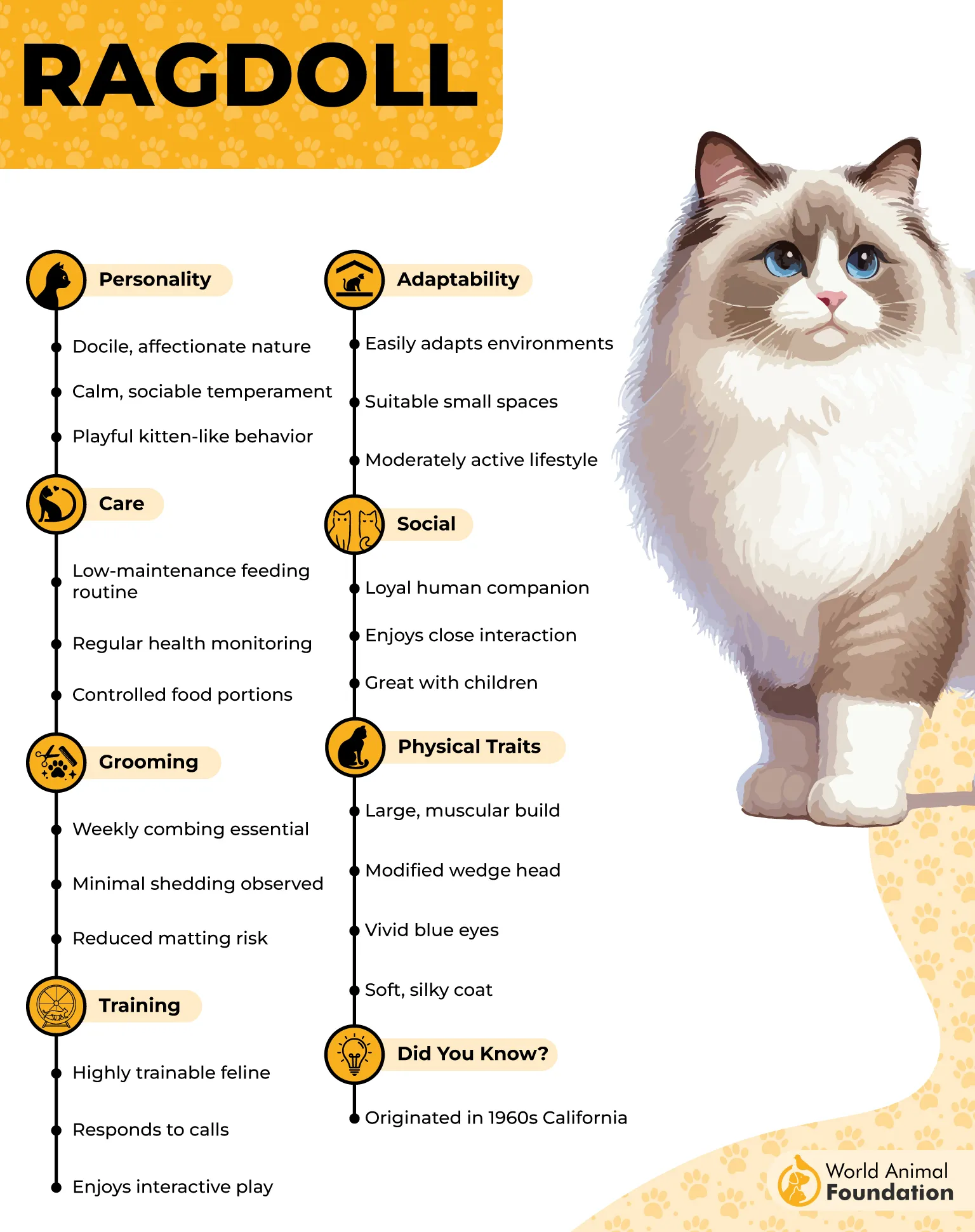
Ragdolls respond well to preparation routines that reduce stress during flights. Familiar blankets, pheromone sprays, and predictable handling can help them remain composed from takeoff to landing. Their intelligence also makes them receptive to carrier training ahead of time, which is especially helpful for frequent travelers.
Because they are highly social and tolerant, Ragdolls generally adjust smoothly to new environments after landing.
Fact: According to breed experts, Ragdolls are considered one of the most laid-back and adaptable cat breeds, making them especially well-suited to travel.
2. Sphynx
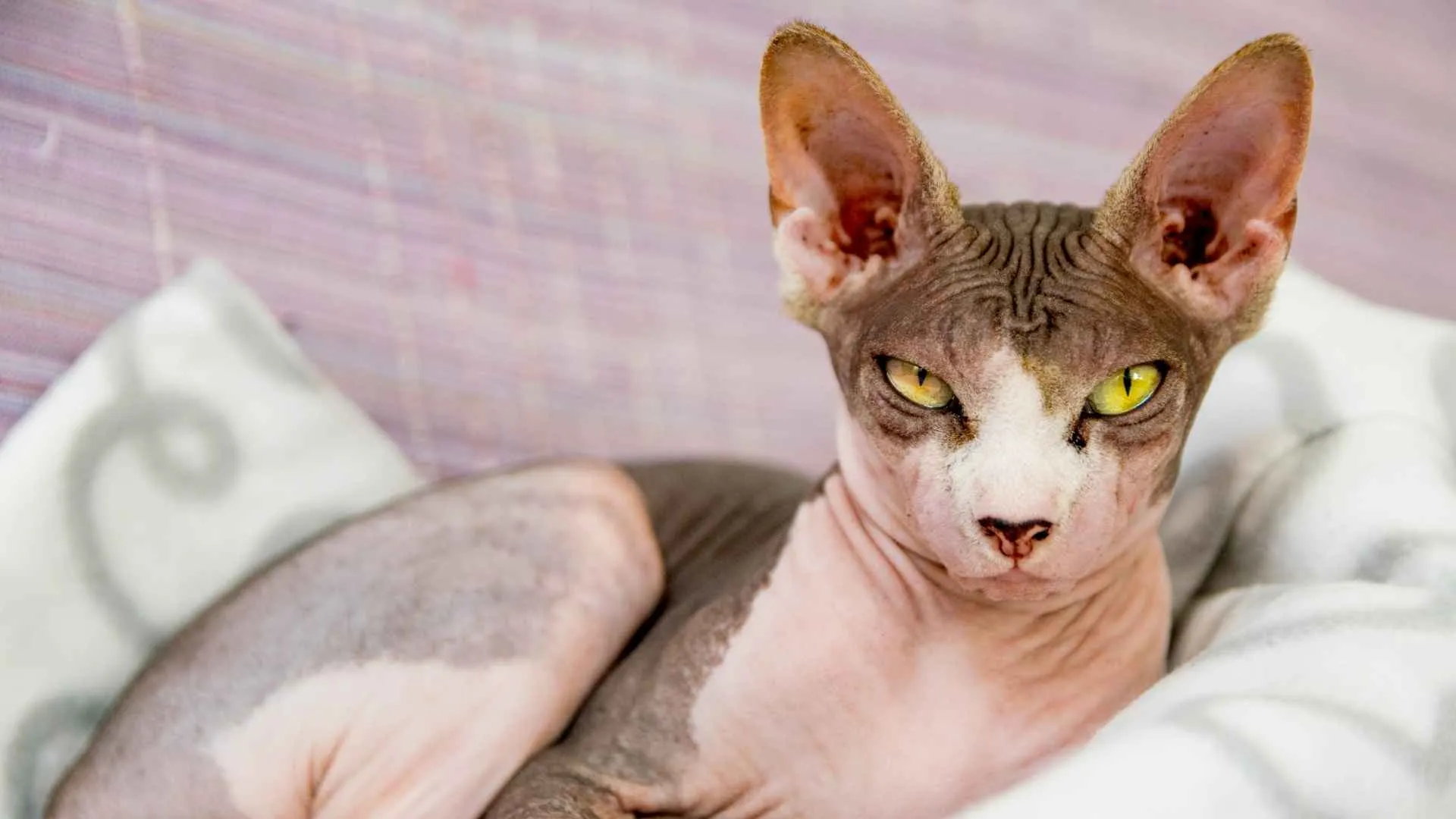
The Sphynx, sometimes referred to simply as the hairless cat, is instantly recognizable for its bare skin, large ears, and expressive eyes. Originating in Canada, this breed is known less for its looks and more for its deeply people-focused personality.
According to PetMD, the Sphynx originated in Toronto in 1966 (not ancient Egypt) and stands out from many other cats in both appearance and personality.
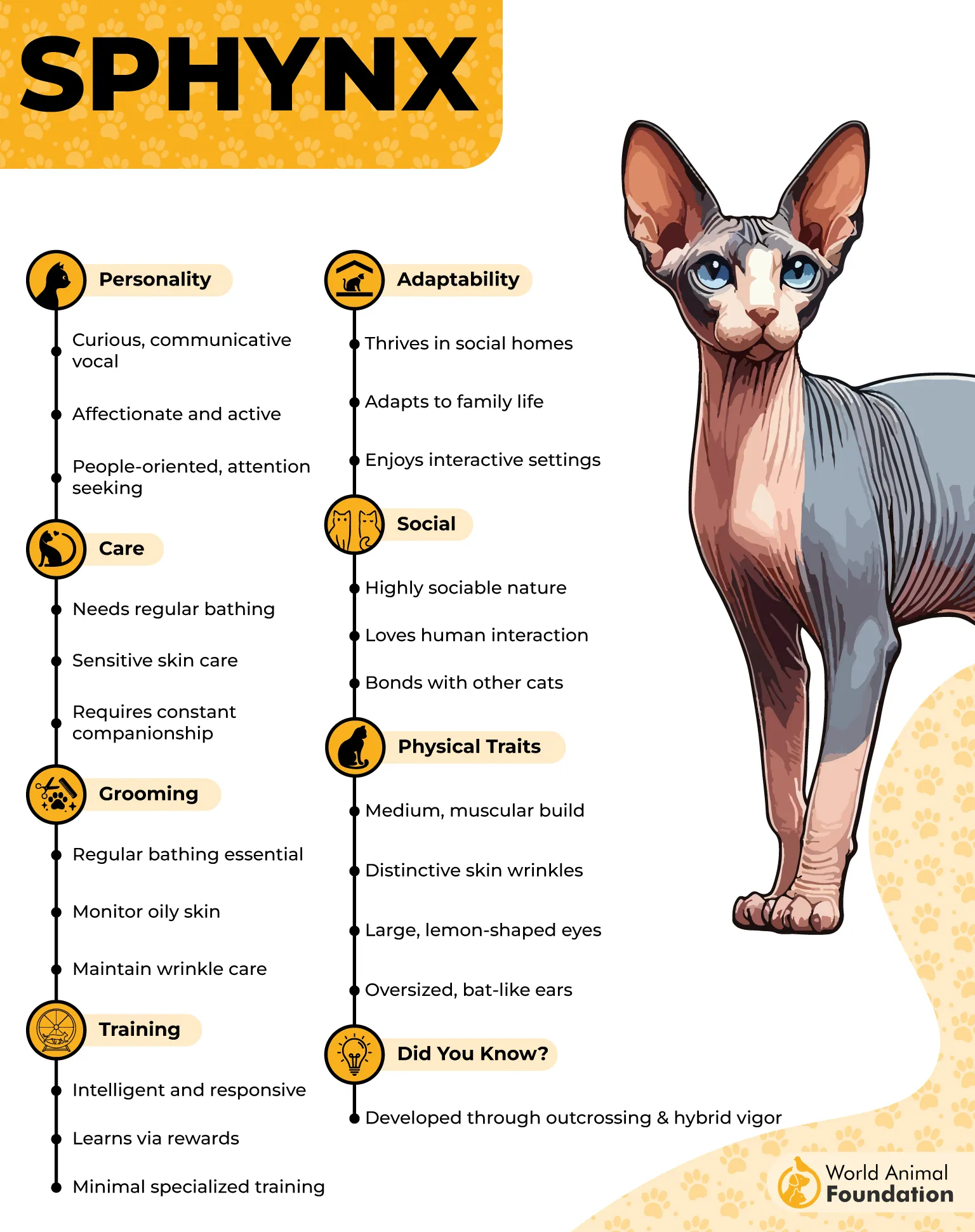
Sphynx cats thrive on constant human interaction, which makes them surprisingly well-suited for air travel. They prefer staying close to their owners, often settling calmly in carriers when they feel reassured by familiar voices and scents during flights.
Unlike independent breeds that panic in unfamiliar settings, the Sphynx adapts well to new environments. Their dog-like attachment helps them remain relaxed in airports and cabins, especially on longer trips where companionship matters more than surroundings.
Because they crave attention, Sphynx cats often handle plane travel better than being left alone at home. Their need for calm, low-stress environments aligns well with quiet in-cabin travel when properly prepared.
Fact: Despite being hairless, Sphynx cats are not hypoallergenic and still produce dander.
3. Birman
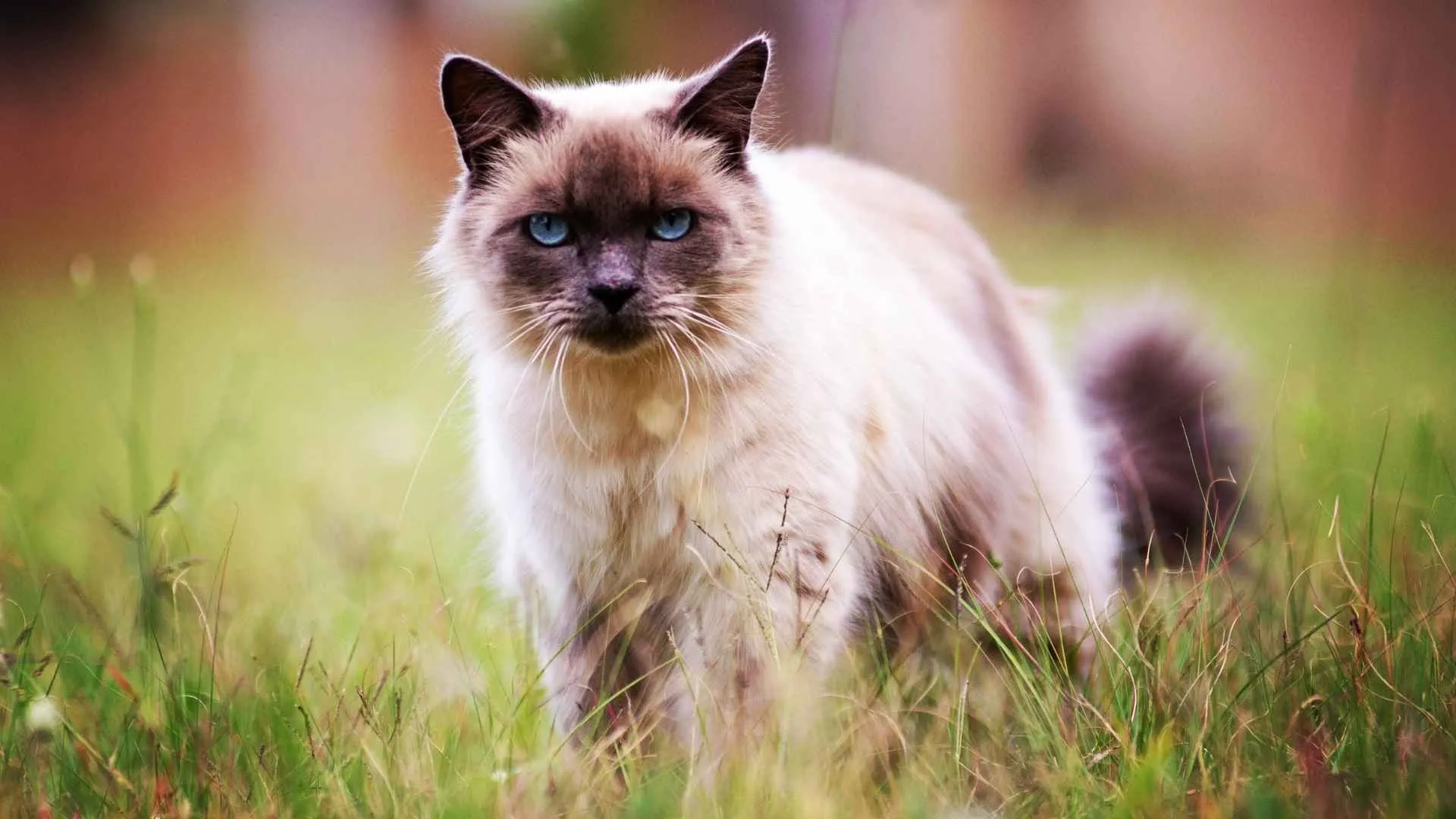
The Birman, also known as the Sacred Cat of Burma, is admired for its calm demeanor, striking blue eyes, and signature white “gloves” on each paw.
According to WebMD, Birman cats are loyal and affectionate and enjoy staying close to their owners. This breed blends gentle beauty with a people-oriented personality that adapts well to changing environments.

When it comes to flying, Birmans tend to handle travel stress better than many breeds thanks to their relaxed, social nature. They bond closely with their humans and often feel reassured simply by being near their favorite person, even in unfamiliar places like airports or cabins.
Their even-tempered personality helps them remain composed during long waits, carrier time, and routine disruptions. Unlike high-strung cats, Birmans are less prone to panic, making them well-suited for in-cabin travel when properly prepared and acclimated.
Birmans are curious without being impulsive, which helps them adjust smoothly to new surroundings after landing.
Fact: The Birman is traditionally known as the “Sacred Cat of Burma,” with legends linking the breed to ancient temples.
4. Oriental Shorthair
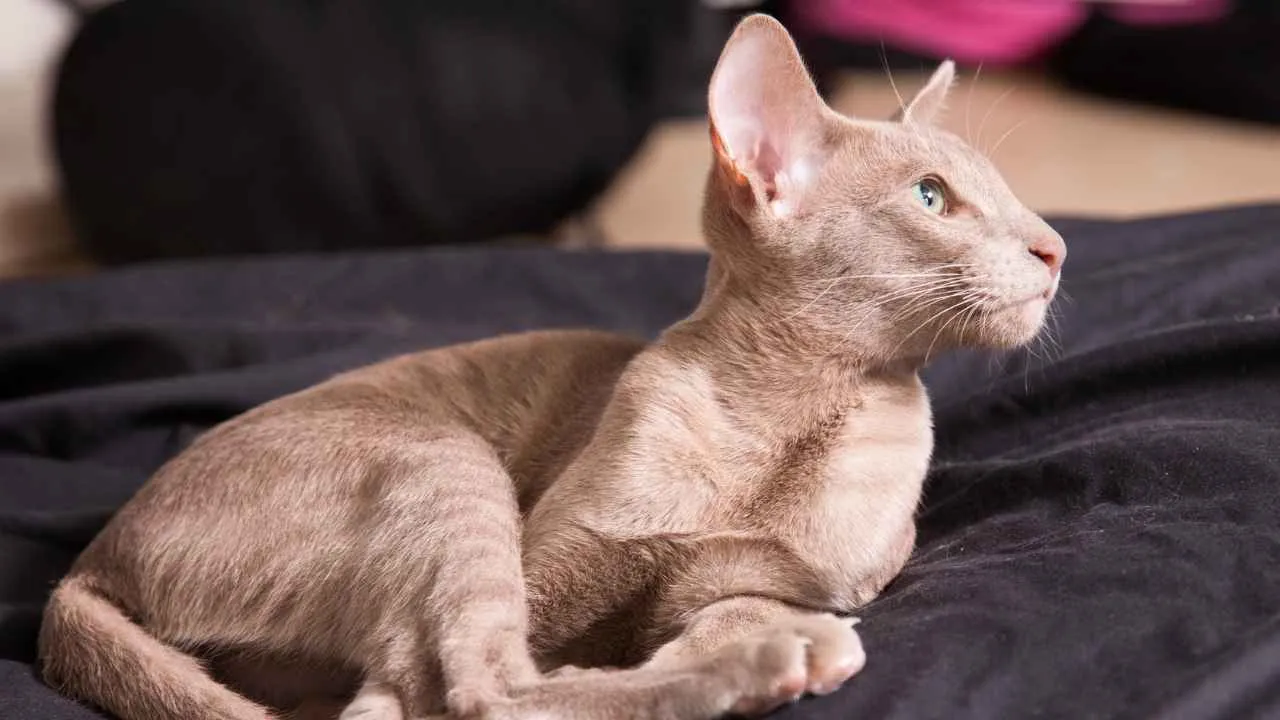
Also known as the “rainbow cat,” the Oriental Shorthair is a close relative of the Siamese, instantly recognizable by its sleek body, oversized ears, and expressive face. This elegant breed comes in an incredible variety of colors and patterns, making it as visually striking as it is distinctive.
When it comes to air travel, Oriental Shorthairs stand out for their people-focused personalities. They form strong bonds with their humans and often feel calmer when close to their favorite person, a trait that helps them tolerate busy airports and cabin environments with less stress.
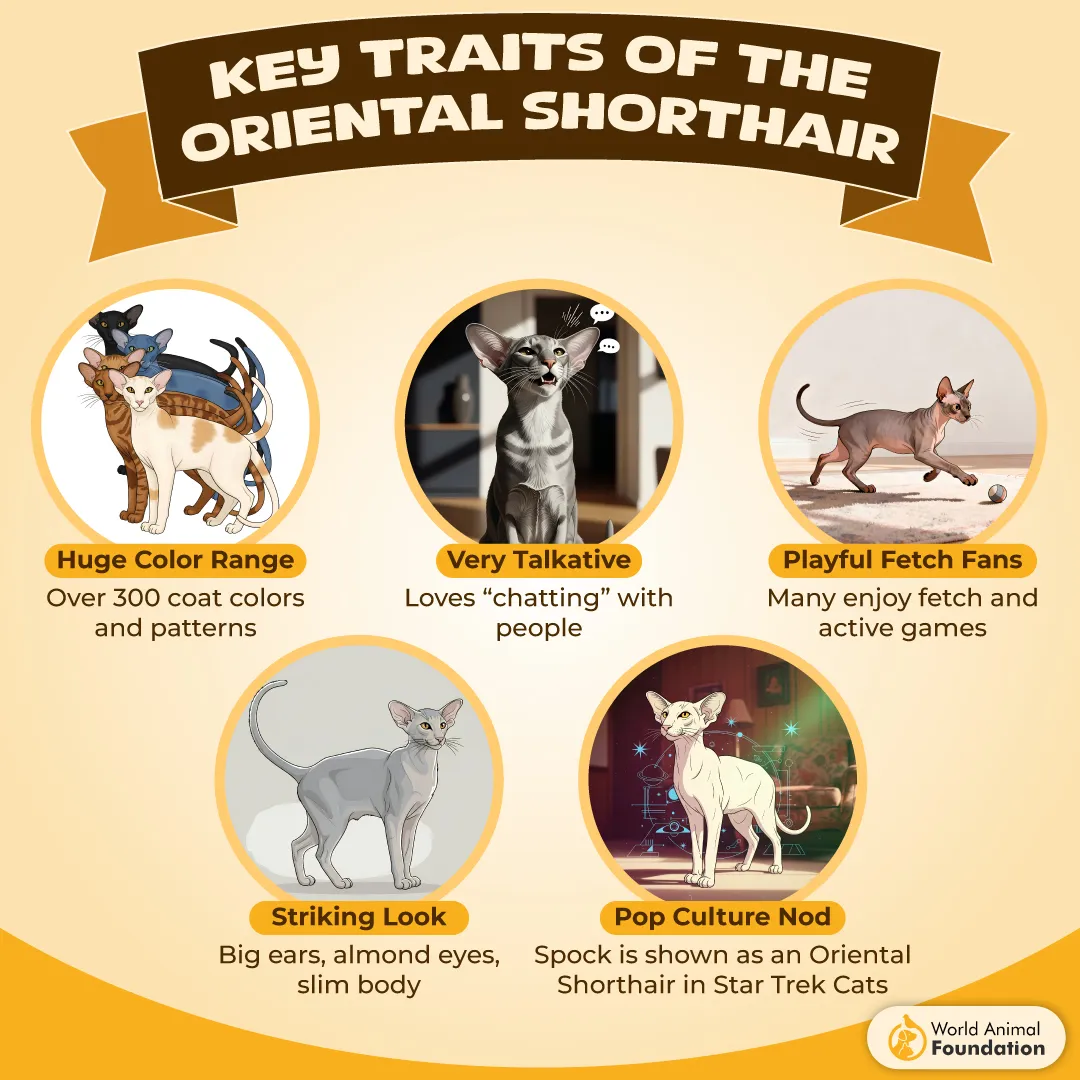
Highly intelligent and adaptable, these cats respond well to routine and training, including carrier acclimation and harness use. Their curiosity often outweighs anxiety, allowing them to adjust more easily to new surroundings compared to more reserved breeds.
Because Orientals crave interaction, they are less likely to shut down during travel and more inclined to seek reassurance from their owner mid-flight.
Fact: The Oriental Shorthair was developed in England in the mid-20th century by crossing Siamese cats with breeds like the Russian Blue and Abyssinian.
5. Tonkinese
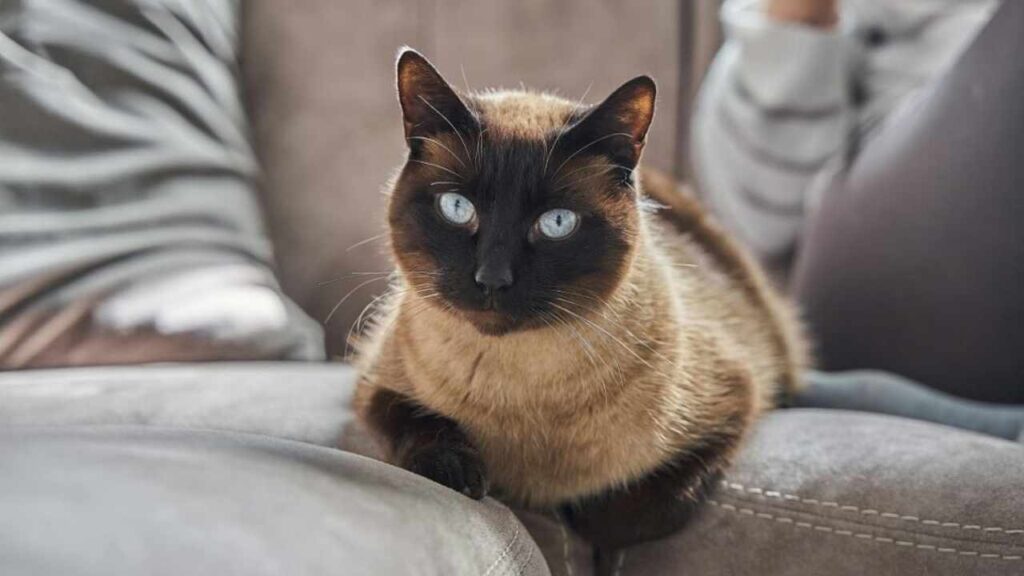
Also known simply as the Tonk, this breed is a deliberate blend of the Siamese and Burmese, combining elegance with a people-loving nature. With a soft mink-like coat and striking aquamarine eyes, the Tonkinese is known for balance—both in appearance and personality—making it a standout companion breed.
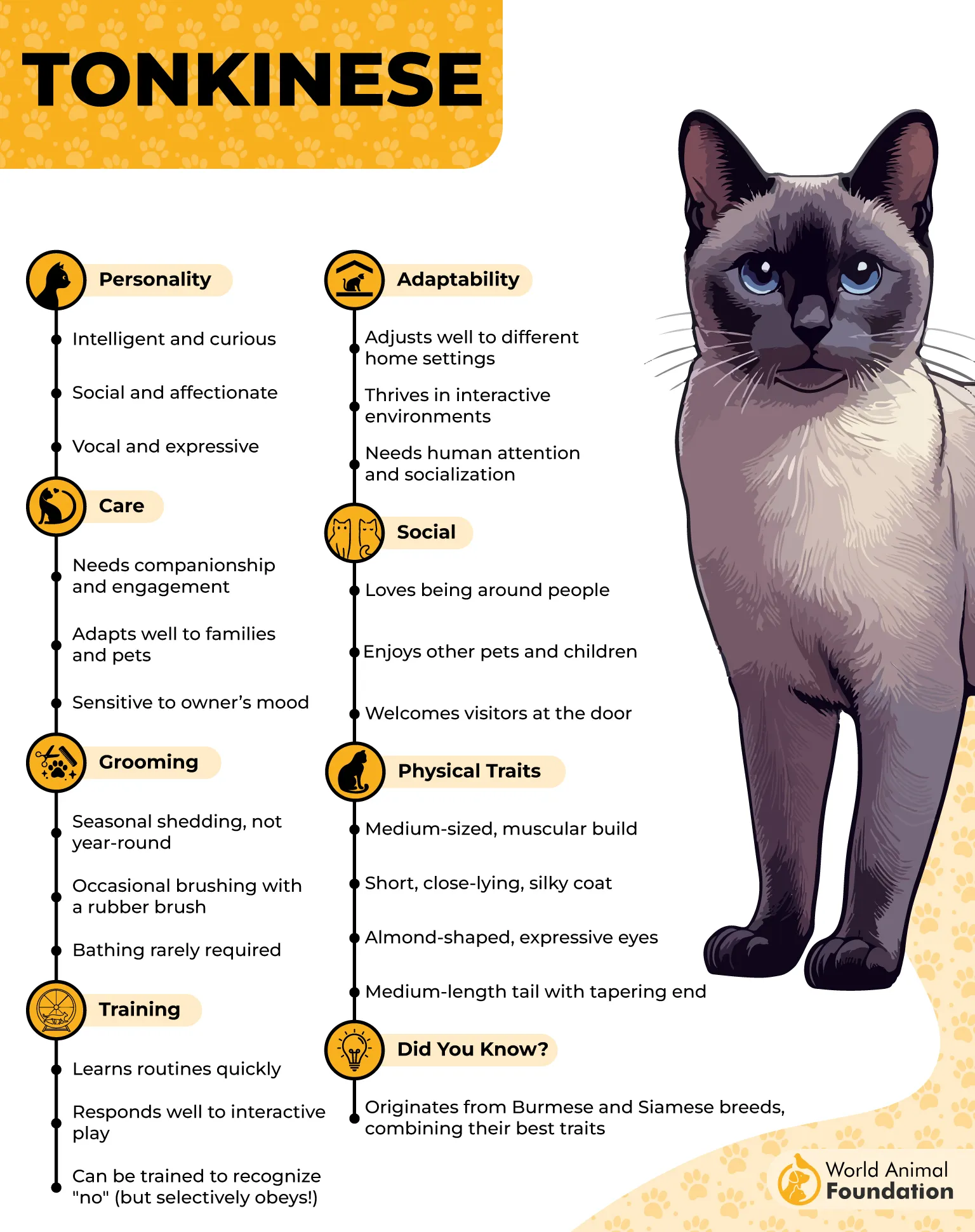
That balanced temperament is exactly why Tonkinese cats tend to travel well by plane. They are intelligent and quick to adapt, which helps them handle new routines, carriers, and unfamiliar environments with less stress. Instead of panicking, they often observe calmly and look to their humans for reassurance.
Highly social and people-focused, the Tonkinese thrives on close contact, which can be comforting during air travel. Many are content staying in the cabin, settling quietly once they feel secure. Their curiosity often outweighs fear, helping them adjust smoothly to airports and flights.
Because they’re playful yet emotionally steady, Tonkinese cats recover quickly after travel and adapt well to new destinations.
Fact: The Tonkinese breed originated in the 1960s from intentional crossbreeding between Siamese and Burmese cats, creating a harmonious mix of traits from both parent breeds.
6. Snowshoe
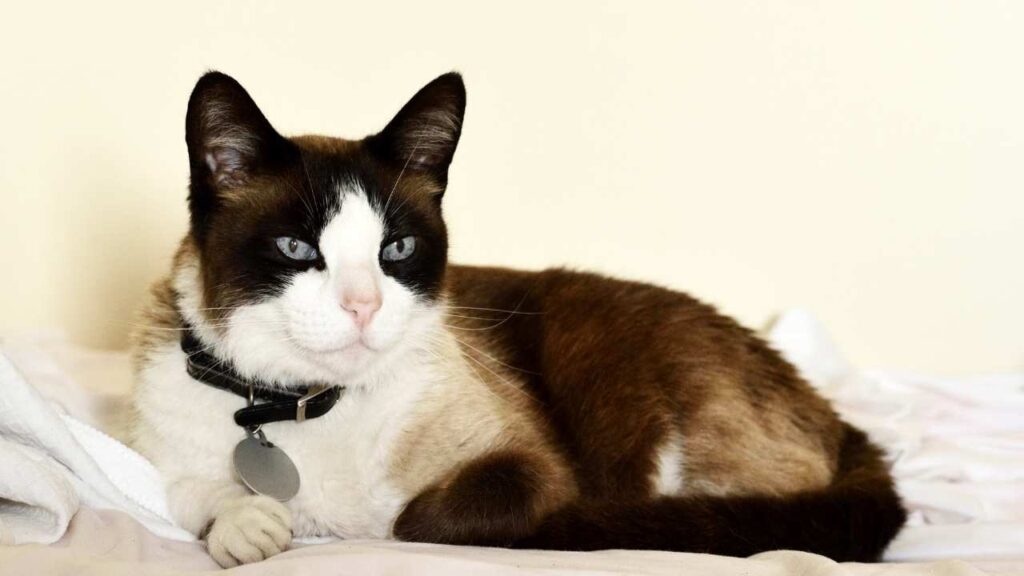
Also known as the Silver Laces, the Snowshoe is a rare hybrid developed from Siamese and American Shorthair lines in the United States. Its signature white “snow-boot” paws, blue eyes, and colorpoint coat give it a polished yet approachable look that stands out among travel-friendly breeds.
When it comes to flying, the Snowshoe’s calm, people-focused temperament works in its favor. These cats form strong bonds with their humans and often take comfort in close contact, which helps them stay relaxed during airport routines and in-cabin travel. Their adaptable nature makes new environments less intimidating.
Snowshoes are social without being overly demanding, striking a balance that suits air travel well. While they may vocalize to express needs, their communication is typically manageable and rooted in affection rather than anxiety. This emotional steadiness helps them cope with unfamiliar sounds and movements during flights.
Their short, low-maintenance coat and confident personality further simplify travel preparation.
Fact: The Snowshoe nearly went extinct due to the difficulty of consistently producing its distinctive white paw markings.
7. Chartreux
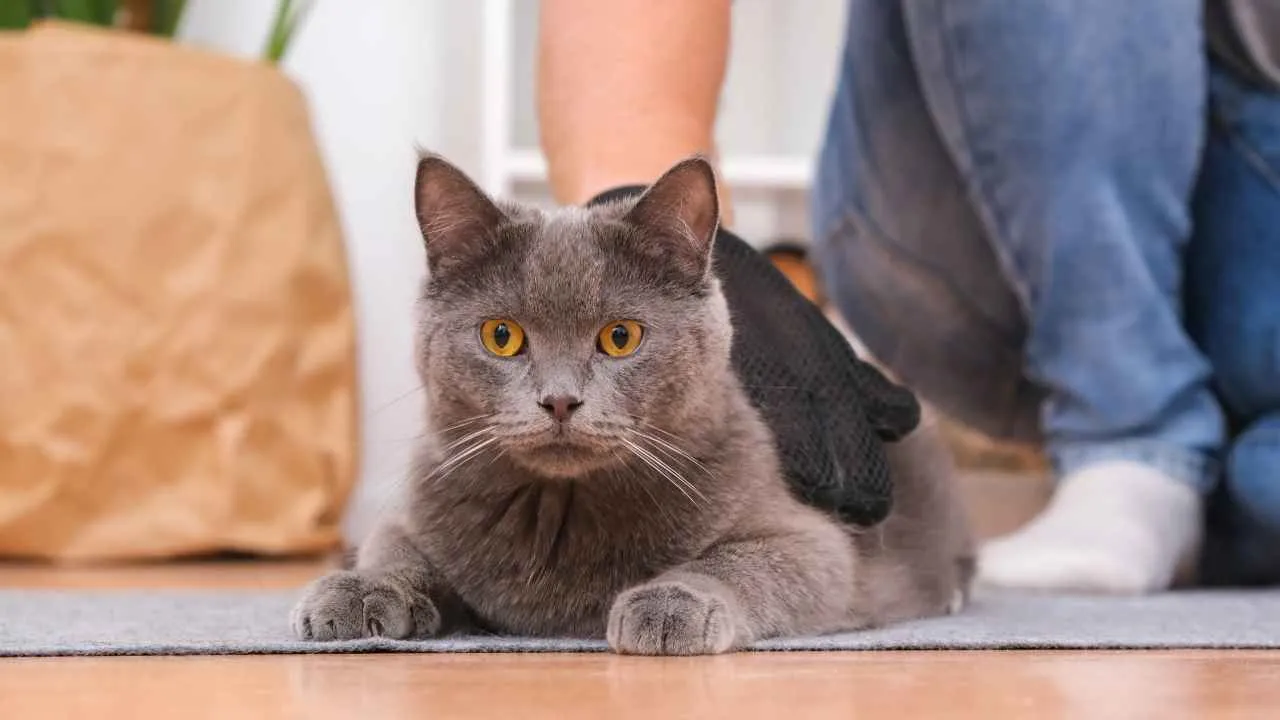
Also known as the French Blue cat, the Chartreux is a calm, solidly built breed admired for its blue-gray coat and striking copper eyes. This quietly affectionate cat has a gentle presence that makes it stand out among frequent-traveler-friendly felines.
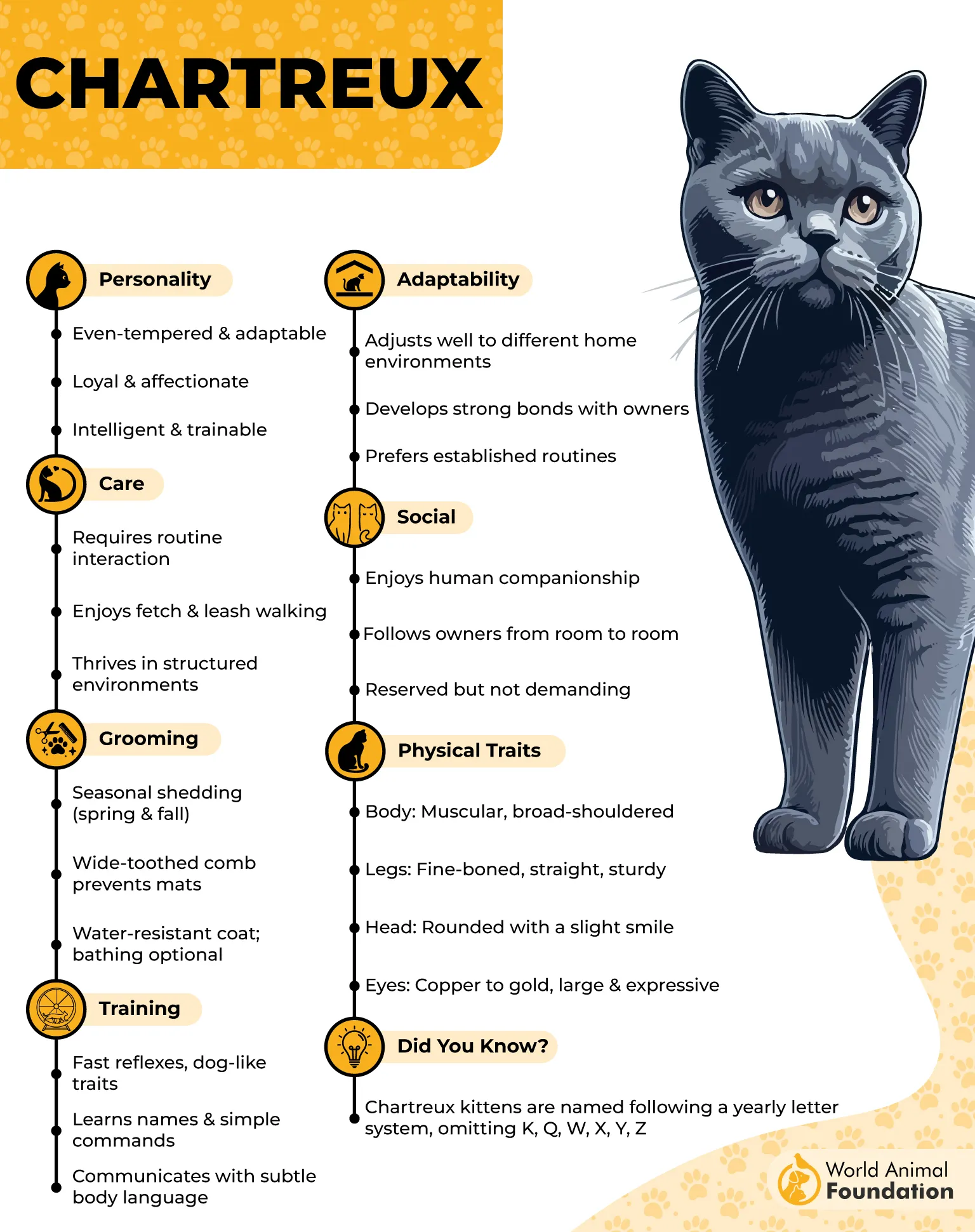
When it comes to air travel, the Chartreux is known for handling carriers with minimal fuss. Their relaxed temperament and low reactivity help them remain composed during flights, making them a strong choice for owners who travel often by plane.
Unlike more vocal or anxious breeds, the Chartreux tends to stay quiet and observant in unfamiliar environments. They bond closely with one person but remain polite with strangers, which helps reduce stress during airport security checks and boarding.
Their easygoing nature means they adapt well to routine changes, including travel schedules and new locations.
Fact: The Chartreux is often called the unofficial cat of France and is famously linked to legends of French monks using them as skilled mousers.
Conclusion
Traveling by air with a feline doesn’t have to be stressful, but it’s important to remember that most cats are creatures of habit. That said, certain cat breeds handle change better thanks to calm temperaments, a sturdy build, and strong bonds with their human companions.
These cats are often more tolerant of carriers, unfamiliar sounds, and time spent in close quarters, making flights more manageable for both pets and cat owners. Some even enjoy interactive moments like playing fetch before or after travel, which helps release nervous energy.
Before booking a trip, cat owners should always review airline policies carefully, as size limits, carrier rules, and in-cabin requirements vary.
Choosing a relaxed lap cat with a long lifespan and adaptable nature can make frequent travel far more enjoyable. With thoughtful preparation and the right breed, flying together can become a smooth, shared experience rather than a challenge.
