




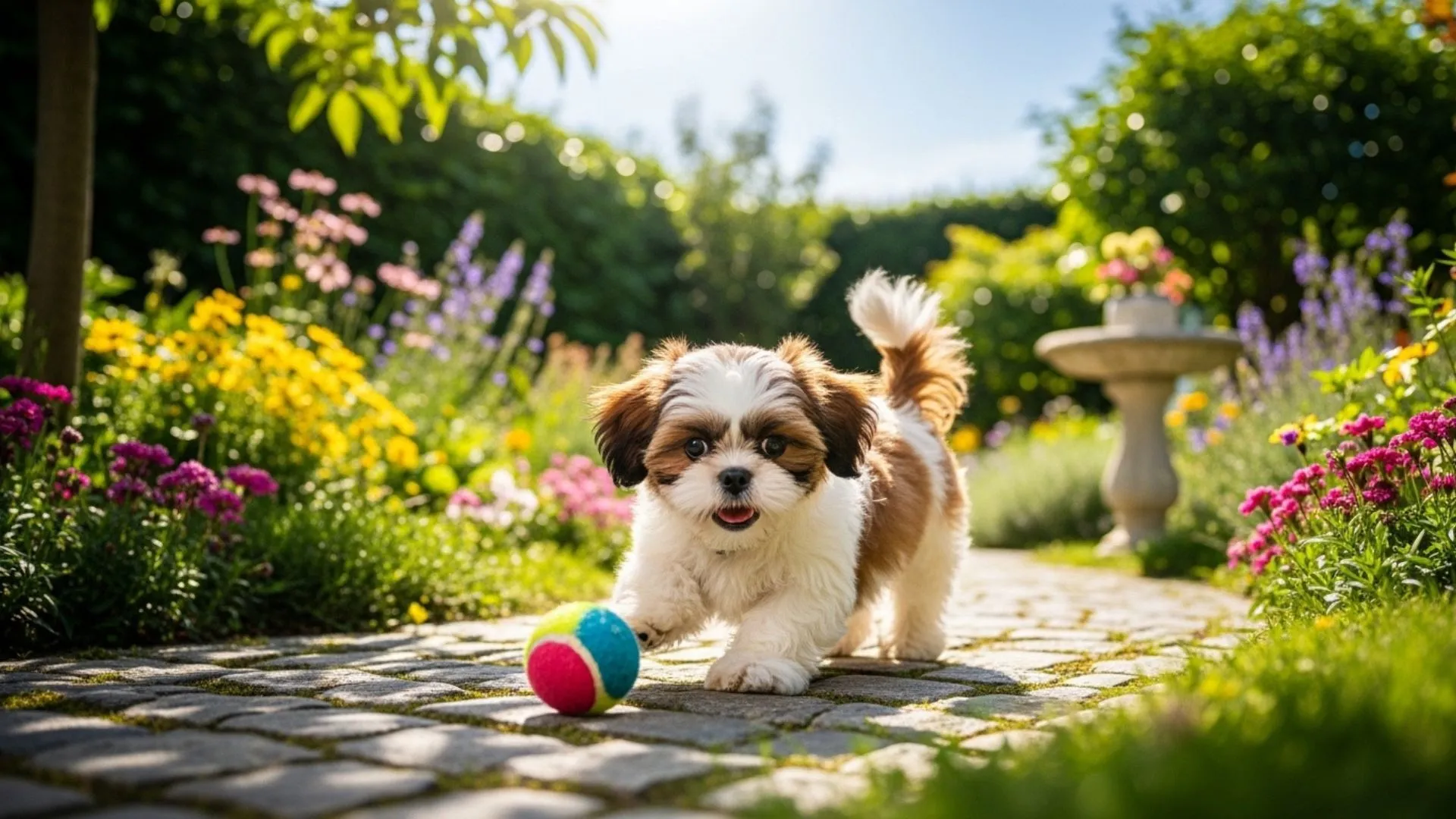
Pocket dog breeds may be small in size, but they bring plenty of charm, character, and companionship into everyday life. For many pet owners, these tiny dogs are an appealing choice because they are easier to carry, easier to settle into smaller homes, and often have lively personalities. Still, choosing the right one takes more than falling for a cute face.
Each breed has its own energy level, grooming needs, and social style. Some love being the center of attention, while others are more relaxed and happy to stay close to their favorite person. Understanding those differences can help you find a dog that truly fits your routine.
In this guide, you will discover fantastic pocket dog breeds, learn what makes each one special, and pick up practical care tips that can make daily life smoother for both you and your dog. A tiny companion can be a wonderful match when chosen with care.
Fantastic Pocket Dog Breeds: Personality and Care Tips You Will Love
1. Japanese Chin
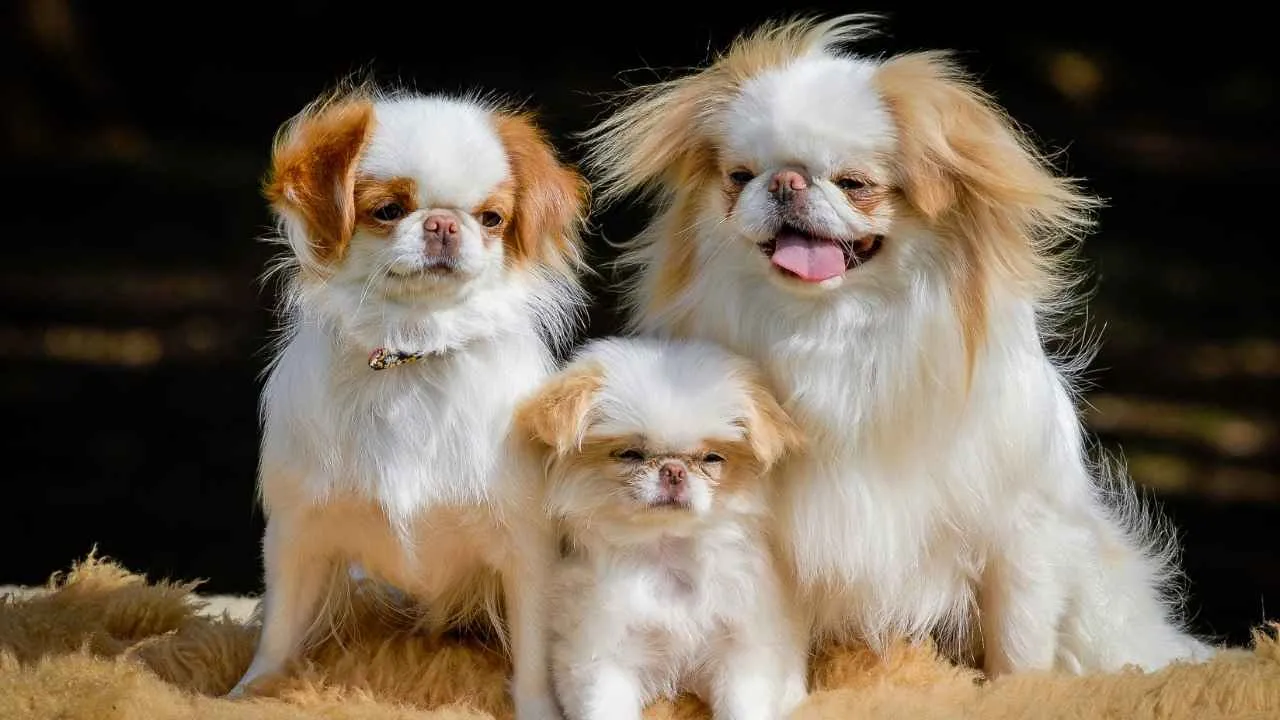
The Japanese Chin is one of those small dogs that seems made for close companionship. This old toy breed is described as sensitive, intelligent, and a bit independent, yet its main role has always been to stay near the people it loves.
Among toy dog breeds, the Chin stands out for a naturally clean nature and a quiet ability to settle into many kinds of homes. This breed comes in black and white, red and white, or black and white with tan points, with red covering shades like orange, lemon, and sable.
Its look has been admired for centuries, and records tied to Europe go back to the 1600s. The breed later became officially recognized in the United States, where it was eventually named the Japanese Chin by the American Kennel Club in 1977.
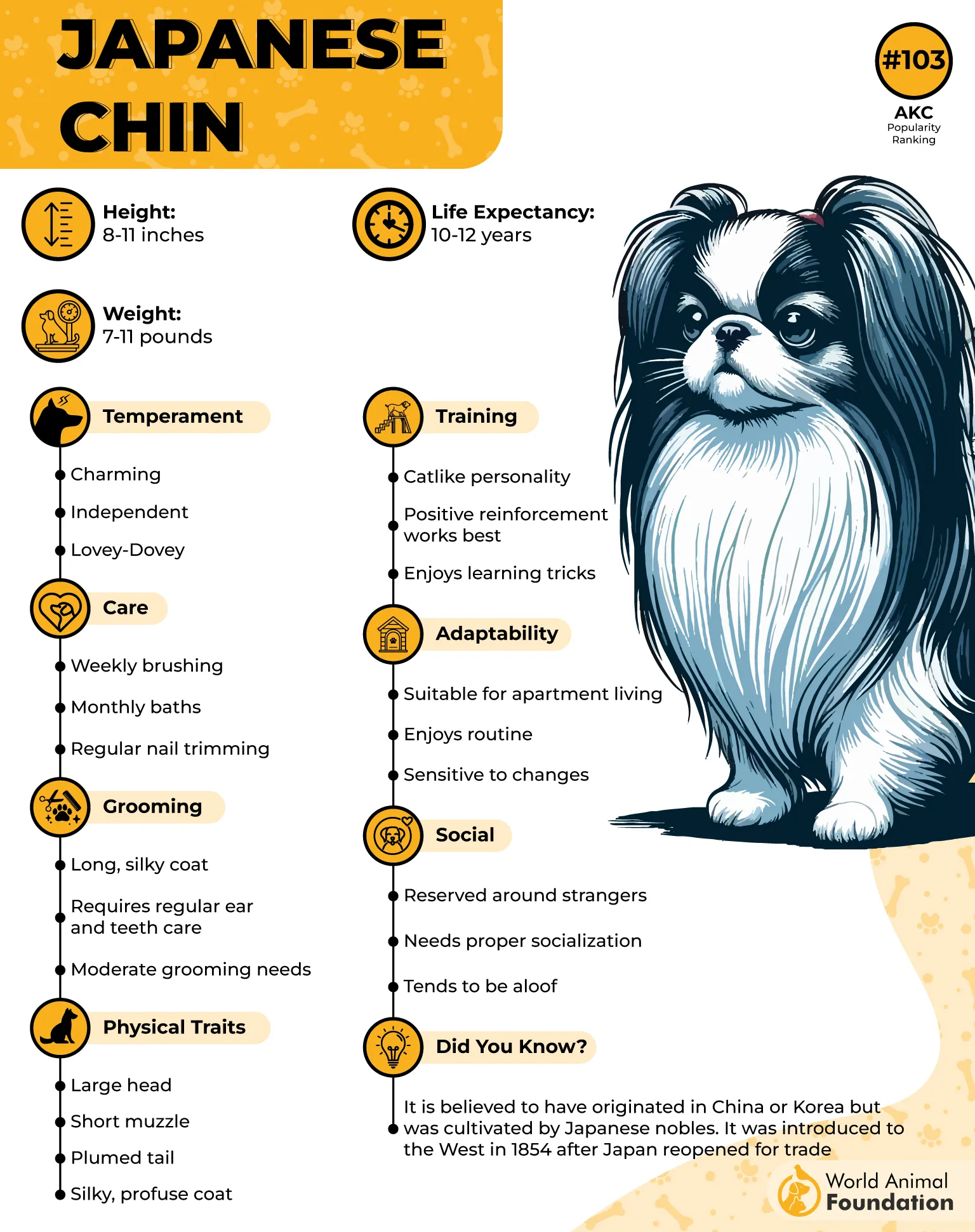
Japanese Chin can be reserved with strangers or in unfamiliar settings, so gentle handling matters from the start. These tiny dogs usually do best with pet parents who appreciate a thoughtful companion instead of a busy, noisy presence.
For people seeking small dog breeds with a calm home style, this breed offers charm in one of the neatest small packages around.

Why This Breed is a Good Fit
A great pick for people who want tiny dogs with manners, closeness, and a home-friendly attitude
Works well for apartment living because it was bred to be a companion first and foremost
Its sensitive side gives the dog’s life a cozy, one-person-shadow kind of charm
2. Brussels Griffon
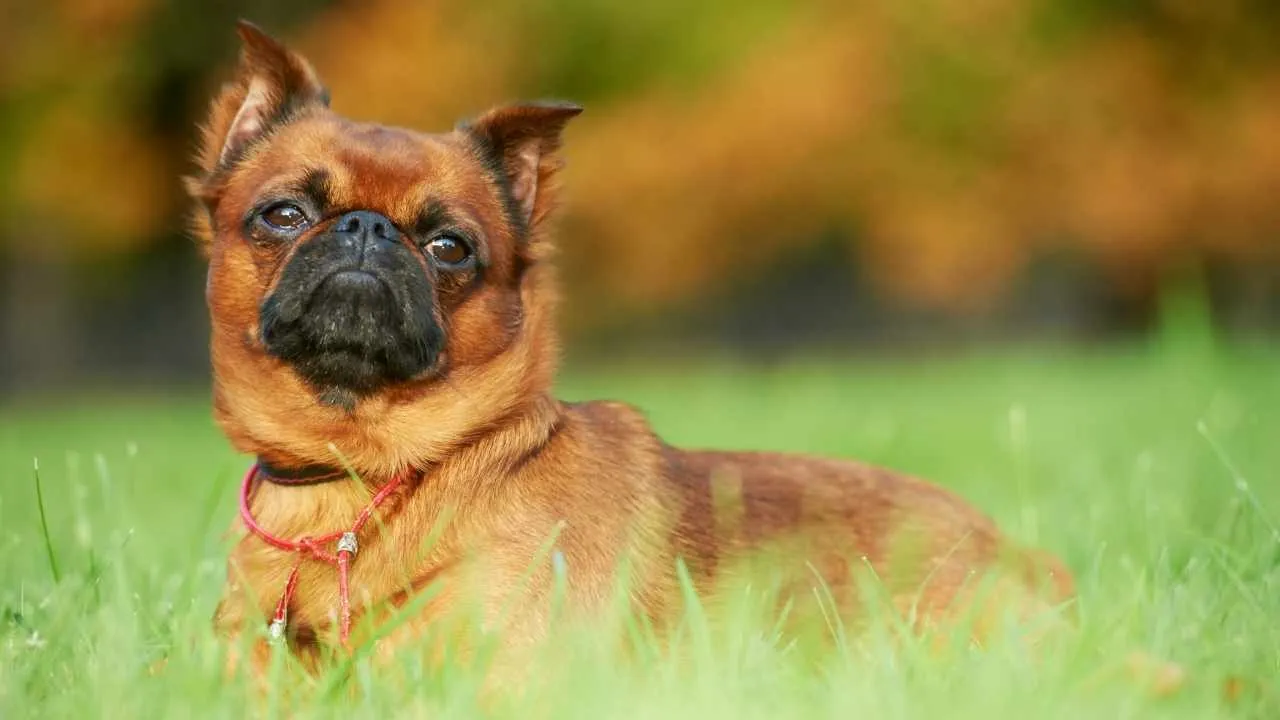
The Brussels Griffon is one of those small dogs that grabs attention right away because its face looks almost human. It is described as adorable, intelligent, and social, with a stocky frame and a confident little trot that reflects its working background in Belgium.
Even with that bold look, these tiny dogs are happiest when they are part of everyday home life. This breed belongs to the brachycephalic group, which means it has a short snout and flat face.
Because of that build, common health concerns include trouble with heat and humidity, and the breed also does not do well in extreme cold. Brussels Griffons are best kept as house dogs, where their temperature sensitivity can be managed with more care and common sense.
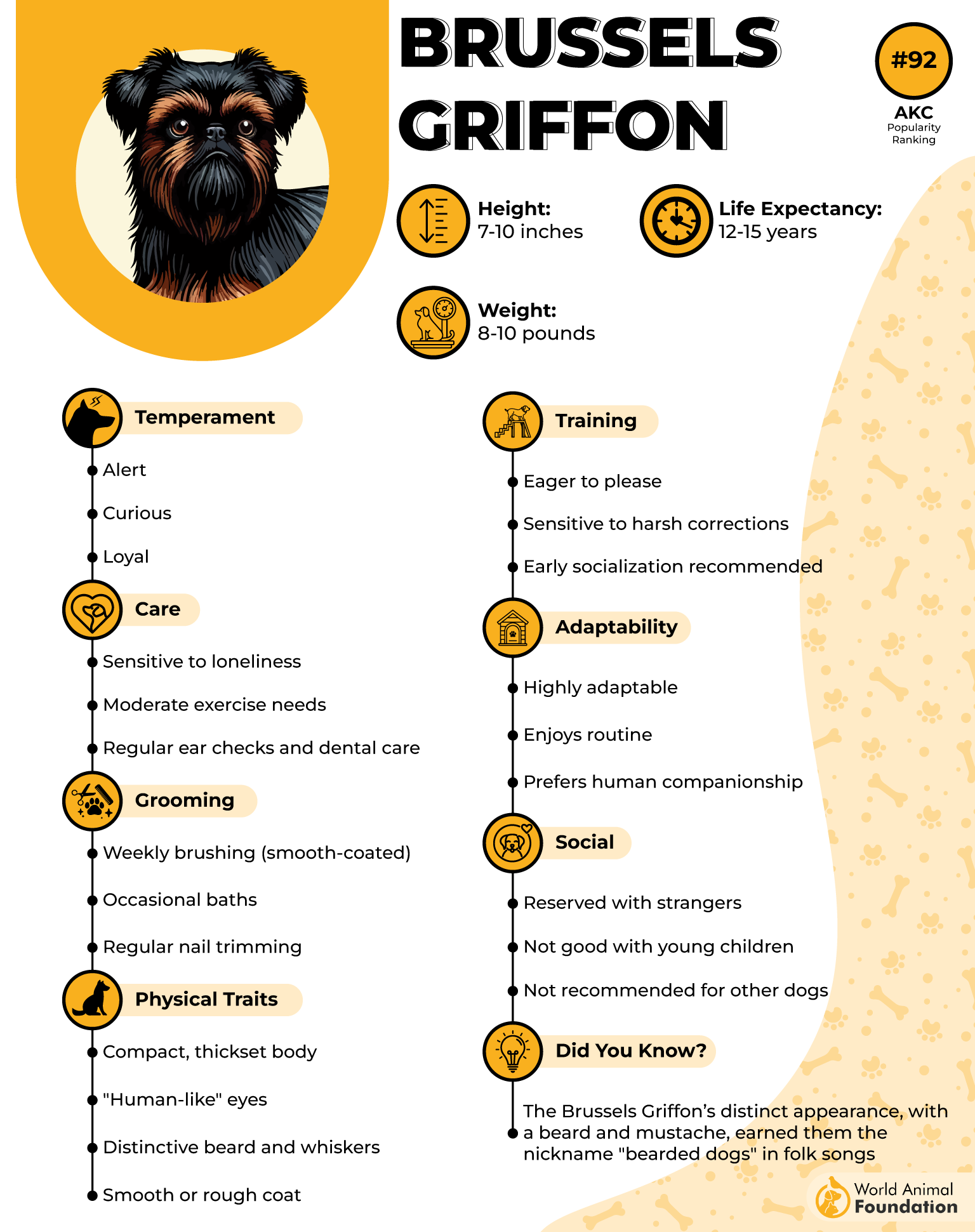
According to WebMD, they are often called “Velcro” dogs because they love human companionship and want to stay close to their people. That makes them fun for pet parents who enjoy a clingy side, but some small breeds like this may develop separation anxiety when left alone too often.
For homes that want one of the most engaging little dogs around, the Brussels Griffon brings closeness, character, and a lot of heart.
Why This Breed is a Good Fit
A smart choice for people who want small dogs that act like full-time roommates
Best for owners who enjoy a shadow at home and do not mind being lovingly followed everywhere
It brings a funny face, a serious cuddle agenda, and real companion energy
3. Havanese
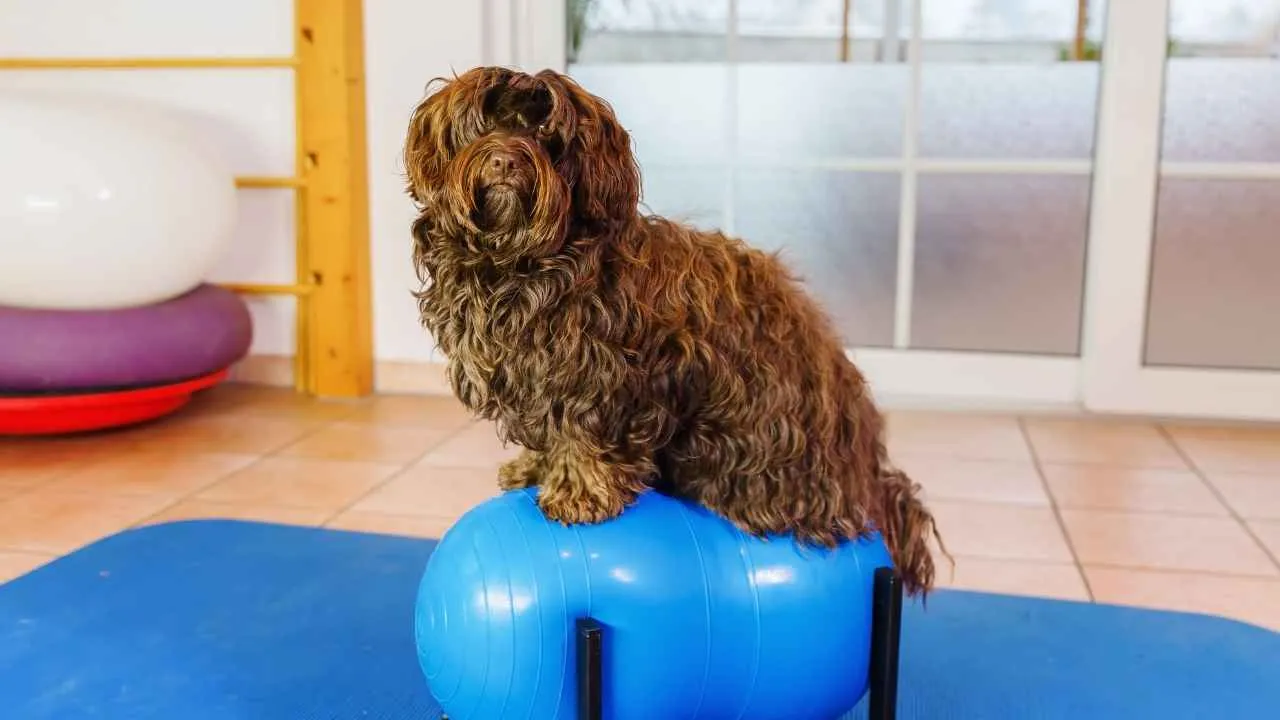
The Havanese is one of the happiest toy dog breeds for people who want a cheerful companion with a soft, elegant look. Its coat may be straight or wavy, and while it is double-coated, it feels like fine silk.
These small dogs were long linked with family life in Cuba, where they became cherished household companions. This breed is affectionate, active, and eager to spend time with its owners rather than staying apart from them.
Havanese enjoy games and learning tricks, so mental stimulation helps keep them content and well-behaved. They are intelligent and trainable, but they need proper socialization so they do not become timid around strangers.
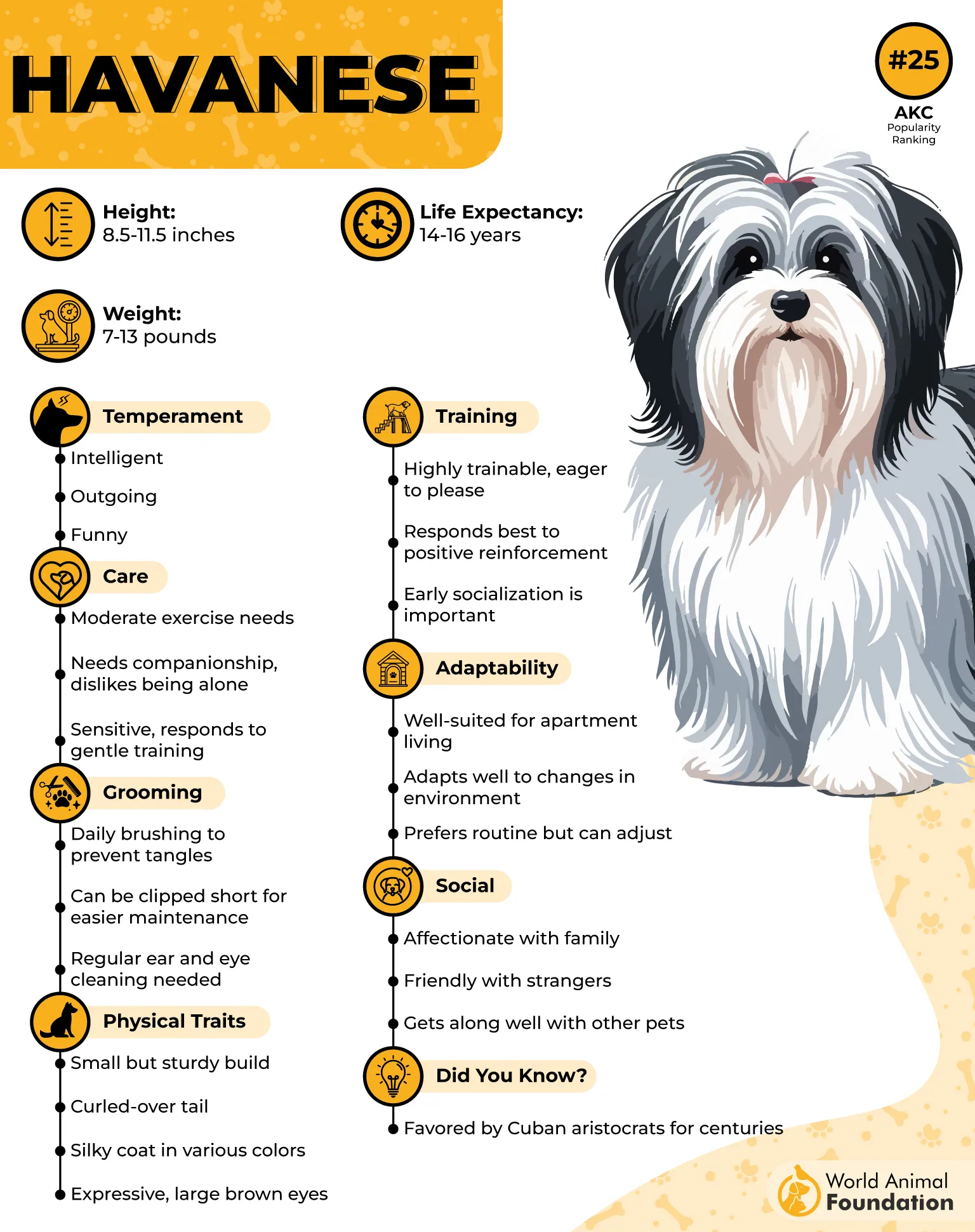
The adult coat can grow quite long, reaching six to eight inches, and it appears in many colors and combinations. Because of that flowing look, some pet parents should expect more frequent brushing to keep the coat neat and comfortable.
For people looking at small dog breeds that mix playfulness with closeness, the Havanese offers a sweet nature without losing its lively spark.
Why This Breed is a Good Fit
A lovely match for homes that want tiny dogs with playful personalities and a people-first mindset
Great for owners who enjoy teaching tricks instead of just watching from the couch
It fits the article’s theme perfectly because it is compact, lively, and built for bonding
4. Yorkshire Terrier
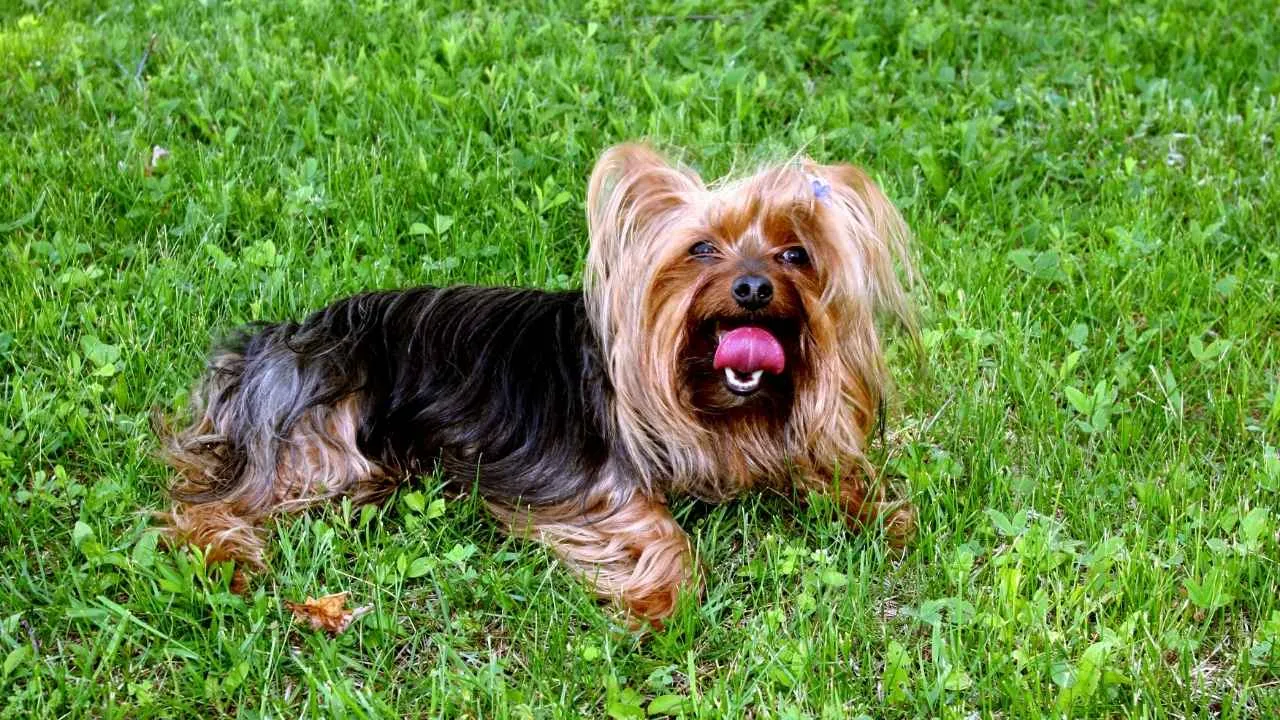
The Yorkshire Terrier is one of the best-known small breeds, and its size never hides its bold spirit. Originally tied to rodent work in textile mills, the Yorkie later became a favorite toy dog for people who wanted style and personality in one compact companion.
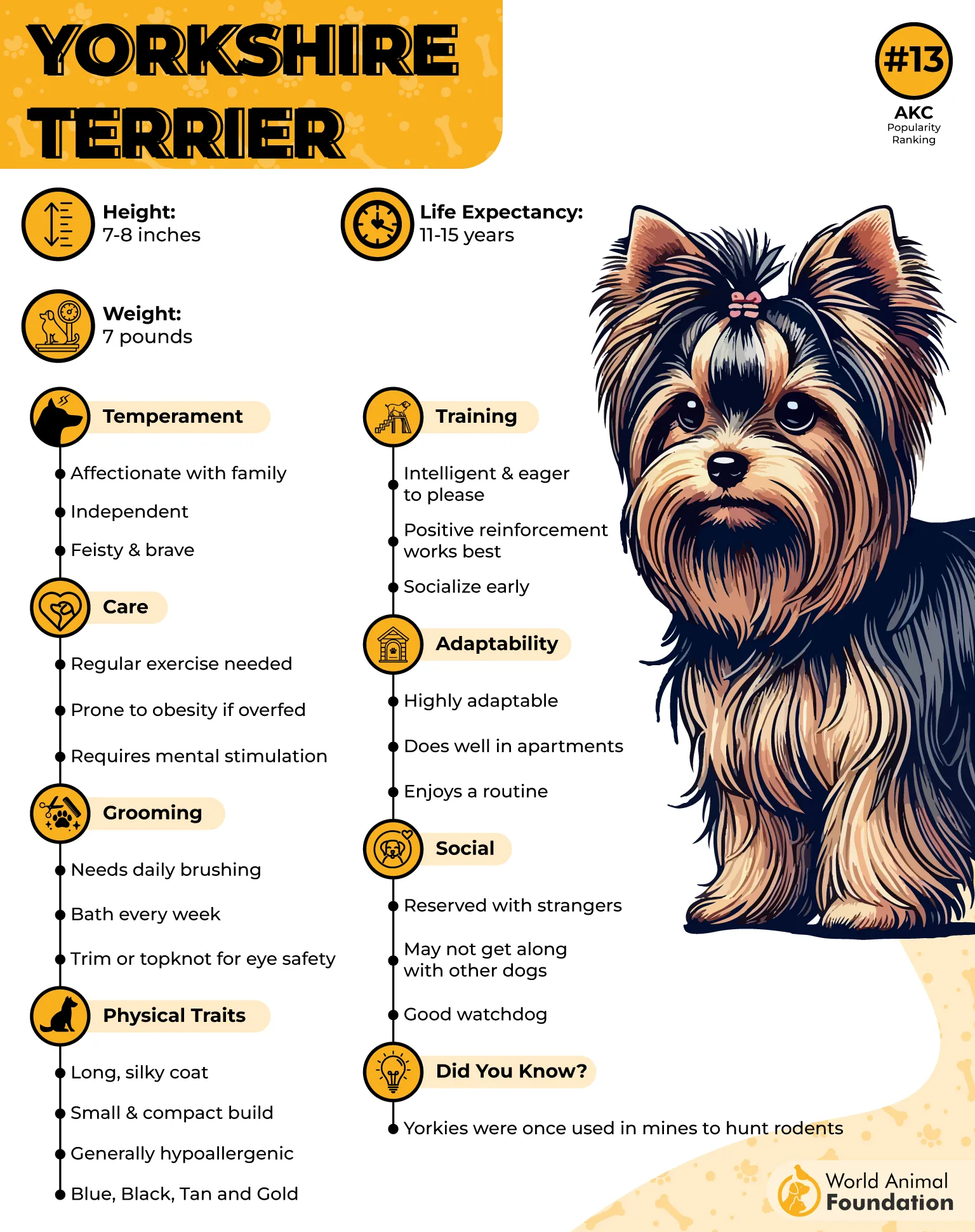
Its long, straight, blue, and tan hair is one of its most recognizable features, whether kept flowing or trimmed short. Yorkies are affectionate, playful, and sometimes bossy, with an energy level that can surprise people who assume tiny dogs are always quiet lap dogs.
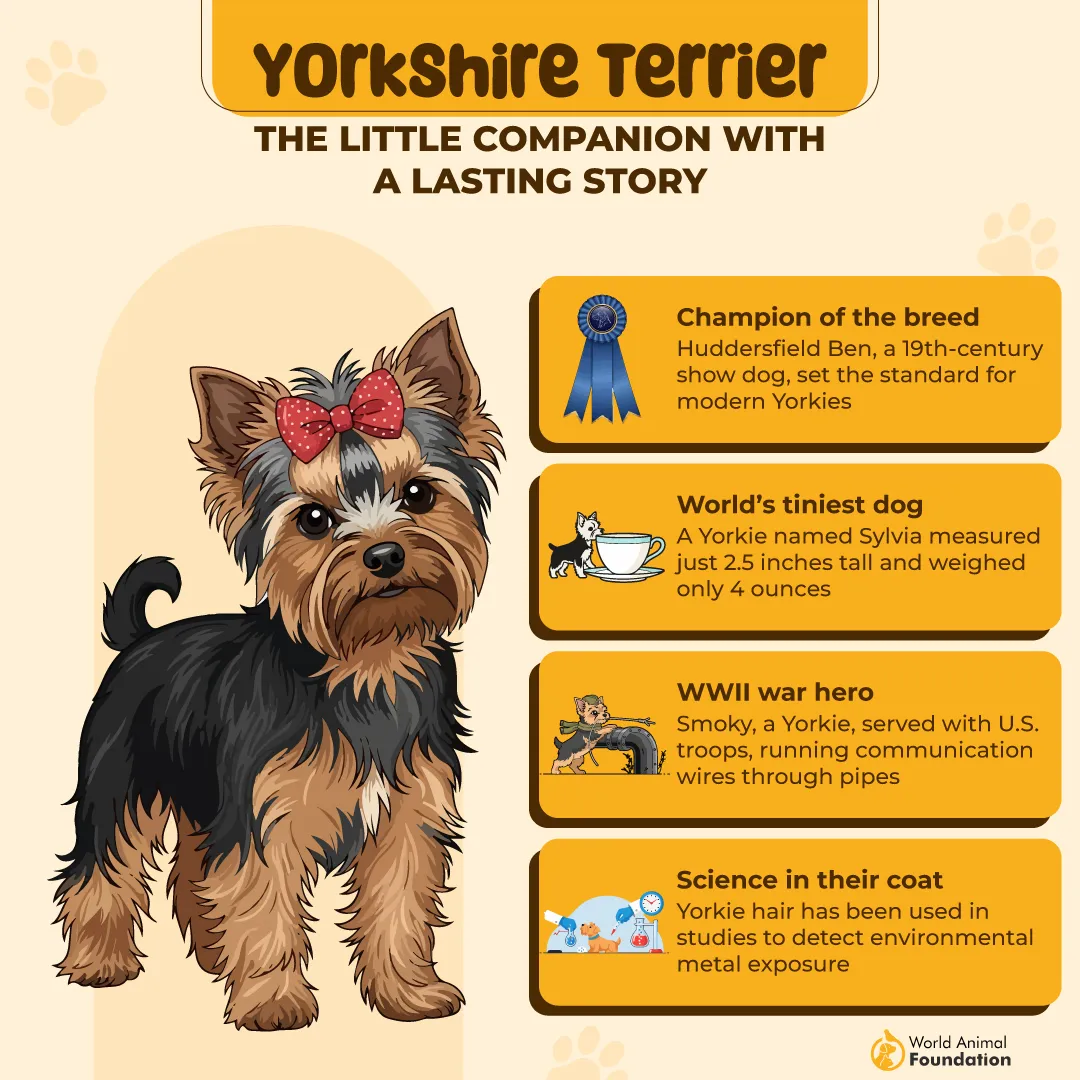
They need mental stimulation and steady routines, and house training may take patience in some homes. Their playful nature makes everyday living more entertaining, especially for pet parents who like a lively dog with real opinions.
This breed is considered a relatively healthy dog overall, but it does have health problems that owners should understand early.
According to PetMD, Yorkshire Terriers can face hypoglycemia, dental disease, patellar luxation, tracheal collapse, and liver shunt, so weight control, daily toothbrushing, and regular veterinary care matter.
Because small dogs often deal with crowded teeth, dental disease deserves extra attention in this breed.
Why This Breed is a Good Fit
A strong option for people who love tiny dogs, with confidence that feels much bigger than their size
Good for owners who do not want boring, because this little character usually has plans of its own
It proves that small stature and big personalities can absolutely belong in the same package
5. Maltese
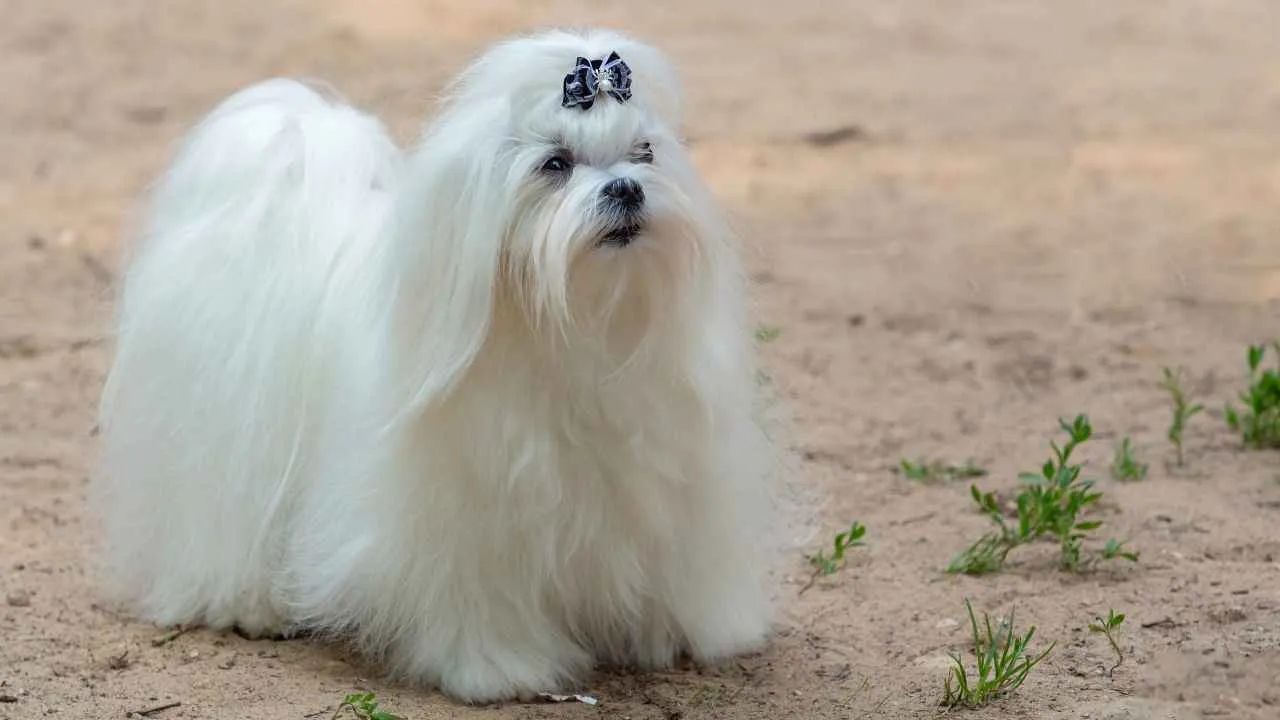
The Maltese has long been known as a companion with elegance, charm, and a very distinctive all-white look. Covered in a long, straight, silky coat, this toy dog combines a refined appearance with a compact body and smooth movement.
Even though it has a graceful image, it is described as hardy and adaptable, which gives it real everyday appeal. These small breeds are affectionate and playful, and they tend to adjust well to many kinds of households.
Maltese also make alert watchdogs in a charming toy dog way, and they often enjoy meeting people of different ages. Their willingness to make friends helps them stand out among small dog breeds meant for close home life.
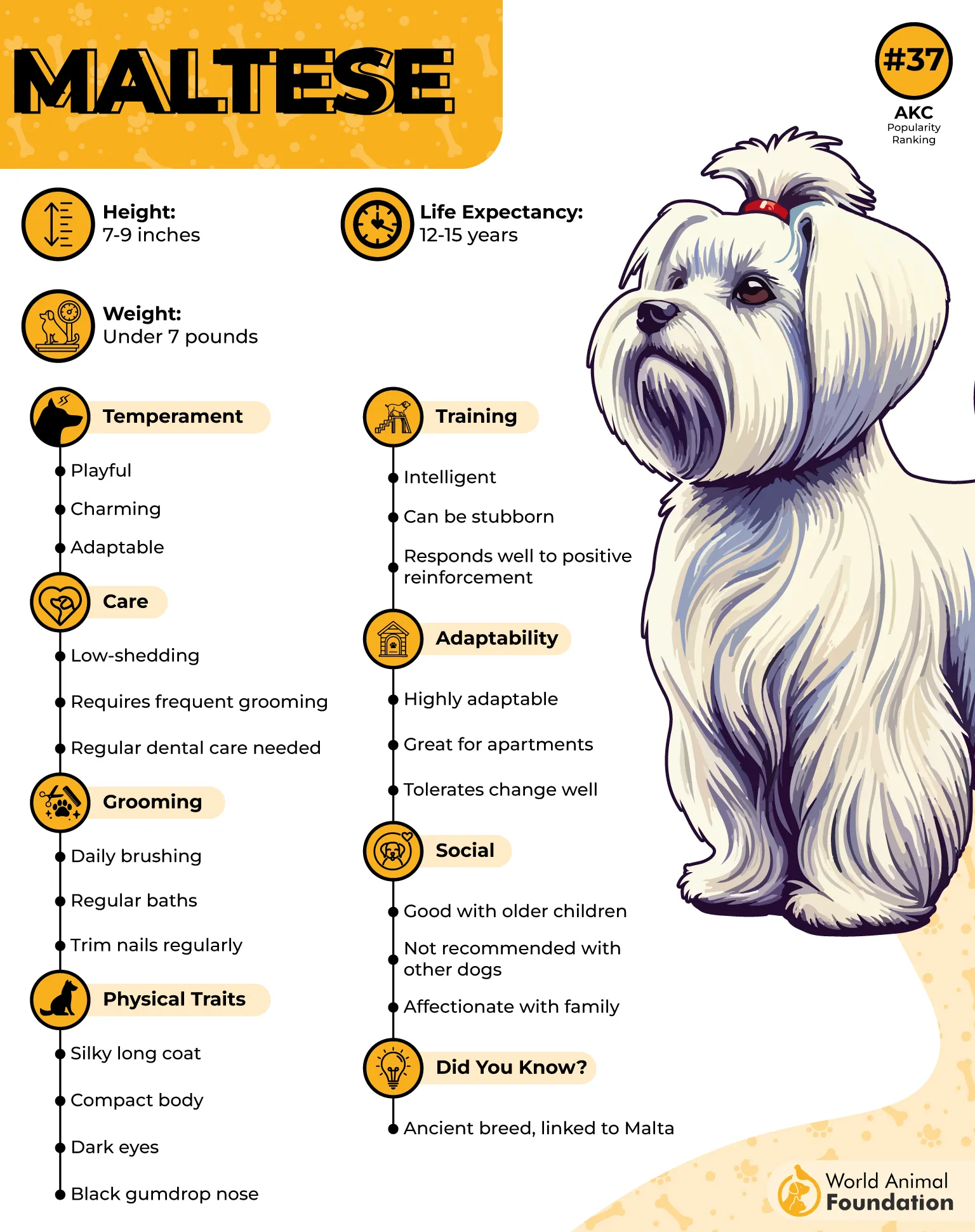
The coat is one of the breed’s biggest attractions, but it also brings care needs that should not be ignored. Professional grooming can be useful for keeping that beautiful coat tidy, especially for busy pet parents who want comfort and neatness without constant fuss.
With rewards-based training, these tiny dogs can be wonderful companions that balance sweetness, spirit, and easy adaptability.
Why This Breed is a Good Fit
A smart match for homes that want little dogs with elegance but not a fragile attitude
Nice for people who enjoy a polished look and a companion that still knows how to have fun
This breed brings charm, alertness, and cuddle appeal without needing a giant space to shine
6. Poodle (Toy)
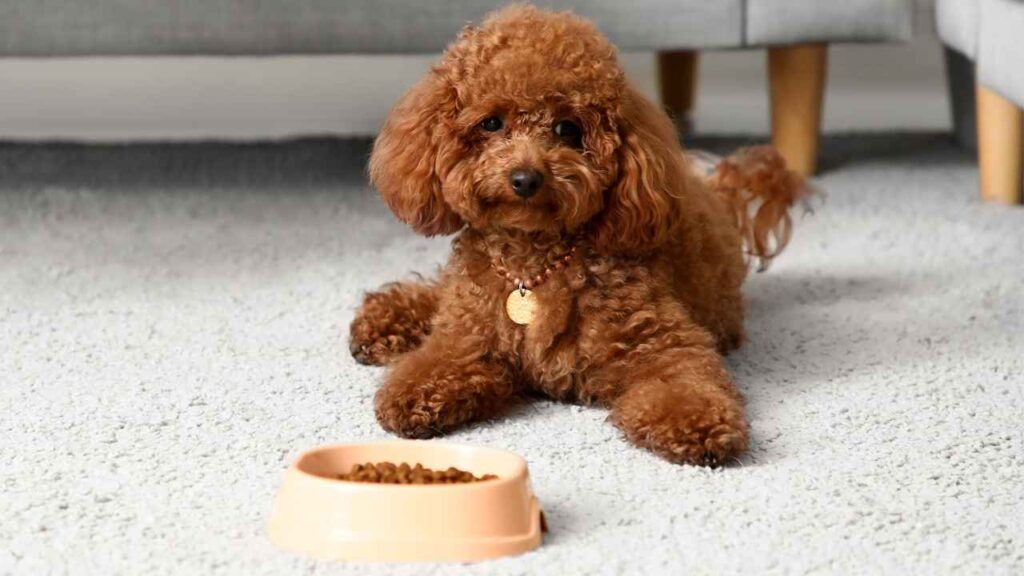
The Toy Poodle has a long history that begins with water retrieving, and that working background still adds purpose to its polished look. Although scaled down into one of the best-known toy breeds, it keeps the same balanced build, proud carriage, and lively spirit described across the breed standard.
Among toy dog breeds, the Toy Poodle feels especially refined without losing its practical roots. This breed is noted for being gay spirited and good-tempered, with free and light movement.
The coat is dense, curly, and does not moult, which shapes both its appearance and care routine. Because that coat needs upkeep to show its quality and texture, frequent brushing and professional grooming are part of responsible care for many pet parents.
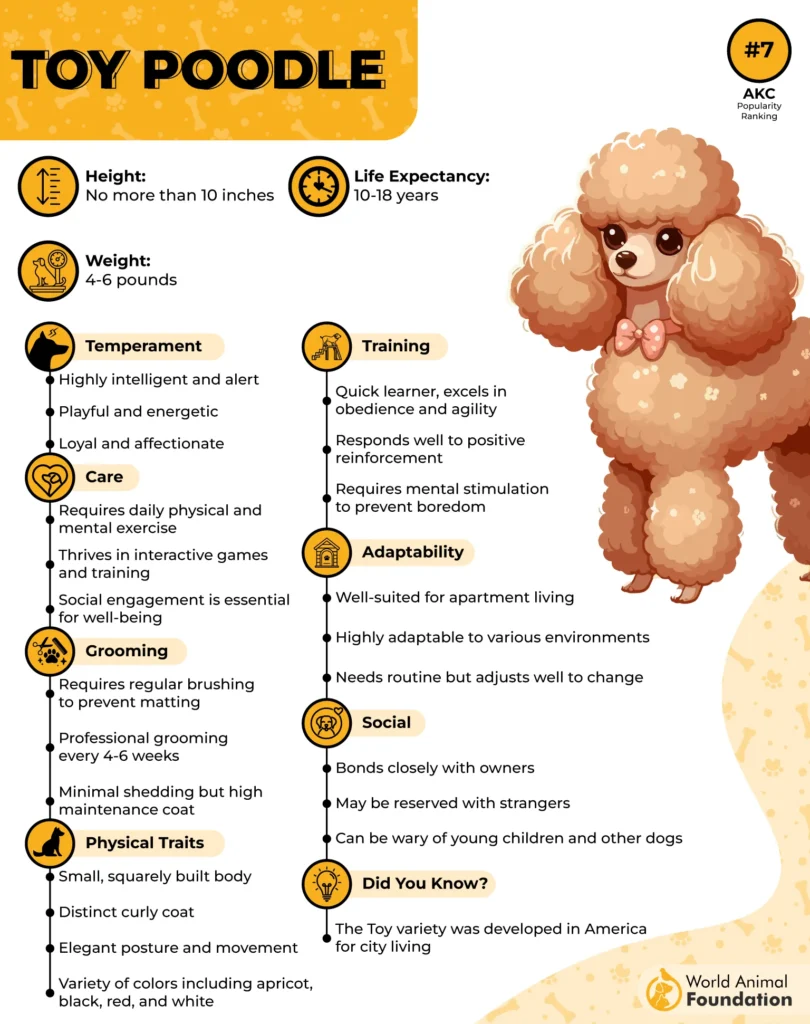
The Toy Poodle also brings structure and athletic ability, with strong jaws, well-muscled legs, and sound movement. These small dogs are elegant, but they are not just a decoration, and their history can make dog sports an appealing outlet for active owners.
Toy Poodles fit the pocket-sized theme well because they combine brains, style, and function in one compact form.
Why This Breed is a Good Fit
Great for owners who want tiny dogs that look polished but still have real spark and ability
A fun choice for people who enjoy grooming care as part of the bond, not just a chore
It offers a smart blend of beauty and purpose, which keeps life with a toy dog interesting
7. Shih Tzu
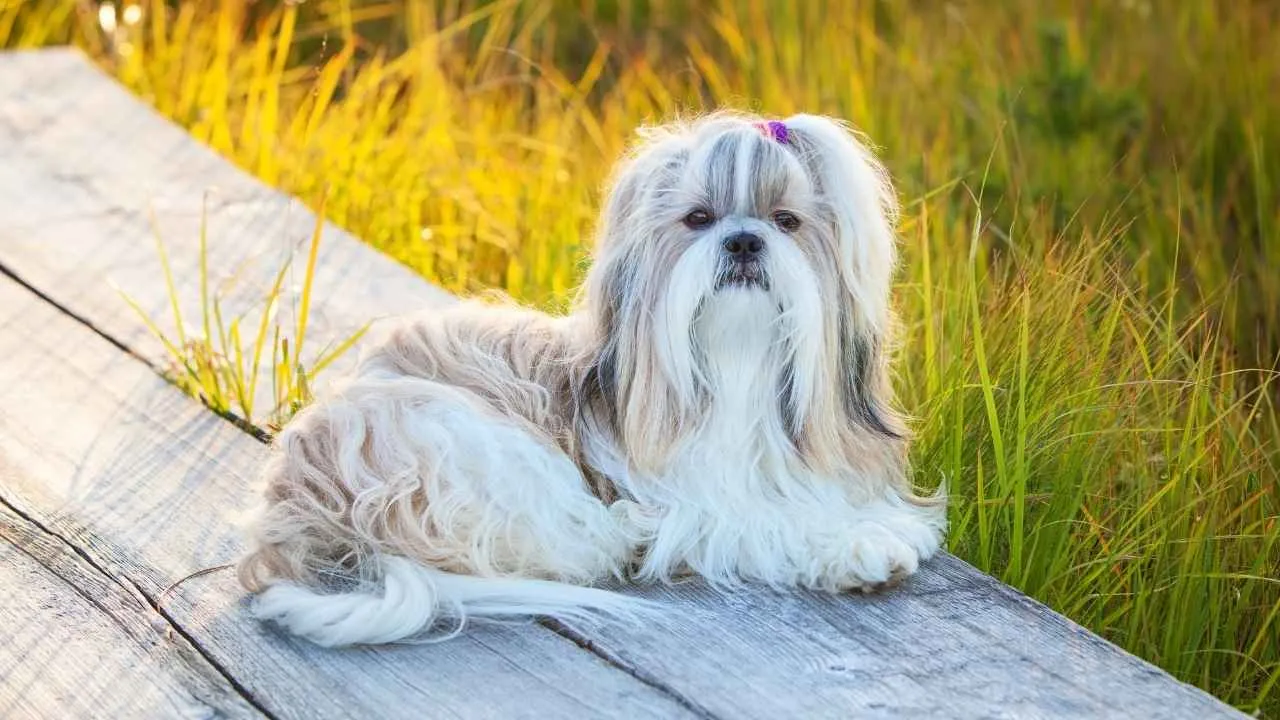
The Shih Tzu is a classic companion breed with roots going back more than 1,000 years. Developed in Tibet and linked to Chinese royalty, this toy dog carries a long story behind its familiar hairy face and flowing hair.
Its past includes near extinction and later recovery, which gives this breed an especially remarkable place among dog breeds kept for companionship. The breed’s history is closely tied to gifts, royal circles, and later export to Britain and the United States.
It was recognized by the American Kennel Club in 1969, but long before that, the Shih Tzu had already earned a reputation as a close human companion. That long relationship with people explains why so many owners are drawn to its steady presence in the home.
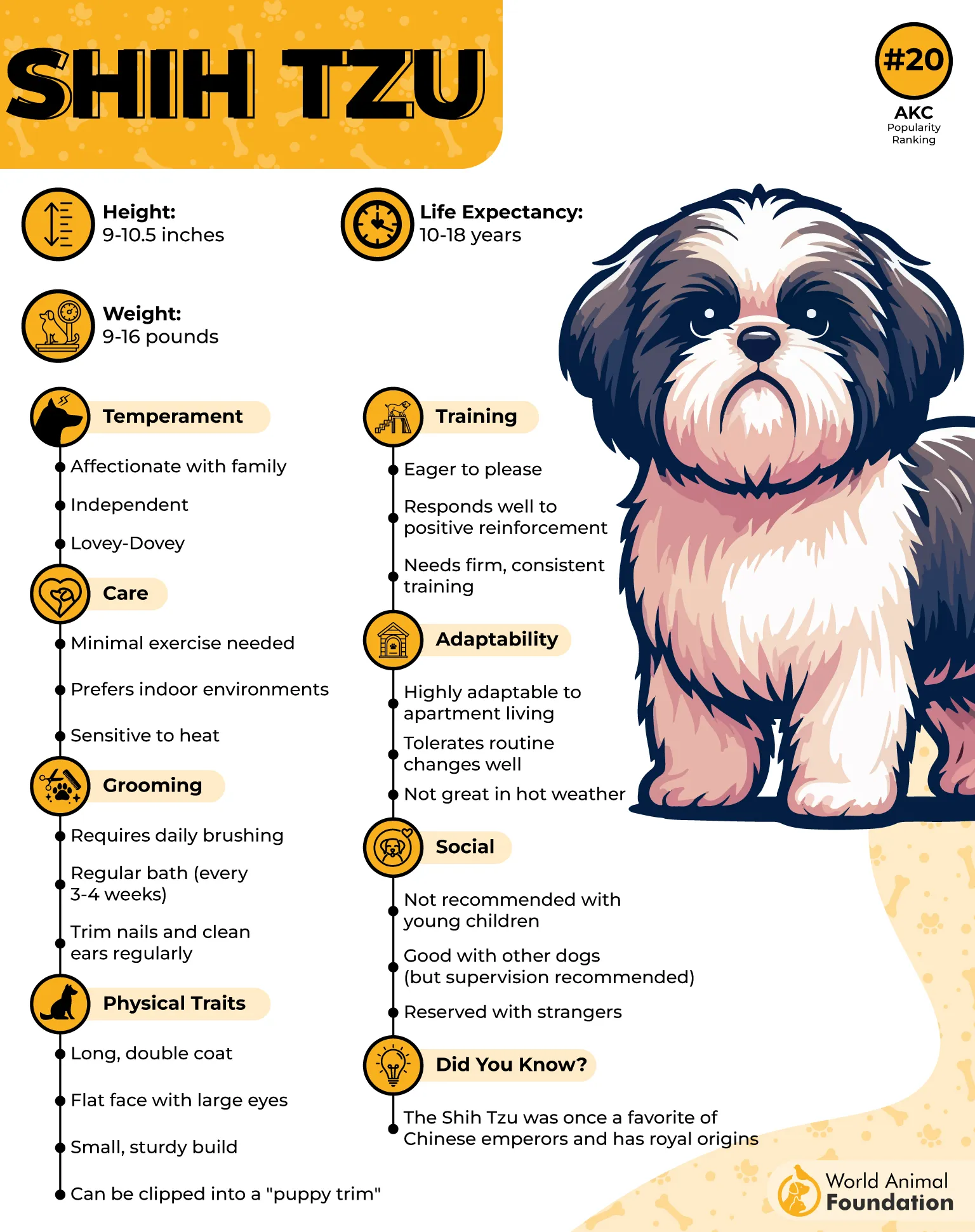
For modern pet parents, the Shih Tzu fits the idea of tiny dogs that are meant to live close to their families. Its flowing hair calls for regular coat care, and many owners choose frequent brushing to keep it comfortable and clean.
For first-time dog owners who want one of the most established small dog breeds with a companion-first background, the Shih Tzu remains an appealing choice.
Why This Breed is a Good Fit
A lovely pick for people who want small dogs with history, charm, and a strong home-centered role
Works well for owners who enjoy daily care and quiet together time over nonstop action
It feels like a pocket-sized royal guest who has decided your sofa is now part of the palace
Conclusion
Pocket-sized companions can bring a lot of joy without taking over the whole house. These dog breeds show that small dogs can be affectionate, lively, elegant, funny, or deeply devoted, depending on the breed and the home they join.
Some need coat care, some need closer attention to health, and some simply want to stay near their people all day. Even among small breeds, personalities and needs can be very different. That is why the best choice comes from matching a breed’s habits with your routine, space, and expectations.
Whether you prefer calm company or a spirited sidekick, these tiny dogs prove that great companions really can come in very small packages. With thoughtful care, patience, and the right fit, they can become lasting and much-loved members of the family.
