




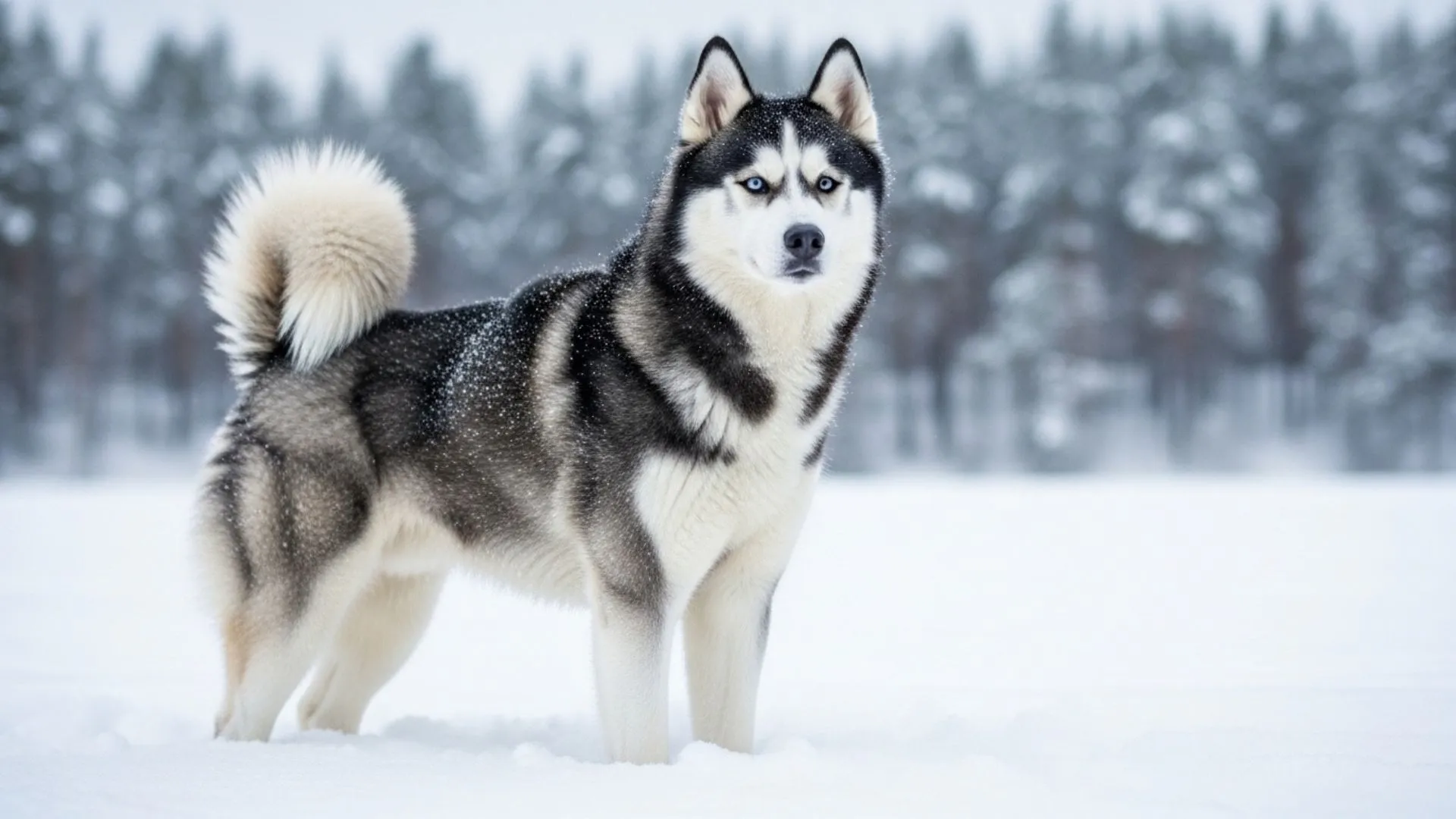
When winter tightens its grip, not every dog is eager to step outside—but some are built to thrive in it. Cold-weather breeds come equipped with thick double coats and natural insulation, allowing them to stay warm and active even in freezing temperatures.
These snow-loving companions don’t just tolerate harsh climates—they embrace them. Bred for tasks like sledding, guarding, and trekking through deep snow, they possess sturdy frames and remarkable stamina.
Beyond their rugged exterior lies a softer side. Many of these dogs are gentle, loyal, and affectionate, making them wonderful companions. With proper care, grooming, and attention to weather extremes, they remain both hardy adventurers and loving family pets.
Robust Dog Breeds Perfect For Snowy Landscapes
Forged by frost and built for endurance, these snow dog breeds turn winter into their ultimate playground.
1. Alaskan Malamute
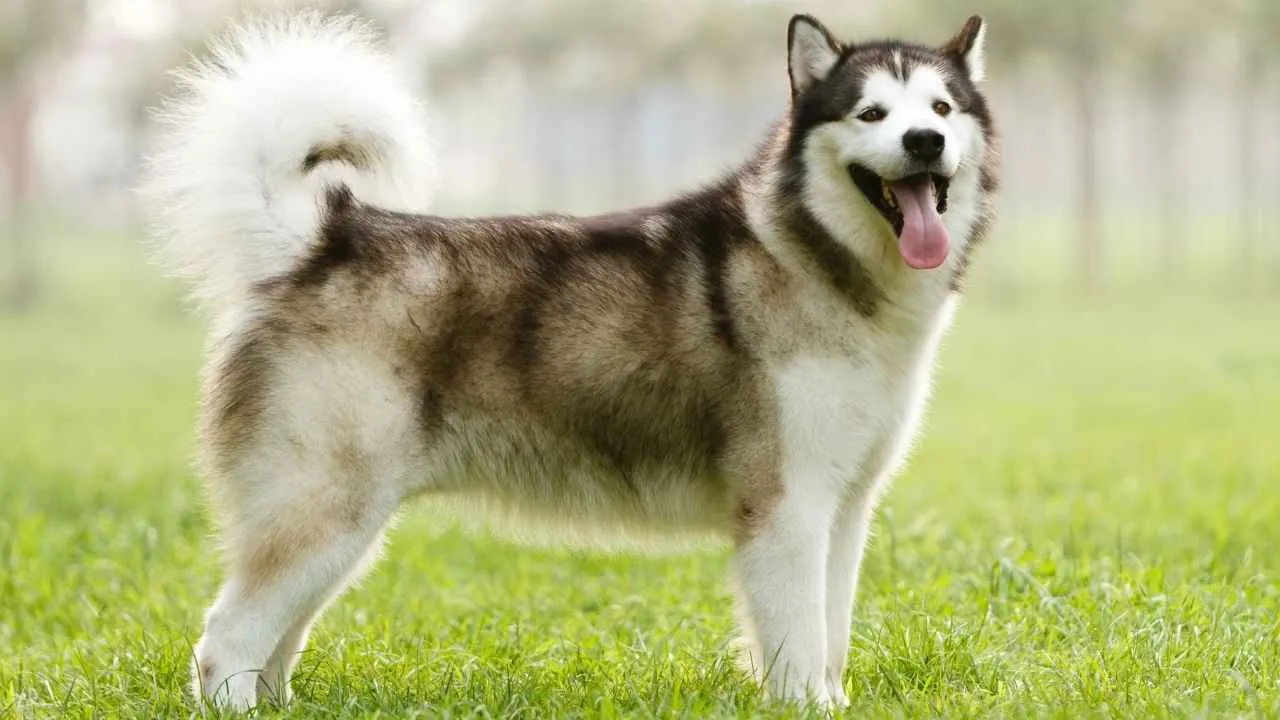
The Alaskan Malamute is one of the oldest Arctic sled dogs, originally bred by the Mahlemiut Inuit tribe of Alaska. These powerful dogs were developed to haul heavy loads across vast, frozen landscapes at steady speeds.
A Gentle Giant Beneath the Frost
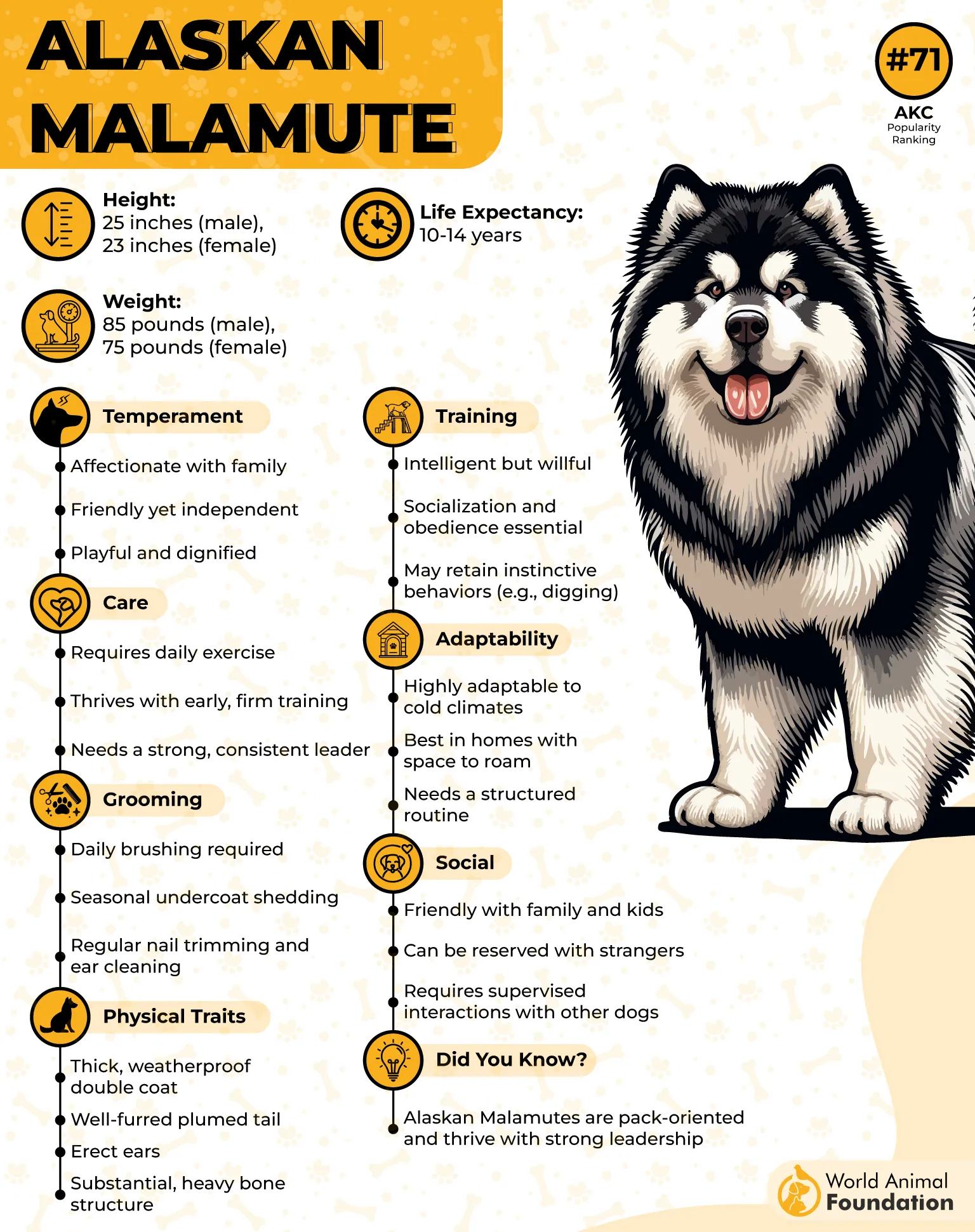
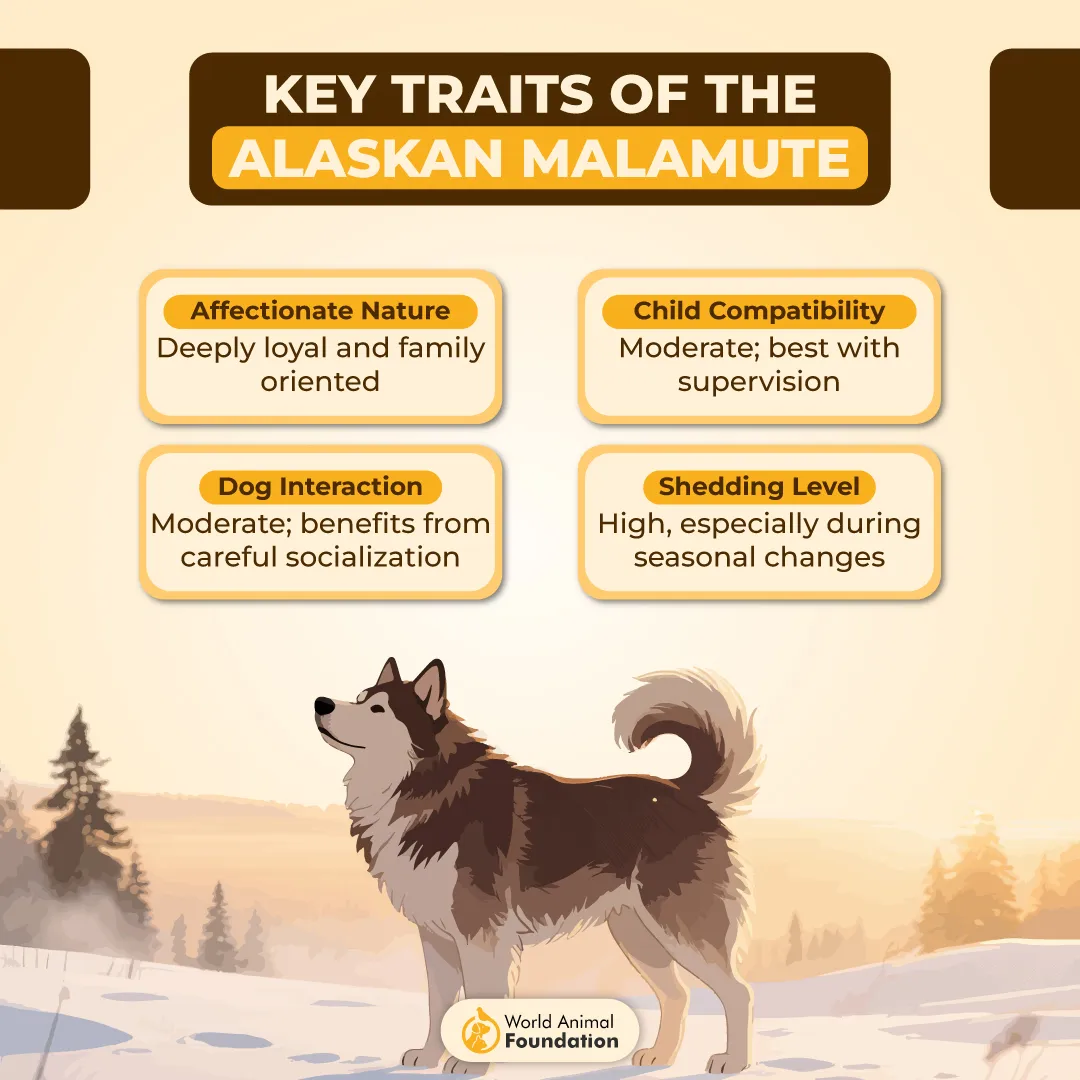
Despite their rugged appearance, Malamutes are affectionate, loyal, and deeply devoted to their human “pack.” They thrive on companionship and enjoy being involved in family life, often showing a playful and gentle nature. However, their size and energy require supervision around small children.
Training the Independent Trailblazer
Highly intelligent yet strong-willed, Malamutes need firm, consistent training from an early age. They respond best to positive reinforcement but may show a stubborn streak if not properly guided. Regular exercise is essential, as a bored Malamute can become destructive or overly vocal.
Built for the Harshest Winters
Thick double coat provides exceptional insulation against extreme cold
Powerful build allows them to pull heavy loads through deep snow
Large, sturdy paws act like natural snowshoes
High stamina enables long-distance travel in freezing conditions
Strong pack instincts help them work efficiently in harsh environments
2. Siberian Husky
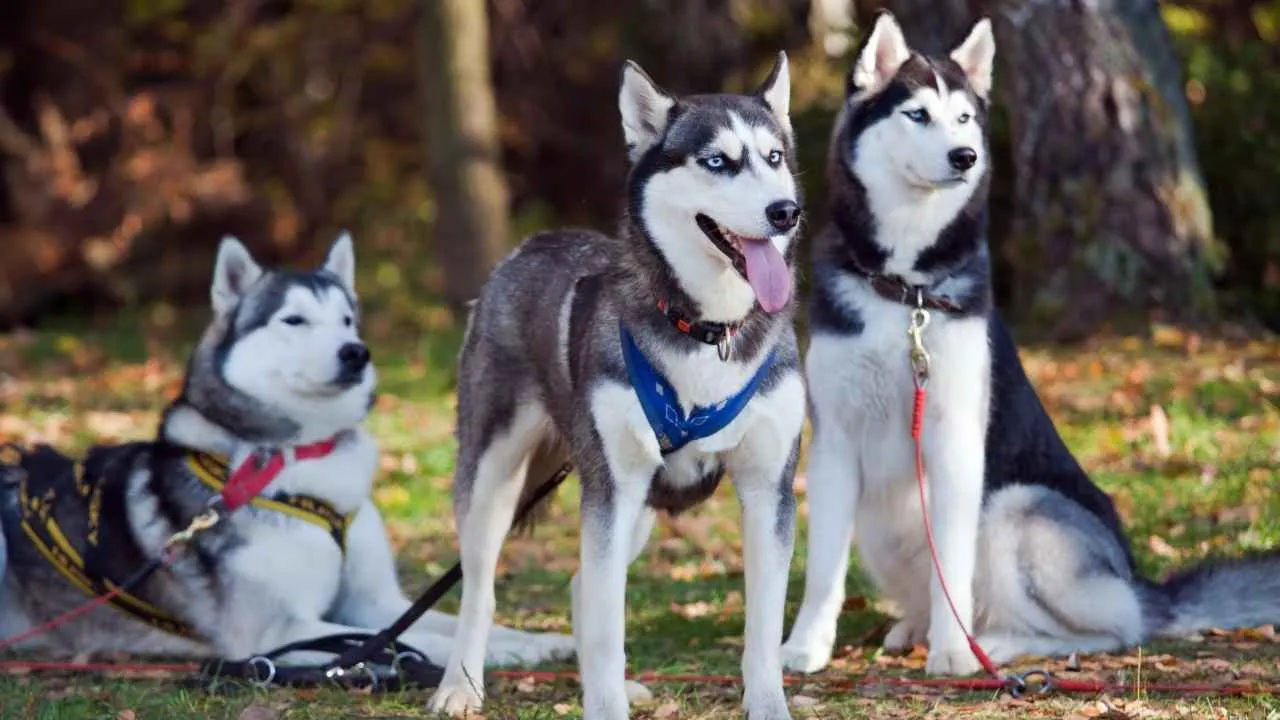
The Siberian Husky traces its roots to the Chukchi people of Siberia, who bred these dogs for endurance and companionship in extreme cold. Their legacy shines through historic feats like the 1925 serum run to Nome, a life-saving mission across frozen terrain, as per Britannica.
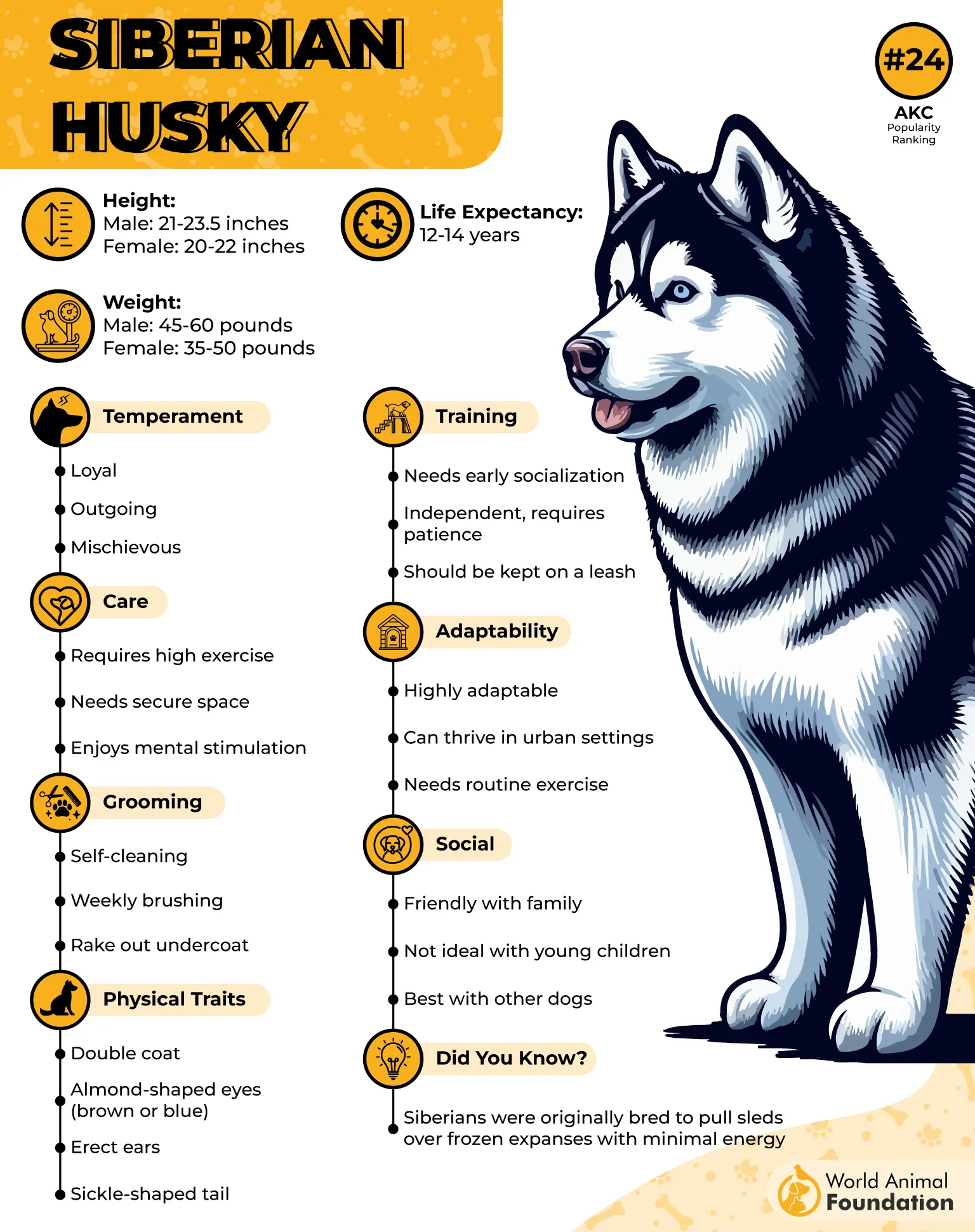
A Free Spirit with a Friendly Heart
Huskies are playful, outgoing, and incredibly social, often greeting strangers like old friends. Their gentle temperament makes them wonderful companions, though not ideal guard dogs. With boundless energy and a mischievous streak, they thrive in active households that can match their lively personality.
Training the Clever Escape Artist
Highly intelligent dog yet independent, Siberian Huskies require consistent, reward-based training and patient handling. They are known for testing boundaries and can be quite the escape artists if bored or under-exercised.
Born to Rule the Frozen Wild
Dense double coat protects against freezing temperatures
Incredible stamina allows long-distance travel in the snow
Strong, agile bodies built for speed and endurance
Thick fur and bushy tails provide natural warmth
Adaptability to icy terrains and harsh winter conditions
3. Great Pyrenees
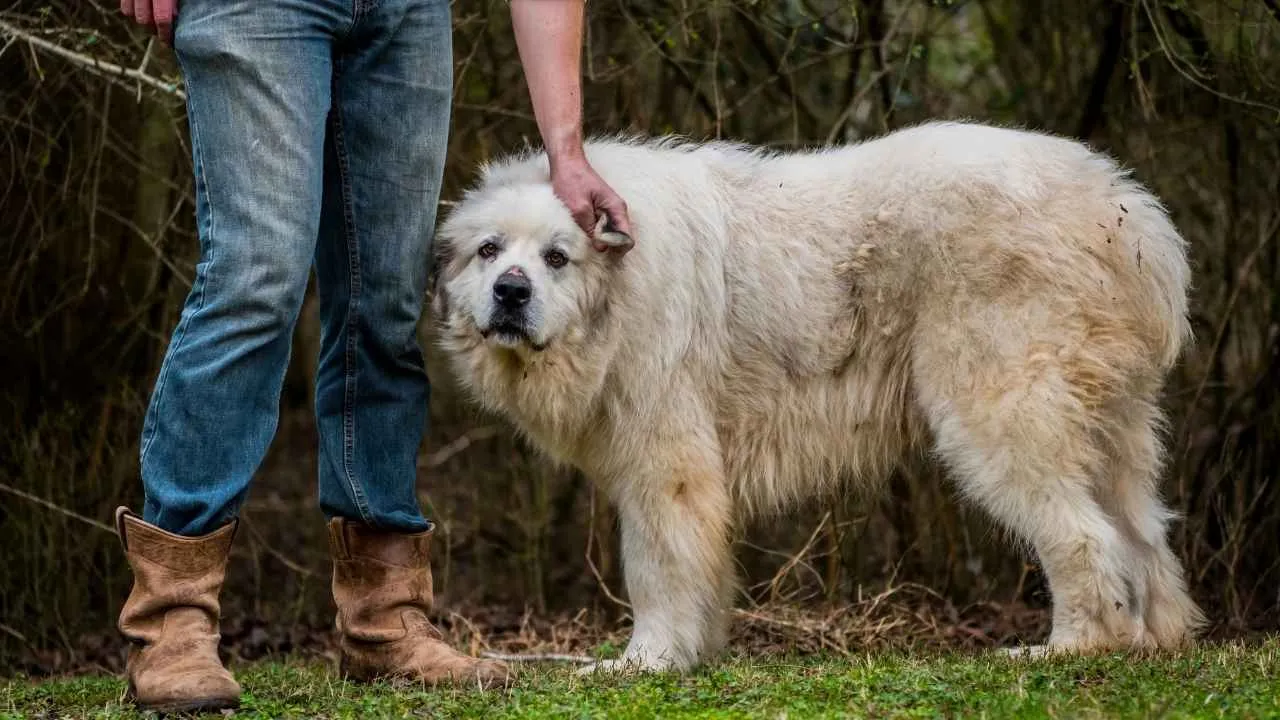
The Great Pyrenees boasts an ancient lineage, with roots tracing back to the rugged Pyrenees Mountains between France and Spain. For centuries, these large dogs protected flocks from predators like wolves and bears, often working independently in harsh alpine conditions.
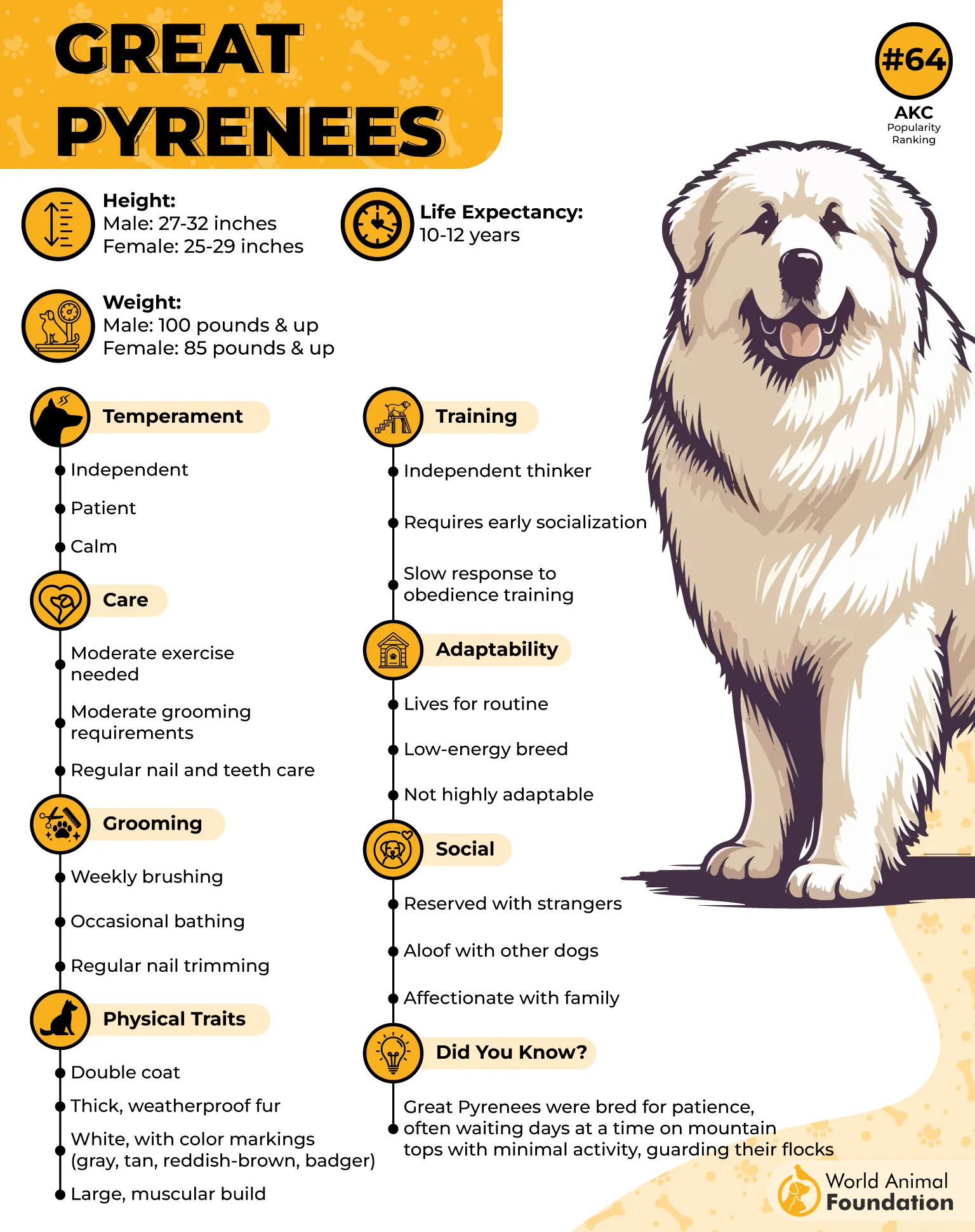
A Calm Protector with a Noble Heart
Known for their gentle and composed nature, Great Pyrenees are deeply devoted to their families. They are affectionate, patient, and especially protective of children, making them excellent guardians. While calm indoors, their natural instincts remain strong, and they won’t hesitate to defend their home if needed.
Training the Independent Sentinel
Bred to think and act on their own, these dogs can be quite independent and occasionally stubborn during training. Early socialization and patient, consistent guidance are essential to shape their behavior.
Why They Thrive in Snowy Strongholds
Thick double coats shield them from freezing mountain climates
Large, powerful build helps navigate deep snow with ease
Natural guarding instincts suit remote, harsh environments
High tolerance for cold temperatures and alpine conditions
Strong endurance developed from centuries of mountain work
4. Bernese Mountain Dog
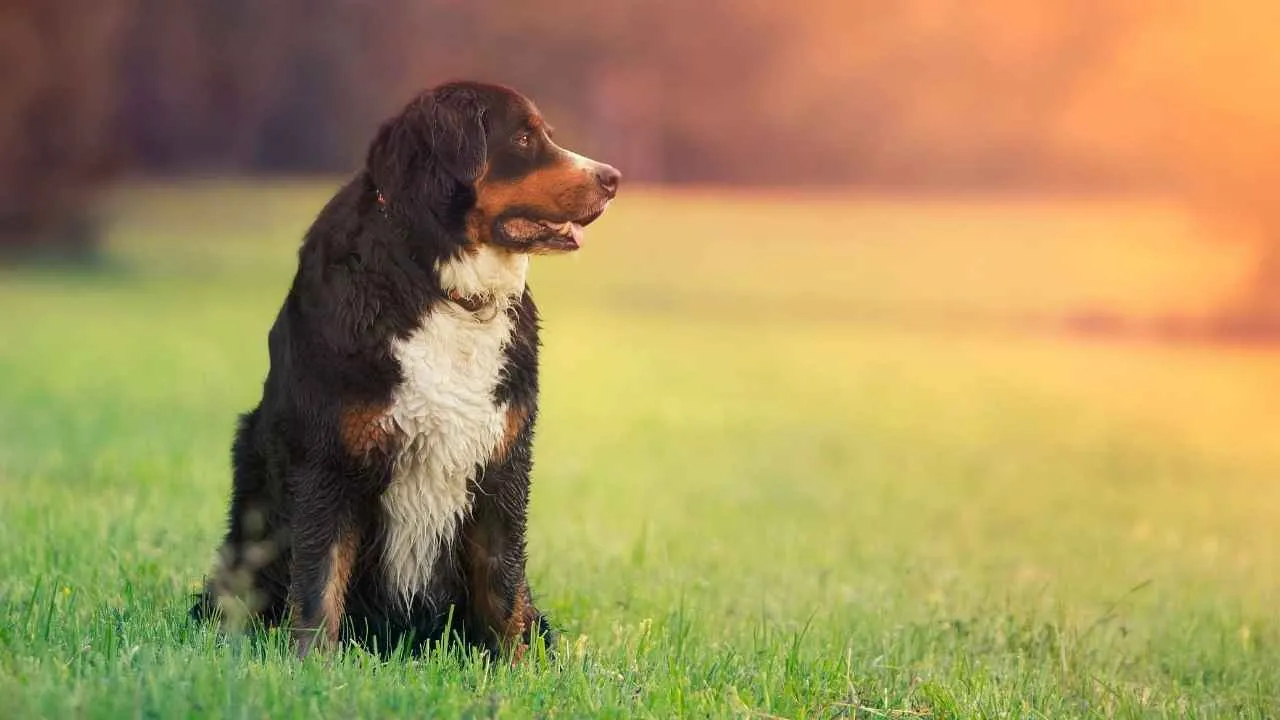
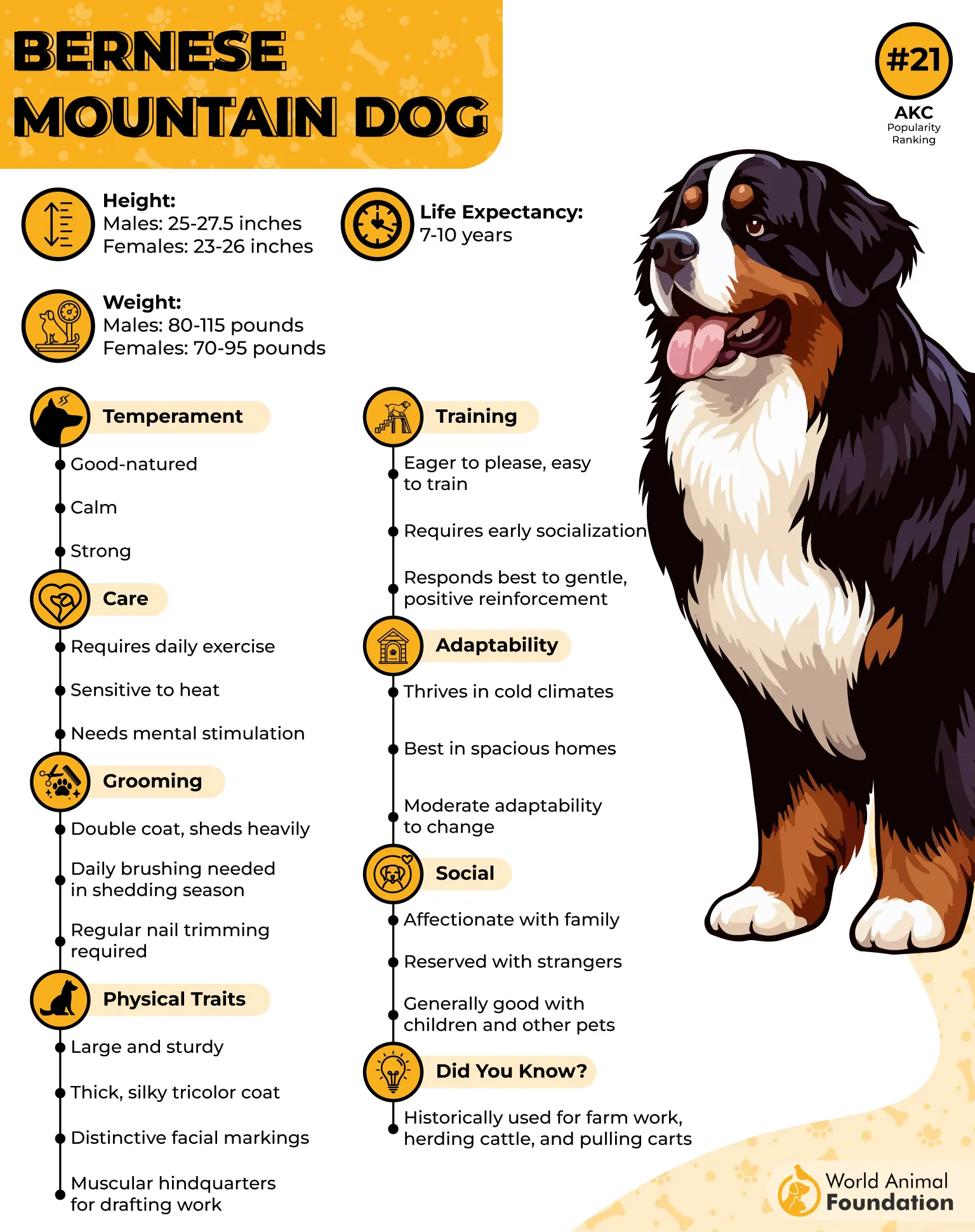
The Bernese Mountain Dog hails from the canton of Bern in Switzerland, where it worked alongside farmers in cold alpine regions, as per Hill’s Pet. These powerful dogs were used to pull carts, guard livestock, and assist with daily farm life.
A Gentle Soul Wrapped in Strength
Despite their large, sturdy build, Berners are affectionate, gentle, and deeply devoted to their families. They thrive on companionship and are especially patient with children, often forming strong emotional bonds.
Training the Eager-to-Please Companion
Bernese Mountain Dogs are intelligent and responsive, making training a rewarding experience when approached with consistency and positivity. They are eager to please but mature slowly, so patience is key during their development.
Why They Flourish in Snowy Landscapes
Thick double coat provides insulation against cold climates
Strong, muscular build supports work in snowy terrain
Natural endurance from their history as working farm dogs
Sure-footed movement is ideal for alpine and icy conditions
High tolerance for cold but sensitivity to heat
5. Saint Bernard
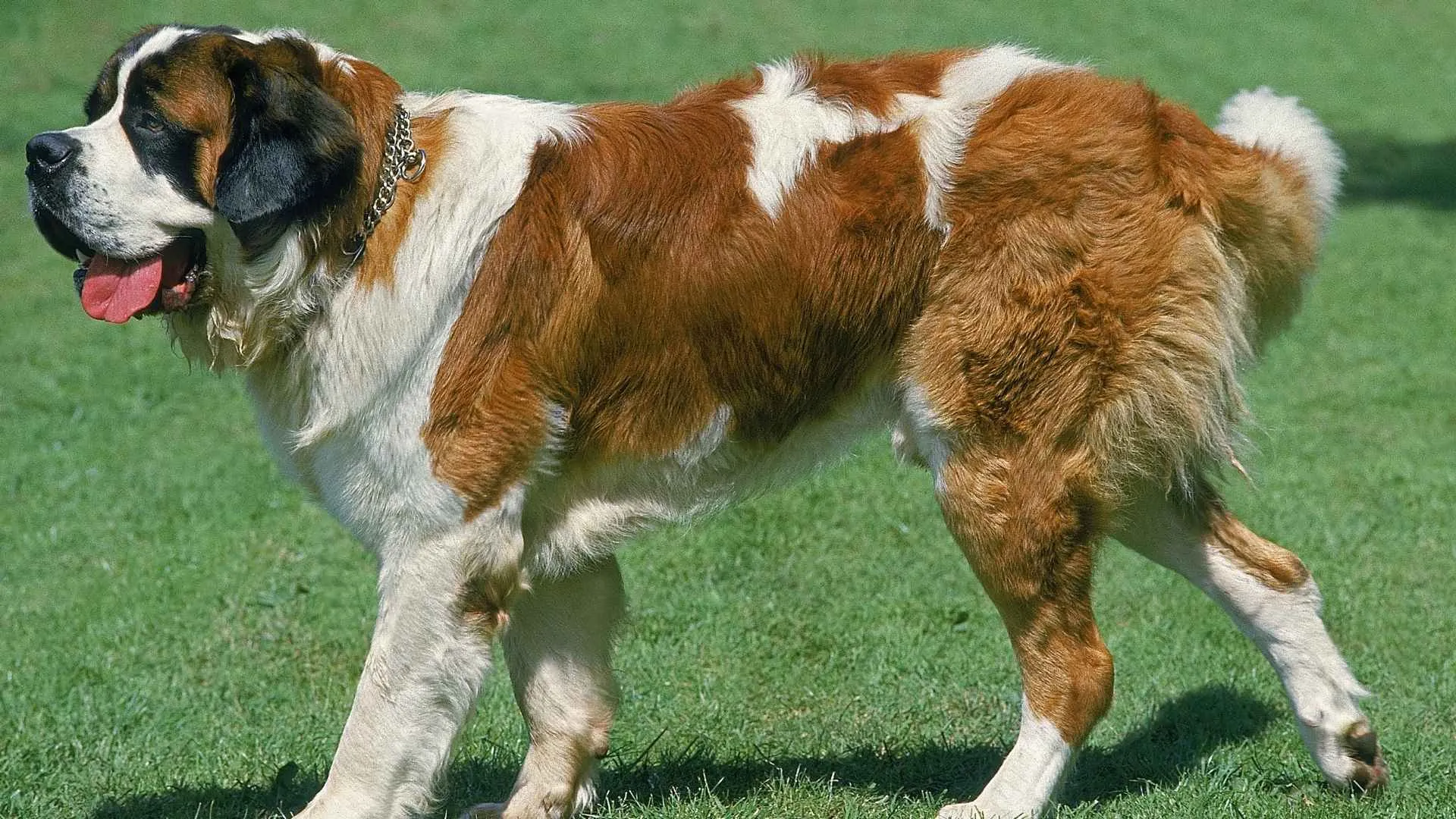
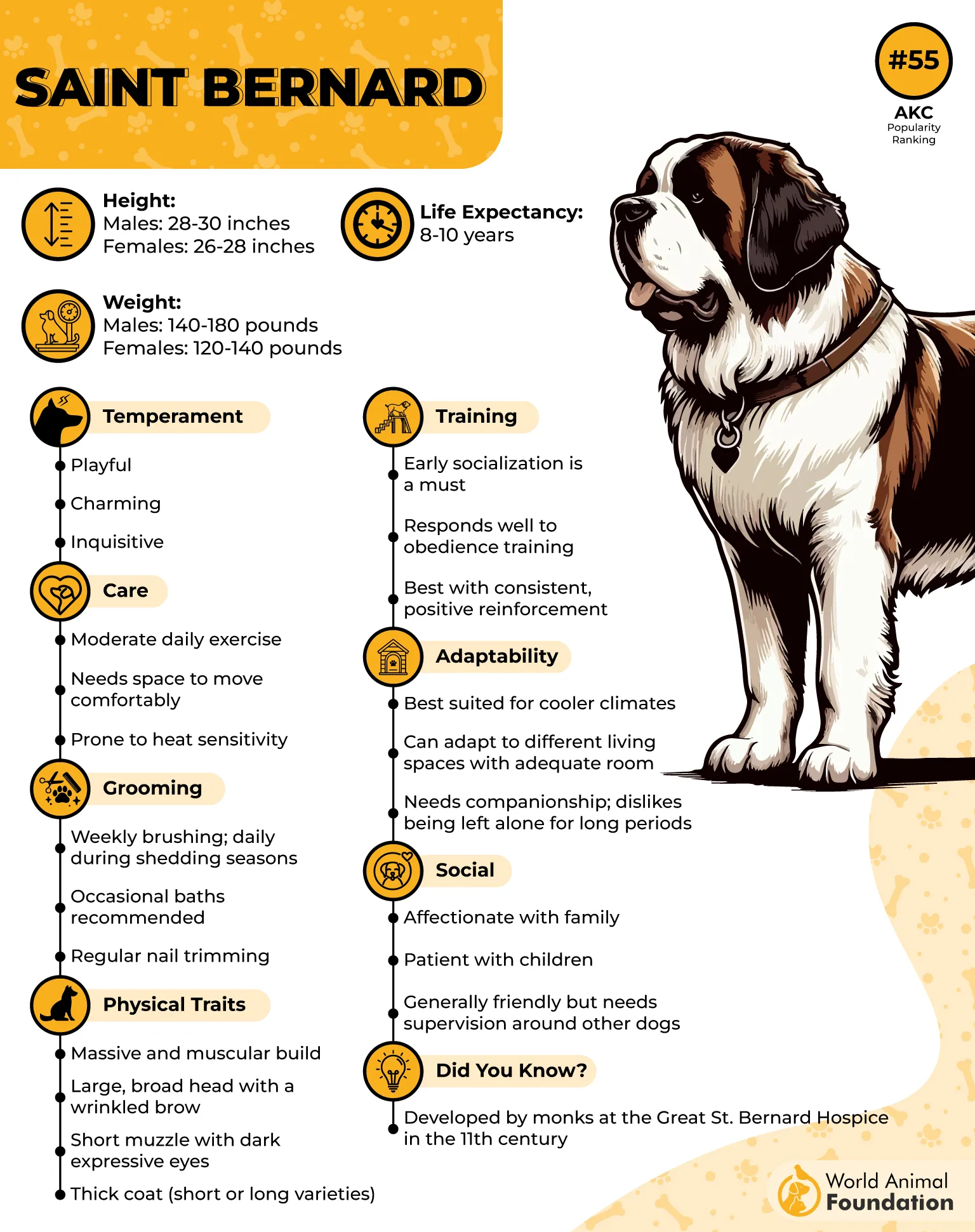
Saint Bernards were originally bred by monks in the Swiss Alps to rescue travelers trapped by snow and avalanches. Their immense size, strength, and keen sense of direction made them indispensable in life-saving missions. Over centuries, these dogs became legends of alpine courage and endurance.
Gentle Giants at Home
Despite their massive frame, Saint Bernards are patient, calm, and affectionate family companions, as per Purina. They are especially gentle with children and social pets, forming strong bonds with their human families.
Training the Friendly Rescuer
Saint Bernards are intelligent but moderately independent, requiring early socialization and consistent, gentle training. While not overly energetic, they benefit from daily exercise and mental stimulation to stay healthy. Positive reinforcement works best, helping these giants remain obedient without stress.
Why They Excel in Snowy Environments
Thick, weather-resistant coat shields against freezing alpine conditions
Large, muscular build supports traversing deep snow and rugged terrain
Historically trained for search and rescue in extreme cold
Calm endurance allows long periods of work in snowy landscapes
Strong bond with humans aids coordinated effort in harsh climates
6. Tibetan Mastiff
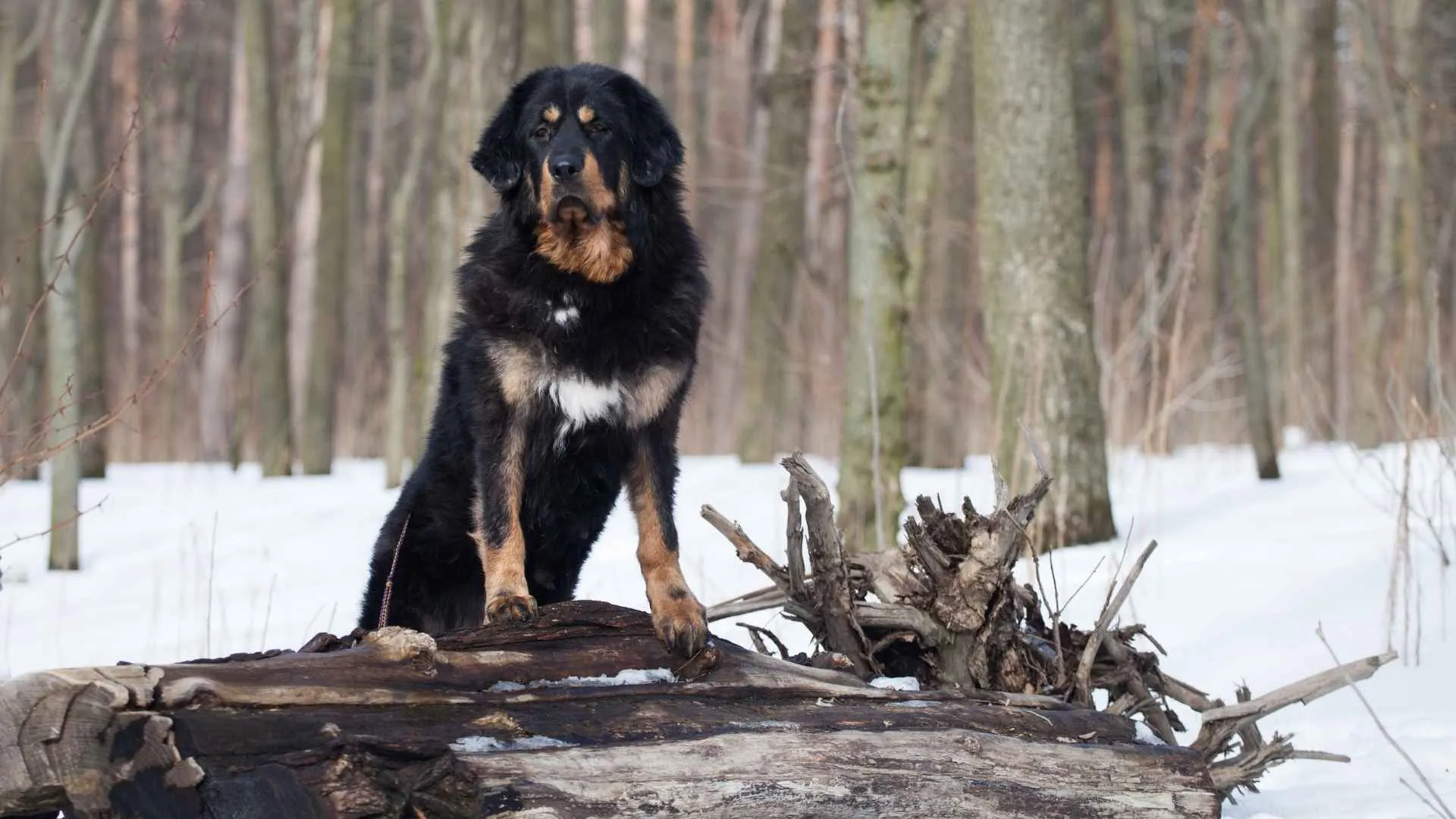
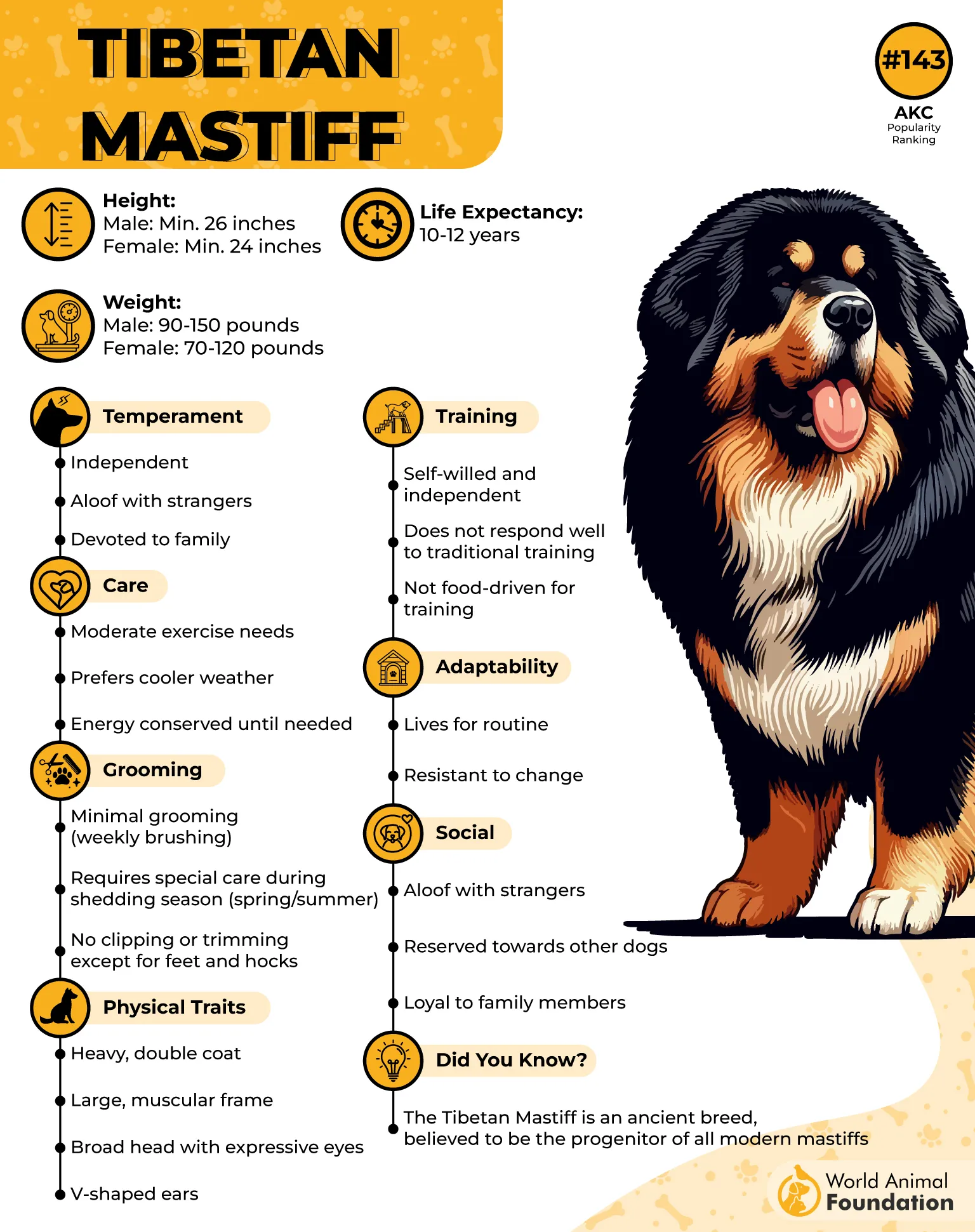
The Tibetan Mastiff is a towering, lion-like guardian that has protected estates and flocks in Tibet and the Himalayas for thousands of years. With a massive frame, flowing mane, and vigilant presence, this tall breed exudes authority and strength while remaining fiercely devoted to its family.
Fierce Loyalty Meets Independence
Tibetan Mastiffs are intelligent and protective, yet highly independent. They thrive in spacious homes away from busy neighborhoods and can be wary of strangers. With proper socialization and patient handling, they become calm, affectionate, and devoted companions, making them an extraordinary family guardian.
Training the Noble Watchdog
Although capable of learning obedience quickly, Tibetan Mastiffs are strong-willed and sometimes selective about following commands. Early, consistent training and lifelong reinforcement are essential. Owners must be experienced, confident, and able to manage the dog’s strength and protective instincts safely.
Why They Thrive in Snowy Landscapes
Dense double coat provides insulation against extreme cold
Muscular, agile build allows them to navigate deep snow and rugged terrain
Heightened guarding instincts protect property in remote, snowy areas
Endurance suited for long, harsh winters and mountainous regions
Adapted for outdoor life, handling frigid temperatures with ease
7. Akita
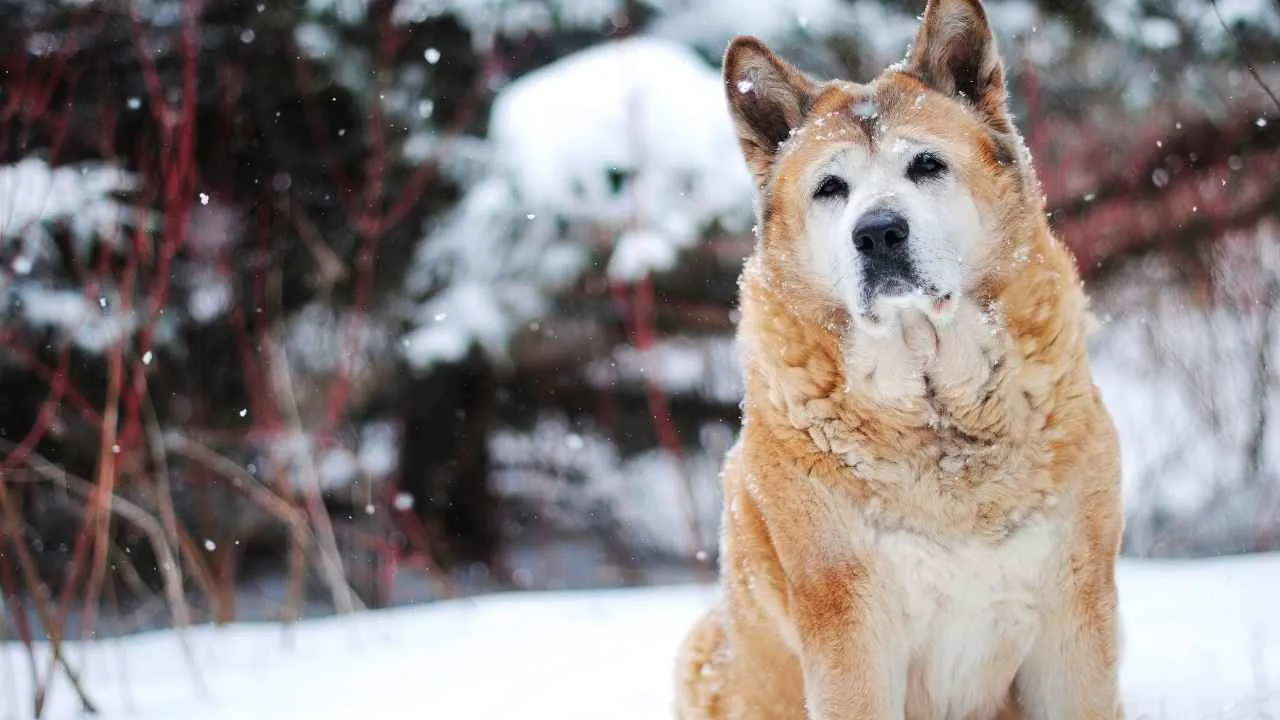
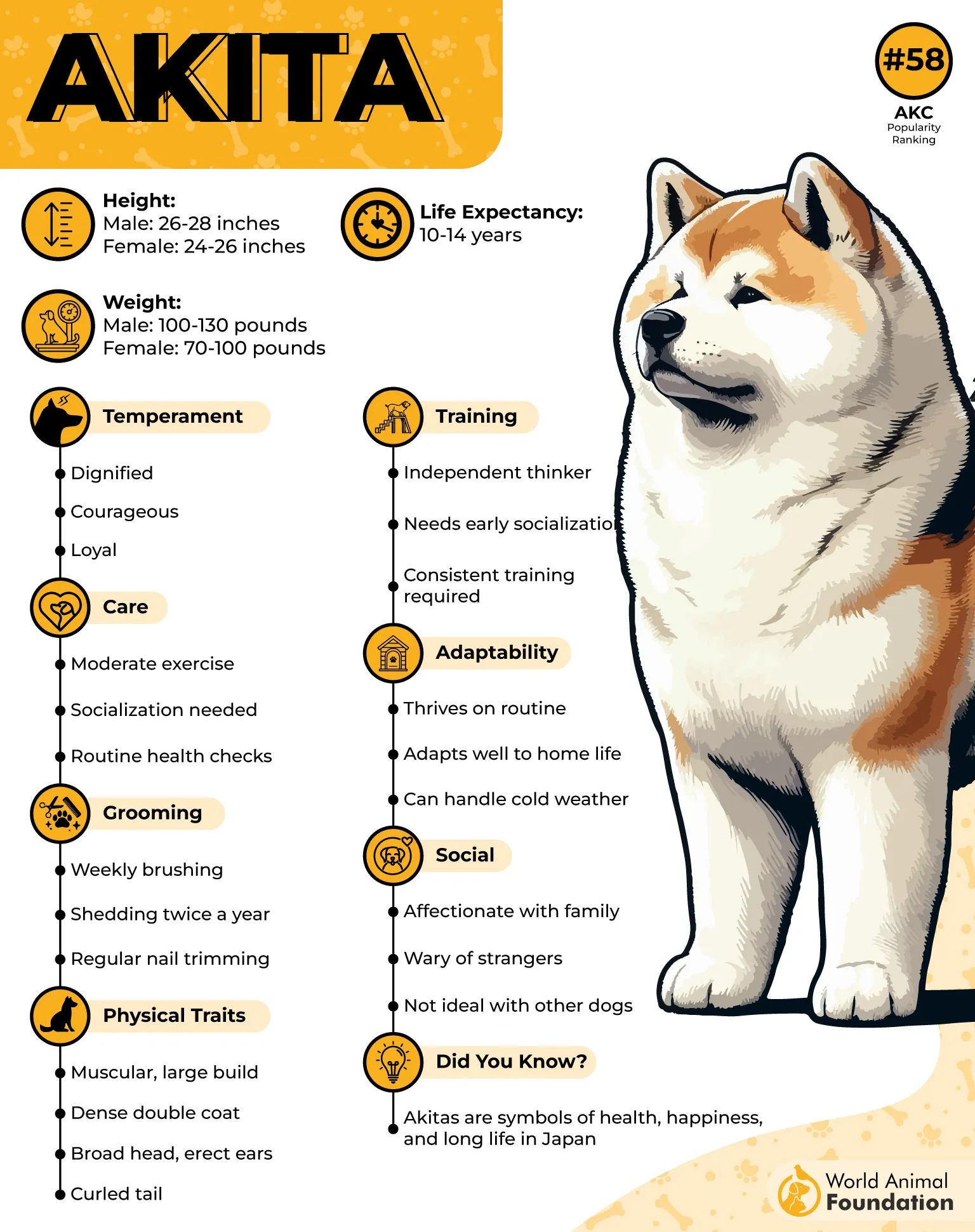
Originating in the mountainous regions of northern Japan, the Akita is a powerful, dignified dog with a history steeped in hunting, guarding, and companionship, as per the AKC. Known for their courage and loyalty, Akitas were once reserved for the Imperial family, highlighting their elite status and revered abilities.
Loyal Heart, Independent Mind
Akitas are deeply devoted to their family but naturally wary of strangers, making them excellent watchdogs. While affectionate at home, they are best suited to families who understand boundaries, as they may show intolerance toward other animals or unfamiliar children without proper socialization.
Training the Noble Protector
Training an Akita requires consistency, patience, and mental stimulation. Their intelligence can make them selective in obedience, and their strength demands a confident handler. Early socialization and ongoing guidance ensure these majestic dogs channel their protective instincts safely and harmoniously.
Why They Excel in Snowy Environments
Thick double coat keeps them warm in frigid temperatures
Muscular, agile build suited for rugged, mountainous terrain
Exceptional endurance for long treks through snow
Protective instincts are ideal for remote, wintry landscapes
Highly adaptable to cold weather and harsh climates
Conclusion
If you love the crisp winter air and snowy adventures, there are dogs built to share that lifestyle with you. With thick fur, strong bodies, and a natural love for cold, these pups thrive where others shiver. Choosing one means finding a companion who feels right at home in frost and snow.
These dogs aren’t just hardy—they’re made for action in chilly conditions, whether pulling sleds, guarding flocks, or bounding through fresh powder. Their stamina, strength, and insulation make them true winter athletes, ready for work or play alongside you.
Before welcoming one into your family, consider your lifestyle, climate, and activity level. From grooming to exercise, they have unique needs that reward committed owners with loyalty and fun. Pick a dog suited to your life, and you’ll gain a companion who truly loves the cold as much as you do.
