




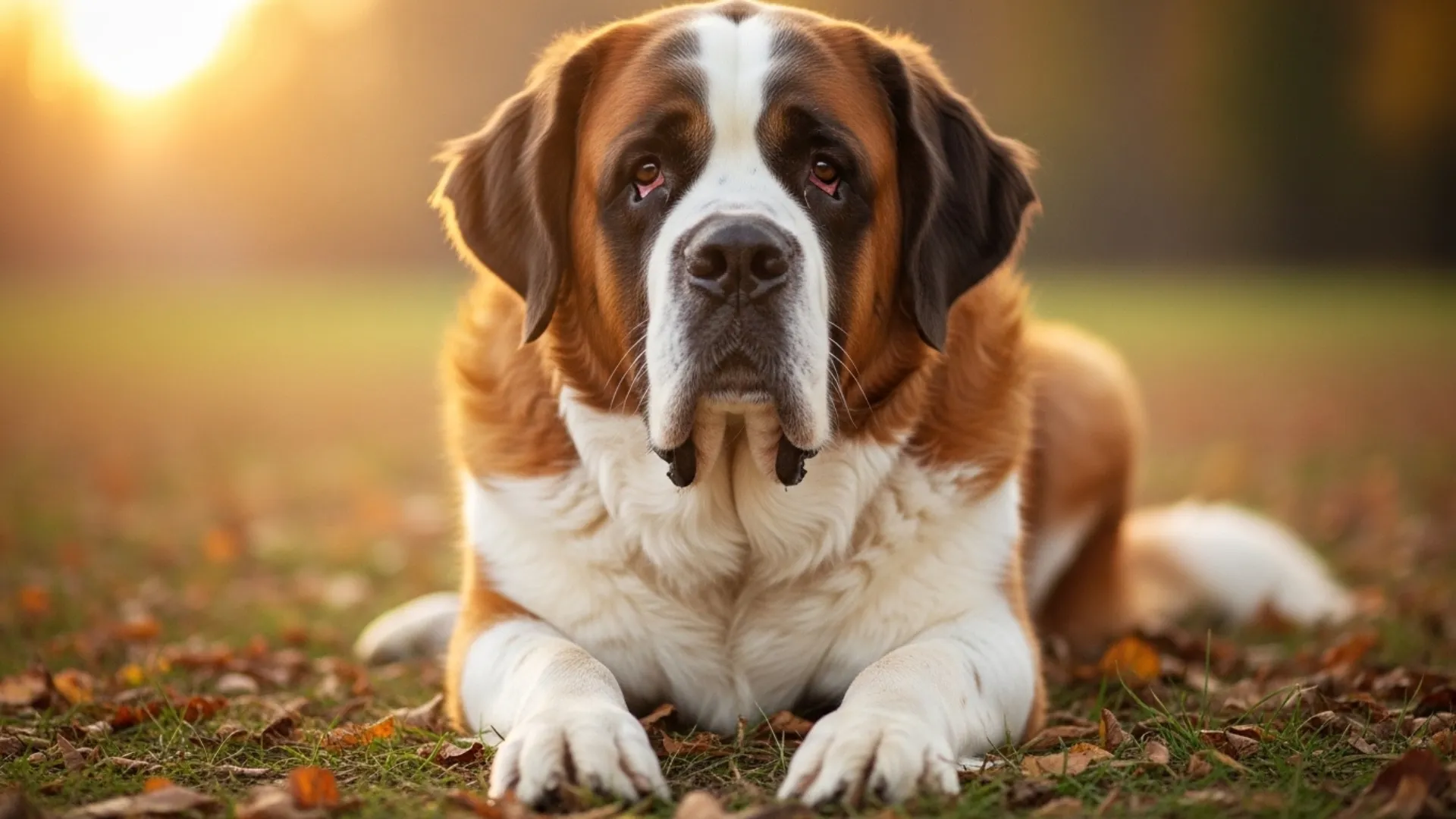
Falling in love with a massive, soft-eyed giant breed is easy until you realize their time with us is often limited to a brief 7 to 10 years. It’s a heartbreaking reality that larger dogs typically face a shorter life expectancy than their smaller counterparts.
As author Agnes Sligh Turnbull poignantly wrote, “Dogs’ lives are too short. Their only fault, really.” There is no exaggeration in those words; for a dog lover, every year feels like a borrowed moment.
While “short lifespan” is rarely the headline on an adoption flyer, knowing the facts upfront doesn’t diminish the love; it intensifies it.
Whether you are drawn to the majesty of a Great Dane or the loyalty of a Mastiff, this guide walks you through what to realistically expect and, more importantly, how to ensure every single year is filled with quality, health, and joy.
Dog Breeds with Shorter Lives – What Prospective Owners Should Know
1. Saint Bernard
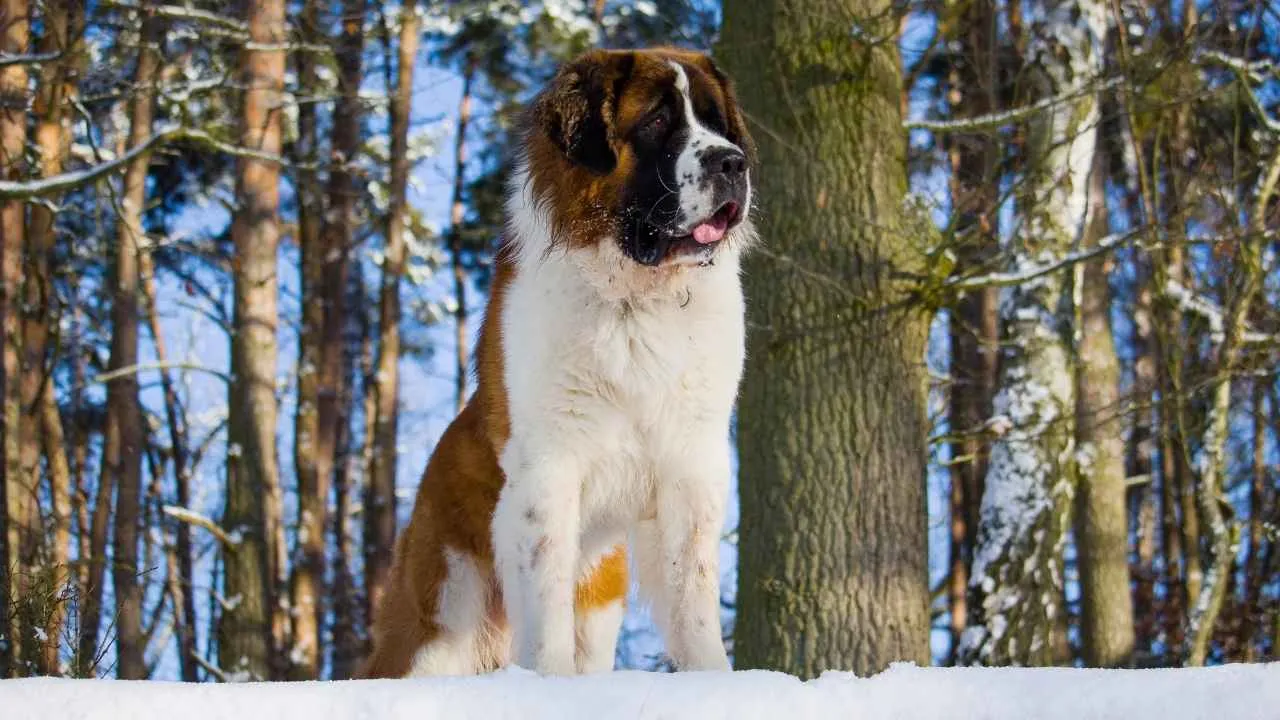
Saint Bernards are the Hagrid of the dog world; enormous, warm-hearted, and always ready to protect you. Originally bred by monks in the Swiss Alps to locate lost travelers in snowstorms, every day with a Saint Bernard is a gift wrapped in fur and slobber.
Though this dog breed remains healthy throughout, there are some genetic predisposition that leads to their short life expectancy. Being a giant breed, they grow faster and are bigger in size, which can lead to aggressive cancer that may include lymphoma and osteosarcoma. They can be treated with different treatment options, according to PetMD.

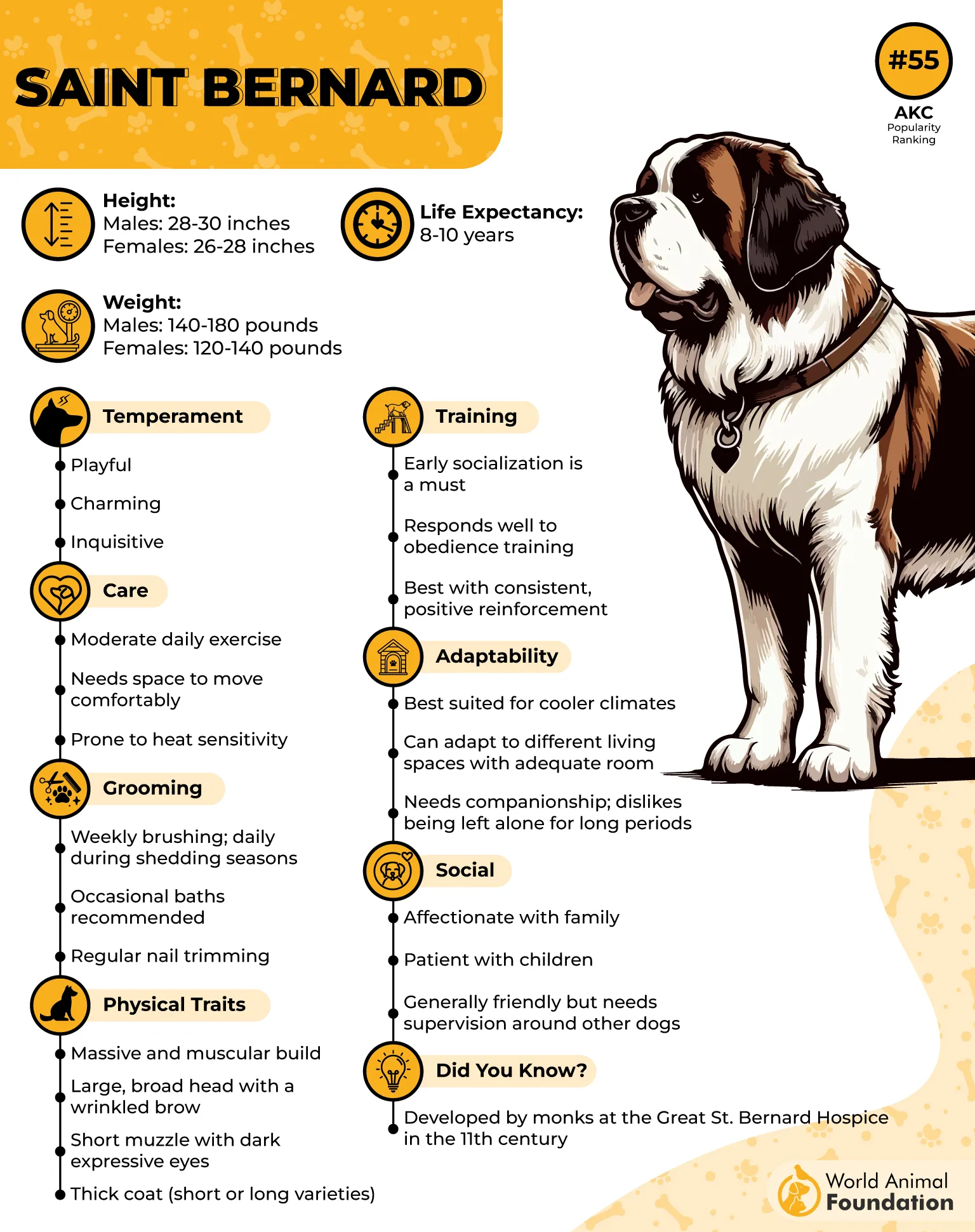
Lifespan: 8-10 years
Temperament: Gentle, calm, patient, watchful, powerful, and deeply loyal
Grooming: Weekly brushing with a metal comb or slicker brush for long-coated types, daily during seasonal shedding, regular nail trimming, and occasional bath
Health Watchouts: Hip dysplasia, bloat, heart diseases, osteosarcoma, and obesity
Exercise: Moderate. 1 hour/day walk and half an hour play session is enough. Hikes, carting, agility, and dog sports are also suggested.
2. Leonberger
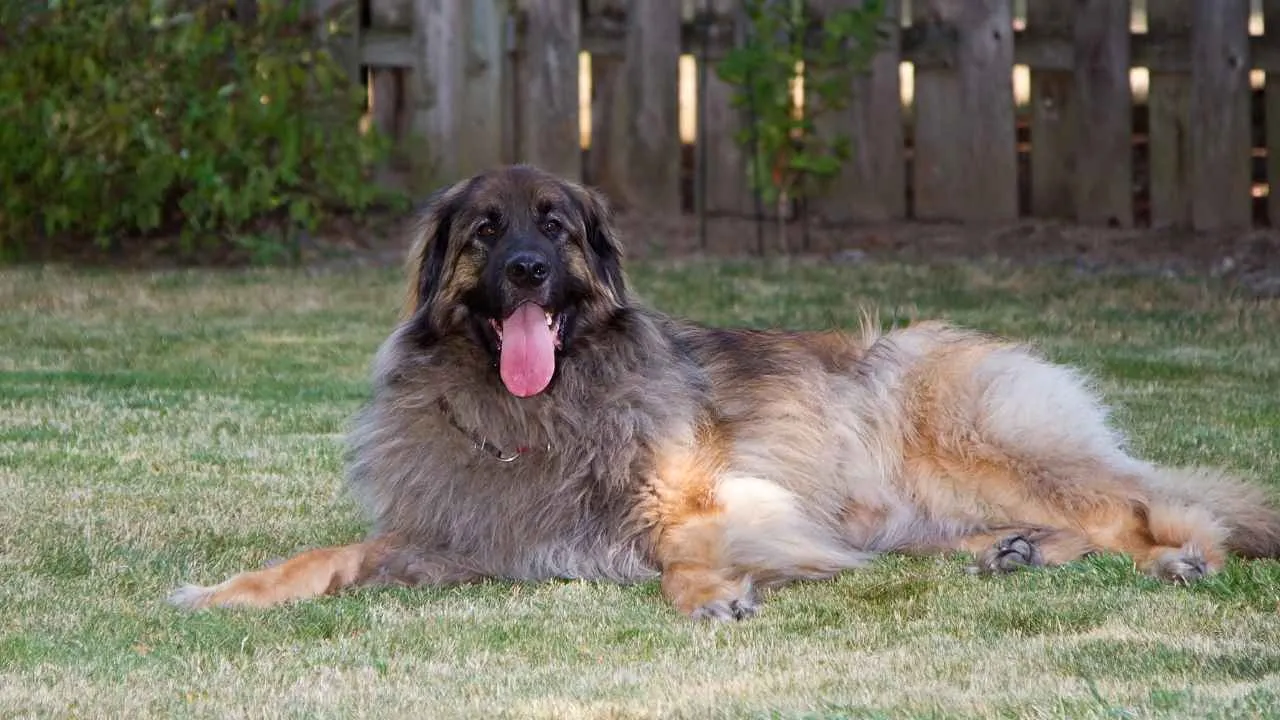
The Leonberger appears as if a lion’s mane were carefully grafted onto a dog’s frame, and that was entirely by design. Developed in Germany during the 1840s, this breed was intentionally created to mimic the regal lion featured on the coat of arms for the city of Leonberg.
Large dog breeds usually are at high health risk because of their massive stature. One of the most critical health concerns for Leonbergers is Gastric Dilatation-Volvulus (GDV), commonly known as bloat.
This life-threatening condition occurs when the stomach fills with gas or food and twists, cutting off vital blood supply. Without immediate veterinary intervention, GDV can cause permanent damage to the stomach and spleen and can quickly become fatal.
Another reason is their large size and massive weight, which puts greater strain on the body, causing orthopedic issues (bone and joint disorders).
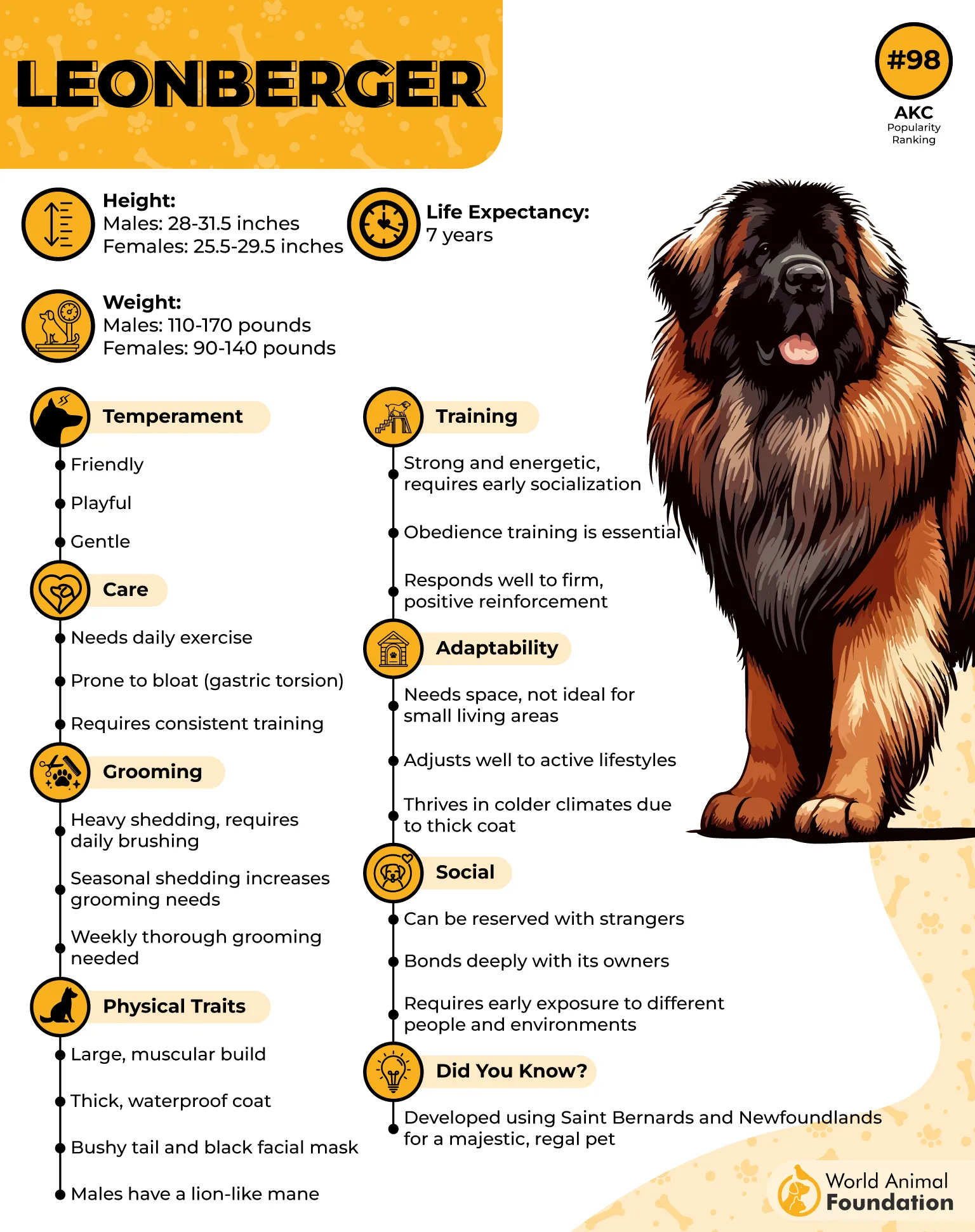
Lifespan: 7-9 years
Temperament: Affectionate, playful, sensitive, and calm when given proper care
Grooming: Daily brushing with a pin brush or metal comb, thick water-resistant double coat sheds heavily year-round, and weekly nail trims
Health Watchouts: Progressive neurological disorders, bloat, hip dysplasia, and heart diseases
Exercise: High exercise needs. Jogging, hiking, biking, running, carting, and agility, etc.
3. Dogue de Bordeaux
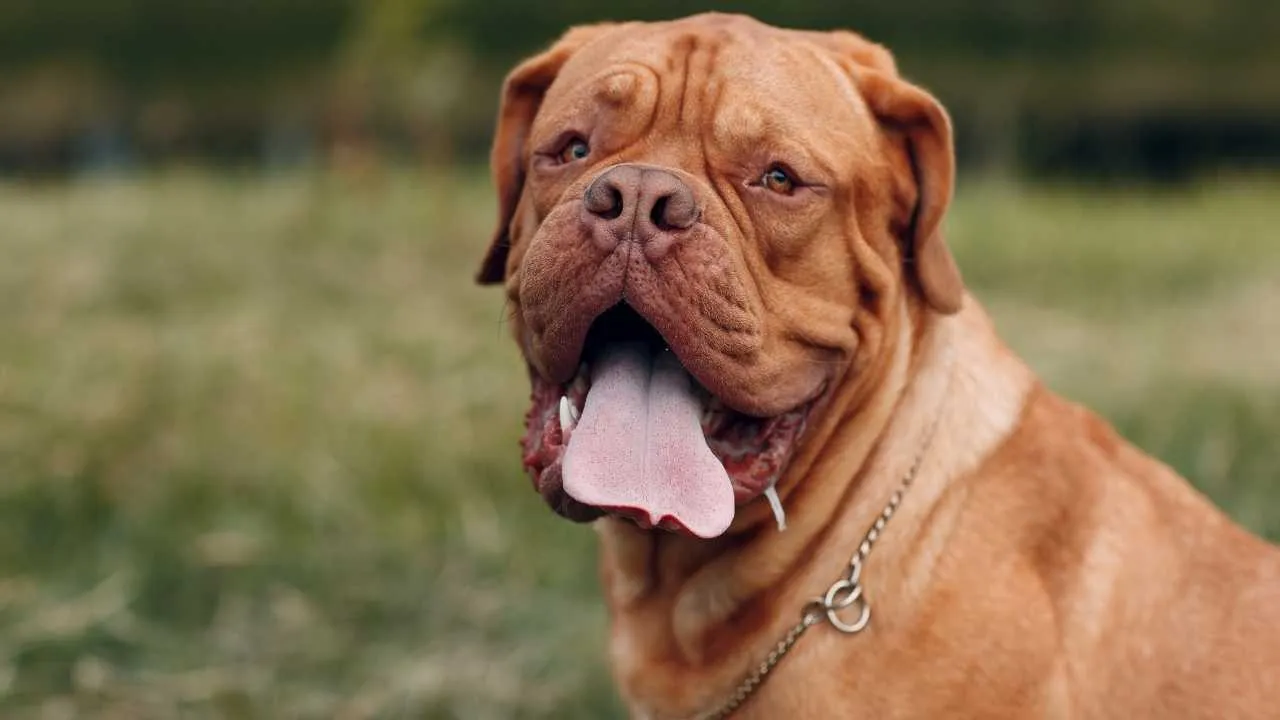
Remember the 1989 Tom Hanks movie Turner and Hooch? That big, wrinkled, completely unhinged dog who stole every single scene? That’s a Dogue de Bordeaux, and yes, real life is exactly like that, minus the crime-solving.
The average lifespan of a Dogue de Bordeaux (French Mastiff) is notably brief, typically ranging between 5 and 8 years. As a giant breed, they are genetically predisposed to serious health concerns, such as heart disease, cancer, and bloat, which often contribute to this shorter window.
However, with proactive veterinary care and a healthy lifestyle, some exceptional individuals have been known to reach 10 to 12 years.
Buying your canine companion from a reputable breeder is essential. Unethical breeder usually do not perform genetic testing, which may result in congenital diseases. These health issues range from mild, painful symptoms to life-threatening diseases.
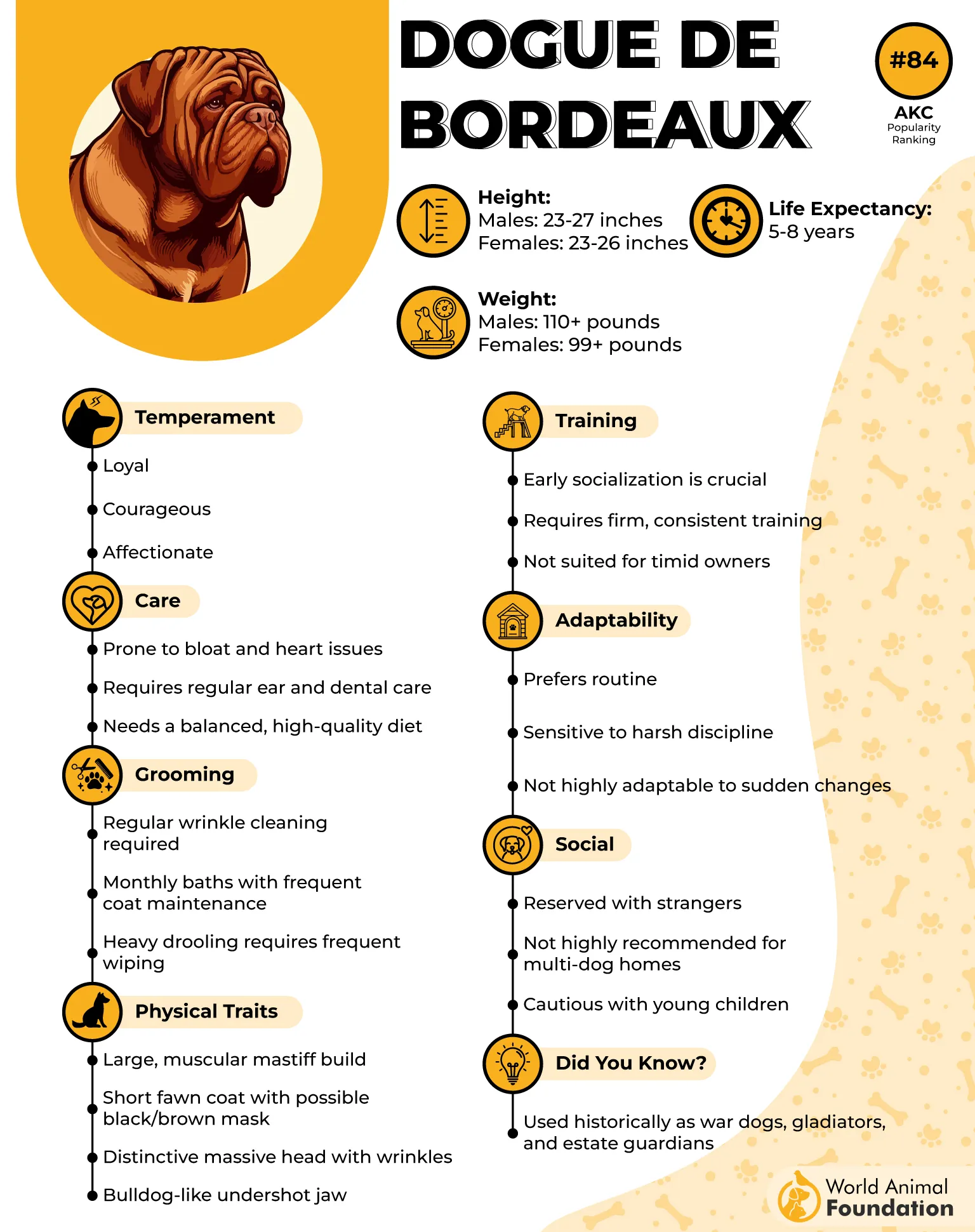
Lifespan: 5-8 years
Temperament: Stubborn, affectionate, courageous, sweet, sensitive, and fiercely loyal
Grooming: Moderate. Facial wrinkles need daily cleaning to prevent skin infections. Clean ears weekly. Monthly nail trimming and bathing are important
Health Watchouts: Brachycephalic airway syndrome, heart diseases, bloat, and joint disorders.
Exercise: Low to medium. Puppies should not be engaged in overexertion workouts, while older Bordeaux enjoy swimming and carting a lot.
4. Rottweiler
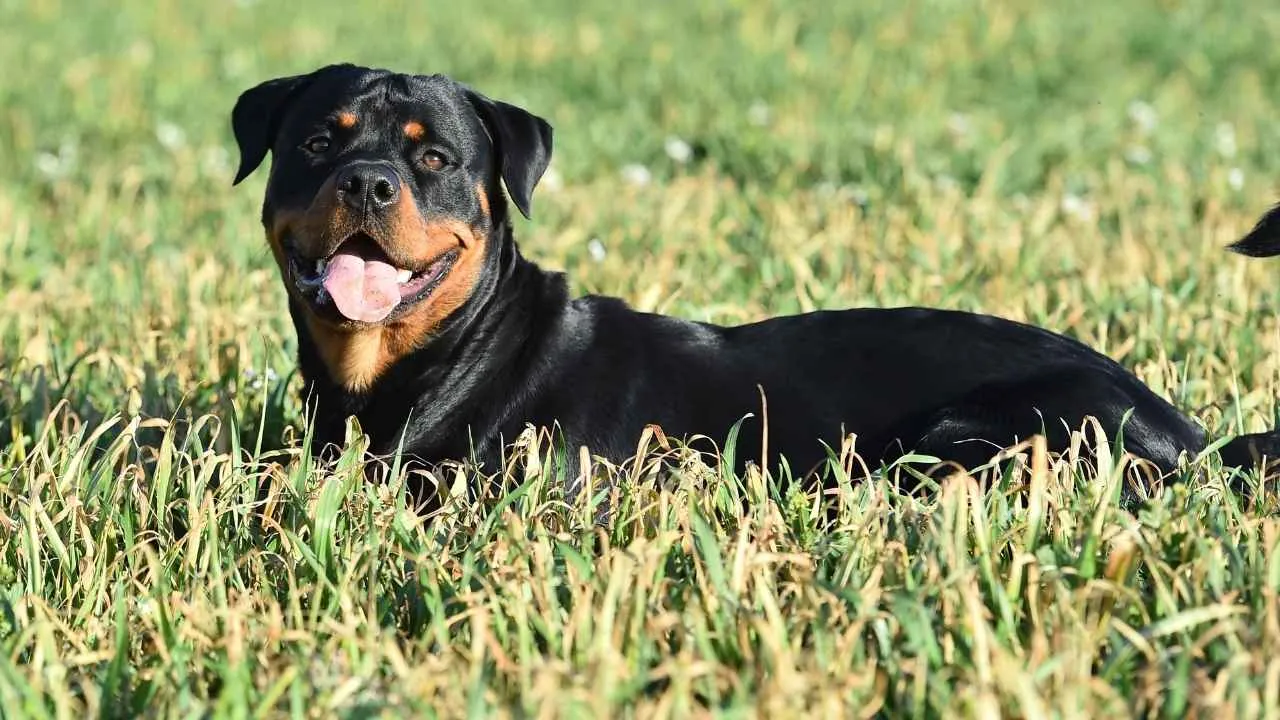
Originally bred by the Romans to herd livestock and pull butcher carts. Rottweilers are working dogs through and through. They require structure, a clear purpose, and a confident owner. Without these, boredom sets in, which quickly creates a whole new set of behavioral problems.
As a big breed, they are genetically predisposed to serious health concerns, including heart disease, joint dysplasia, and bone cancer (specifically osteosarcoma), all of which contribute to a shorter life expectancy.
Though the life expectancy of Rottweilers is relatively lower than that of other dogs with the same body size and weight, they can still improve their quality of life with proper care: mental stimulation, good diet, supplements, grooming, and regular exercise
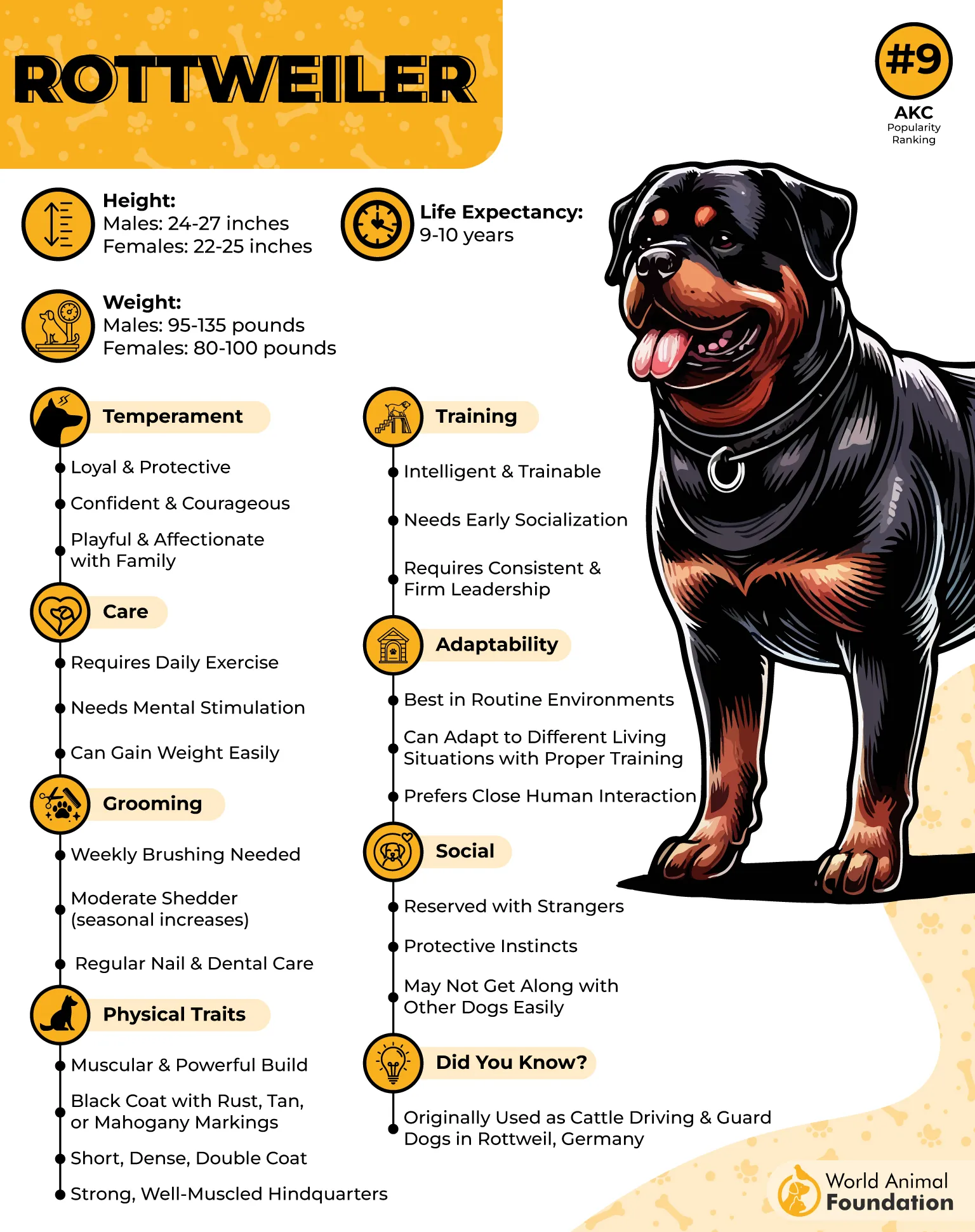
Lifespan: 9-10 years
Temperament: Confident, protective, calm, courageous, deeply affectionate, playful, and not overly aggressive.
Grooming: Low. Short double coat needs weekly brushing and occasional baths. Nails should be trimmed weekly. Regular vet checkups
Health Watchouts: This dog breed is prone to many health conditions: Hip/elbow dysplasia, heart conditions, cancer, and obesity
Exercise: High. Trotting, walking, swimming, daily walk, carting, tracking, and herding.
5. Bernese Mountain Dog
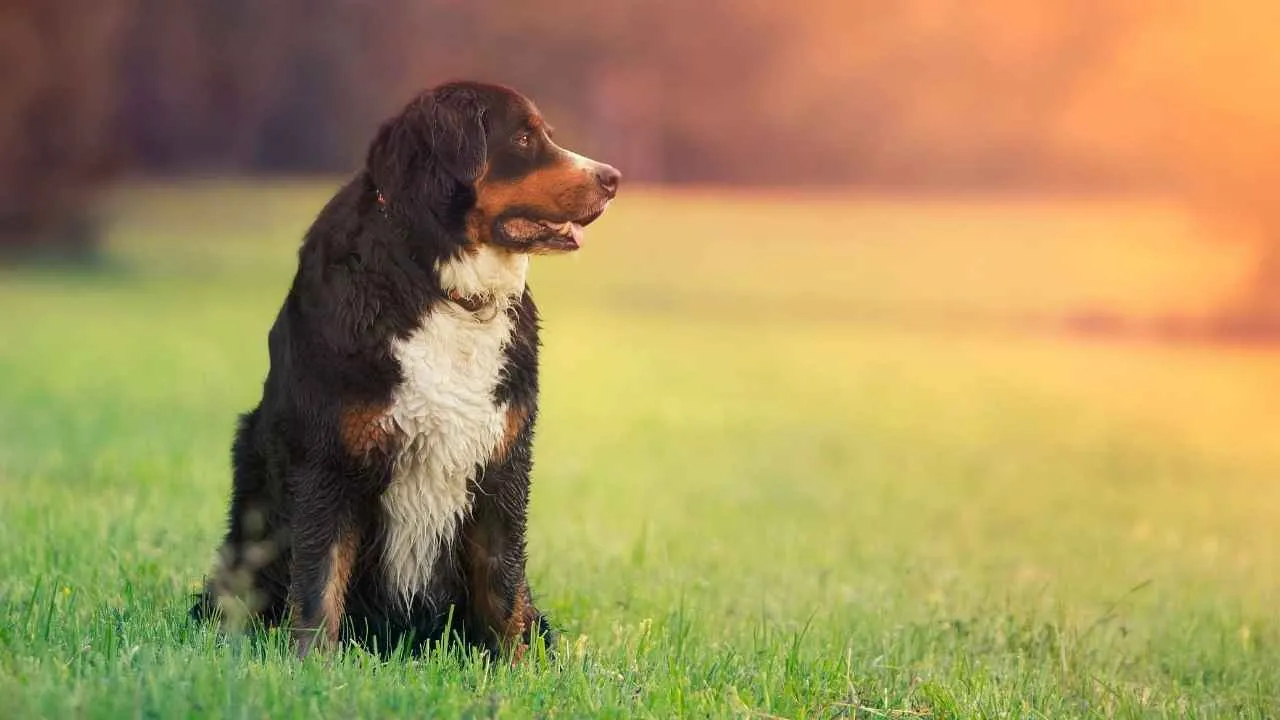
Ask any Bernese Mountain Dog owner about their dog, and you will notice something: a soft smile followed by a flicker of sadness. These tri-color gentle giants are stunning, sweet, and among the most heartbreakingly short-lived breeds out there.
Average life expectancy of this dog breed used to be 12 years. But due to increasing serious health problems such as cancer (leading cause of death in this breed), their average lifespan reduced to 7-10 years.
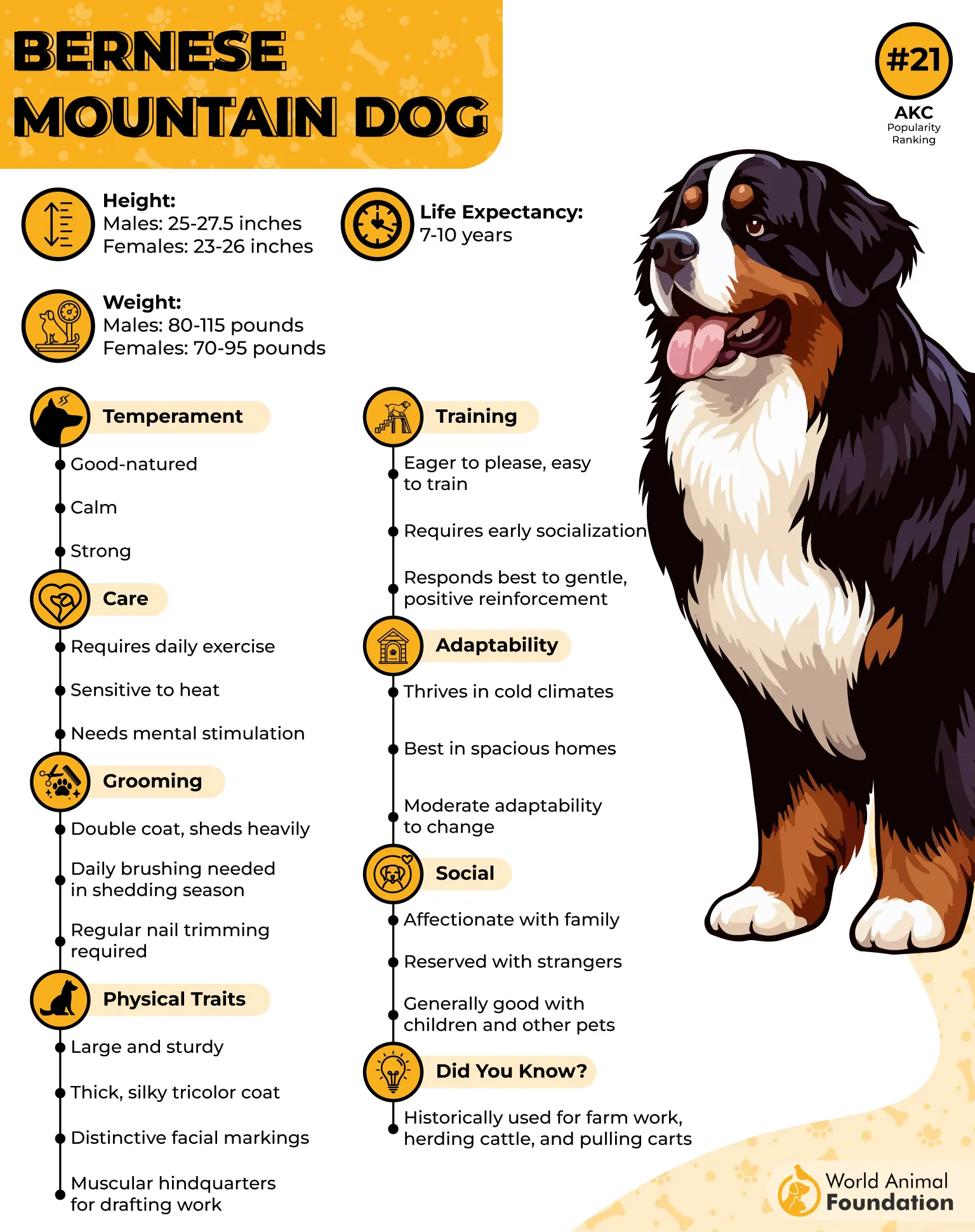
Lifespan: 7-10 years
Temperament: Gentle, easygoing, loyal, intelligent, gentle with children, thrives in cold weather, and eager to please
Grooming: Heavy shedder, requires brushing 3-4 times a week, daily during seasonal shedding using a slicker brush or metal comb, and regular nail trims to prevent discomfort or pain, as per AKC
Health Watchouts: Aggressive cancer, hip/elbow dysplasia, bloat, and heart disorders
Exercise: Moderate. Half an hour of daily exercise, outdoor activities, carting, drafting, rally, and agility.
6. Great Dane
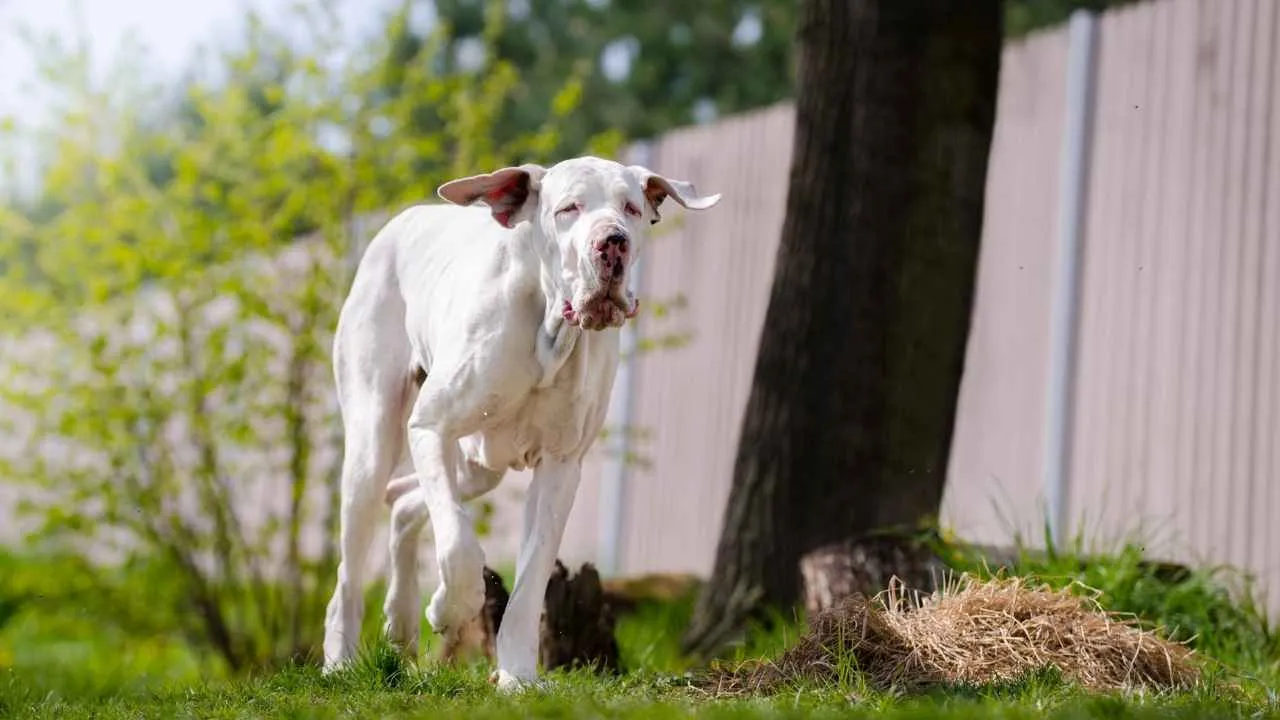
One of the tallest dogs on Earth, the Great Dane still thinks of themselves as a lap dog. They are basically a horse in a dog costume. Called the ‘Apollo of Dogs’ because of their friendliness, endless devotion, and love for napping.
Great Danes face a significantly shorter lifespan compared to most other breeds. Often considered “geriatric” by age 6, their rapid growth and massive stature predispose them to critical health issues, including bloat (GDV), cardiomyopathy, and cancer, all of which can severely limit their longevity.
Regular physical activity, a good diet, regular vet visits, and breeding certainly improve the quality of life.
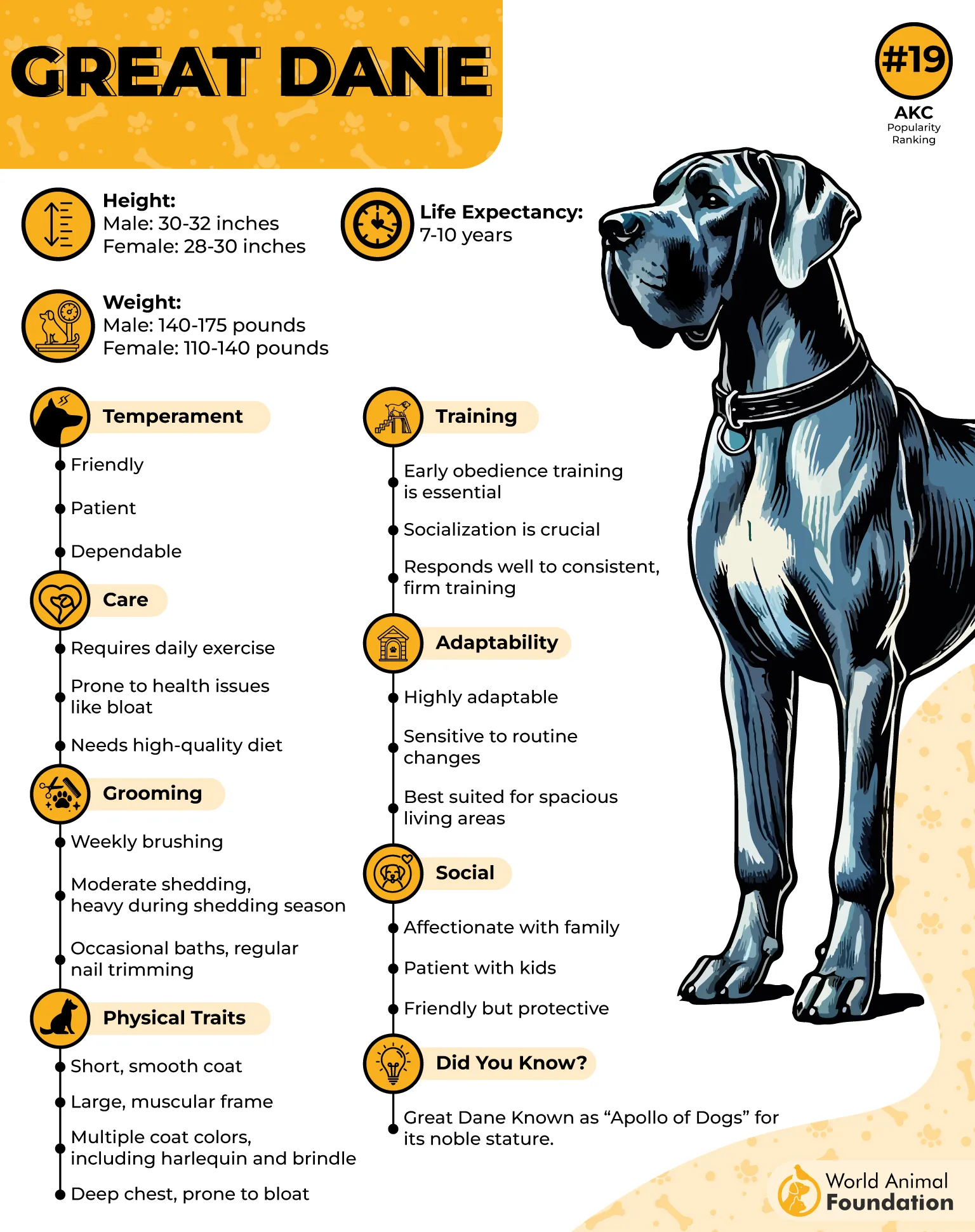
Lifespan: 7-10 years
Temperament: Friendly, patient, energetic, playful, and lovingly devoted
Grooming: Low. Short coat requires weekly brushing and the occasional bath
Health Watchouts: Bloat, dilated cardiomyopathy, hip issues, neurological conditions, and bone cancer
Exercise: Moderate. Daily walks, outdoor plays, indoor mind-challenging games, and some family time on the couch
7. Bullmastiff
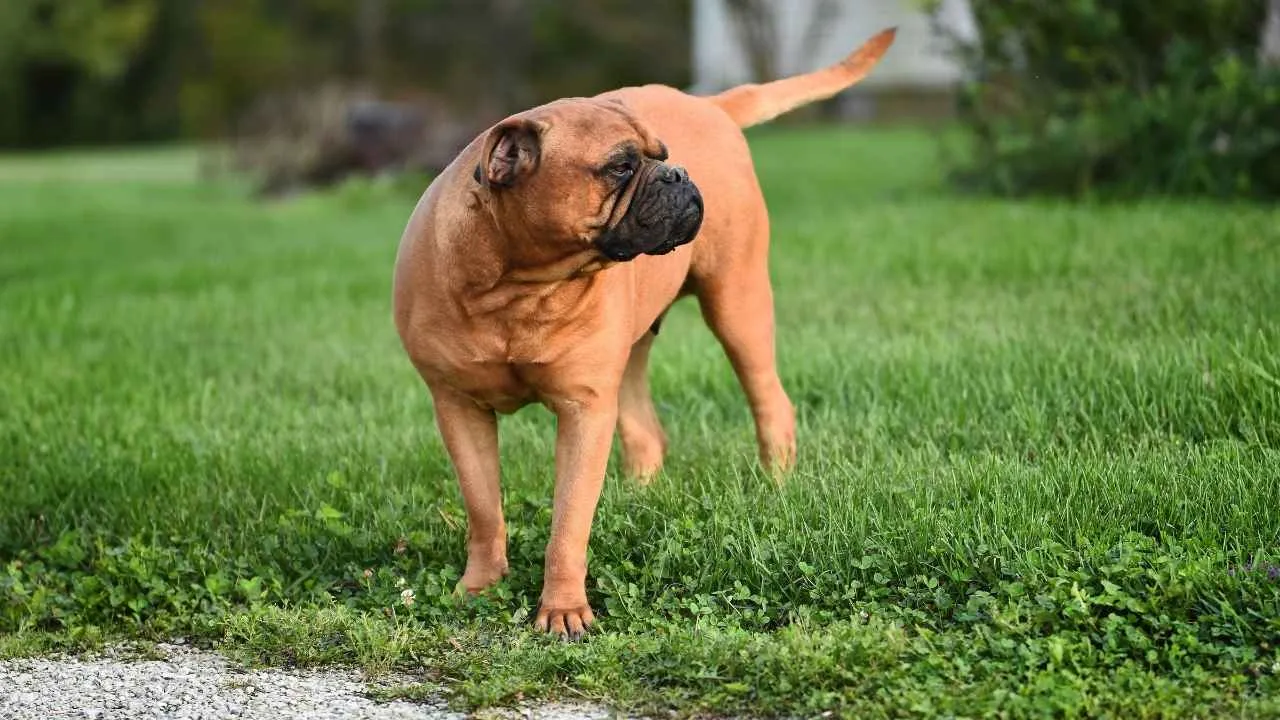
These dogs don’t bark much. They don’t need to. Their sheer presence gets the job done. Bred in 19th-century England to silently track and subdue poachers without killing them, these dogs are quiet, watchful, and completely committed to the people they love.
According to NIH, like many other large dog breeds, cancer is the leading cause of death in Bullmastiffs, too. They include osteosarcoma, lymphoma, and hemangiosarcoma. Maintaining a Bullmastiff at a healthy weight is critical, as obesity puts unnecessary strain on their joints and can significantly accelerate the onset of arthritis.
To mitigate hereditary health risks, it is essential to prioritize regular veterinary screenings and ensure you are purchasing from a responsible breeder who performs certified health clearances on their breeding pairs.
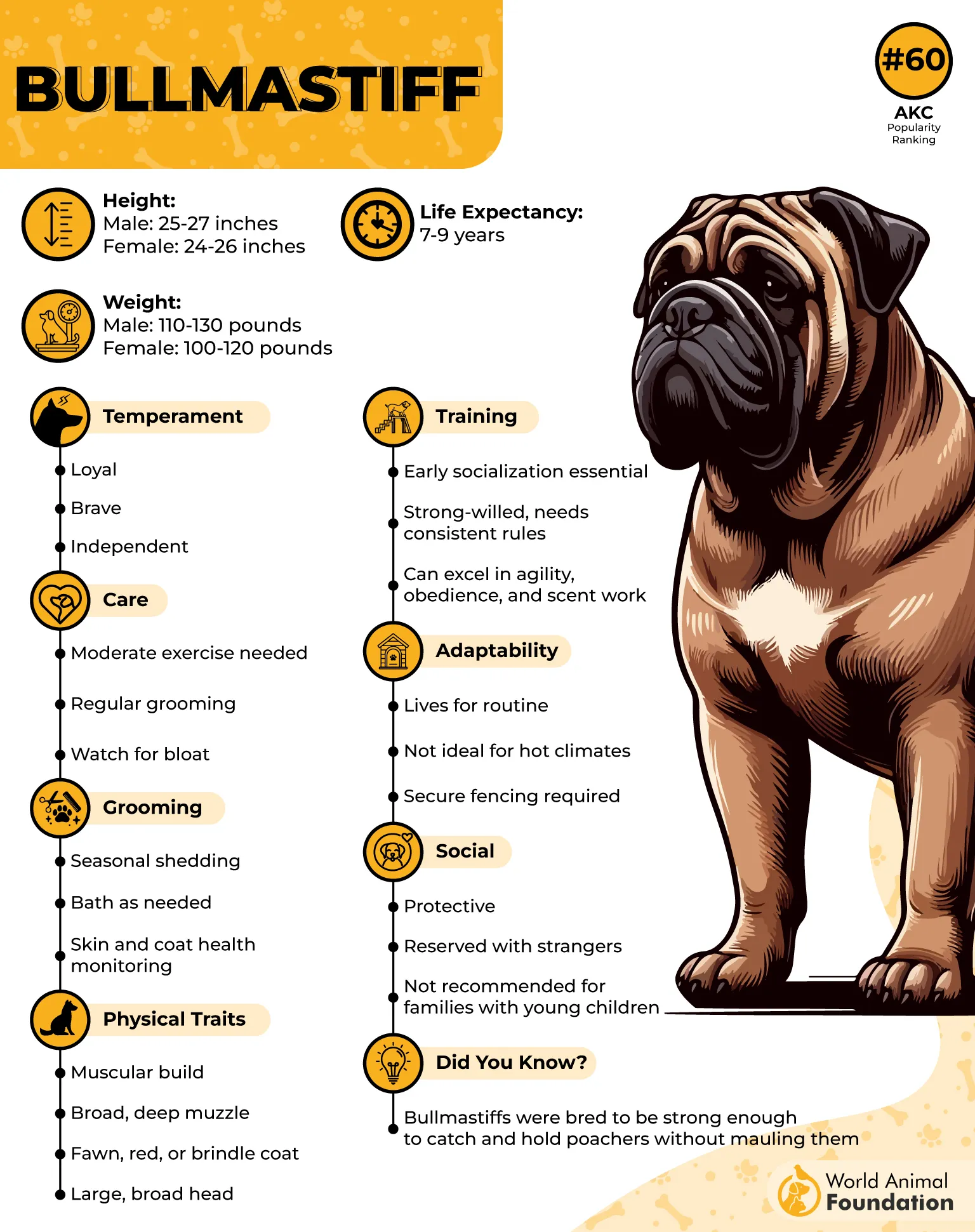
Lifespan: 7-9 years
Temperament: Calm, loyal, protective, and confident
Grooming: Low. A short coat needs weekly brushing and regular wrinkle cleaning around the face
Health Watchouts: Hip issues, bloat, cancer, dilated cardiomyopathy, entropion, subaortic valvular stenosis, progressive retinal atrophy and skin infections
Exercise: Moderate. Brisk walks, outdoor play, and mind-challenging games are recommended.
Conclusion
Loving a large dog breed is one of the most rewarding and bittersweet things you can do. These dogs give you everything they have in the time they are here. Going in with clear eyes makes all the difference. Know the health issues specific to your breed.
Stay consistent with vet visits, especially after year 5. Feed them right, give them space, purpose, and love. You can not add years to their life, but you can add life to their years. The short timeline is not a reason to walk away. It is a reason to show up harder every single day.
