




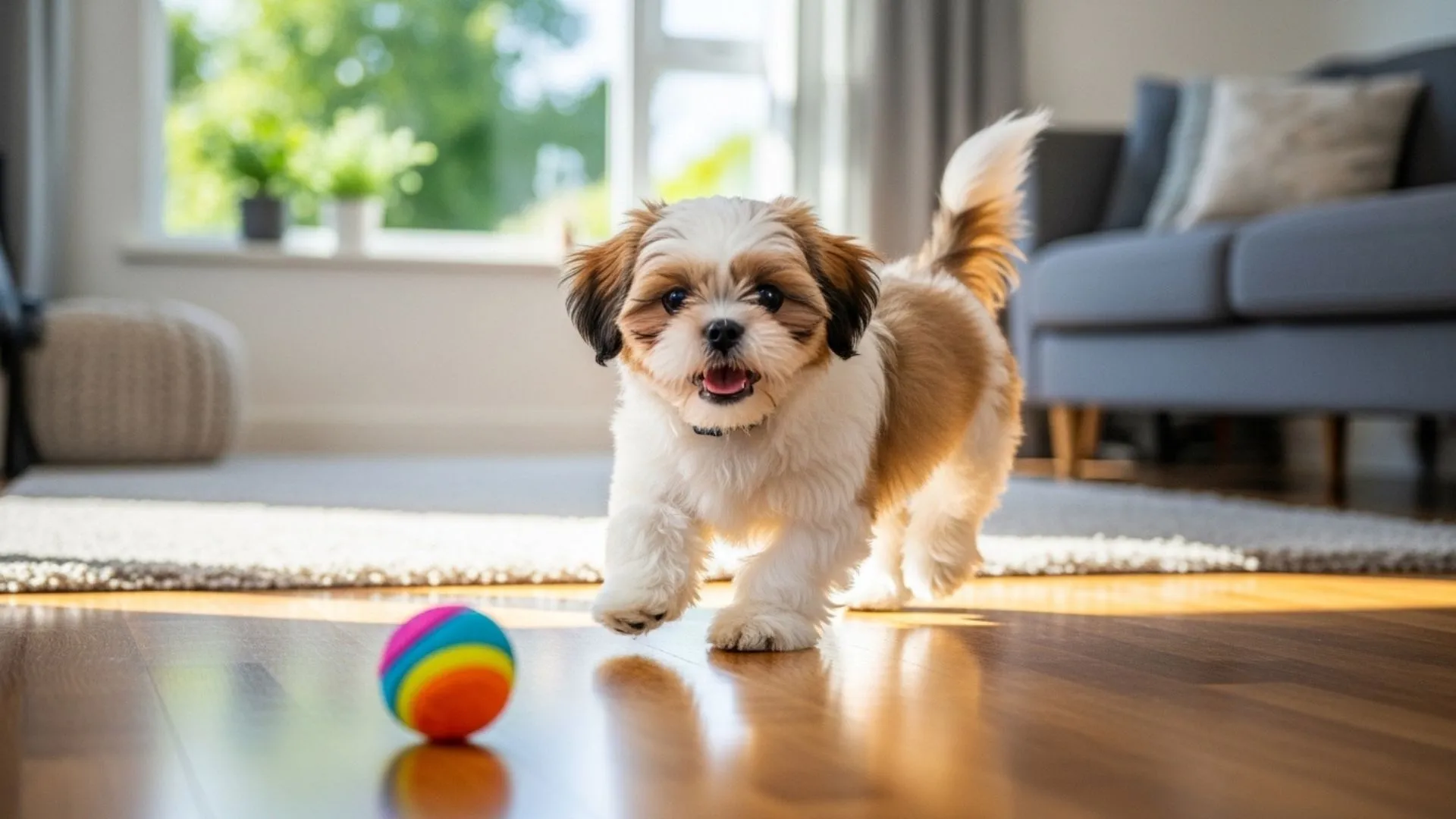
A tiny dog rests quietly in your lap, its breathing soft, its presence barely taking up space, yet somehow filling the entire room with warmth. It follows you from one corner to another, not out of neediness, but out of quiet attachment.
These pocket dogs live close to their humans, both physically and emotionally. Their small size makes them easy to overlook, but their care is anything but simple. Every routine matters, from how often they eat to how they interact with their surroundings.
A slight change in environment or schedule can affect them more than expected. Their sweetness comes from sensitivity, and that sensitivity requires thoughtful care. Many people fall for their size without preparing for their needs.
Up ahead, you will find what it really takes to care for these small companions and keep their gentle nature balanced and happy.
Key Takeaways:
Their tiny size often captures hearts first, but it is their sensitivity that quietly defines how these pocket companions should be raised.
Yorkshire Terrier and Pomeranian show strong alert instincts that require mental engagement, social guidance, and consistent interaction.
Toy Poodle and Shih Tzu thrive on companionship, gentle training, and regular care, especially when it comes to activity and coat maintenance.
Read through the full guide to understand how these pocket breeds stay sweet, stable, and well supported in everyday life.
Sweetest Pocket Dog Breeds: A Guide to Their Needs
1. Yorkshire Terrier
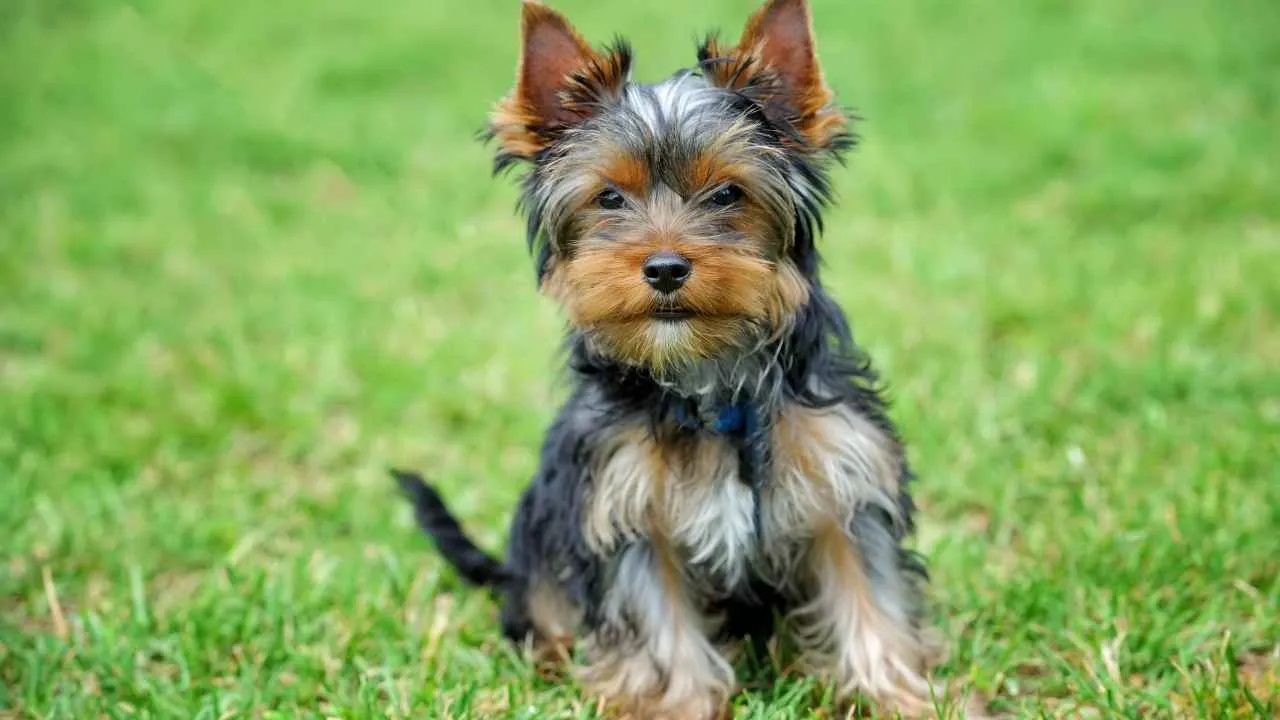
Yorkshire Terrier originated in Yorkshire during the mid-19th century from small terriers brought by Scottish workers to cotton mills.
They were developed for catching rats in industrial settings, giving them a strong working foundation. This explains its alert nature and active behavior in daily environments.
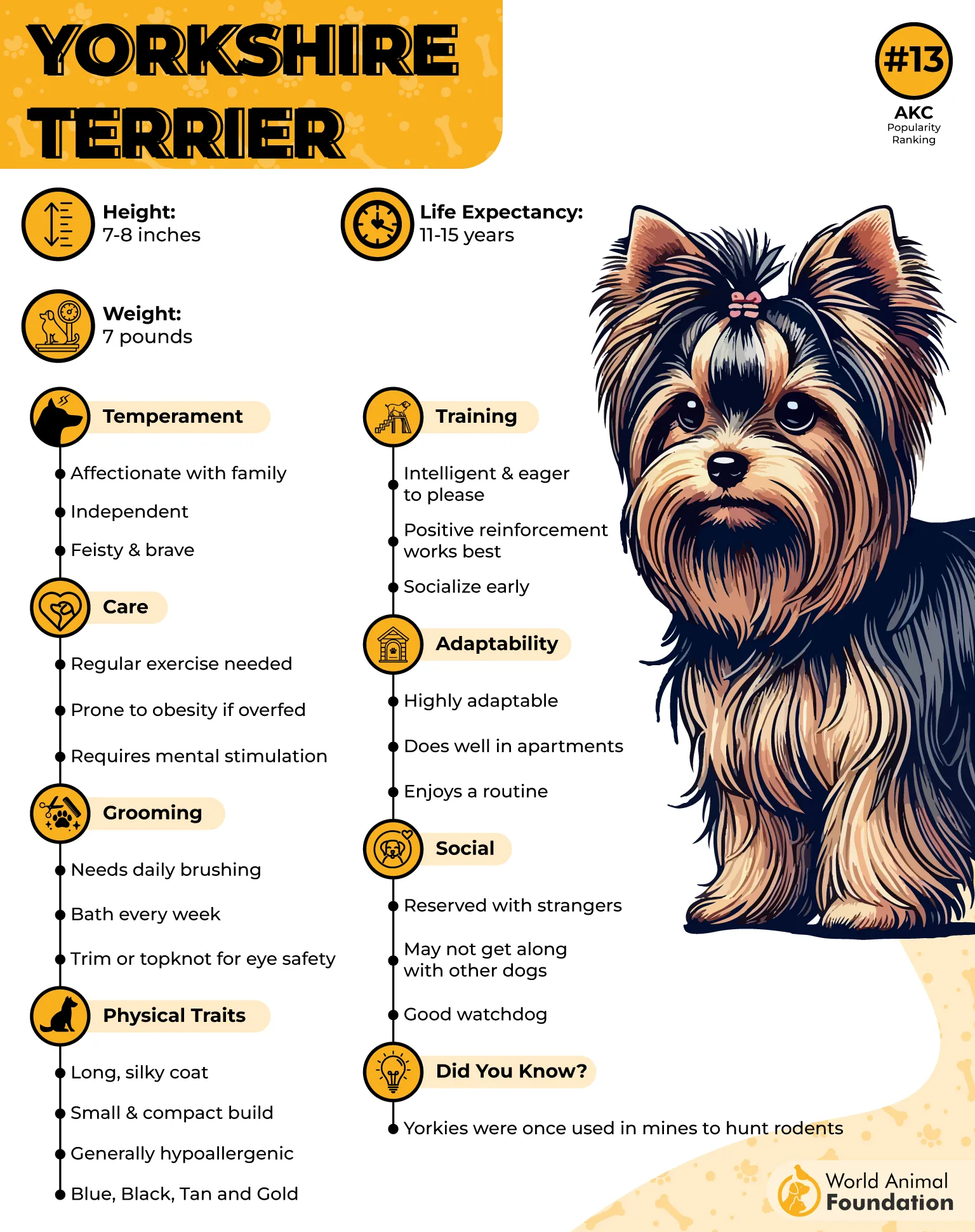
Energy, Personality, and Guidance Needs
This terrier breed is lively, affectionate, and highly active, showing a bold personality despite their small size, as per the AKC. Early social exposure and structured training are important to guide its protective instincts and prevent future behavior concerns.

Before moving forward, certain traits clarify its everyday needs:
Strong watchful instincts around the home
Requires frequent social interaction
Benefits from mental engagement and play
Activity Level and Daily Engagement
This small dog breed needs regular physical and mental stimulation to stay balanced, including short walks and indoor games such as fetch. Training sessions keep the mind active and help prevent unwanted behaviors linked to boredom. Structured routines support its energetic temperament.
2. Maltese
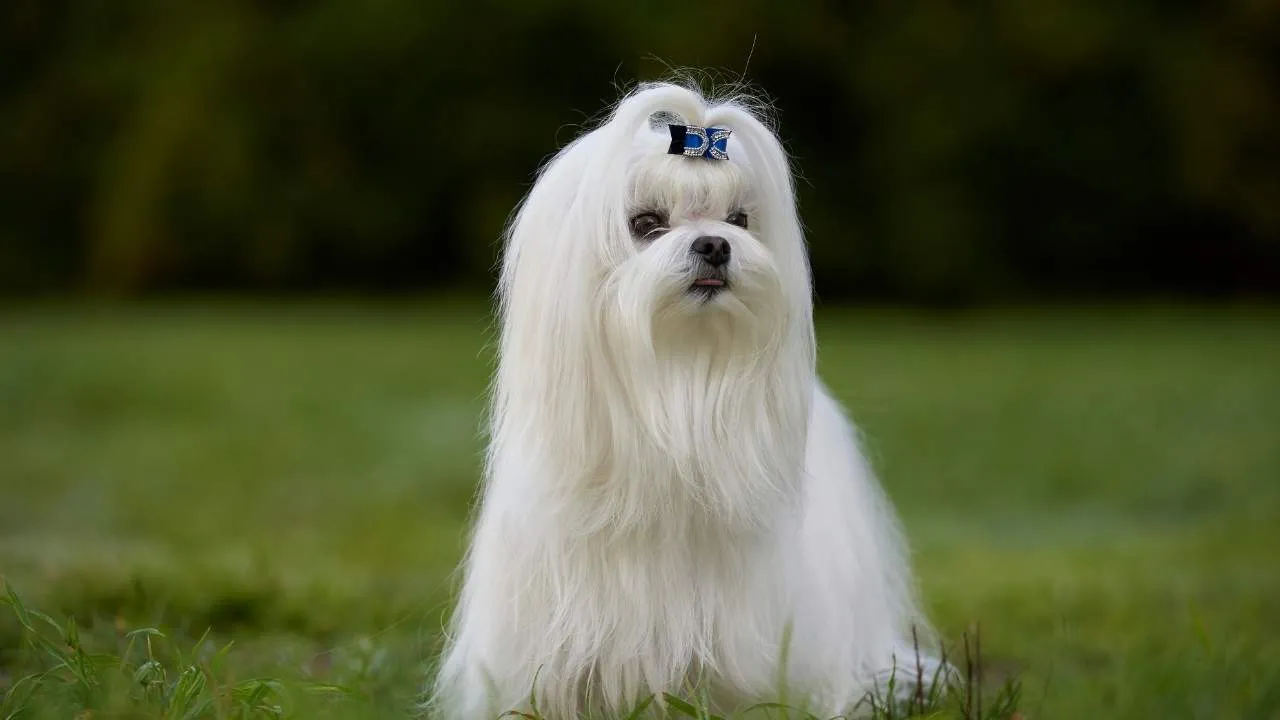
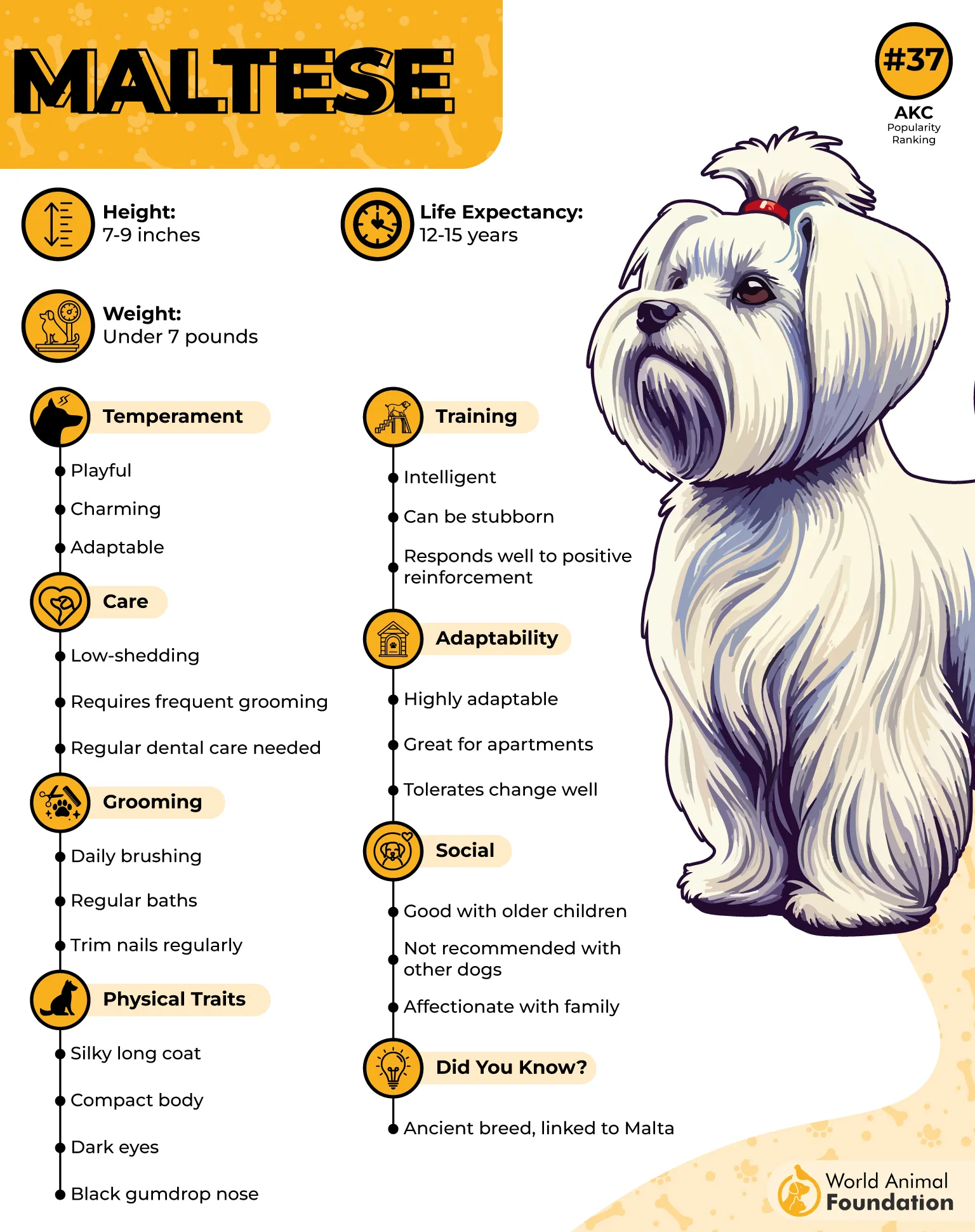
Maltese is a friendly toy breed known for a strong attachment to people and a constant desire for close companionship. It prefers staying near family members and enjoys being handled gently rather than left alone. This people-focused behavior shapes how the breed fits into home life.
Social Needs and Daily Routine
This affectionate dog responds well to interaction and light activity, adapting easily to short walks or brief play sessions, as stated by PetMD. It learns quickly, which supports simple training when guidance is consistent and clear.
You can see their personality reflected in these points:
Quick learner with a responsive attitude
Benefits from early social exposure
Needs support to handle alone time
Coat Care and Maintenance
Malteses have a coat that requires regular attention, especially for show purposes, while many households choose a shorter puppy trim for easier upkeep.
With a trimmed coat, daily brushing keeps the hair manageable and clean. Consistent grooming routines help maintain comfort in everyday settings.
3. Poodle (Toy)
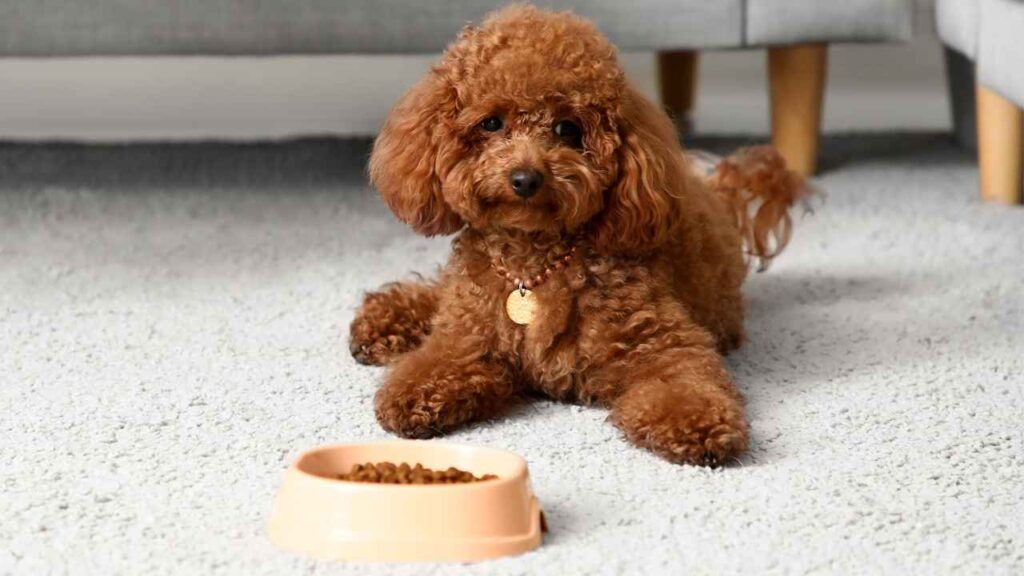
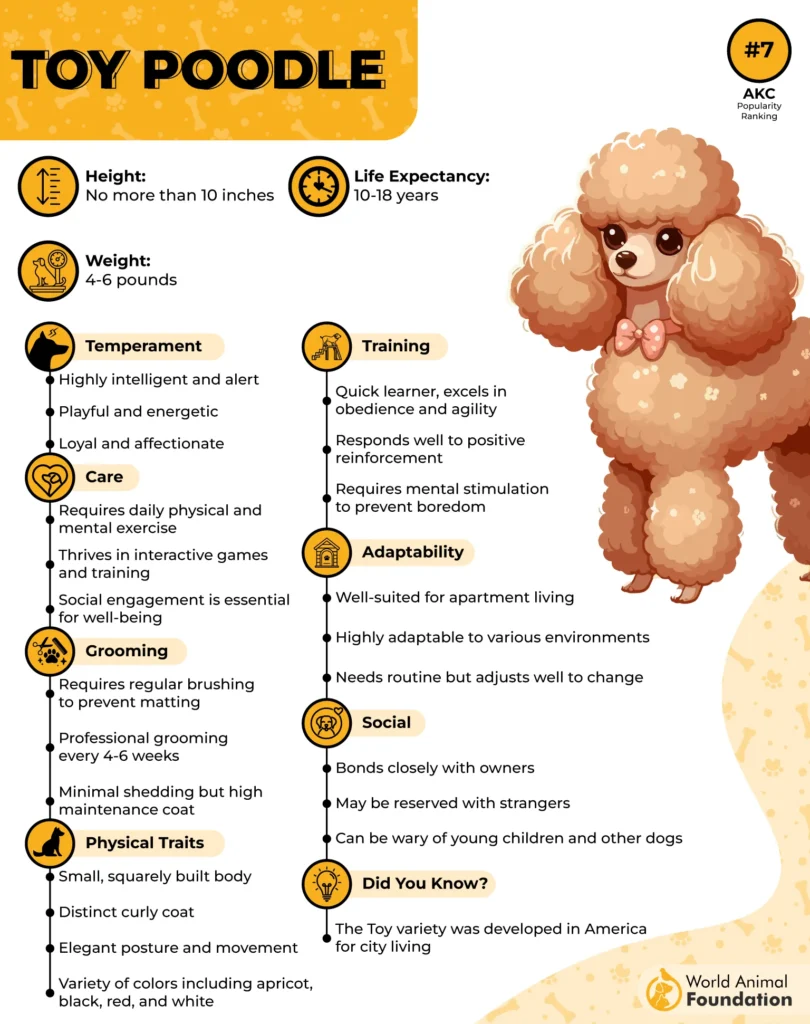
Poodle (Toy) stands among small breeds with a refined presence and compact structure covered in a curly, low-allergen coat. Beneath this appearance is an agile and intelligent companion known for quick learning and alert awareness. It has a background in performance, companionship, and organized tasks.
Intelligence and Trainability
They are bright, responsive, and eager to learn, which makes them suitable for circuses and other trained activities. The breed responds strongly to reward-based guidance and consistent interaction, shaping balanced behavior.
This is what supports its active nature:
Learns commands quickly through positive training
Requires regular mental stimulation
Needs consistent human interaction
Energy and Daily Activity
Poodle (Toy) carries strong energy levels and enjoys short walks combined with indoor play sessions. It performs well in activities such as agility, obedience, and flyball, reflecting its natural enthusiasm for structured challenges. Regular engagement keeps its focus steady within family routines.
4. Shih Tzu
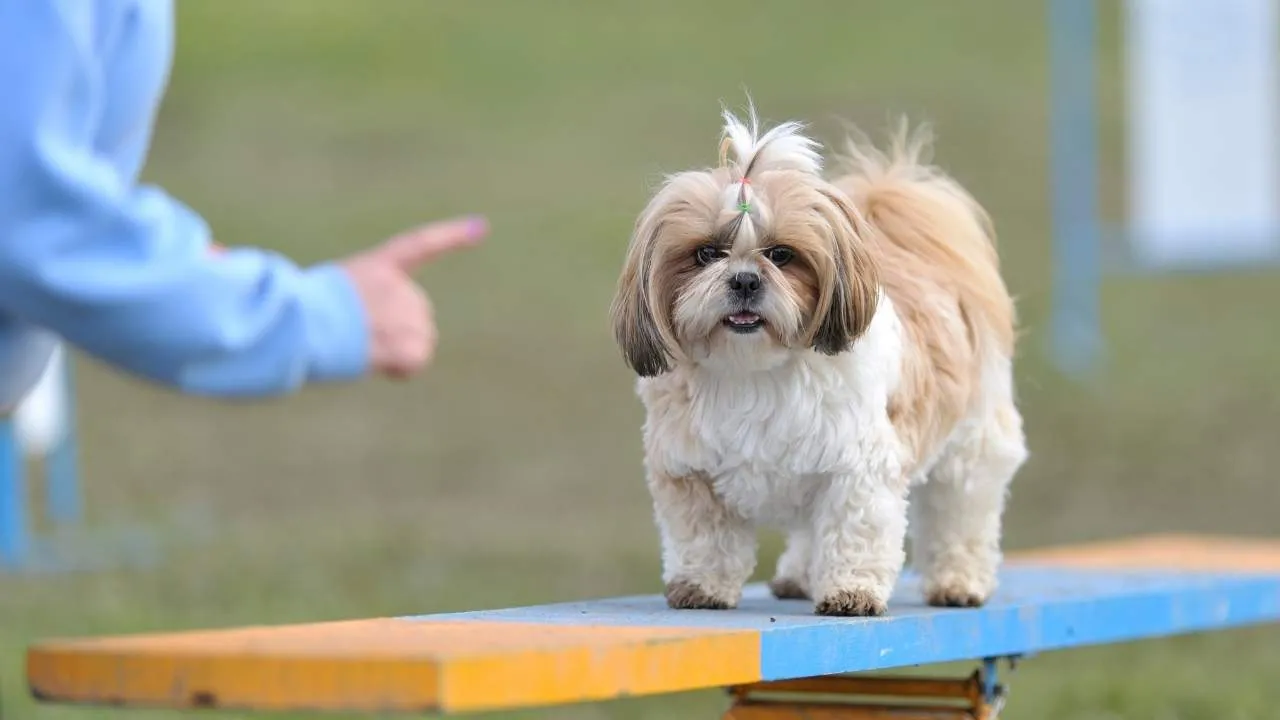
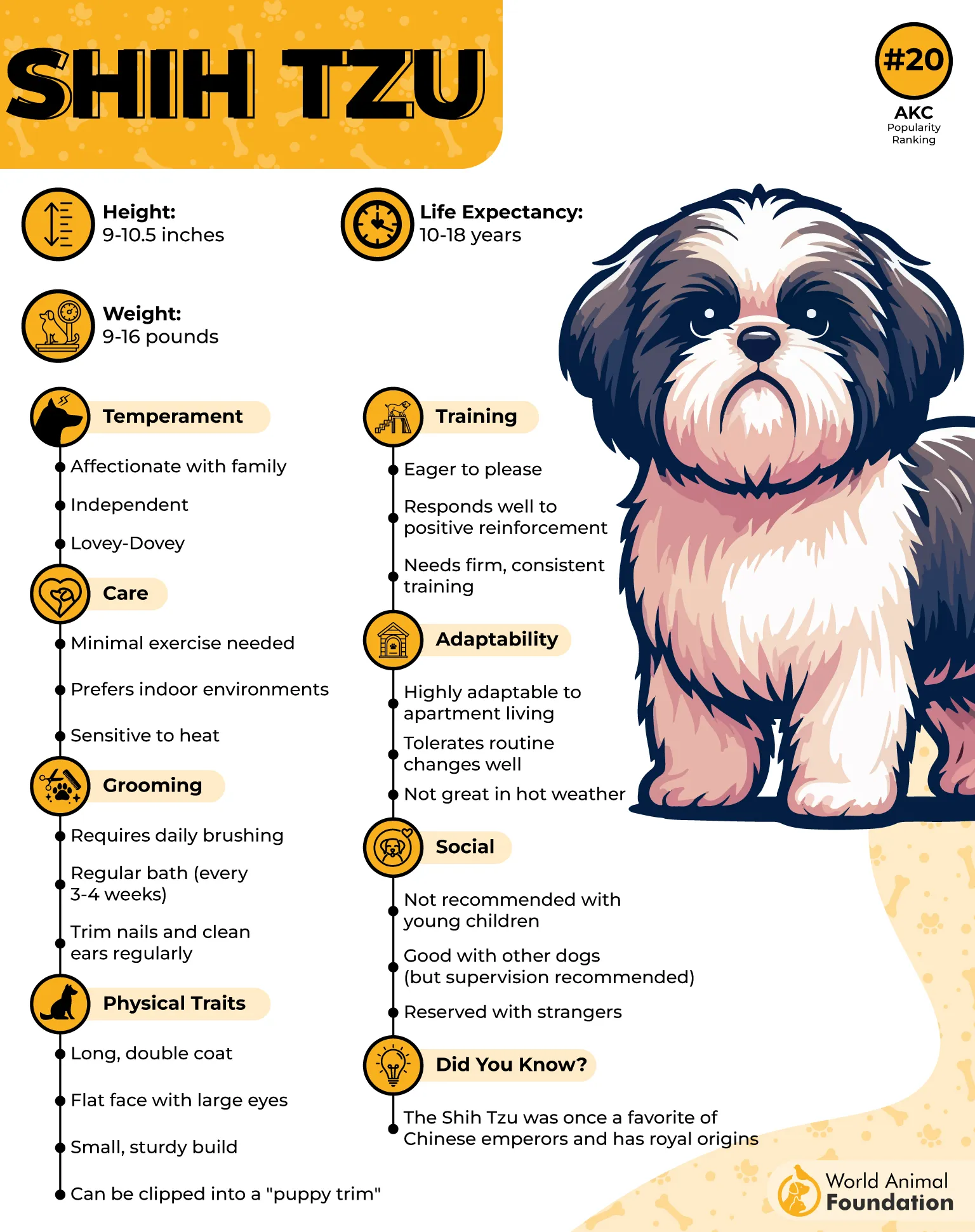
Shih Tzu originated in China and was highly valued, with strong ties to Buddhist culture and the name meaning ” lion dog. Historical records associate it with Tibet and early development alongside similar breeds in appearance. Its background reflects a small companion shaped for close human interaction.
Temperament and Living Preferences
They are lively, playful, and deeply affectionate, often choosing comfort near people throughout the day. It enjoys resting on laps, beds, or soft surfaces and forms close bonds in home environments.
Here’s a closer look at its daily behavior:
Low exercise requirements with short walks
Enjoys indoor comfort and soft resting spaces
Training requires patience and consistency
Social Nature and Home Suitability
Shih Tzu is friendly with people, other dogs, and visitors, making it suitable as a companion in smaller homes or apartments. It remains alert near doors, often out of excitement for attention rather than guarding instinct. Warm weather can be challenging, so cooler indoor conditions suit this breed well.
5. Pomeranian
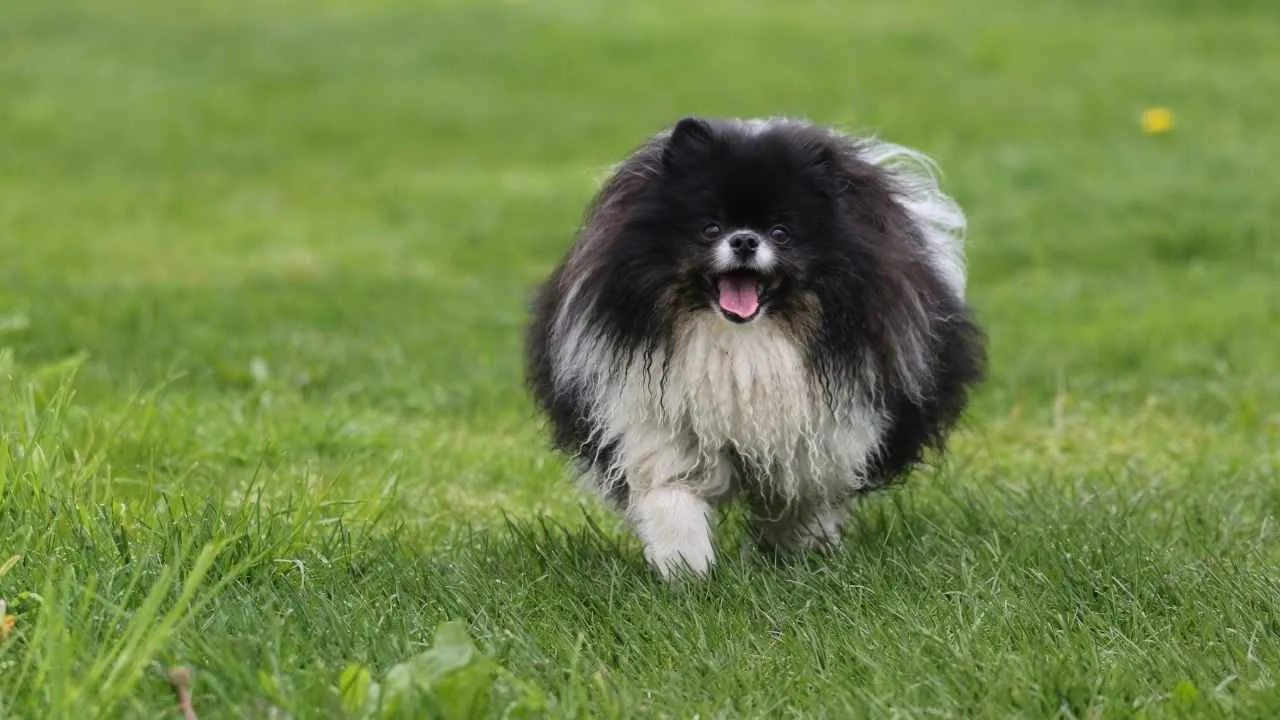
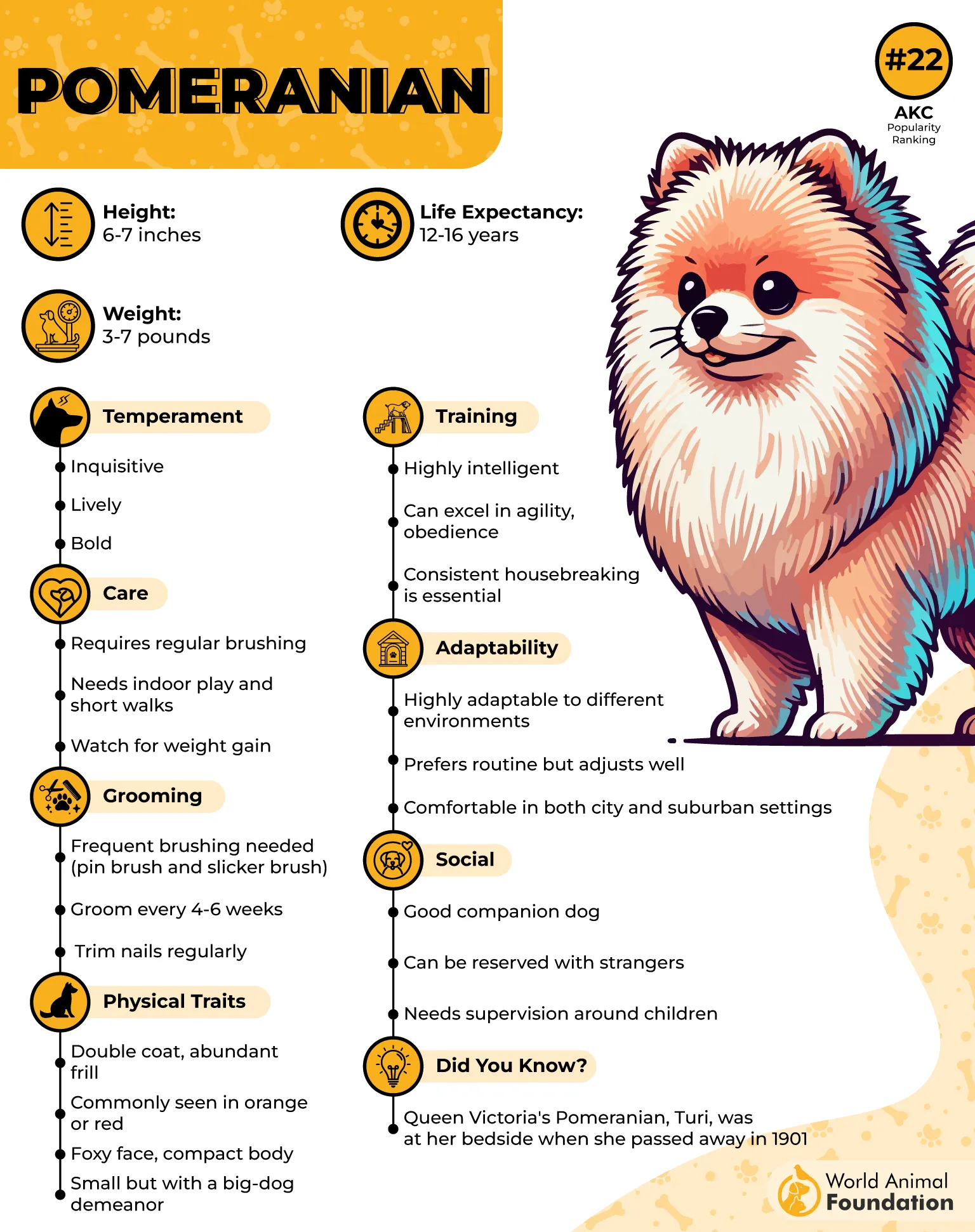
Pomeranian traces its roots to Pomerania in Poland and Germany and is linked to the German Spitz lineage, with smaller puppies selected over time to reduce size, as Omlet reports. The breed is known for alert behavior and lively energy, often staying close to people and observing surroundings.
Engagement and Mental Needs
They are highly intelligent and respond well to structured learning, enjoying tasks that keep the mind active. Early social exposure helps balance its protective reactions toward unfamiliar visitors while maintaining friendly interactions.
To guide interaction and enrichment, these elements are especially helpful:
Enjoys tricks and interactive games
Responds well to obedience and agility activities
Benefits from gradual social exposure
Social Confidence and Guidance
Pom displays strong personality traits, sometimes appearing overly confident despite its small frame. It may bark at unfamiliar sounds and requires steady guidance to prevent dominance behavior. Careful introduction to other pets and environments supports balanced social responses.
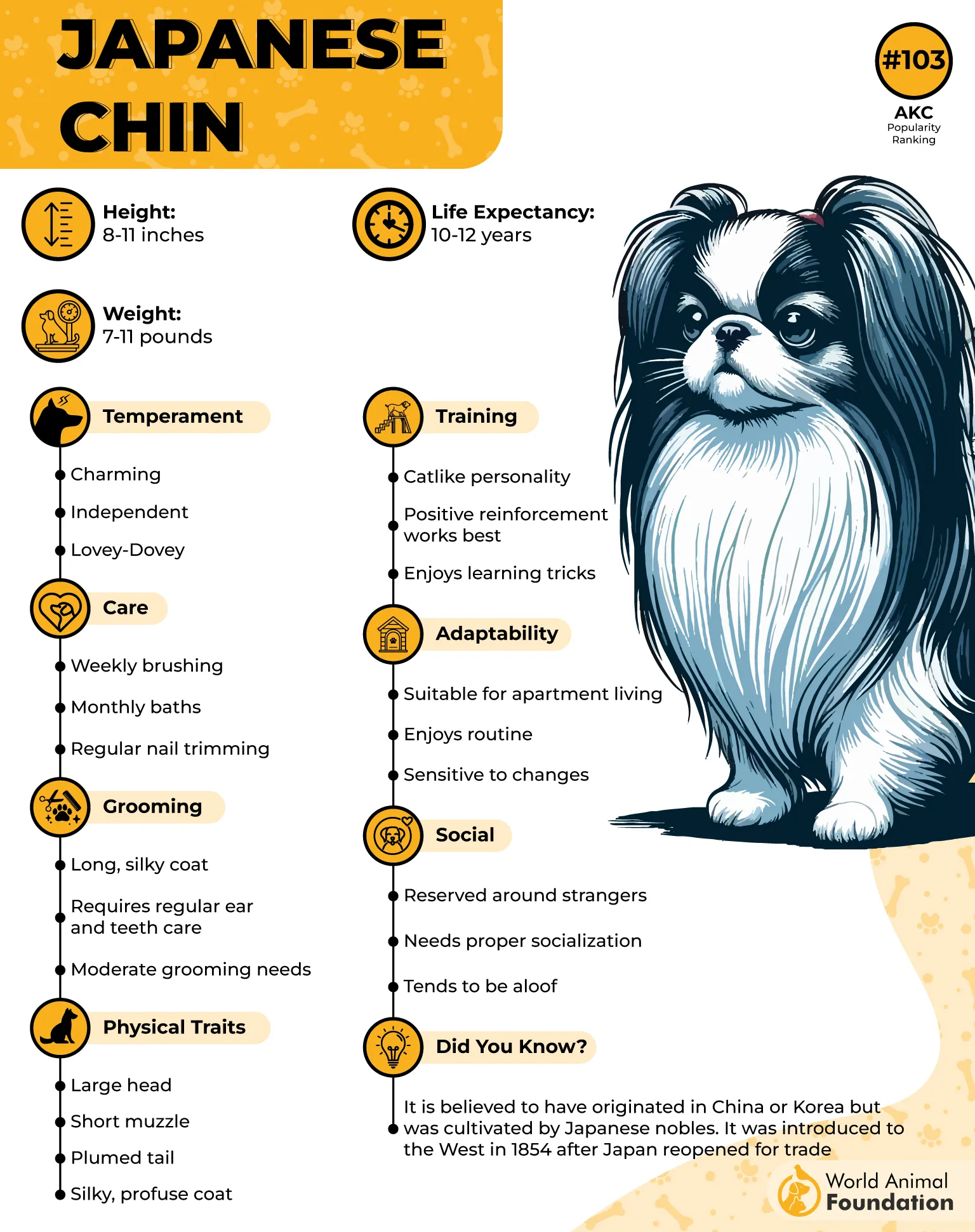
6. Japanese Chin
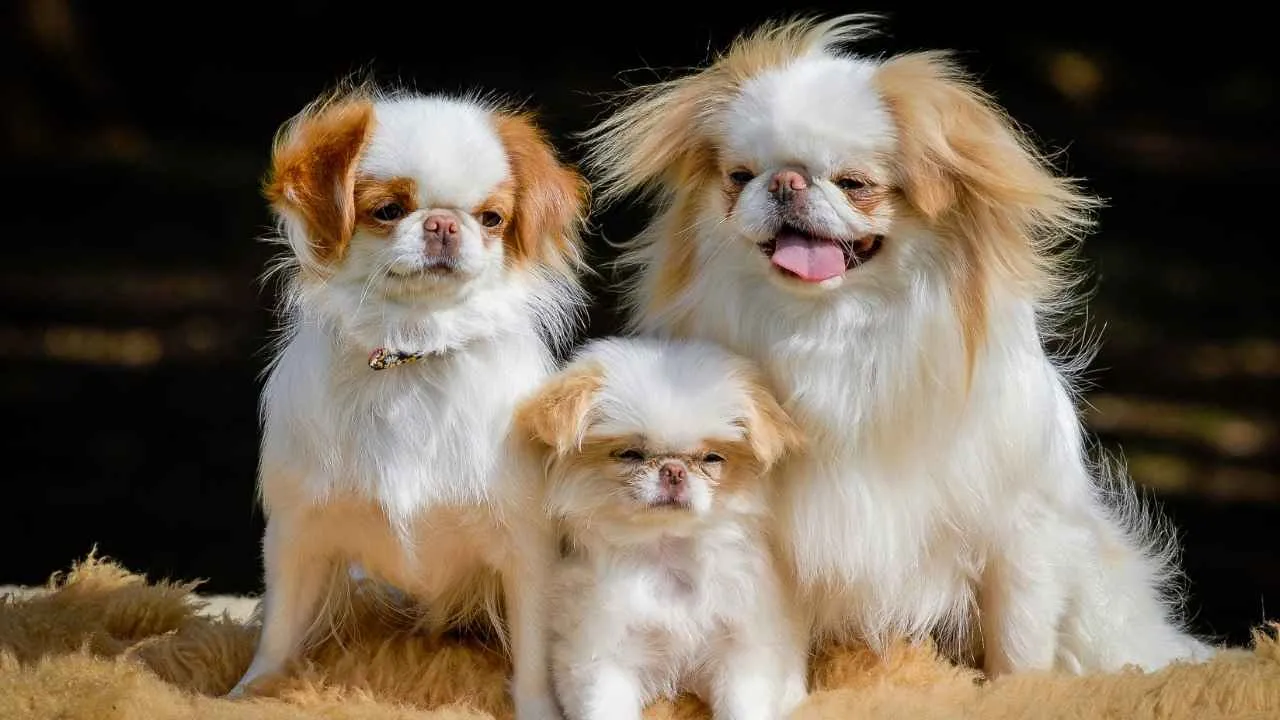
Japanese Chin has existed for centuries and likely originated in China before becoming associated with Japanese royalty. At one time, ownership was restricted to nobility, reflecting its valued status in historical households. Years in high-society environments shaped it into an elegant indoor companion.
Behavior and Household Interaction
This shows cat-like habits, including grooming its face with its paws and enjoying elevated resting spots. The breed is friendly, responds well to family members, and typically greets visitors with alert but welcoming behavior.
These few practical traits guide daily management:
Low daily exercise requirements
Strong recall when properly trained
Needs early social exposure with larger dogs
Coat and Maintenance Needs
Japanese Chin has a coat that requires brushing several times weekly to maintain its condition. The breed rarely needs bathing due to its natural cleanliness and preference to avoid dirt. Attention to facial folds and occasional cold-weather protection supports overall comfort.
7. Brussels Griffon
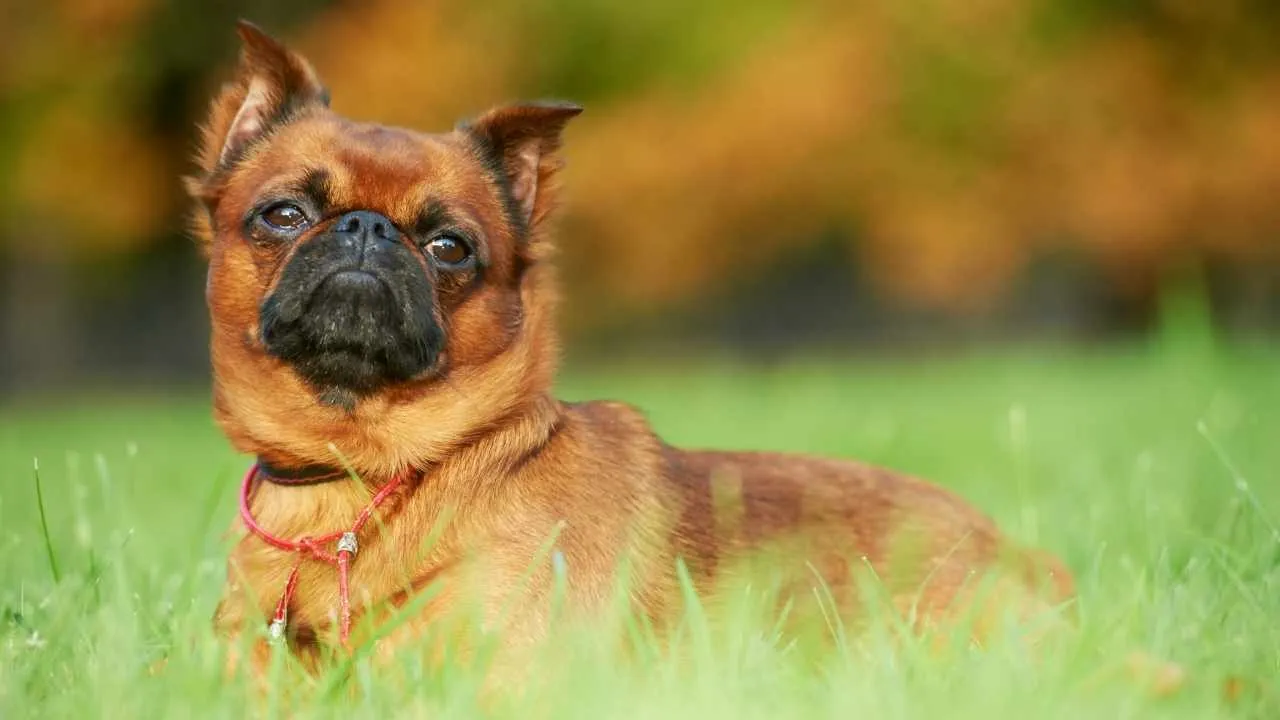
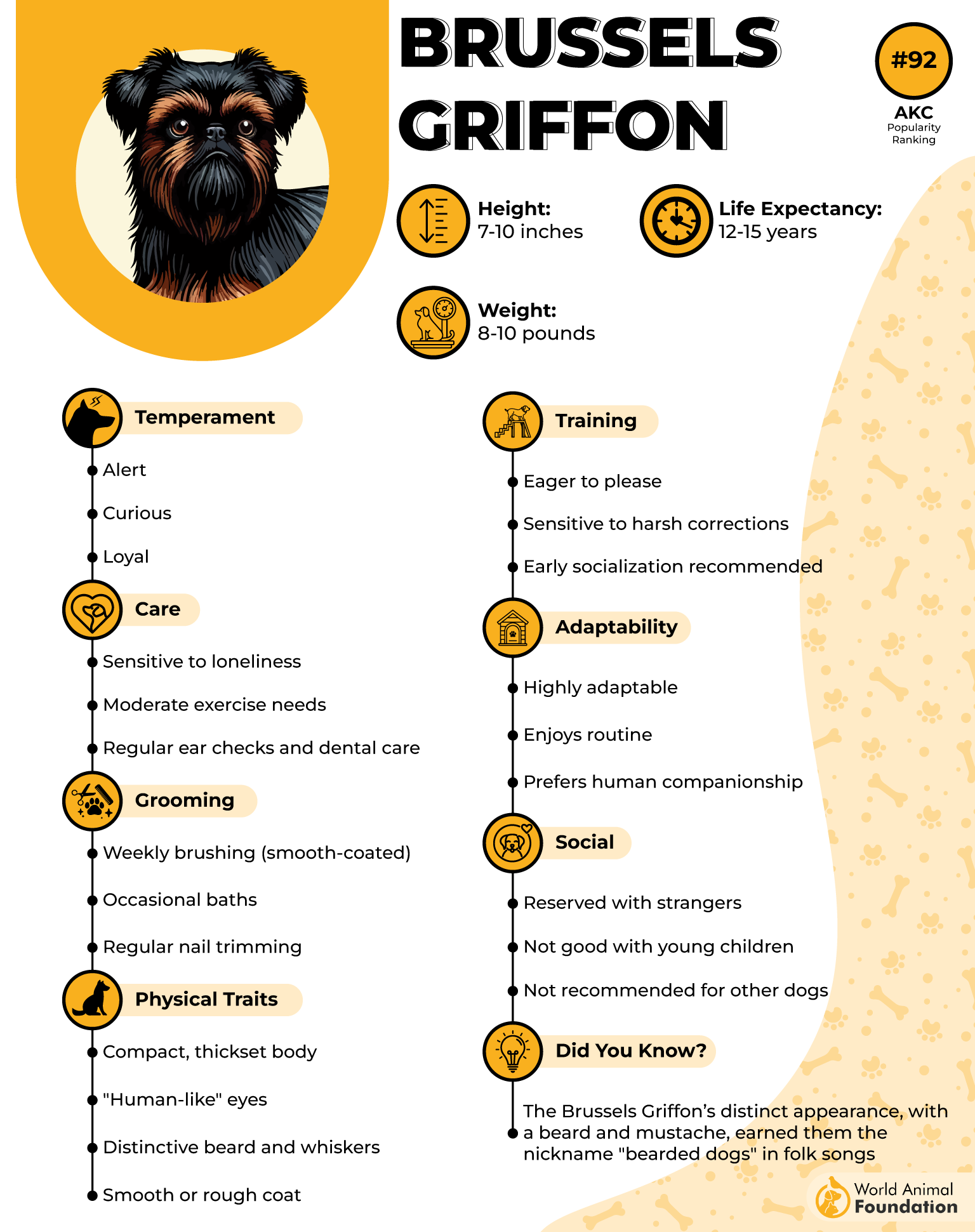
Brussels Griffon originates from Belgium and descends from the Smousje, an old terrier type known for rodent control, with influence from Affenpinscher and Griffon d’Ecurie lines. The breed includes rough and smooth coat varieties recognized under different names depending on type and color.
Companionship and Household Behavior
They form strong attachments within the family and prefer staying close to daily activities indoors. It enjoys physical closeness, often seeking attention, interaction, and shared spaces throughout the home.
Living with this breed means understanding its social needs and responsiveness.
Bonds closely with one or two family members
Learns quickly and responds to reward-based training
Enjoys agility activities and trick performance
Temperament and Social Awareness
They are plucky, active, and generally confident around people when properly socialized. It remains alert to its surroundings and may bark when someone approaches the door. Early exposure to different people and pets helps maintain balanced behavior.
Conclusion
Caring for little dogs means understanding that each particular breed responds differently to daily life. Some may appear as perfect pets, but their needs go beyond appearance. Pet parents who stay attentive to routine, proper training, and interaction help maintain balanced behavior.
A specific breed may show traits like silky hair, an eager-to-please nature, or low tolerance for significant exercise. These excellent family dogs adapt well when guidance stays consistent. For prospective owners, even simple tasks like dog sitting require awareness of their sensitivity. With the right approach, these little dogs continue to live as calm and well-adjusted companions.
