




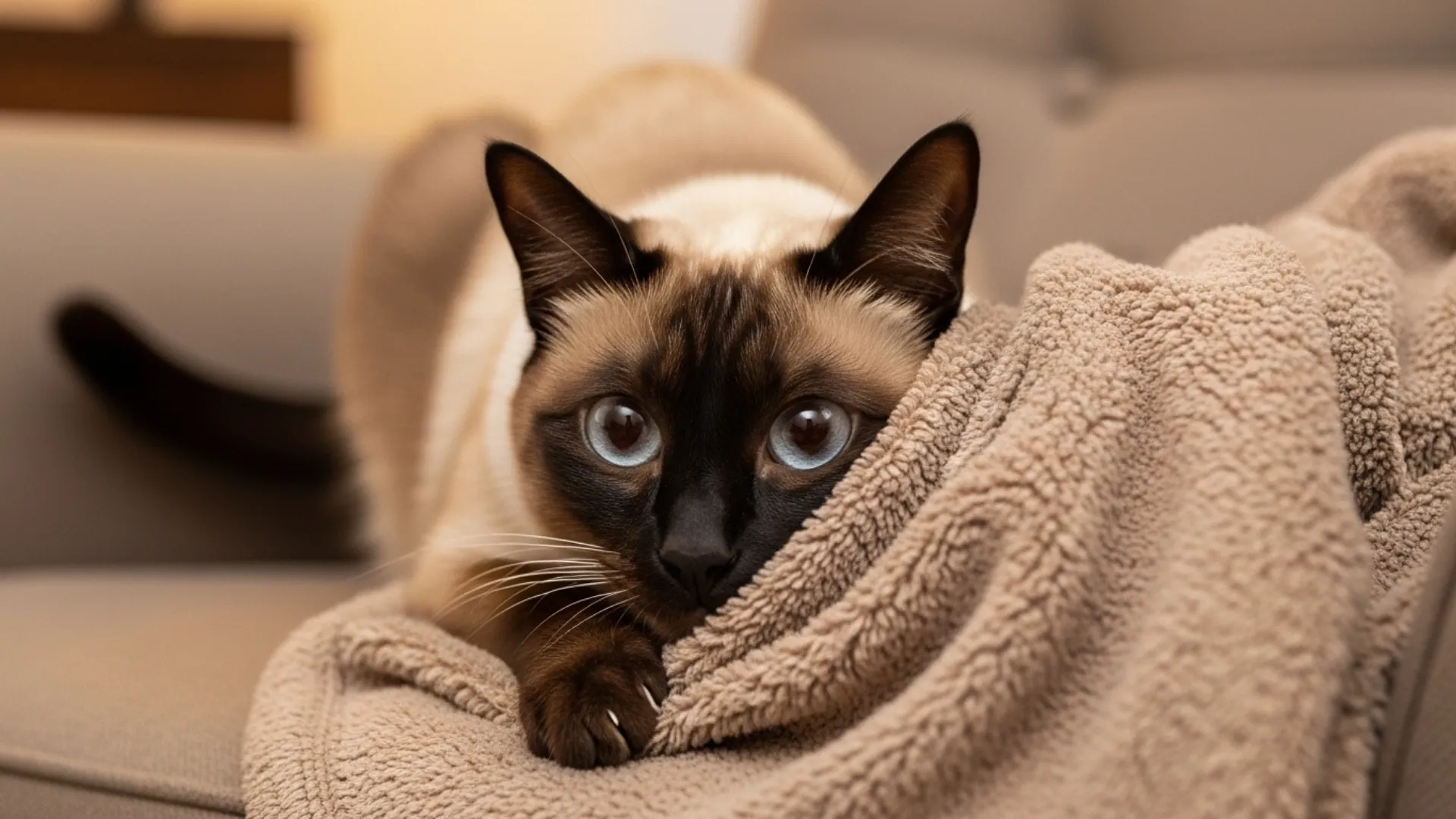
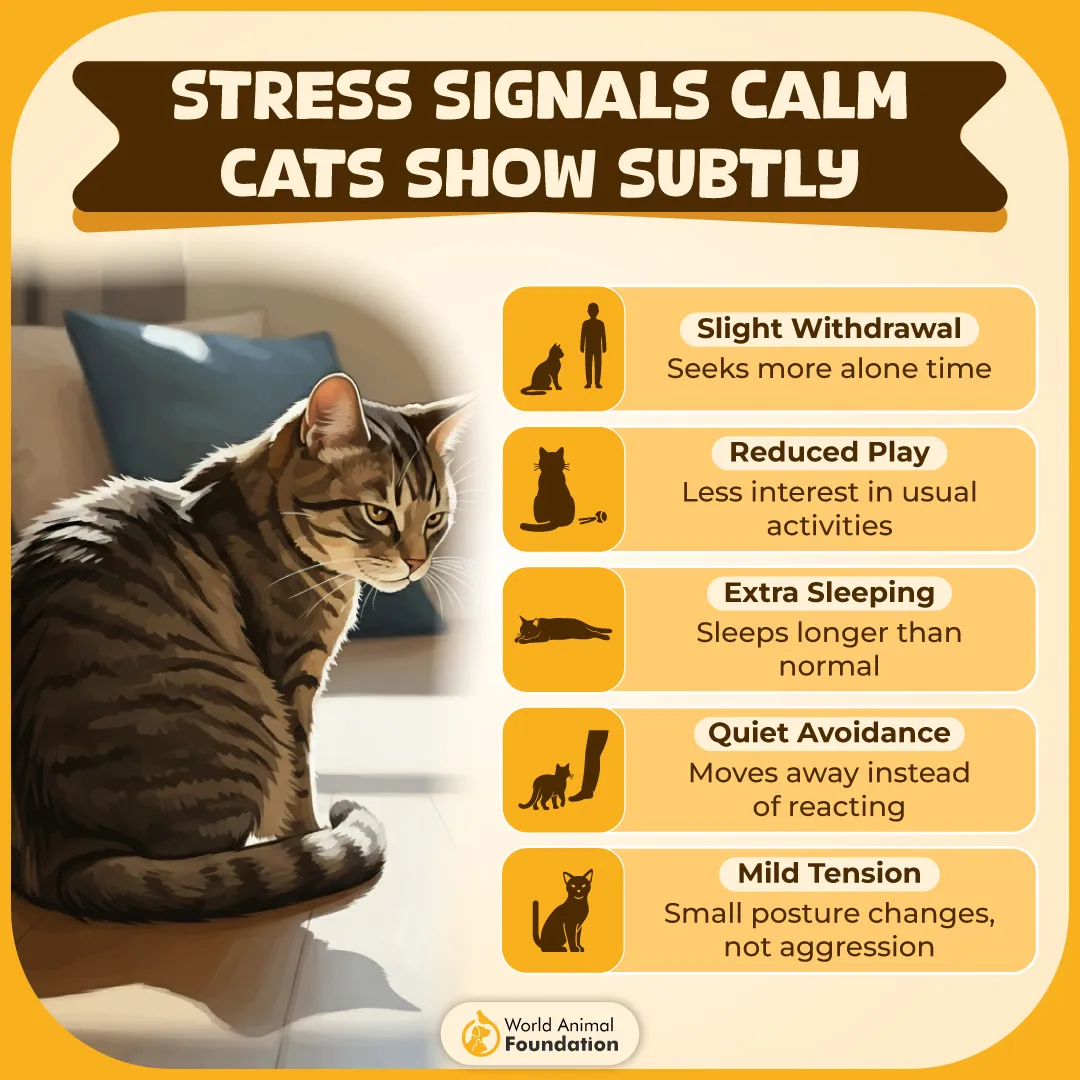
Cats may have a reputation for independence, but many are deeply attuned to human emotions—especially during stressful moments. While some felines retreat when overwhelmed, others actively seek comfort from their favorite people.
Understanding how cats cope with stress and anxiety reveals a softer side of the species: purring to self-soothe, rubbing against trusted companions, or curling into a familiar lap for reassurance.
Certain breeds seem especially inclined to crave connection when tension rises. Cats that are naturally social, mellow, and people-oriented are more likely to respond to stress by strengthening their bond rather than withdrawing.
There’s a powerful link between emotional sensitivity and affection in the feline world. These empathetic companions often sense shifts in mood and respond with gentle vocalizations, steady presence, or quiet snuggles. For many households, that comforting closeness becomes a source of calm, connection, and everyday emotional support.
Cat Breeds That Seek Comfort During Stress
1. Ragdoll
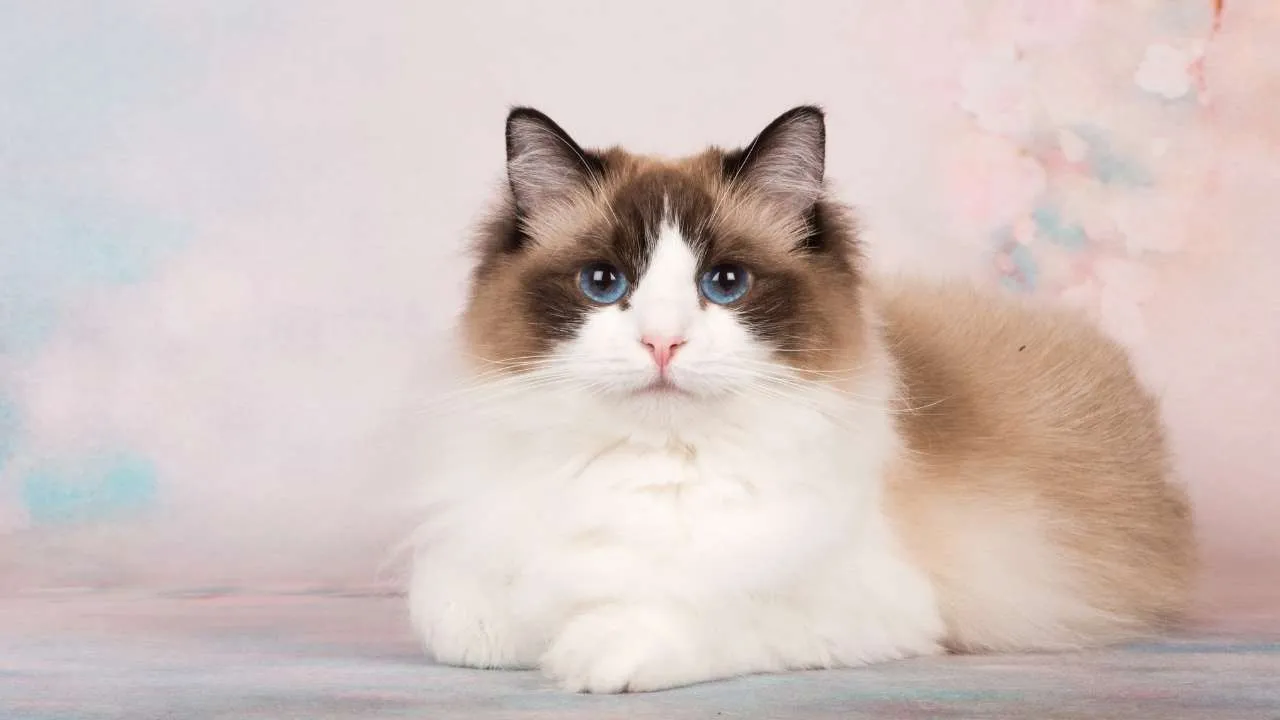
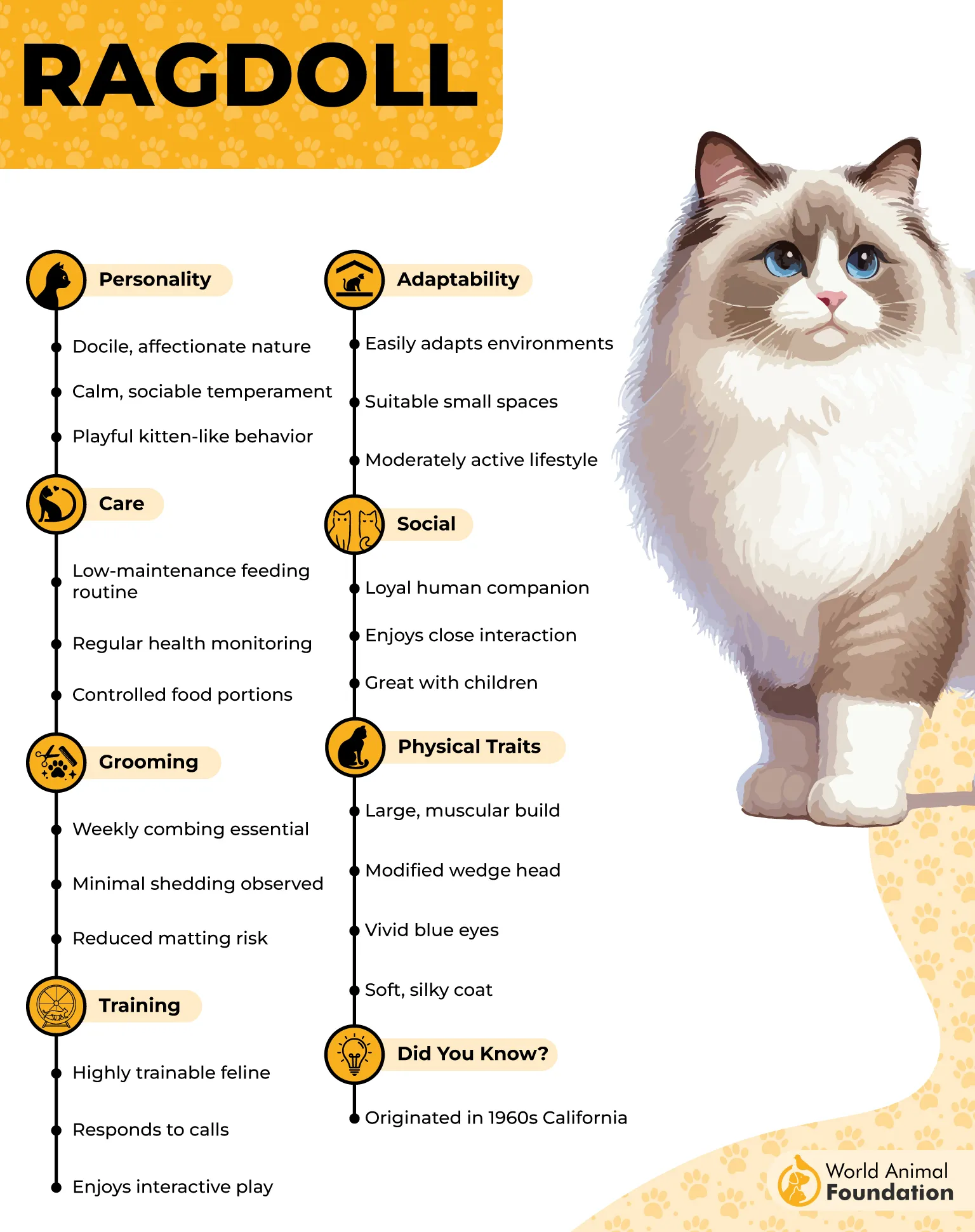
Ragdolls are often nicknamed “puppy cats” or the ultimate “Velcro cats”. According to Petplan, although they are among the largest domestic cat breeds, they are characterized as loyal and playful and are selectively bred for their exceptionally soft coats and striking blue eyes.
The Velcro Cat Who Stays Close
When stress creeps in, Ragdolls don’t retreat—they lean in. Deeply bonded to their humans, they prefer to remain nearby, quietly following from room to room and settling beside you for reassurance.
Their famously relaxed temperament means they rarely startle or overreact. Instead, they offer steady companionship, often melting into your arms or stretching out for belly rubs, providing a calming, grounding presence.
Unlike more vocal breeds, Ragdolls communicate softly through expressive gazes and subtle sounds, creating a peaceful atmosphere during tense moments. Their adaptability also helps them adjust to new spaces without excessive anxiety.
Fun fact: Ragdolls are known for going completely limp when picked up, a floppy trait that inspired their name.
2. Siamese
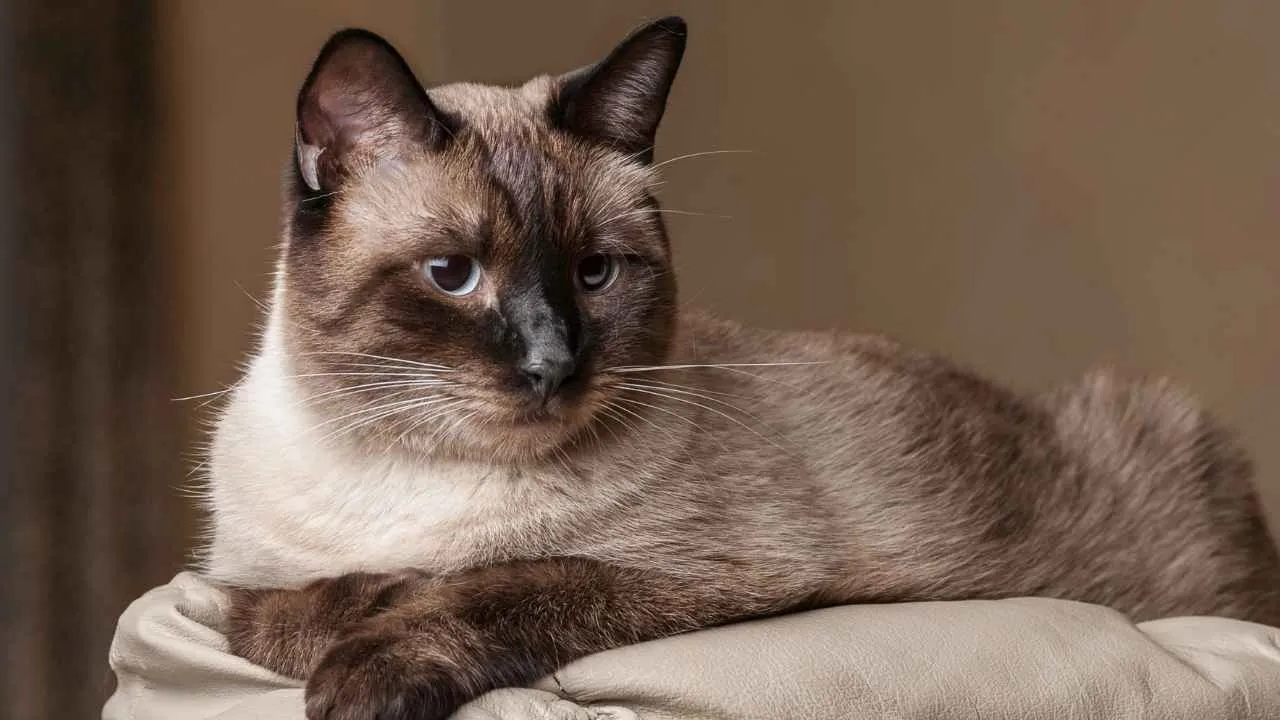
Siamese cats—sometimes called “Meezers,” including the beloved Blue Point and Seal Point varieties. Elegant and vocal, they combine refined looks with an intensely people-oriented personality that thrives on close companionship.
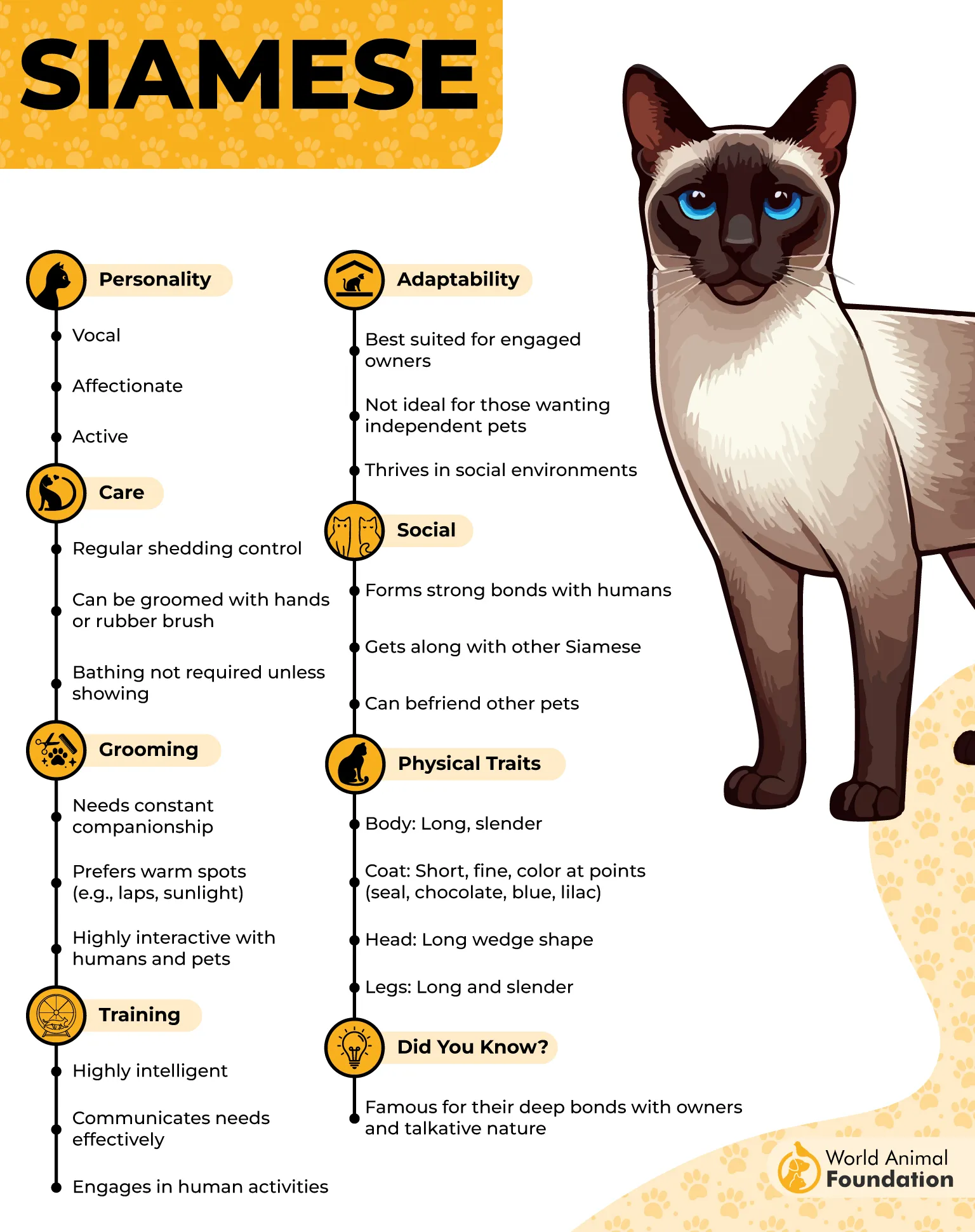
According to Britannica, the Siamese is described as a slender, long-bodied cat with slim legs, a long, narrow tail, a wedge-shaped head, and distinctive blue eyes.
A Gentle Soul That Seeks a Lap
When faced with stress, the Siamese doesn’t hide—they seek closeness. Deeply bonded to their humans, they often climb onto laps, perch on shoulders, or curl beside you, purring steadily as if offering comfort in return.
Their sociable and trusting temperament means they prefer connection over solitude. During tense moments, they may “talk” softly, using expressive meows to maintain reassurance and emotional contact.
Though playful and energetic, they settle into affectionate calm when near their favorite person, finding security in physical closeness. With consistent attention and gentle handling, they become loyal companions who actively seek soothing interaction.
Fun fact: Blue Point Siamese are genetically diluted versions of the darker Seal Point, giving them their softer, silvery-blue coloring.
3. Burmese
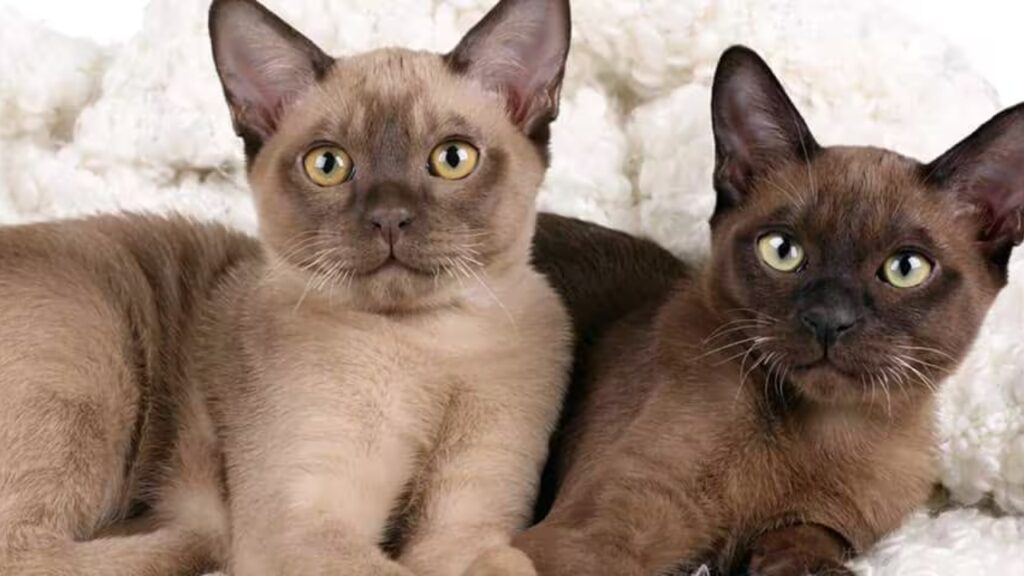
The Burmese—sometimes affectionately nicknamed the “dog-cat”—originated in Southeast Asia and was developed to be loving, intelligent, and less sharp-voiced than the Siamese. Compact yet muscular, with a sleek coat and expressive eyes, this breed is known for its warmth, loyalty, and people-centered nature.
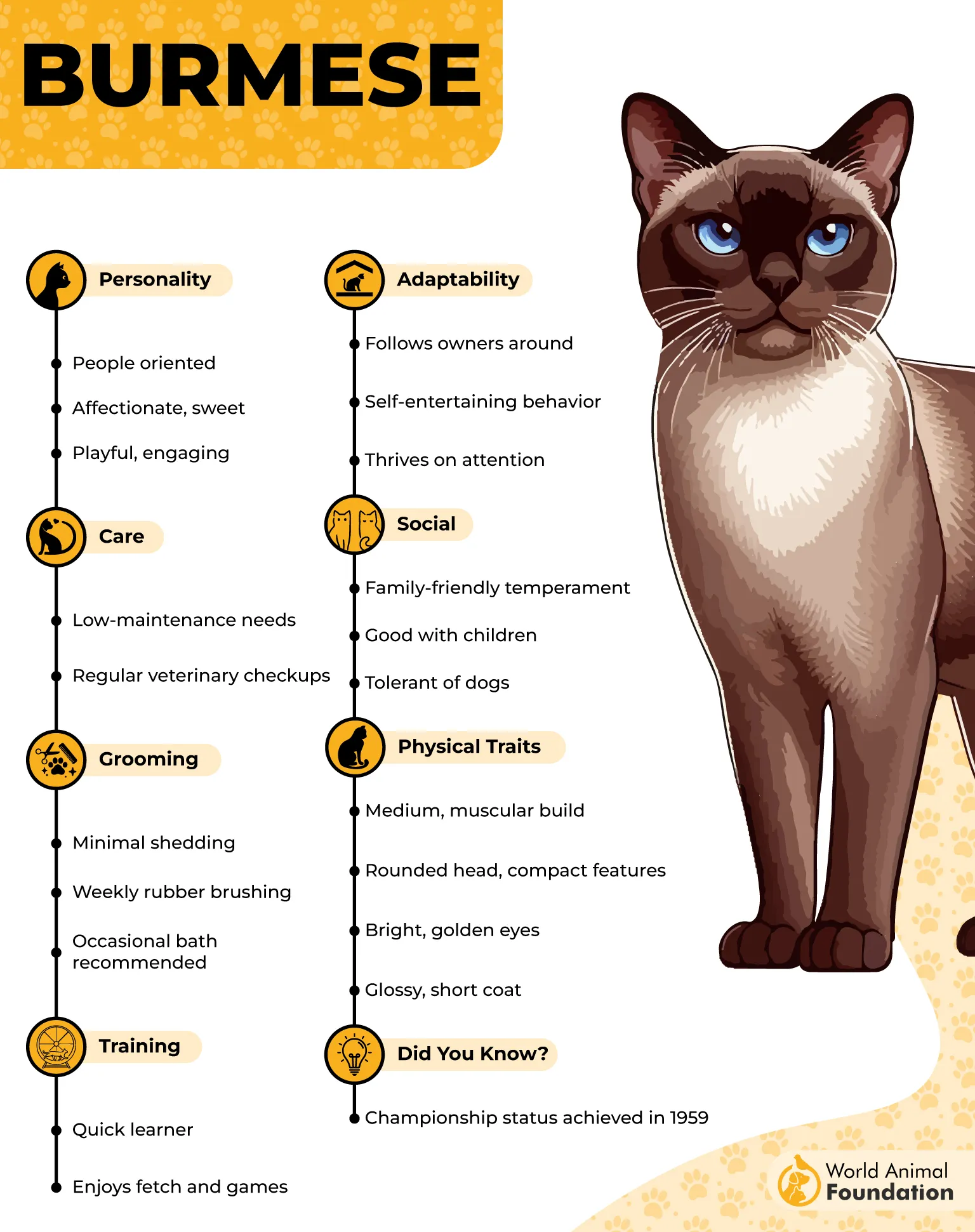
According to Purina, this breed is described as having large, round eyes and a face that subtly reflects exotic Asian influences while remaining balanced and attractive.
Quietly Affectionate in Uncertain Moments
When stress arises, Burmese cats rarely withdraw. Instead, they seek reassurance through closeness, shadowing their favorite person from room to room and settling beside them for steady companionship.
Their affectionate temperament makes physical contact especially comforting. Whether curling on the sofa or sharing a pillow at night, they prefer shared space over solitude during uncertain times.
Though capable of playful chatter, their voice is softer than many related breeds, creating a calm atmosphere rather than adding tension. Intelligent and intuitive, they often sense shifts in mood and respond with gentle presence rather than overwhelming energy.
Fun fact: Early Burmese gained the nickname “dog-cat” because they can learn to retrieve toys and eagerly perform tricks for their humans.
4. Sphynx
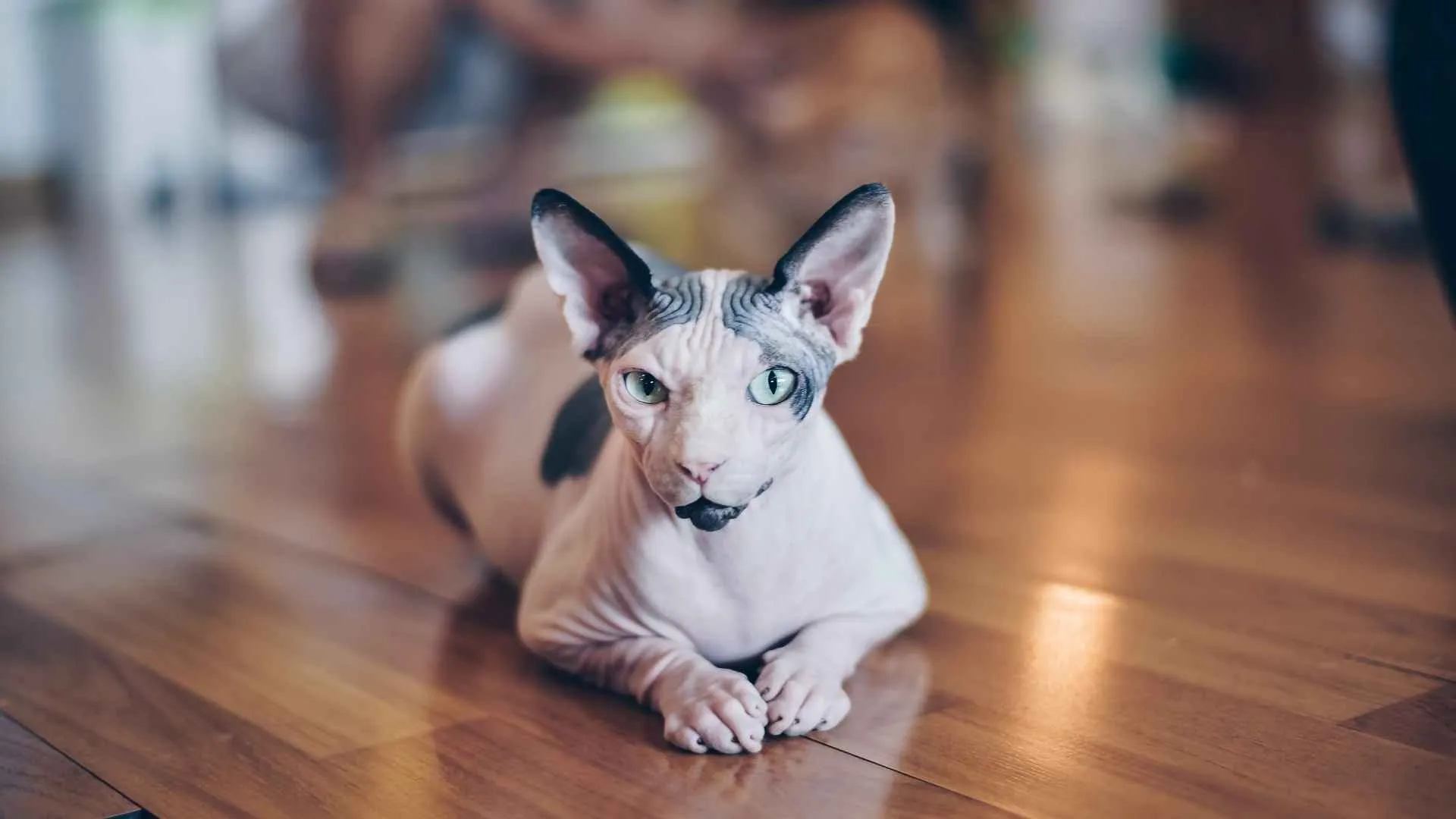
The Sphynx—sometimes described as the “dog in a cat suit”—is instantly recognizable for its hairless body, warm suede-like skin, and expressive wrinkles. Though lacking fur, their skin displays colors and patterns similar to coated cats, from tabby stripes to calico patches, adding to their distinctive charm.
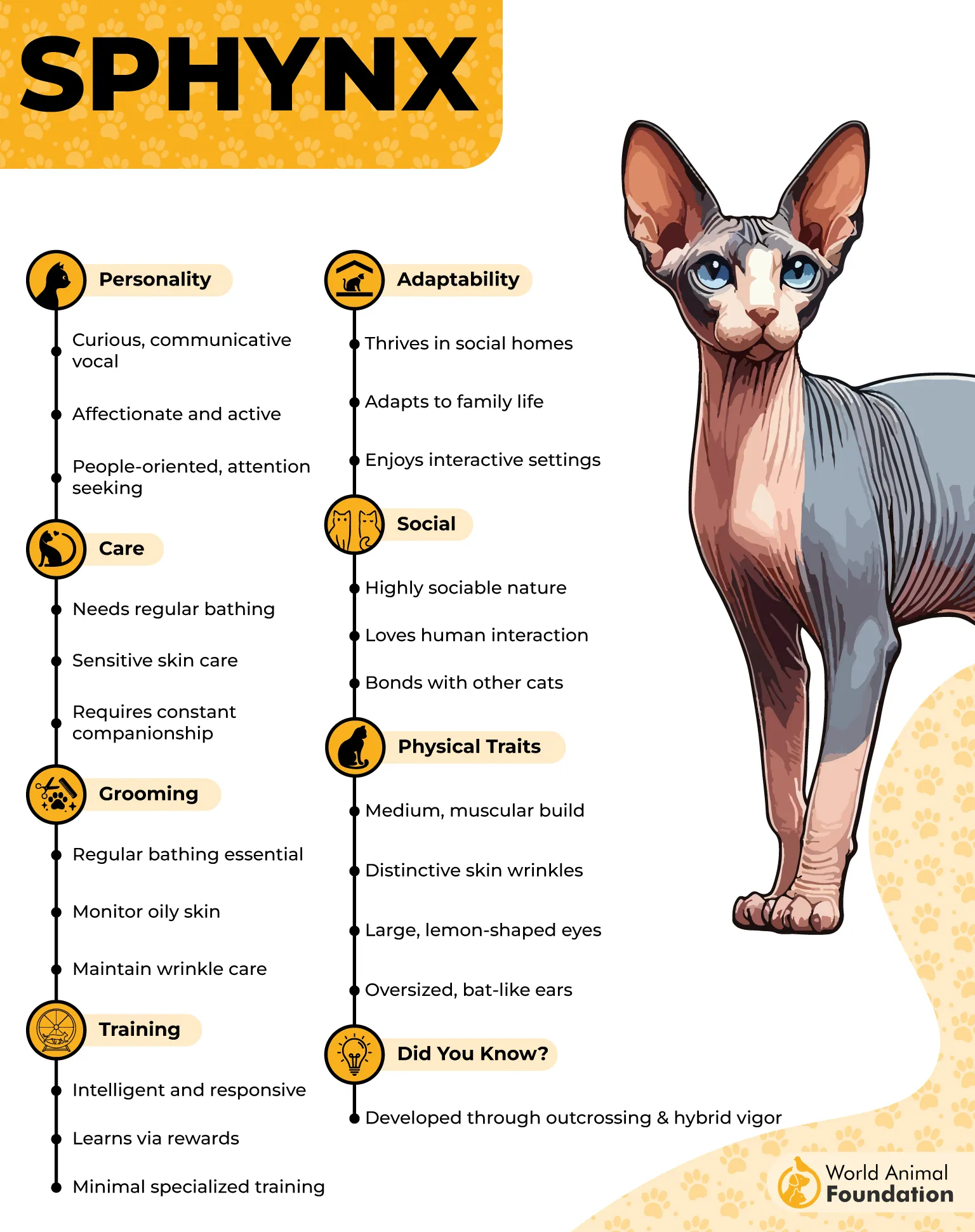
The Soft-Spoken Snuggler
When stress surfaces, the Sphynx seeks warmth—both emotional and physical. With a naturally high body temperature and no insulating coat, they gravitate toward laps, shoulders, and even beneath blankets for comfort and security.
Deeply social and people-focused, they dislike being alone and prefer to stay close during uncertain moments. Their steady purrs, gentle chirps, and conversational trills often serve as soothing background sounds in tense situations.
Confident yet affectionate, they thrive on interaction and reassurance. Whether greeting you at the door or curling against your chest, they respond to stress by strengthening their bond rather than withdrawing.
Fun fact: Because they lack fur, Sphynx cats have a faster metabolism and require more calories than many other breeds of similar size.
5. Tonkinese
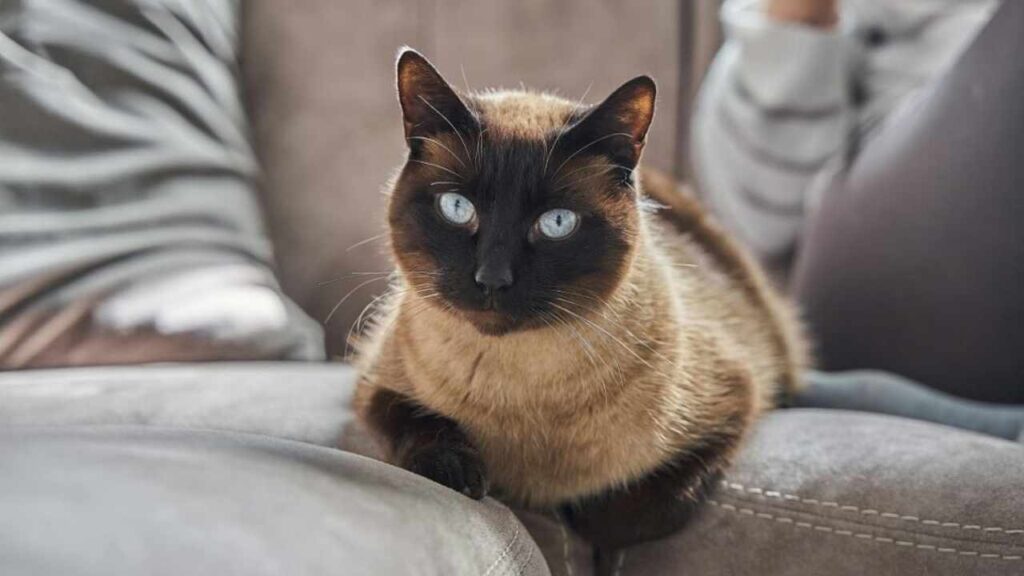
The Tonkinese—affectionately known as the “Tonk”—is a blend of Siamese and Burmese heritage. With expressive eyes, a sleek coat, and a balanced build, this breed combines intelligence, warmth, and playful charm in one devoted companion.
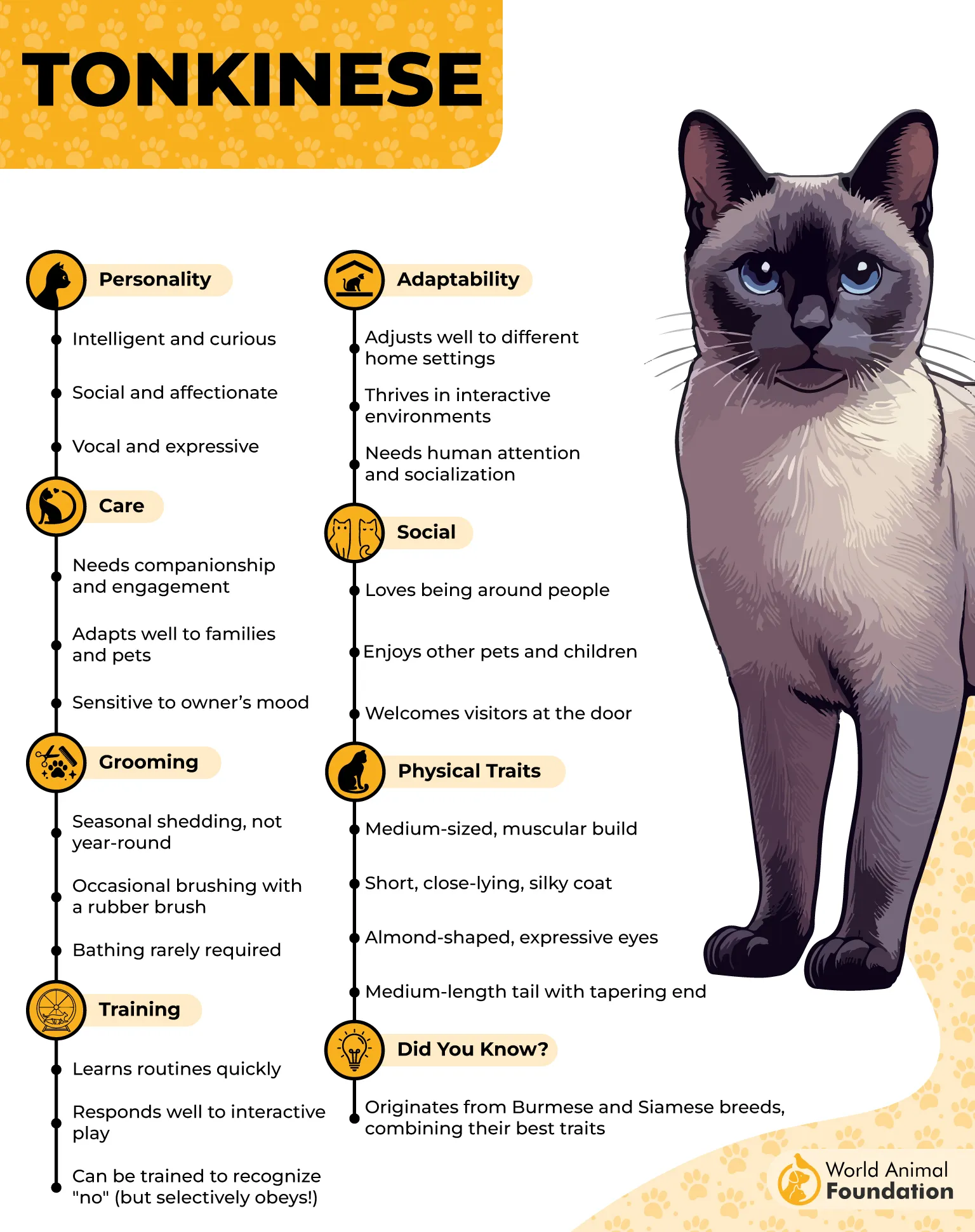
A Loyal Companion During Change
When routines shift or tension rises, the Tonkinese responds by staying close. Deeply bonded to their humans, they often trail behind you from room to room, seeking reassurance through shared presence rather than solitude.
Naturally affectionate and people-focused, they are true lap cats who welcome cuddles during uncertain moments. Their steady loyalty helps create a sense of stability, especially in busy households or times of adjustment.
Sociable and adaptable, they generally do well with children, other cats, and even friendly dogs. Though conversational, they are typically less sharp-voiced than their Siamese relatives, offering connection without overwhelming noise.
Fun fact: The Tonkinese was intentionally developed by crossing Siamese and Burmese cats to combine the affectionate nature of both breeds.
6. Birman
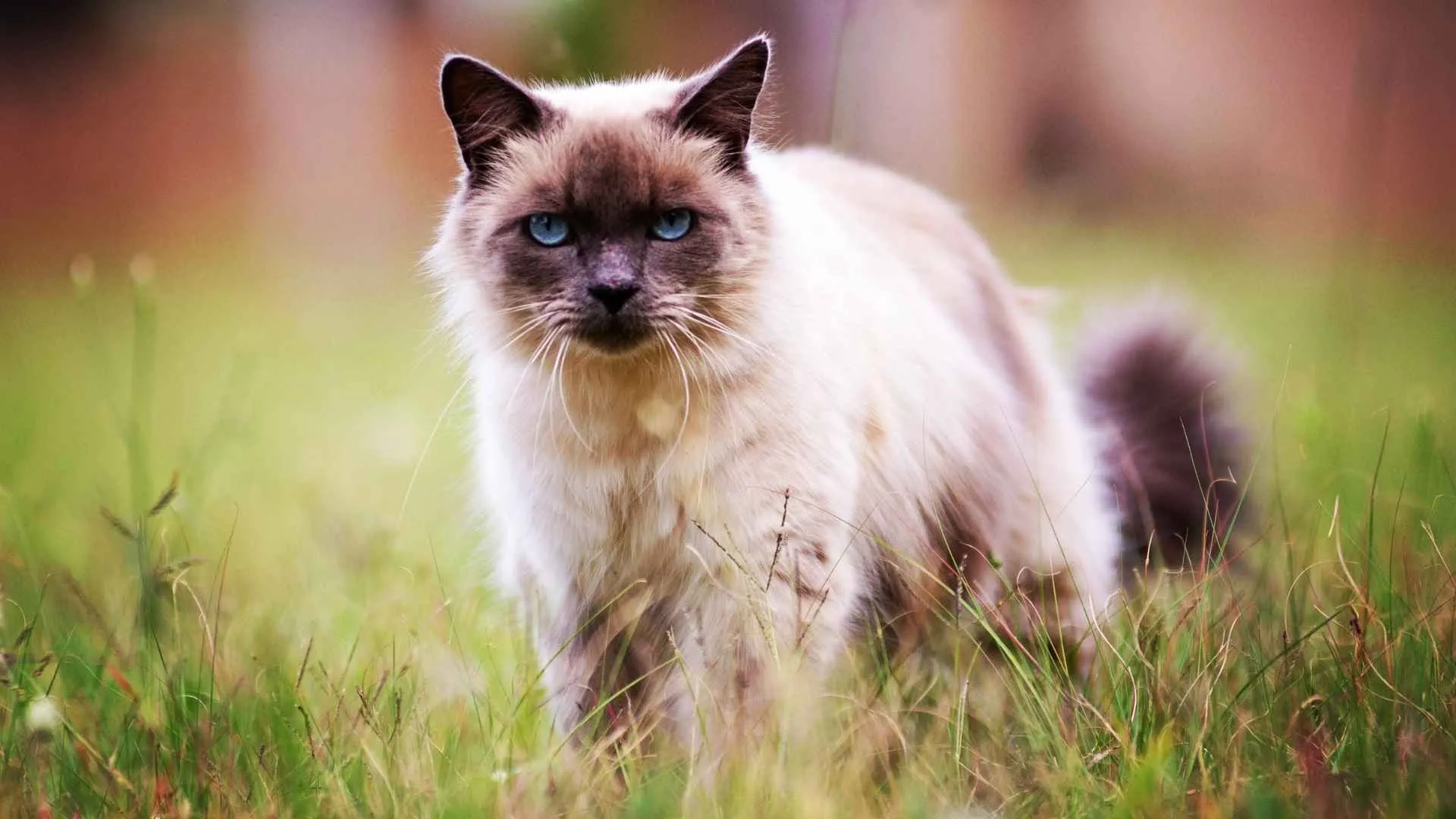
The Birman—also known as the Sacred Birman or “Sacred Cat of Burma”—is admired for its silky coat, deep blue eyes, and elegant color-point markings. Calm and people-oriented, this breed has lived alongside humans for generations and is known for forming especially strong bonds with one chosen favorite.

Sensitive and Deeply Attached
When stress unsettles the household, the Birman gravitates toward their trusted person. Rather than hiding, they quietly follow, settle nearby, and offer steady companionship that feels reassuring without being overwhelming.
Gentle and affectionate, they dislike being left alone for long stretches. Quality time, soft interaction, and a predictable routine help them feel secure during uncertain moments.
Though generally placid, Birmans are emotionally perceptive and may become quietly jealous if attention shifts too far away. They express their needs in a soft, polite voice rather than loud demands, maintaining a peaceful atmosphere.
Fun fact: While typically healthy, Birmans can be predisposed to hypertrophic cardiomyopathy, making regular veterinary checkups especially important.
7. Maine Coon
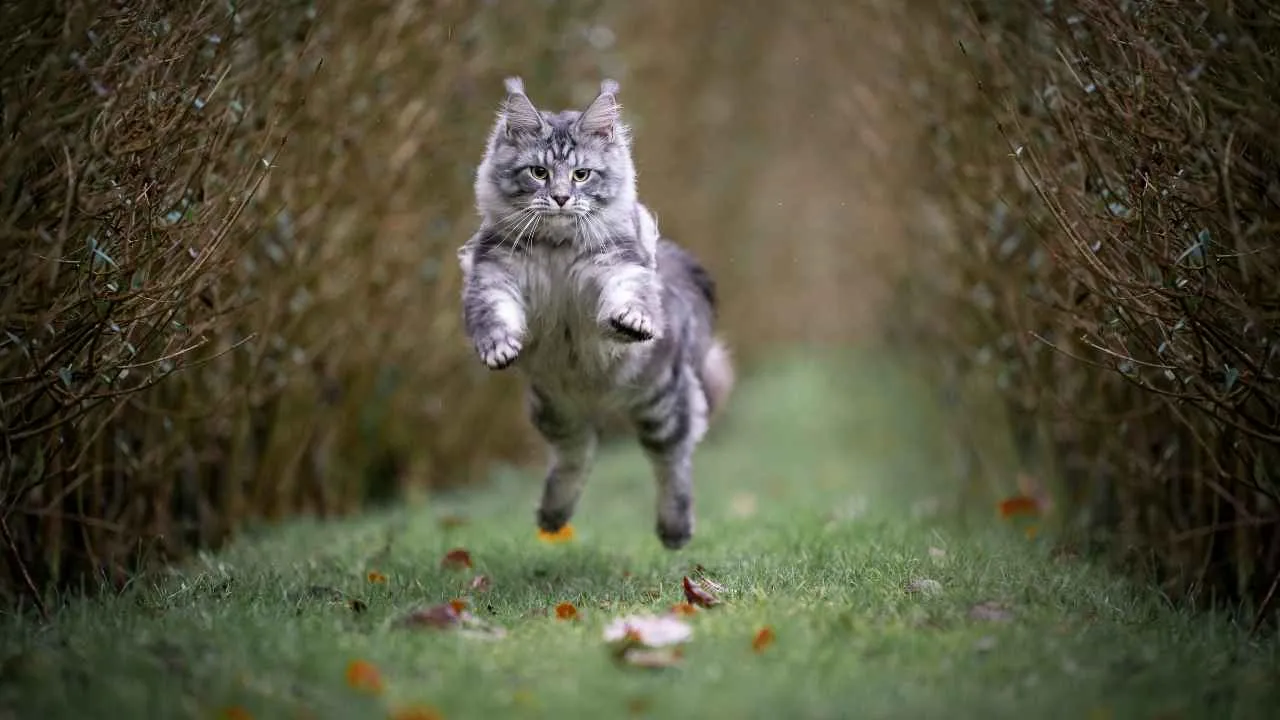
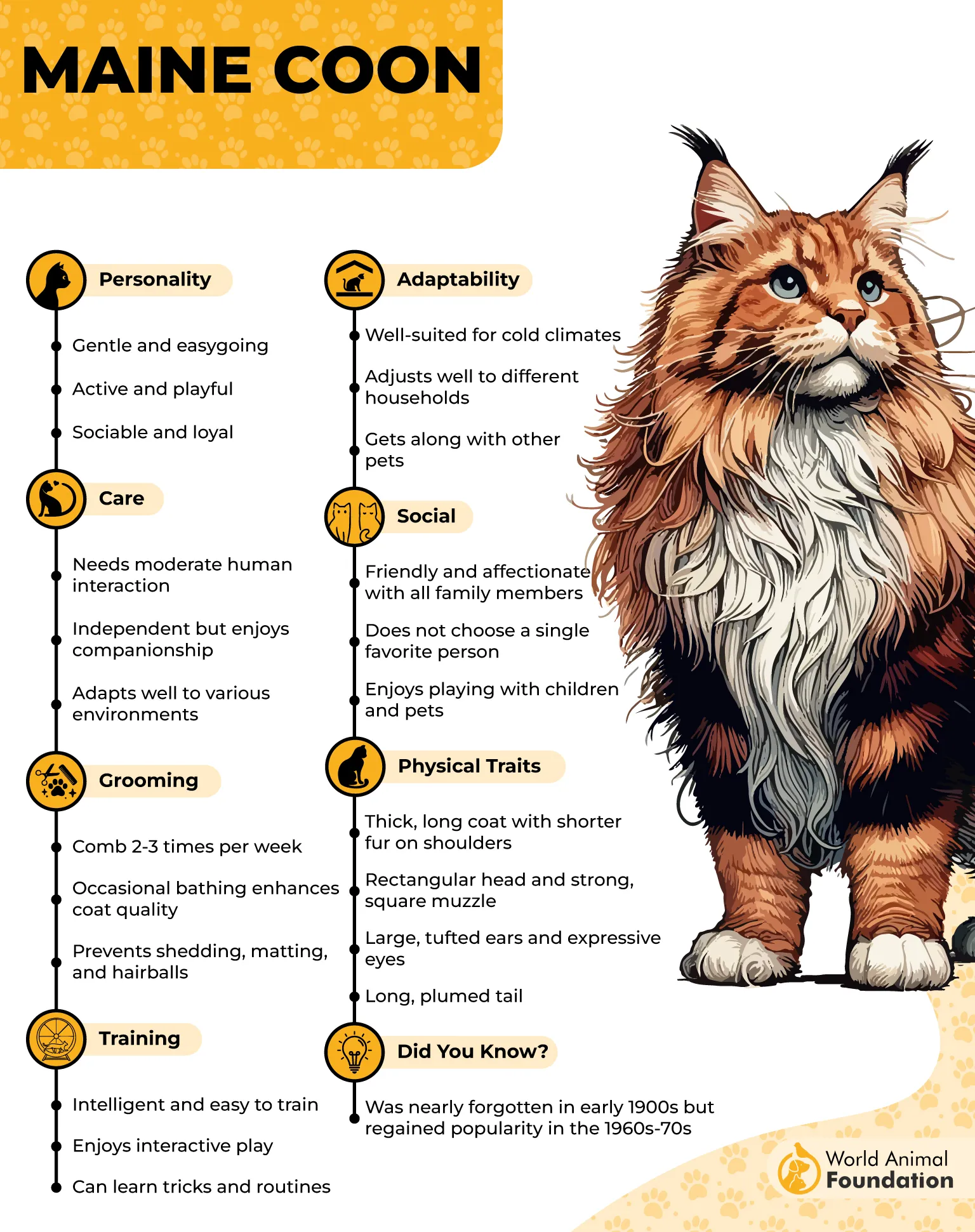
The Maine Coon—often called the “gentle giant”—is one of America’s most beloved native breeds. Recognized for its impressive size, tufted ears, and long double coat, this affectionate feline pairs striking looks with a calm, people-centered temperament.
Comfort-Oriented and People-Focused
When stress enters the home, Maine Coons respond with steady companionship. Known for their therapy-cat qualities, they enjoy sitting close, accepting gentle petting, and offering a reassuring presence that helps ease tension.
Deeply attached to their routines and environment, they find security in predictable schedules. Regular mealtimes, shared play sessions, and quiet moments together strengthen their sense of trust and emotional stability.
Though large and powerful, their demeanor is laid-back and tolerant. They often greet family members at the door and calmly follow from room to room, preferring involvement over isolation during uncertain times.
Fun fact: Despite old myths, Maine Coons are not part raccoon—though their bushy tails and hunting skills certainly sparked the legend.
Conclusion
In moments of uncertainty, certain top cat breeds naturally move closer instead of pulling away. From the ragdoll cat and Maine Coon to Siamese, Burmese, Birman, Tonkinese, and Sphynx, these affectionate breeds are known for their gentle nature, calm demeanor, and loving nature.
They thrive on human companionship and constant interaction, offering a soothing presence that supports emotional well-being. For many cat owners, these feline companions become great companions during everyday life, especially for those needing emotional support.
While every cat is unique, some of the best cat breeds are often considered excellent emotional support animals because of their easygoing nature and desire for human interaction. Emotional support cats can provide emotional support and stress relief simply by staying close.
Whether you’re exploring emotional support cat breeds like the Russian Blue cat or even Manx cats, a licensed mental health professional can help guide your emotional journey if you’re seeking emotional support cat online.
With their calming presence, playful nature, and laid-back attitude, these gentle cat breeds truly make ideal emotional support animals, even alongside other pets.
