




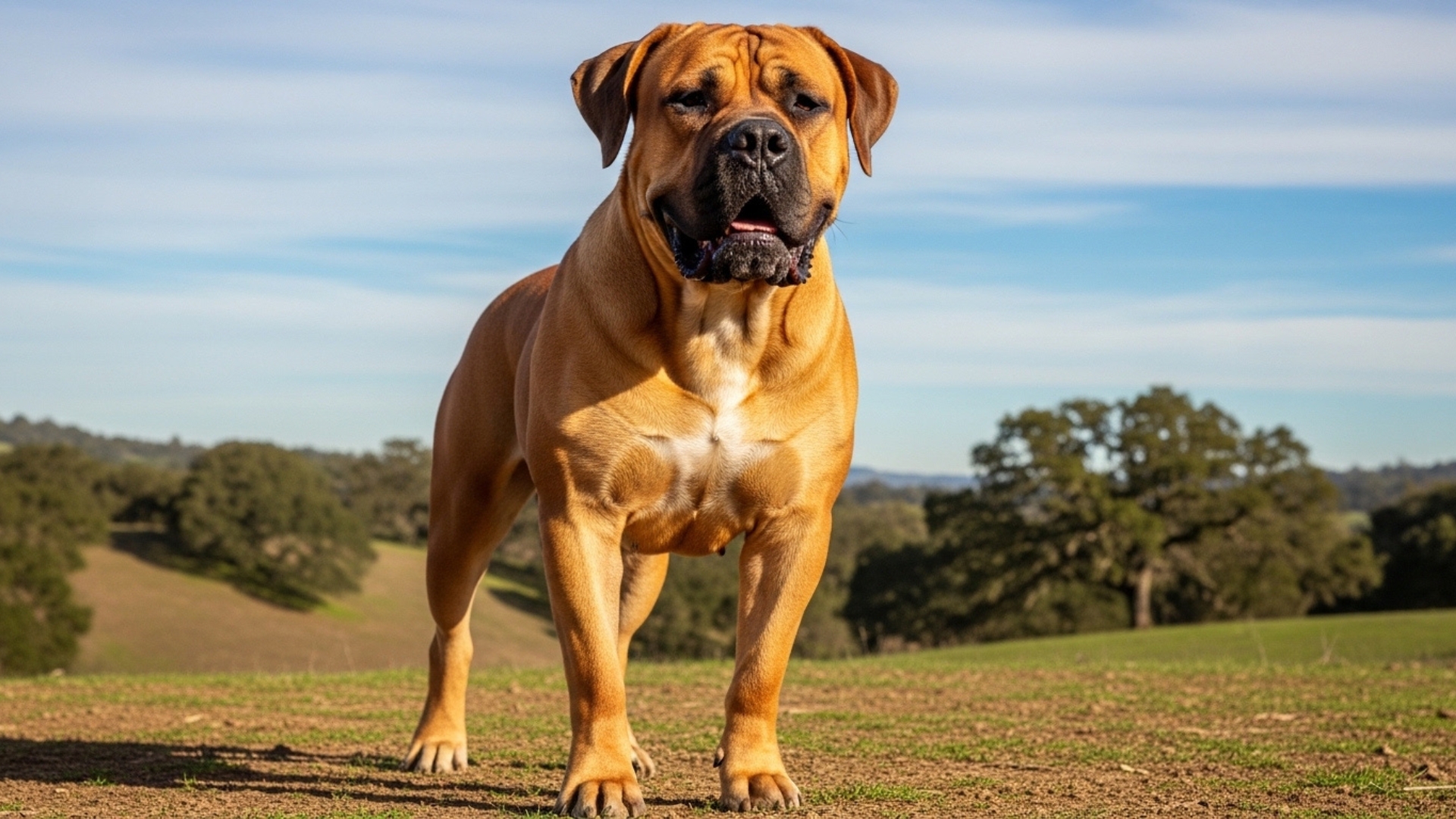
Strength often carries the wrong reputation. People see a powerful dog and imagine tension, control, or constant discipline. Yet many strong dogs carry a temperament that feels surprisingly calm, patient, and gentle around the people they love.
Their size or muscle does not define them as much as their steady nature does. These dogs move with confidence but respond with care. They are capable of protecting, working, and enduring demanding tasks, yet they soften instantly when they sense trust from their family.
That quiet balance between strength and gentleness creates a companion that feels both reassuring and comforting. Living with such a dog changes how people think about power. It shows that strength can exist without harshness, and authority can coexist with warmth.
The breeds explored in this article demonstrate how remarkable that balance can be, revealing dogs whose powerful presence is matched by patience, loyalty, and a naturally gentle spirit.
Key Takeaways
Strength in a dog does not always mean intensity, and several breeds prove that power can live alongside patience and warmth.
Boerboel and Great Pyrenees developed as guardians, but their loyalty and family attachment reveal a steady and thoughtful temperament.
Newfoundland and Saint Bernard add physical power to their history while remaining patient, affectionate, and dependable around trusted people.
Keep going to explore how these dogs balance guarding instincts with everyday gentleness.
Dog Breeds Exhibiting Strength and A Gentle Nature
1. Boerboel
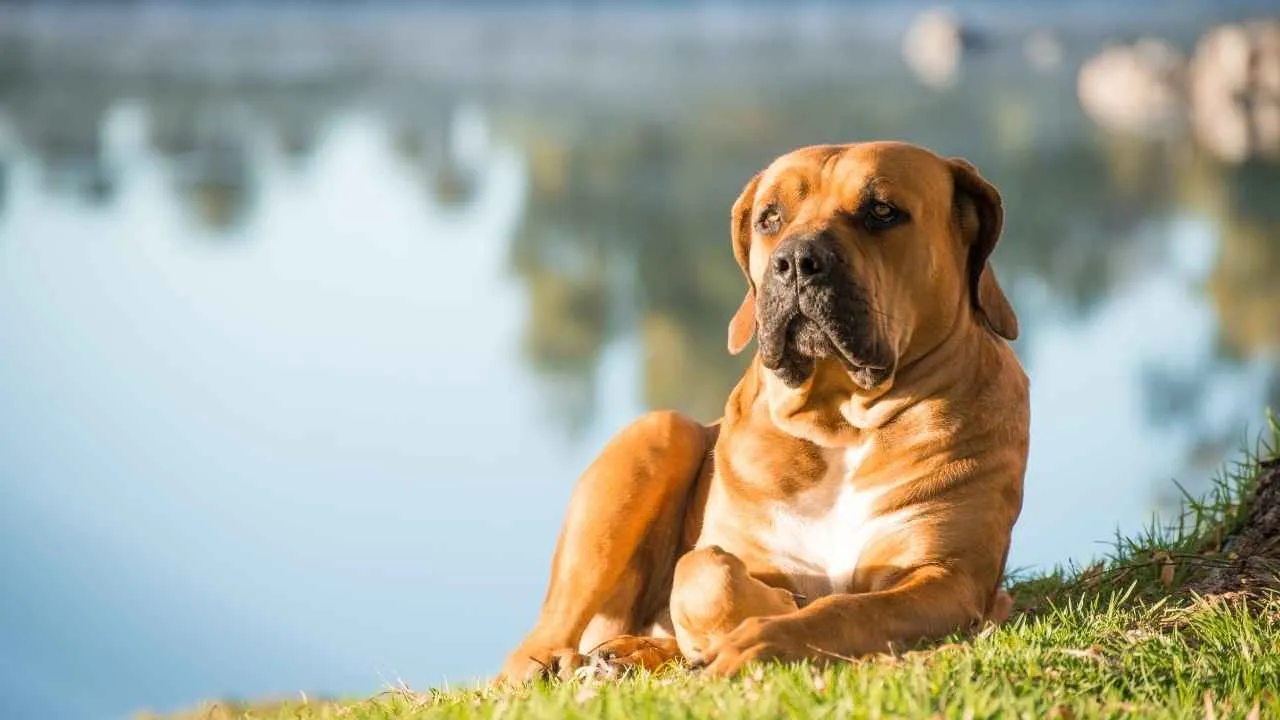
The Boerboel developed in remote South African homesteads where guarding against dangerous predators was essential. Its role required confidence, awareness, and steady control in challenging rural environments. This background shaped a dog closely linked to household defense.
Structure and Working Character
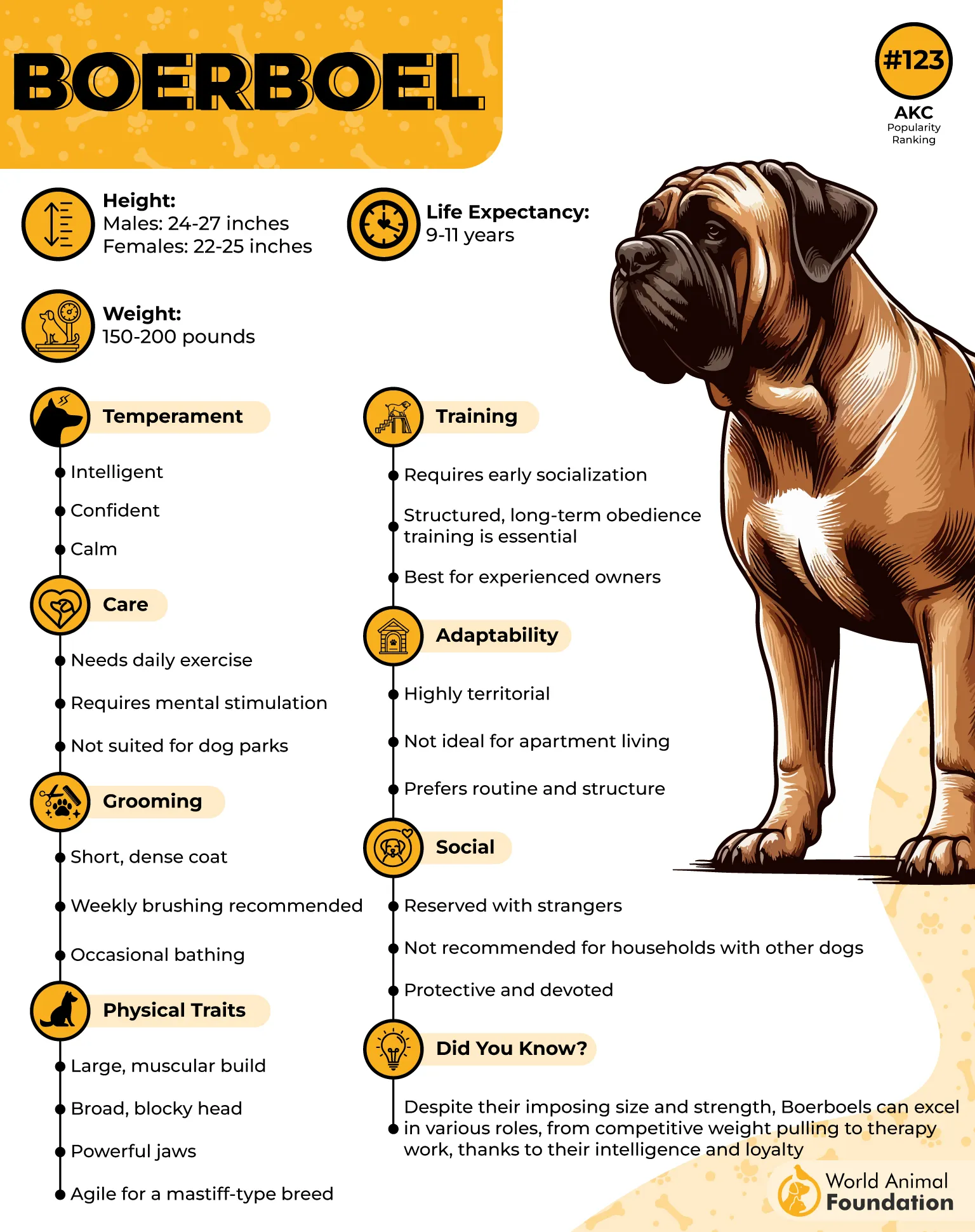
This gentle dog breed displays a broad, blocky head, powerful jaws, and strong muscles from neck to rump, reflecting its molosser ancestry. Despite its imposing build, the breed is known for intelligence, eagerness to learn, and agile movement among mastiff types.
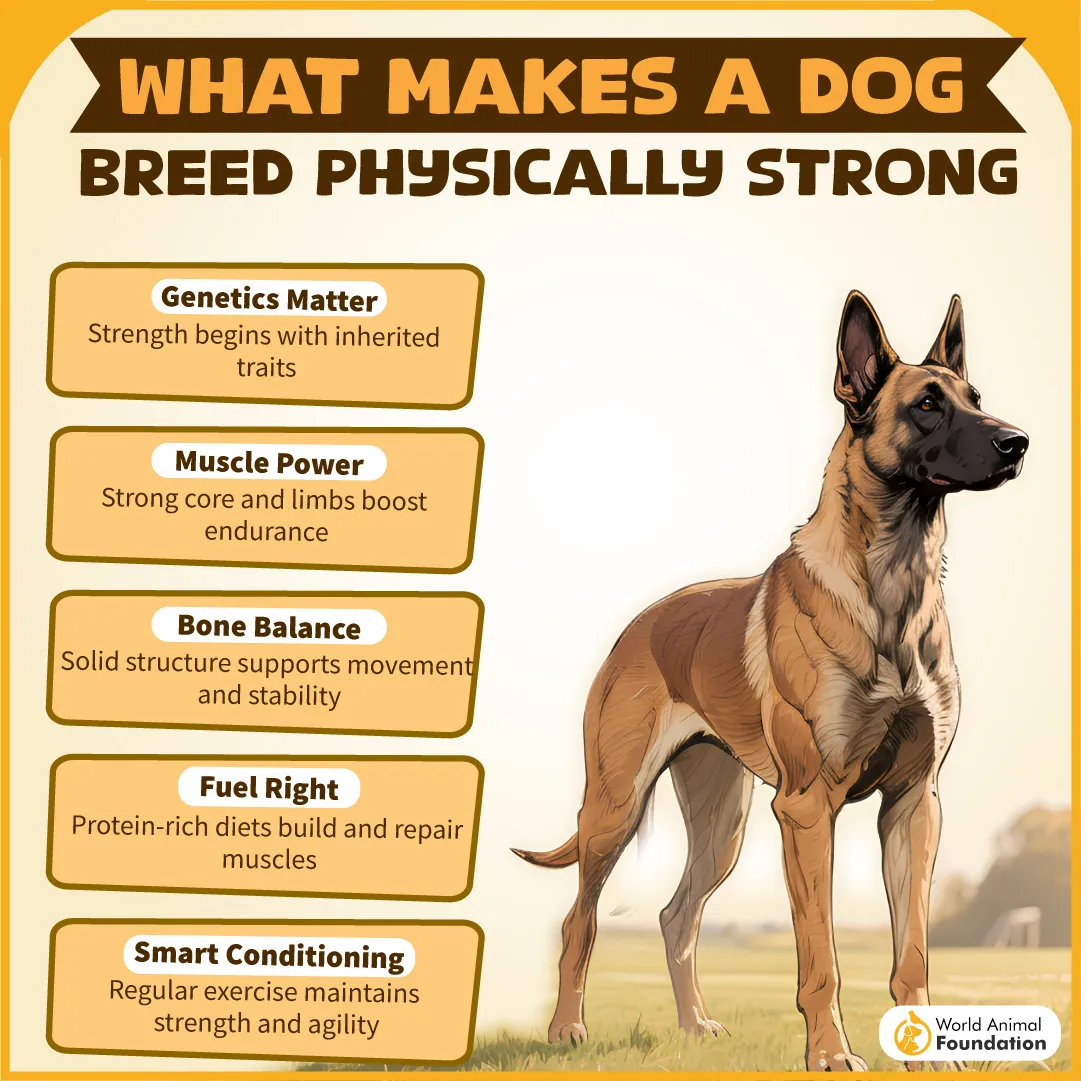
These qualities appear clearly in its behavior:
Early training is recommended from the puppy stage
Strong devotion to family members
Agile movement within the mastiff group
Temperament in the Home
Boerboel is described as dominant yet discerning, forming deep bonds with the people and spaces it protects. Early social exposure supports balanced behavior as the dog matures, as per the American Kennel Club (AKC). Its eagerness to interact with trusted humans highlights its trainable nature.
2. Saint Bernard
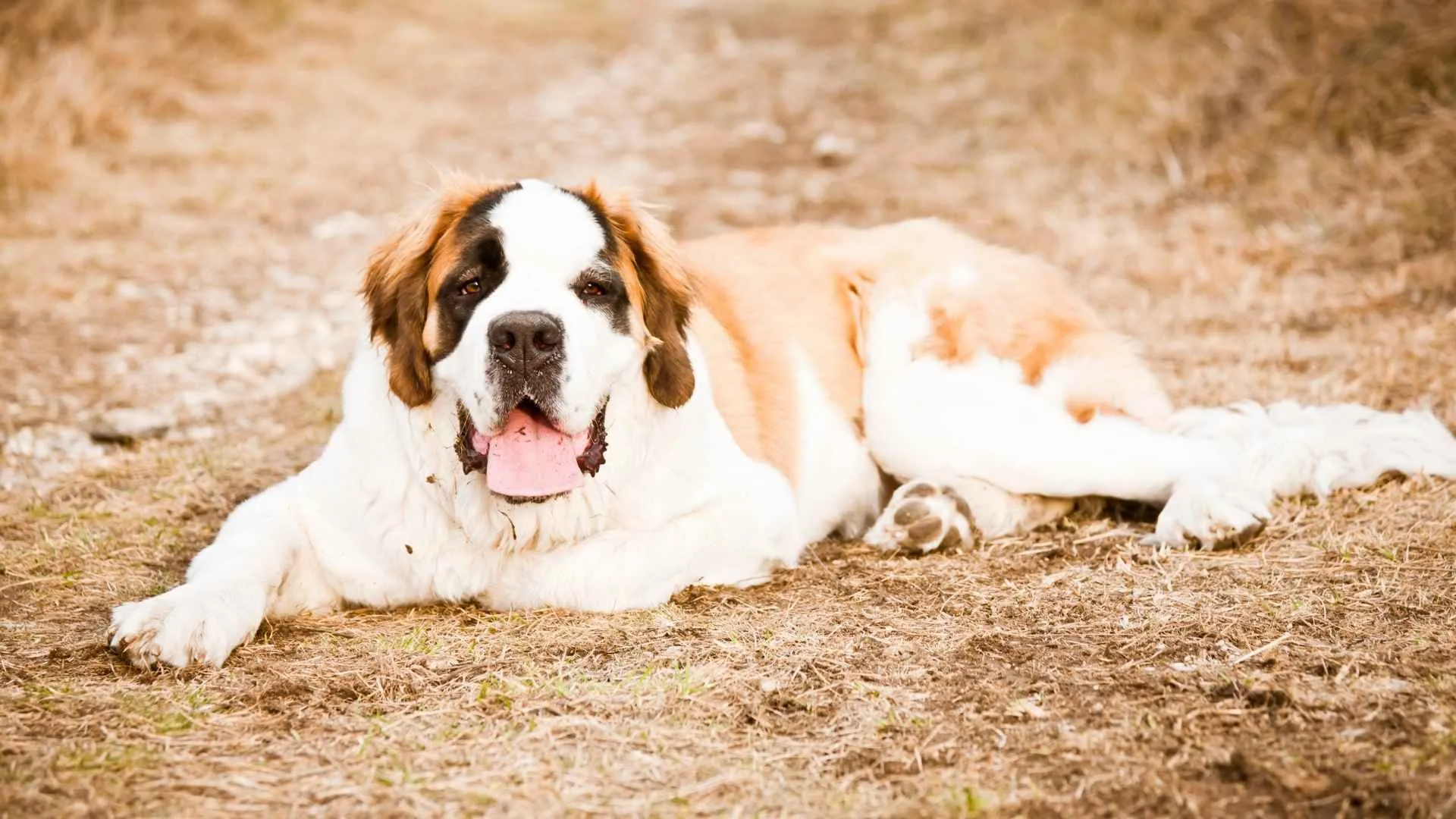
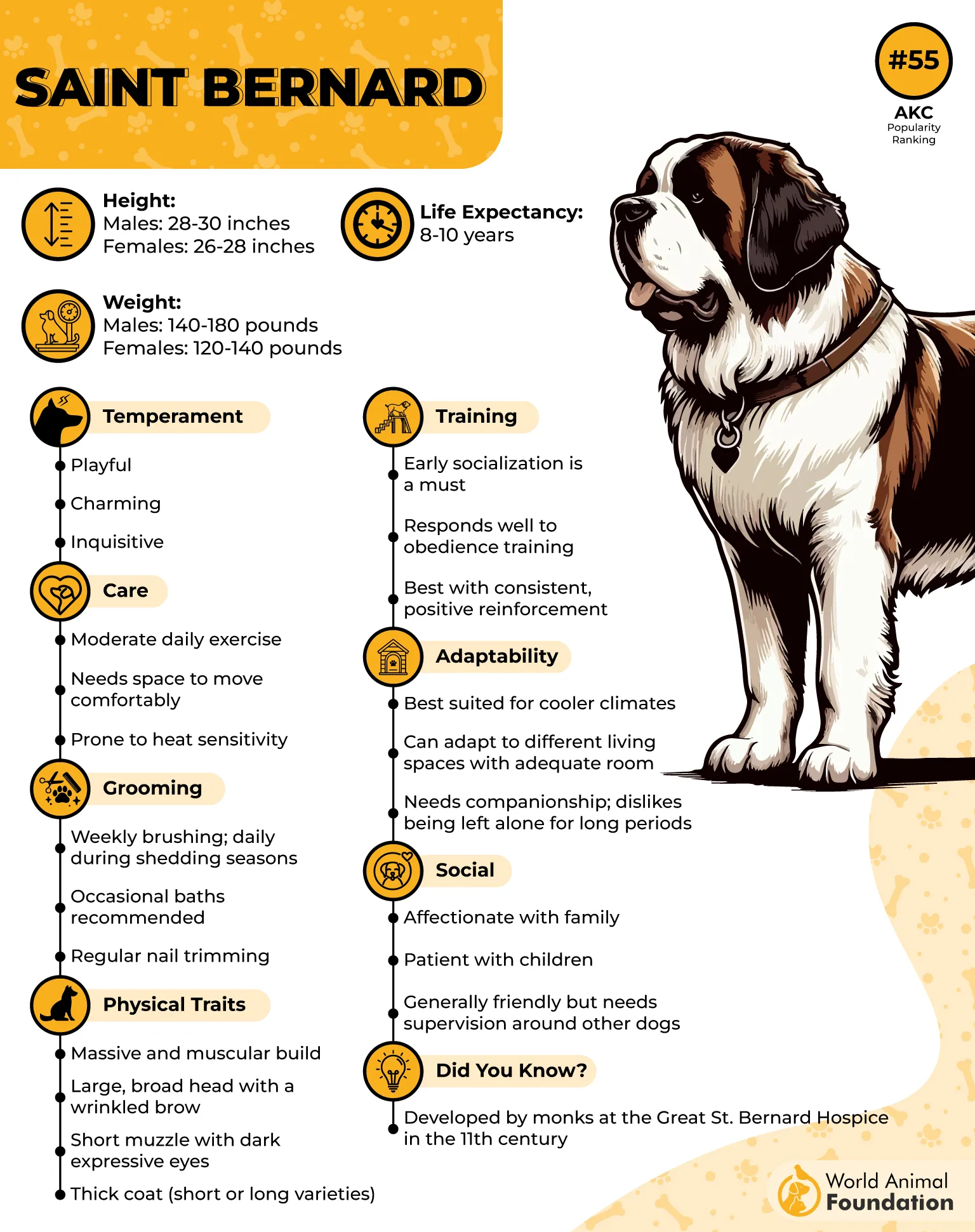
Saint Bernard is a powerful breed from the Swiss Alps, historically known for assisting travelers in harsh mountain conditions. Its large frame and strong build reflect the written standard that describes it as massive and extraordinarily muscular.
Character and Gentle Temperament
They are widely recognized as patient, watchful, and especially gentle in behavior. Despite its imposing structure, the breed is described with a friendly expression shaped by a broad head, dark eyes, and a wrinkled brow.
These aspects highlight this balanced character:
Massive and highly muscular body
Calm and patient nature around children
Intelligent and friendly facial expression
Role Within the Home
These gentle giants have imposing strength with steady composure, forming a dependable presence in family life. Its reputation as a watchful companion reflects both physical power and a gentle disposition. The breed’s historic identity remains closely linked to reliability in challenging environments.
3. Bernese Mountain Dog
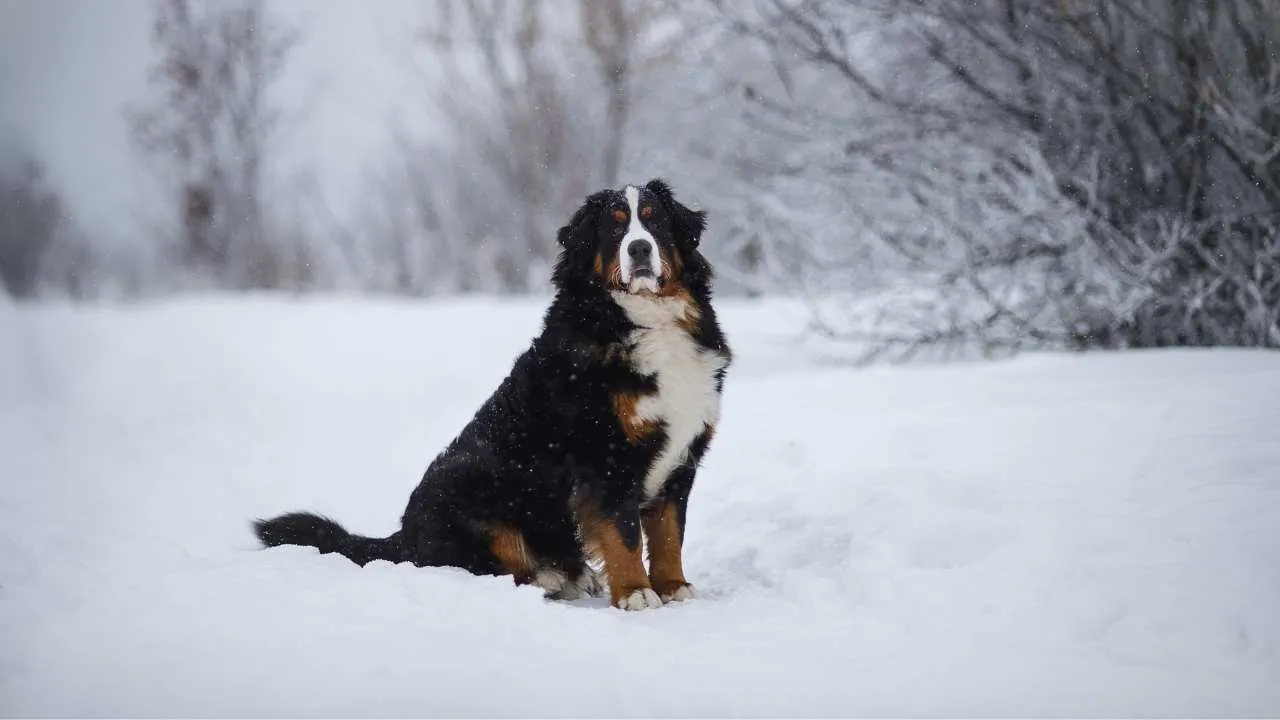
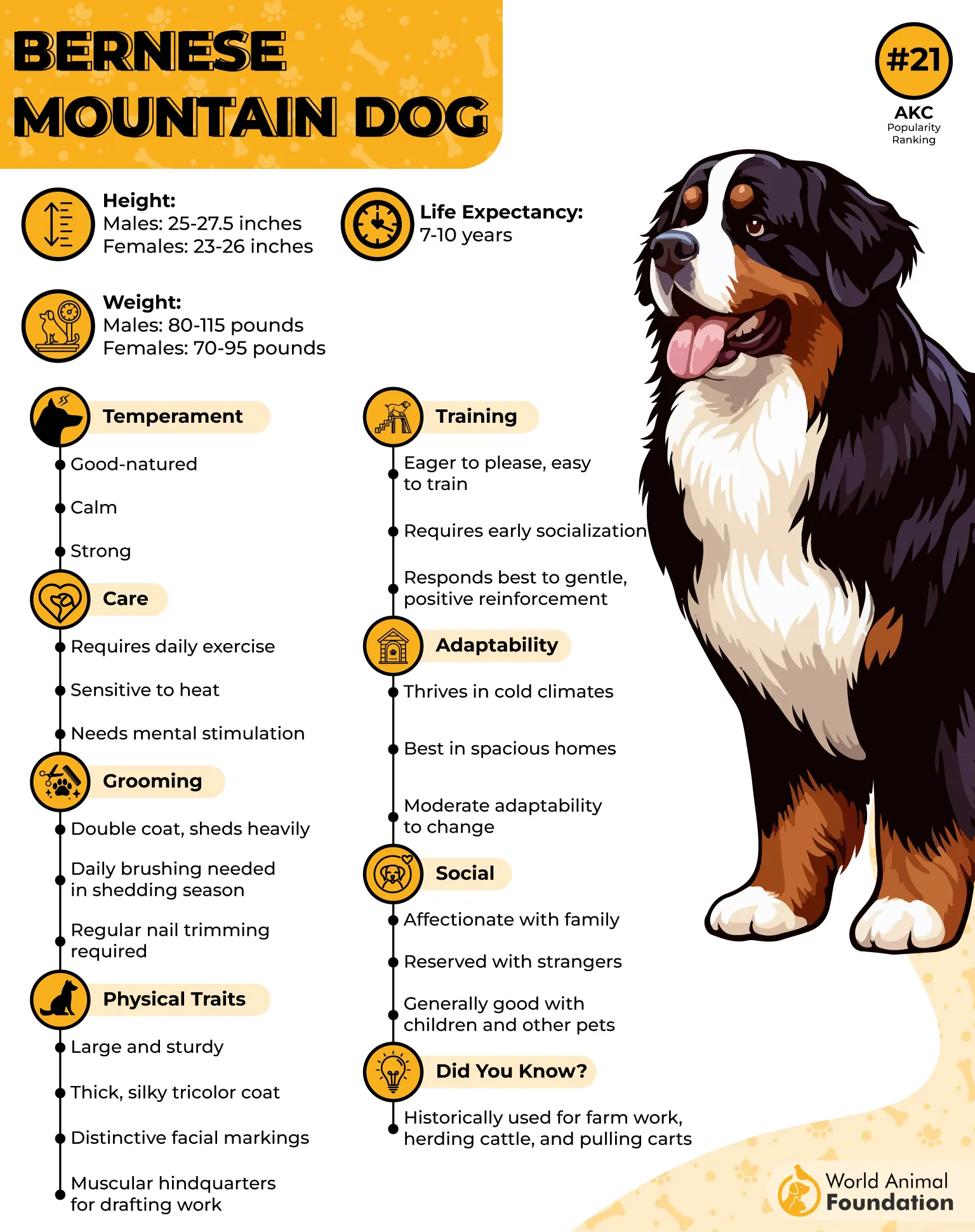
The Bernese Mountain Dog is a large, sturdy working breed developed on the farms and pastures of Switzerland. Its powerful build supported demanding rural tasks in cold climates, where endurance and reliability were essential. They align strength with practical responsibility in household environments.
Balanced Temperament and Family Bond
They combine physical power with a gentle and affectionate disposition. It is generally calm yet enjoys active time with its trusted family members and often forms a close attachment to one person.
Here’s a closer look at their character:
Strong cold-weather resilience
Steady working focus on farm tasks
Gentle interaction with children and family
Presence and Social Demeanor
This mountain dog appears imposing in size while maintaining a composed and dignified attitude. Around unfamiliar people, it shows reserved behavior rather than approachability, as PDSA noted. This measured response reflects its protective yet calm nature.
4. Tibetan Mastiff
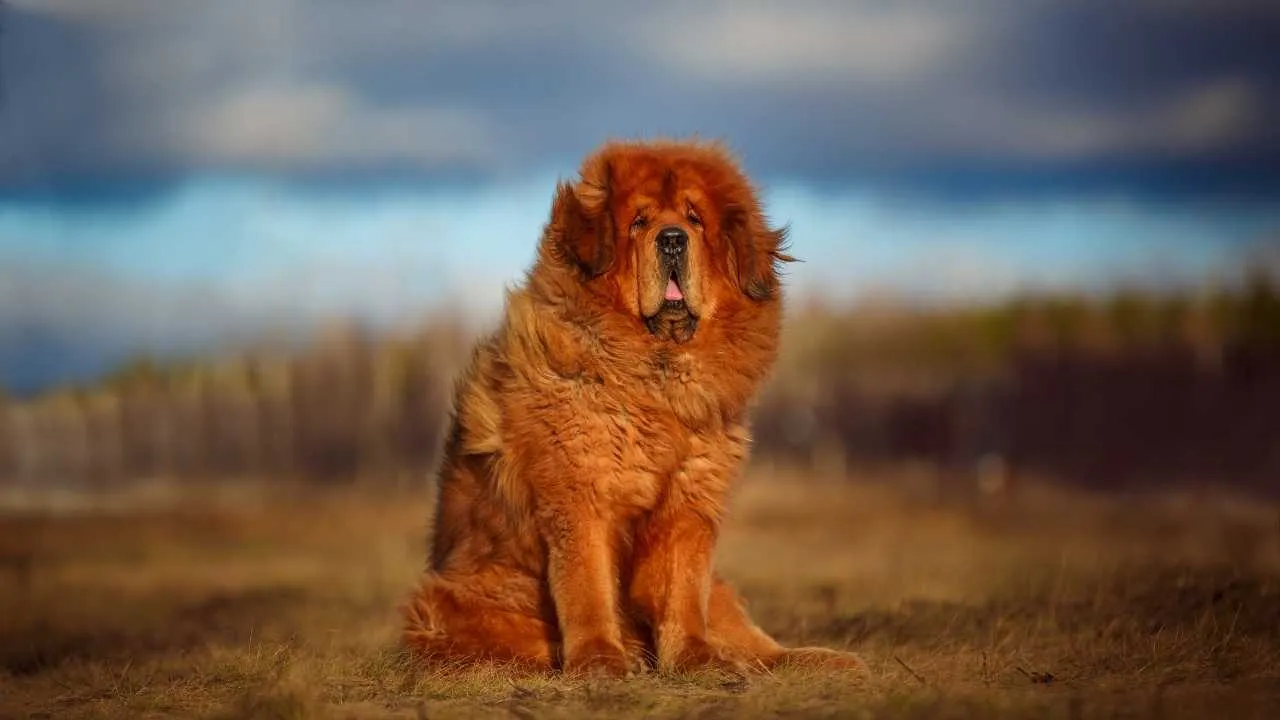
The Tibetan Mastiff is an ancient breed from Tibet in East Asia, with written records dating back to 1100 BCE. Its exact origins remain unclear, adding to its longstanding presence in mountain regions. This deep history reflects a breed shaped by time and environment.
Physical Presence and Temperament
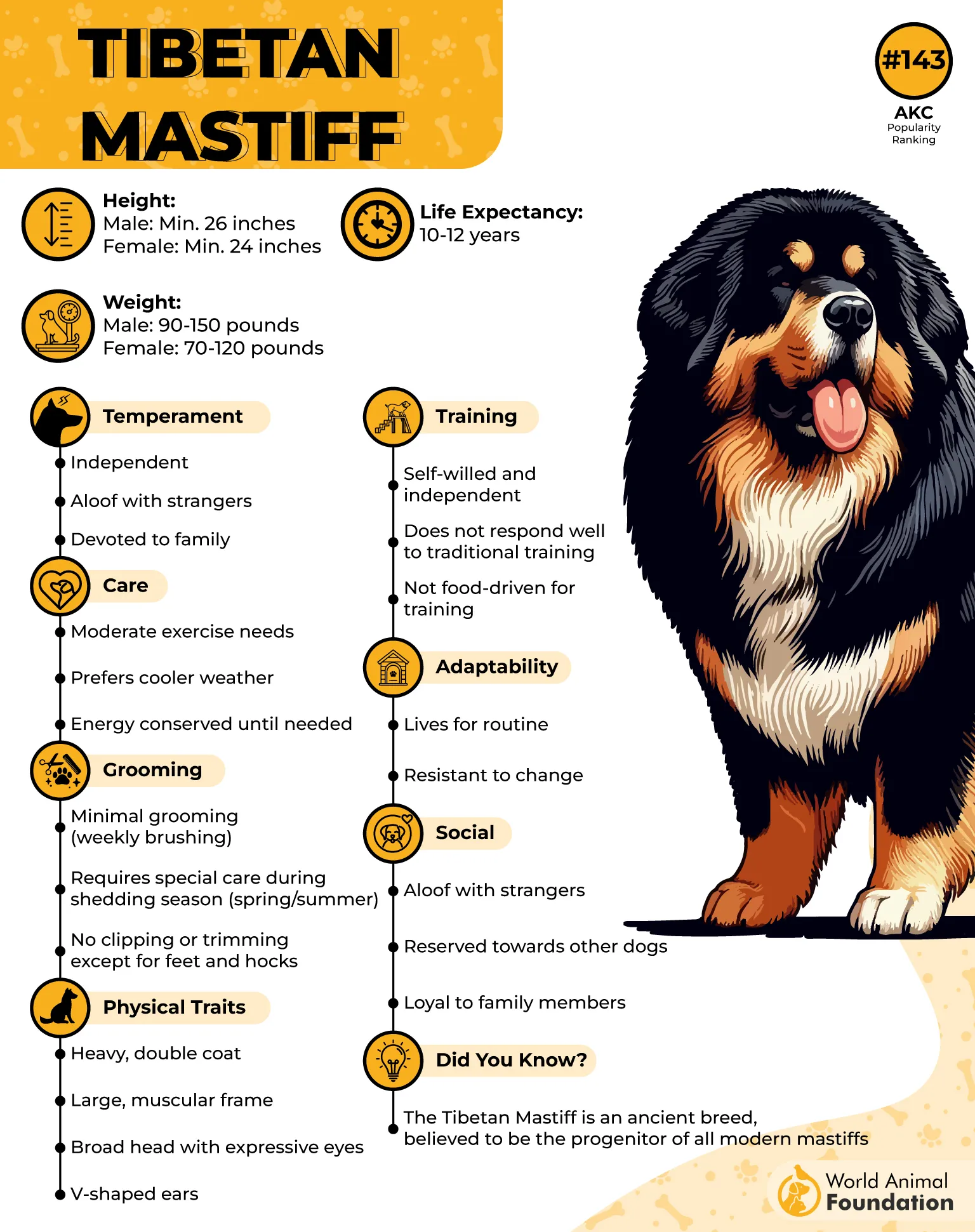
They are recognized for their massive size and lion-like appearance, paired with an aloof, watchful, and alert temperament. It forms strong loyalty toward family members while remaining reserved around unfamiliar people.
The following traits highlight how it functions within a household setting.
Strong loyalty to family
Reserved behavior toward strangers
Nighttime alertness with protective barking
Daily Behavior Pattern
Tibetan Mastiffs can appear relaxed indoors during the day, often resting for long periods. At night, its activity level increases as it stays more attentive to its surroundings, as stated in PetMD. The breed maintains a generally quiet nature but will bark when something seems unusual.
5. Great Pyrenees
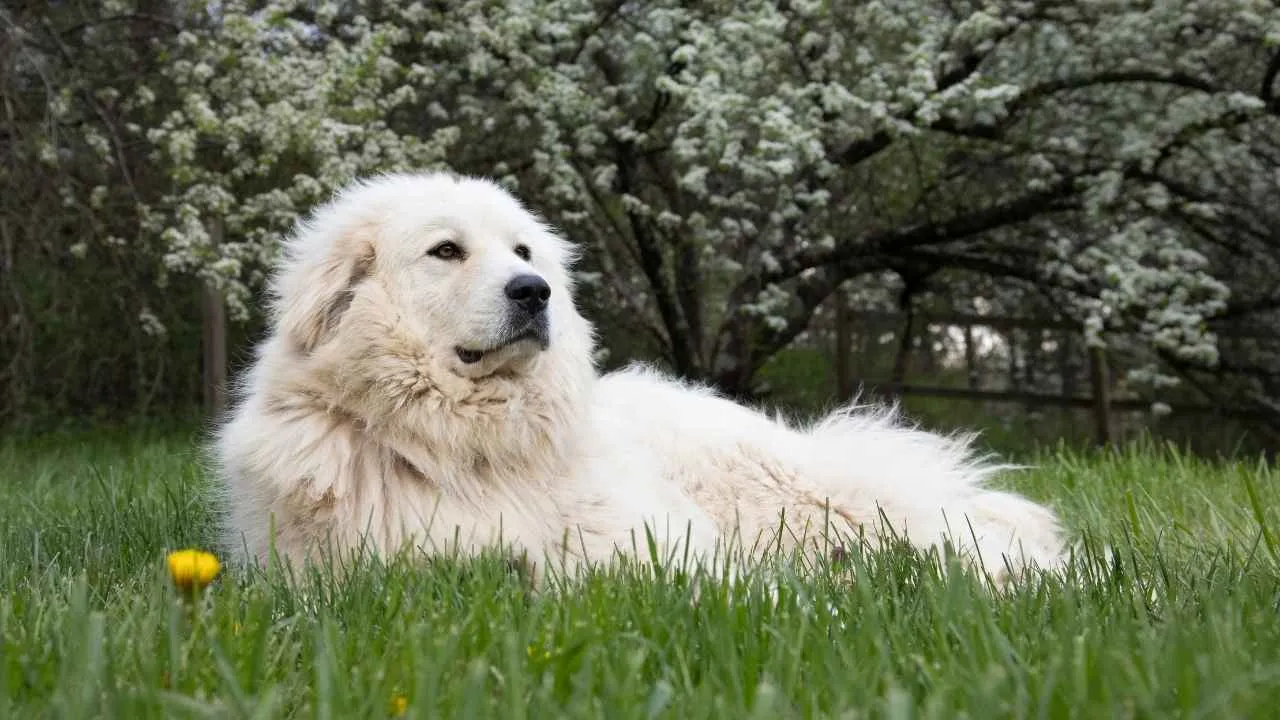
The Great Pyrenees was originally bred in the Pyrenees Mountains between Spain and France to guard livestock in challenging alpine conditions. Its thick white coat blended with snowy surroundings, helping it protect sheep from predators such as bears and wolves.
Physical Strength with Protective Instincts
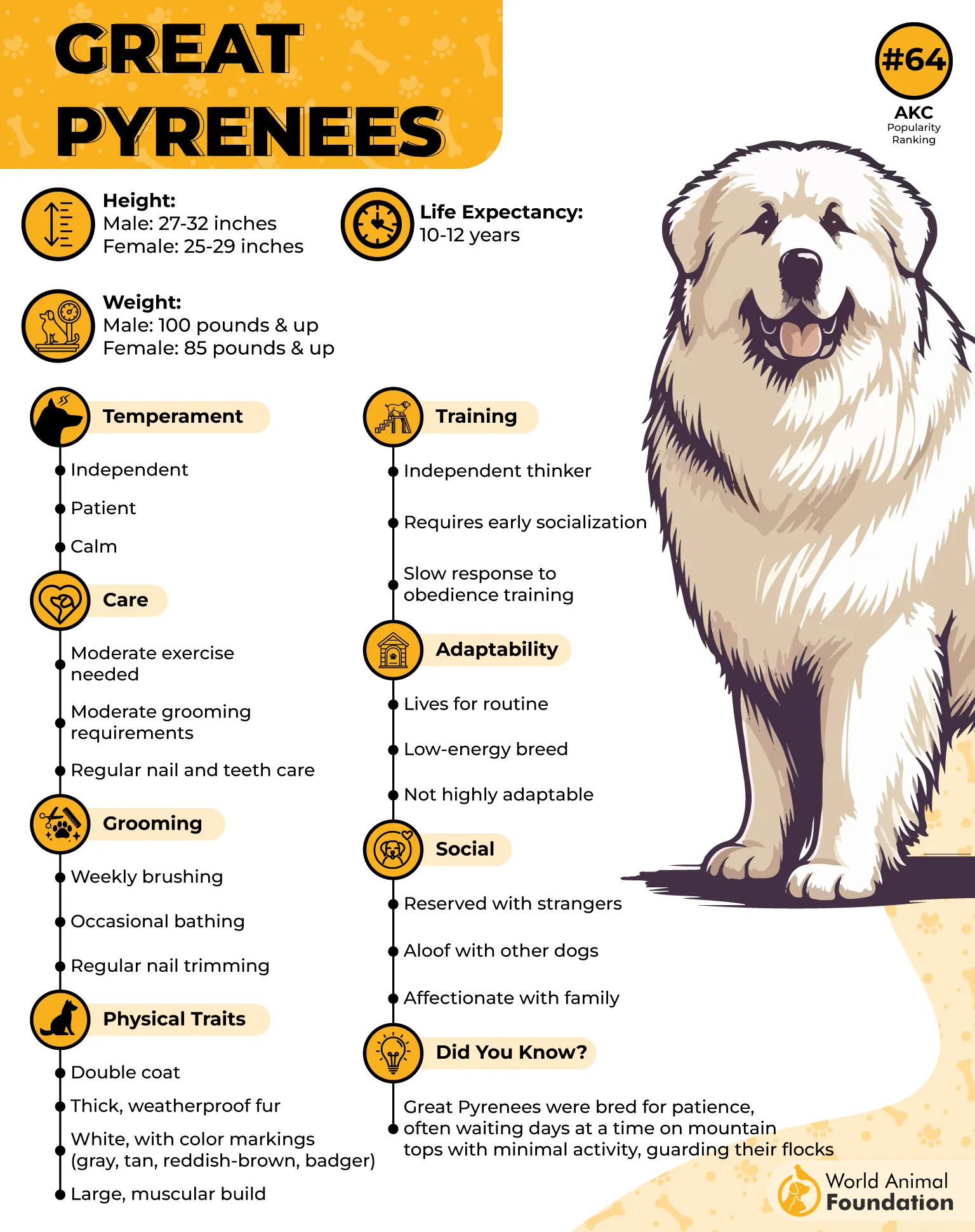
These affectionate companions have impressive strength and speed with a calm presence around trusted family members. The breed’s size supports its traditional guarding role, while its steady temperament suits a home environment.
A closer look reveals how these traits function together.
Thick white coat suited for mountain climates
Strong build developed for livestock protection
Calm behavior around familiar people
Family Suitability and Awareness
Great Pyrenees can fit well in homes where children understand appropriate behavior around large dogs. Because of its substantial size, careful supervision is important during interactions with younger family members and other dogs. The breed’s protective nature remains a defining part of its identity.
6. Newfoundland
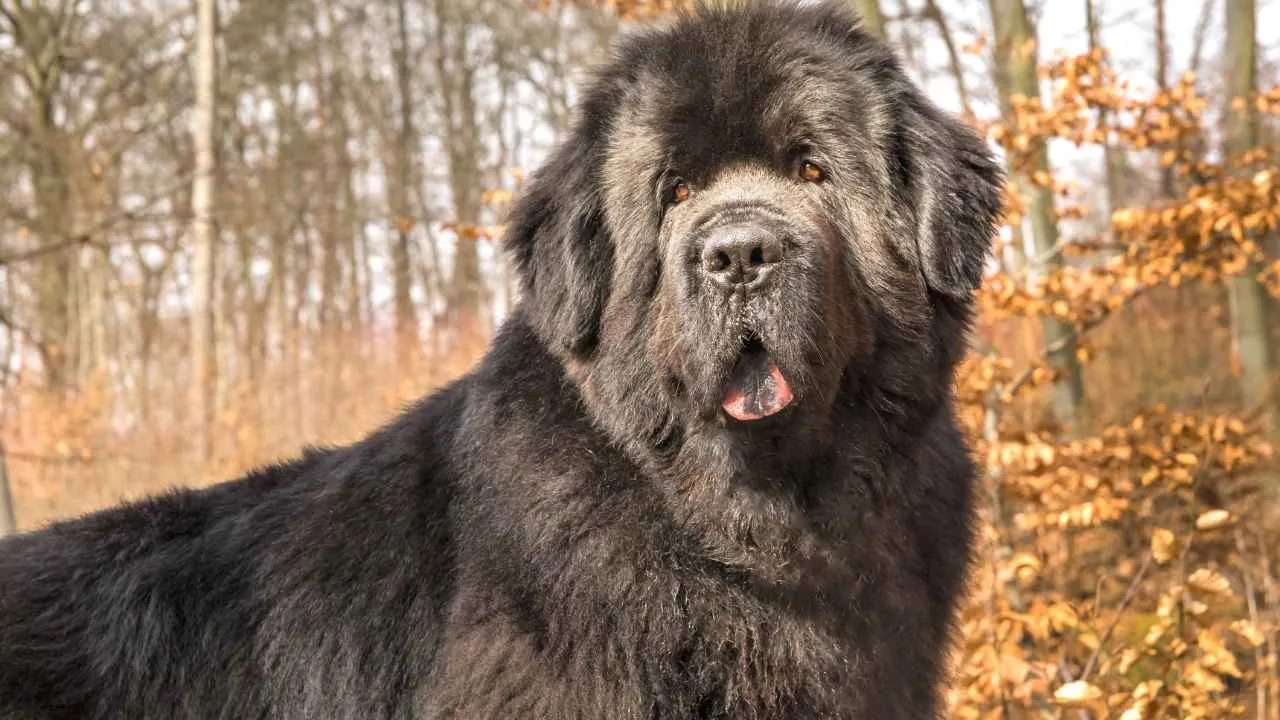
Newfoundland originates from Newfoundland, Canada, where it worked alongside fishermen in demanding coastal conditions. The breed also served as a water rescue dog, showing strength in aquatic environments. Its history connects naturally to physical power combined with steady behavior.
Physical Traits Supporting Its Role
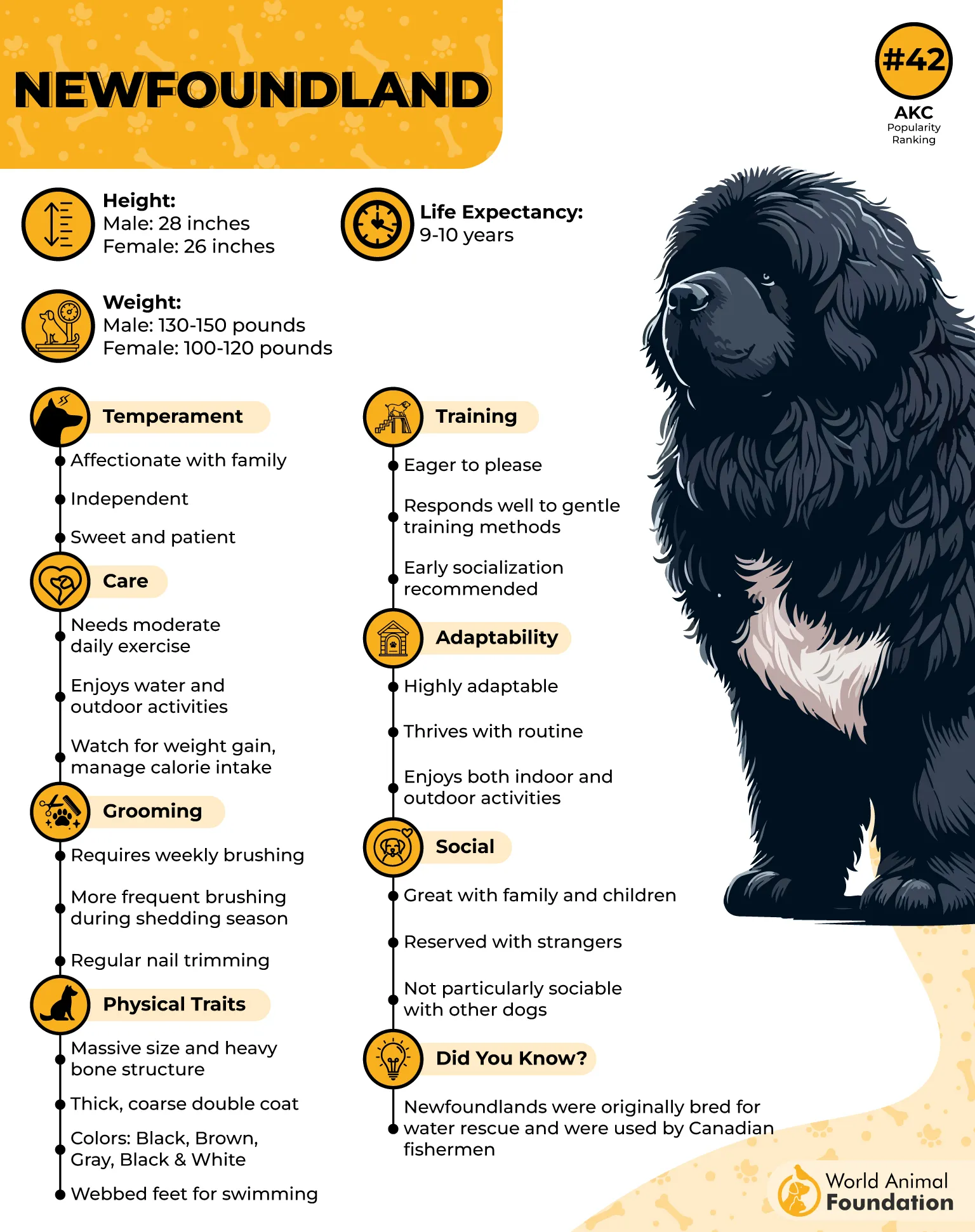
This nanny dog is one of the largest dog breeds, yet it is recognized for its calm and friendly temperament. Webbed paws support efficient swimming, while the thick coat helps protect against frigid water.
These qualities show how strength blends with composure:
Webbed paws designed for swimming
Thick insulating coat for cold water
Sweet and gentle disposition with families
Temperament in the Home
Newfoundland displays a docile nature and forms positive relationships with children, small pets, and other dogs. Despite its gentle behavior, supervision is important around young children due to its large size. The breed’s steady character supports balanced family living.
7. Great Dane
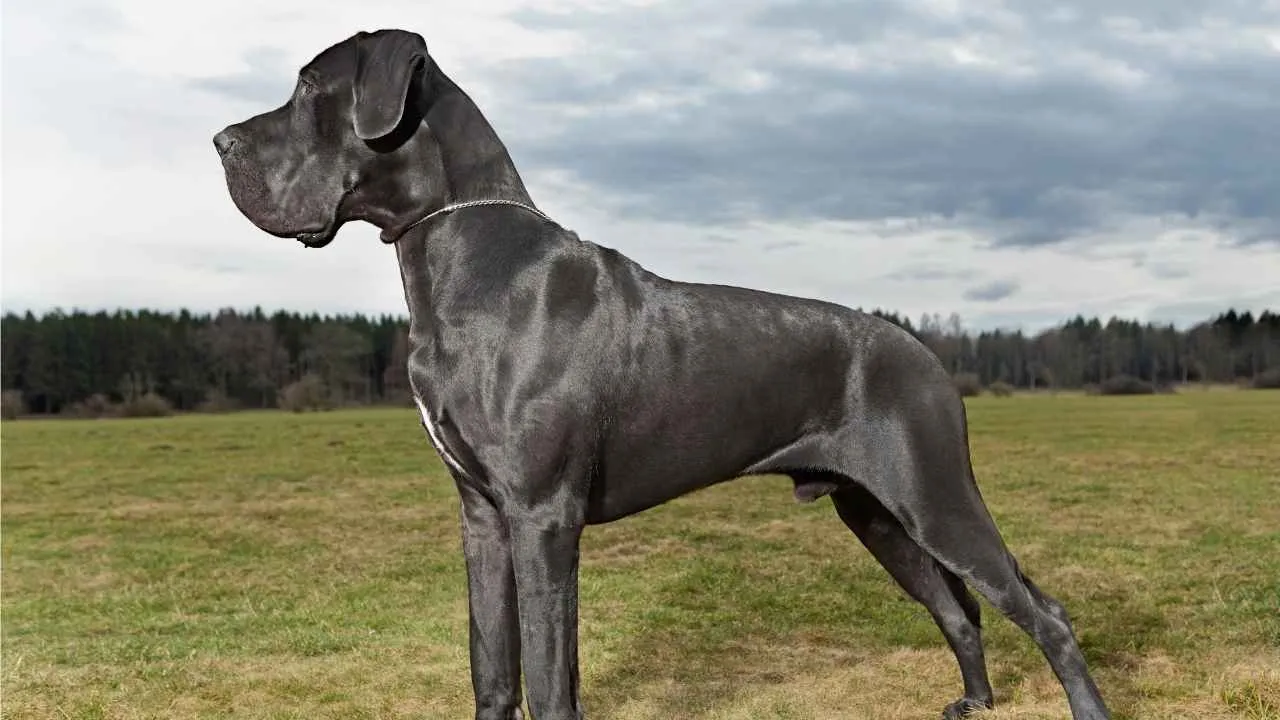
The Great Dane was developed in Germany in the 1800s for hunting wild boar and guarding estates. Its background reflects strength paired with responsibility in demanding environments. This history naturally connects to breeds known for a powerful presence with controlled behavior.
Size, Role, and Family Connection
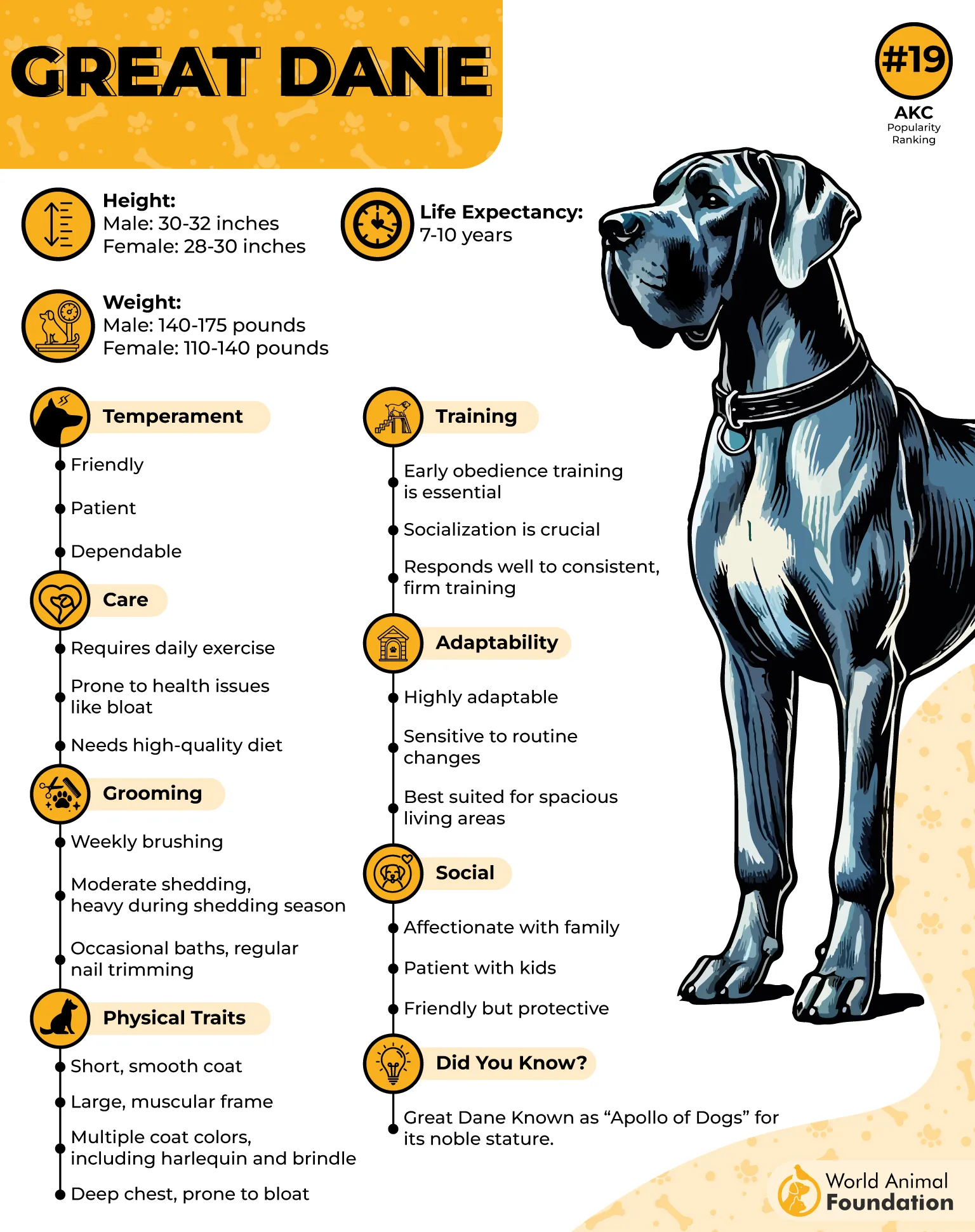
They are one of the tallest working breeds and are often called the “Apollo of dogs.” Despite its impressive stature, it is described as kind, quiet, and suited to family life when properly guided. Early training and social exposure shape confidence during development.
A few early-life practices help support balanced growth:
Exposure to new people during puppyhood
Introduction to other pets early on
Supervised interaction with children
Temperament and Household Behavior
They tend to display a gentle and affectionate nature within the home environment. With structured training and consistent guidance, it can form positive bonds with children and family members. Supervision remains important due to its large physical size.
Conclusion
Strength and kindness rarely appear together so naturally as they do in these remarkable breeds. Though far larger than typical lap dogs, many belong among the calmest dog breeds because of their steady temperaments and gentle demeanor.
A thoughtful dog owner quickly notices how these dogs form strong bonds with their families and remain incredibly loyal through everyday routines.
They can be a dependable family dog for active families while still offering the warmth of a devoted companion at home. Even first-time dog owners often admire their sweet nature. With patience and guidance, these powerful yet calm animals become ideal companions and truly great companions.
