




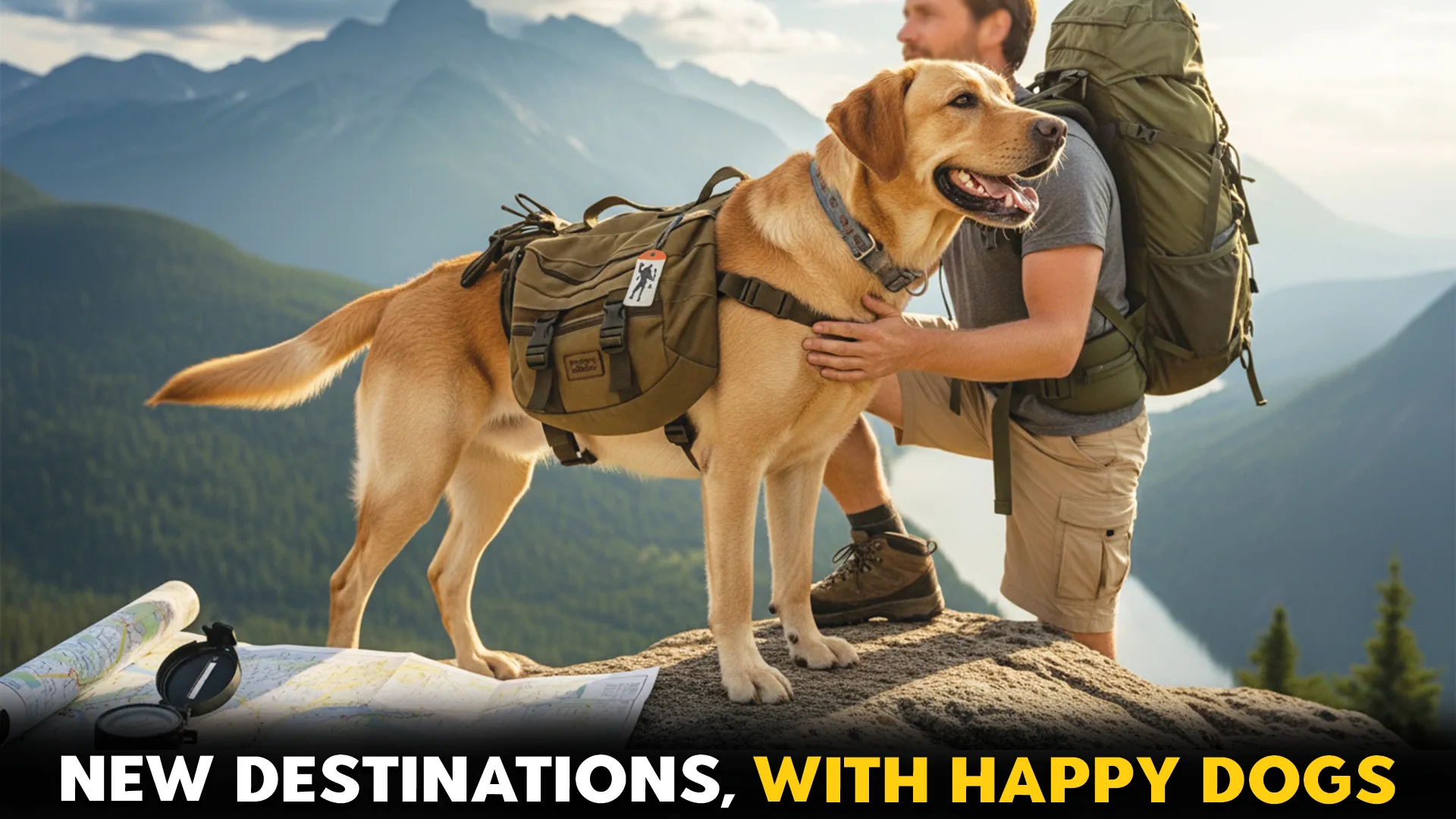
Some trips change places. Others change the way you feel while discovering them. Exploring new destinations becomes far richer when a dog shares the road with you.
A good travel companion does more than follow along. It notices new scents in mountain air, walks patiently through crowded streets, and rests quietly beside you after a long day outdoors. The right dog turns every unfamiliar trail into a shared memory rather than a solitary walk.
Long drives feel shorter. Sunrise hikes feel warmer. Even quiet evenings in unfamiliar towns carry a sense of home when a loyal companion curls beside your feet. Traveling with dogs is not simply about movement from one place to another. It is about connection, rhythm, and curiosity unfolding together.
This article explores the qualities that make certain dogs ideal partners for discovering new landscapes, new paths, and the quiet joy of wandering farther than expected.
Key Takeaways
Some dogs do more than accompany you on trips; they help shape the experience of every new place you explore.
Labrador Retriever and Border Collie stand out for their energy and adaptability, handling trails, water, and changing terrain with steady confidence.
Siberian Husky and Vizsla bring endurance and drive, turning long hikes and open landscapes into experiences they genuinely enjoy.
Read through the full list to see which of these breeds can truly match your rhythm when the road calls.
Best Dog Breeds for Exploring New Destinations
1. Labrador Retriever
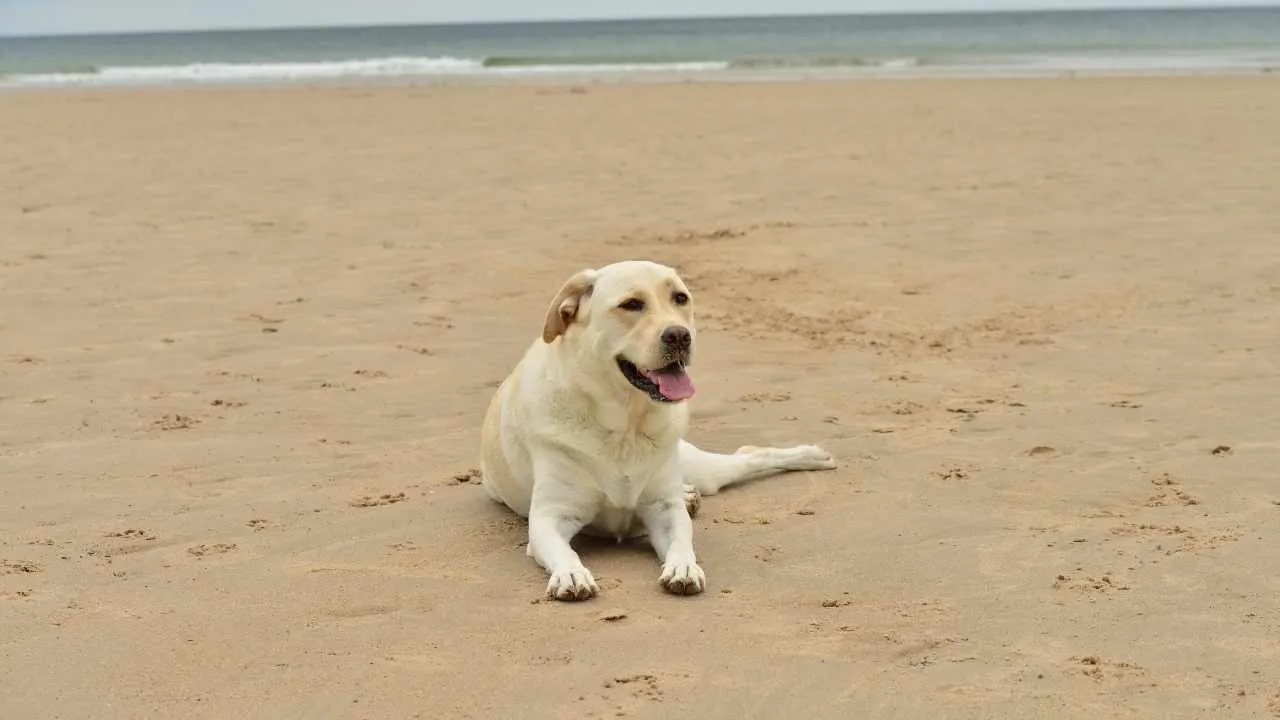
The Labrador Retriever is known for its easygoing nature and a constant readiness for new outings. This attitude makes the breed comfortable exploring unfamiliar places and shifting environments. This travel-friendly dog breed adjusts well to different climates and terrain during outdoor trips.
Built for Movement
They perform well in both cool regions and warmer areas when water is available. Its water-repelling coat also supports time spent around lakes and rivers during outdoor excursions.
These abilities explain why the breed fits active travel routines:
Water-repelling coat suited for swimming
Strong interest in water sports and running
Comfortable across varied climates and terrain
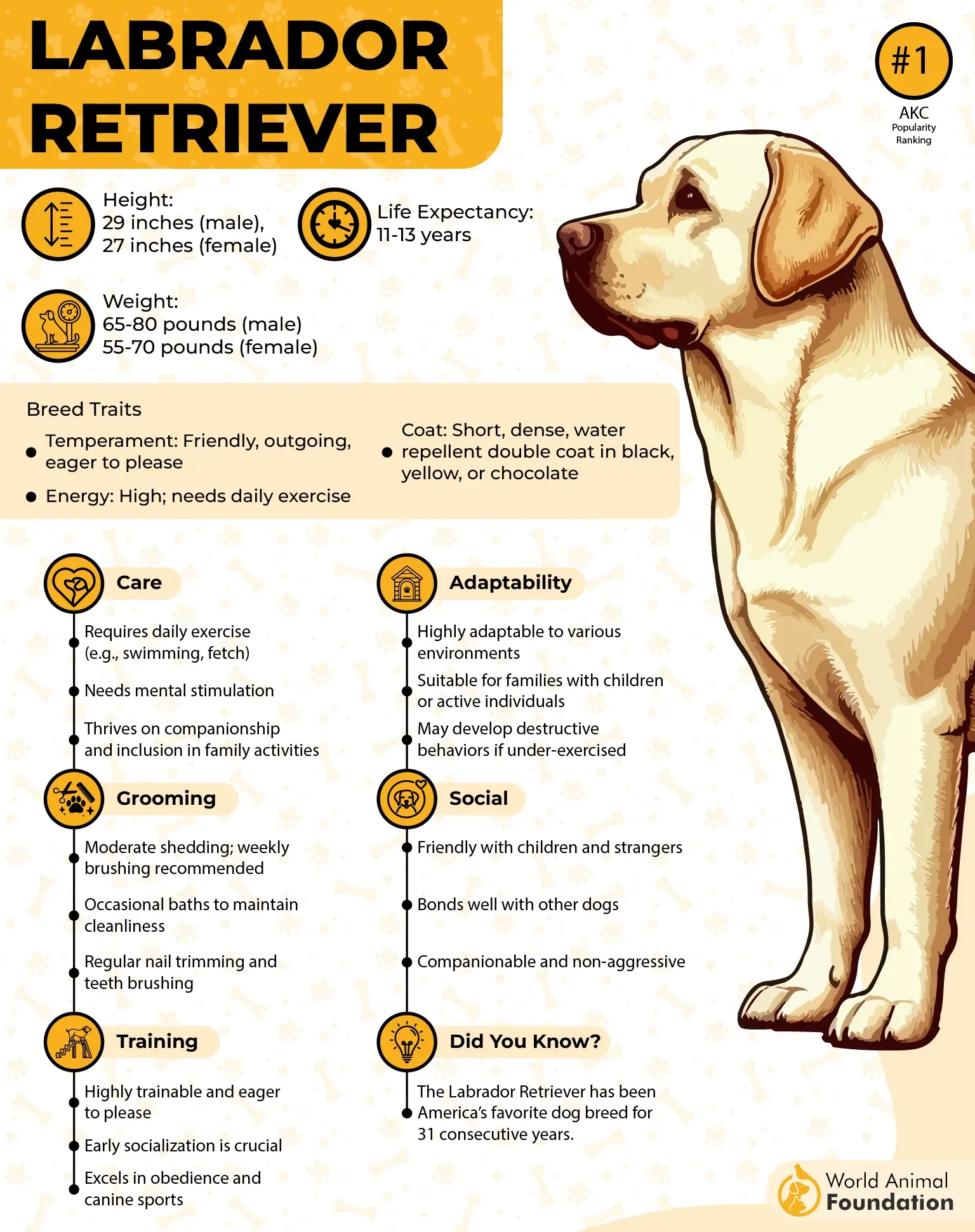
Energy Balance
This active dog requires consistent activity to stay physically and mentally settled, as stated by Petplan. Without regular movement, built-up energy may appear through destructive behavior. Walking, running, and swimming provide meaningful outlets for that energy.
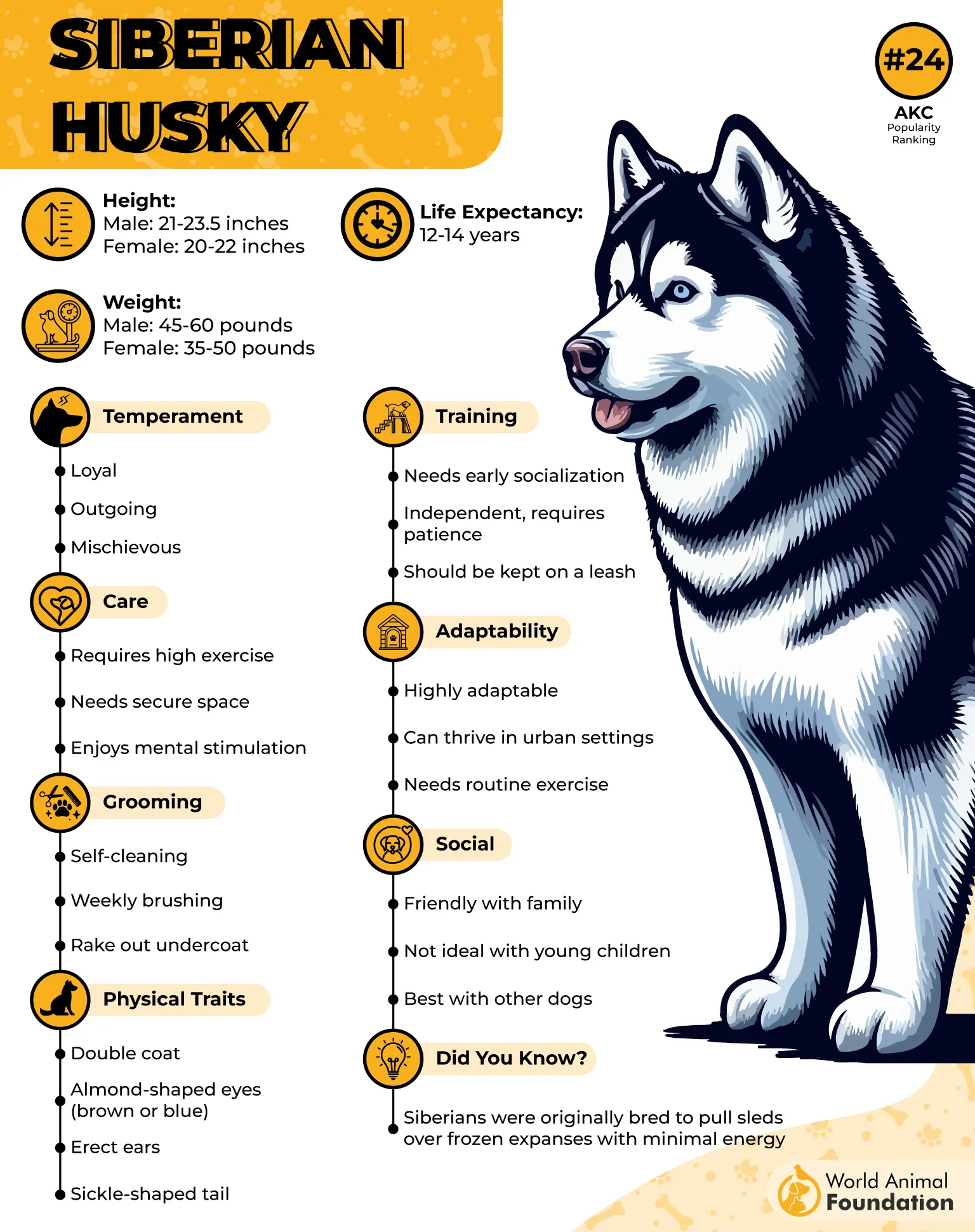
2. Siberian Husky
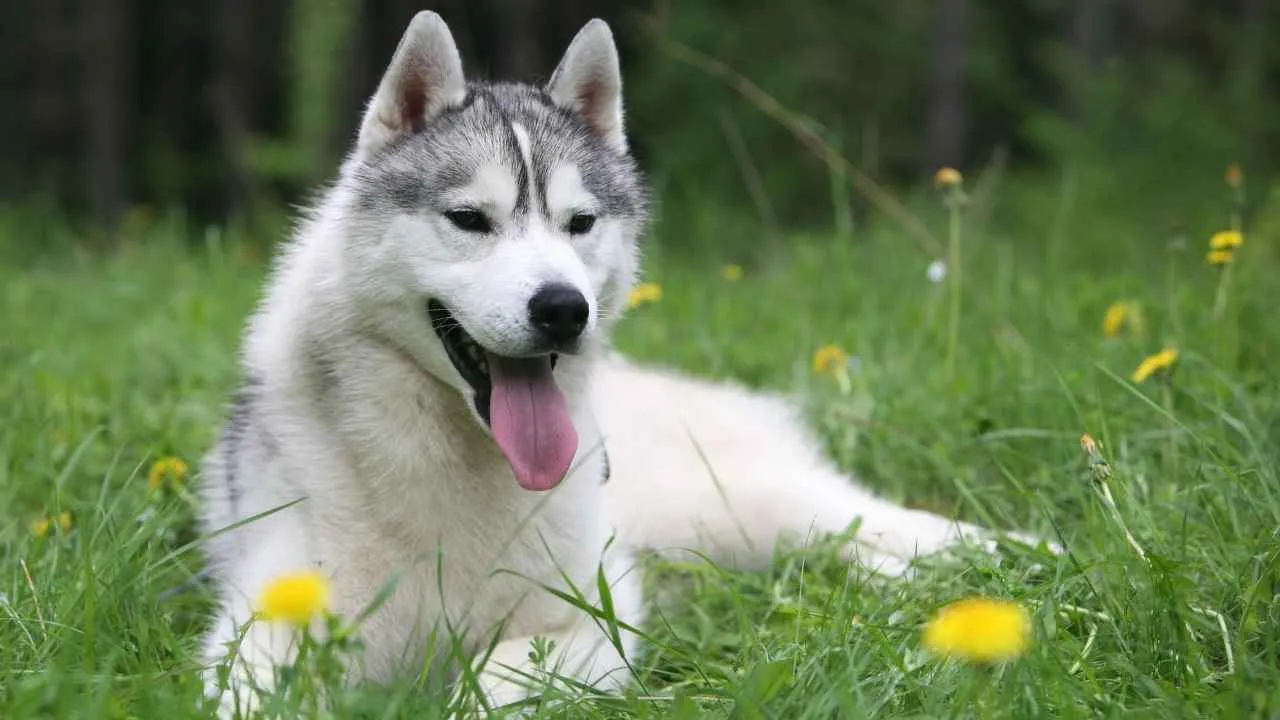
Siberian Huskies show a mischievous and clever personality that often keeps outdoor trips lively. This independent nature brings a sense of unpredictability that suits relaxed adventure routines. Huskies approach new surroundings with curiosity and strong self-directed behavior.
Northern Origins
This dog traces its development to northeastern Asia, where the breed evolved in consistently cold environments, as per the AKC. Generations in this region shaped a dog naturally comfortable in cooler temperatures and snowy landscapes.
A few qualities explain how the breed fits long trail days.
High stamina for extended hiking routes
Strong need for regular physical challenges
Tendency to seek activity when energy builds up
Training Patience
Siberian Husky approaches obedience learning with a strong, independent mindset. Building a reliable recall requires patience and a deep working connection with the dog. Off-leash hiking becomes possible only after that trust is firmly established.
3. Vizsla
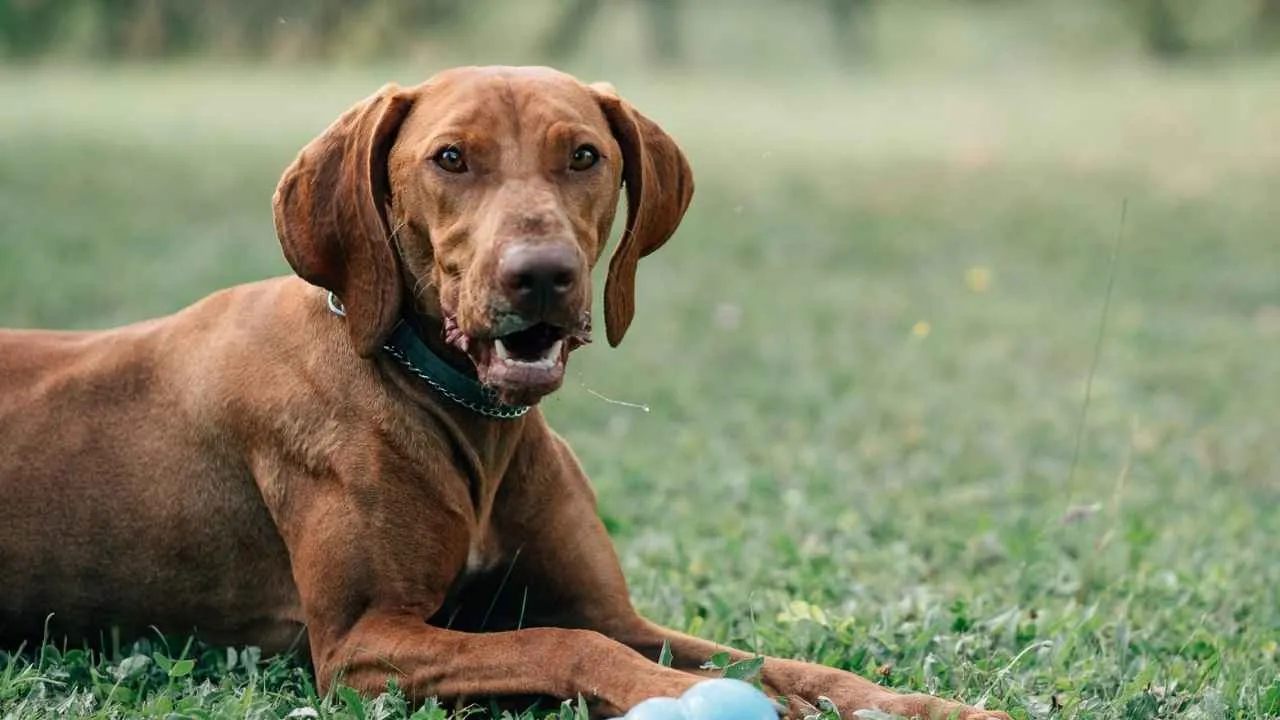
Vizsla was originally bred as a red-coated gundog known for endurance during long hunting days in open terrain. Hungarian sportsmen valued the breed for stamina and graceful movement across fields. These energetic dogs approach outdoor travel with steady energy suited for extended exploration.
Active Talents
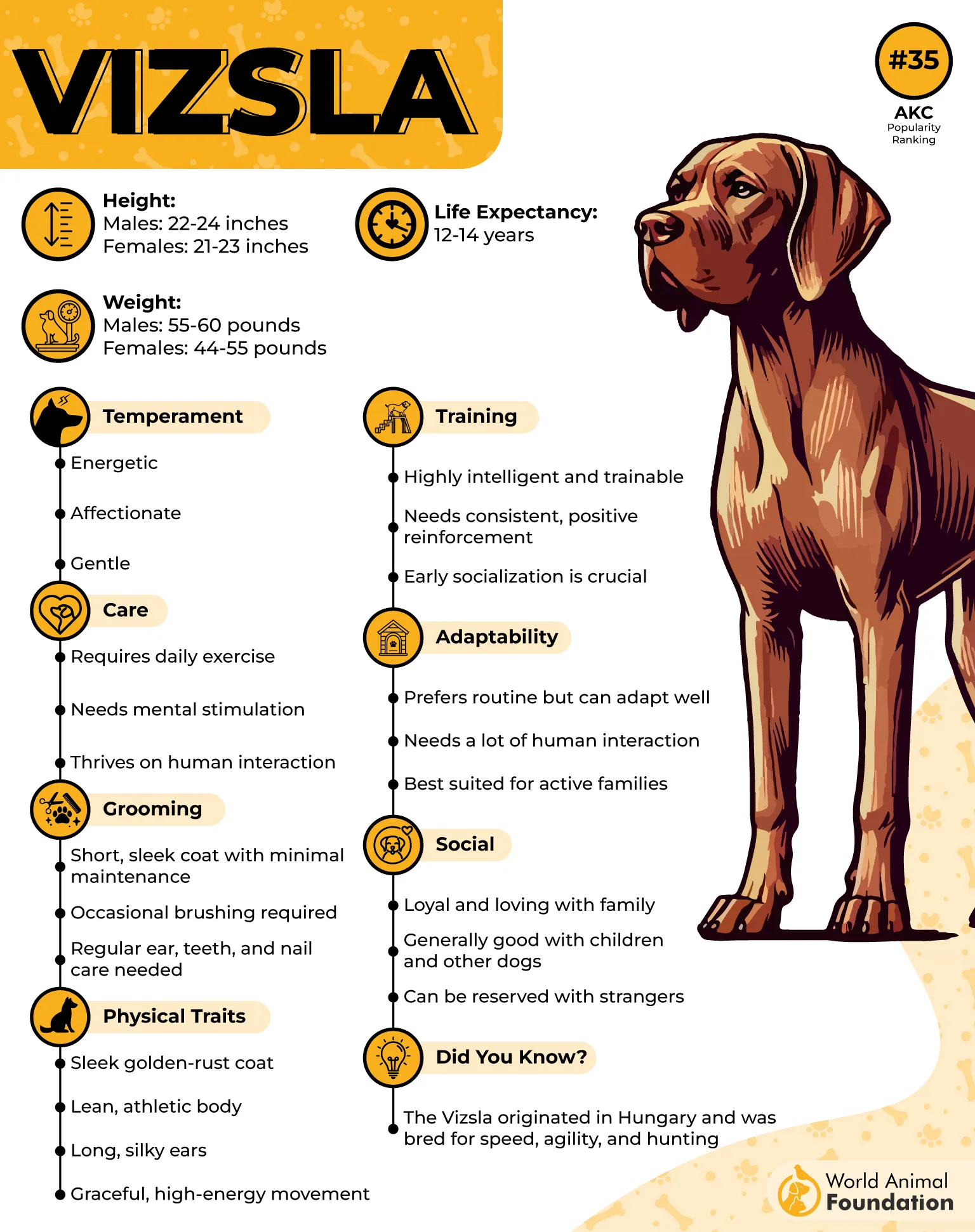
Vizsla shows versatility across physical activities that involve movement and coordination. Its smooth trotting gait and strong stamina make the breed comfortable during long-distance outings.
These qualities appear clearly in the activities it performs well:
Jogging alongside runners for long distances
Keeping pace during biking routes
Participating in multiple outdoor dog sports
Training Focus
Vizslas respond best when training regularly engages their mind and attention, as noted by Britannica. Continuous learning helps prevent boredom that can lead to destructive behavior. Positive reinforcement and early social exposure help shape balanced companion behavior.
4. Border Collie
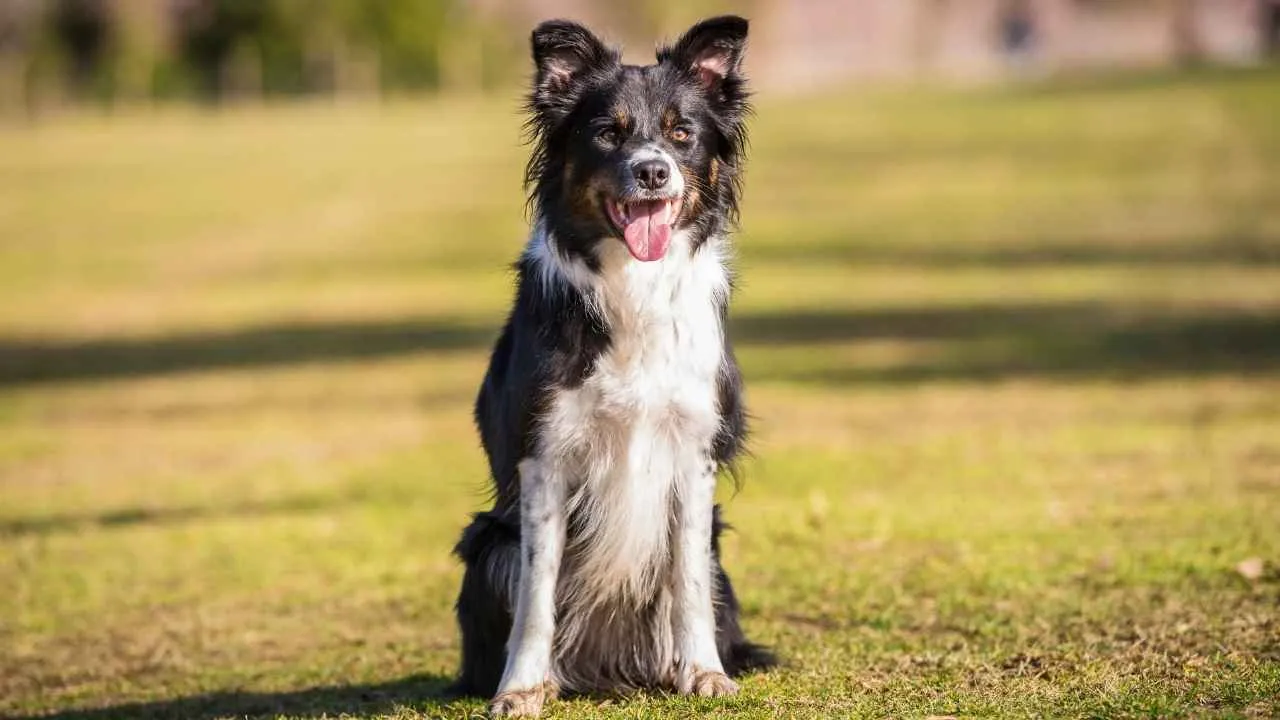
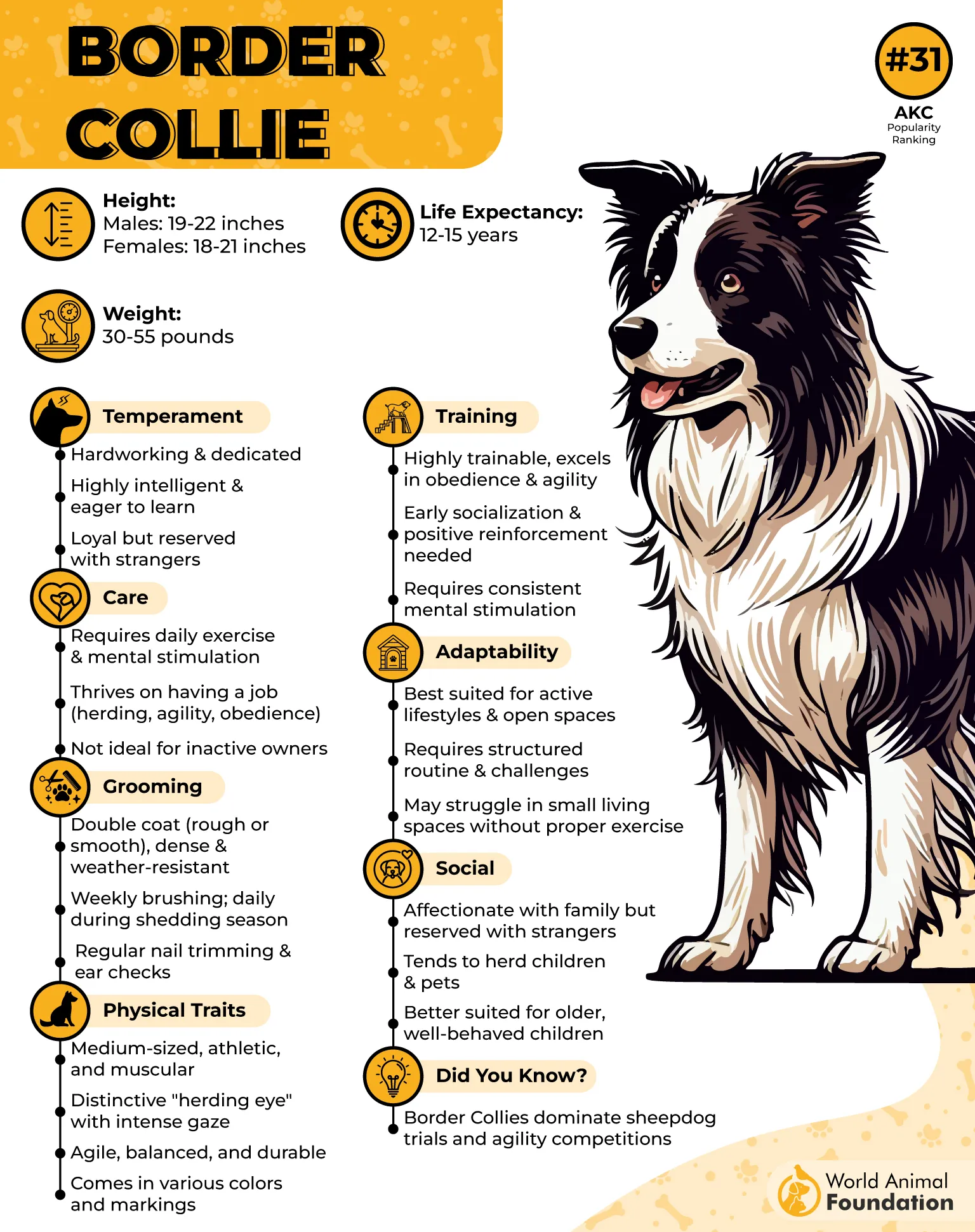
Border Collie is widely recognized for remarkable intelligence and an intense work drive. This mental sharpness allows the breed to learn commands quickly and respond accurately during outdoor activities. Such awareness helps them stay engaged while navigating unfamiliar trails and environments.
Natural Agility
This herding dog moves with impressive balance, speed, and physical control while in motion. Its athletic build supports demanding activities like hiking, climbing paths, agility, rally, etc.
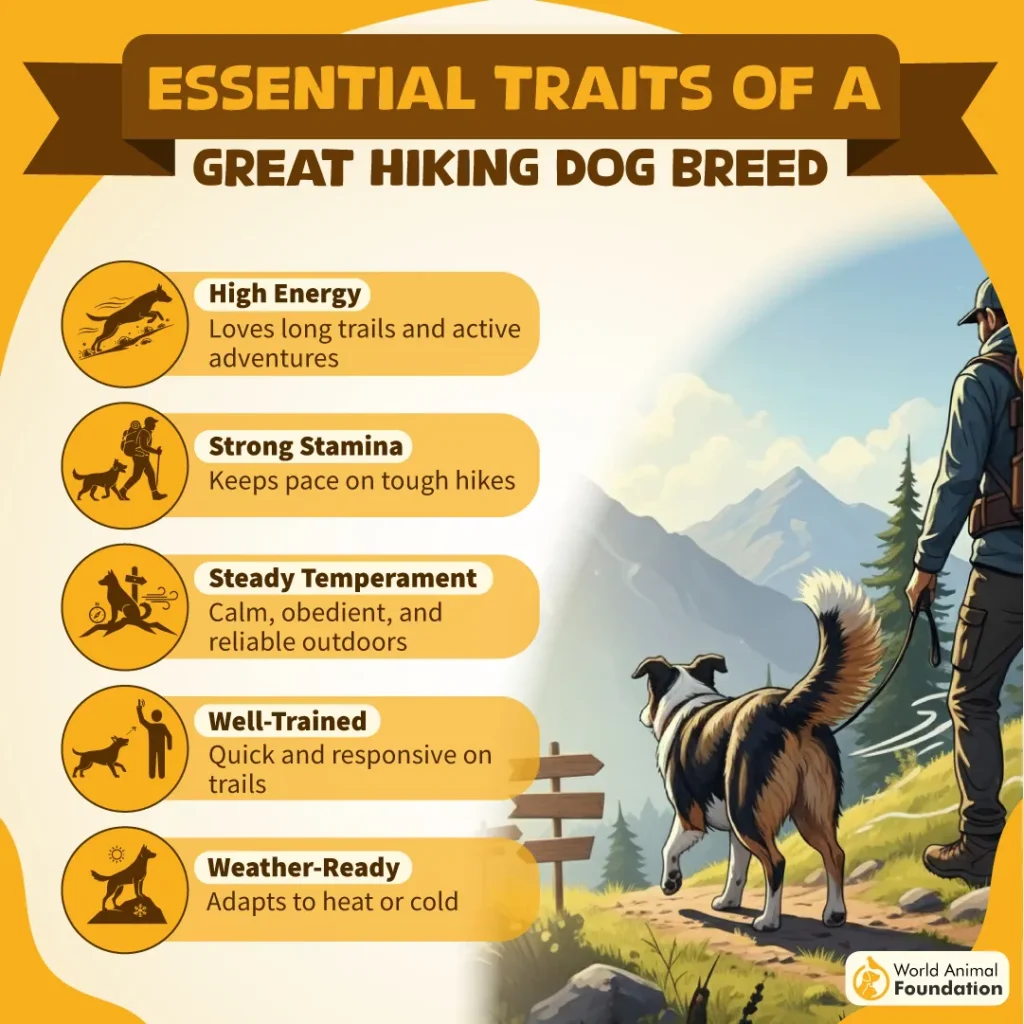
These qualities explain why the breed fits active travel routines:
Exceptional agility suited for agility training
Strong durability during long outdoor sessions
Quick responsiveness when learning trail commands
Energy Outlet
Border Collie thrives when both mind and body remain occupied through regular activity. Herding, agility work, or obedience training provide meaningful outlets when not exploring trails. The breed also shows an amiable nature with familiar people while remaining reserved around strangers.
5. Bernese Mountain Dog
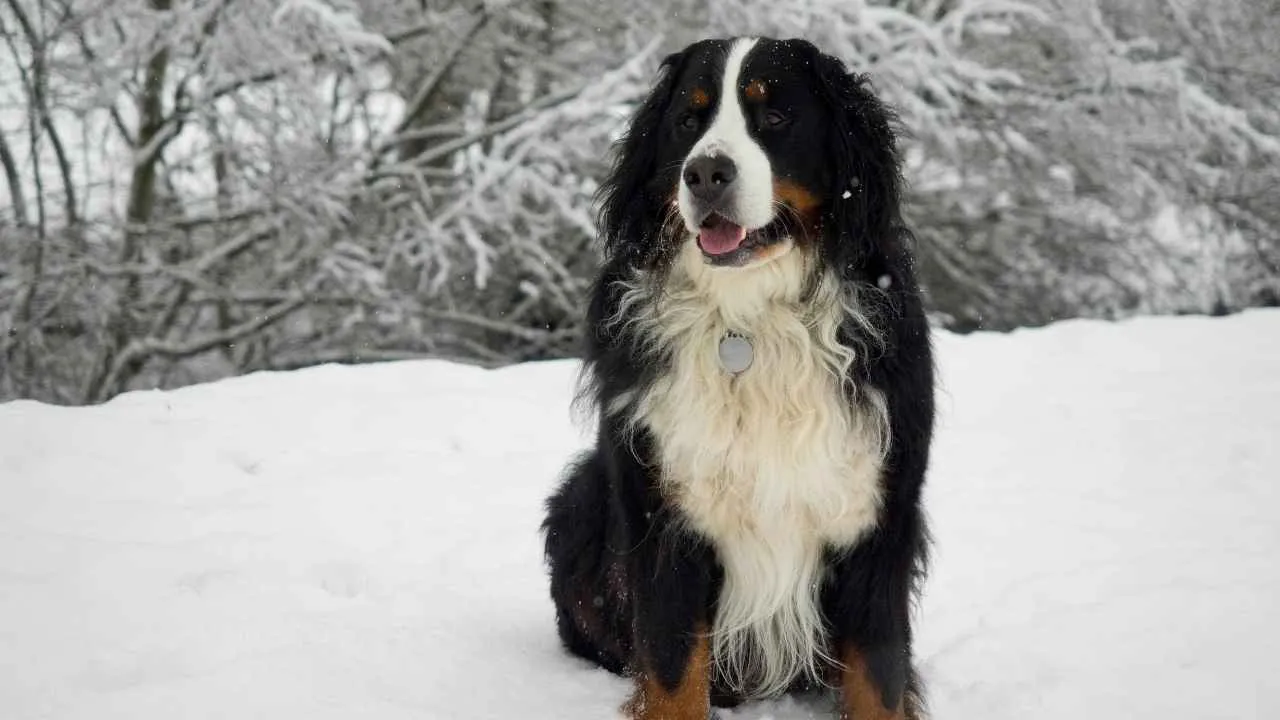
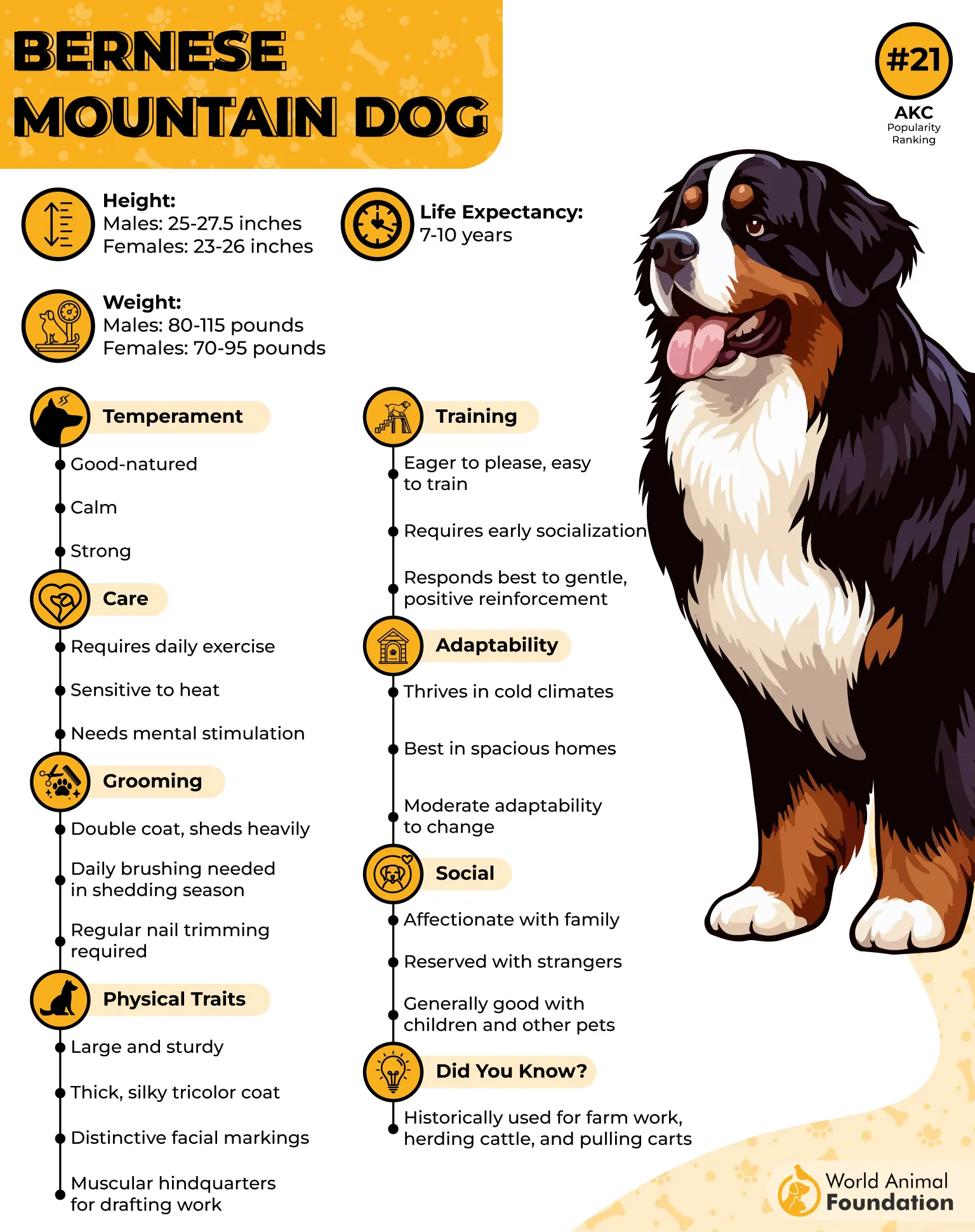
The Bernese Mountain Dog reflects its Swiss origin, shaped for demanding outdoor work in cooler mountain climates. Its sturdy build and calm confidence suit travelers who explore rugged landscapes and elevated trails. This breed remains comfortable in cold environments, yet is not suited for hot summers.
Trail Readiness
Bernese Mountain Dog adapts well to active journeys, especially where climbing paths and open spaces define the route. They show strong endurance during structured outdoor activities.
The versatility of this breed is clear from these traits:
Performs well in carting tasks
Excels in drafting competitions
Participates in agility and tracking
Outdoor Presence
This mountain dog brings a steady temperament that aligns with camping trips and backpacking plans. Its affectionate nature creates a dependable travel companion during extended stays outdoors. The breed enjoys purposeful activity that involves movement across varied terrain.
6. Alaskan Malamute
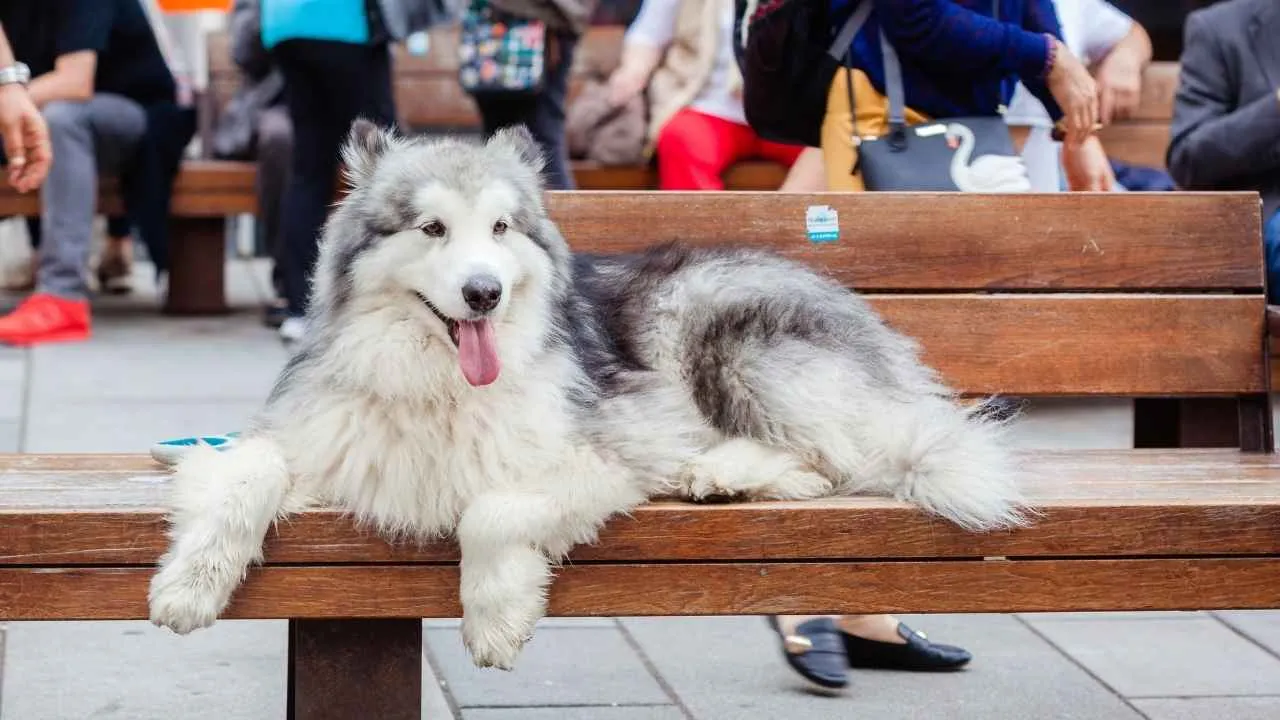
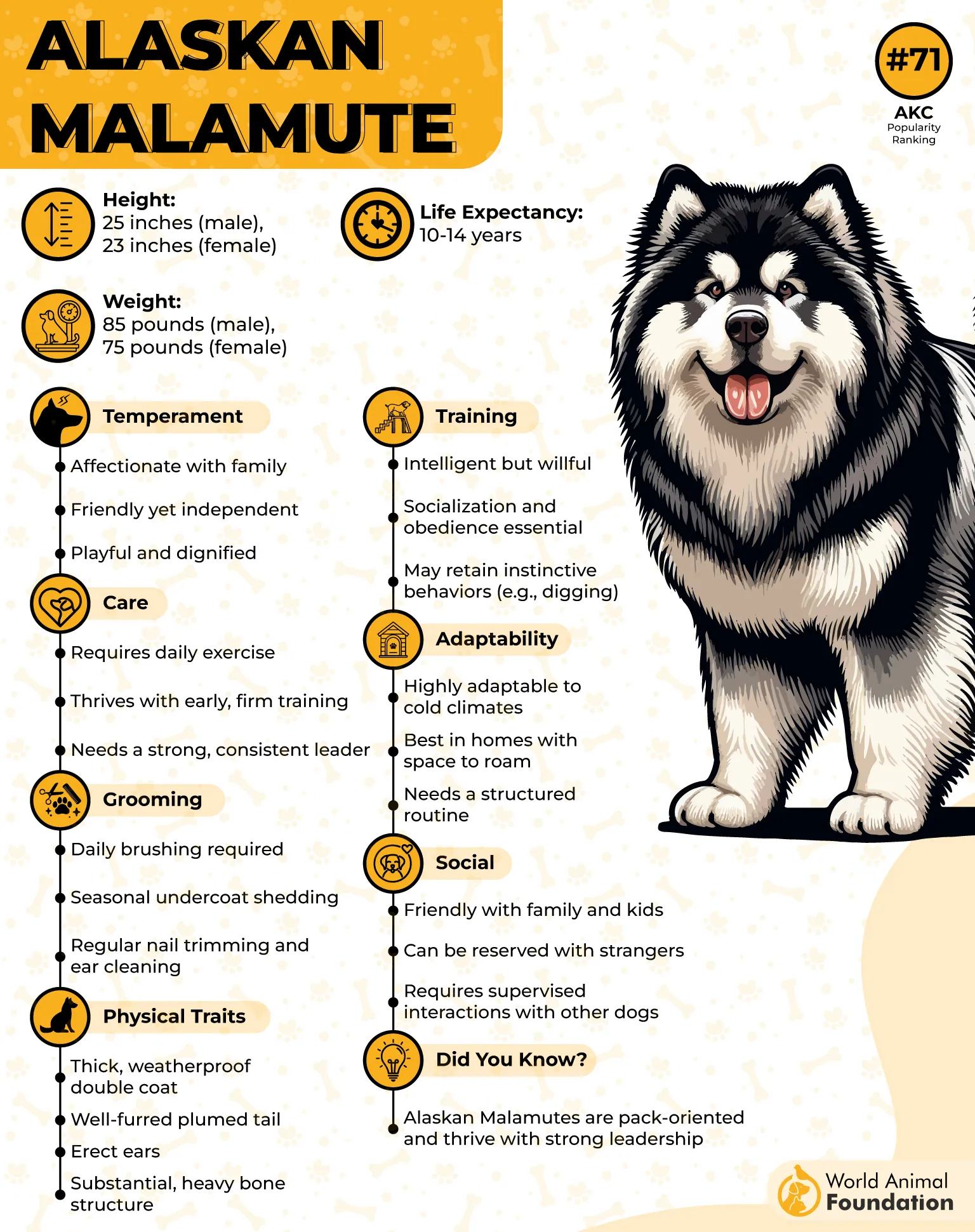
The Alaskan Malamute stands out as an immensely strong spitz-type working dog built for demanding physical tasks. Its sturdy bone structure, erect ears, and plumed tail create the powerful outline often associated with northern sled dogs. This strength supports long-distance outdoor activity across rugged landscapes.
Active Pursuits
They often participate in physically demanding outdoor activities that match their working heritage. These activities reflect the breed’s ability to stay engaged during extended trips and demanding terrain.
This is how this working drive appears in real settings:
Recreational or competitive sledding
Weight-pulling competitions
Skijoring alongside a skier
Cold Climate
Malamutes have a thick, waterproof double coat that protects the body in cold environments. This coat allows the dog to remain comfortable during winter outings and long hikes in snowy regions. Travelers exploring colder destinations often appreciate this natural protection.
7. German Shorthaired Pointer
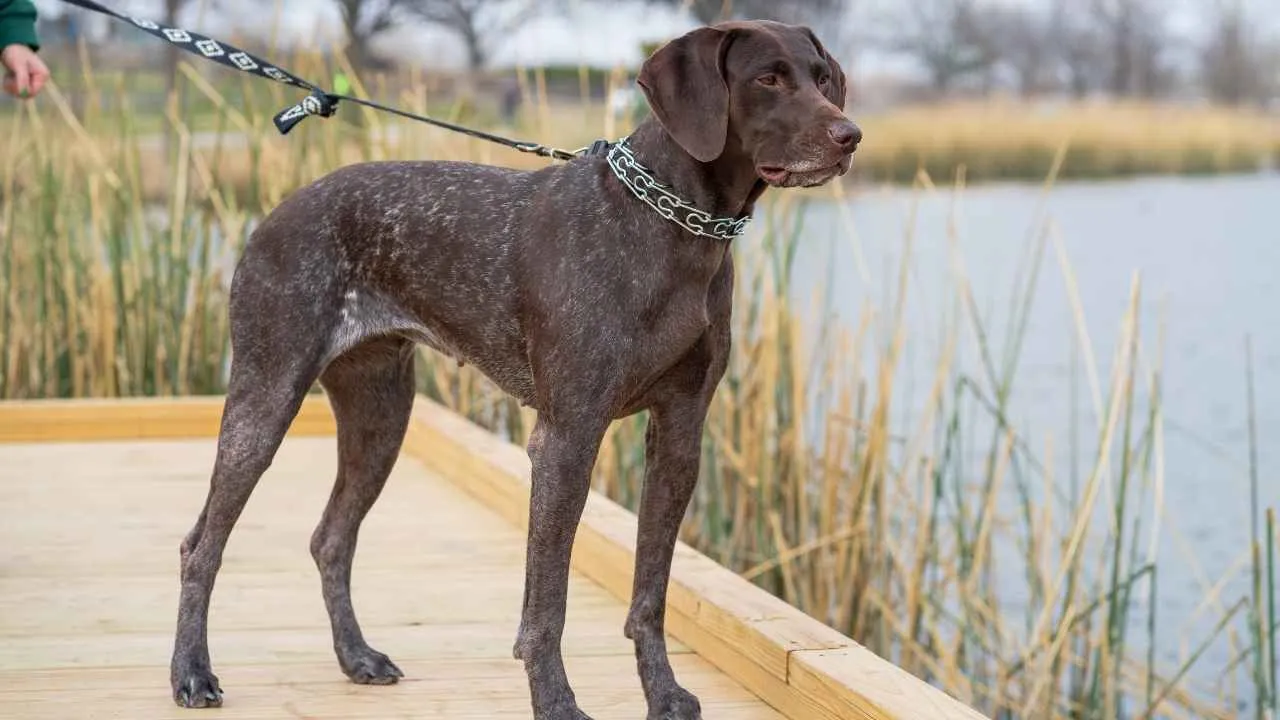
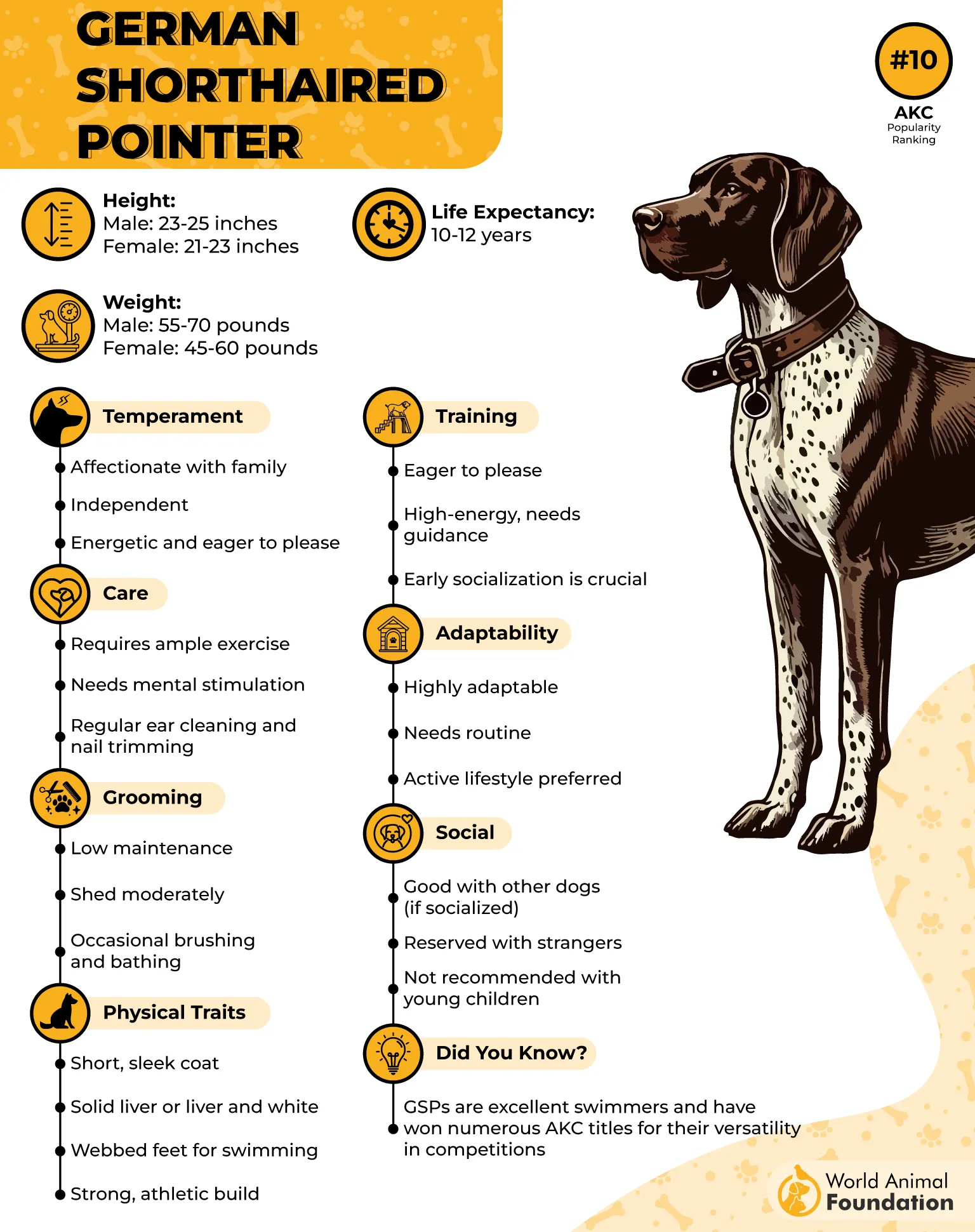
The German Shorthaired Pointer is a versatile gundog known for enthusiasm and a strong drive for outdoor activity. This breed was built for long working days in fields and around water. Such stamina naturally suits trips that involve constant movement across new places.
Physical Ability
These pointer dogs show power, speed, agility, and endurance during active work. Its athletic structure supports demanding movement through fields, trails, and lakeside terrain.
This is why the breed fits active travel routines.
Fast and agile running ability
Strong endurance during long outings
Confident swimming capability
Activity Needs
They are an extremely high-energy dog that requires substantial daily activity. Running, swimming, and organized dog sports provide productive outlets for that energy. Without regular exercise, the breed may become restless and destructive.
Conclusion
Travel becomes more meaningful when a loyal companion shares the road. While many dogs enjoy daily routines at home, certain breeds feel most alive in the great outdoors.
These dogs carry the stamina and curiosity needed for changing landscapes. Some travelers prefer large dogs for rugged trails, while others enjoy the energy of small dogs or even a little dog exploring beside them.
With thoughtful dog training and regular mental and physical stimulation, these intelligent dogs grow into reliable travel partners. A furry friend who walks quietly beside you often becomes one of life’s wonderful companions during long journeys through pet-friendly places.
