




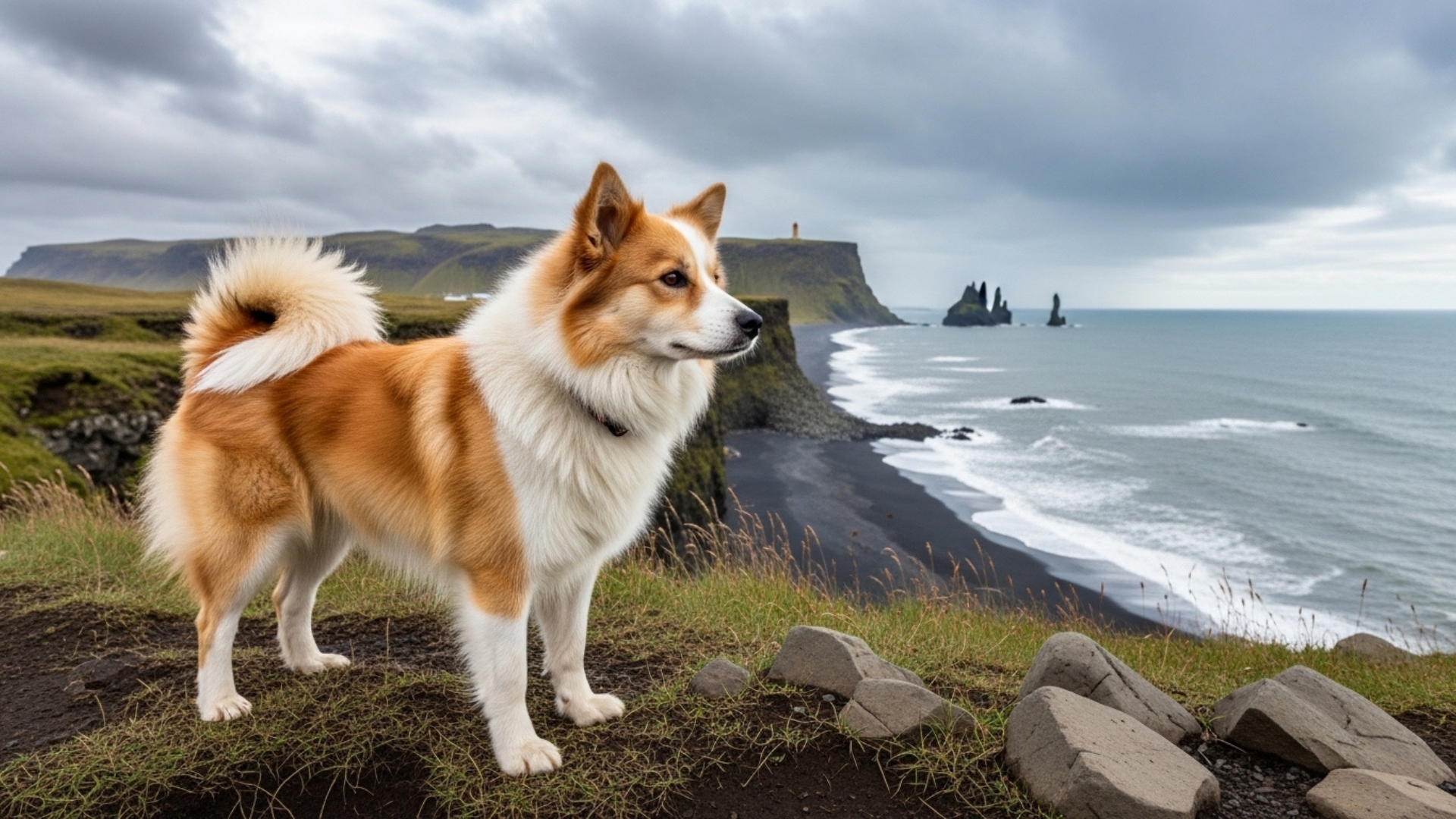
Across the world’s most isolated landscapes, unique dog breeds have developed traits that reflect the environments they come from. From rugged mountains and remote islands to harsh deserts and frozen tundras, these dogs evolved alongside local communities, adapting to climates and challenges that few other breeds could endure.
Isolation often allowed these breeds to develop distinctive appearances, skills, and temperaments that set them apart from more familiar canine companions. Life in remote regions demands resilience, intelligence, and strong working instincts.
Many of these dogs were bred for specialized roles such as guarding livestock, assisting hunters, or helping families survive in difficult terrain. Their thick coats, powerful bodies, sharp senses, and independent thinking helped them thrive where conditions were tough and resources were limited.
Today, these rare breeds continue to capture the imagination of dog lovers around the world. Exploring these unique breeds offers a glimpse into the rich diversity of dogs that developed far from the spotlight of modern cities.
Top Remarkable Dog Breeds From Remote Regions
1. Norwegian Lundehund
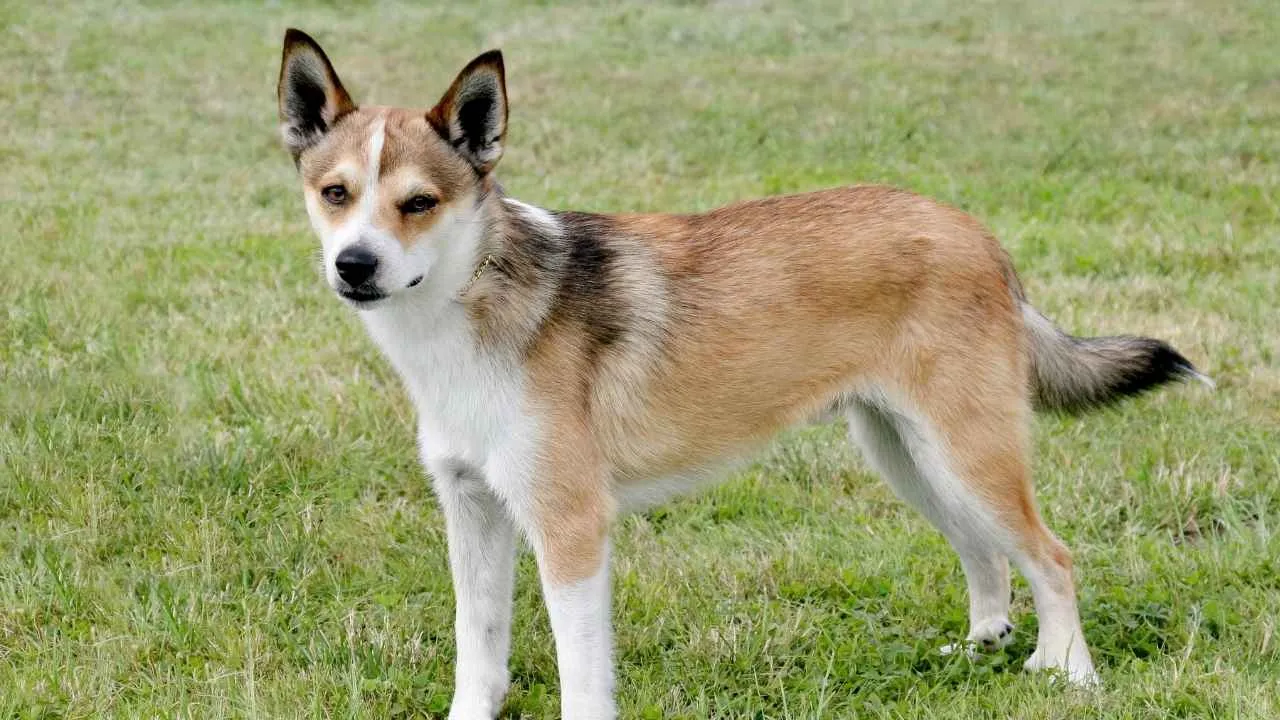
The Norwegian Lundehund, sometimes simply called the Lundehund, is a rare spitz-type dog from the remote coastal regions of Norway.
Known for its unusual physical traits and agile body, this small but capable breed developed alongside fishing communities that depended on its remarkable hunting abilities.
PetMD explains that this breed is often first recognized for its fox-like appearance, though it also has several other distinctive physical features.
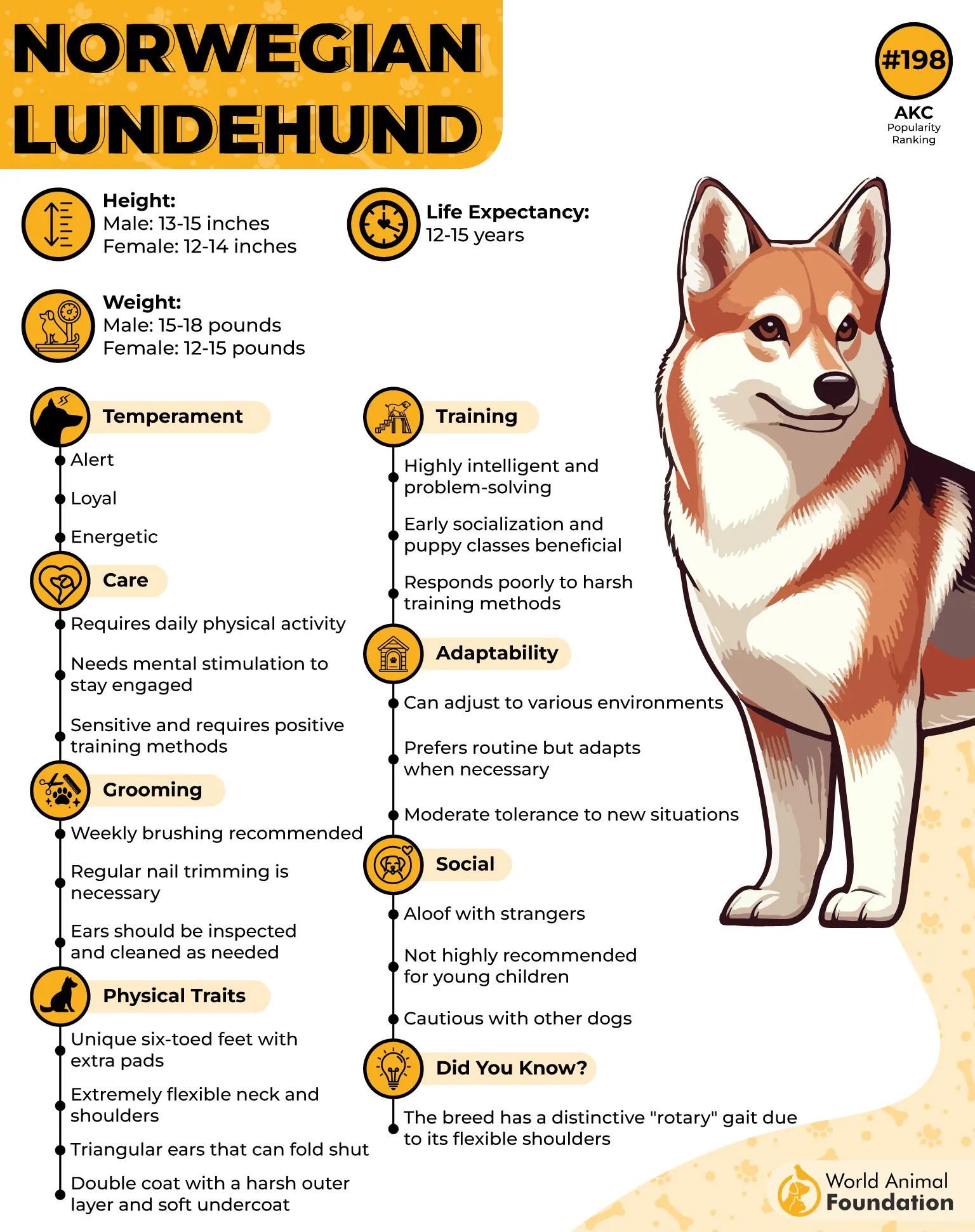
The Hardy Survivor from Rugged Landscapes
Centuries ago, Norwegian Lundehunds were used to hunt puffins along steep coastal cliffs. Their flexible joints and unique six-toed feet allowed them to climb rocky slopes and navigate narrow crevices in harsh Nordic environments.
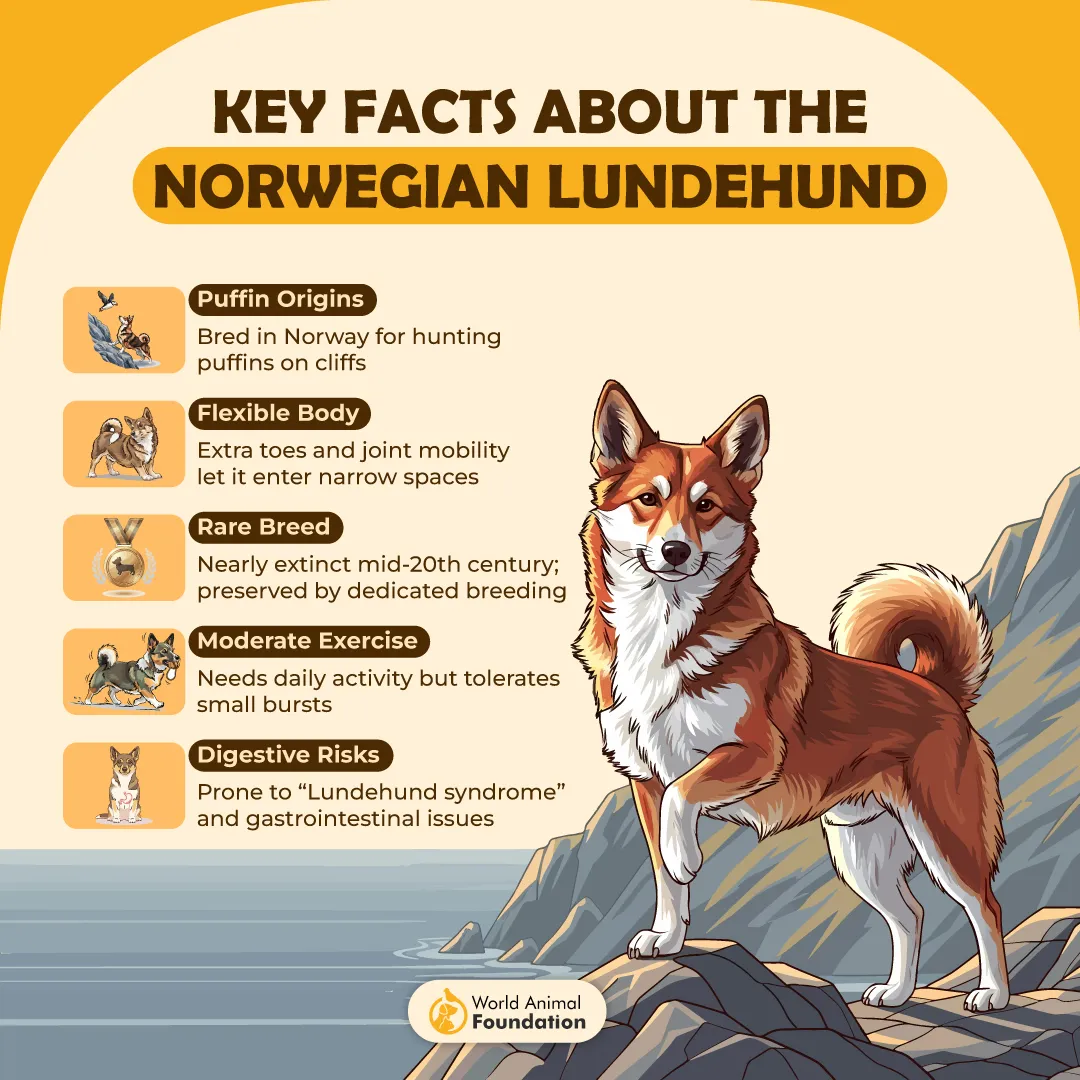
These remarkable adaptations made the breed perfectly suited for life in isolated landscapes where survival required agility and intelligence. Even today, Lundehunds retain their energetic nature and problem-solving skills, traits that once helped them work in challenging terrain.
Although their traditional hunting role has mostly disappeared, modern Lundehunds remain lively companions who enjoy exploring and engaging with their families. Their resilience and history as working dogs from remote regions continue to fascinate dog enthusiasts around the world.
Fact: The Norwegian Lundehund has six toes on each foot, a rare feature that once helped it climb steep cliffs while hunting puffins.
2. Icelandic Sheepdog
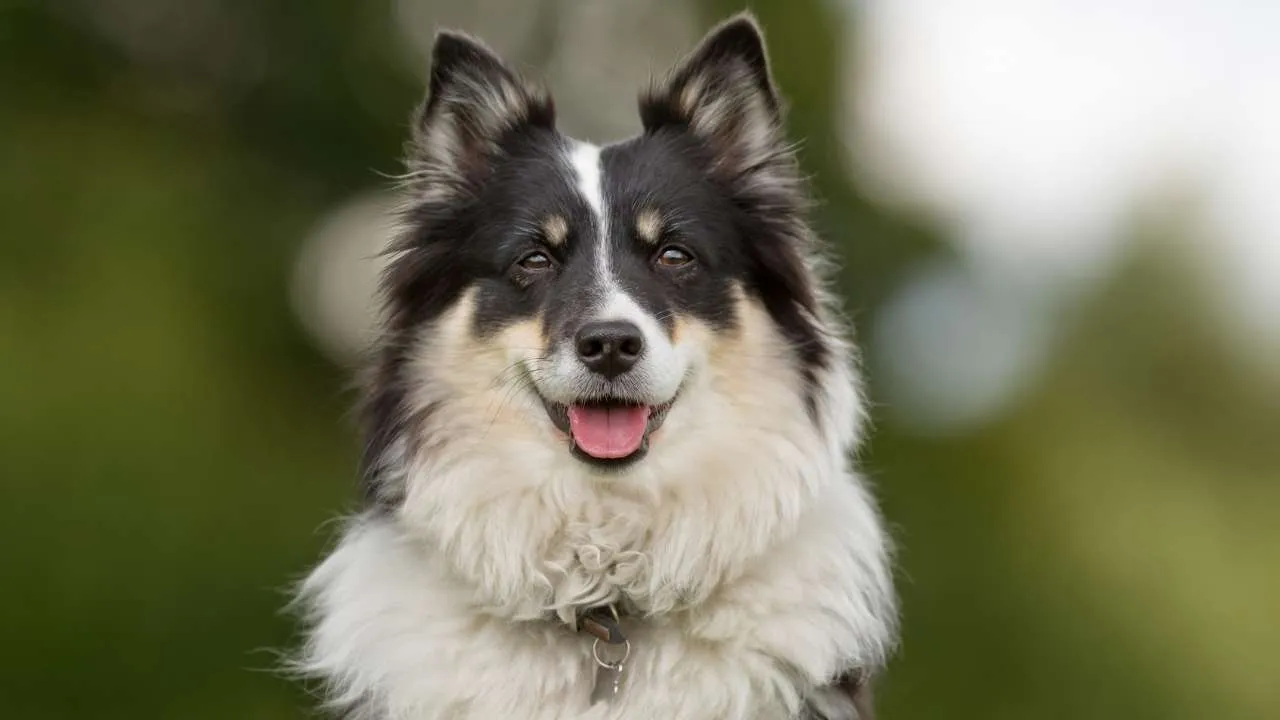
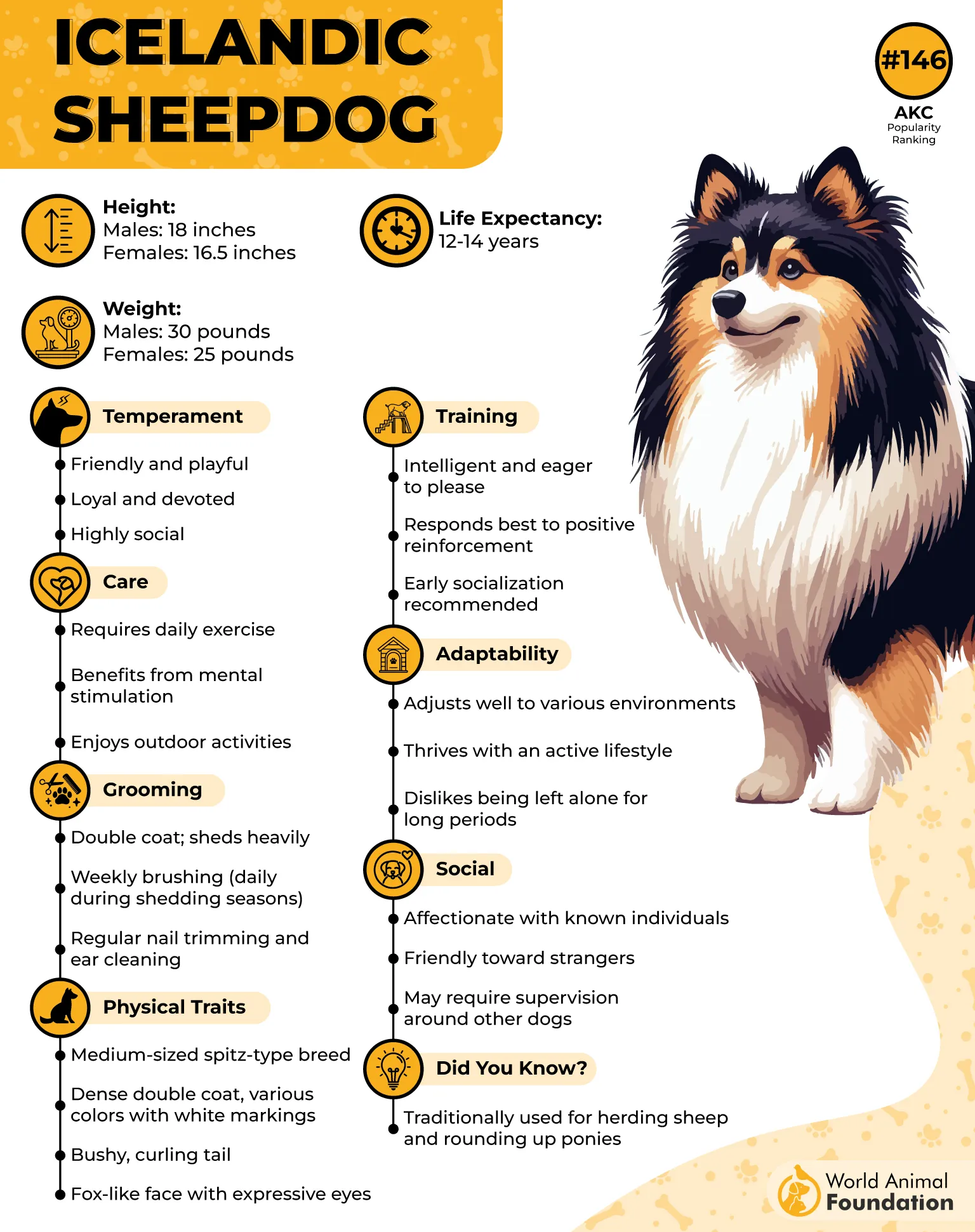
The Icelandic Sheepdog, sometimes called the Iceland Dog or Icelandic Spitz, is a lively herding breed that originated in the remote landscapes of Iceland. With its curled bushy tail, upright ears, and sturdy frame, this spitz-type dog was shaped by centuries of life in rugged Nordic environments.
Purina explains that the Icelandic Sheepdog is believed to be one of the world’s oldest breeds. Vikings brought these dogs to Iceland between eight hundred seventy-four and nine hundred thirty AD, which earned the breed the nickname “dog of the Vikings.”
A Rare Guardian Shaped by Remote Traditions
These loyal breeds were traditionally used by farmers to herd livestock while also keeping watch over the farm. Their natural instinct to alert owners to unusual sounds or approaching predators made them both helpers and protectors in isolated rural communities.
Living in Iceland’s harsh terrain helped shape their strong, agile bodies and attentive nature. Their compact build allows them to move easily across uneven ground, while their alert ears help them detect activity from far away.
These dogs are known for their energetic personalities and enthusiasm for work, traits that once helped them thrive in remote farming regions. Even today, their loyal and watchful temperament reflects their history as dependable companions in challenging environments.
Fact: Icelandic Sheepdogs possess a unique “watchdog-herding” instinct, meaning they both guide livestock and alert their owners to possible threats.
3. Norwegian Elkhound
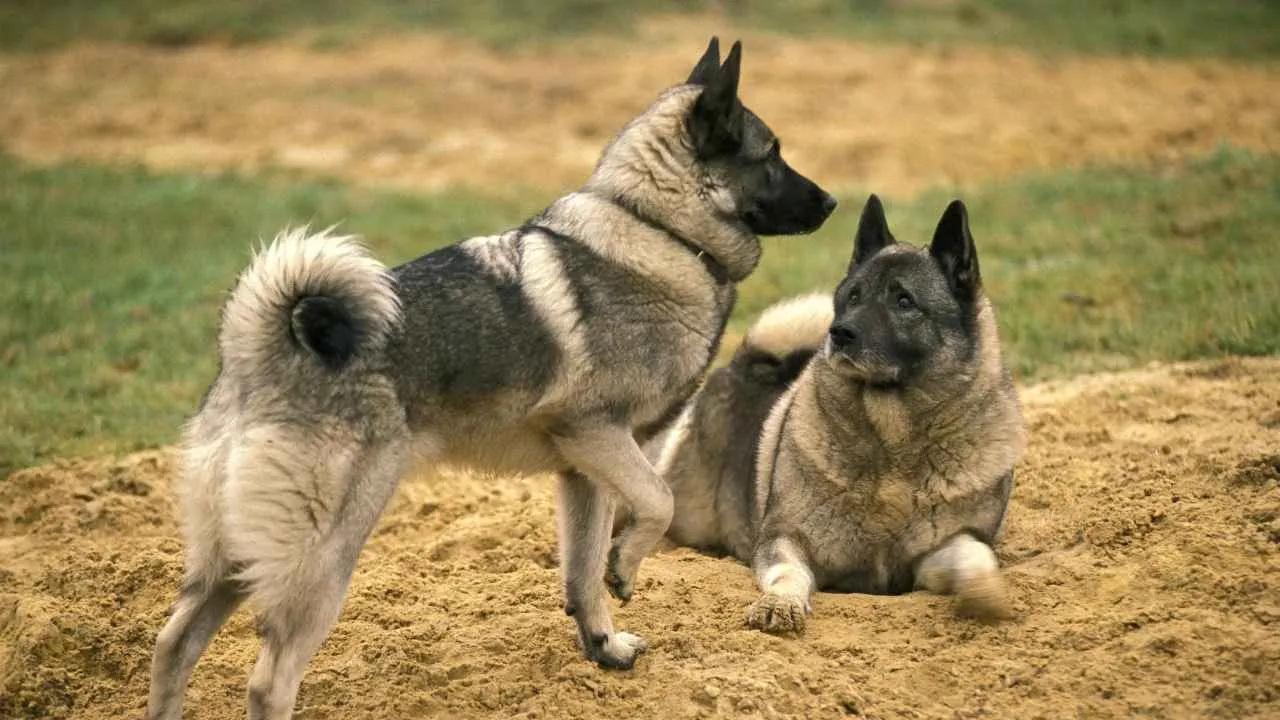
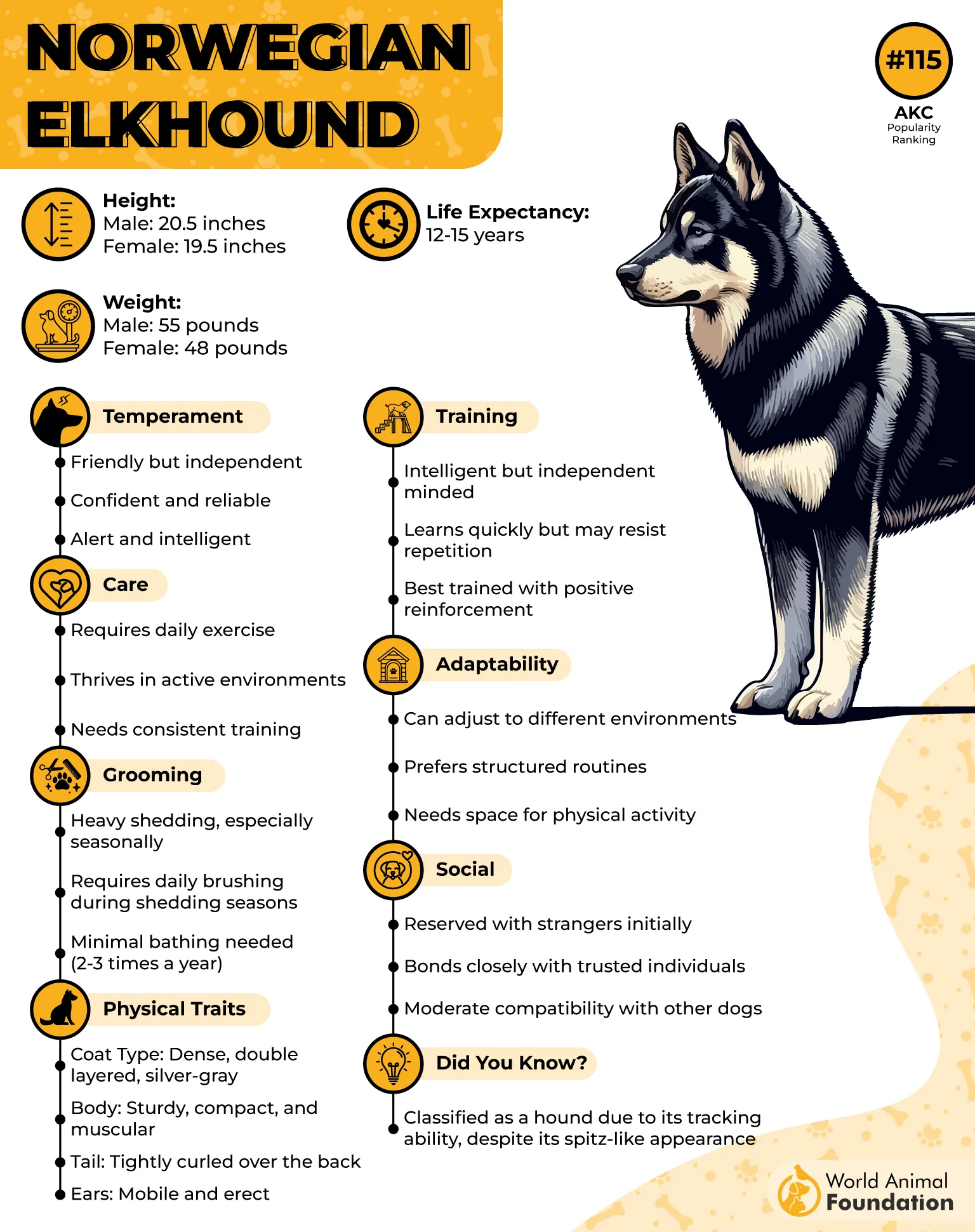
The Norwegian Elkhound, sometimes called the Norsk Elghund, is a sturdy spitz-type dog that originated in the mountainous regions of Norway. Recognized by its upright ears, wedge-shaped head, and tightly curled tail, this breed developed alongside Nordic hunters in rugged northern landscapes.
WebMD explains that these dogs were bred for a specific hunting method in which they chase and corner large prey. They then confuse the animal by darting in and dodging its attacks.
The Mountain Companion Built for Harsh Climates
Norwegian Elkhounds are energetic and confident dogs known for their stamina, alertness, and affectionate nature. Historically used to track and hold large game such as elk, they developed the endurance needed to navigate steep terrain and cold environments.
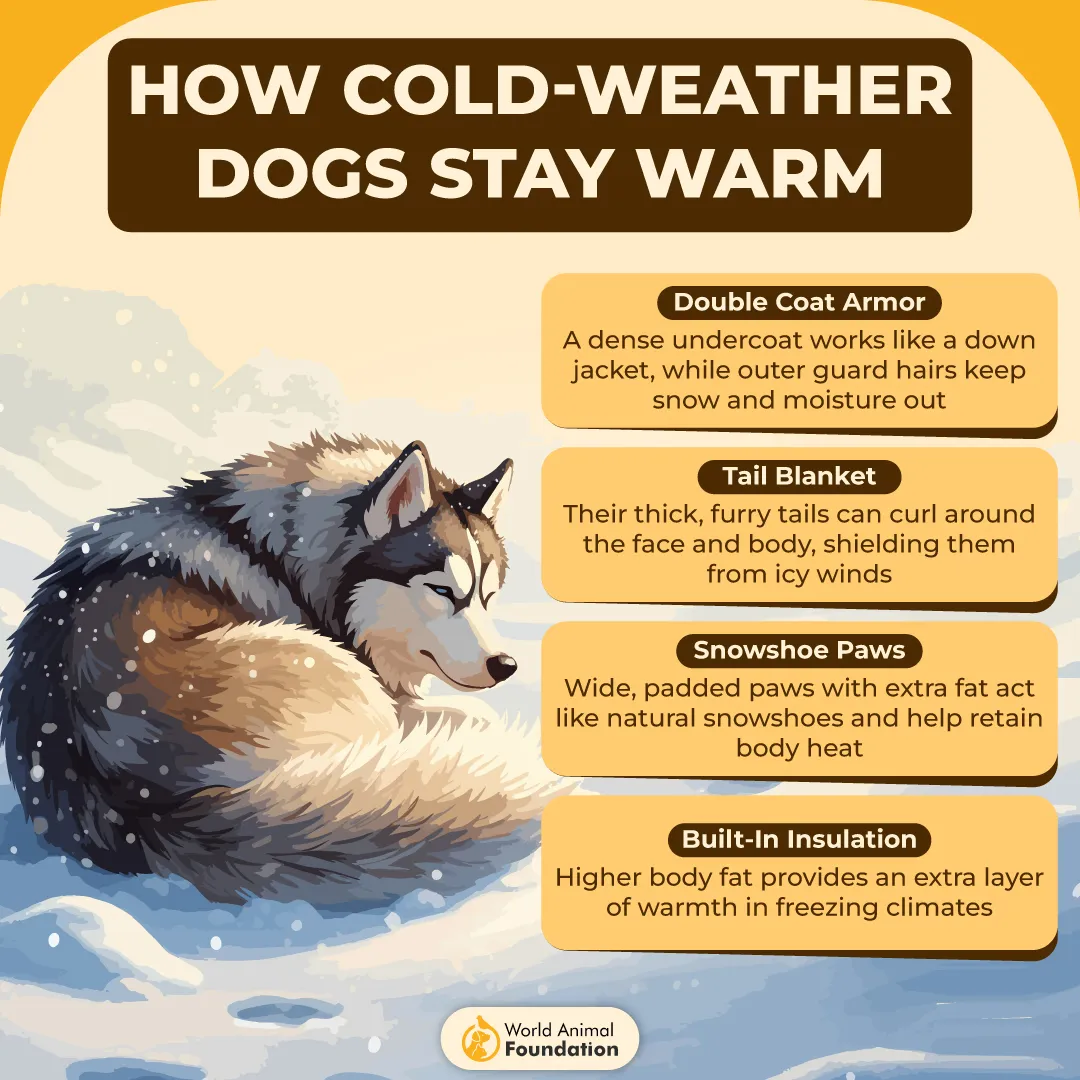
Their dense double coat and tough guard hairs provide protection against wet and freezing Scandinavian weather. These physical traits helped the breed thrive in remote mountain regions where survival required both resilience and adaptability.
Despite their independent streak, Elkhounds often form close bonds with their families and enjoy companionship. Their natural watchdog instincts also make them attentive and vocal when something unusual occurs around the home.
Fact: The Norwegian Elkhound’s thick double coat and tightly curled tail evolved to help the breed withstand cold, wet Scandinavian climates.
4. Finnish Spitz
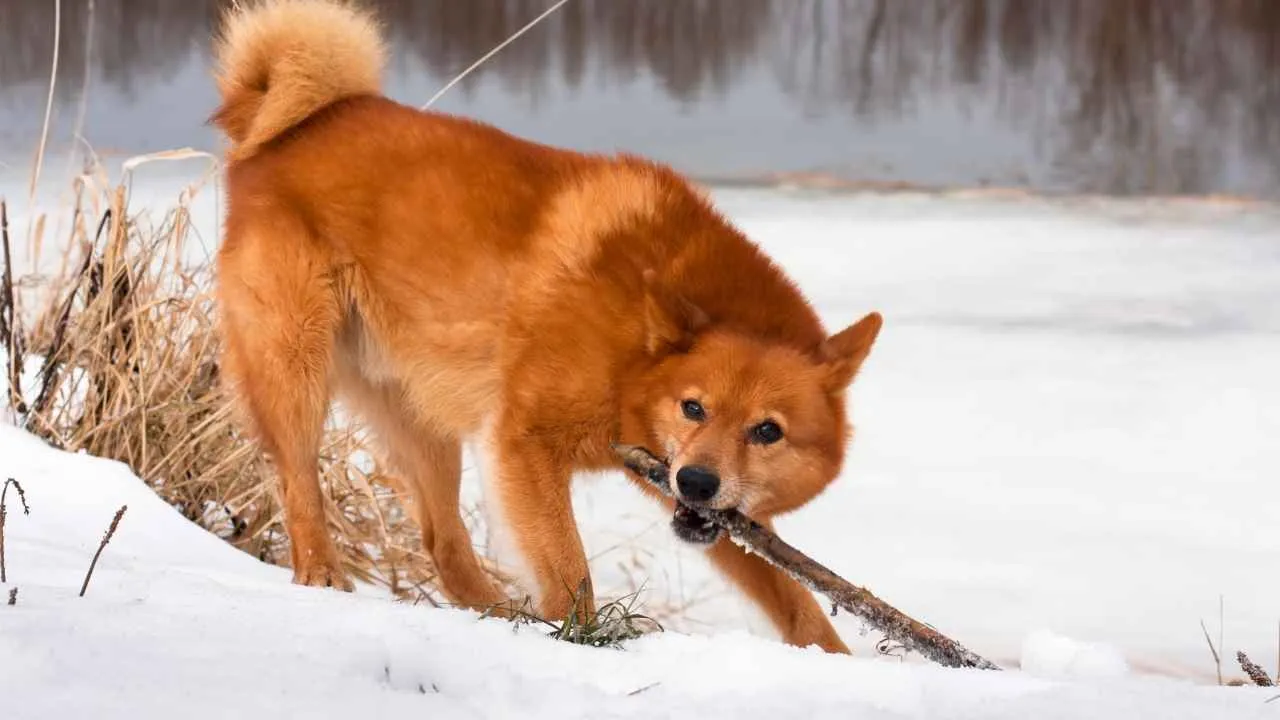
The Finnish Spitz, sometimes called the “Barking Bird Dog,” is a fox-like spitz breed recognized for its golden-red coat, pointed ears, and proudly curled tail. Originating in Finland’s remote forests, this distinctive dog developed naturally in isolation and became a skilled hunting companion.

A Strong Working Dog from Isolated Communities
In the rugged northern wilderness, the Finnish Spitz played a unique role for hunters. Instead of chasing prey, it located birds and alerted hunters by barking repeatedly, guiding them toward the exact spot.
Centuries of survival in harsh climates shaped this breed into a resilient and self-reliant worker. Living in remote regions meant the Finnish Spitz evolved strong instincts, intelligence, and the independence needed to thrive without constant human direction.
Training this clever dog often works best as a partnership rather than strict obedience. With patience and positive reinforcement, owners can channel their natural curiosity and energy into productive activities and strong companionship.
Fact: The Finnish Spitz is affectionately known as the “Barking Bird Dog” because it traditionally signaled hunters to game birds using its loud, repetitive bark.
5. Canaan Dog
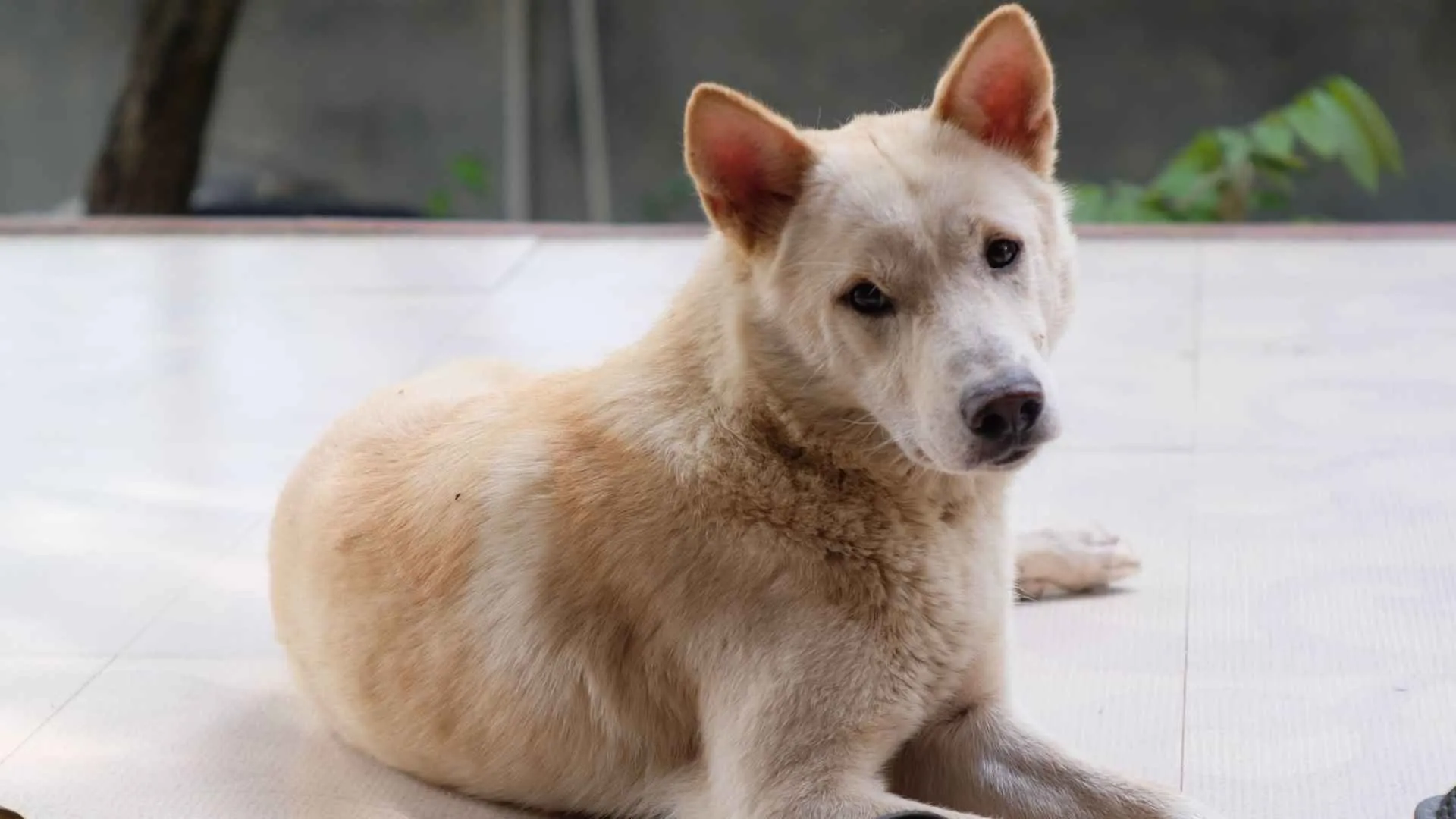
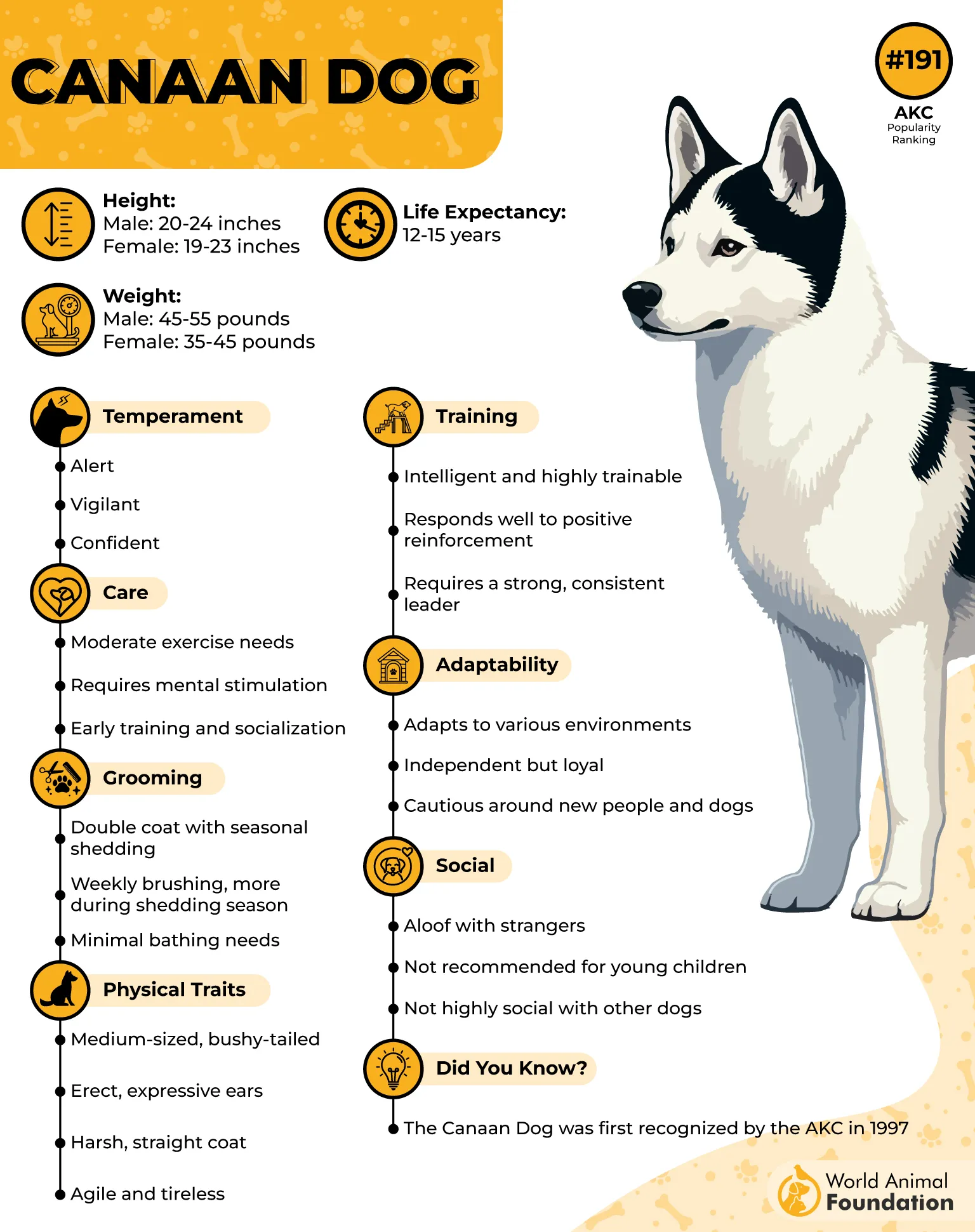
The Canaan Dog, sometimes referred to as the Kelev K’naani, is a rare herding breed that originated in the Middle East. Recognized by its square build, upright ears, bushy tail, and short coat, this primitive dog developed from ancient wild canines that adapted to harsh desert environments.
The Resilient Breed Adapted to Wild Terrain
For thousands of years, Canaan Dogs survived in rugged landscapes where resources were scarce and conditions were unpredictable. Their strong instincts, intelligence, and awareness helped them navigate the unforgiving wilderness of desert regions.
Life in remote areas shaped this breed into an alert and cautious companion. They tend to observe unfamiliar people or situations carefully, which historically helped them guard camps and settlements from potential threats.
Because of these deep-rooted instincts, early socialization plays an important role in raising a confident Canaan Dog. With patient guidance, they become loyal and capable companions that balance independence with strong devotion to their families.
Fact: The Canaan Dog is considered a primitive breed that evolved from ancient wild dogs and adapted to survive in harsh desert climates.
6. Azawakh
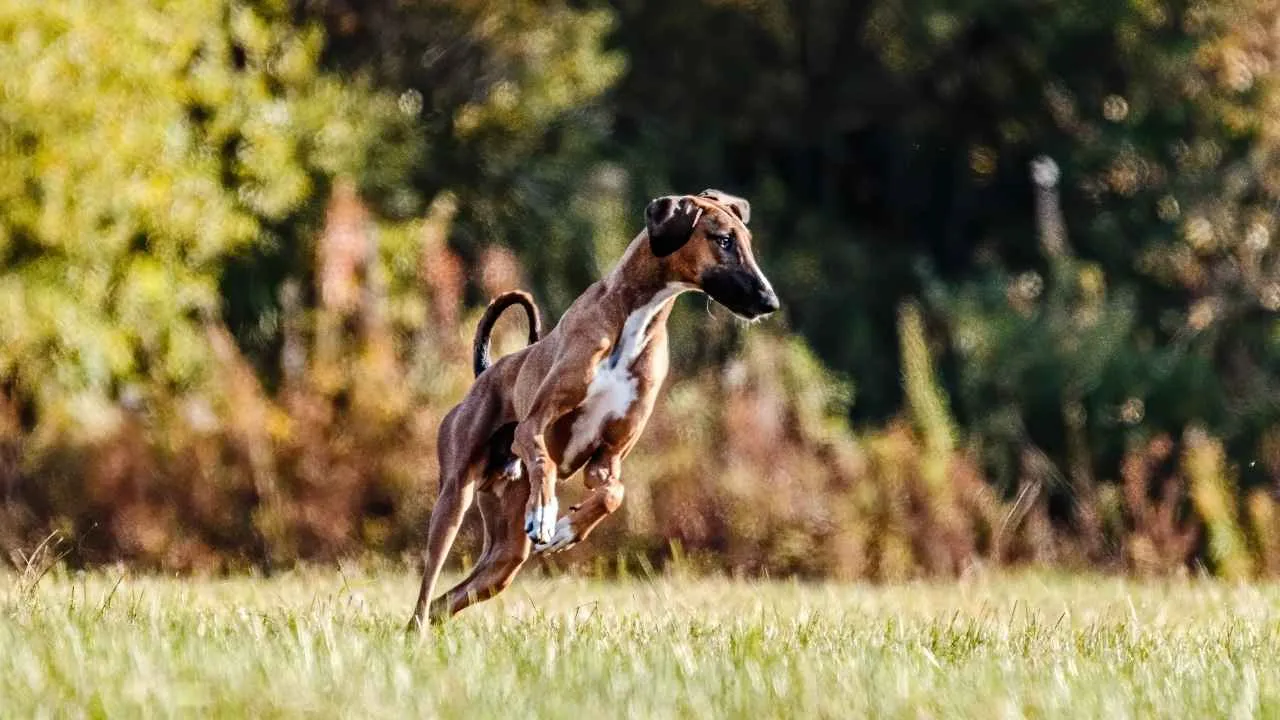
The Azawakh, sometimes simply called “Idi” by the Tuareg people, is an elegant sighthound that originated in the Azawakh Valley between Mali and Niger. Known for its tall, lean frame and remarkable speed, this desert dog developed in the harsh landscapes of the Sahara.
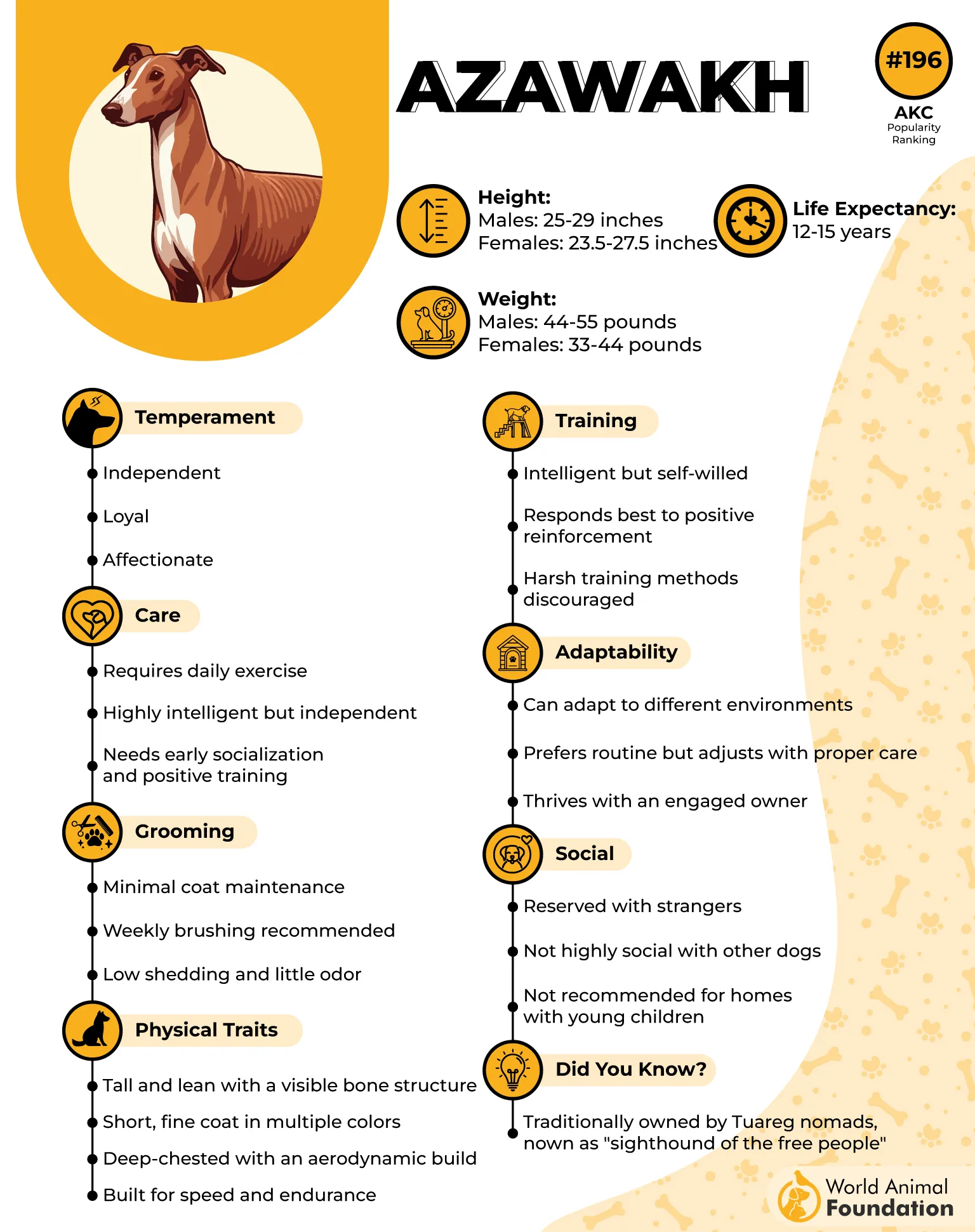
A Loyal Protector from Remote Villages
For centuries, the Azawakh served nomadic communities as both a hunter and guardian. In the dry Sahel region, these swift dogs chased prey such as gazelles, antelopes, and hares during long desert hunts.
Beyond hunting, the Azawakh played an important role in protecting livestock, tents, and families. Their alert nature and natural loyalty made them dependable companions for tribes living far from towns and modern settlements.
Despite their independent spirit, Azawakhs form deep emotional bonds with their owners. While they may appear reserved around strangers, they are affectionate and devoted to the people they trust most.
Fact: The name “Azawakh” comes from the Azawakh Valley on the border of Mali and Niger, where the breed originally developed among nomadic tribes.
7. Thai Ridgeback
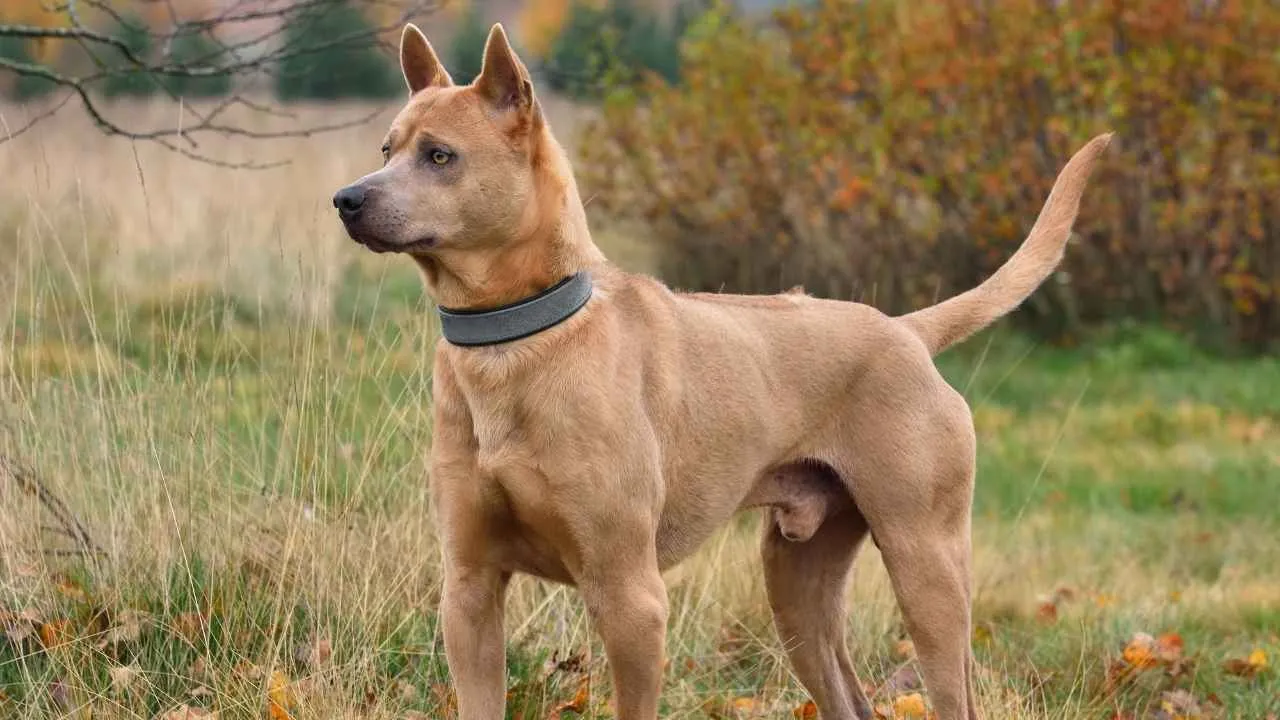
The Thai Ridgeback, sometimes referred to simply as the TRD, is a muscular and athletic breed from Thailand known for the unique ridge of hair running along its back. With its sleek coat and strong frame, this rare dog developed in isolated regions where endurance and independence were essential.
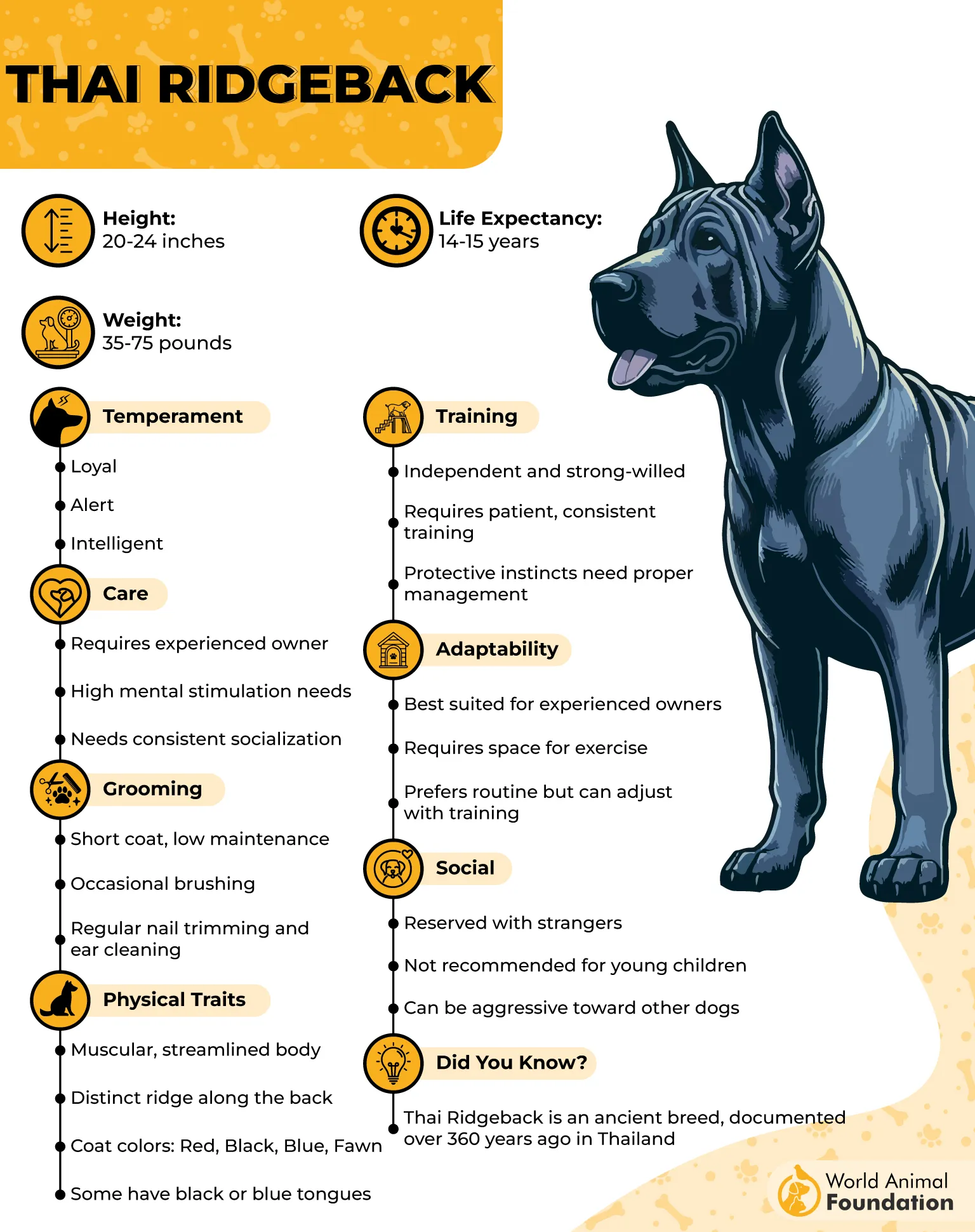
The Endurance Champion from Distant Lands
Life in remote parts of Thailand helped shape the Thai Ridgeback into a tough and resourceful working dog. Its powerful build and high stamina allowed it to travel long distances while guarding homes and helping with hunting tasks.
One of the breed’s most striking features is the ridge of hair growing in the opposite direction along the spine. Combined with its smooth coat and streamlined body, this trait gives the dog a distinctive and recognizable appearance.
These athletic dogs are intelligent but strong-willed, often thinking independently rather than blindly following commands. With consistent leadership, proper training, and regular activity, they can develop into loyal companions that bond deeply with their families.
Fact: The Thai Ridgeback’s signature feature is the ridge of hair running along its back, which grows in the opposite direction from the rest of its coat.
8. Catahoula Leopard Dog
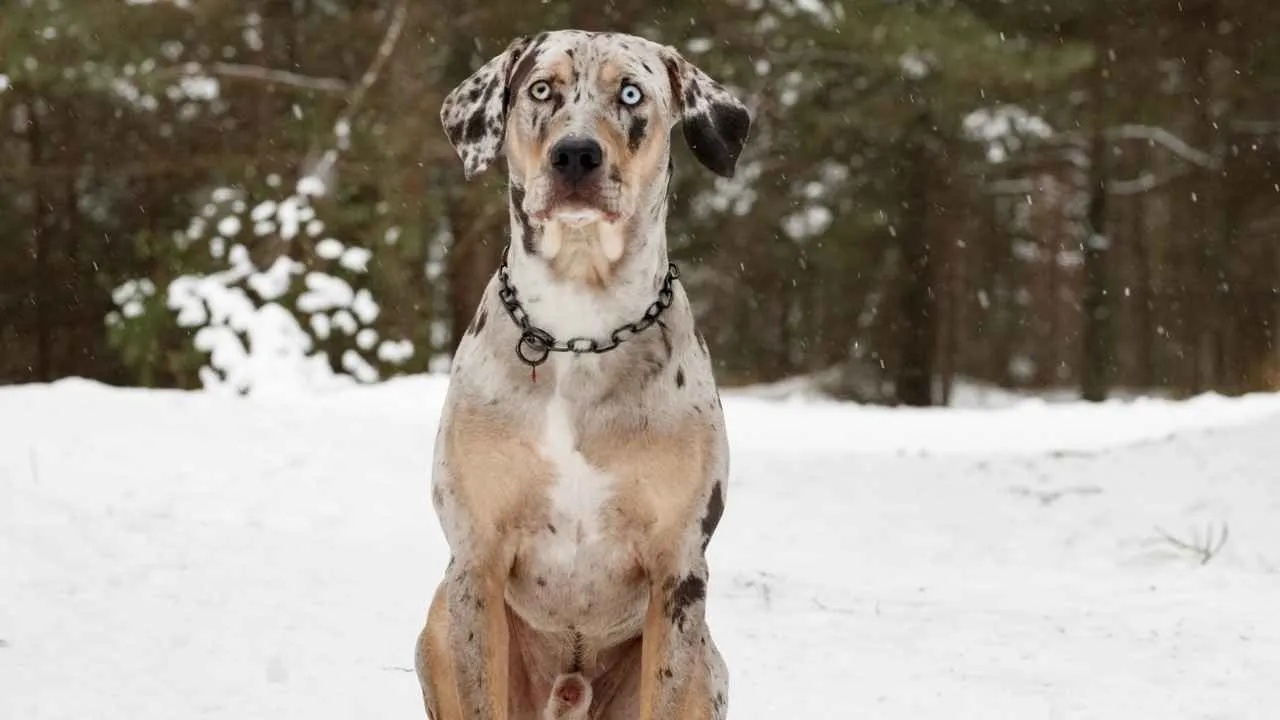
The Catahoula Leopard Dog, also known as the Louisiana Catahoula Leopard Dog, is a striking working breed strongly connected to the Catahoula region of Louisiana.
Recognized for its mottled coat patterns and powerful, athletic build, this rare dog developed to handle demanding tasks in rural American landscapes.
A Distinctive Breed with Deep Regional Roots
Originally bred for tough farm work, this herding dog was valued for herding livestock and controlling feral hogs across rough terrain. Its agility, endurance, and muscular frame allowed it to work tirelessly during long days outdoors.
Life in remote rural areas shaped the breed into an intelligent and resourceful problem solver. Catahoulas often think independently and perform best when given clear guidance, structured training, and activities that challenge both body and mind.
Their strong work ethic is matched by loyalty to their families, making them dependable companions in active households. Although not commonly seen outside certain regions, the breed remains admired for its versatility and rugged spirit.
Fact: The Catahoula Leopard Dog’s name is linked to the Catahoula region of Louisiana, often associated with a Choctaw term traditionally translated as “sacred lake.”
9. Sibrain Husky
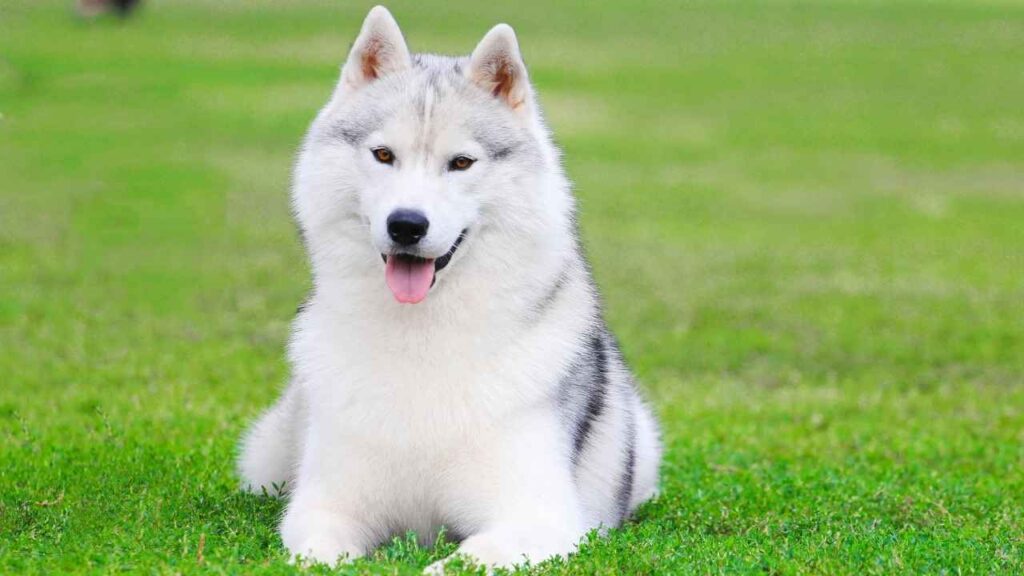
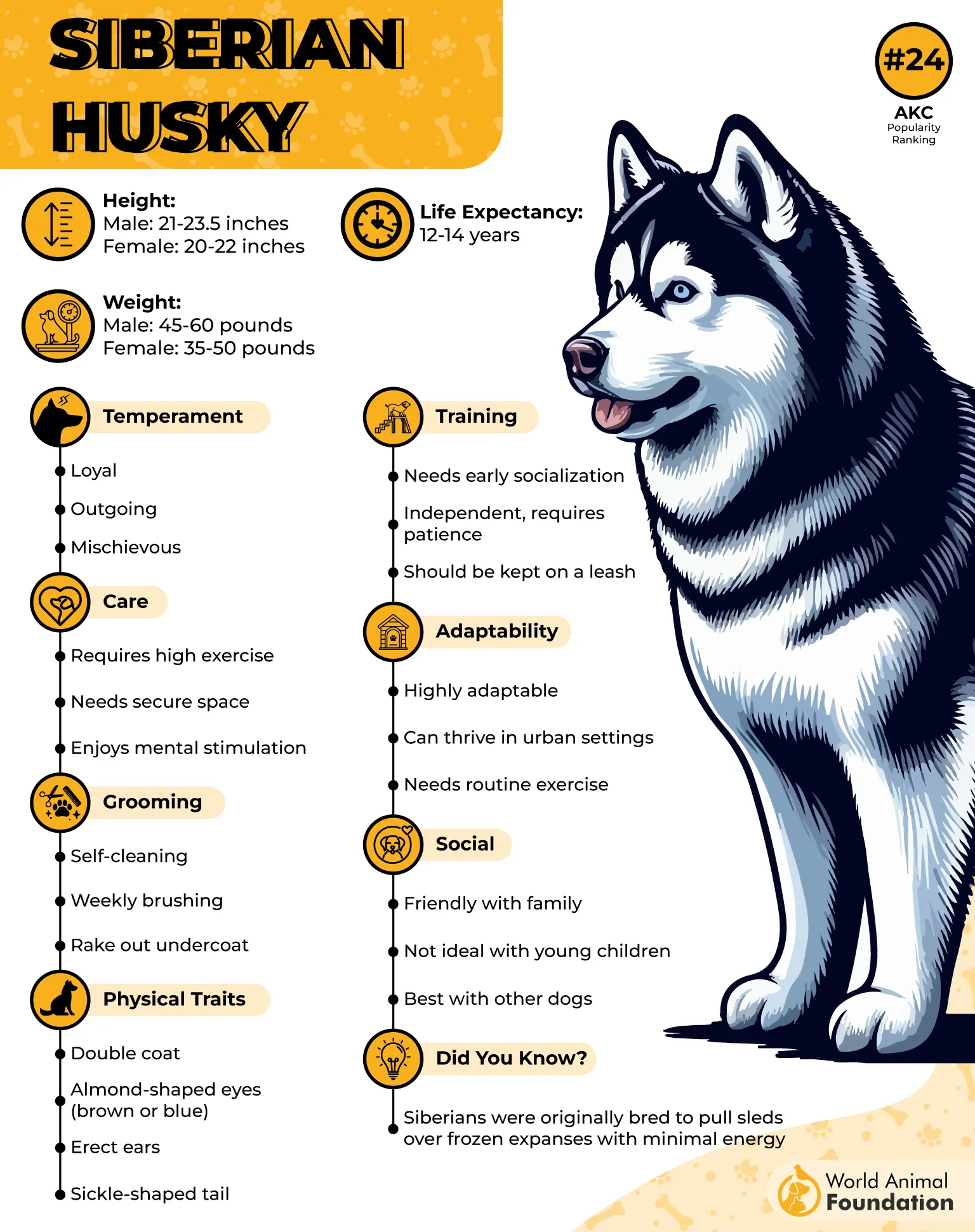
The Siberian Husky, often simply called the Husky, is a medium-sized working dog famous for its Arctic heritage. Recognized by its thick double coat, striking eyes, and triangular ears, this breed developed in the harsh landscapes of northeastern Siberia.
The Adaptable Dog from Untouched Environments
Originally bred by the Chukchi people of Siberia, the Siberian Husky played a vital role in the survival of nomadic communities. These dogs pulled sleds across frozen terrain, traveling long distances through some of the coldest environments on Earth.
Life in extreme climates shaped the Husky into a resilient and efficient working partner. Its dense coat protects against freezing temperatures, while its endurance allows it to perform demanding tasks in remote Arctic regions.
Even today, the breed thrives in active households where it can run, explore, and stay mentally engaged. They are intelligent, so they need mental stimulation as well. Huskies remain energetic companions that enjoy outdoor adventures such as long hikes, games, and endurance activities.
Fact: The Siberian Husky was originally developed by the Chukchi people of northeastern Siberia to pull sleds and assist nomadic tribes in Arctic conditions.
10. Tibetan Terrier
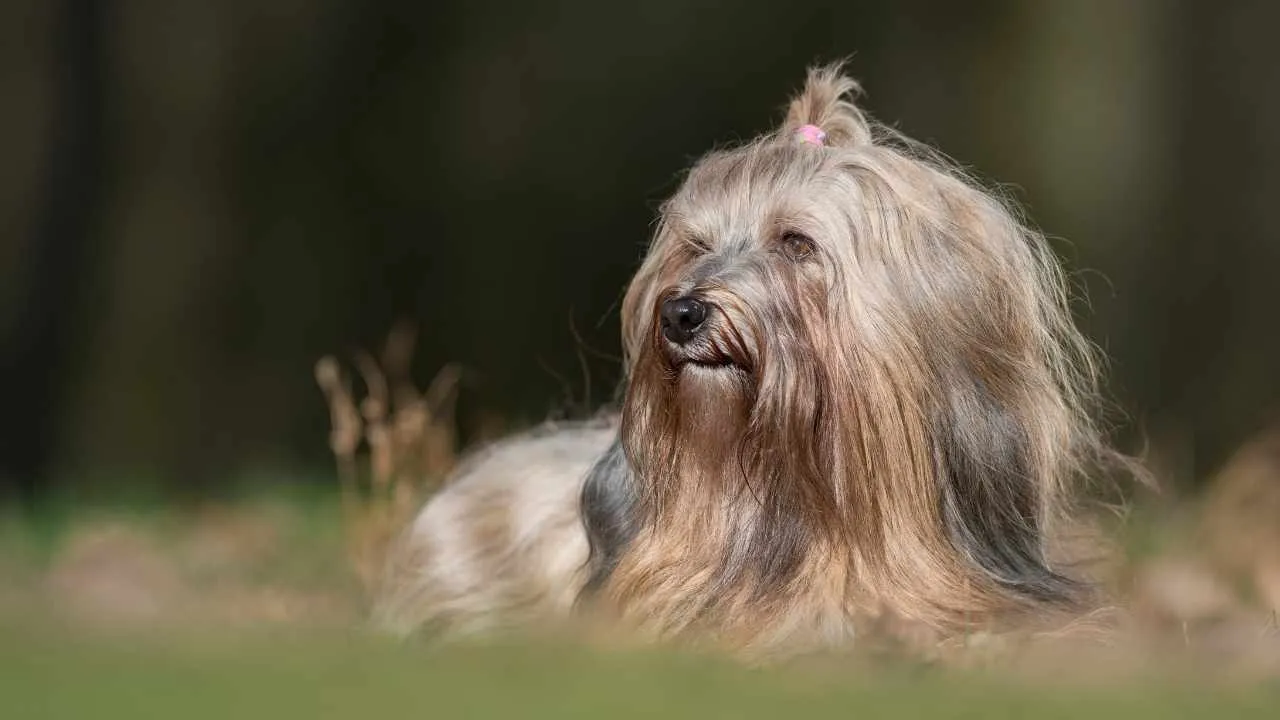
The Tibetan Terrier, sometimes affectionately called the “Snow Lion Dog,” is an ancient breed that originated in the remote Himalayan region of Tibet. Known for its long coat and distinctive, wide, flat paws, this dog developed unique physical traits suited to mountain life.

A Remarkable Canine from the World’s Remote Corners
Living high in the Himalayan Mountains meant adapting to extreme weather and rugged terrain. Over centuries, Tibetan Terriers evolved strong endurance and agility that helped them navigate snowy landscapes and steep paths.
Their unusually broad, flat paws act almost like natural snowshoes, allowing them to move comfortably across icy ground. This feature made them well-suited for travel in mountainous regions where snow and rough terrain are common.
Despite their hardy origins, Tibetan Terriers are cheerful and playful companions that enjoy outdoor adventures with their families. Their lively personality and love of activity often make them enthusiastic partners for hiking and other mountain-style pursuits.
Fact: The Tibetan Terrier’s wide, flat paws help it run easily across snow, earning the breed the nickname “Snow Lion.”
Conclusion
Dog breeds that originate from remote regions often reflect the landscapes and cultures where they developed. Many of these remarkable dogs were shaped by harsh climates, rugged terrain, and demanding work, which helped them develop resilience, intelligence, and unique appearances.
Exploring these breeds reveals how isolation and environment can create dogs with truly distinctive traits and also demonstrates the incredible diversity found among dogs from distant and rugged parts of the world.
