





Change can be unsettling for many felines, but some breeds seem to take life’s surprises in stride. From moving to a new home to welcoming new family members, certain cats remain steady, curious, and composed. Understanding why some cats adapt better than others begins with recognizing that resilience is often tied to temperament, confidence, and the strength of their bond with their humans.
So what does “handling change calmly” really mean in cats? It goes beyond simply tolerating a new environment. Adaptable cats are less likely to hide, spray, or react with fear when routines shift. Instead, they approach unfamiliar spaces with cautious curiosity and rely on trust in their caretakers to feel secure.
Temperament traits that support adaptability include self-assurance, sociability, and emotional sensitivity. Cats that form strong attachments to their owners often feel grounded even when their surroundings change. For cat lovers seeking a steady companion—or even an emotional support animal—these calm, flexible breeds can make transitions feel far less daunting.
Cat Breeds That Handle Change Calmly
1. Ragdoll
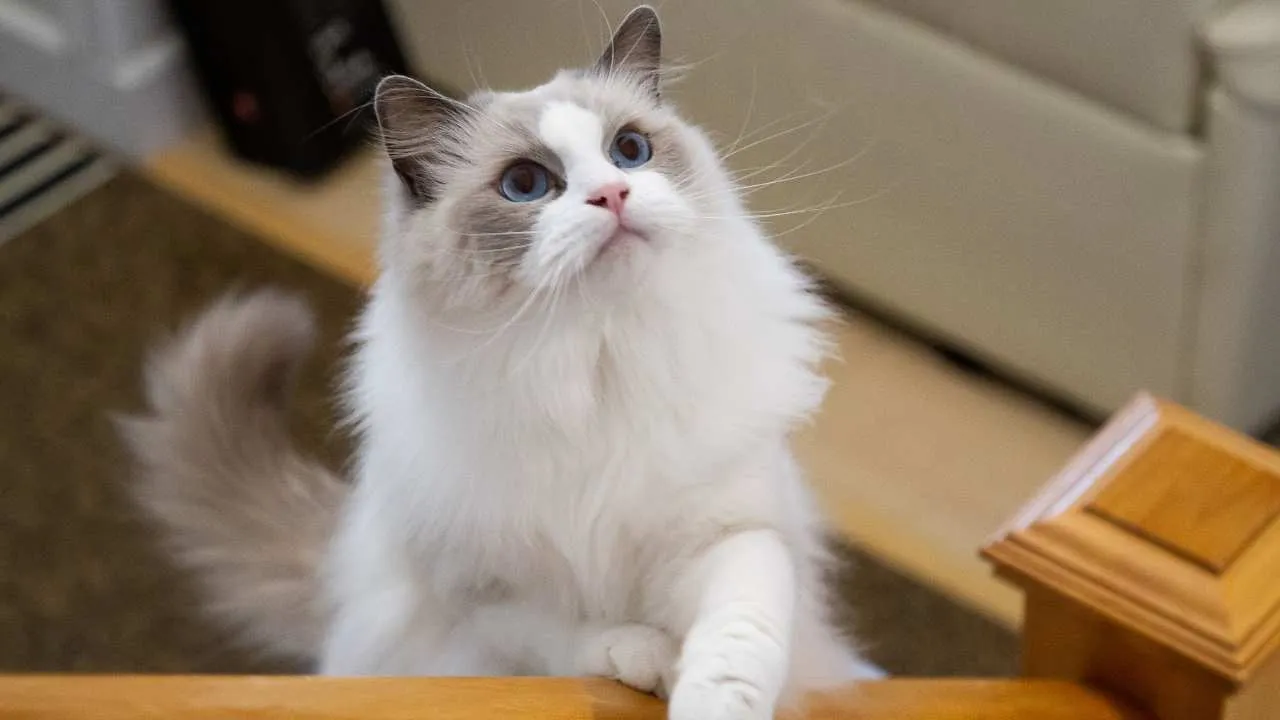
The Ragdoll, often called the “puppy cat,” is a large, blue-eyed beauty from the USA known for its heavy, strong build and medium-long, silky coat. Available in colorpoint, mitted, and bicolour patterns across numerous shades, this gentle giant is famous for its relaxed, trusting nature and love of cuddles.
According to Petplan, this big breed is well-suited to a busy family environment, can tolerate moderate household noise, and, when properly socialized and treated with respect, enjoys supervised interaction with children due to its playful temperament.
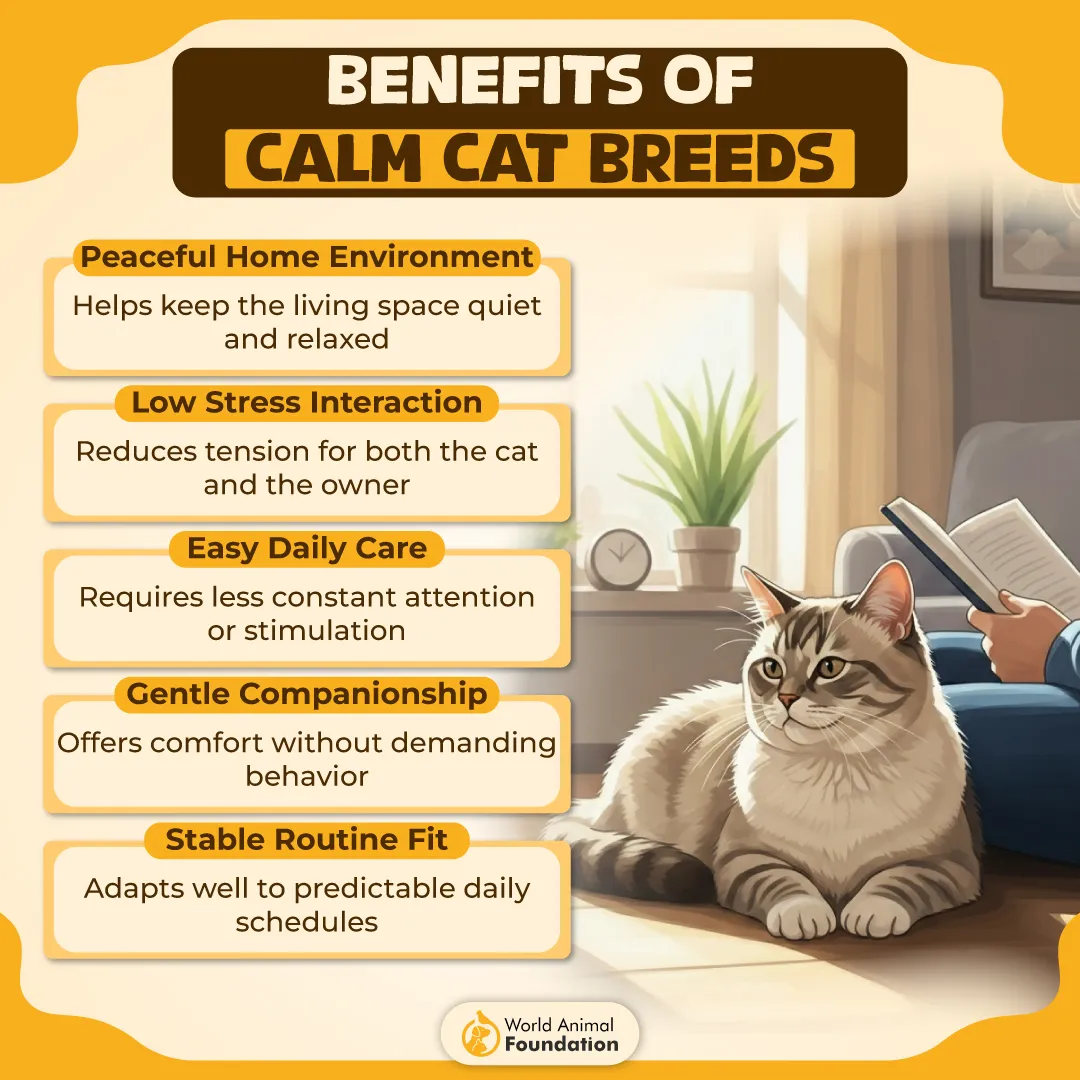
Easygoing and Emotionally Balanced
Ragdolls are remarkably steady when routines shift or environments change. Whether moving house or welcoming new family members, they tend to remain composed rather than reactive. Their deep trust in their humans helps them feel secure, even in unfamiliar surroundings.
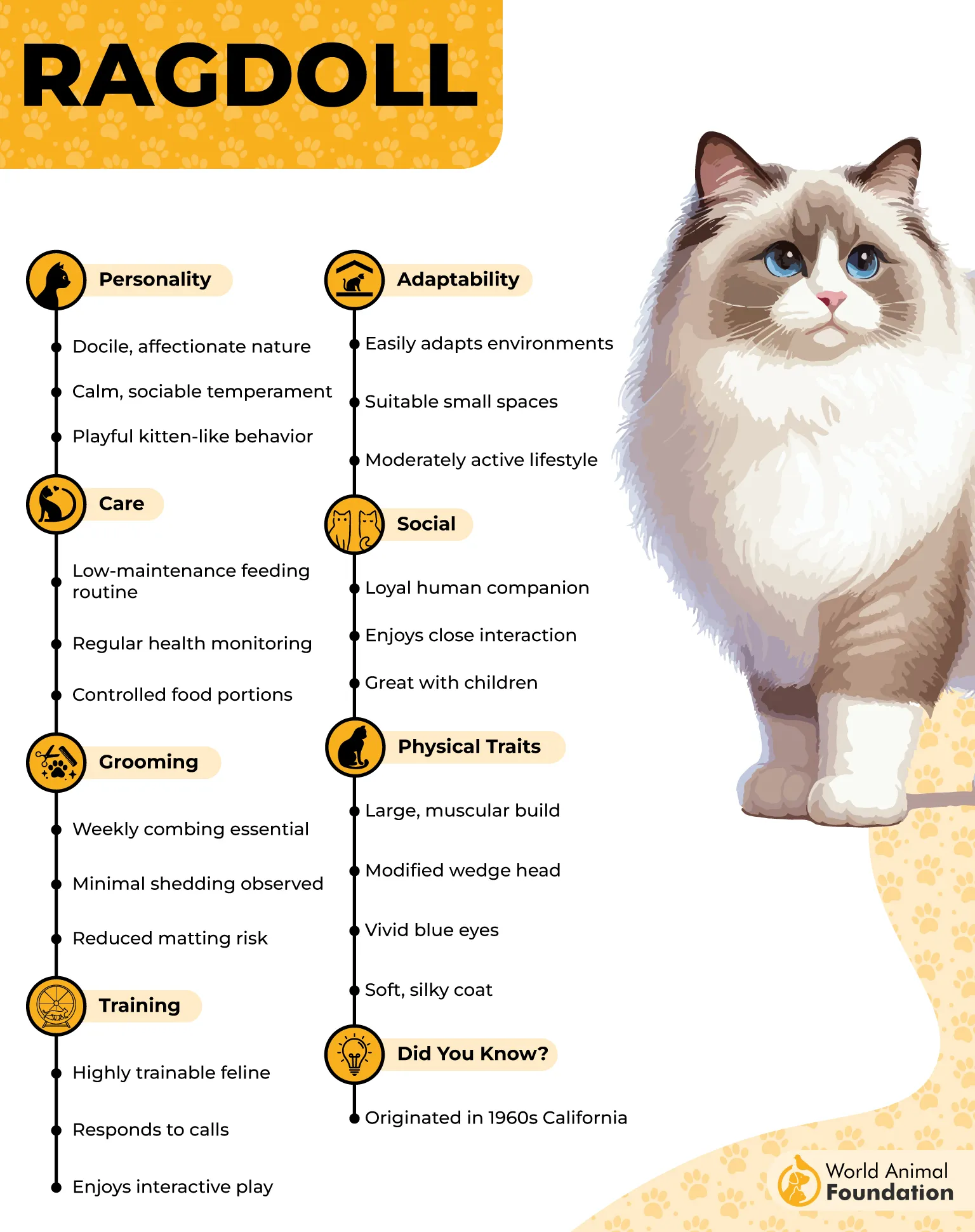
Unlike more territorial cats, this breed rarely responds to change with fear-driven behaviors. Instead of hiding or becoming vocal, a Ragdoll is more likely to quietly observe and then settle in. Their affectionate personality makes transitions smoother for both the cat and the household.
They also adapt well to other pets and respectful children, maintaining a calm presence in busy homes.
2. American Shorthair
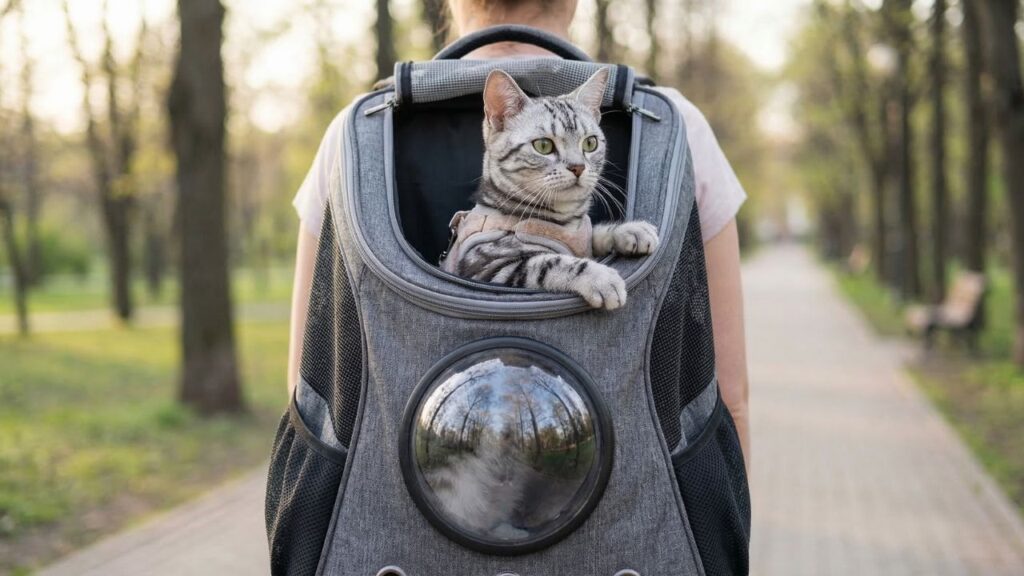
The American Shorthair, sometimes affectionately called the “ASh,” is a muscular, compact breed known for its rounded head, prominent cheeks, and proportional tail with a gentle taper.
With a dense, glossy coat that often features bold striped patterns, this cat combines sturdy good looks with an easygoing temperament. According to PetMD, American Shorthairs are described as easygoing in temperament and tend to interact well with children, dogs, and other pets.
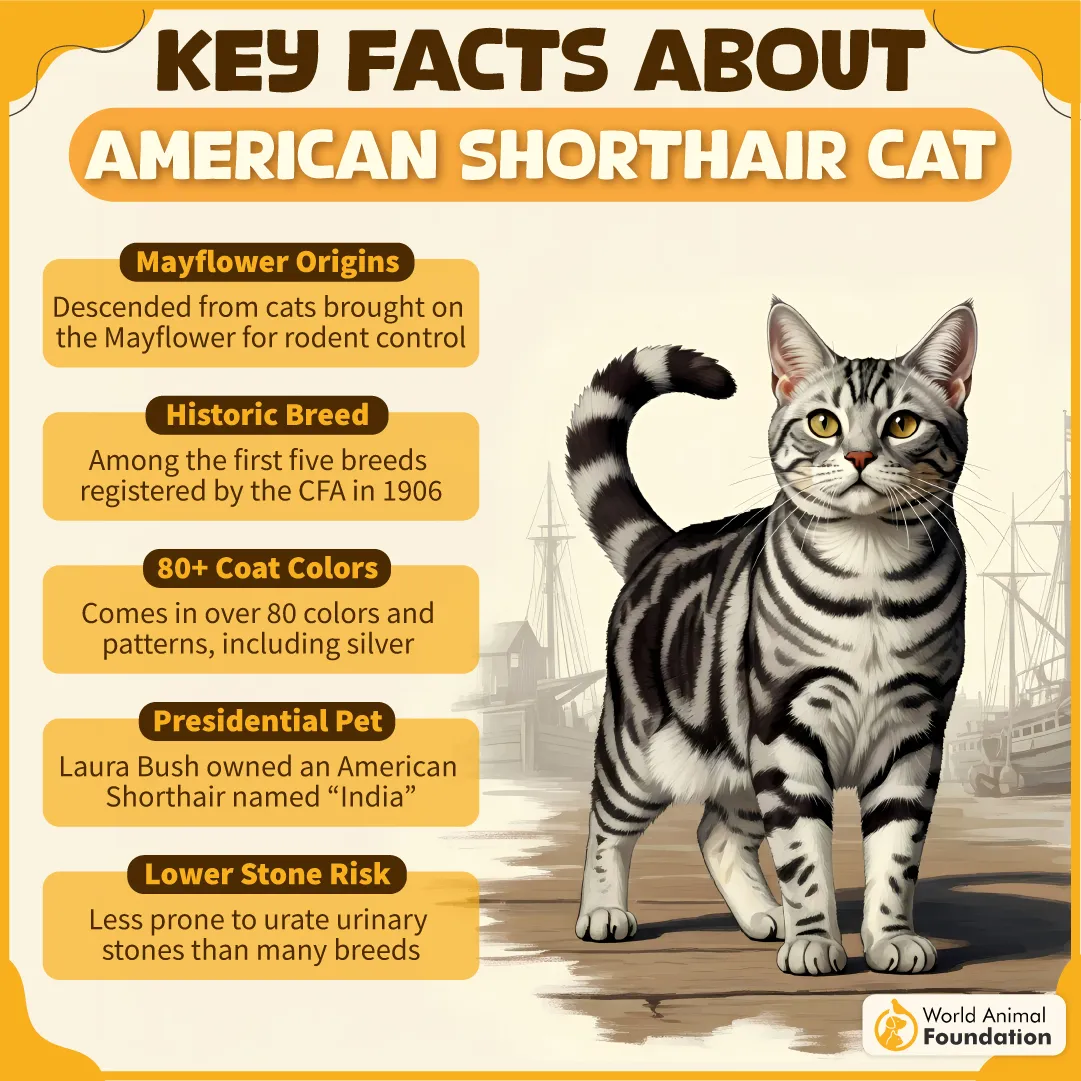
Confident in New Environments
American Shorthairs approach change with steady confidence rather than caution. Whether settling into a small apartment or a busy household, they adjust without fuss. Their balanced personality allows them to remain calm when routines shift or new faces appear.
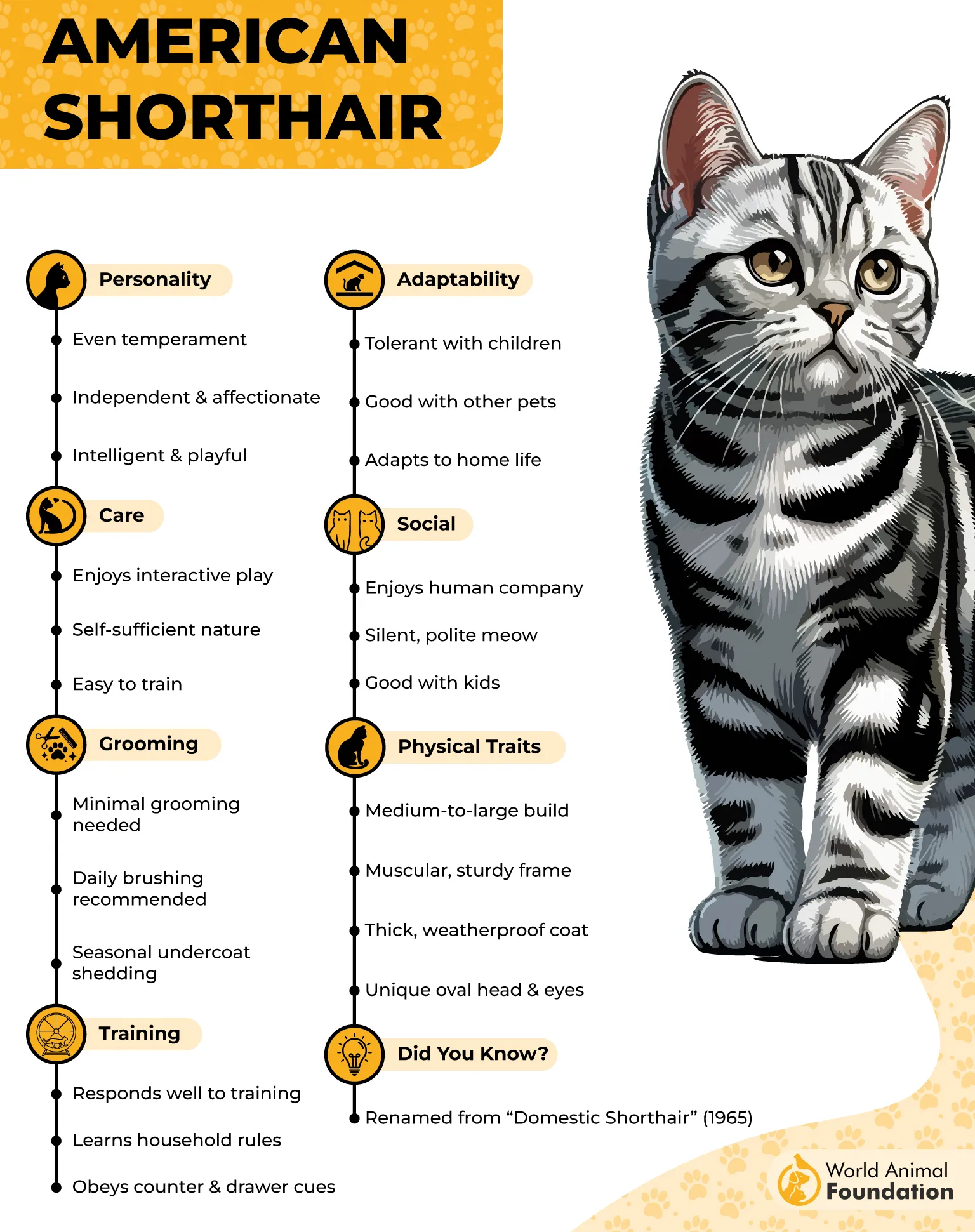
This breed is naturally sociable but not overly demanding, which helps them cope well with environmental changes. They enjoy interactive toys and puzzle games, giving them a constructive outlet when their surroundings feel unfamiliar. Instead of reacting with stress, they tend to observe and adapt.
Their comfort in varied living situations makes them ideal for families, singles, or multi-pet homes.
3. Scottish Fold
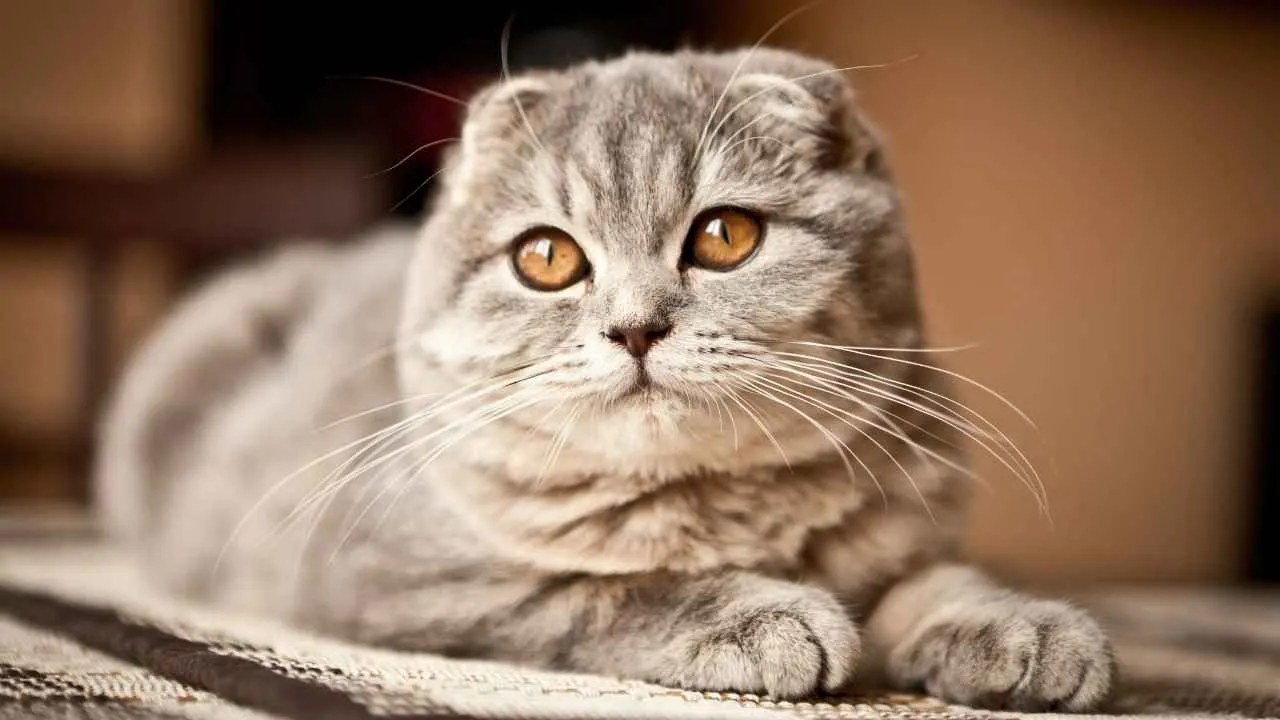
The Scottish Fold, named for its signature folded ears and Scottish origins, is instantly recognizable for its round face and owl-like expression.
This small- to medium-sized breed may have either a short or long, dense coat, and its forward-folding ears are the result of a natural genetic mutation found in both males and females. According to Purina, the Scottish Fold is characterized by a sweet expression and a short, dense, and luxurious coat.

Social and Quick to Adjust
Scottish Folds are known for their calm curiosity when faced with change. Whether introduced to a new home, new pets, or shifting routines, they tend to observe quietly before settling in. Their steady temperament helps them adapt without dramatic reactions.
Rather than hiding or becoming anxious, they remain close to their owners for reassurance. This strong attachment allows them to feel secure even in unfamiliar settings. They are also intelligent and enjoy puzzle toys or learning simple tricks, which keeps them mentally balanced during transitions.
Their laid-back personality makes them excellent companions for families, children, and other pets.
4. Maine Coon
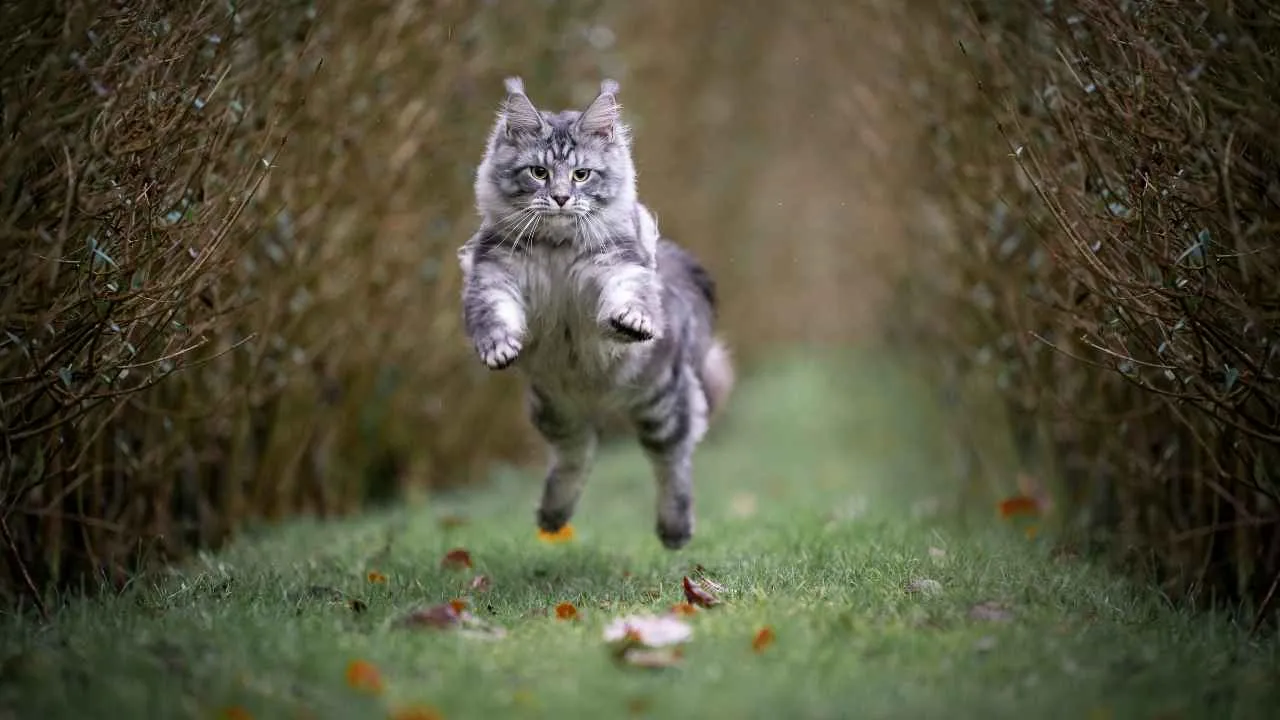
The Maine Coon, often called the “gentle giant,” is one of the largest domesticated cat breeds in the world. Recognizable by its tufted ears, muscular build, long bushy tail, and thick double coat, this American breed combines rugged good looks with a famously affectionate personality.
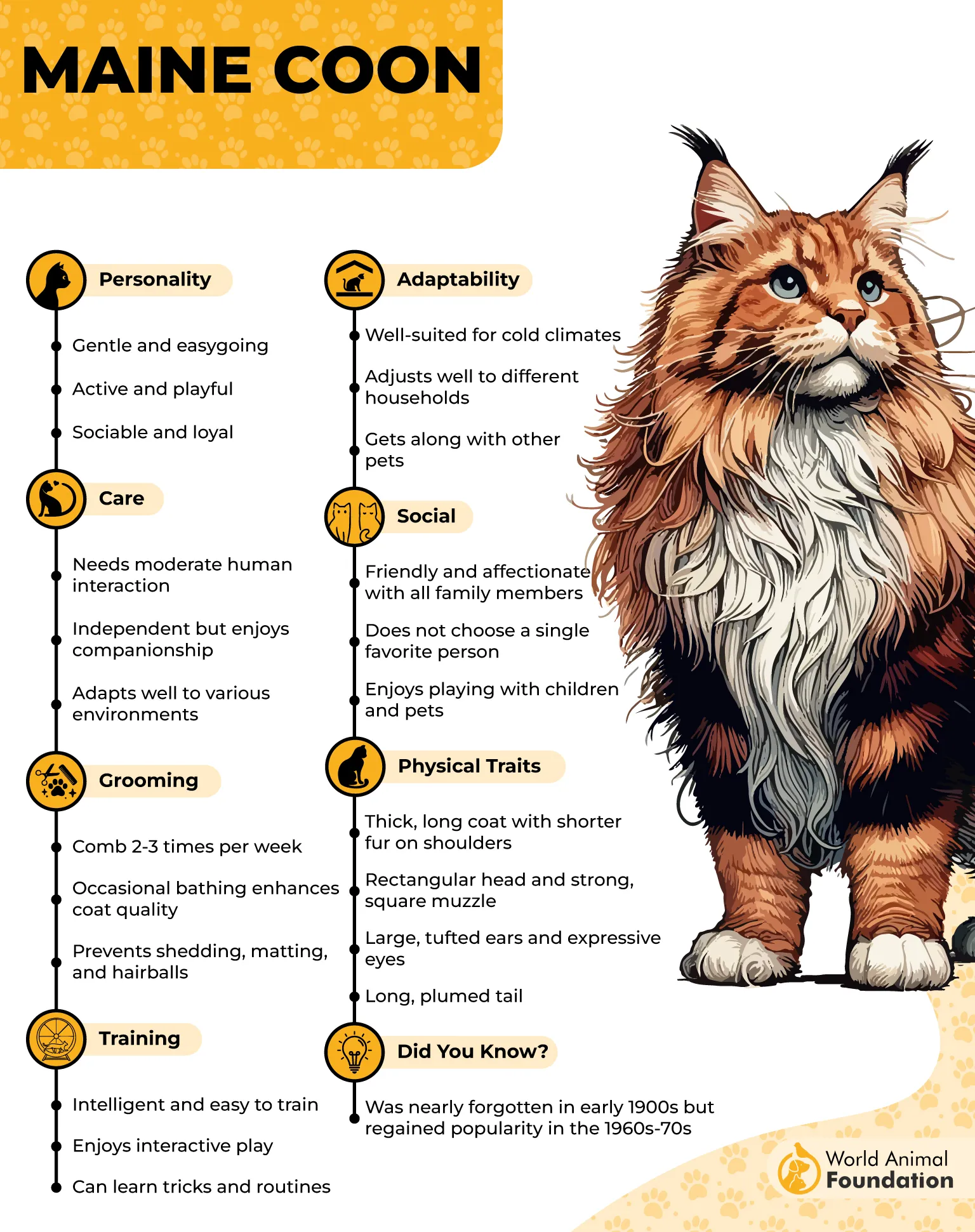
Gentle Nature, Steady Personality
Despite their impressive size, Maine Coons are remarkably calm and balanced. They tend to take life’s changes in stride, whether it’s a move, a new baby, or a busy household. Their steady temperament allows them to remain composed rather than reactive.
Highly intelligent and sociable, they often view new environments as something to explore rather than fear. Their adaptable nature makes them comfortable in both lively family homes and quieter settings. Strong bonds with their humans provide additional emotional stability during transitions.
Maine Coons also retain a playful curiosity that helps them adjust without stress. A notable fact is that while most cats reach full size within a year, Maine Coons can take up to 3 to 4 years to fully mature.
5. Burmese
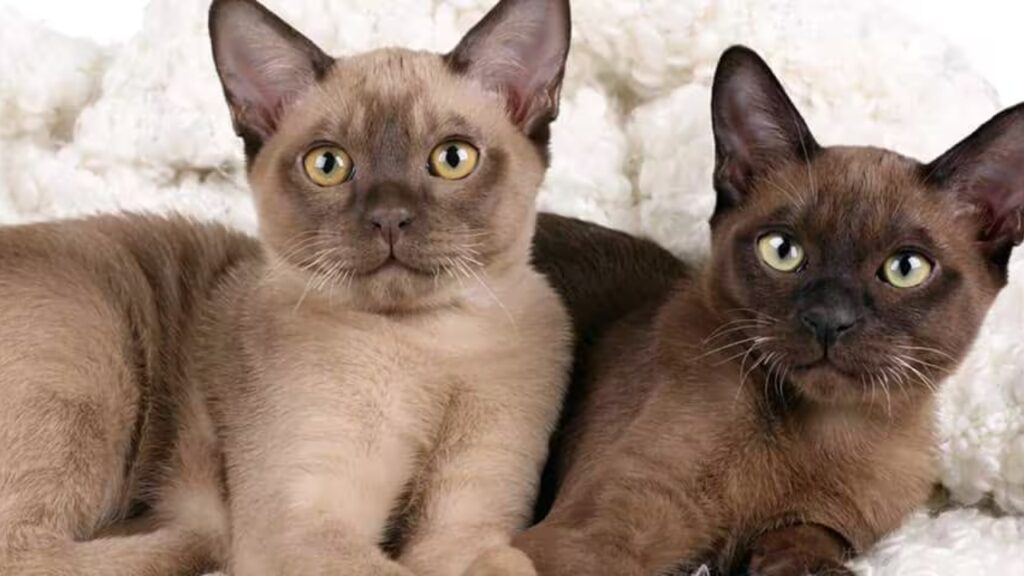
The Burmese, sometimes affectionately called a “people cat,” is a sleek, muscular breed known for its glossy short coat and expressive eyes. With roots tracing back to Southeast Asia, this affectionate feline is admired for its intelligence, curiosity, and deep attachment to its human family.
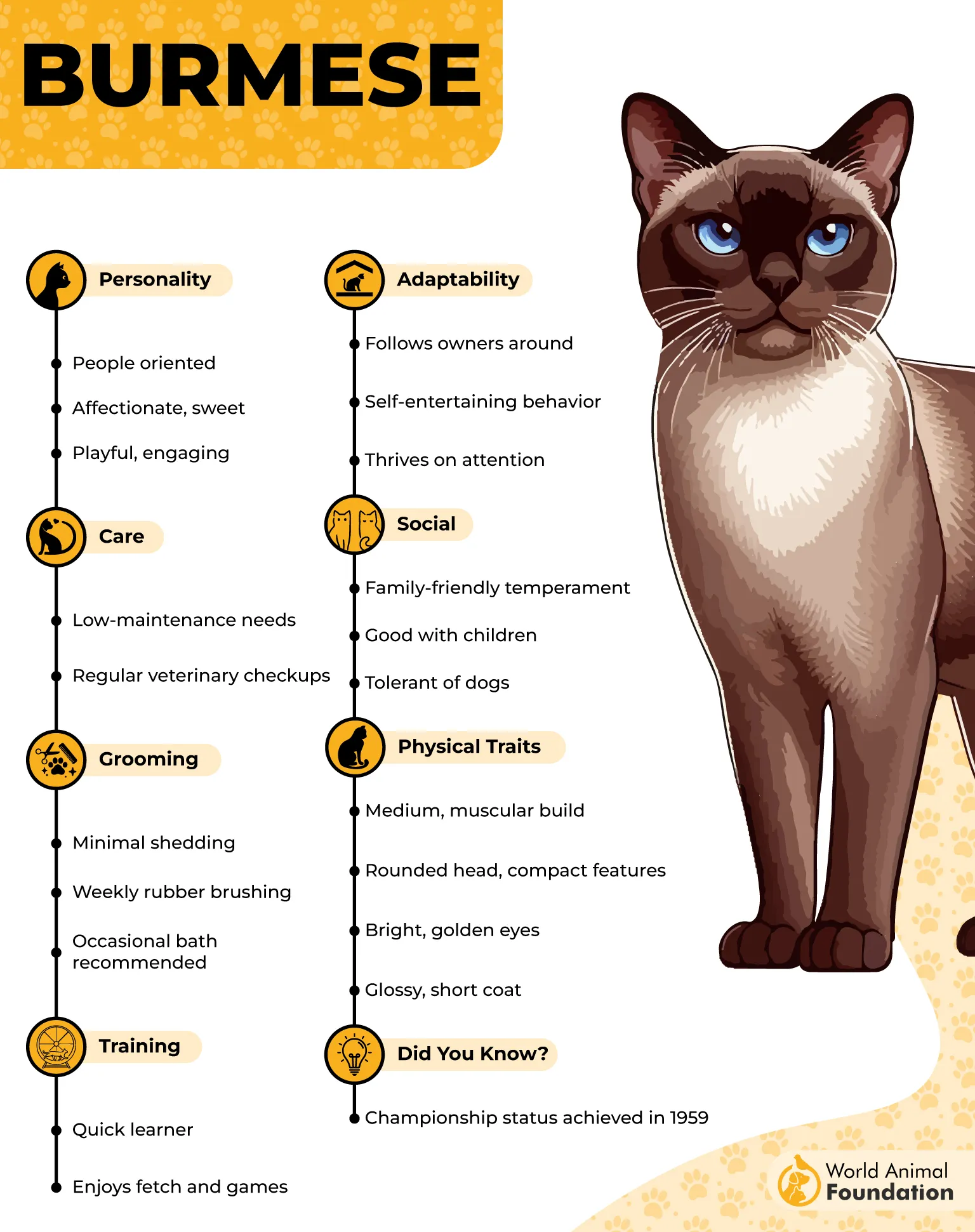
Independent but Unbothered by Routine Shifts
Although Burmese cats form strong emotional bonds, they are surprisingly resilient when life changes. Their sense of security comes from their connection to their owners rather than the environment itself. Because of this, moves or schedule adjustments rarely unsettle them for long.
They are naturally inquisitive and prefer investigating new surroundings instead of hiding from them. This confident curiosity allows them to treat unfamiliar spaces as opportunities for exploration. As long as their favorite people are nearby, they adapt with ease.
Training sessions and interactive play also help them stay mentally balanced during transitions. A notable fact is that Burmese cats respond particularly well to positive reinforcement and short, consistent training sessions of about 5 to 10 minutes.
6. Exotic Shorthair
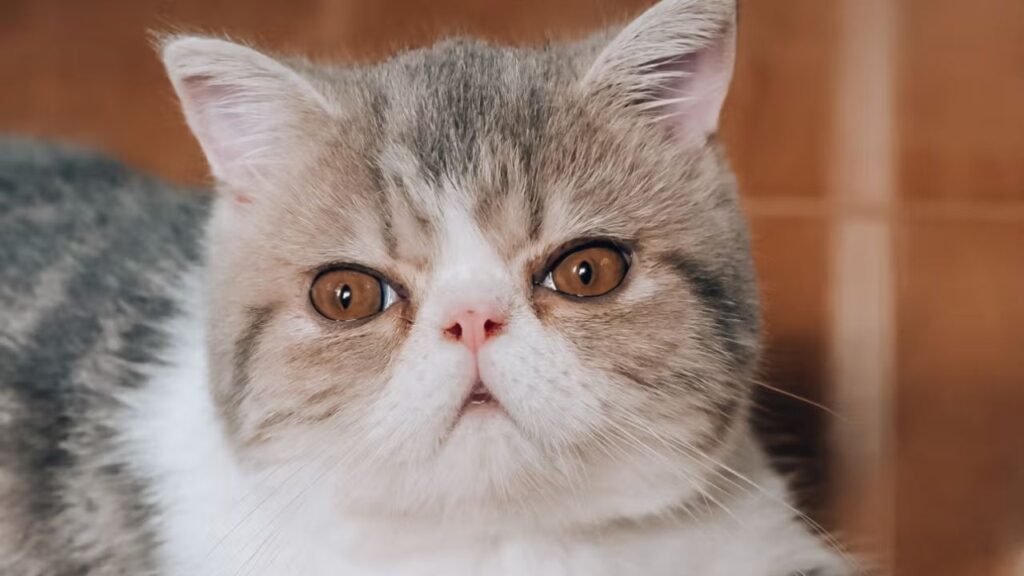
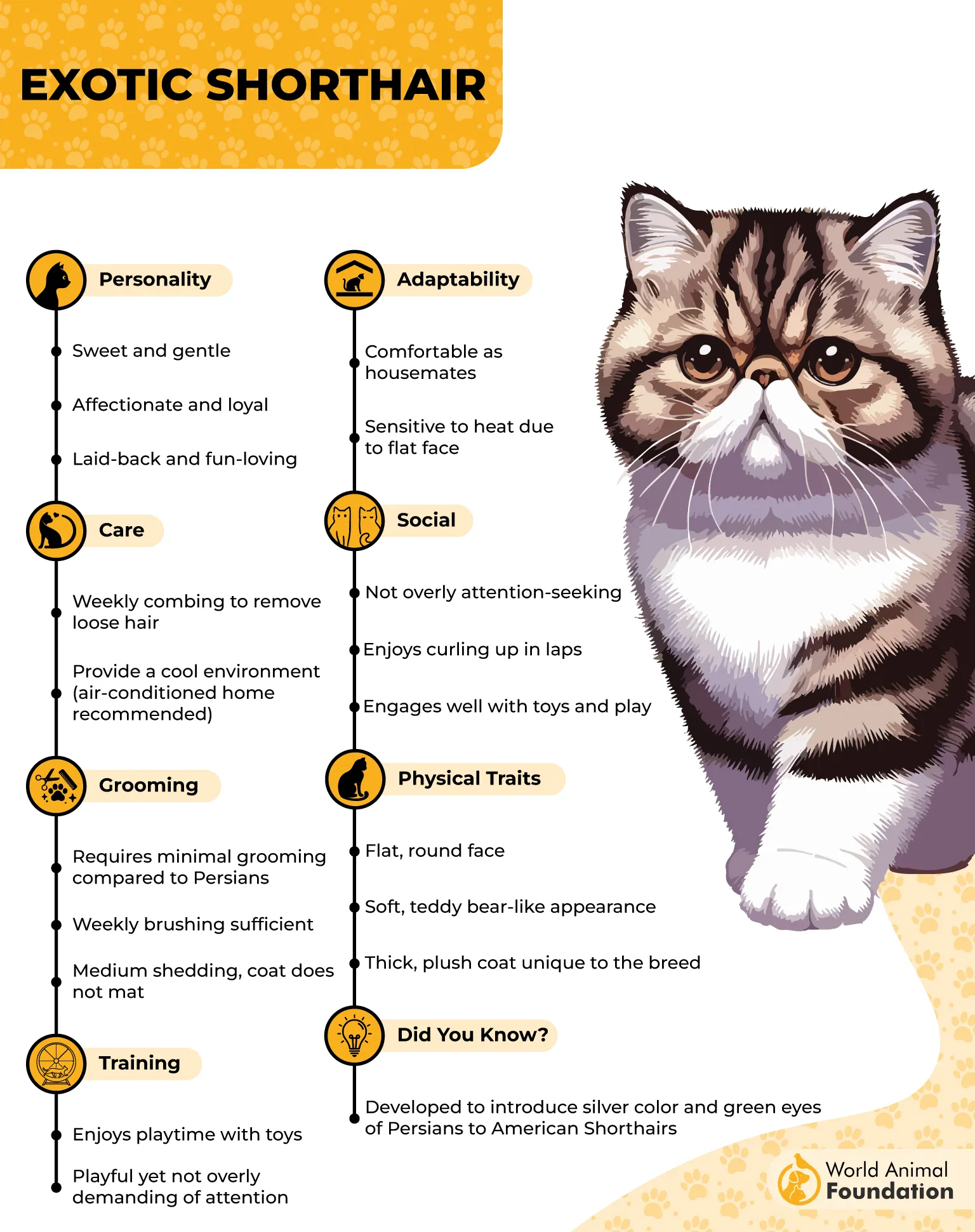
The Exotic Shorthair, often described as the short-haired Persian, blends Persian charm with easier coat care. With its round face, plush coat, and large expressive eyes, this breed comes in a variety of colors such as silver, blue, chocolate, and lilac, and is cherished for its gentle temperament.
Family-Friendly and Flexible
Exotic Shorthairs are known for their steady, unflappable nature. Whether adjusting to a new home, visitors, or daily routine changes, they remain calm and observant rather than reactive. Their relaxed attitude makes transitions far less stressful for the entire household.
They bond closely with their families and thrive on companionship, which provides emotional stability during change. While quiet and not overly vocal, they enjoy short bursts of play and affectionate snuggles. This balance of serenity and sociability supports smooth adaptation.
Comfortable in both apartments and larger homes, they suit first-time and experienced cat owners alike. A notable fact is that their short, dense coat typically requires only weekly brushing to stay neat and healthy.
7. British Shorthair
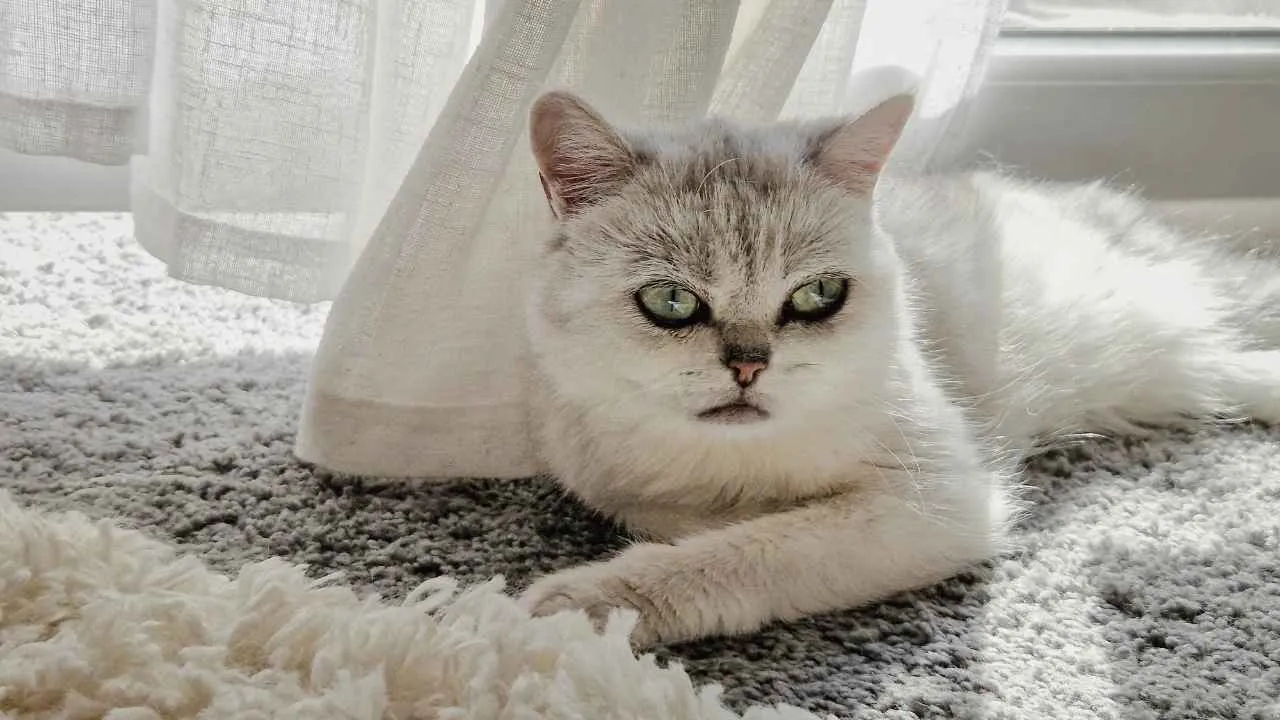
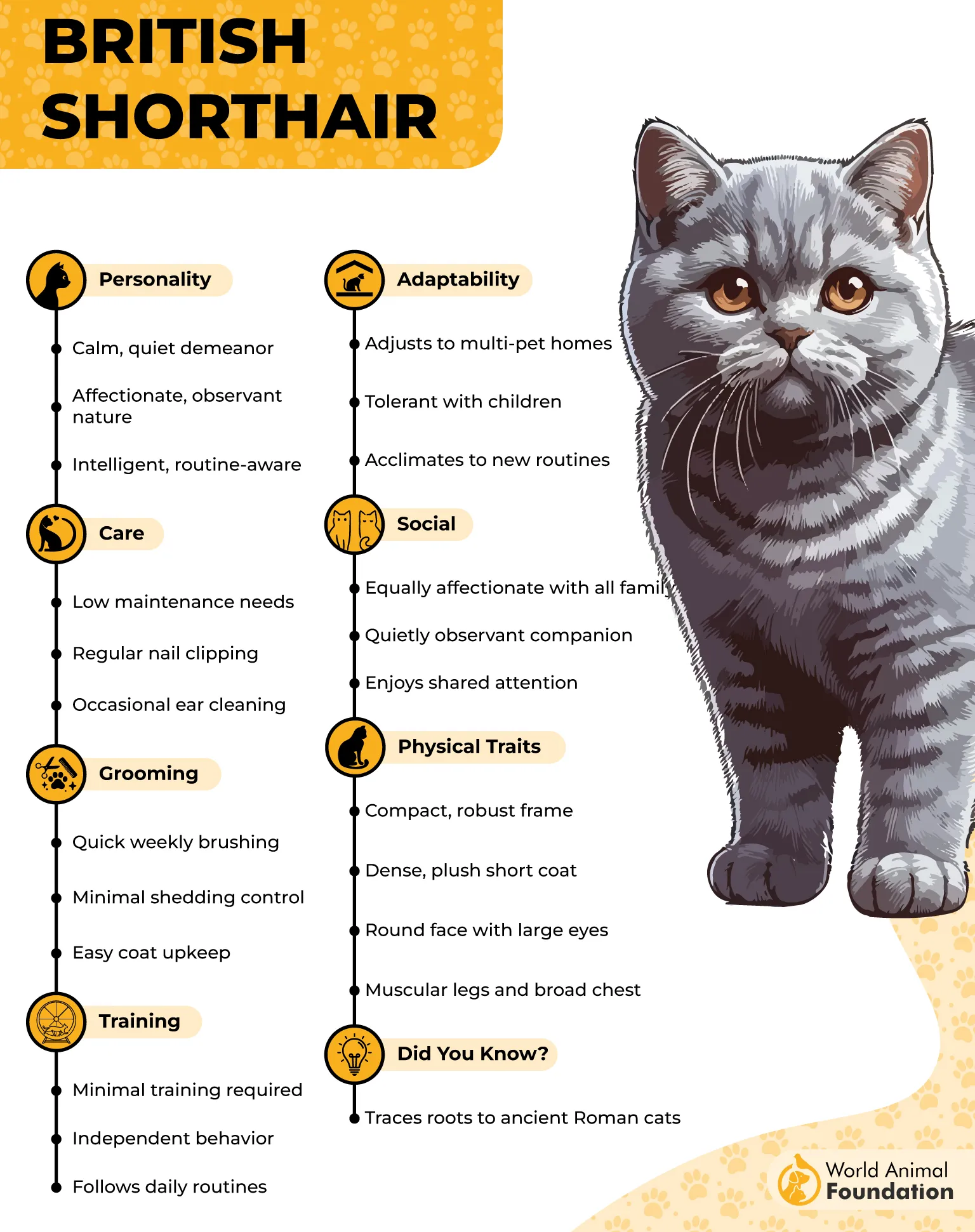
The British Shorthair, sometimes affectionately called the “teddy bear cat,” is admired for its round face, dense plush coat, and solid, sturdy build. Originating in the United Kingdom, this breed is known for its composed expression and balanced temperament that radiates quiet confidence.
Calm, Curious, and Resilient
British Shorthairs approach change with dignified ease rather than anxiety. Whether adapting to a new home or adjusting to different routines, they remain steady and observant. Their calm demeanor helps them settle into unfamiliar settings without dramatic reactions.
While affectionate, they are not overly demanding, which supports their adaptability. They enjoy companionship but are equally content spending time alone, making them comfortable in both busy households and quieter homes. This emotional balance allows them to handle transitions smoothly.
They also coexist peacefully with children and other pets, adding to their resilient nature.
Conclusion
Not all felines respond to change in the same way, but the calm cat breeds highlighted here consistently prove how resilience and temperament go hand in hand.
These cats approach new situations with confidence rather than fear. Unlike some other cats that may hide or react defensively, these composed companions remain docile, curious, and emotionally balanced.
Their ability to bond deeply with their humans—sometimes even showing dog-like traits—helps them stay secure through moves, visitors, and shifting routines.
Whether you’re introducing cat-friendly dogs, involving kids in family activities, or adjusting daily schedules, a calm cat can make transitions smoother. Some enjoy gentle play like fetch, others simply prefer being a lap cat with luxurious fur and minimal fuss beyond regular grooming or daily brushing.
These adaptable kitties show that flexibility and affection can truly define a peaceful home.
