




What would it mean to come home every evening knowing someone loyal is already watching over the house? For single parents, safety often sits at the center of daily thoughts.
You think about secure neighborhoods, reliable locks, and how to create a calm environment for your children. A well-suited guard dog can become an important part of that sense of safety. These dogs pay close attention to their surroundings and quickly recognize unfamiliar activity near the home.
Their presence alone often deters problems before they begin. Beyond protection, they form strong attachments to the people they live with and remain attentive to the rhythms of family life. A single parent does not simply gain a security companion but a steady partner in protecting the household.
The breeds explored ahead are known for alert instincts, loyal temperaments, and the ability to help single-parent families feel protected and supported every day.
Key Takeaways
Some dogs are built with a history rooted in guarding, working, and standing firmly beside their handlers in demanding situations.
The Bullmastiff, Rottweiler, and Cane Corso carry that legacy forward, combining physical strength with composed behavior in family settings.
Intelligent breeds like the Belgian Malinois and German Shepherd add focus and responsiveness that shine with proper leadership and engagement
Read through each breed to see how protection, loyalty, and calm presence come together for homes that value both safety and trust
Best Guard Dog Breeds for Single Parents – Protection and Peace
1. Bull Mastiff
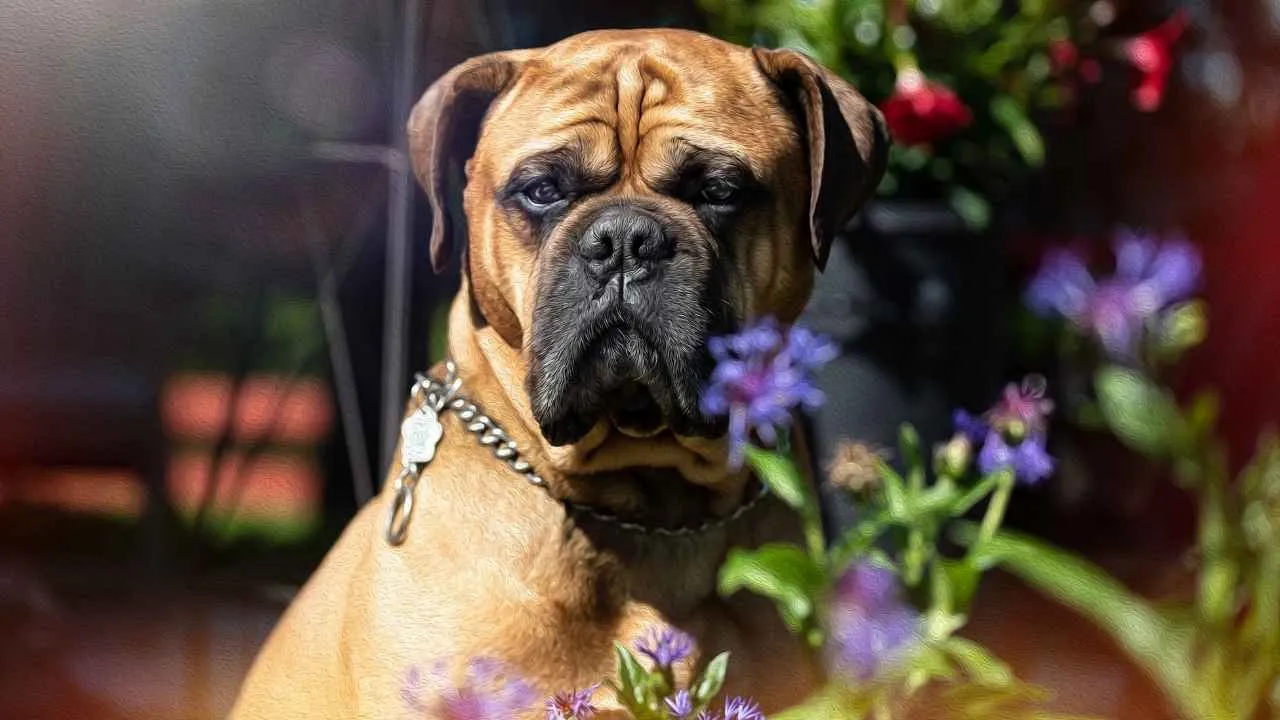
Bullmastiff is a powerful guardian developed from Bulldog and Mastiff ancestry, originally tasked in England with tracking and holding poachers until help arrived. Its impressive size and muscular build immediately signal control and readiness, qualities that align naturally with home protection needs.
Physical Presence and Defining Features
This large dog has a broad head, dark eyes, and high-set V-shaped ears that create a confident expression that reflects awareness. The deep muzzle and balanced structure contribute to its commanding appearance without unnecessary aggression.
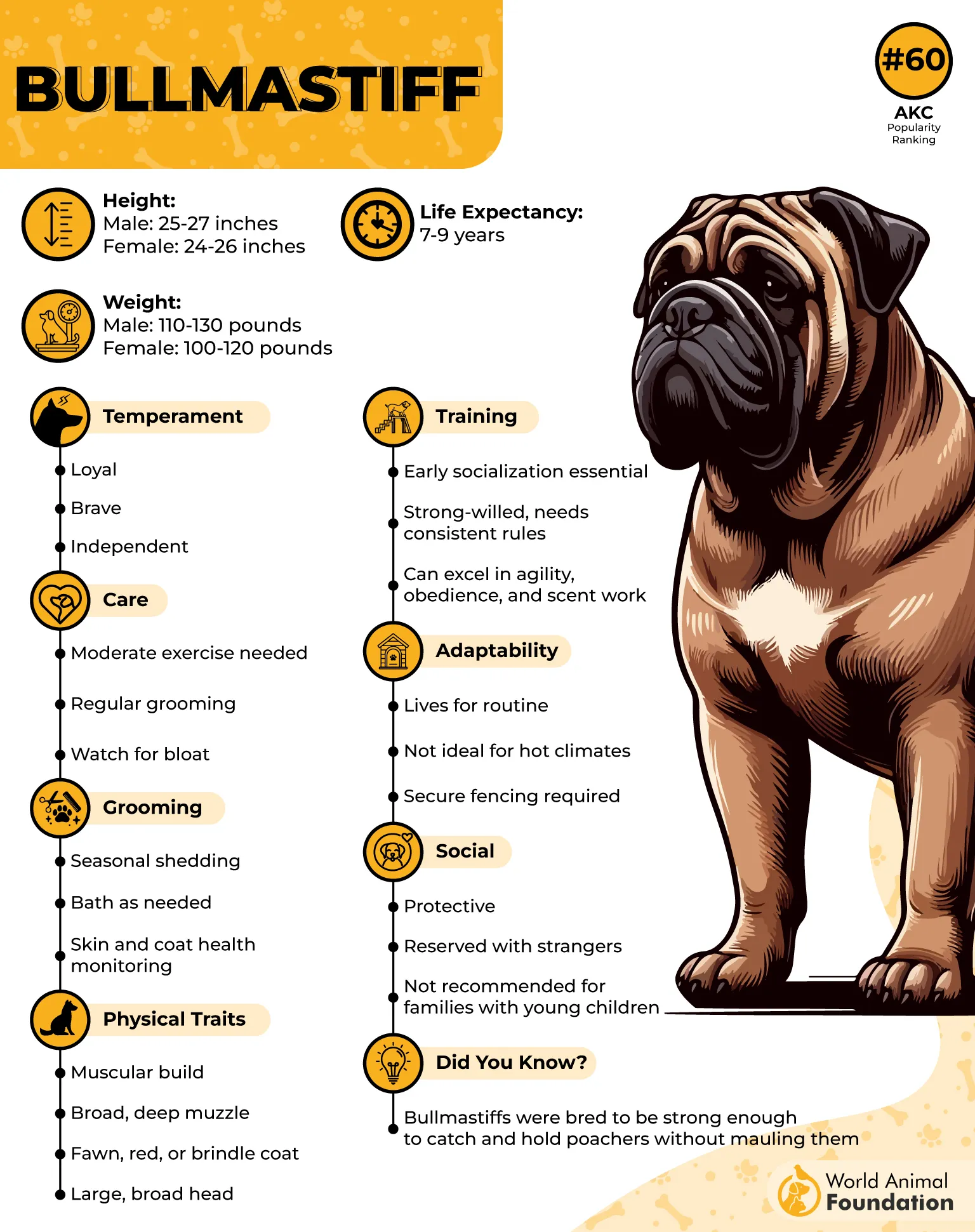
These traits clarify its role in family settings.
Broad head with strong, expressive features
Calm and dependable temperament at home
Requires proper training and early socialization
Temperament That Supports Stability
Bullmastiffs are described as fearless while working, yet composed indoors, showing reliability when integrated into family life. Early training during puppyhood is important to shape balanced responses, especially given the breed’s size and natural guarding instincts, as Hills Pet noted.
2. Akita
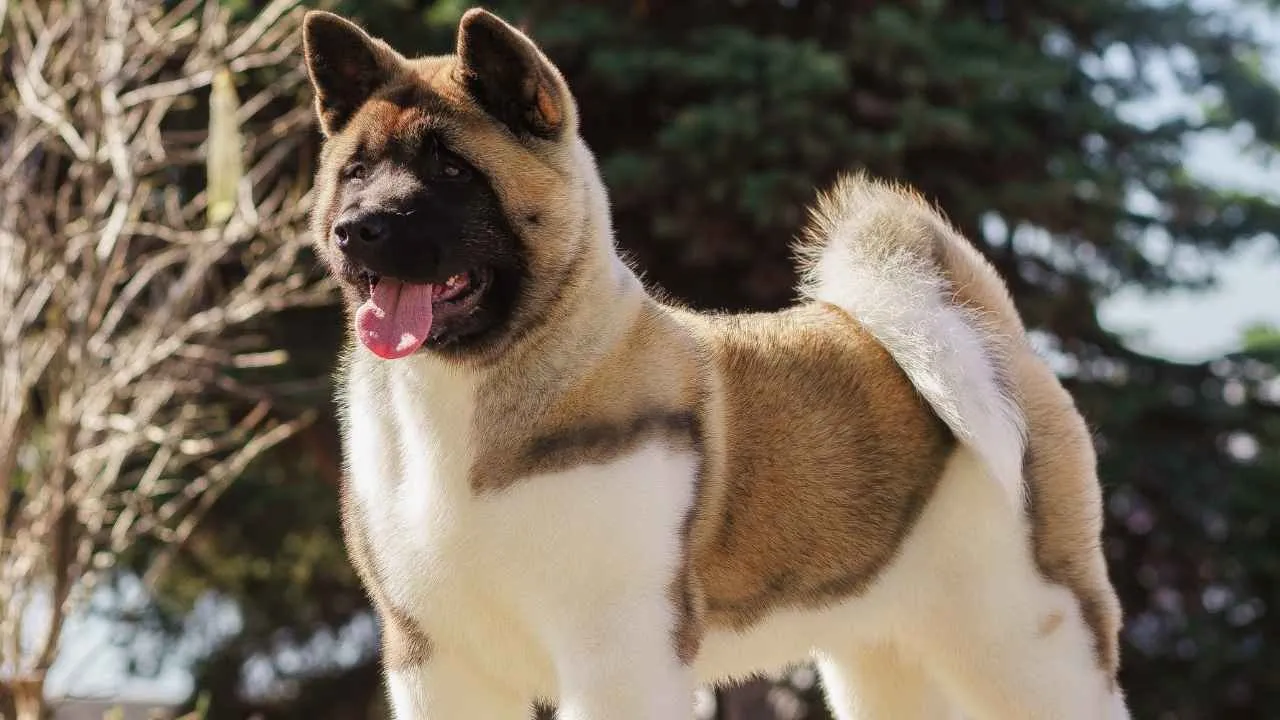
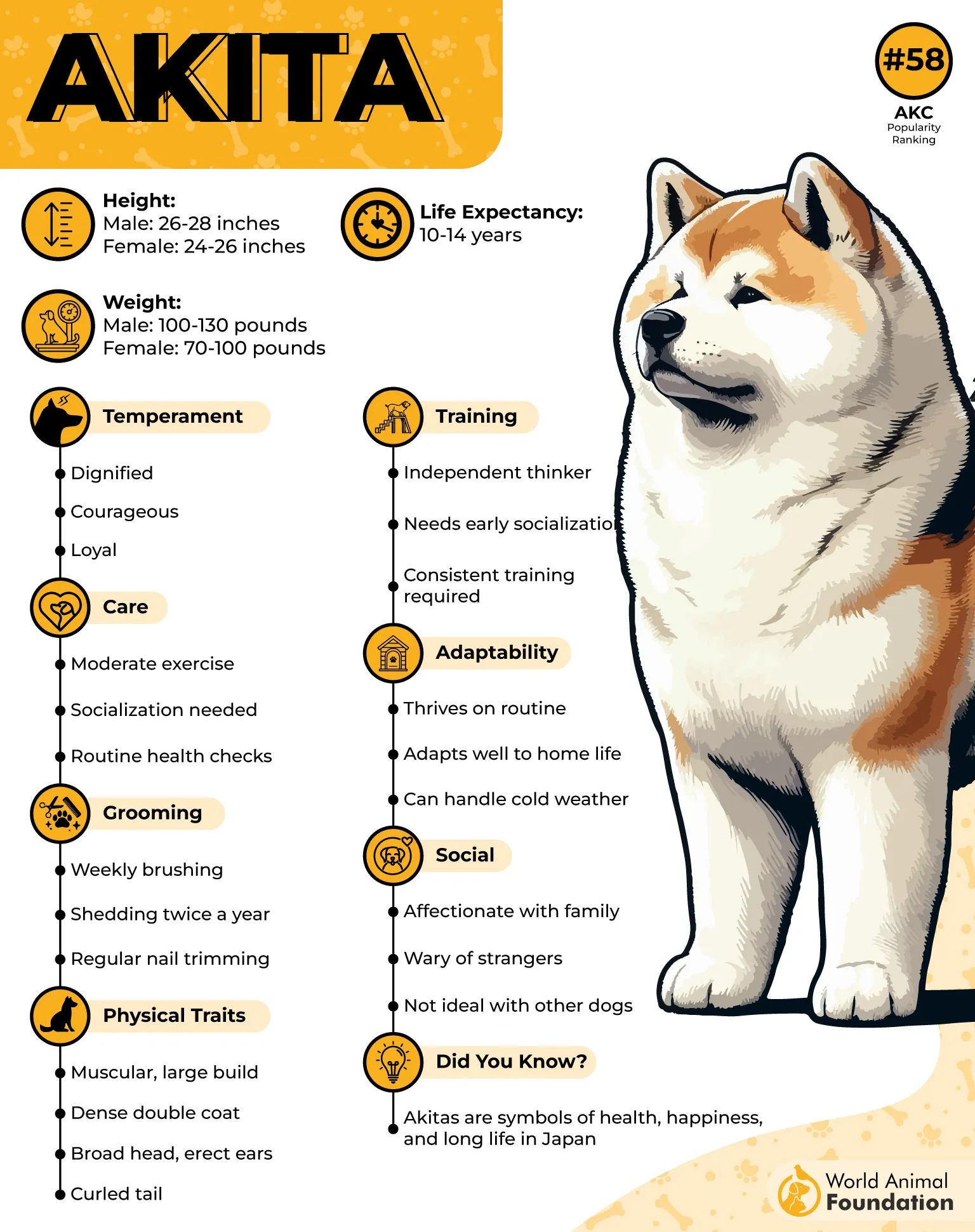
Akita comes from an ancient Japanese lineage, known for dignity, courage, and deep loyalty toward family members. In its homeland, it is respected as a symbol of protection, health, happiness, and long life. Its background naturally connects to dependable household guardianship.

Structure and Core Characteristics
This protection dog is a heavy-boned, muscular spitz-type dog with a broad head, erect ears, dark eyes, and a curled tail that completes its balanced frame. Their alert expression reflects awareness and readiness.
This presence is supported by these behaviors:
Strong independence shaped by history
Deep attachment to trusted family members
Needs early social exposure and guidance
Temperament Within the Home
Akita is quiet and selective in social behavior, showing affection mainly toward familiar people while remaining cautious around strangers, as PetMD stated. Because of its independent nature, consistent social training from an early age helps shape balanced responses in daily life.
3. German Shepherd
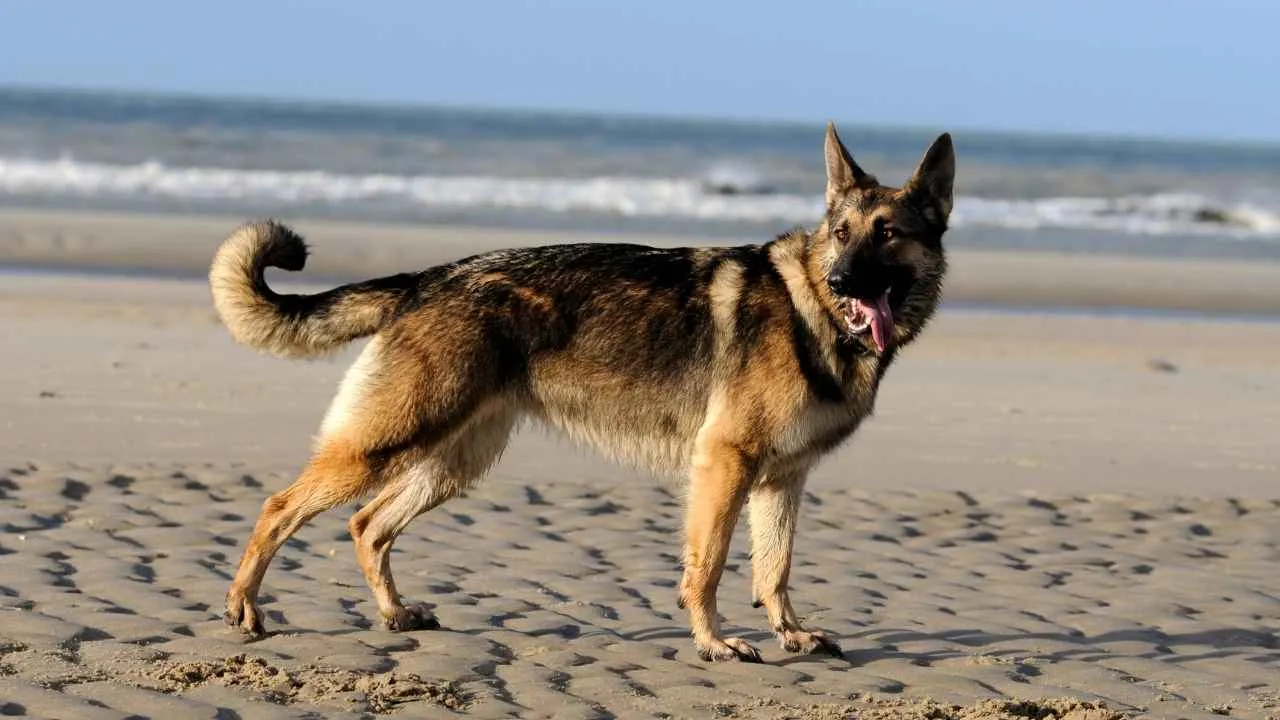
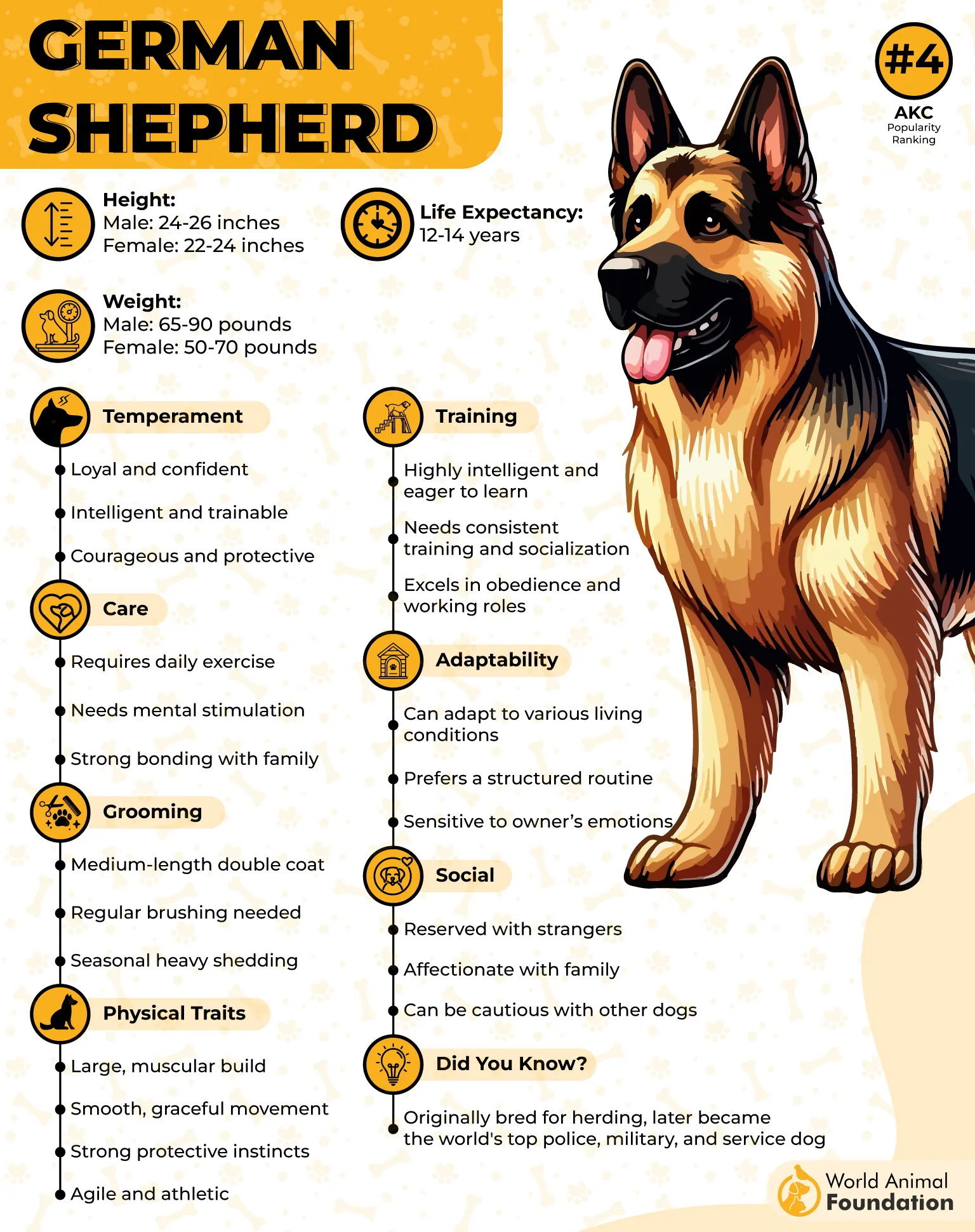
German Shepherd is a large, agile, and highly intelligent breed known for loyalty and confidence, traits that have made it one of the most recognized working dogs. Its background in structured roles reflects discipline and responsiveness that support stable household environments.
Capabilities That Support Responsibility
This breed is widely used in demanding service roles such as patrol work, detection tasks, and search operations, which highlights its focus and trainability.
These strengths become meaningful when shaped early in life:
High energy requiring regular structured activity
Strong response to consistent training
Early social exposure builds balanced behavior
Role in Active Household Environments
German Shepherd fits best in homes that can provide leadership, routine, and purposeful interaction, allowing its intelligence to remain focused. With clear direction, the breed’s alertness and loyalty contribute to a secure, guarding atmosphere that supports family stability.
4. Doberman Pinscher
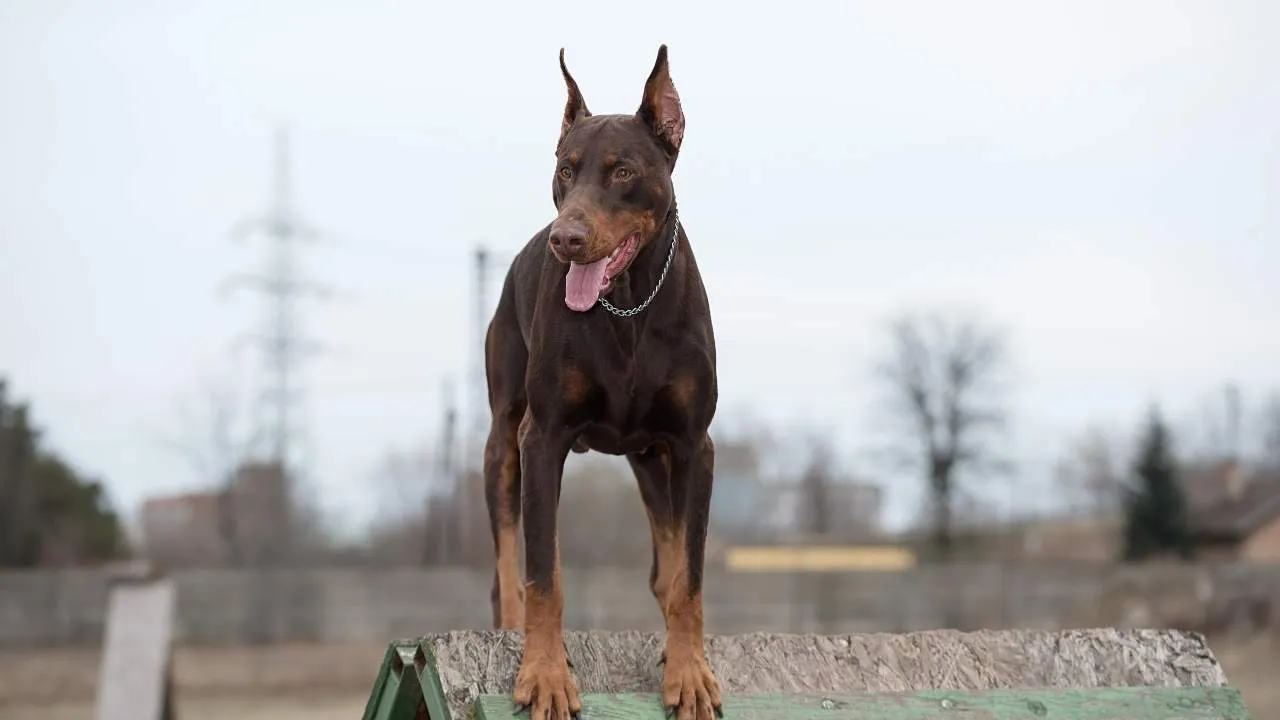
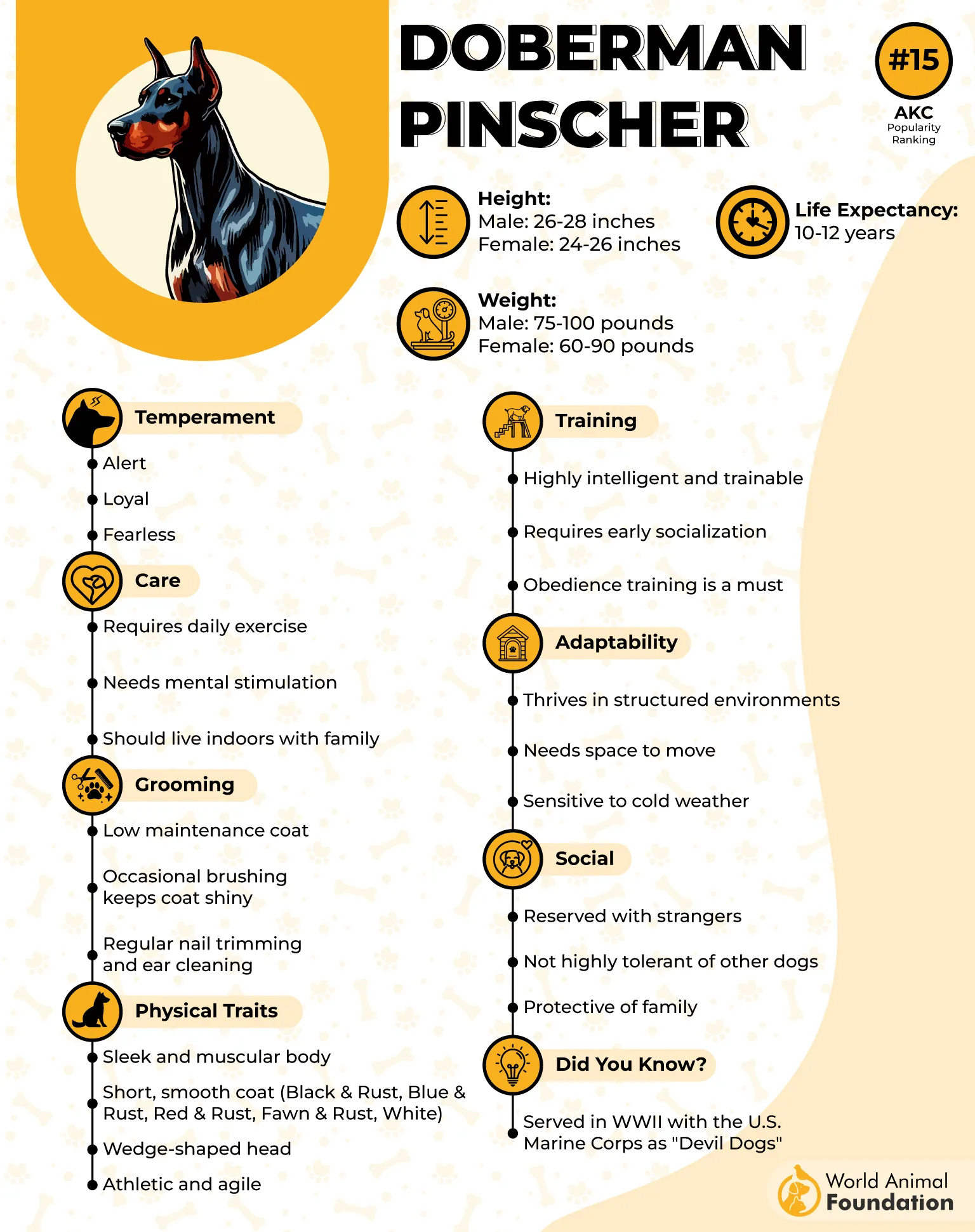
Doberman Pinscher is recognized for its noble presence, combining intelligence, vigilance, and strong physical ability in one compact frame. Developed as a capable protection breed, it has long been trusted for security-focused roles in both homes and professional settings.
Structure and Visual Strength
This protective dog breed has a sleek yet muscular body, built for speed and controlled power, with a wedge-shaped head and smooth athletic movement. Its glistening coat further adds to its confident appearance.
These physical traits translate into practical guardianship qualities:
Highly alert and quick to respond
Strong loyalty toward family members
Frequently selected for security work
Role in Providing Assurance
They are known for deterring unwanted approaches through presence alone, especially when well-conditioned and responsibly trained. Its combination of loyalty and controlled energy makes it suitable for households prioritizing structured protection without unnecessary tension.
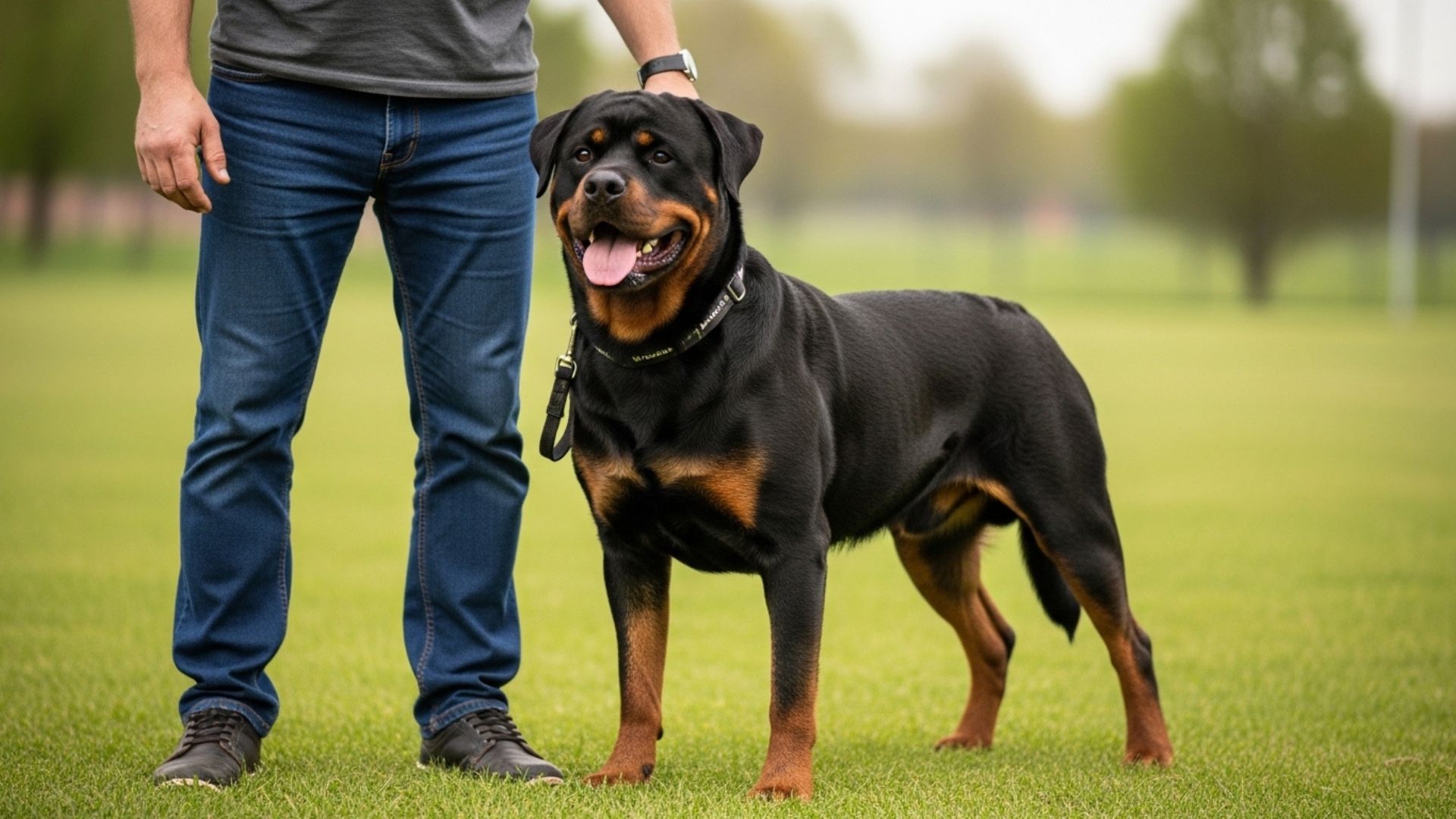
5. Rottweiler
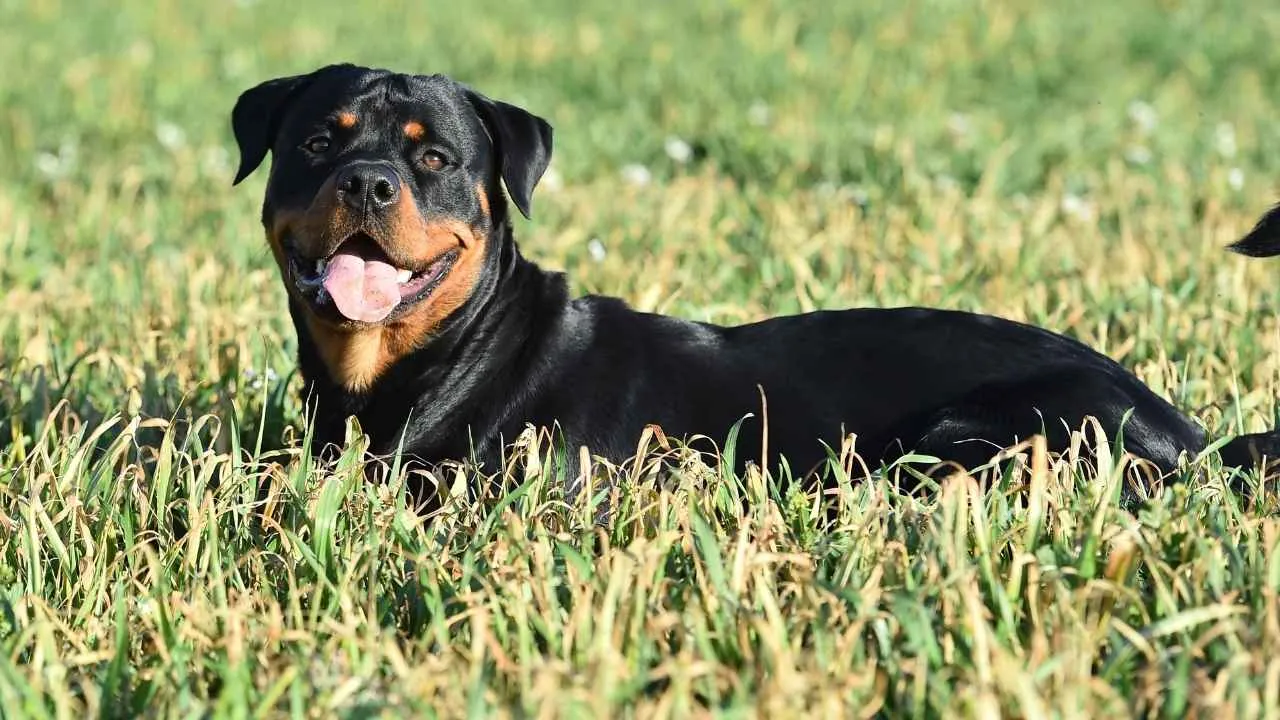
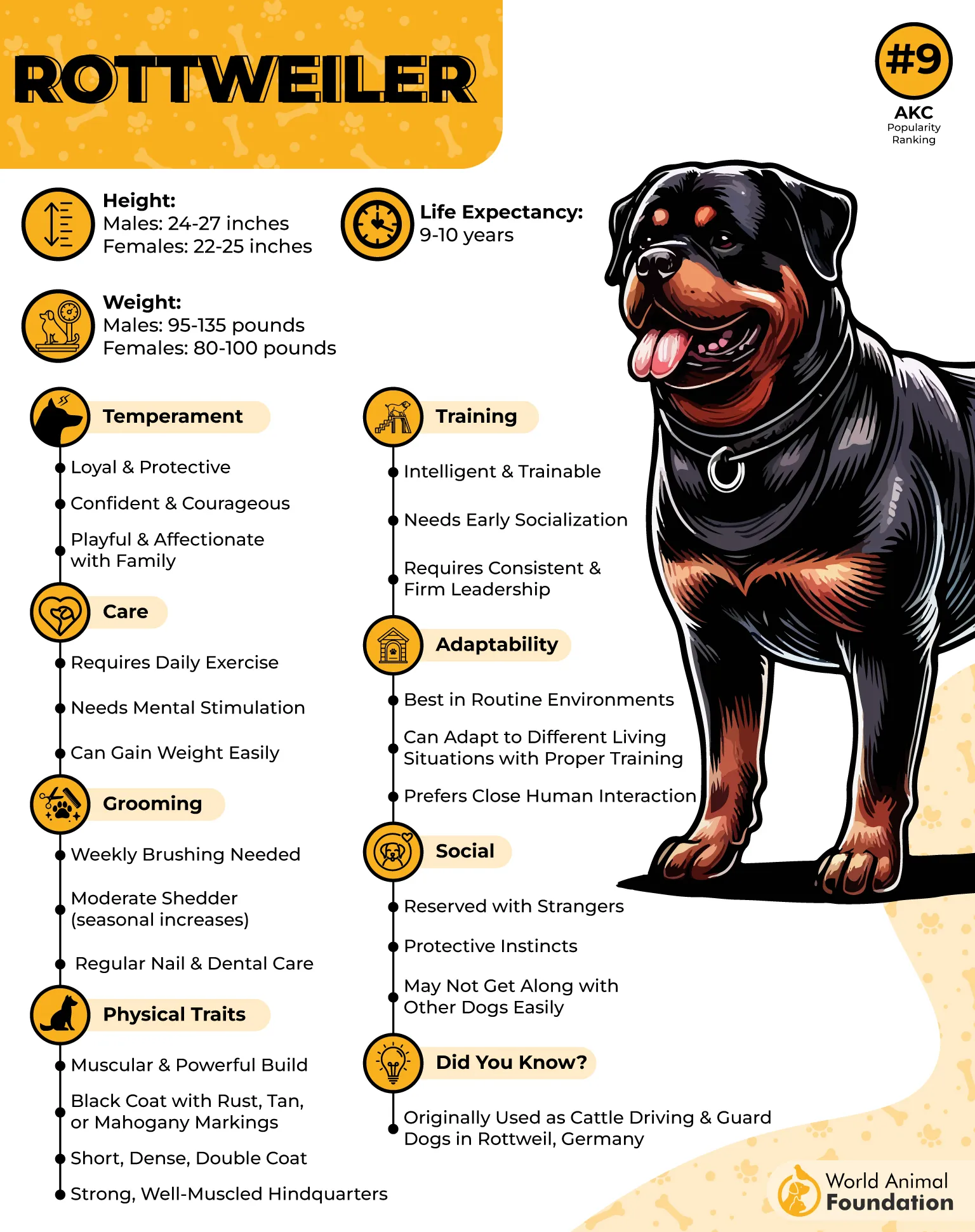
Rottweiler traces its strength to the mastiffs of ancient Roman legions, later refined as a dependable working breed. Its solid build and historical role shaped a dog known for confidence and steady control. This foundation aligns with households seeking structured protection and calm presence.
Physical Power and Expression
They display a broad head, a short black coat with rust markings, and wide-set eyes that project awareness. Thickly muscled hindquarters support a smooth and powerful gait, reflecting endurance in movement.
These traits connect with behavior that supports family security:
Calm and confident when properly raised
Early social training shapes balanced responses
Territorial instincts guided through consistent direction
Household Role and Guidance
Rottweiler’s protective instincts respond best to early training and structured socialization, helping channel its natural guarding tendencies in a positive direction. With clear leadership, it develops into a reliable companion that blends strength with family attachment.
6. Cane Corso
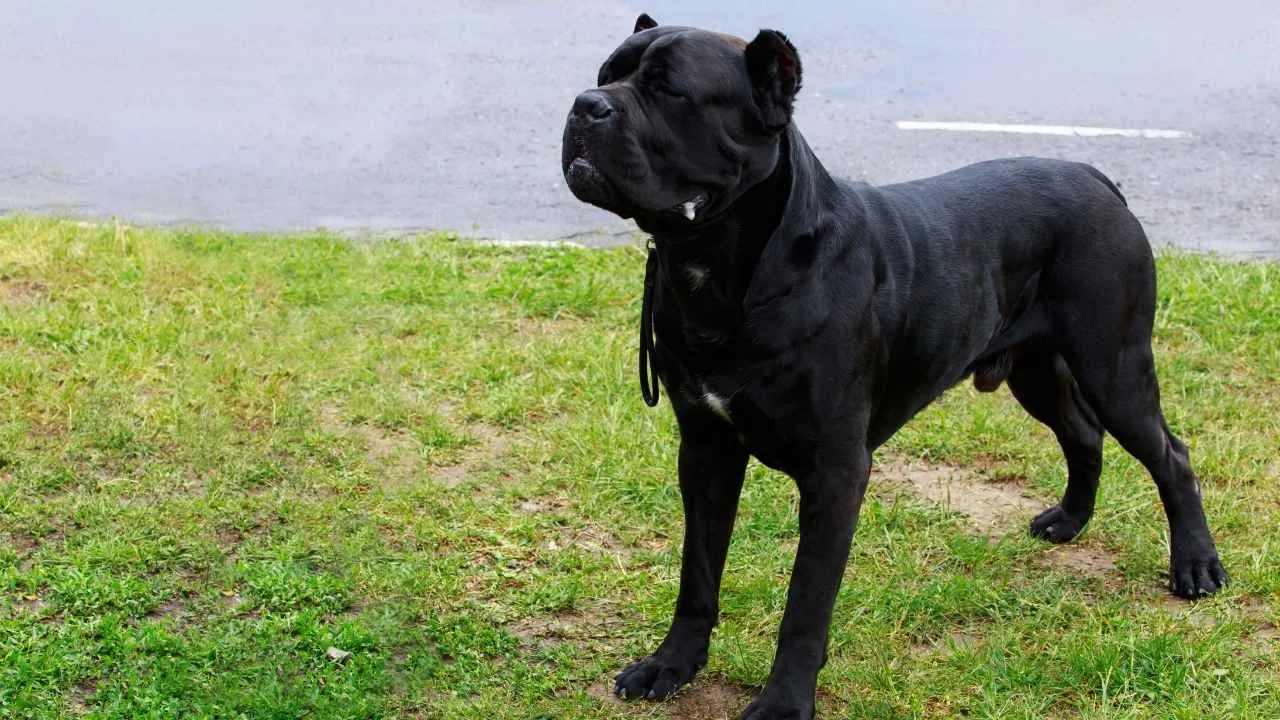
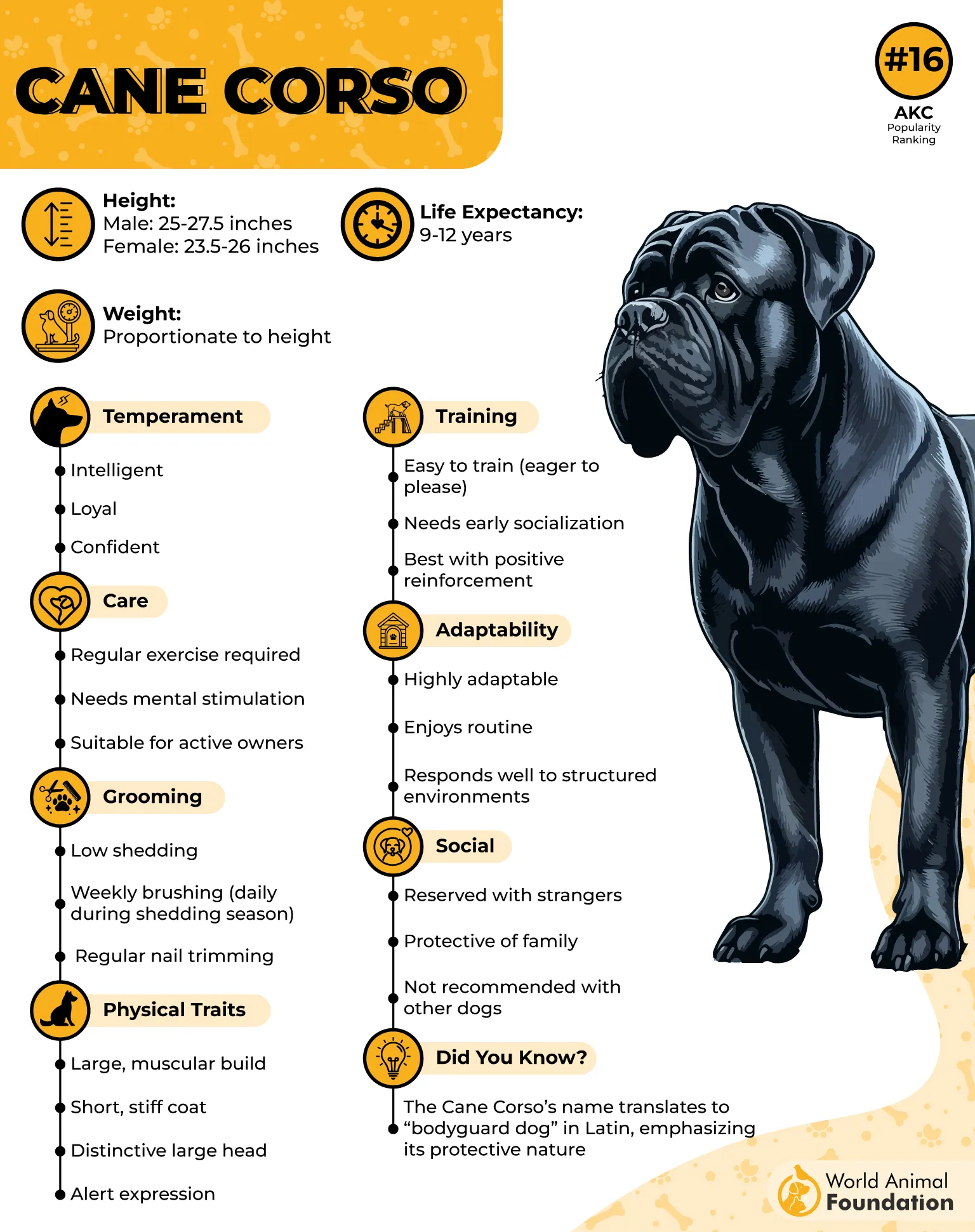
Cane Corso traces its roots to ancient Roman times, where it was known as a dedicated bodyguard breed, as stated by the AKC. Its very name reflects its historic role in personal protection, shaping a temperament built around vigilance and responsibility.
Presence and Defining Traits
They present a large head, alert expression, and strong musculature under a short, stiff coat that signals confidence at first glance. Its composed demeanor mirrors the calm professionalism associated with skilled protection work.
This foundation is better understood through key characteristics:
Highly intelligent and responsive to guidance
Strong loyalty toward trusted family members
Requires early social exposure and consistent direction
Temperament in Daily Life
Cane Corso is confident, trainable, and eager to work closely with its human family, showing intense devotion once bonds are formed. At the same time, its assertive nature calls for responsible upbringing and structured interaction from an early age.
7. Belgian Malinois
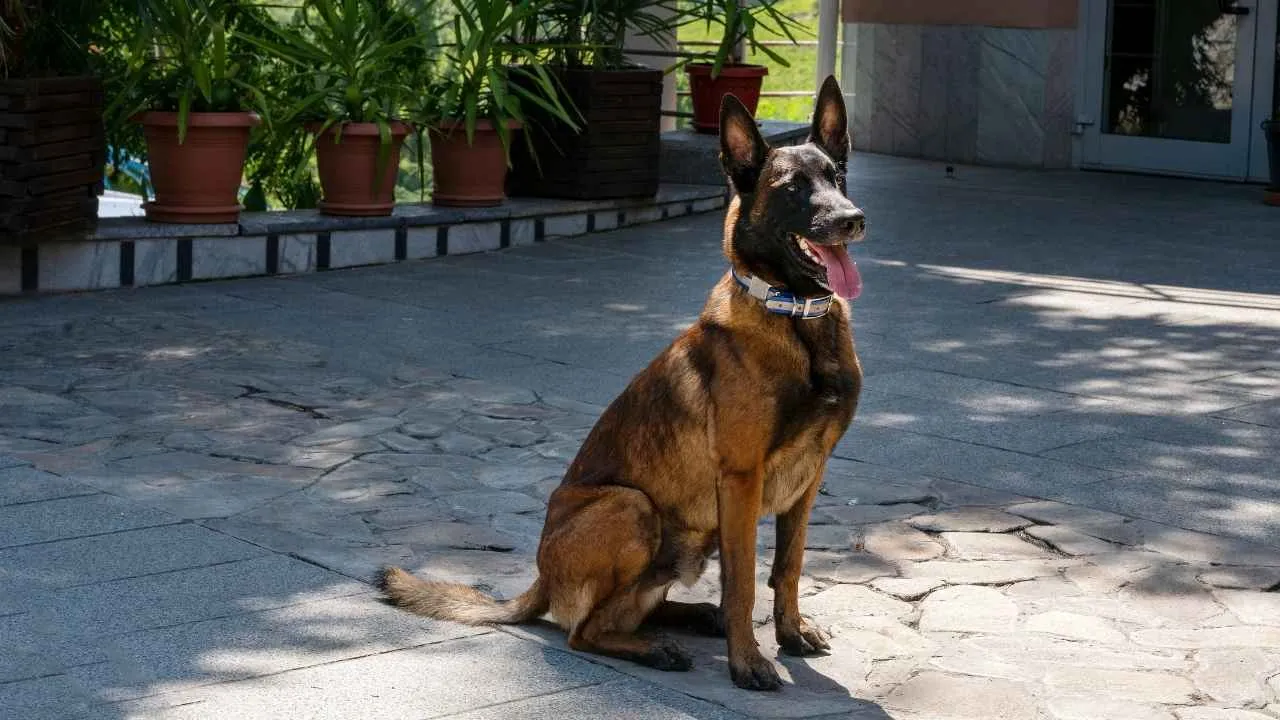
Belgian Malinois originated near Malines in Belgium and was first developed for herding before its abilities expanded into police work, search operations, and detection roles. Its working history reflects a breed shaped by purpose and close cooperation with handlers.
Drive, Intelligence, and Commitment
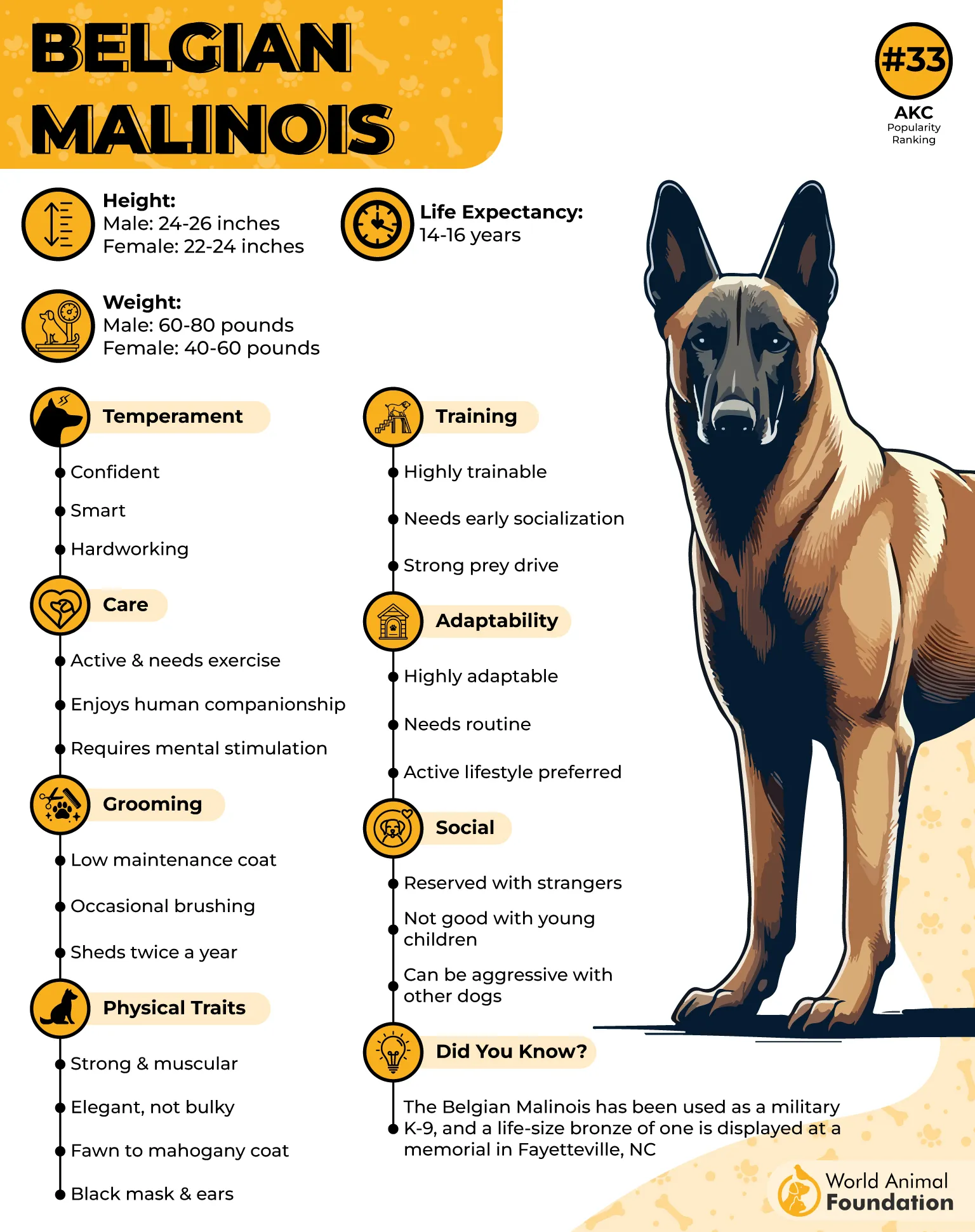
This breed is known for confidence, trainability, and a strong partnership with its human companion, performing best when given clear responsibility and engagement.
Here’s a closer look at its working mindset:
Highly responsive to structured guidance
Strong bond with a dedicated handler
Needs consistent, purposeful activity
Energy and Daily Engagement
Belgian Malinois performs well in tasks such as obedience, tracking, or agility, where focus and cooperation are required. When underutilized, the breed may struggle, making regular involvement with its handler an important part of maintaining balanced behavior at home.
Conclusion
Choosing the right protector means understanding both strength and temperament. Many of these breeds are excellent guard dogs whose natural instinct keeps them attentive to their surroundings.
For dog owners raising small children, that awareness often becomes a reassuring presence at home. Some may be a huge dog with a powerful frame, while others belong to the smartest breeds known for focused training ability.
With positive reinforcement obedience training, their instinct develops into balanced behavior. These dogs are often extremely loyal and alert, using a loud bark when needed. Whether an energetic breed or a steady furry breed, they can live peacefully with other pets.
