




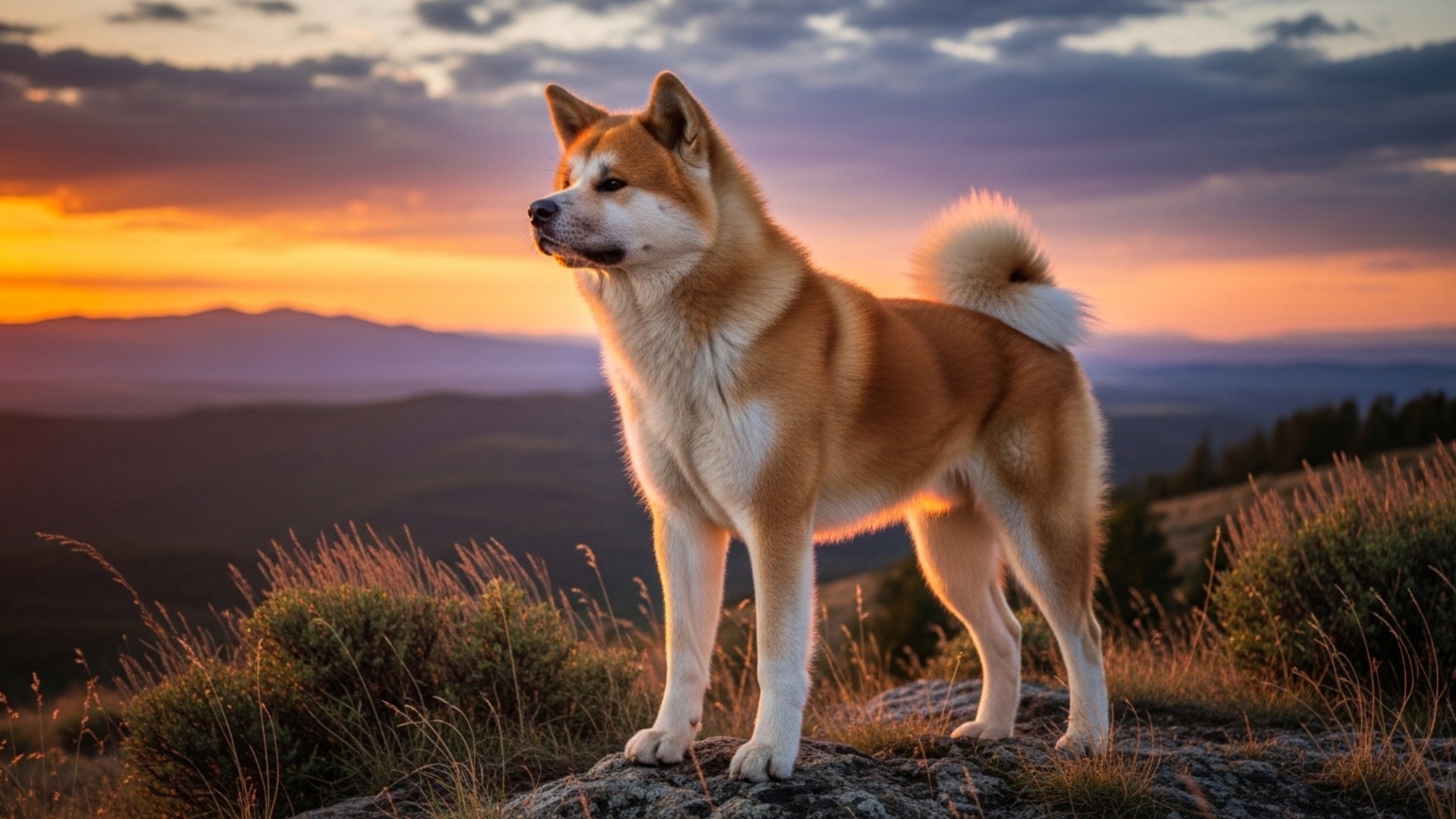
A loyal dog may greet its family with warmth and affection, yet that same dog can shift instantly into a focused guardian when something unusual appears. This balance between companionship and vigilance defines dogs known for strong guarding instincts.
Inside the home, they behave like devoted partners who seek closeness with their people. Outside influences, however, trigger heightened awareness. Unfamiliar footsteps, unexpected sounds, or sudden movement attract their immediate attention. These dogs naturally observe their surroundings and respond with calm confidence when necessary.
Their protective behavior grows from attachment rather than aggression. Because they value the safety of their family, they remain attentive to potential concerns around the home. Owners often appreciate this ability to combine gentle loyalty with responsible alertness. Such dogs become both loving companions and dependable protectors in everyday life.
The following article examines the instincts and qualities that shape these remarkably loyal canine guardians.
Key Takeaways
The most devoted family dogs often keep a quiet eye on the world around them.
German Shepherds and Doberman Pinschers often stand out because their intelligence and alert nature make them quick to recognize potential concerns.
Boxer and Rottweiler show another side of protection by blending playful family energy with a calm readiness to step forward if needed.
Reading further introduces the seven loyal breeds whose instincts often place them between their families and the unexpected.
Loyal Dog Breeds Known for Their Guarding Instincts
1. German Shepherd
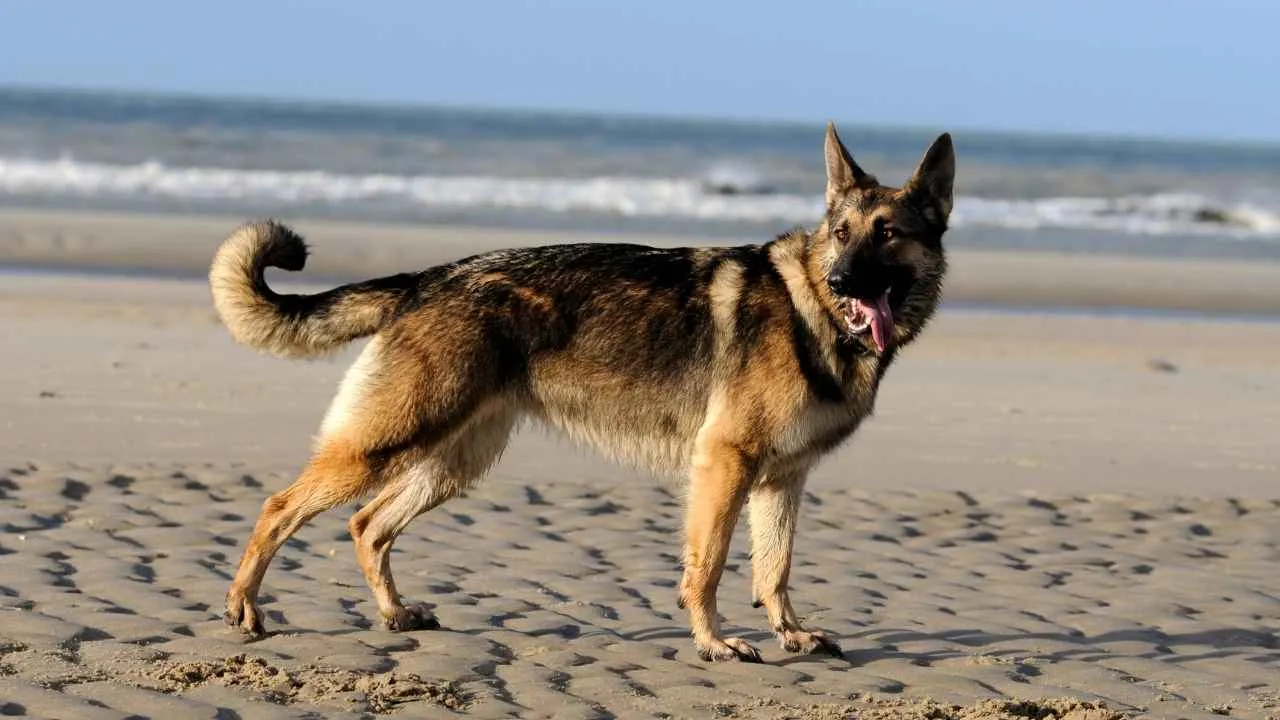
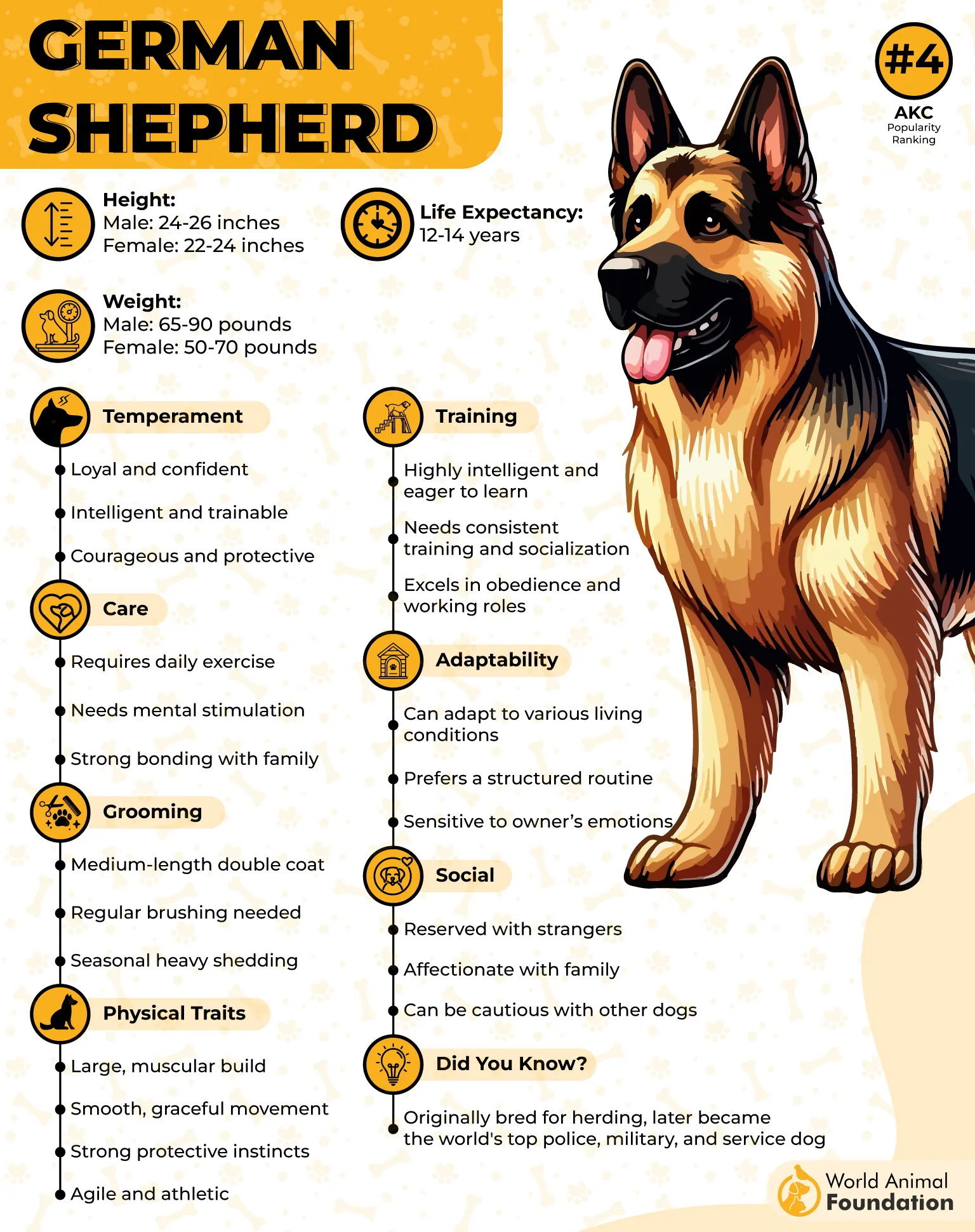
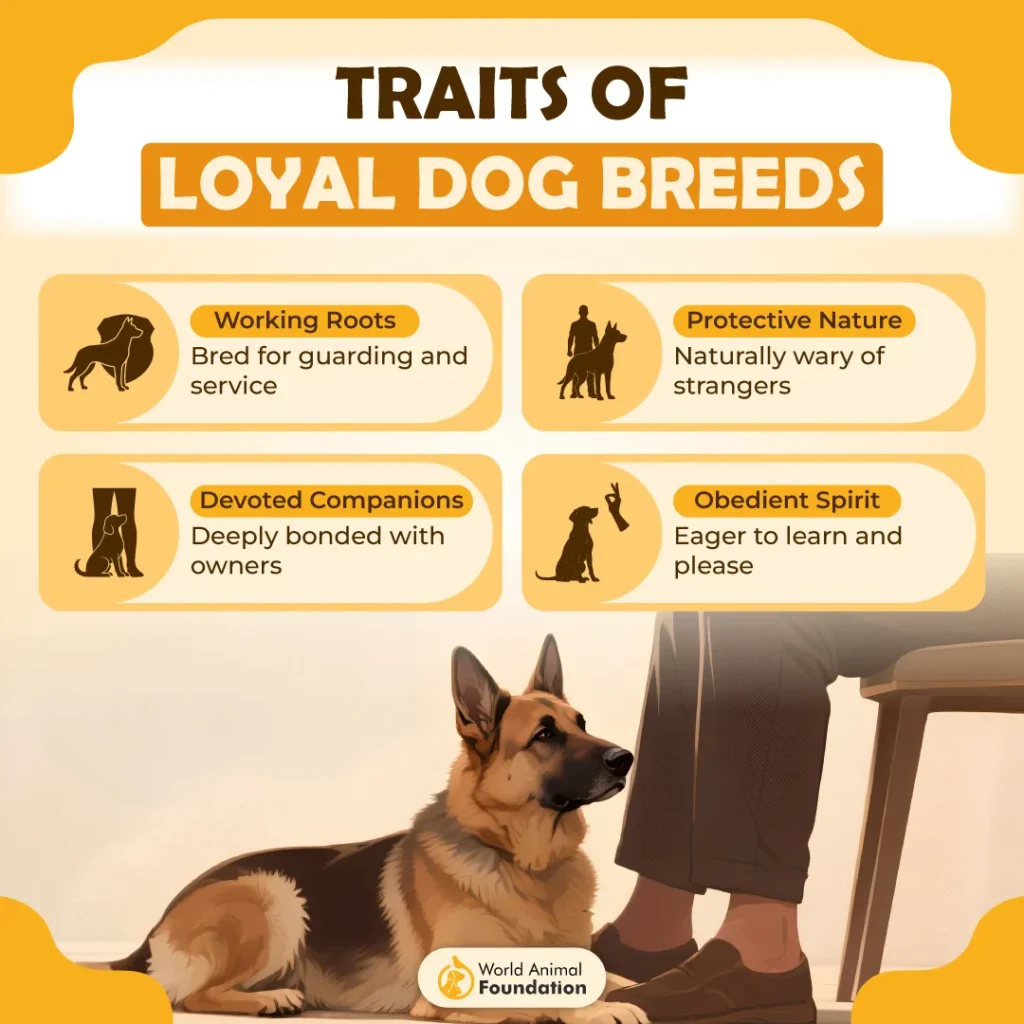
German Shepherds are widely recognized as a versatile working breed, known for intelligence, courage, and steady loyalty. Its noble temperament and strong learning ability have made it valued in roles that demand focus and responsibility. These traits naturally align with dependable home protection.
Physical Structure and Capabilities
These guard dog breeds present a smooth outline with strong muscles, showing agility rather than heavy form. Their free and balanced movement allows quick response when needed, reflecting both control and speed.
This mindset supports practical guarding roles:
High intelligence for complex commands
Strong loyalty toward trusted family members
Natural alertness with measured social behavior
Temperament in Family Settings
German Shepherds are confident and composed, forming close bonds with their households while maintaining a selective approach toward unfamiliar people, as PetMD notes. Its character reflects courage and willingness to act in defense of loved ones when required.
2. Giant Schnauzer
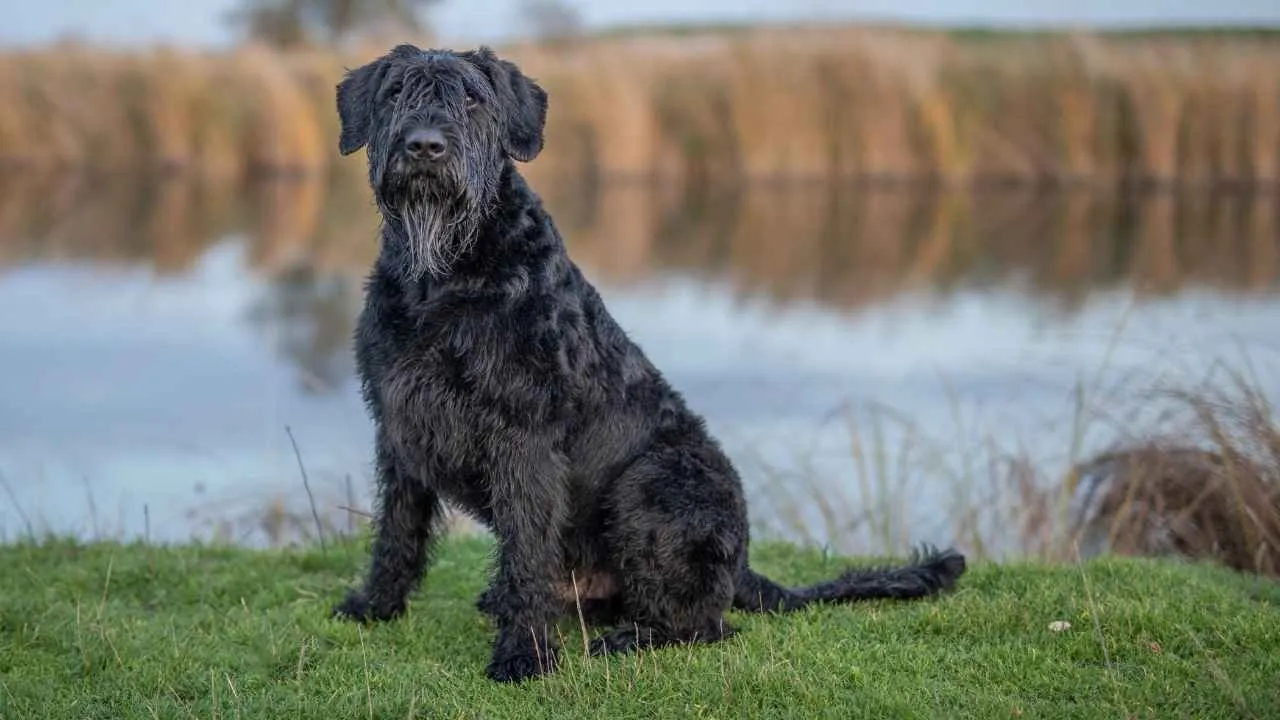
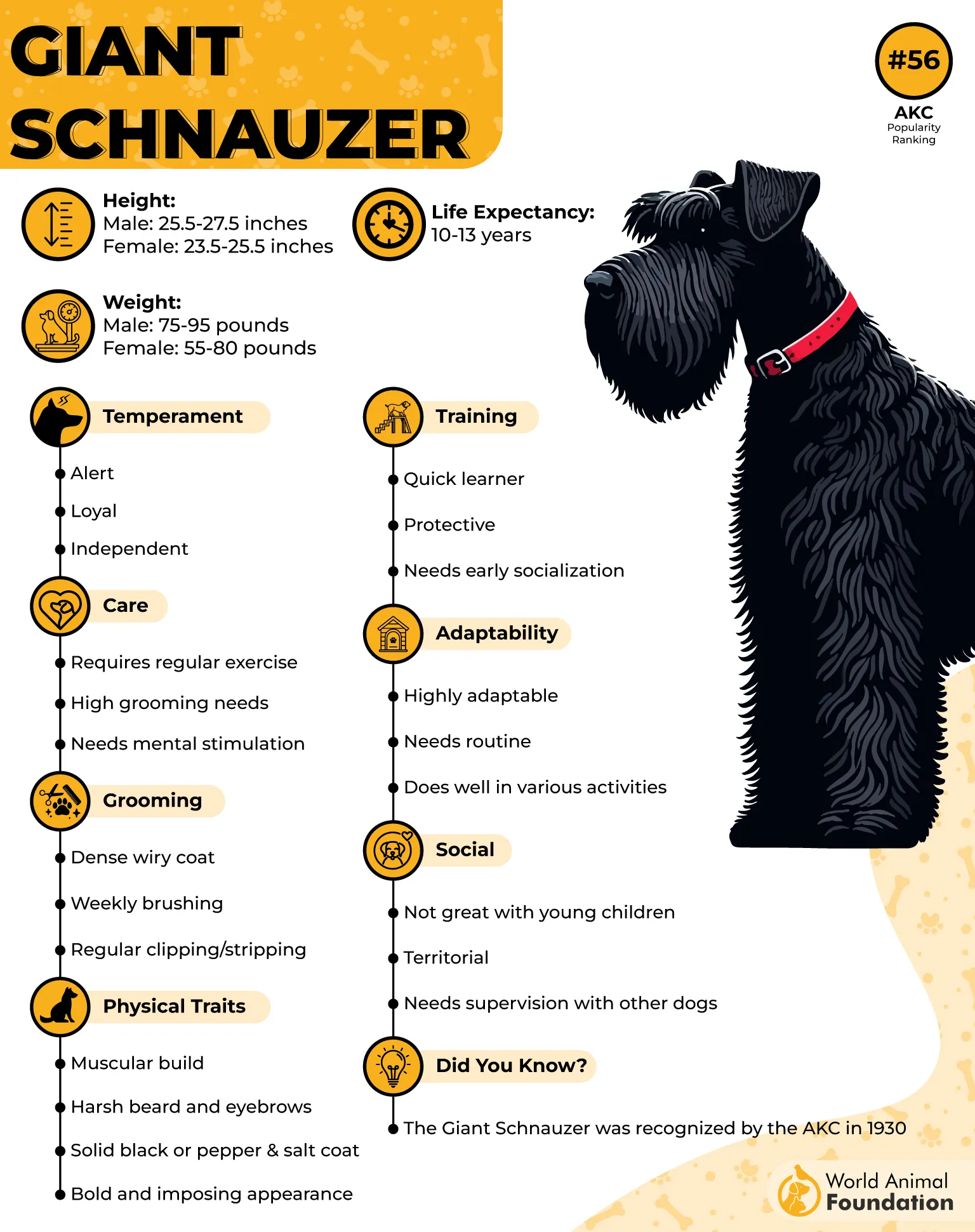
Giant Schnauzer is a larger, more powerful version of the Standard Schnauzer, as described by the AKC as a bold and valiant figure. Its muscular build and imposing presence reflect strength combined with intelligence and loyalty.
Defining Features and Presence
This protective dog closely resembles the Standard Schnauzer but in a bigger frame, with a double coat that appears in solid black or pepper and salt. The harsh beard and eyebrows create a keen expression that highlights awareness and focus.
These physical details connect directly to its active nature:
Strong intelligence for guided tasks
Loyal attachment to trusted companions
Requires companionship for balance
Interaction and Engagement
Giant Schnauzer benefits from shared activities that challenge both mind and movement, including structured games that involve problem-solving and focus. Interaction with a human partner or another large dog supports its steady temperament in daily life.
3. Boxer
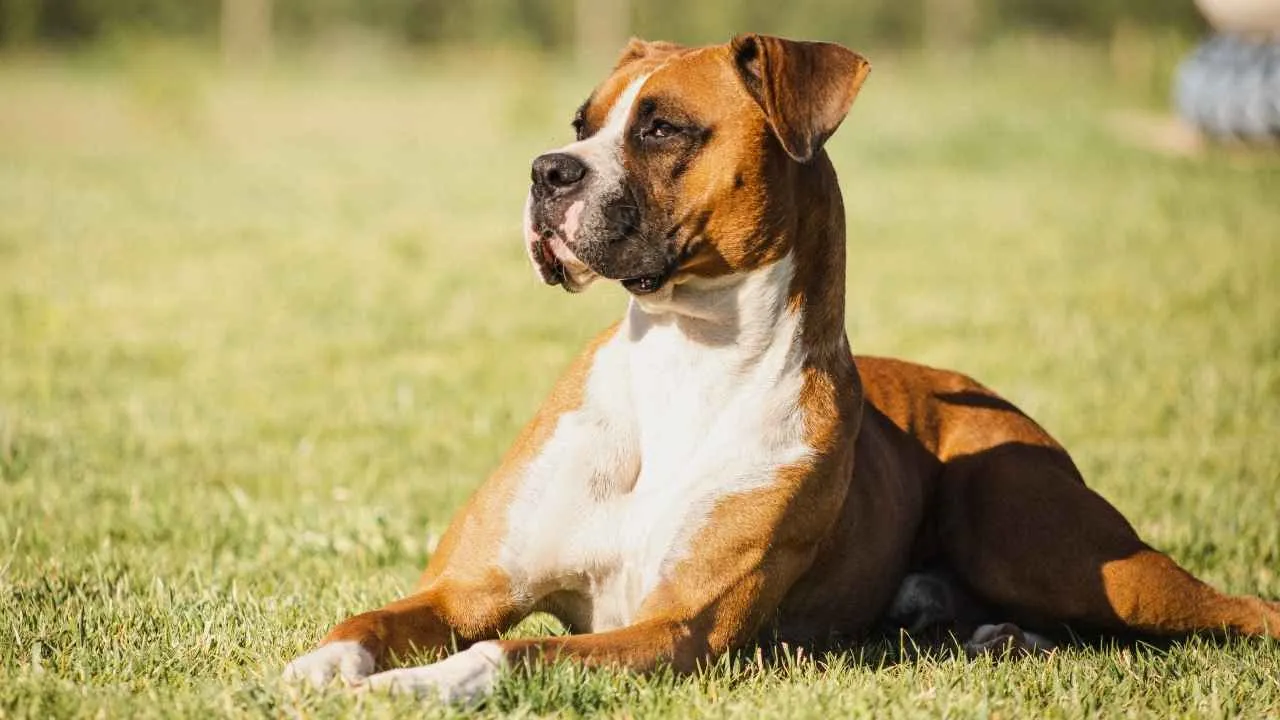
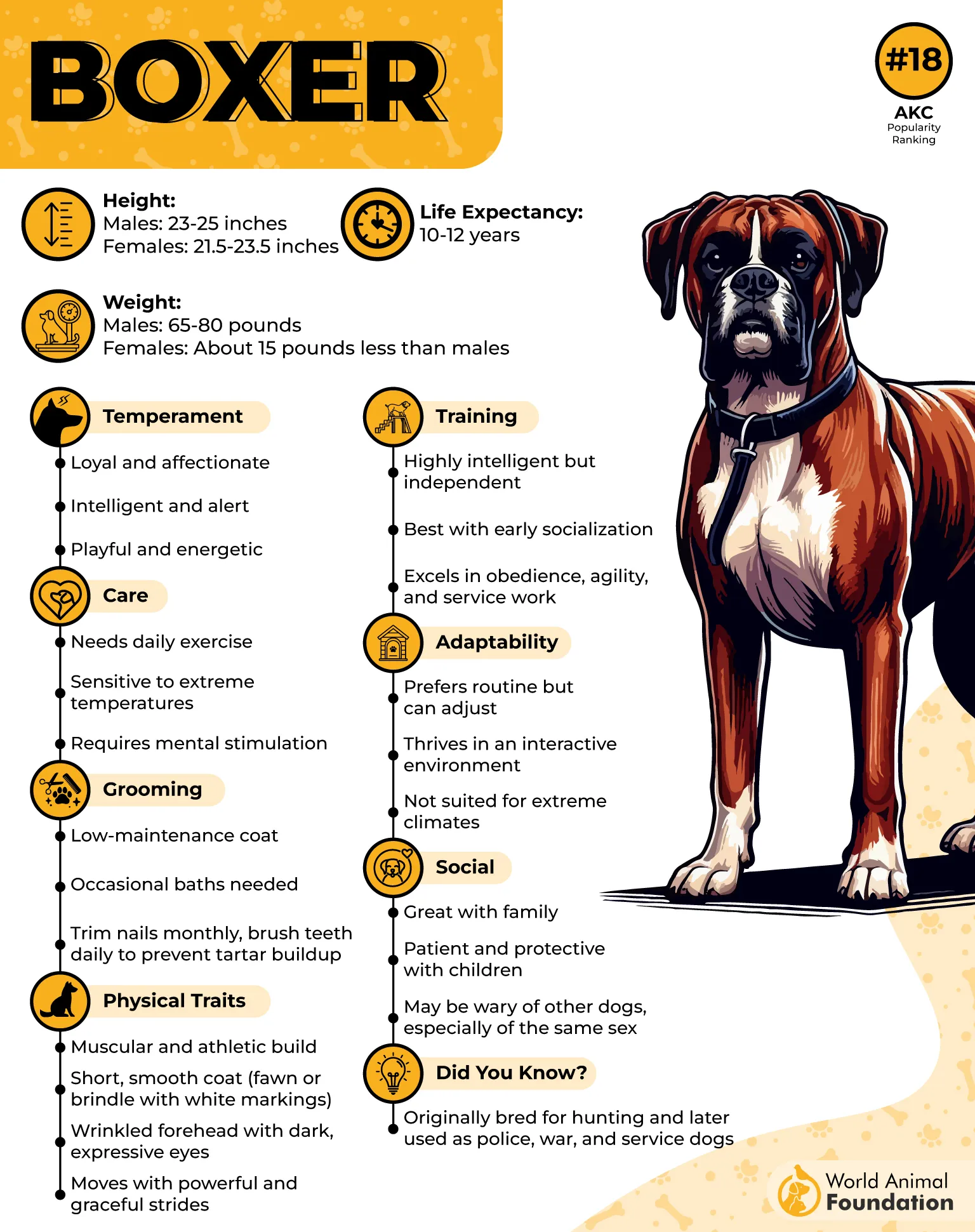
Boxer shows a lively personality that mixes affection, intelligence, and steady courage in everyday life. The breed stays alert and observant, giving its face a curious expression shaped by dark eyes and a wrinkled forehead. This attentiveness often places the Boxer among dependable household watchers.
Physical Strength and Presence
These best guard dog breeds stand out through athletic build and strong muscles that move smoothly beneath a short, tight coat. Its movement shows balance and forward power, reflecting the energy behind the breed’s confident presence.
These qualities appear clearly in daily behavior.
Courage when facing unfamiliar situations
Strong attentiveness to surroundings
Energetic and responsive movement
Interaction With Family
Boxer shows a playful and upbeat spirit that blends easily with family life, as Petplan notes. Patience around children and a naturally protective attitude have shaped the breed’s long-standing reputation within households. Its awareness influences how it responds when a situation feels threatening.
4. Akita
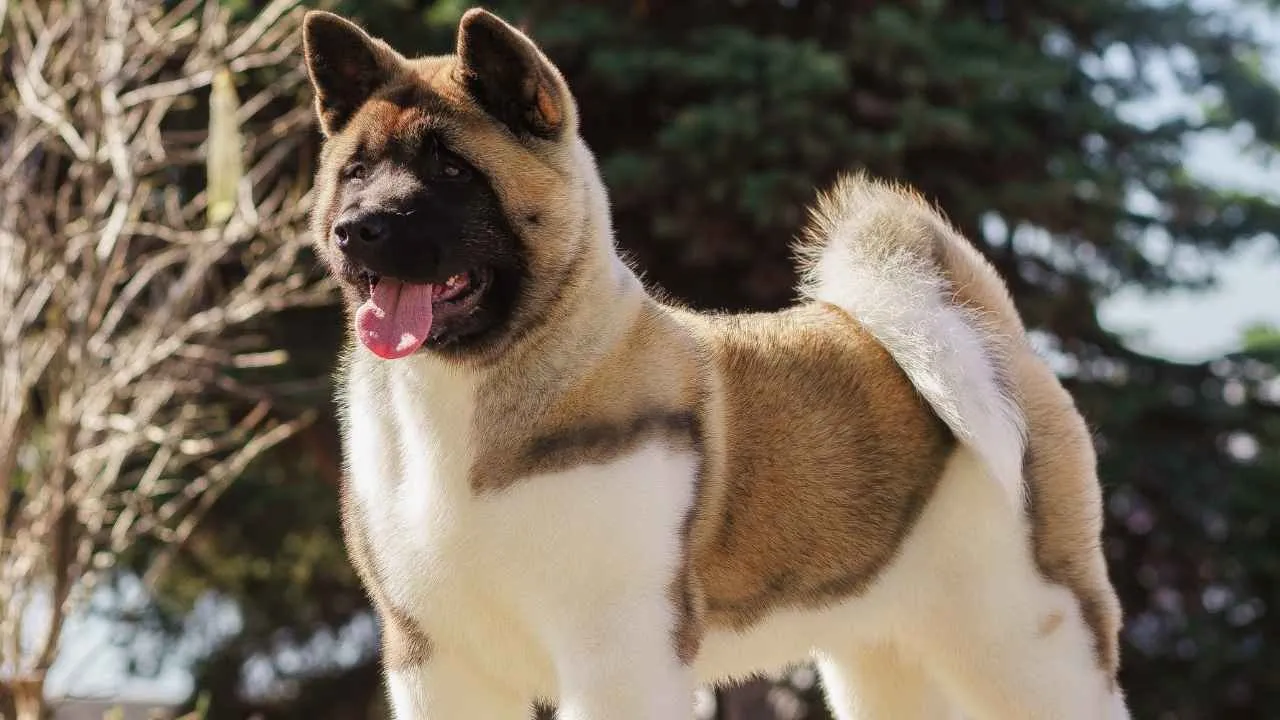
Akita is known for dignity, courage, and deep loyalty, qualities rooted in its ancient Japanese lineage. In Japan, the breed has long been honored as a household protector and a symbol linked with health and happiness. This historical role reflects a natural readiness to watch over the people it trusts.
Structure and Instinctive Awareness
They have a burly, heavy-boned spitz-type dog with a broad head, erect ears, and dark eyes that show alert focus. A dense double coat and a full curled tail complete the strong outline that defines the breed’s presence.
These physical signals hint at how the breed approaches its role:
Quiet and fastidious by nature
Naturally wary of unfamiliar people
Deeply attached to trusted family
Social Structure and Early Guidance
Akita’s instinct to protect those close to it is part of the breed’s natural temperament. Proper training and proper socialization with people and other dogs help guide how this loyal, confident breed responds to different situations. Human companionship remains an important part of its daily life.
5. Rottweiler
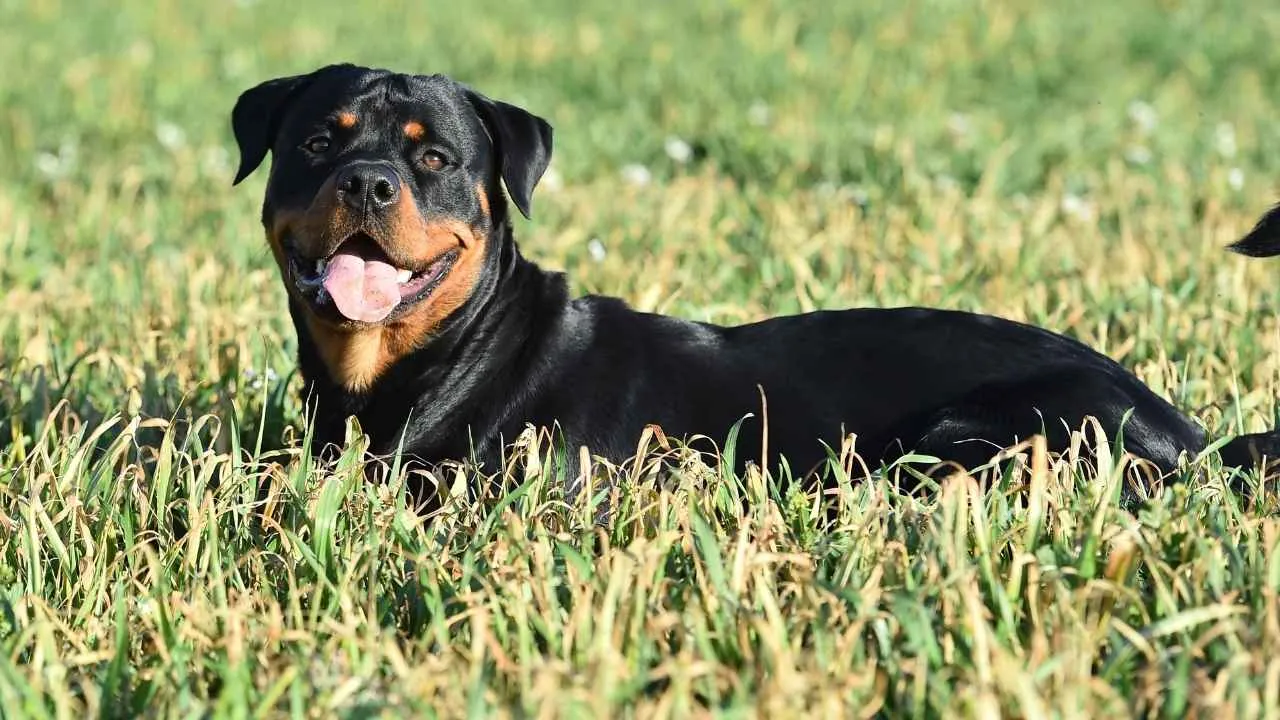
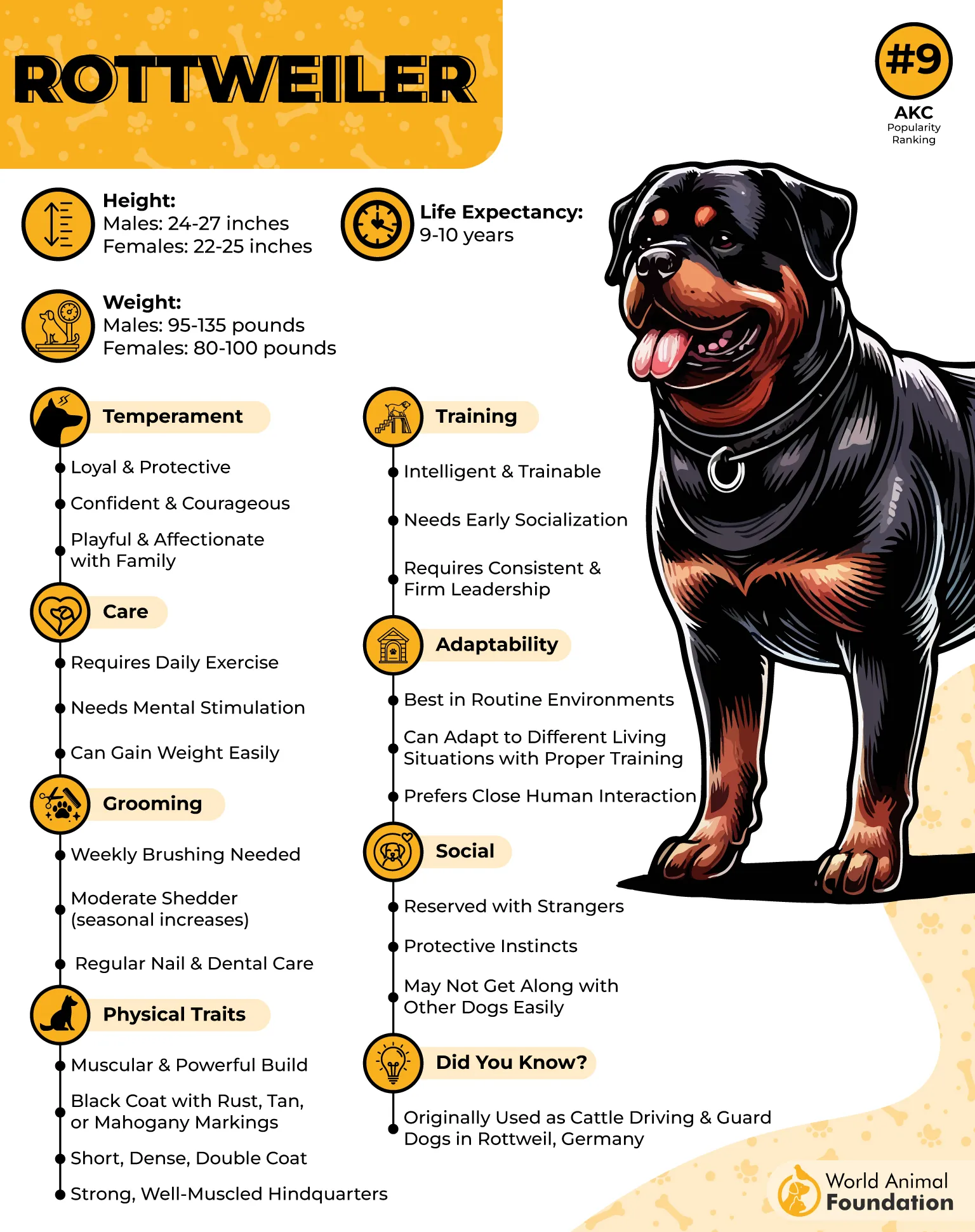
Rottweiler is known for a calm and confident temperament shaped by its history as a powerful working breed. Within the family circle, this dog shows a gentle and playful side that contrasts with the serious focus it shows toward unfamiliar surroundings.
Physical Presence and Behavioral Traits
Rottweiler displays a strong frame with thickly muscled hindquarters that drive an effortless trotting gait. The short black coat marked with rust accents and a composed posture presents an image of controlled strength rather than restless energy.
These qualities shape the breed’s natural working mindset:
Roman mastiff ancestry linked to working heritage
Self-assured and reserved toward unfamiliar people
Confident temperament without unnecessary aggression
Guidance and Early Structure
This natural guard dog benefits from early training and structured social exposure that guide its natural instincts. In family environments, the breed often shows patience with children, while respectful interaction and supervision remain important parts of daily life.
6. Doberman Pinscher
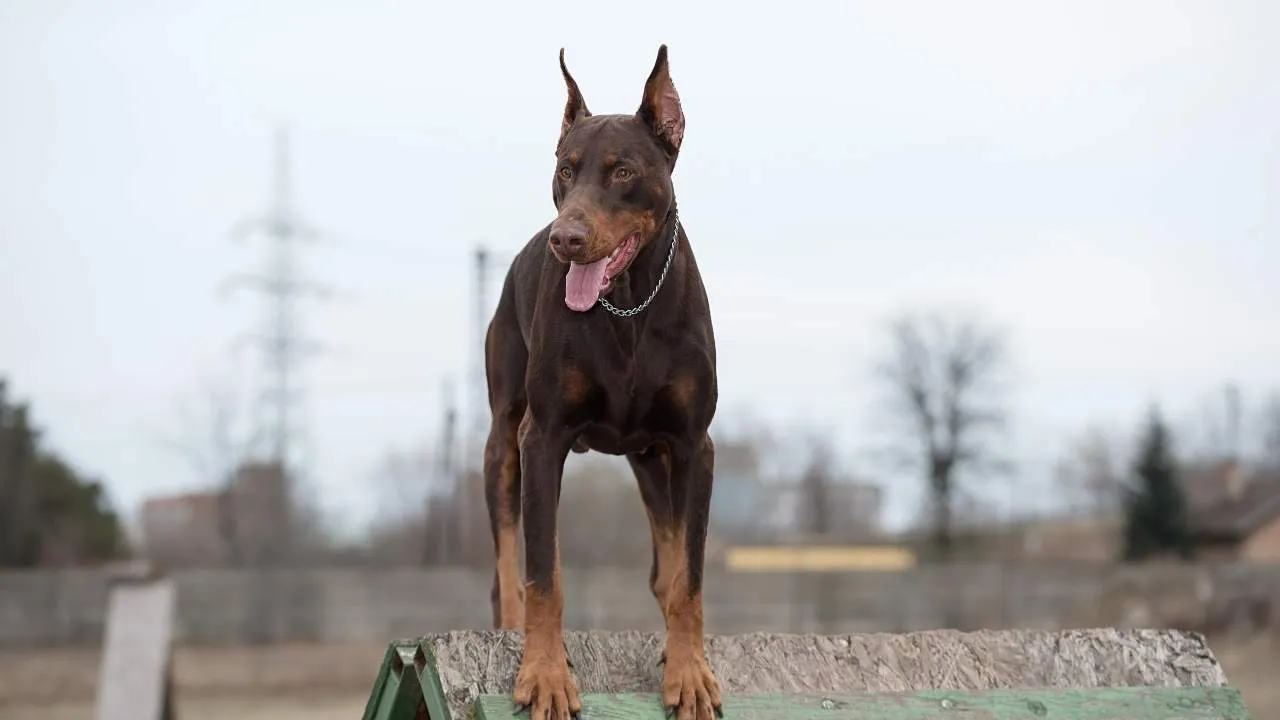
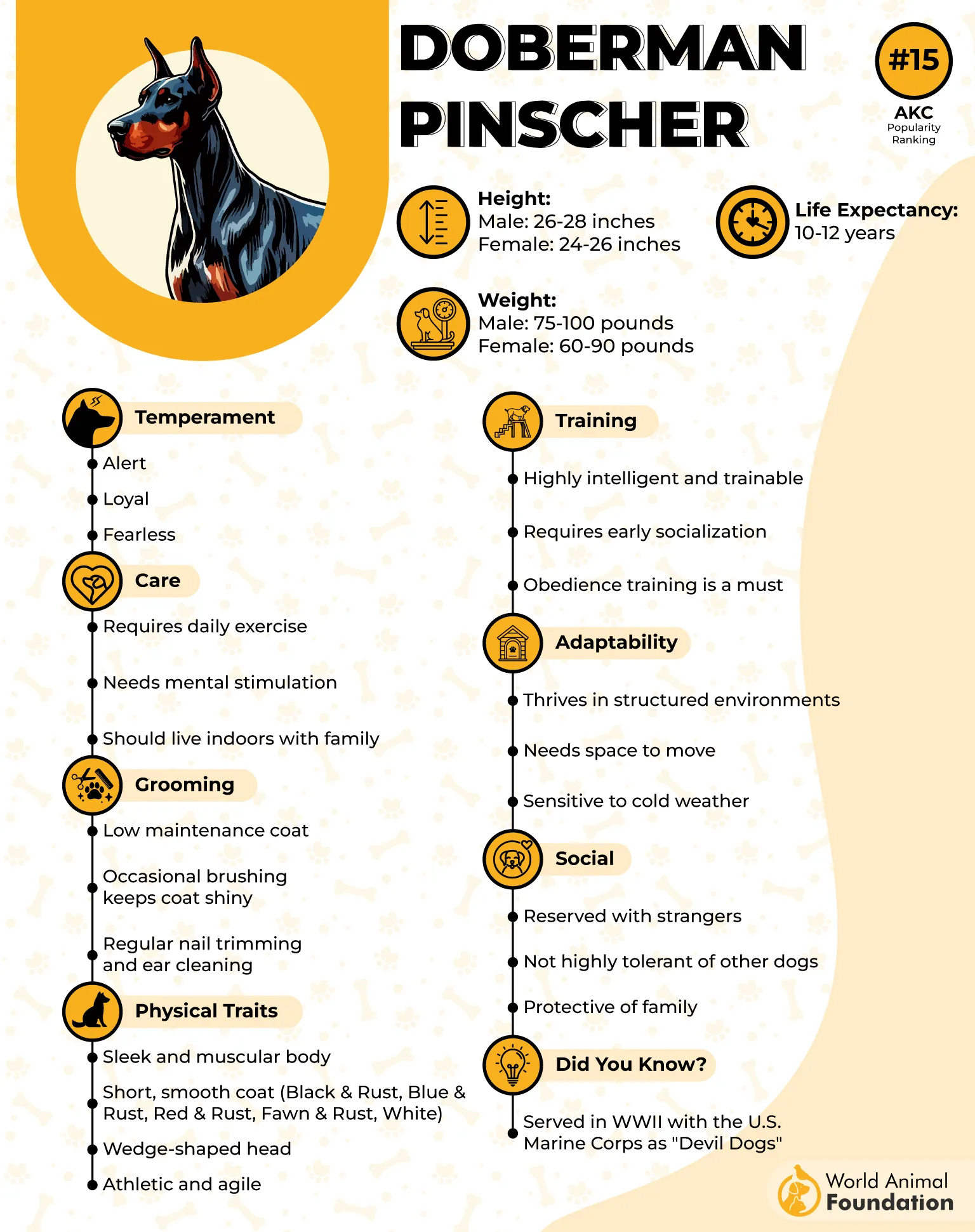
Doberman Pinscher has a sleek yet powerful frame paired with sharp intelligence and steady alertness. The breed’s fearless and watchful nature places it among the most respected protection dogs. Its confident presence alone often signals that the surroundings are being carefully observed.
Structure and Working Ability
These loyal dogs are compact, muscular, and built for speed, giving the dog a balanced combination of strength and agility. The sleek body and athletic movement reflect efficiency rather than excess size.
These traits shape how the breed performs in demanding roles:
Exceptional alertness in unfamiliar situations
Strong intelligence for complex tasks
Fast and controlled athletic movement
Reputation in Protective Roles
This excellent guard dog is widely recognized in fields that require reliability and focus, including security work, working as a police dog, and search and rescue. These responsibilities highlight a temperament that remains composed while responding quickly to potential threats.
7. Cane Corso
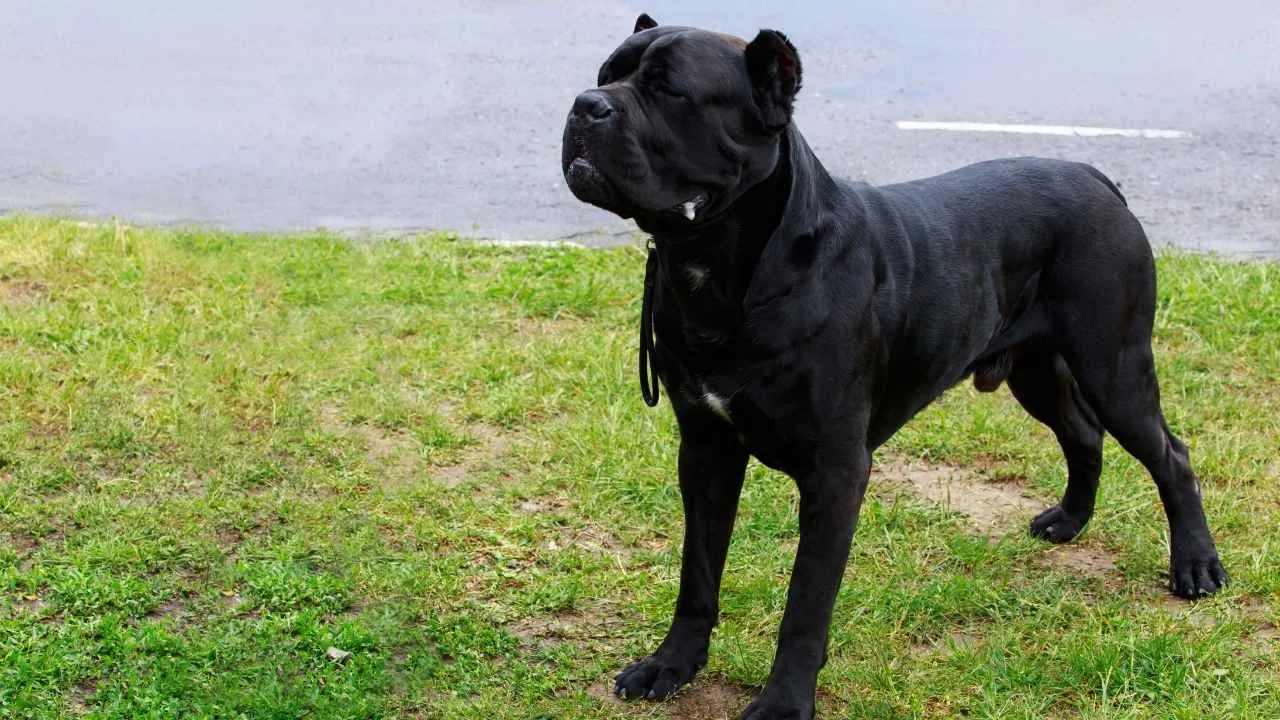
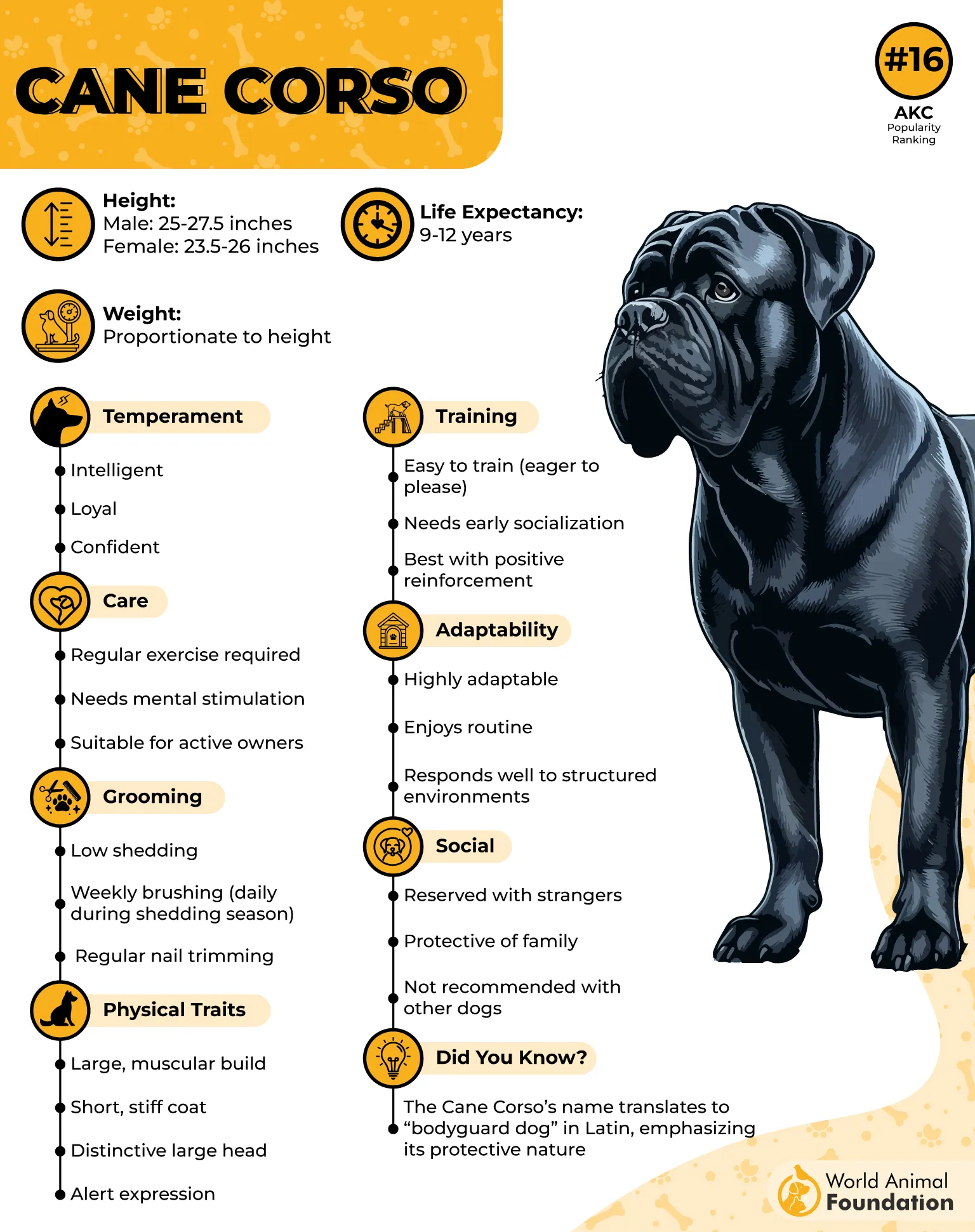
Cane Corso traces its lineage to ancient Roman dogs, and its very name reflects the idea of a bodyguard. The breed is known for intelligence, confidence, and a composed sense of authority. This background explains why it is often associated with dependable household protection.
Structure and Immediate Impression
Cane Corso stands out with a large head, alert expression, and strong muscles visible beneath a short, stiff coat. Its powerful outline and steady posture naturally create an intimidating first impression.
That commanding look reveals several defining characteristics:
Strong intelligence that responds well to training
Deep loyalty toward trusted people
Confident and assertive temperament
Temperament and Mindset
Cane Corso shows eagerness to work with people while maintaining a confident and self-assured nature. Intelligence and loyalty shape how the breed interacts within its household. Its assertive personality requires clear leadership and consistent guidance.
Conclusion
A loyal guardian often grows into its role through guidance and daily experience. For dog owners, understanding protective instincts from a young age helps shape balanced behavior at home. With consistent training and early socialization, these dogs learn when awareness is necessary and when calm companionship is enough.
Many of them become incredibly loyal partners who watch over family life with quiet confidence. Even large breeds, sometimes described as gentle giants, respond best to exercise and mental stimulation that keeps their minds active. Through patience and structure, dog owners often discover that a devoted canine companion becomes both a protector and a trusted friend.
