




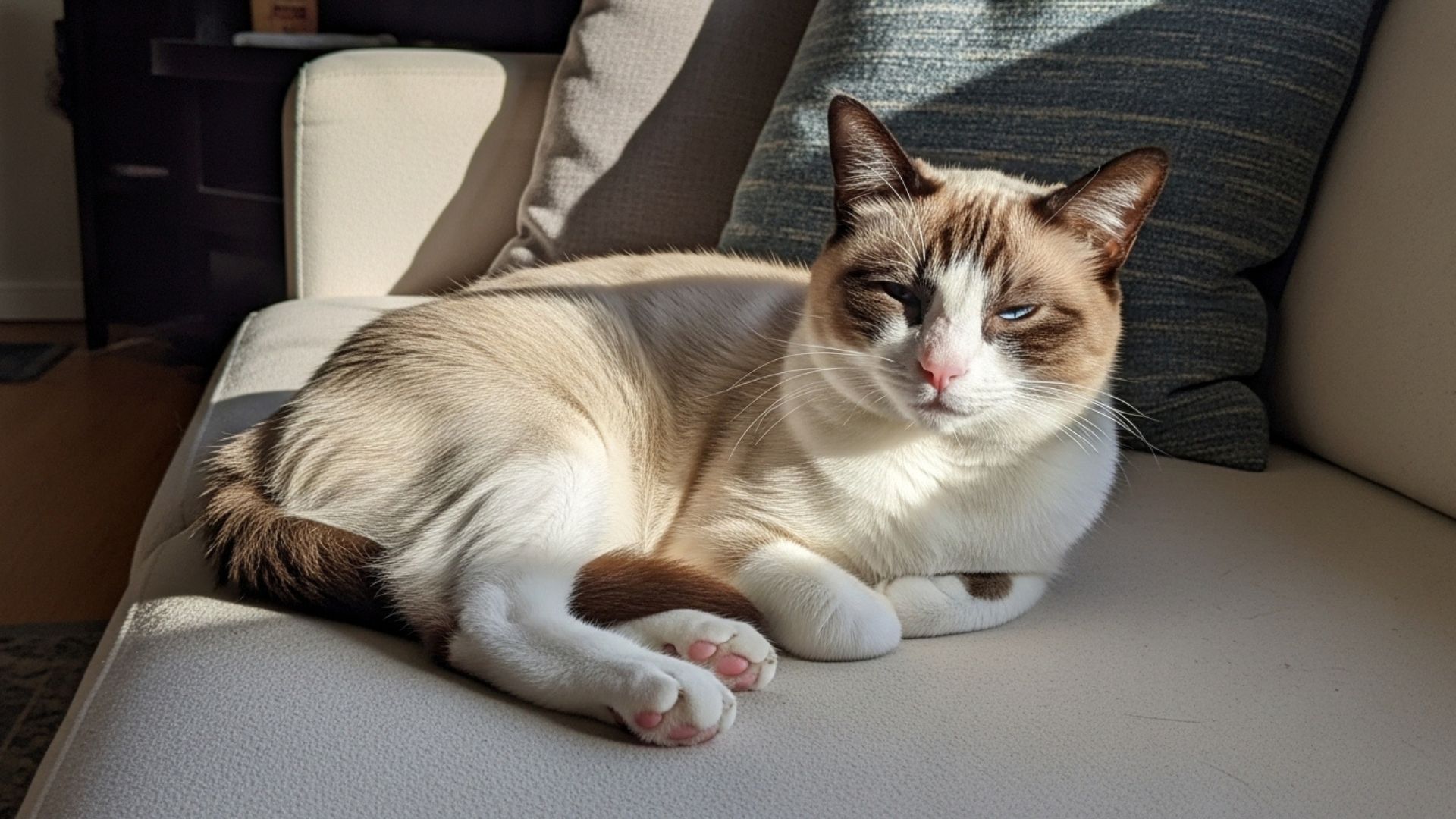
You might think a cat’s paws are just for walking and kneading—but for some breeds, paws are a statement of personality and beauty.
From pink pads to dark charcoal, and even multicolored or spotted designs, cats with distinctive paw colors can capture your attention as much as their eyes or coat patterns.
Distinctive paws aren’t just adorable—they often complement a cat’s overall charm, adding a touch of whimsy or elegance to their appearance. Whether they’re gracefully tiptoeing across the living room or kneading your favorite blanket, these colorful paws become a conversation starter and a delight to observe.
Many cat breeds with unique paw colors also carry personality traits to match—playful, affectionate, and curious felines that love interacting with their humans. Their distinctive paw colors make them instantly recognizable, turning every paw-step into a tiny display of character.
We’ll explore cat breeds with distinctive paw colors, uncovering the breeds that show off nature’s artistry in the most delightful way. From striking contrasts to subtle, charming shades, these paws prove that in the world of cats, beauty often begins from the ground up.
Quick Insight: Some cats, like the Snowshoe and Siamese, have uniquely colored paws that contrast with their coat. These colorful paws aren’t just adorable—they can also help identify breed lineage and add to a cat’s signature look.
Cat Breeds with Distinctive Paw Colors
1. Birman
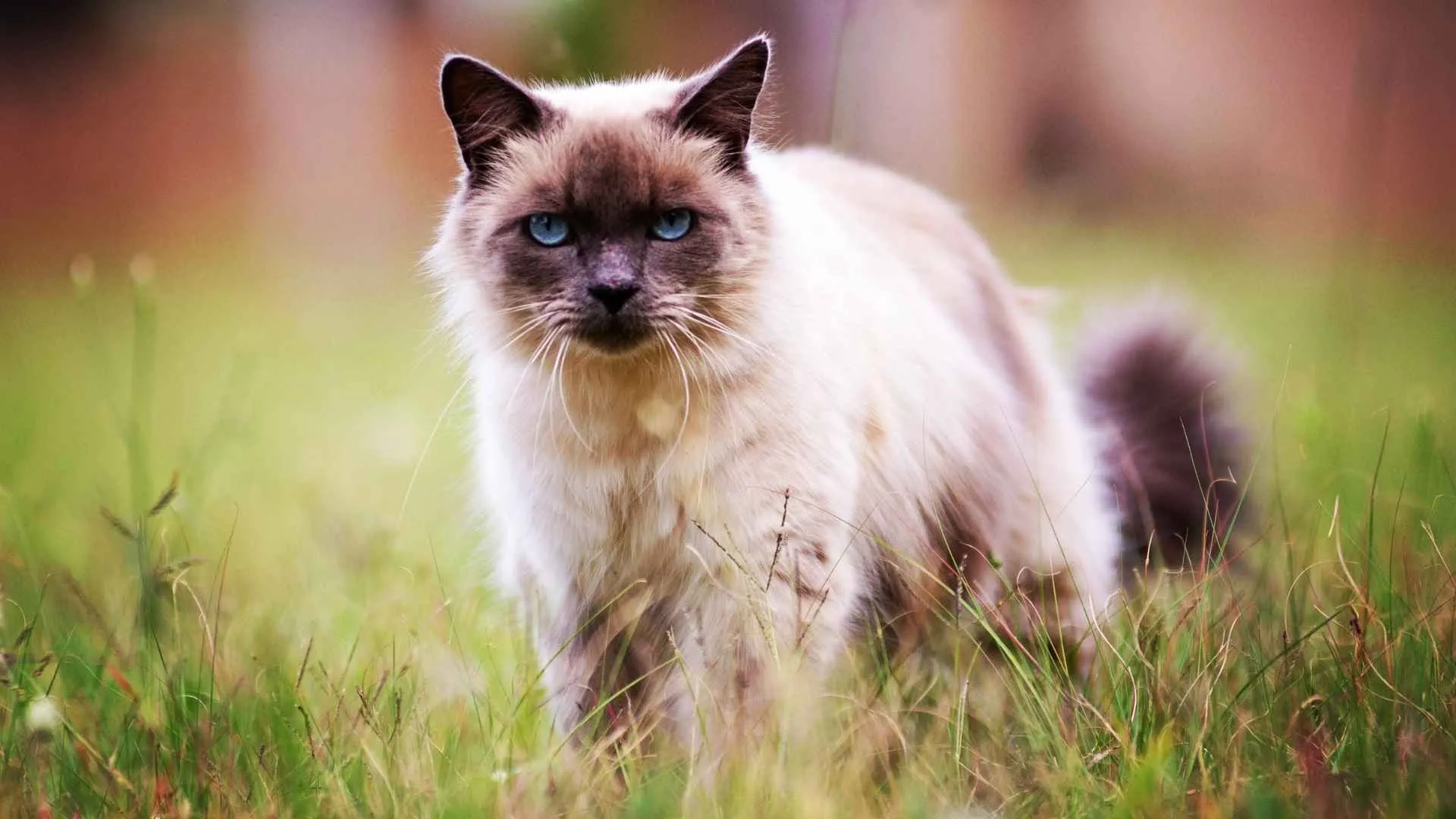
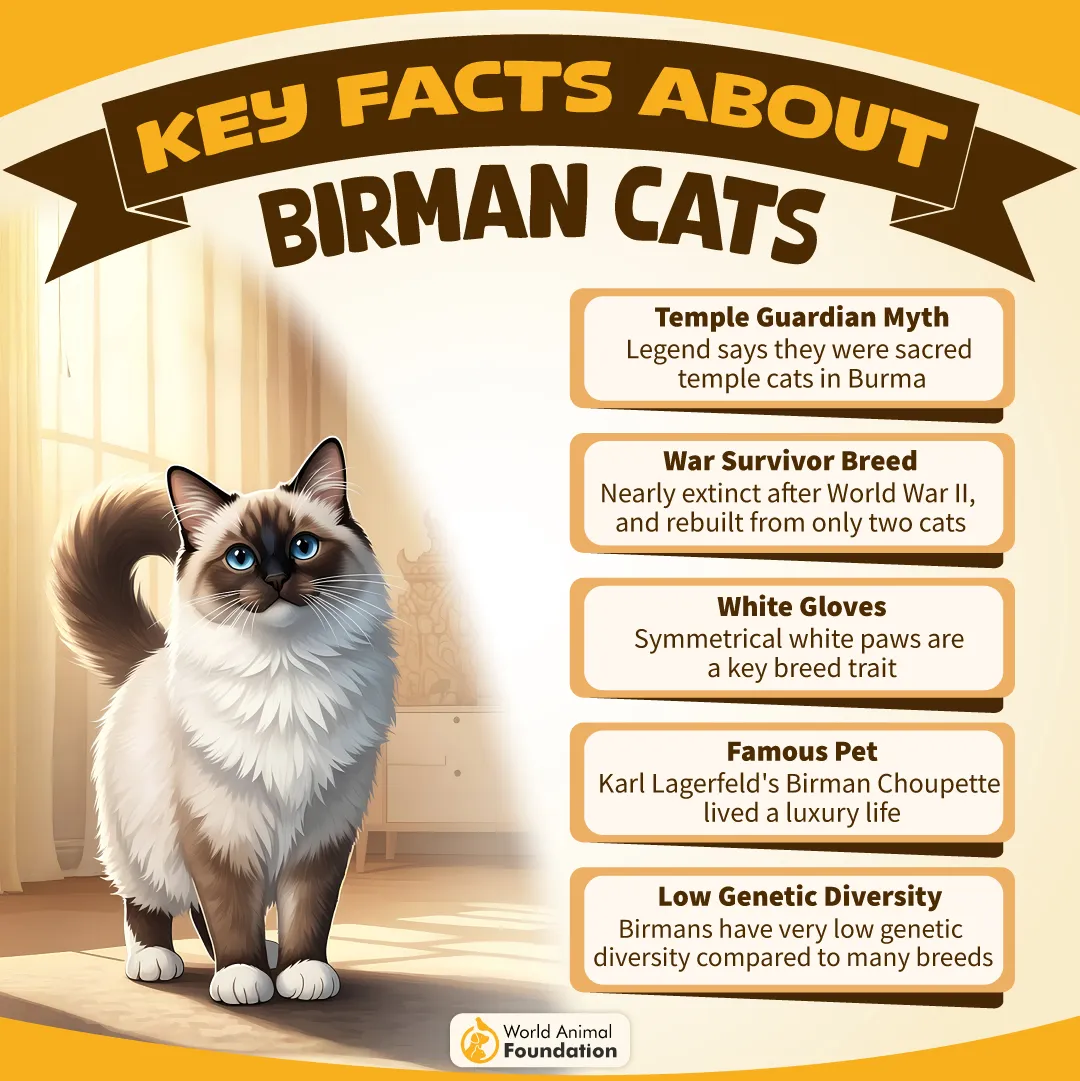
Wrapped in legend and elegance, the Birman is instantly recognizable by its striking coat and those famous white paws that look like they were designed by the gods themselves.
According to ancient lore, these cats once lived in temples, blessed with golden eyes and immaculate “mittens” the color of purity and earth.

Beyond the myth, Birmans are medium-sized cats with calm, affectionate personalities, PetMD noted. They’re friendly without being demanding—happy to keep you company, supervise your daily routine, and quietly steal your heart (and possibly your favorite chair).
Coat Color: Light-colored body, typically creamy white to pale beige
Point Colors: Darker shades on the face, ears, tail, and legs—commonly seal, blue, chocolate, lilac, red, or cream
Front Paws: Pure white “gloves” that end neatly at the toes
Back Paws: White “laces” that extend slightly up the backs of the legs
Contrast: Bright white paws stand out sharply against the darker leg points
Symmetry: Paw markings are ideally balanced and even on all four feet
Those pristine paws aren’t just adorable—they’re a defining feature of the breed. Birmans walk around like they know their mittens are special, and frankly, they’re right.
If you want a cat that combines beauty, warmth, and timeless charm (with bonus fancy feet), the Birman is hard to beat.
2. Snowshoe
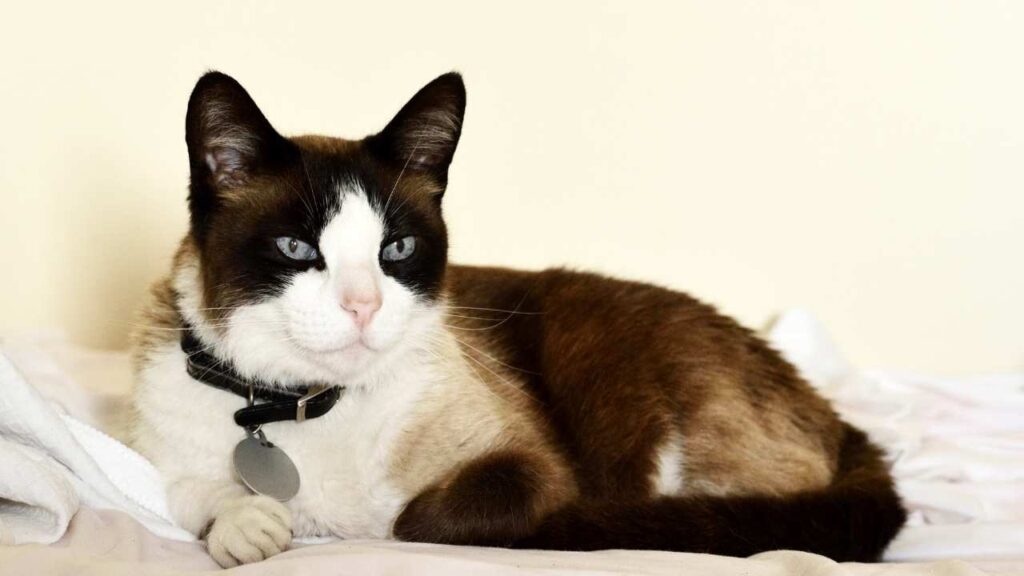
True to its name, the Snowshoe looks like it just strolled through a patch of freshly fallen snow and thought, “Yes, I’ll keep these.”
With its crisp white paws and striking contrast coat, this breed turns heads wherever it goes—mostly because it looks permanently dressed for winter, even in summer.
Snowshoes are medium-sized cats with athletic builds and expressive faces. They’re known for being social, intelligent, and a little chatty—so don’t be surprised if your Snowshoe has something to say about dinner being three minutes late.
Coat Color: Short to medium-length coat with a light-colored body
Point Colors: Darker markings on the face, ears, tail, and legs, usually seal or blue
Paw Color: Bright white “snow boots” on all four paws
Leg Contrast: White paws sharply contrast with darker legs and points
Patterns: Paw markings may vary slightly, giving each Snowshoe a unique look
Friendly, playful, and endlessly curious, Snowshoes love being part of the ation. They’ll follow you from room to room, supervise your tasks, and proudly show off their fashionable white paws like they’re on a tiny catwalk.
If you want a cat with personality, charm, and built-in winter footwear, the Snowshoe fits the bill perfectly.
3. Siamese
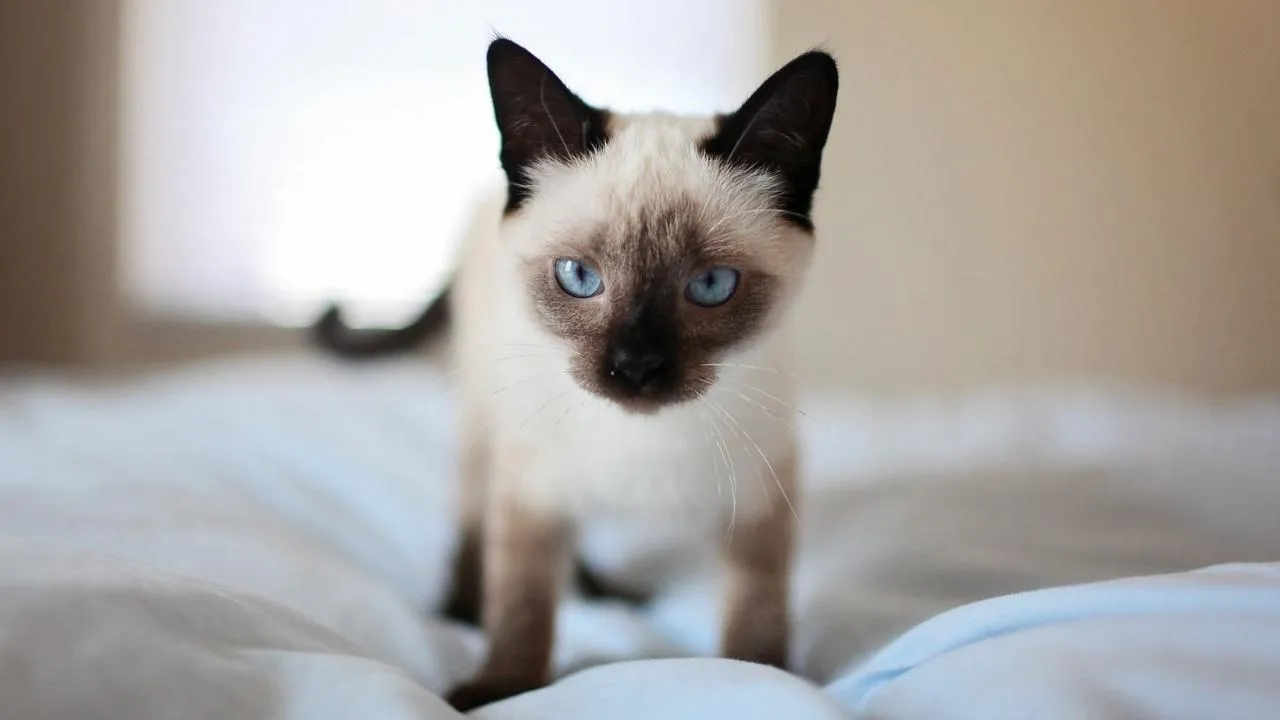
Sleek, elegant, and never shy about expressing an opinion, the Siamese cat is a true classic. Wrapped in a short, soft coat that hugs the body like a designer outfit, this breed is all about contrast—and it wears it flawlessly.
What makes Siamese cats instantly recognizable is their distinctive color-point pattern. Instead of being one solid shade, their darker colors appear on the cooler parts of the body: the face, ears, legs, feet, and tail.
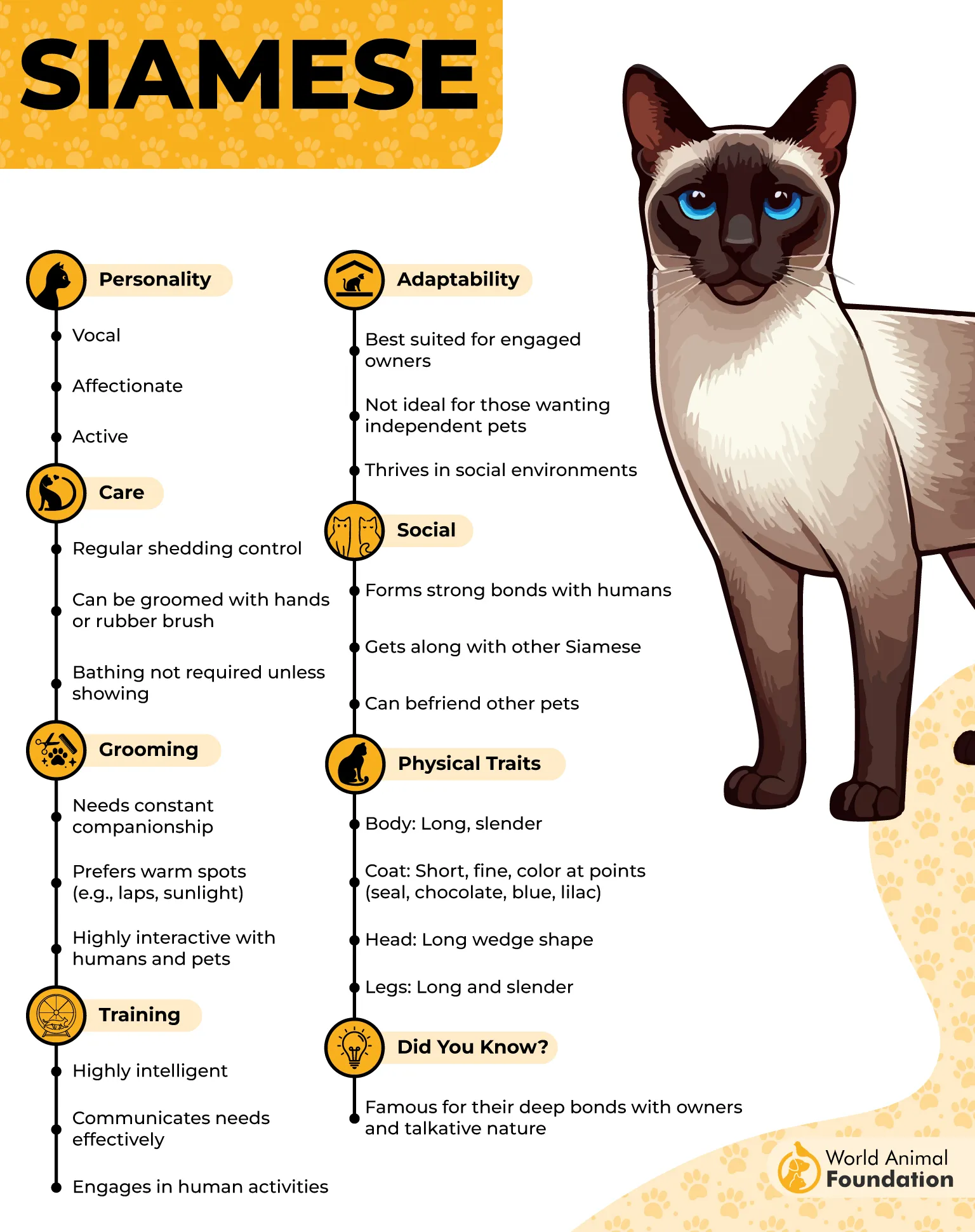
According to WebMD, these “points” are the most important and defining feature of the breed—and honestly, they know it.
Coat Texture: Short, fine, and smooth, lying close to the body
Body Color: Light and creamy, providing a soft backdrop for darker points
Point Areas: Face, ears, legs, feet, and tail
Paw Color: Dark-colored paws that match the point shade
Common Point Varieties:
Seal Point: Creamy body with dark brown paws, tail, nose, and ears
Blue Point: Cool gray-blue points
Chocolate Point: Warm, milk-chocolate colored paws and points
Lilac Point: Pale, silvery-gray points with a pinkish tone
Siamese cats don’t just have dramatic coloring—they grow into it. Watching their paws darken over time is like witnessing a tiny feline glow-up. Add in their talkative nature and expressive eyes, and you’ve got a cat that looks stunning and has plenty to say about it.
4. Ragdoll
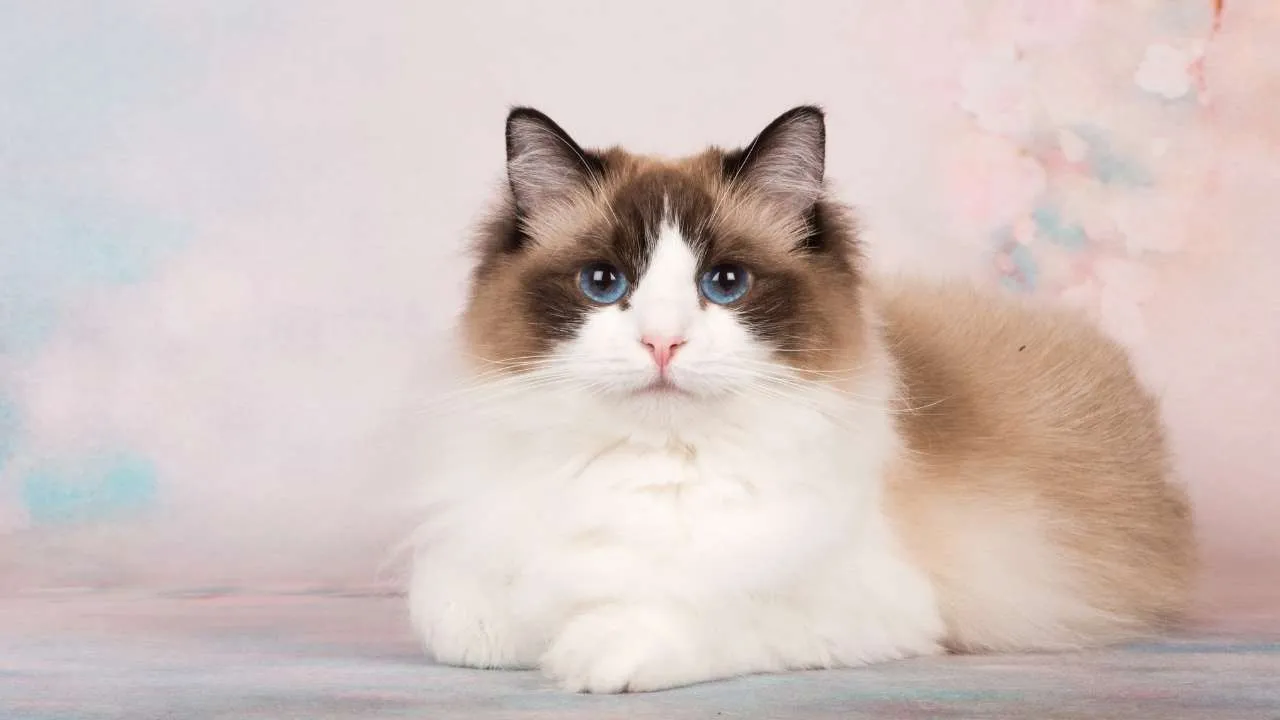
Ragdolls start life with a little mystery—because yes, they’re born completely white. No points, no markings, no clues.
Then, as they grow, their true colors slowly appear, especially on the cooler parts of their bodies: the paws, tail, ears, and face. It’s like watching a blank canvas turn into a masterpiece… one paw at a time.
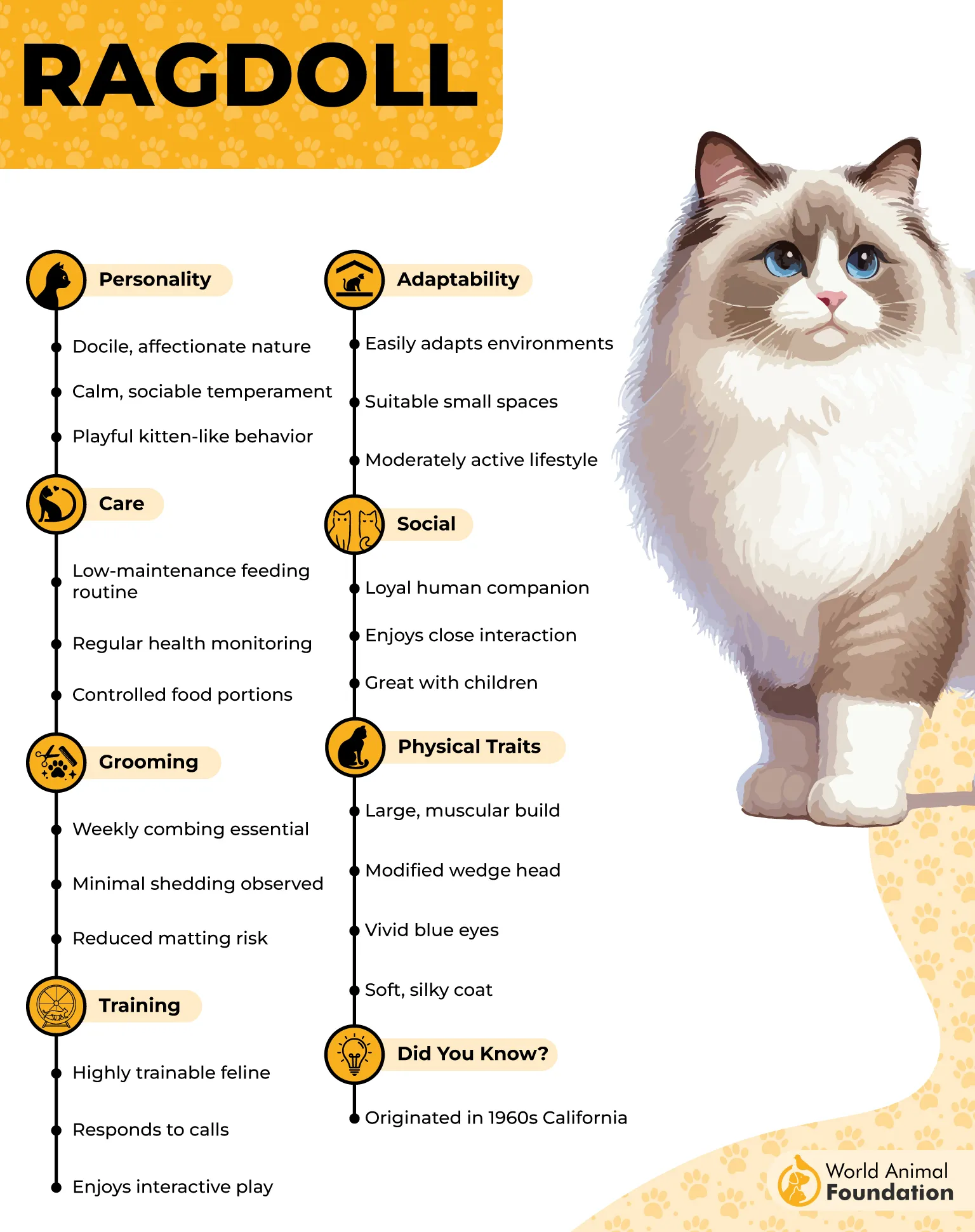
Those darker areas are known as “points,” and they’re essential for identifying a Ragdoll’s color and pattern. By the time they mature, their paws are often one of their most striking features—big, fluffy, and beautifully shaded.
Coat Texture: Semi-long, soft, and plush (basically cloud-level fluff)
Base Color: Born pure white; color develops gradually with age
Point Areas: Paws, face, ears, and tail
Paw Color: Matches the point color, becoming darker as the cat matures
Common Ragdoll Point Colors:
Seal Ragdoll: Light tan body, deep brown to nearly black points on paws, ears, tail, and face
Chocolate Ragdoll: Creamy ivory body, light to rich chocolate-brown paws and points
Lilac Ragdoll (Rare & Elegant): Frosty white coat with a soft pinkish-gray tint, lavender-pink paw pads, and nose for a delicate, pastel look
Ragdolls are famous for going limp when picked up, but their coloring? That develops with intention and flair. Big, gentle, and impossibly fluffy, they look like they were designed for cuddles—with paws that deserve their own fan club.
5. Ragamuffin
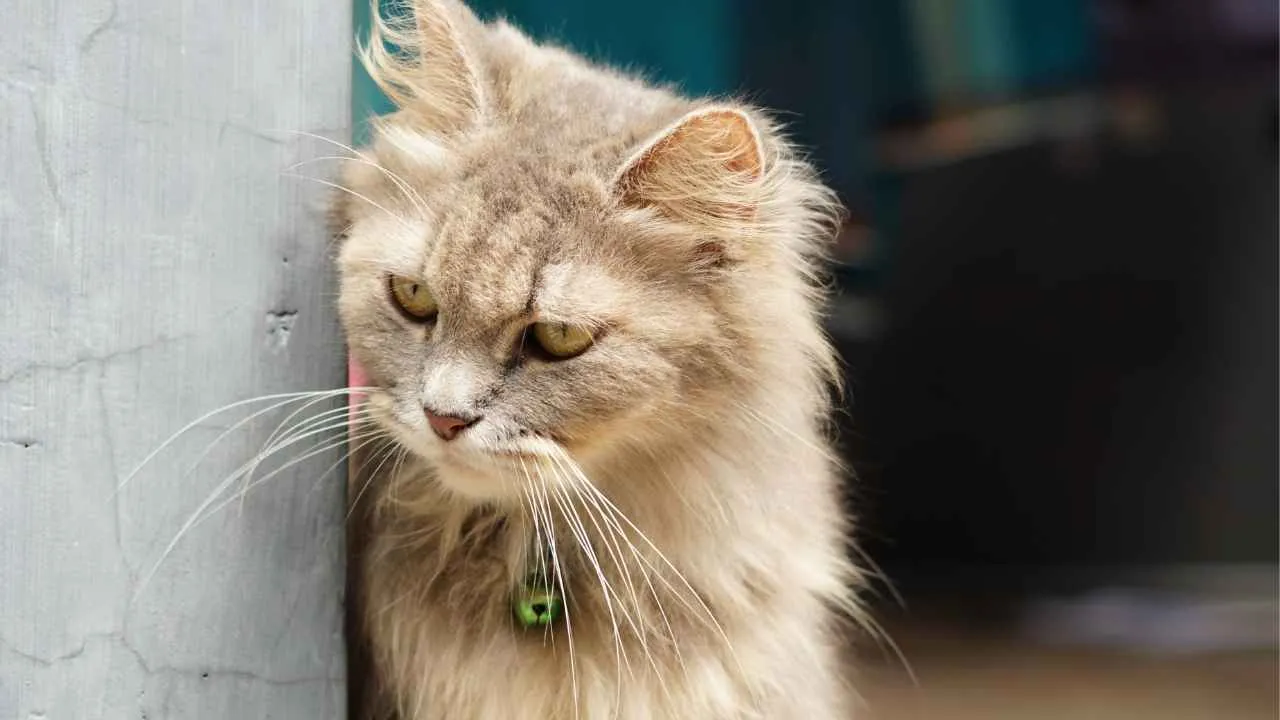
If you’ve ever wanted a cat that looks like it walked straight out of a storybook, the Ragamuffin is it. With a medium-to-large build, strong bones, and a full, silky coat often compared to rabbit fur, this breed is basically a living plush toy… that moves, purrs, and occasionally demands snacks.
Their large, expressive walnut-shaped eyes, puffy whisker pads, and rounded head give them a perpetually sweet, innocent expression. Add medium-sized, rounded ears and big, fluffy paws, and you’ve got a cat that’s the embodiment of cuddliness and charm.
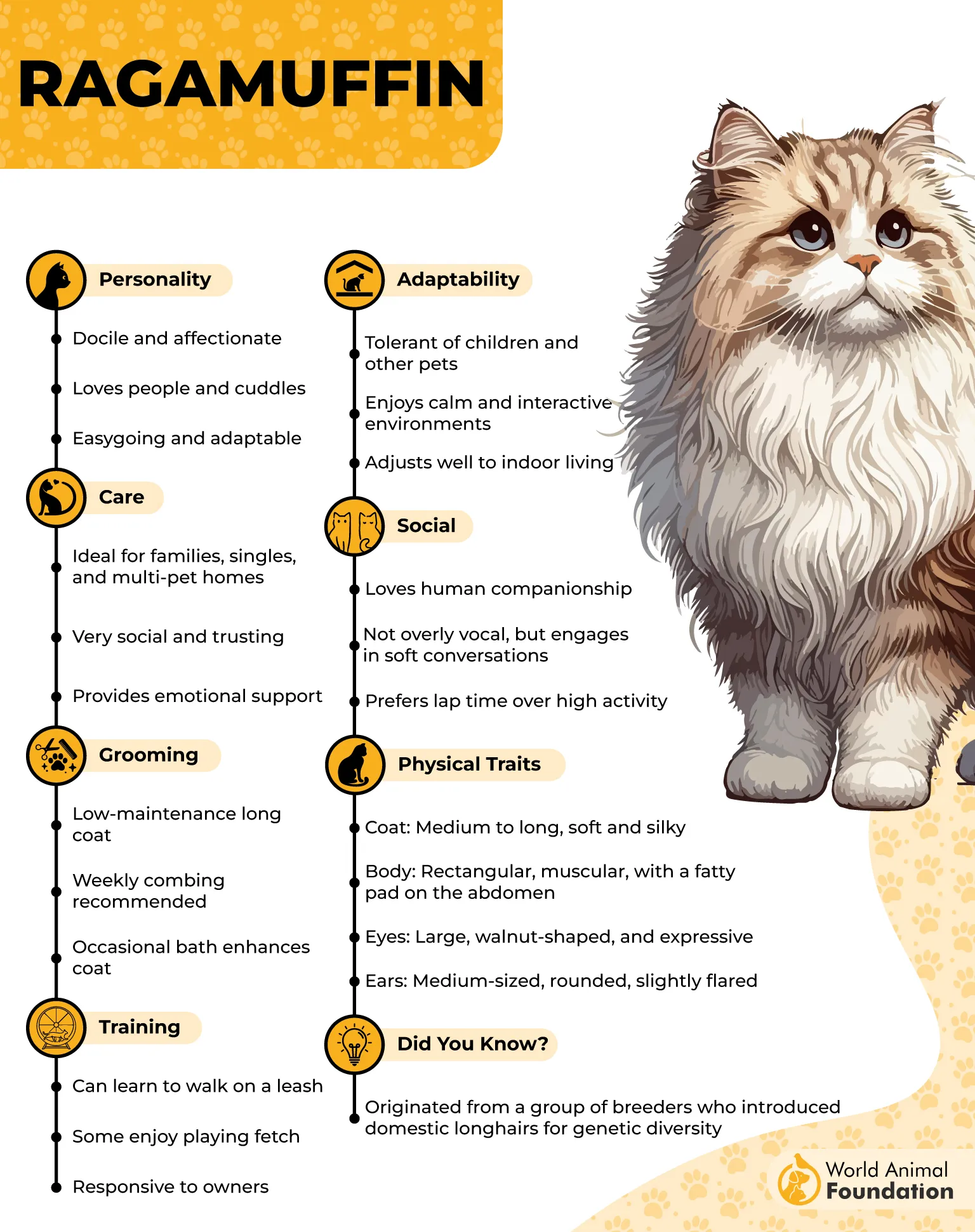
Ragamuffins are slow to mature, sometimes taking up to four years to reach full size—but trust us, every fluff-filled moment is worth the wait. Years of selective breeding have produced not only their adorable teddy-bear appearance, but also a friendly, loving personality that’s hard to resist, according to the Cat Fanciers Association.
Coat Texture: Long, dense, silky, plush, almost rabbit-like
Body Size: Medium to large, substantial bone structure
Head & Face: Broad, modified wedge shape with rounded features
Paw Color: Often matches the overall coat pattern; large, round, and fluffy
Color Patterns: Ragamuffins come in nearly every color and pattern imaginable—solids, tabbies, bicolors, and more
Special Feature: Their paws are as plush and soft as the rest of their coat, making every step look like tiptoeing on clouds
Ragamuffins aren’t just cute—they’re walking works of art with a teddy-bear personality to match. If you want a cat whose paws look like little velvet slippers and whose heart is as big as its fluffy body, the Ragamuffin is the ultimate companion.
6. Himalayan
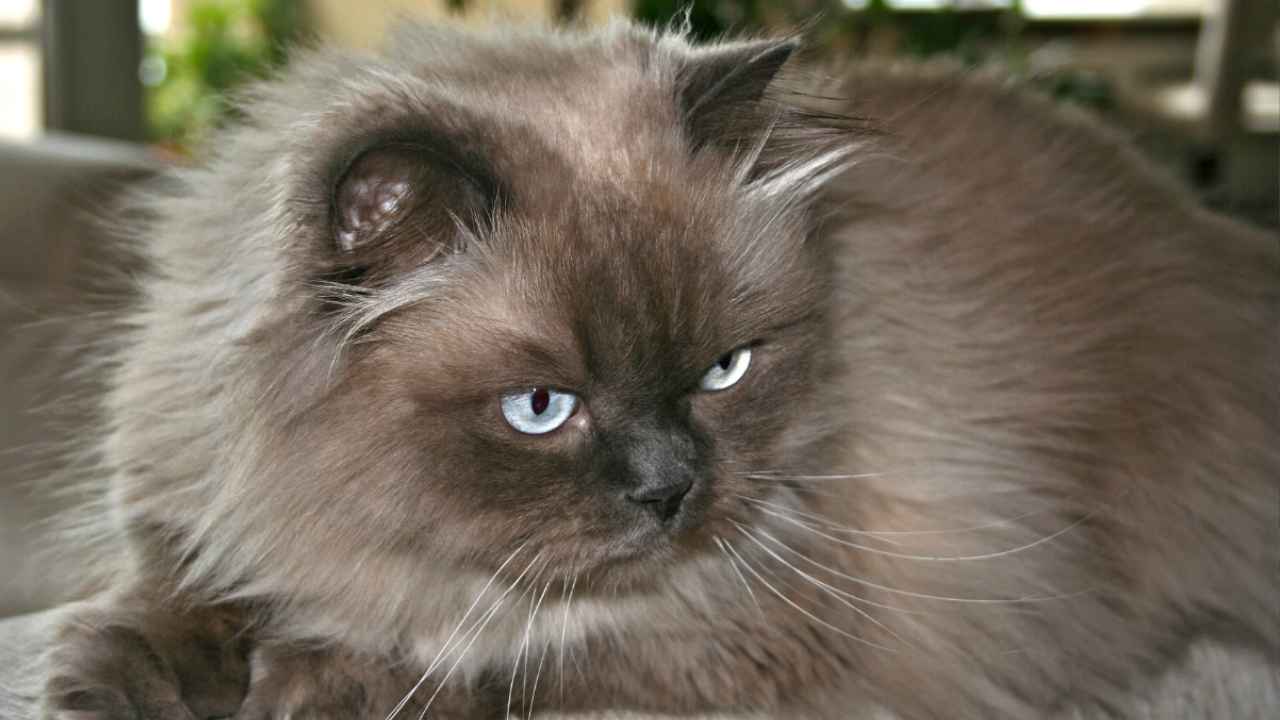
The Himalayan cat is what happens when a Persian meets a Siamese—and the result is pure royalty. With a luxurious long coat and striking color-point pattern, Himalayans are basically the royalty of the cat world, complete with elegant posture, soft fur, and paws that look like they belong on velvet cushions.
These cats are medium to large, with the round face and big, expressive eyes of a Persian, but the dark points (on their ears, face, paws, and tail) borrowed from their Siamese heritage.
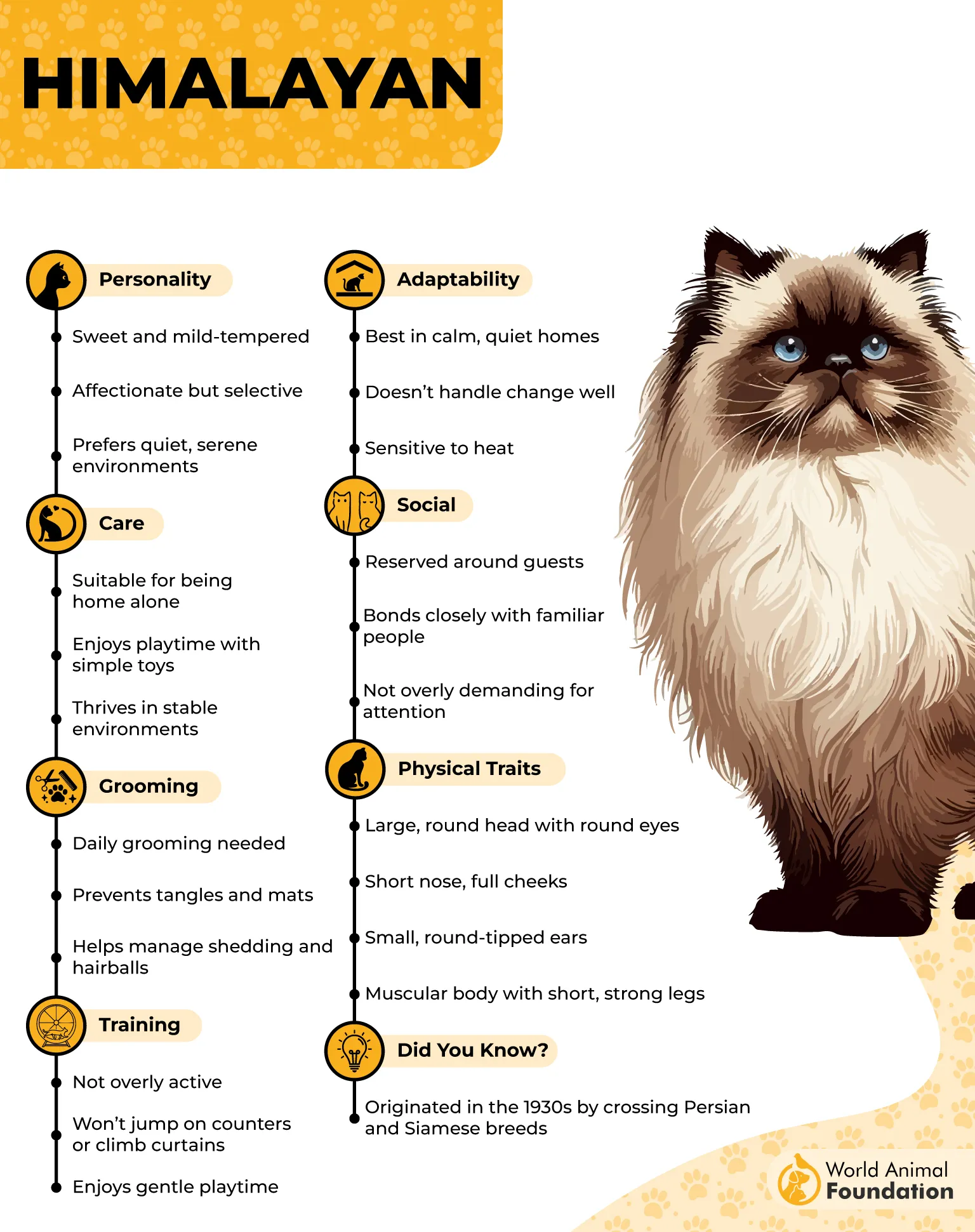
They’re calm, affectionate, and enjoy lounging in comfort—though don’t be fooled, they also have a playful streak when the mood strikes.
Coat Texture: Long, thick, soft, and luxurious
Body Color: Pale, creamy base color
Point Areas: Ears, face mask, paws, and tail
Paw Color: Dark-colored, matching the point shade, often seal, blue, chocolate, or lilac
Contrast: The white or cream body makes the dark paws stand out dramatically
Pattern Varieties: Seal, blue, chocolate, lilac, and other point shades
Himalayans are basically Persians with a dash of Siamese sophistication, and their dark, elegant paws complete the royal look. Every step they take looks purposeful and graceful—as if they know they’re royalty walking on clouds.
7. Burmese
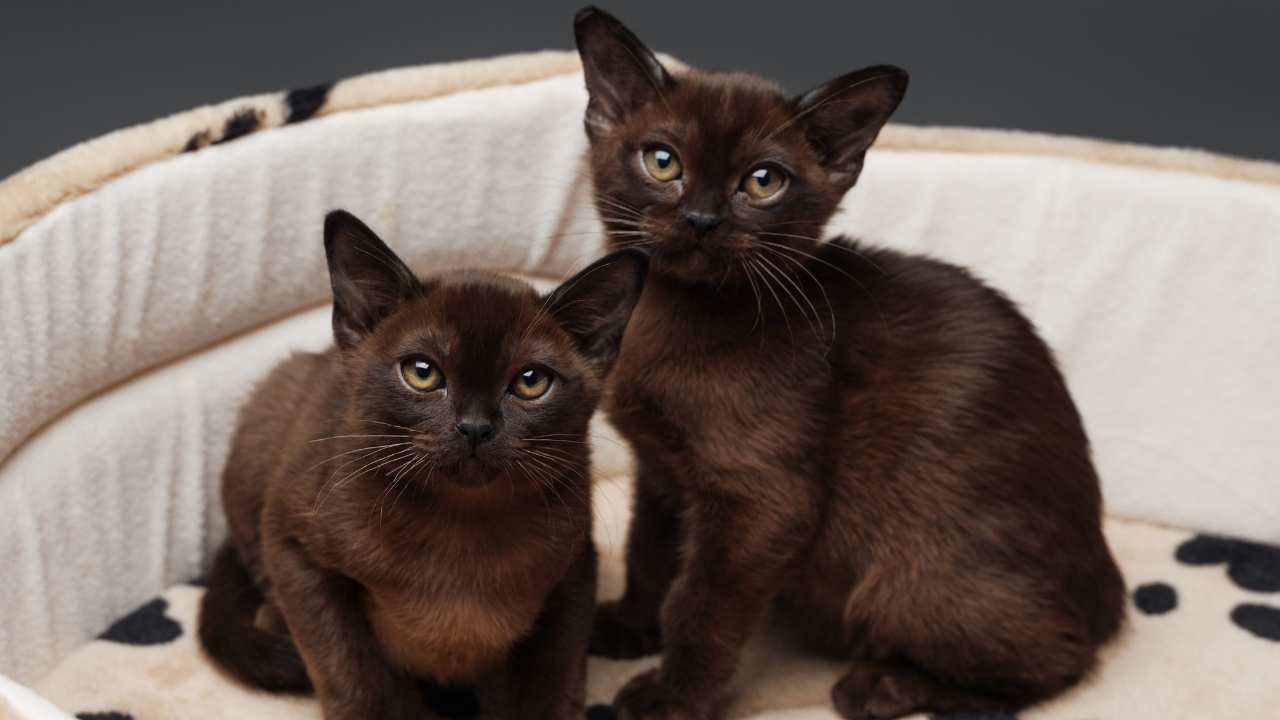
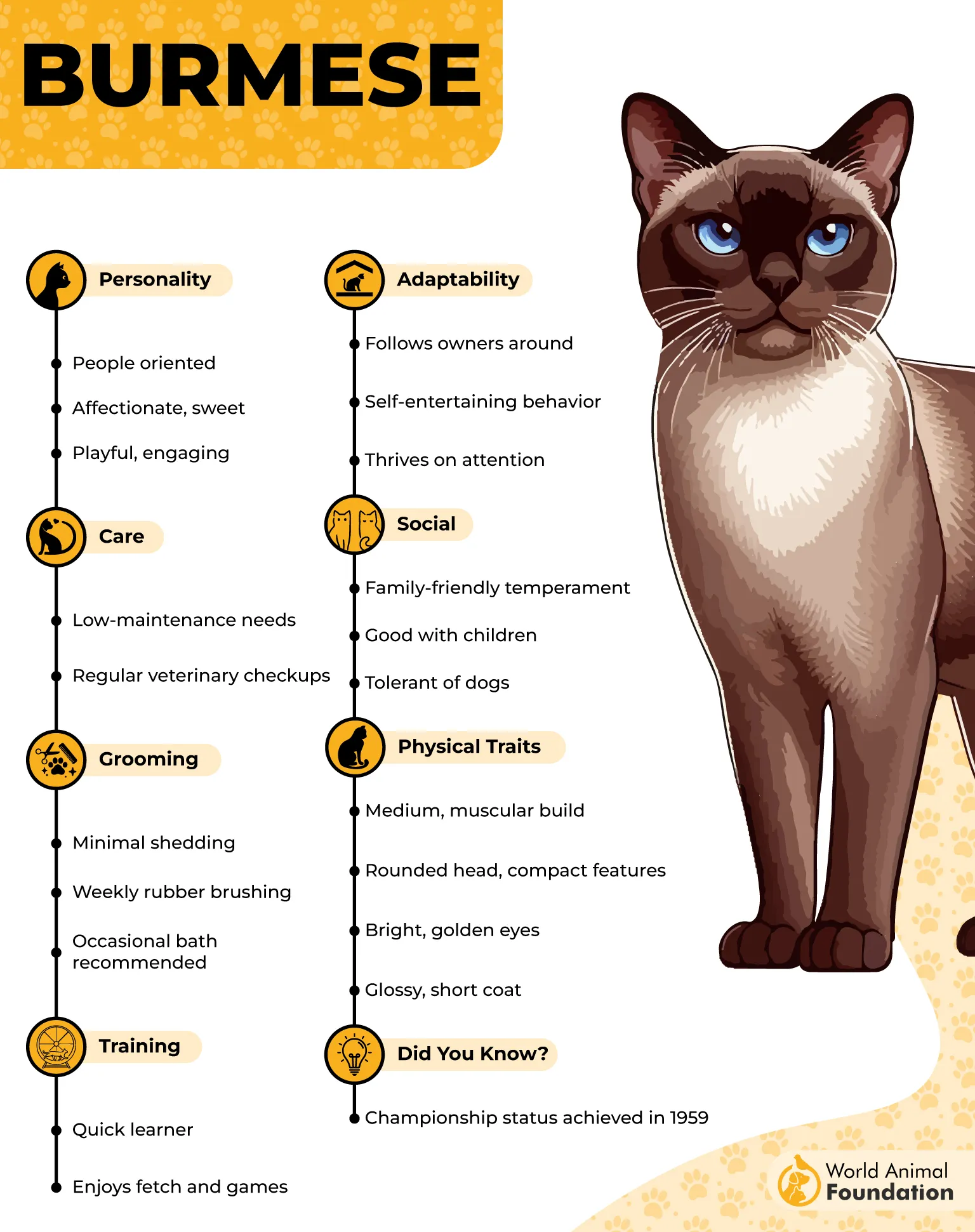
The Burmese cat is elegance wrapped in velvet. Known for its sleek, short coat and expressive eyes, this breed is all about smooth sophistication—and yes, their paws are as carefully colored as the rest of their body.
What makes Burmese cats unique is their distinctive sable-based colors, from deep chocolate to lighter variations.
These shades are so specific that the classic Burmese sable isn’t naturally found in any other breed. Their color often deepens with age, adding an extra layer of charm.
Coat Texture: Short, glossy, close-lying, and velvety
Body Color:
Sable: Dark chocolate to rich redwood brown with an amber sheen
Chocolate: Beige-honey with golden highlights
Blue: Steel gray with a slight warm tint
Point Areas: Burmese don’t have distinct points like Siamese or Himalayans; their coloration is uniform, but subtle contrasts appear on extremities
Paw Color: Sable, Deep brown, Chocolate, Warm medium brown, Gray
Other Features: Nose and paw pads match the body tone, giving a harmonious, polished look
Burmese cats are friendly, curious, and playful, and their perfectly colored paws add to their sleek, elegant appeal. Watching them pad across a room is like seeing chocolate (or steel) velvet in motion—quiet, graceful, and impossible not to admire.
Conclusion
Cat breeds with distinctive paw colors often show different coats and patterns, ranging from tabby cats, tortoiseshell cats, torbie cats, and orange tabby to solid black, white cats, and colorpoint cats like Russian Blue or pointed cats.
Coat types include classic tabbies, mackerel tabbies, ticked tabby patterns, patched patterns, solid colors, and pointed patterns, with long hair or short hair and thick undercoats in purebred cats like Maine Coon cats, British Shorthairs, and American Shorthairs.
Genes such as the tabby locus, orange gene, and dilute pigment gene influence brown coats, pale orange, light brown, or slight purple tints, while two identical alleles or a dominant gene affect black pigment and overall color.
Female cats with one X chromosome may display unique white markings or similar coat patterns. Distinctive paw colors reflect a cat’s genetic makeup, coat type, and pattern, making several breeds and domestic cats fascinating to cat lovers and pet parents, whether in purebred or mixed breeds, short-haired or long-haired, with basic colors or intricate patched patterns.
