




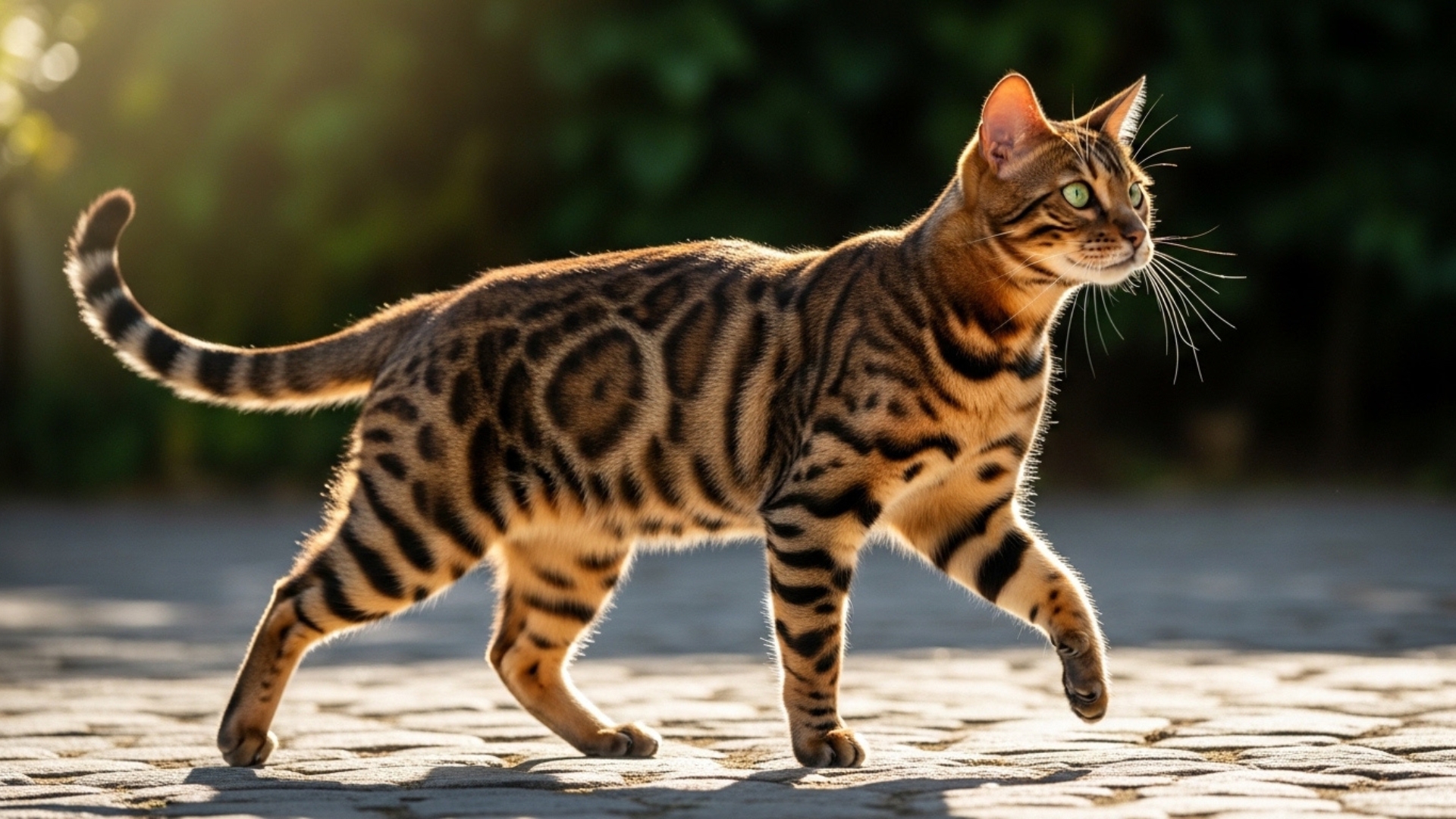
Few coat patterns in the cat world are as mesmerizing as the marbled coat. With bold swirls, flowing lines, and dramatic contrast, marbled cats look more like living artwork than ordinary pets. Their coats immediately catch the eye, inviting a closer look at the intricate patterns that seem to move across their bodies.
Unlike simple stripes or spots, marbling is created through a complex genetic process that produces large, swirling markings layered over a lighter background. This pattern is most famously seen in certain breeds where selective breeding has enhanced contrast, depth, and symmetry. Each marbled cat’s coat is completely unique, much like a fingerprint, adding to its allure.
Marbled cats are so visually striking because their patterns combine motion, boldness, and elegance all at once. The sweeping lines emphasize muscle structure and movement, giving these cats a wild, almost sculpted appearance. In this article, we’ll explore cat breeds with marbled coats and uncover what makes their patterns so captivating to cat lovers around the world.
Cat Breeds with Marbled Coats
1. Bengal
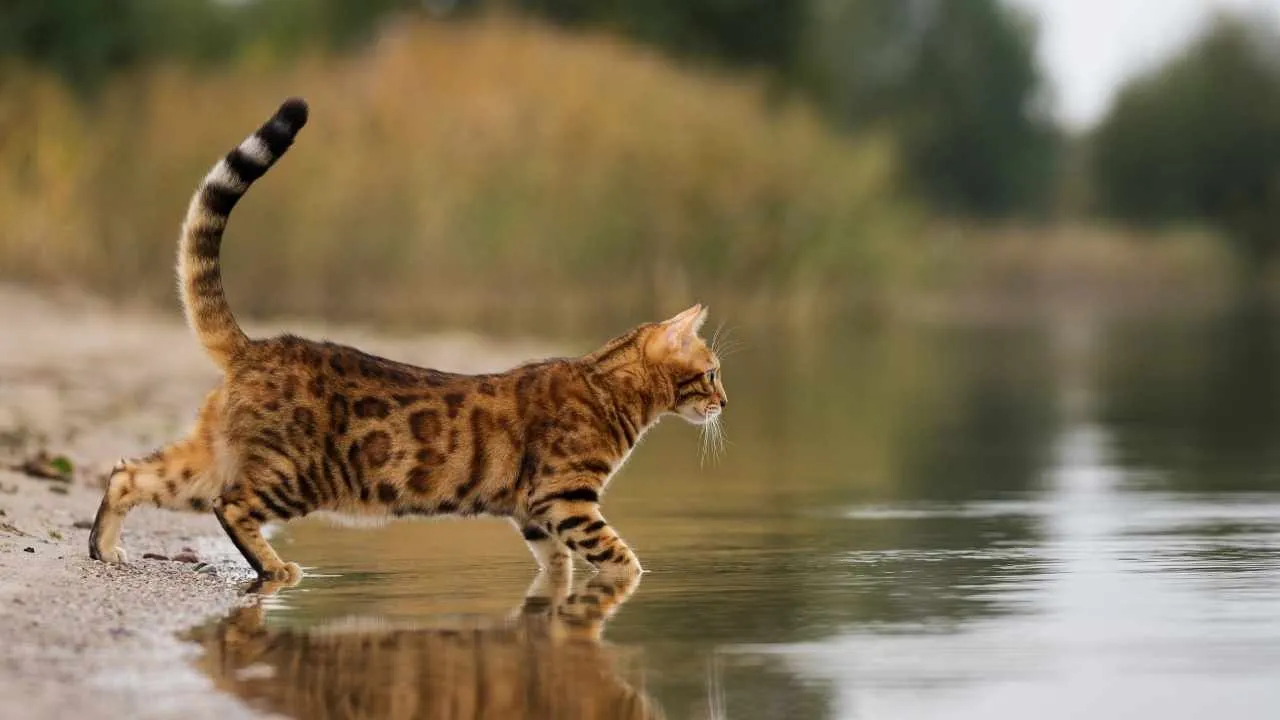
Also known as the Leopardette, the Bengal is a striking hybrid breed developed by crossing the Asian leopard cat with domestic cats like the Abyssinian and American Shorthair. Sleek, muscular, and athletic, Bengals are instantly recognizable for their wild appearance and bold coat patterns.
According to Britannica, the Bengal is a short-haired domestic cat breed developed in the United States during the 1970s and 1980s by crossing an Asian leopard cat with a domestic tabby.
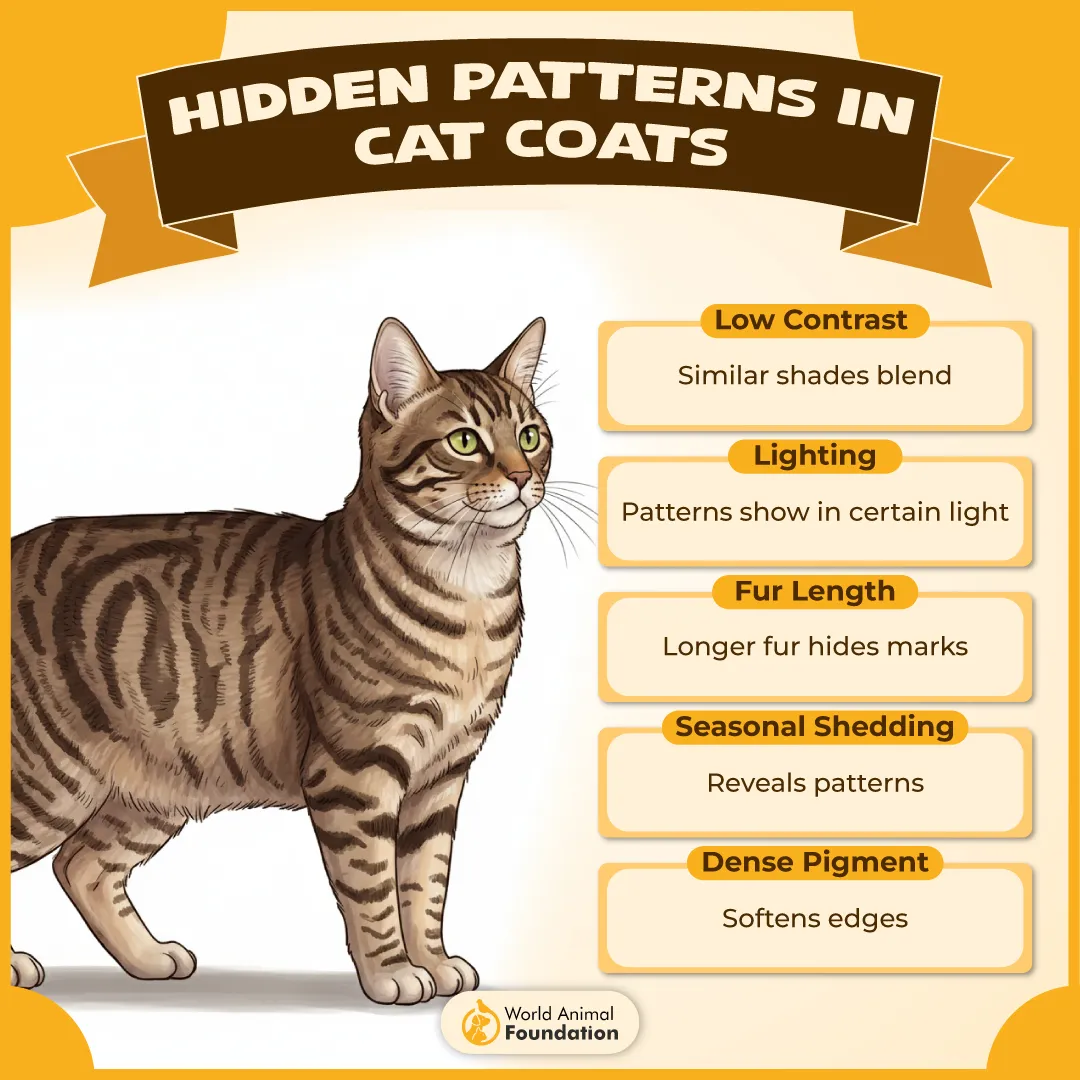
When it comes to bold swirls and wild beauty, the marbled Bengal stands out above the rest. Its dramatic, flowing patterns are created by a complex interaction of multiple genes, producing large, swirling shapes that resemble polished stone or liquid movement across the coat.
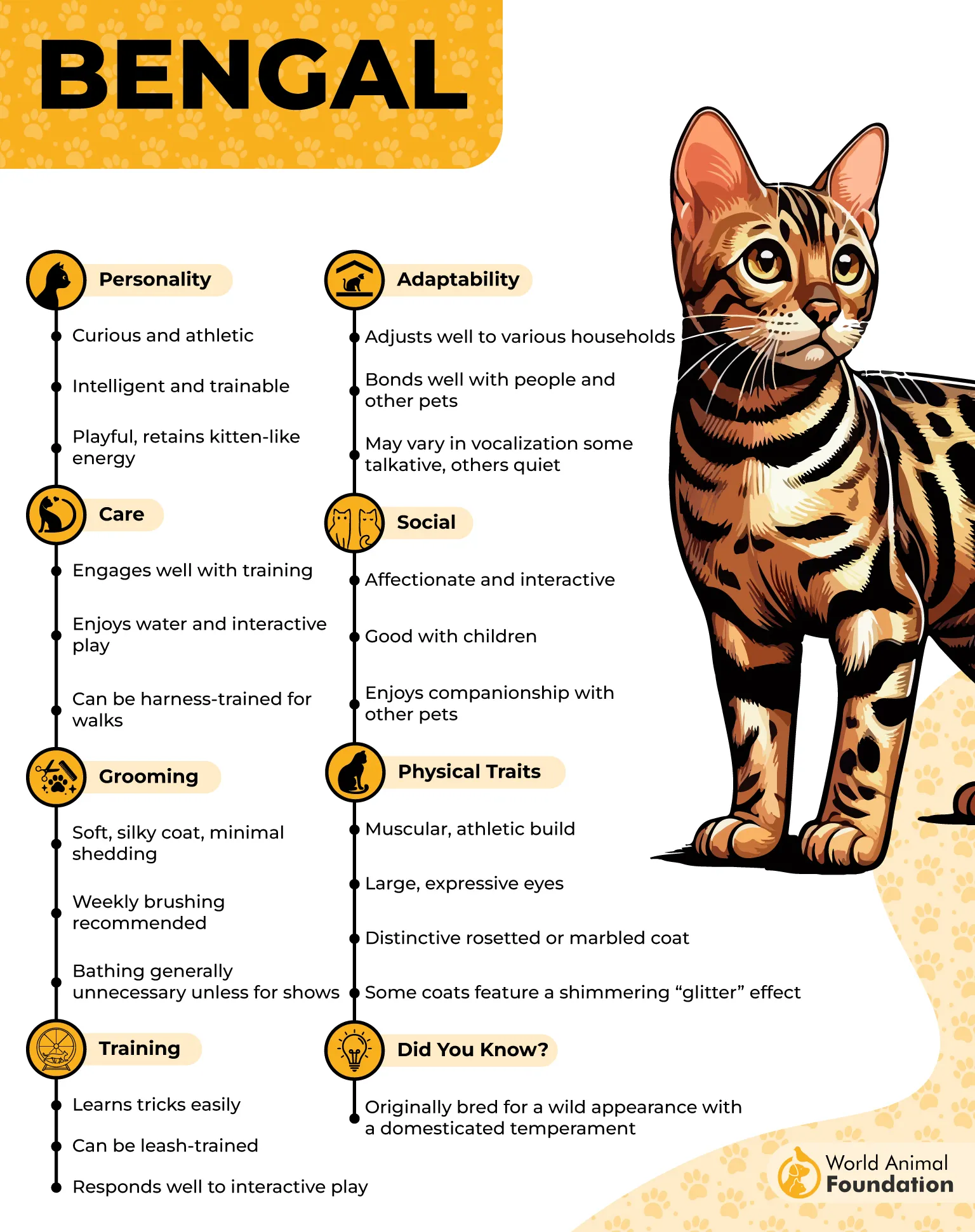
Unlike simple stripes, marbling in Bengals is influenced by both dominant and recessive genes, which determine how fully the pattern develops. This genetic layering gives each marbled Bengal a completely unique look, with no two coats ever identical.
Beyond beauty, the marbled pattern enhances the breed’s exotic appeal while highlighting its powerful build and movement.
Interesting fact: Genetic studies show that selective breeding has refined marble Bengal patterns, making each cat a one-of-a-kind result of intricate gene combinations.
2. American Shorthair
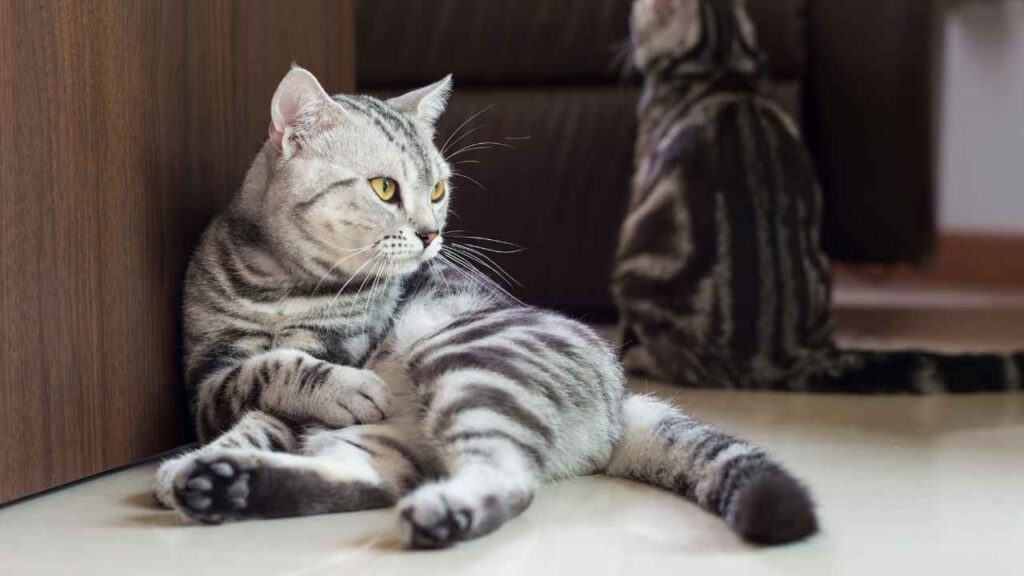
Also known as the American Short Hair cat, the American Shorthair is a classic, medium-sized breed prized for its sturdy build, round face, and adaptable personality. Originally developed as a working cat, it’s now beloved for both its looks and easygoing nature.
According to PetMD, American Shorthairs typically have an easygoing temperament and tend to get along well with children, dogs, and other pets.
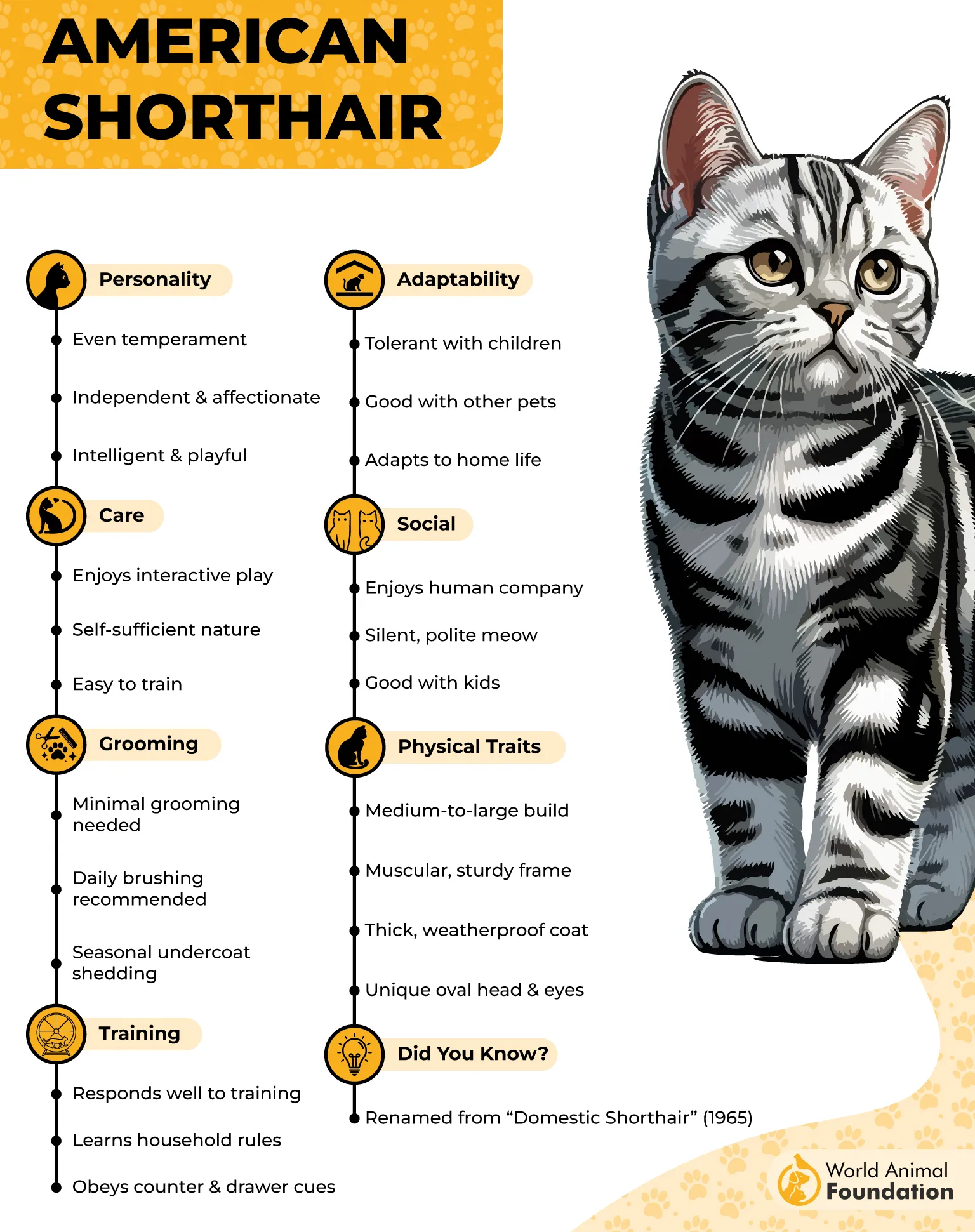
When it comes to coat patterns, this breed fits elegant patterns with a classic look beautifully. Some American Shorthairs display marbled tabby patterns, where bold swirls replace narrow stripes, creating a refined, flowing appearance rather than sharp lines.
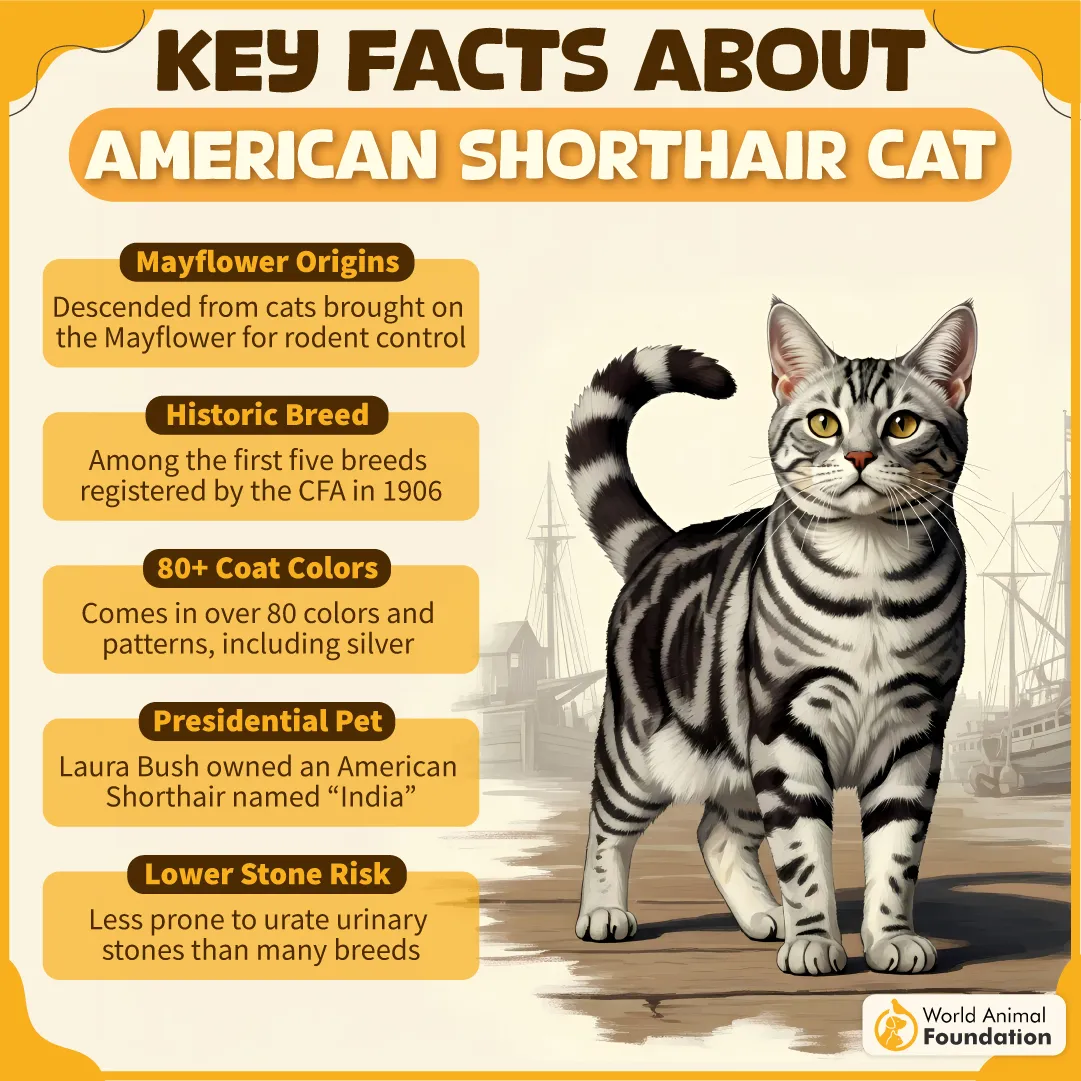
The marbled look is most striking in silver tabbies, where dark, curved markings contrast against a pale background. These patterns aren’t random—they’re the result of genetics tied to bloodlines and selective breeding.
Combined with a dense, short coat and muscular frame, marbling enhances the breed’s timeless appeal without appearing flashy.
Interesting fact: The American Shorthair comes in over 60 color and pattern variations, with silver tabby—often marbled—being the most iconic and recognized.
3. British Shorthair
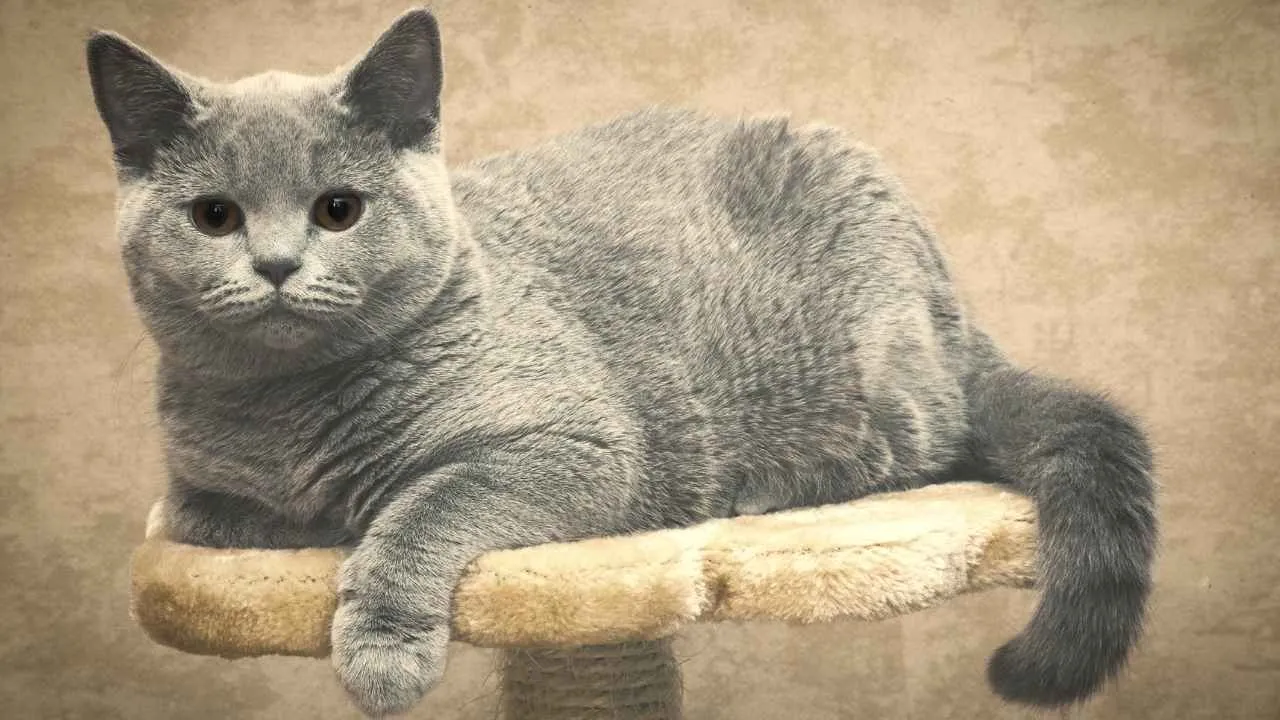
Also known as the British Blue in its most famous color, the British Shorthair is one of the oldest English cat breeds, recognized for its round face, chubby cheeks, and dense, plush coat.
According to WebMD, British Shorthairs are relaxed cats that can manage well on their own. Originally valued as a skilled hunter, it later became admired for both looks and temperament.
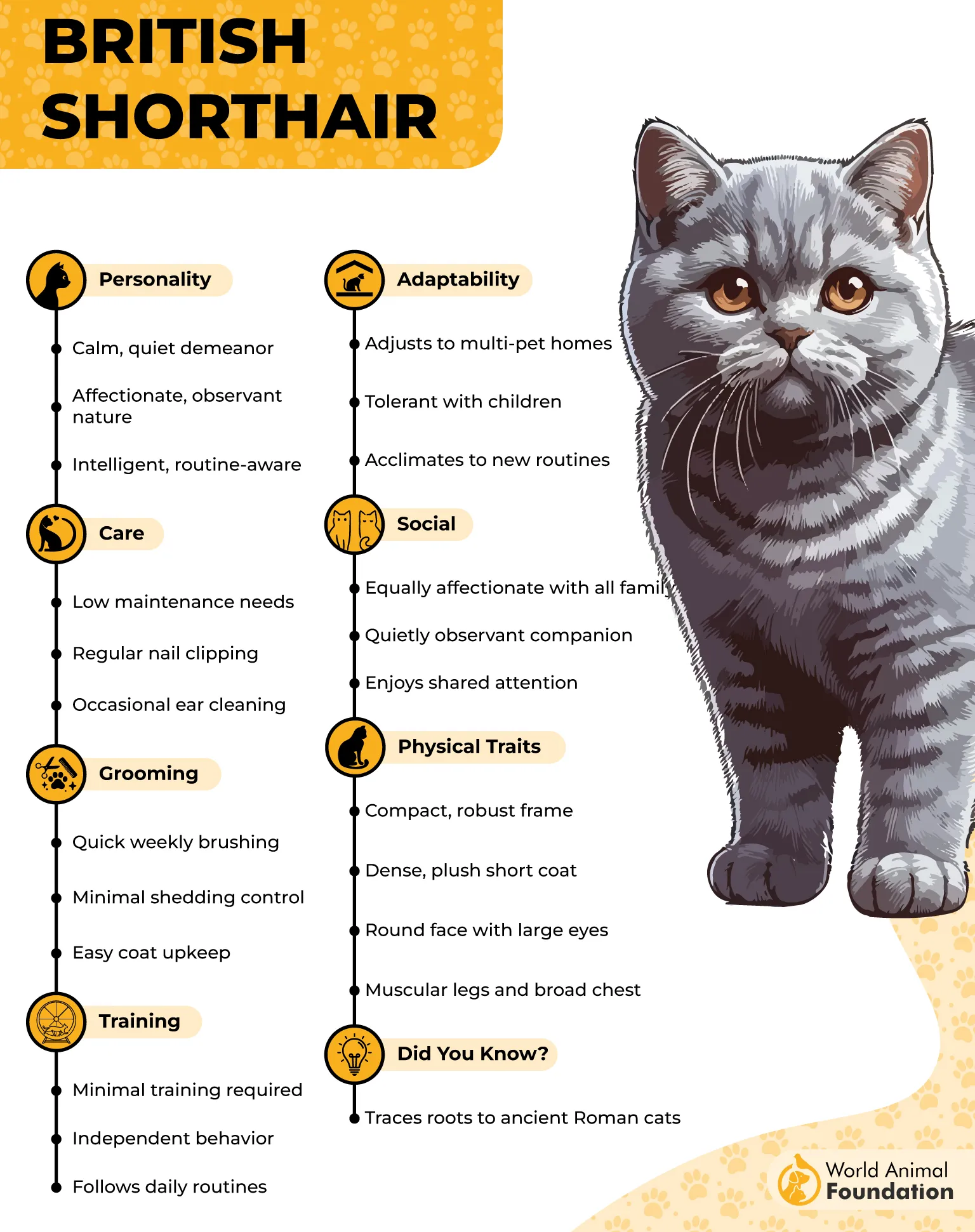
When it comes to pattern, the British Shorthair can display a dramatic marbled tabby coat with bold, swirling lines. These marbled patterns stand out clearly against the breed’s thick, uniform fur, creating strong contrast and visual depth.
The plush texture of the coat enhances the marbling, making the swirls appear softer yet more pronounced. Combined with the breed’s broad body and calm posture, the marbled pattern looks especially striking and well-defined.
Although often associated with solid blue, British Shorthairs come in over thirty colors and patterns, including classic marbled tabby variations.
Interesting fact: The British Shorthair nearly disappeared after World War II and was preserved through careful crossbreeding with Persians and Chartreux.
4. Maine Coon
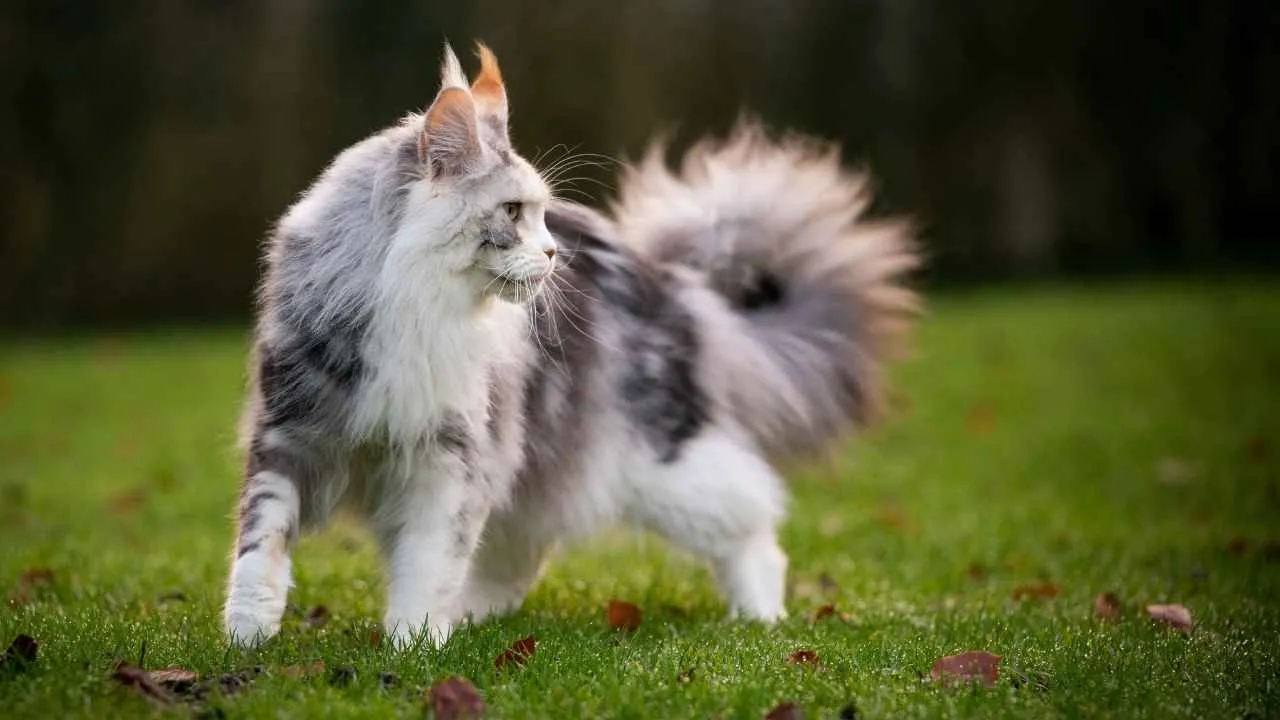
Often called the “Gentle Giant,” the Maine Coon is the largest domestic cat breed, admired for its powerful frame, tufted ears, and flowing tail. Known for impressive size and variety, this breed comes in an extensive range of colors and patterns, including striking marbled tabby variations.
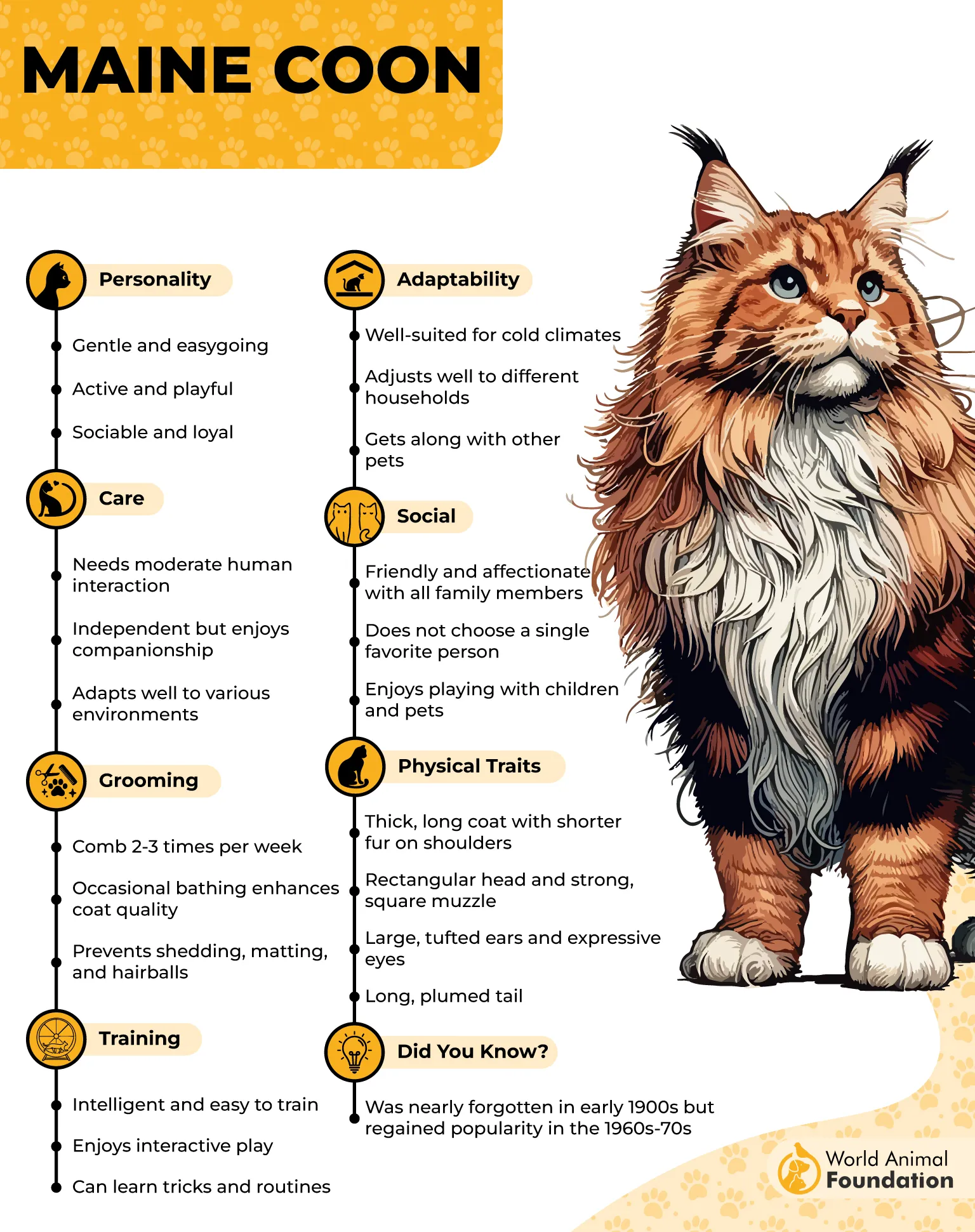
When it comes to exotic marbling with a muscular build, Maine Coons truly stand out. Their marbled coats feature broad, swirling tabby patterns that develop and deepen as kittens mature, creating dramatic movement across their large bodies.
The marbling is especially eye-catching on red, cream, and silver Maine Coons, where contrast highlights their strong shoulders and wide chest. These patterns enhance the breed’s naturally majestic appearance without affecting temperament or quality.
Paired with a long, silky coat and solid bone structure, marbled Maine Coons look almost sculpted in motion.
Interesting fact: Maine Coons typically weigh between 8 and 18 pounds and can reach up to 40 inches in length, making them the largest.
5. Norwegian Forest Cat
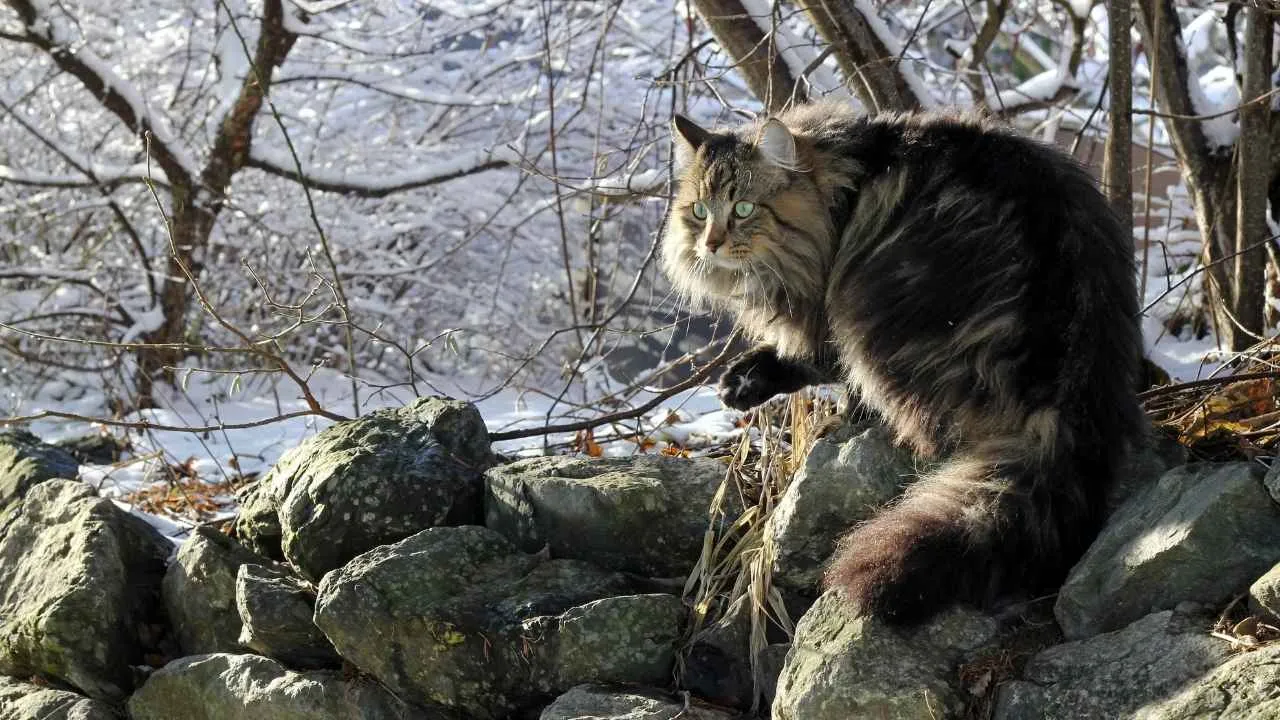
Also known as the Wegie, the Norwegian Forest Cat is a natural breed from Scandinavia, admired for its large frame, tufted ears, and thick semi-long coat. Shaped by harsh Nordic winters, this breed combines rugged beauty with a gentle, friendly temperament.
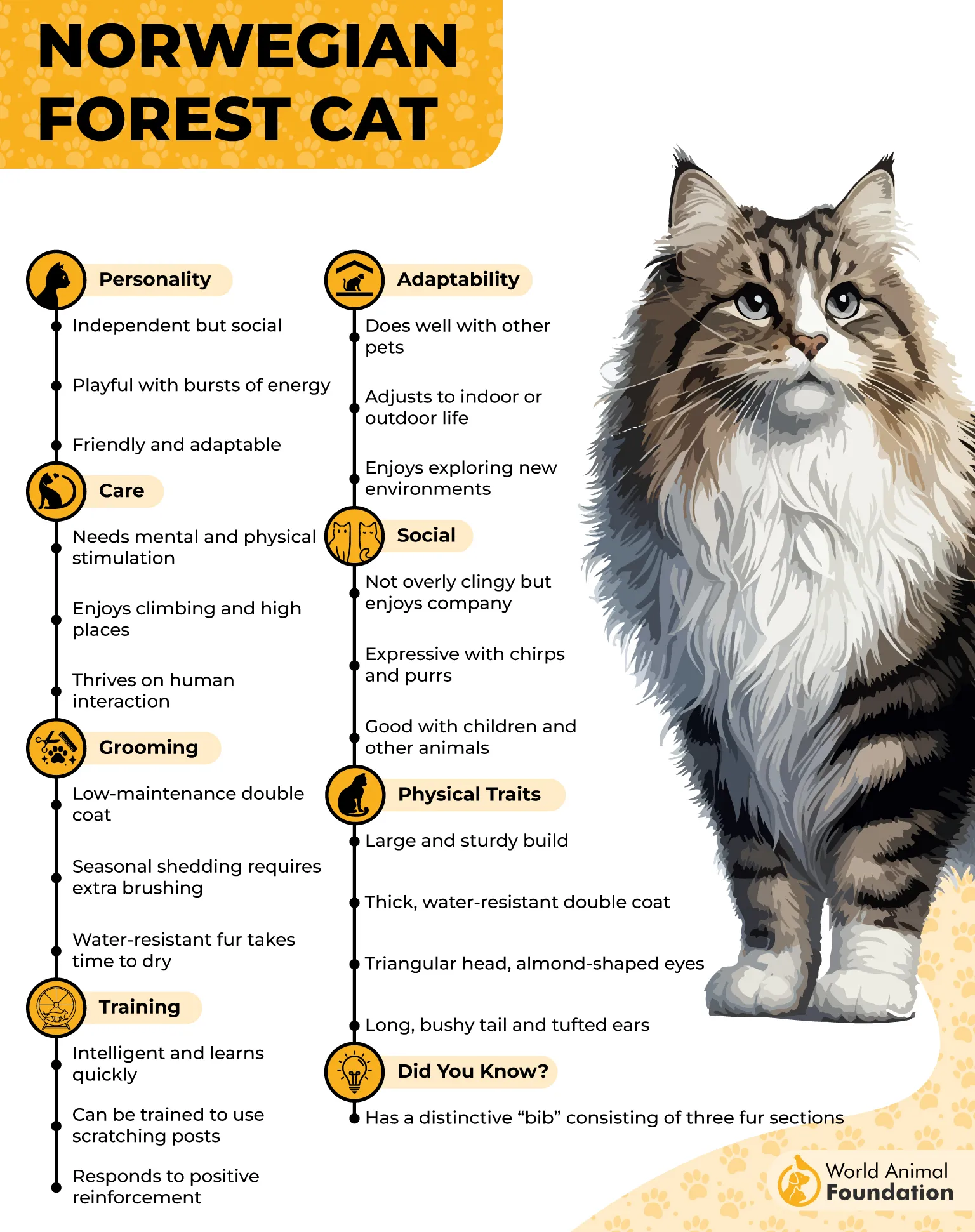
When it comes to soft fur with flowing marble markings, the Norwegian Forest Cat truly stands out. Its marbled tabby patterns appear as broad, swirling lines that move fluidly across the body, adding depth and drama to its already plush coat.
The breed’s dense, water-resistant undercoat enhances the marbled effect, especially in winter when the ruff and plume tail grow fuller. These flowing patterns highlight the cat’s strong build and give it a majestic, almost mythical appearance.
Marbled Norwegian Forest Cats are especially eye-catching because the pattern complements their size and movement so naturally.
Interesting fact: This breed was officially recognized internationally in 1977 and is one of the few natural cat breeds to include marbled coat patterns among its accepted standards.
6. Siberian
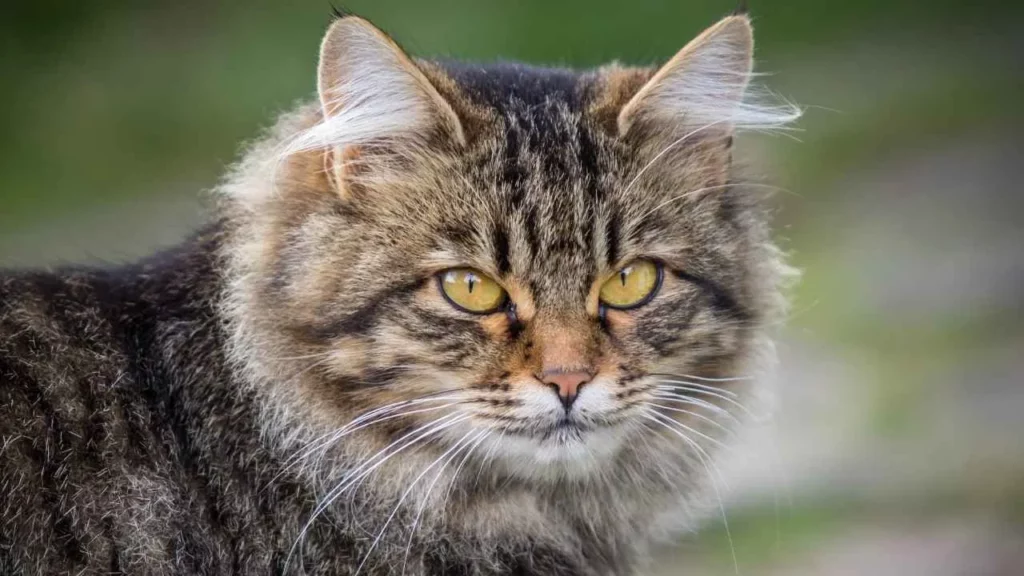
Also known as the Siberian Forest Cat, the Siberian is a large, fluffy breed from Russia, admired for its triple-layered coat and gentle expression. This natural breed is affectionate, intelligent, and increasingly popular worldwide for both looks and temperament.
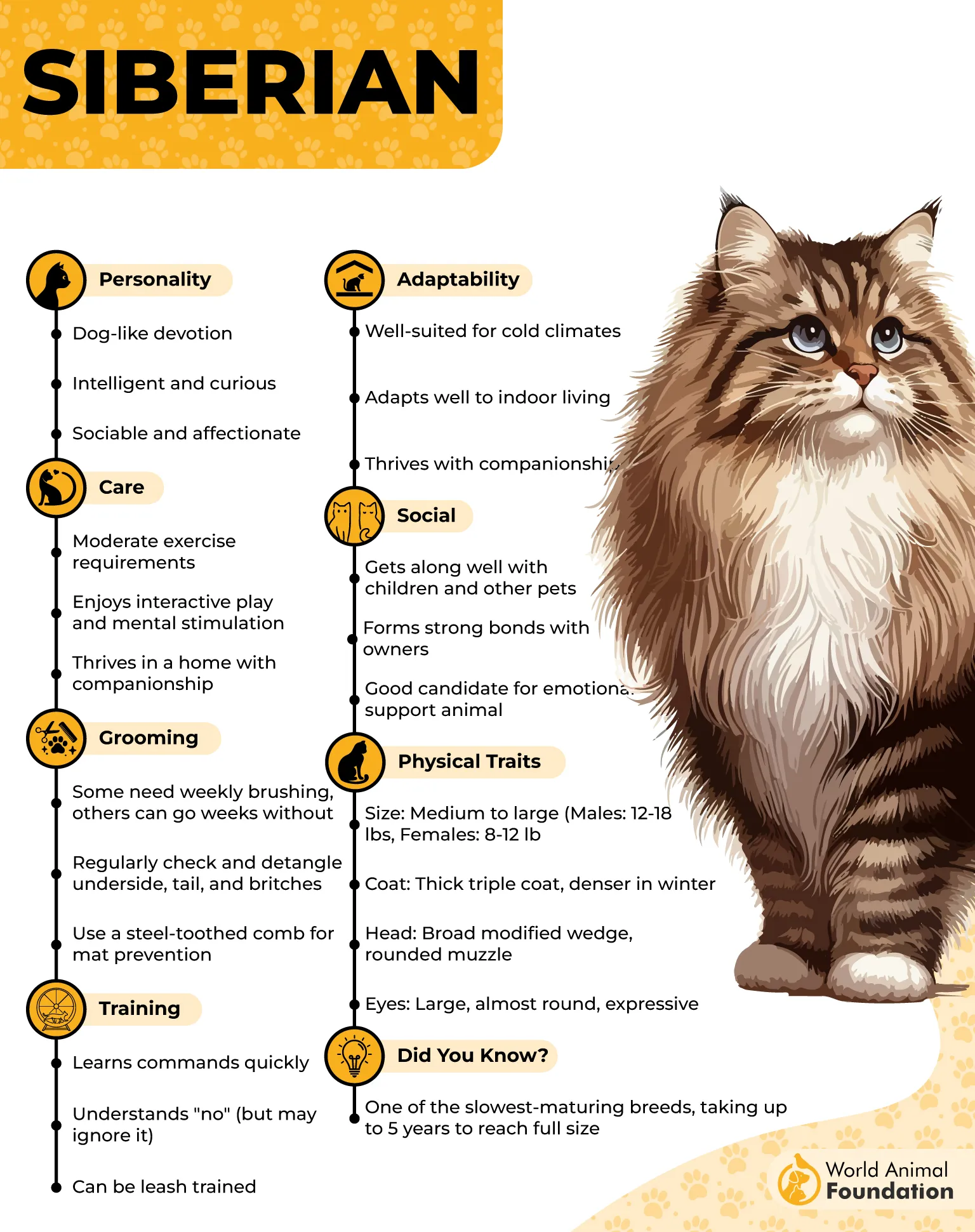
When it comes to rare marbled patterns and unique traits, Siberians can display stunning marbled tabby coats that add depth and flow to their already majestic appearance. These swirling patterns stand out against their dense fur, giving them a wild yet elegant look.
The marbling becomes especially striking as the cat moves, with patterns that seem to shift across the body. Combined with their strong build and expressive eyes, this coat pattern enhances the breed’s forest-born mystique.
Beyond appearance, Siberians are adaptable and calm, fitting well into family life while still enjoying playful moments.
Interesting fact: Siberian cats are often tolerated by people with allergies and have a long history in Russian folklore, including legends dating back to the 1800s.
7. Persian
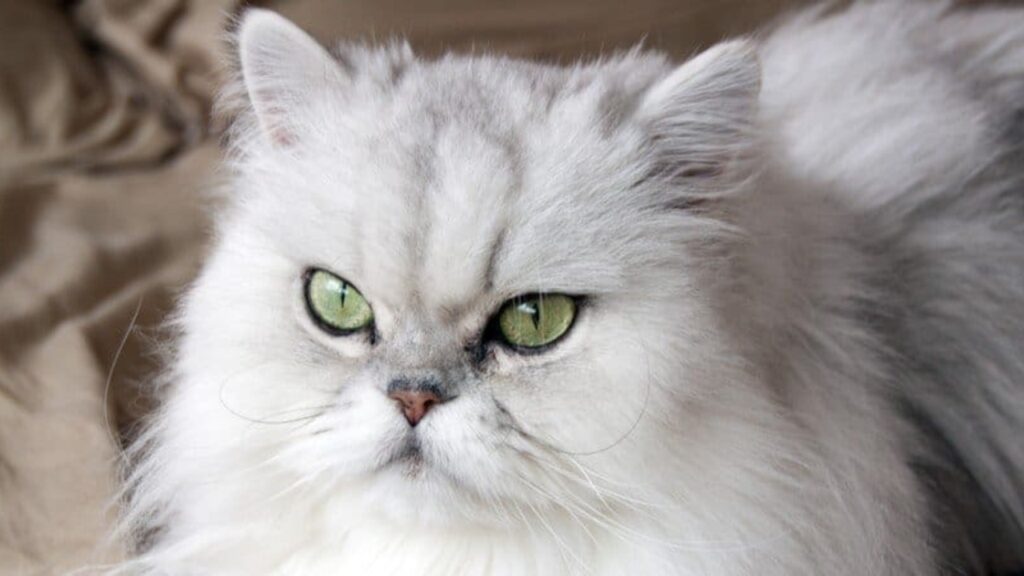
Also known as the Longhair Persian or Shirazi, the Persian is one of the oldest and most recognizable cat breeds, famous for its flat face, round eyes, and flowing coat. Originating from Persia and Iran, this breed is admired for elegance, calm temperament, and luxurious fur.
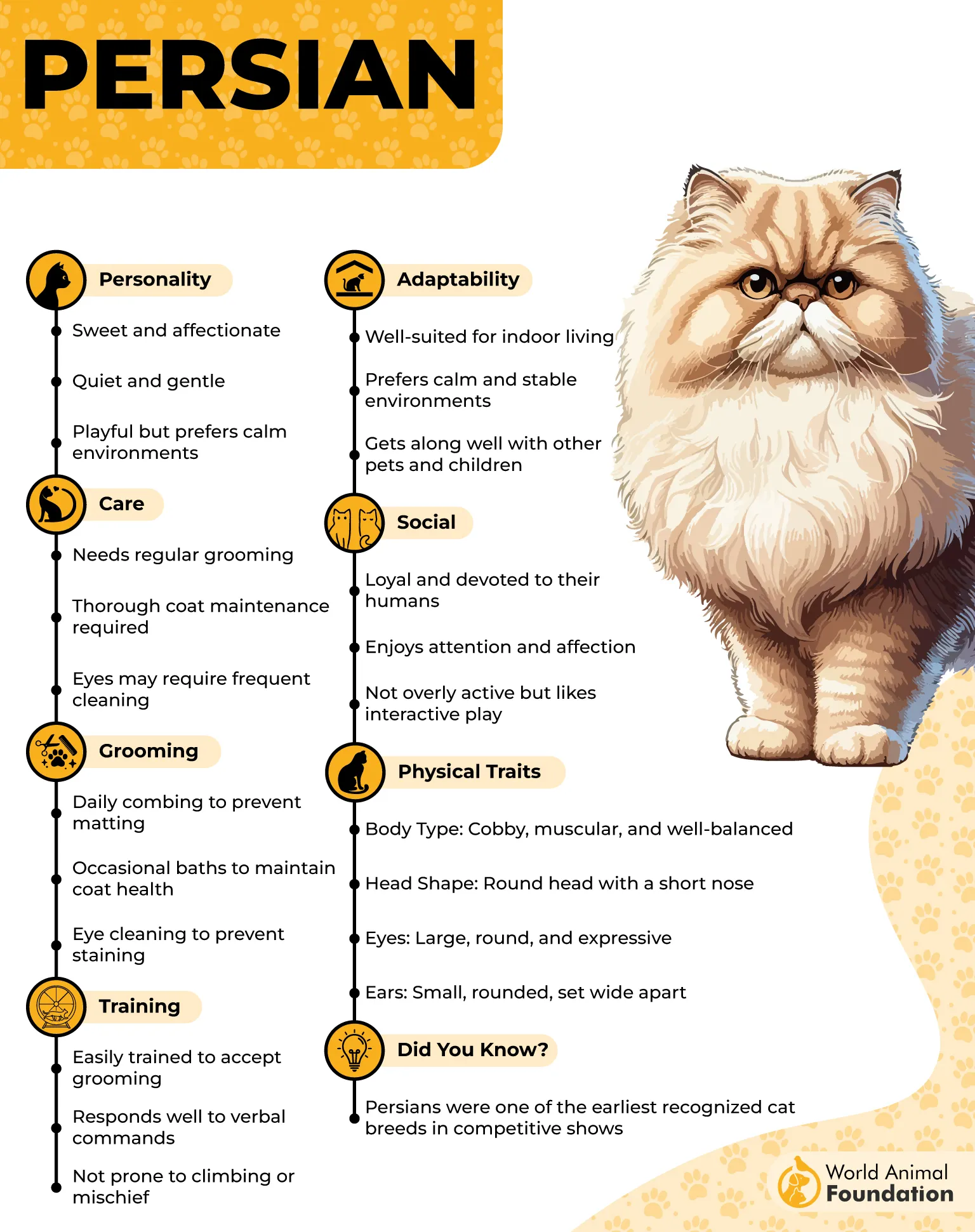
When it comes to marbled patterns, Persians—especially Chinchilla Silver and marbled tabby varieties—can display soft, swirling coat effects that feel subtle yet refined. Their long hair diffuses the pattern, creating a smooth, almost painted look rather than a sharp contrast.
This gentle marbling becomes most visible under certain lighting, where silver tipping and delicate swirls catch the light. Unlike bold wild-style marbling, the Persian’s version is understated, emphasizing grace and texture over drama.
Their calm nature pairs perfectly with their ornate coats, as they prefer lounging in favorite spots where their fur can be admired.
Interesting fact: Chinchilla Silver Persians are considered rare and prized for their delicate silver tipping that creates a luminous, marbled sheen in the right light.
Conclusion
Marbled coats stand out for their flowing patterns, rich contrast, and unmistakable artistry. From the iconic marble pattern to softer marbling in different breeds, these cats showcase how genetics shape beauty.
What makes marbling so fascinating is its horizontal flow, layered over a base coat that may include spotted Bengal ancestry or selective breeding recognized by championship status. While not the only domestic cat to show complex patterns, marbled cats remain among the most visually dramatic.
With advances in genetic testing, breeders better understand how coat color develops, ensuring these stunning patterns continue to thrive across other breeds admired for their unique, swirling designs.
