




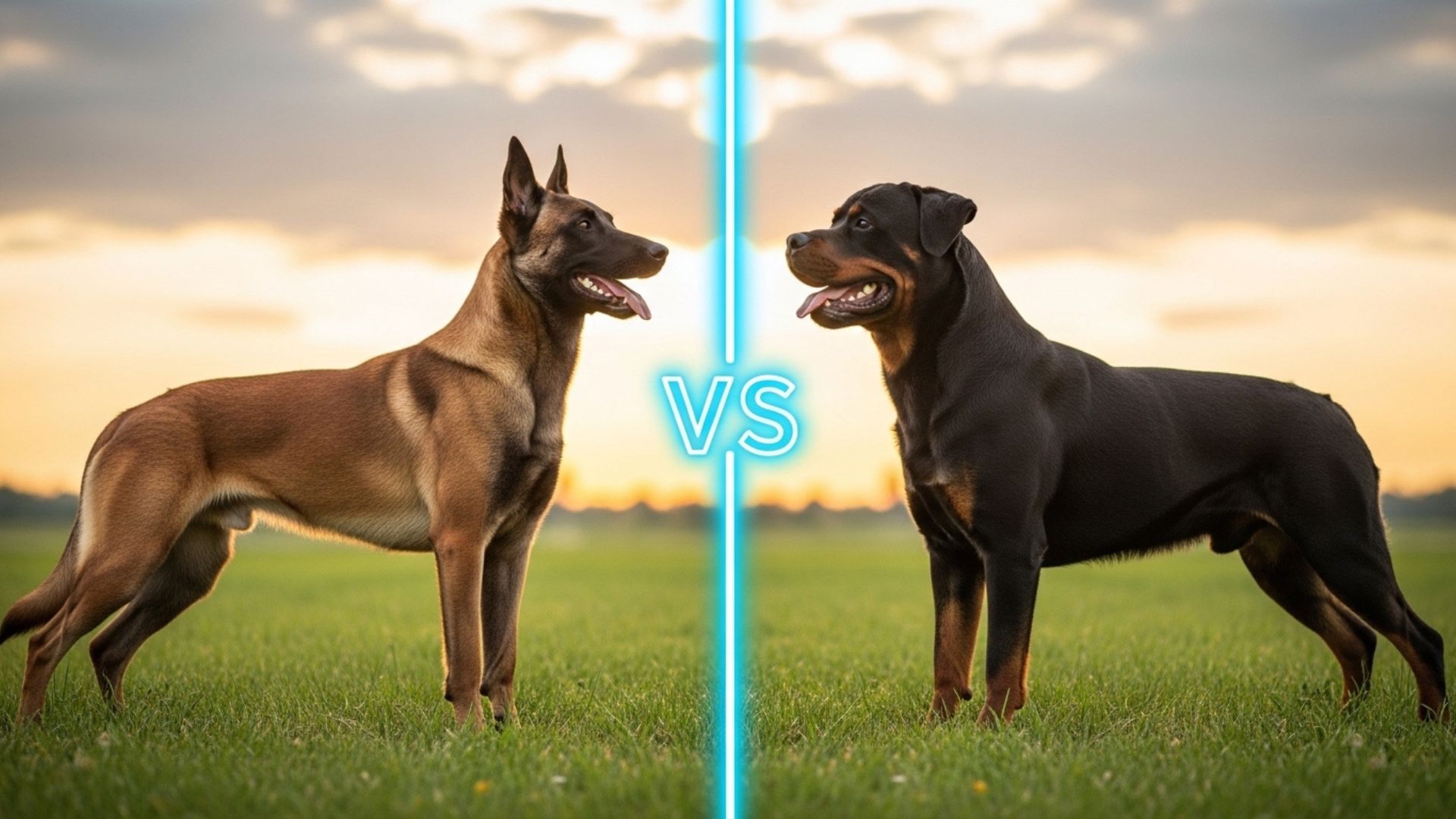
Life with a dog can be an adventure in itself, filled with challenges, learning, and the kind of connection that changes your everyday routine. The right companion turns ordinary moments into engaging experiences and rewards dedication with loyalty and presence.
Choosing a breed isn’t just about size or appearance. It’s about understanding their history, purpose, and how they fit into your lifestyle. Every breed carries a legacy shaped by generations of careful breeding, work, and refinement, which influences how they interact with their environment and family.
This blog dives into the Belgian Malinois and the Rottweiler, exploring their origins, historical roles, training needs, and suitability as family companions or guardians, helping you find the breed that best fits your life.
Belgian Malinois vs. Rottweiler
Origins & Purpose
The Belgian Malinois emerged formally in 1891, shaped by strict herding trials that demanded intelligence, stamina, and real working ability. Breeders focused on performance, not appearance, ensuring only the most capable dogs reproduced. By 1901, the breed had already entered police service, proving its sharp instincts and relentless drive.
Owning one means living with more than a century of carefully refined focus, speed, and dedication to duty, making it a perfect companion for active owners who value intelligence, agility, and a dog that thrives on challenge and structure, always eager to learn and perform at its best.
According to Britannica, the Rottweiler traces back to Roman cattle dogs that guarded camps and drove livestock across the Alps. In Rottweil, it became the butcher’s dog, prized for herding, guarding, and pulling carts.
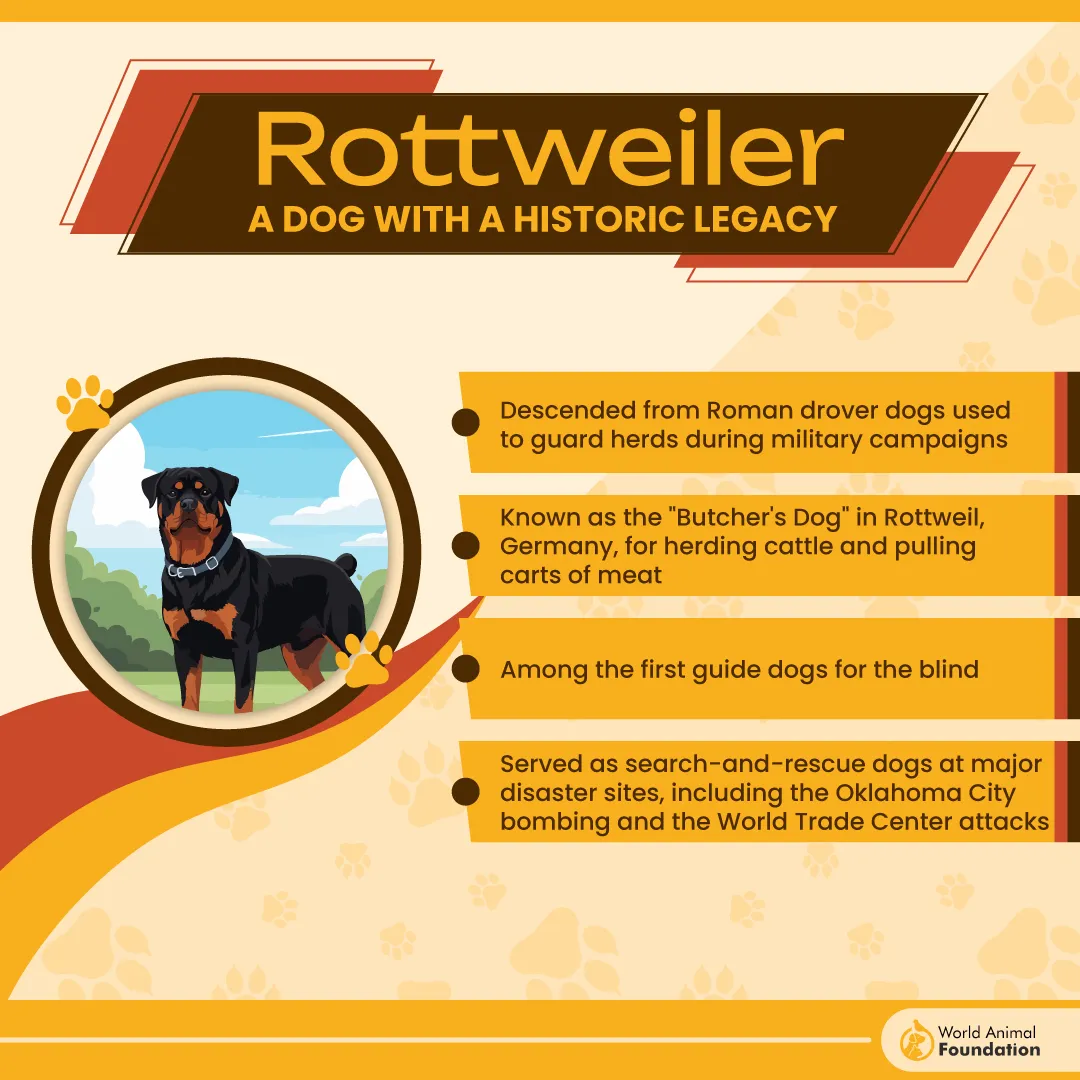
Later, it served in wars as police and messenger dogs, with organized breeding overseen by the Allgemeiner Deutscher Rottweiler Klub, ensuring the breed maintained strength, loyalty, and versatility across generations.
Size & Physical Build
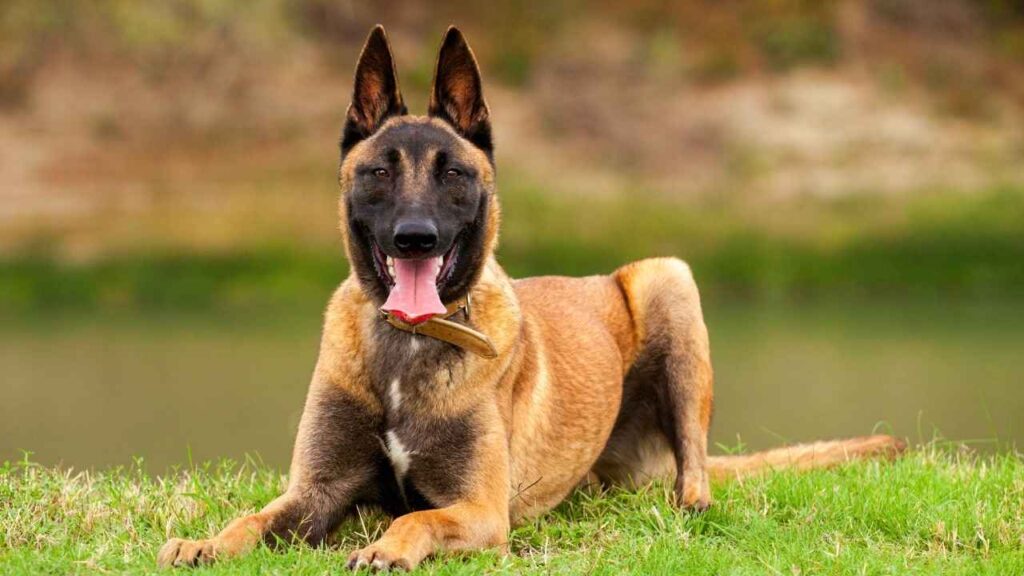
When you see these two side-by-side, the physical differences are striking. A Belgian Malinois is the athlete of the pair. They are medium-to-large dogs with a “square” silhouette, meaning they are roughly as long as they are tall. This build gives them incredible agility.
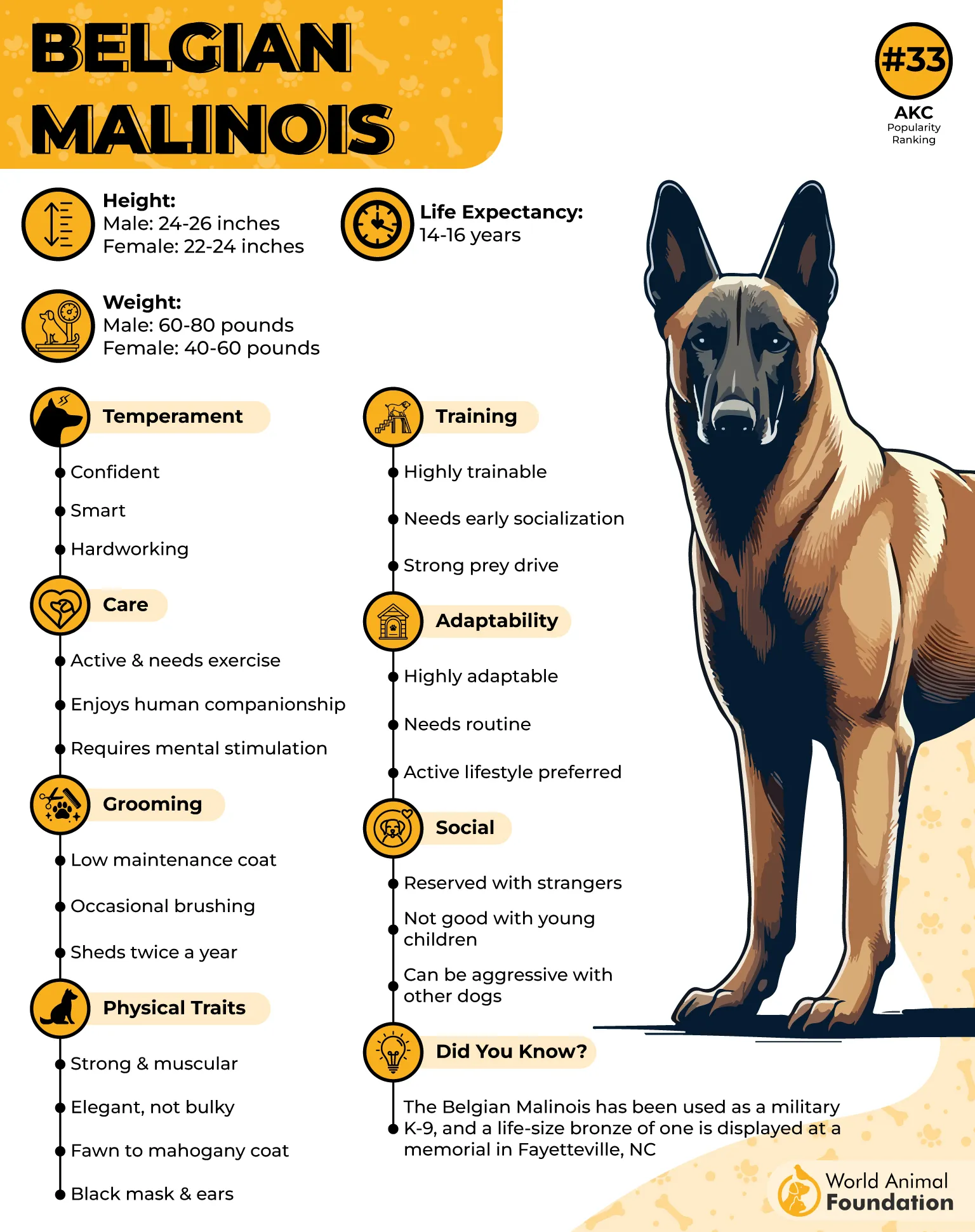
With their pointed muzzles, alert triangular ears, and intense almond-shaped eyes, they look like they are constantly scanning for their next mission. Belgian Malinois are elegant and lean, built for speed and endurance rather than raw crushing power.
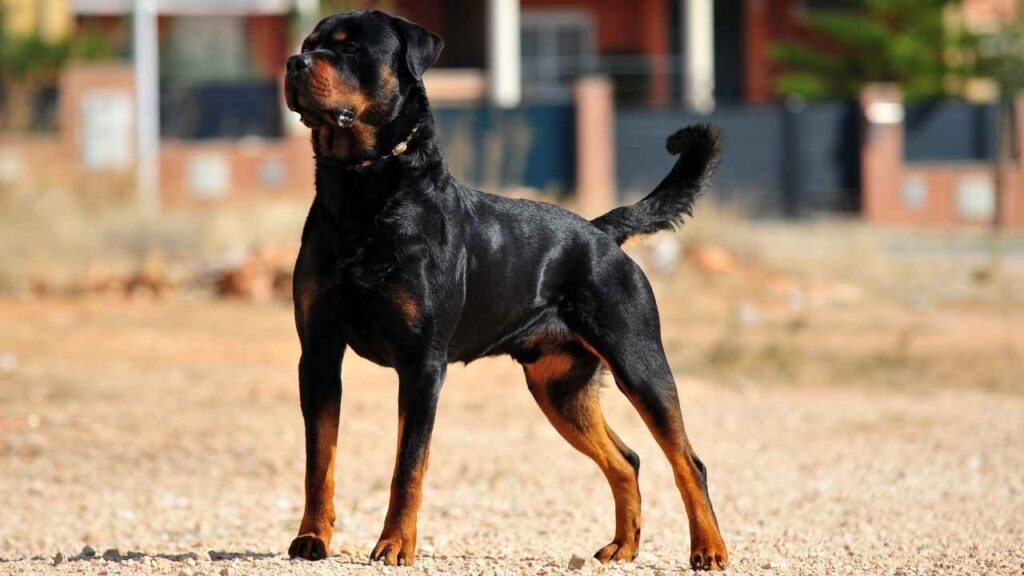
Rottweilers are large, hearty working dogs known for their impressively stocky and muscular physique. Their build includes a broad chest, a long back, and thick, sturdy legs designed for endurance and strength. A Rottweiler’s head is large and boxy, complemented by a thick, powerful neck and ears that fold down into a neat triangular shape.
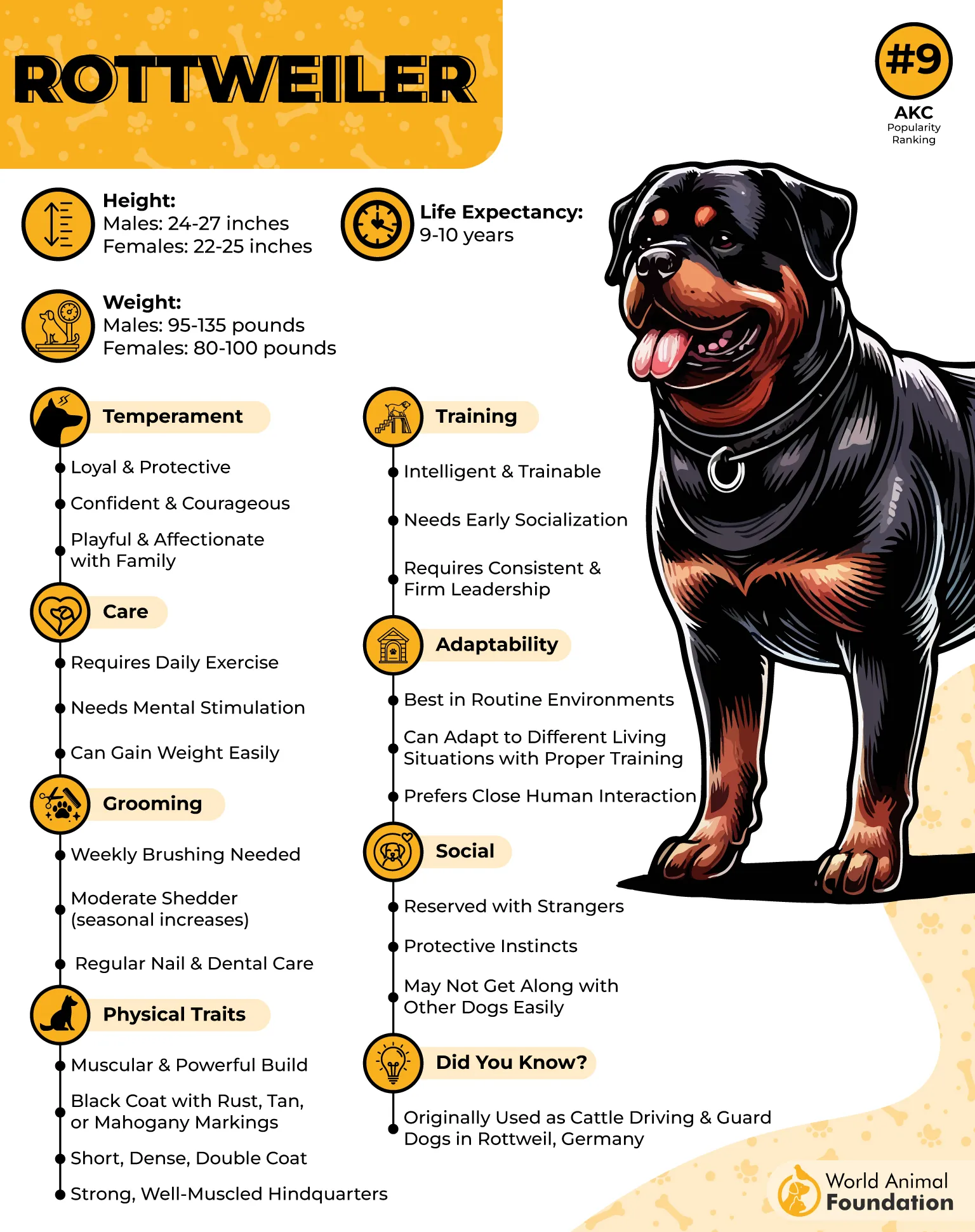
Their heavily muscled hindquarters support a solid body, and their paws are notably large and heavy. Everything about their physical presence suggests a dog built for stability and physical labor.
Temperament & Personality
Temperament is where these two truly start to diverge. The Belgian Malinois is a “velcro dog” with a high-octane engine, incredibly affectionate, and intensely responsive to its owner. Always eager to be part of every activity, it thrives on involvement and attention.
While reserved with strangers, it isn’t naturally aggressive without cause, instead showing remarkable discernment and awareness in unfamiliar situations. Belgian Malinois’ love for their pack makes them great family dogs.
PetMD notes that Rottweilers are characterized by a calm, highly intelligent, and hardworking disposition. They are deeply devoted companions that take their role as household guardians seriously. Despite their tough exterior, they are a playful breed that usually interacts well with children.
While they are territorial and cautious around strangers, they are not known for excessive barking. They are often described as gentle giants within their own family circles, showing a very loving side to those they trust.
Exercise & Energy Levels
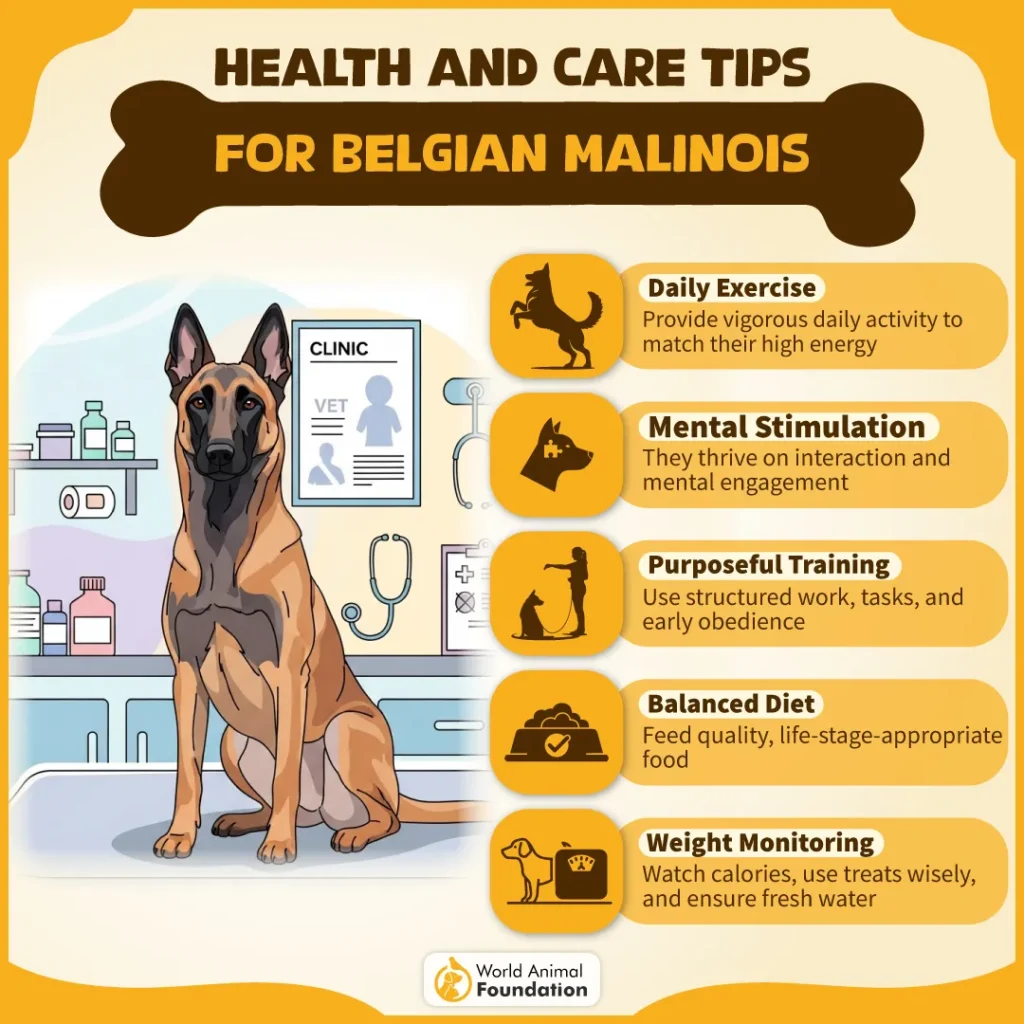
If you are a couch potato, look away now! The Belgian Malinois has high energy levels and needs a job. These dogs don’t just “go for walks”; they need mental and physical exhaustion to be happy. We’re talking hiking, running, and advanced dog sports. Belgian Malinois thrive in environments where they can burn off energy alongside their favorite person.
Rottweilers require consistent, regular exercise for their physical and mental stimulation, as mentioned by PDSA. Brisk walks and long hikes are excellent ways to keep them fit. Many Rotties also find great satisfaction in games of fetch. Beyond simple cardio, this breed excels in organized sports like herding and tracking. Even a good swim can be an effective way to wear out their skeletal muscles.
Training & Intelligence
The intelligence of a Belgian Malinois is legendary. Excelling in search and rescue or police work comes naturally to them, but success depends on the right approach. These herding dogs respond best to consistent, firm methods that prioritize positive reinforcement.
Harsh corrections are usually counterproductive, as the breed is surprisingly sensitive and thrives on a bond built of mutual trust. In the right hands, there is almost no task too complex for them to master. Remember, Malinos are ideal for experienced dog owners.
An eager-to-please attitude makes the Rottweiler a fantastic candidate for obedience and therapy work. Since they were originally bred to guard people and property, training must be structured and firm from a young age.
Early socialization helps temper their natural guarding instincts, ensuring they become safe, predictable household members. When given clear boundaries and consistent leadership, their smart, capable nature truly shines.
Coat Maintenance
The American Kennel Club states that maintaining the short, waterproof coat of a Belgian Malinois is remarkably easy. A weekly brushing session usually handles dead hair and keeps the skin healthy. During the semi-annual “shedding season,” daily brushing becomes a necessity to manage the volume of hair they drop.
Beyond the coat, routine care involves trimming nails to prevent painful overgrowth and keeping the ears clean. Regular dental checkups and at-home brushing are also vital components of their overall grooming schedule.
Rottweilers possess a straight, coarse double coat that stays shorter on the head and legs. The density of their undercoat often shifts based on the local climate. Using a firm bristle brush once a week helps distribute natural oils and keeps shedding under control.

Like many working breeds, these pups blow their coat twice a year, which requires more frequent attention. Frequent baths aren’t usually necessary, but keeping up with nail and ear care is essential for their comfort.
Health & Lifespan
With a typical lifespan of 10–14 years, the Belgian Malinois is a relatively long-lived breed for its size. Responsible breeding has kept most major health concerns at bay, though they are still predisposed to a few specific issues.
Many owners opt for pet insurance early on to ensure any potential medical needs are covered. Overall, their hardy nature and high activity levels keep them feeling young well into their senior years.
Rottweilers are generally healthy, though their large size makes them susceptible to certain conditions like hip dysplasia. Finding a breeder who provides clear health clearances for the parents is the best way to ensure a healthy puppy.
While not every dog will face health challenges, being proactive with vet visits and proper nutrition is key. With the right care, these powerful dogs remain capable and loyal protectors throughout their lives.
Belgian Malinois vs. Rottweiler Suitability as Family Pets vs. Guard Dogs
The Belgian Malinois serves as a high-intensity partner for active families needing a vigilant, proactive guardian. Because their focus is unmatched, they require owners who can meet constant mental demands.
As pets, their affection is deep, though high prey drives suit households with older children best. These “patrol” dogs use elite reflexes to intercept threats long before they reach the doorstep. The combination of Belgian Malinois’ intelligence, sleek body, and territorial nature makes them excellent guard dogs.
Conversely, the Rottweiler offers a grounded, steady presence. These devoted anchors provide a calm but firm security that naturally intimidates intruders. Famous as “gentle giants” indoors, they balance playfulness with raw power and protective instincts. Their “sentry” guarding style relies on stoic confidence, making them ideal, protective house dogs.
Conclusion
Both the Belgian Malinois and the Rottweiler represent the peak of canine performance and purpose. One embodies explosive speed and precision, the other projects strength, stability, and unwavering devotion to its loyal family.
If you want a calm guardian who settles comfortably indoors, the Rottweiler offers steady protection and deep bonds. Its grounded temperament makes daily life predictable, secure, and reassuring for families seeking reliable companionship.
If you crave constant motion and demanding training sessions, the Malinois thrives on challenge and complexity. This breed excels with active owners who enjoy pushing limits, building skills, and sharing relentless energy adventures.
