




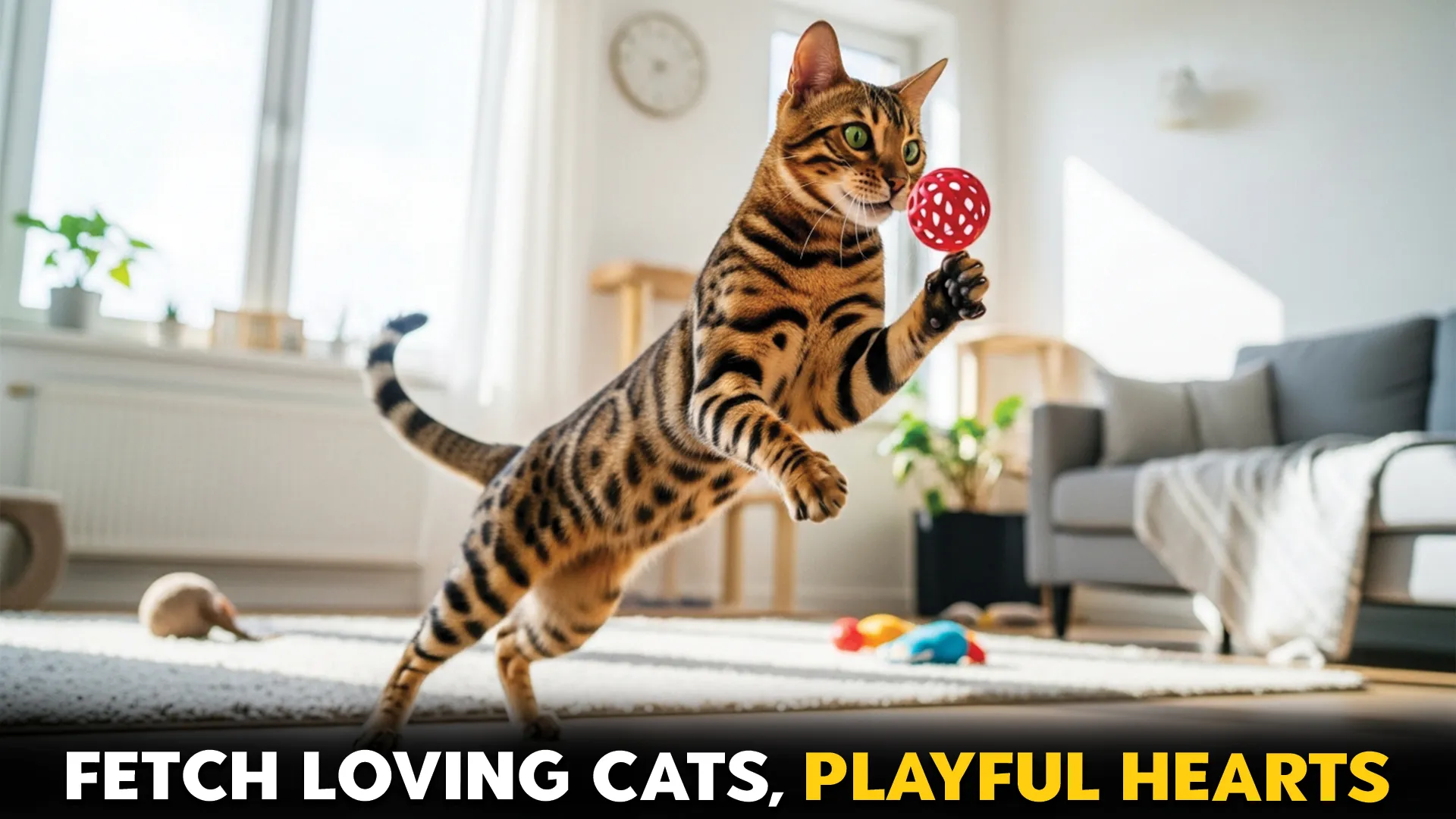
Some cats are perfectly content watching the world go by from a cozy perch—but others are always ready for action. These energetic felines don’t just bat at toys; they chase them, carry them, and proudly bring them back for another round. Playing fetch isn’t just a quirky trick for these cats—it’s a favorite way to bond, burn energy, and stay engaged with their humans.
Why do some cats love playing fetch while others ignore it entirely? The answer often lies in instinct and personality. Curious, intelligent, and athletic cats are more likely to enjoy games that involve chasing and retrieving. Younger cats and those with high energy levels tend to initiate play themselves, sometimes dropping toys at your feet as an invitation rather than waiting for you to start.
So what makes a cat fetch-friendly? A combination of sharp focus, confidence, and a strong interest in interaction. These breeds crave mental and physical stimulation and thrive on shared play. In this article, we’ll explore seven cat breeds known for their love of playing fetch—and what makes them such enthusiastic, playful companions.
Cat Breeds Known for Their Love of Playing Fetch
1. Bengal
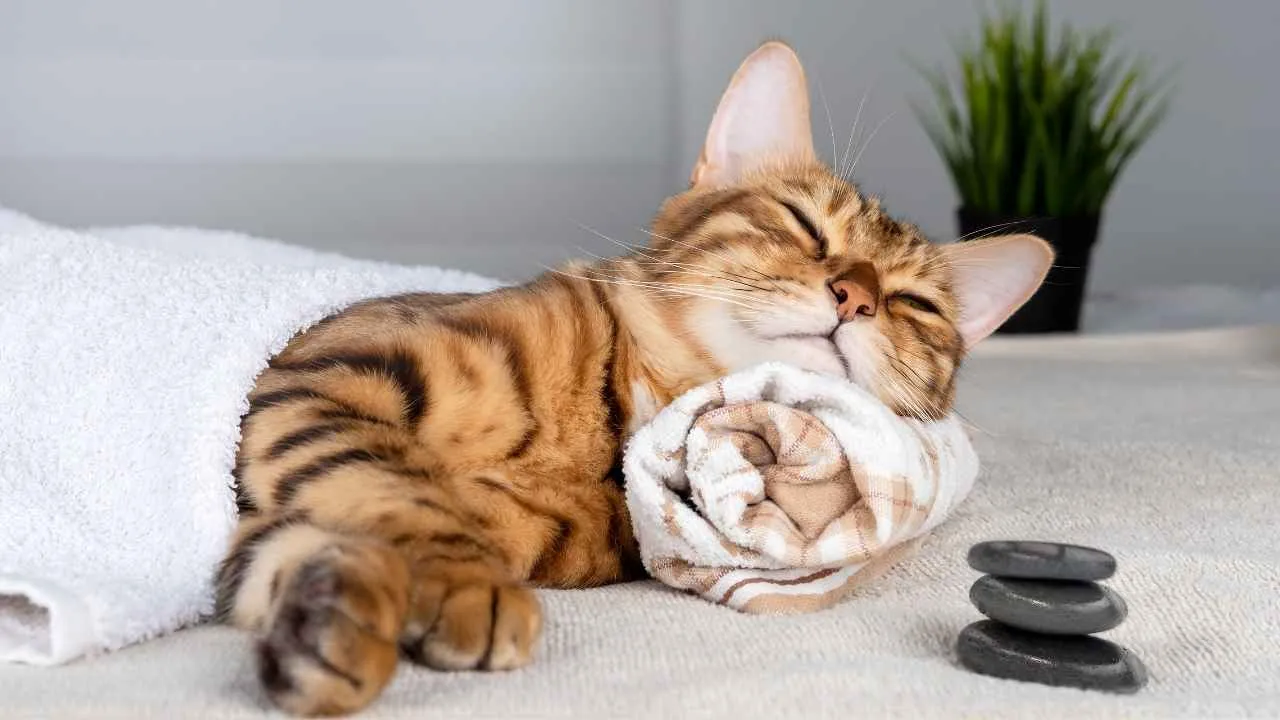
Also known as a hybrid breed descended from the Asian Leopard Cat, the Bengal is instantly recognizable for its sleek, muscular build and striking spotted or marbled coat.
Developed in the 1960s, this short-haired cat is highly intelligent, athletic, and intensely people-oriented. According to PDSA, Bengal cats are highly intelligent and energetic, and they need ample mental stimulation along with regular opportunities to exercise.
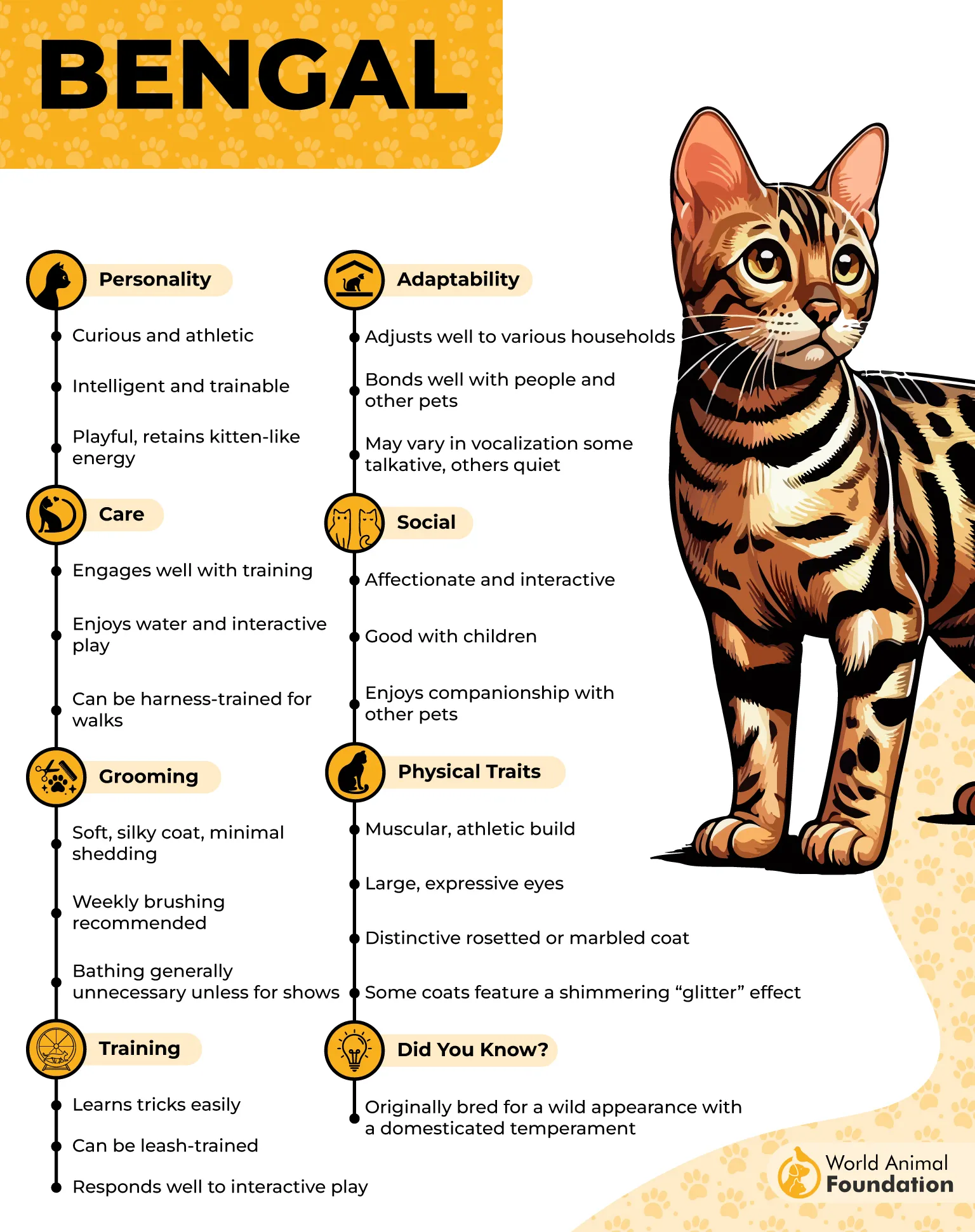
Bengals are natural retrievers in feline form, often chasing thrown toys and proudly bringing them back to keep the game going. Their strong prey drive and sharp focus make fetch feel instinctive rather than taught.
This breed thrives on high-energy interaction, and fetch provides the perfect outlet for both physical exercise and mental stimulation. Bengals quickly grow bored without enrichment, so structured play sessions are essential to keep them satisfied.
Because they love involvement, Bengals may even follow their owners around, toy in mouth, ready for another round.
Interesting fact: Bengals are known for enjoying water and can even learn to walk on a leash, making them one of the most dog-like cat breeds.
2. Siamese
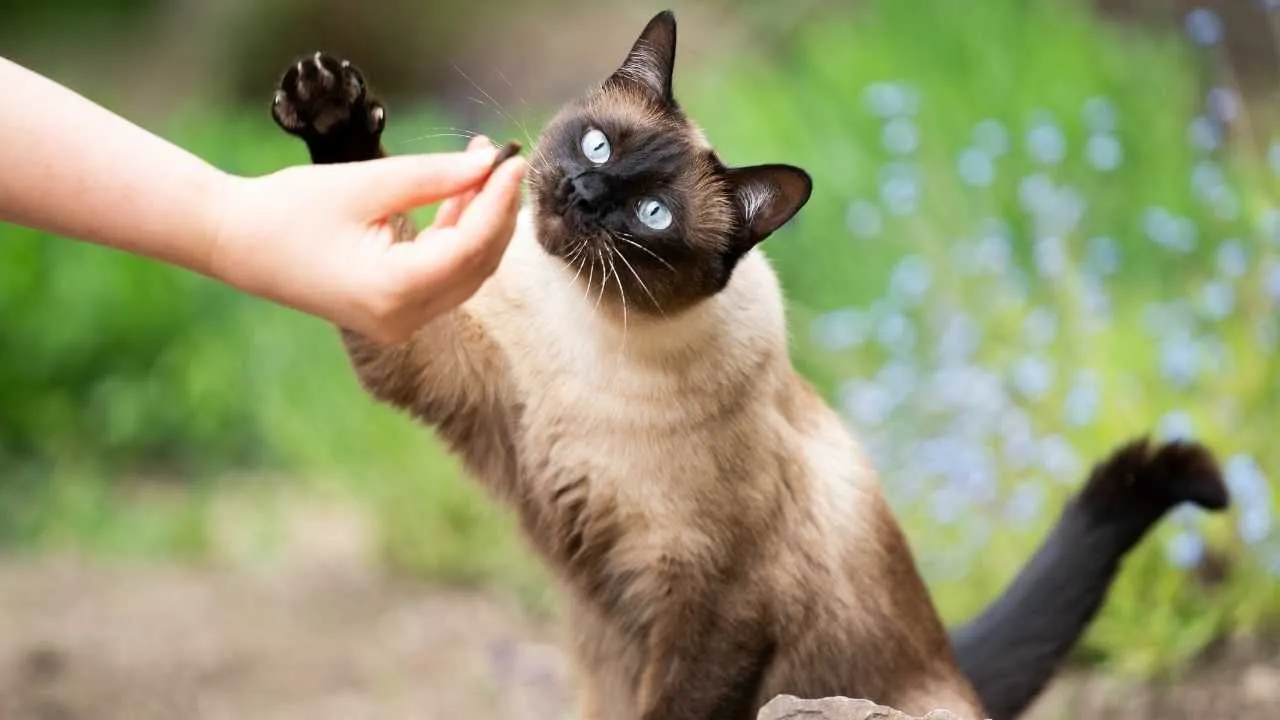
Also known as the Thai cat, the Siamese is a sleek, short-haired breed famous for its striking blue eyes, pointed coat pattern, and deeply social nature.
Originating in Thailand, this breed is intelligent, energetic, and forms intense bonds with its people. According to Purina, the Siamese is long and slender, with a level of elegance and grace that perfectly defines the breed.
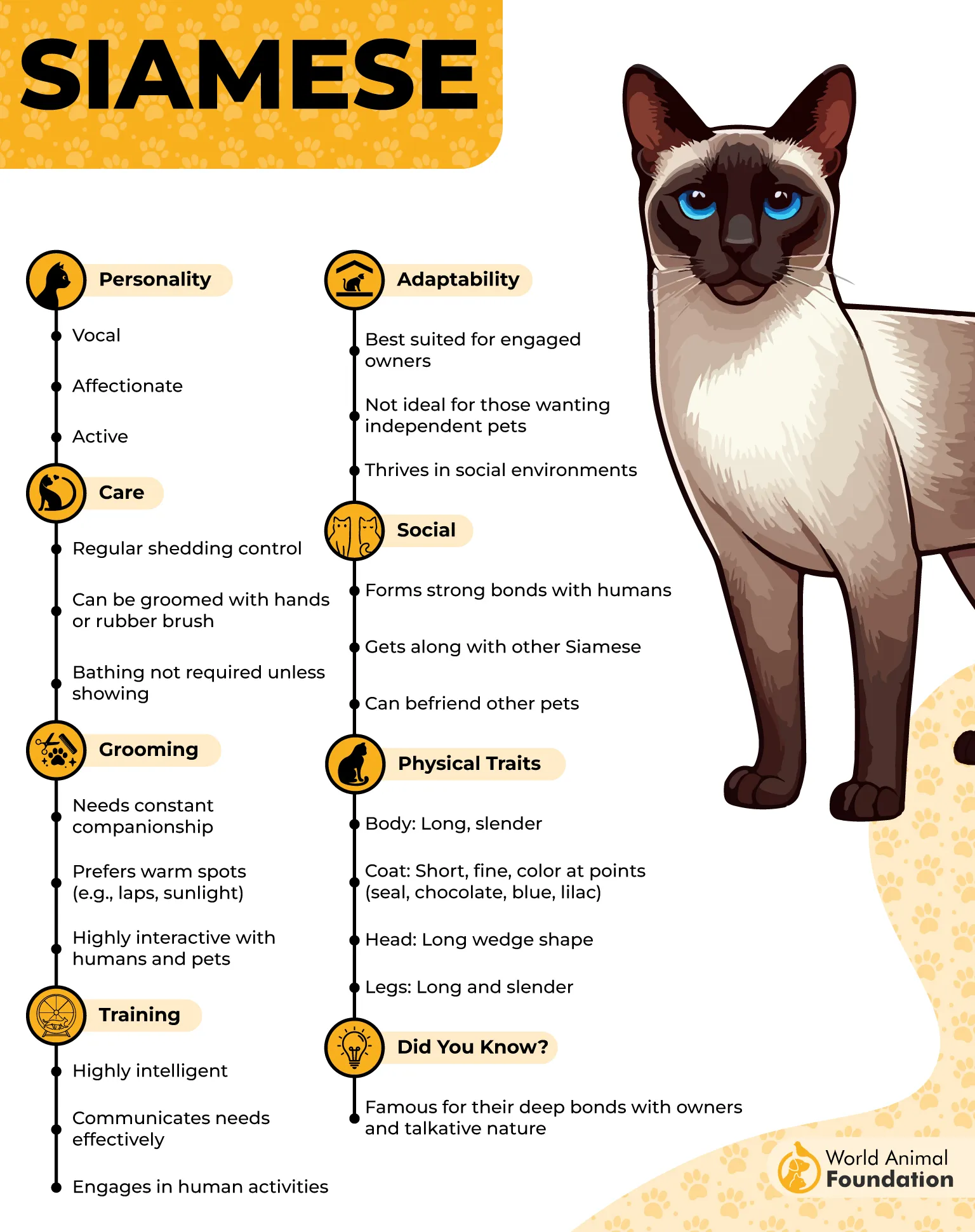
Highly intelligent and play-driven, Siamese cats are natural game lovers. Their sharp minds and curiosity make them quick to chase toys, grab them, and bring them back—especially when fetch turns into shared attention time.
Their love of playing fetch is closely tied to their need for interaction. Siamese cats thrive on puzzle toys, training games, and active play, and they may even initiate fetch by dropping toys at your feet when bored.
Because they dislike being left alone, fetch becomes both exercise and emotional connection for this breed.
Interesting fact: Siamese cats were once reserved exclusively for royalty in ancient Thailand due to their high status and revered nature.
3. Abyssinian
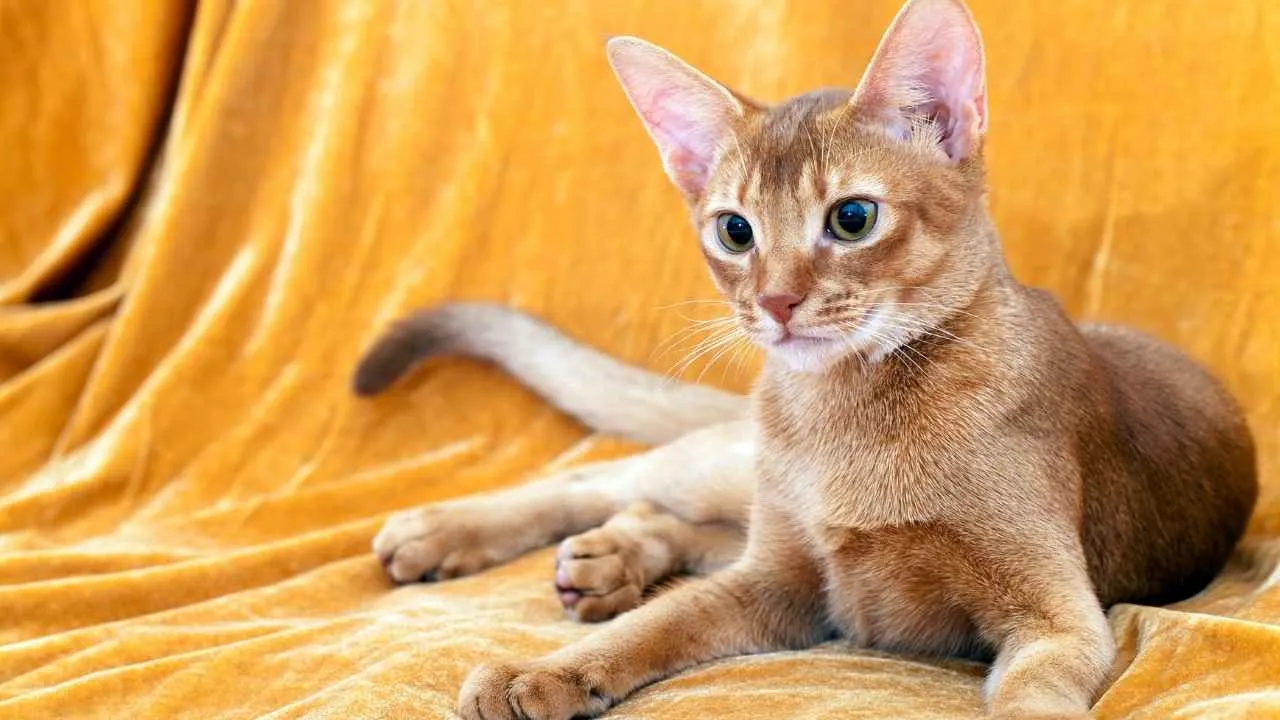
Often called the “Aby,” the Abyssinian is one of the most elegant and ancient-looking cat breeds, known for its sleek frame and expressive eyes. According to PetMD, Abyssinian cats have an agouti coat in which each hair contains multiple color bands, creating a distinctive salt-and-pepper, or ticked, appearance.
Despite myths linking them to ancient Egypt, this intelligent, short-haired breed traces its roots to Southeast Asia and is admired for constant motion and curiosity.
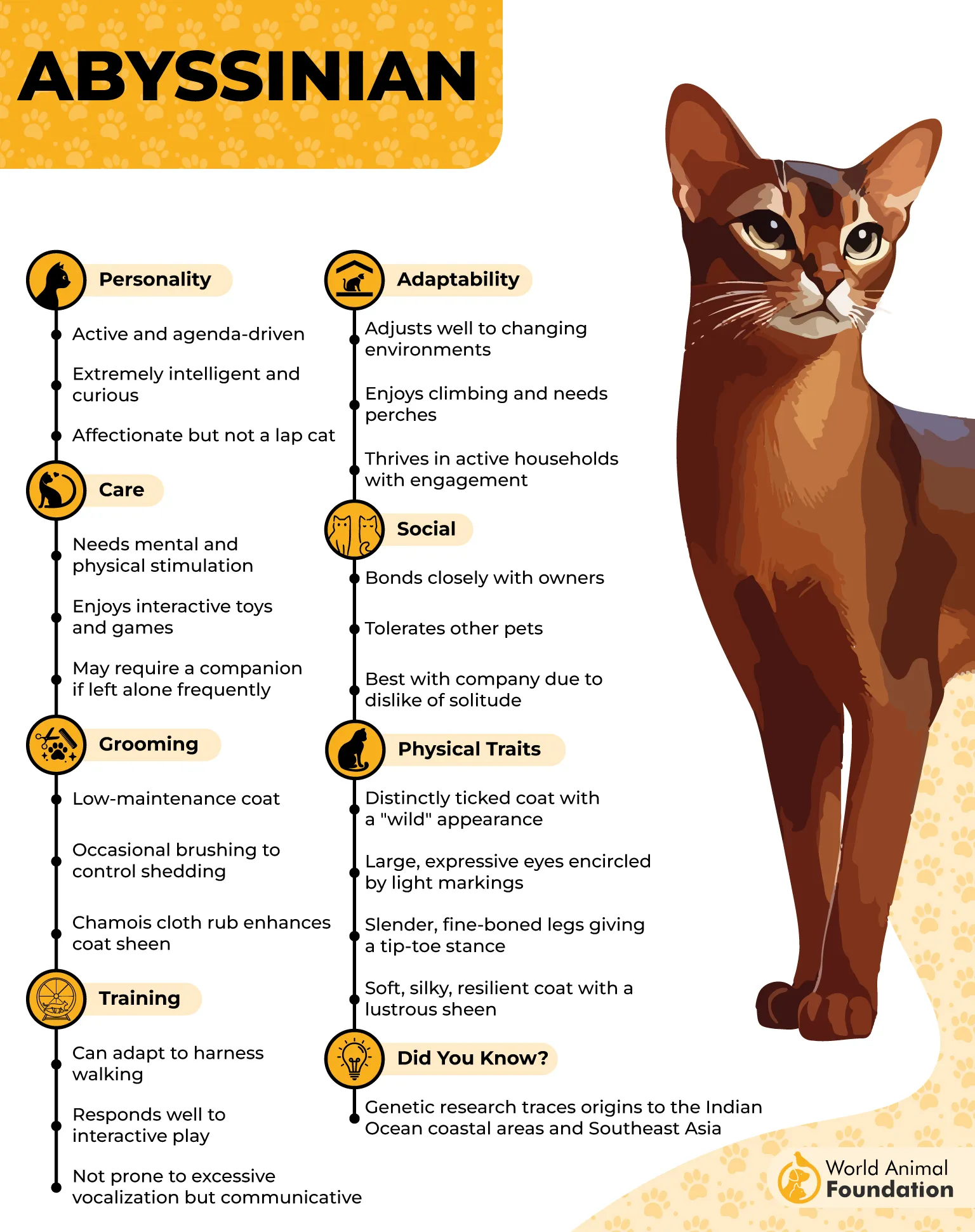
True to energetic, curious, and toy-obsessed behavior, Abyssinians are natural players who rarely sit still. Their sharp minds and quick reflexes make them especially enthusiastic about chasing toys, carrying them off, and returning for more action—an ideal setup for fetch-style games.
Because they thrive on movement, fetch offers both physical exercise and mental enrichment. Interactive toys, food puzzles, and climbing spaces keep them engaged, while structured play prevents boredom in this highly alert breed.
Fetch-loving Abys also enjoy being involved in everything their humans do, often initiating games on their own.
Interesting fact: Abyssinians are known for forming strong bonds with their people and need daily enrichment, like hunting games and interactive toys, to truly thrive.
4. Turkish Van
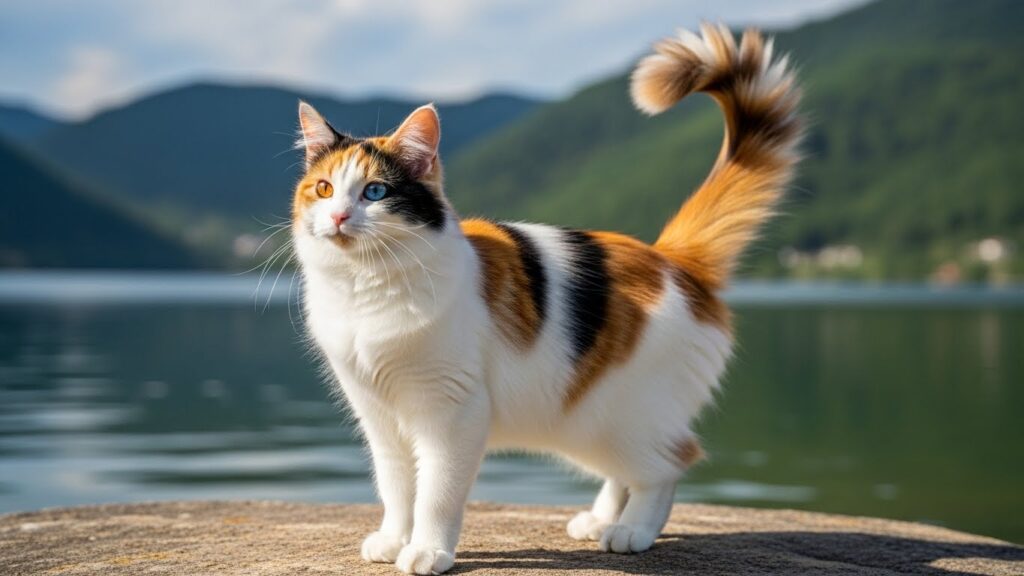
Also called the “Swimming Cat,” the Turkish Van is a striking, athletic breed from the Lake Van region of Turkey, known for its water-resistant, cashmere-like coat and bold personality. With a white body and colored markings on the head and tail, this muscular cat is both elegant and powerful.
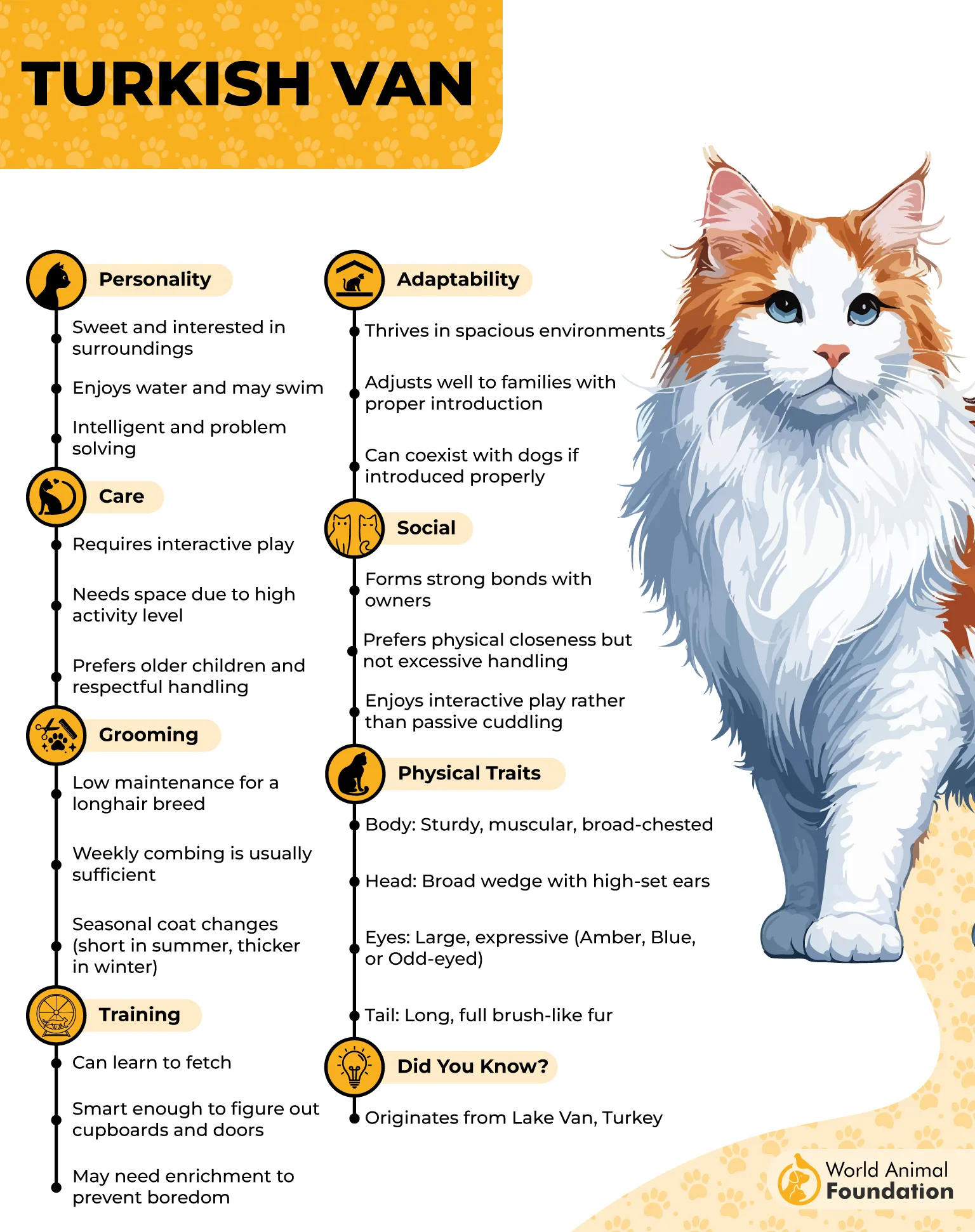
The Turkish Van eagerly chases, pounces, and retrieves toys. Fetch comes naturally to this breed, which thrives on interactive games that challenge both body and mind.
Their intelligence and energy make structured play essential, and many Turkish Vans prefer active engagement like clicker training or food-dispensing toys over constant cuddling. Fetch sessions double as bonding time, strengthening trust through shared activity.
Always on the move, these cats enjoy climbing, leaping, and even joining humans in water-based play.
Interesting fact: The Turkish Van is famous for loving water and will often jump into bathtubs or pools to play.
5. Oriental Shorthair
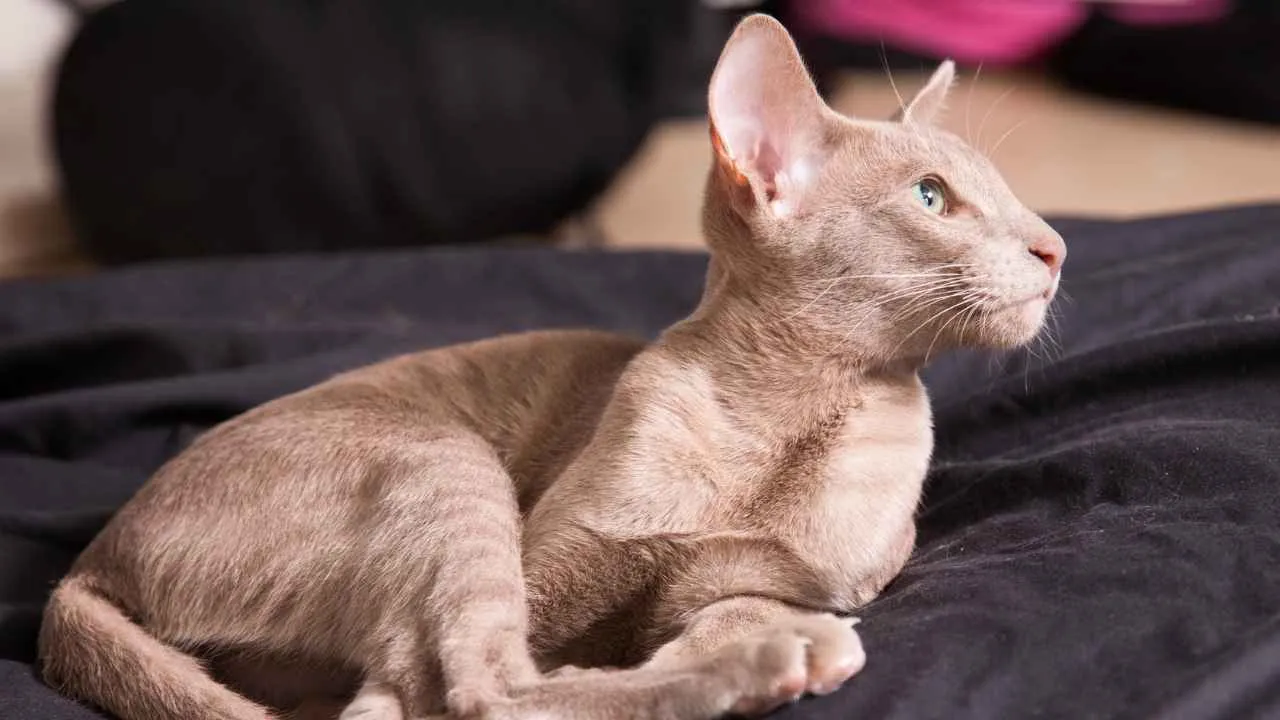
Often nicknamed the “rainbow cat,” the Oriental Shorthair is closely related to the Siamese and stands out for its sleek body, oversized ears, and wide range of coat colors and patterns. This elegant, short-haired breed is highly intelligent, vocal, and deeply people-focused.
They are smart, social, and always ready to play. Oriental Shorthairs love interactive games that involve their humans. Fetch comes naturally to them because they crave attention and enjoy any activity that keeps them mentally and physically engaged.
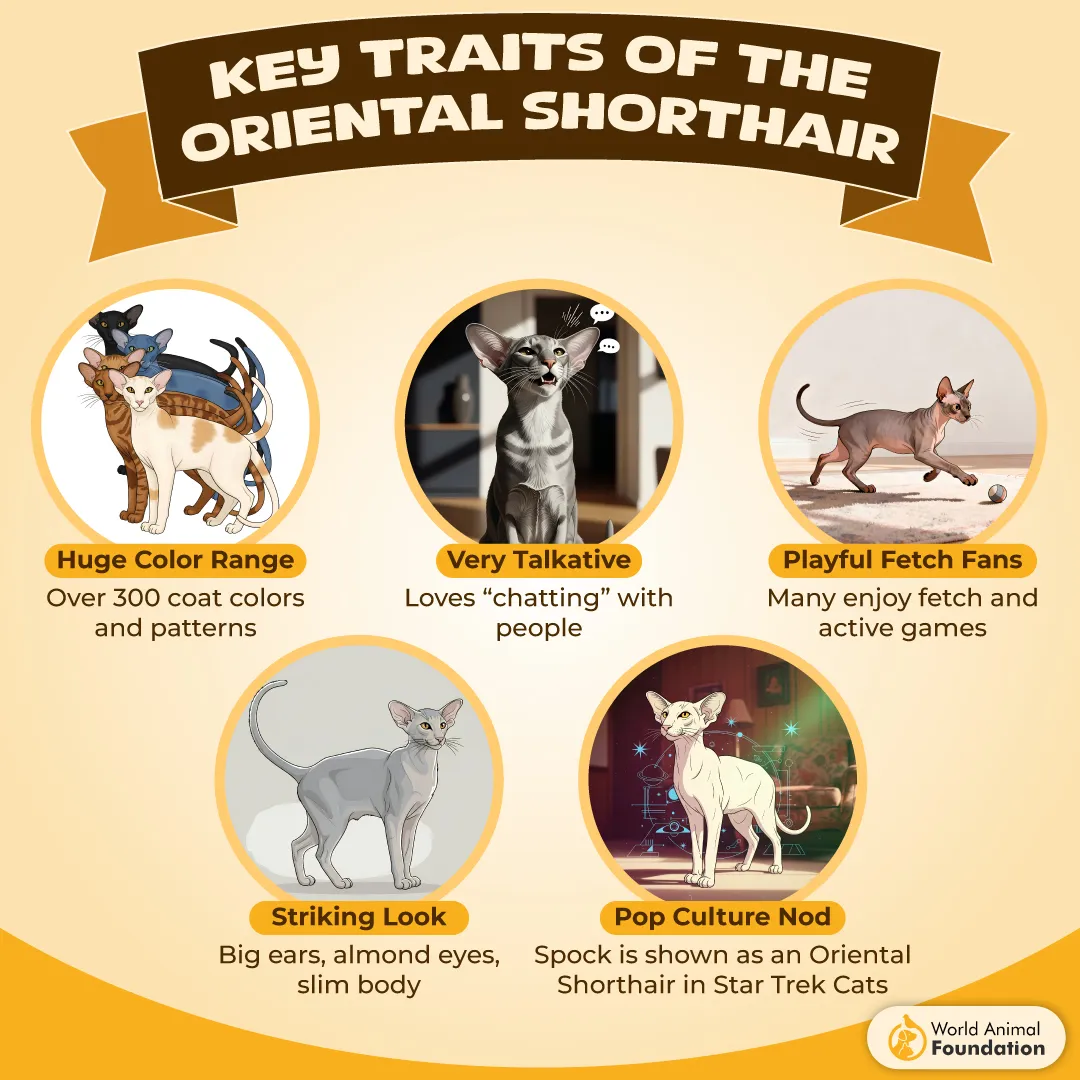
Their quick learning ability and curiosity make retrieving toys especially rewarding. Toss a ball or soft toy, and many Orientals will eagerly chase it down, return it, and demand another throw—often with a chatty commentary included.
Because they dislike boredom and solitude, structured playtime like fetch helps strengthen bonds and prevent mischief.
Interesting fact: Oriental Shorthairs are famously talkative and may become emotionally distressed if left alone too often due to their strong attachment to people.
6. Manx
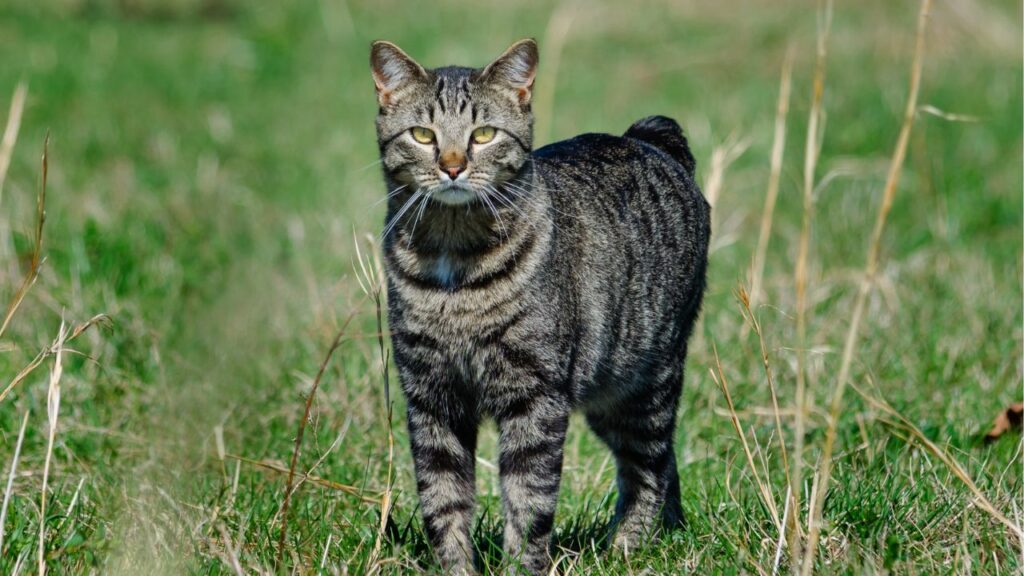
Also known as the Isle of Man cat, the Manx is instantly recognizable for its tailless or partially tailed appearance, with variations ranging from completely tailless “rumpies” to short stubs. This medium-sized, muscular breed has a rounded build, expressive eyes, and a dense double coat that can be short or long.
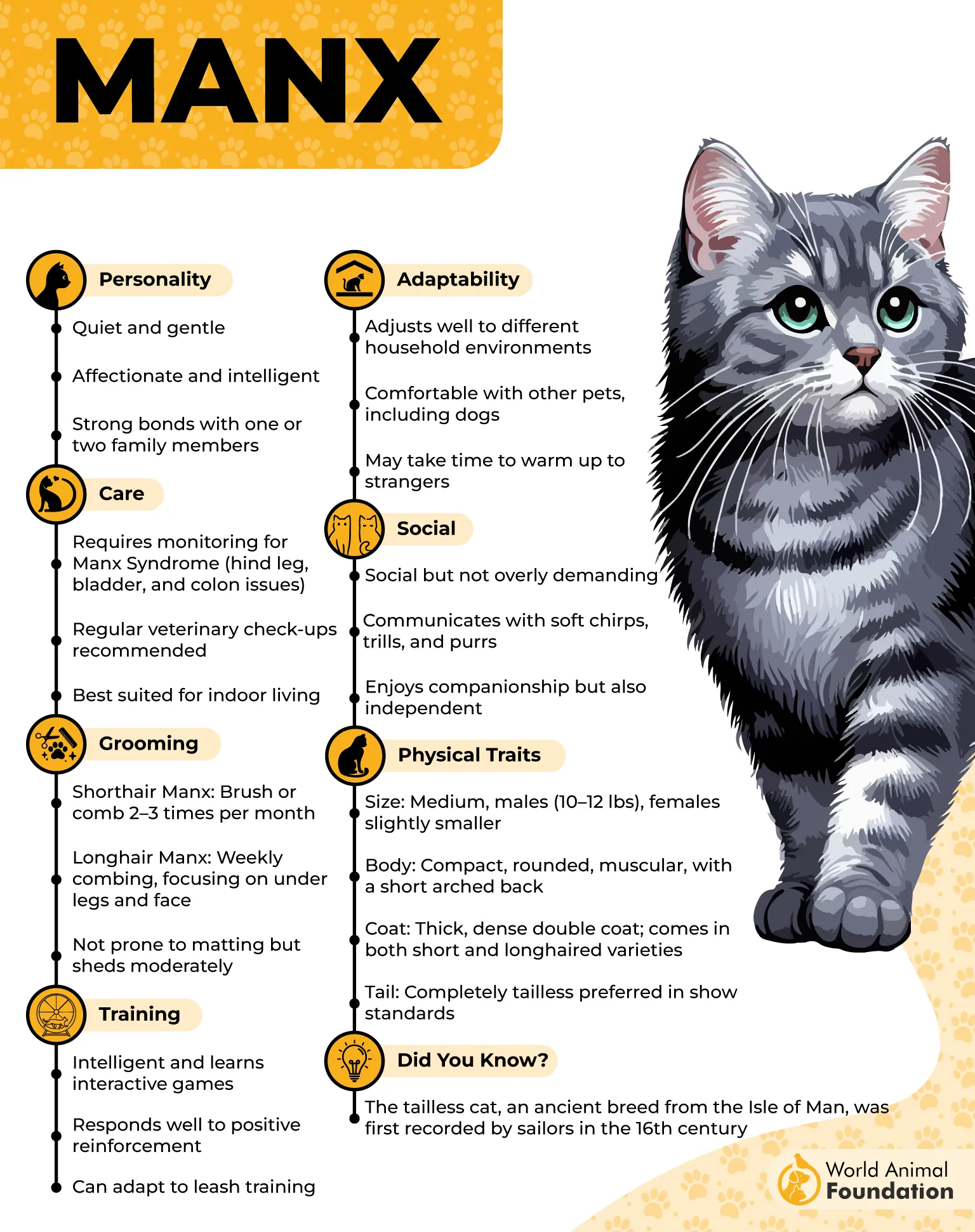
The Manx’s powerful hind legs and athletic body make it a natural at chasing and retrieving toys. Many Manx cats happily run after thrown objects and carry them back, turning fetch into a favorite daily game rather than a trained behavior.
Their bursts of energy are impressive, fueled by strong back legs that allow quick turns, high jumps, and rapid sprints. Fetch-style play gives them an outlet for this intensity while keeping their sharp minds engaged through movement and problem-solving.
Despite being gentler than some high-energy breeds, Manx cats still crave interactive play and mental stimulation.
Interesting fact: The Manx is often described as “dog-like” due to its loyalty, love of fetch, and playful sense of humor.
7. Maine Coon
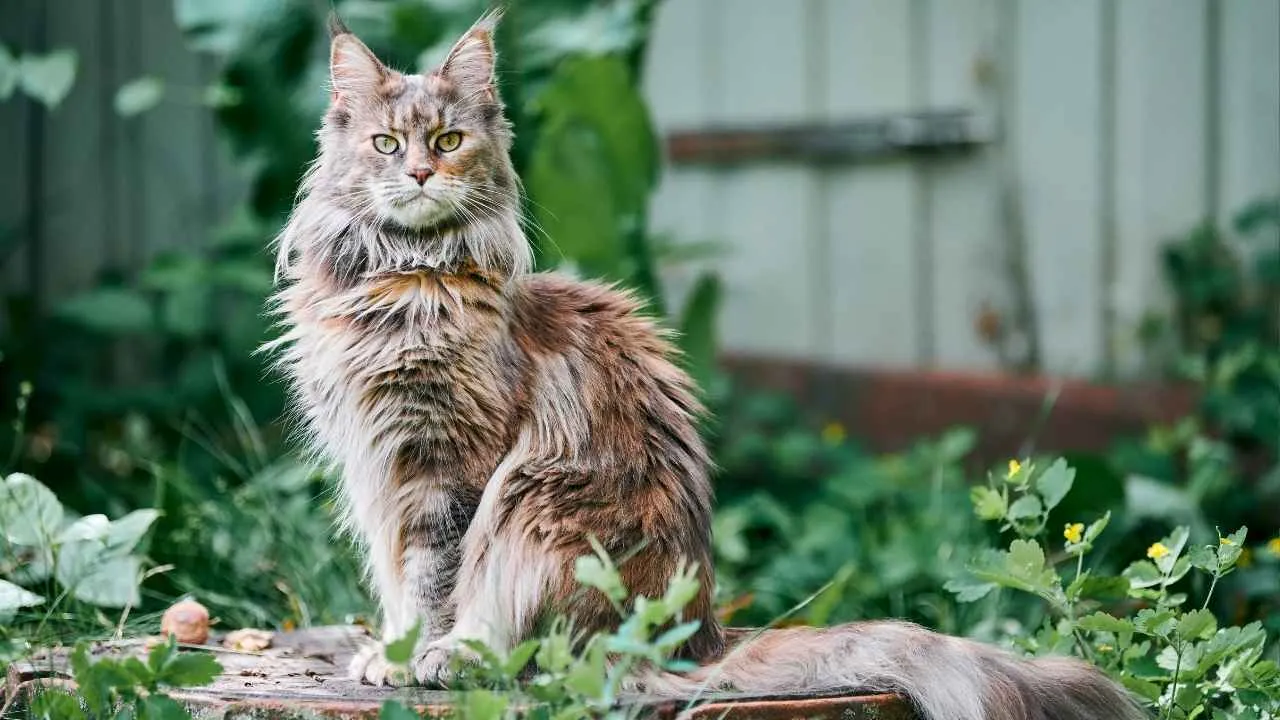
Often called the “Gentle Giant,” the Maine Coon is one of the largest domestic cat breeds, known for its tufted ears, shaggy coat, and warm, friendly personality. Despite their size, these cats are affectionate, social, and famously playful well into adulthood.
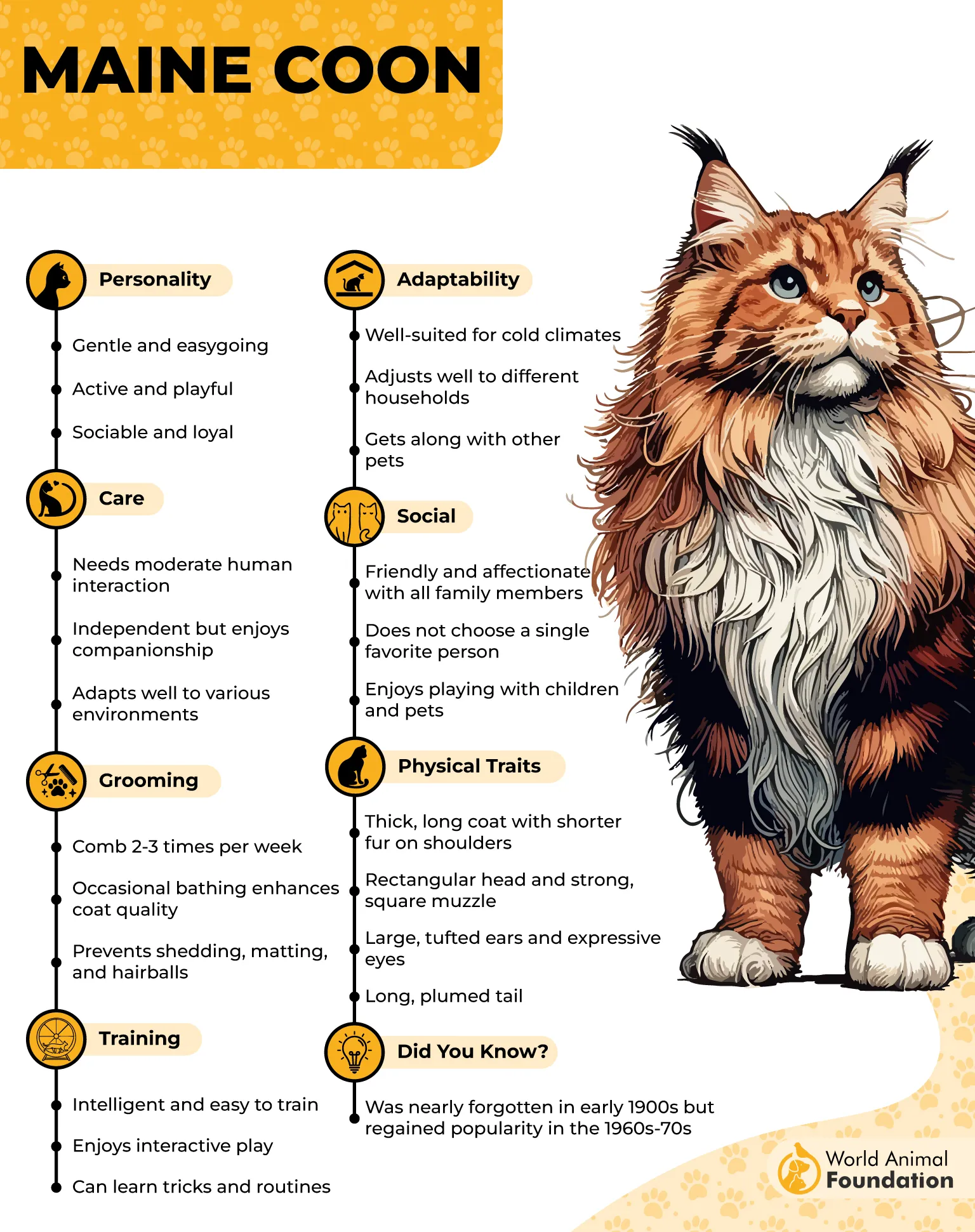
Maine Coons often display dog-like behavior, eagerly chasing tossed toys and bringing them back for another round. Their intelligence and curiosity make fetch feel like a natural extension of play.
Unlike many large breeds, Maine Coons combine strength with a goofy, kittenish spirit. Interactive toys, short training-style games, and fetch sessions keep them mentally engaged while strengthening their bond with humans.
Fetch also suits their adaptable, family-friendly nature, making them ideal for homes with kids or other pets.
Interesting fact: Maine Coons are known for enjoying water and are often described as having dog-like tendencies, including a genuine love of playing fetch.
Conclusion
In conclusion, several playful cat breed options stand out in the cat world for their love of interactive play, including fetch. Breeds discussed in this article—such as Burmese cats, Bengals, and other active cats—are known for their playful nature, curiosity, and willingness to play games with people.
Their cat’s personality often blends energy with affection, allowing them to remain playful while still enjoying time with other cats, other animals, and family, other family pets in active families.
While some cats are fun-loving and quick to chase shiny objects or learn tricks, they can also enjoy a good cuddle session, making them great lap cats rather than overly demanding or overly active.
Whether you prefer a long-haired cat with a dense coat or a silky coat, or breeds like the Japanese Bobtail or Cornish Rex, many other breeds have been selectively bred to balance play and affection for modern cat owners.
