




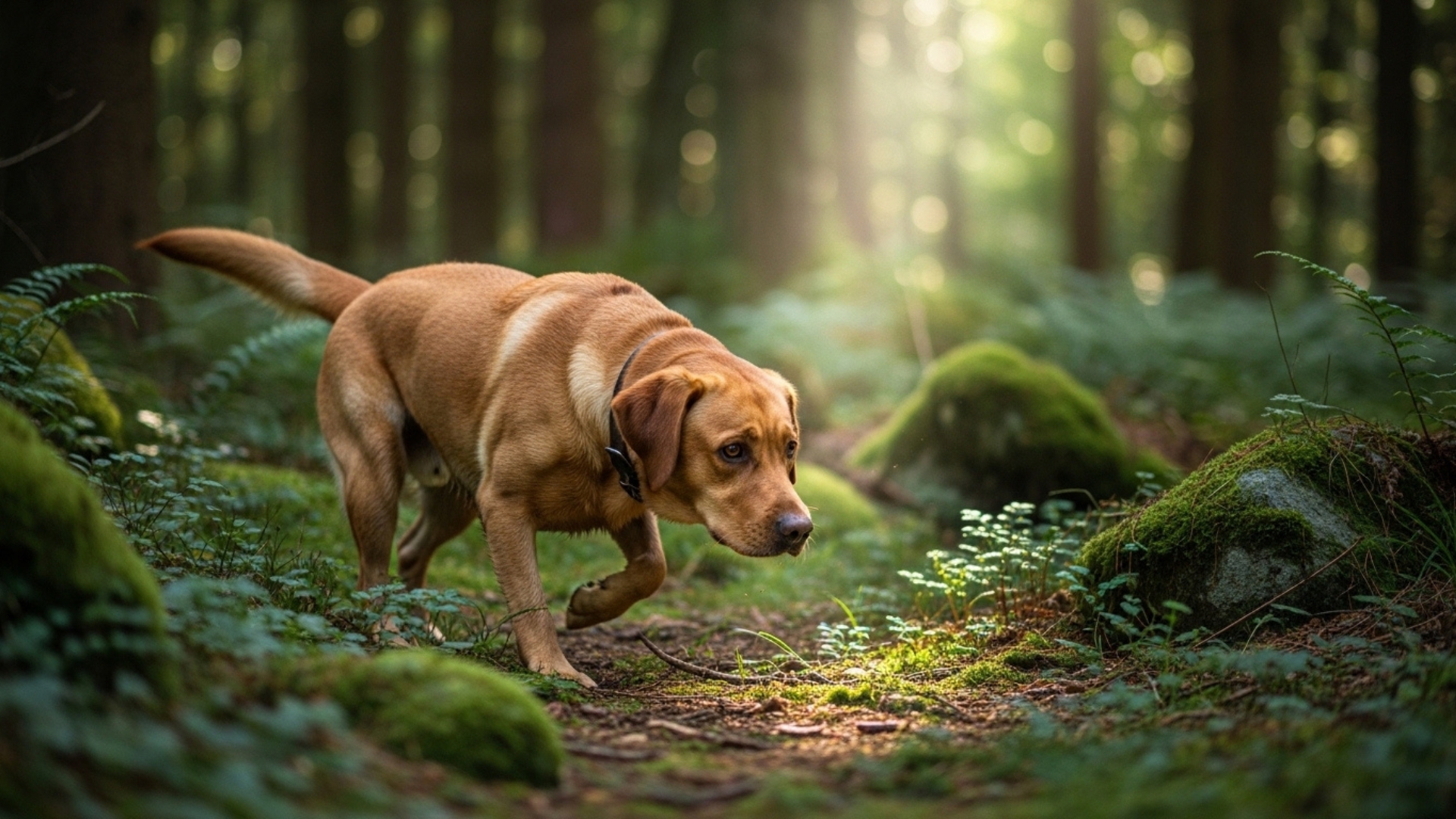
One of the earliest collaborations between man and dog breeds is in wildlife tracking.
Hunters, conservationists, and search teams have been using dogs with noses to find animals in the forest and fields. The most effective tracking dogs are those that are endowed with the ability to smell, are resolute, strong, and smart enough to track scents and complex trails over a long distance.
These extraordinary capabilities are still used today in wildlife tracking. Tracking dogs are useful in outdoor work since they are used to help hunters find game and help conservationists to track the population of a specific animal.
This is a guide to the top 10 dog breeds that can be used in advanced wildlife tracking, and it features their history, skills, and unique features that they have that make them valuable partners in the game.
Top Dog Breeds for Advanced Wildlife Tracking and Excellent Hunting
1. Bloodhound
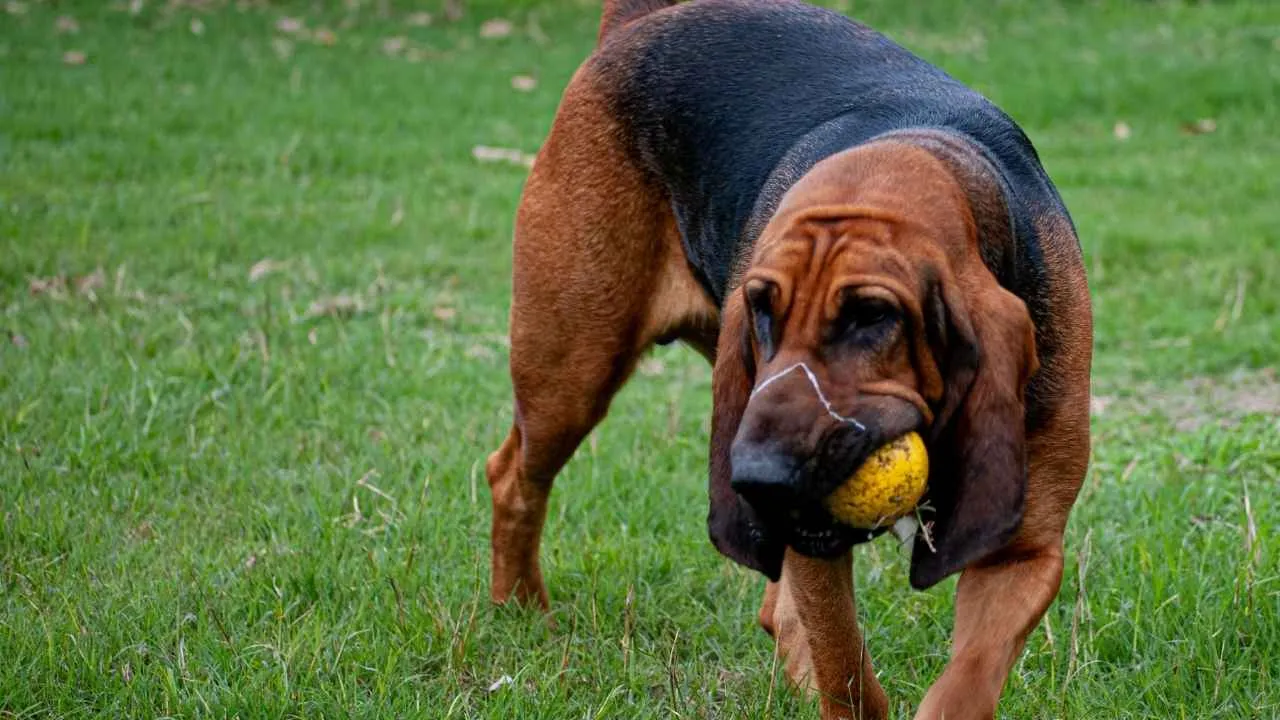
The Bloodhound is one of the few breeds that has been a legend in the field of scent tracking. Bloodhounds are known to have one of the most powerful noses in the dog world and can track a scent that is several days old.
The American Kennel Club (AKC) states that Bloodhounds are relentless and stubborn on a scent. Their sense of smell is so trustworthy that their services have been utilized in legal proceedings in areas to the point of being admissible as evidence.
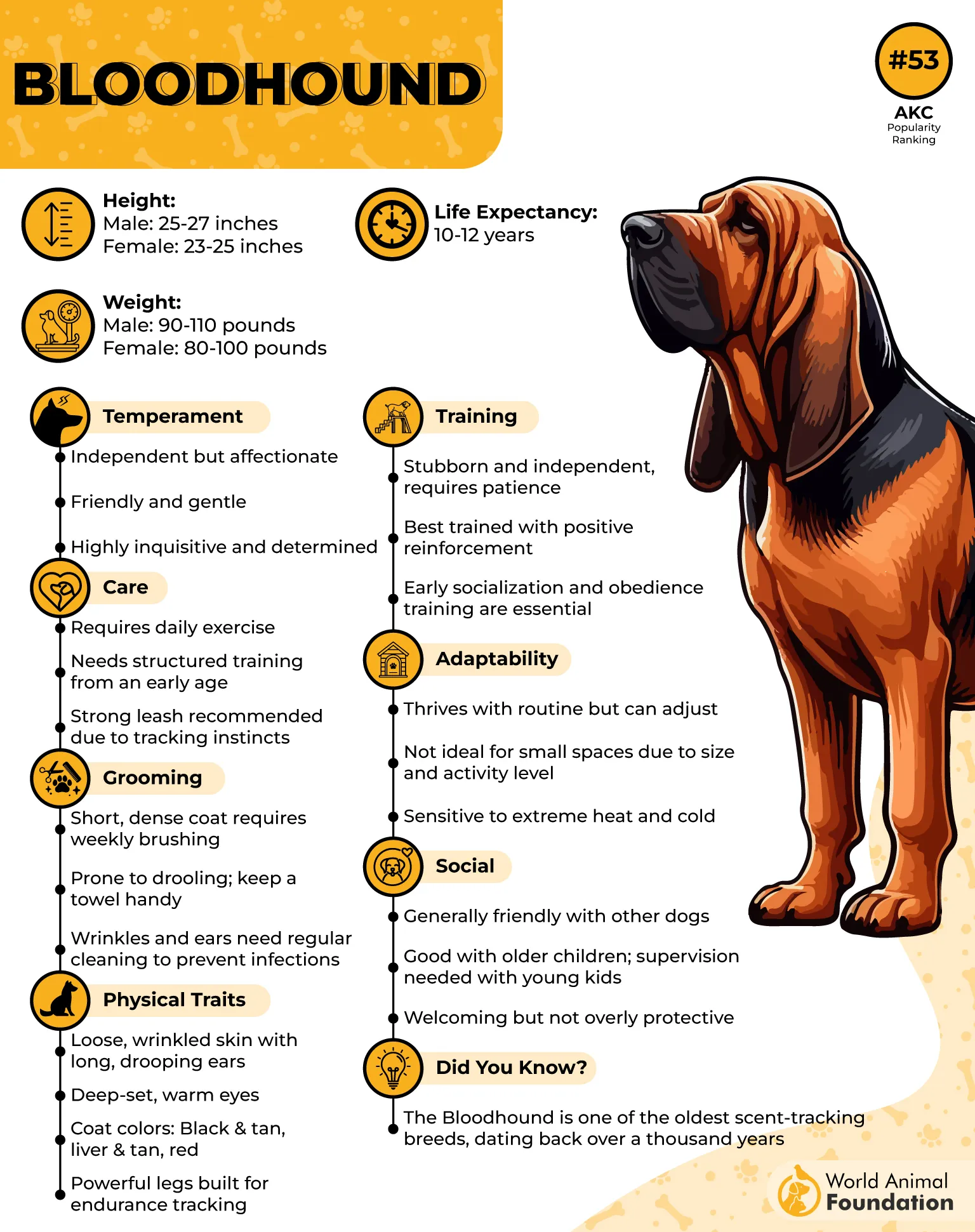
Bloodhounds are kind and of an affectionate nature as well, despite their hardworking attitude outdoors. Nevertheless, their instincts as a tracking dog are very high, and this implies they would need secure areas and expert hands.
2. Labrador Retriever
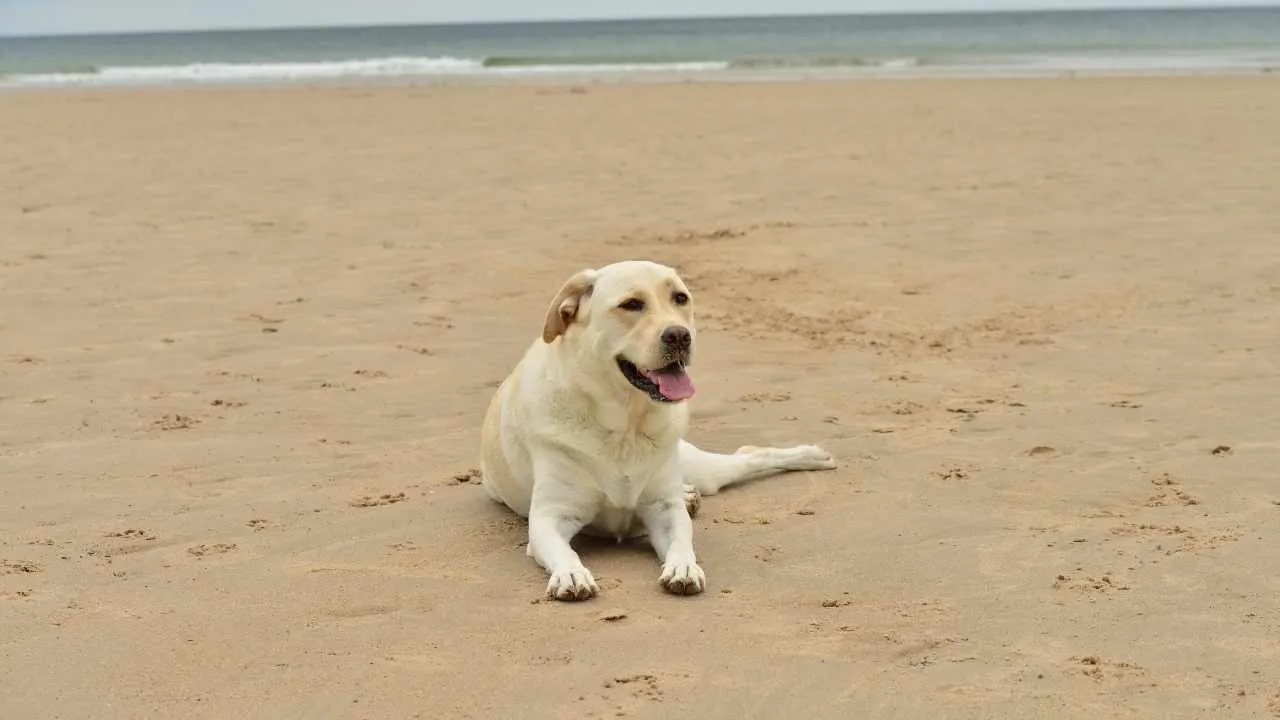
Labrador Retrievers are one of the most popular breeds in America, Canada, and the UK, as stated by Purina. Labradors were originally bred in Newfoundland as fishermen and to retrieve waterfowl, and have a good sense of smell, and are hardworking.
They are versatile dogs due to their intelligence and trainability. Labs are frequently employed in the detection of injured wildlife, the location of wildlife, and in aiding the conservation workforce to track the species in its natural habitat.
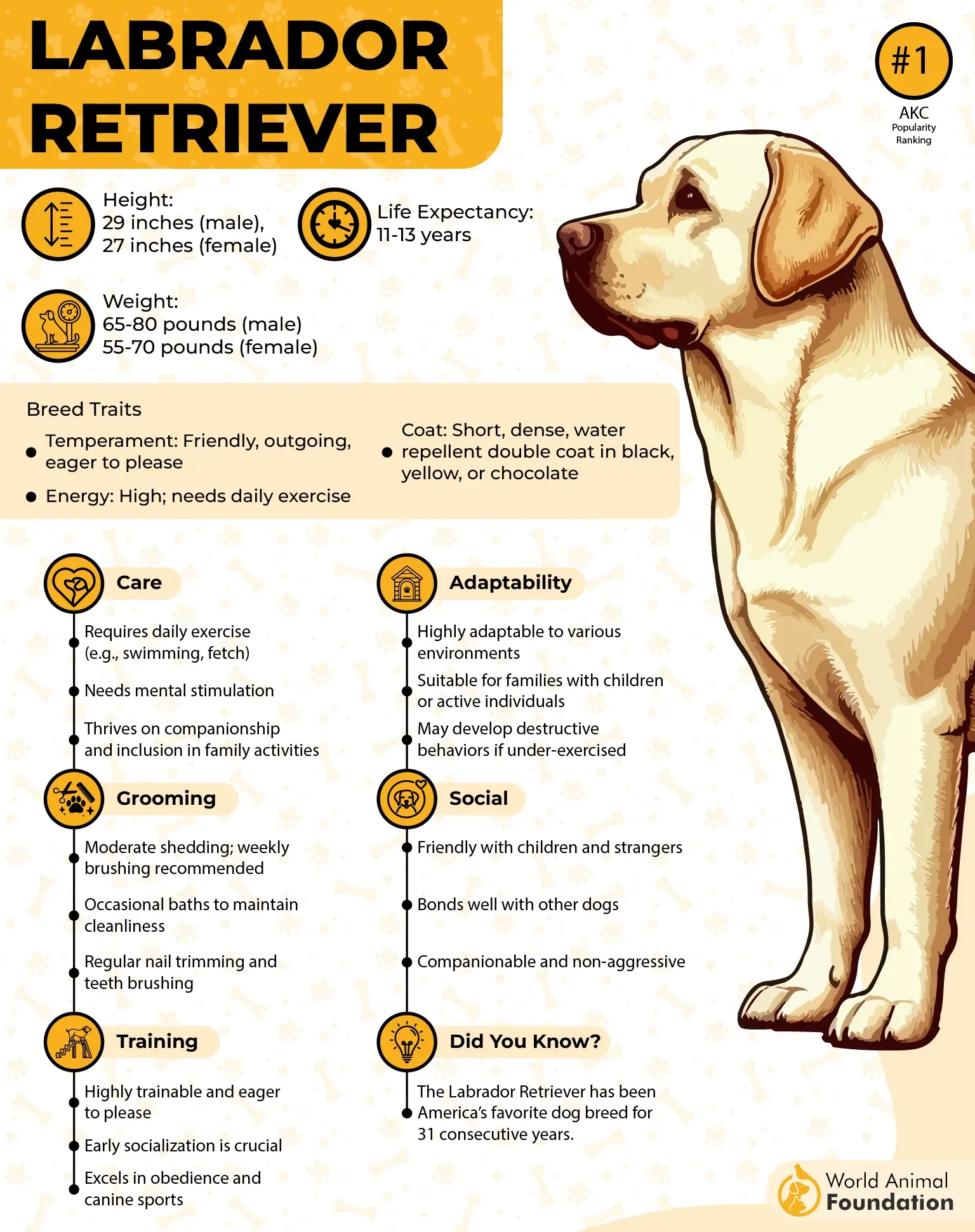
The second benefit of Labs is that they are a balanced breed. Labs are simple to train and are eager to please, contrary to other breeds of hunting dogs. This renders them very good options when it comes to tracking work related to professional hunting as well as recreational hunting.
3. German Shorthaired Pointer
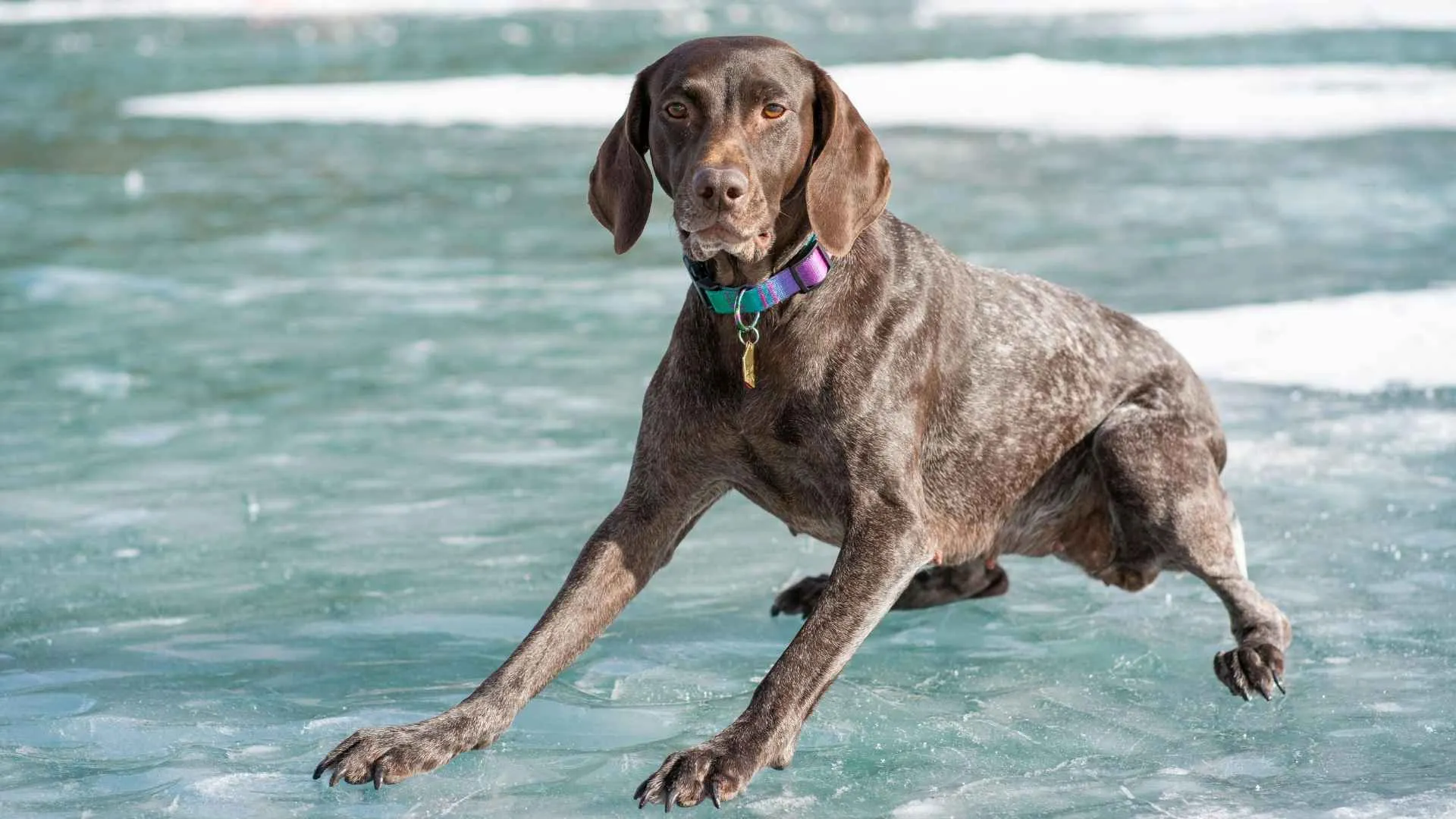
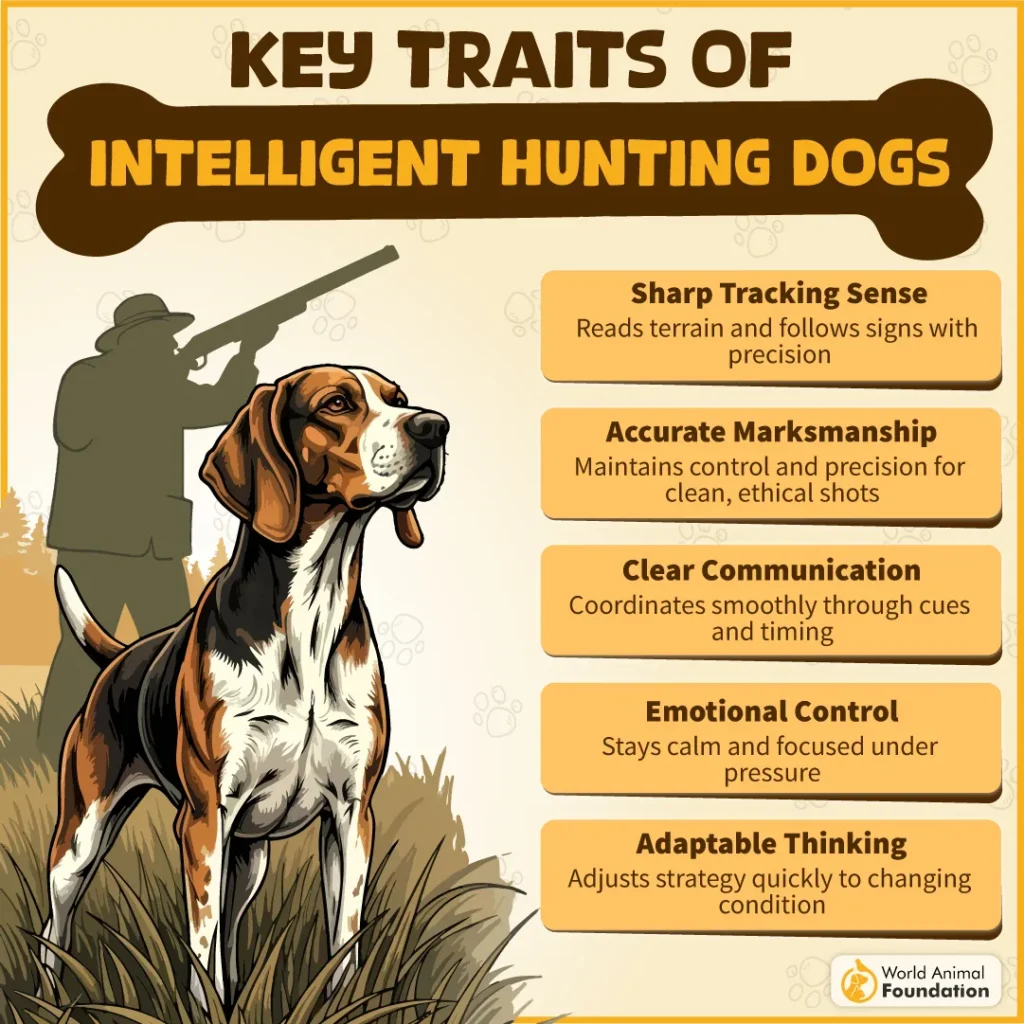
The German Shorthaired Pointer is a multi-purpose hunting dog that is very fast and has great stamina as well as excellent scenting ability. This breed was developed in Germany in the 19th century and was meant for tracking, pointing, and being known for its retrieving skills on various terrains.
GSPs are highly active dogs perfect for active families. Their physical structure enables them to move at great speeds over a distance while tracking scent marks. Their hunting speed and smell make them a brilliant hunting companion compared to other pets.
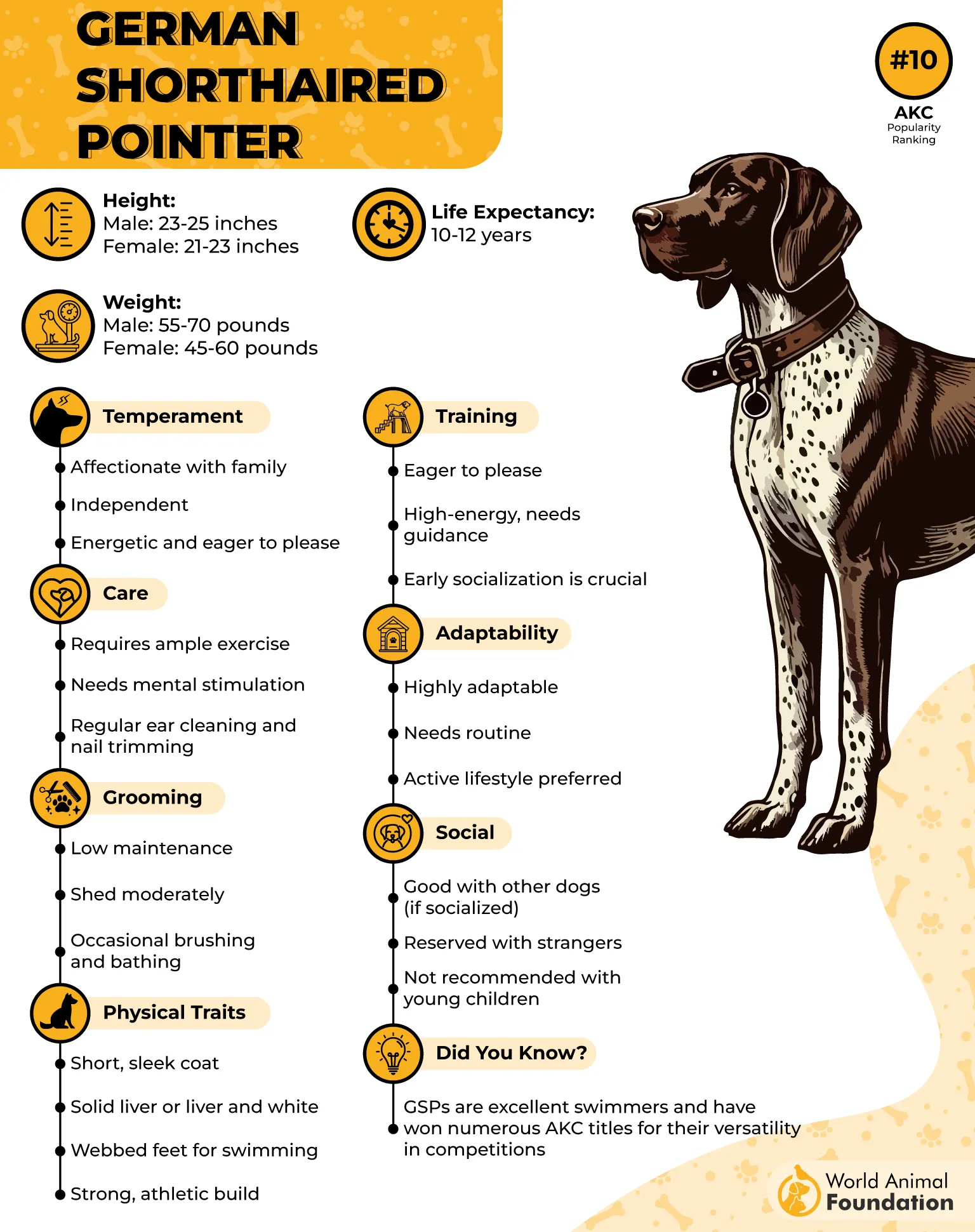
The second strength of this breed is its intelligence. GSPs are also good to train at advanced levels and can be taught complex tasks of tracking. They are often applied in field trials and in hunting situations where people compete.
4. Redbone Coonhound
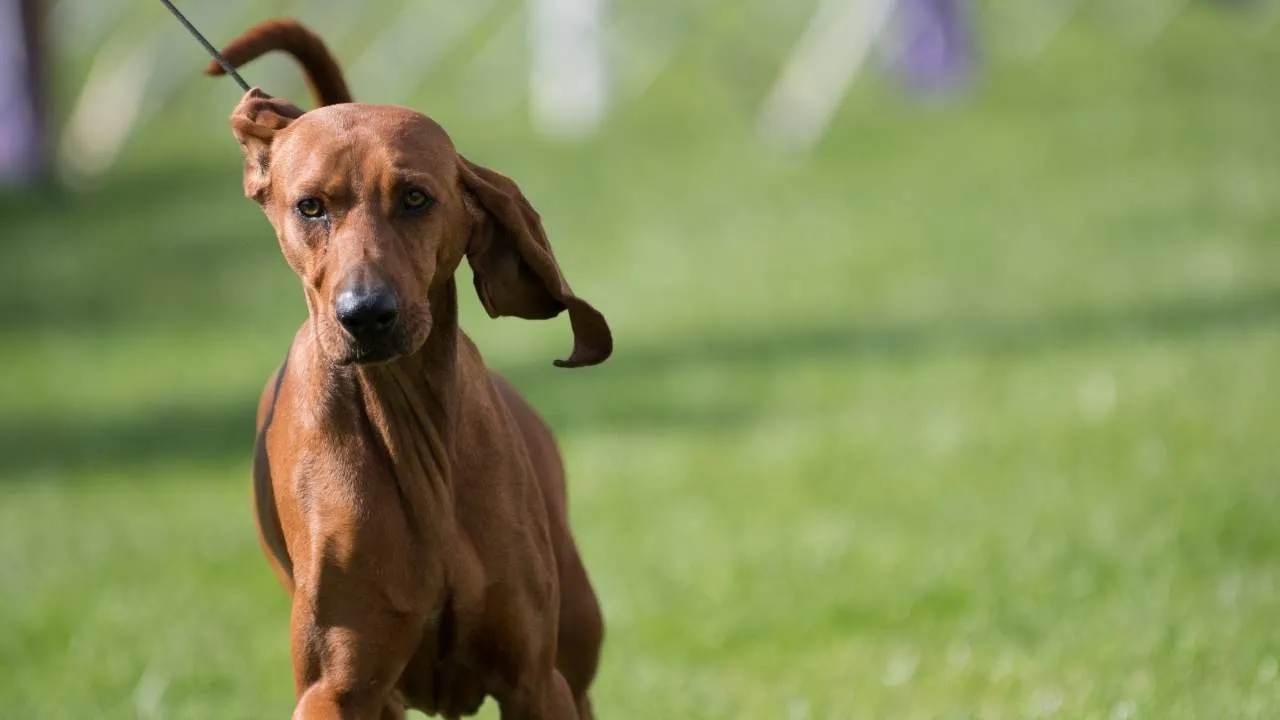
The Redbone Coonhound is a big scent hound found in the United States to track raccoons and other small game. It has a sharp sense and good tracking instincts, which it makes use of to track scent trails in the forest and over rocky terrain.
Endurance is one of the most astonishing abilities of this energetic dog. This breed is a good hunter as it can hunt long distances without losing sight of its prey, and thus, hunters who work in harsh conditions find this dog useful compared to other dogs.
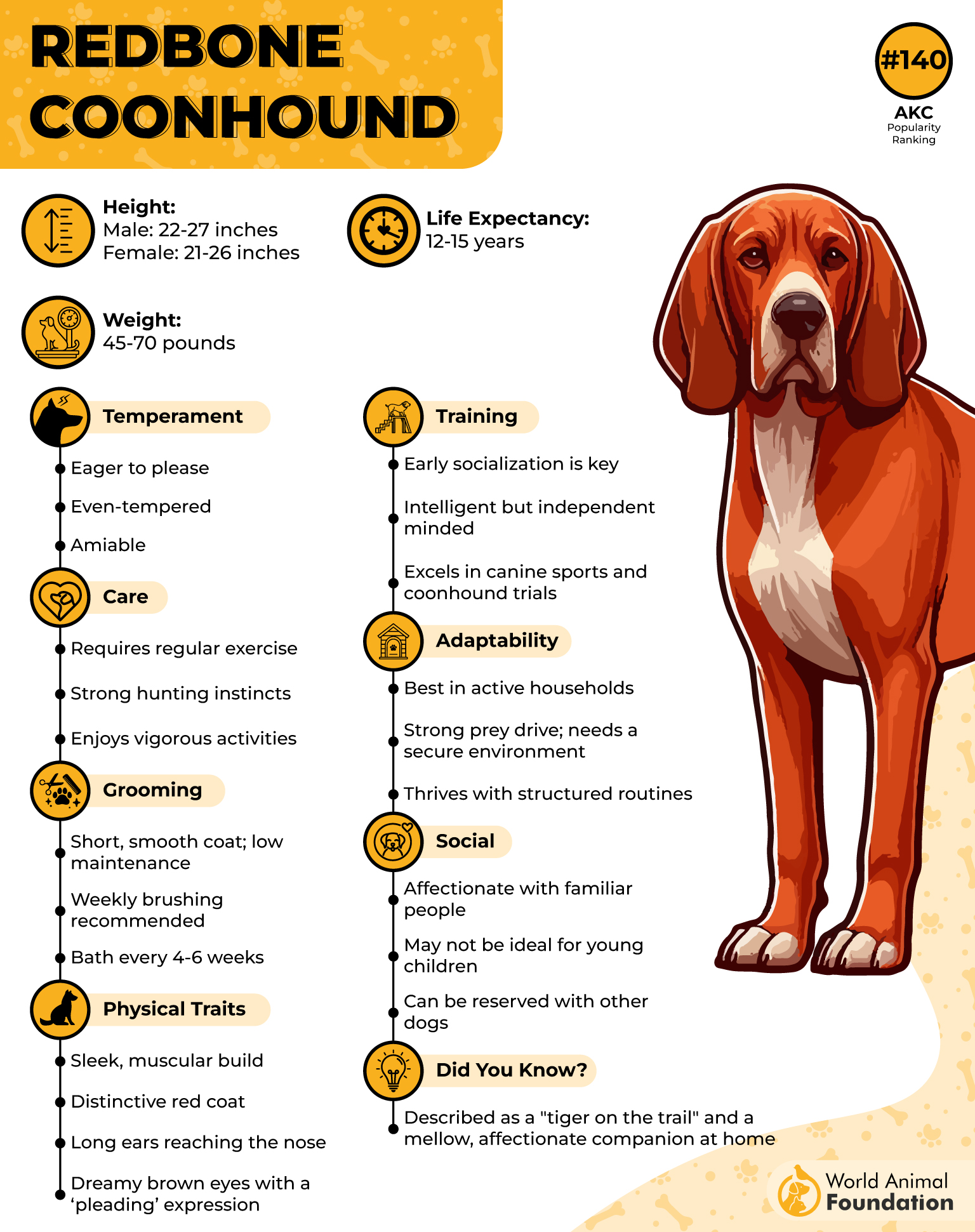
Another unique aspect of the Redbone Coonhound is that they assist hunters in tracking game when they are actively pursuing a scent trail. This type of vocal communication has been a major characteristic of coonhounds over time.
5. English Springer Spaniel
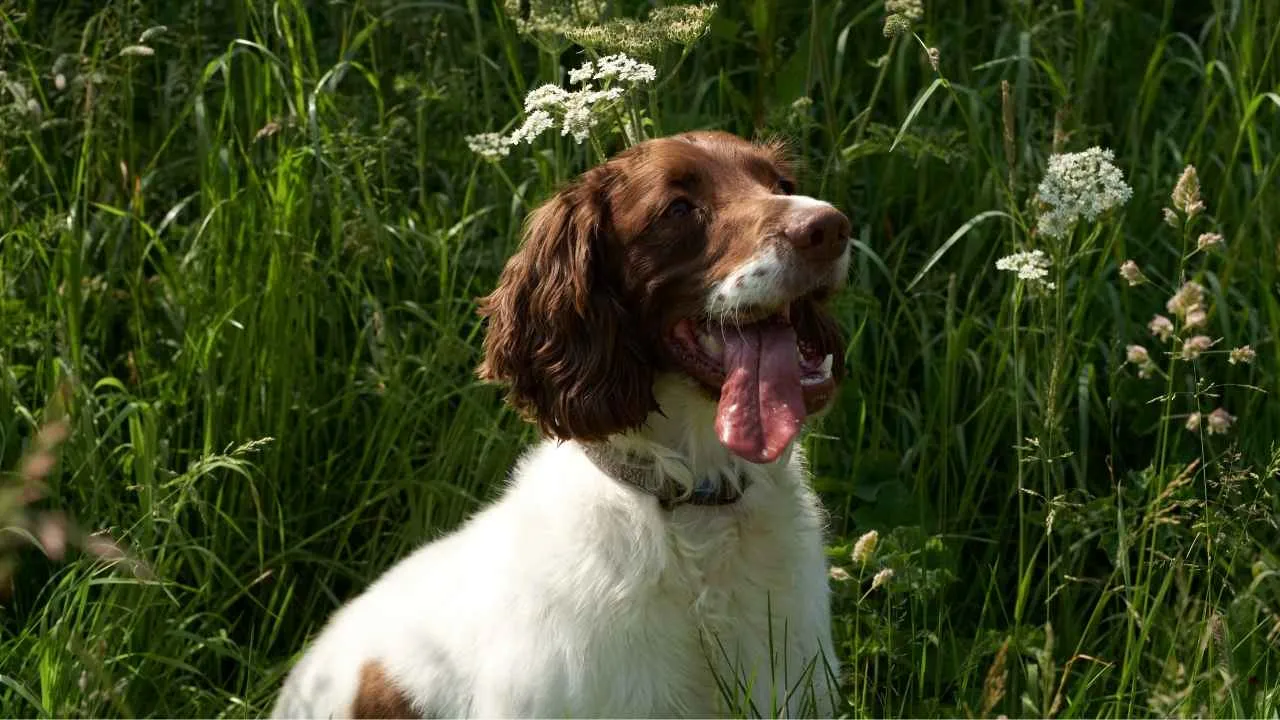
The English Springer Spaniel is a bird dog known for flushing birds; however, it has good scent-tracking skills. This gun dog is a vigorous breed developed in England to find and flush game birds out of thick cover.
ESPs are very sensitive and quick to learn. They have a strong sense of smell and can smell faint tracks, which makes them an asset to hunters and wildlife tracking teams.
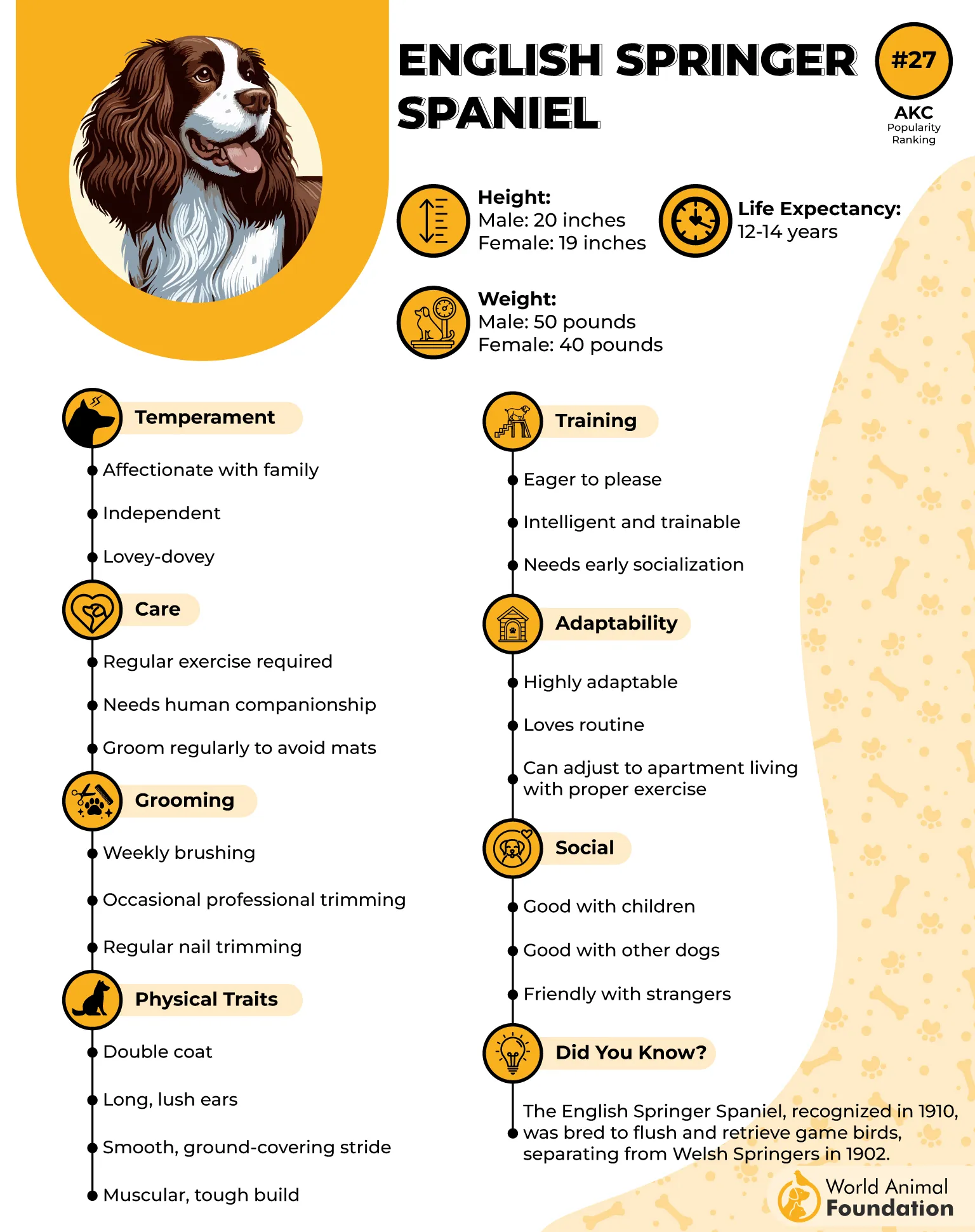
The other strength of this breed is an interest in work. A Springer Spaniel likes to be given activities that are not just challenging but also demanding, as it requires mental stimulation. They are frequently employed in other scent-detection functions other than hunting, such as search missions.
6. Black and Tan Coonhound
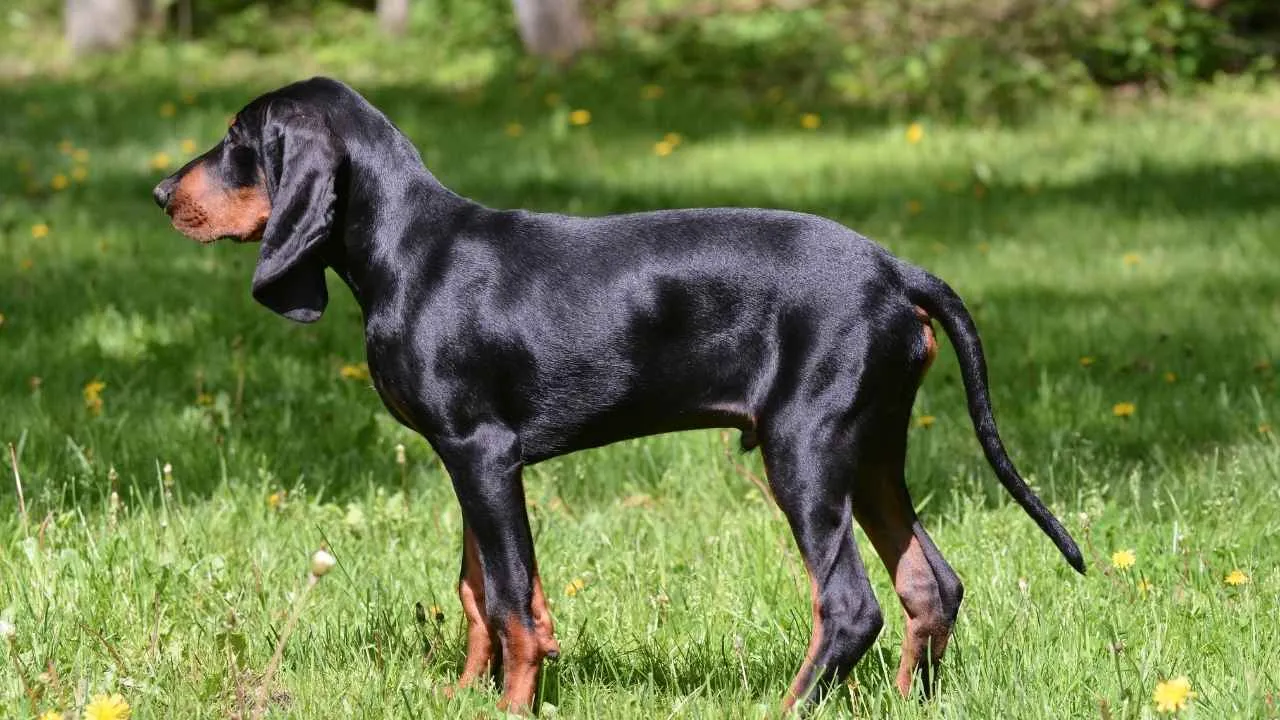
The Black and Tan Coonhound is a legendary American scent hound that has the capacity to follow raccoons or deer and other animals over a great distance. It is a very efficient tracking companion with its strong nose and low voice.
This breed was created as the result of mixing the bloodhound-like scenting with the endurance of making long hunts. This makes the Black and Tan Coonhound able to track cold scent trails that most other dogs would fail to track.
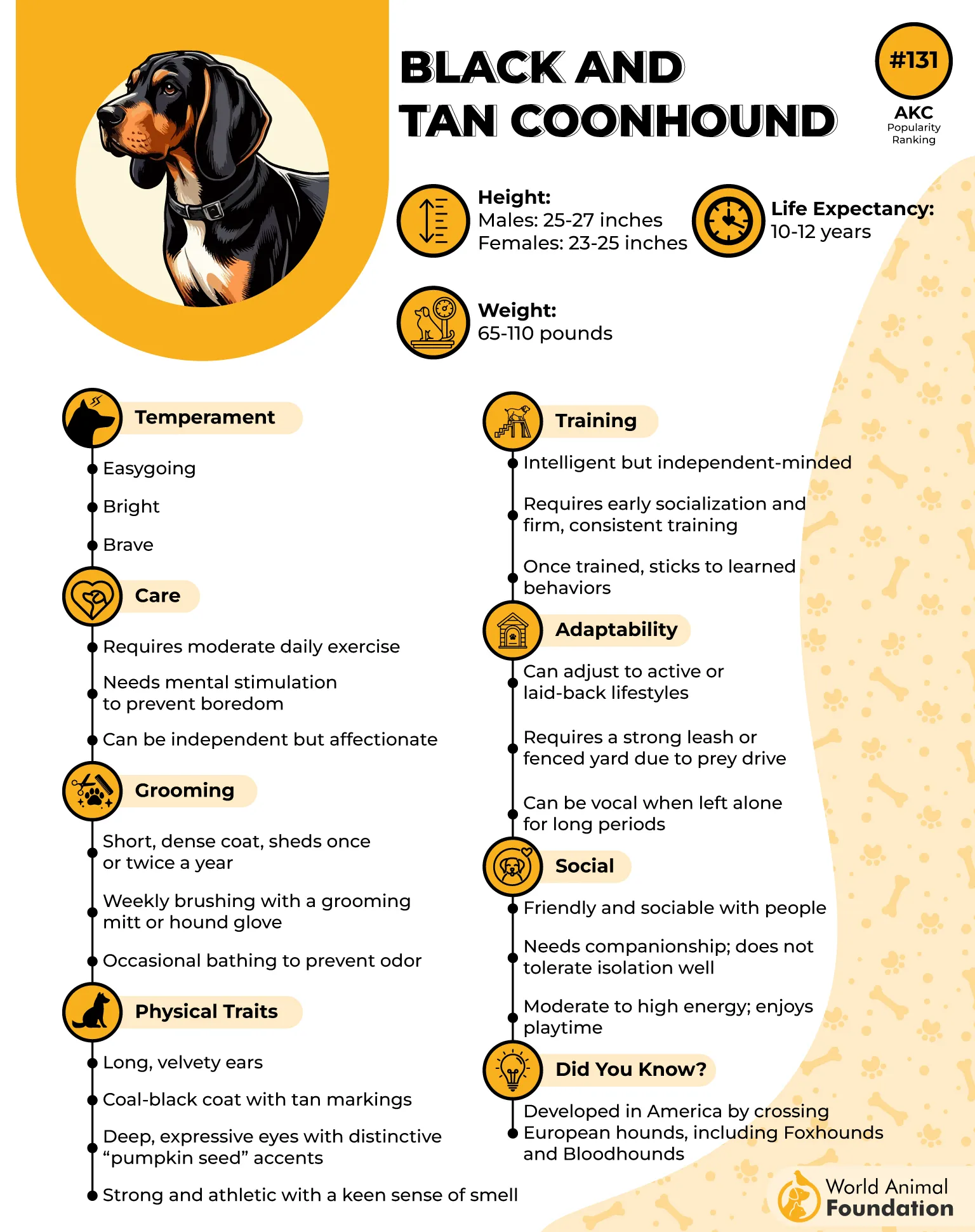
These dogs are also calm and have friendly personalities at home, despite being stubborn hunters. They are also good companions as they have the patience to be so, as long as they are given proper training and stimulation.
7. Bluetick Coonhound
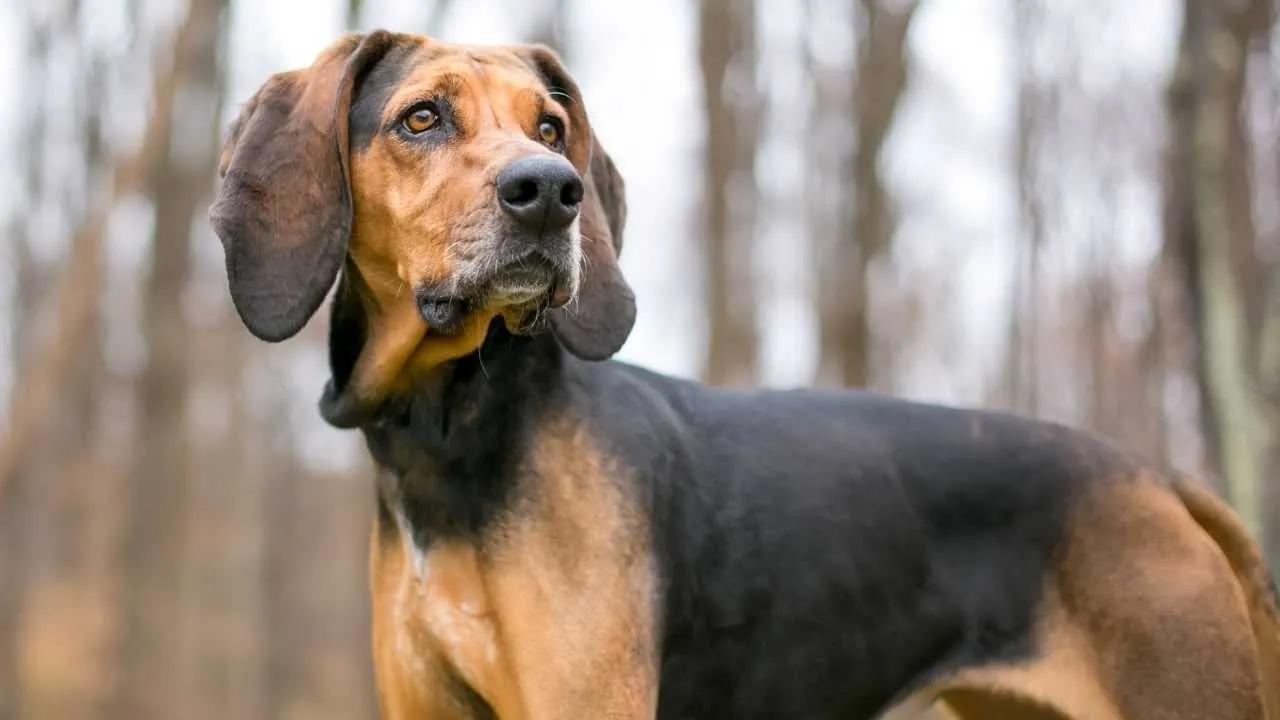
Another masterful scent hound is the Bluetick Coonhound, whose breeding in the United States was used to hunt and tree game. This hunting breed is instantly recognizable by its forceful mottled coloring and robust physique.
Bluetick Coonhounds are known to persist in scent trails. As soon as they track a track, they follow it systematically until they trace the animal. It is this determination that has seen them be of great value in hunting communities.
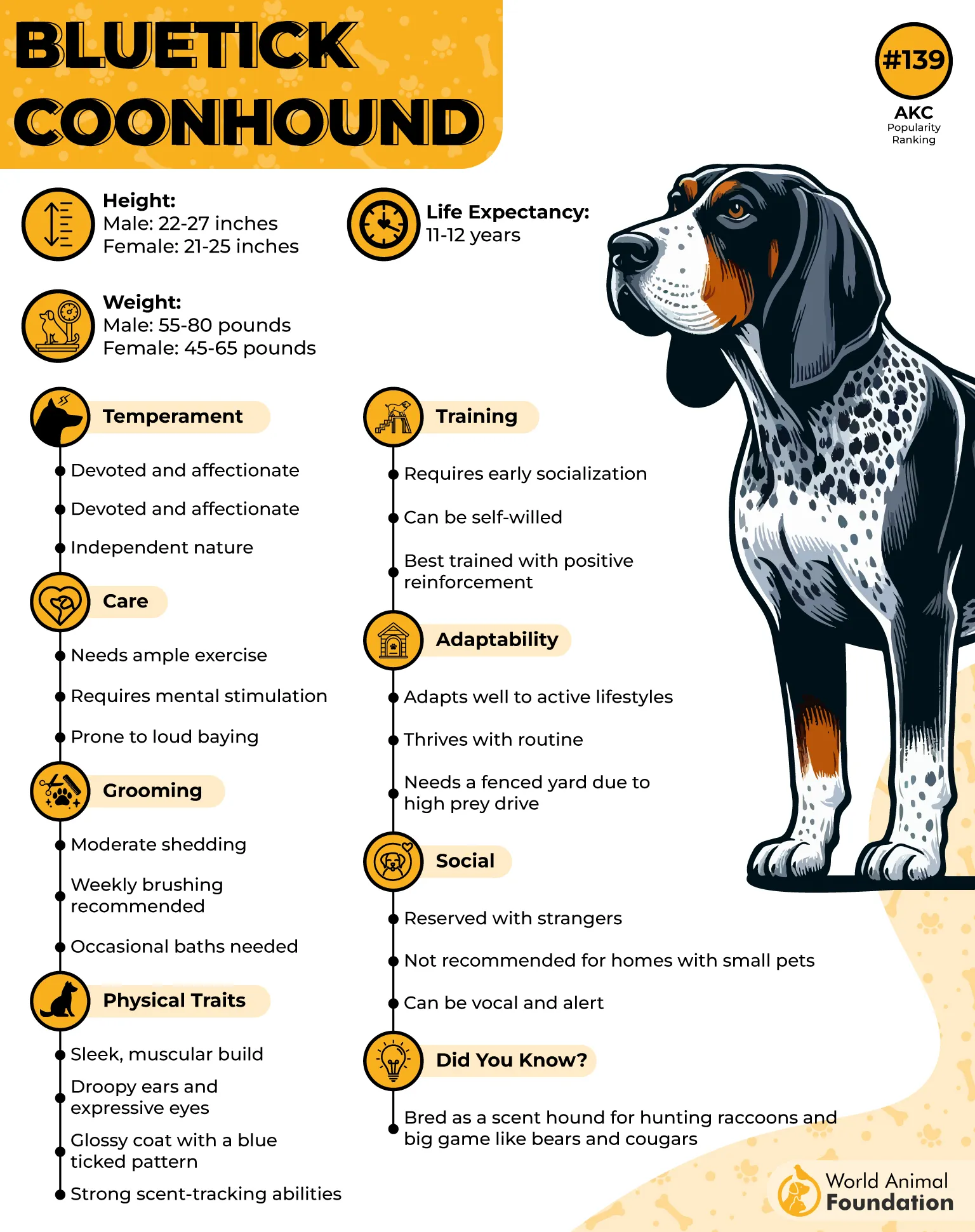
Their very loud and distinctive call also assists the handlers to know where they are going, even in thick forests. It is a significant aspect of the old-fashioned tracking that is presented by this kind of communication between a dog and a handler.
8. American Foxhound
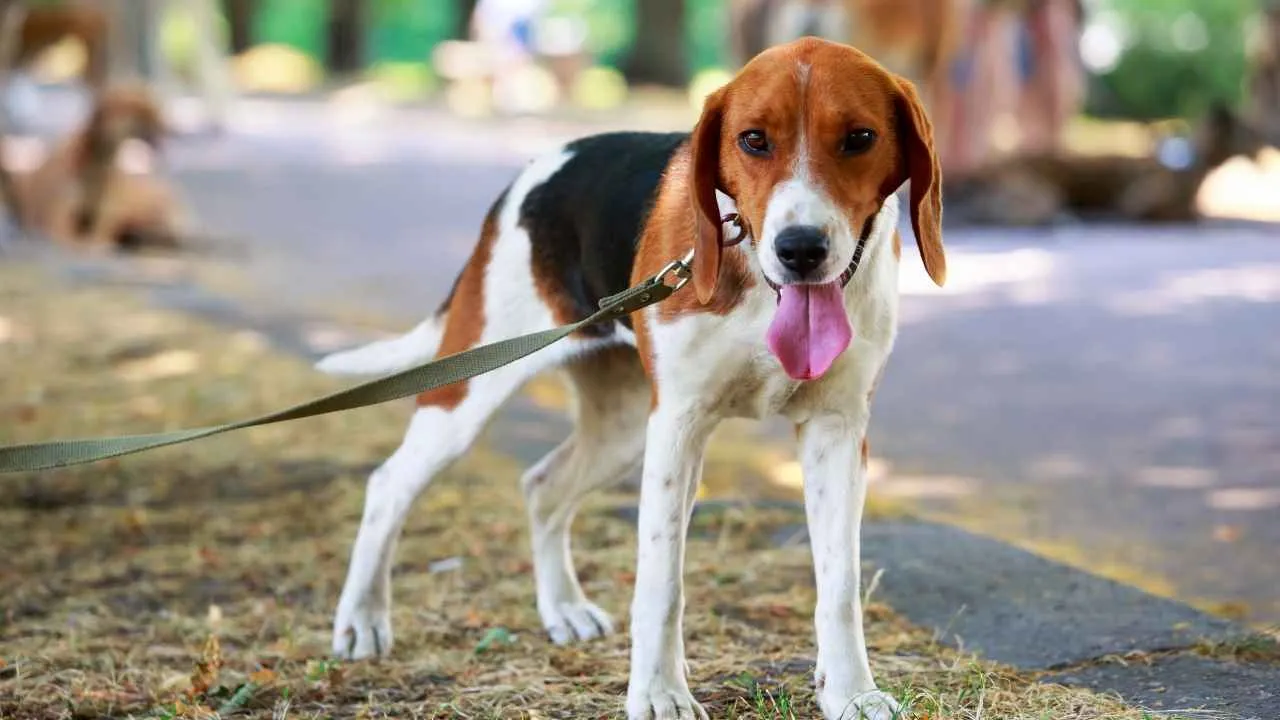
This breed is among the oldest breeds of dogs that have been developed in the United States. This hunting dog was originally bred to hunt foxes; it is characterized by its ability to move fast, endure long distances, complete hunting tasks, and its scent detection capability is remarkably good.
They are designed to go on long searches through expansive pieces of land. They have strong legs and efficient walking, which enables them to attain steady tracking performance over a long distance.
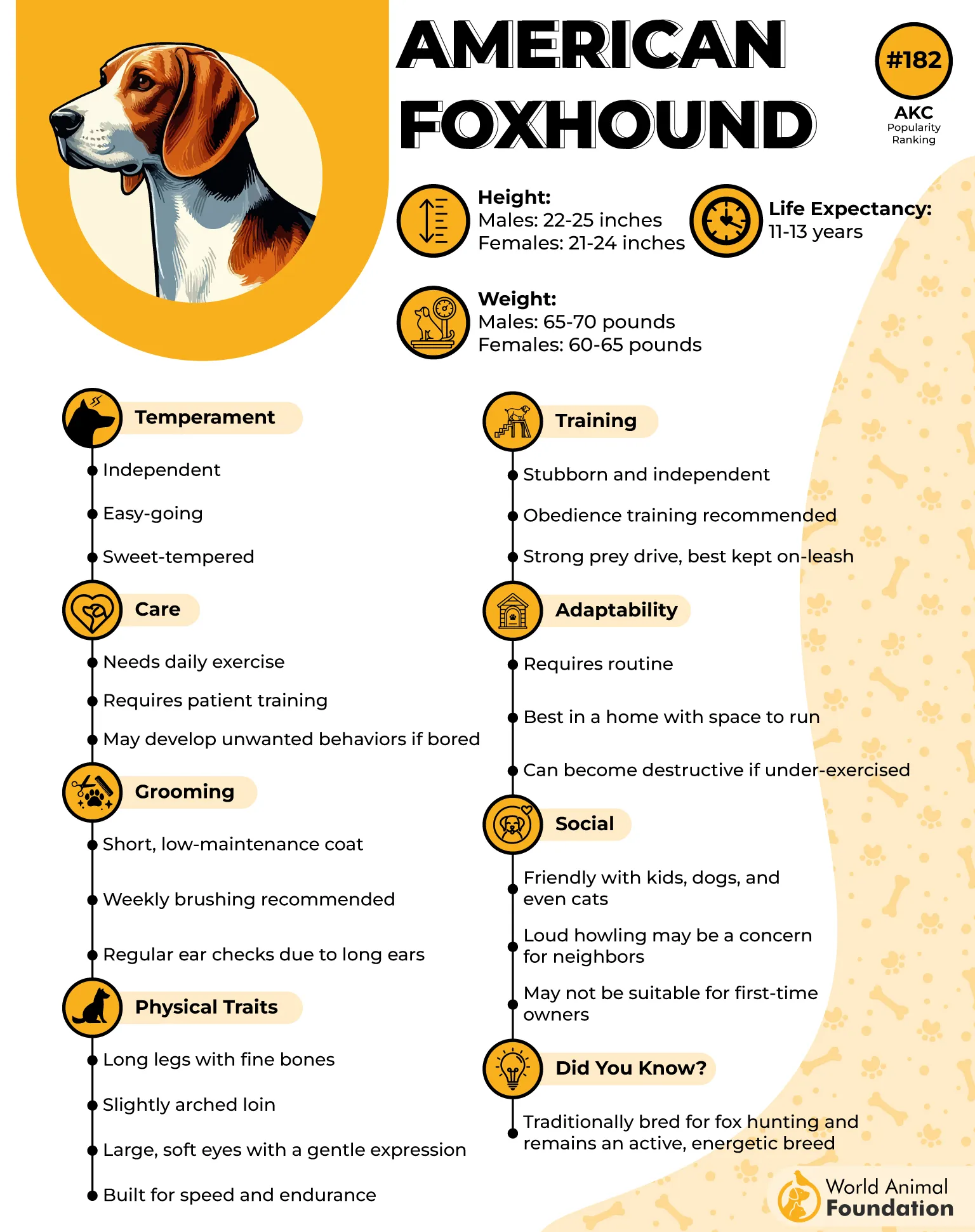
The other interesting trait of this dog is that it is social and makes for a great family dog. It is also through these dogs that strong collaboration and communication skills are exhibited.
9. Weimaraner
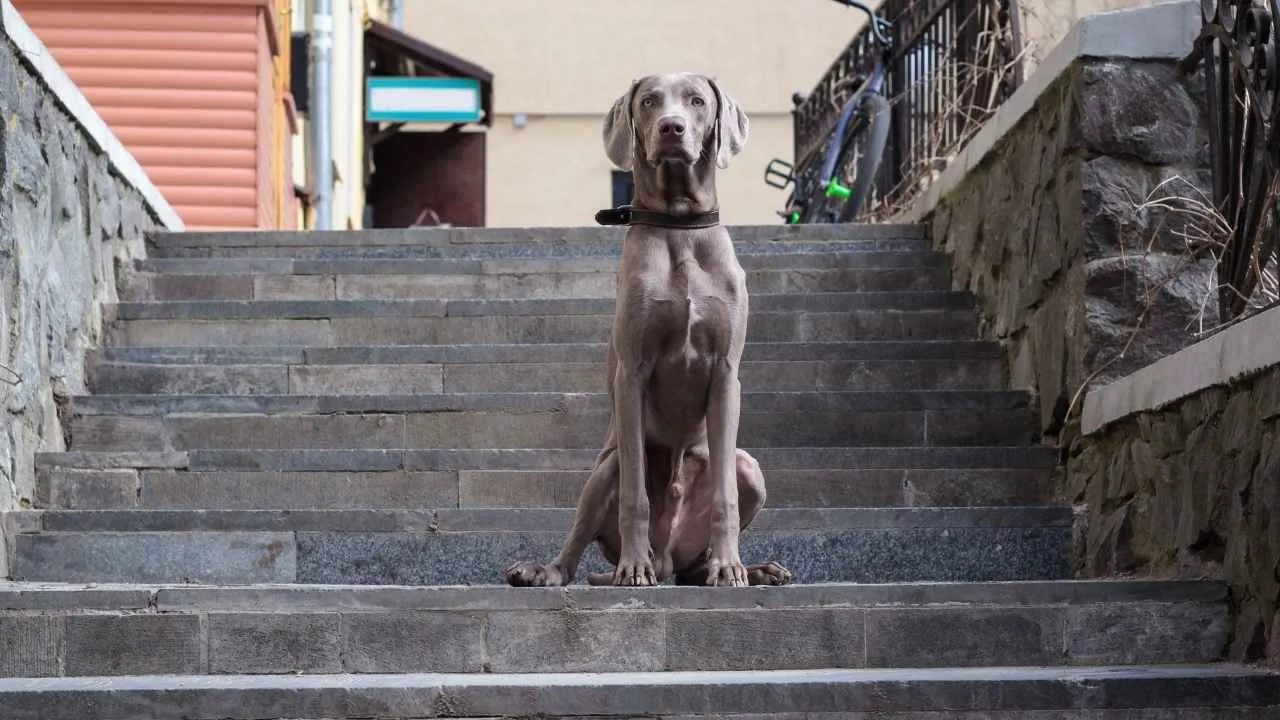
The Weimaraner is a smooth and fast hunting dog that was initially dedicated to the German nobility to hunt large game. It is a powerful tracking companion in a hunting environment as it has intelligence, speed, and stamina.
Weimaraners are good hunters of scent marks and finding wounded game. Their keen sense of instinct and willingness to work closely with human beings enable them to excel in tracking and trailing wounded game, amongst other hunting tasks.
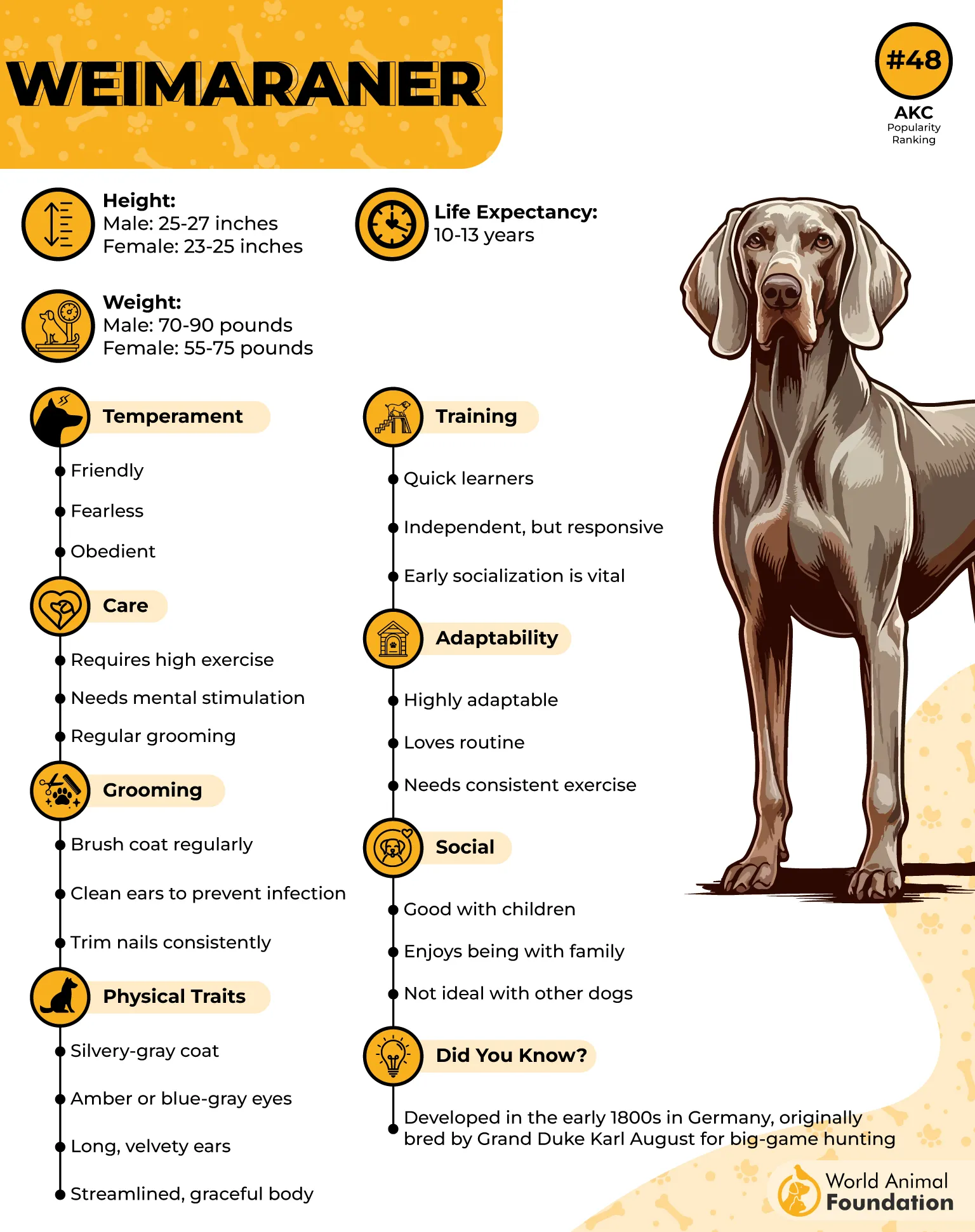
These dogs are also very loyal and develop strong bonds with people who handle them. Their energy levels are high, and hence, they demand regular exercise and activities.
10. Treeing Walker Coonhound
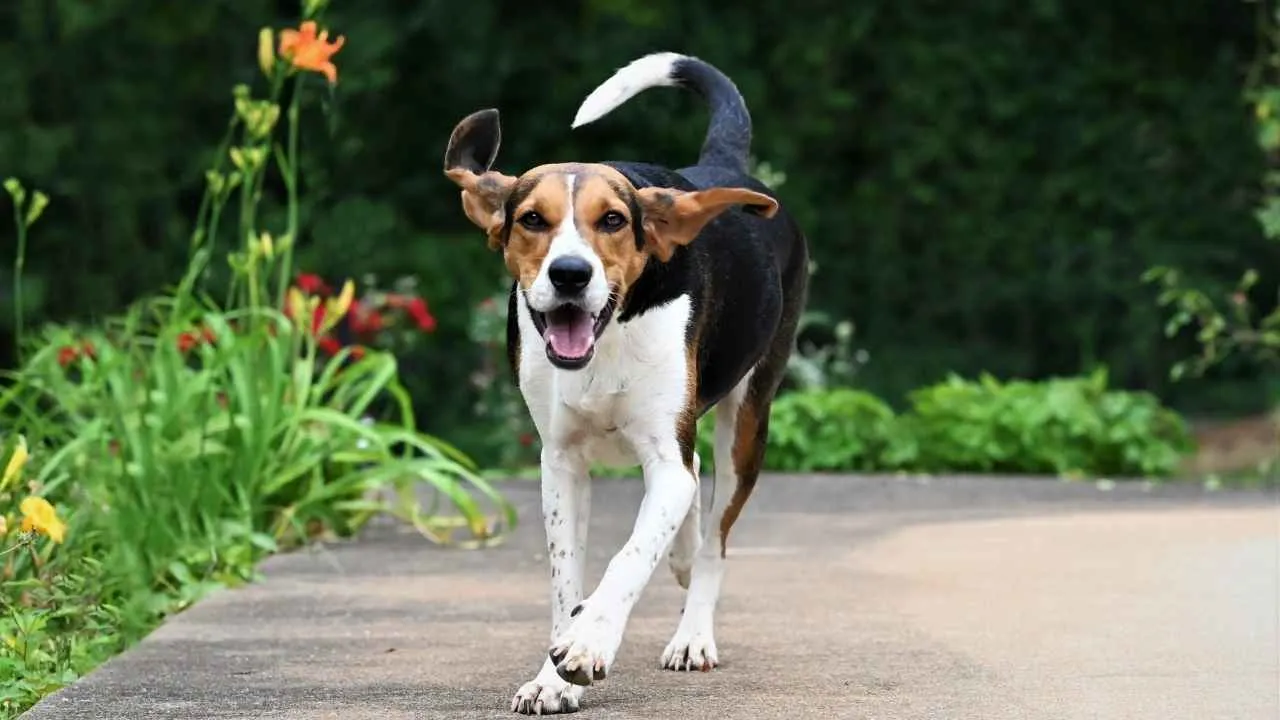
Treeing Walker Coonhounds can be trained as skilled upland game hunters, as per Orvis. This breed was developed in the United States, and it has a combination of speed, endurance, and a good acute sense of smell.
Treeing Walker Coonhounds have the capability of tracking scent trails at high speed and then tree the animal, or making the animal climb a tree where there is a tree trunk and barking at its base. This ability renders them particularly useful for hunting raccoons and other small game.
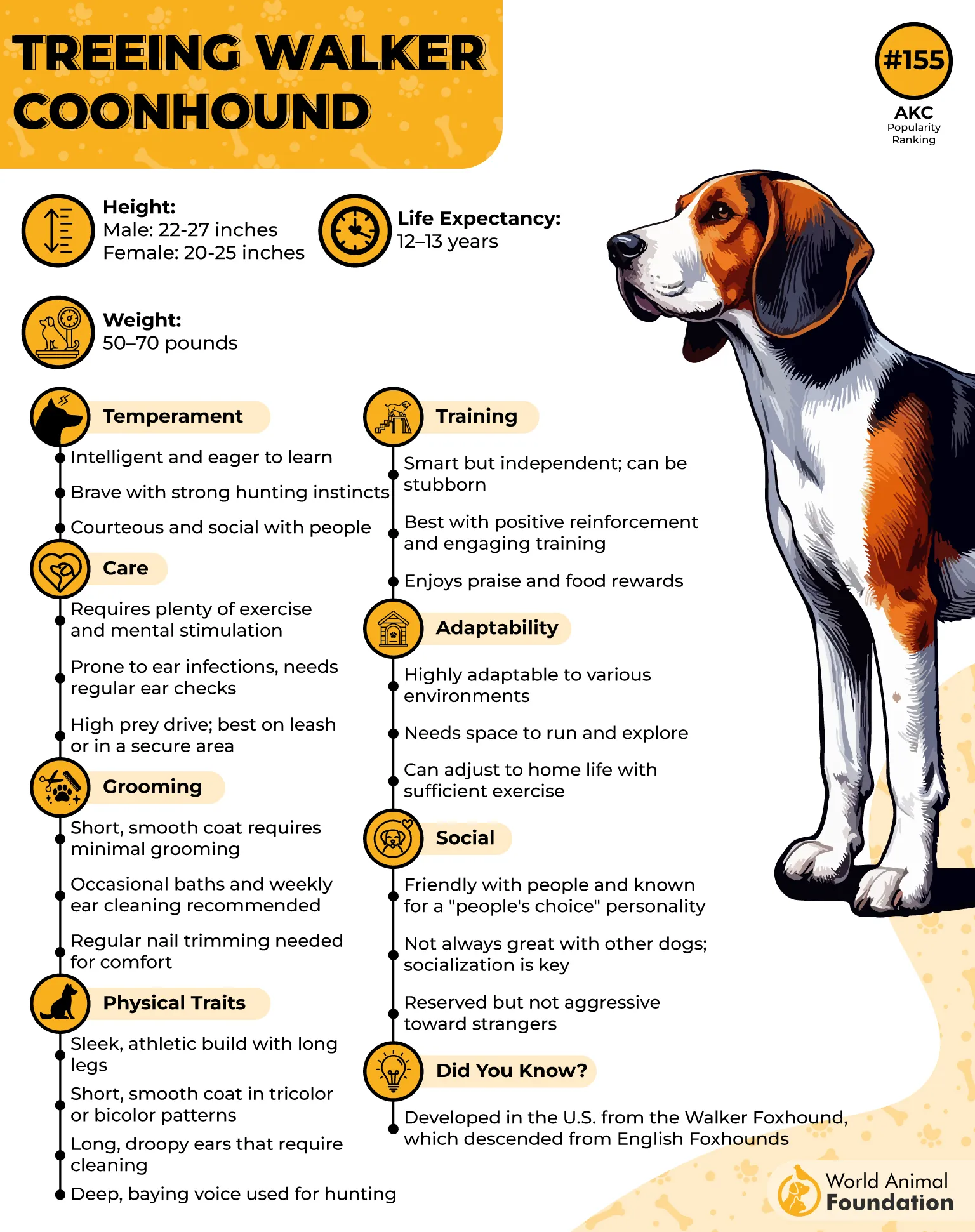
Their passion and motivation to follow pose them to be one of the best hunting companions out there, and they can only be handled by seasoned handlers who are capable of offering the necessary training and workout so this dog can meet their hunting needs.
Conclusion
Wildlife monitoring requires a special set of scent, respiratory, endurance, intellect, and perseverance. The breeds featured in this guide are highly developed breeds that have been developed over the years to perform these strenuous functions.
To every person interested in advanced wildlife tracking, the choice of the right breed is just the beginning. These dogs require training, regular exercise, and proper care to train them as good tracking partners.
The right guidance and passion can make such exceptional breeds prove why dogs are still one of the most extraordinary hunting and tracking companions ever to be produced by nature.
