





One sudden food change can turn a calm, playful cat into an uncomfortable, restless one overnight. Diet sensitivity is more common than many owners realize, and ignoring small digestive signs can lead to bigger health issues. Paying attention early can save your cat from long-term discomfort and stress.
Wilgers Vet notes that a cat’s stomach is very acidic to help digest meat properly. As obligate carnivores, cats eat mostly meat and sometimes small bones or feathers. If stomach acid levels drop too low, problems like indigestion, acid reflux, vomiting, and regurgitation can appear and affect daily well-being.
This blog is all about understanding sensitive stomachs, breed-specific needs, and the importance of consistent, high-quality nutrition. With slow food transitions and informed choices, you can support digestion, boost energy, and keep your cat healthy.
Cat Breeds That Are Sensitive to Diet Changes
1. Persian Cat

Most people recognize the Persian cat by its flat face and incredibly thick, flowing coat. This breed requires specific care to maintain a healthy digestive system. Because their bodies are unique, their need for a balanced diet is much higher than that of a standard house cat.
Digestive issues are common because their long fur often leads to hairballs, which can trigger a sensitive stomach. A Persian may suffer from a dull coat or skin irritation if their food isn’t balanced. The cat’s digestive system reacts poorly to sudden food changes.
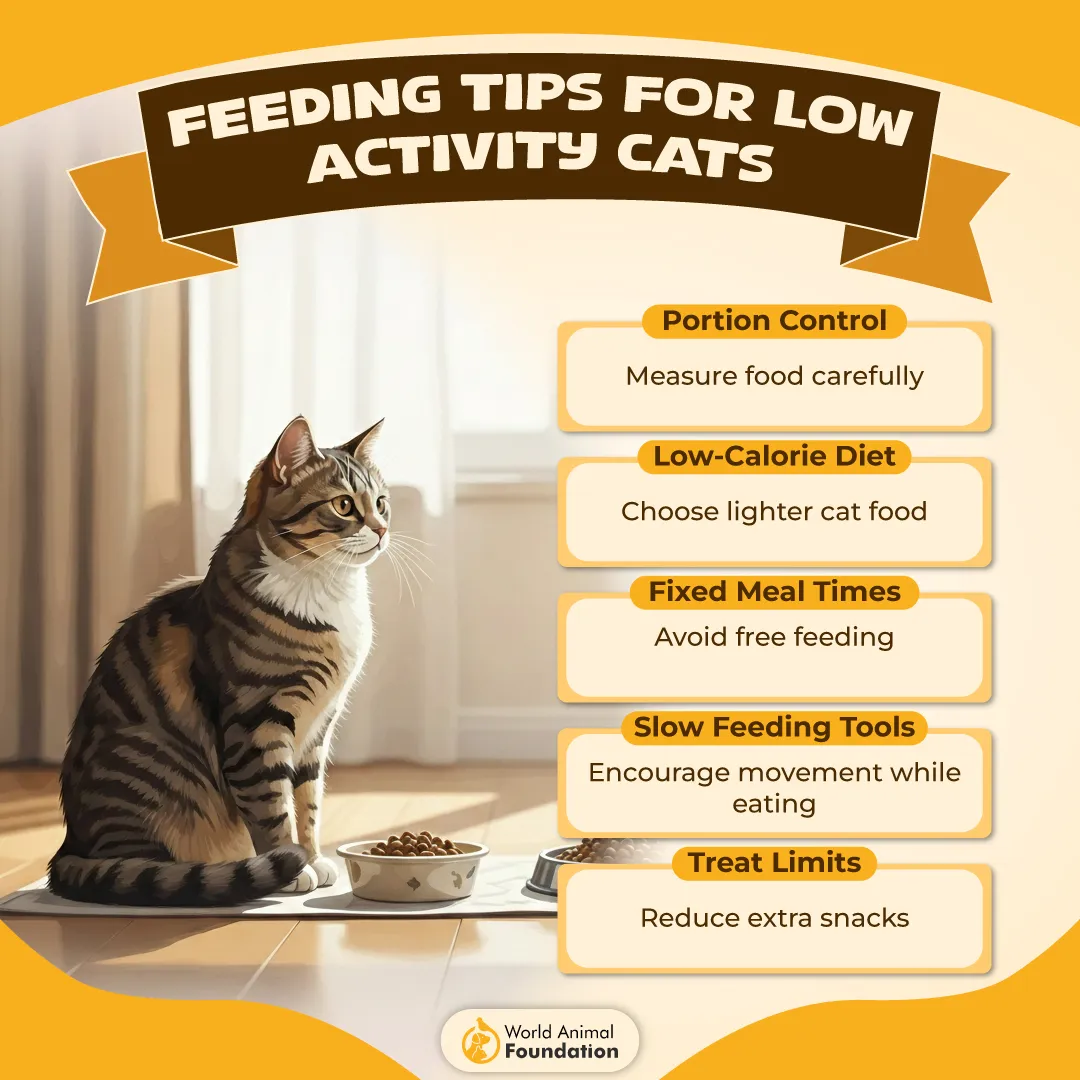
To stay strong, these cats require high-quality animal proteins to protect the immune system. Choosing a recipe with real meat is vital for a Persian to maintain muscle mass and general health. Without the right nutrients, they can quickly become lethargic or experience unhealthy weight loss.
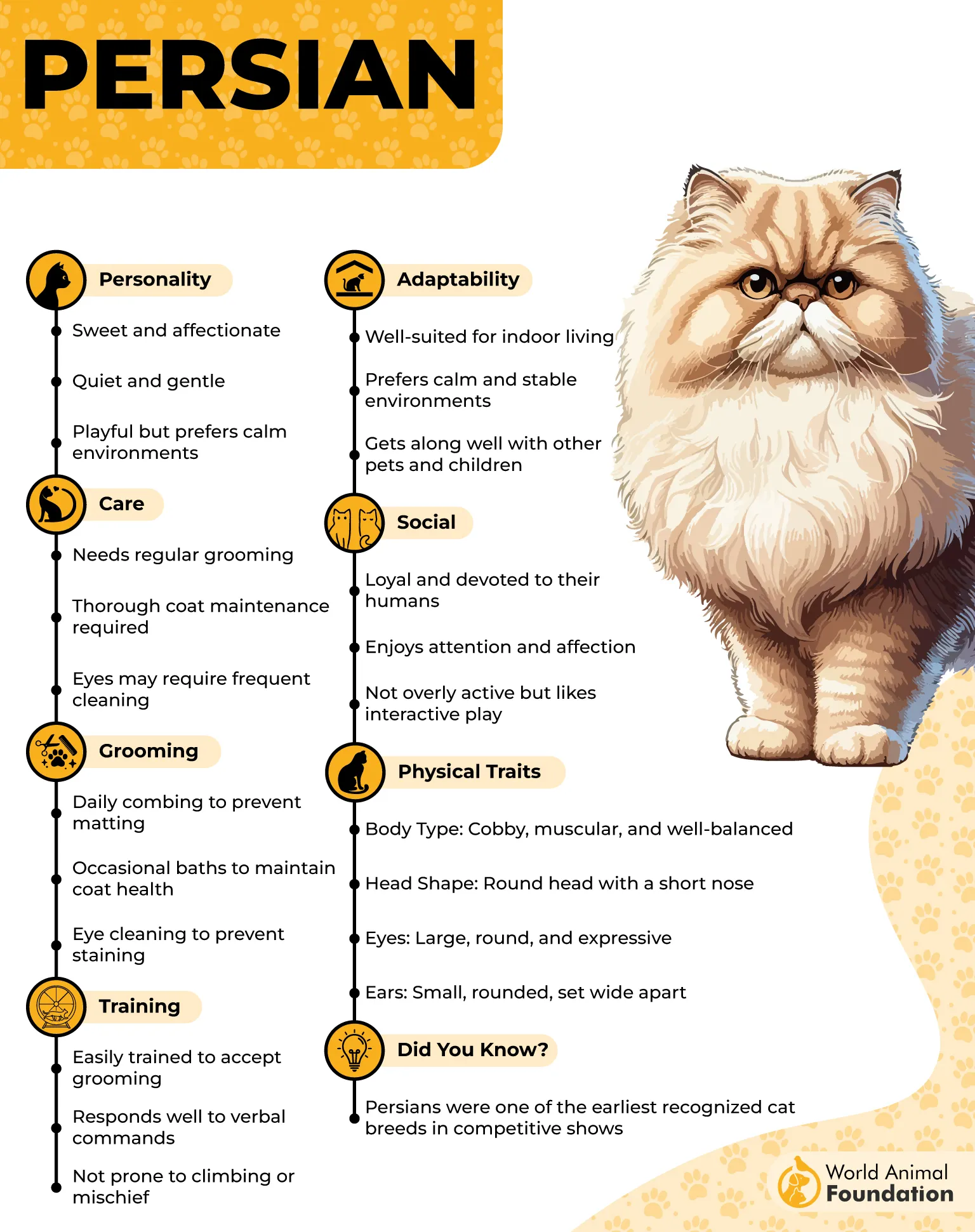
Picking up large pieces of food is a struggle due to the shape of their jaw. You should look for small, easily digestible food that is easy on the cat’s sensitive stomach. This prevents them from swallowing too much air, which helps keep the stomach calm and prevents bloating.
2. Siamese

Siamese are famous for their striking blue eyes and social personalities. Originally from Thailand, these are among the oldest and most intelligent breeds, as mentioned by Britannica. While they are wonderful pets, they are prone to certain food sensitivities that can lead to chronic discomfort for your feline friend.
Specifically, Siamese bodies are susceptible to inflammatory bowel disease (IBD). This normally playful cat might start vomiting or losing weight if their food is changed too quickly. These common symptoms indicate the cat’s sensitive stomach is struggling to handle the current meal plan.
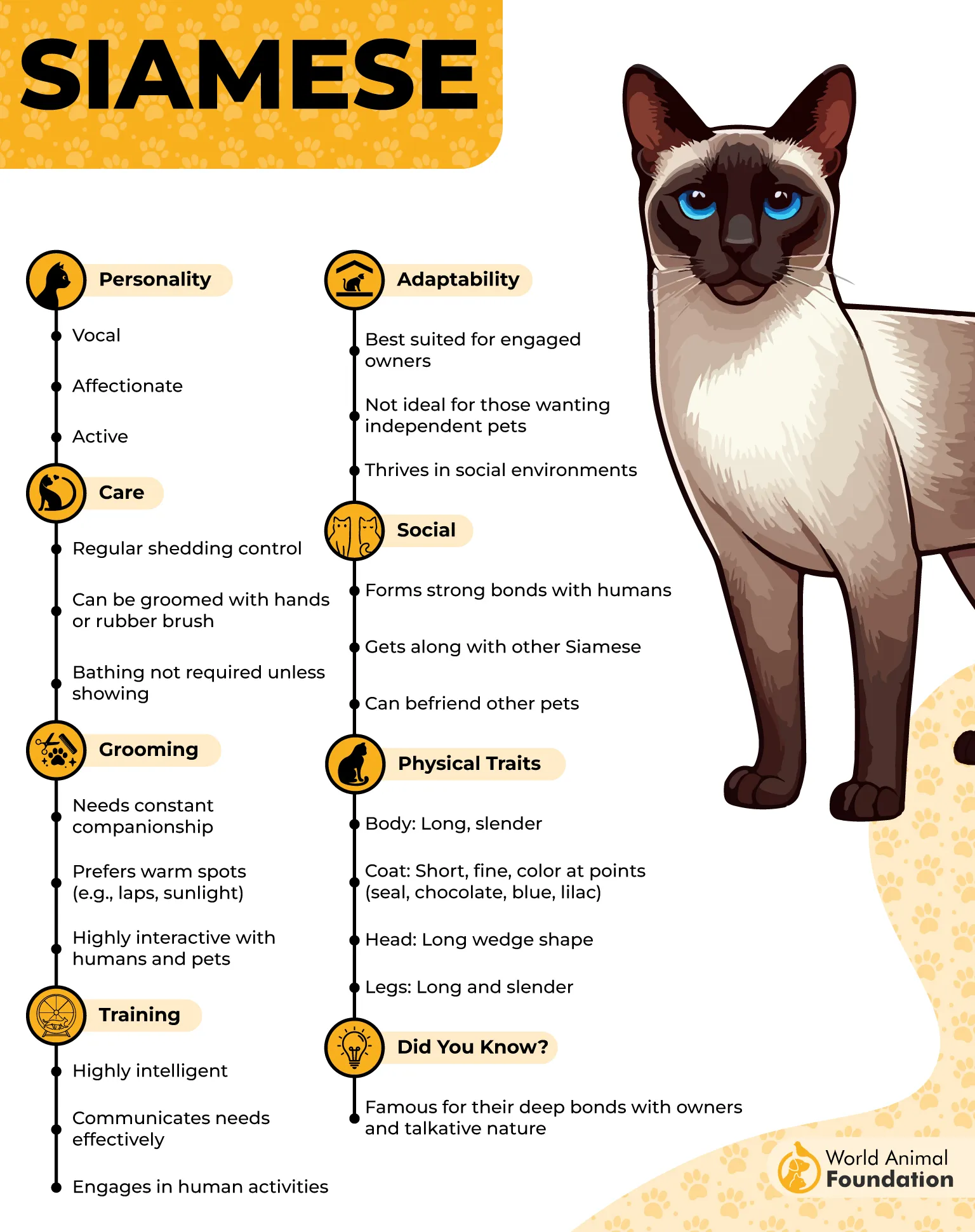
Keeping them healthy starts with a very balanced diet and plenty of fresh water. Many owners find that Siamese do better on hydrolyzed protein diets that use special enzymes to aid digestion. Regular trips to the vet help monitor their condition and catch any underlying health conditions before they become serious.
It is very important to find a breeder who cares about the health of the parents. Since good breeders test for genetic issues, your Siamese is less likely to inherit painful food intolerances. Adopting a healthy cat helps in managing their gut health much more easily for pet parents.
3. Ragdoll
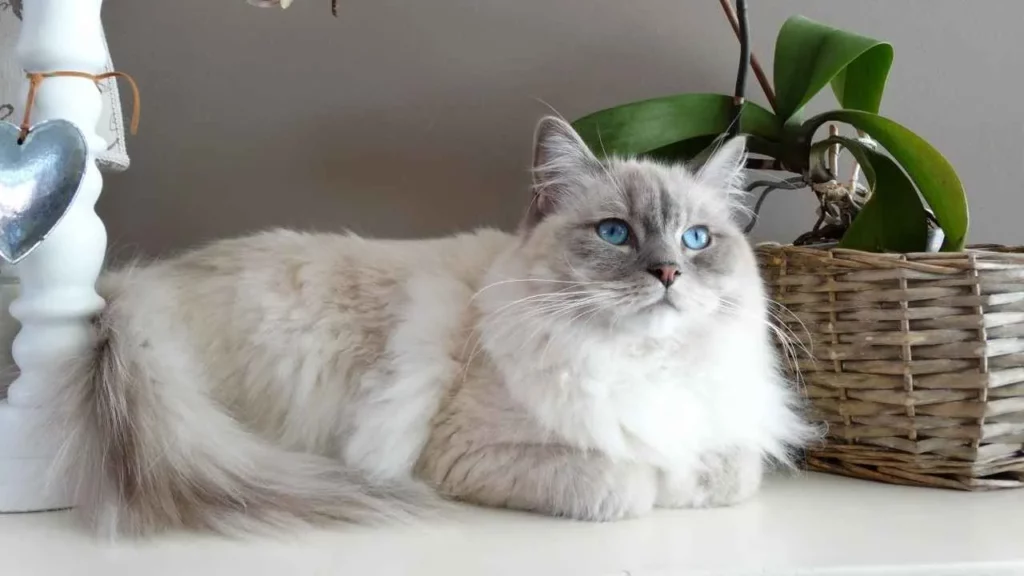
The Ragdoll is a large and fluffy cat that loves to relax on your lap all day. While they are “gentle giants,” their large size means you must watch their diet closely to protect your cat’s health. It is easy for these cats to get too heavy because their thick fur often hides their actual body shape.
An overweight Ragdoll faces big risks like diabetes or painful joints as it gets older. You have to be very strict with their portions to keep them at a safe weight and maintain a strong immune system. Many Ragdolls have a hard time processing ingredients like gluten or certain cheap protein fillers.
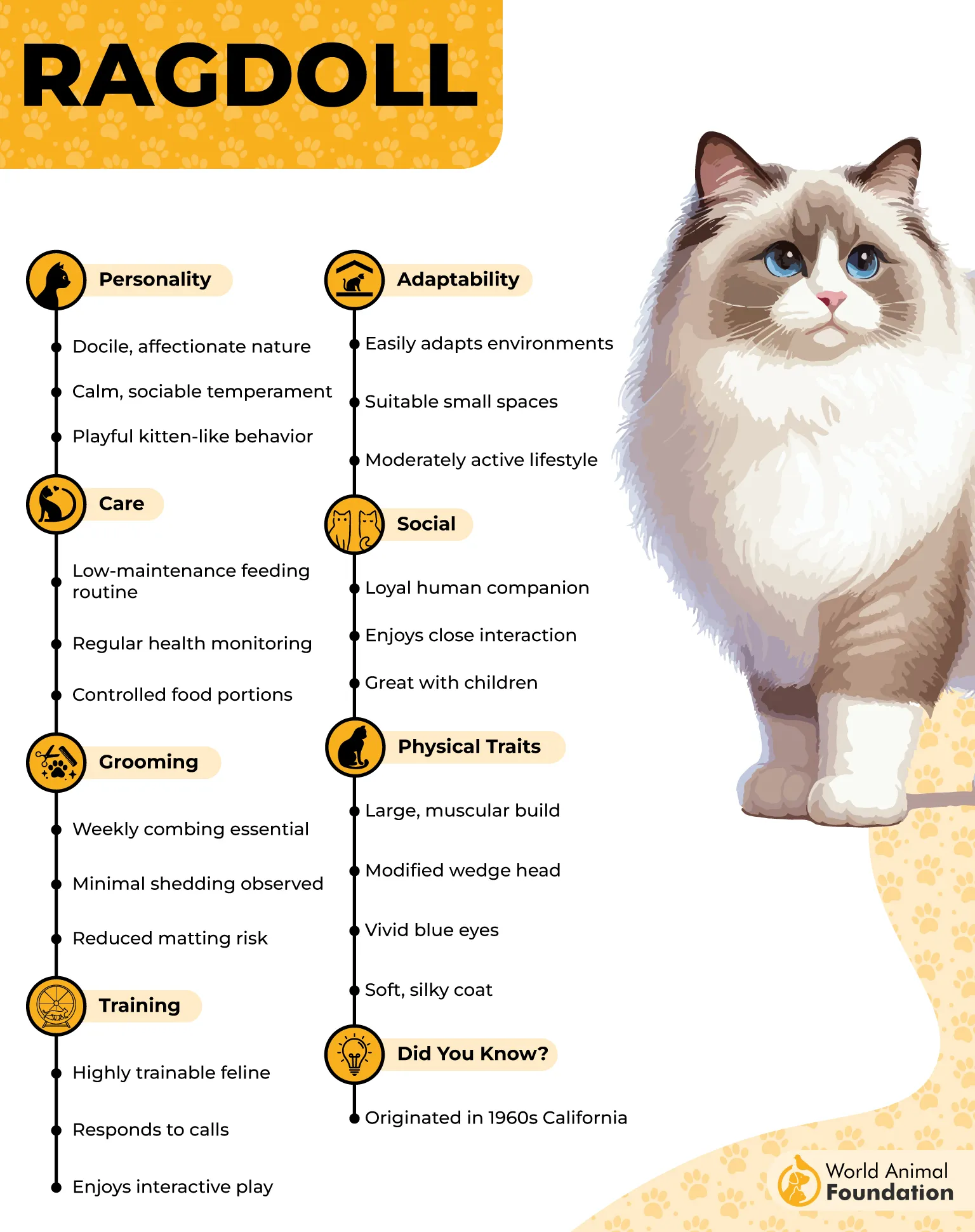
If the food isn’t right, a Ragdoll will likely suffer from gas, bloating, or messy litter box habits due to food intolerances. Switching to a balanced food with fewer ingredients usually helps clear up these uncomfortable gastrointestinal symptoms.
A calm home and a steady menu are the best ways to keep their gut healthy. Since stress is a big trigger for bathroom problems, this large cat needs a very consistent daily routine to maintain digestive health. Keeping their food the same helps prevent the inflammation that causes sensitive cats so much distress.
4. Sphynx
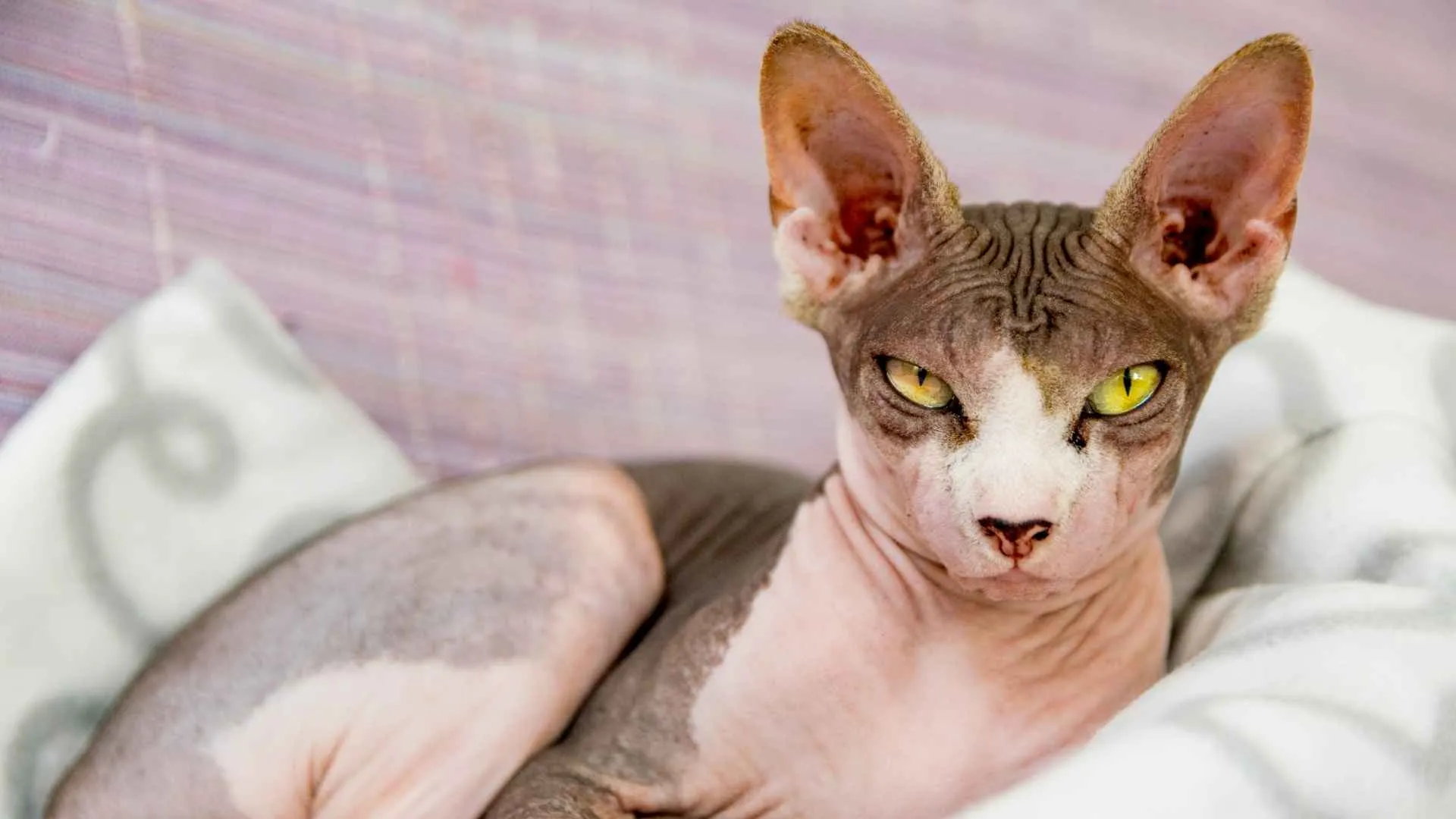
The Sphynx is a special breed because it has no fur, making it feel very warm to the touch. They are famous for being cuddly and always looking for a warm spot to nap. Even though they look serious, these cats are very funny and love to play with their owners.
Royal Canin notes that because they have no hair, they have to eat a lot more to stay warm. This fast metabolism means a Sphynx puts a lot of stress on its digestive system every single day. They are very reactive to food changes and often have food sensitivities to common proteins.
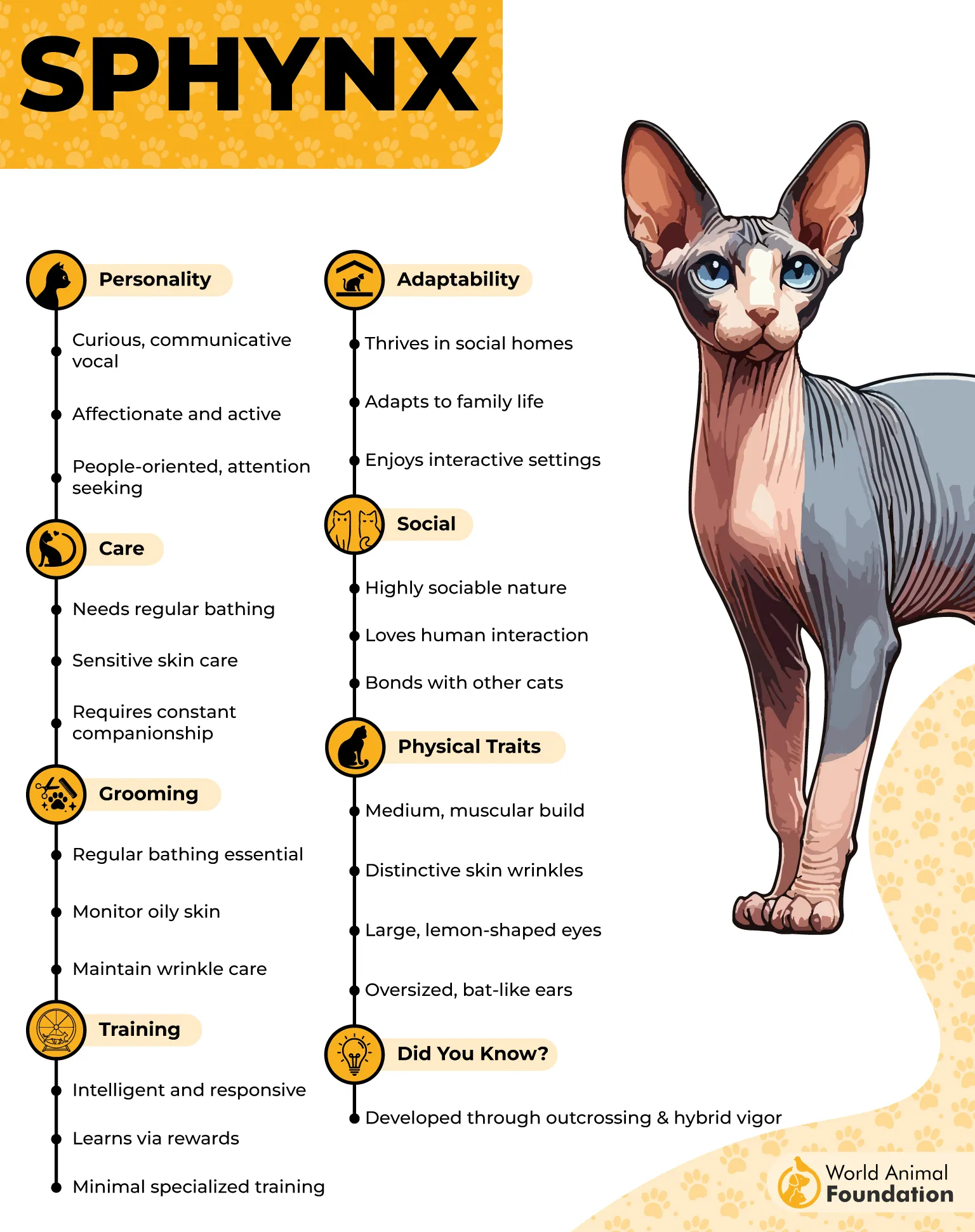
Feeding them a raw or very high-quality fresh diet can help settle a rumbly, sensitive stomach. By removing fillers, the Sphynx gets the pure energy it needs without getting a stomachache. Providing easily digestible food ensures they get the nutrients.
Always remember to change their food very slowly so their delicate internal systems can adjust. Managing a delicate stomach requires patience, but balanced nutrition ensures Sphynx stay active and warm without triggering an underlying disease.
5. Cornish Rex

Cornish Rex has a skinny body and soft, wavy fur that feels like velvet. While they look elegant, this often hides significant food sensitivities. It is not normal for a cat to vomit after every meal, but this is one of the common symptoms that happens to certain breeds often.
A Cornish Rex may be reacting to a specific ingredient in their bowl that their body just cannot handle. You should talk to a vet if you notice they are struggling to keep food down or showing signs of inflammatory bowel disease.
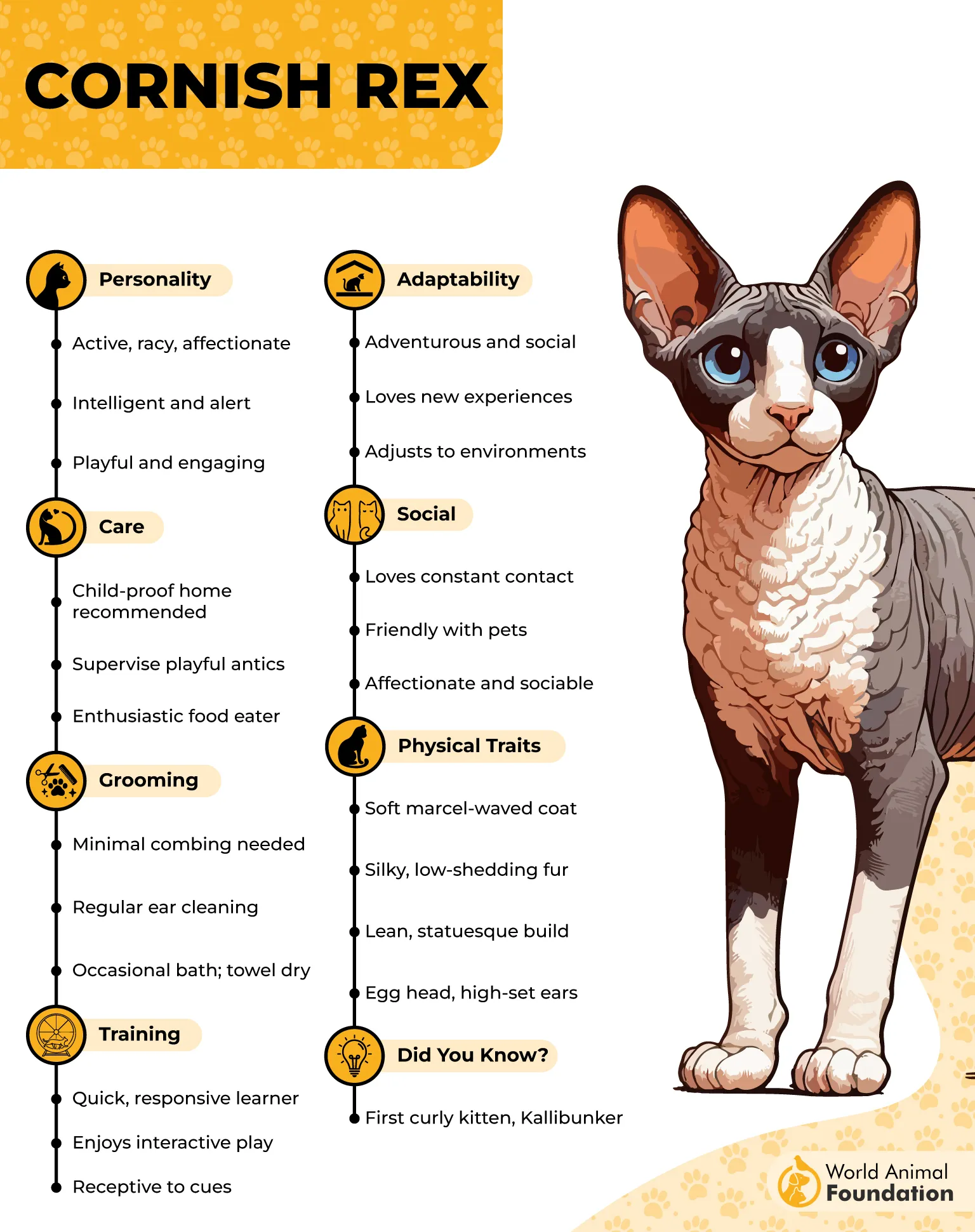
To fix these issues, you might need an “elimination diet” to find the trigger. Your Cornish Rex will feel much better once you remove the grains or proteins that cause them pain and disrupt gut health. Finding the right balance is the key to stopping their digestive upset for good.
Because they have such a thin coat, they also get cold much faster than other cats. A Cornish Rex will always try to find a sunny window or a cozy blanket to stay warm. Keeping them warm helps them maintain a healthy digestive system by focusing energy on processing a balanced diet.
6. Scottish Fold

Scottish Folds are famous for their forward-folded ears and sweet expressions. Even though they look different, their internal organs are still like those of a wild hunter. The Scottish Fold has a hard time digesting carbohydrates, which can lead to a sensitive stomach.

Scottish Folds really need a cat’s diet that is mostly made of meat, bone, and soft tissue. Since these cats are not very active, they get fat very easily if you aren’t careful. Obesity is a major problem because it puts too much weight on the joints and impacts overall health.
High-quality wet food is a great choice to keep Scottish Folds hydrated and lean. If you feed them food with too much fat or fiber, they can develop serious inflammatory bowel issues or other food allergies.

Most owners report that a Scottish Fold needs a grain-free diet to stay healthy and avoid negative litter box habits. Sensitive stomach cat food is the best way to prevent long-term health problems and ensure they remain robust.
7. Chartreux

The Chartreux is a sturdy breed from France, but its stomach is actually quite delicate. A Chartreux can get very upset if you suddenly switch their food brand or give them rich treats. They do much better when their meals stay the same every day.
High-fat foods develop sensitivities in these blue-gray felines. You should keep a Chartreux on a simple, high-quality diet to avoid bloating or frequent vomiting. Consistency is the most important factor for a smooth working digestive system of this feline friend.
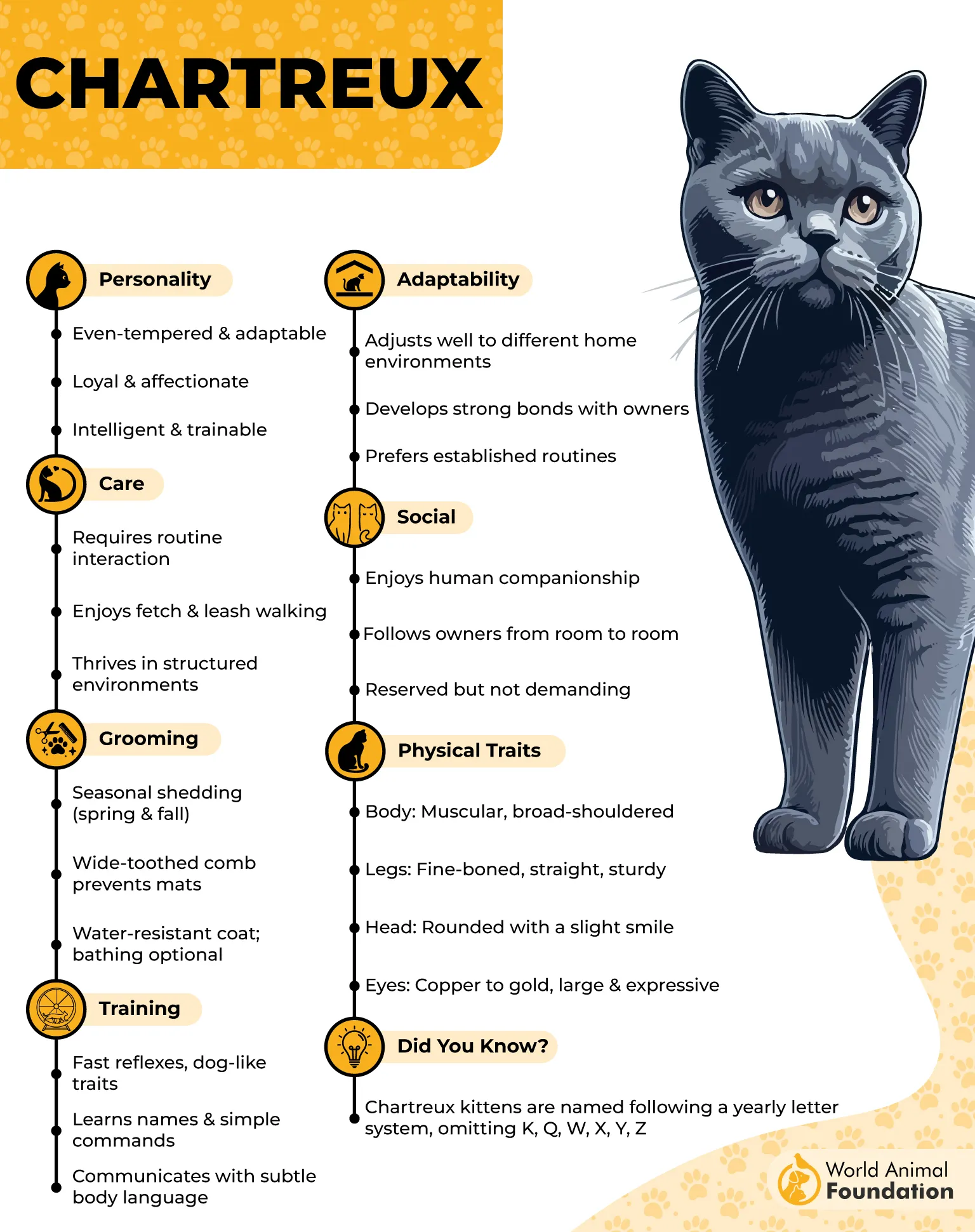
When you get a kitten, make sure the breeder has checked for any underlying disease. A healthy Chartreux can live a long time if it is fed correctly with a balanced diet tailored to its specific needs.
Focusing on a stable routine will ensure your silent companion stays happy and pain-free. Avoiding food intolerances through a steady diet and proper gut health management will help your Chartreux thrive well into their senior years.
Conclusion
Diet sensitivity is not something to take lightly, especially when small changes can lead to big discomfort. Paying attention to ingredients, portion sizes, and consistency can make a noticeable difference in daily comfort and energy levels.
Slow transitions and high-quality nutrition help keep digestion steady and predictable. When meals stay familiar and balanced, the body can focus on staying strong instead of reacting to stress or irritation caused by sudden changes.
Remember, a little patience goes a long way. Sticking to a routine, watching reactions closely, and choosing food wisely creates a happier, healthier companion and far fewer messy surprises along the way.
